
How Palm Beach Lives Outdoors
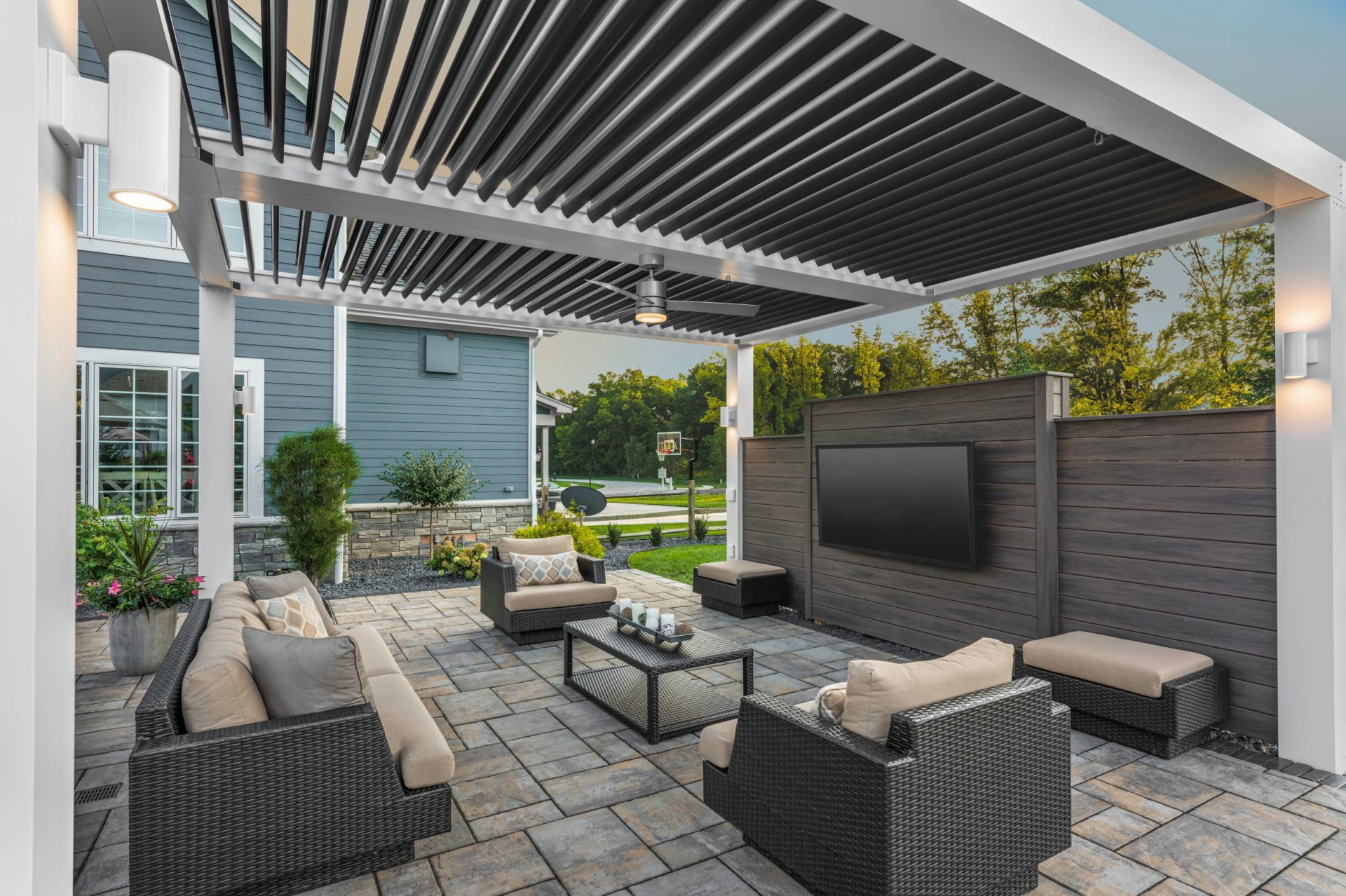
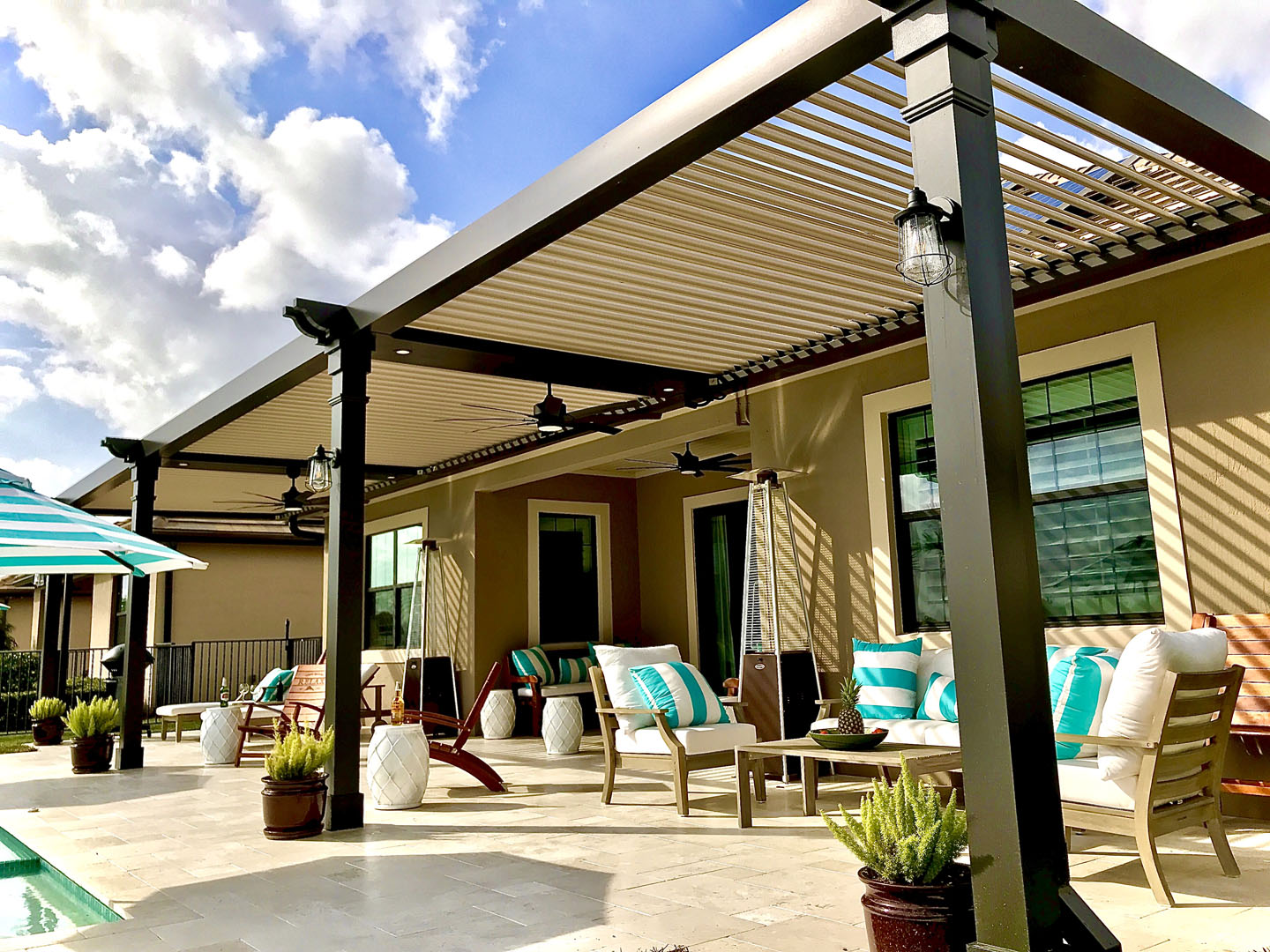
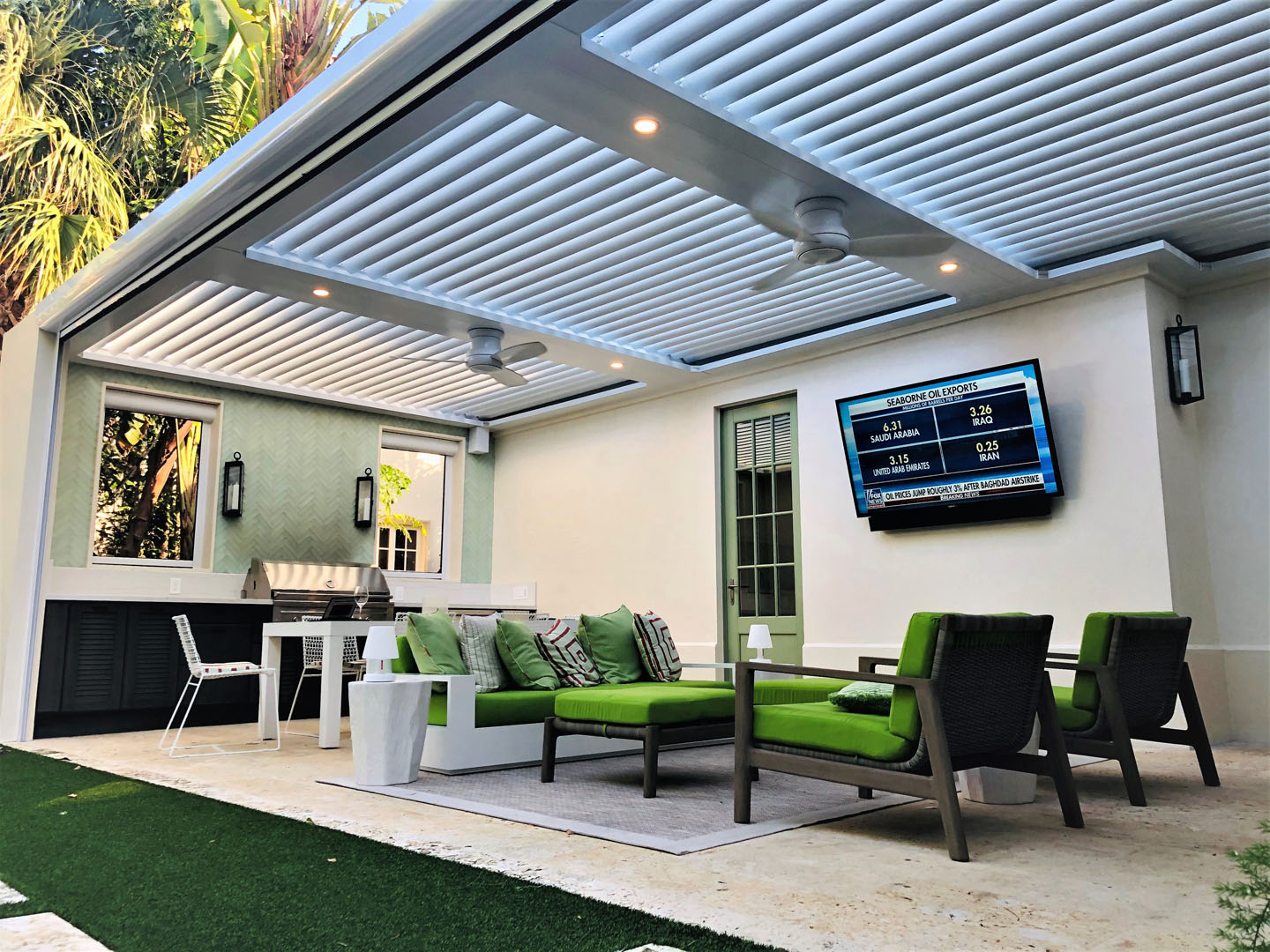
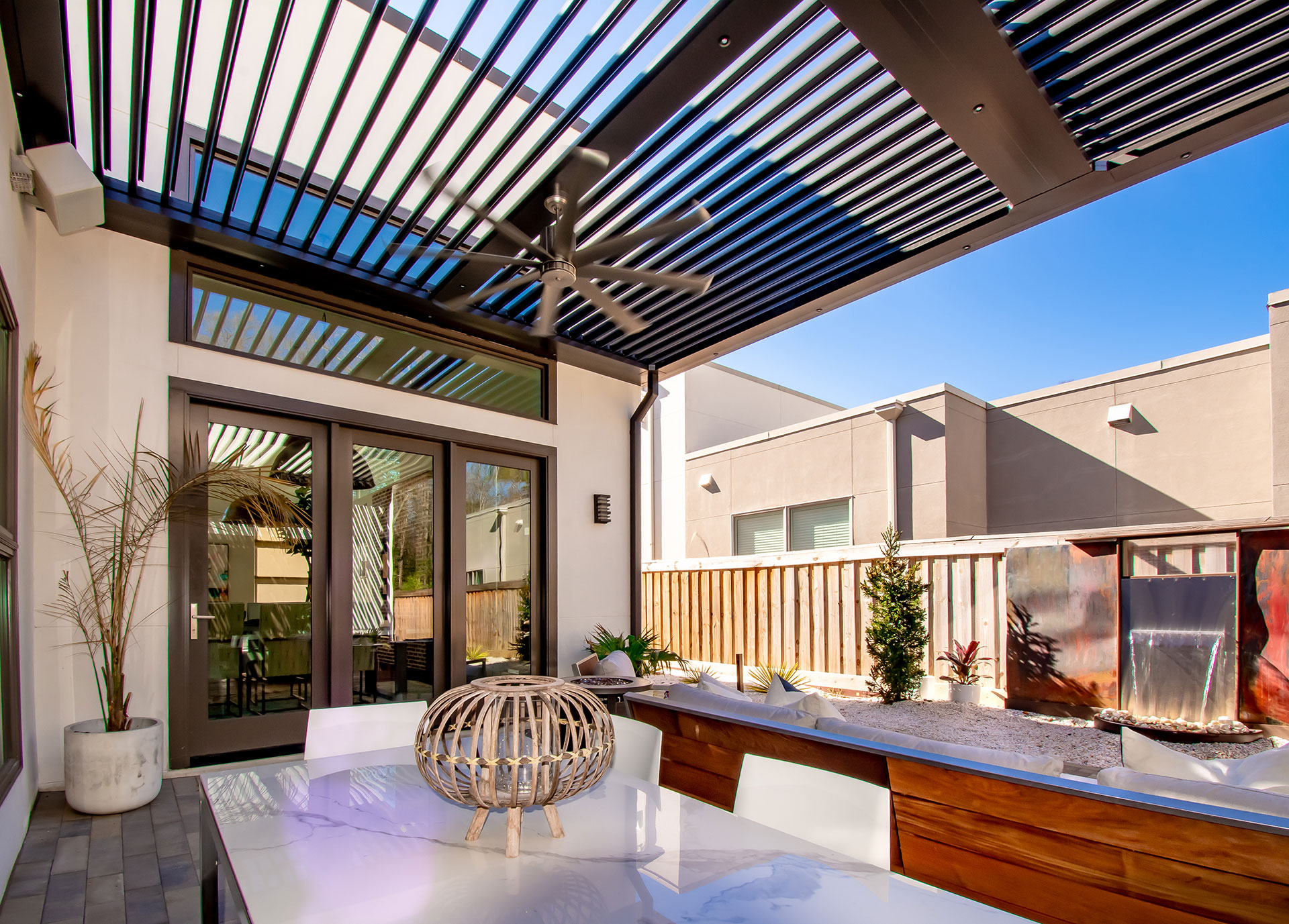
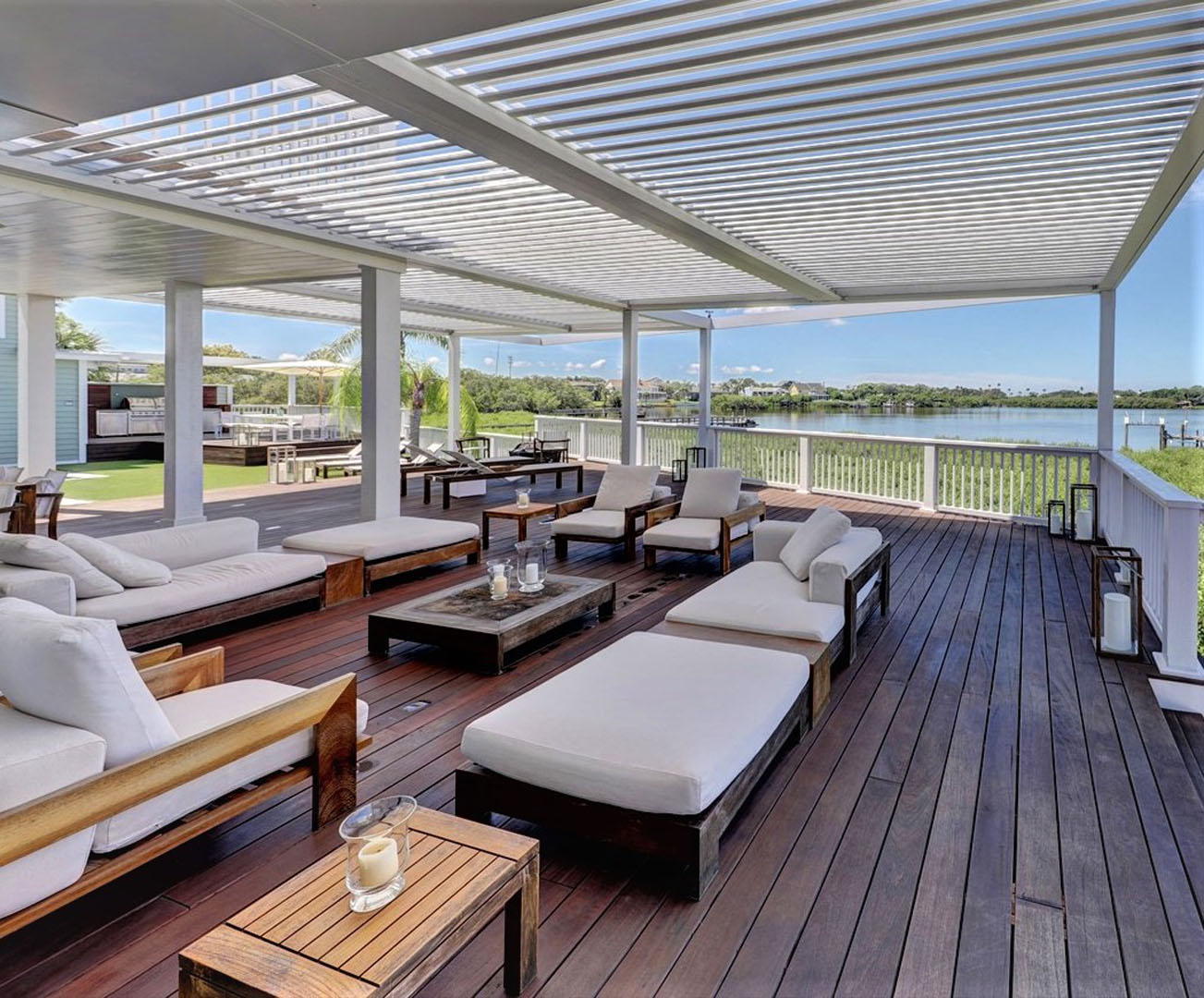
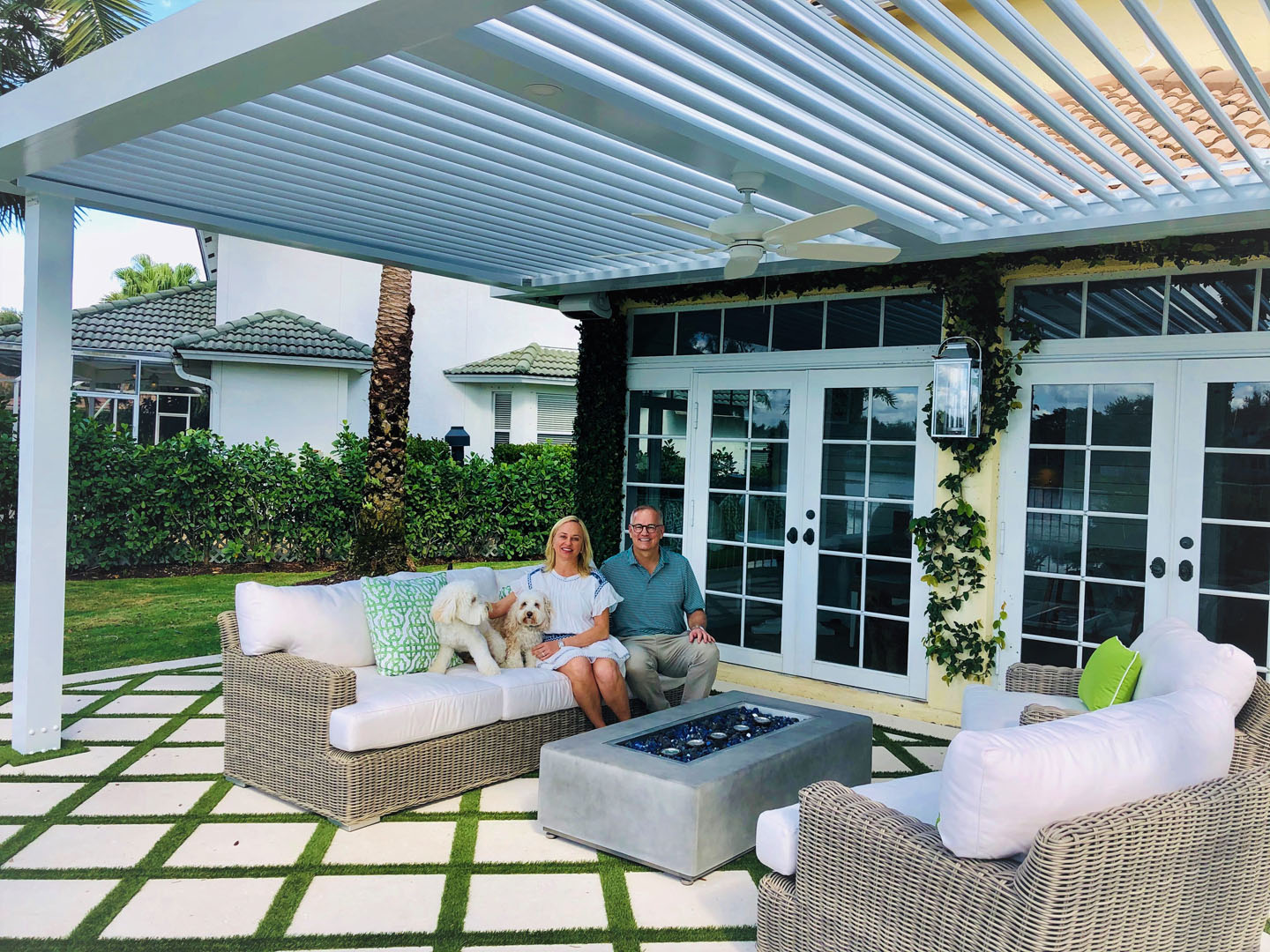
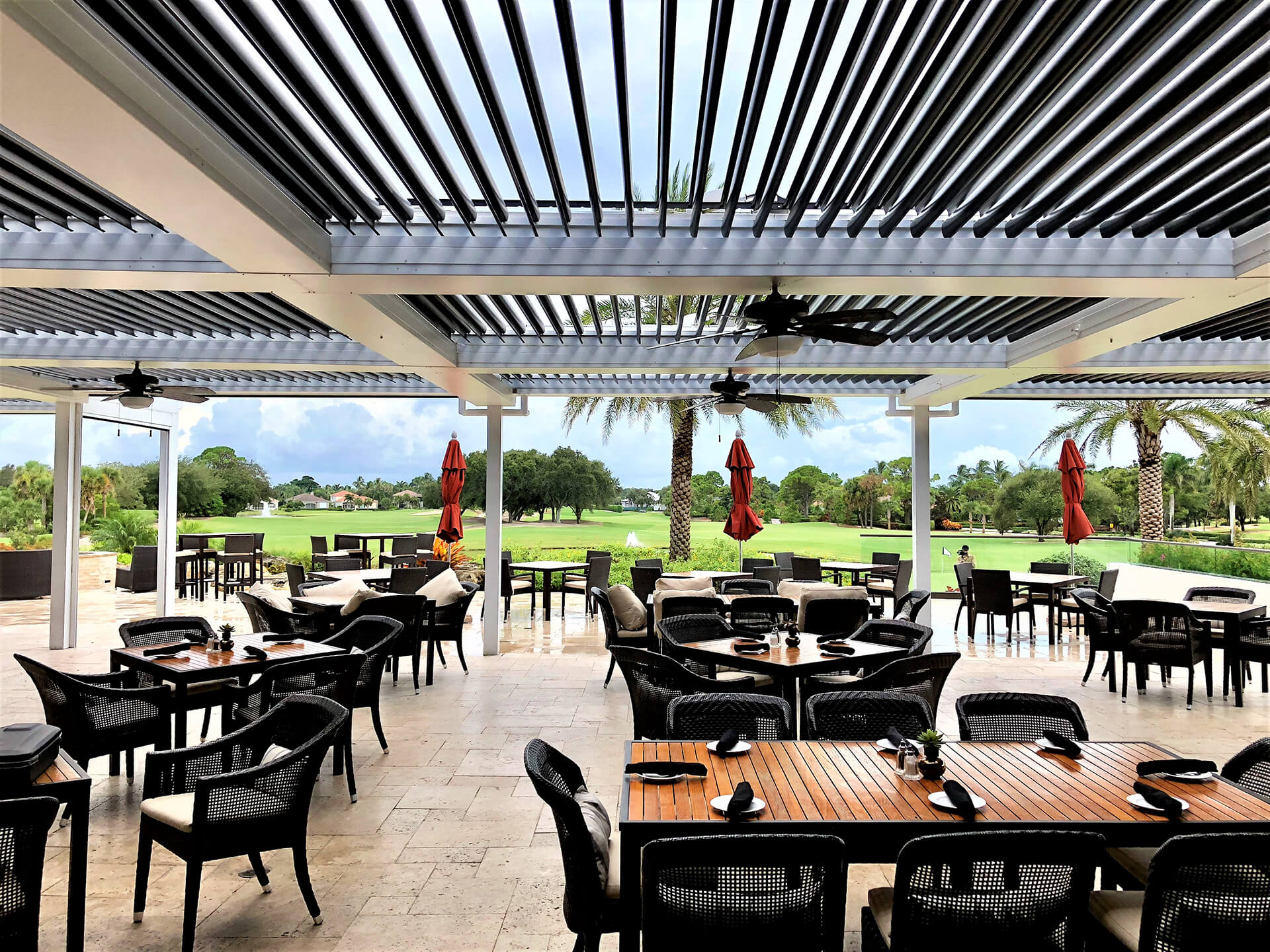
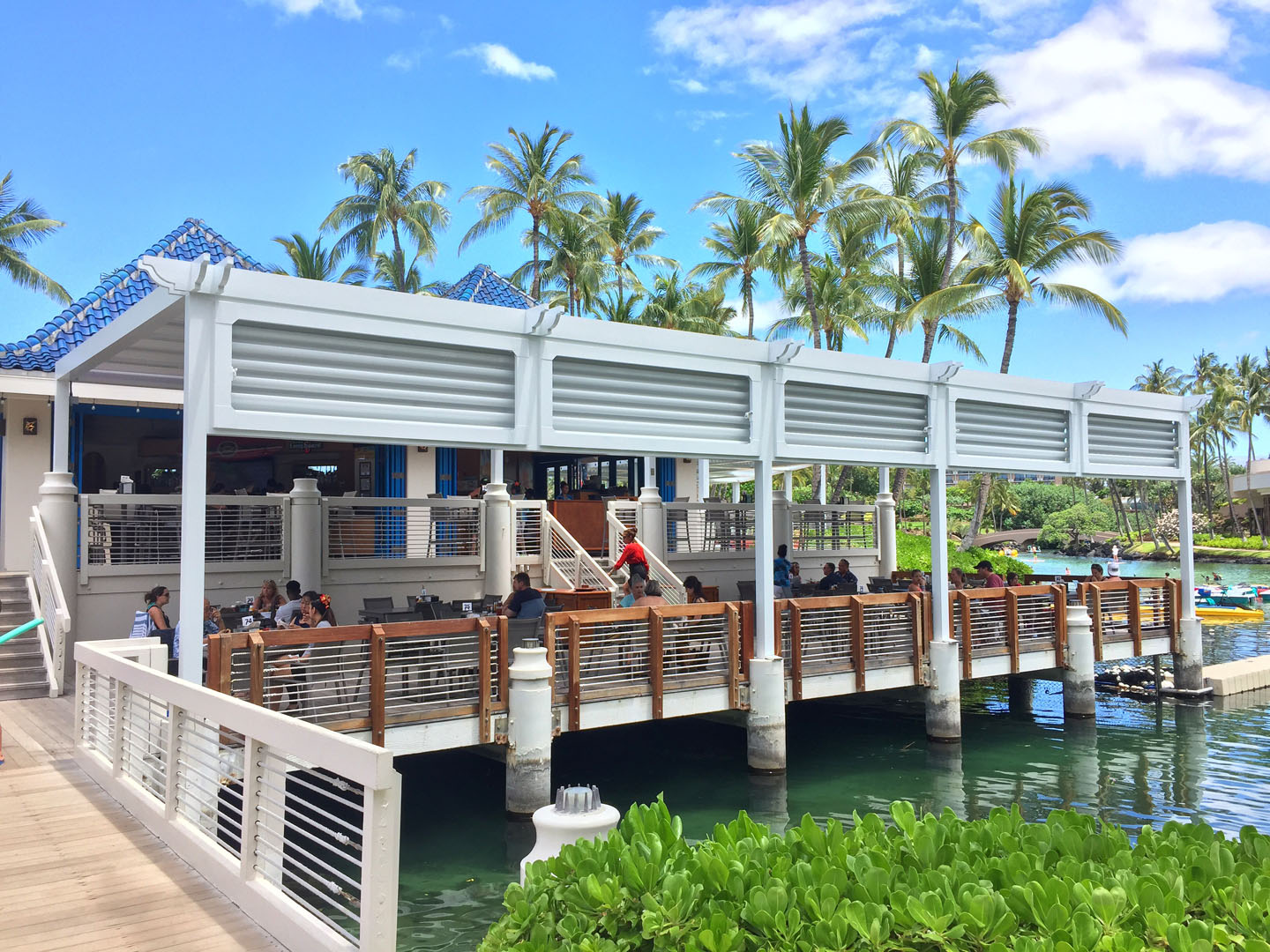
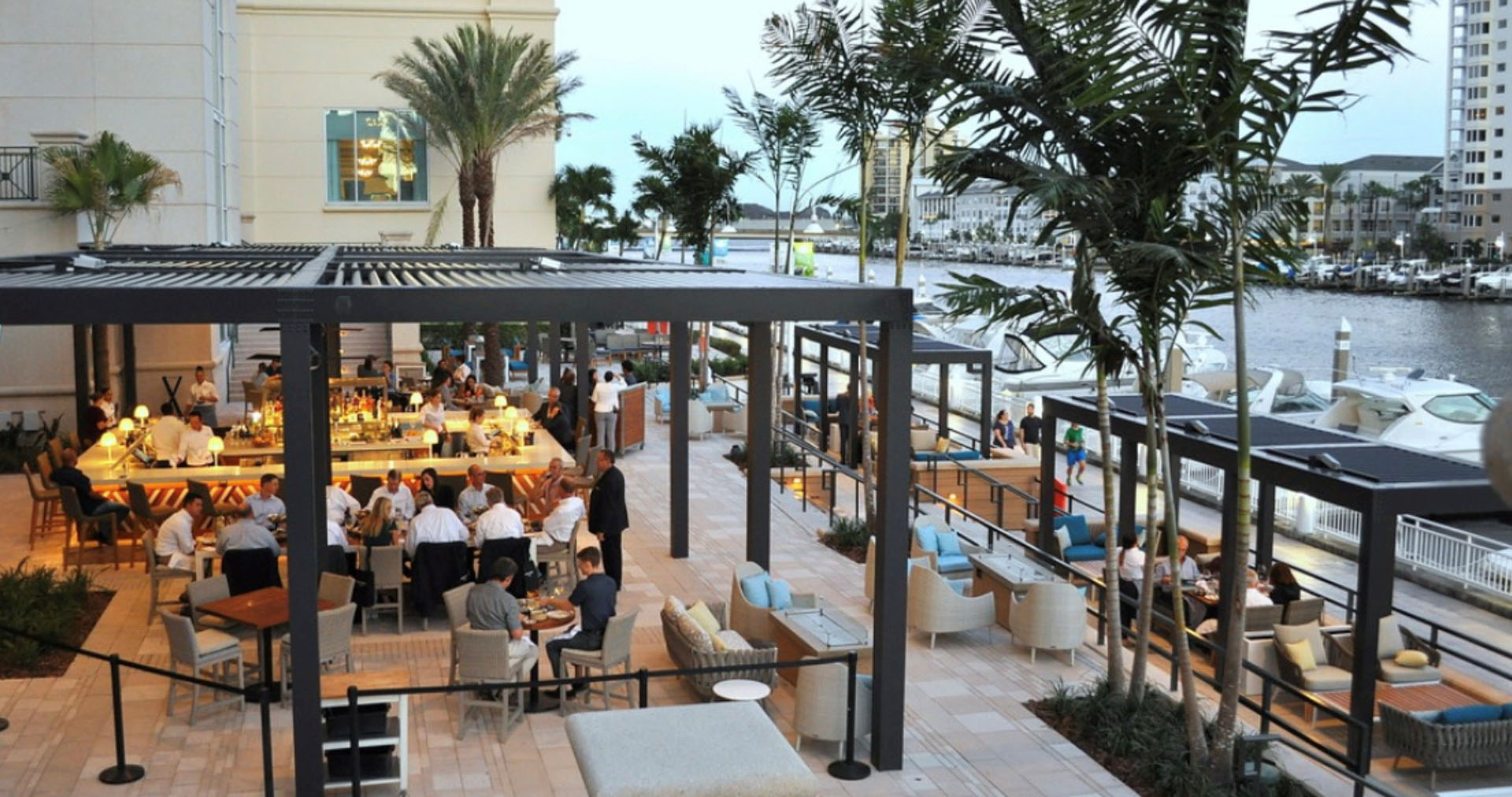
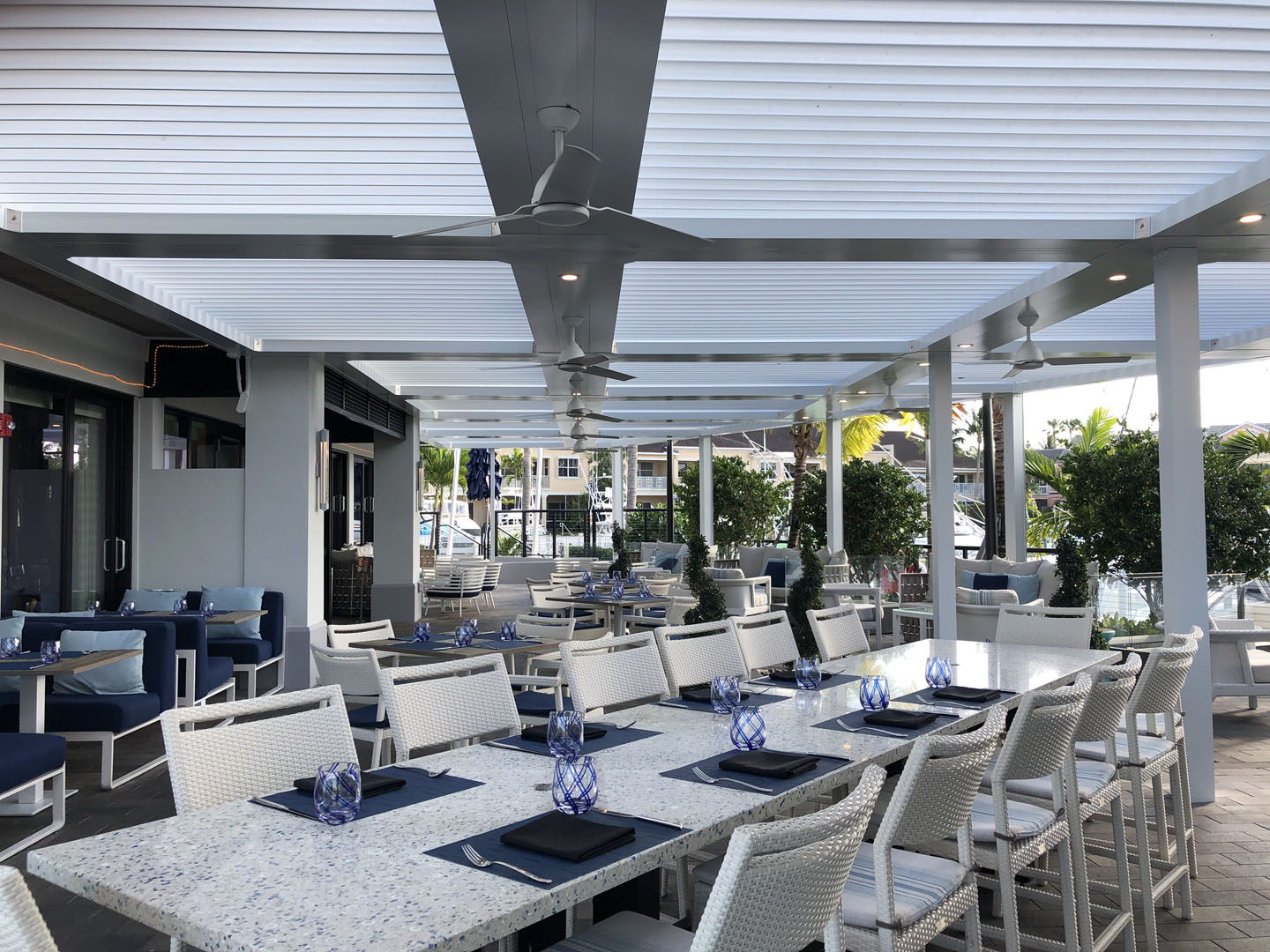
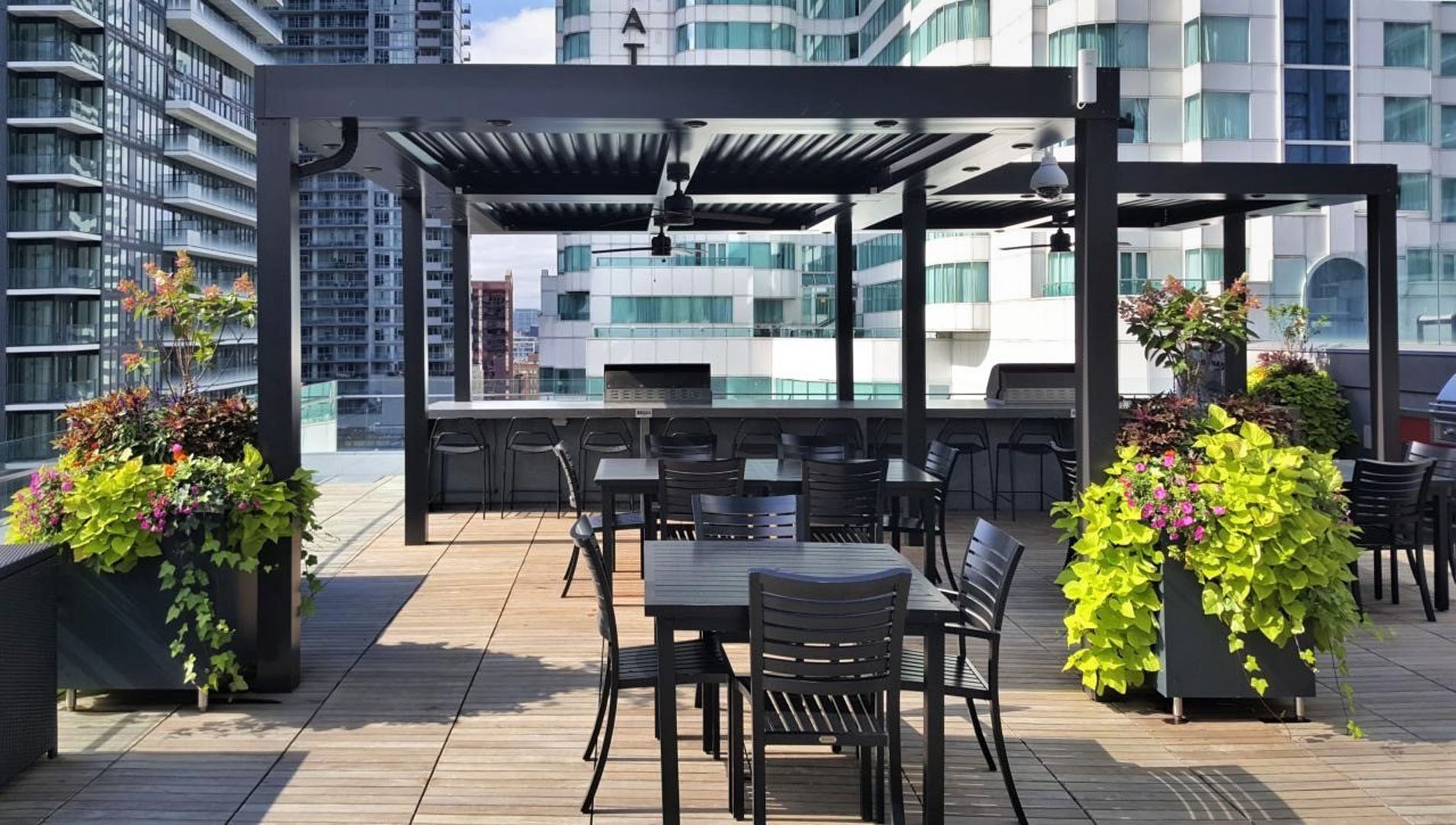
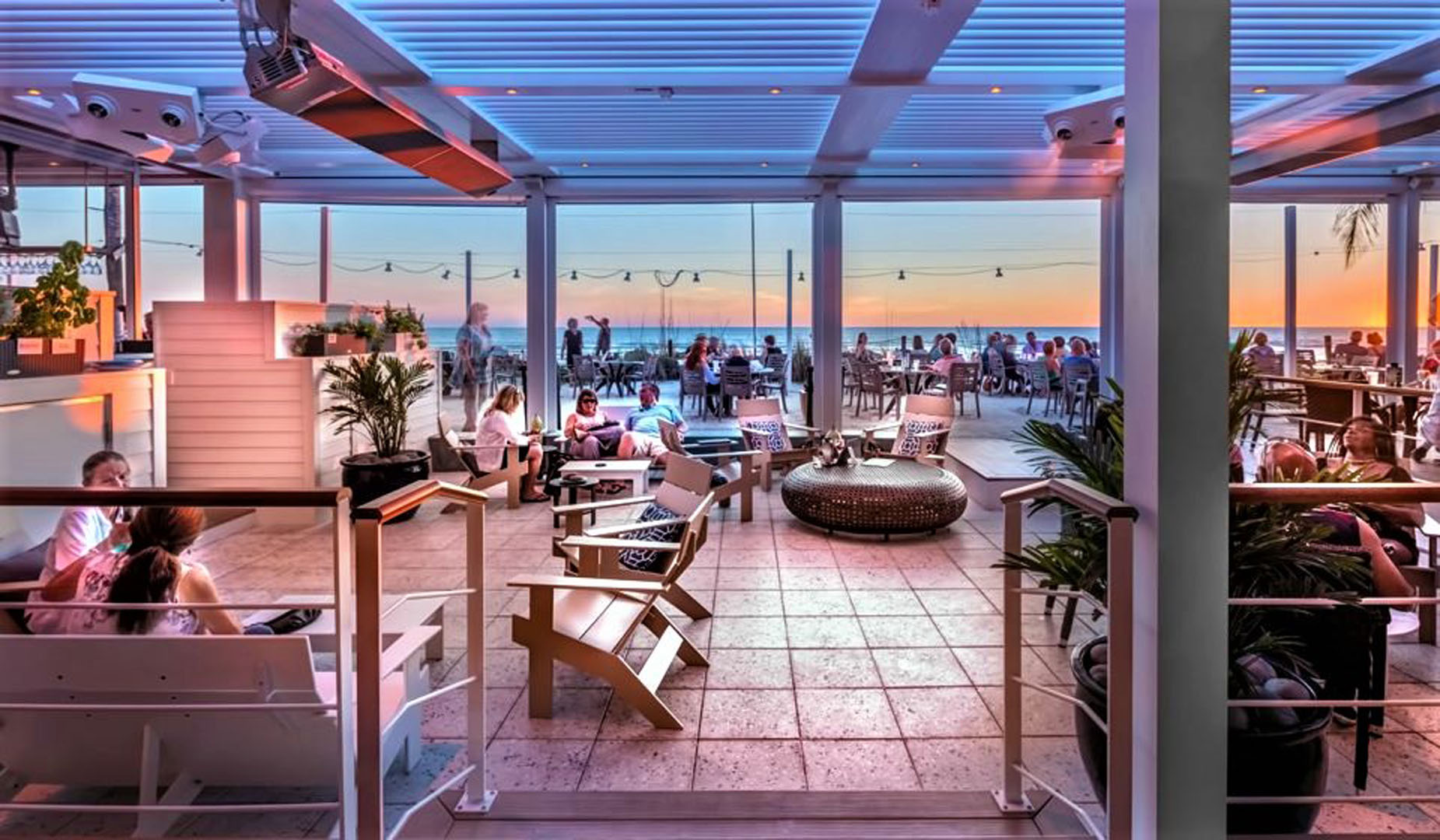
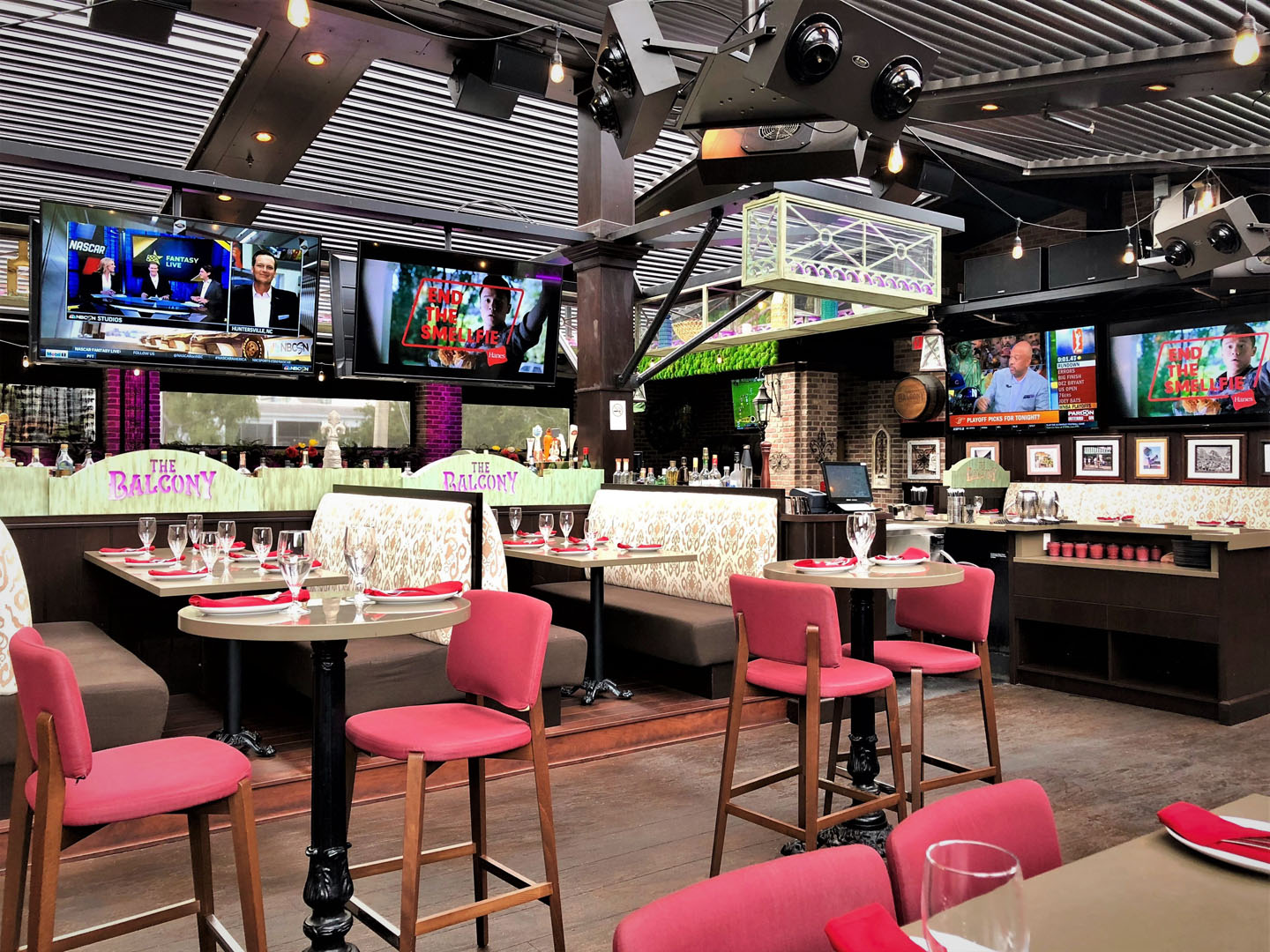
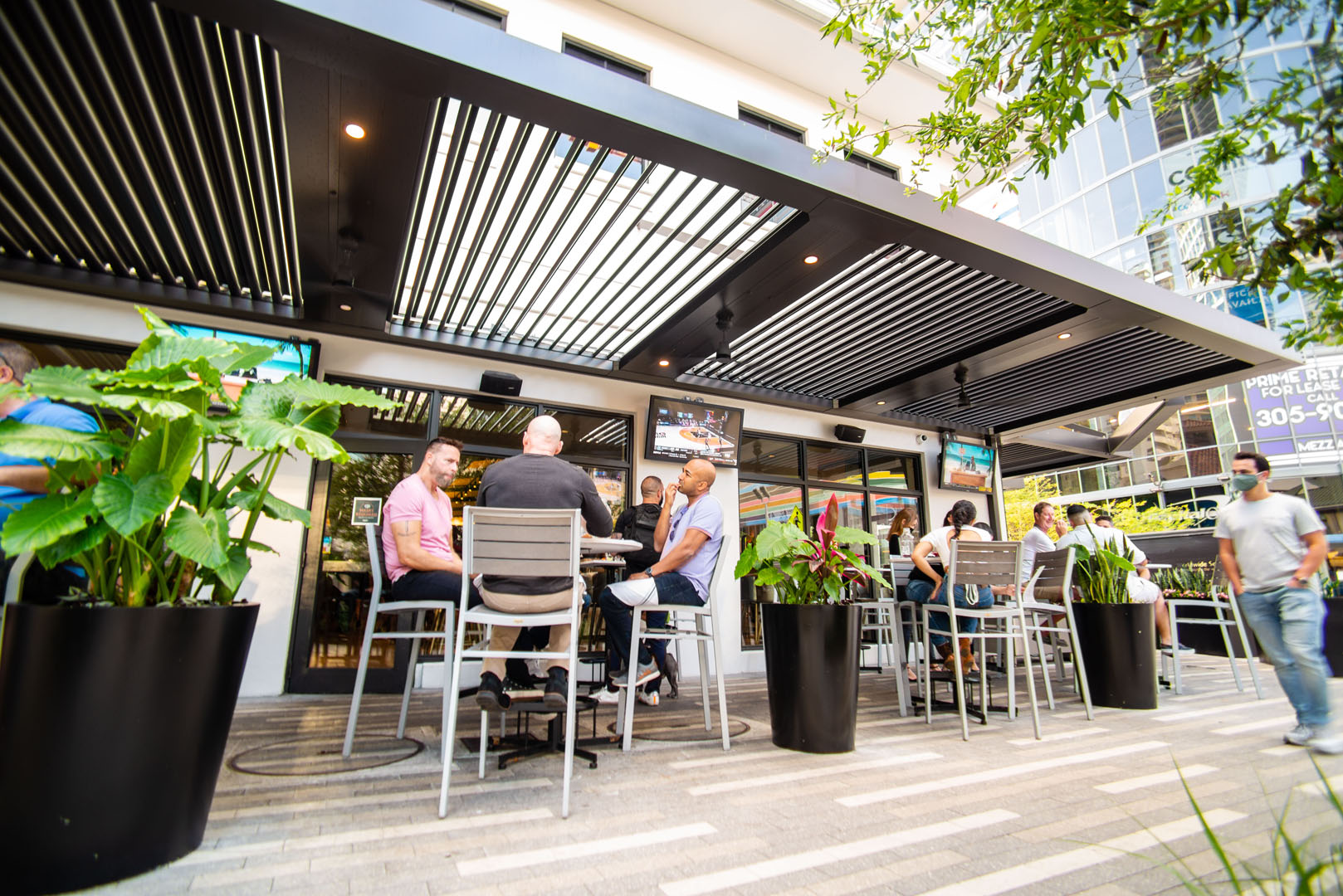
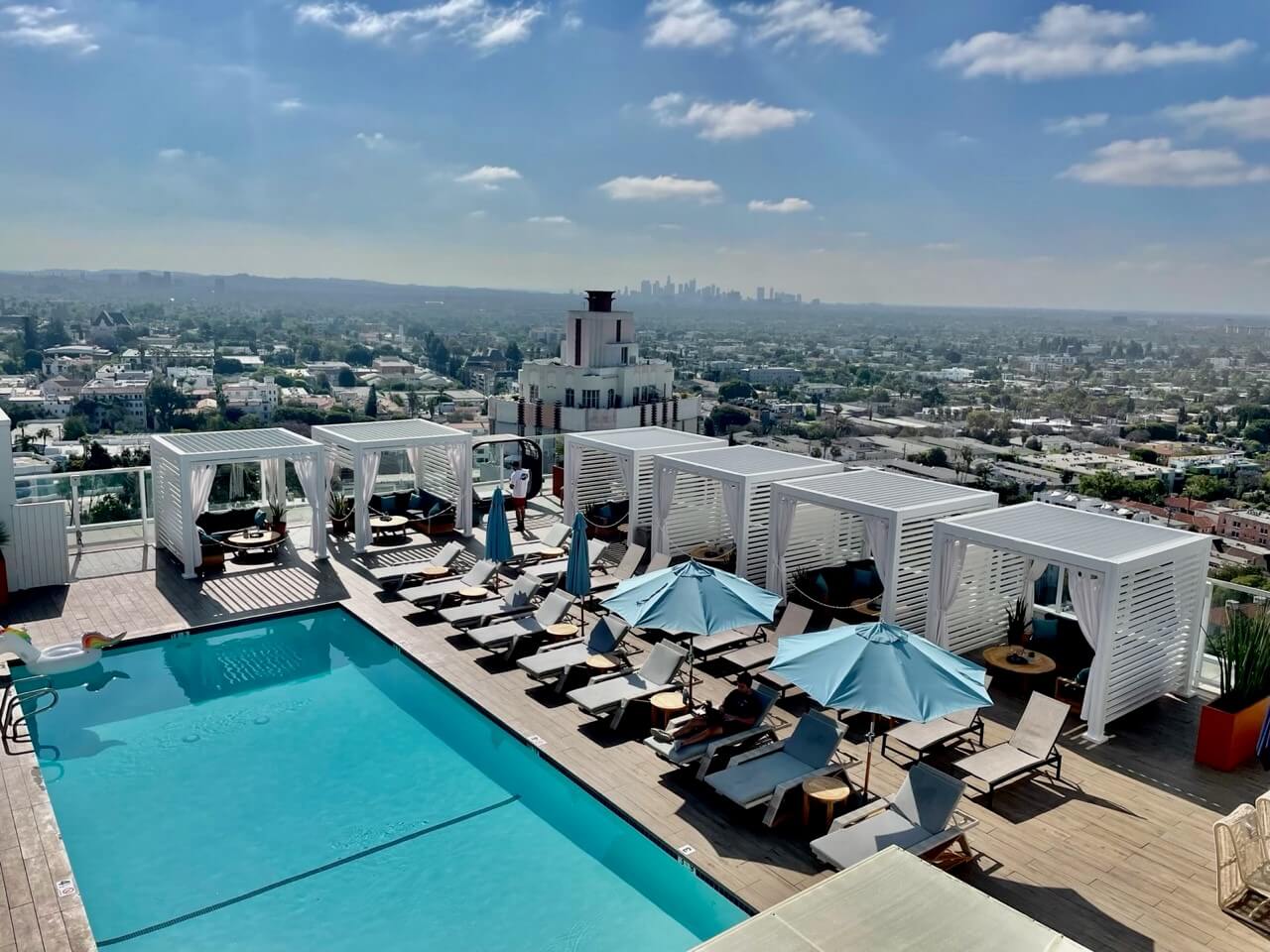
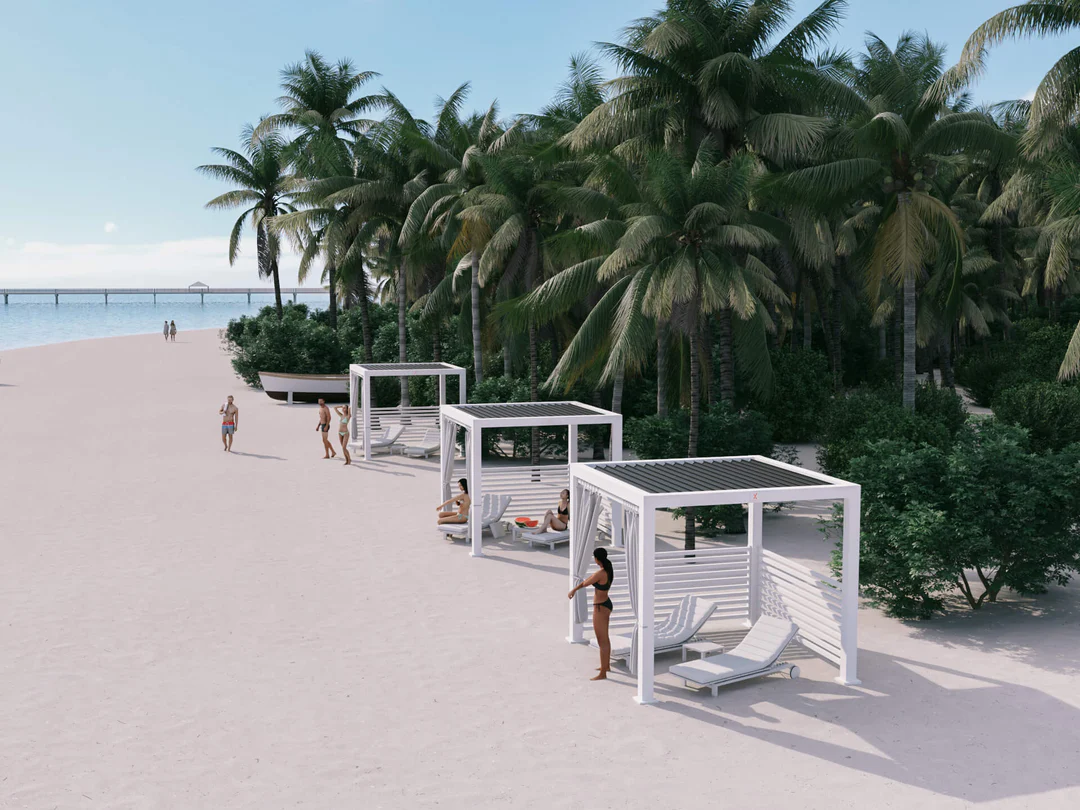
In Palm Beach, residents embrace a year-round outdoor lifestyle centered on beach, pool and waterfront living, using backyards, patios, terraces, balconies and docks as extensions of their homes. Expansive sliding doors create seamless indoor-outdoor flow for al fresco dining (especially in winter), entertaining around pools and dining terraces, and daily leisure like yoga, cycling and water sports—boating and cruising the Intracoastal are routine. Community courtyards host fitness classes and weekend band performances, while balconies and terraces frame coastal views for relaxed mornings and sunsets. Summer heat and salt spray make shade structures, pergolas and corrosion-resistant materials important so covered outdoor rooms and durable furniture keep spaces usable and welcoming throughout the seasons.
Outdoor Activities, Amenities, and Lifestyle Patterns
Palm Beach residents embrace a year-round outdoor lifestyle centered on beach, pool and waterfront living, where al fresco dining, boating and water sports, and poolside entertaining shape daily routines. Homes emphasize indoor–outdoor integration—expansive sliding doors, balconies, patios, pools, tennis courts, docks and dining terraces—that maximize ocean or Intracoastal views and support marinas, cruising and dockside recreation. Community courtyards host fitness classes, cycling, yoga and evening band performances, while winter’s mild season (November–March) is peak for outdoor entertaining as the island population swells with seasonal residents. The tropical climate—238 sunny days annually but hot, humid summers and storm exposure—drives use of shade structures, corrosion-resistant materials and design strategies that protect outdoor rooms and extend comfortable outdoor living.
Residential Property Characteristics of Palm Beach Affecting Outdoor Living
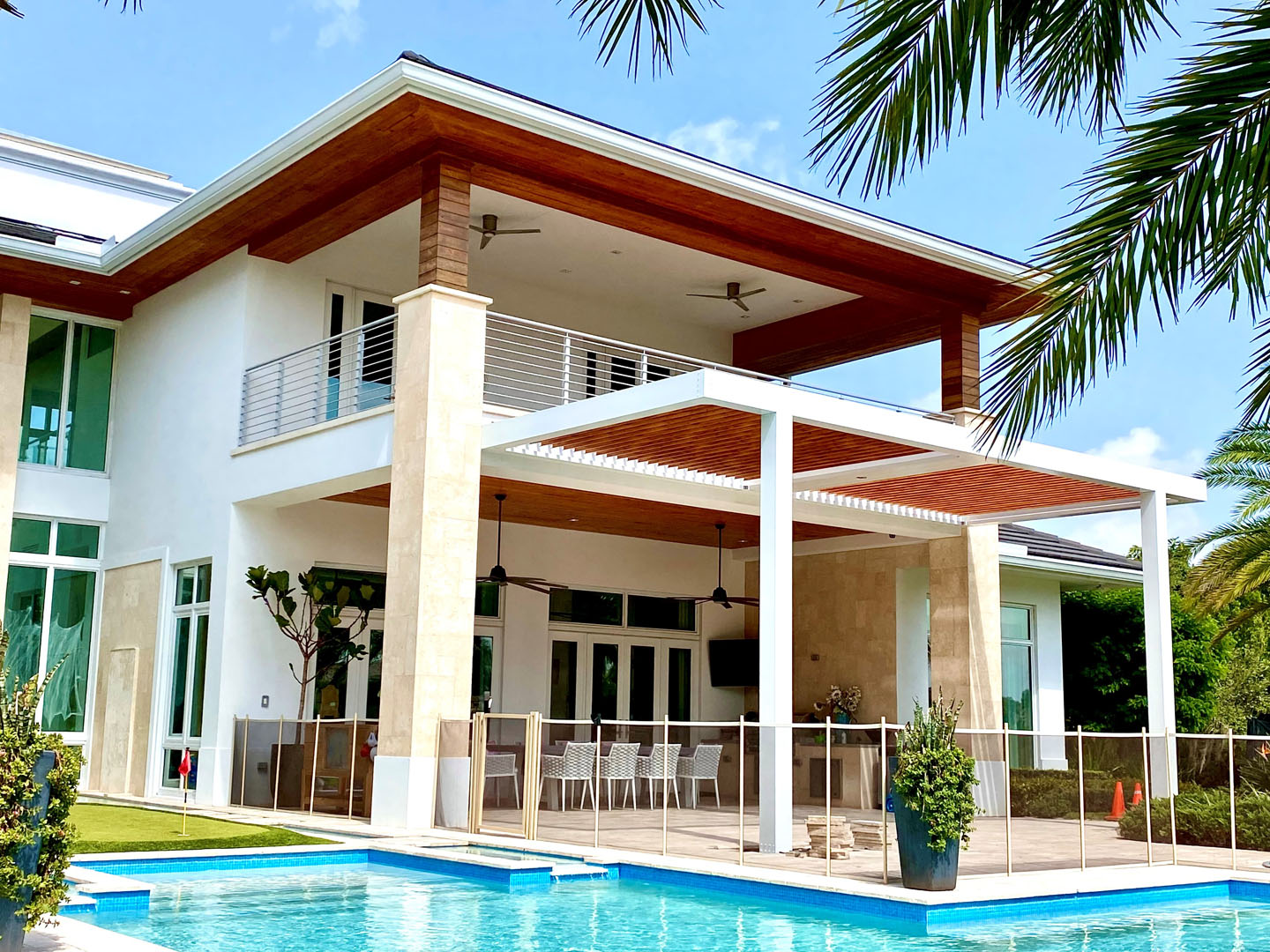
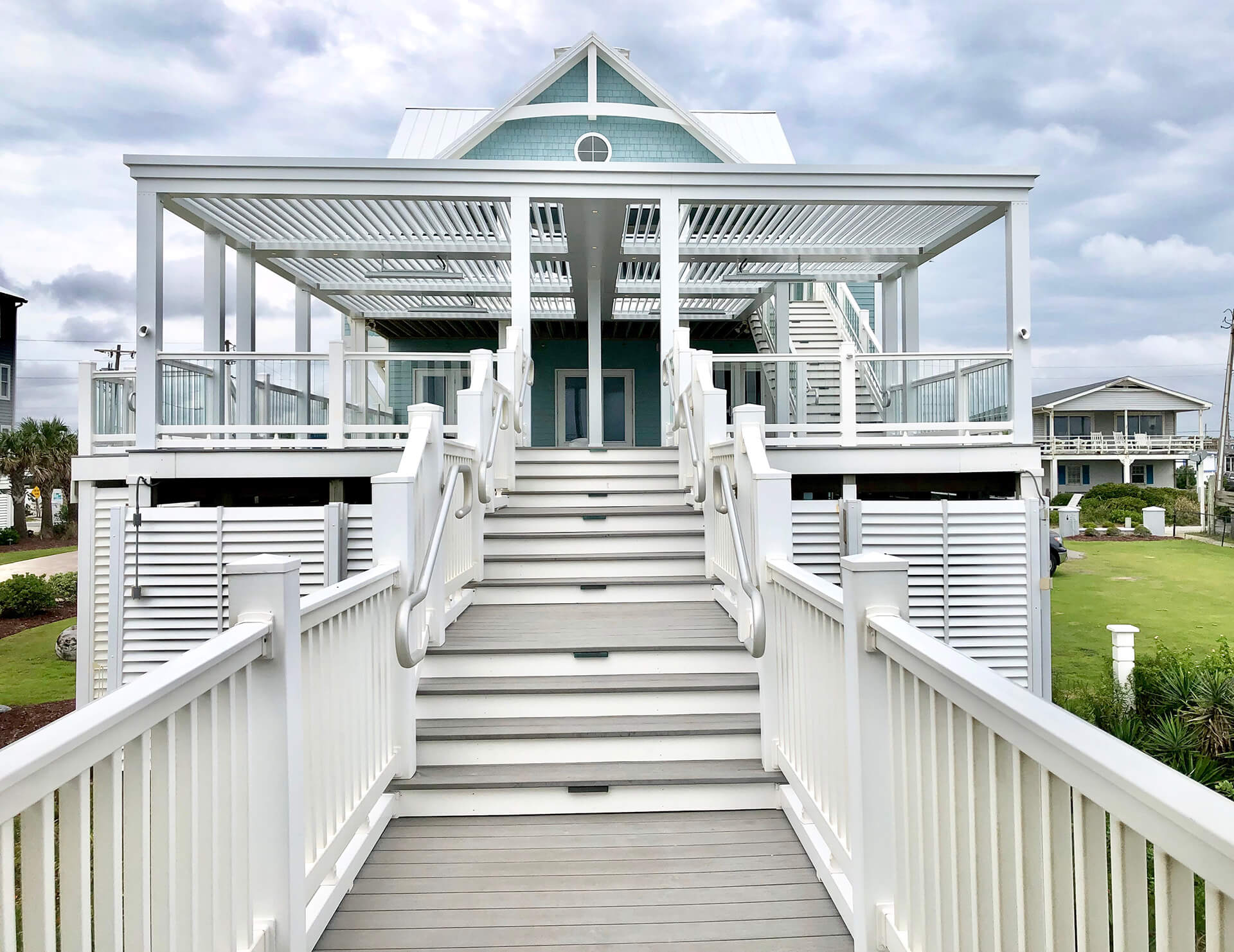
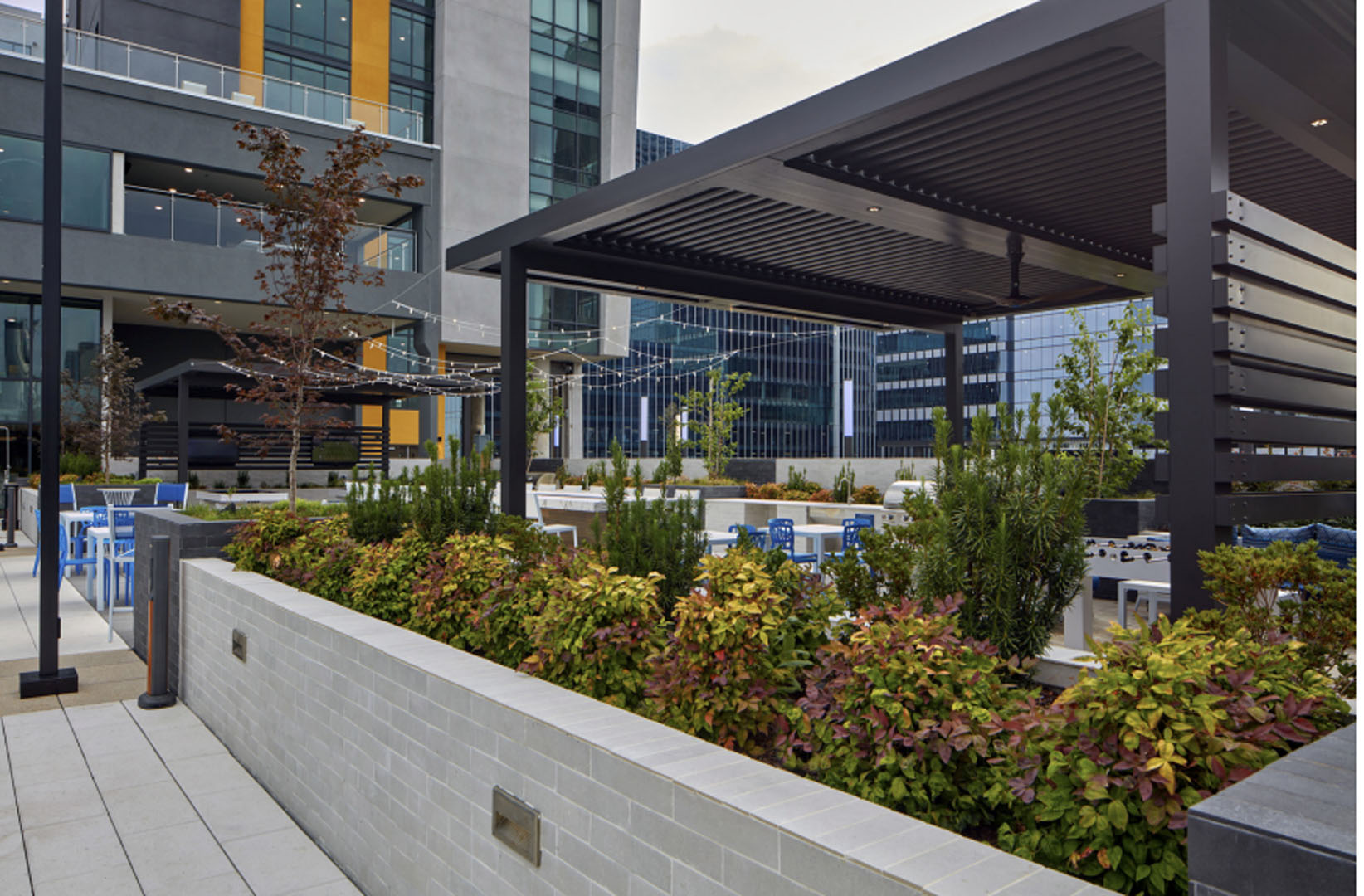
Palm Beach residential properties range from sprawling Estate Section compounds and South Ocean Boulevard oceanfront mansions to Intracoastal waterfront homes and beachfront condominiums, with lot sizes varying dramatically from oversized acreage to modest parcels. Outdoor design emphasizes indoor–outdoor integration—expansive sliding glass doors, patios, terraces, balconies and poolside courts extend living areas and shape pergola placement. Waterfront features like docks, seawalls and west-facing Intracoastal lots (favored for boating and sunset views) versus exposed oceanfront sites drive orientation, wind-loading and salt-spray considerations, while backyard layouts in estates allow broad covered dining and entertainment zones and smaller lots favor compact shaded terraces. Year-round sunshine but hot, humid summers make permanent or semi-permanent shade structures essential, influencing material choice and positioning to maximize views while protecting from sun and storms.
Climate, Sun, and Weather Considerations in Palm Beach
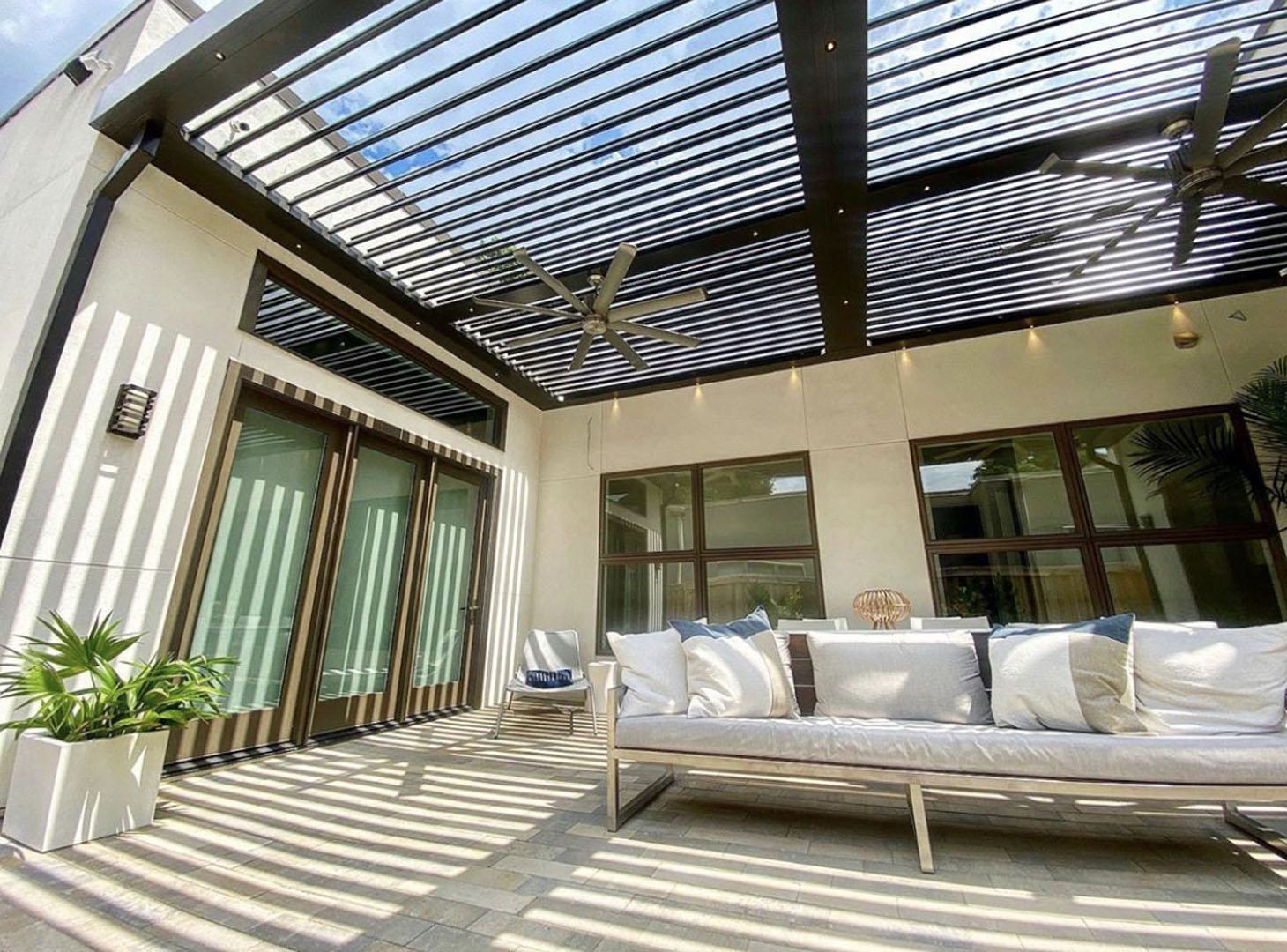
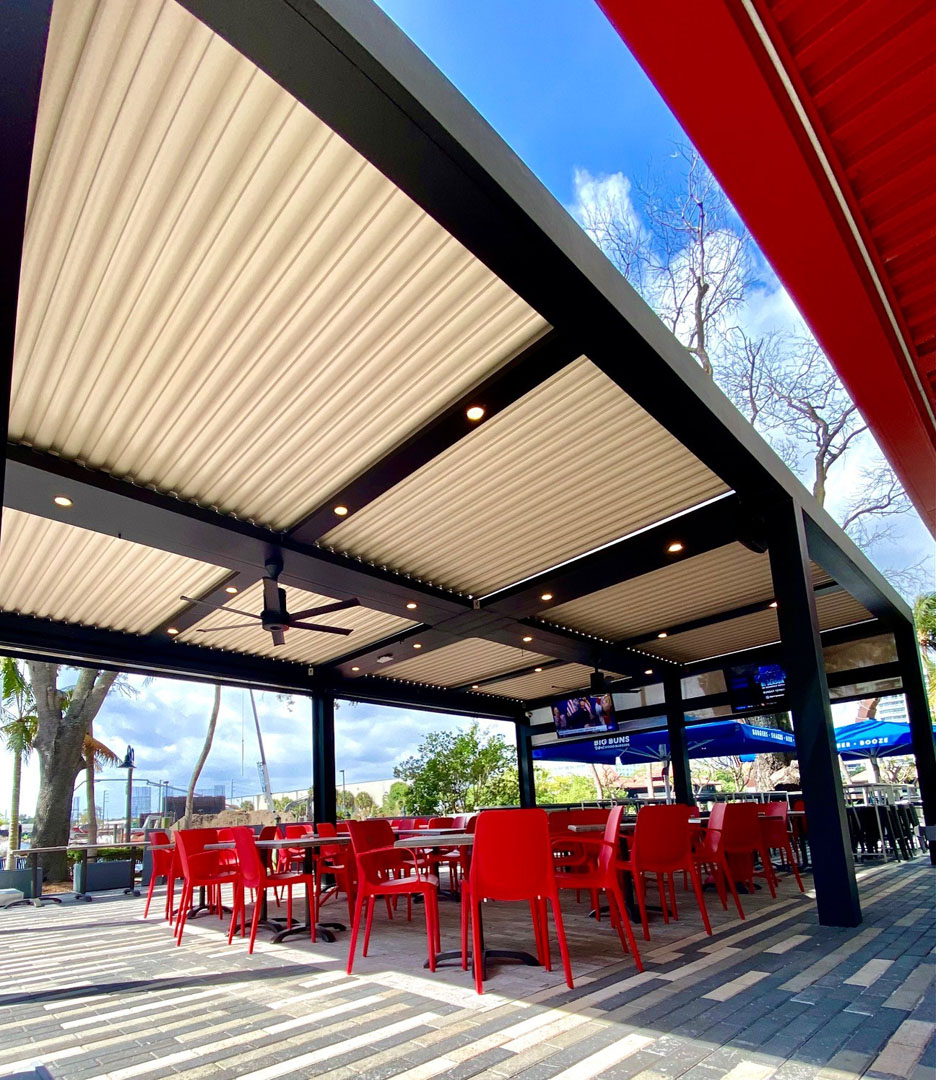
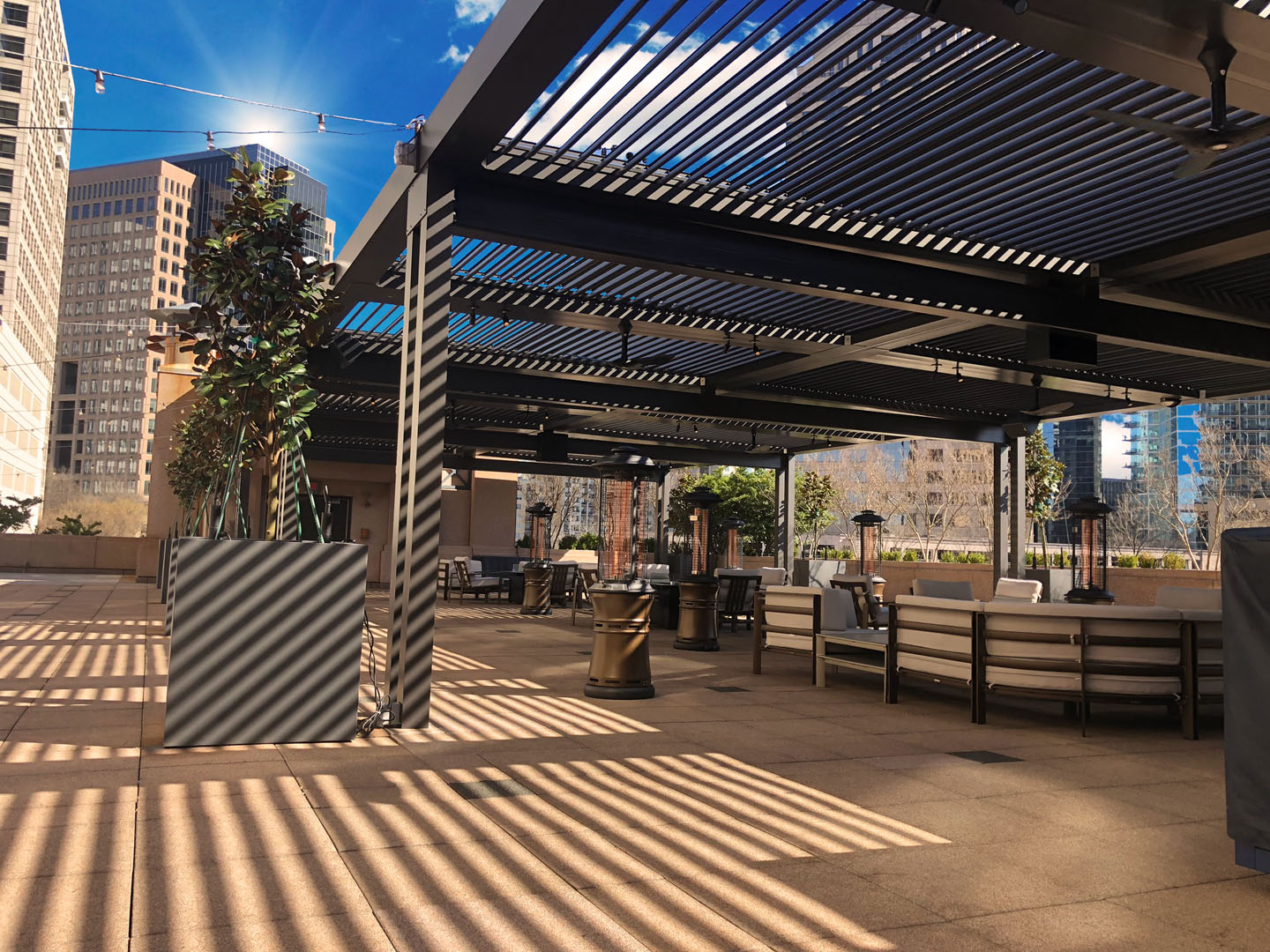
Palm Beach enjoys year-round sunshine—about 238 sunny days—and warm weather that supports abundant outdoor living, but summers (roughly May–September) are hot, humid and stormy, making shade structures essential for daytime comfort and to reduce rising air-conditioning loads. Coastal exposure brings strong winds, salt spray, seasonal storms and the risk of high water or erosion, so outdoor furniture and structures must resist corrosion, wind loading and moisture; durable, corrosion-resistant materials and attention to wind loading are common design responses. Winters are mild and ideal for al fresco dining, while spring and fall offer moderate, lower-humidity conditions. Consequently pergolas, covered terraces and thoughtfully oriented patios both extend usable seasons and provide necessary sun, rain and wind protection for waterfront entertainment spaces.
Why Palm Beach Is Ideal for Outdoor Living
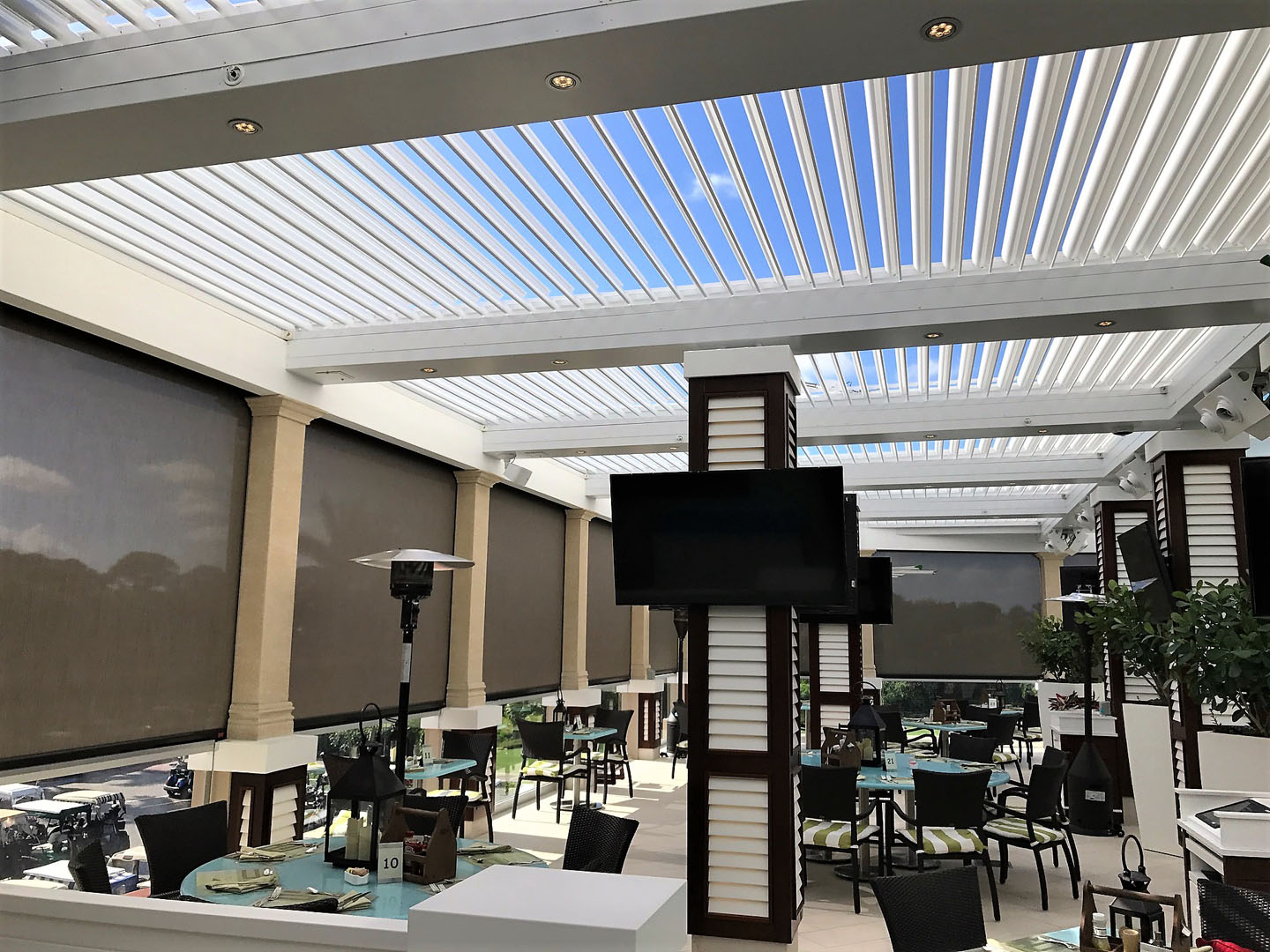
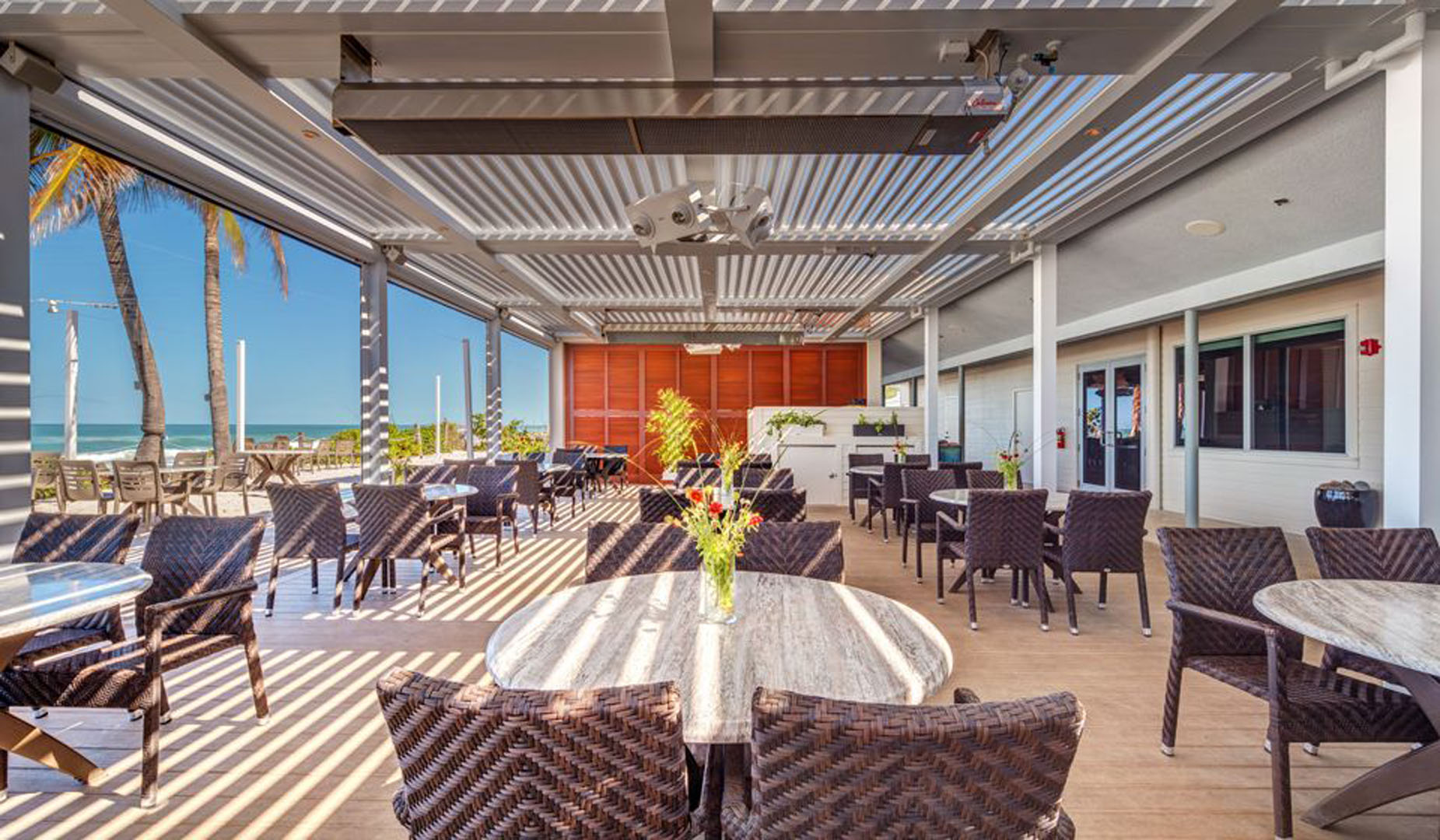
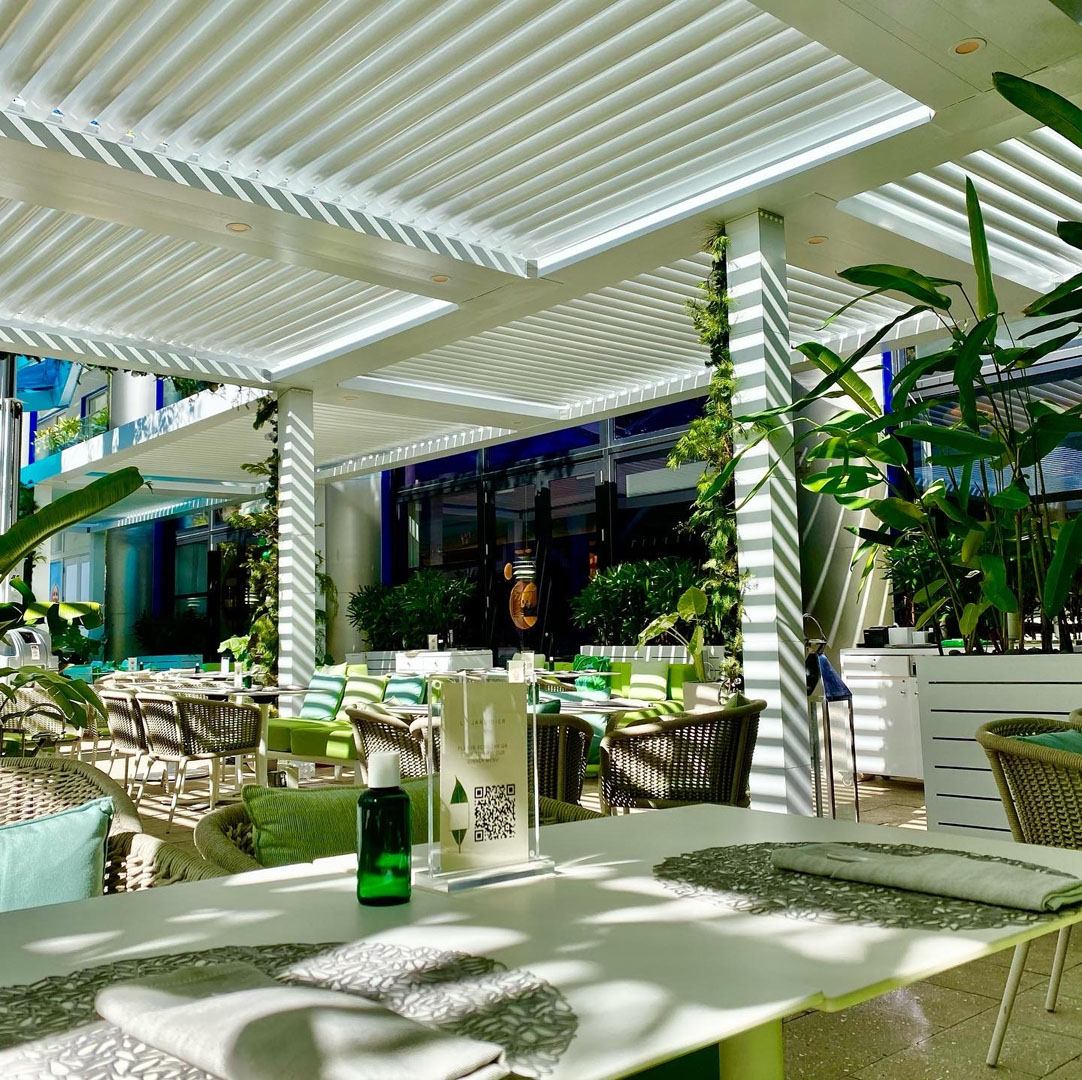
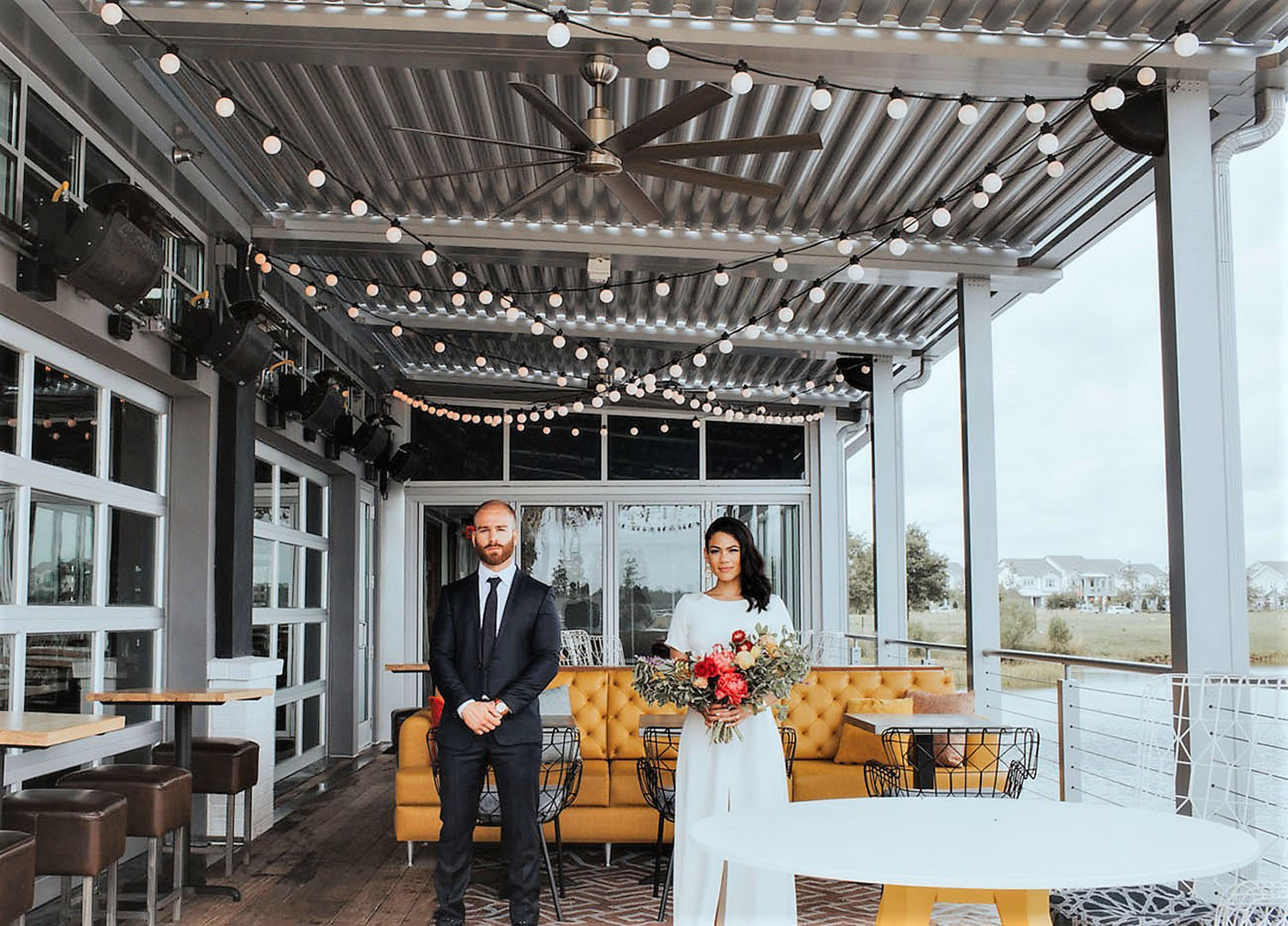
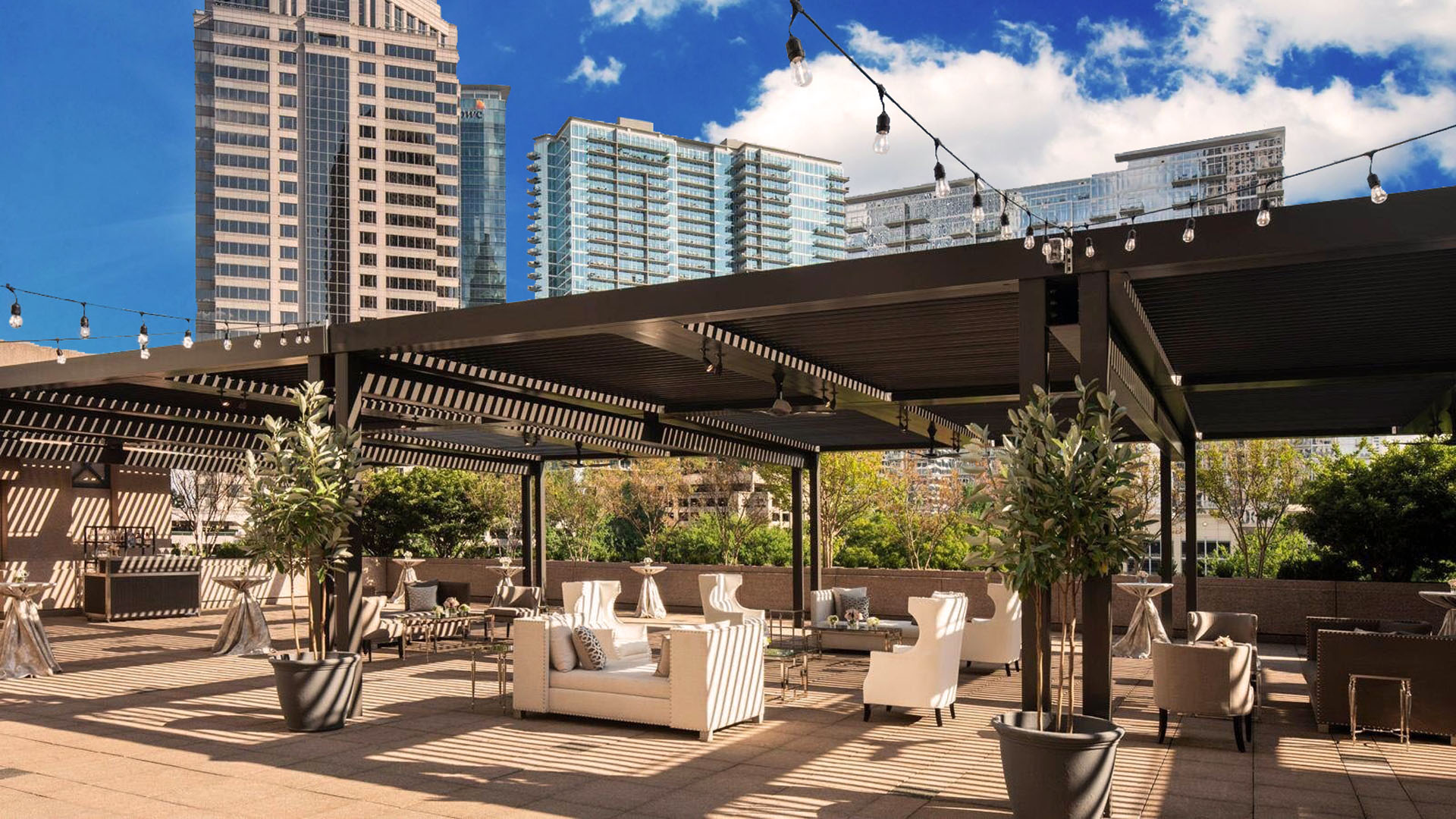
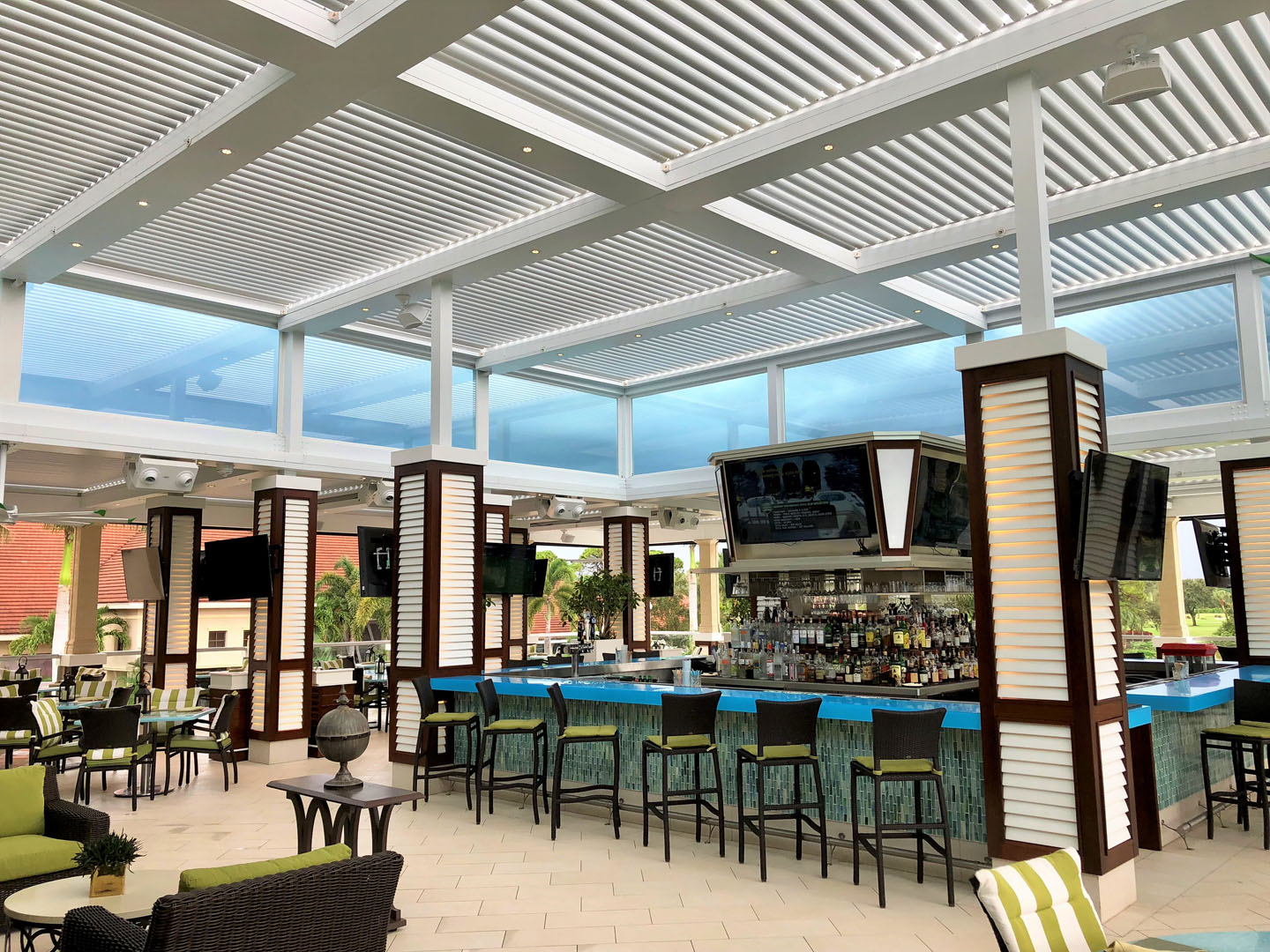
Palm Beach’s outdoor-centric lifestyle, abundant sunshine (about 238 days annually), and strong tradition of indoor-outdoor architecture make patios, pergolas, and covered rooms natural upgrades. Waterfront living—oceanfront estates and Intracoastal homes—prioritizes entertaining, boating access and sweeping views that are best enjoyed from terraces and shaded outdoor dining areas. Winters are ideal for alfresco meals and social events, while hot, humid summers and coastal sun necessitate shade structures to extend usable seasons; durable, corrosion-resistant materials suit salt air, wind loading, and storm exposure. Lot variety from sprawling estate grounds to intimate condominiums and a design language emphasizing seamless transitions and proportion mean pergolas and covered patios both enhance lifestyle and align with architectural character. Coupled with strong property values and tax advantages, these investments deliver comfort and long-term value.
Outdoor Living and Home Upgrade FAQ
When is the best season for outdoor entertaining in Palm Beach? Winter (November–March) is optimal—warm, lower humidity and widely used for al fresco dining; summers are hot, humid and stormy.
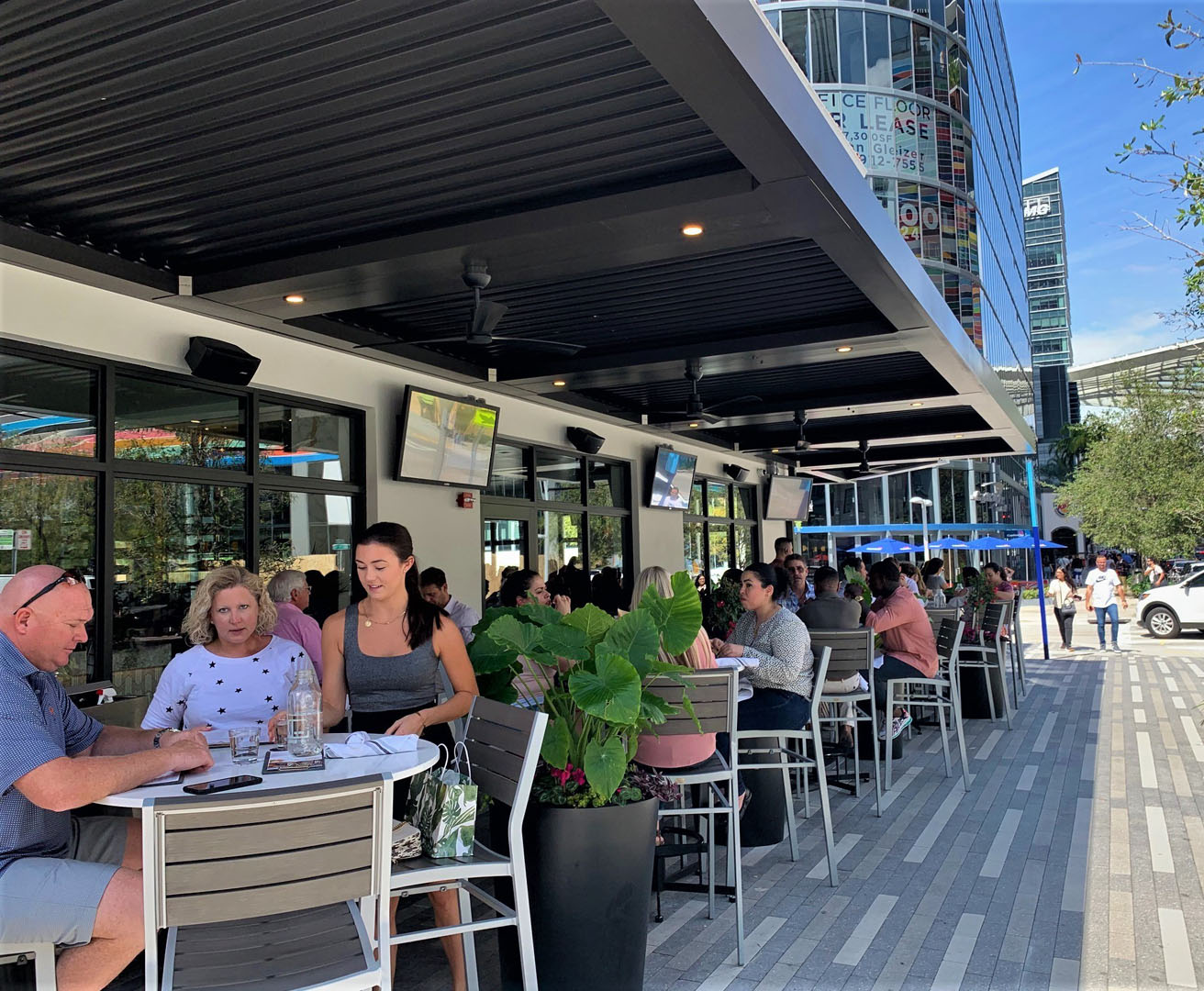
How much shade protection is needed for comfort? Shade is essential May–September; permanent or semi-permanent pergolas/covered structures extend comfortable outdoor use.
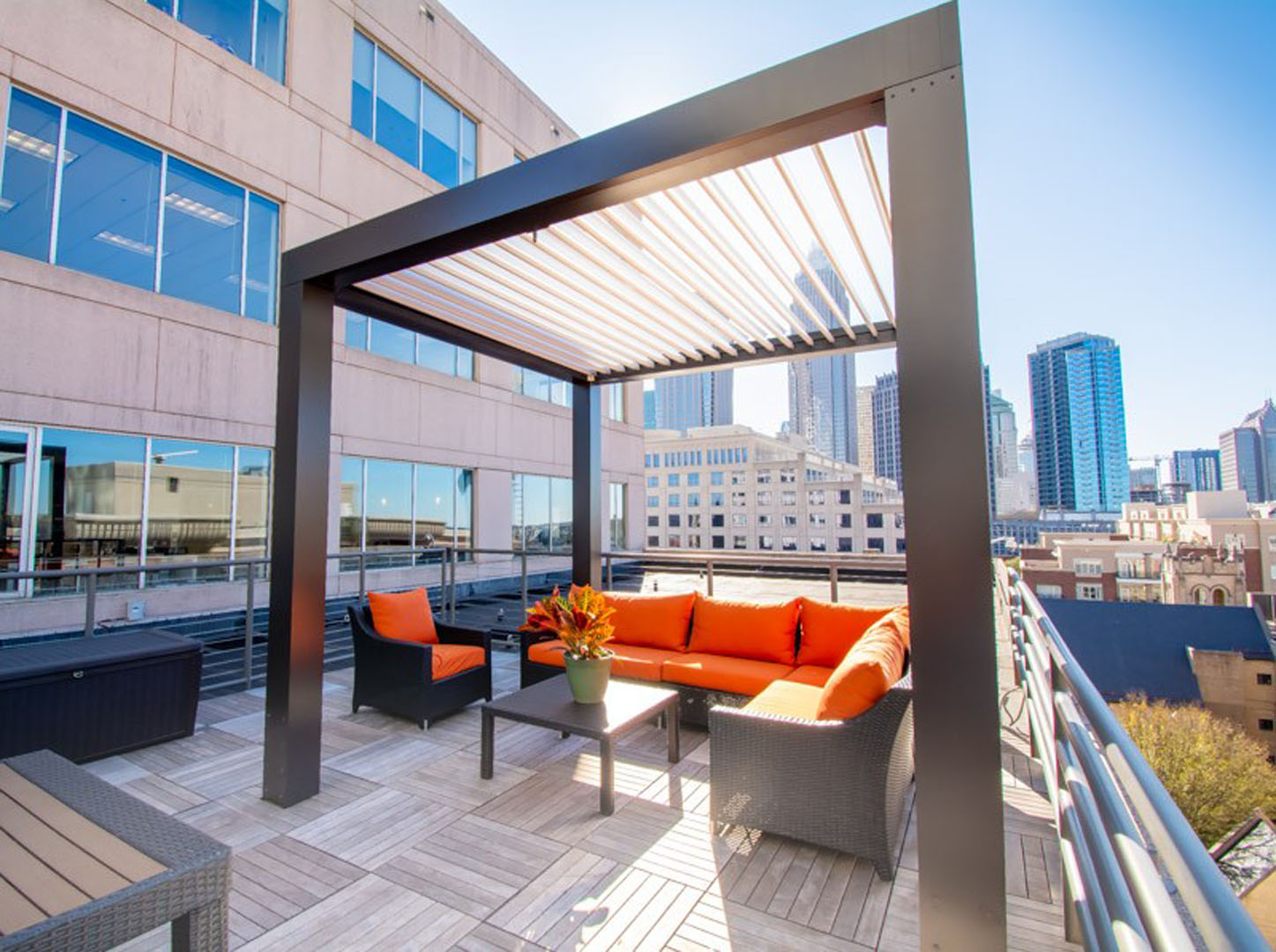
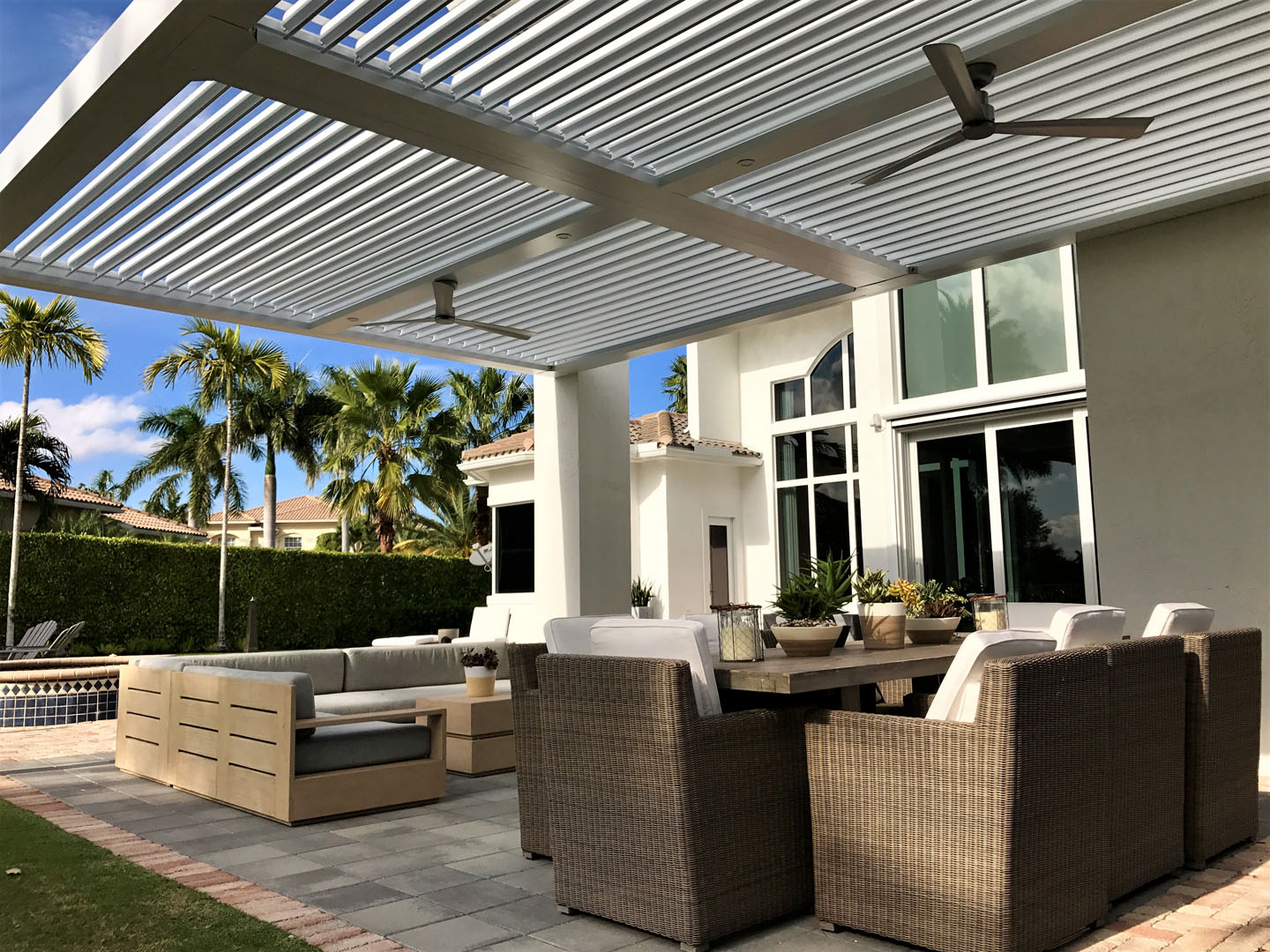
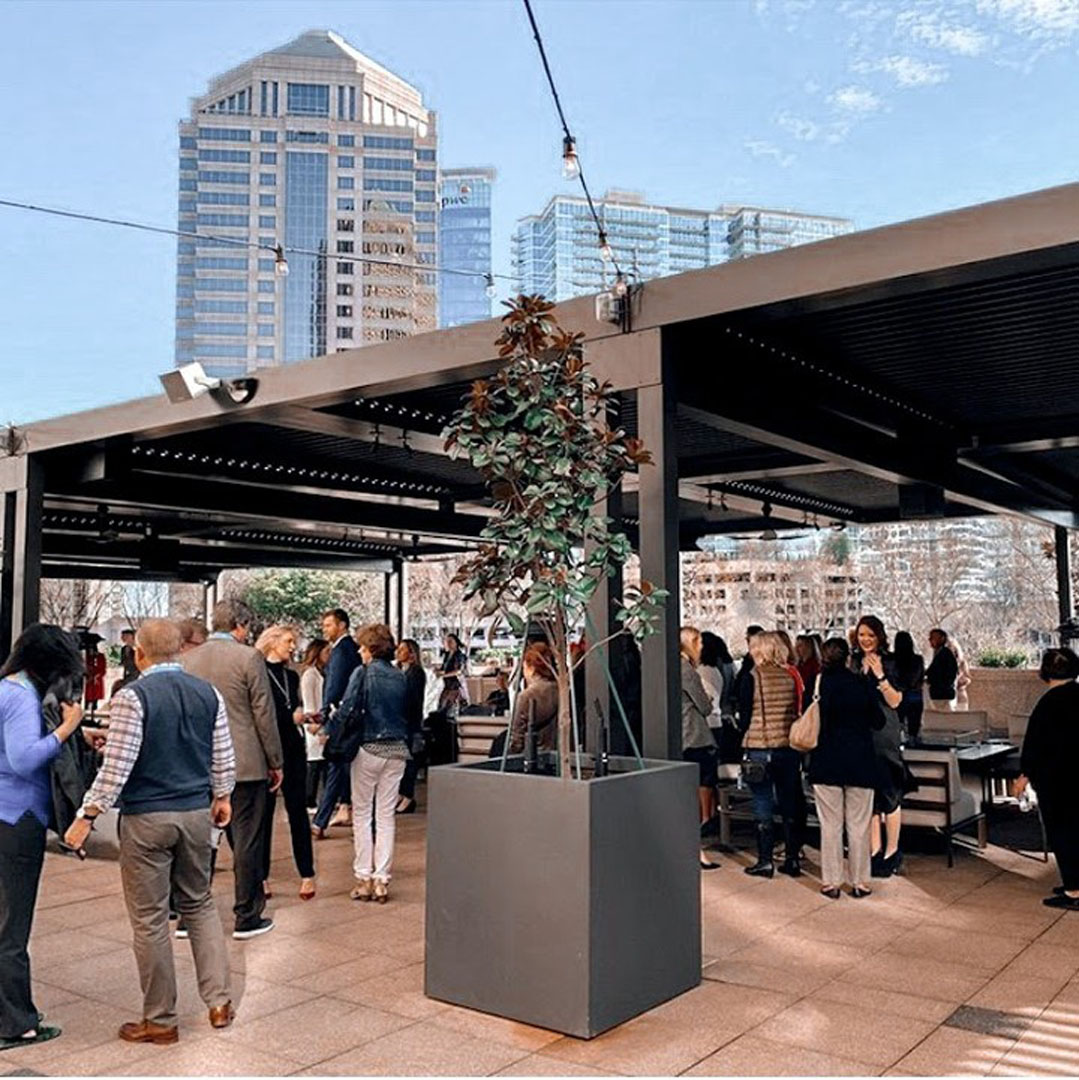
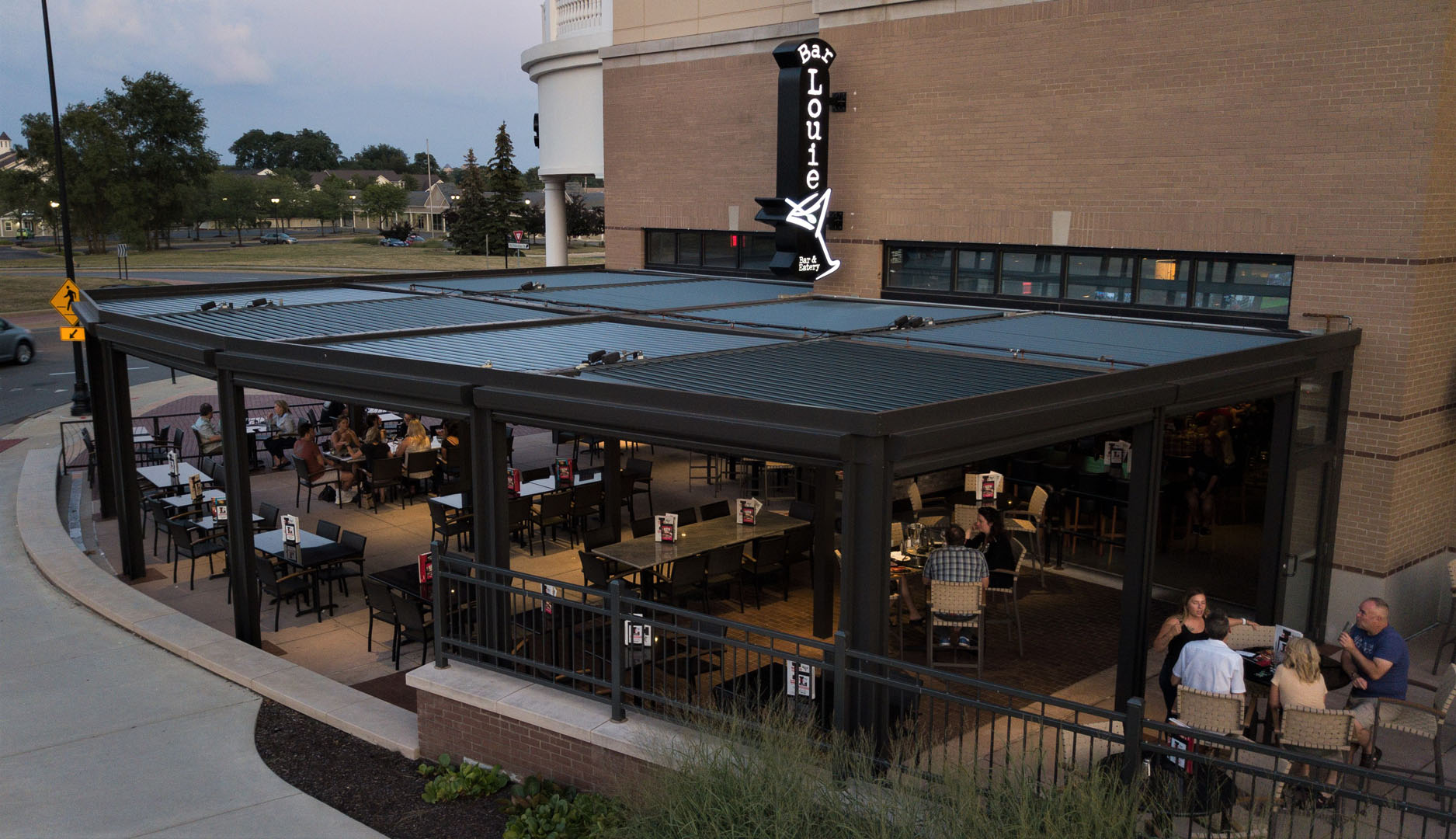
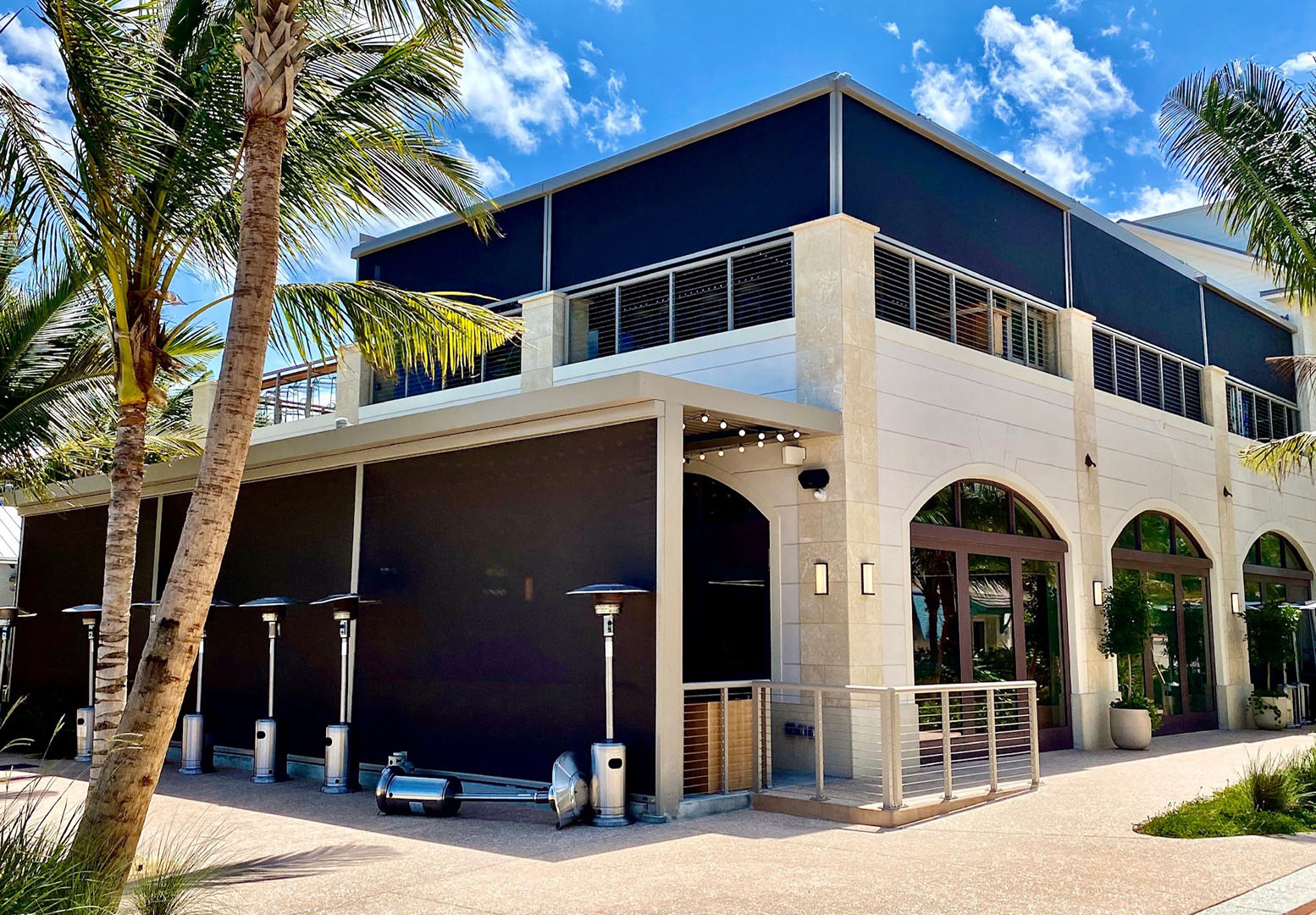
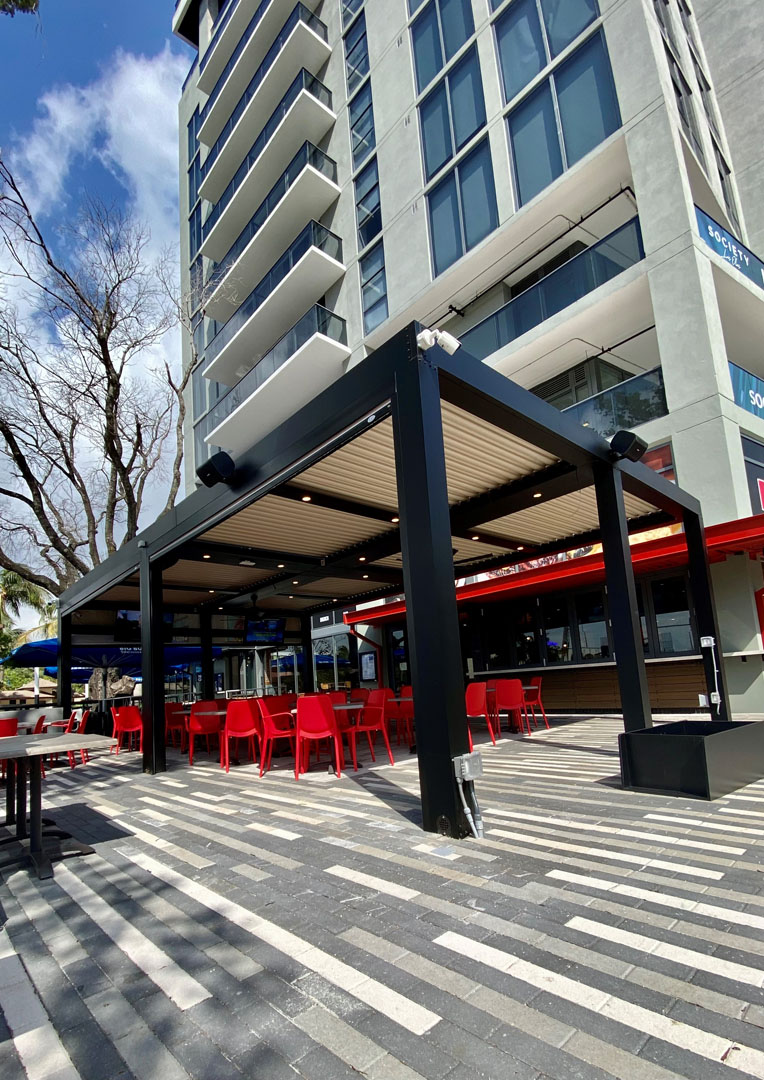
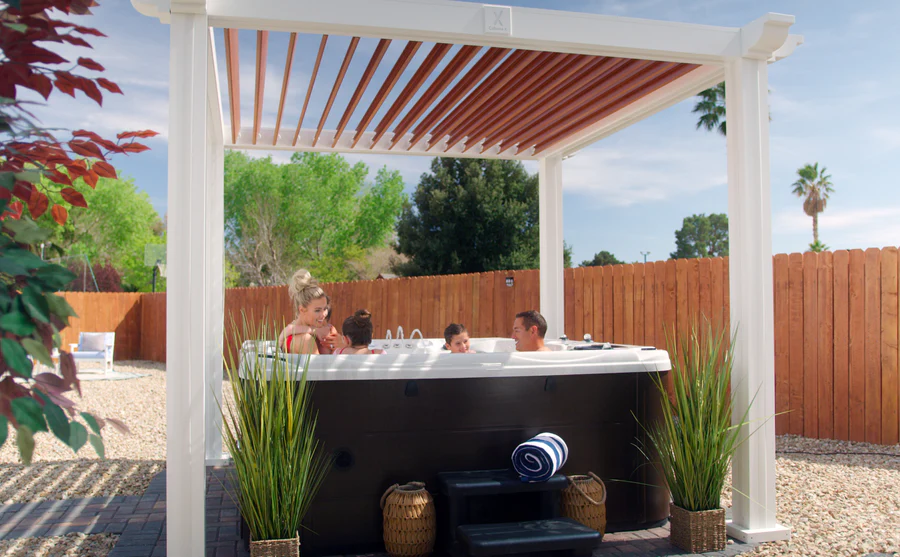
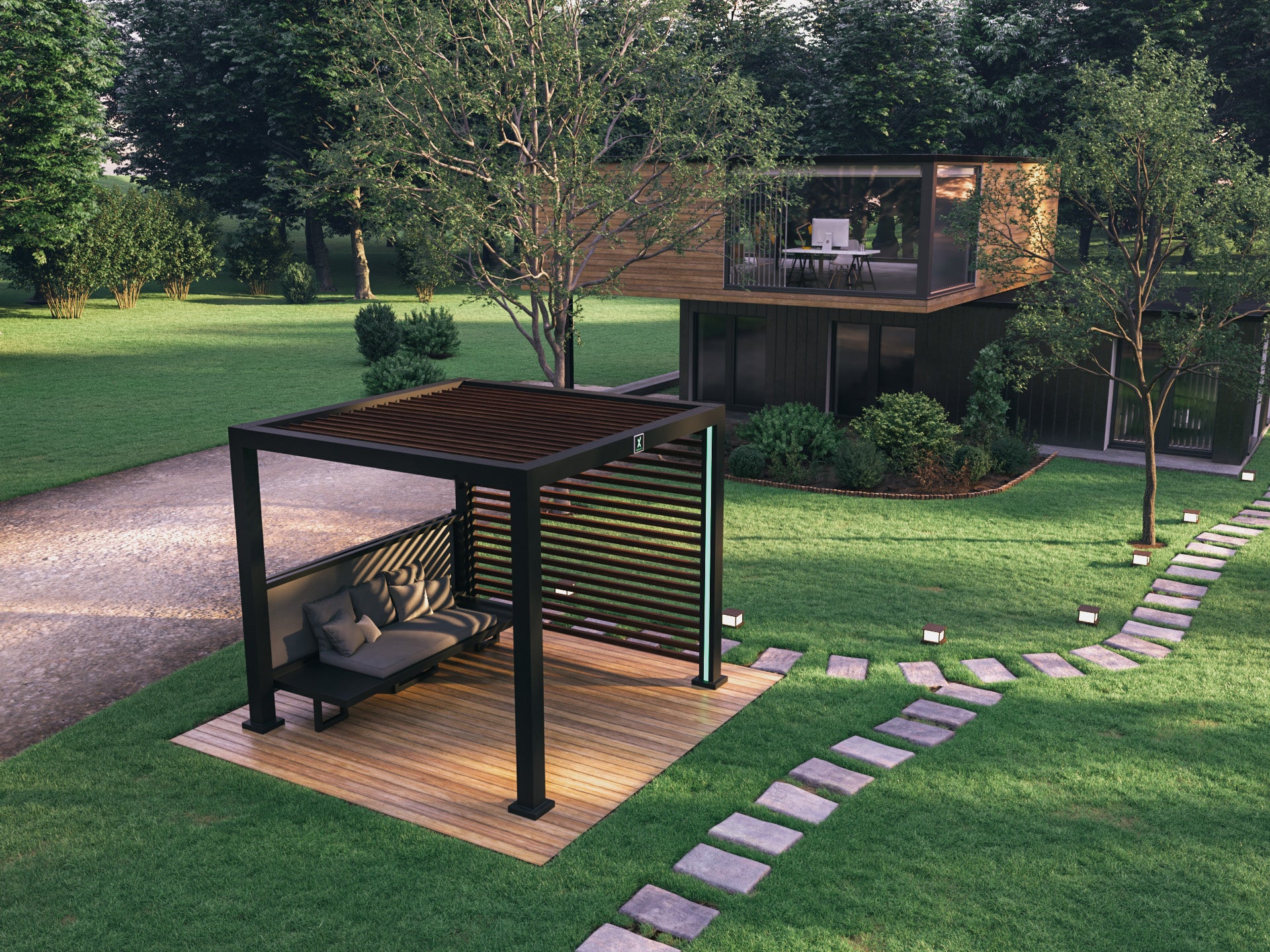
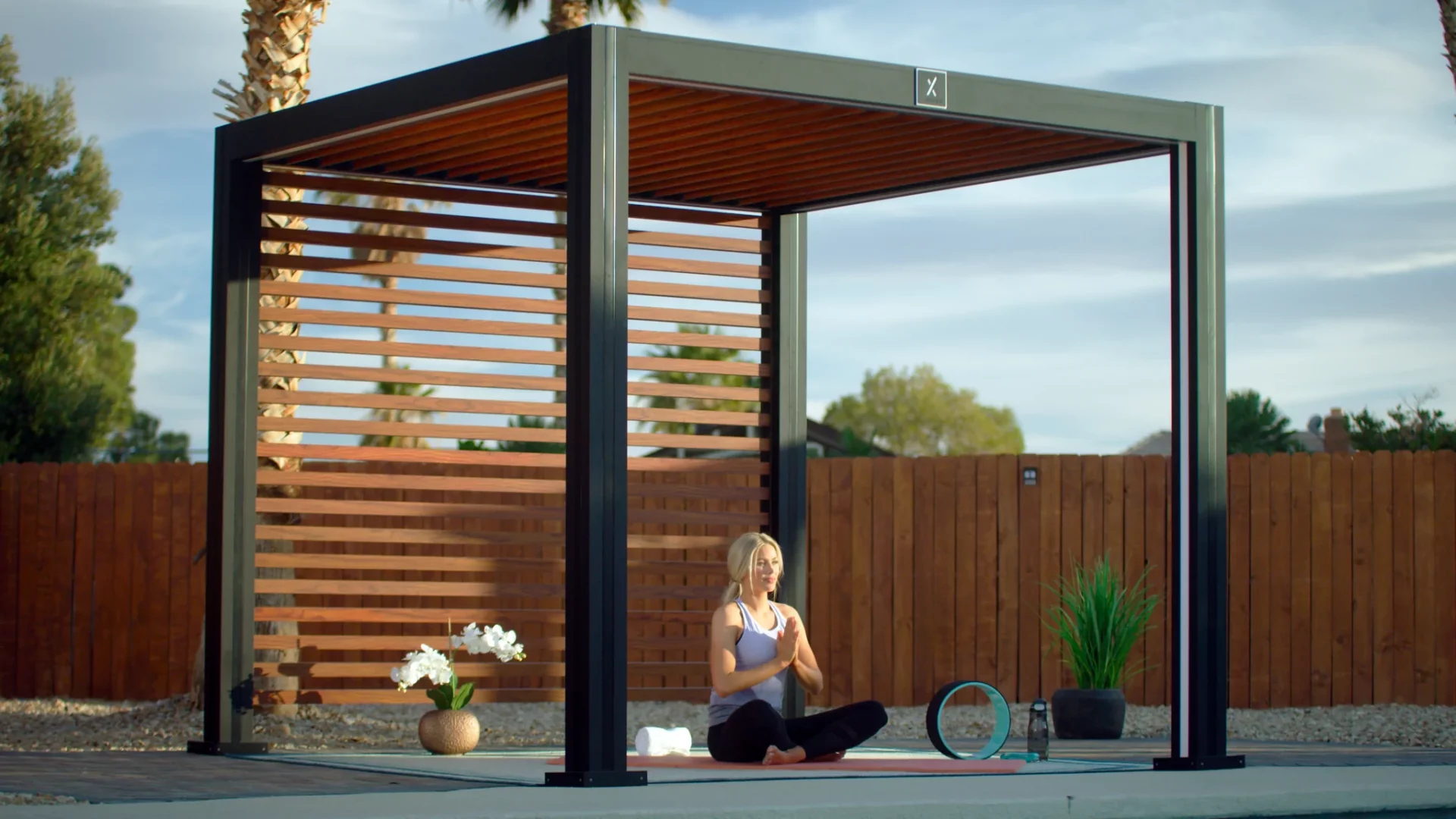
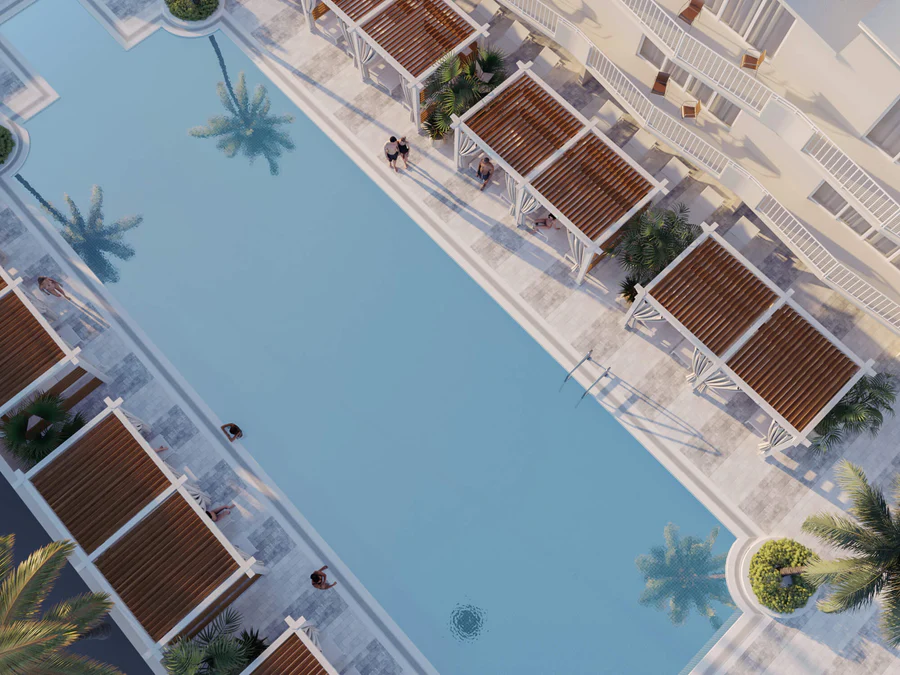
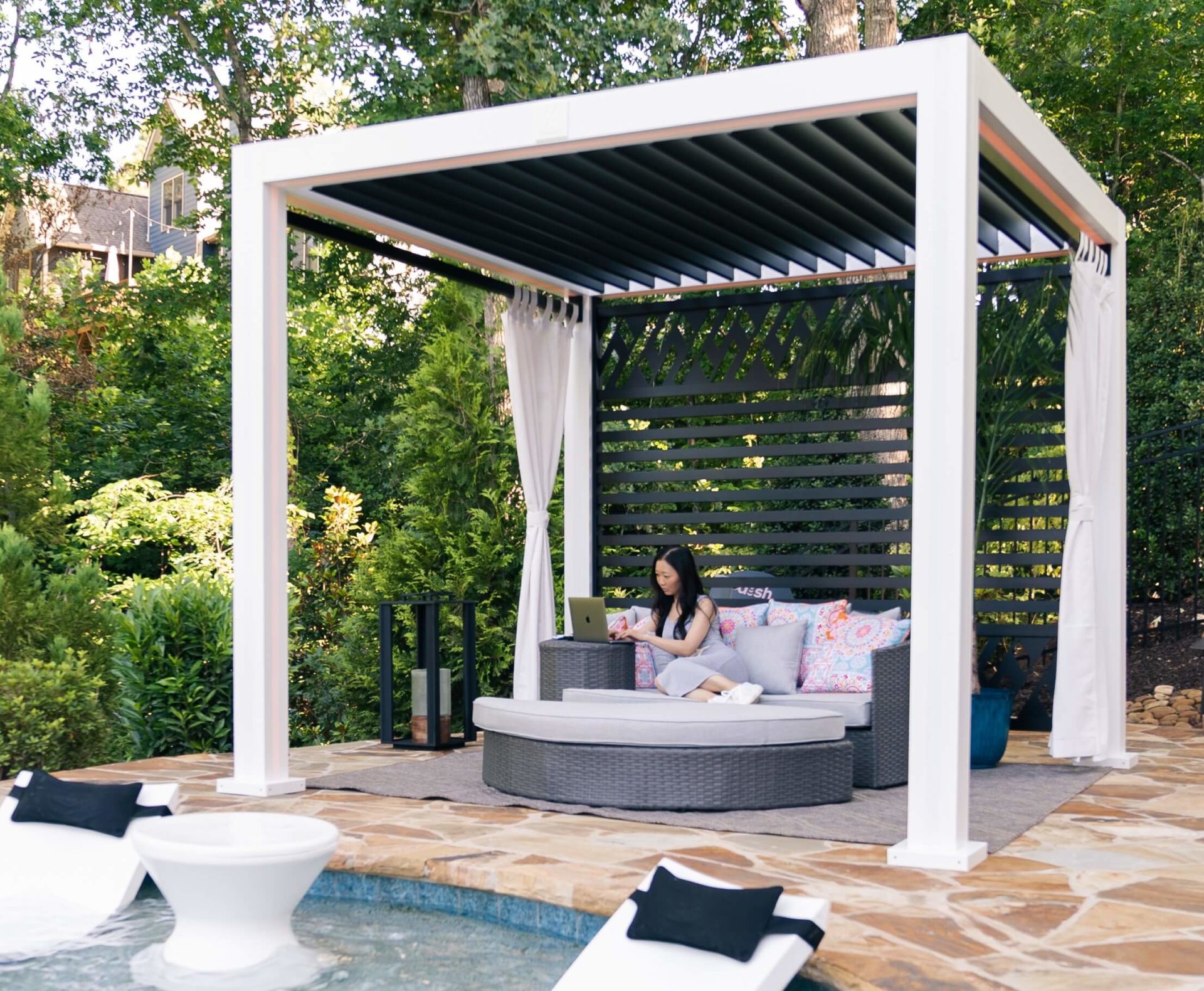
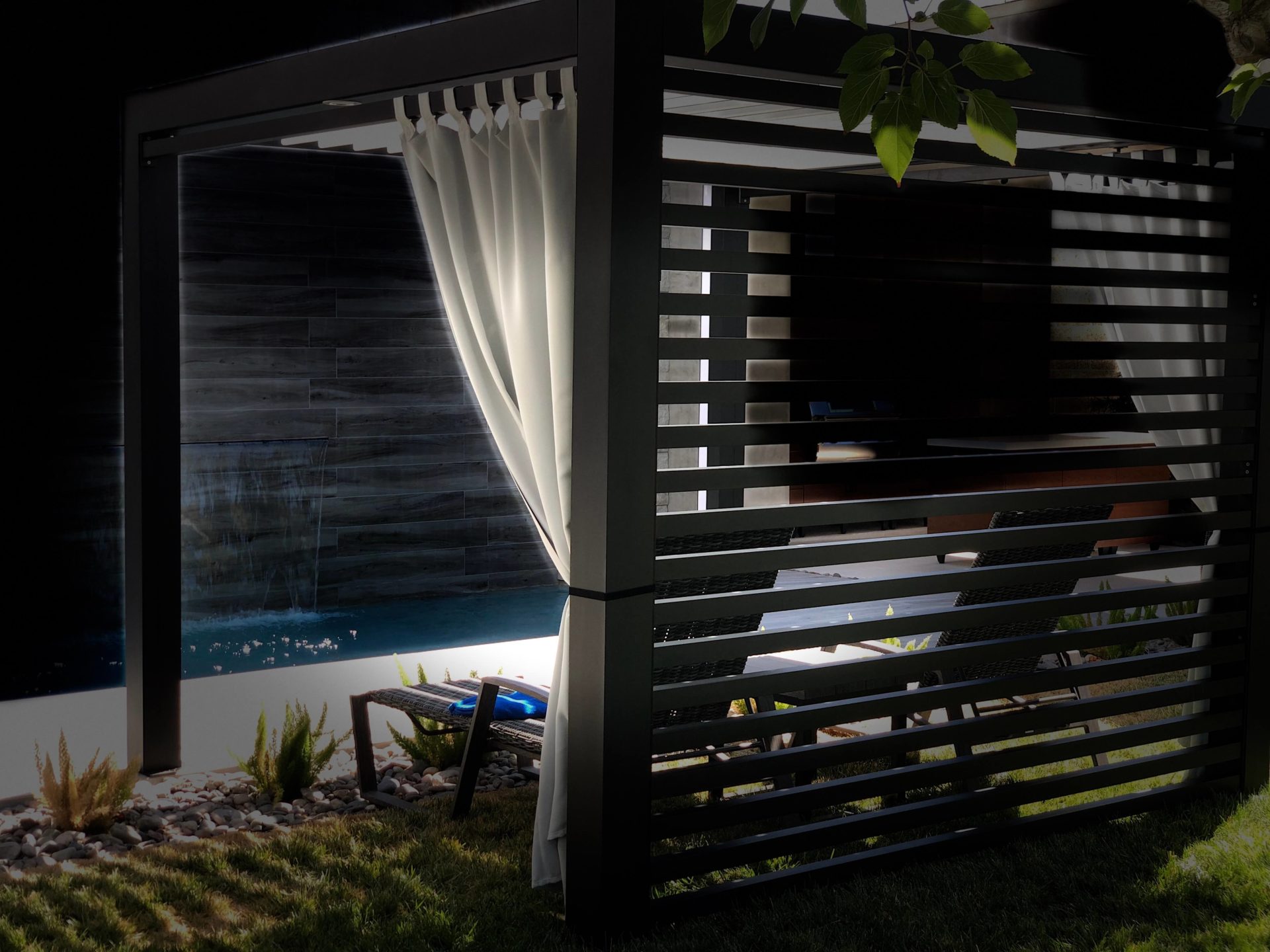
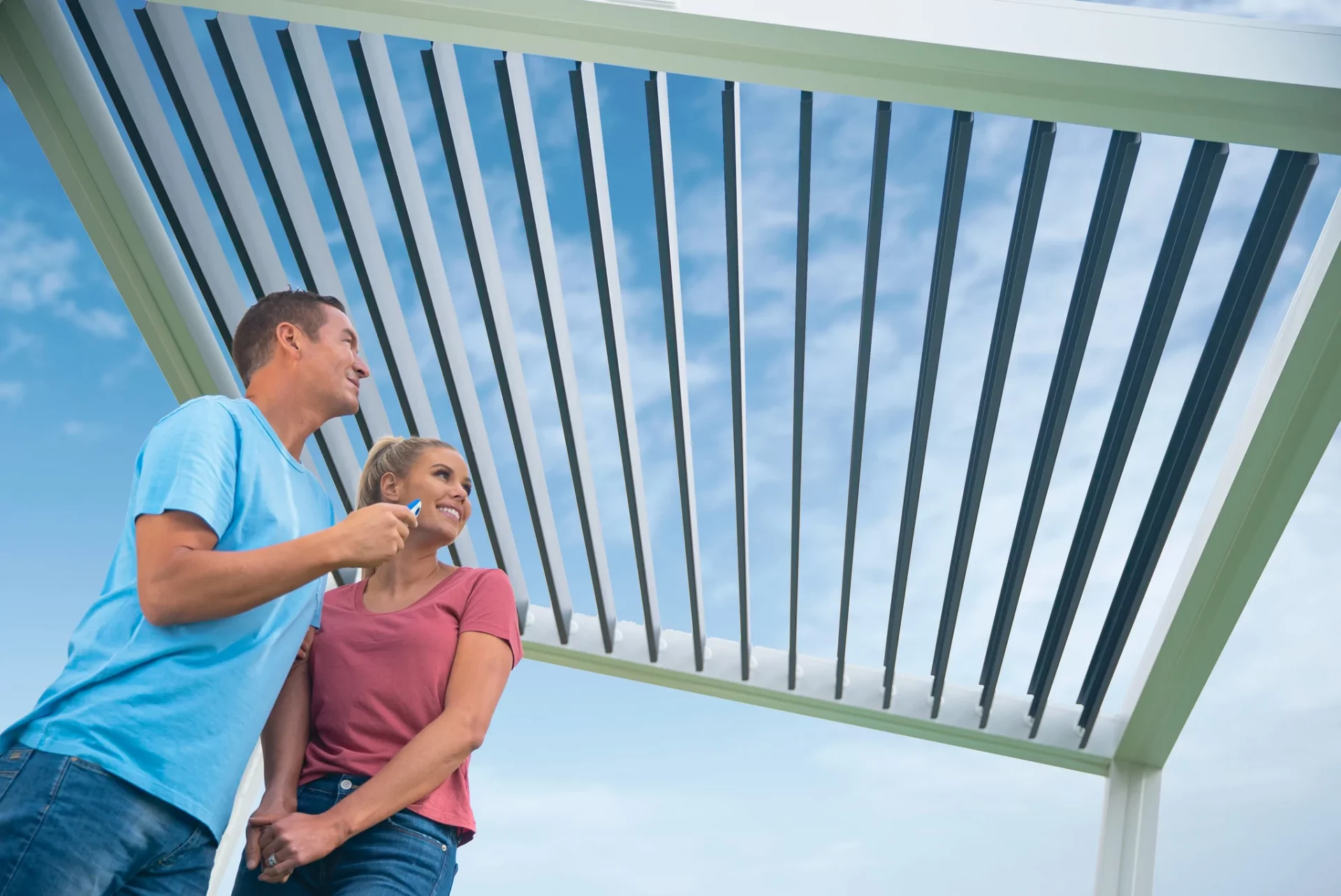
Are pergolas and covered structures suitable here? Yes—they align with Palm Beach indoor-outdoor design and extend usable seasons, but must account for wind loading and corrosion.
What materials resist the coastal climate? Durable natural fibers (wicker, cane, rattan) and corrosion-resistant metals/finishes are recommended to withstand salt spray and moisture.
How should waterfront properties influence upgrades? Oceanfront sites face stronger wind, salt exposure and erosion risk; Intracoastal sites offer more wind protection and boating access—plan orientation, seawalls and dock quality accordingly.