
Outdoor Living and Local Environment in North Miami
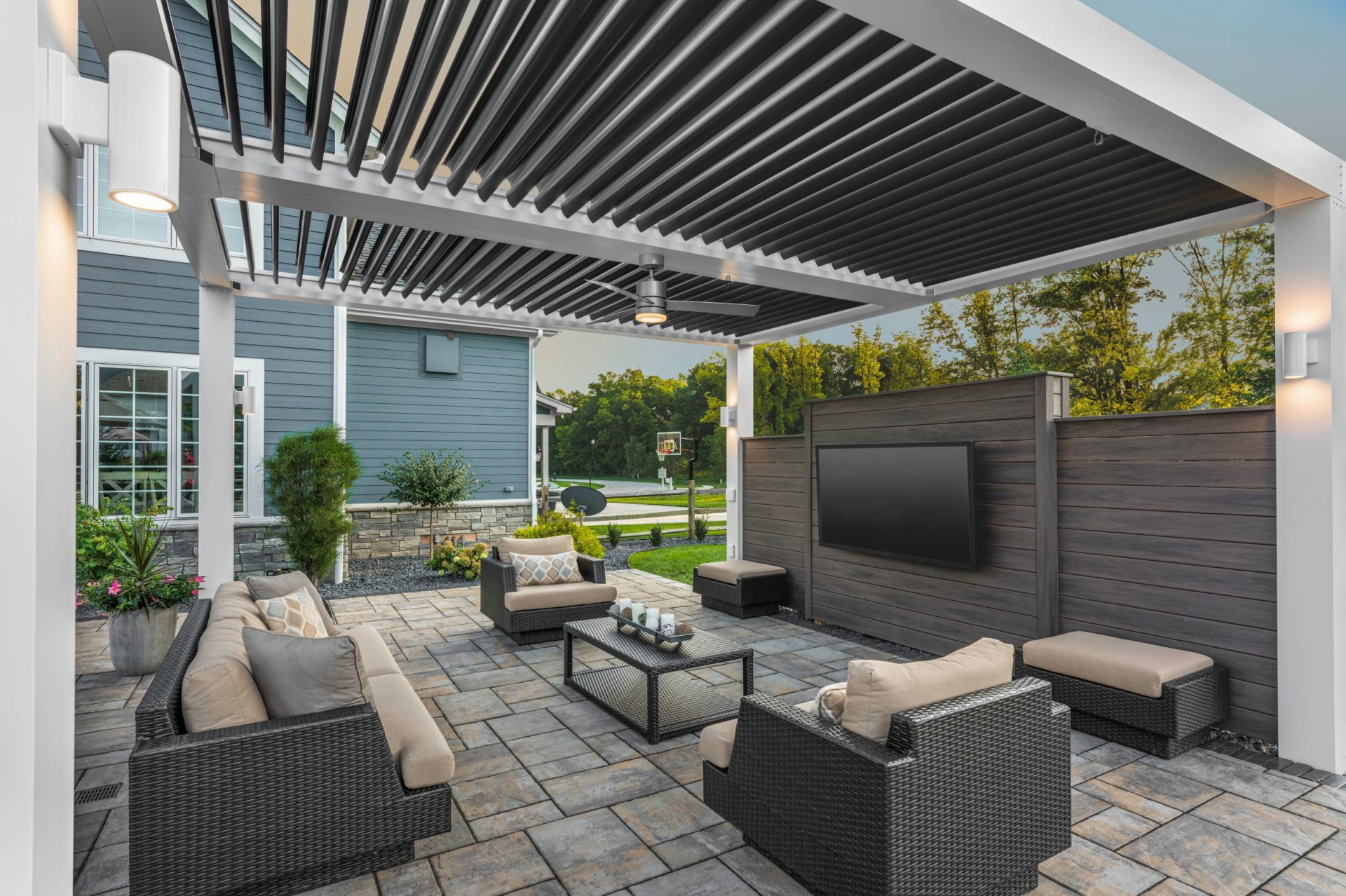
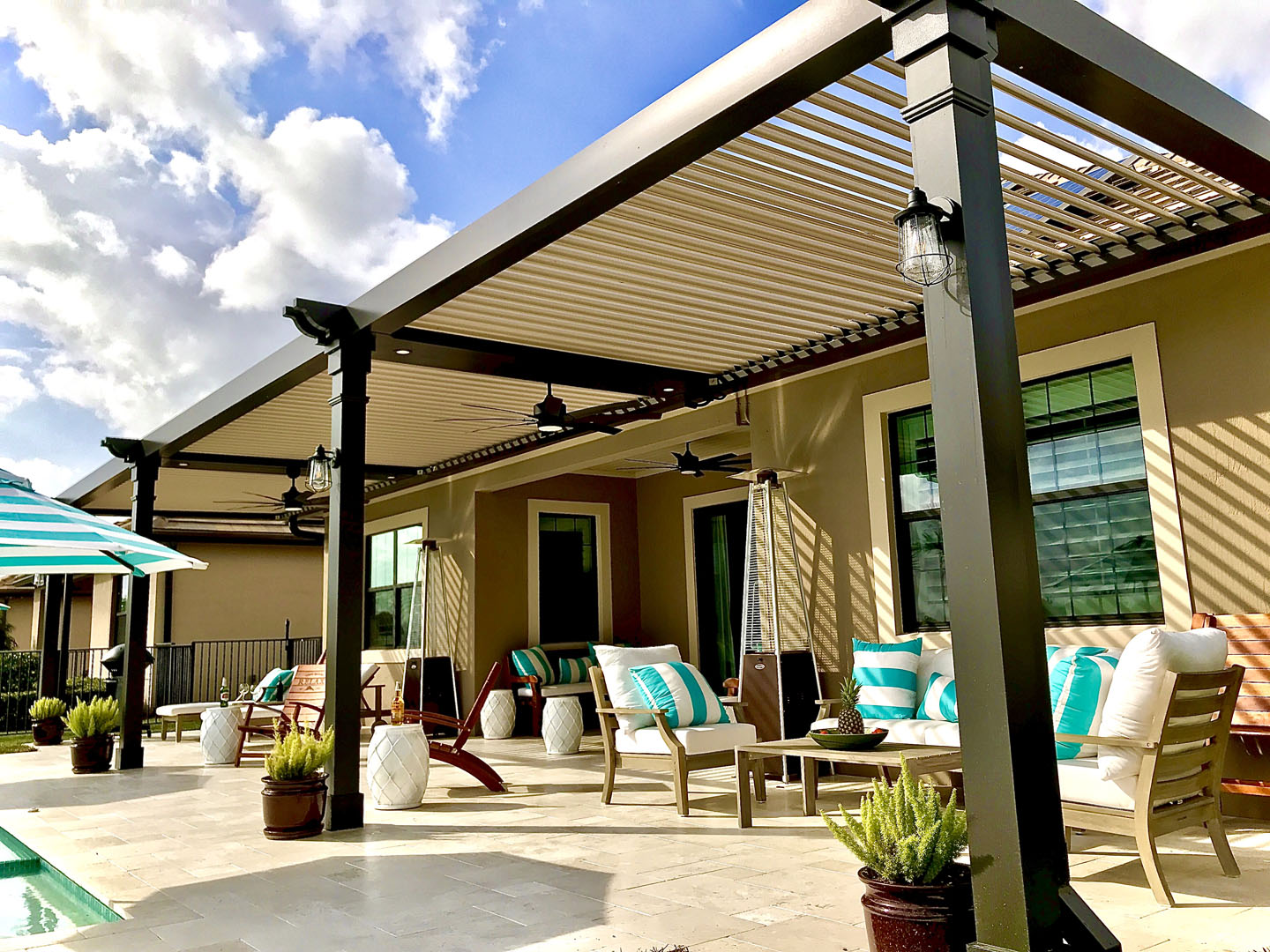
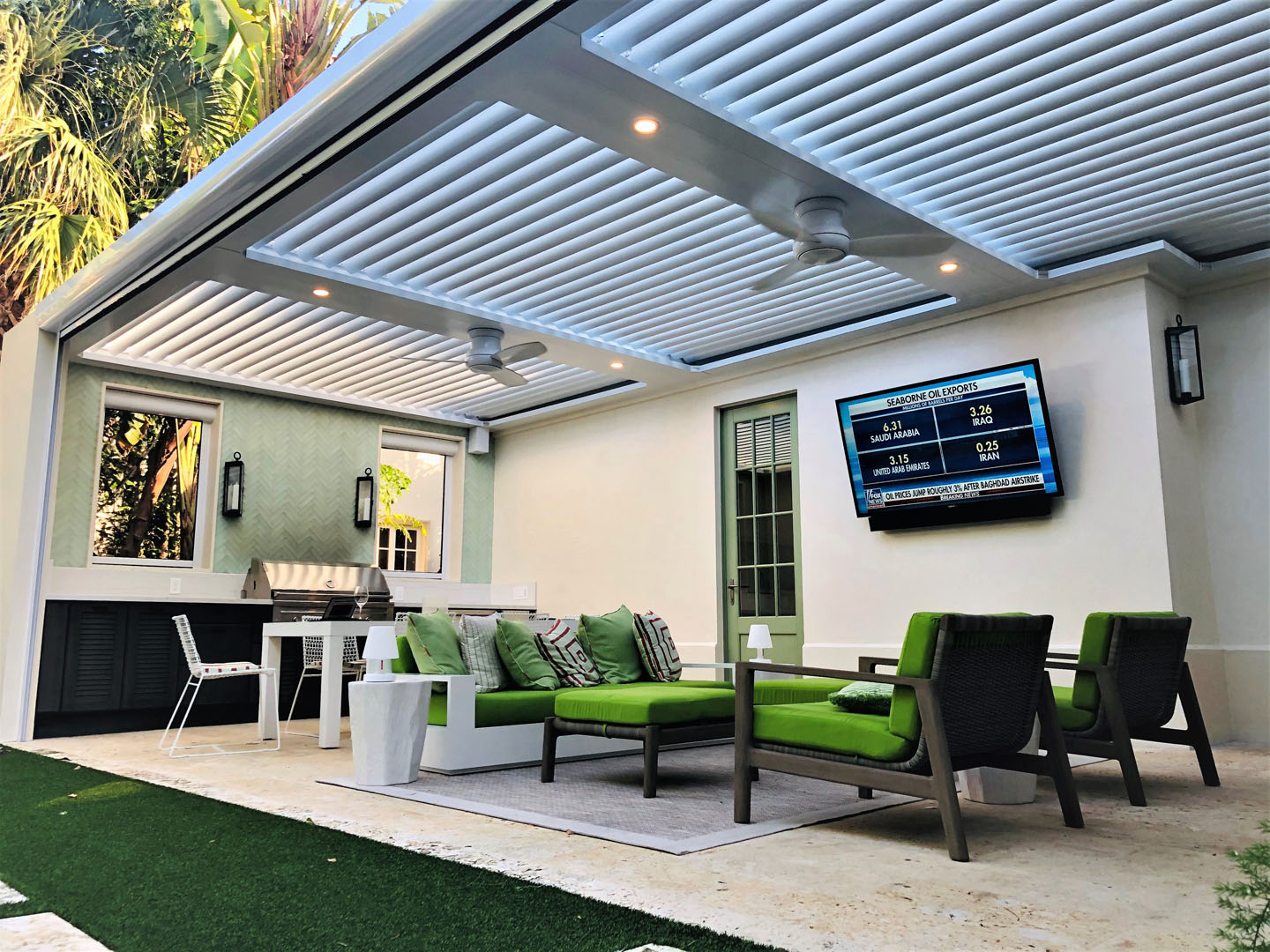
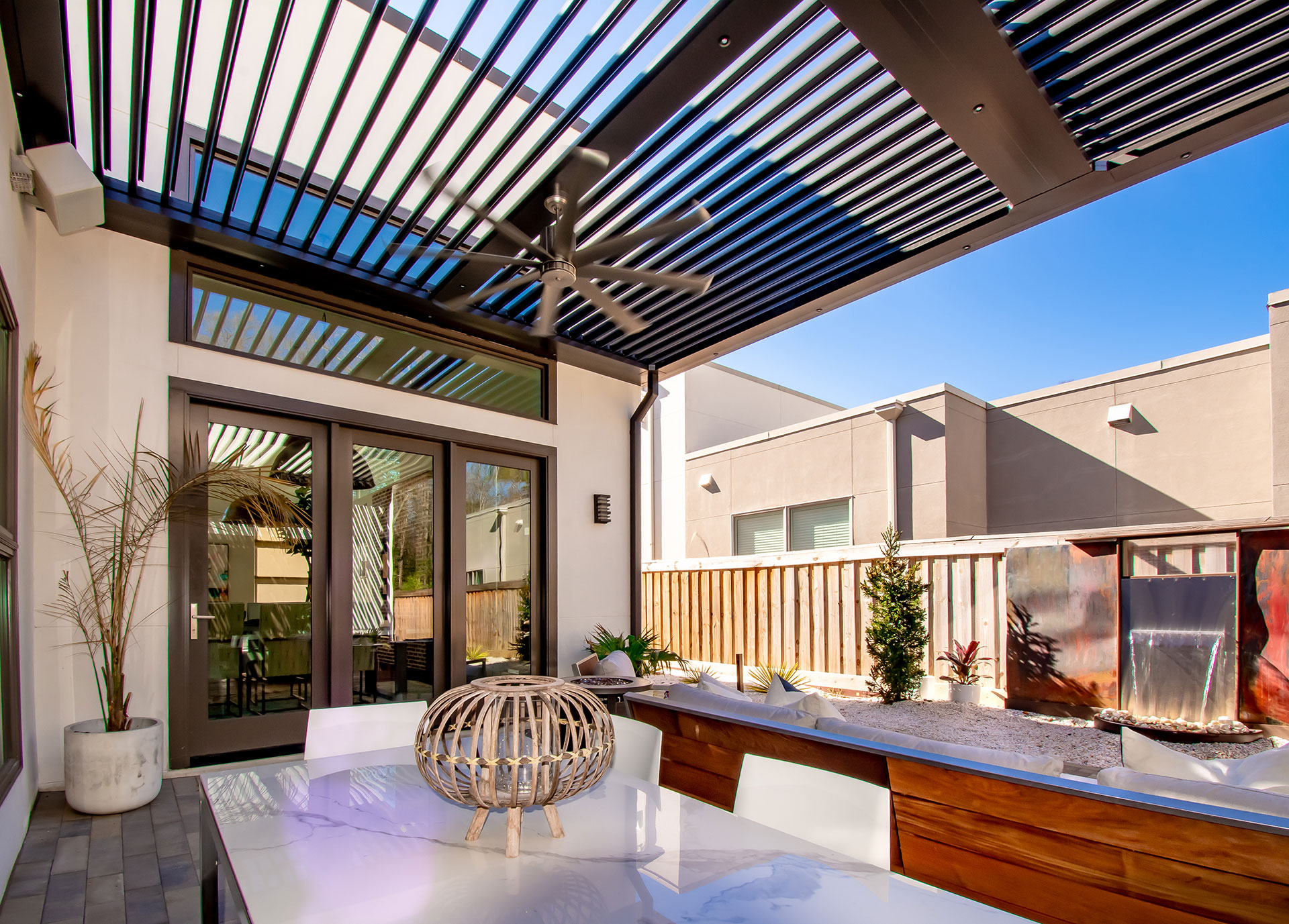
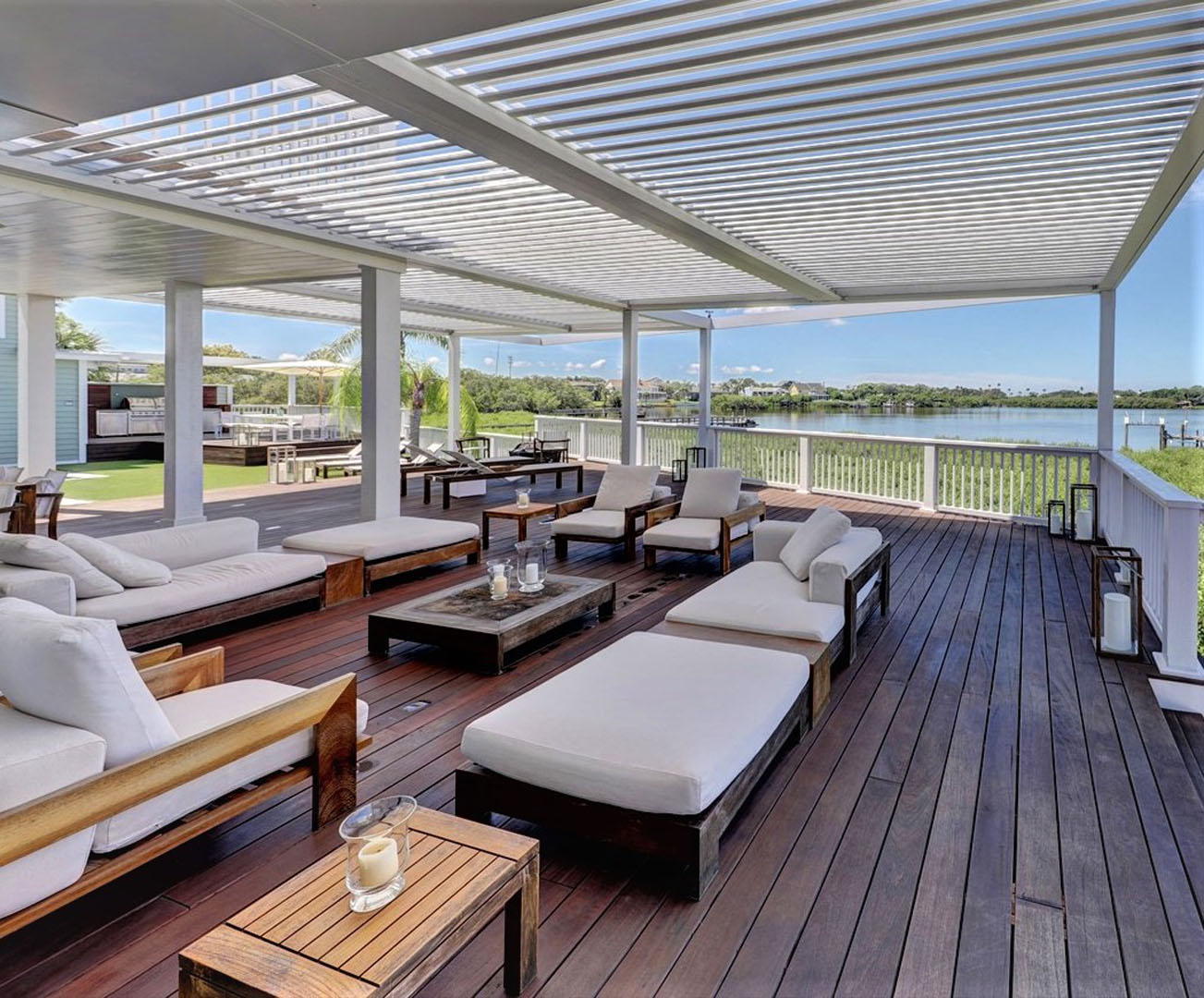
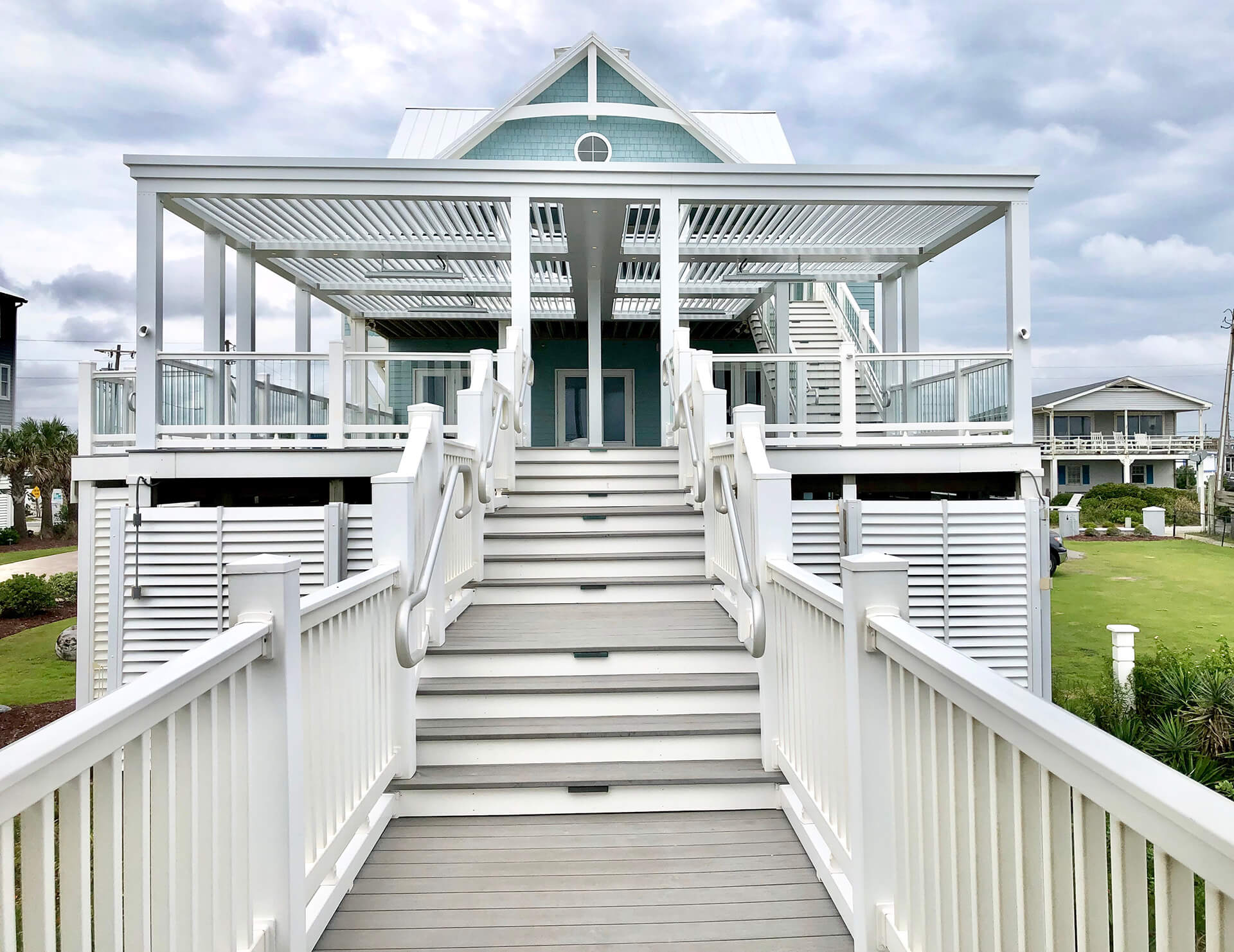
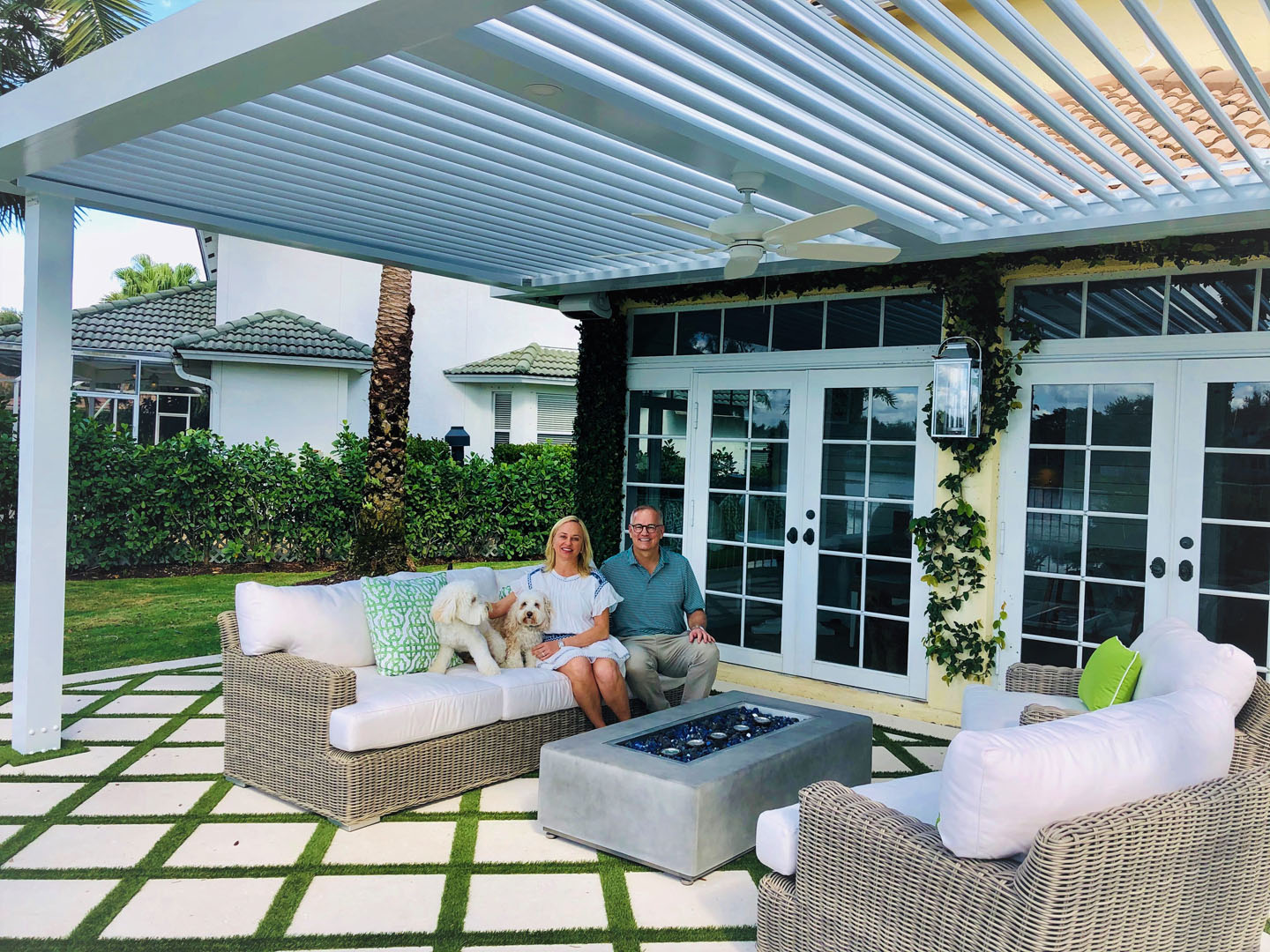
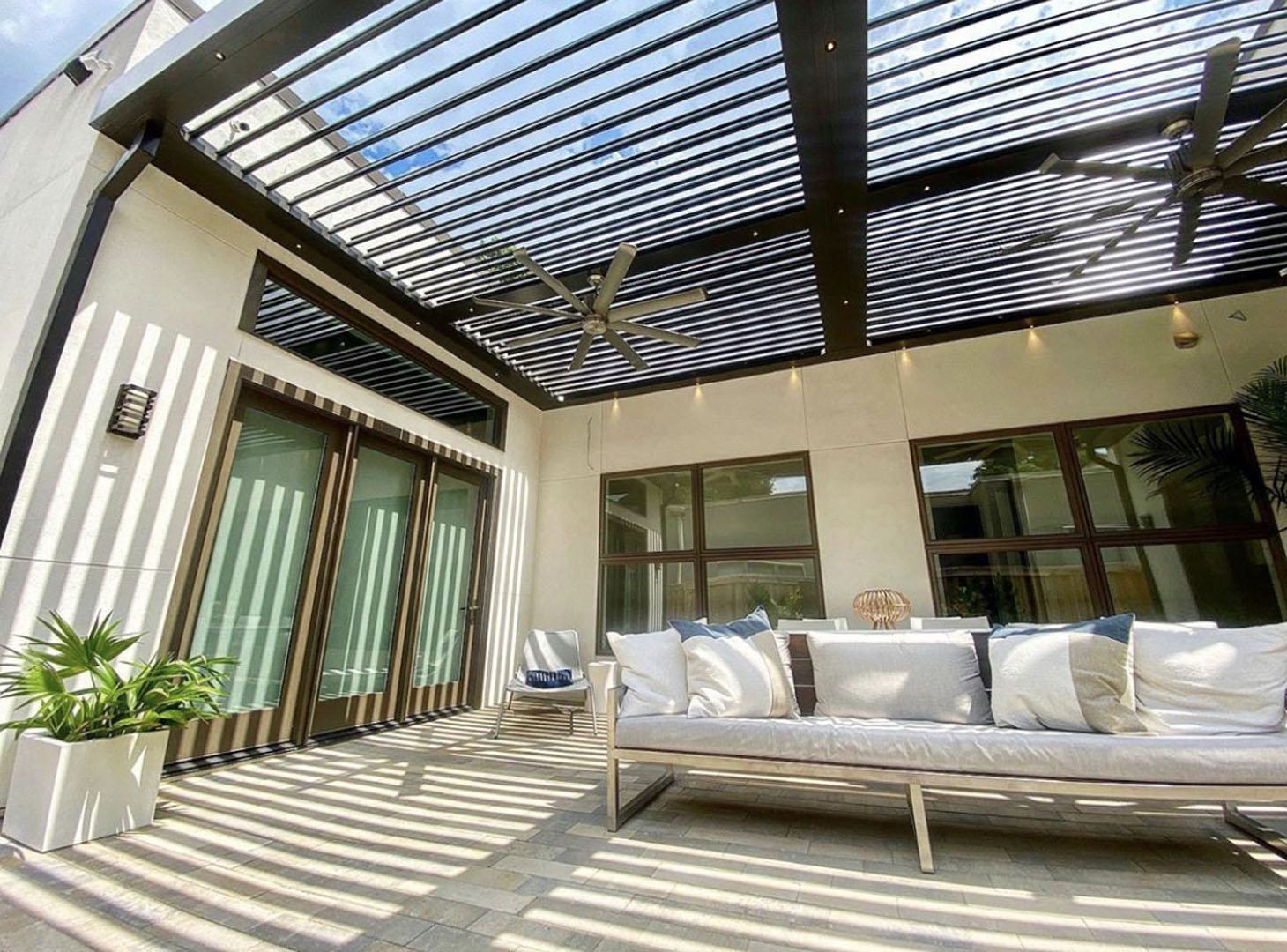
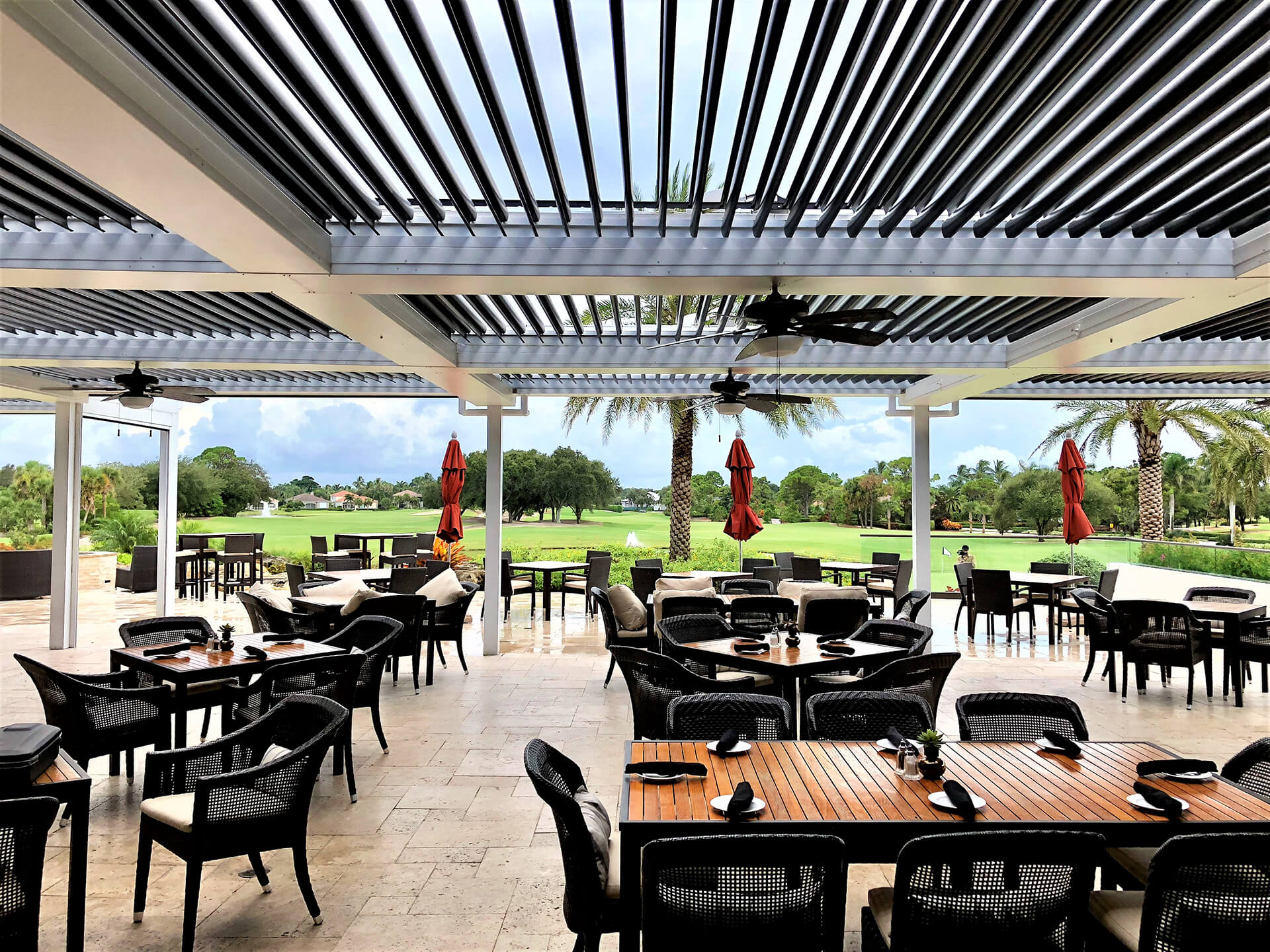
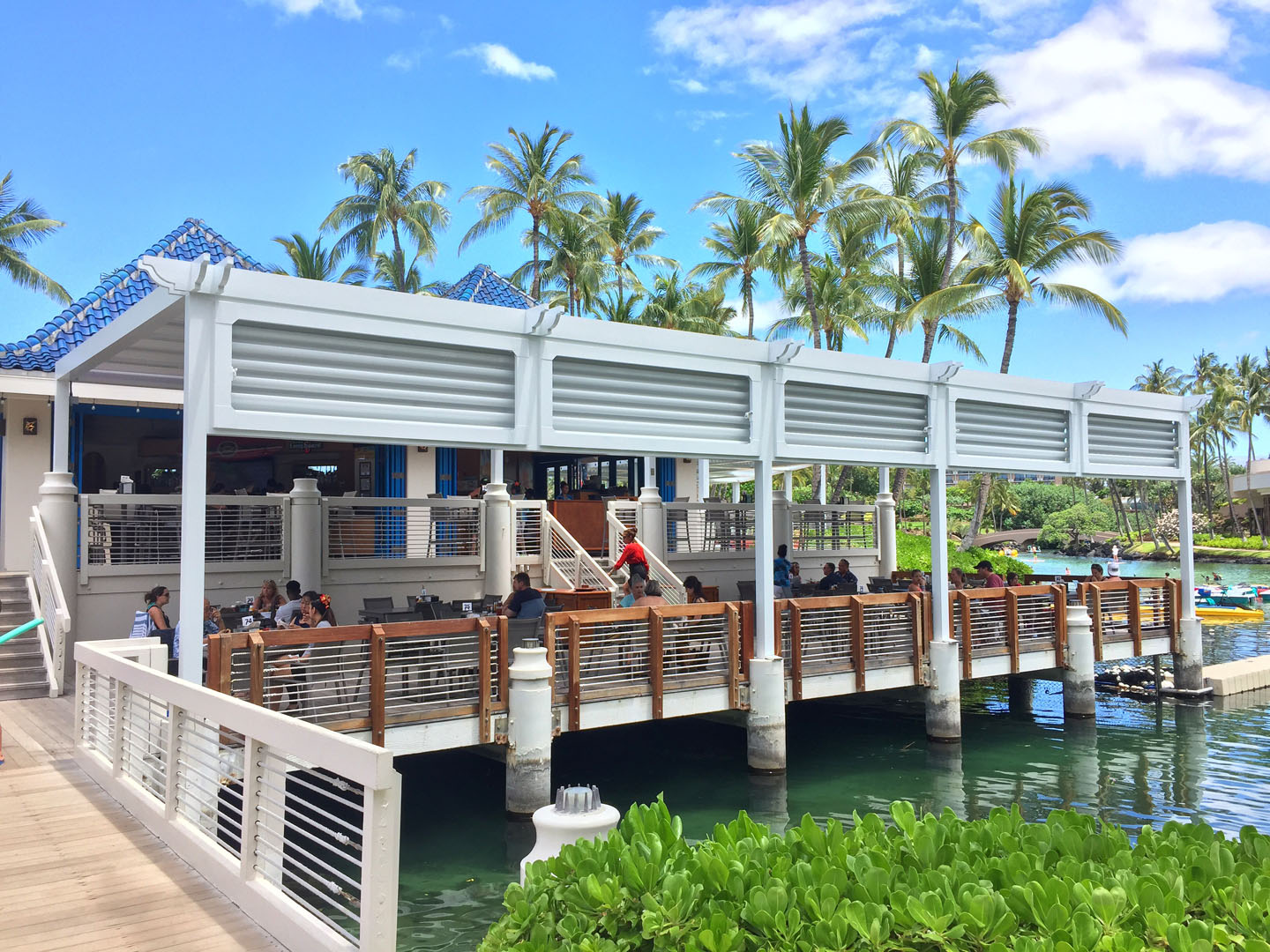
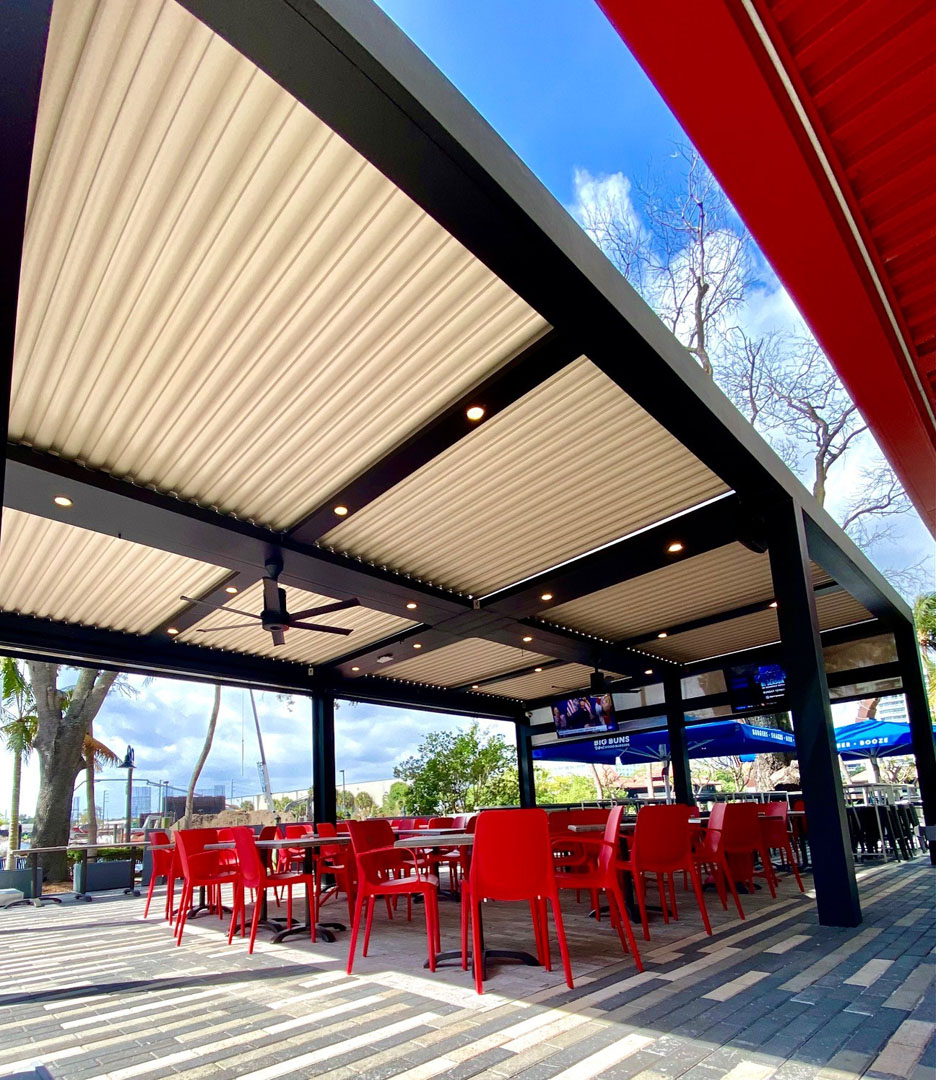
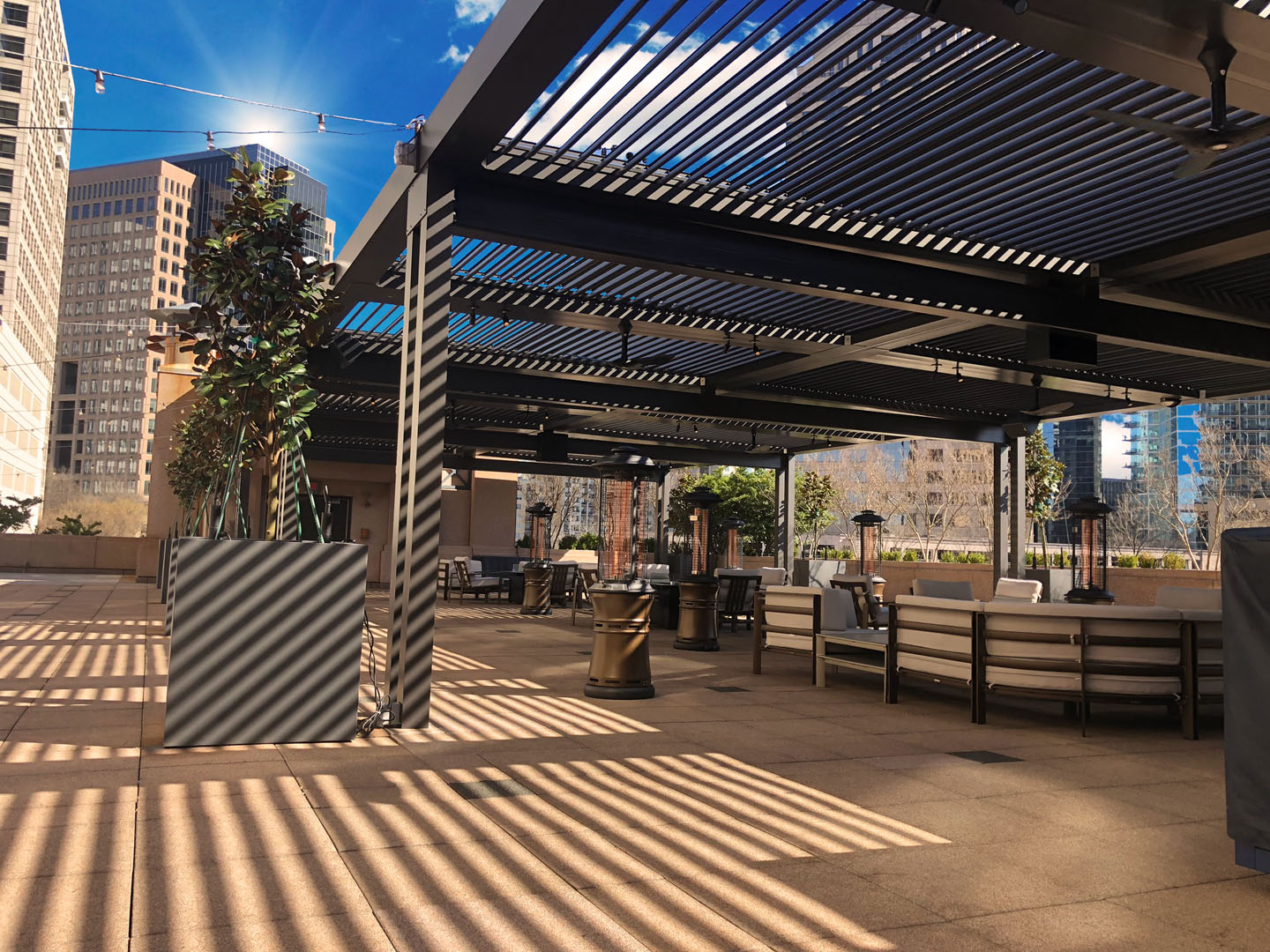
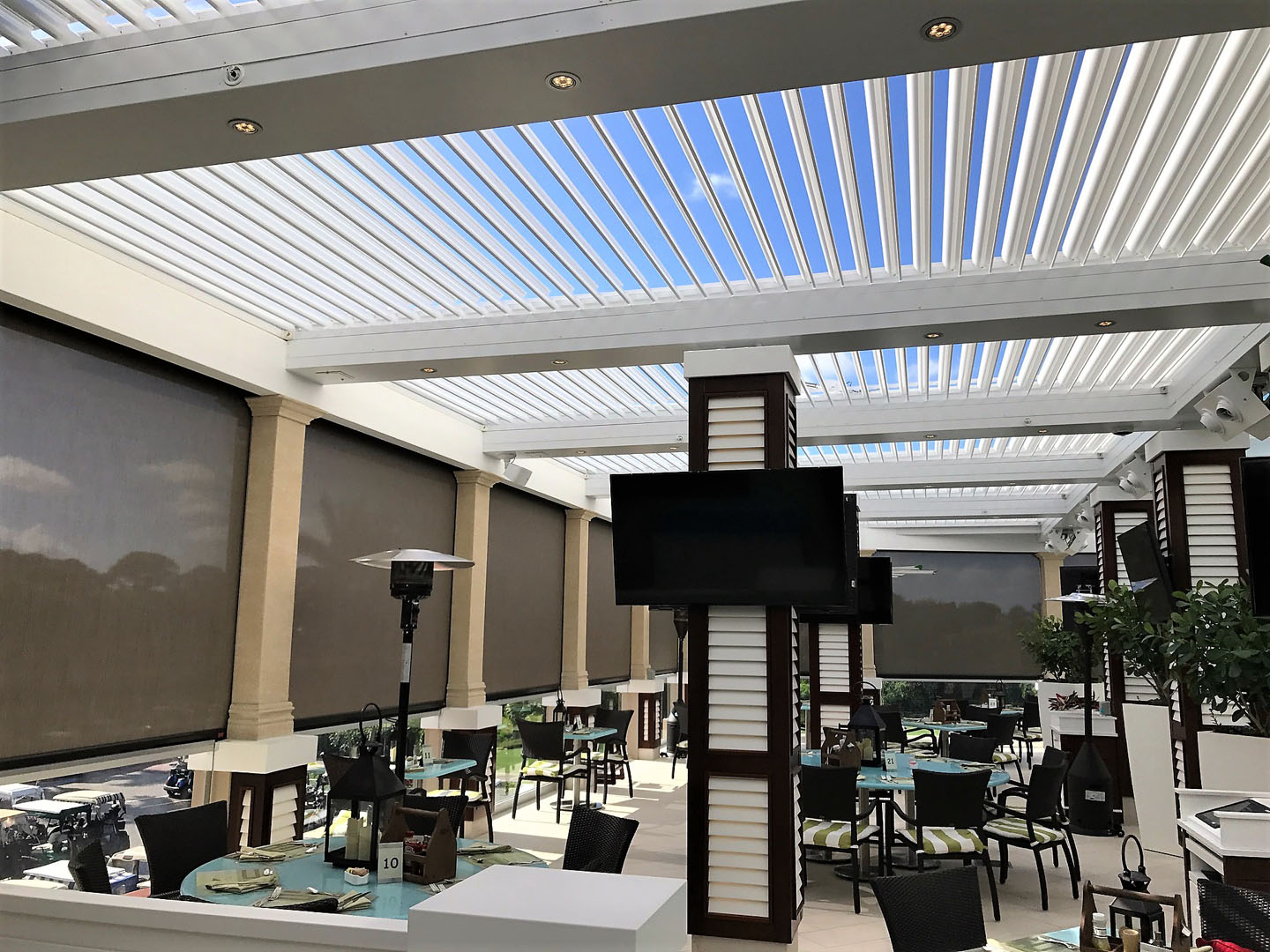
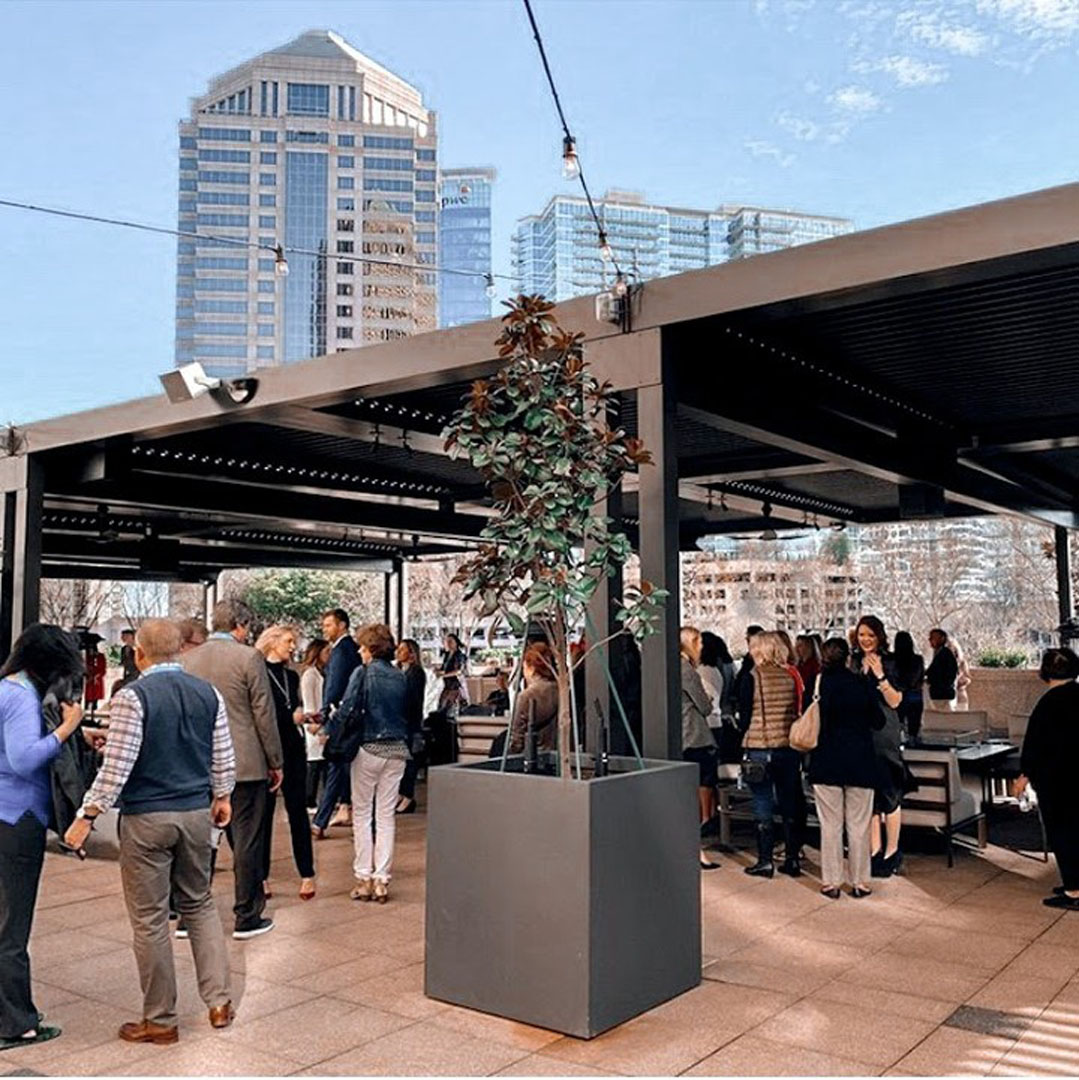
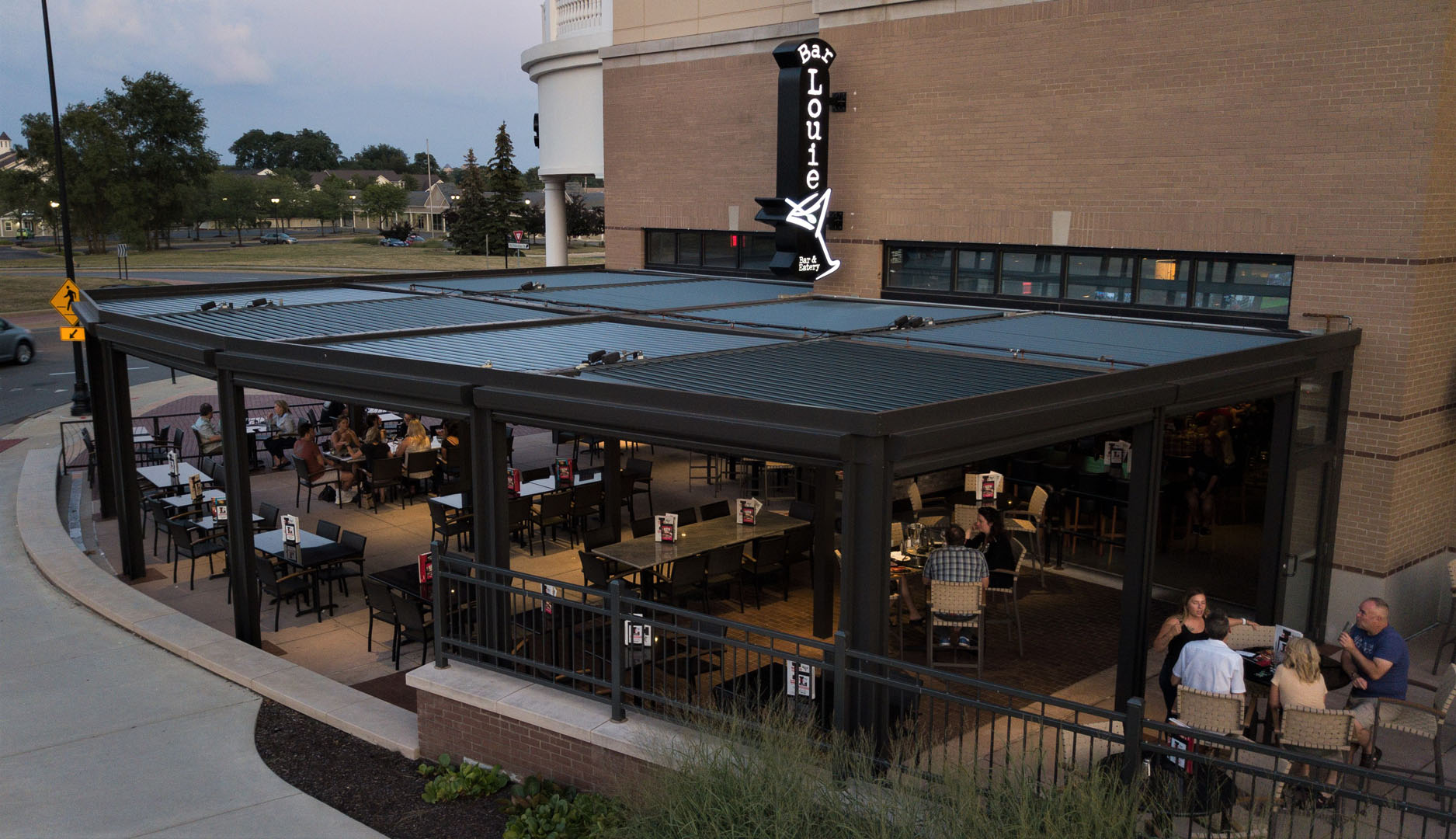
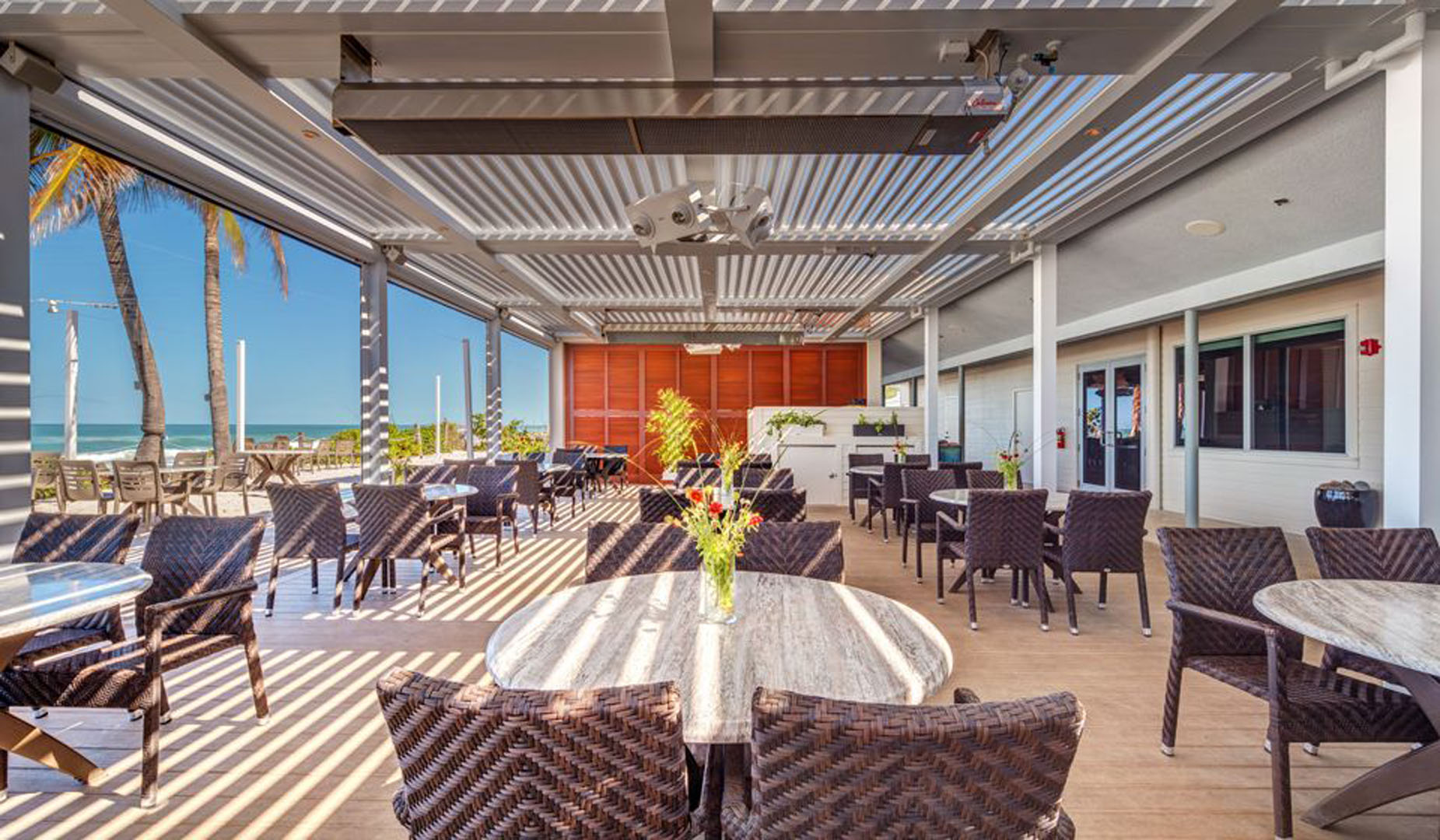
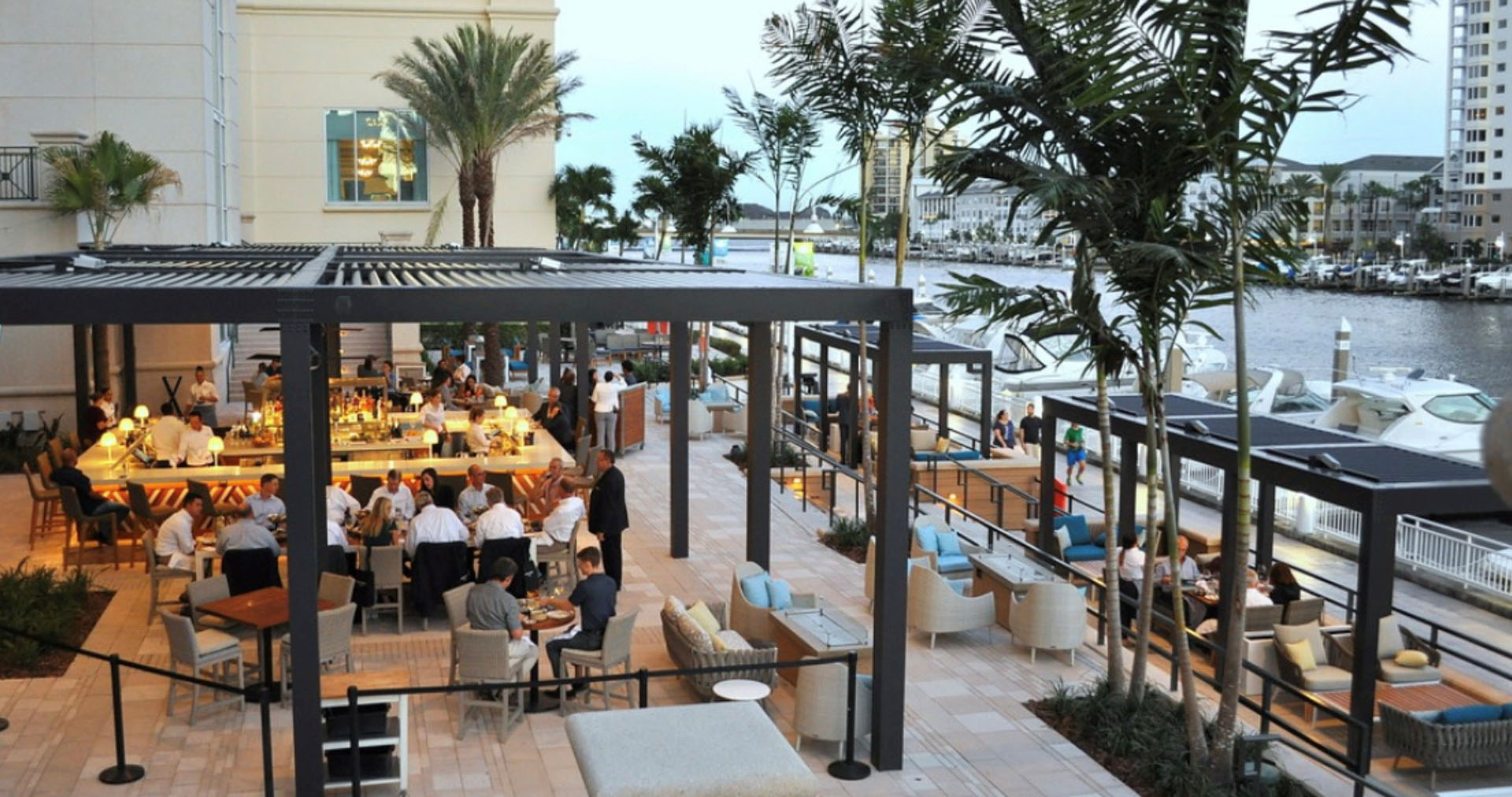
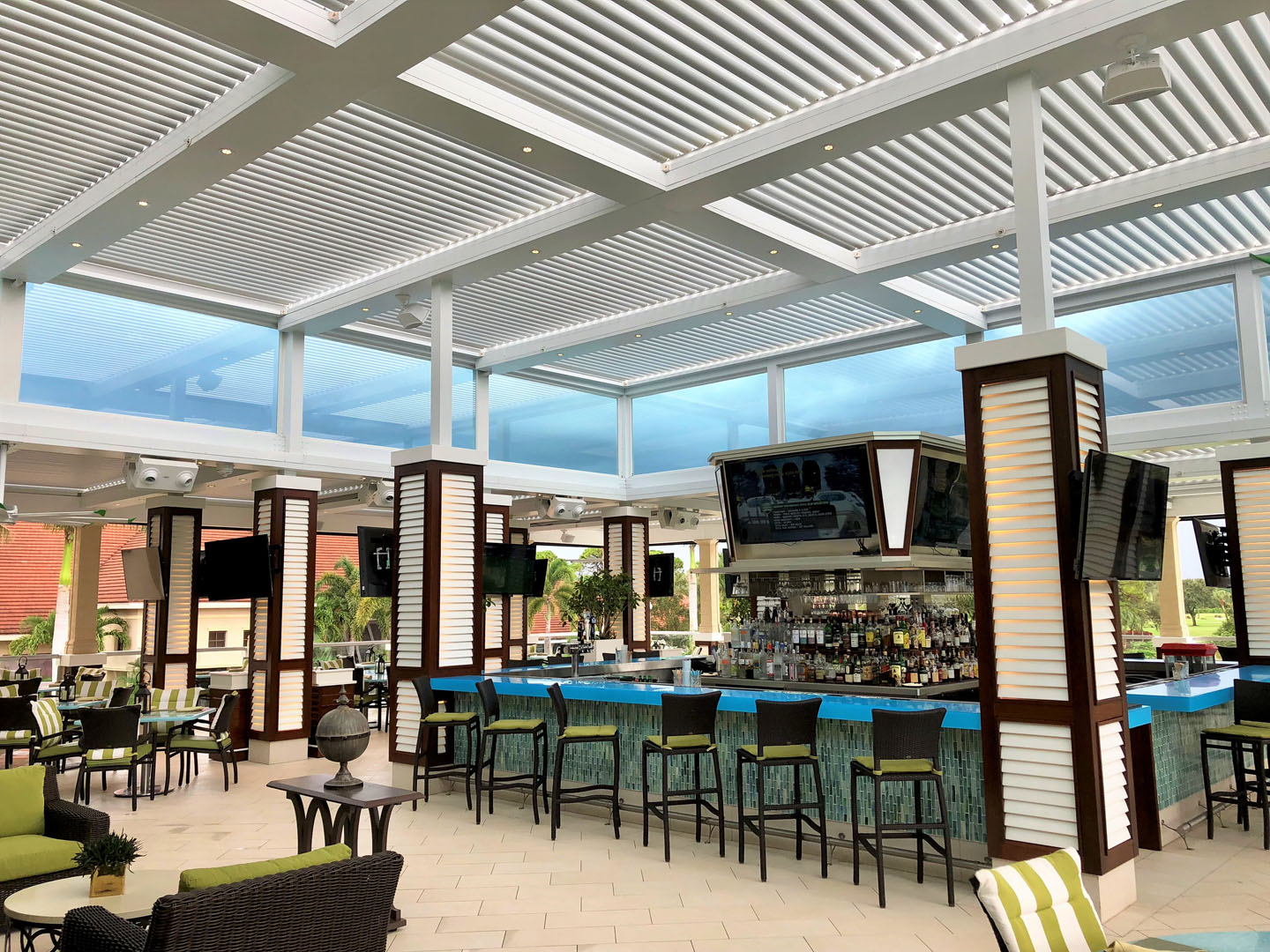
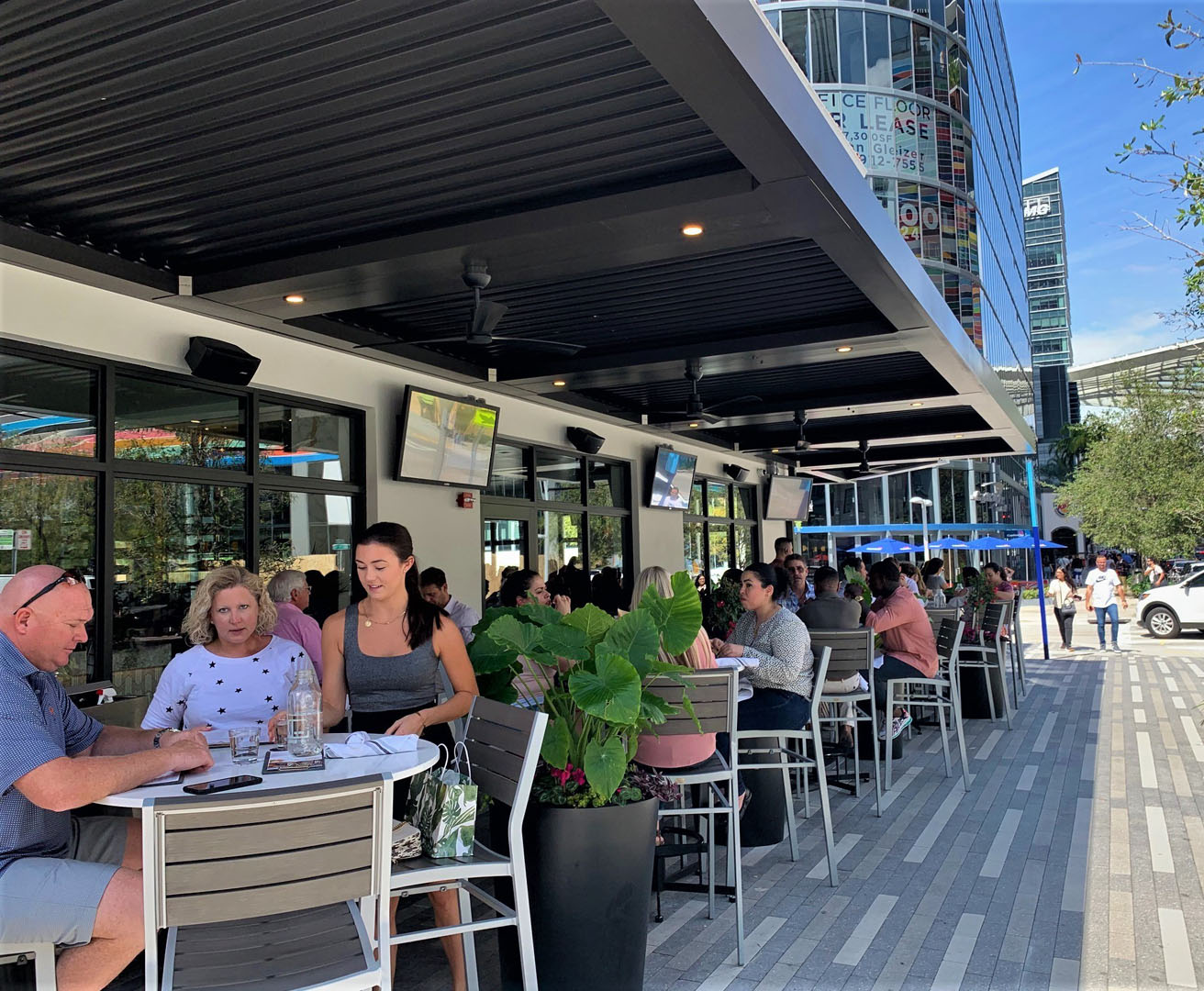
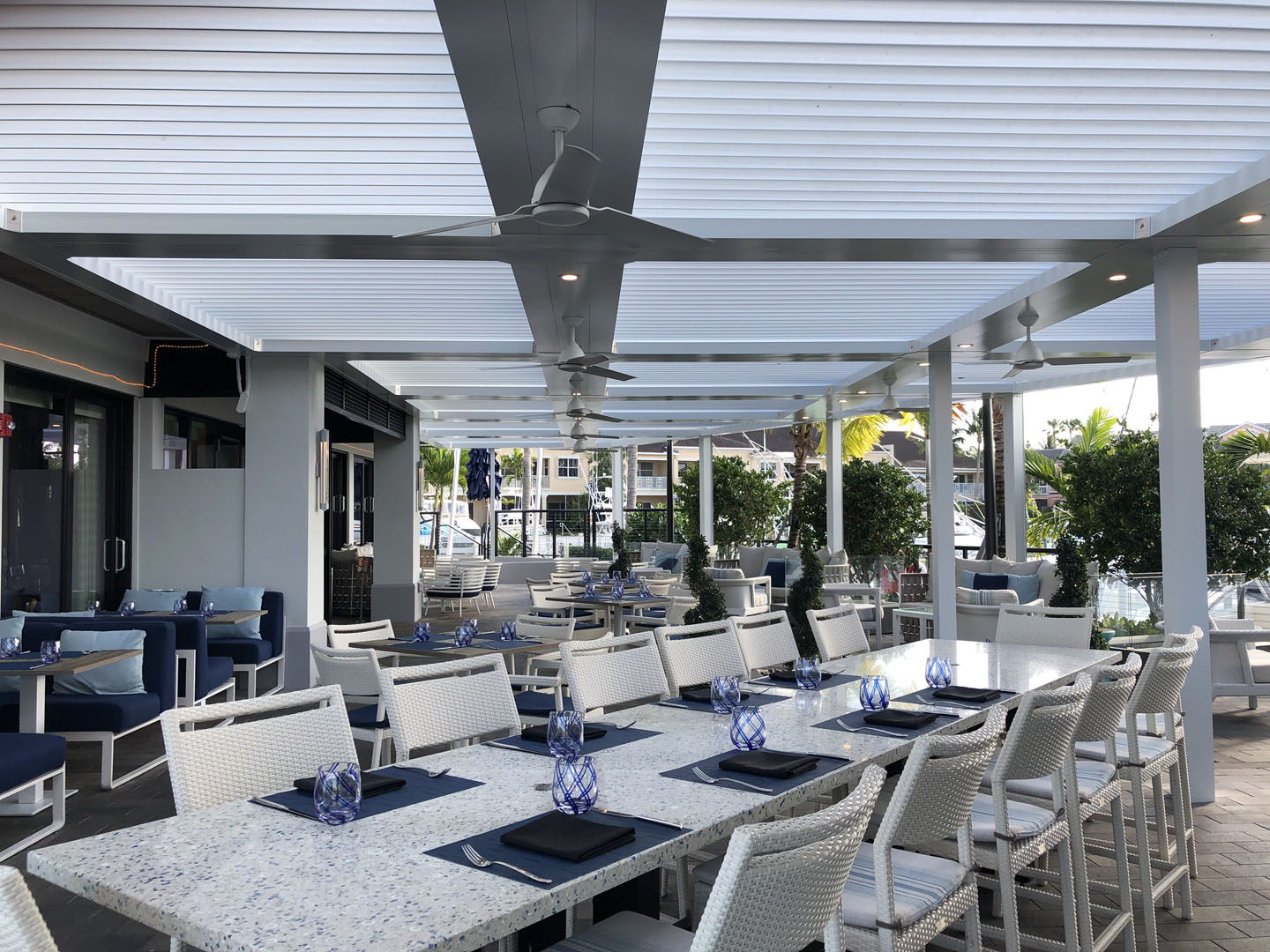
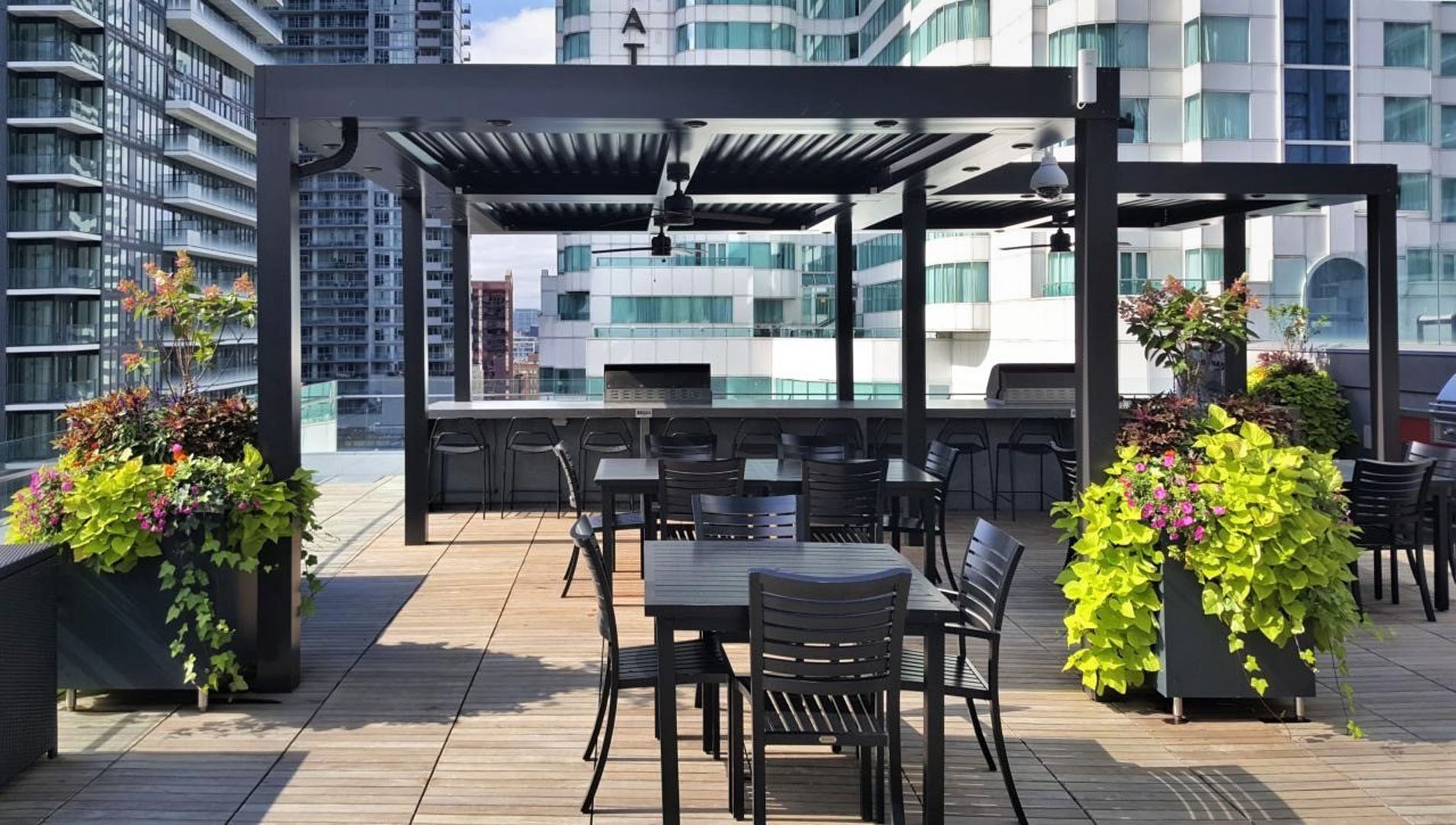
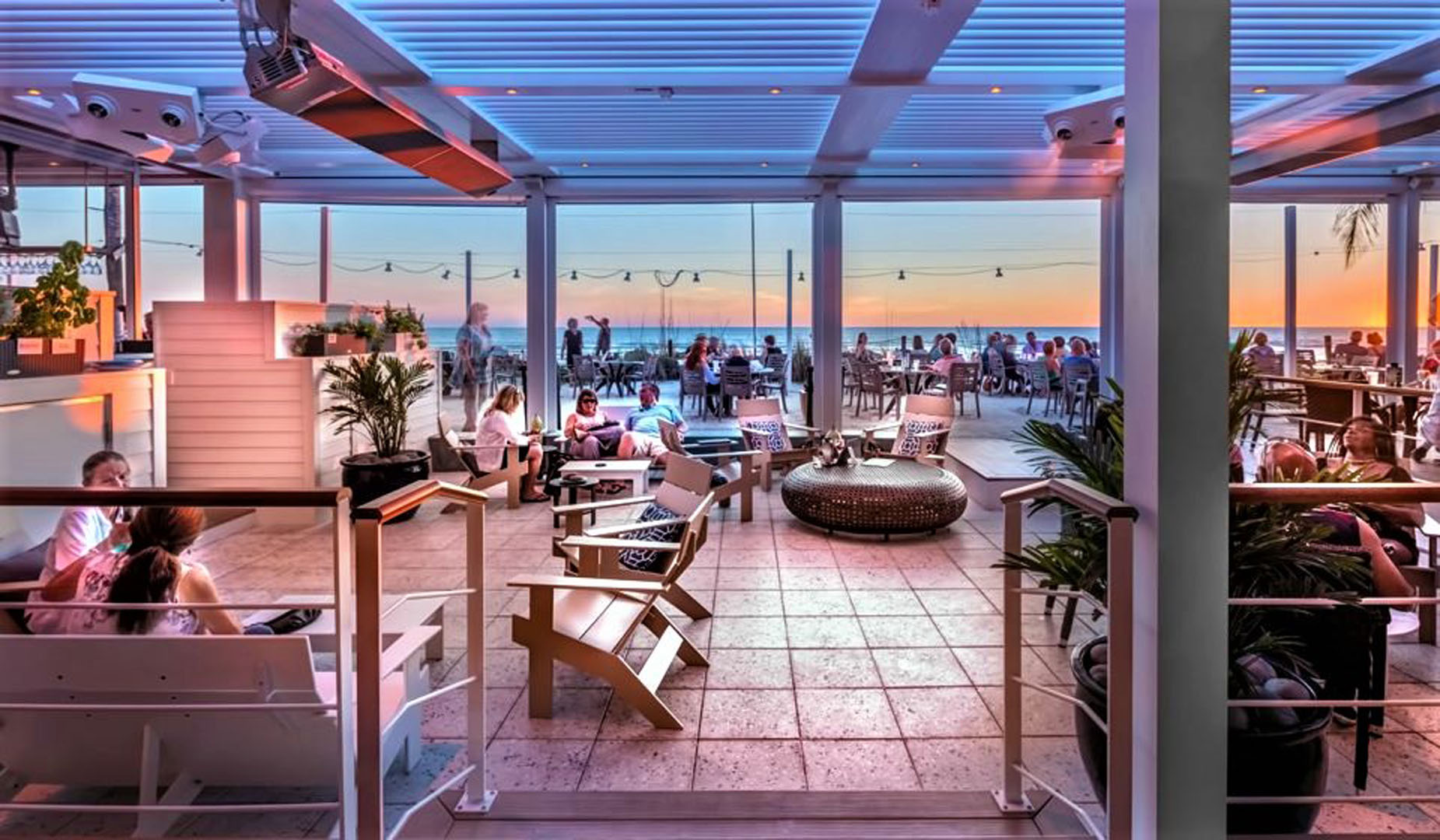
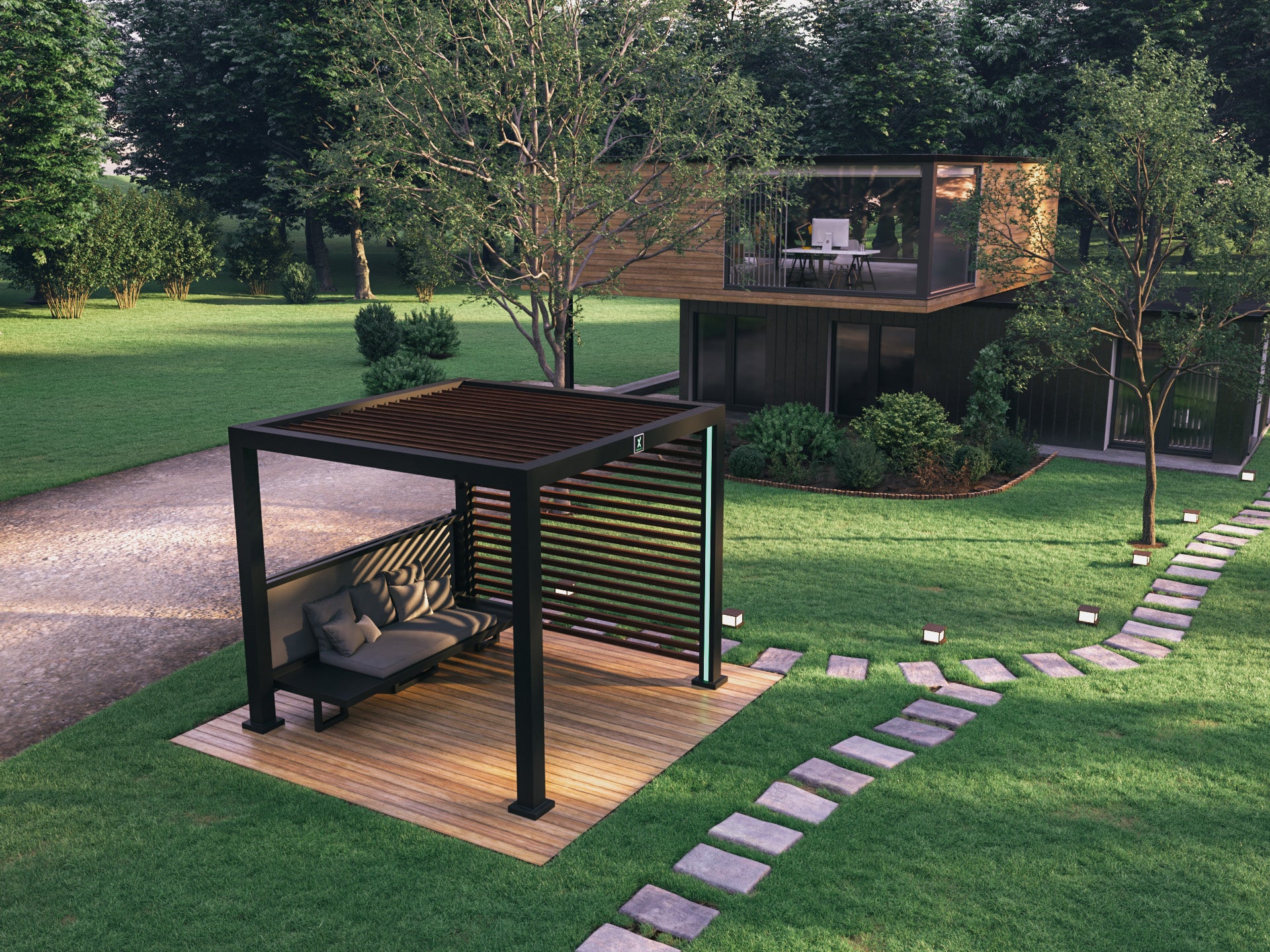
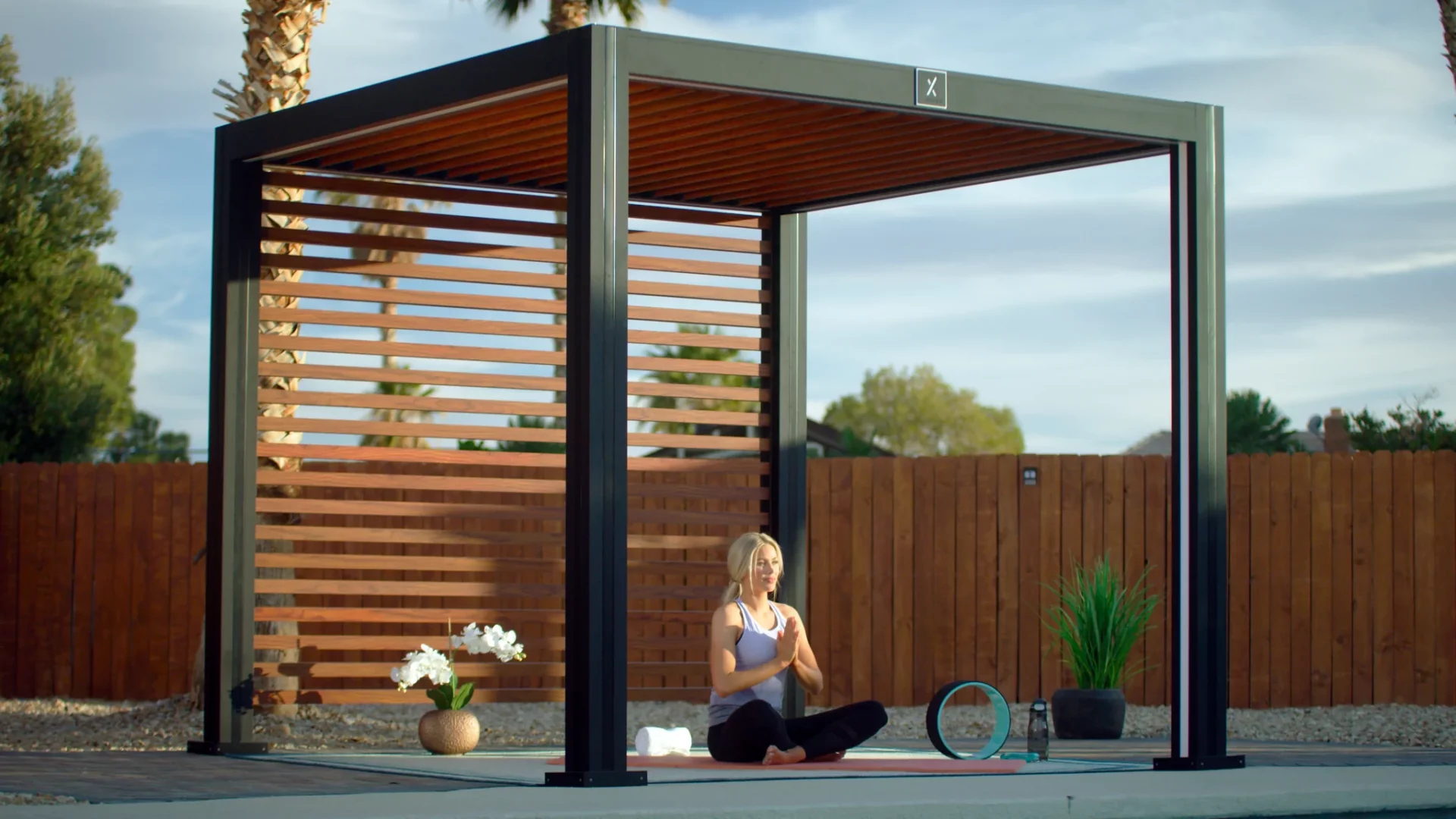
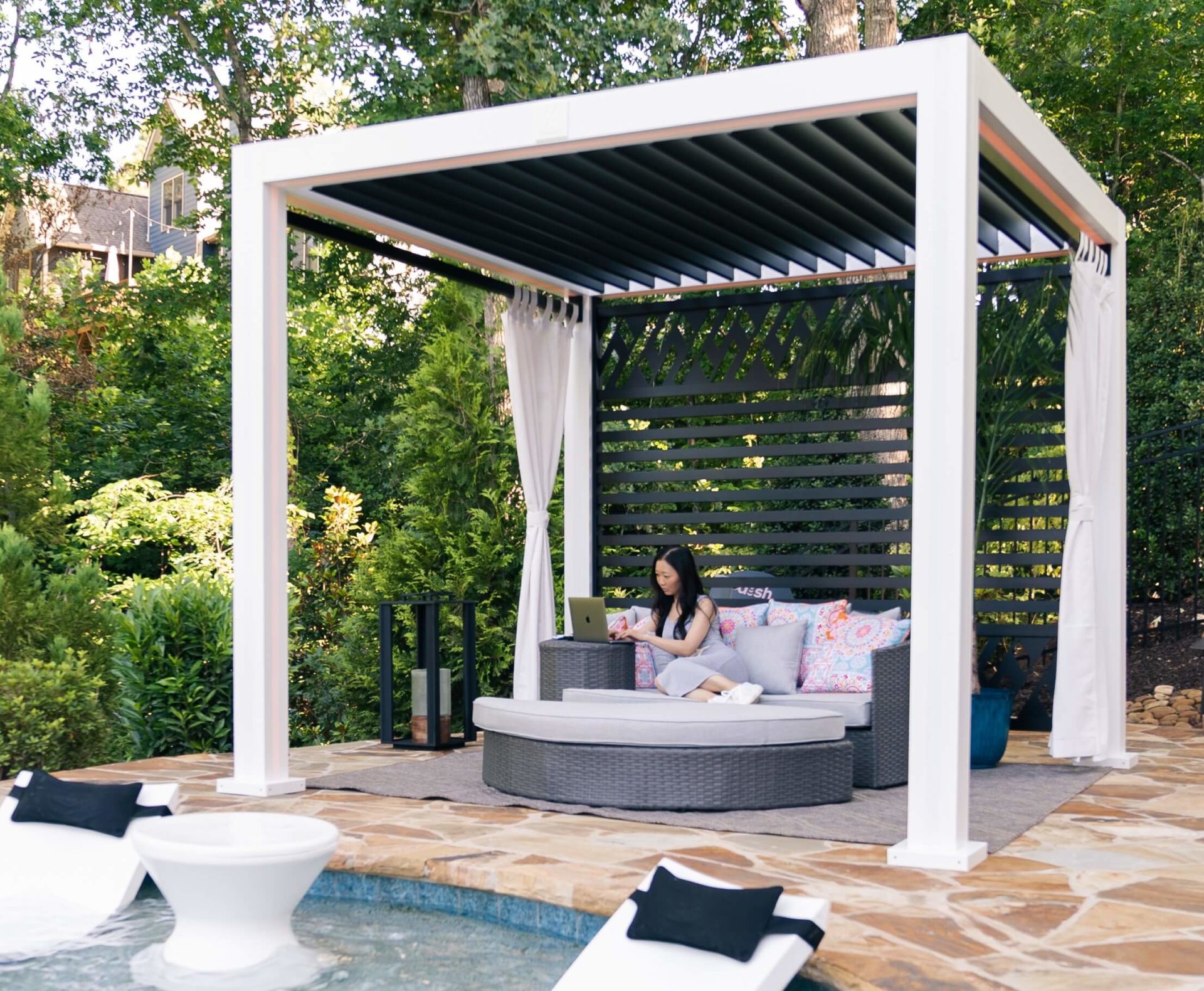
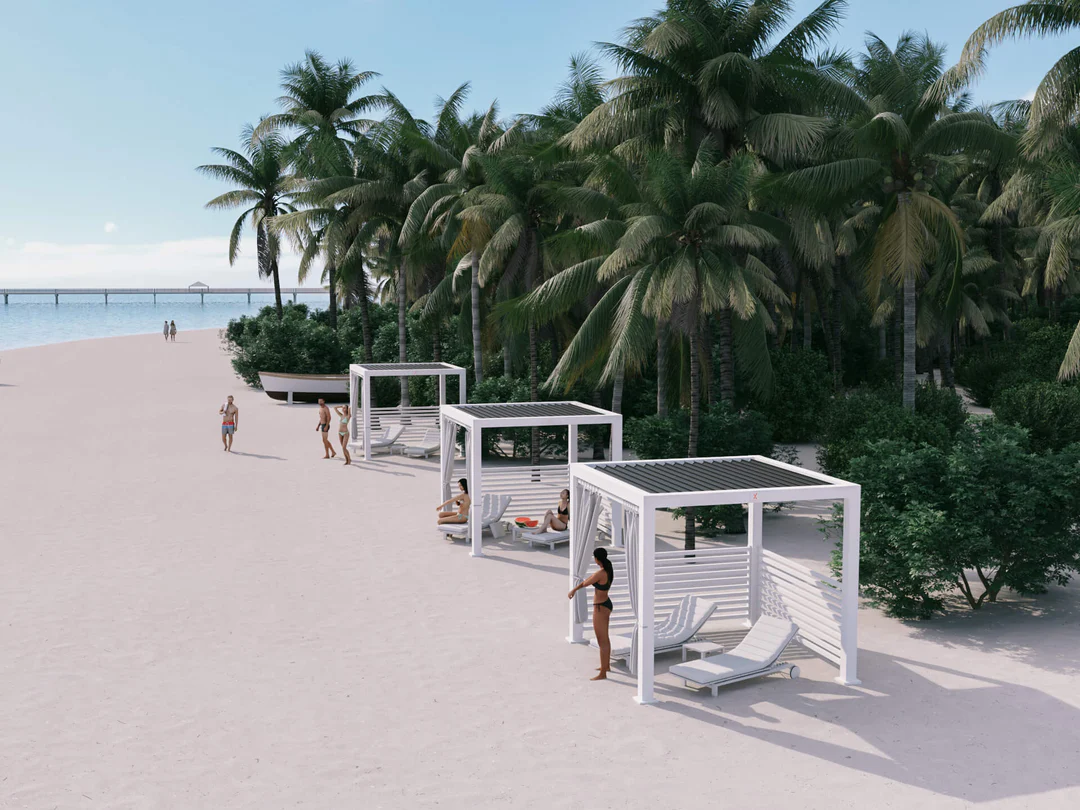
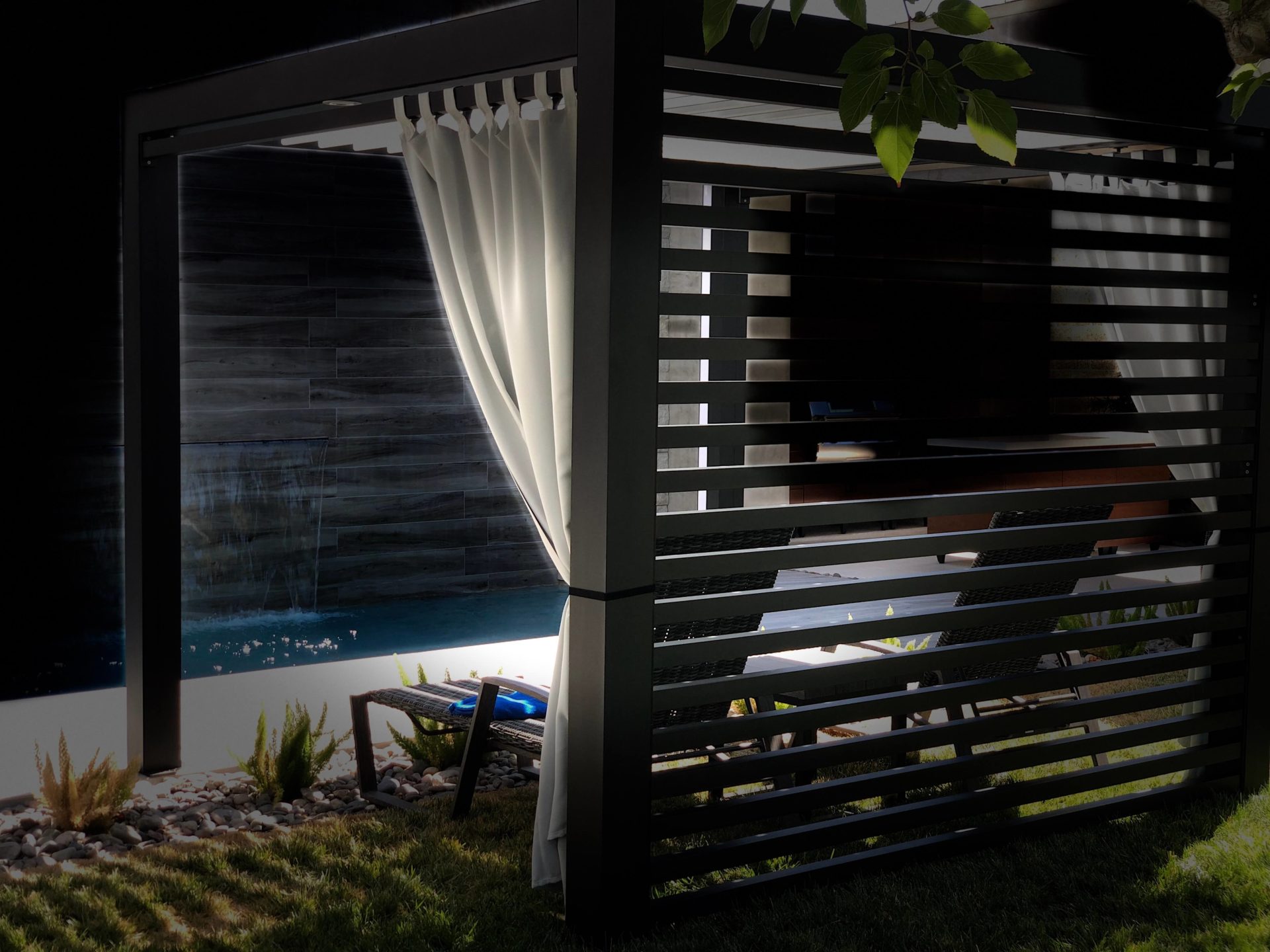
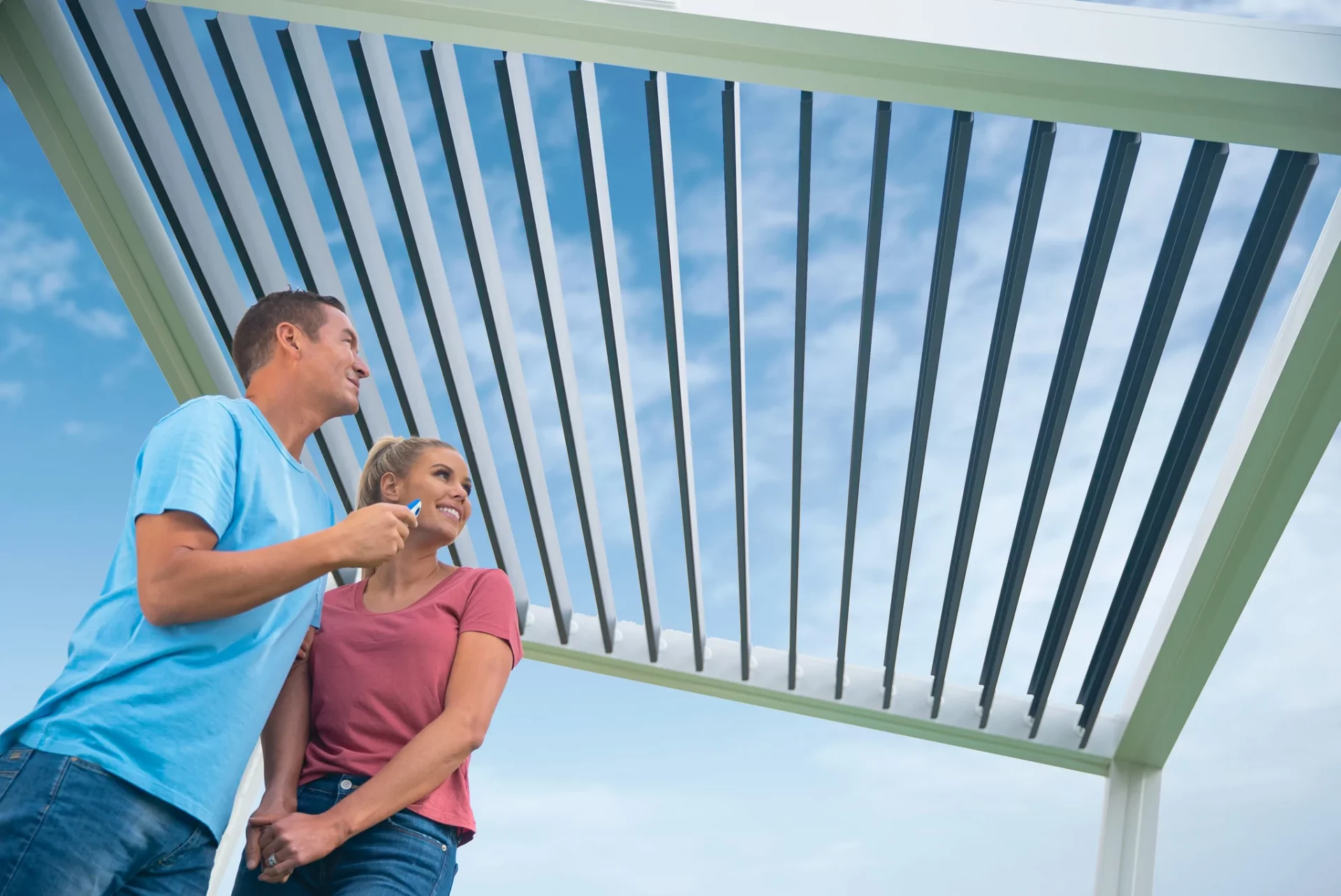
Residents of North Miami integrate outdoor living into daily life by using backyards, patios, terraces, balconies and waterfront areas for recreation tied to city parks and preserves—swimming at Thomas Sasso Pool, basketball at Cagni Park and football at Pepper Park—while longtime neighborhoods like Keystone Point favor biking along paths and nature immersion at Arch Creek East. Single-family lots with mature fruit trees and large backyards support family recreation and tree preservation, and pergolas or covered patios are common to extend usability amid heat and frequent flooding. Zoning that requires 20% pervious area, rear setbacks of 20–25 feet (up to 45 feet at waterfront), side setbacks of 0–15 feet and open-space bonuses encourages preserved trees, permeable paving and elevated, resilient outdoor structures to manage stormwater and shade.
Outdoor Activities, Amenities, and Lifestyle Patterns
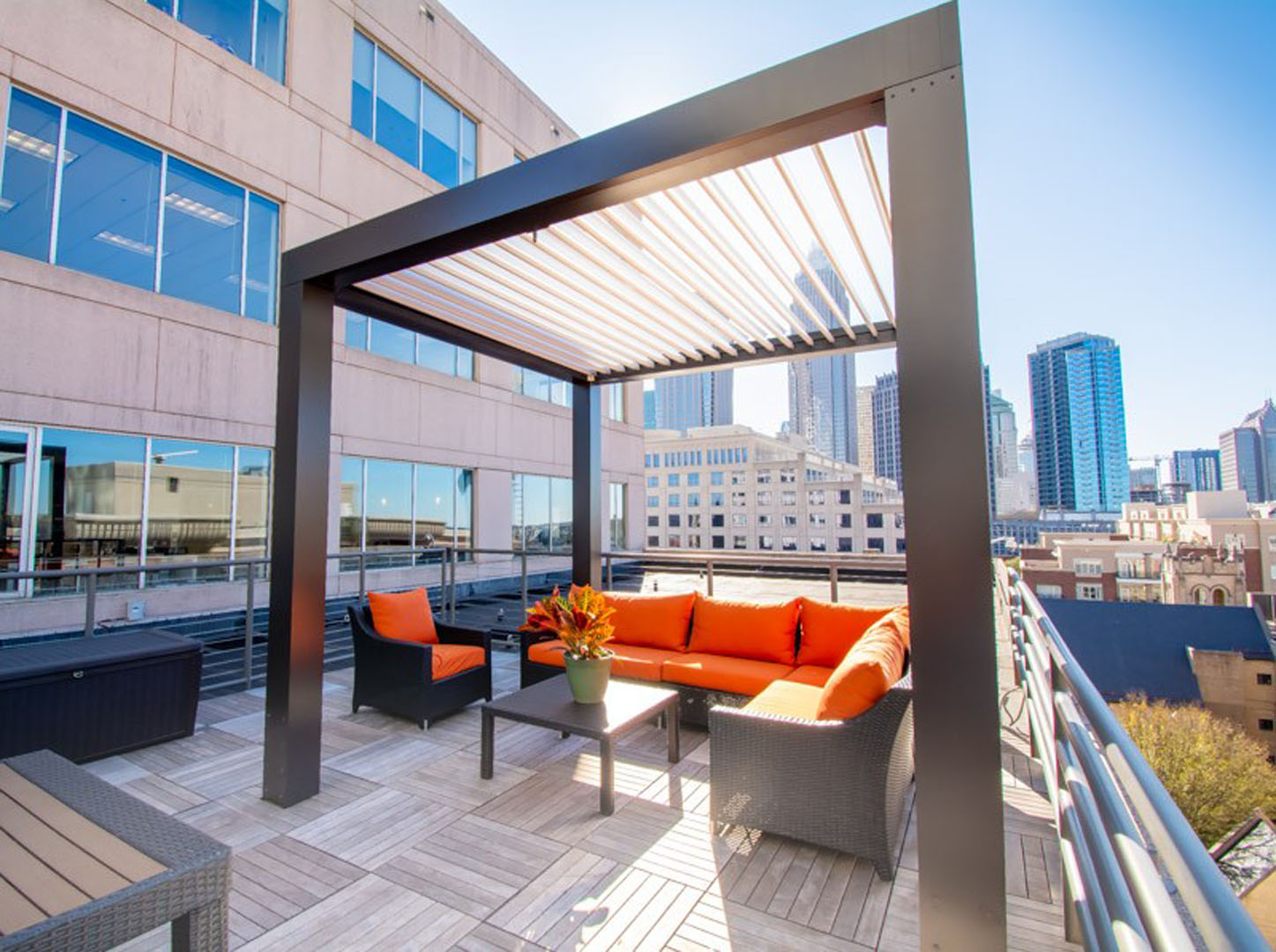
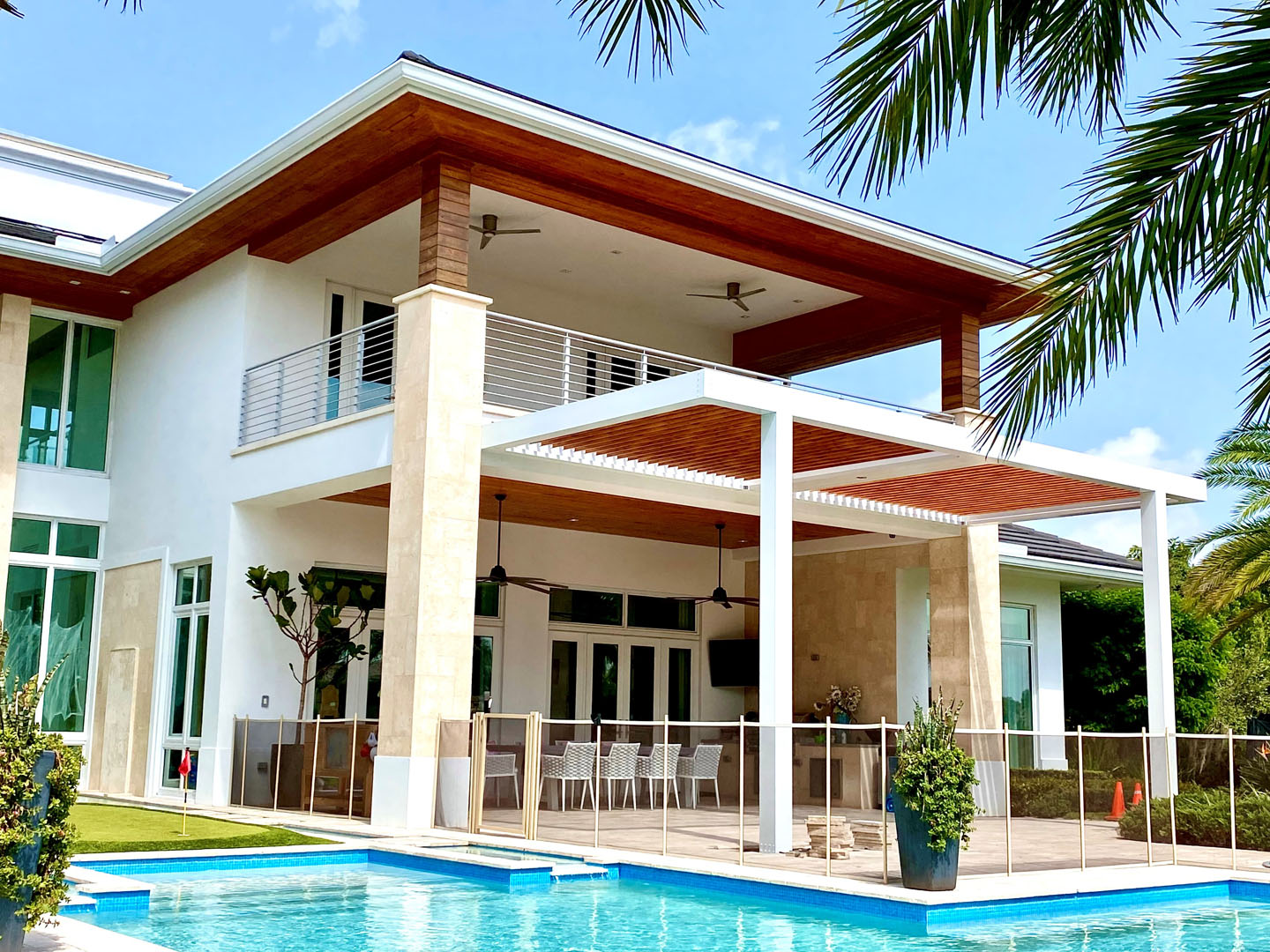
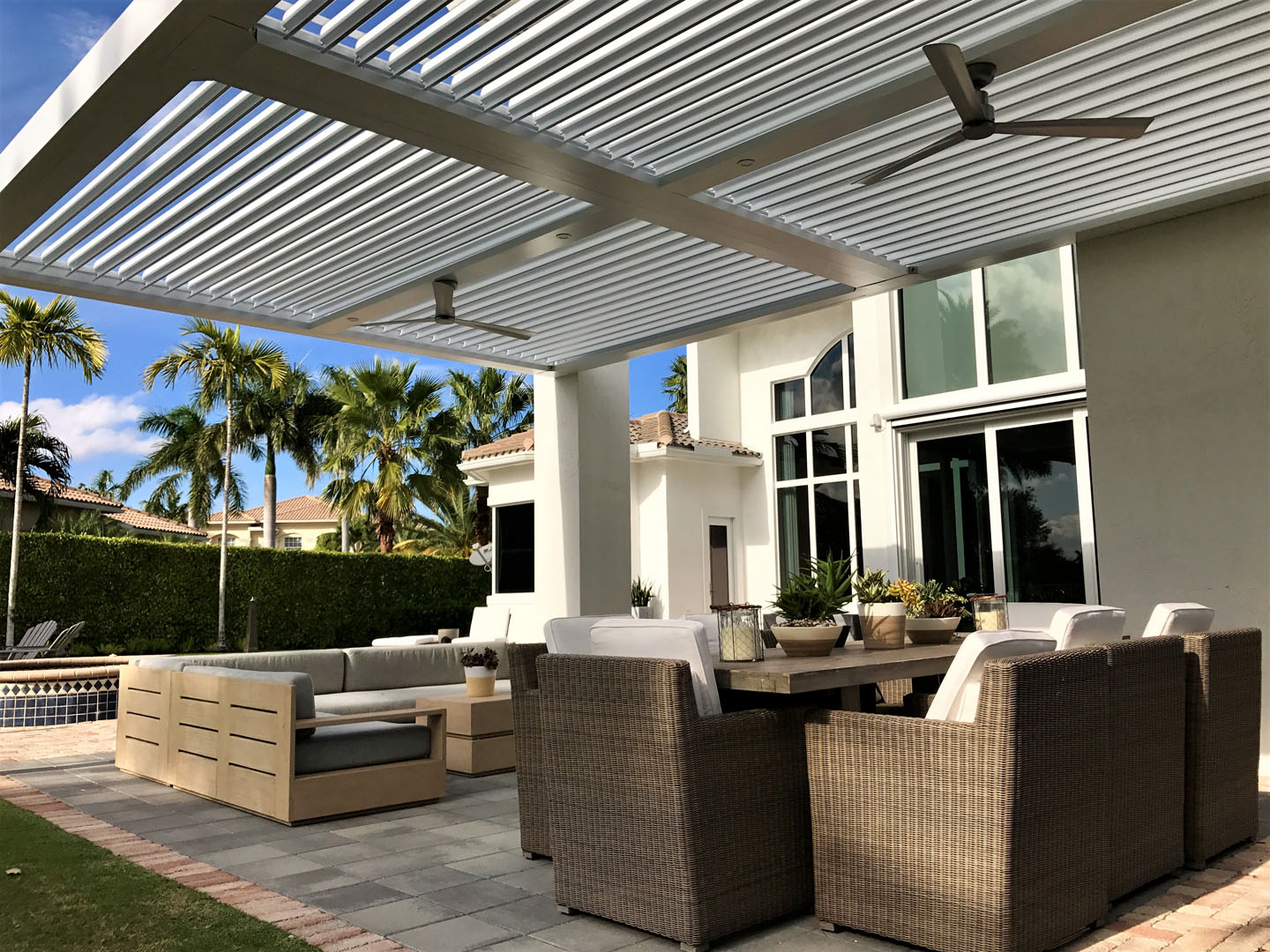
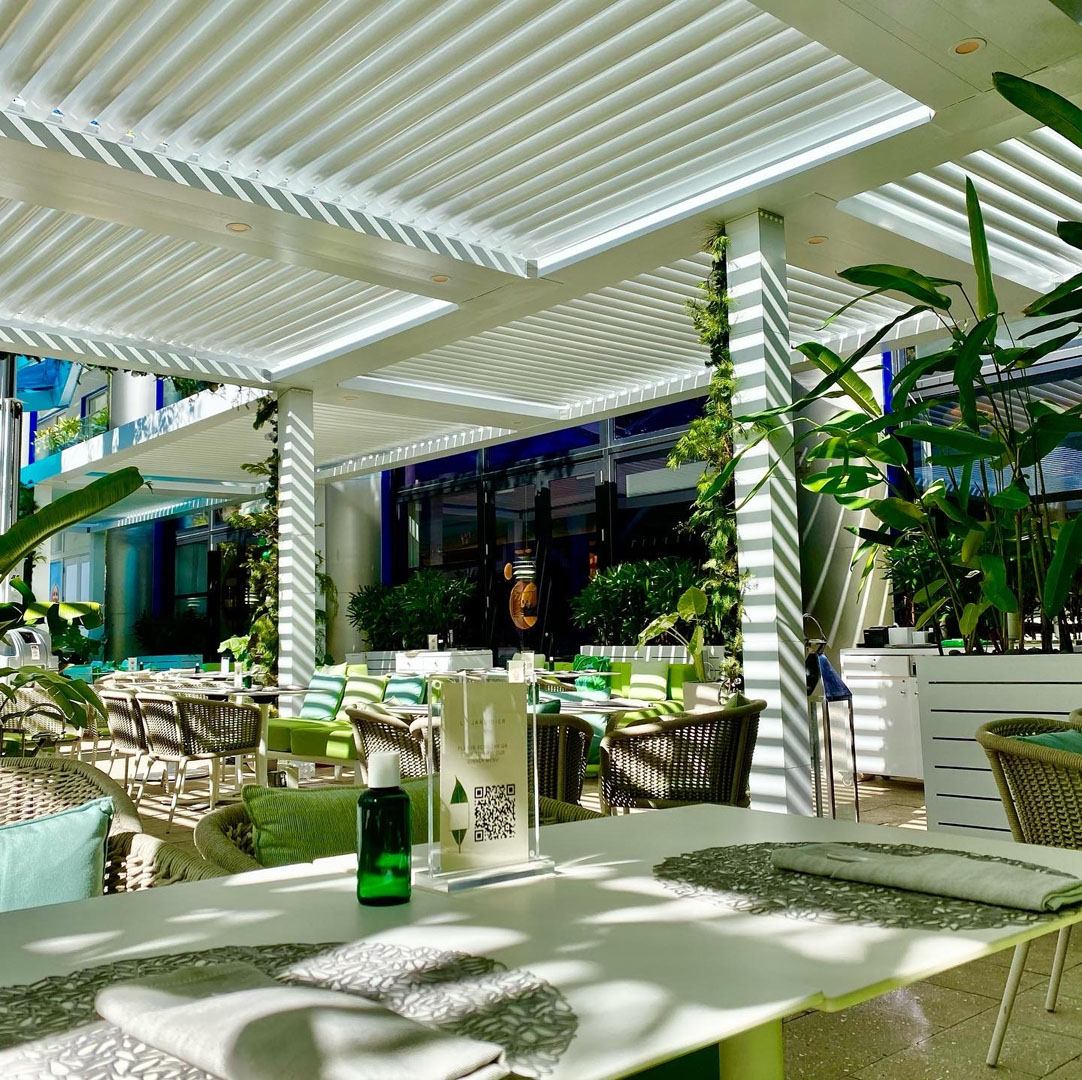
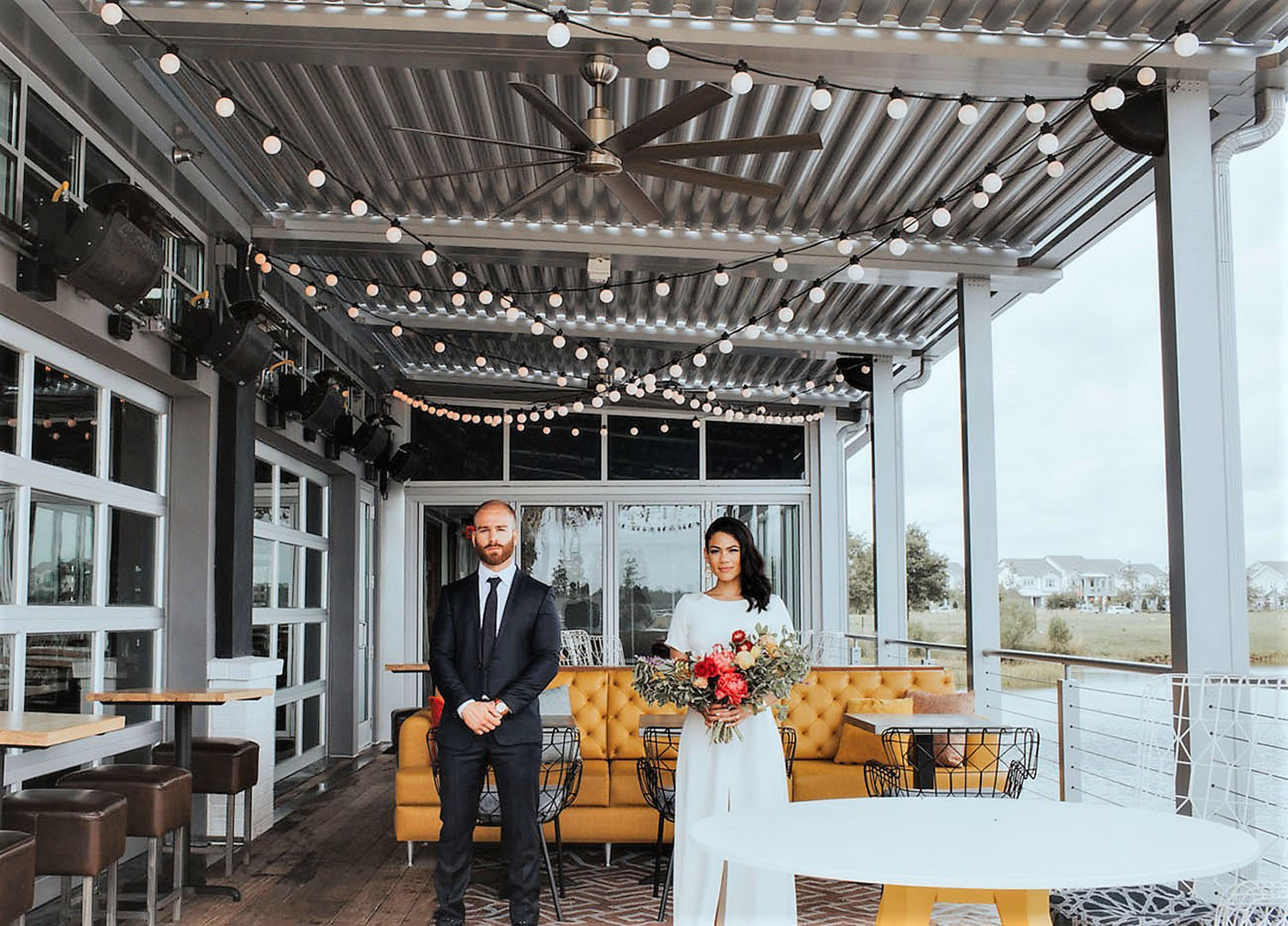
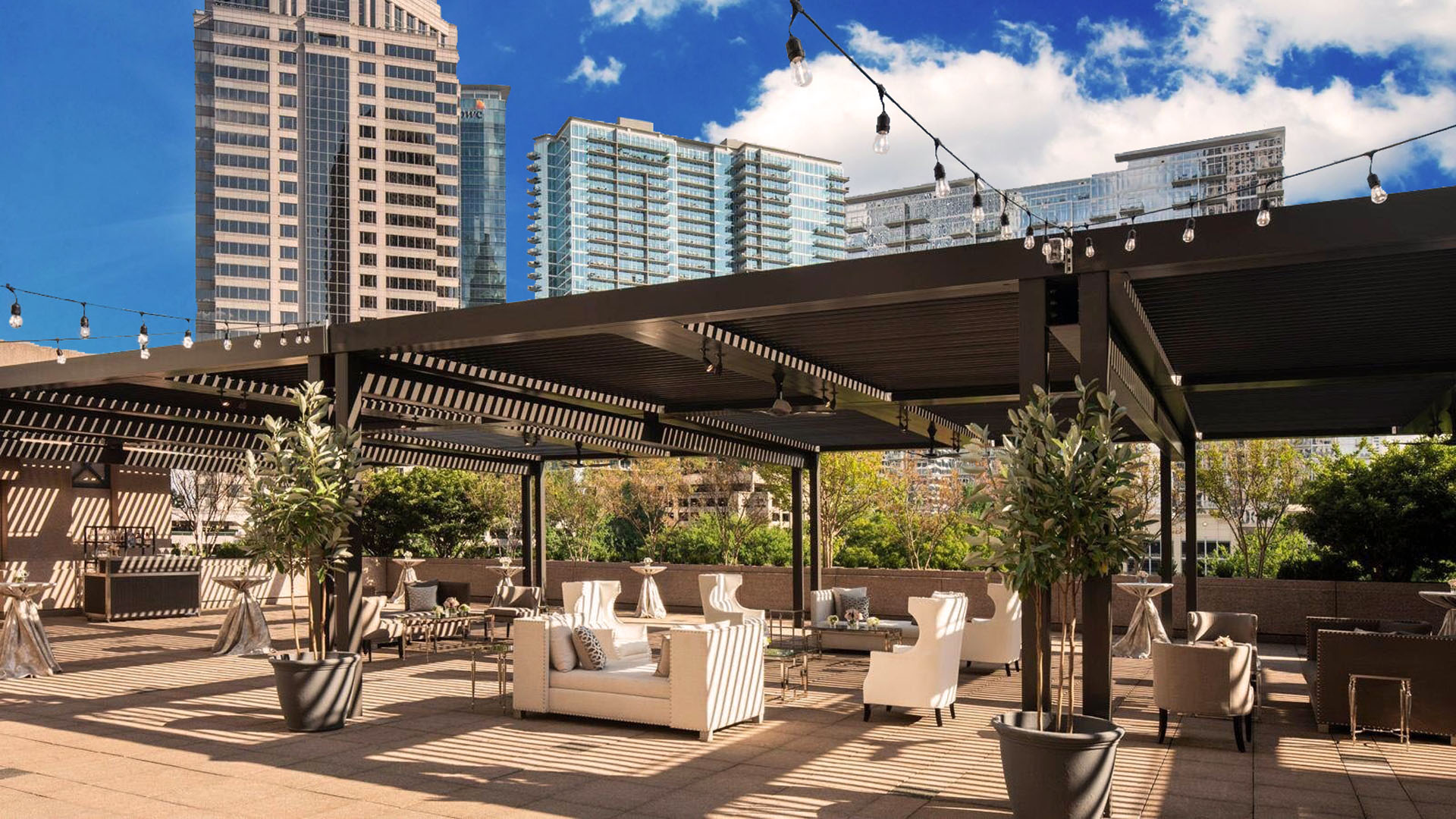
North Miami residents spend much of their time outdoors around parks, preserves and spacious backyards, with activities ranging from swimming at Thomas Sasso Pool and basketball at Cagni Park to football at Pepper Park, bike rides along Keystone Point paths and nature walks in Arch Creek East. Single-family yards—common in neighborhoods like Biscayne Gardens, Biscayne Shores and Keystone Point—support fruit trees, pergolas and covered patios for family recreation and entertaining, while waterfront living and coastal setbacks shape yard layouts. Frequent flooding and storm risk push homeowners toward elevated, impact-resistant structures, preserved trees, permeable paving and landscaped buffers, and zoning that requires setbacks, pervious area and open-space bonuses guides how outdoor space is designed and used within a community-focused, smart-growth context.
Residential Property Characteristics of North Miami Affecting Outdoor Living
North Miami’s residential fabric—dominated by single-family homes with condos, townhouses and multi-family units in neighborhoods like Biscayne Gardens, Biscayne Shores, The Towers of Quayside, Keystone Island and Keystone Point—features often generous lots (overlay districts require minimum 6,000 sq ft) and large backyards with mature fruit trees that support pergolas, covered patios and terraces. Zoning drives placement: rear setbacks typically 20–25 ft (up to 45 ft on waterfront lots), side setbacks 0–15 ft, 20% pervious area and height limits (35–45 ft) restrict size and siting, while townhouse rules mandate 25% usable open space. Frequent flooding and coastal winds favor elevated, impact-resistant designs, permeable paving, landscaped buffers and preserved trees that shape shade structures and outdoor living layouts.
Climate, Sun, and Weather Considerations in North Miami
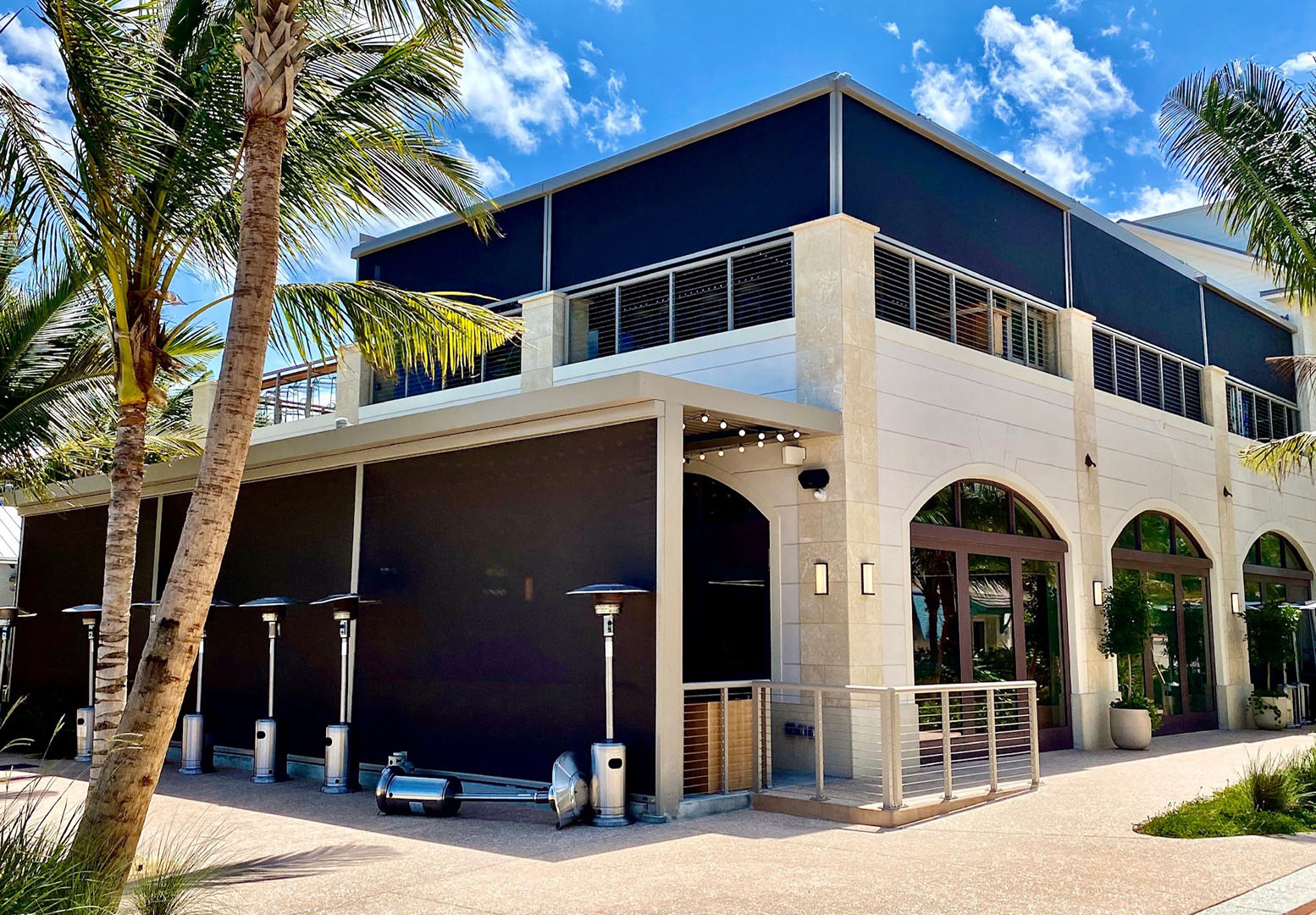
North Miami’s coastal, subtropical setting combines strong sunlight and heat with frequent heavy rains and periodic flooding, so outdoor comfort demands deliberate shade and resilient design. Coastal exposure and storm-driven winds are addressed in zoning—height limits and rear/setback requirements—prompting robust, elevated outdoor structures and impact-resistant features. Residents and planners preserve mature trees for natural drainage and shade, and favor permeable paving and landscaped buffers to reduce heat islands and control rain runoff. Large backyards with fruit trees, pergolas and covered patios are common solutions to extend usable outdoor living despite sun, heat and storm risk, while setbacks and required pervious-area rules also guide placement and size of shade structures to improve comfort and climate resilience.
Why North Miami Is Ideal for Outdoor Living
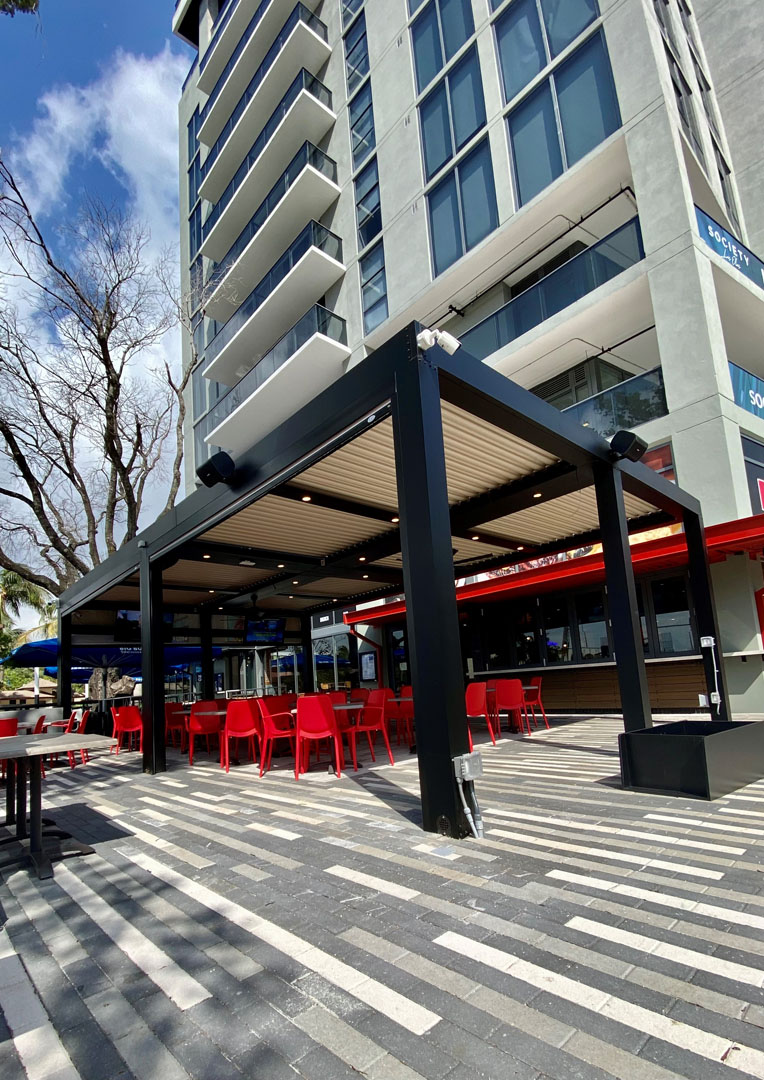
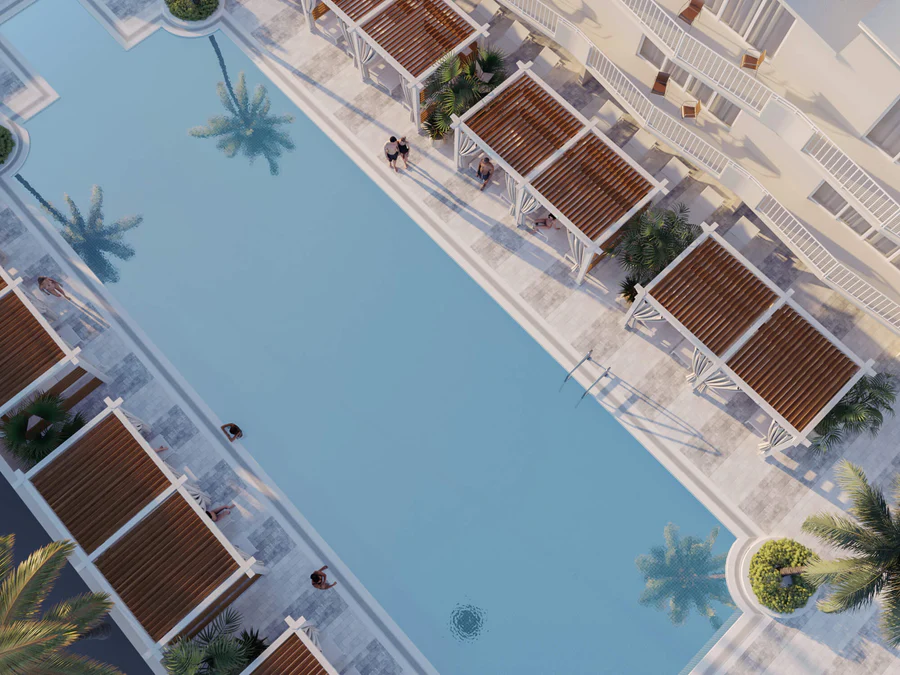
North Miami’s outdoor-oriented lifestyle, abundant parks and preserves, and predominance of single-family homes with large backyards make patios, pergolas and covered outdoor spaces especially practical. Residents routinely use public pools and parks for swimming, basketball and football and value bike-friendly paths and nature access at places like Arch Creek East, creating demand for functional outdoor living. Environmental realities—frequent flooding, strong coastal winds and heat—plus city emphasis on tree preservation and permeable paving encourage elevated, shaded, resilient designs that protect against storm impacts and improve drainage. Zoning that preserves lot sizes, rear/side setbacks, pervious-area requirements and bonuses for on-site open space further supports generous backyards and covered structures, extending usable outdoor seasons while aligning with North Miami’s smart-growth priorities.
Outdoor Living and Home Upgrade FAQ
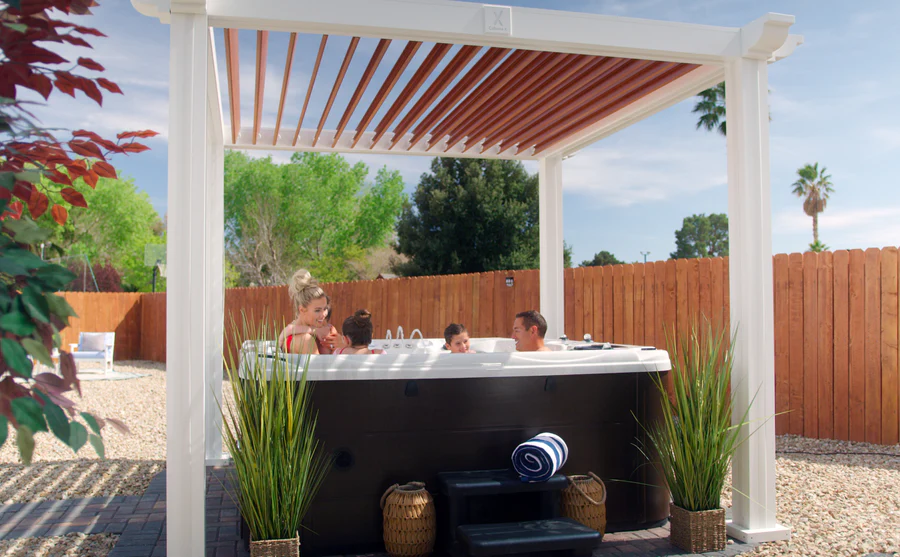
Are pergolas and covered patios suitable in North Miami? Yes. Many single-family lots have large backyards; pergolas extend usability but should be climate-resilient, preserve shade trees, and meet setbacks and height limits.
What zoning setbacks affect backyard pergolas? Rear typically 20–25 ft (greater if waterfront/abutting residential); side 0–15 ft; maintain 20% pervious area and applicable height limits.
How does flooding affect outdoor upgrades? Frequent flooding favors elevated, resilient construction, preserved trees for drainage, permeable paving and landscaped buffers to reduce runoff.
What lot and open-space rules matter for patios? Overlay districts often require minimum lot areas of 6,000 sq ft and 20% pervious area; townhouses need 25% usable open space.
Are large backyards common and do they add value? Yes. Neighborhoods like Keystone Point and Biscayne Shores feature large yards with fruit trees and show strong buyer demand.