
Outdoor Lifestyle in Lantana, FL
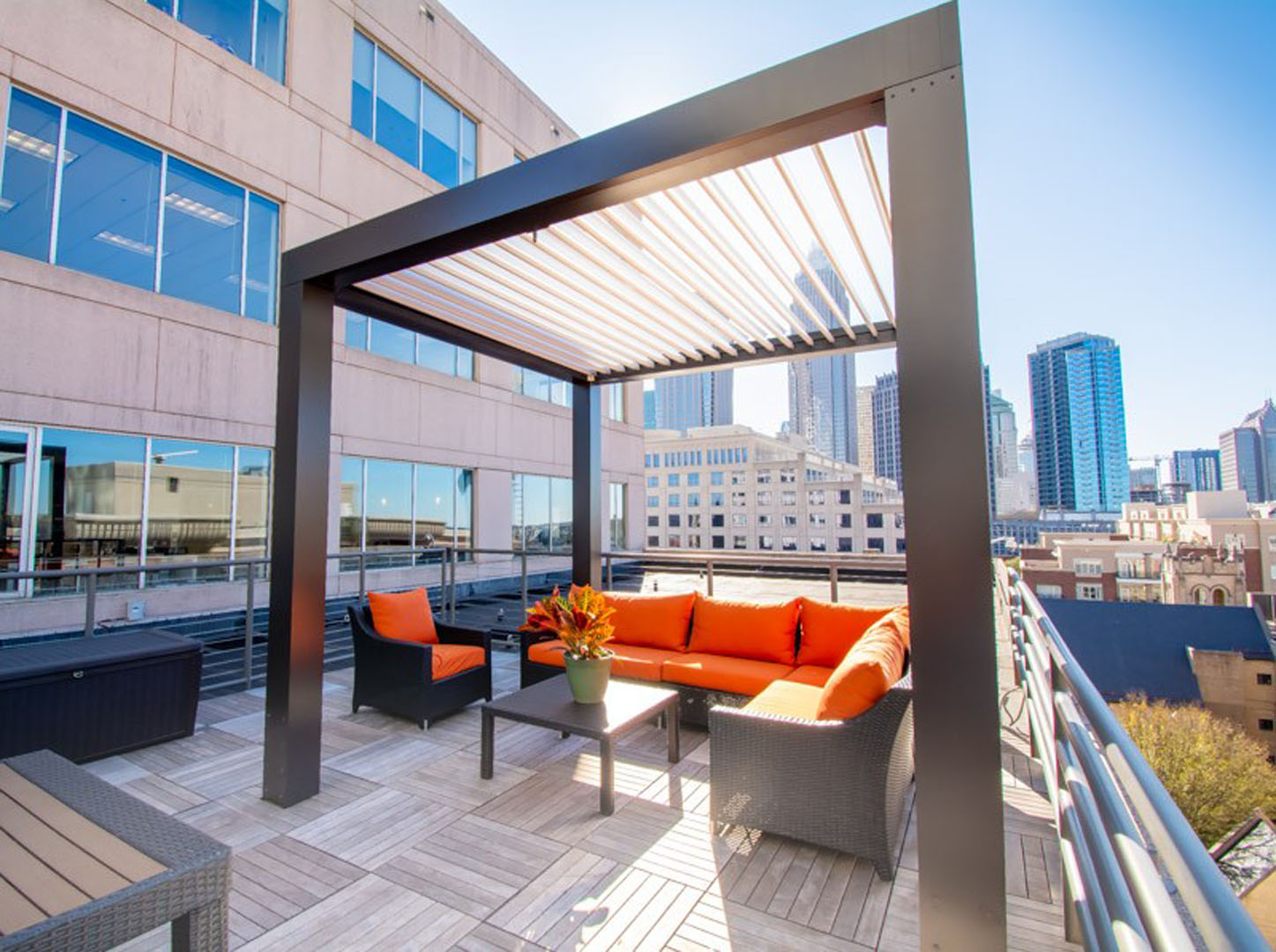
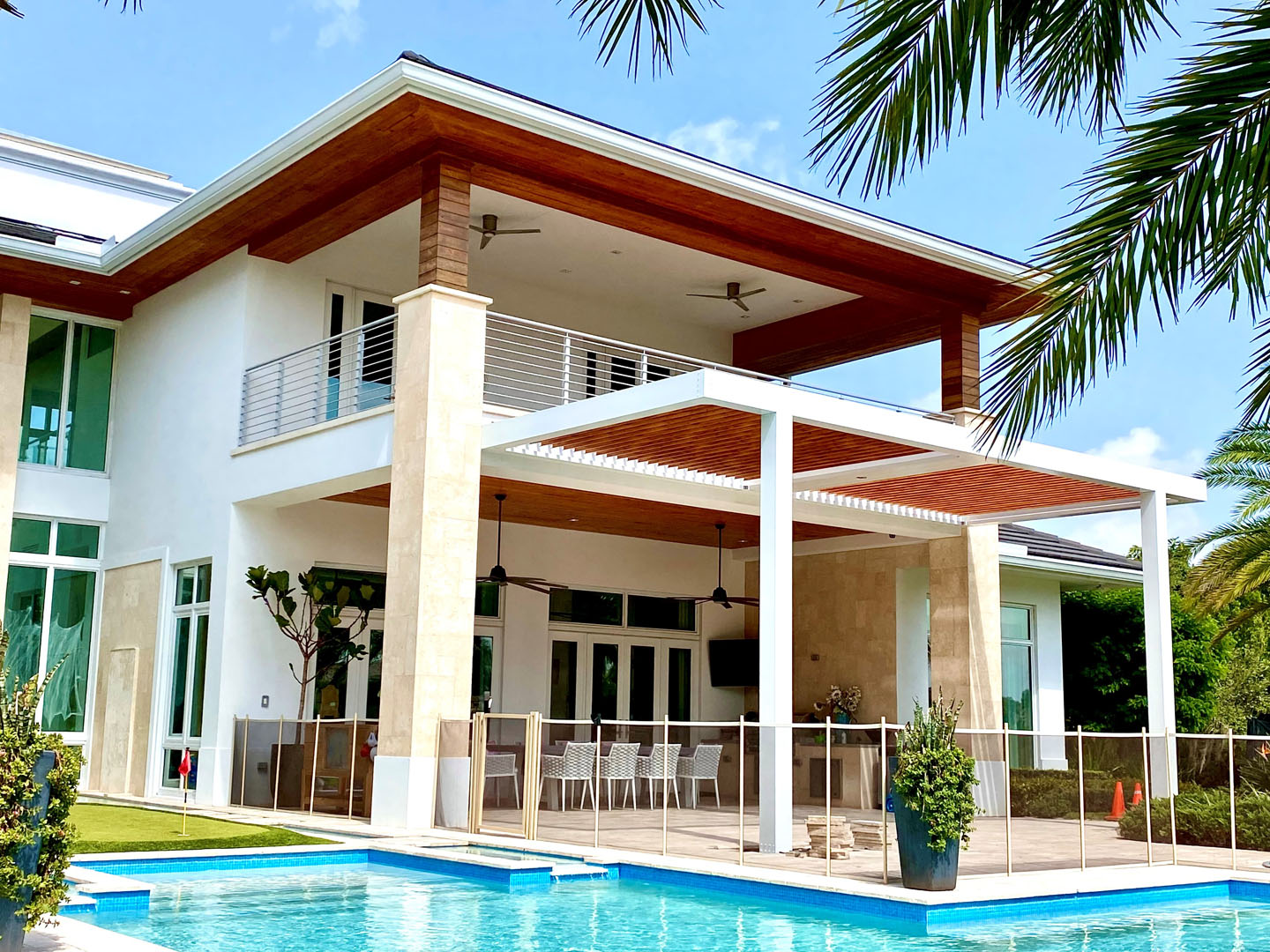
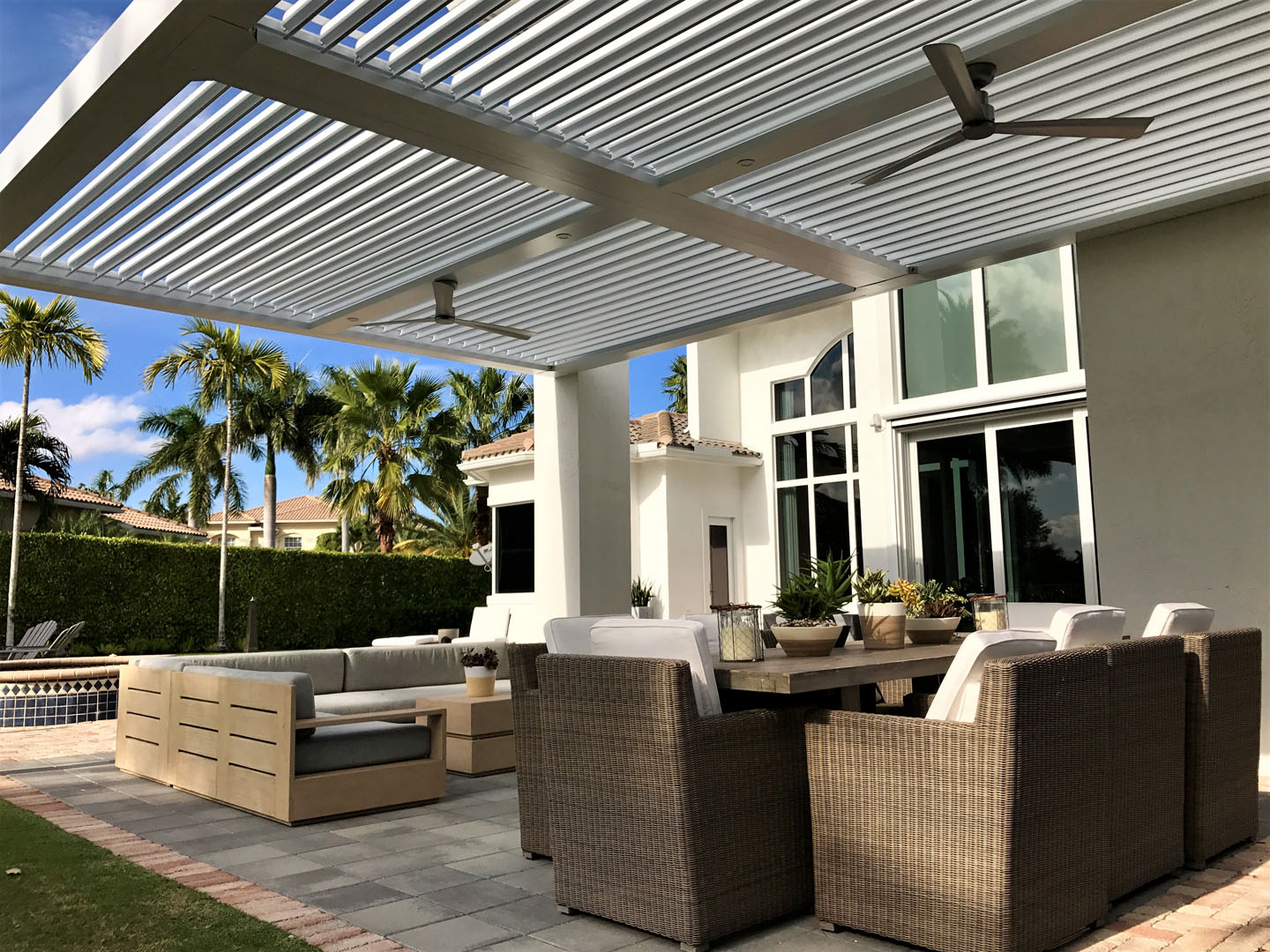
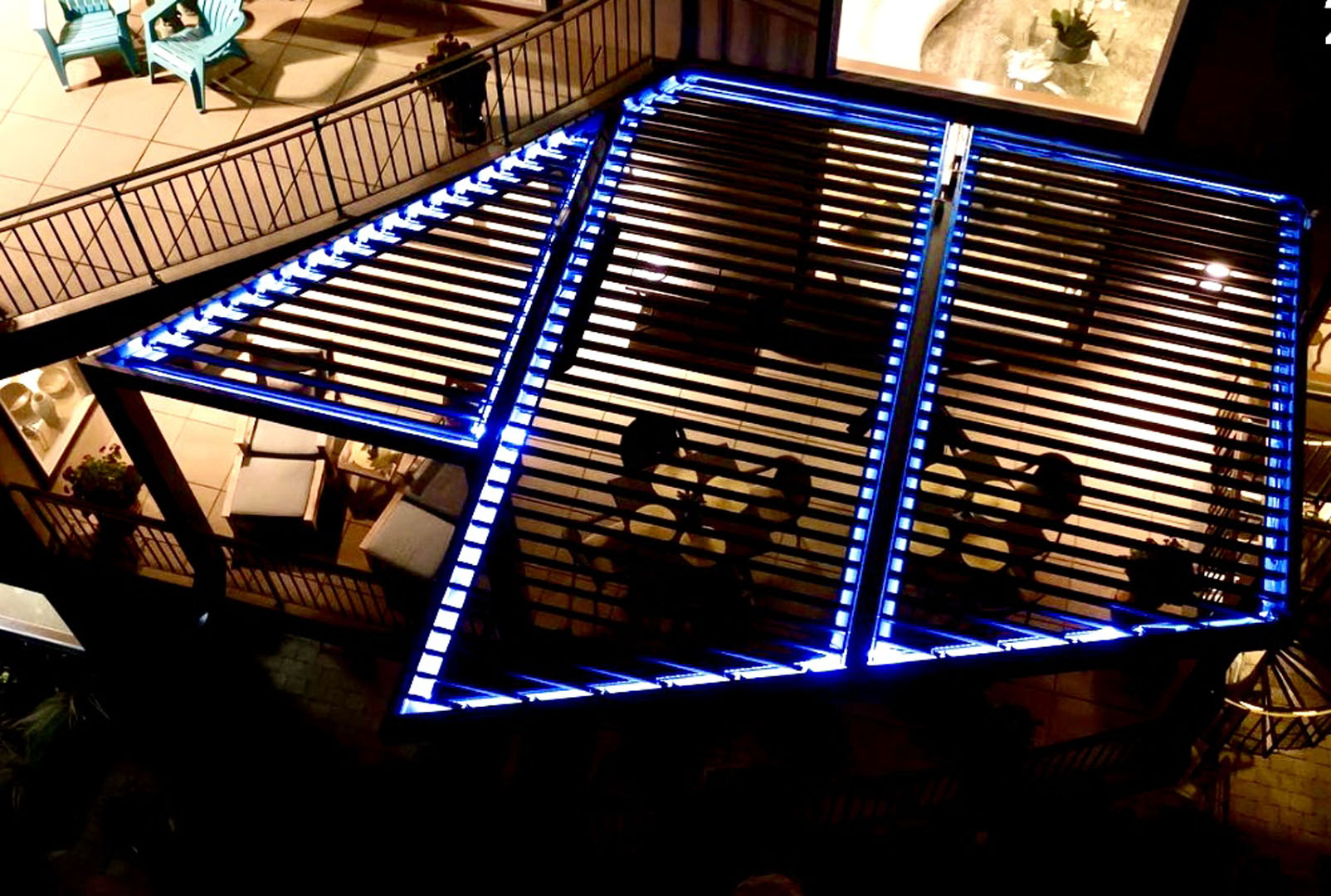
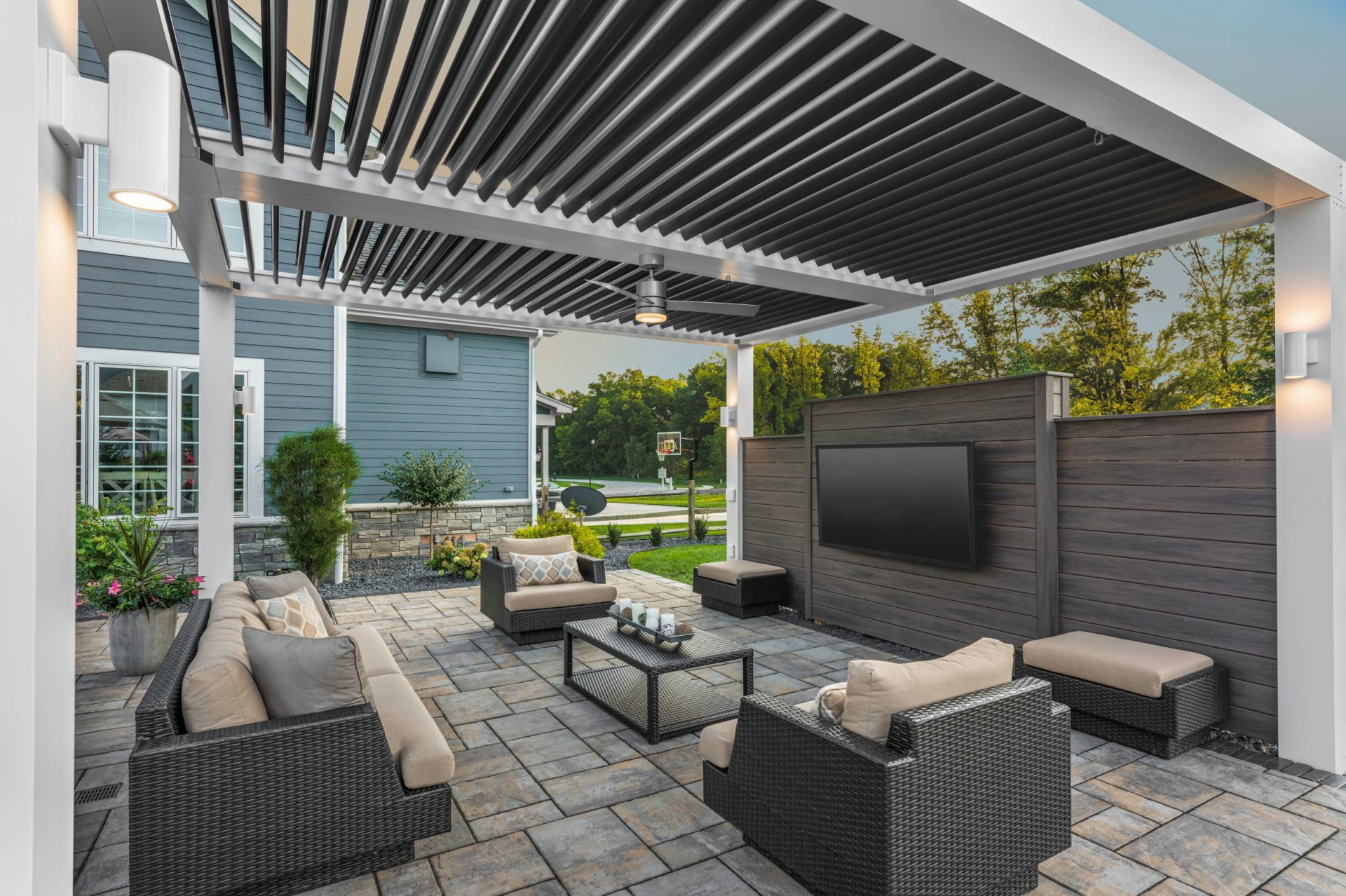
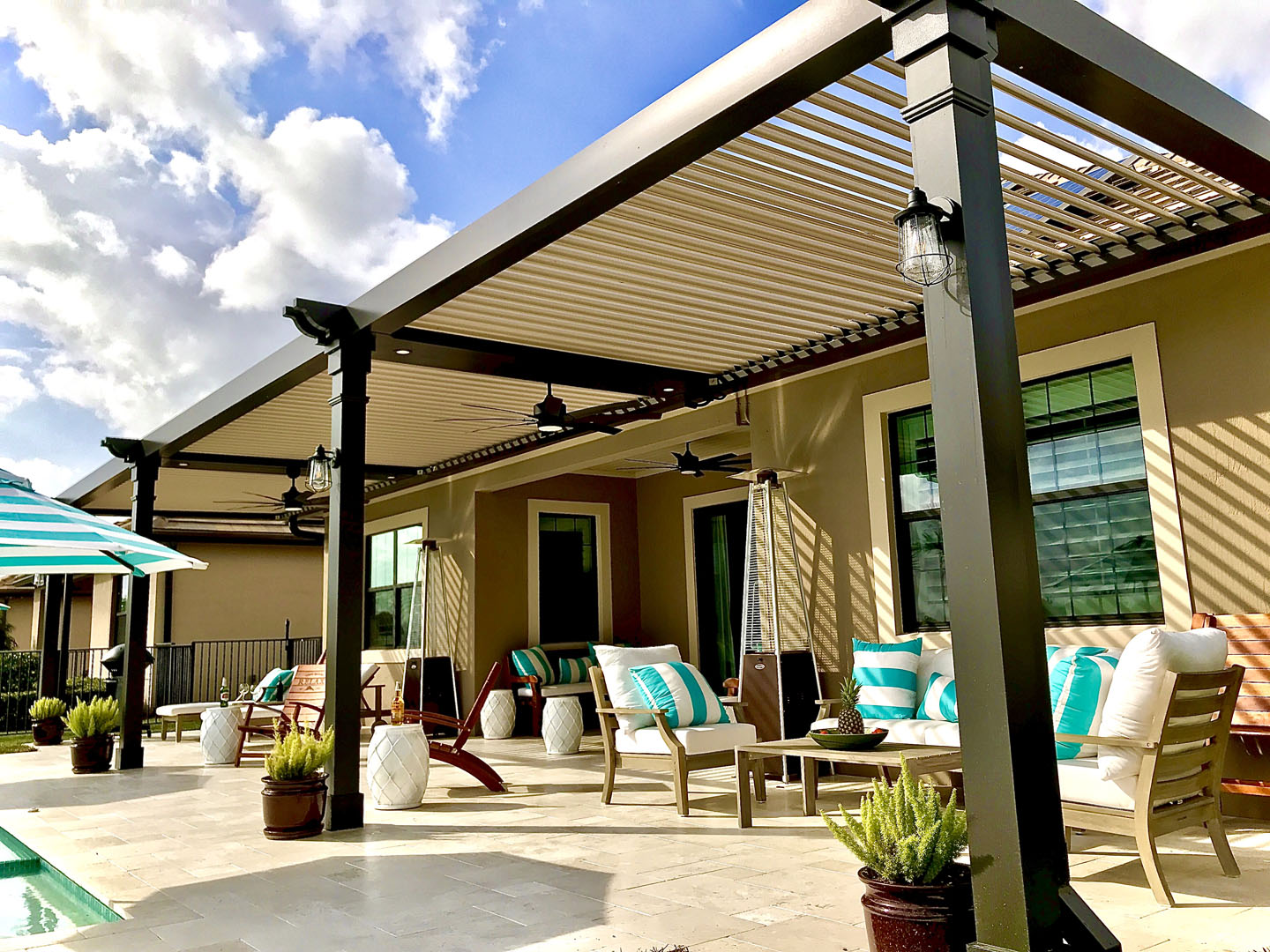
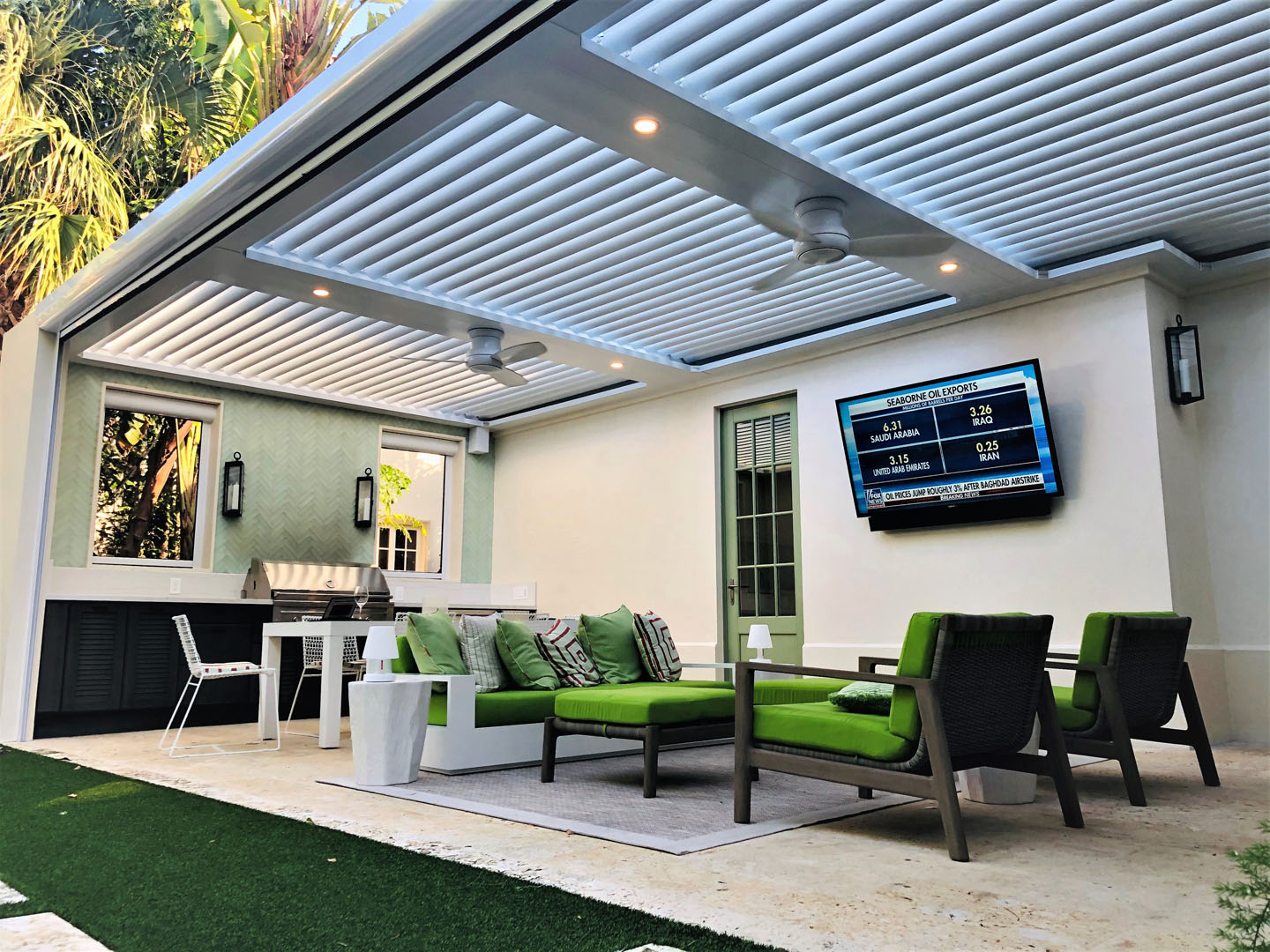
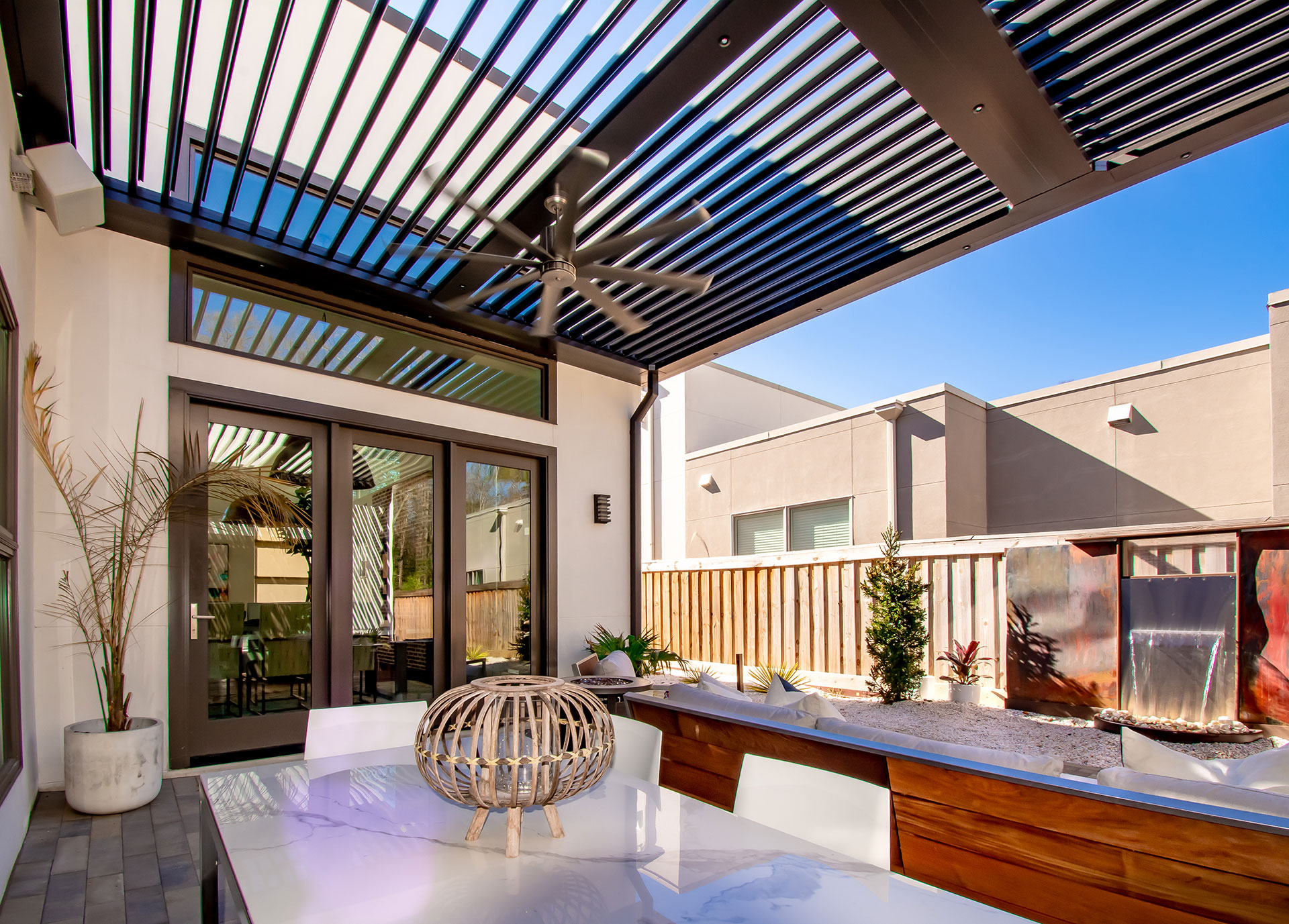
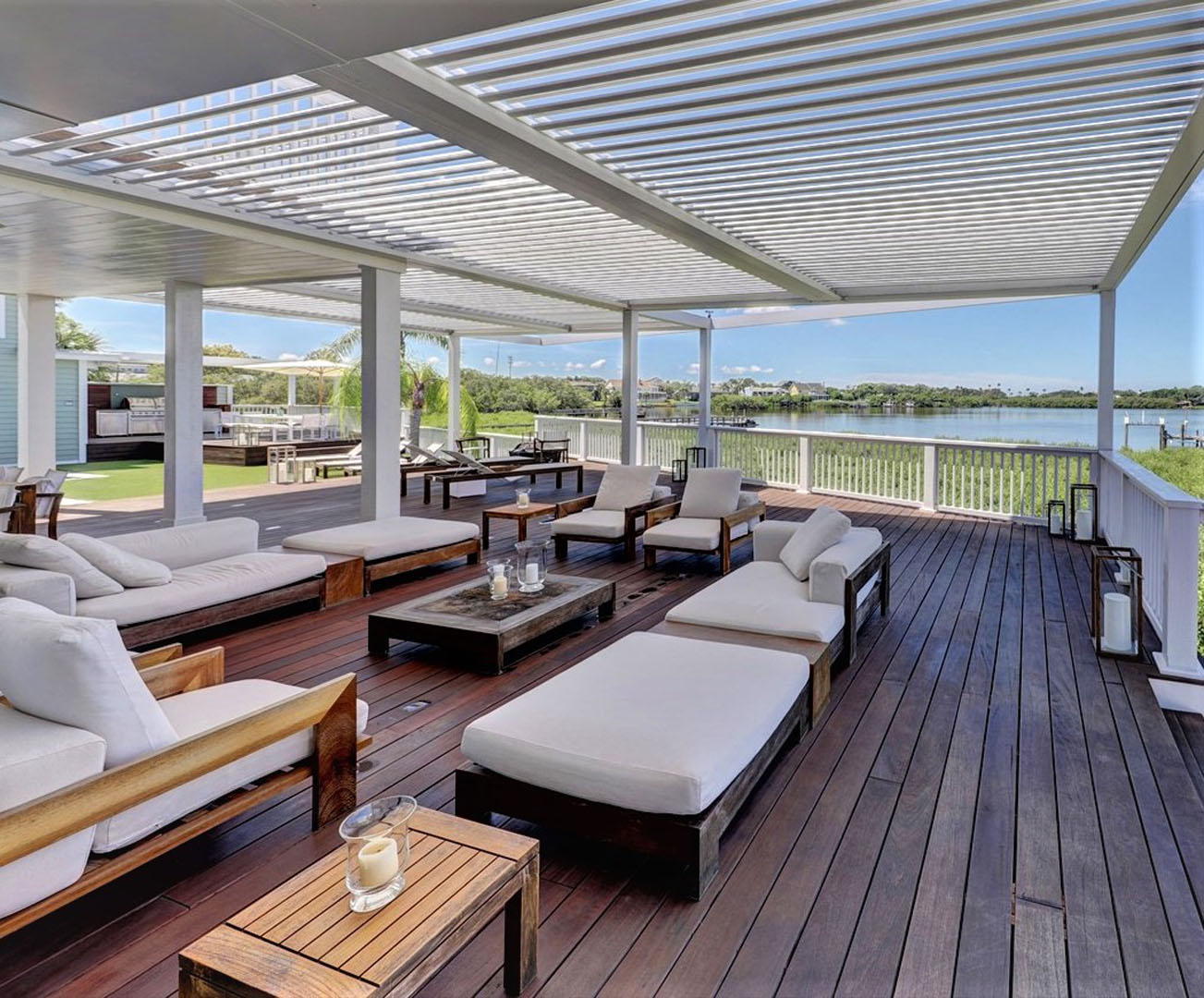
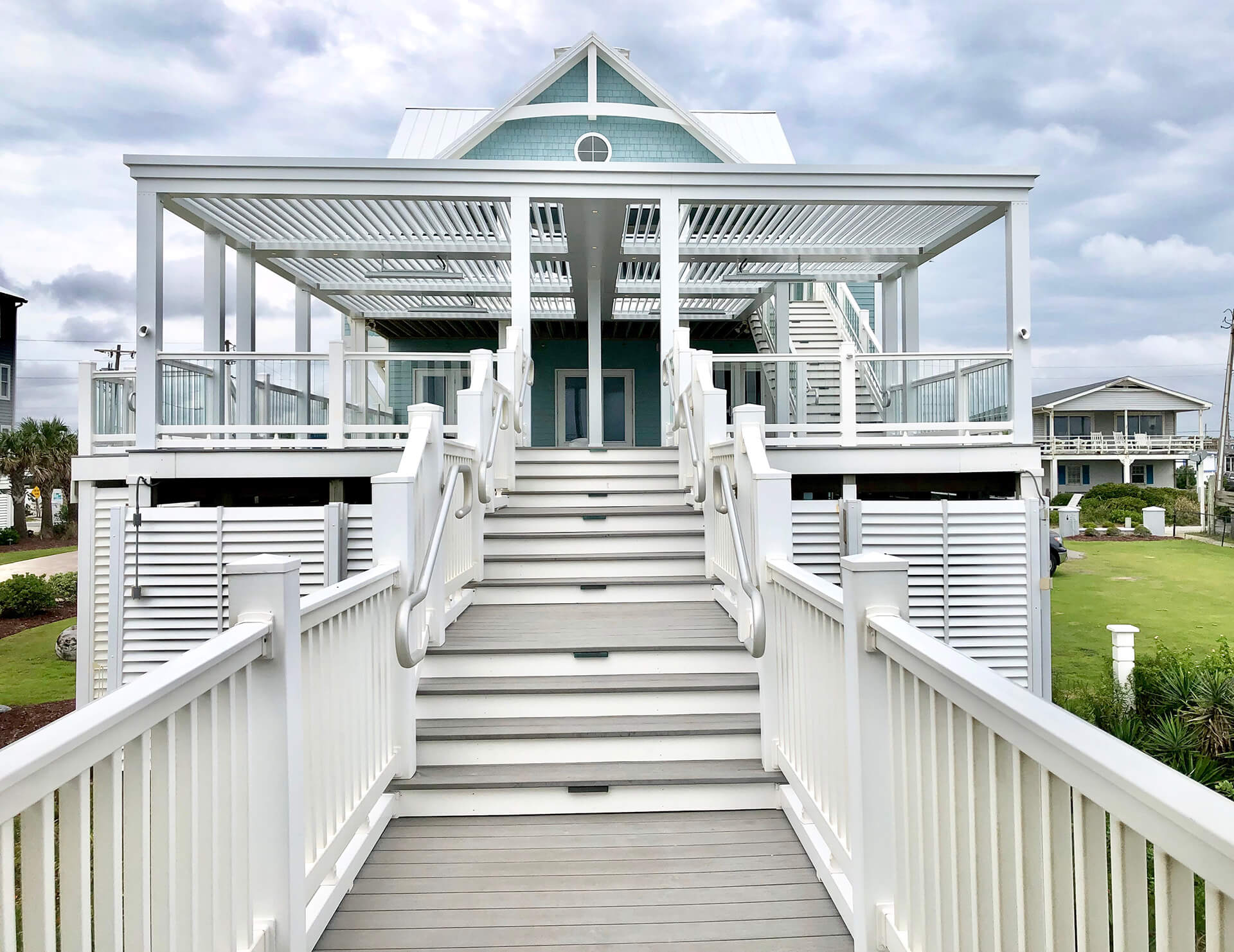
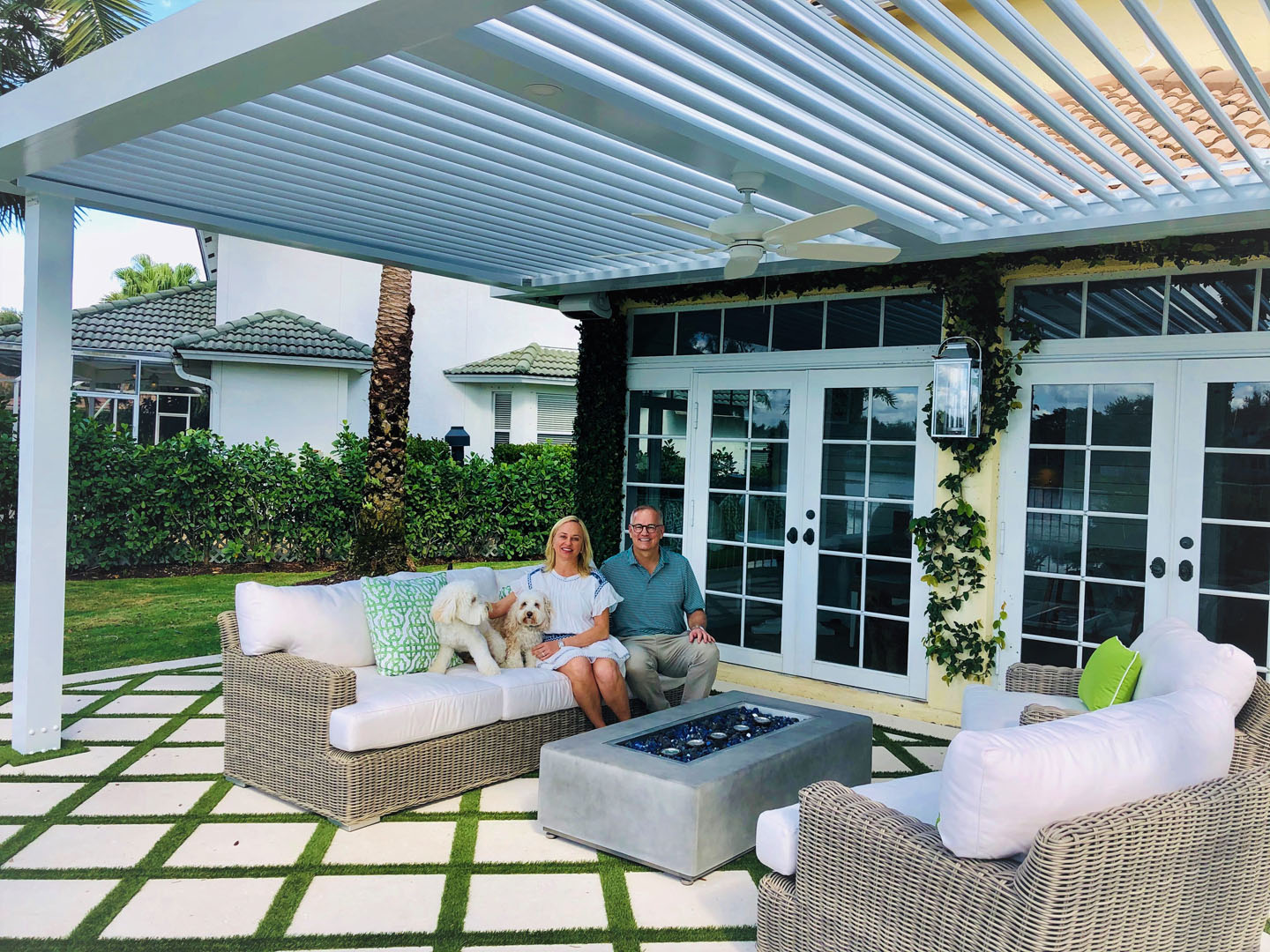
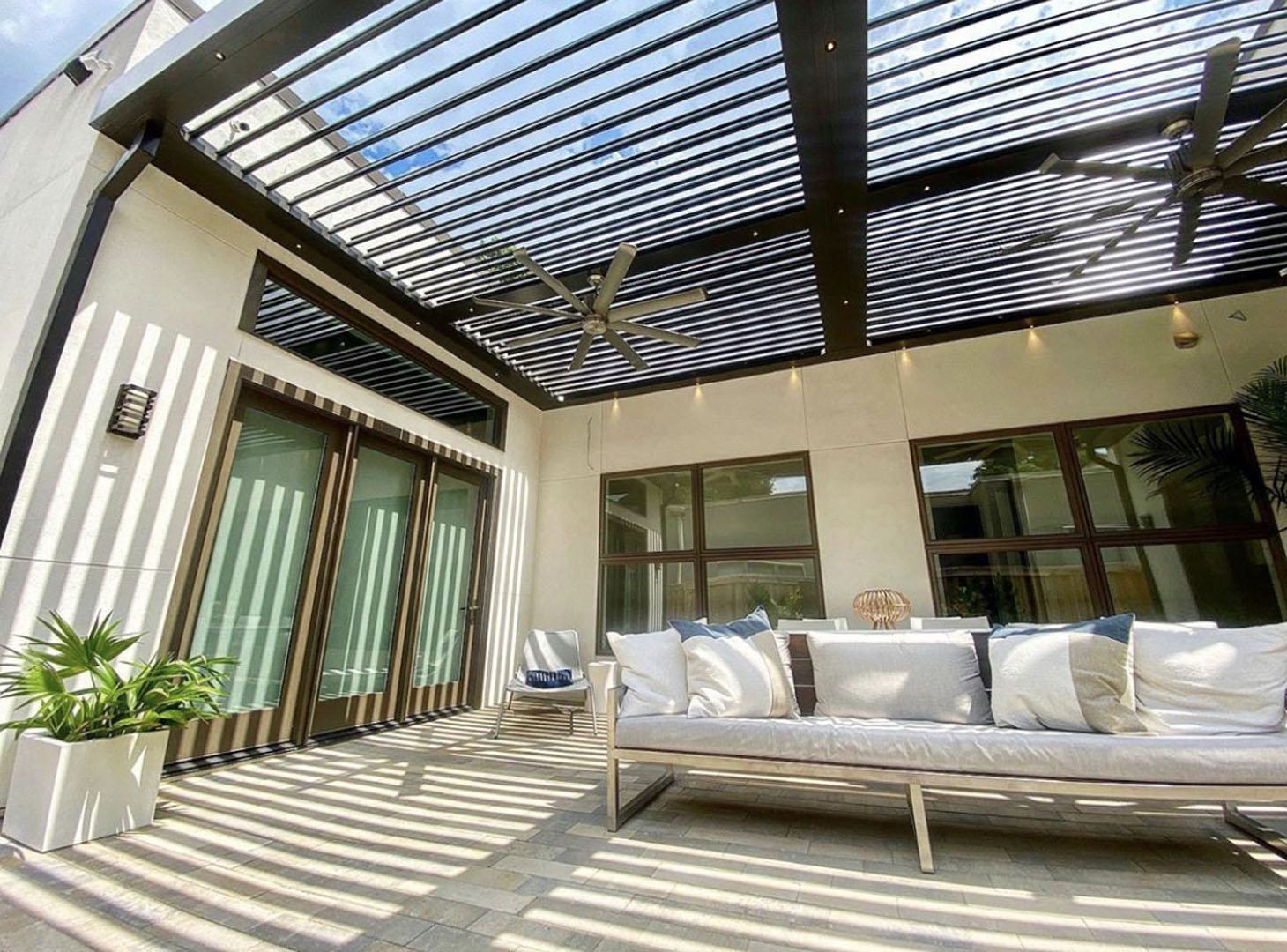
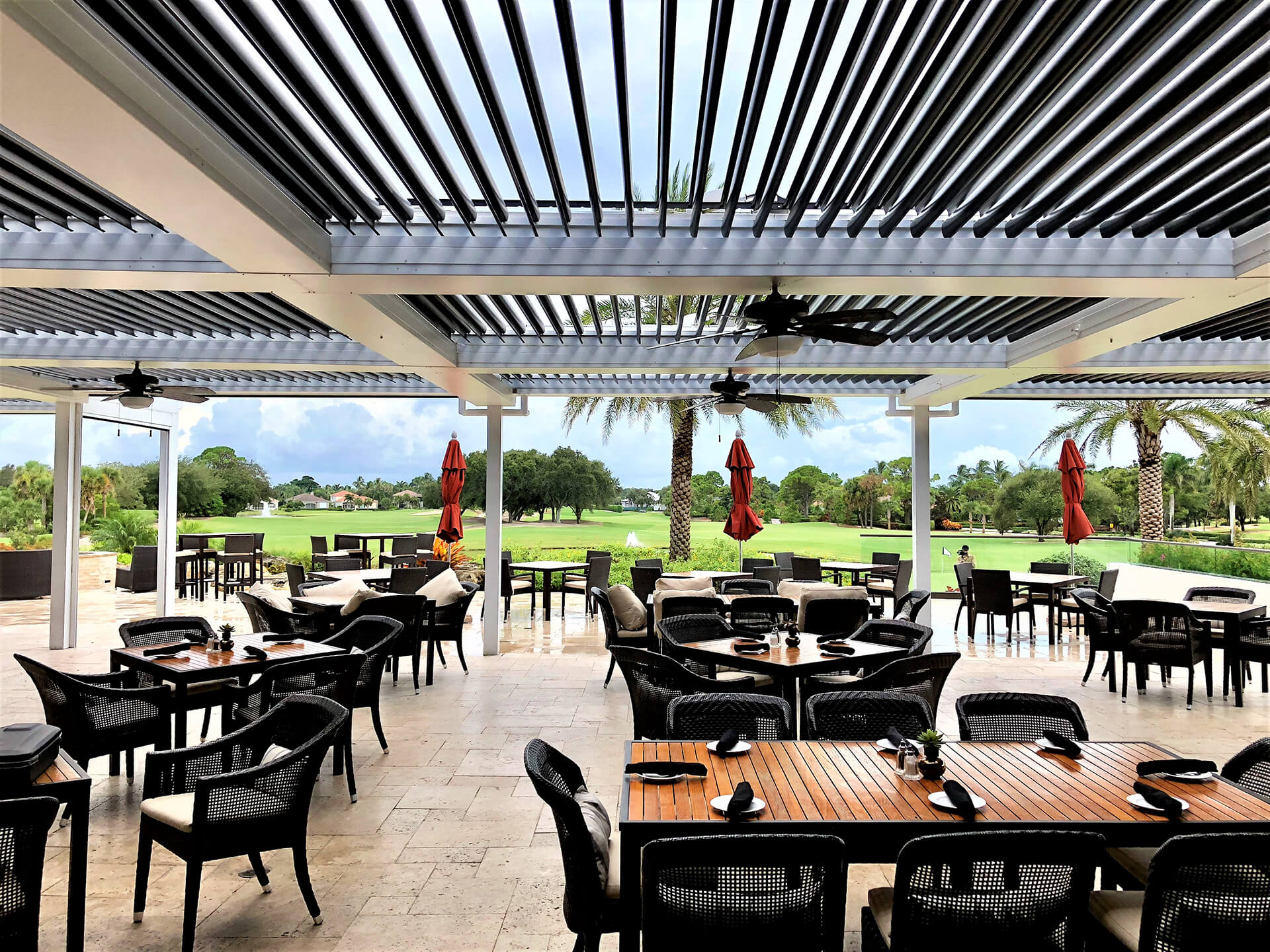
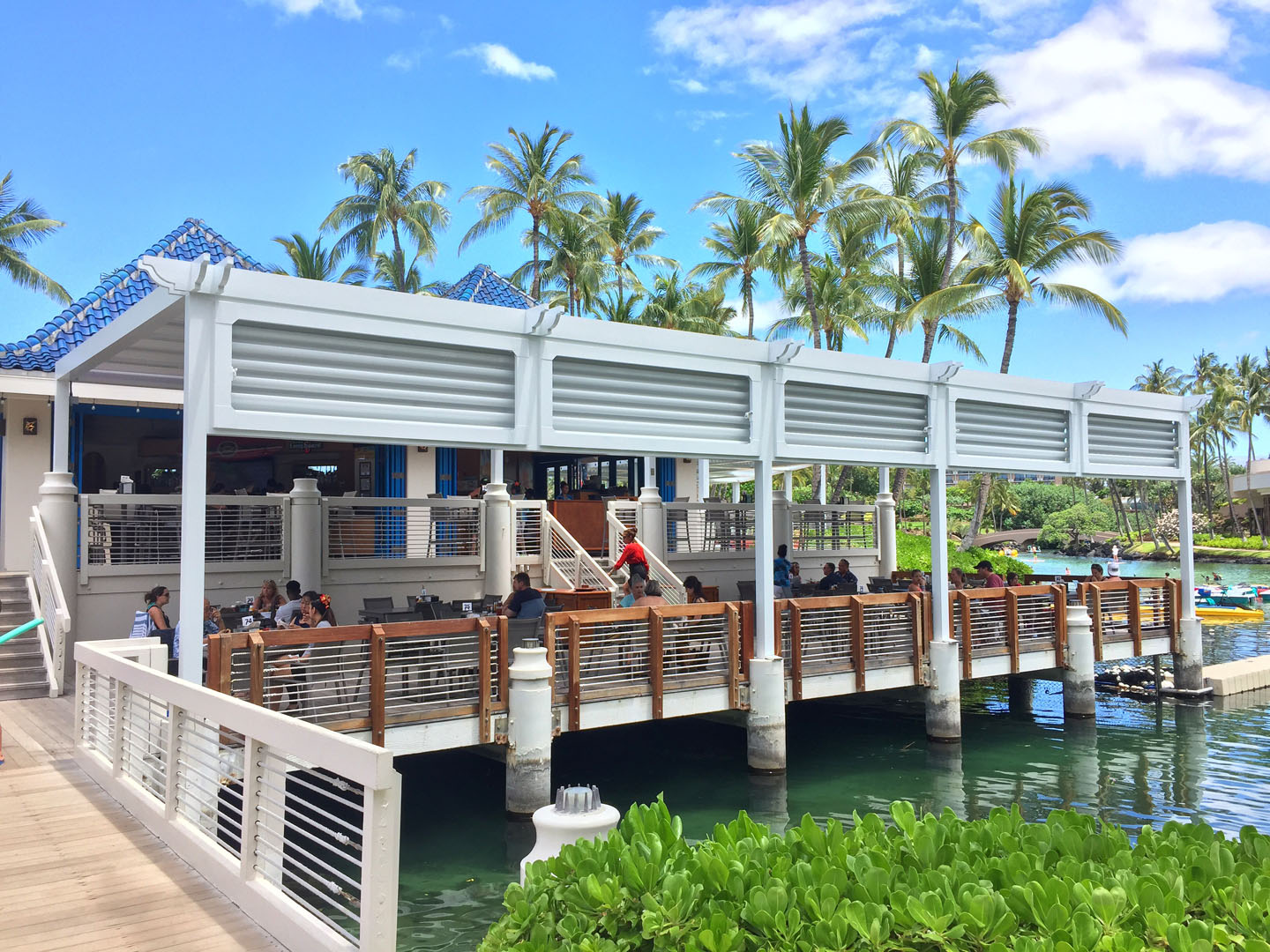
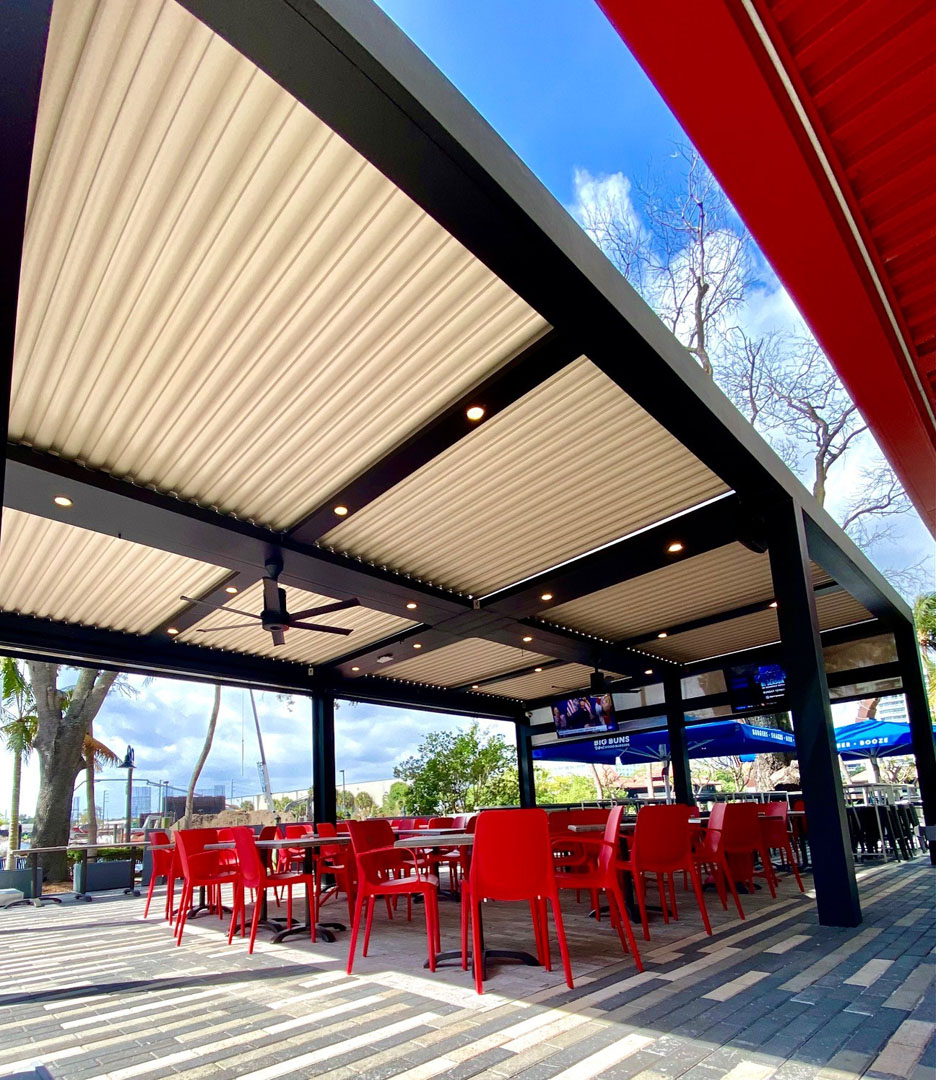
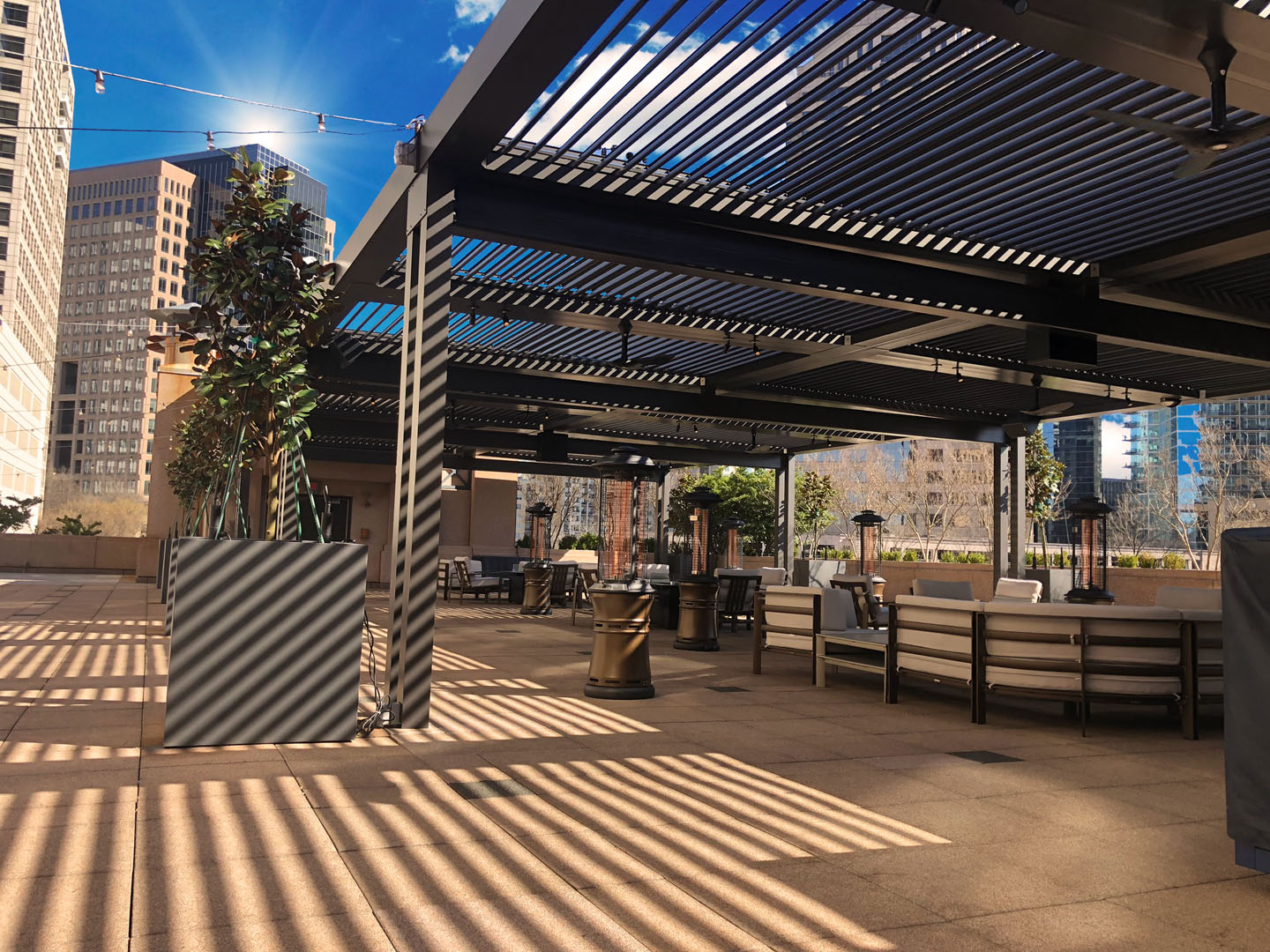
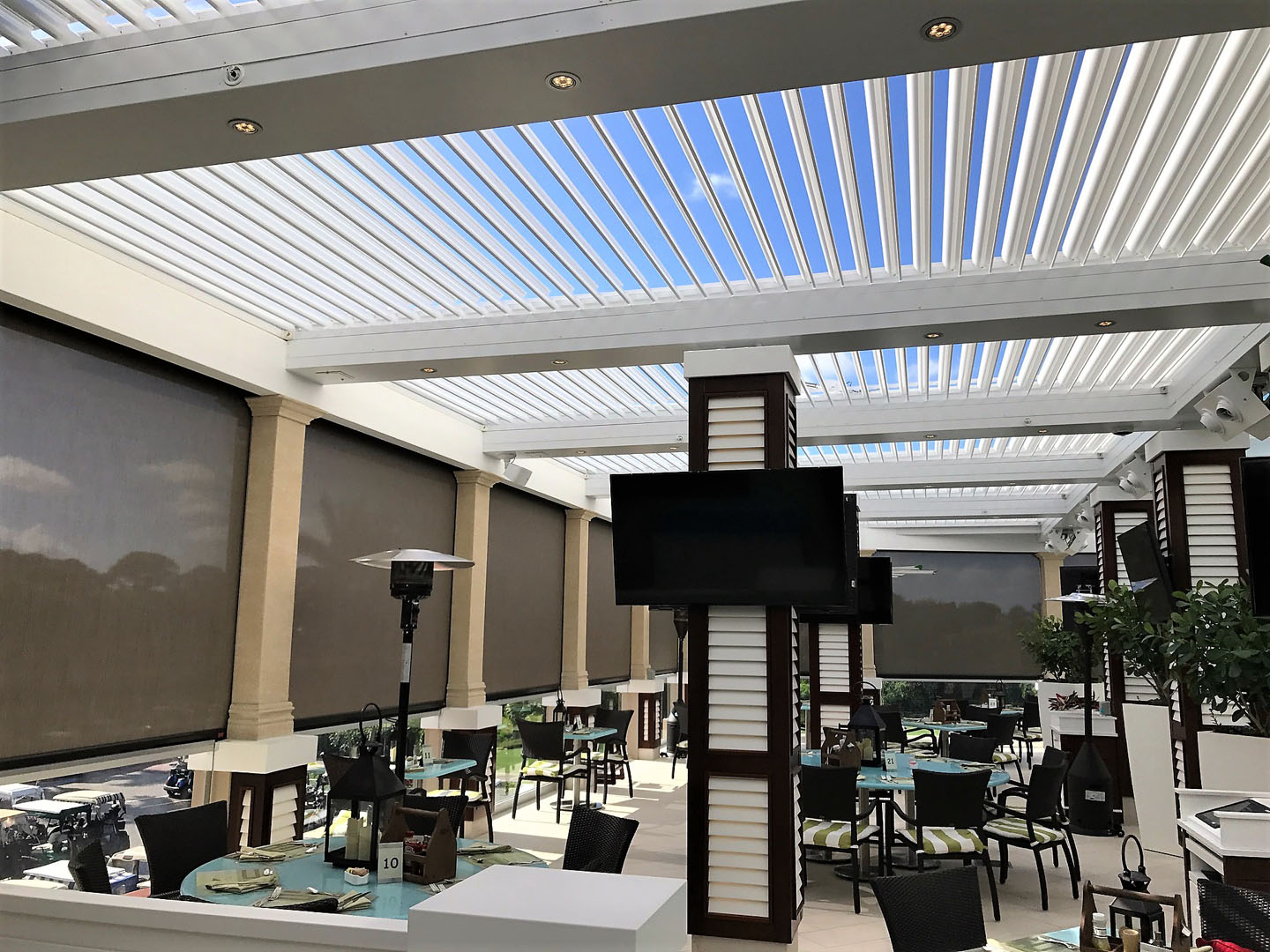
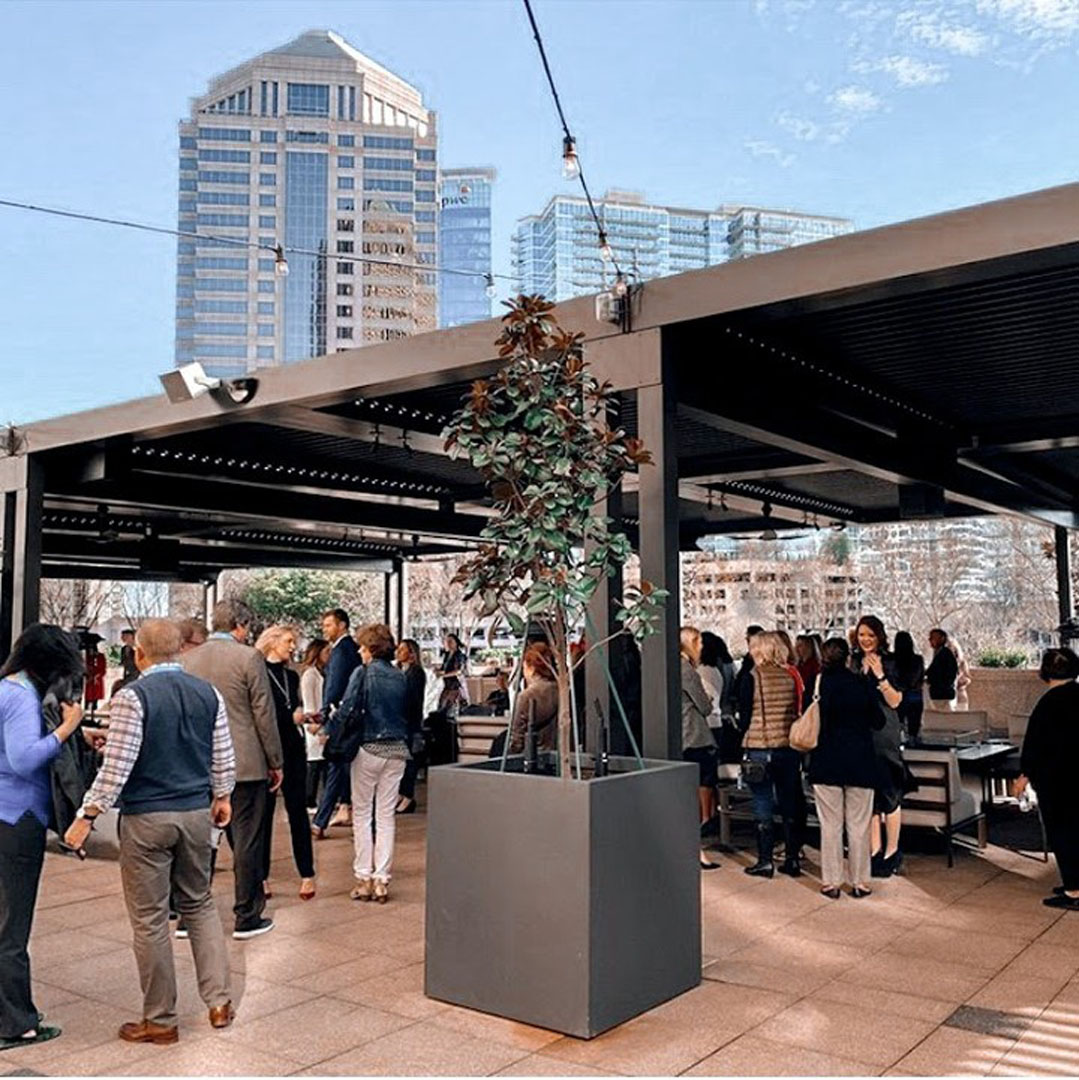
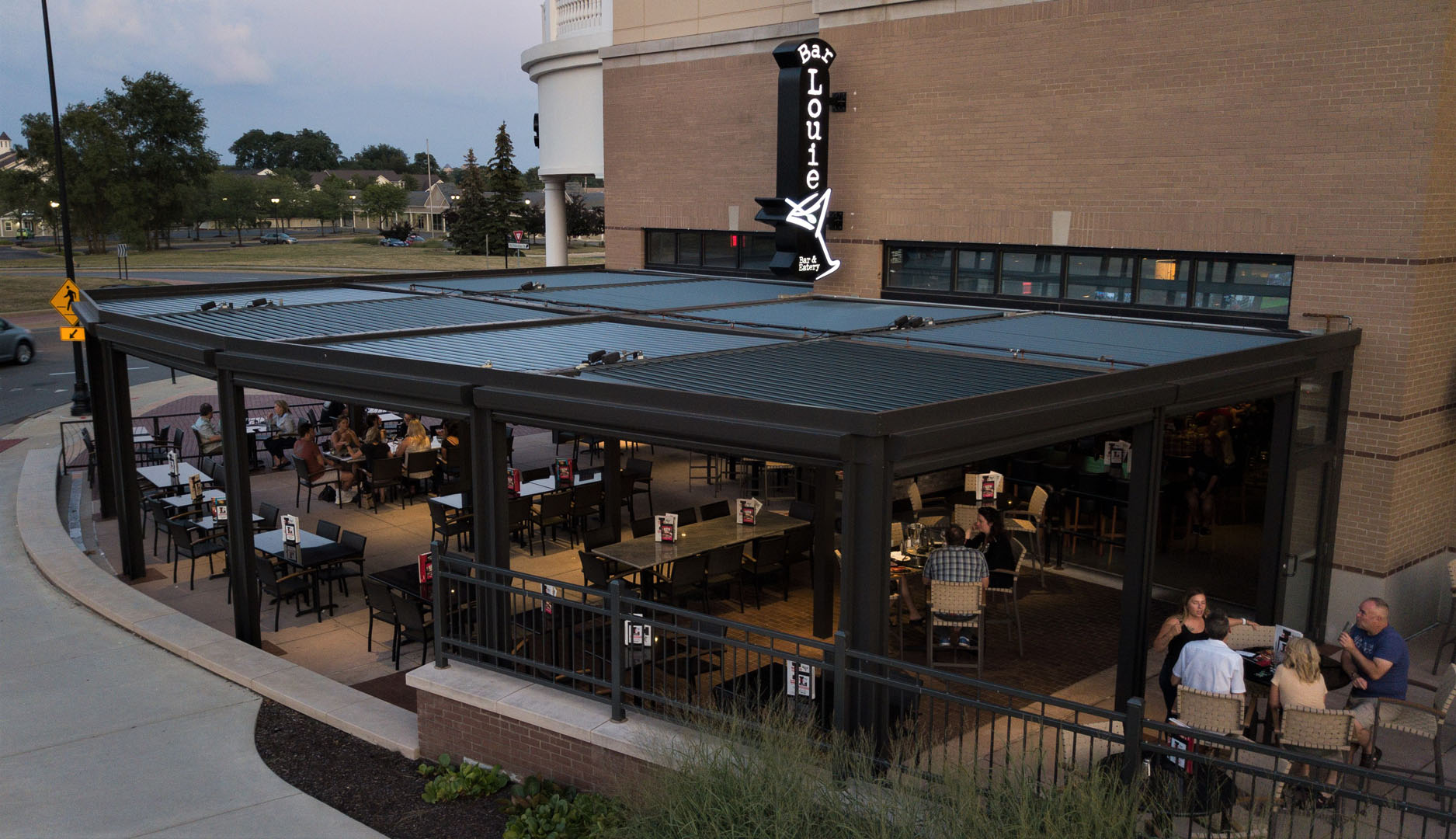
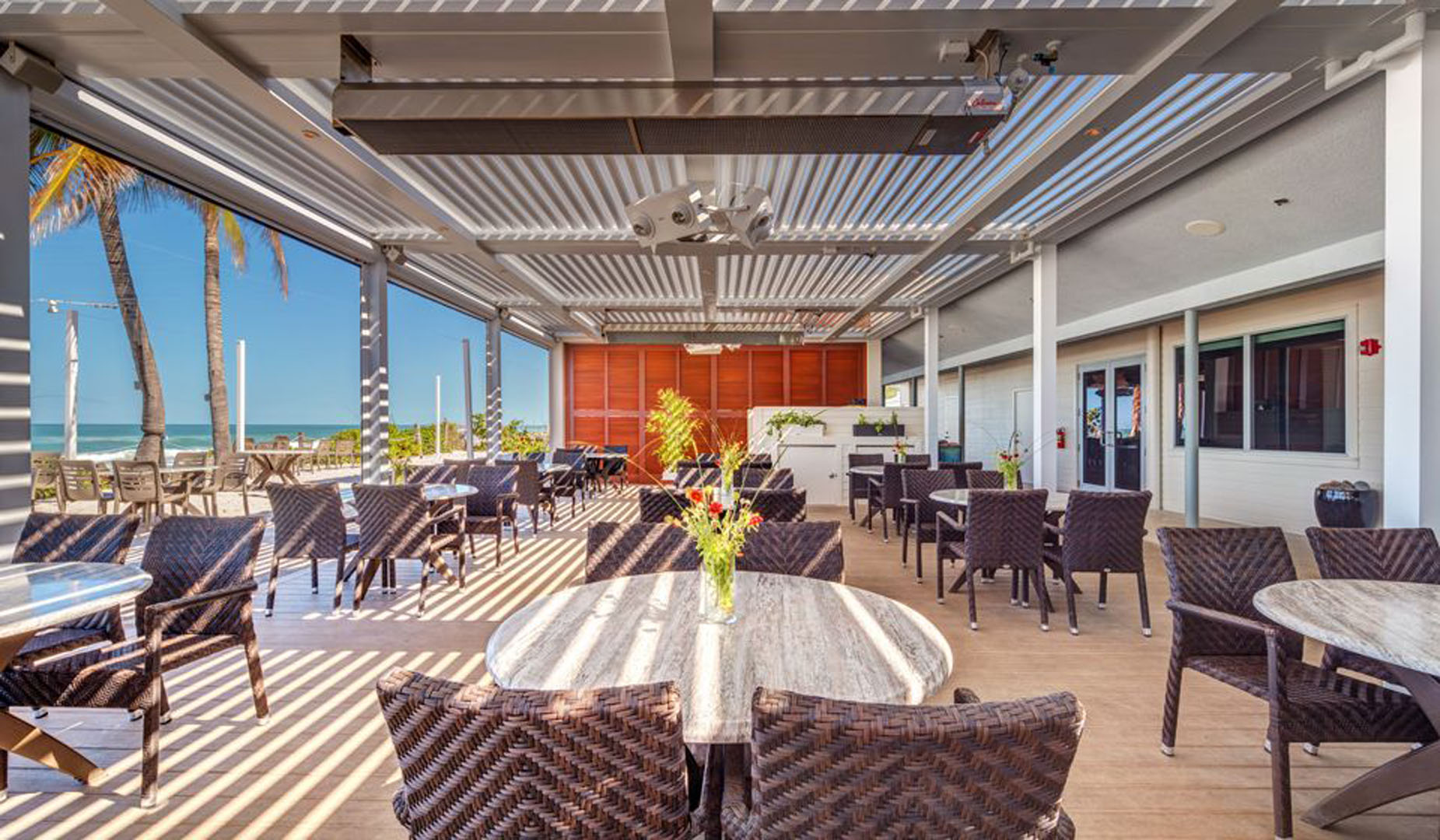
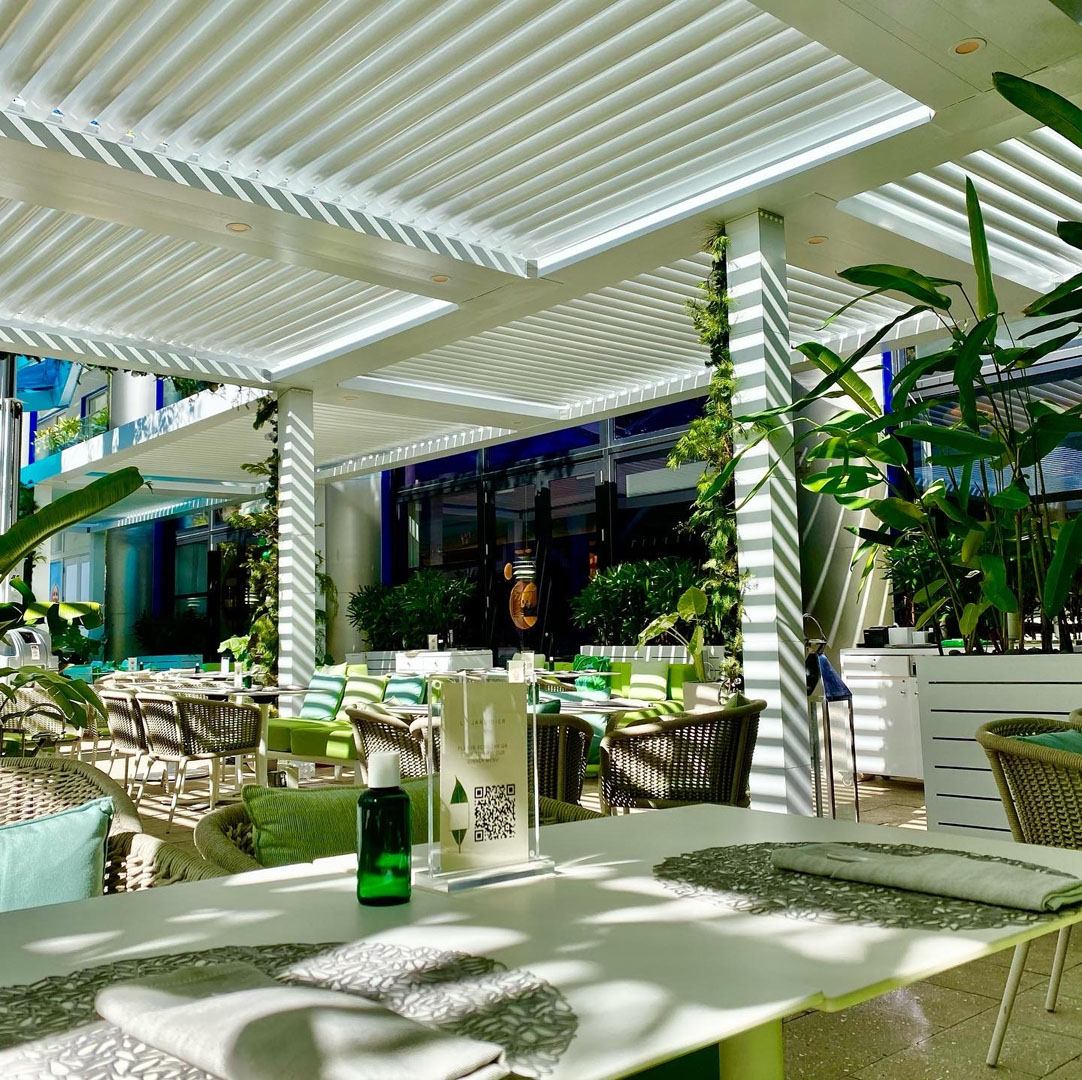
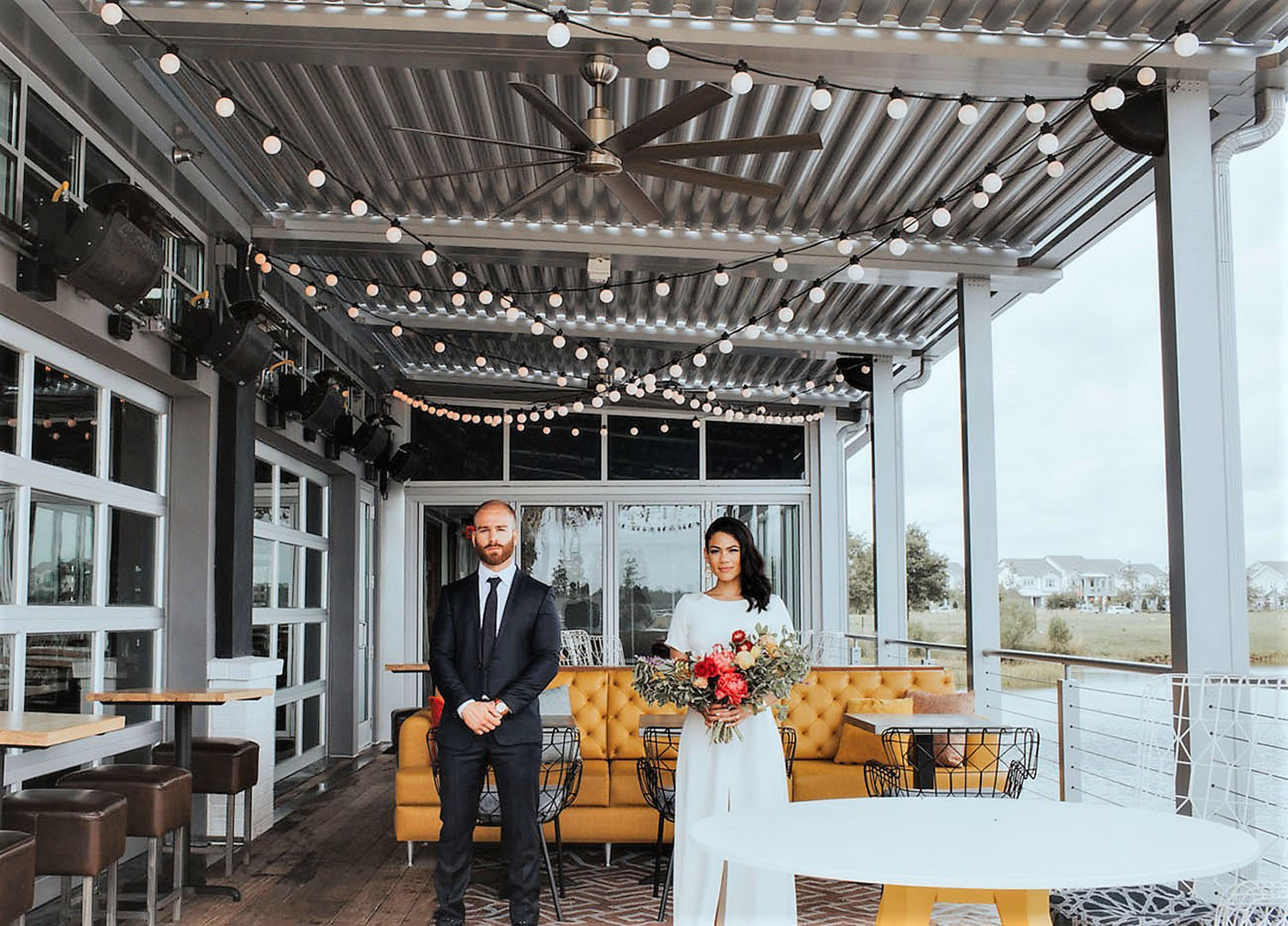
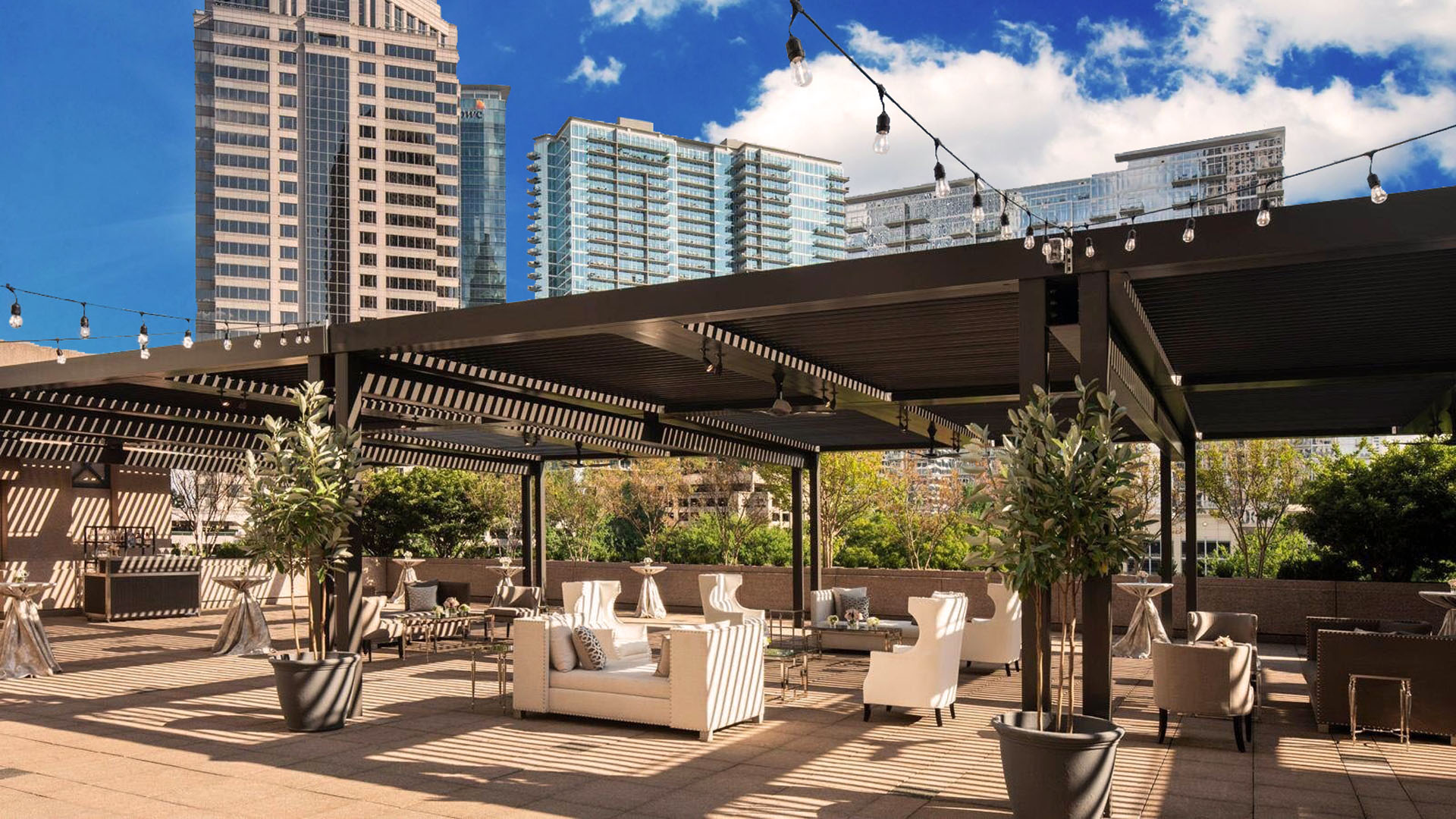
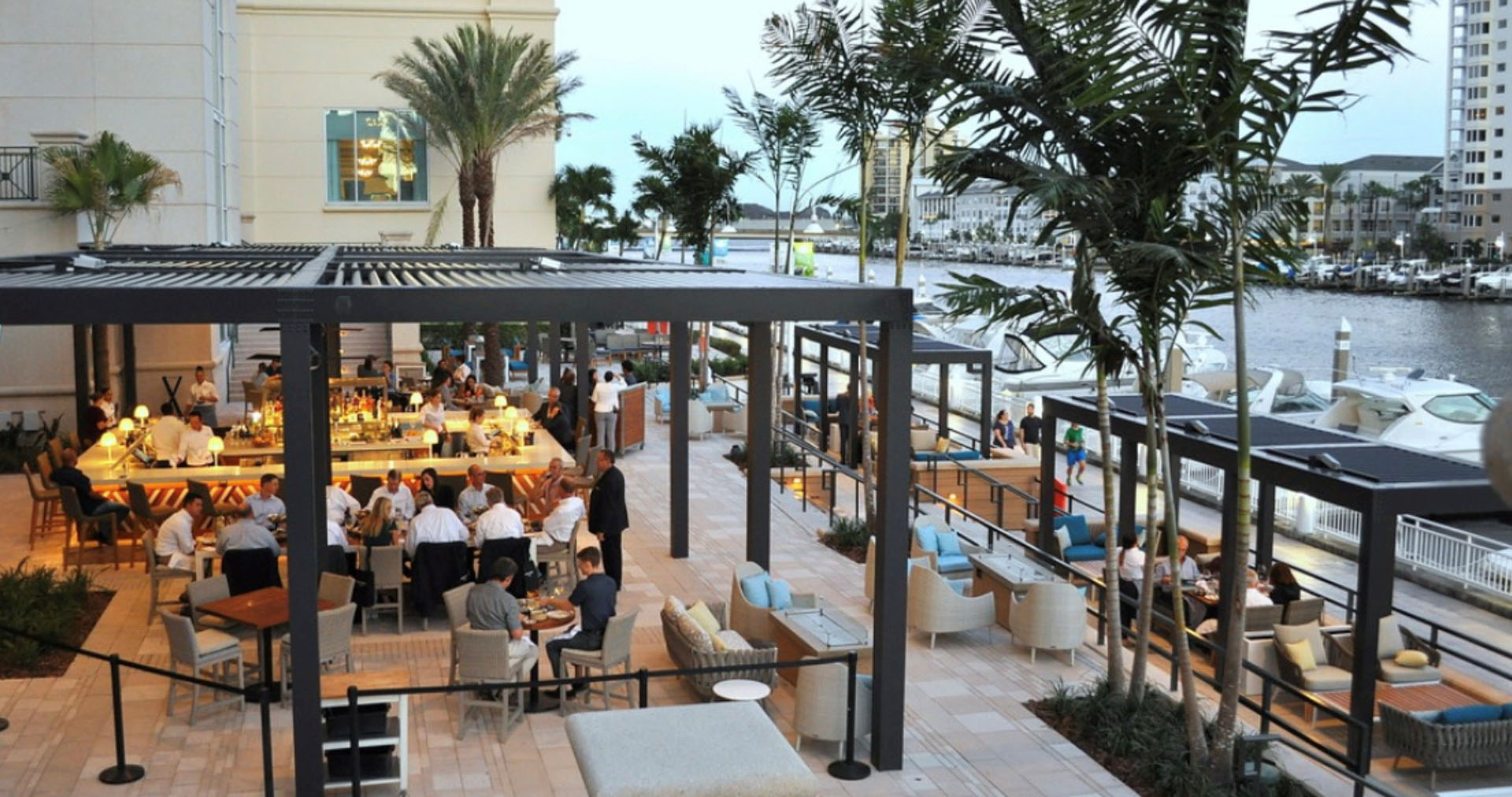
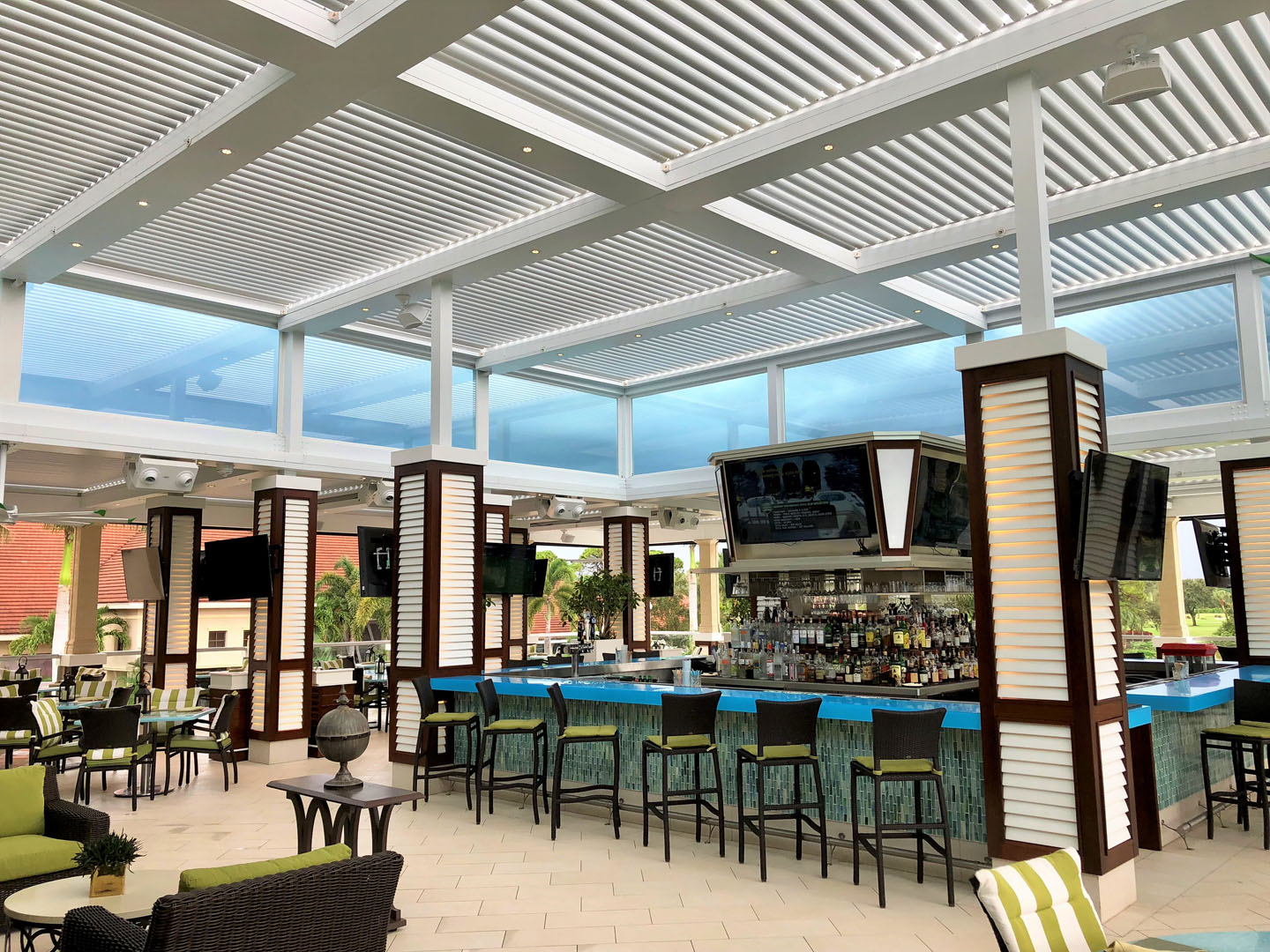
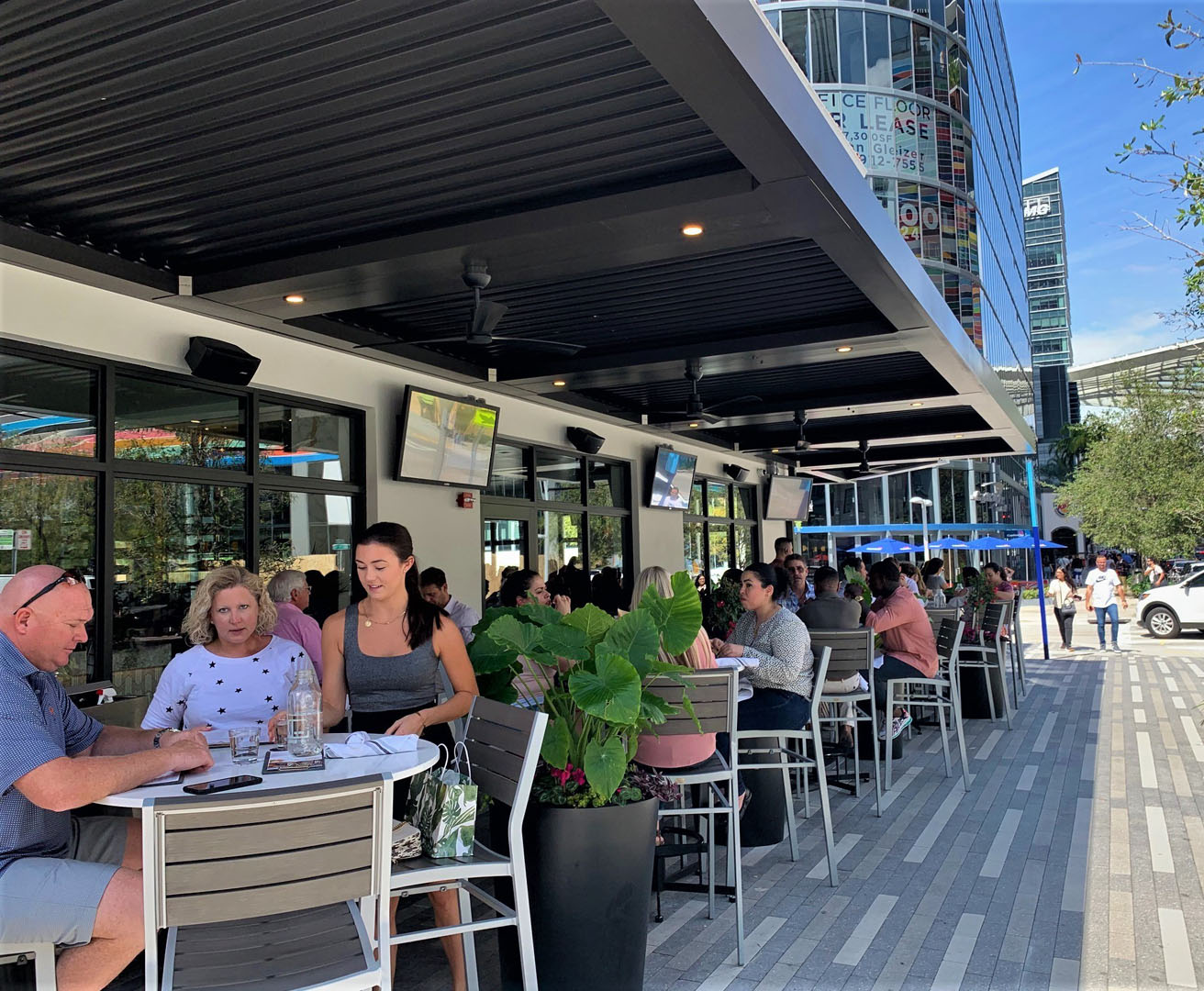
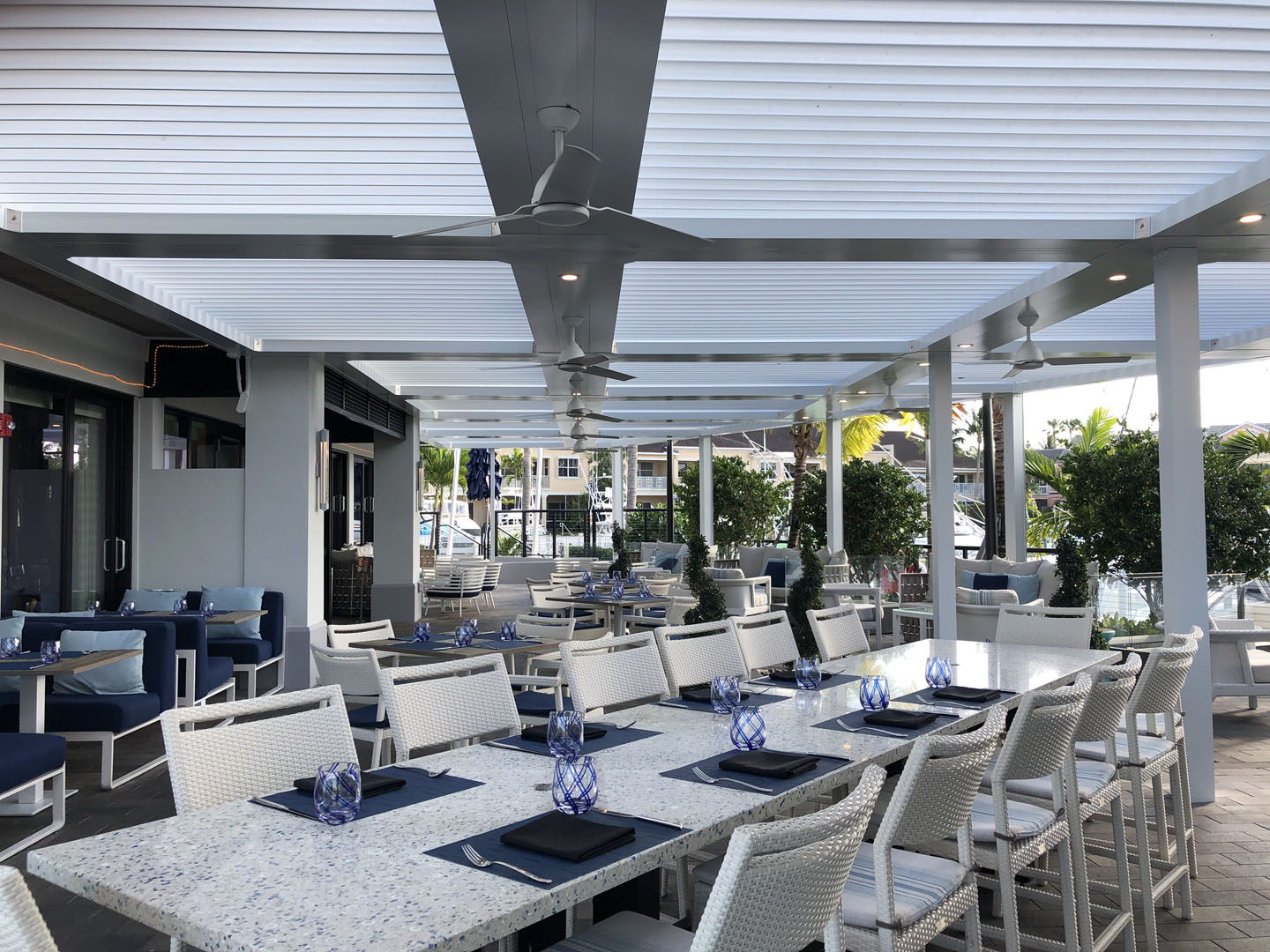
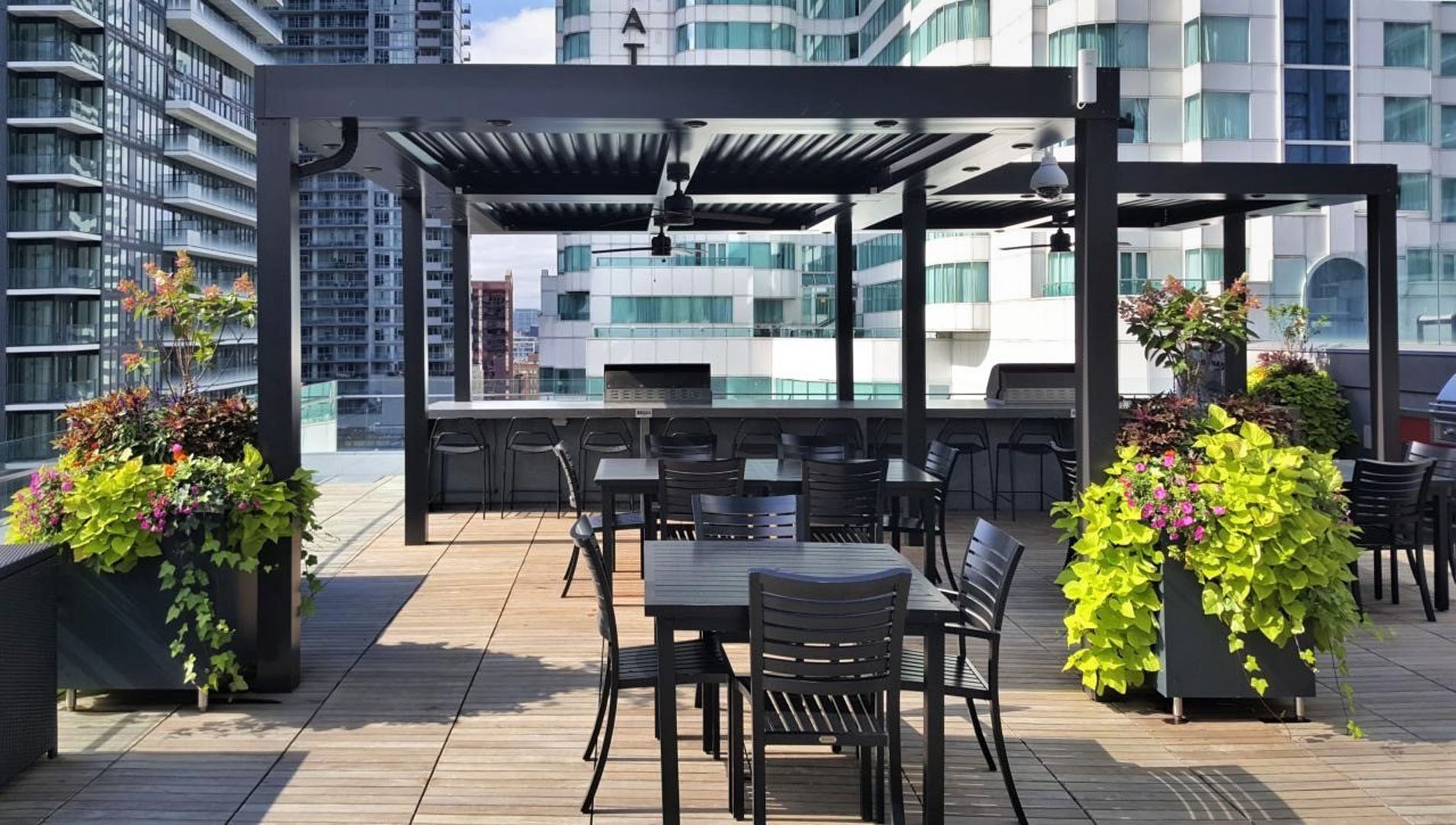
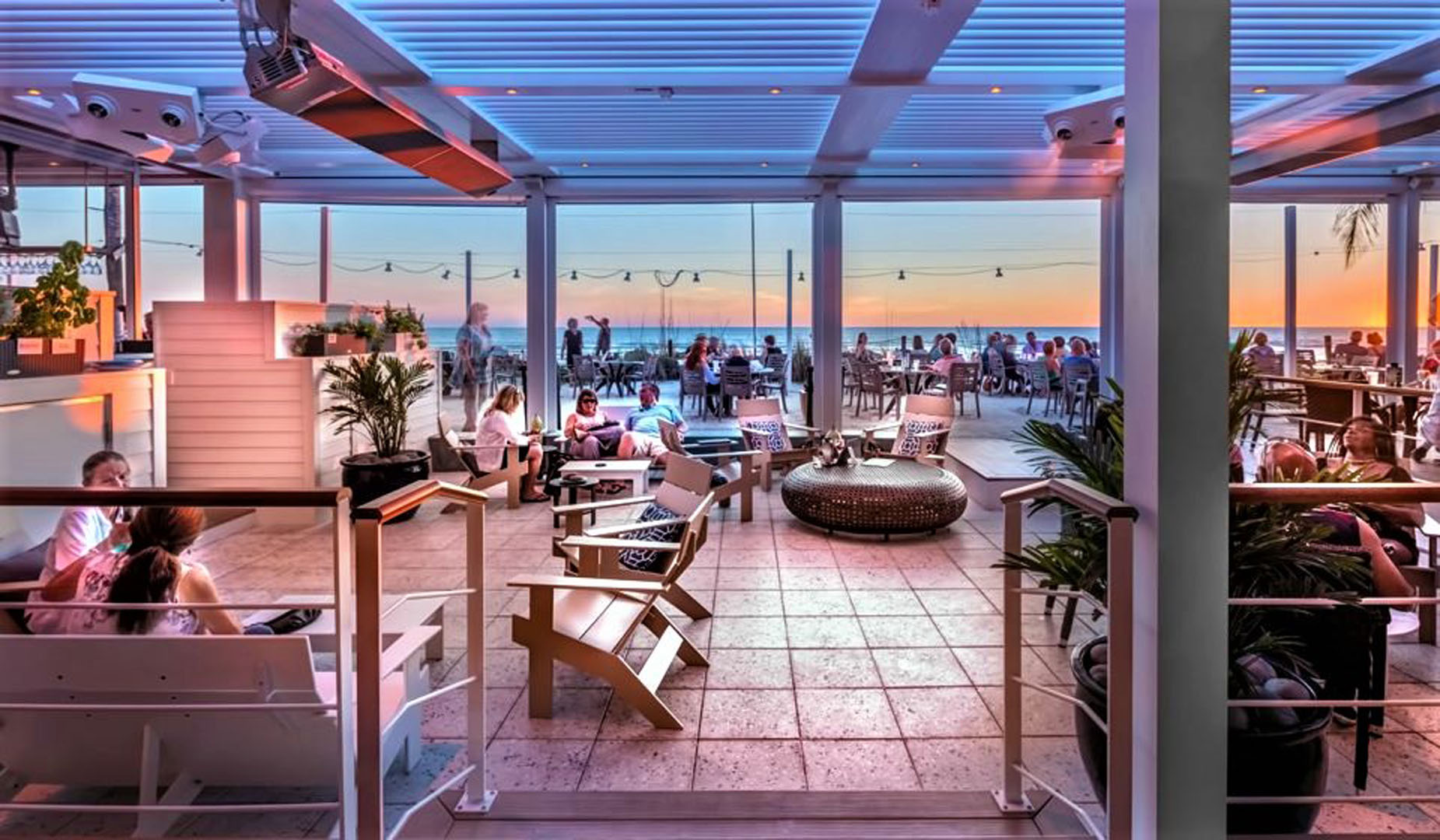
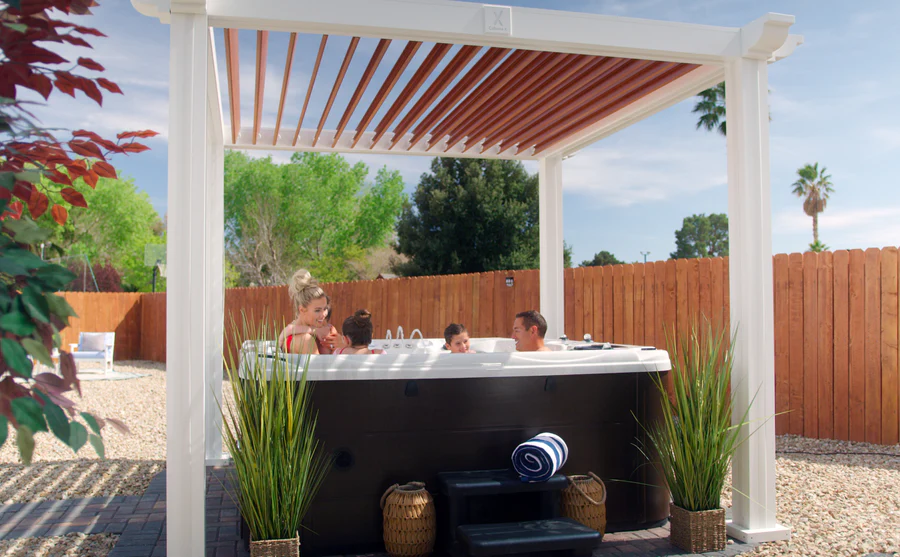
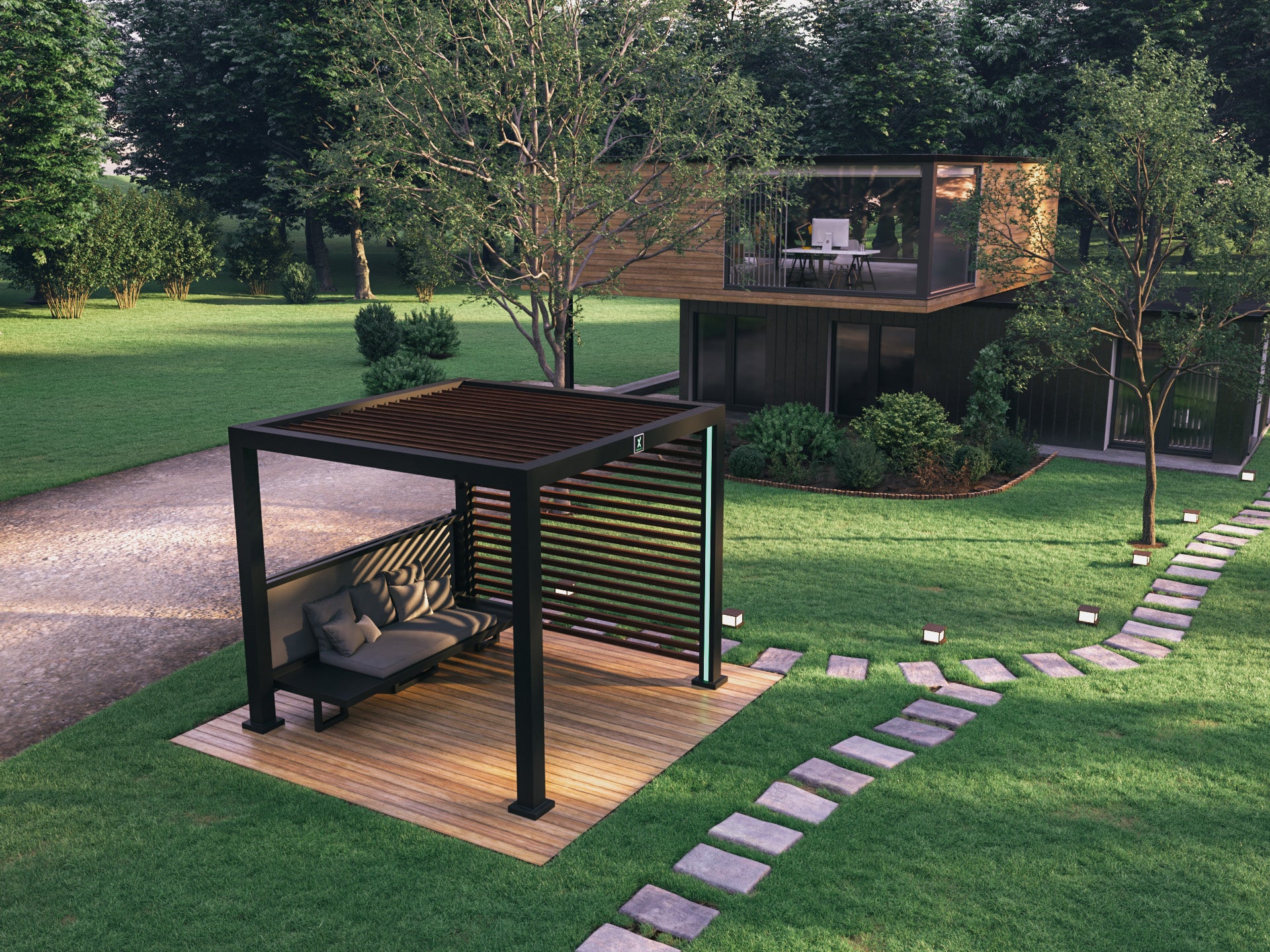
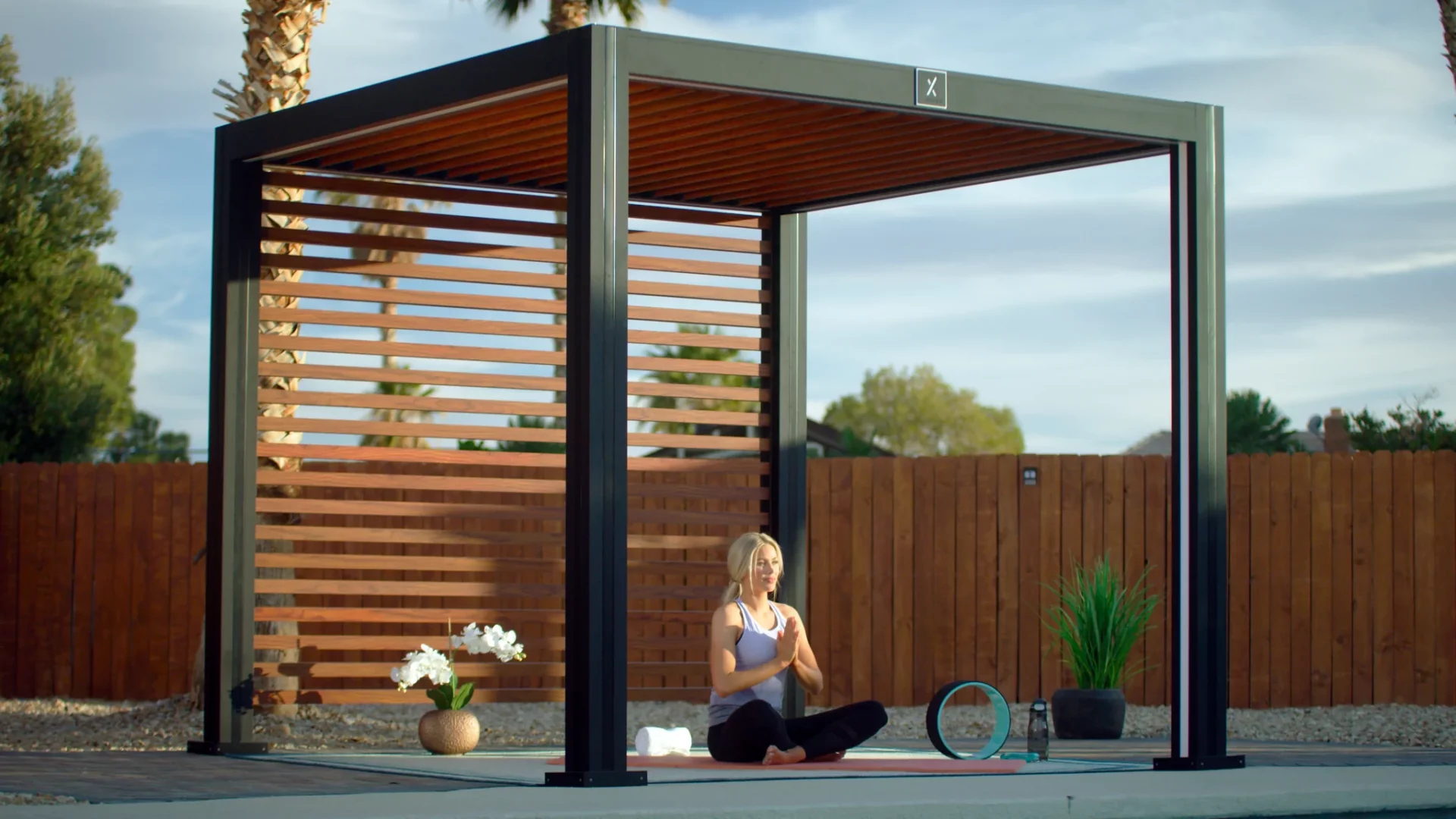
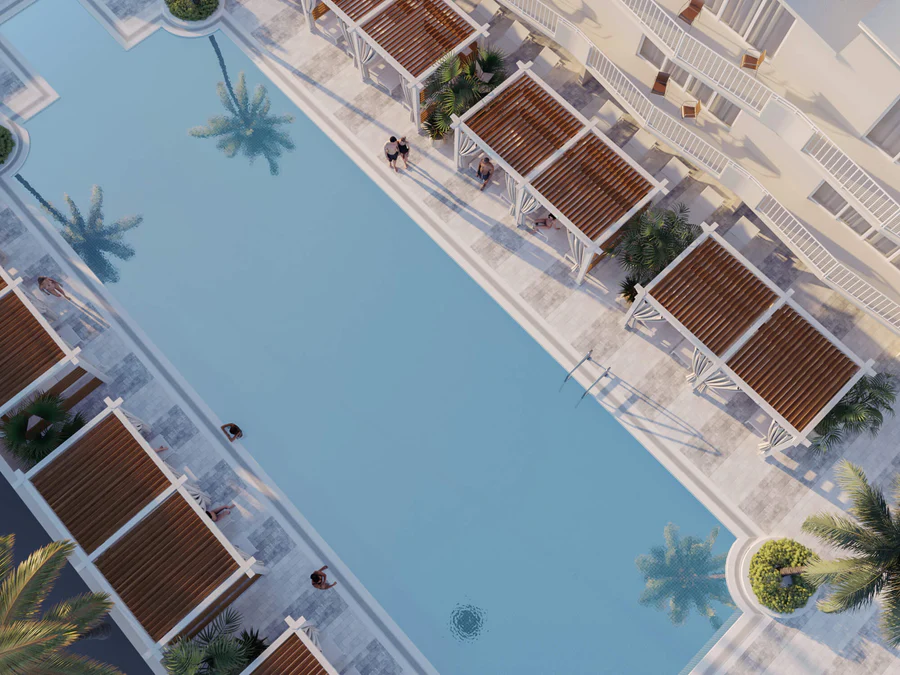
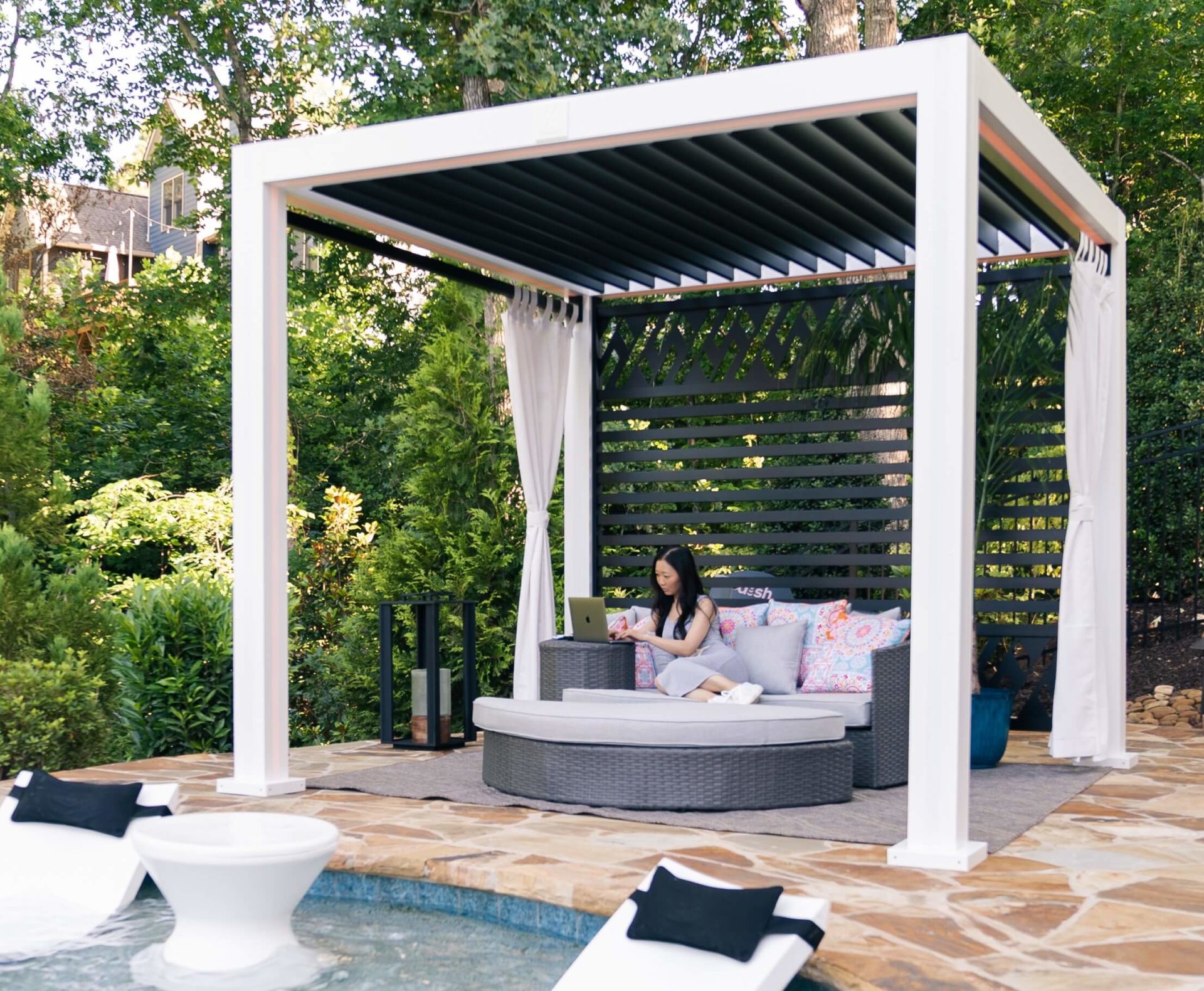
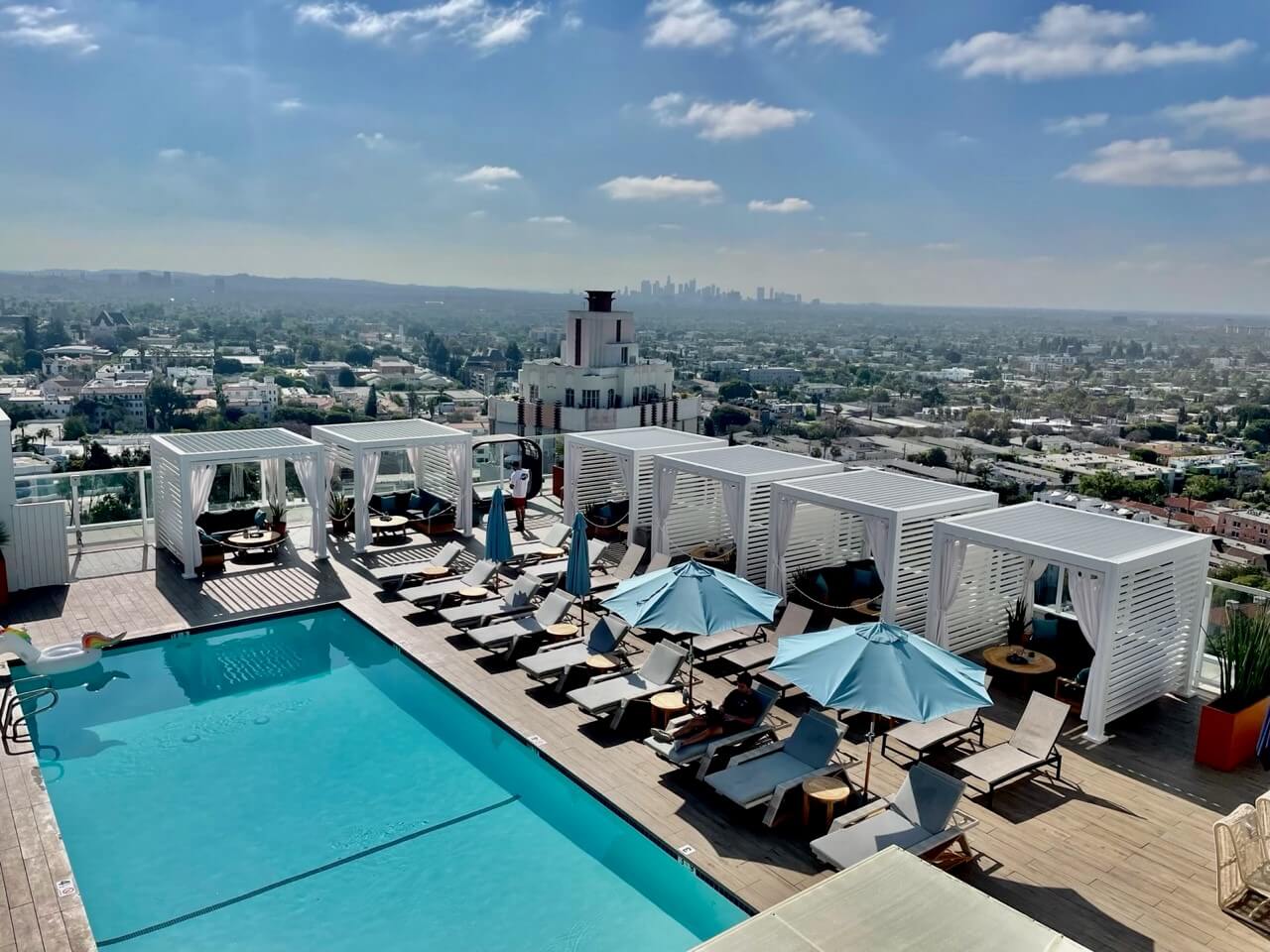
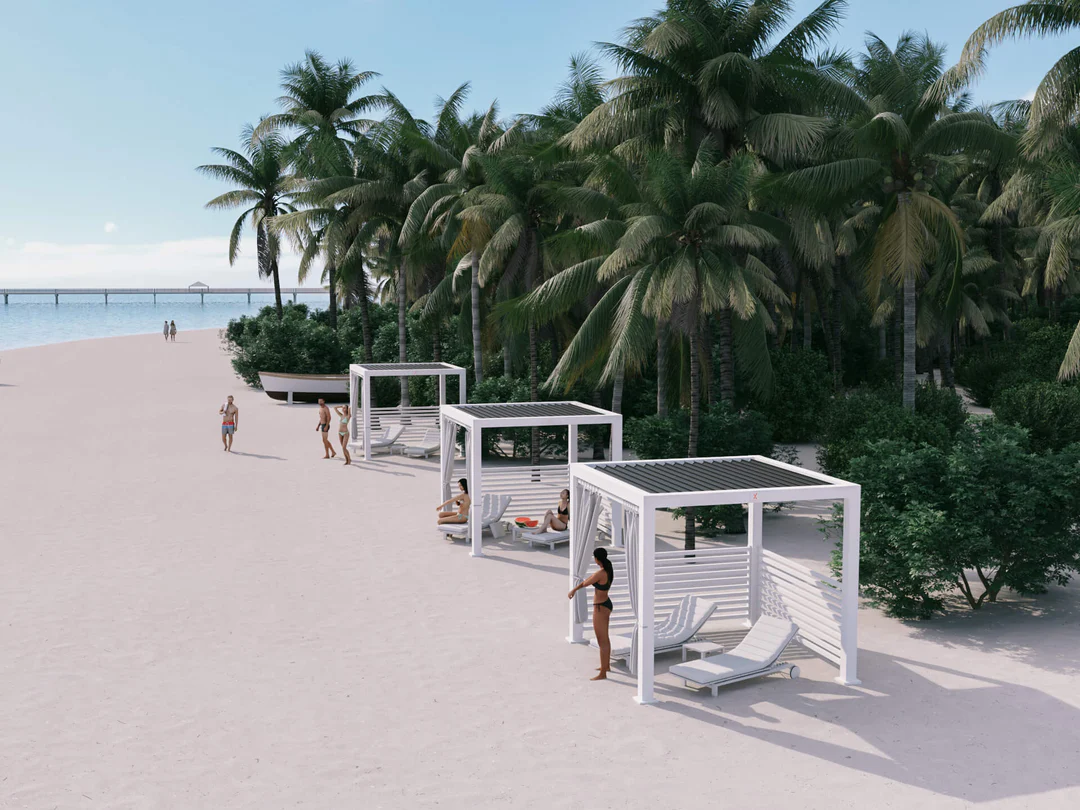
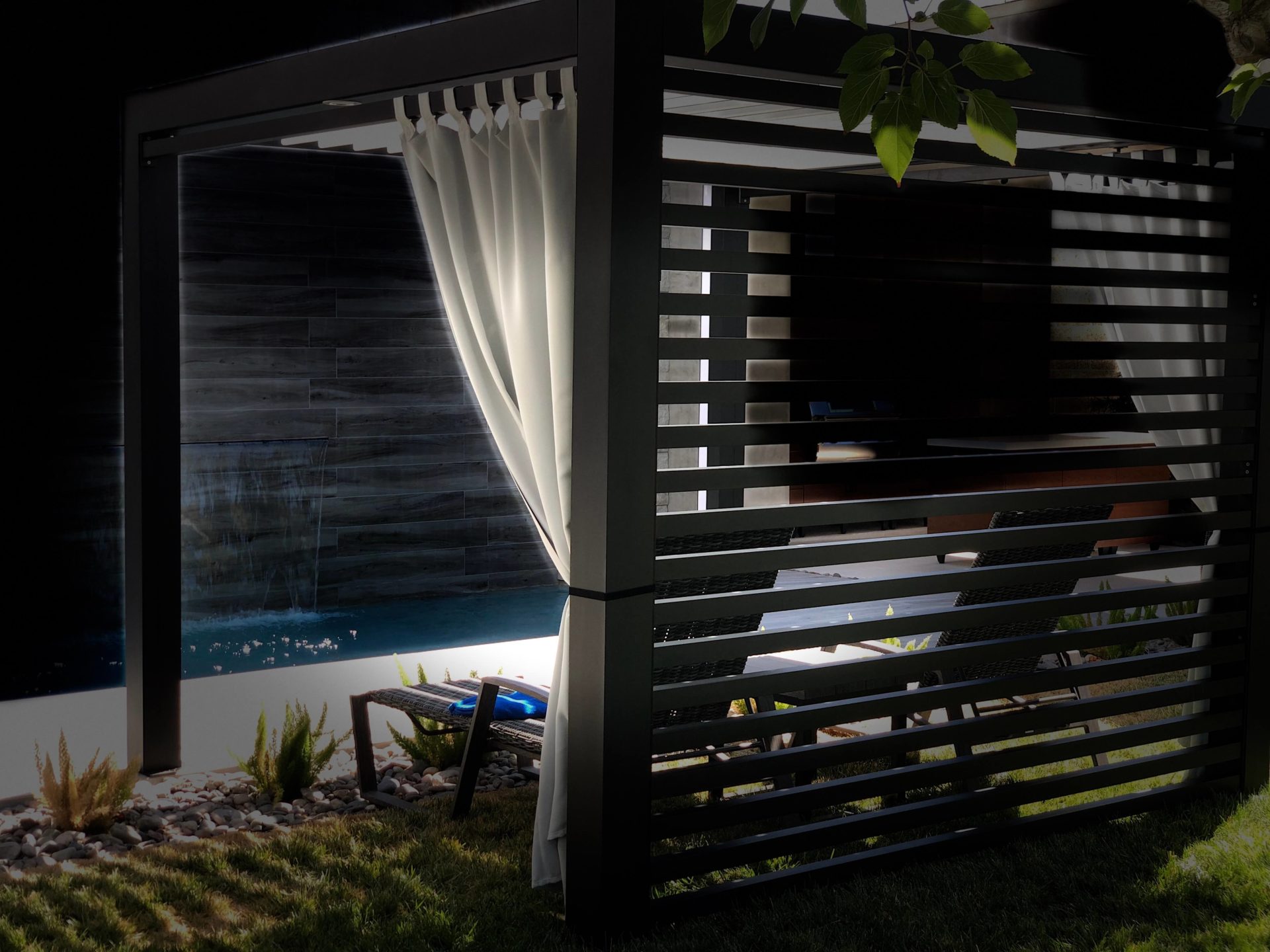
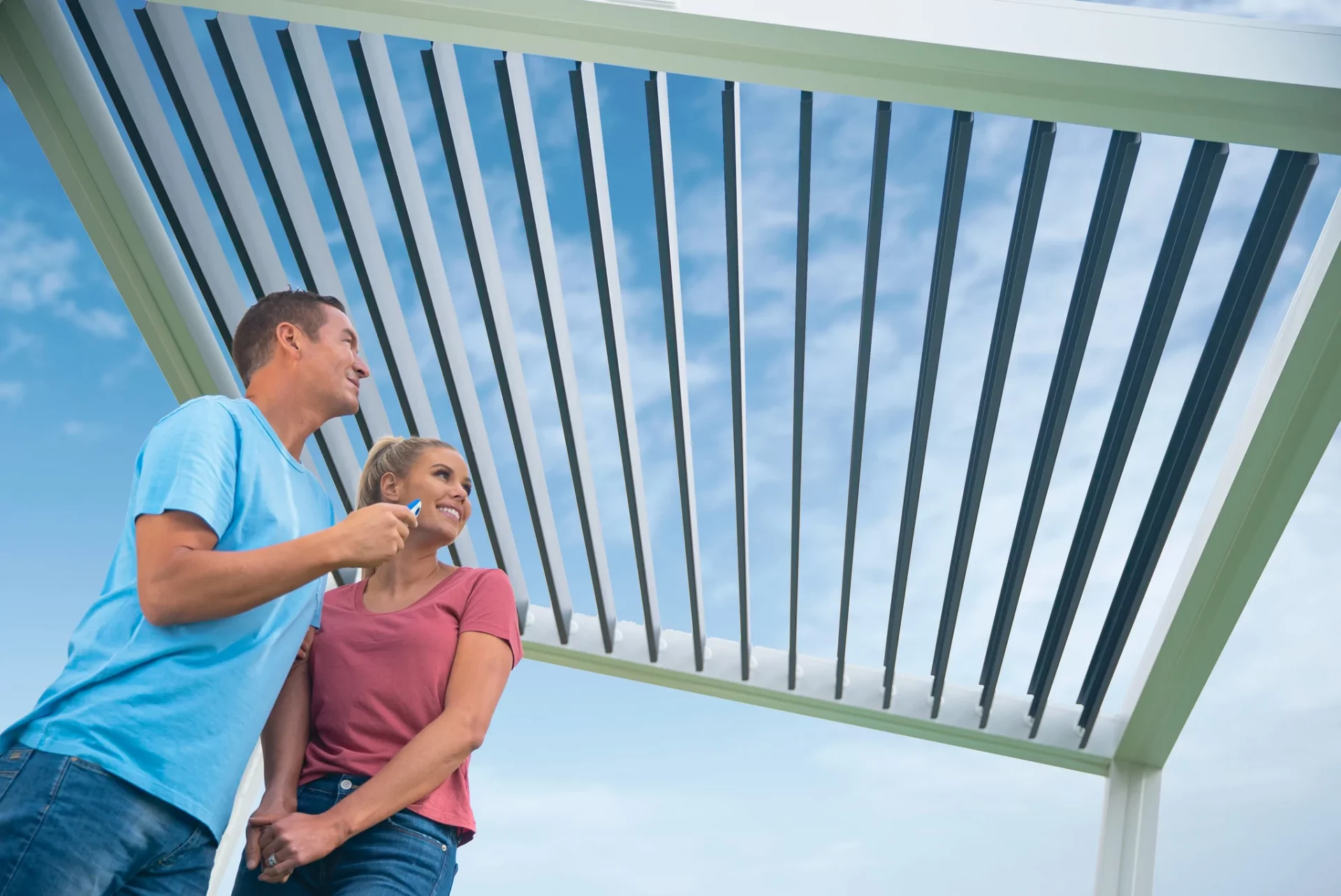
Lantana residents center daily life around waterfront and beach-oriented outdoor living, turning backyards, patios, terraces and balconies into extensions of the home for boating launches, alfresco dining and relaxed entertaining. Many single-family lots include generous driveways for boats and RVs and easy marina or lake access for fishing, yachting and watersports, while Lantana Beach, Lake Worth Lagoon and local preserves supply casual beach days and nature outings. Homeowners outfit outdoor spaces with weather-responsive pergolas, motorized louvered roofs, UV-resistant fabrics and moisture-proof materials to manage intense sun, humidity and high winds, and favor integrated culinary areas, spa-inspired shower enclosures and multifunctional furniture to support year-round lounging, entertaining and seamless indoor-outdoor living.
Outdoor Activities, Amenities, and Lifestyle Patterns
Lantana residents center daily life around waterfront recreation and outdoor entertaining, taking full advantage of the Intracoastal Waterway, Atlantic proximity, marinas and docks for boating, fishing, yachting and water sports, plus Lantana Beach, Lake Worth Lagoon and the nature preserve for beach and nature outings. Neighborhoods of mostly owner-occupied single-family homes—often midcentury ranches and bungalows with driveways sized for boats and RVs—encourage seamless indoor-outdoor living, alfresco dining and spa-style pool areas, while downtown galleries, theaters and restaurants extend social life outdoors. Florida’s hot, humid sun, intense UV and winds exceeding 120 mph drive demand for shade systems, UV-resistant finishes, rust-proof hardware and engineered pergolas or motorized louvered systems, and homeowners favor integrated outdoor kitchens, multifunctional furniture and weather-responsive materials suited for year-round use.
Residential Property Characteristics of Lantana Affecting Outdoor Living
Lantana residential properties are predominantly owner-occupied single-family detached homes—many midcentury ranch-style and bungalow houses built between 1970 and 1999—typically ranging from medium (3–4 bedroom) to large footprints. Lots vary from compact, tree-lined parcels with manicured lawns to generous yards with driveways sized for boats and RVs; premium neighborhoods like The Moorings, Lake Osborne Estates and nearby Point Manalapan add docks, marina access, direct lake frontage and private beaches. Backyards, terraces, balconies and poolside patios often serve as primary entertaining rooms, so pergola placement must respond to lot depth, setback lines, elevated terraces or second-story balconies, sightlines to water, and established architectural character, informing scale, style and connection between indoor and outdoor living.
Climate, Sun, and Weather Considerations in Lantana
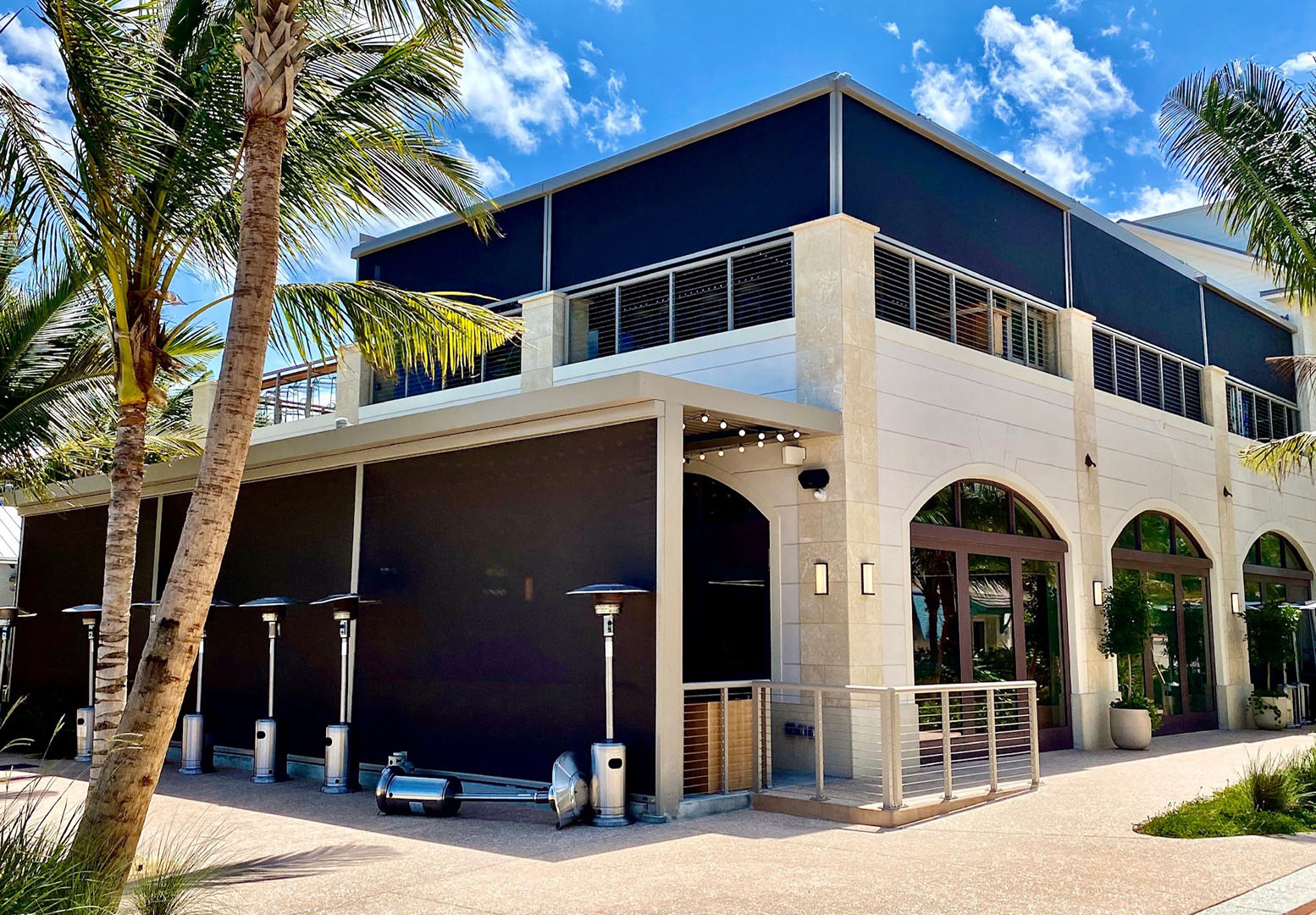
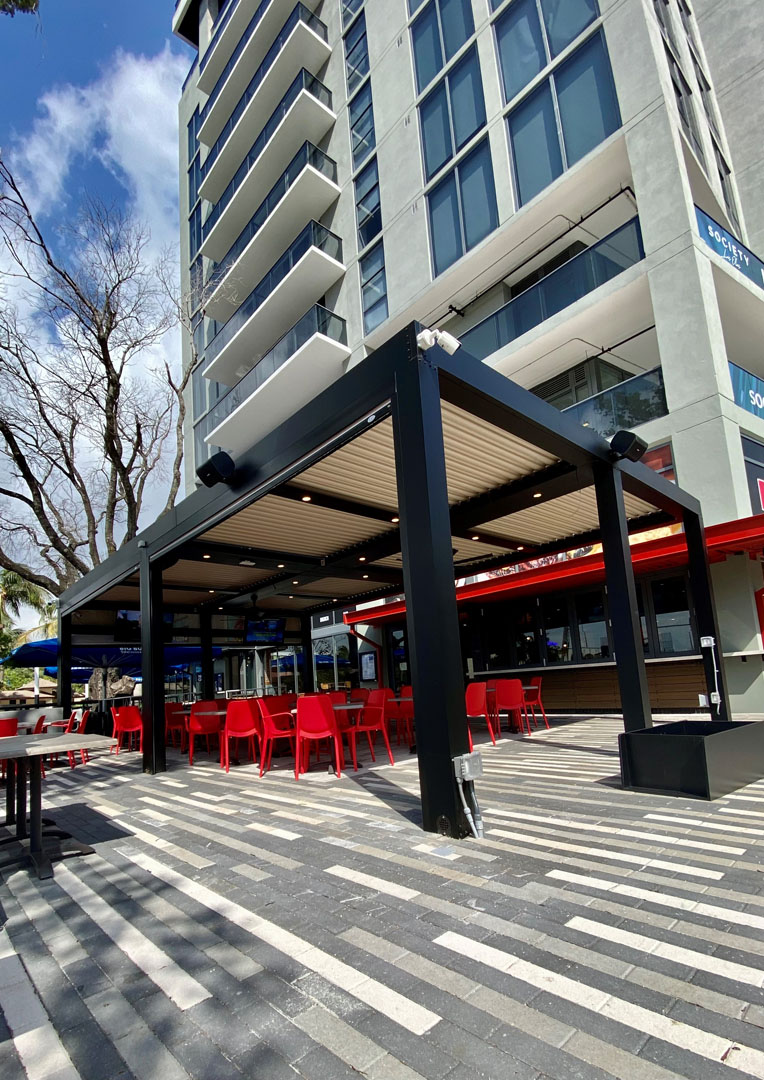
Lantana’s demanding subtropical climate—hot, humid conditions with intense midday sun, frequent coastal moisture and occasional tropical storms—directly shapes outdoor comfort and shade needs: strong sunlight and UV exposure require UV-resistant finishes and fabrics to prevent fading, while high humidity and salt air call for rust-proof hardware and moisture-resistant materials; rain demands durable, weatherproof textiles; and wind is a critical factor, with outdoor structures engineered to withstand winds exceeding 120 mph. Coastal proximity and marina access increase exposure to salt spray, so pergolas, motorized louvered systems, and customizable shade canopies that manage sun filtration, airflow, and rapid drainage are favored to maintain comfortable, year-round outdoor living while preserving finishes and structural integrity.
Why Lantana Is Ideal for Outdoor Living
Lantana’s waterfront lifestyle—proximity to the Intracoastal Waterway, beaches and marinas—and a culture of year-round outdoor entertaining make patios, pergolas and covered living spaces natural extensions of the home. Most properties are owner-occupied single-family homes with generous driveways and ample yards, encouraging built outdoor kitchens, spa-inspired features and multifunctional furniture for hosting. At the same time Lantana’s subtropical climate—intense midday sun, high humidity, heavy rain and winds that demand engineering to withstand 120+ mph—drives demand for weather-responsive solutions: motorized aluminum pergolas, louvered roofs, UV-resistant finishes, rust-proof hardware and moisture-resistant fabrics. Architectural variety and strong real estate demand further support investments in durable, stylish outdoor structures that balance comfort, resilience and coastal aesthetics.
Outdoor Living and Home Upgrade FAQ
What materials withstand Lantana’s subtropical climate? Use teak, powder-coated aluminum, synthetic/resin wicker and stainless or rust-proof hardware. Choose UV-resistant finishes and moisture-resistant fabrics.
Can pergolas or covered structures handle local wind and storms? Yes if engineered to local codes—motorized aluminum systems and structurally rated pergolas designed to withstand winds over 120 mph are recommended.
How should I address intense midday sun and heat? Install adjustable louvered roofs or motorized shade canopies with UV-resistant fabrics to control sun, airflow, and comfort.
Will my lot accommodate outdoor upgrades like kitchens or pergolas? Many single-family lots support integrated culinary areas, pergolas and driveways for boats/RVs, but sizes vary—waterfront estates offer the most space.
What finishes and maintenance keep outdoor upgrades durable? Use rust-proof hardware, UV-stable coatings, moisture-resistant materials and periodic cleaning; select fabrics rated for rain and humidity.