
Outdoor Lifestyle in Hallandale Beach, FL
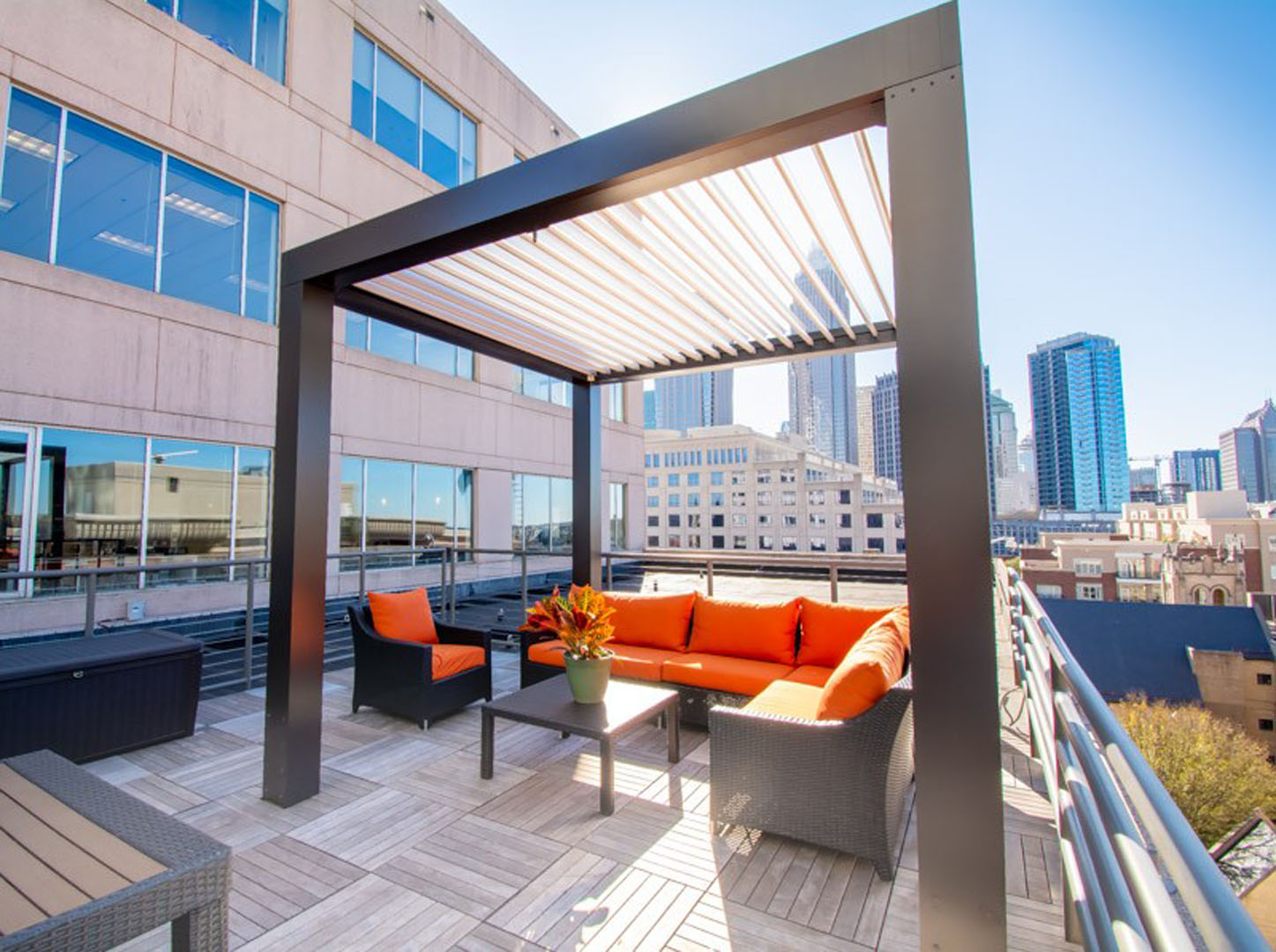
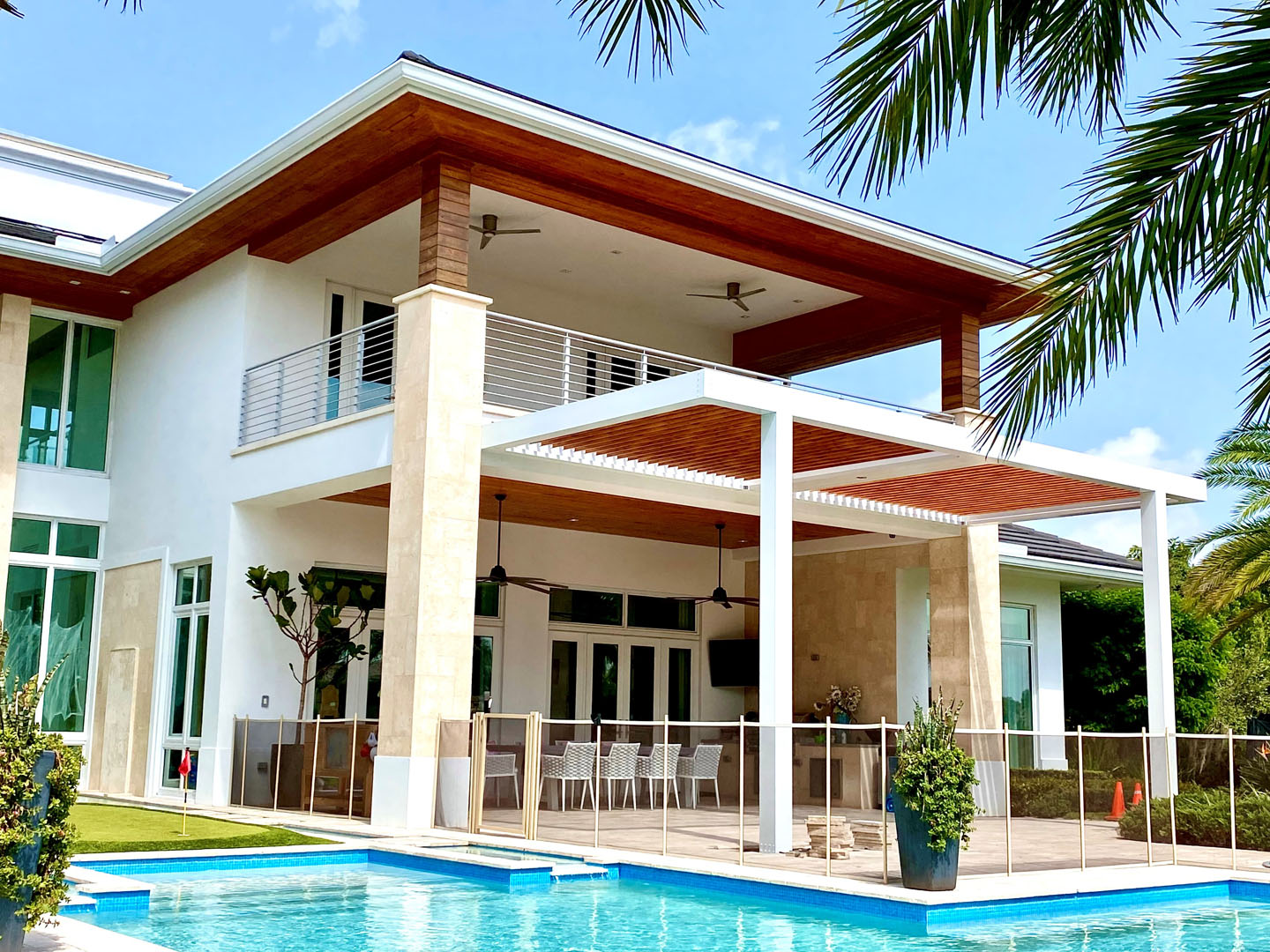
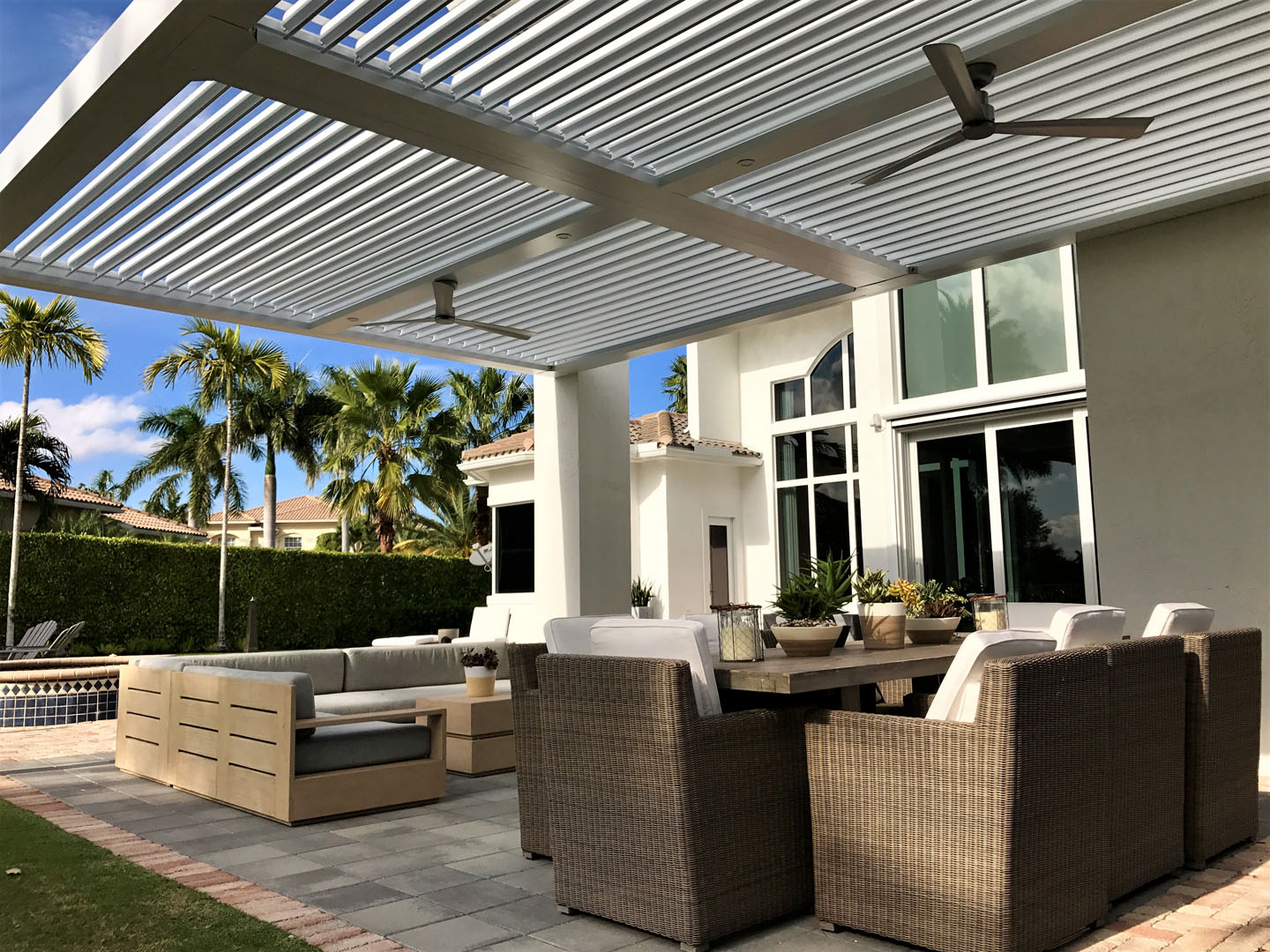
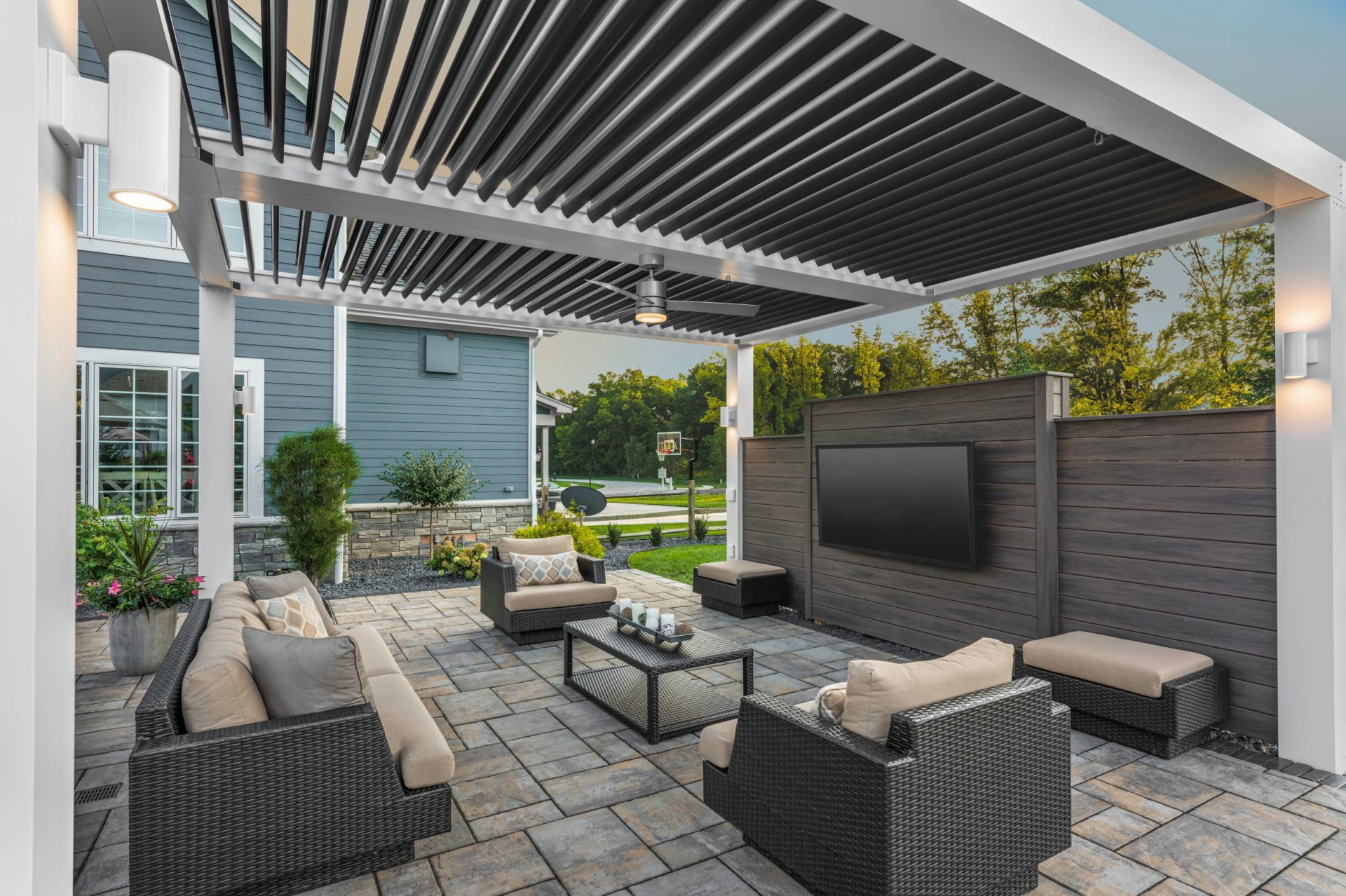
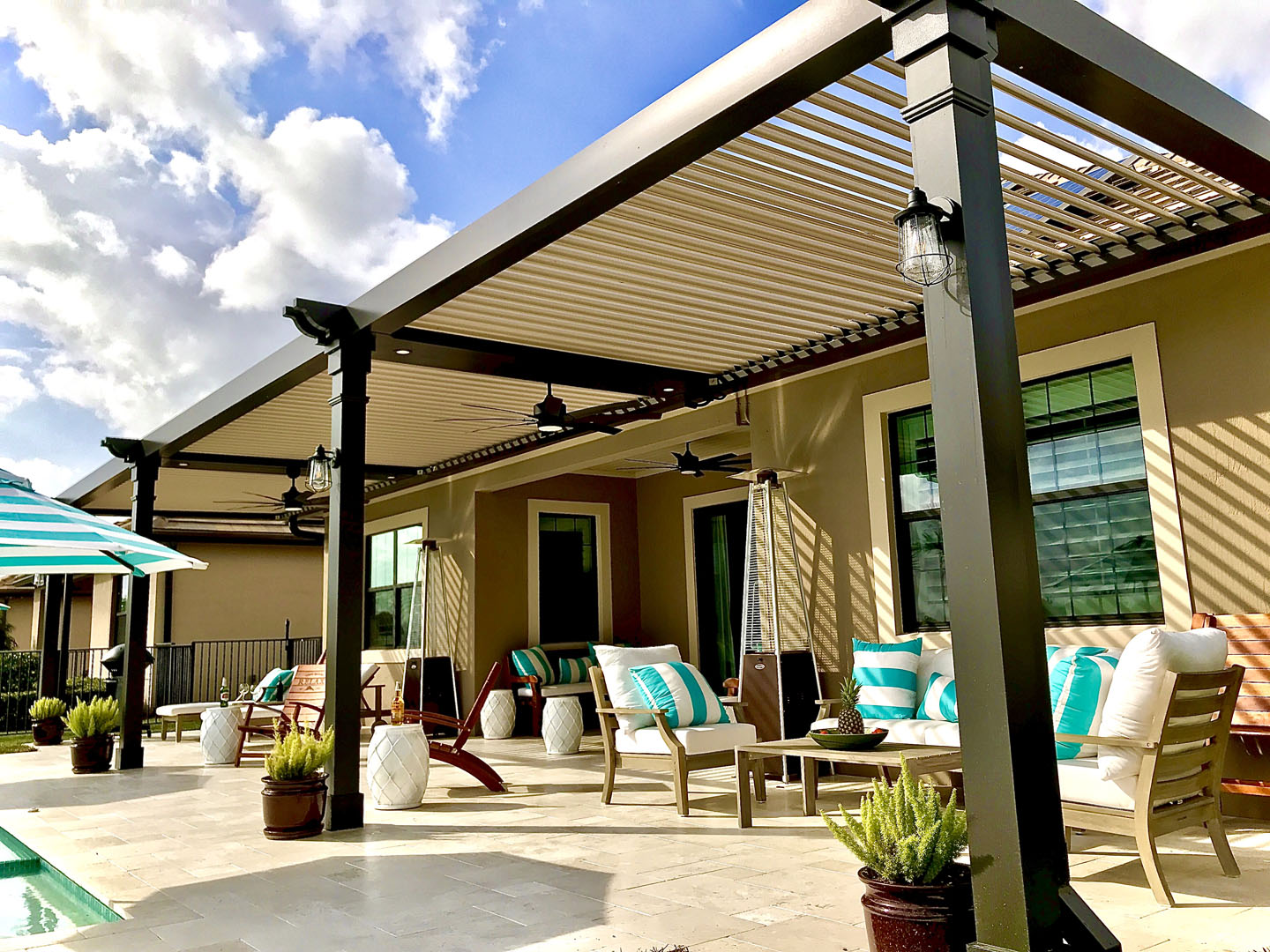
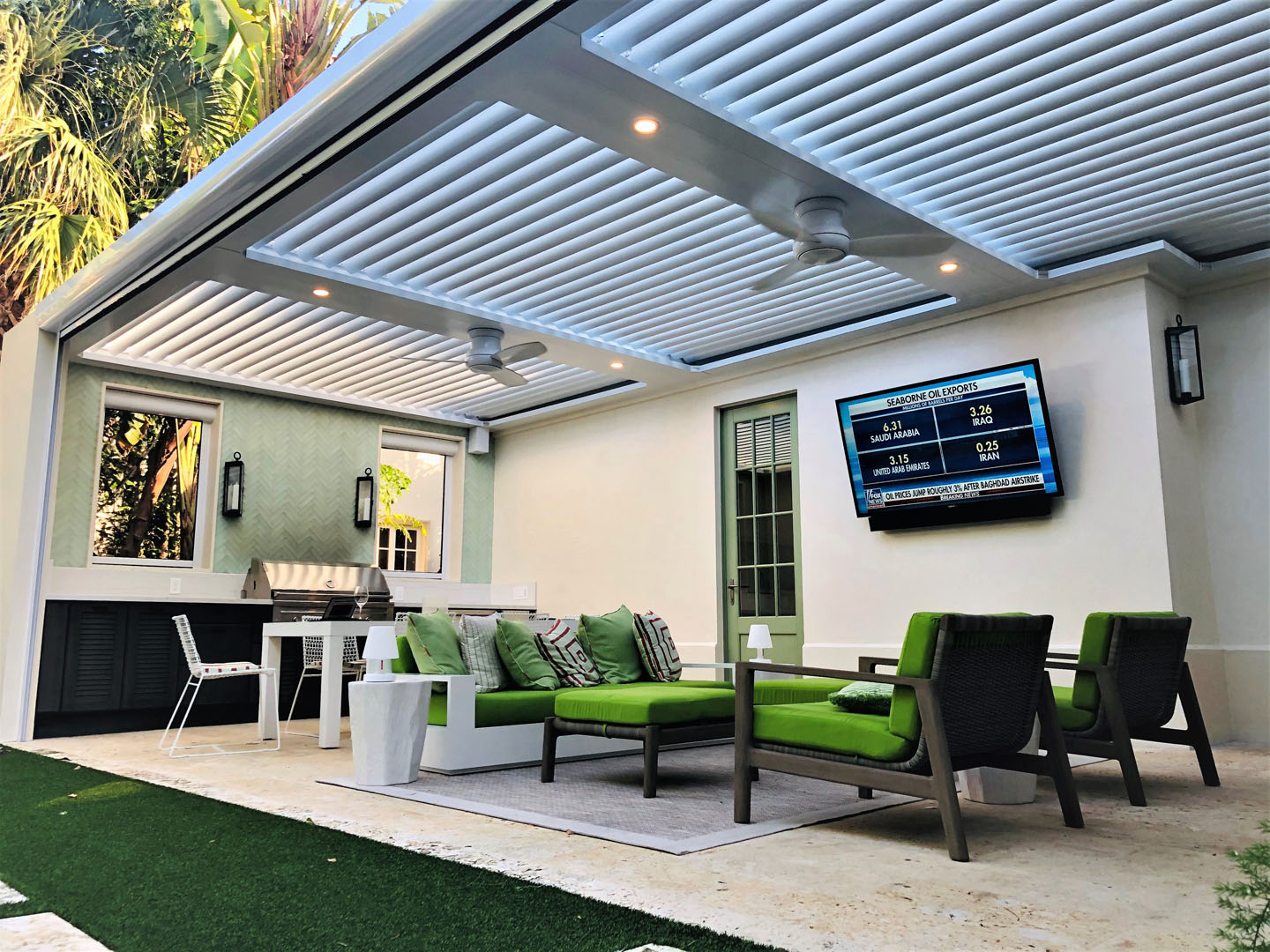
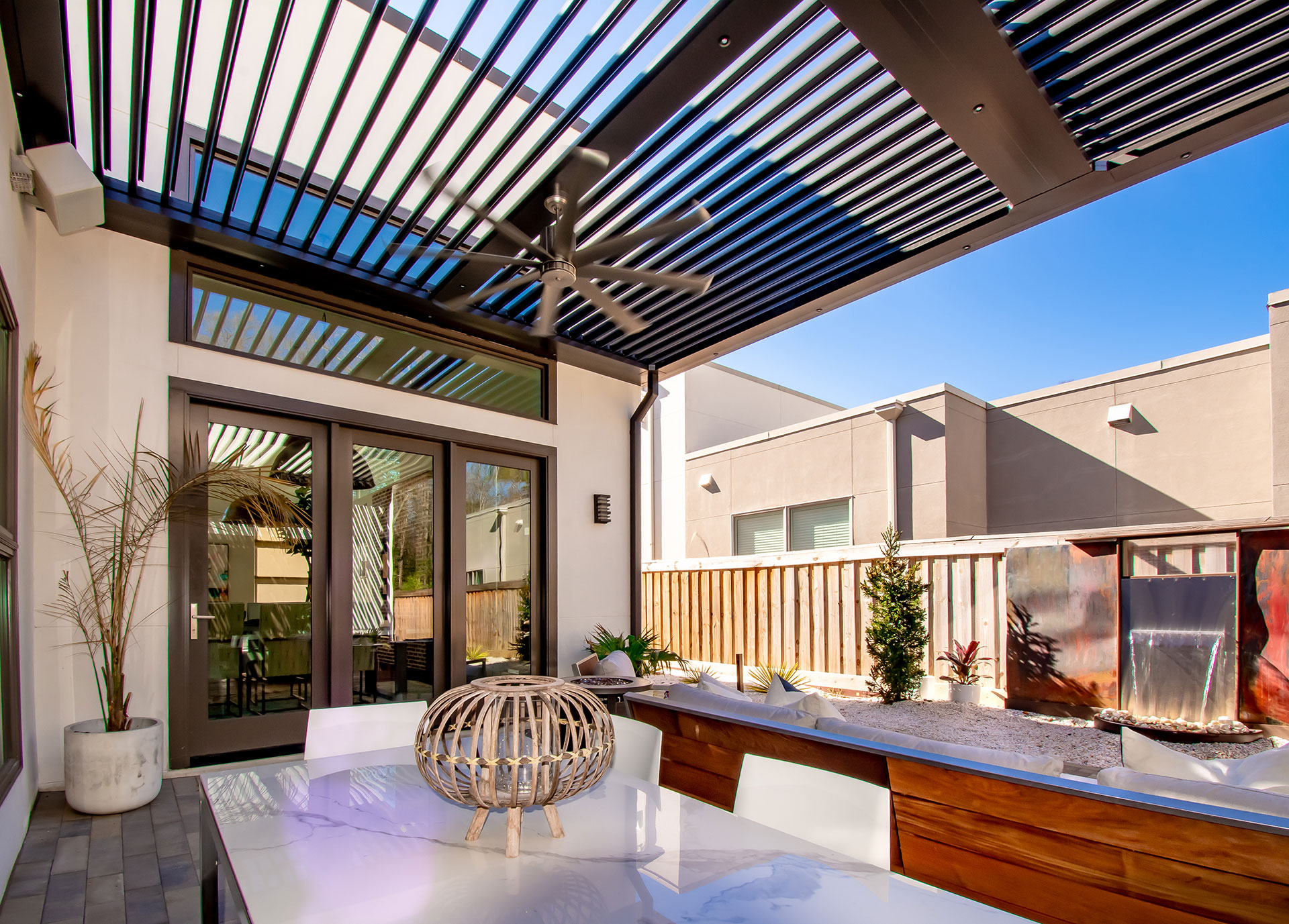
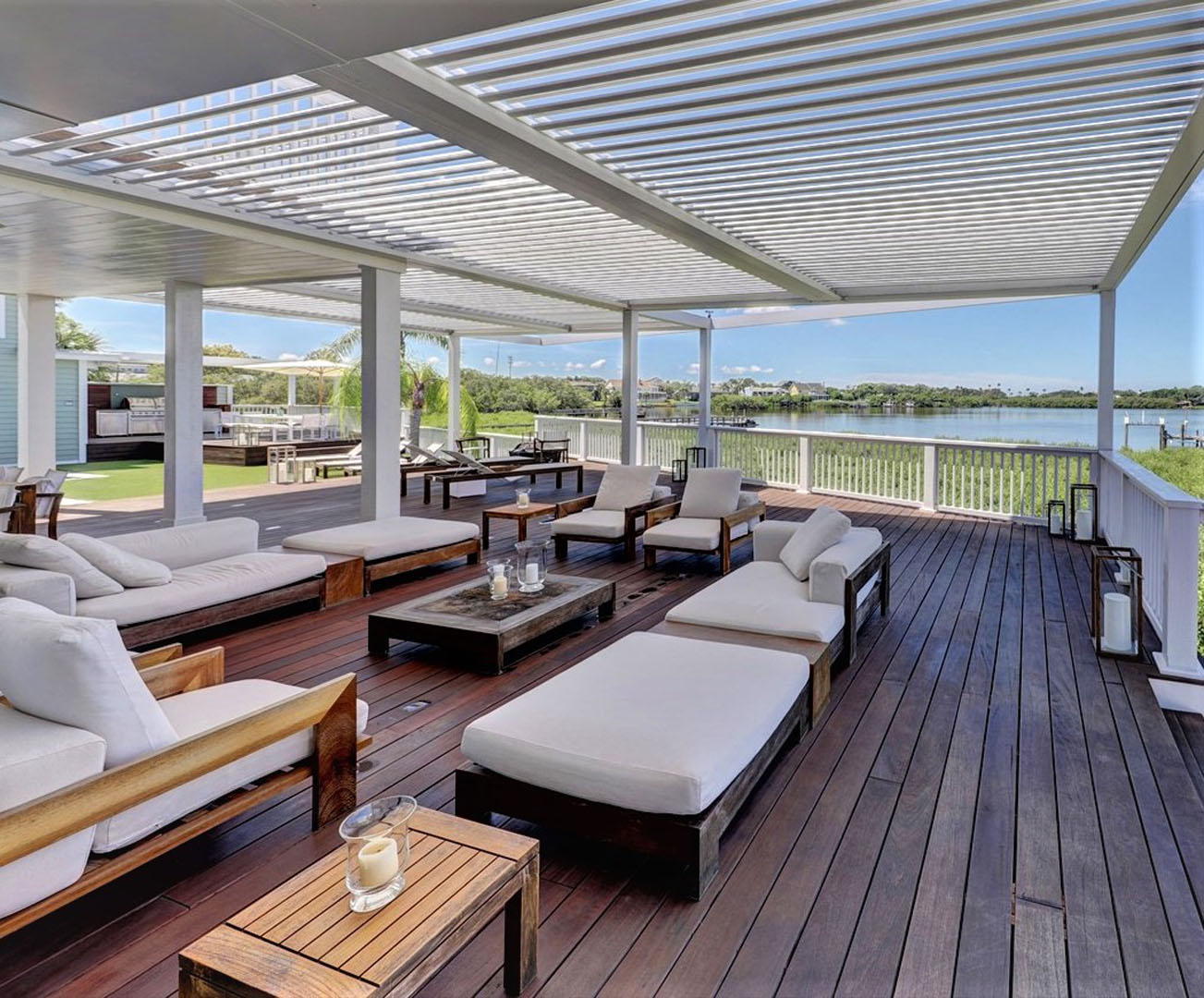
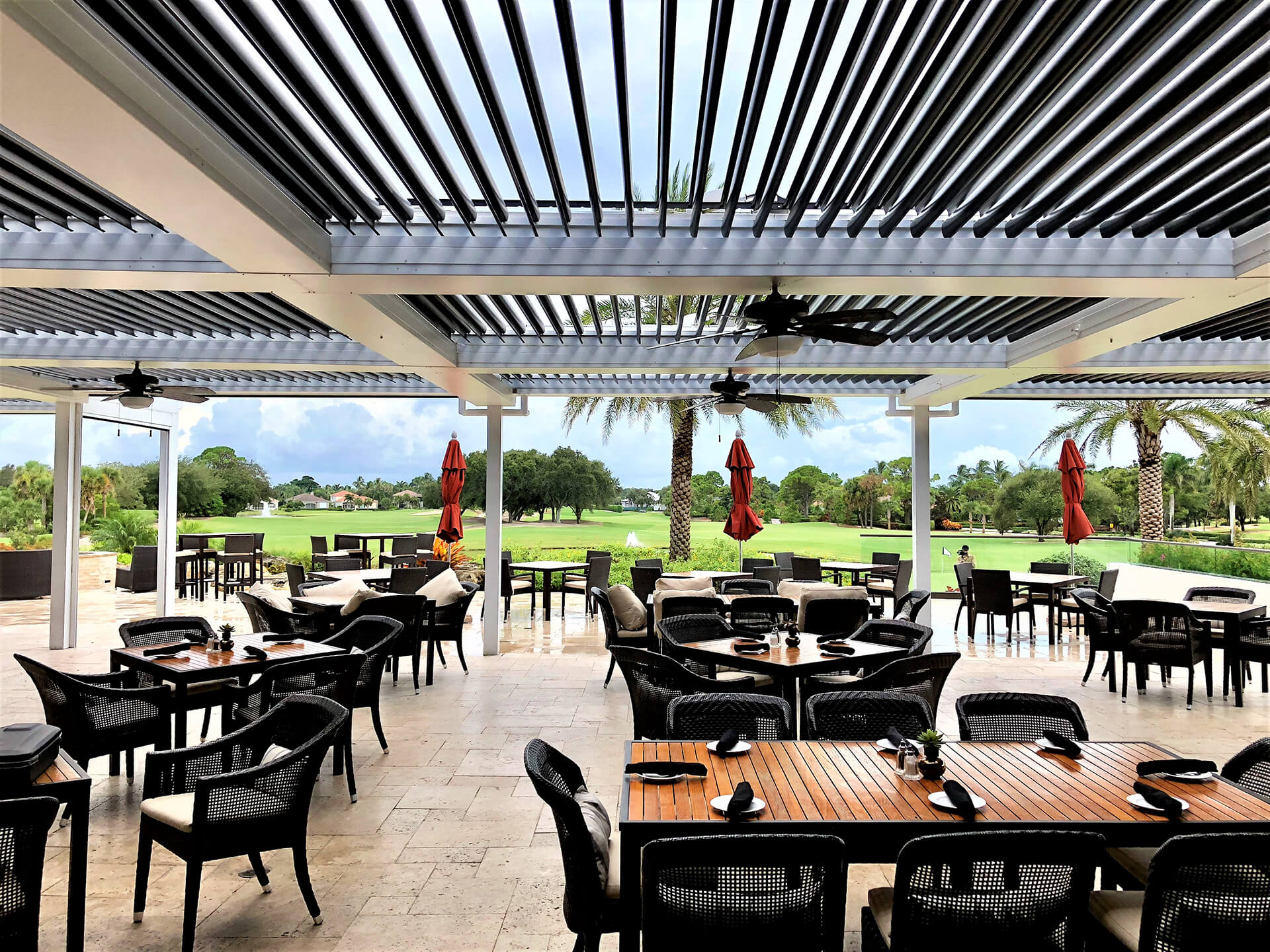
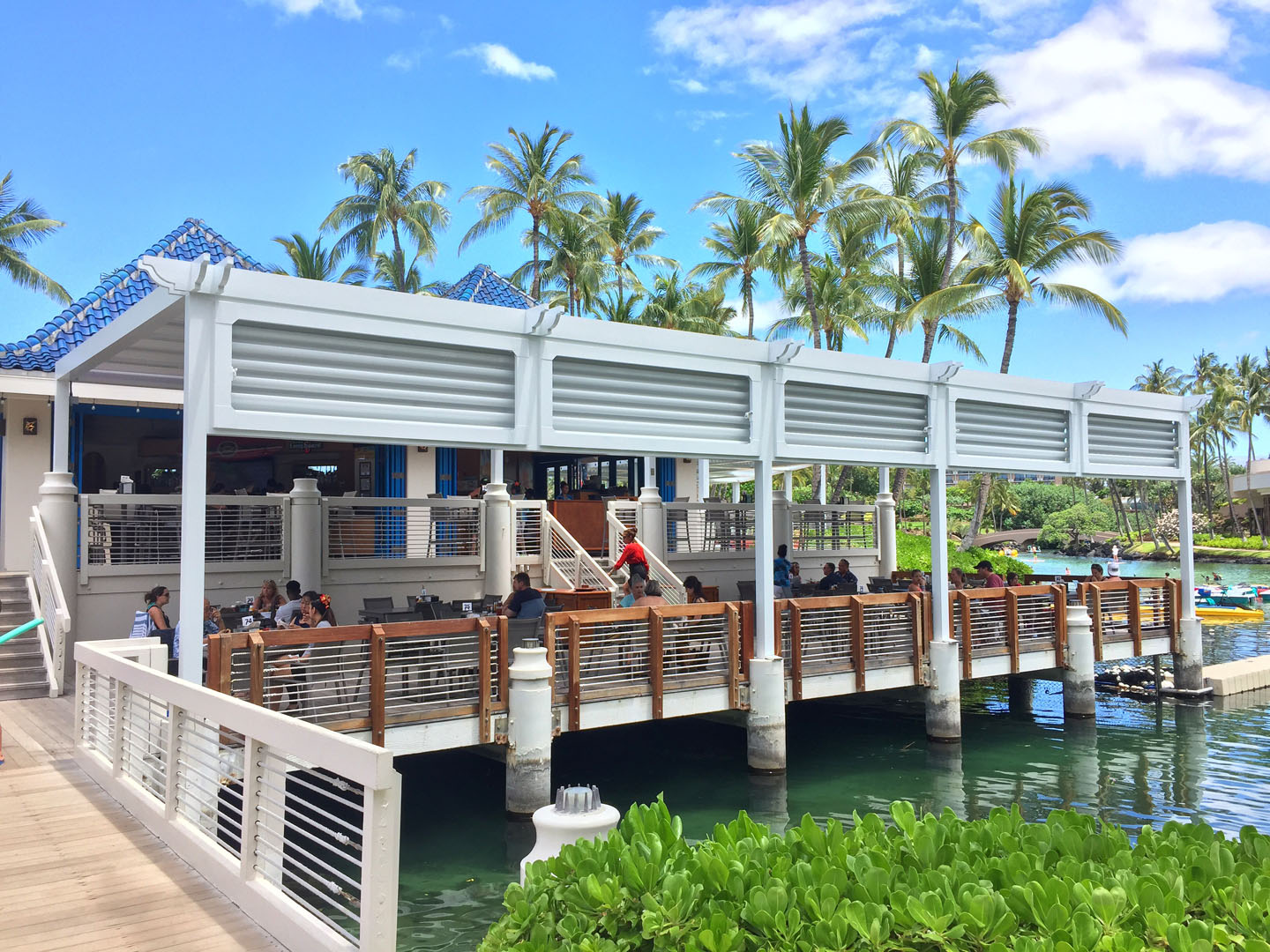
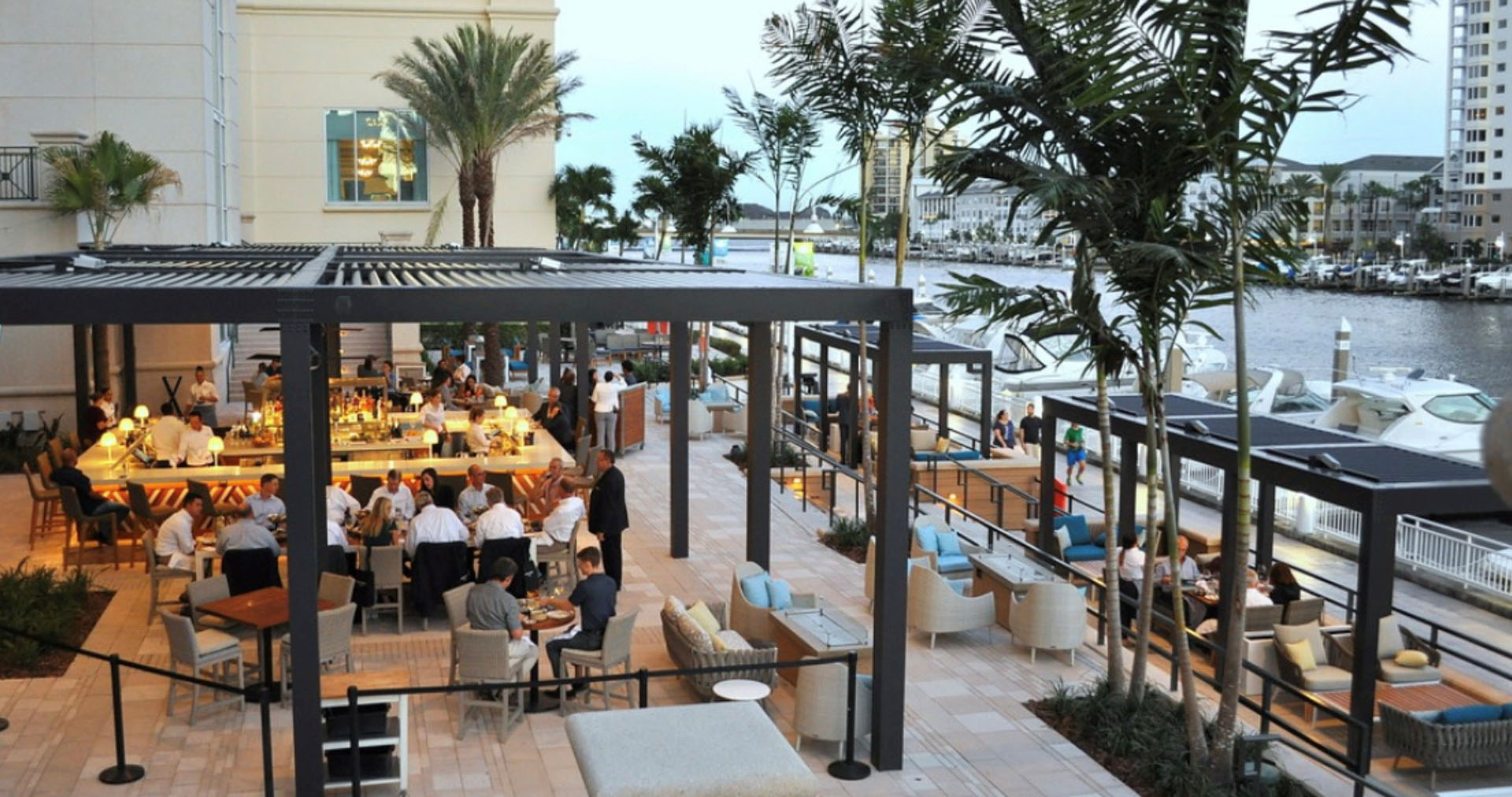
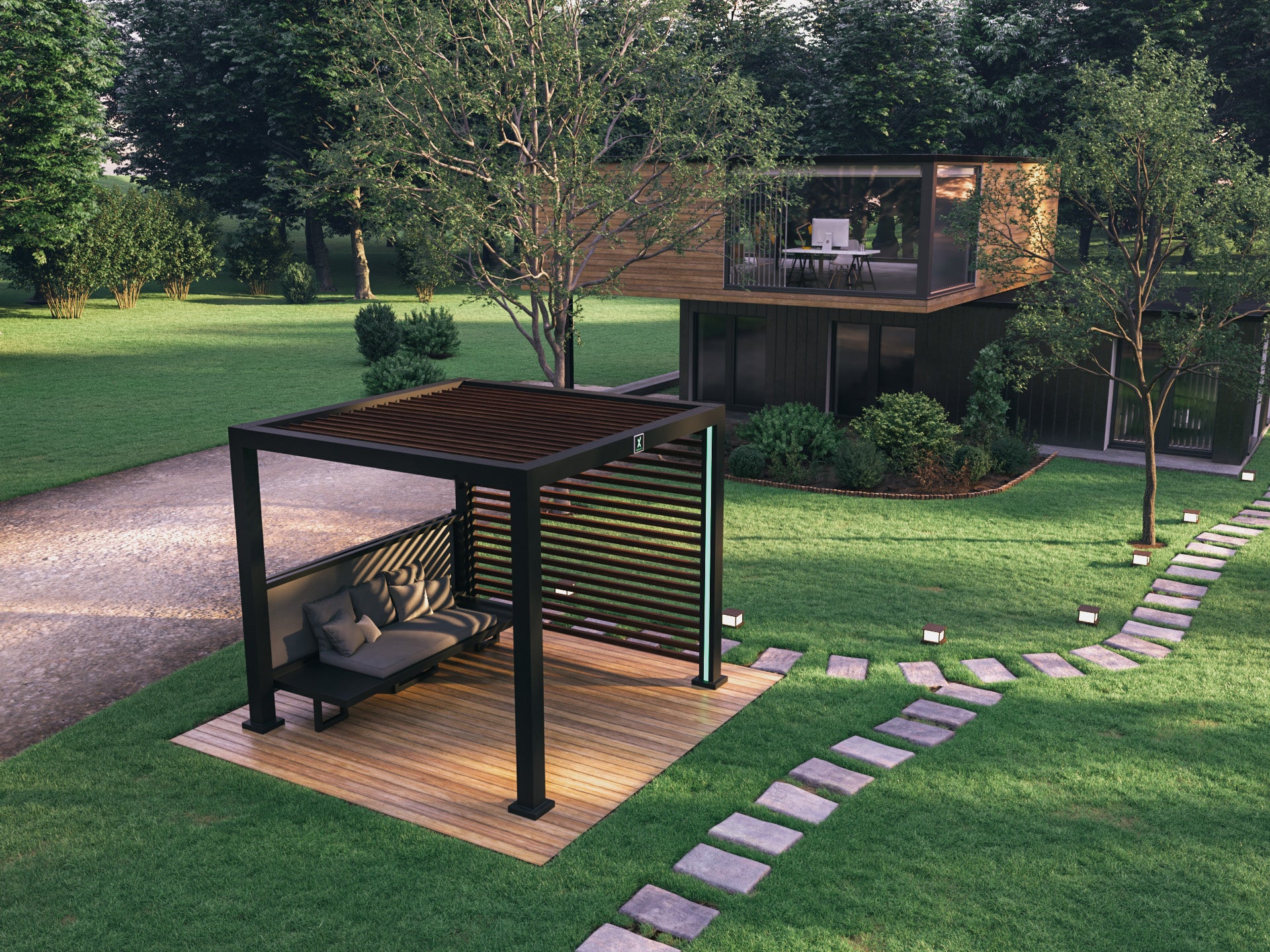
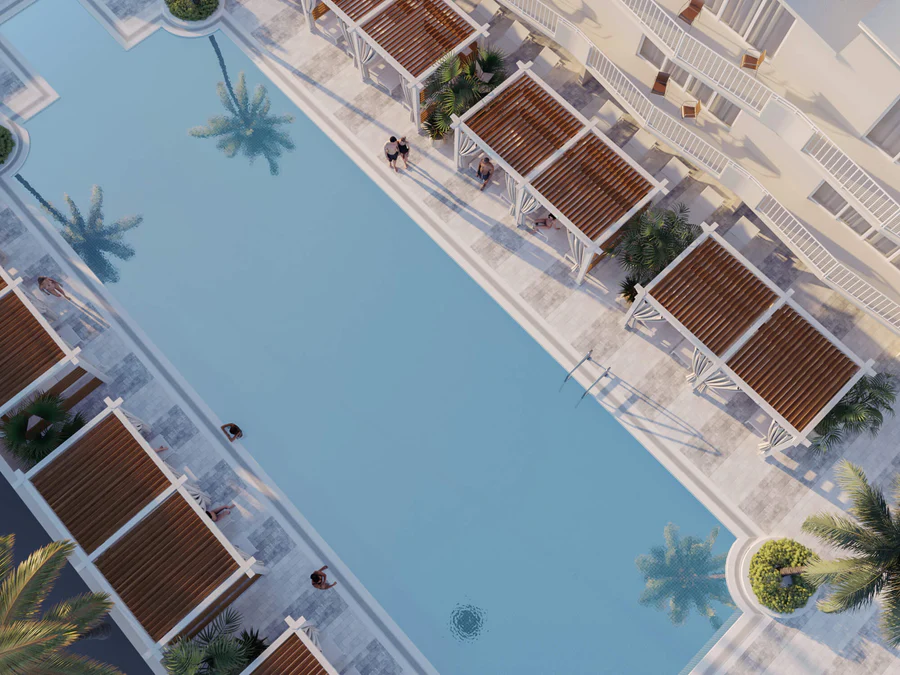
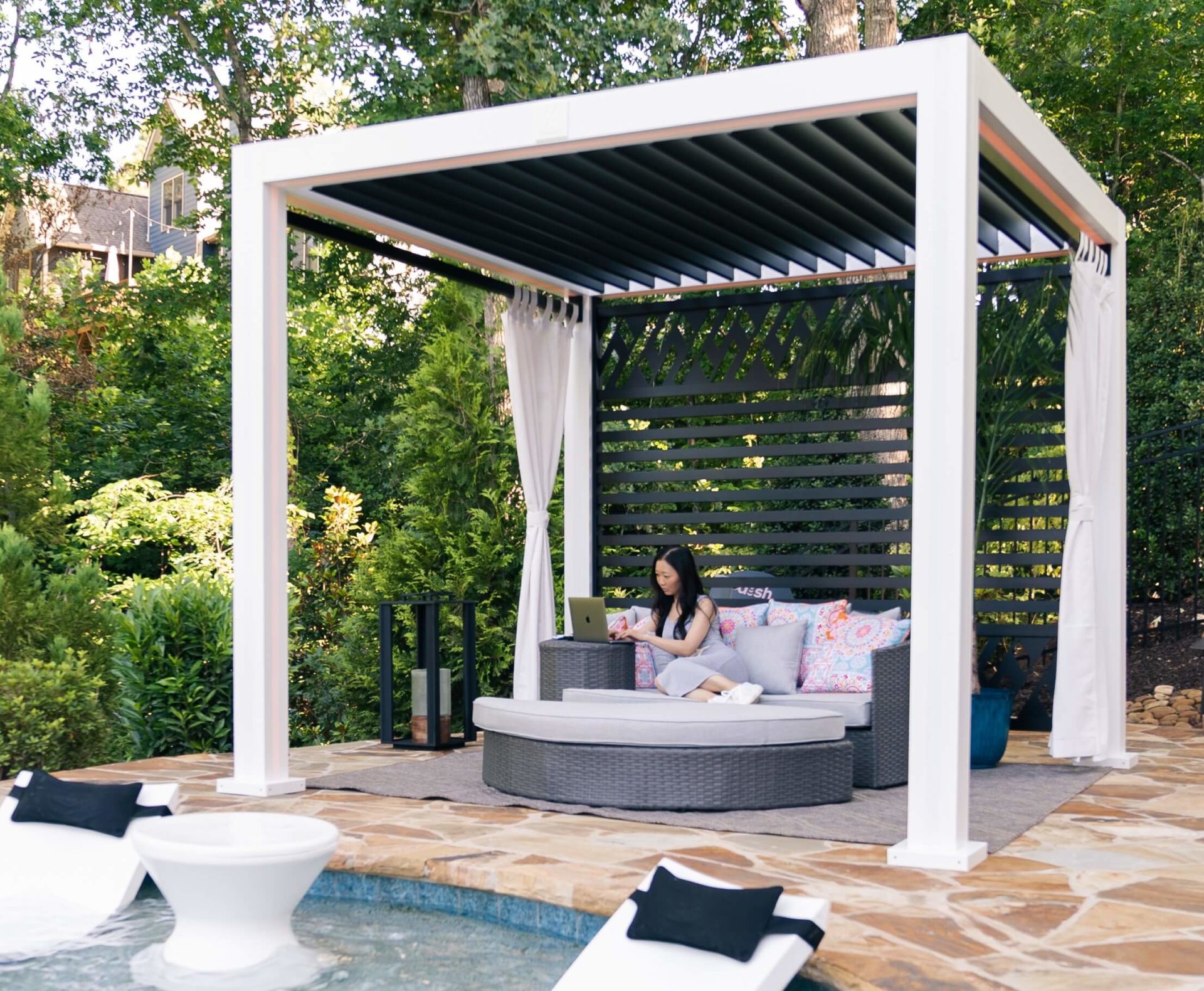
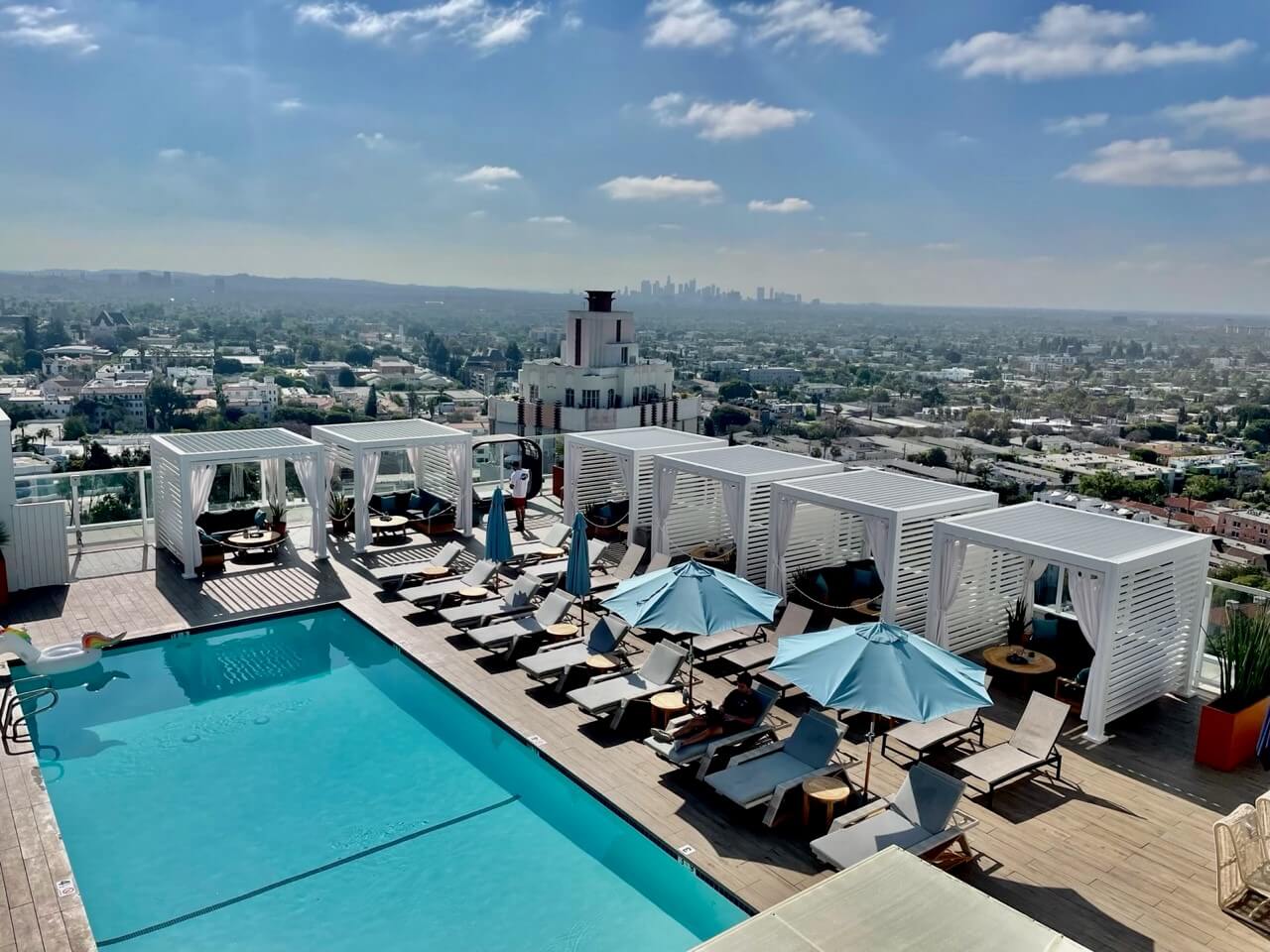
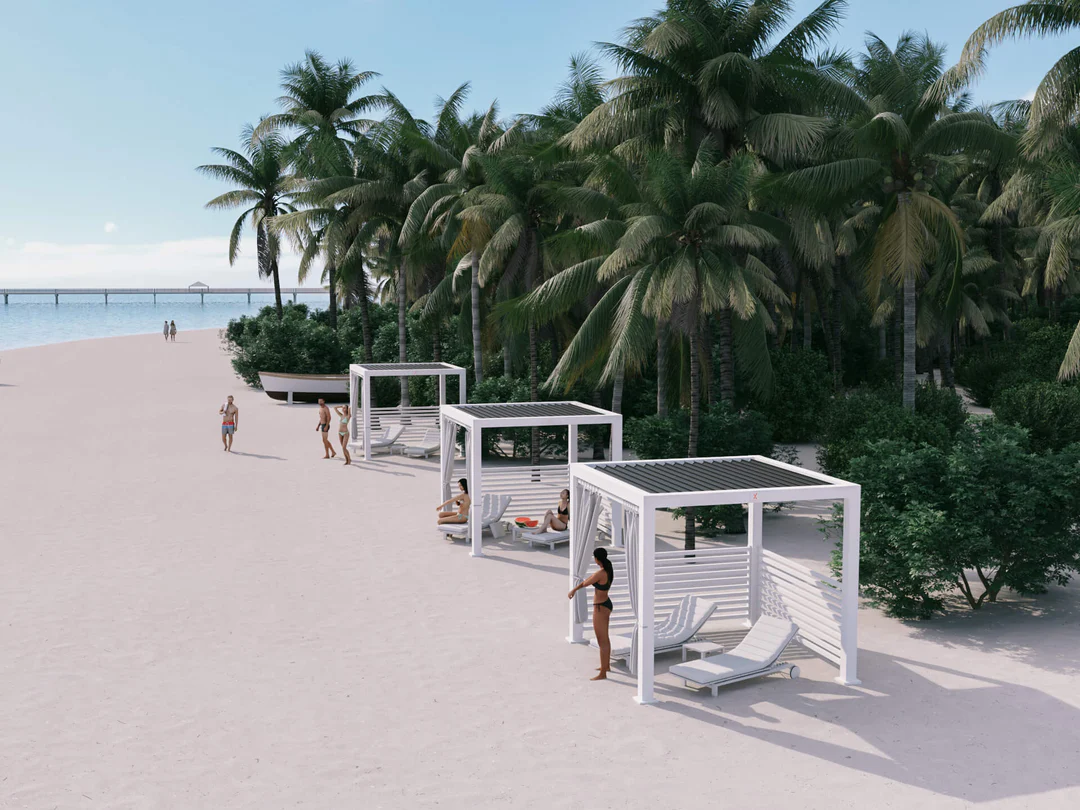
Hallandale Beach residents treat outdoor spaces—terraces, balconies, patios and waterfront decks—as extensions of living rooms, favoring flow-through, dual-orientation designs that capture both oceanfront mornings and Intracoastal sunsets. In a predominantly multifamily market, deep, usable terraces and dual terraces enable entertaining, al fresco dining and club-style social routines tied to boating, marinas and golf amenities. Designers prioritize hotel-grade materials and durable finishes to withstand salt spray, wind loads and sun exposure, while cross-ventilation and shaded pergolas extend comfortable hours outdoors. Rather than decorative setbacks, terraces are sized and sited to function as true outdoor rooms, creating coherent indoor-outdoor living for owners and renters alike and reinforcing Hallandale’s market preference for performance-driven, design-forward outdoor living.
Outdoor Activities, Amenities, and Lifestyle Patterns
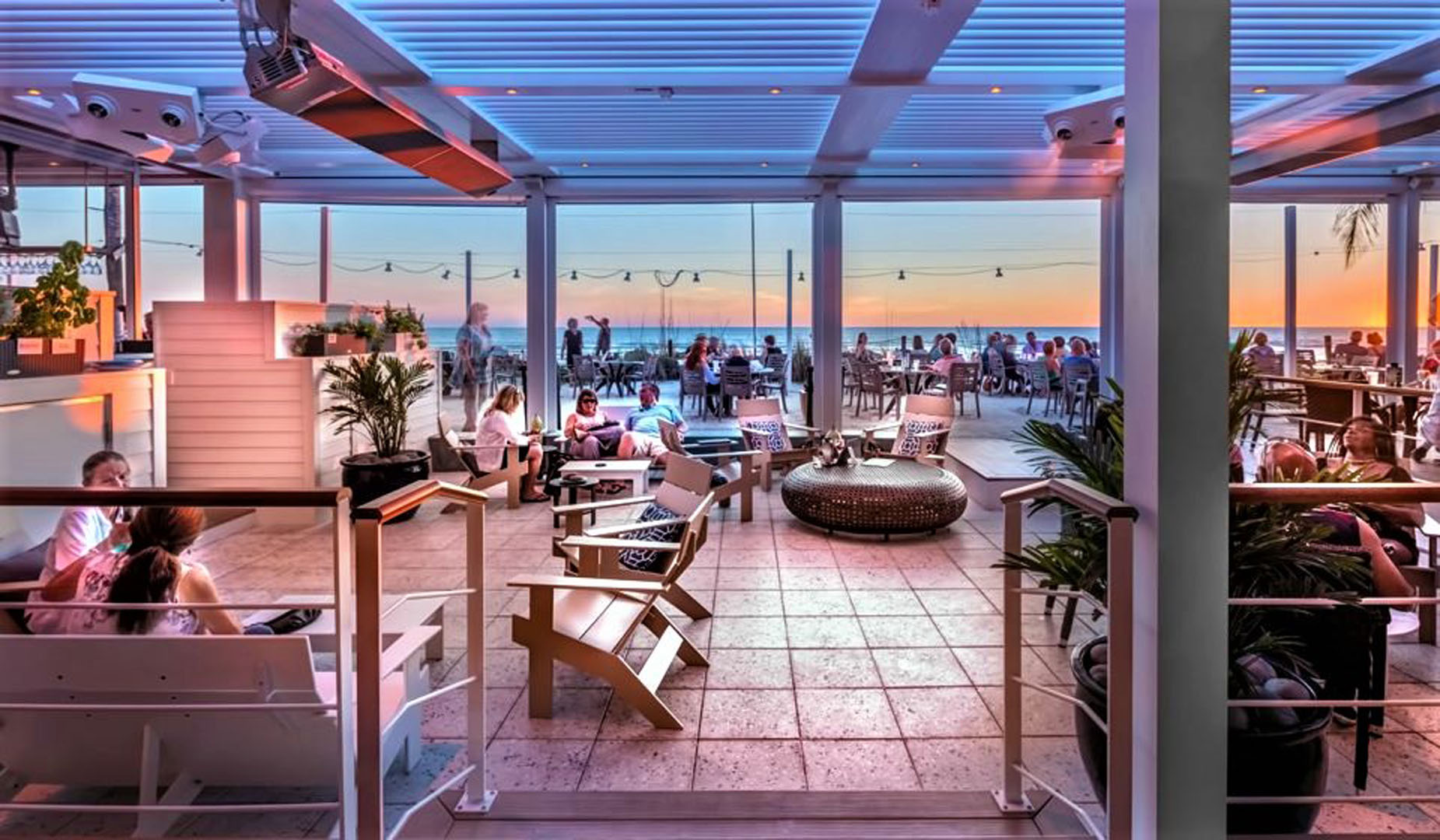
Hallandale Beach residents embrace a dual-geography outdoor lifestyle that leverages both oceanfront mornings and Intracoastal sunset exposures, using deep, dual terraces as functional outdoor rooms rather than decoration. Boating, Intracoastal recreation and private-club patterns (golf, marina and shared amenities) structure daily routines and entertaining, with flow-through, design-forward towers—floor-to-ceiling glass, hotel-grade terraces and durable finishes—supporting indoor–outdoor living. Cross-ventilation and dual-orientation plans extend usable hours, while shading solutions, pergolas and material choices account for sun angles, wind loads and salt spray. In this predominantly multifamily market homeowners split time between active waterfront recreation, terrace dining and condominium common spaces, favoring flexible layouts that capture both views and climates to maximize outdoor socializing and leisure.
Residential Property Characteristics of Hallandale Beach Affecting Outdoor Living
Hallandale Beach properties are dominated by multifamily, oceanfront and Intracoastal-adjacent high-rise condominiums and design-forward tower residences with floor-to-ceiling glass and expansive terraces; these units often feature dual, depth-prioritized terraces or balconies that function as true outdoor rooms and capture both ocean-facing mornings and sunset-facing afternoons. Land parcels for low-rise homes range roughly 0.137–0.4 acres, influencing backyard layouts and pergola siting where private yards exist, while waterfront parcels with marina or club amenities prioritize terrace placement for views and entertaining. Cross-ventilation from the Intracoastal, variable sun angles, salt spray and wind-load considerations shape pergola materials, orientation and structural design to ensure durable, usable shaded outdoor living.
Climate, Sun, and Weather Considerations in Hallandale Beach
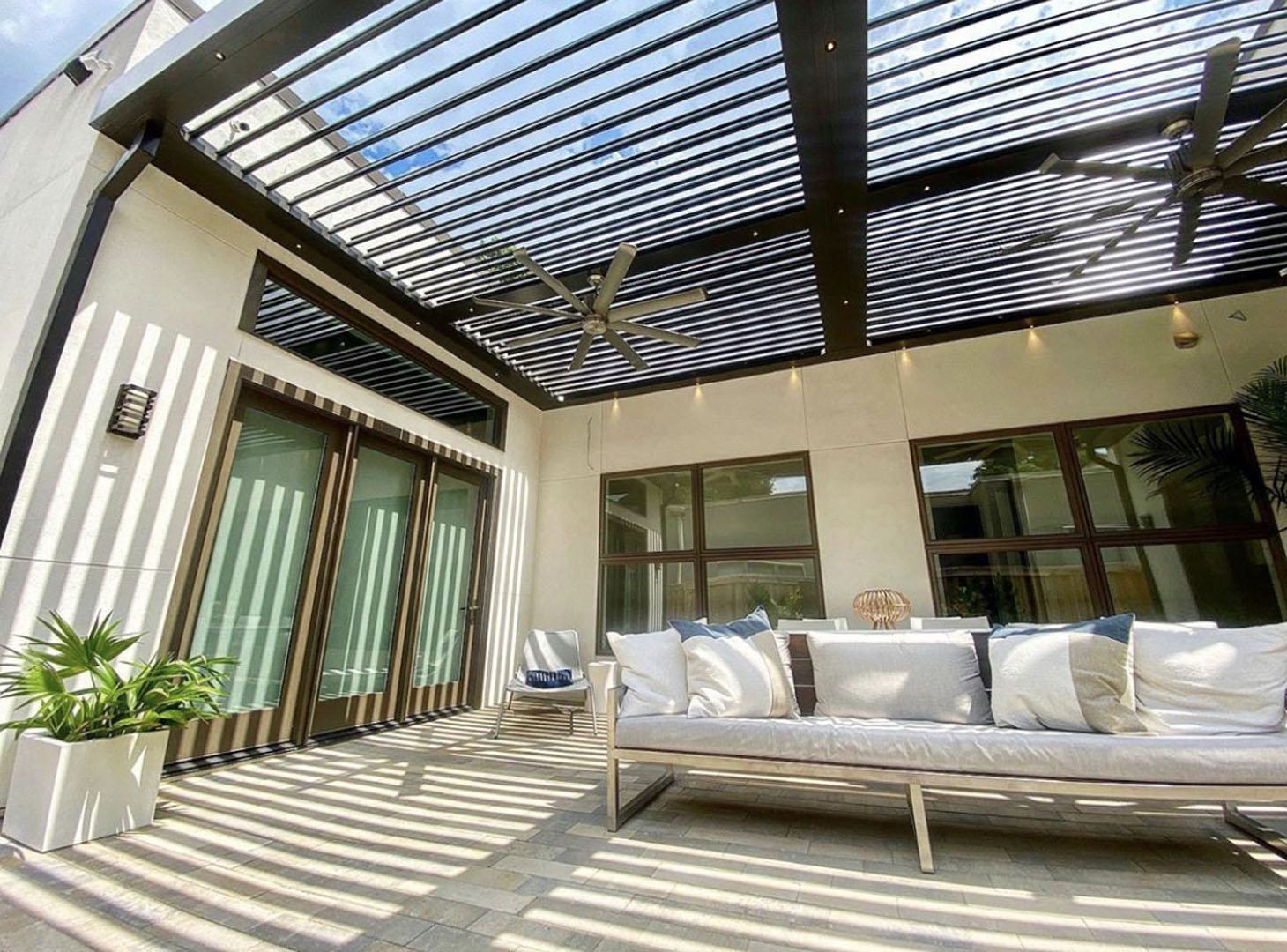
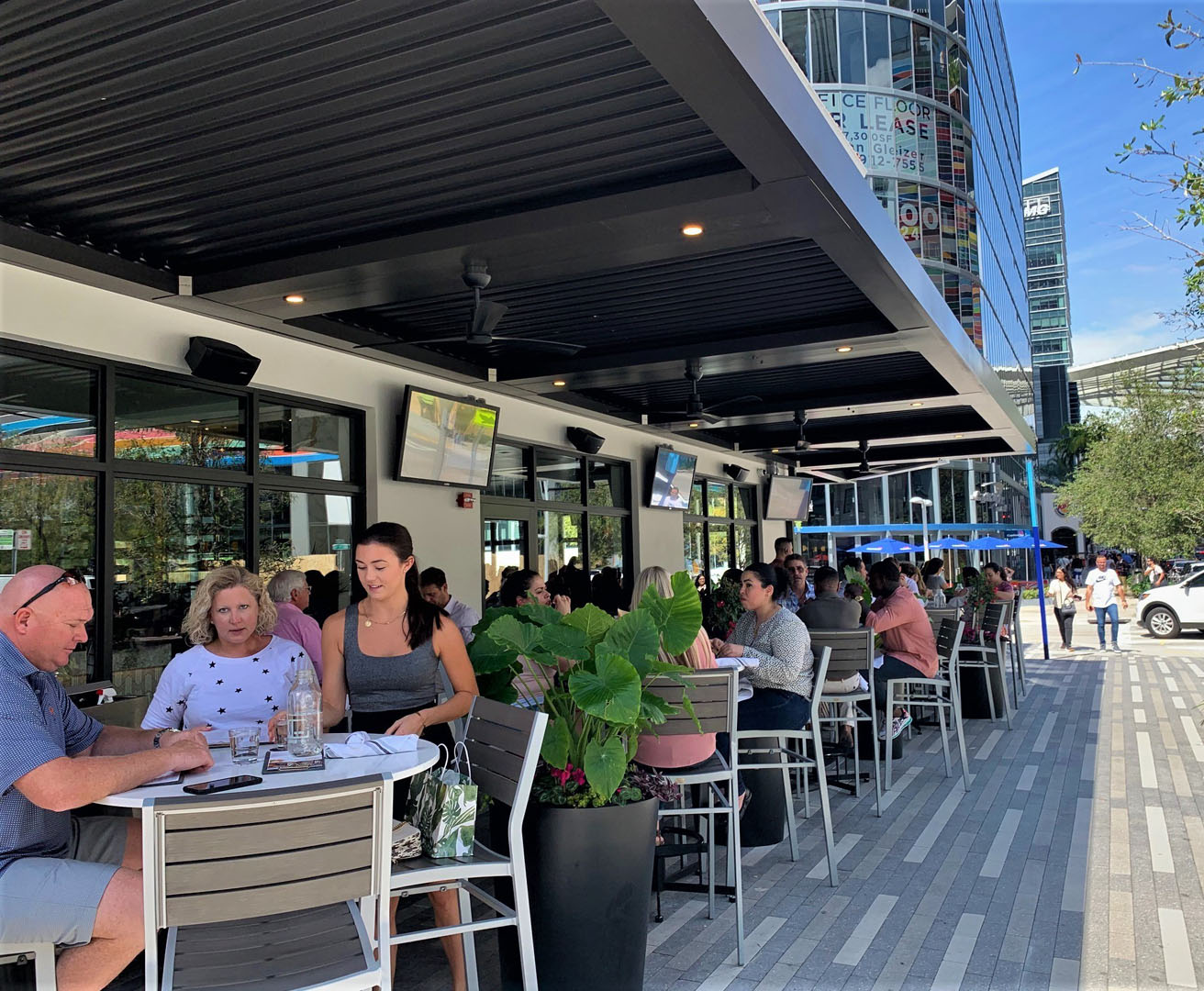
Hallandale Beach’s coastal South Florida setting produces strong sun exposure and heat that drive design choices—floor-to-ceiling glass and expansive terraces create significant solar load, so flow-through, dual-orientation planning and flexible shading are essential for comfort. Ocean-facing terraces capture morning and midday light while Intracoastal-facing or sunset terraces offer cooler, evening exposure and benefit from cross-ventilation that mitigates heat. Coastal positioning also brings salt spray and higher wind loads, which influence material durability and structural requirements for pergolas, covered terraces, and other shade systems. As a result, residents and designers favor deeper, functional terraces, controlled shading solutions, and robust finishes that extend usable outdoor hours, manage glare and thermal gain, and withstand marine wind and corrosion factors.
Why Hallandale Beach Is Ideal for Outdoor Living
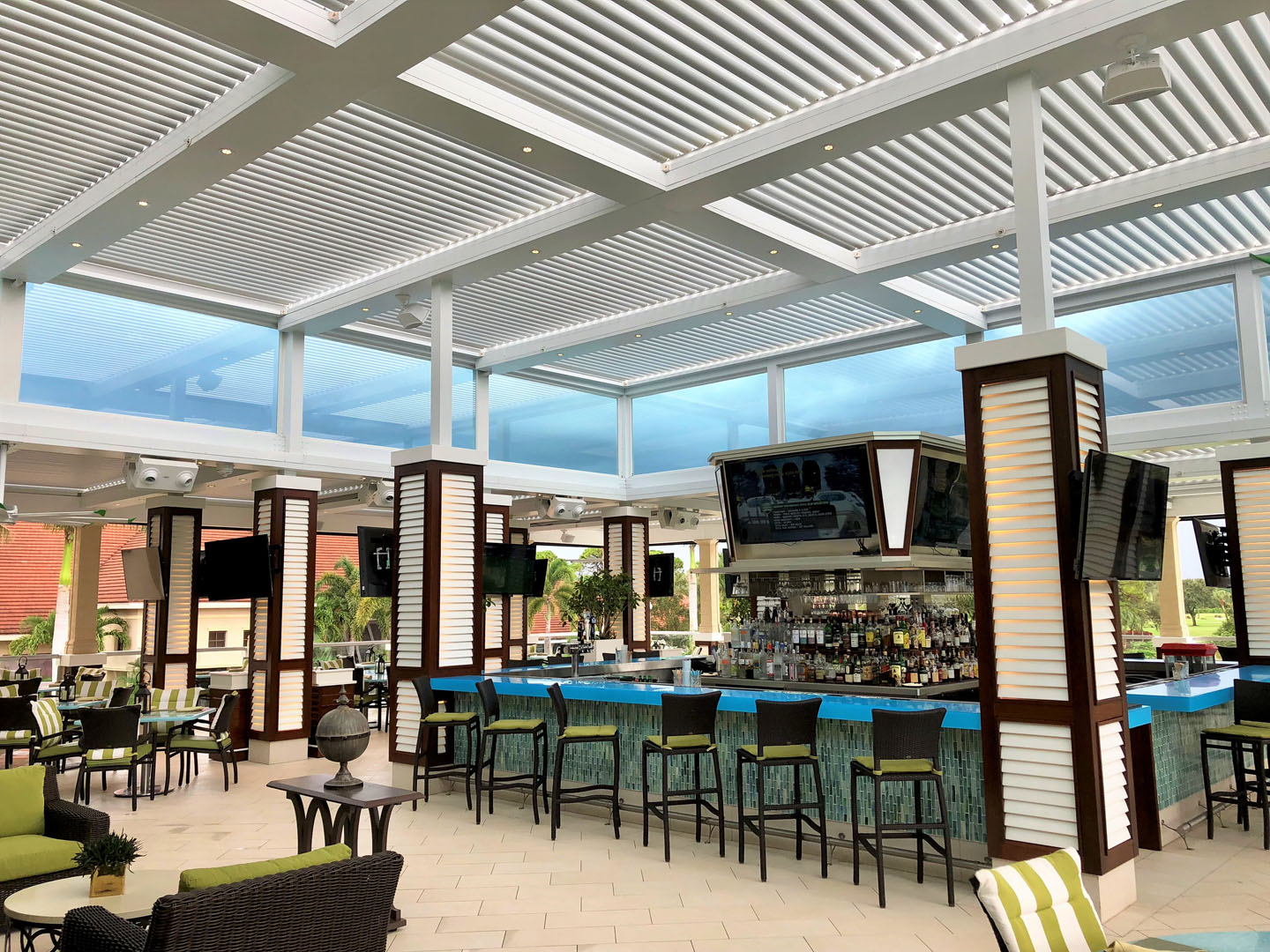
Hallandale Beach’s combination of oceanfront and Intracoastal exposure, strong boating and private-club rhythms, and a predominantly multifamily, design-forward housing stock makes outdoor living upgrades—patios, pergolas, and covered terraces—particularly valuable. Residents favor flow-through, dual-orientation plans and deep terraces that function as true outdoor rooms, allowing morning ocean views and sunset Intracoastal entertaining. Floor-to-ceiling glass and expansive balconies create significant sun load and cross-ventilation opportunities, so flexible shading and durable, weather-resistant structures (pergolas, covered kitchens) extend usable hours while resisting salt spray and wind. Buyers here evaluate outdoor spaces as integral to architectural coherence and resale value, and the local lifestyle ecosystem—marinas, golf, club amenities—encourages curated, hotel-grade outdoor spaces for socializing, cooking, and relaxing year-round.
Outdoor Living and Home Upgrade FAQ
How should I orient terraces for comfort and sun in Hallandale Beach? Use dual-orientation/flow-through plans: ocean-facing for mornings/midday and Intracoastal/sunset-facing for afternoons/evenings; cross-ventilation helps reduce heat.
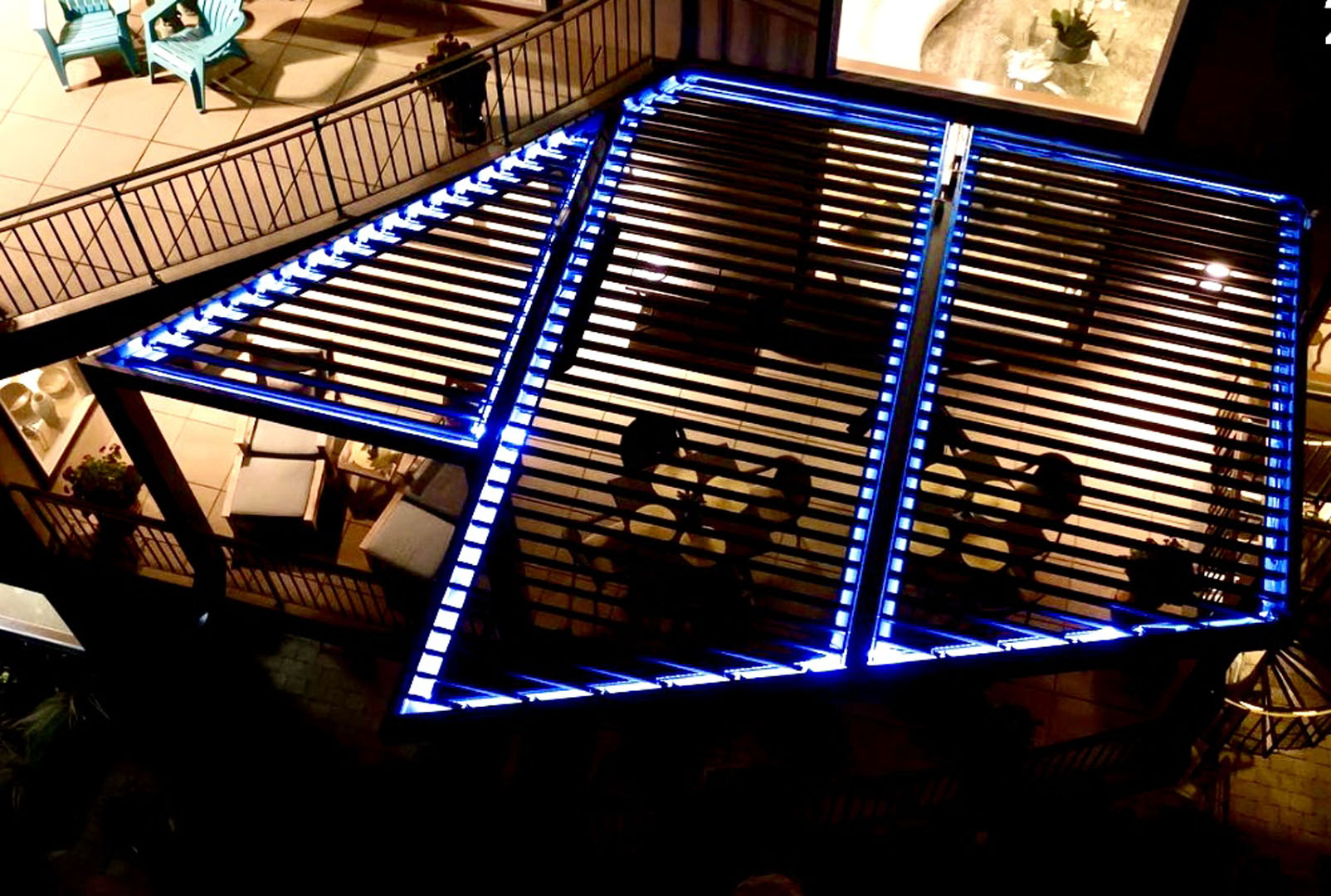
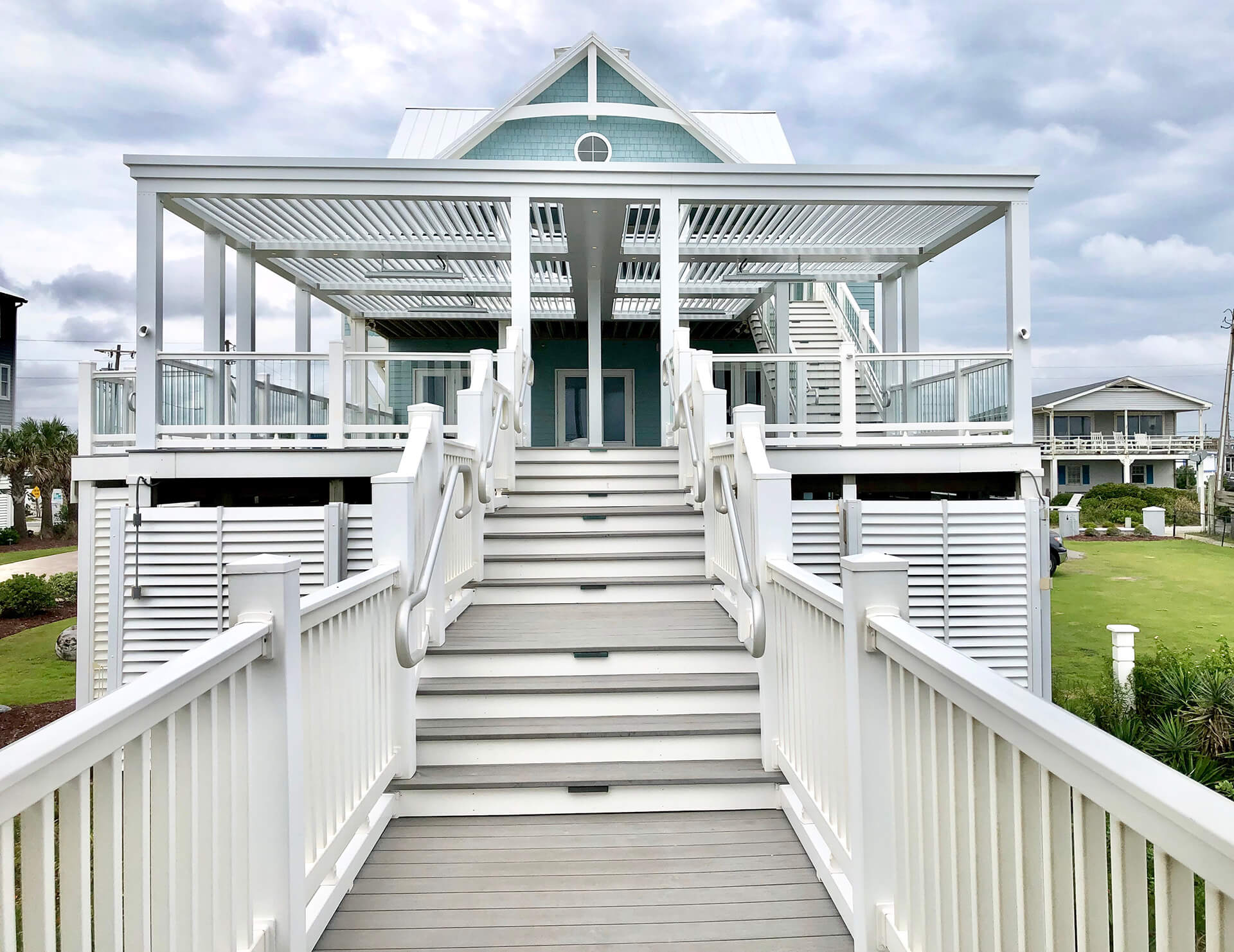
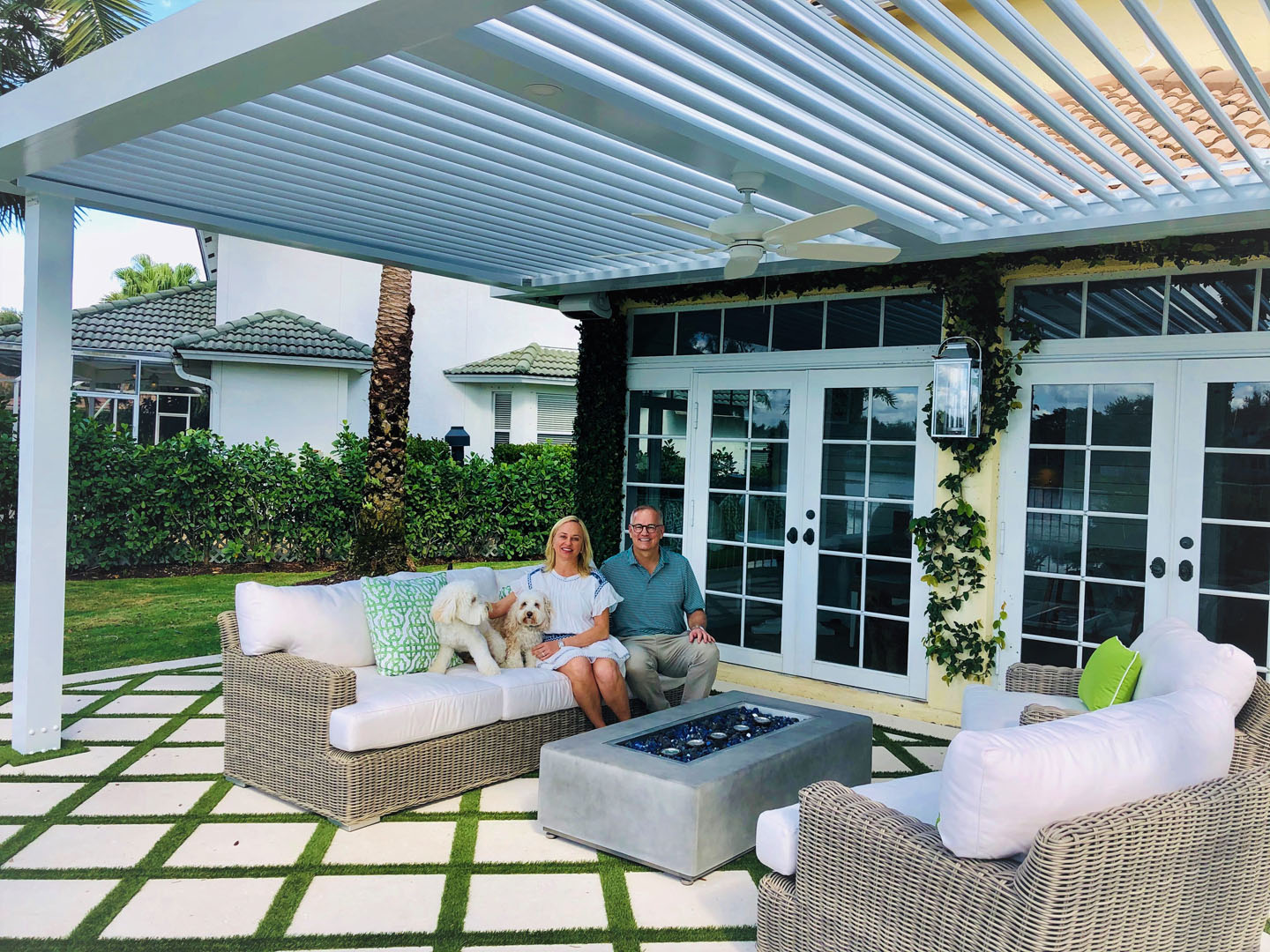
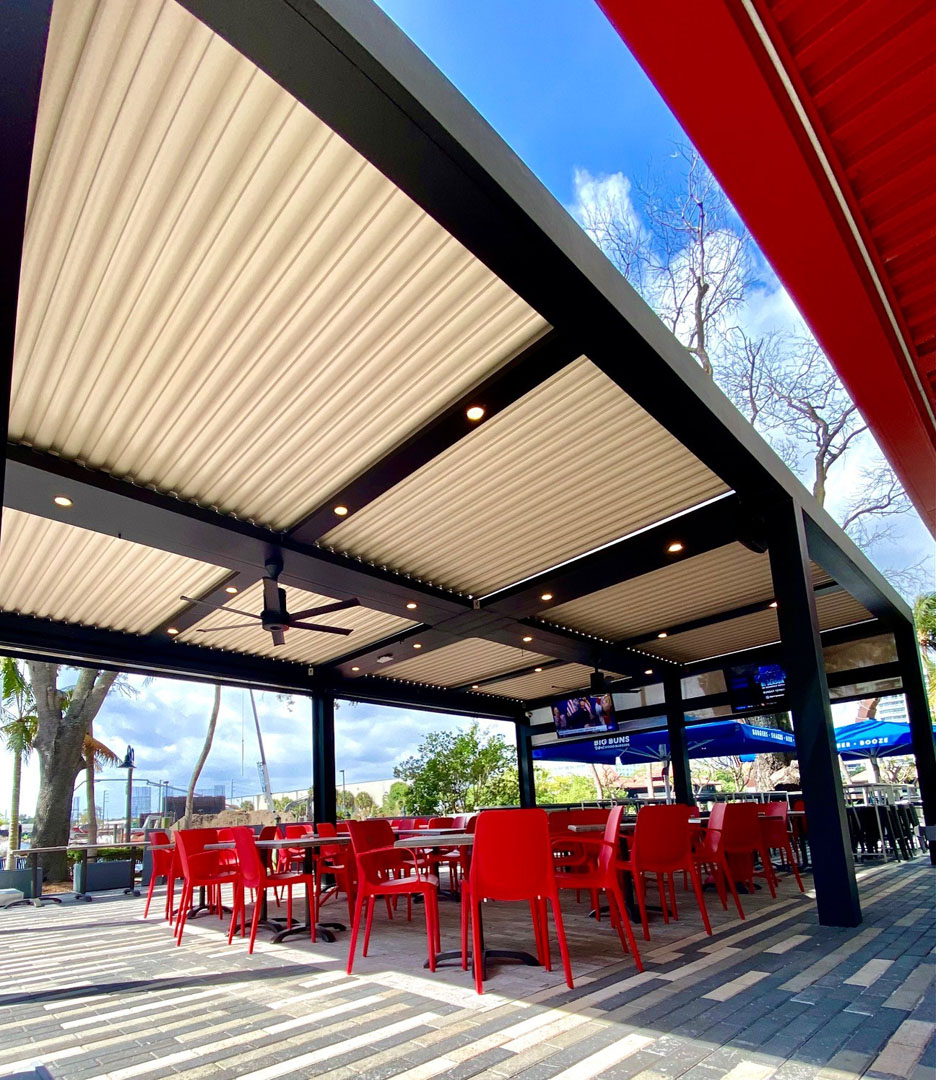
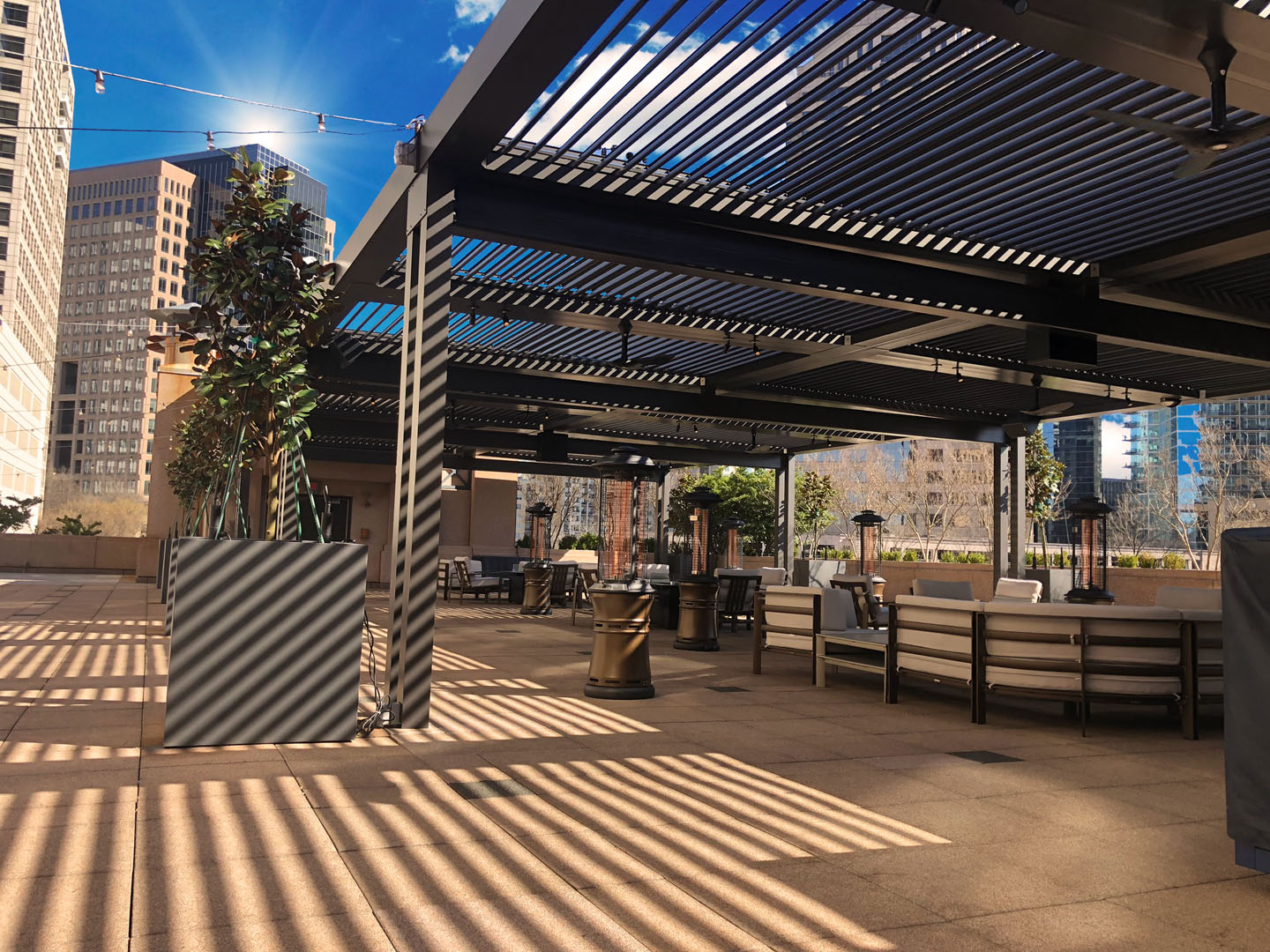
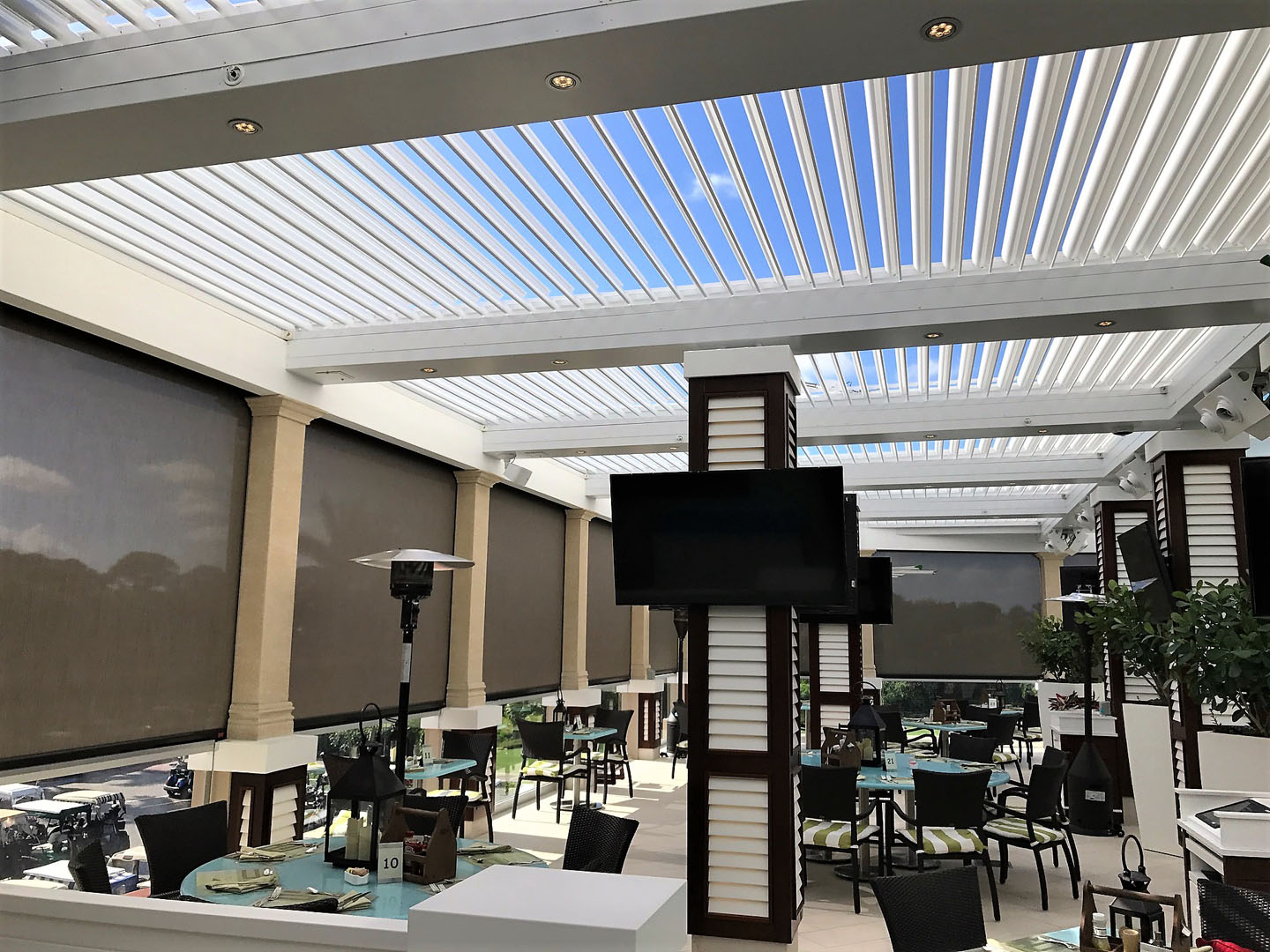
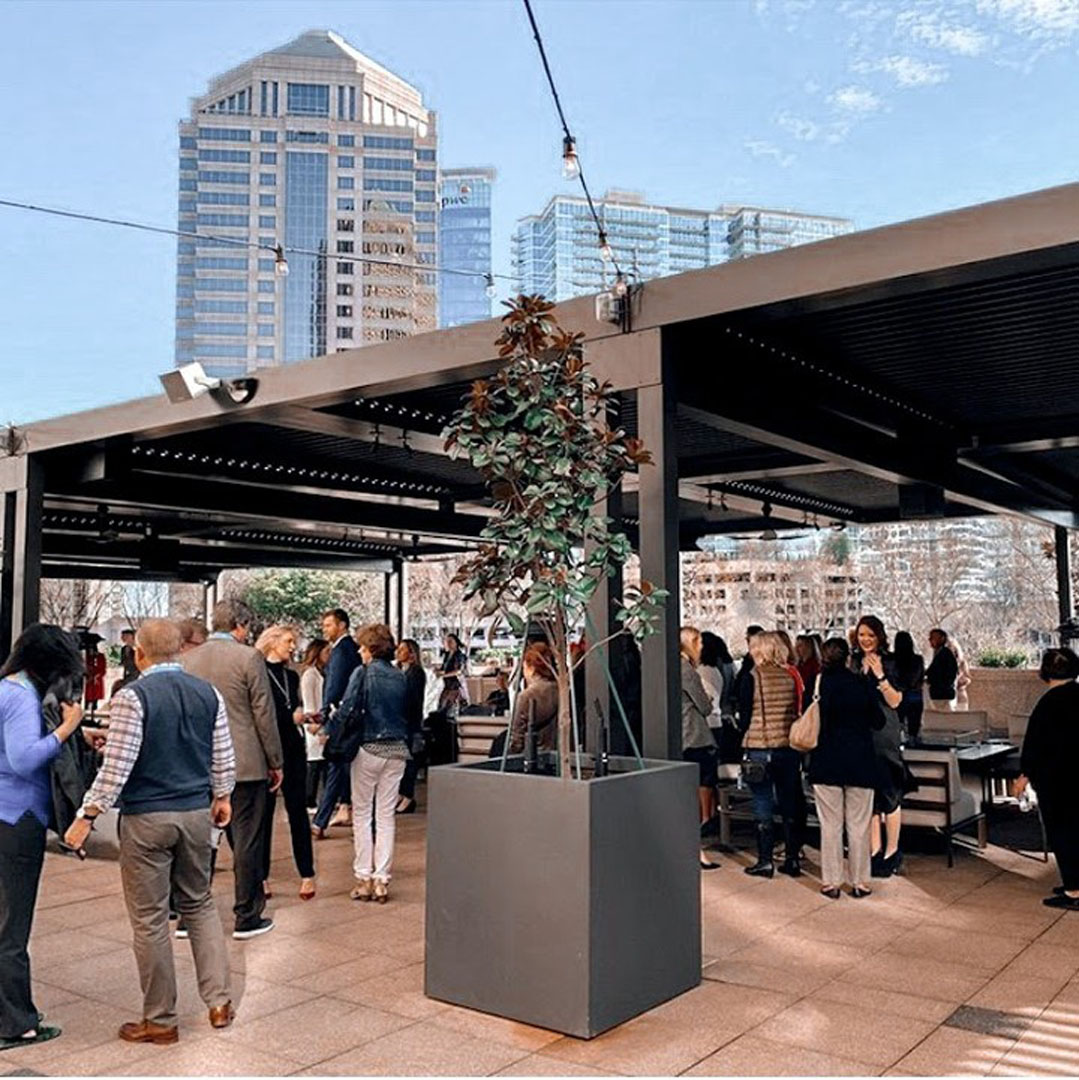
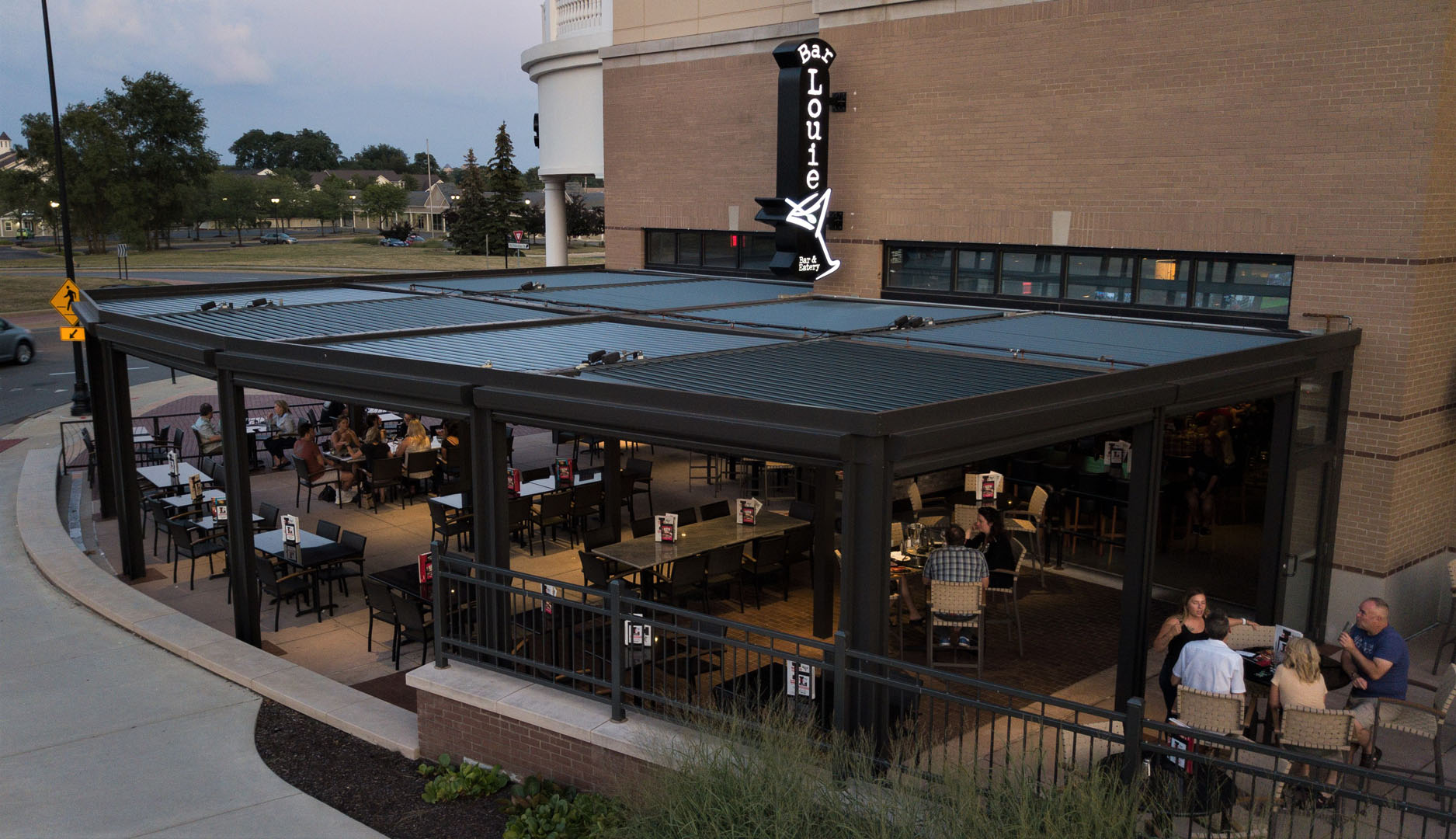
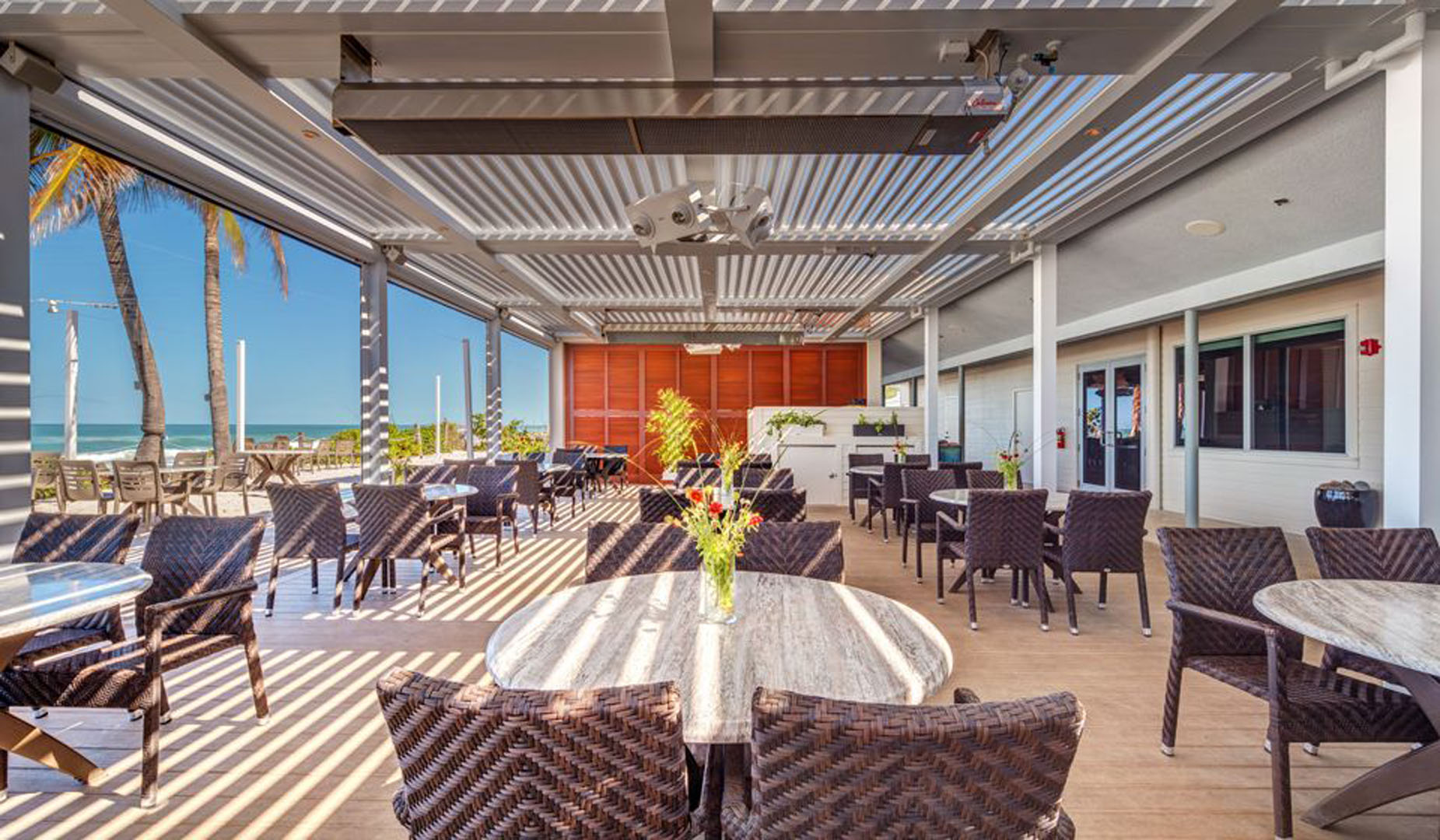
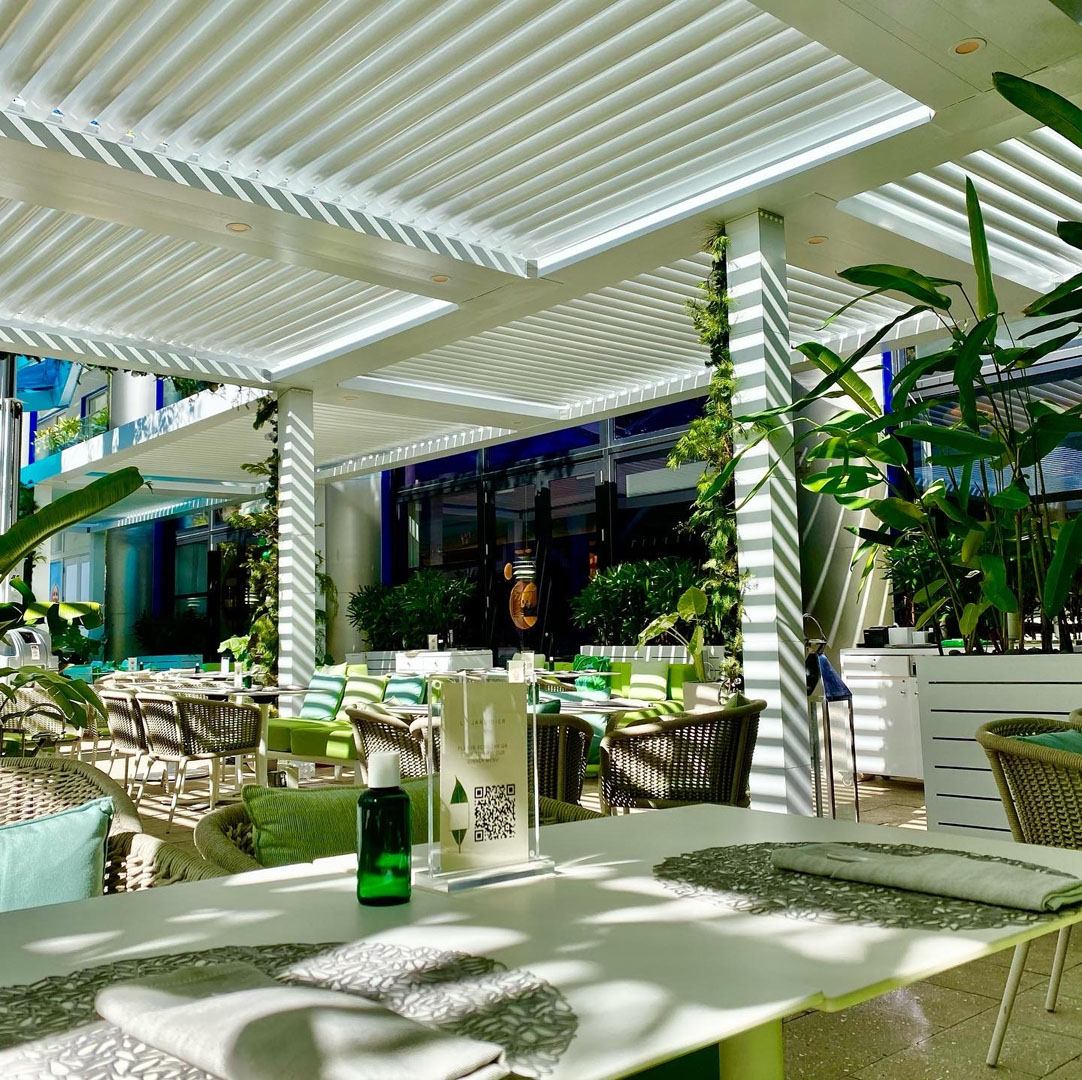
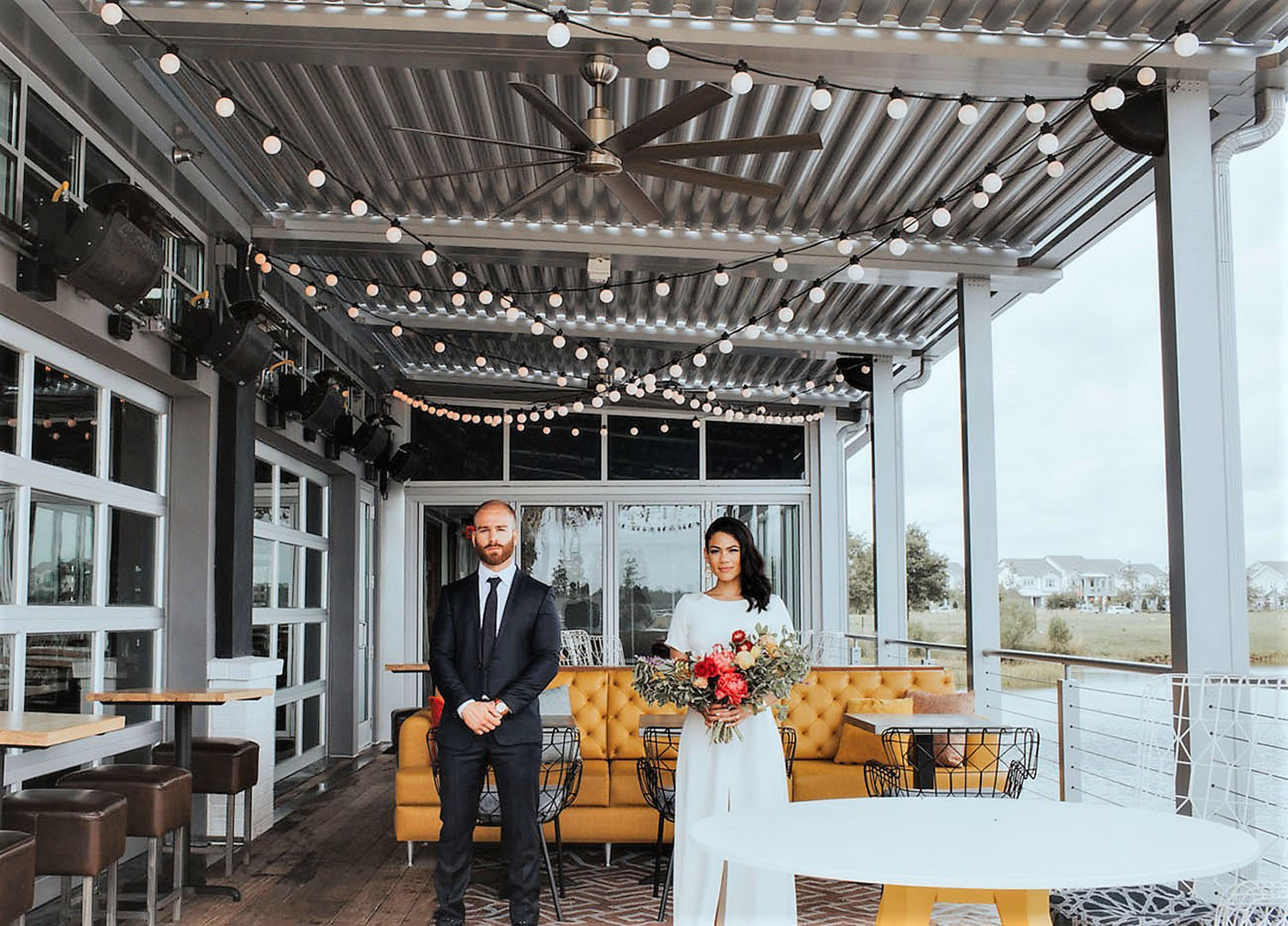
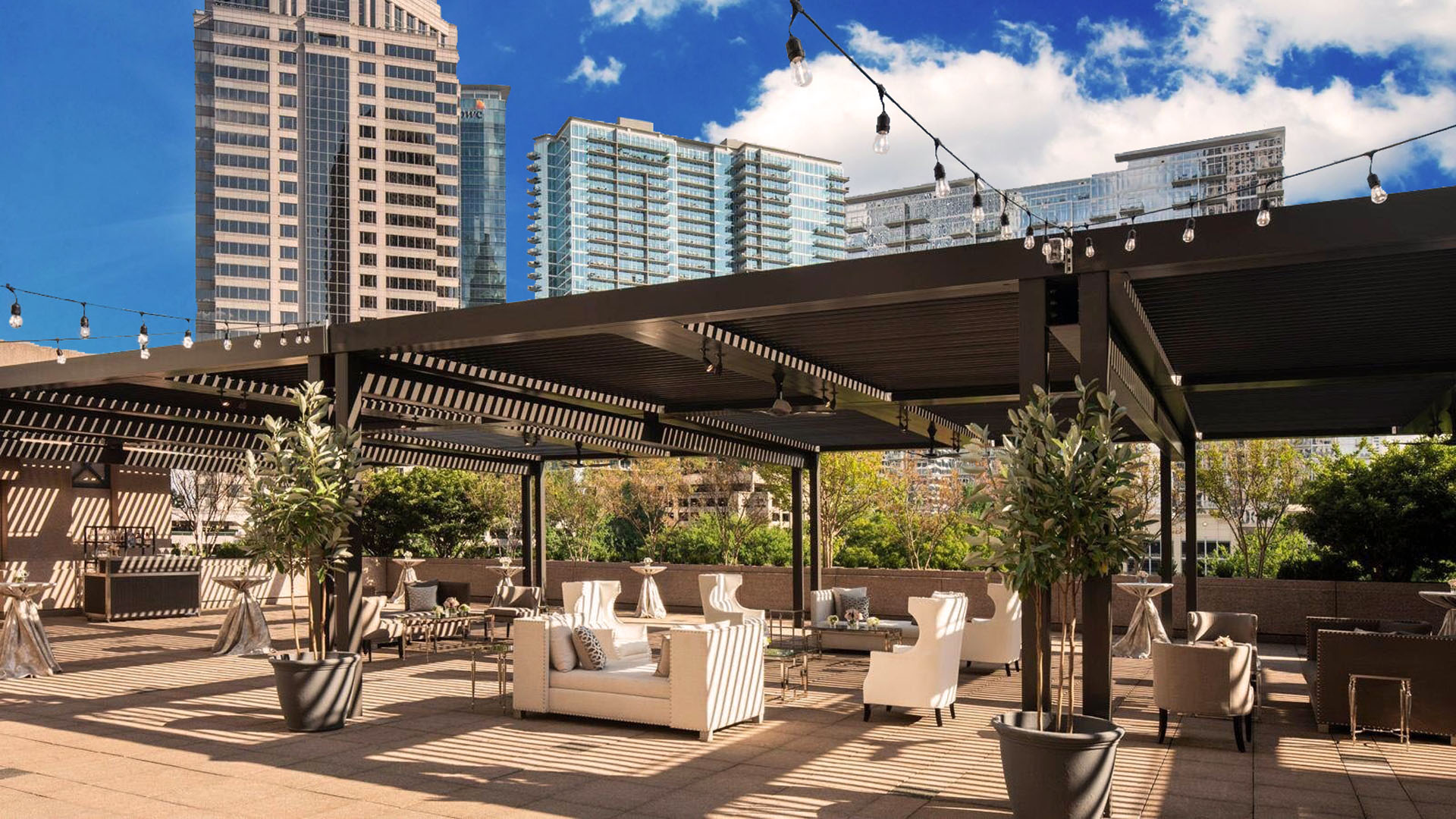
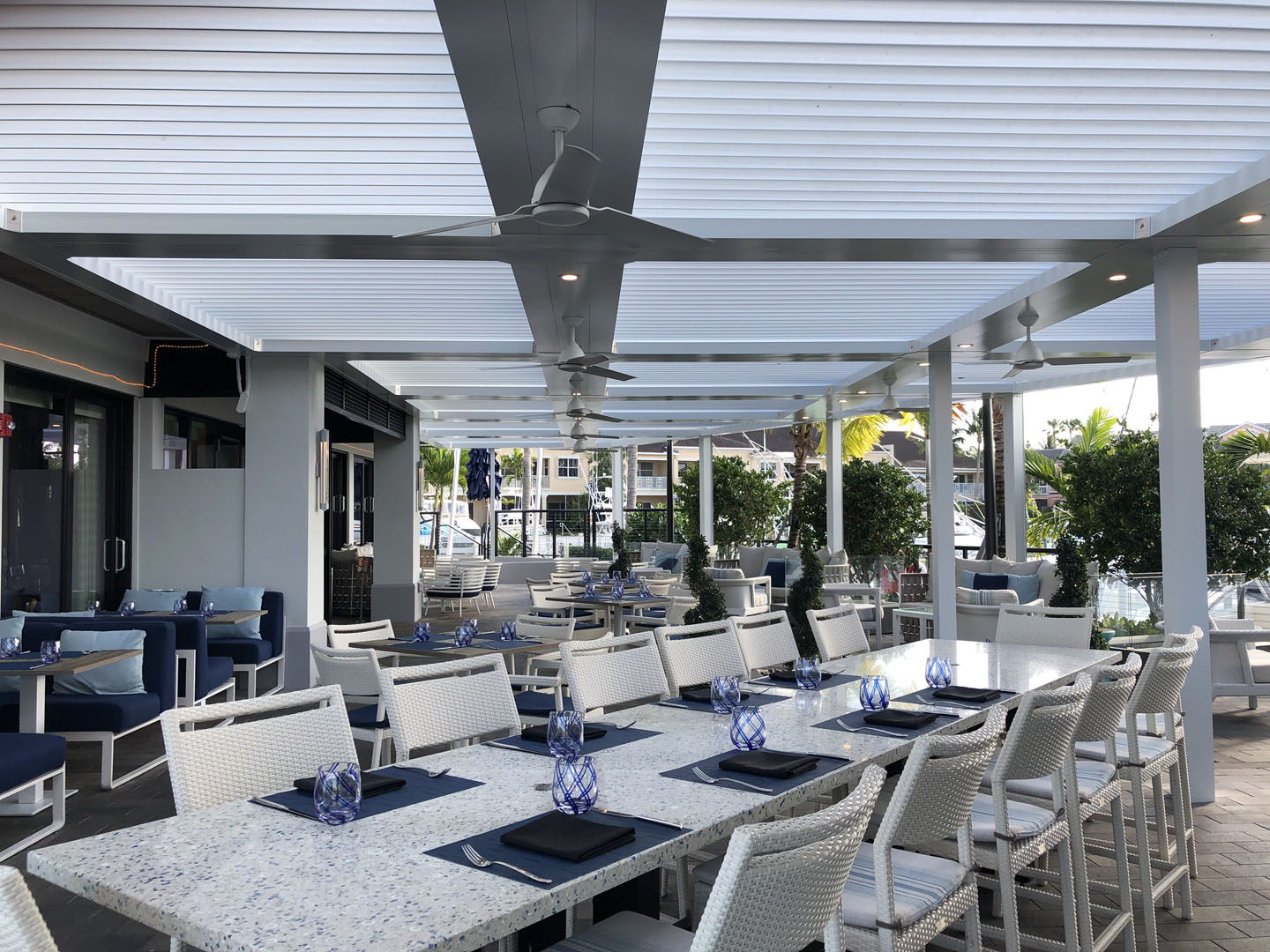
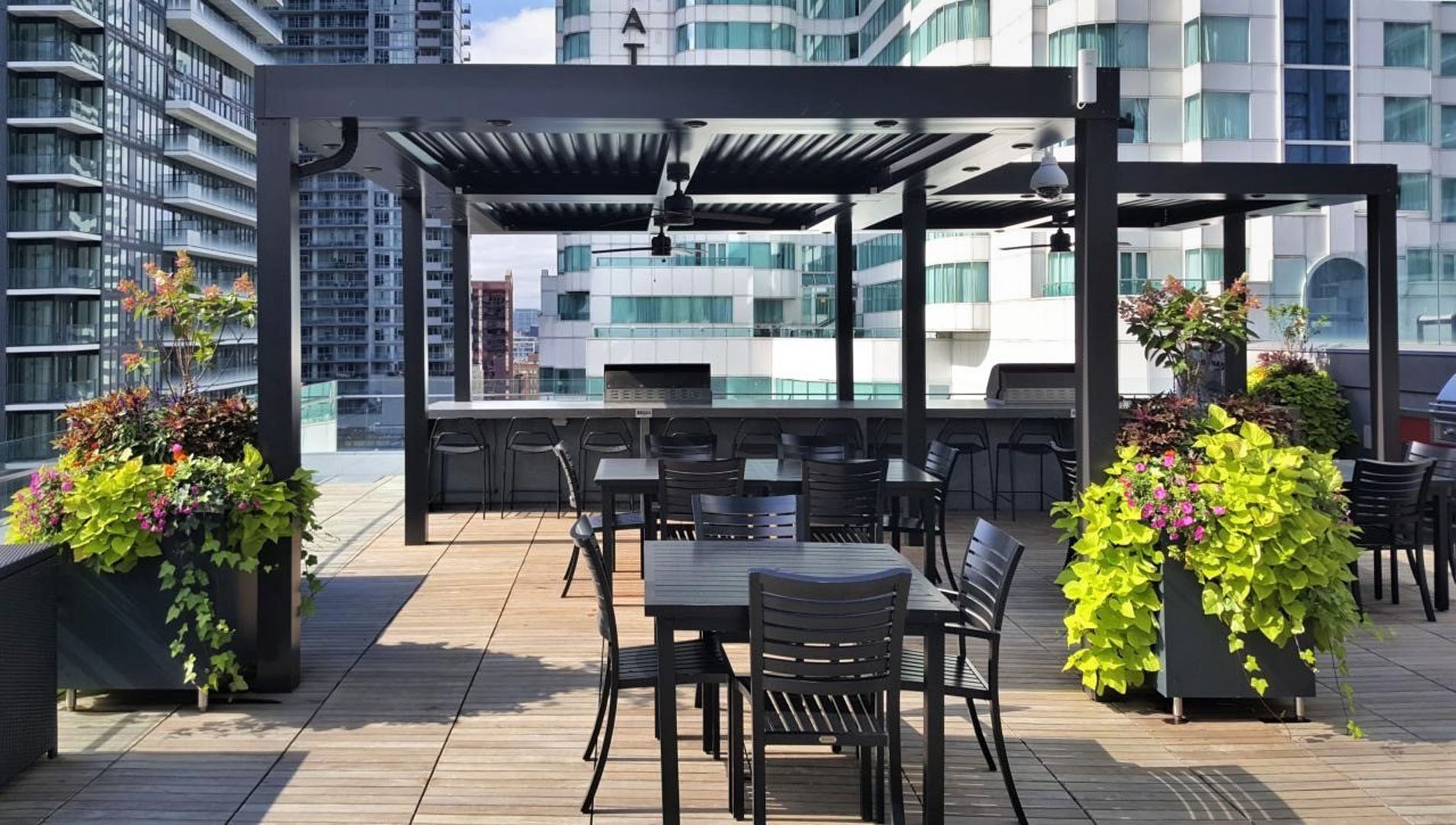
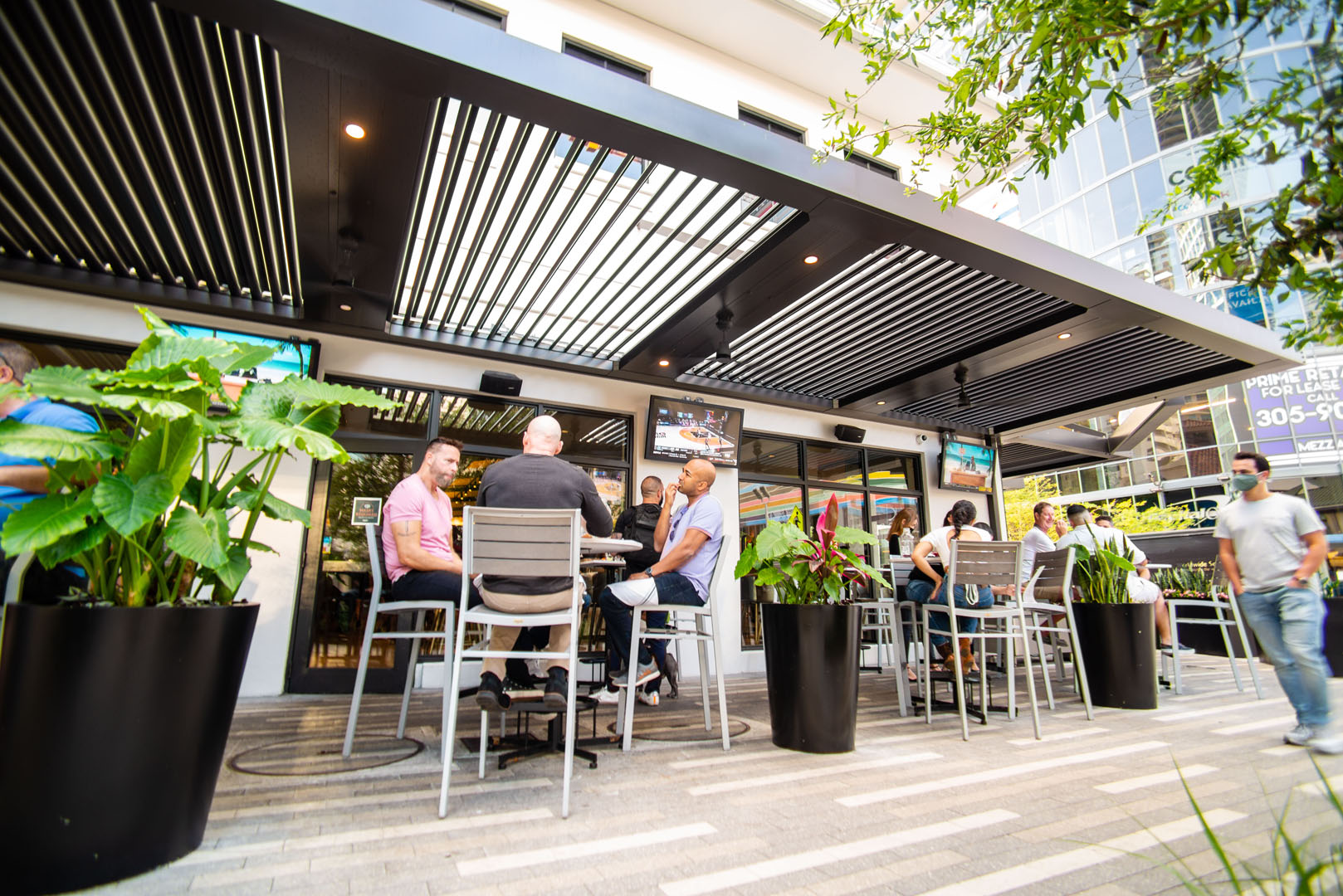
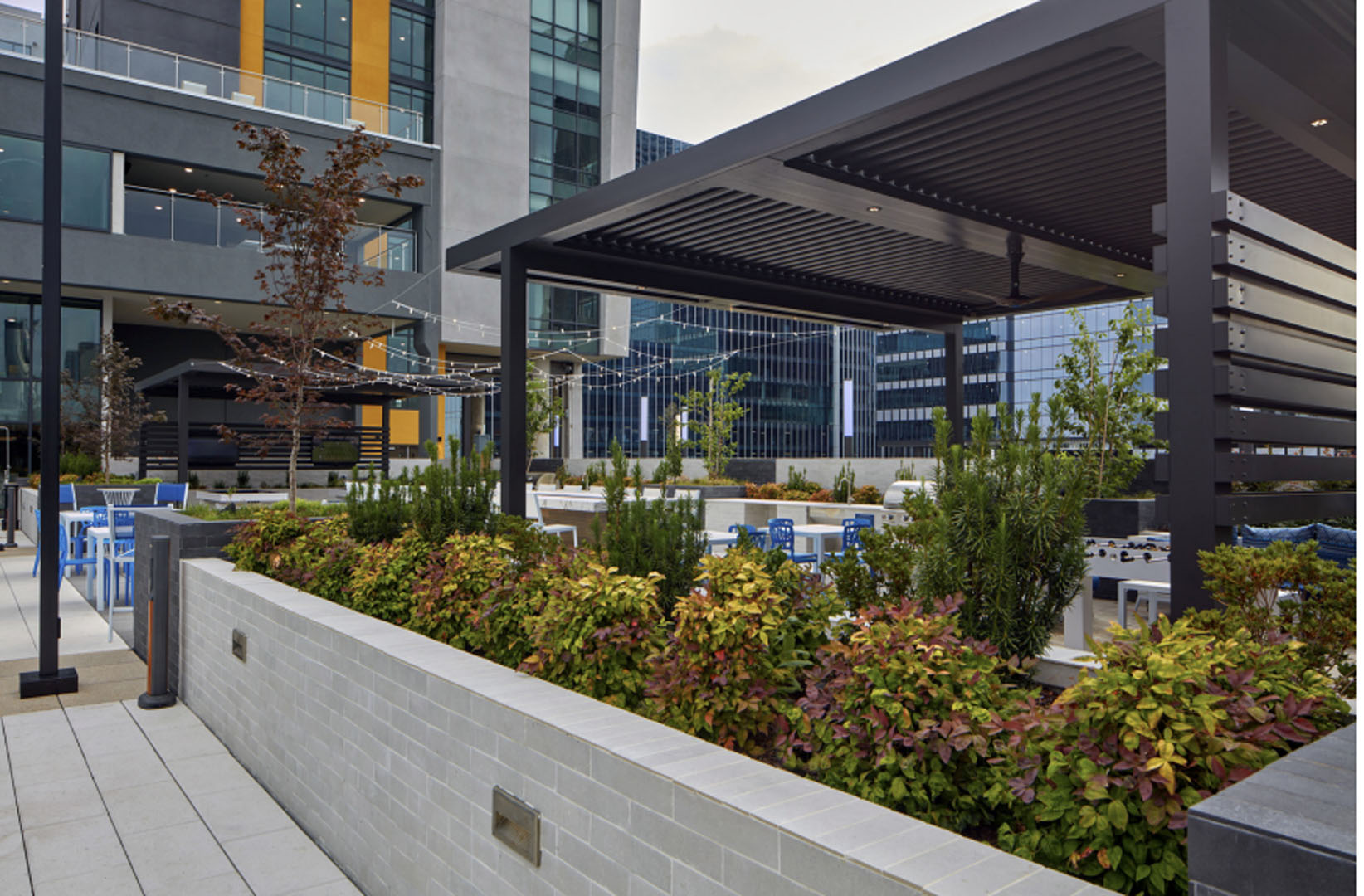
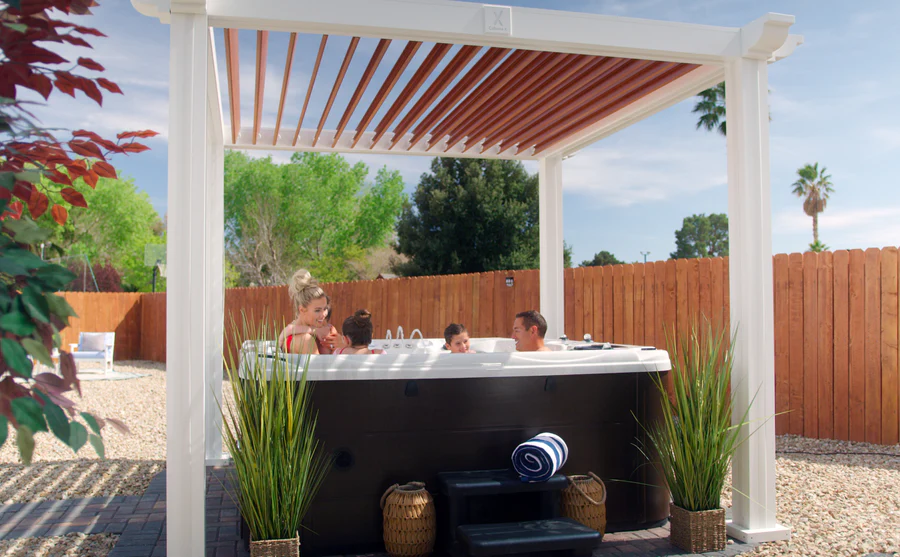
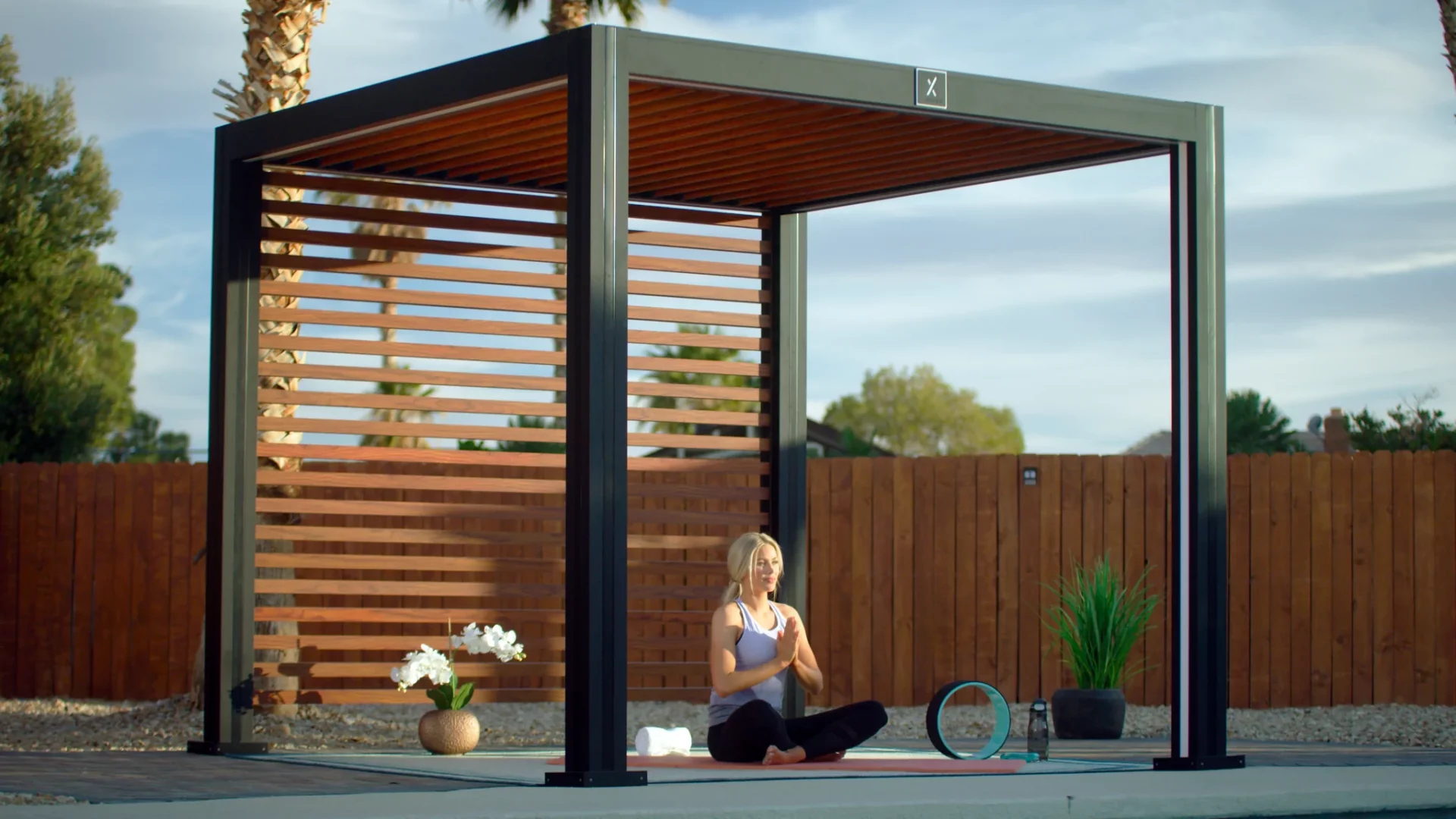
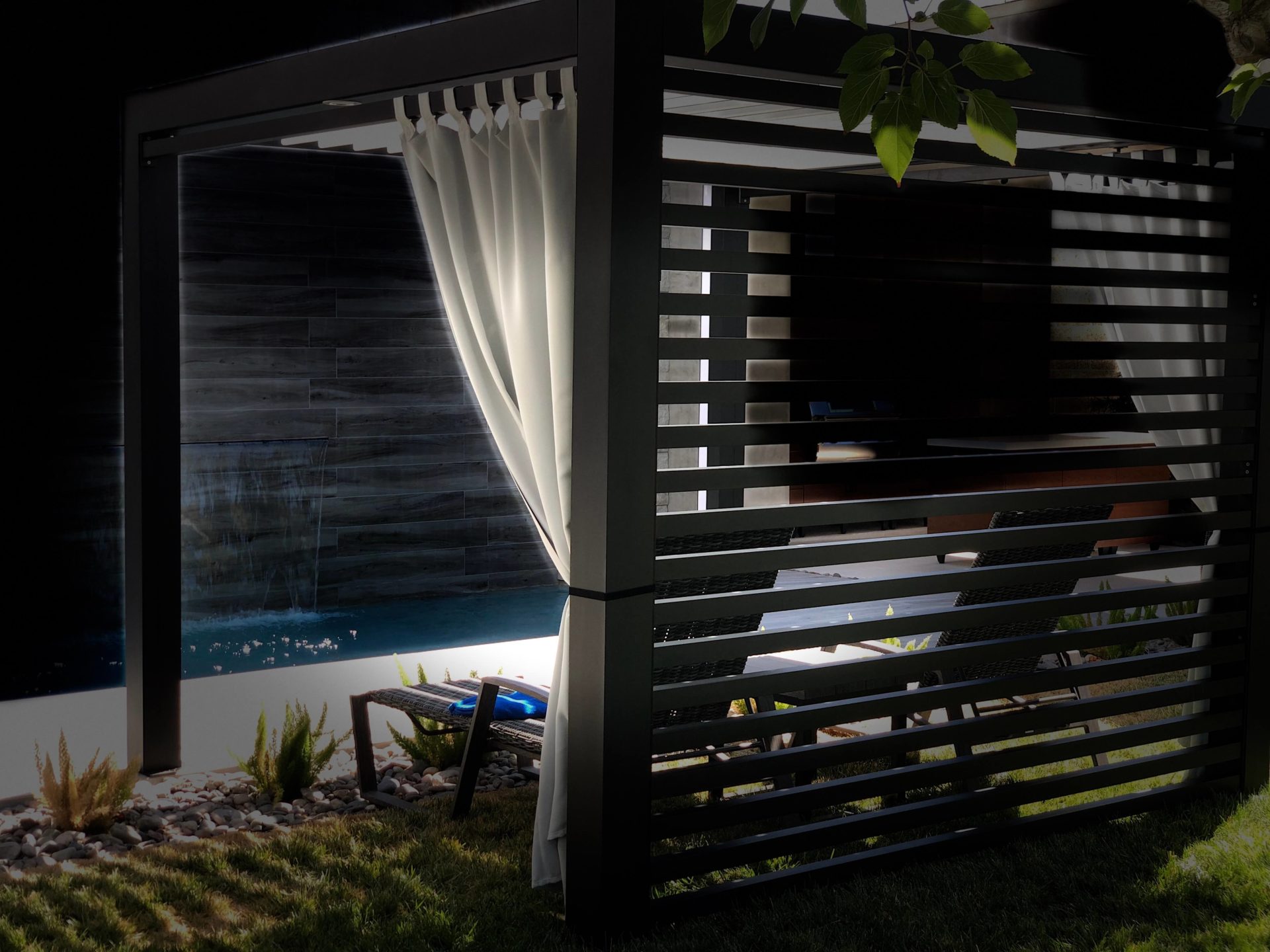
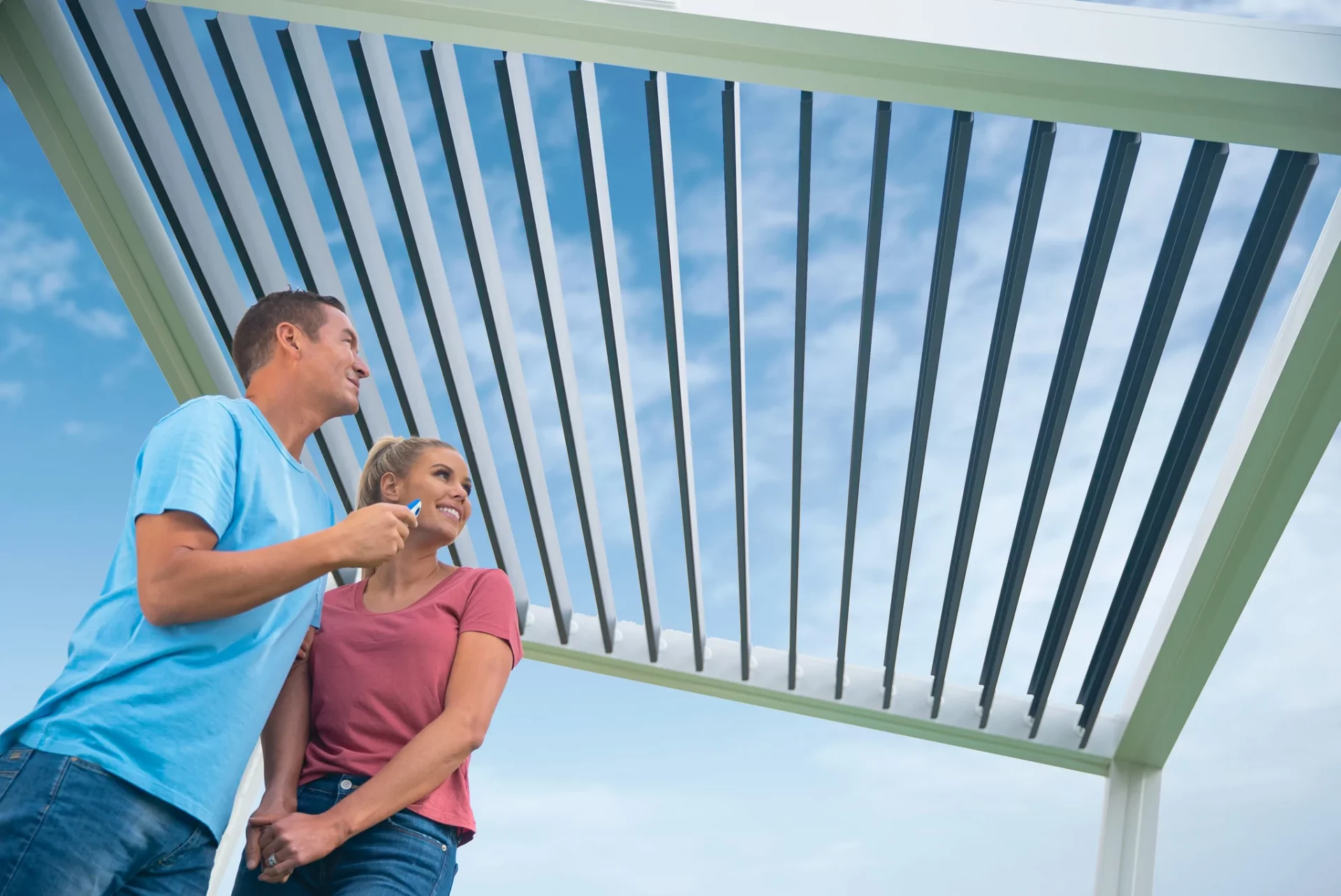
Are pergolas and covered structures suitable here? Yes—design them for coastal conditions with salt-spray corrosion resistance and wind-load-rated framing so they reliably extend usable outdoor rooms.
What terrace depth makes a space functional? Prioritize depth and layout that function as outdoor rooms rather than decorative setbacks—sized for dining, lounging, and circulation.
What materials work best for outdoor upgrades? Durable, high-performance finishes—honed marble, premium cabinetry, and marine-grade appliances/fixtures—support longevity and resale.
How do property types affect upgrade choices? High-rise condos favor coherent terrace and covered designs; waterfront and club-oriented properties prioritize entertaining, marina access, and dual-terrace layouts.