
Outdoor Living and Lifestyle in Golf
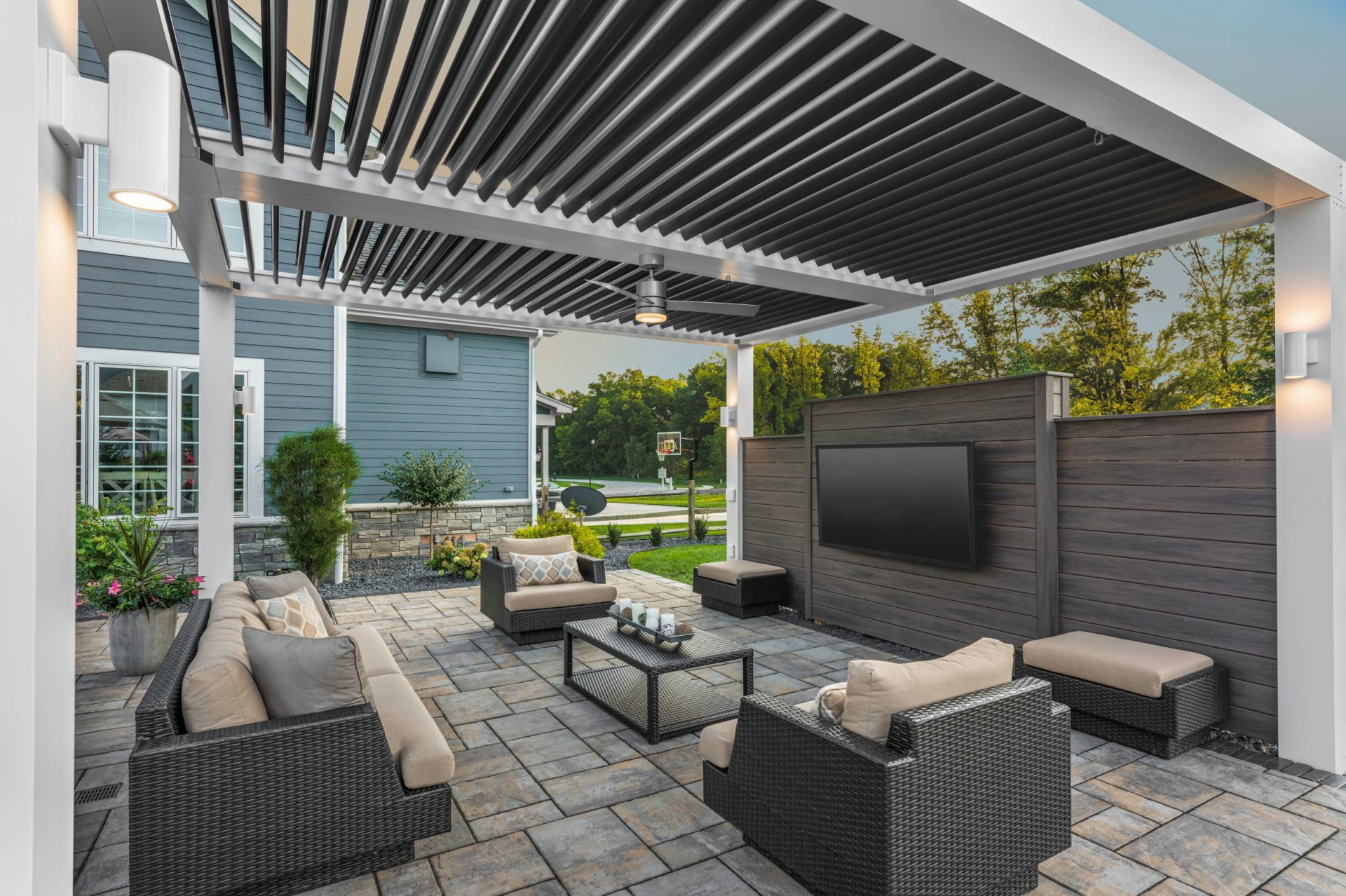
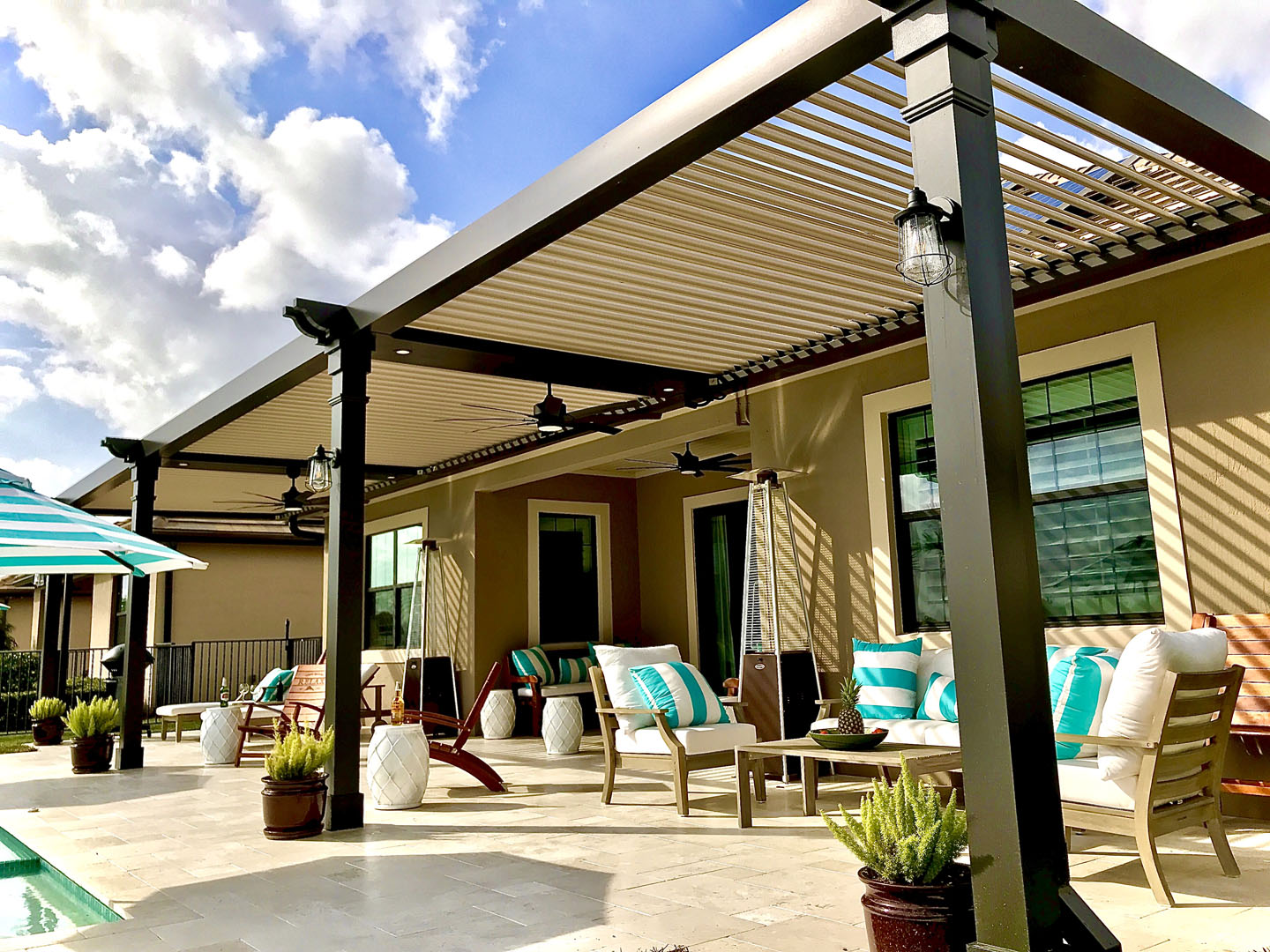
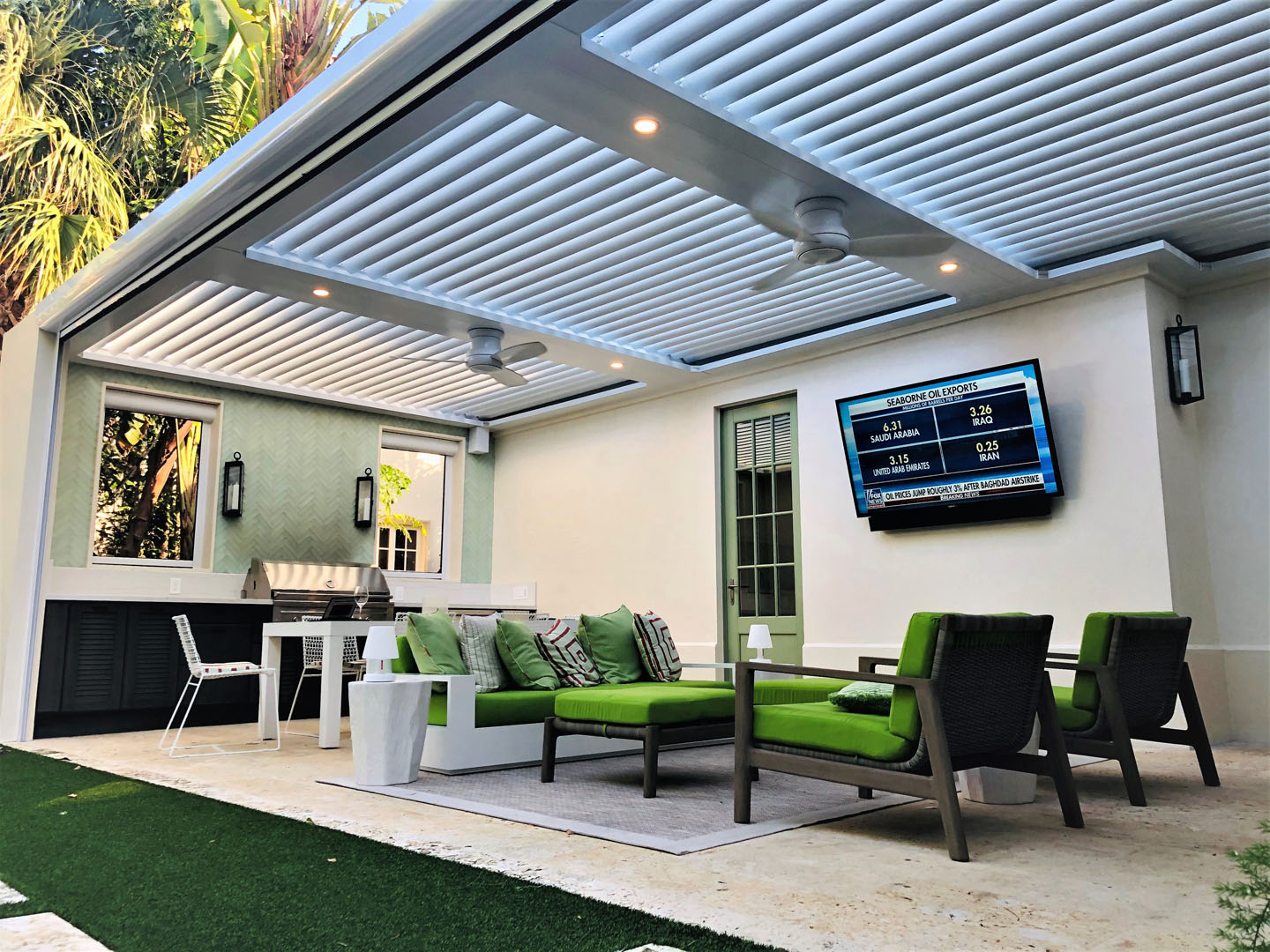
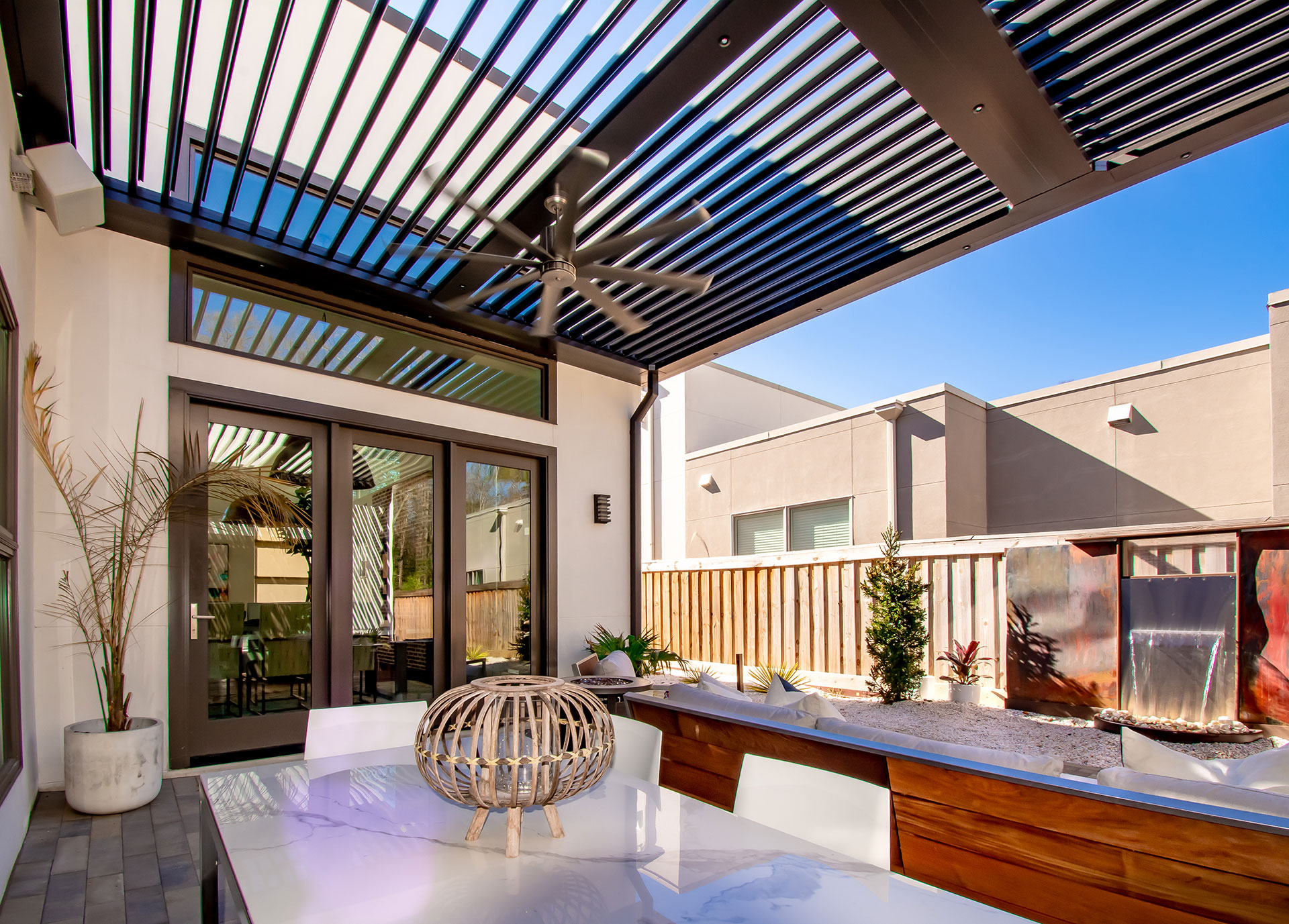
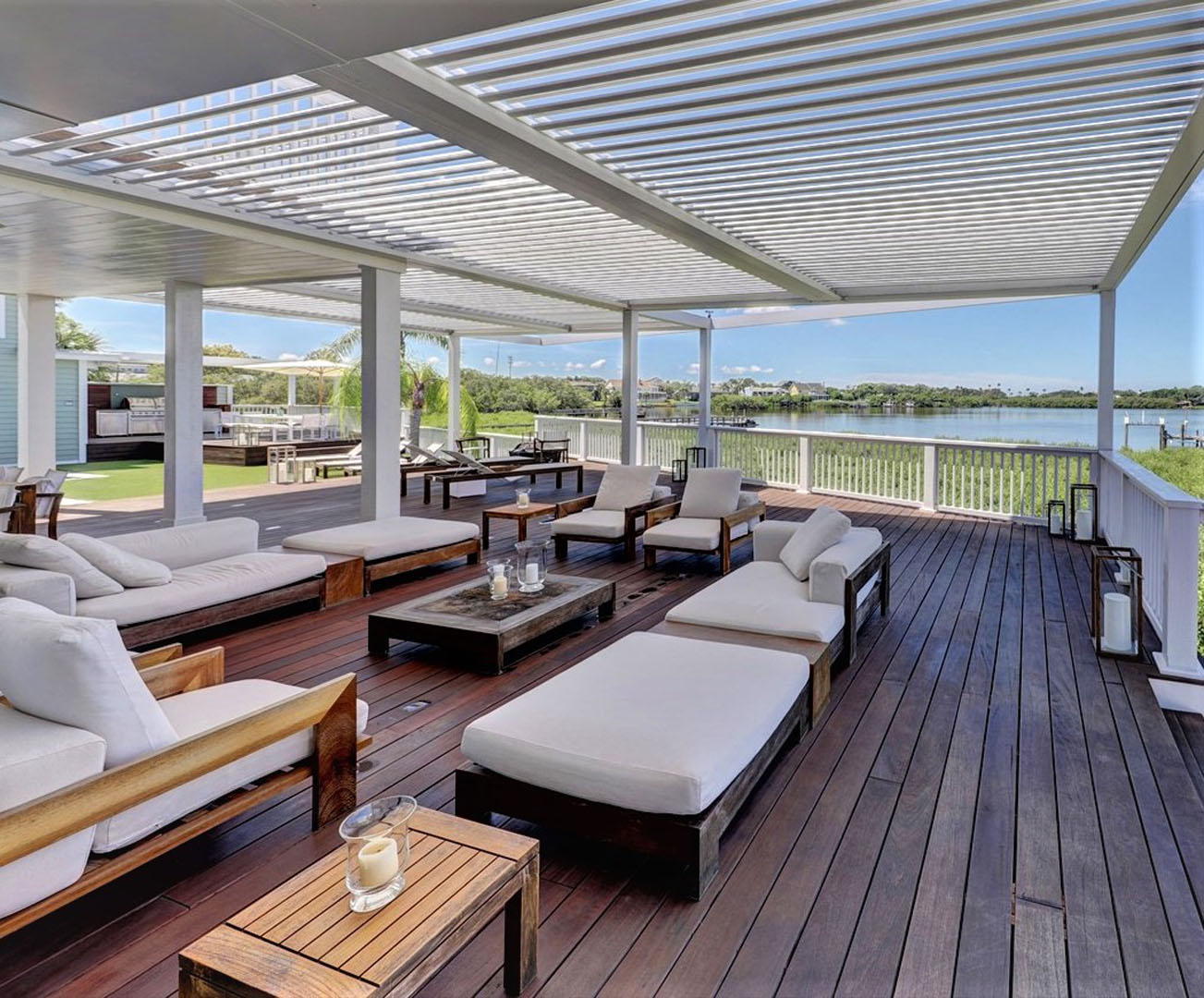
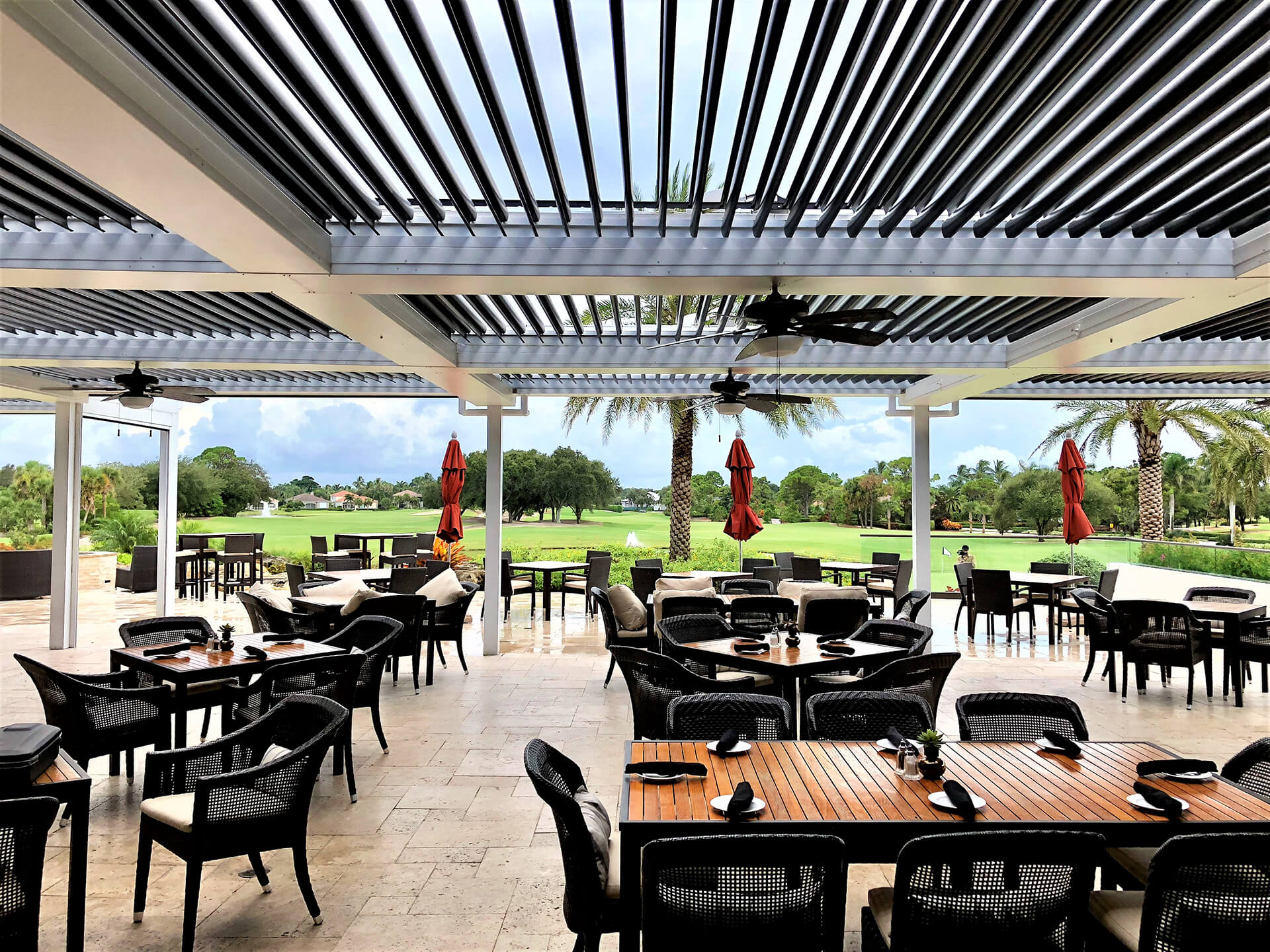
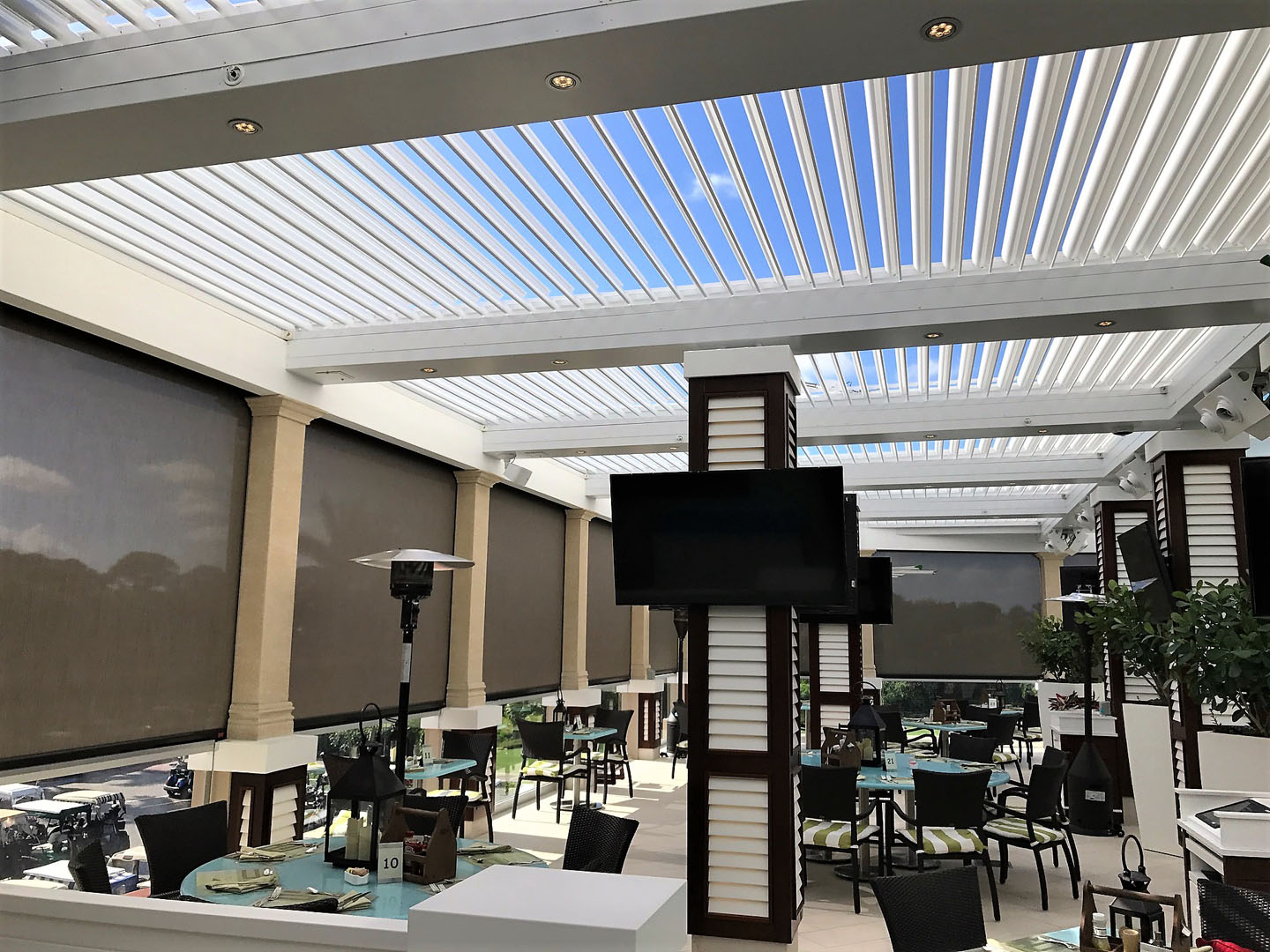
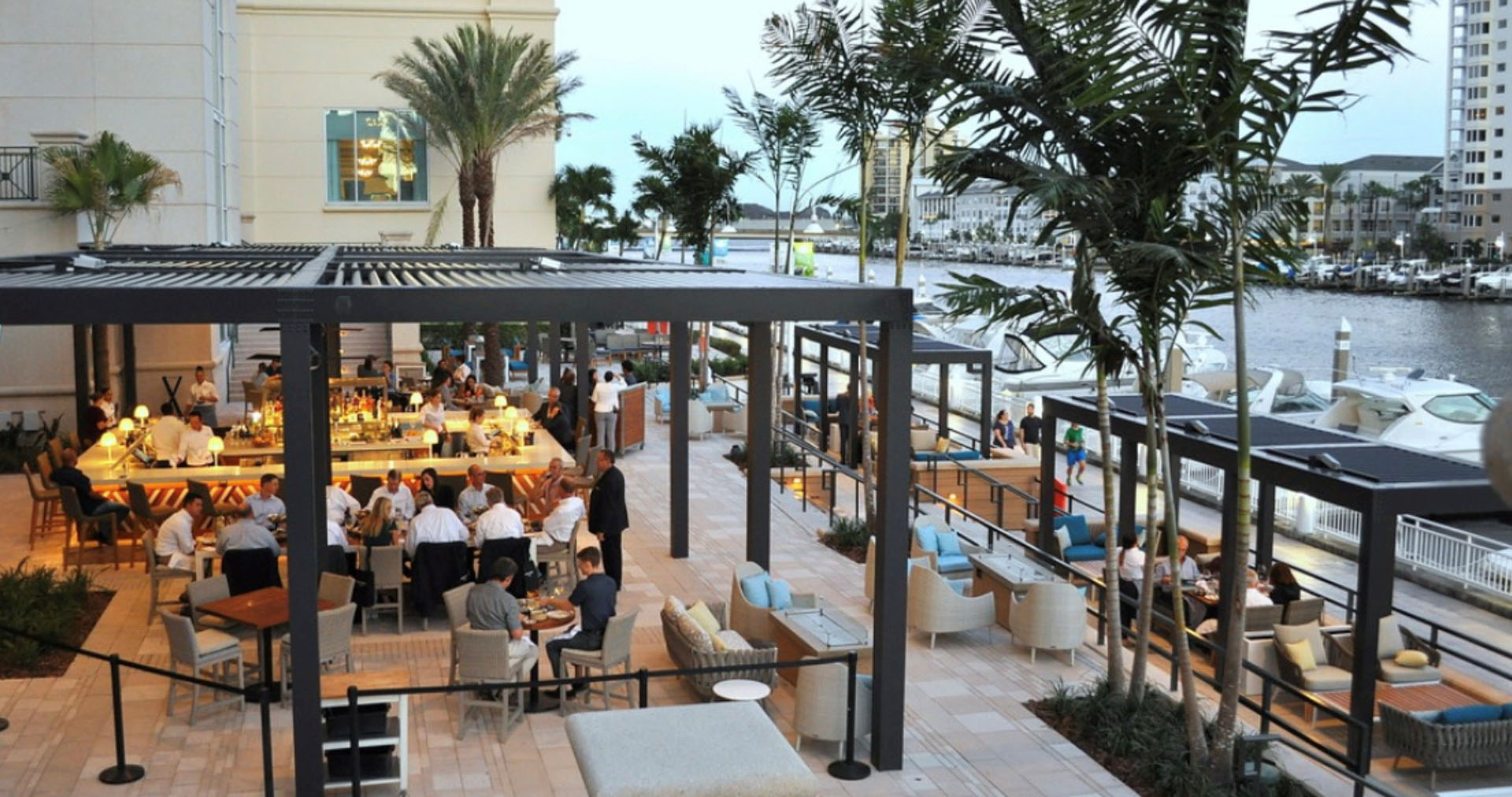
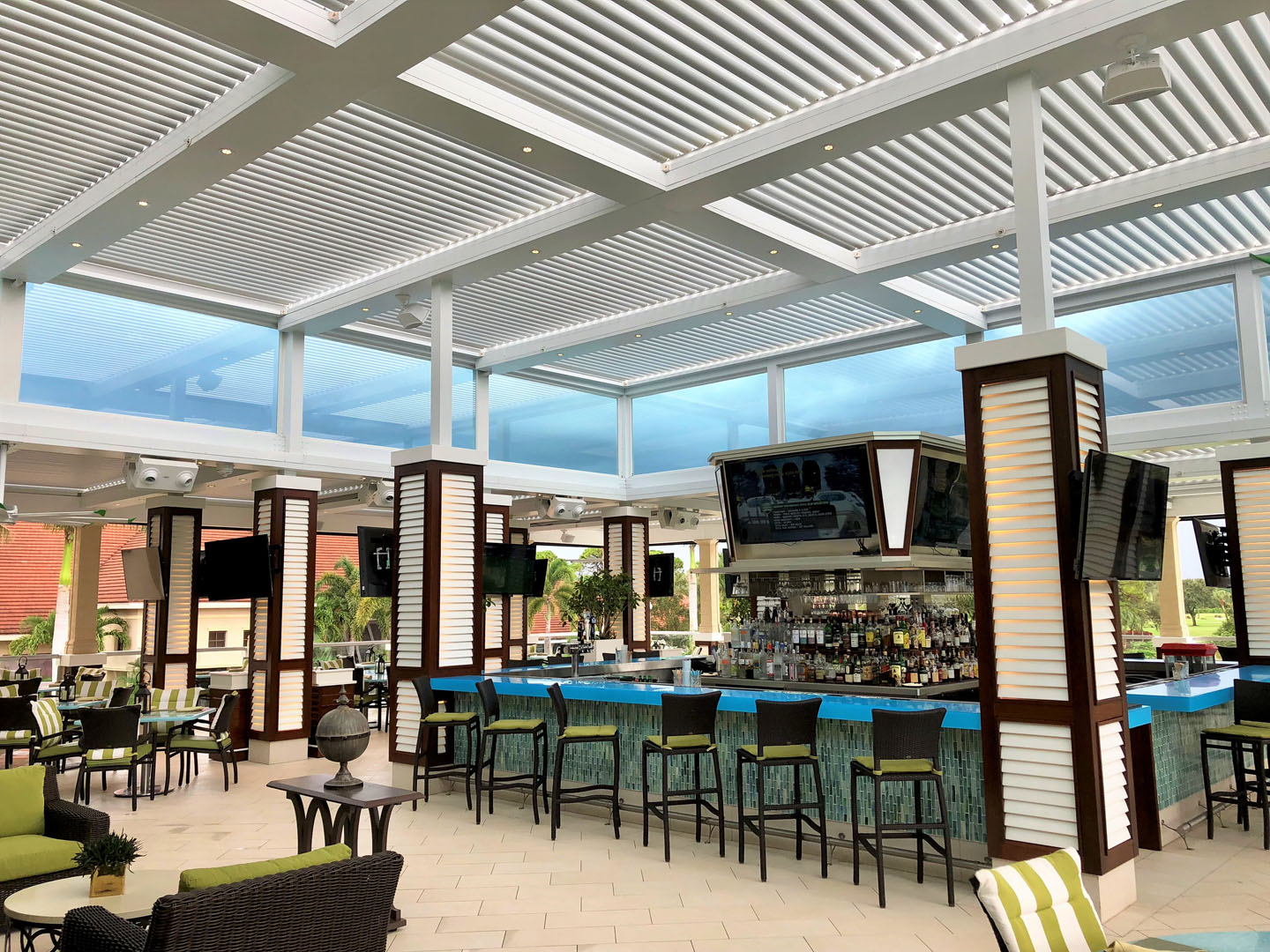
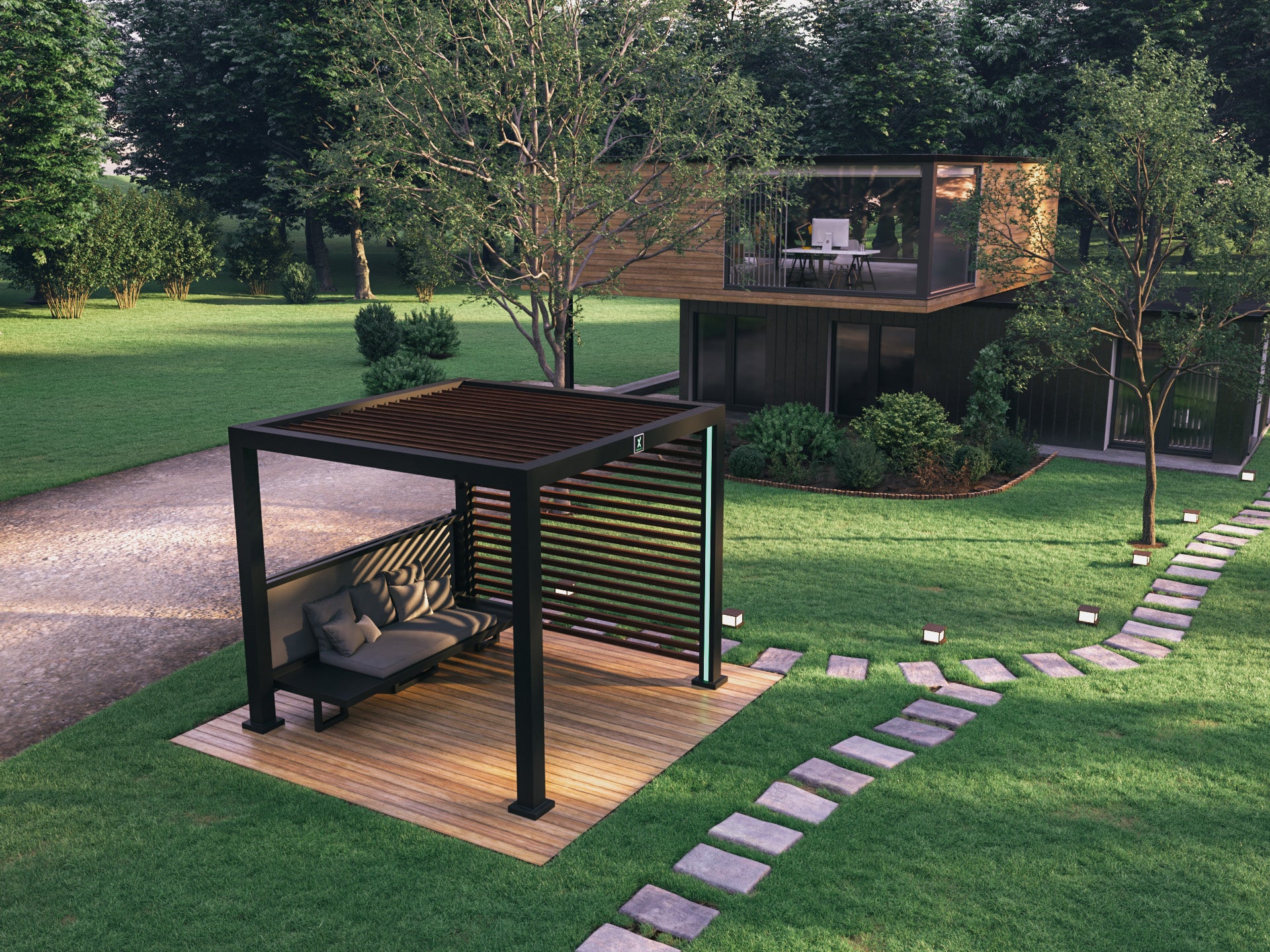
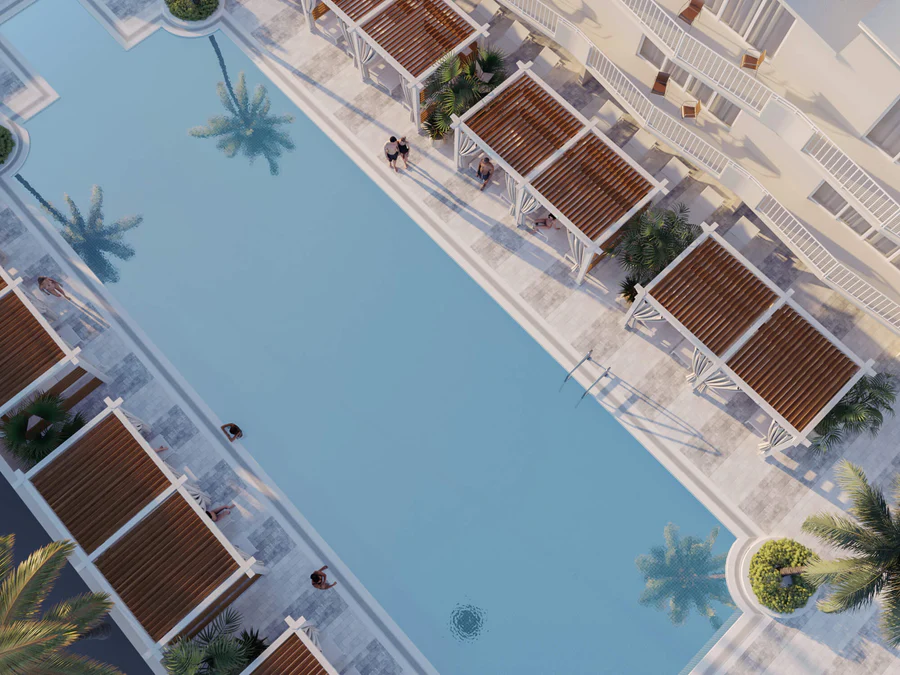
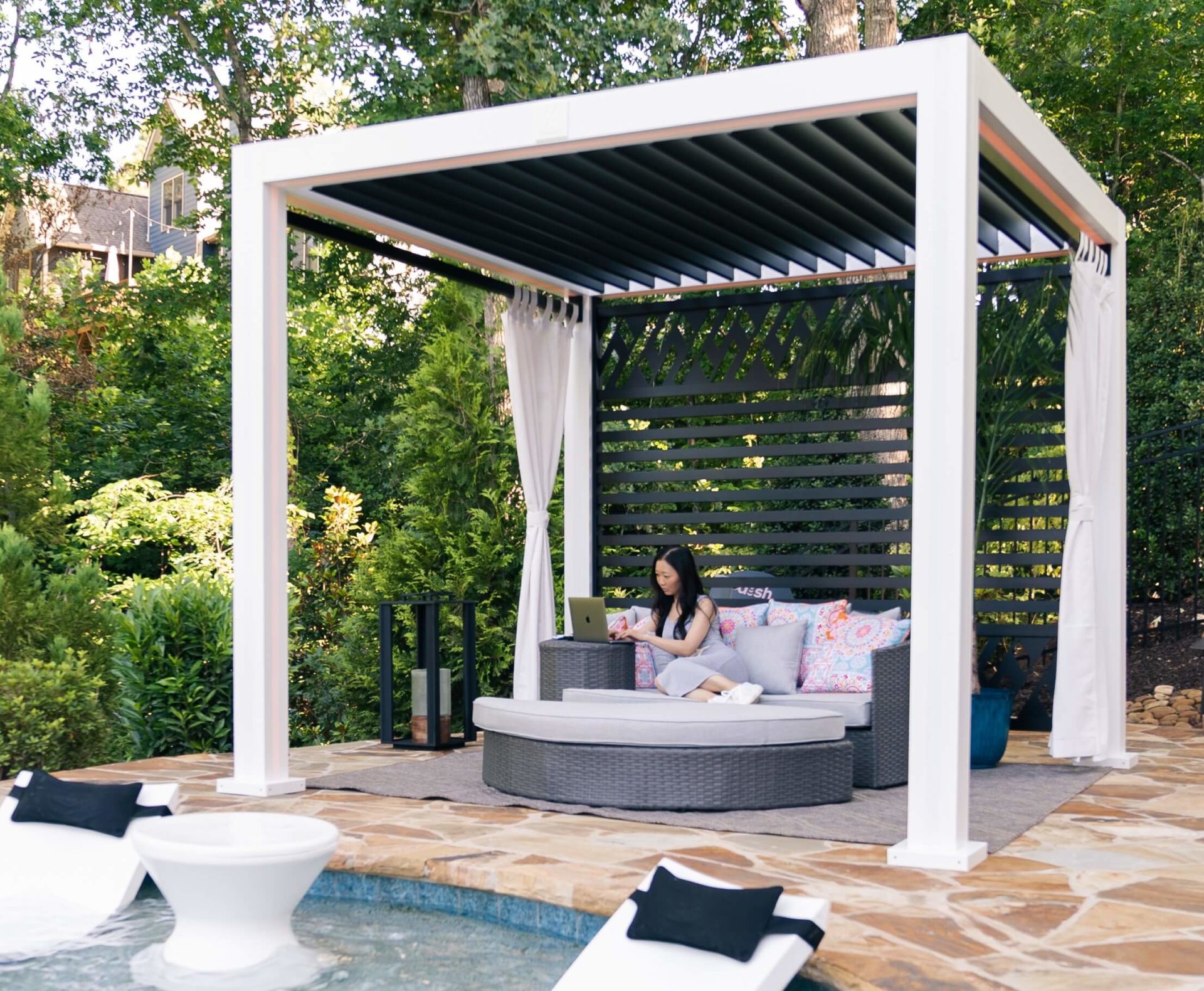
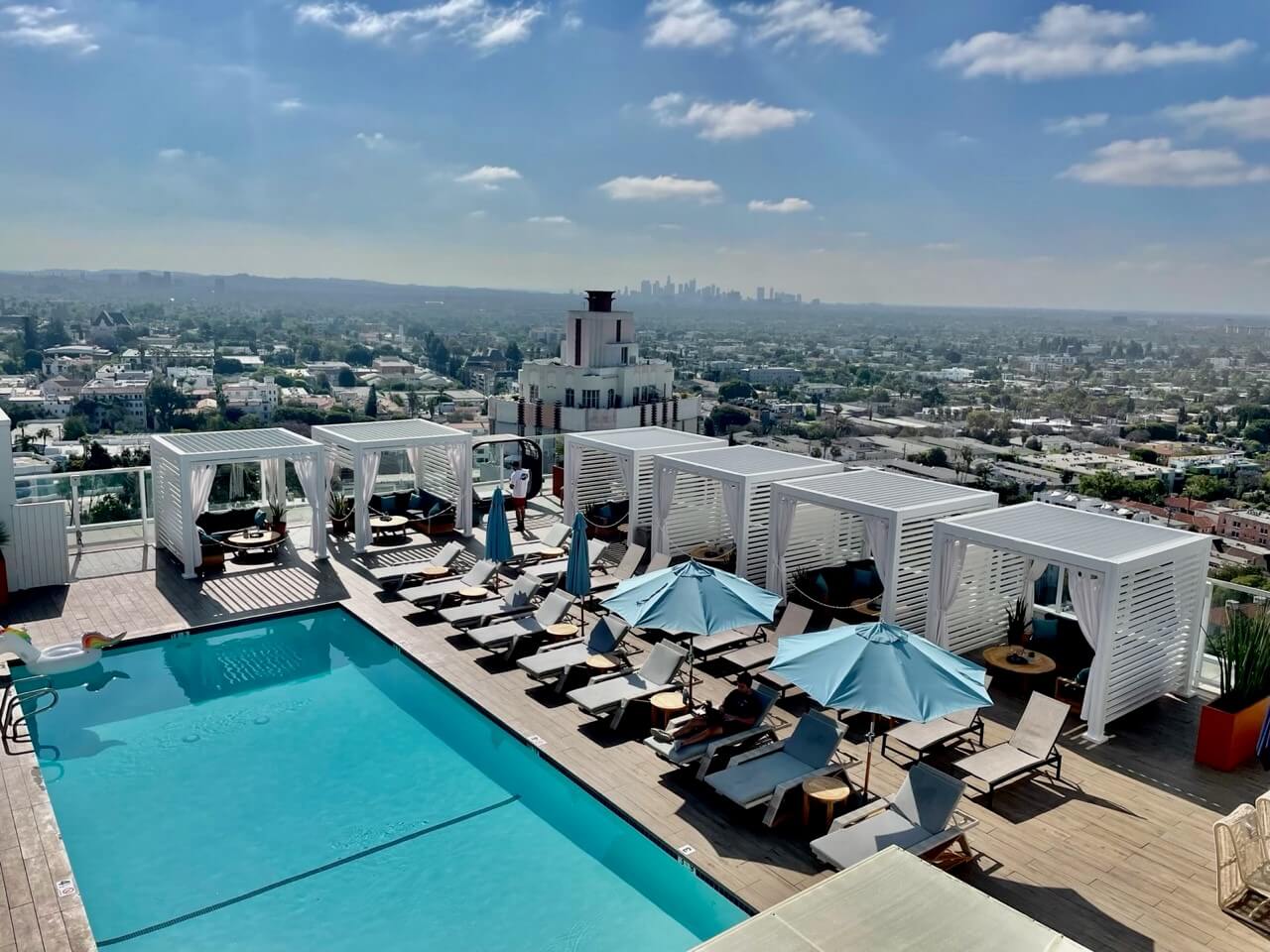
Golf’s small, gated South Florida setting centers daily life on outdoor living, with residents using backyards, lanais, patios, terraces and balconies for al fresco dining, poolside relaxation, and social events tied to golf, tennis and pickleball. Properties often feature private pools, outdoor kitchens, pergolas and course views within gated settings, while the climate—more than 230 sunny days a year, tropical heat, seasonal rain and coastal winds—drives choices for shade structures, impact glass and outdoor cooling. Community amenities like fitness facilities, dining and preserves support a year-round, active outdoor routine, making shaded, weather-ready terraces central to relaxed village living.
Outdoor Activities, Amenities, and Lifestyle Patterns
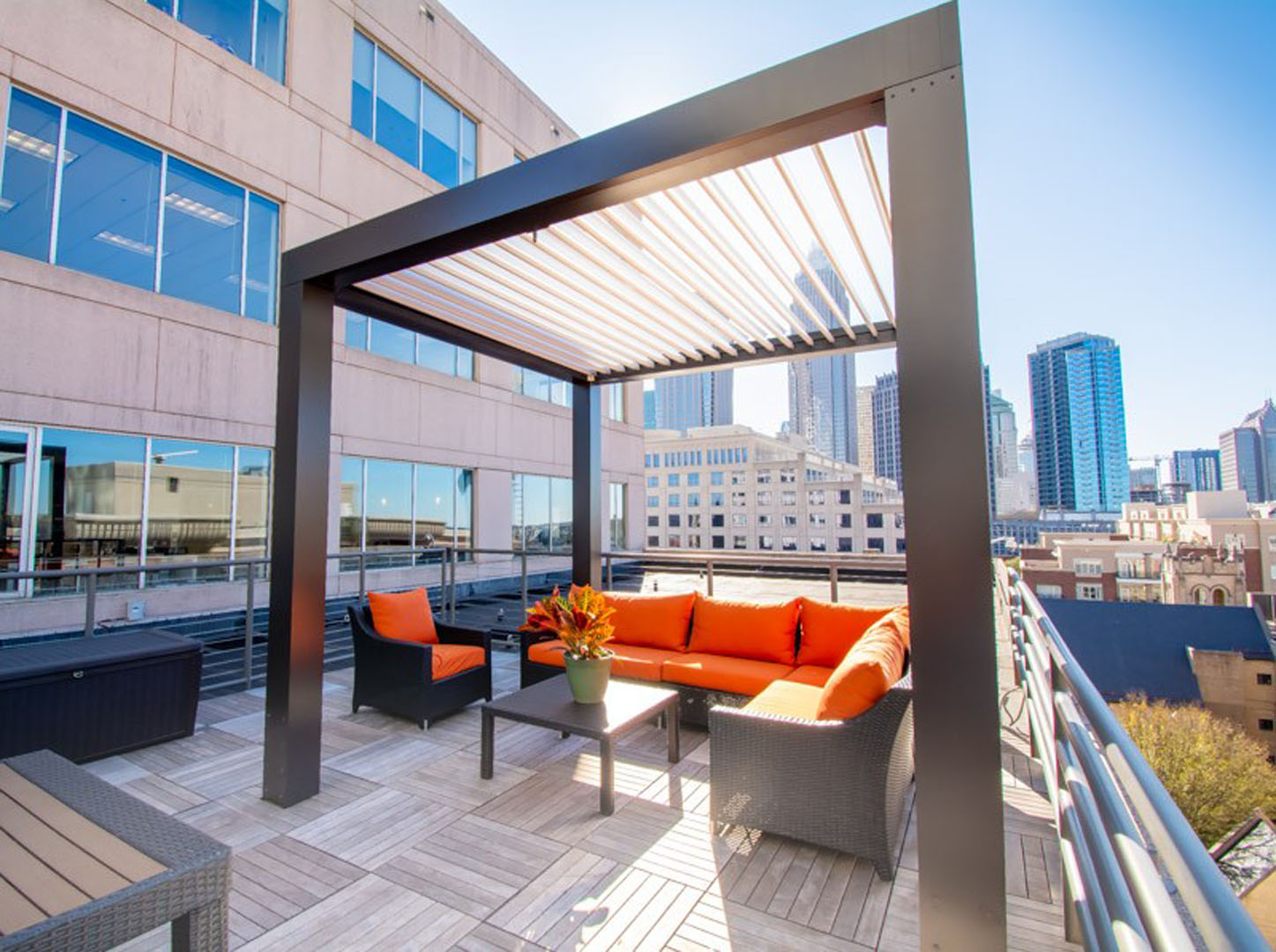
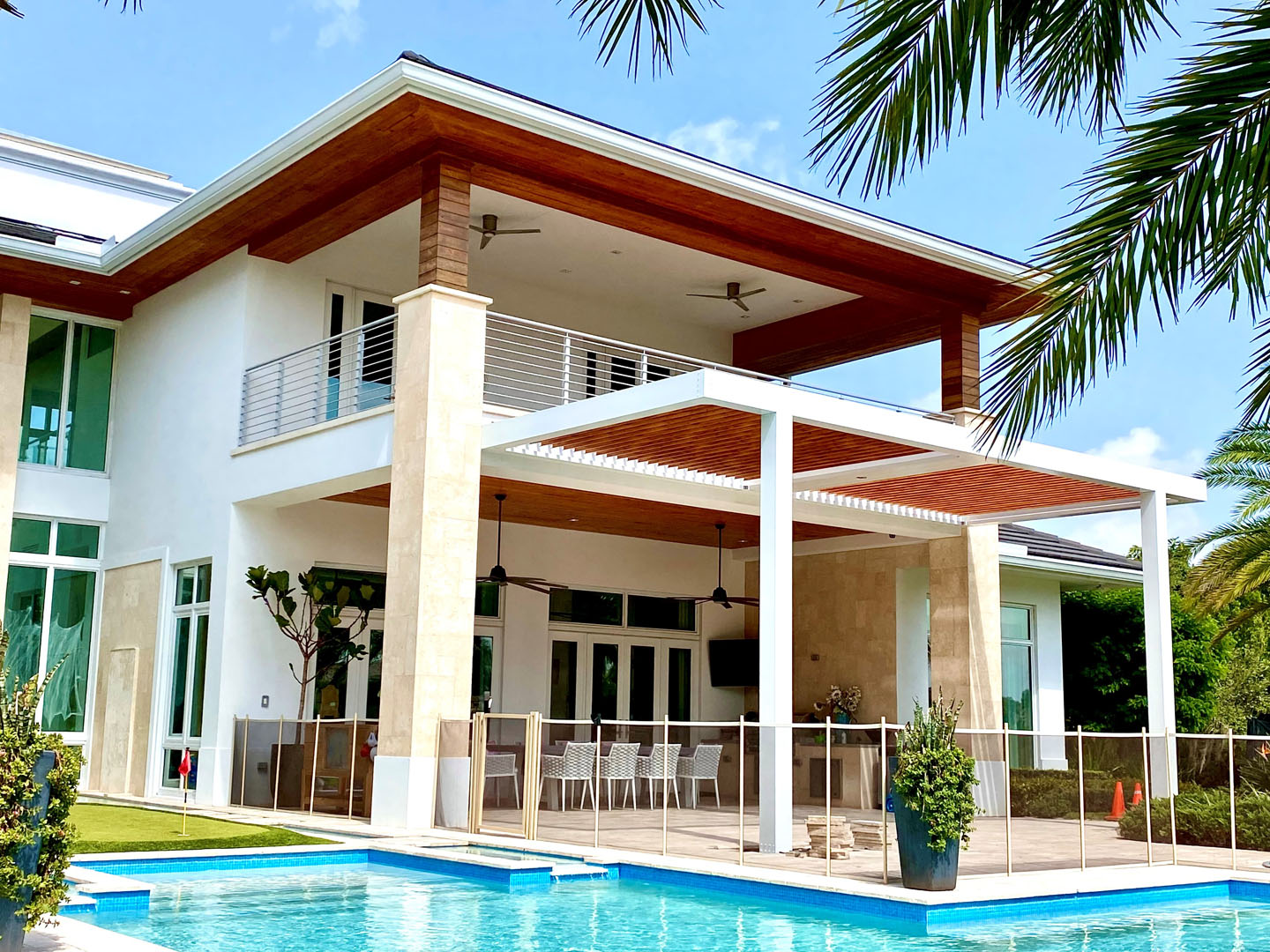
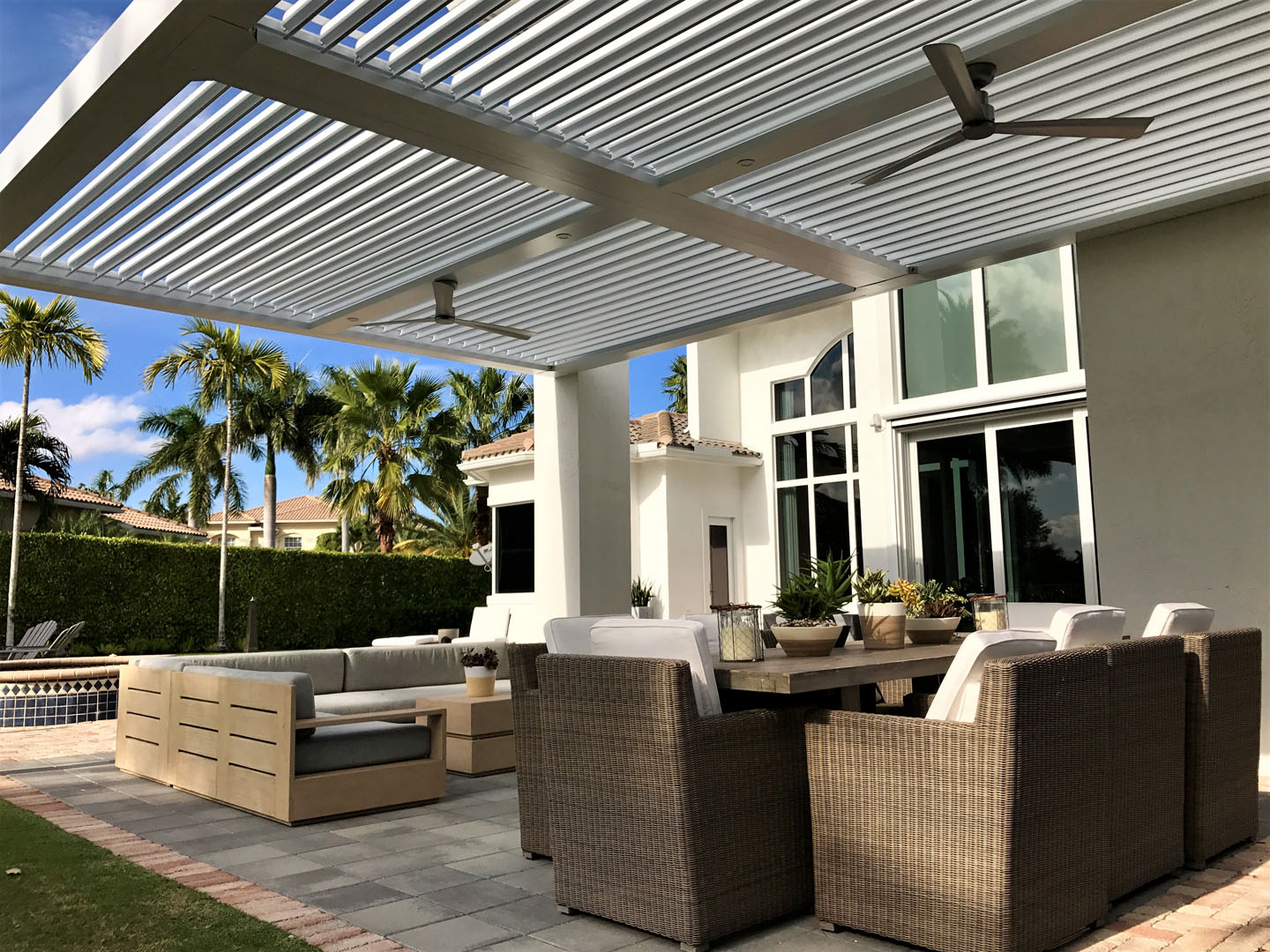
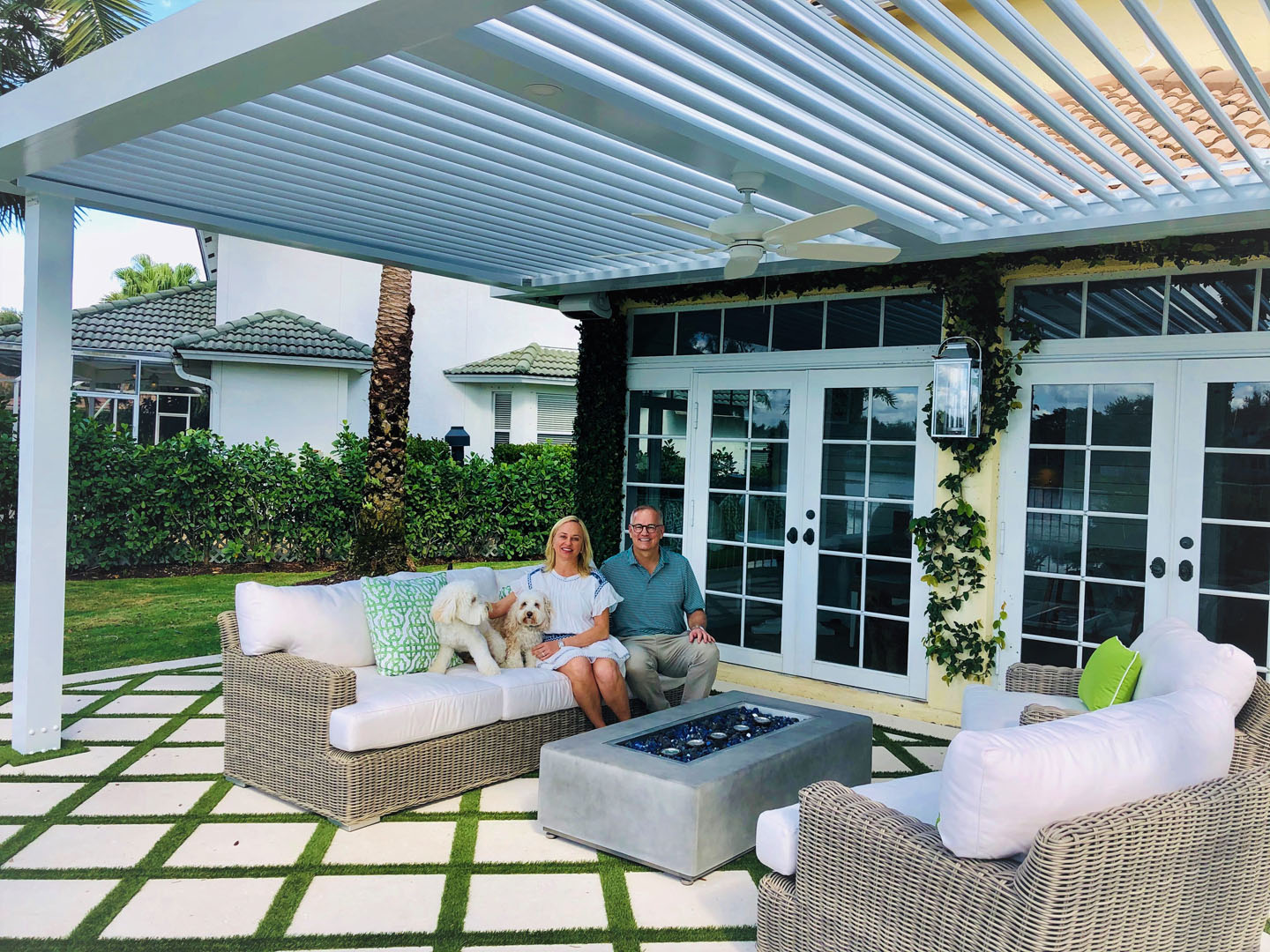
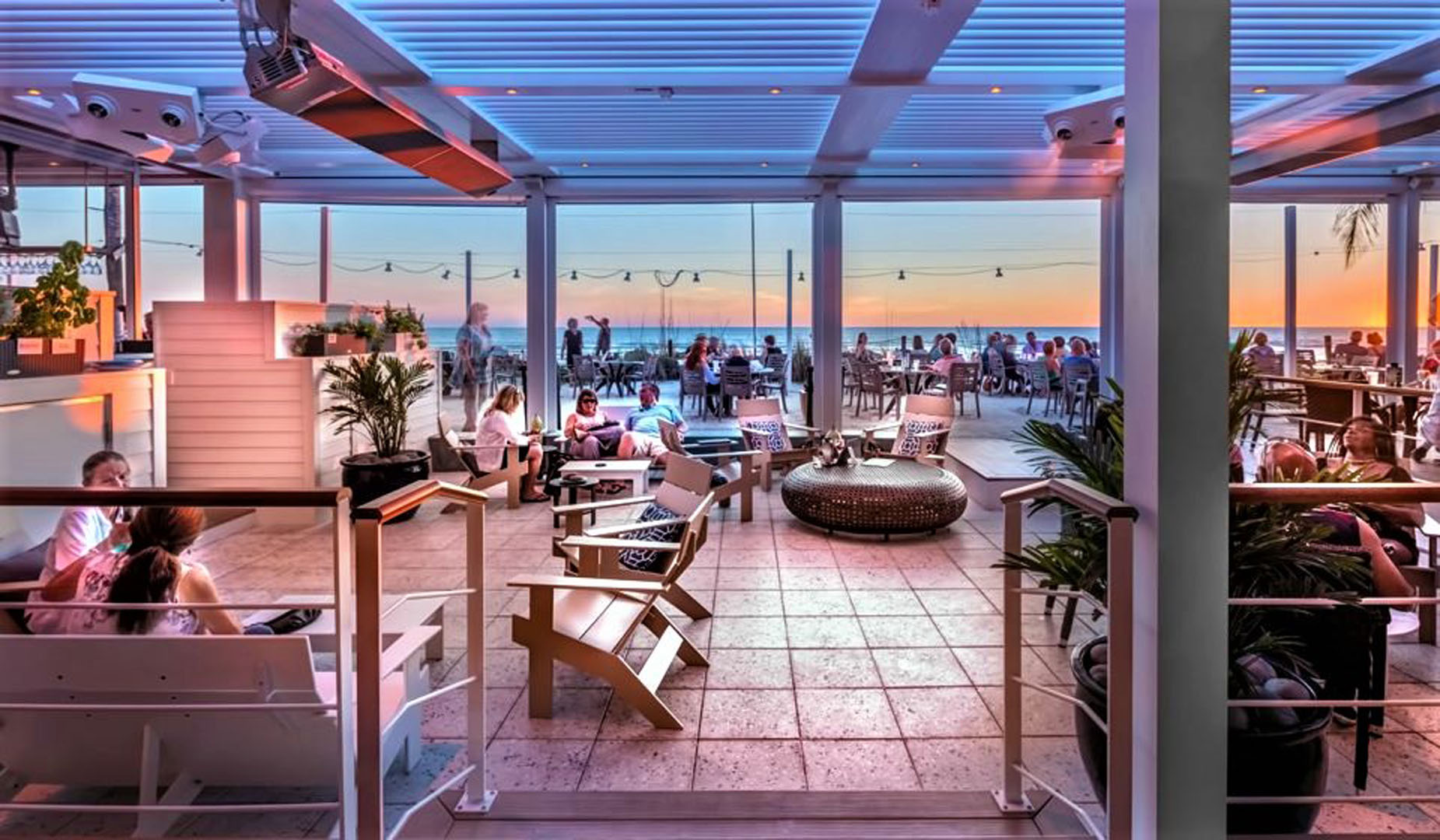
Residents of Golf spend much of their time outdoors on recreation and entertaining: golf, tennis and pickleball, al fresco dining by resort-style pools, and community social events year-round. Homes often feature lanais, terraces, private pools, pergolas or outdoor kitchens, courtyards and golf-course views that encourage backyard entertaining and relaxed mornings on patios. Community amenities—fitness centers, dining venues, nature preserves and gated common spaces—foster walking, gatherings and casual sports. Sun, coastal breezes and tropical rains drive shade structures, outdoor cooling solutions and impact-glass choices, while a family and retiree presence reinforces active, social outdoor lifestyles.
Residential Property Characteristics of Golf Affecting Outdoor Living
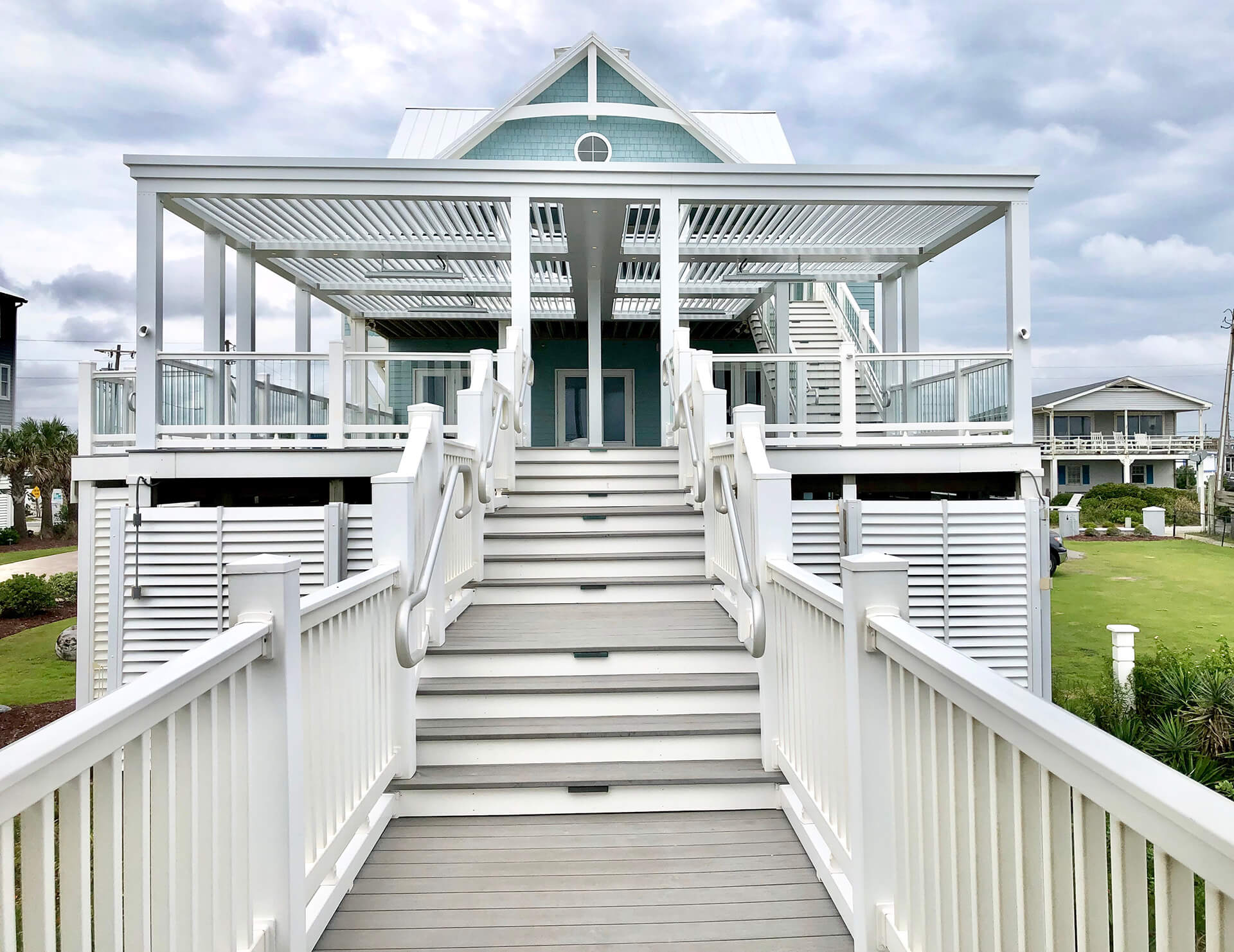
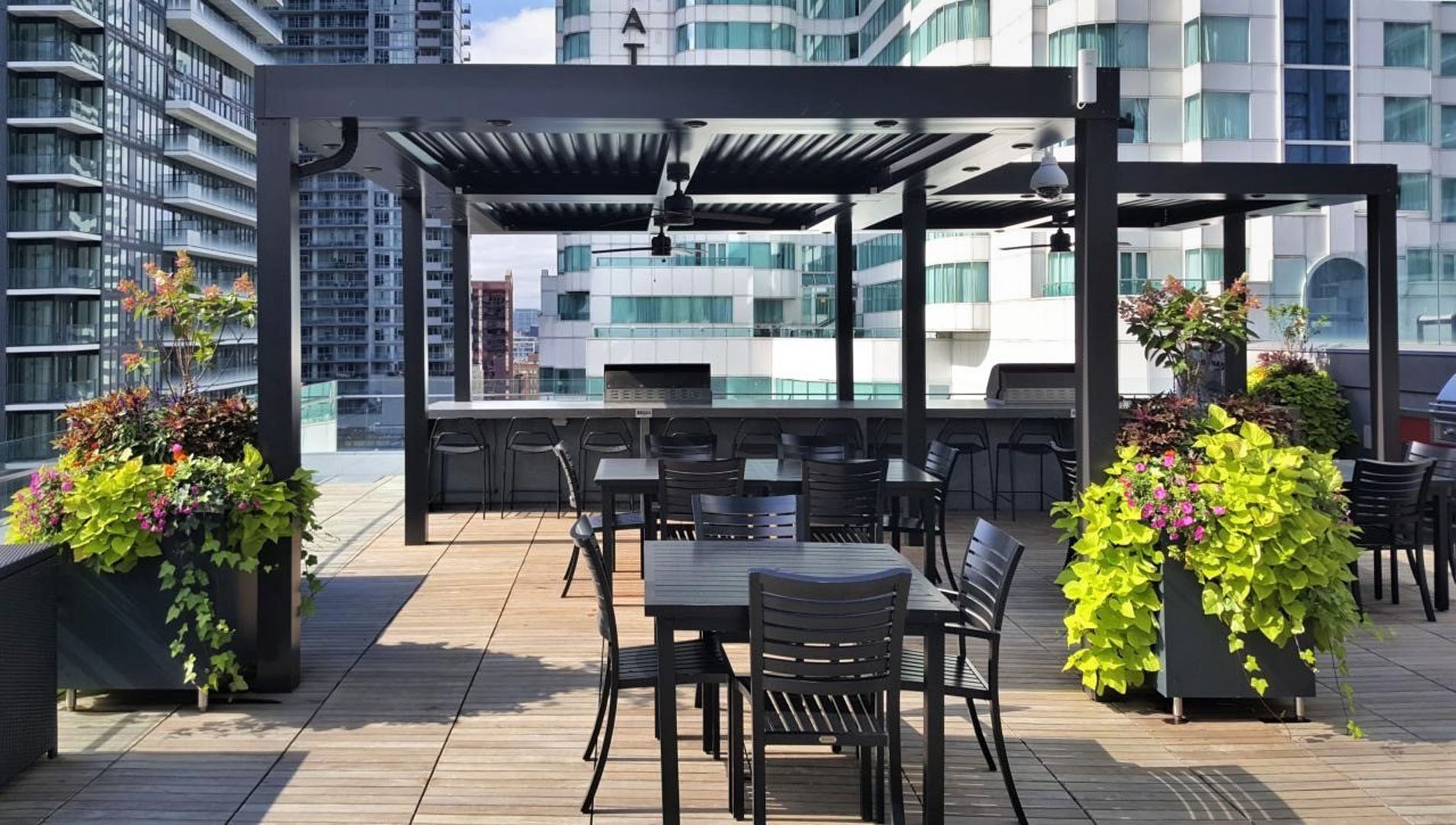
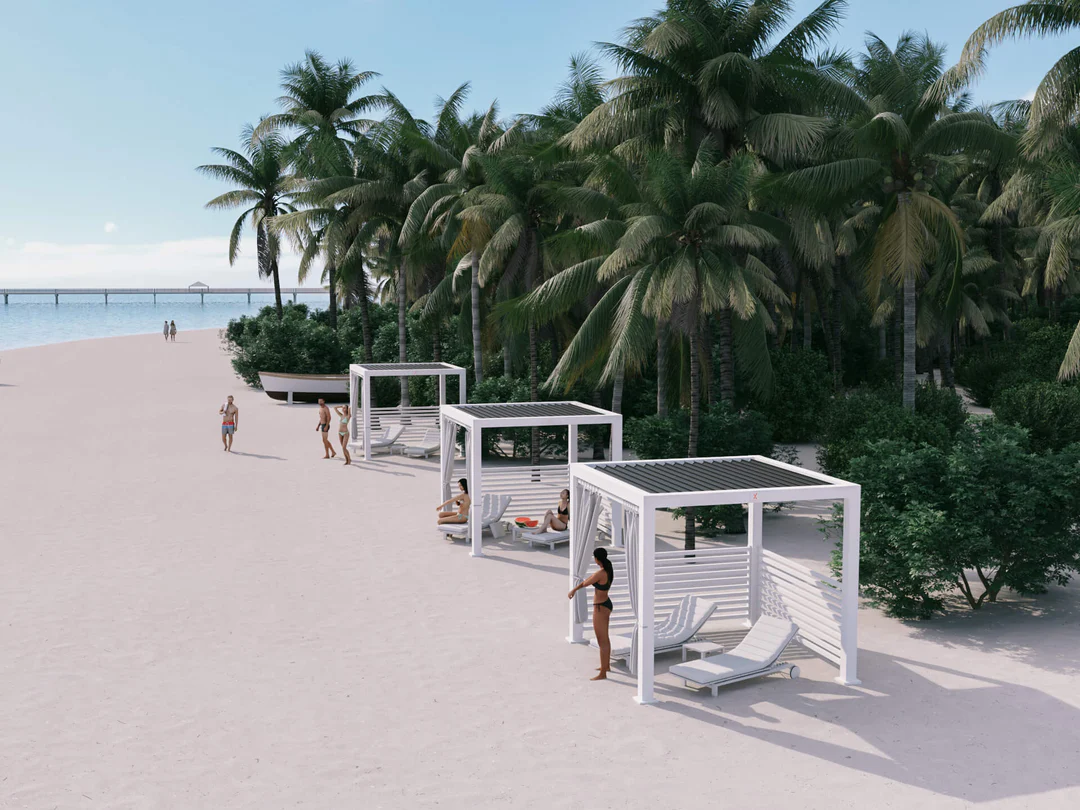
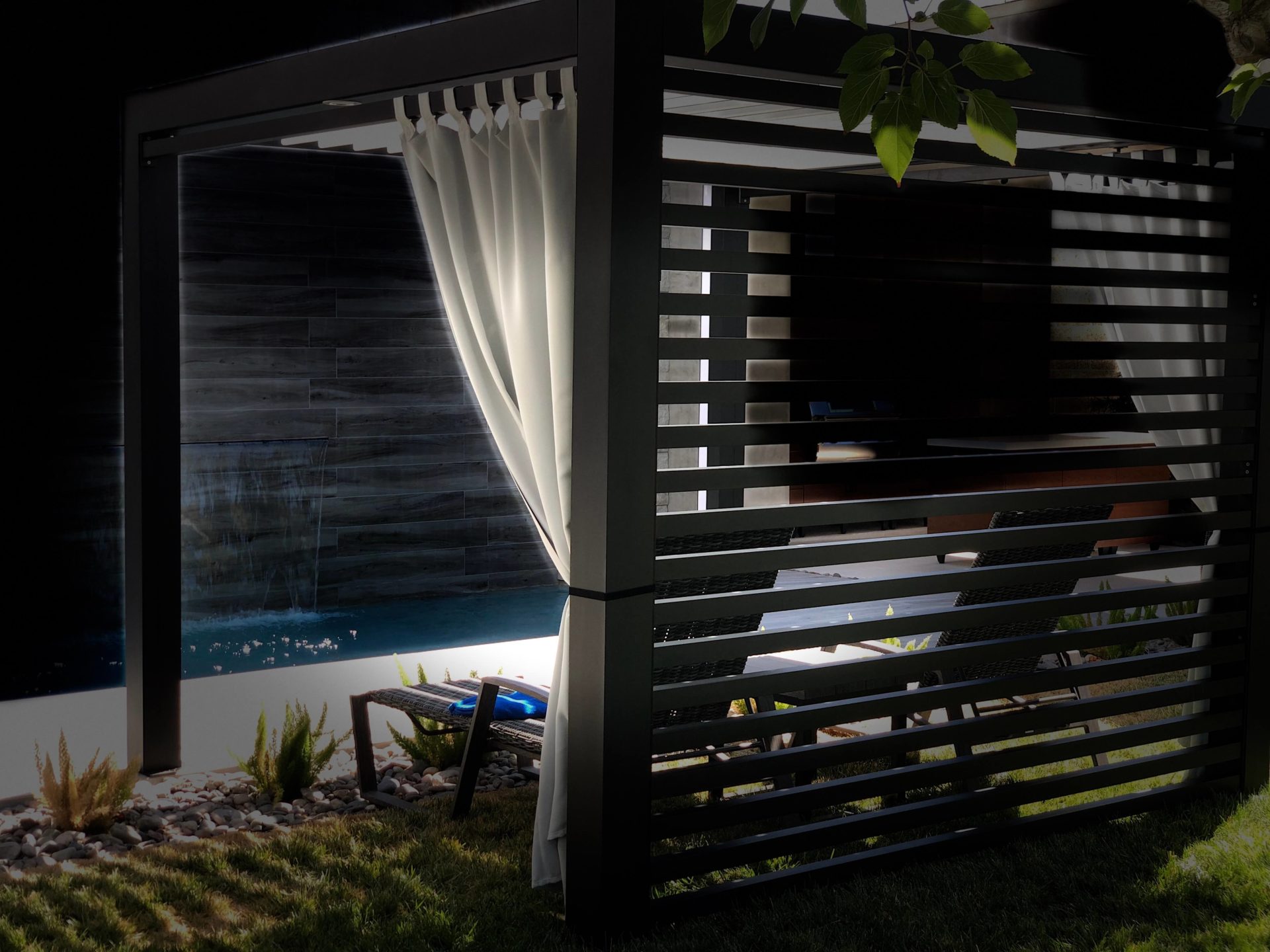
Golf’s residential properties shape outdoor living and shade structures around a gated golf-community character: a mix of single-family homes (roughly 1,000–5,000 sq ft), luxury estates, and condos or townhomes with lanais, terraces or balconies, often on gated lots adjacent to golf fairways. Backyard layouts commonly include private pools, courtyards and patios that orient to course views, driving pergola placement for sun and wind protection. Over 230 sunny days, tropical heat, rain and coastal breezes favor sturdy, hurricane-resistant pergolas, shaded terraces, integrated outdoor kitchens and HOA or setback rules that guide size, location and materials.
Climate, Sun, and Weather Considerations in Golf
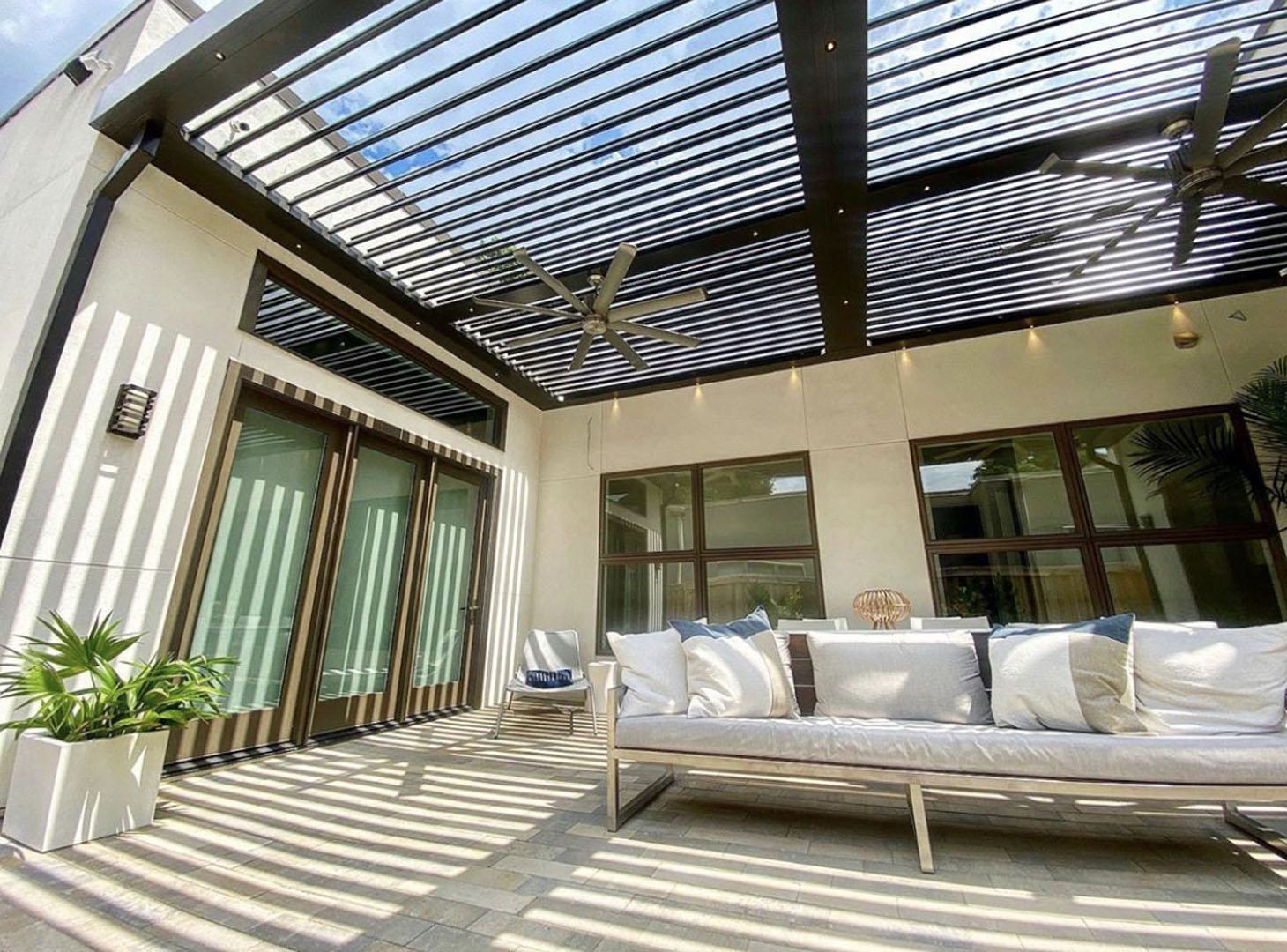
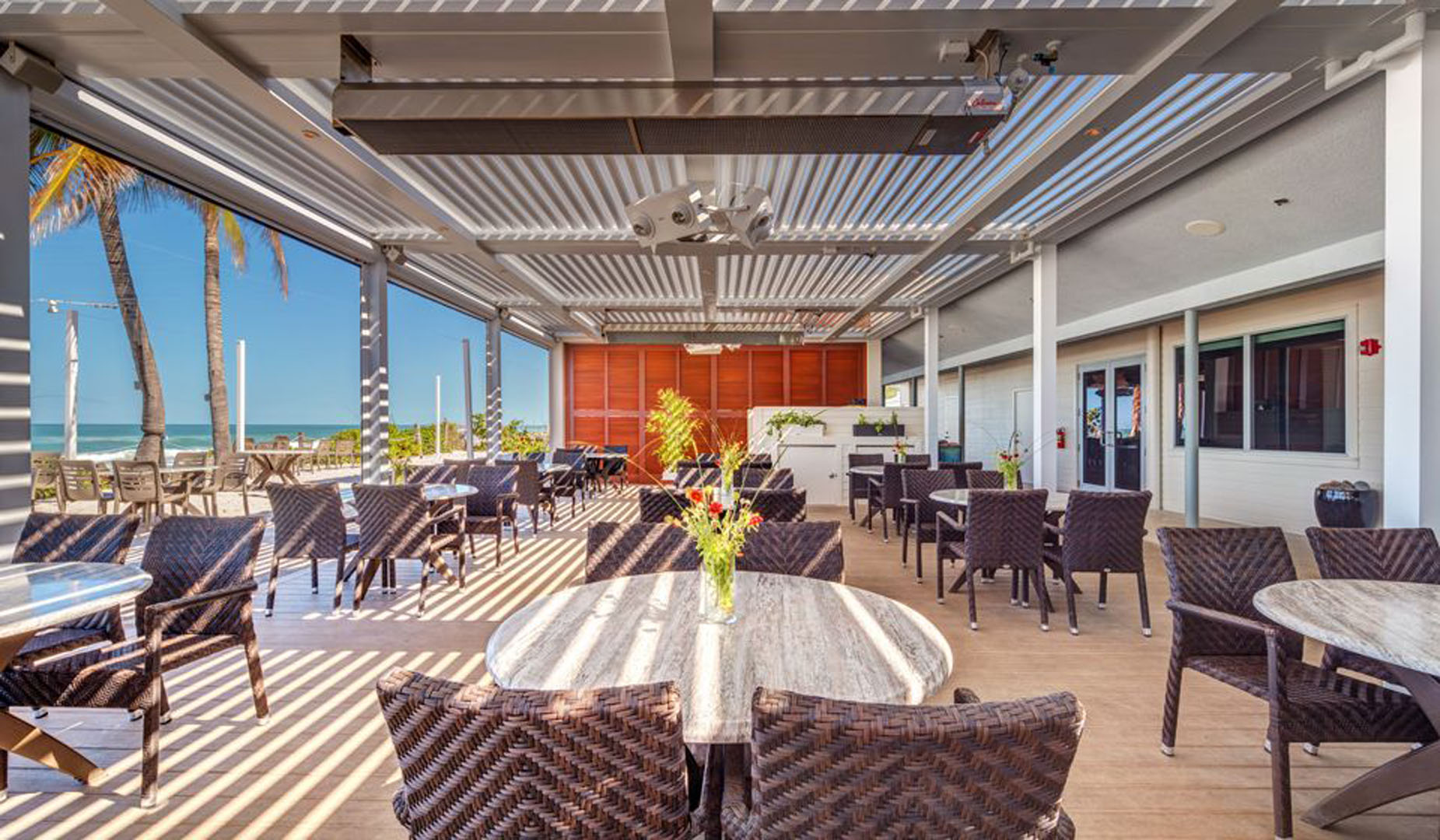
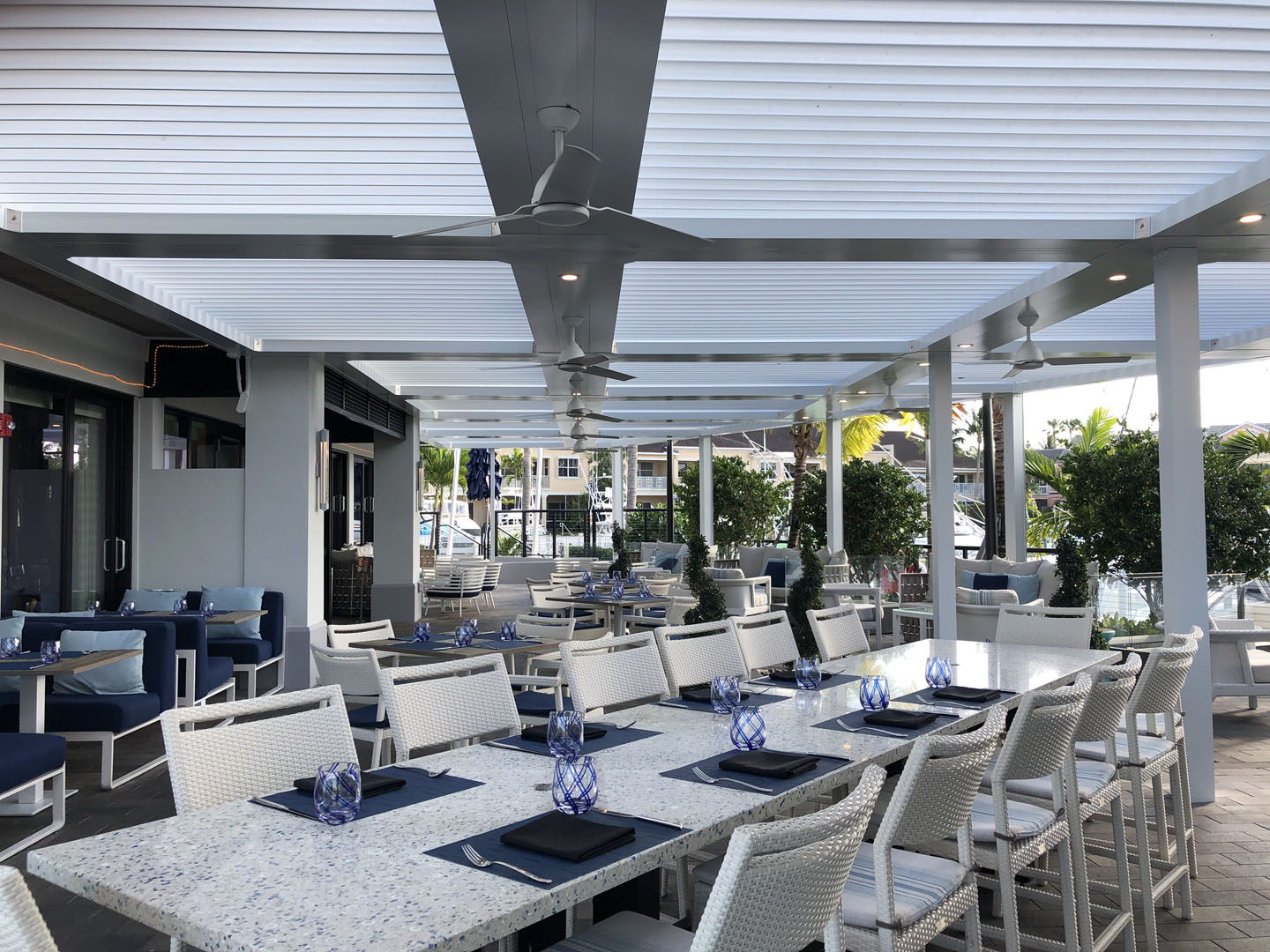
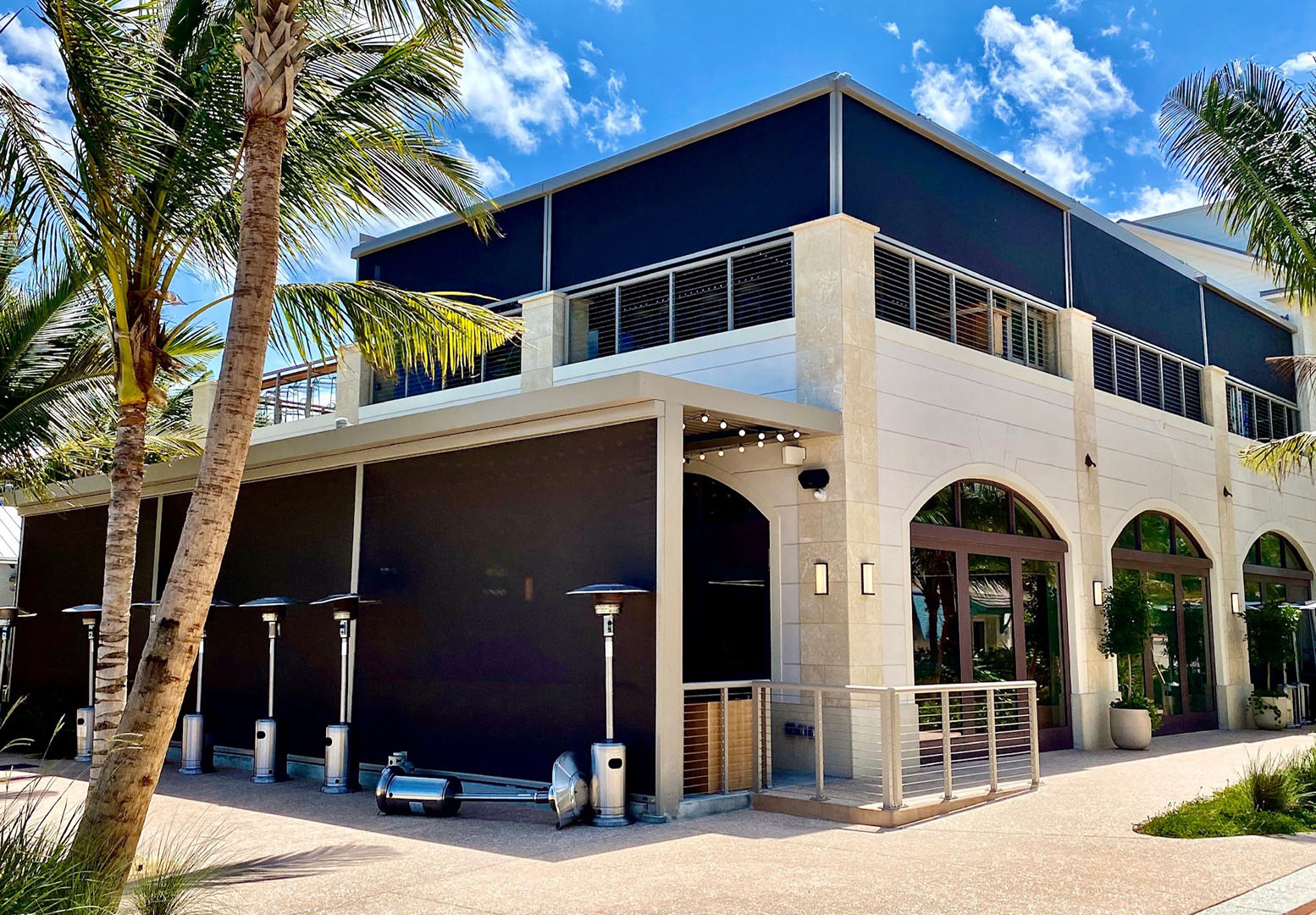
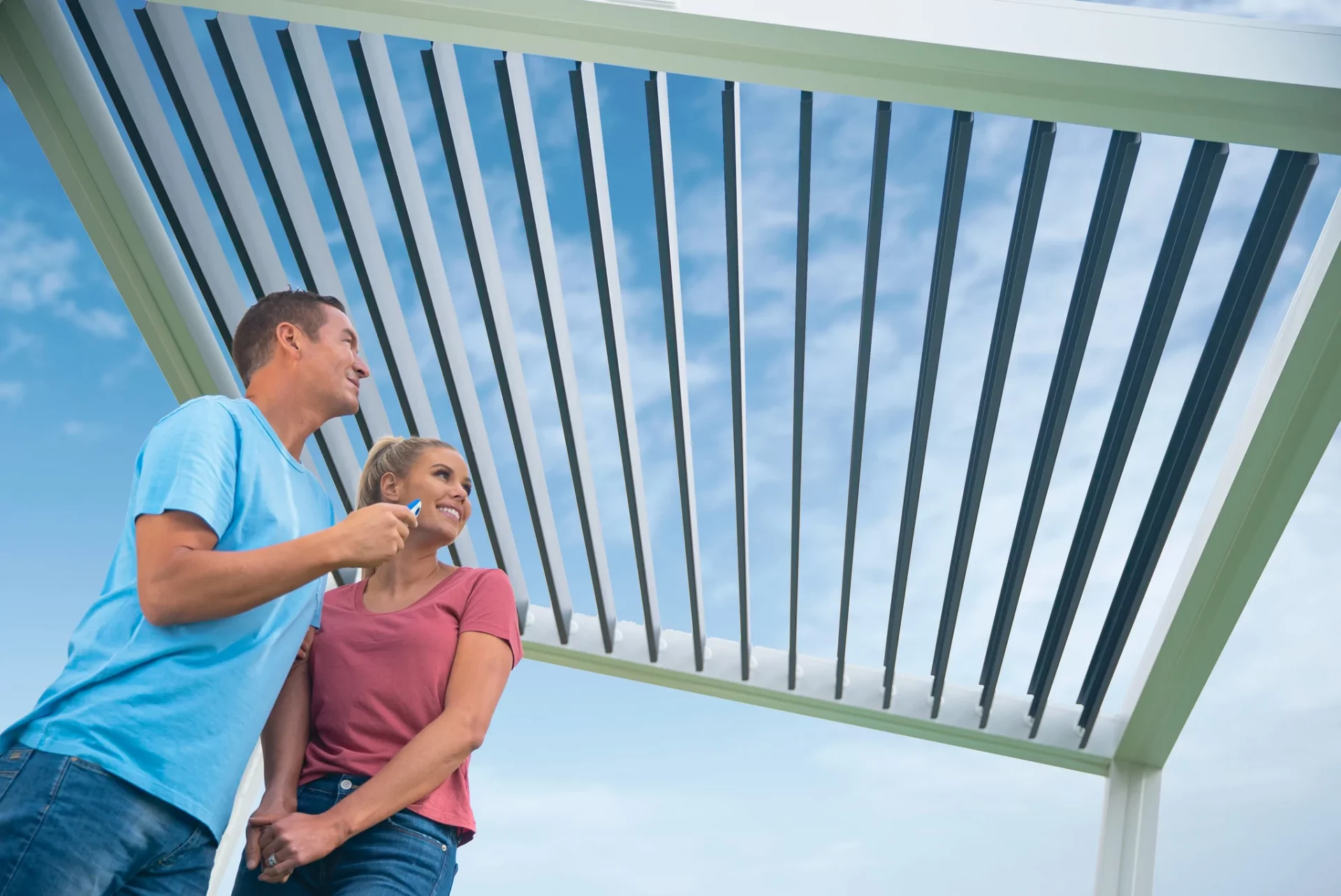
Golf shares South Florida’s subtropical climate: more than 230 sunny days annually, tropical heat, seasonal rain, and coastal winds. Those conditions raise solar heat gain and UV exposure, so outdoor living favors expansive shade—covered lanais, pergolas and awnings—and active cooling (misters, fans) for comfort. Wind and coastal exposure also shape structural choices: wind-rated assemblies, impact-rated glass and doors, corrosion-resistant finishes and adequate drainage to withstand storms and heavy downpours. In practice, intense sun and heat drive shade and cooling needs while rain and wind require durable, code-compliant construction to keep outdoor amenities comfortable and usable year-round.
Why Golf Is Ideal for Outdoor Living
Golf’s year-round sunshine and resort lifestyle, with resident routines centered on golf, tennis, pickleball and alfresco dining, naturally encourage patios, pergolas and covered outdoor rooms; typical homes—single-family houses, luxury estates, condos with lanais, private pools and golf-course views—provide the lot sizes and sightlines that make outdoor upgrades functional and aesthetic; tropical heat, frequent rain and coastal winds drive demand for shade structures, outdoor cooling, impact glass and resilient pergola designs; and gated privacy plus community amenities make covered outdoor spaces ideal for social events, outdoor kitchens and relaxed, year-round living.
Outdoor Living and Home Upgrade FAQ
What climate factors should influence outdoor upgrades in Golf? Regional factors—about 230 sunny days per year, tropical heat, heavy rain and coastal winds—favor shade, durable materials, impact-rated glazing and outdoor cooling.
What property layouts are typical in this golf community? Single-family homes (1,000–5,000 sq ft), luxury estates, condos and townhomes with lanais, private pools and courtyards on gated lots adjacent to fairways.
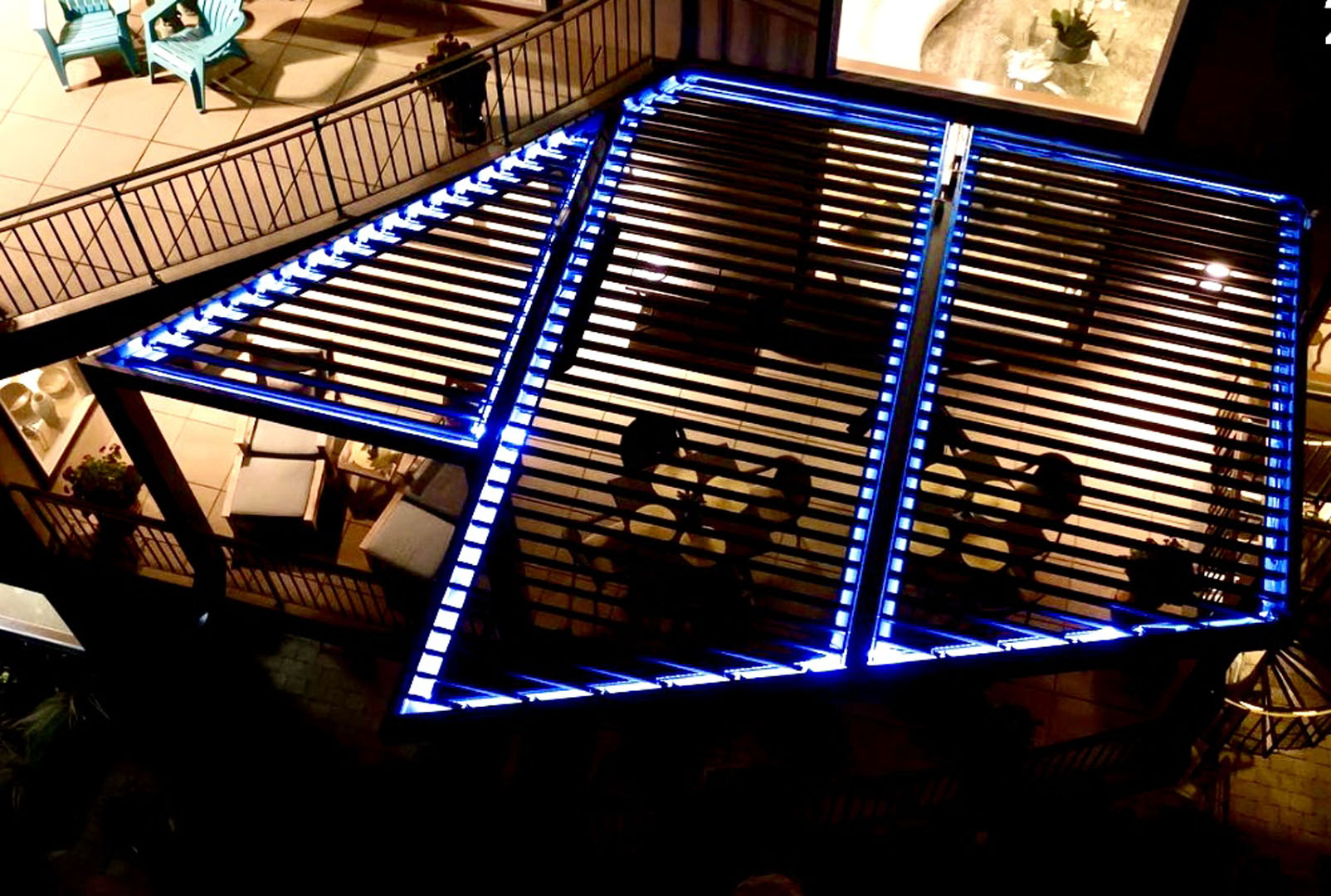
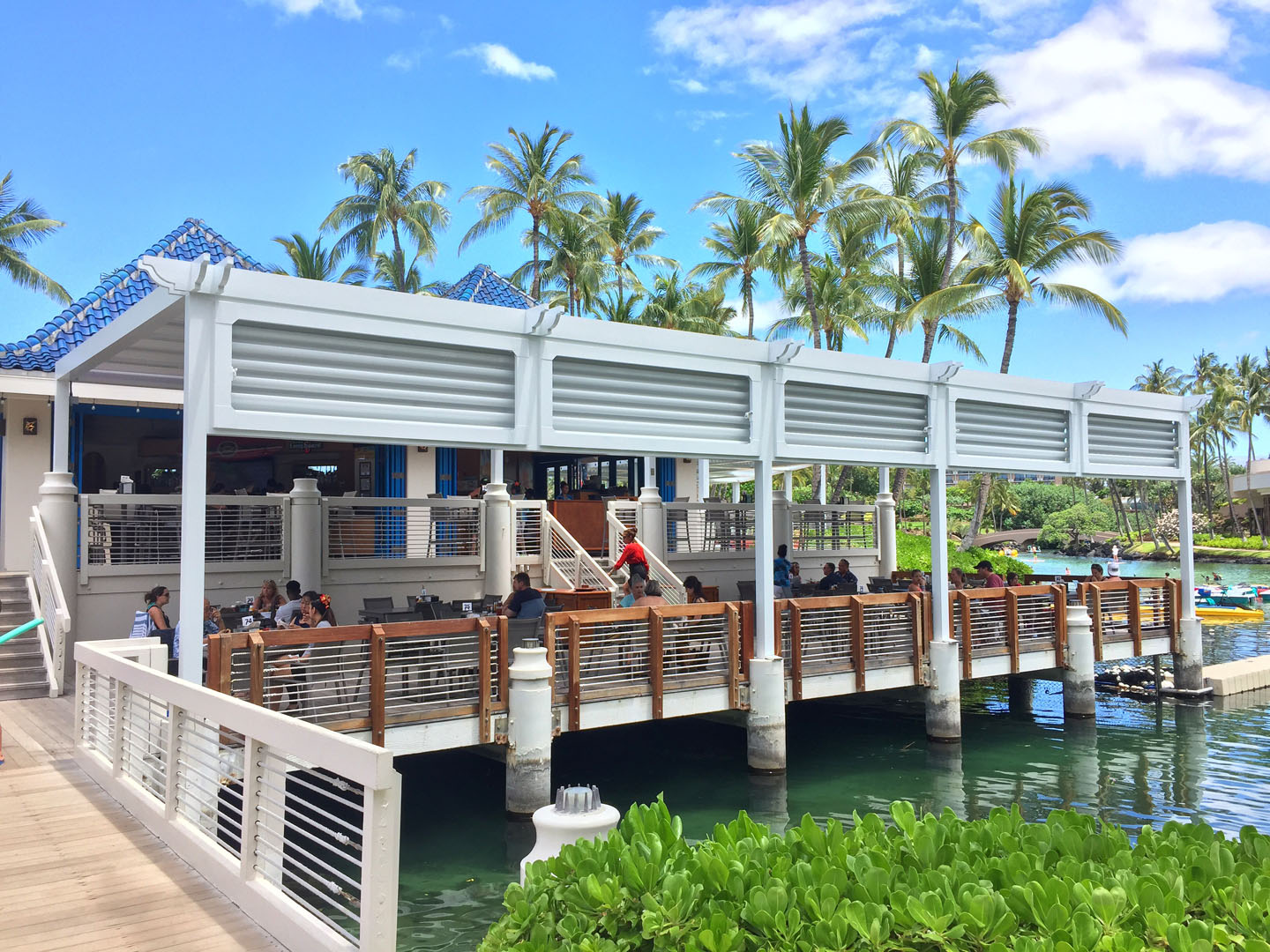
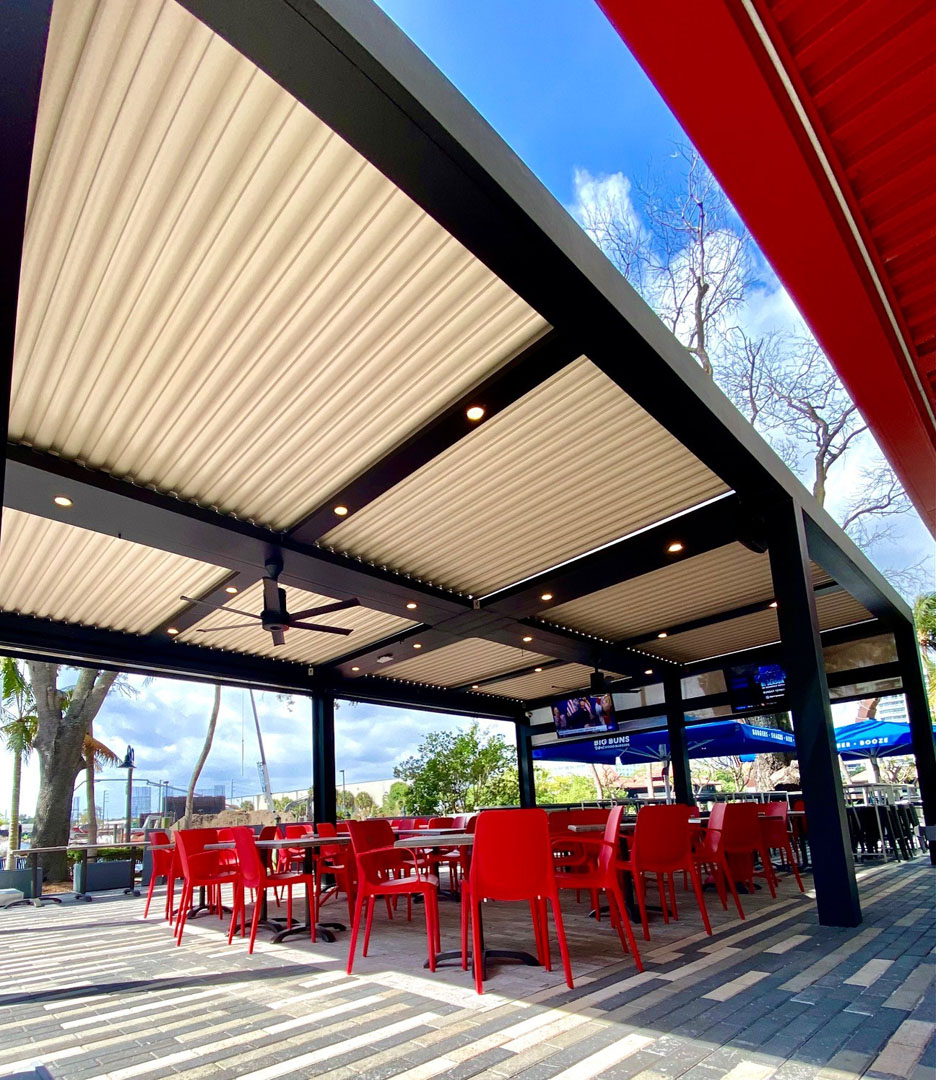
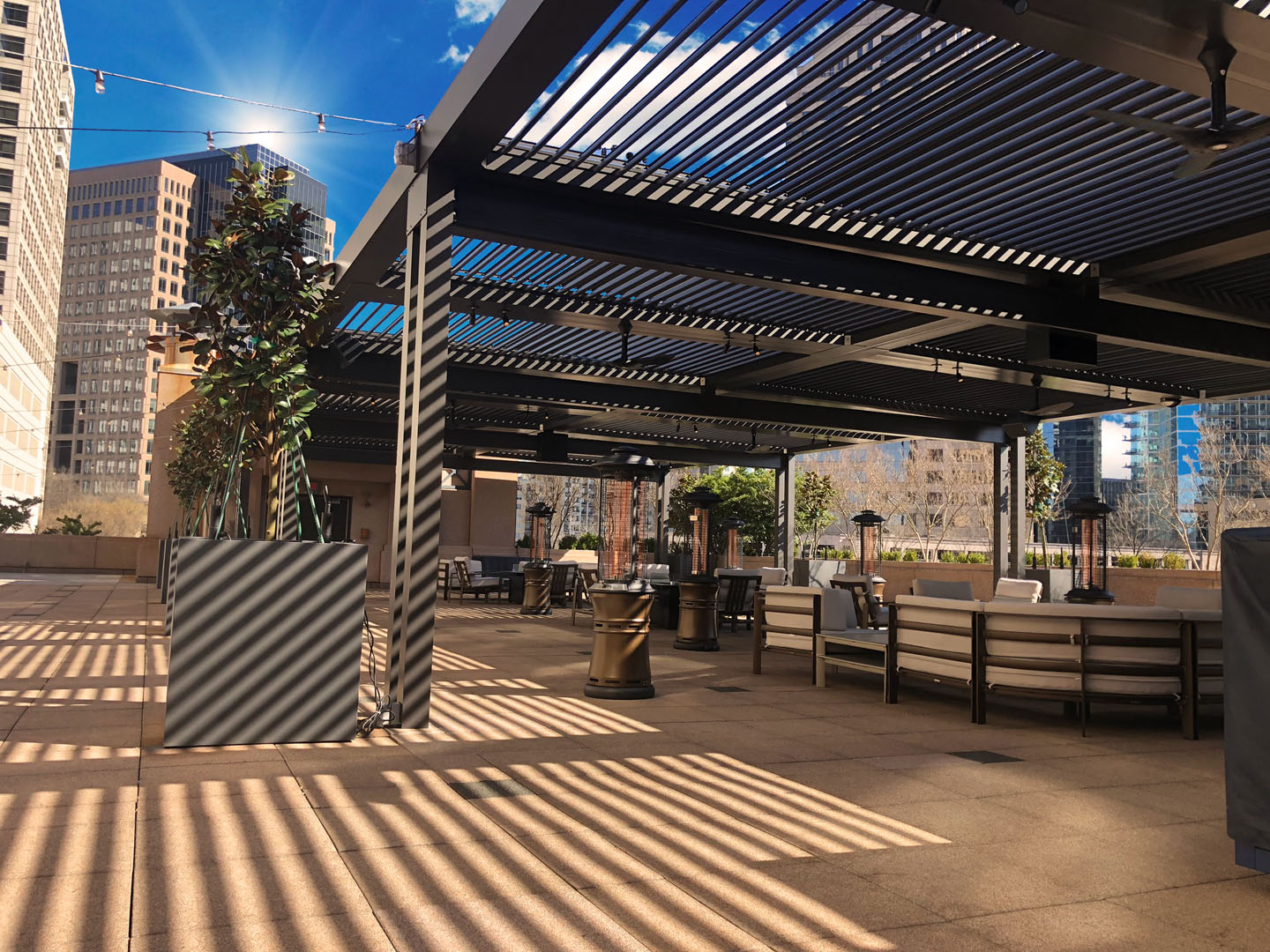
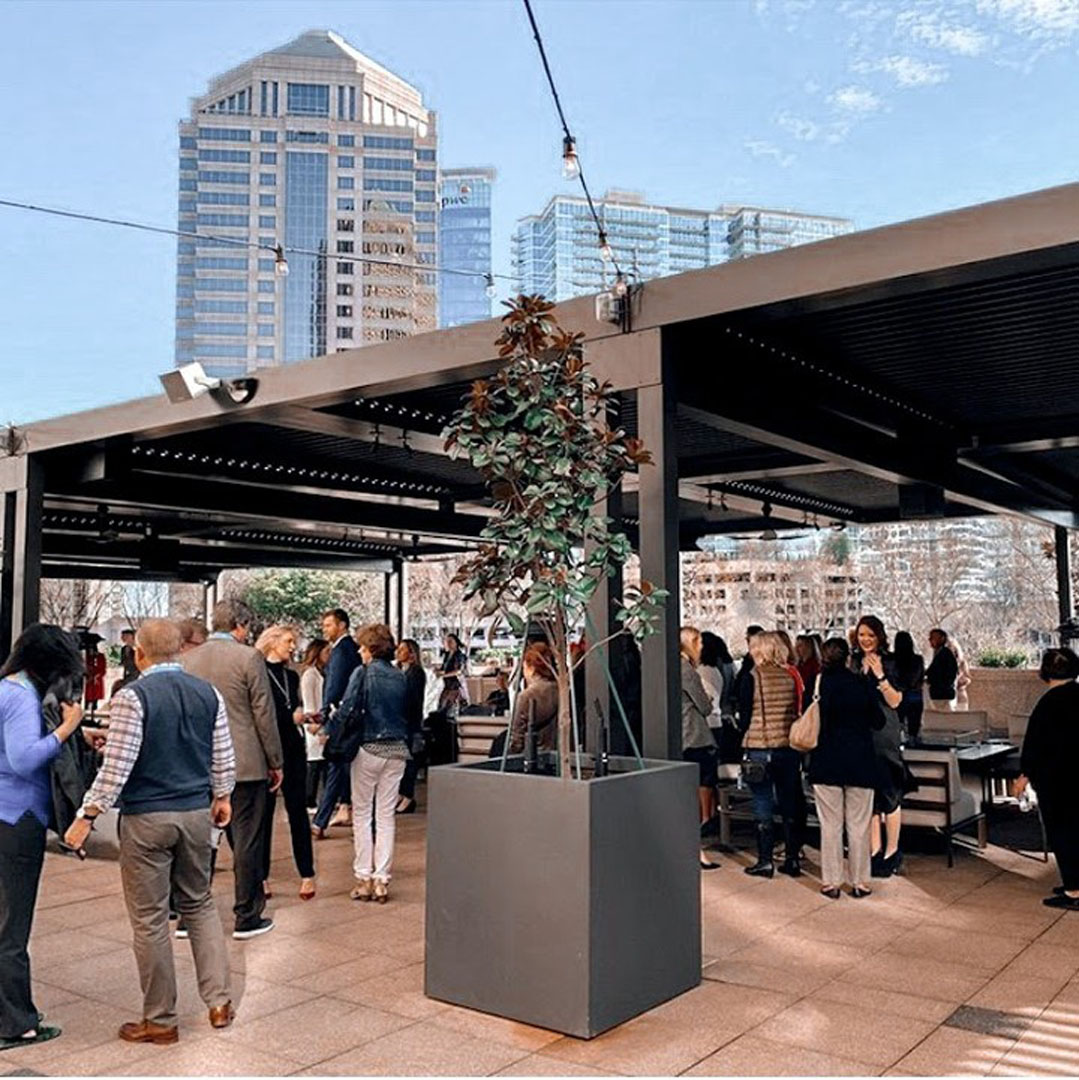
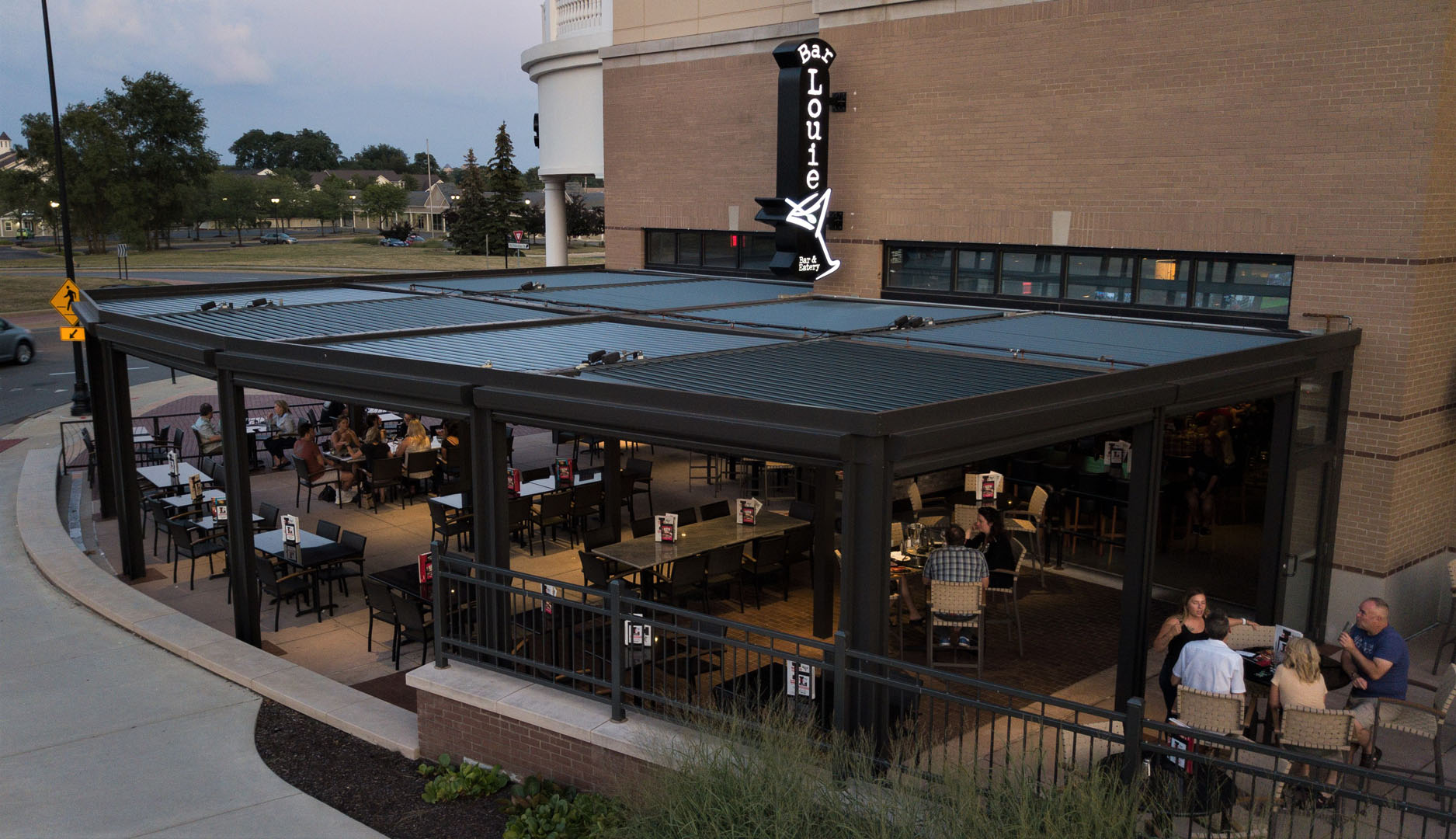
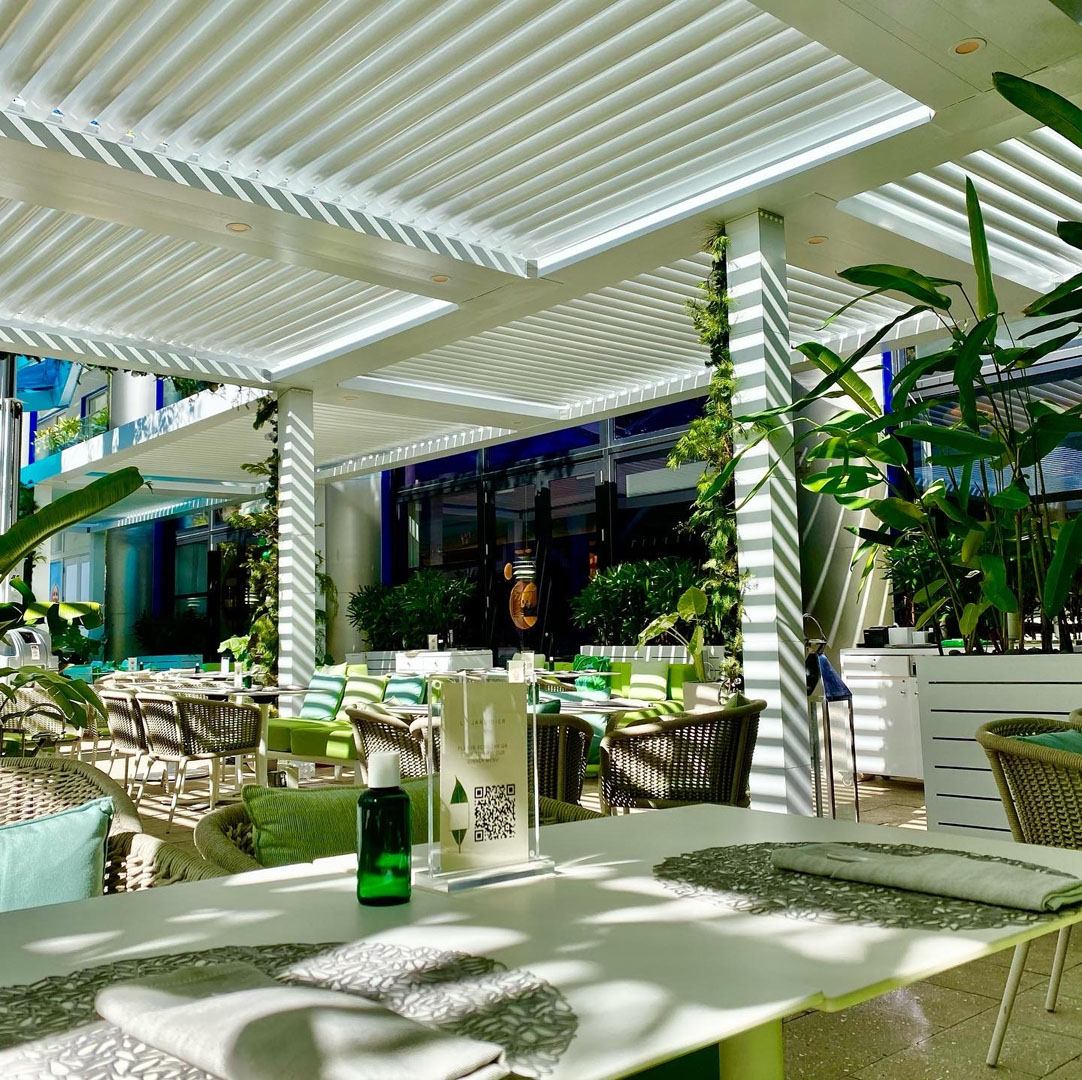
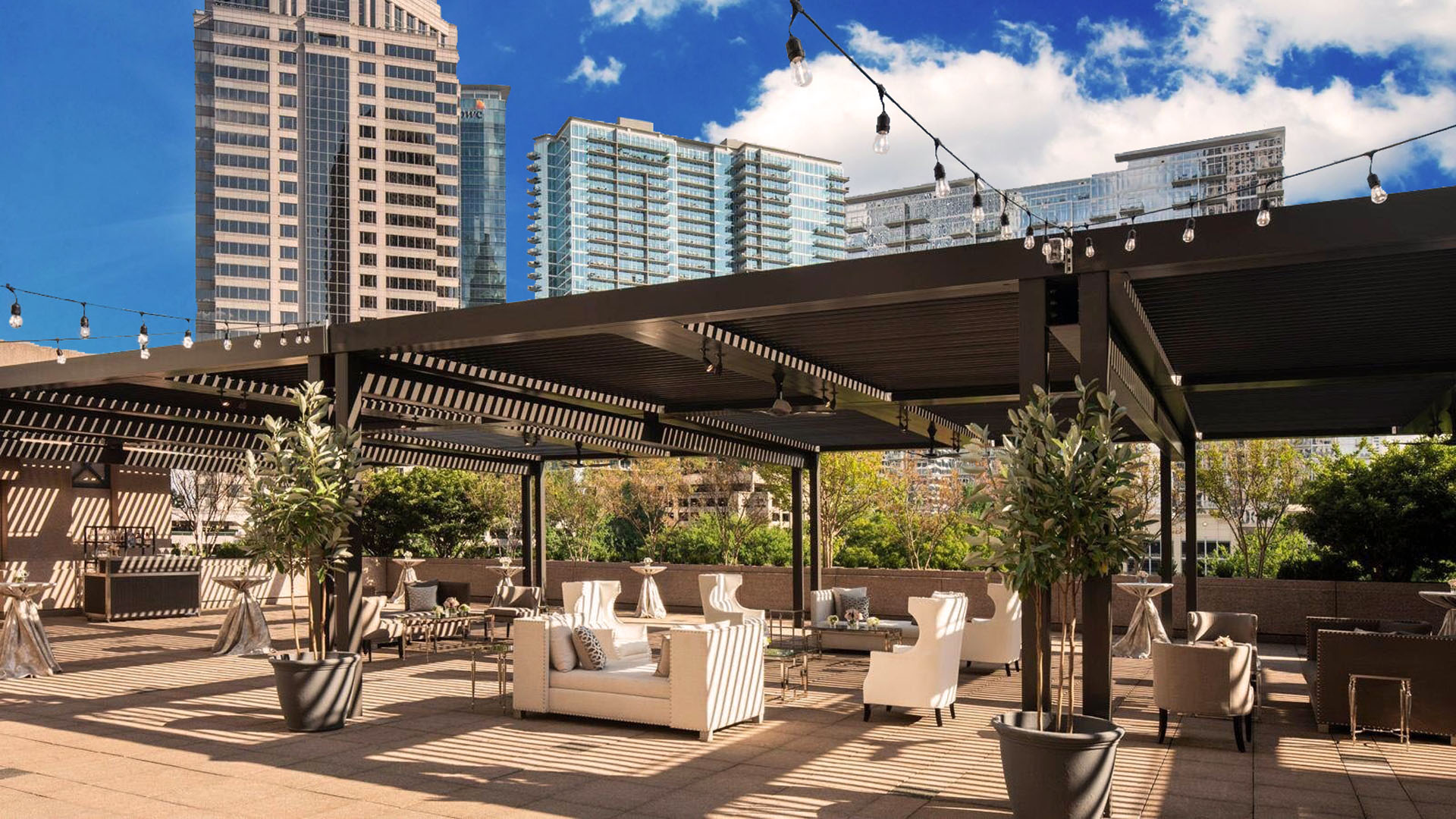
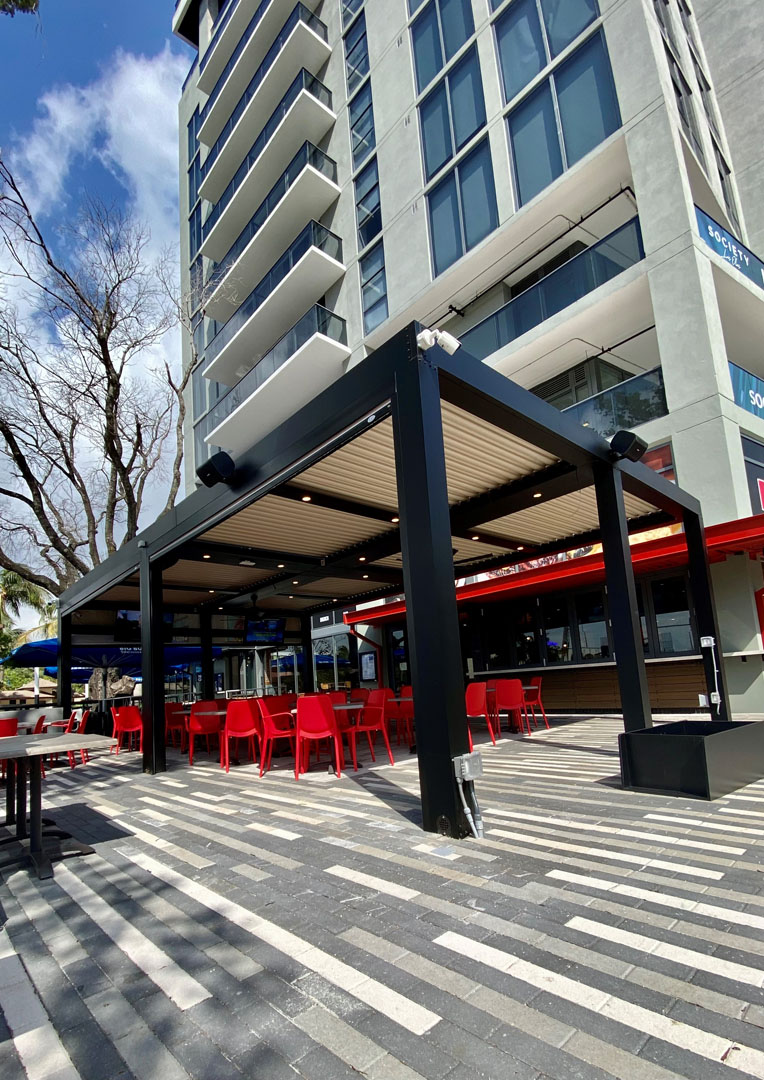
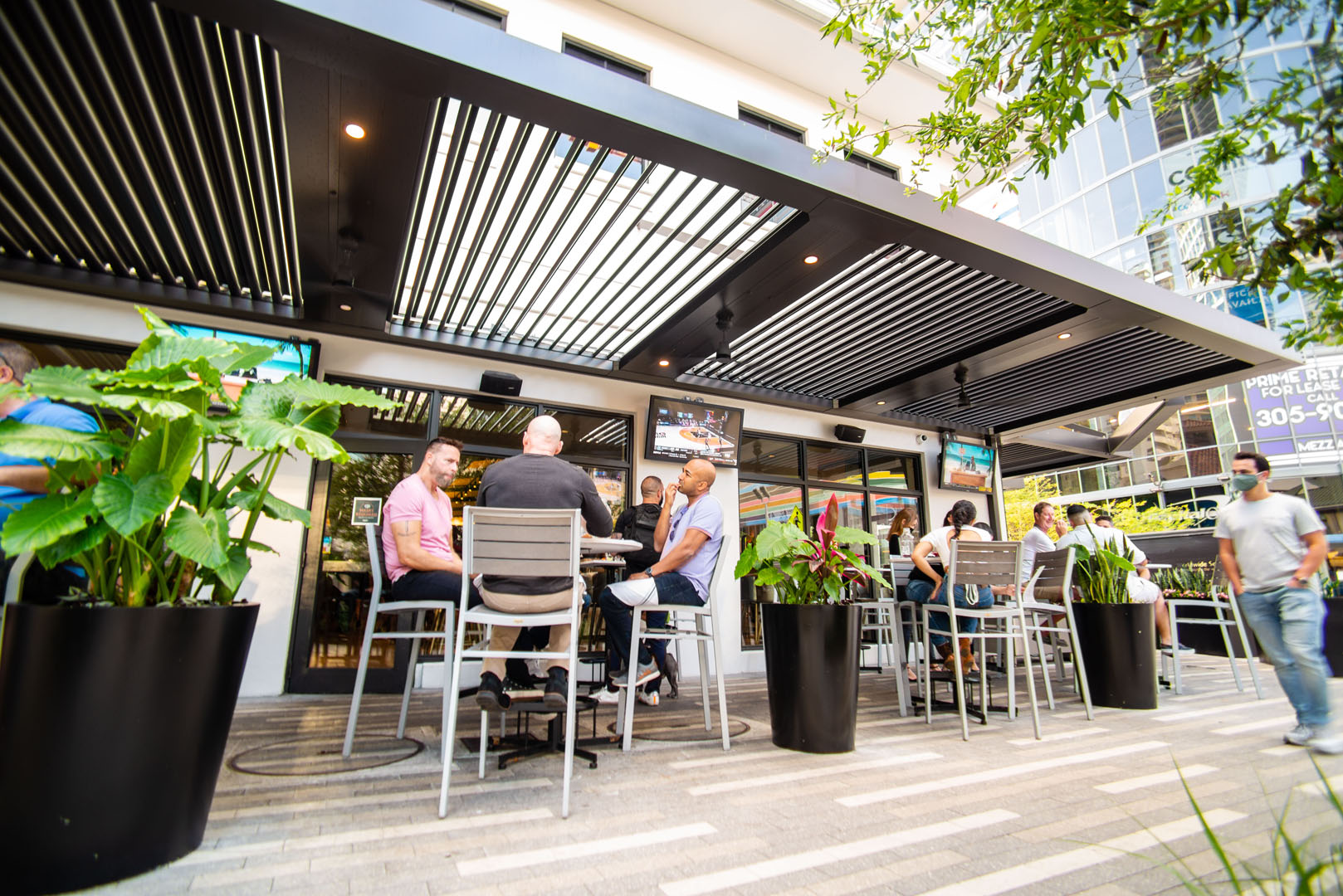
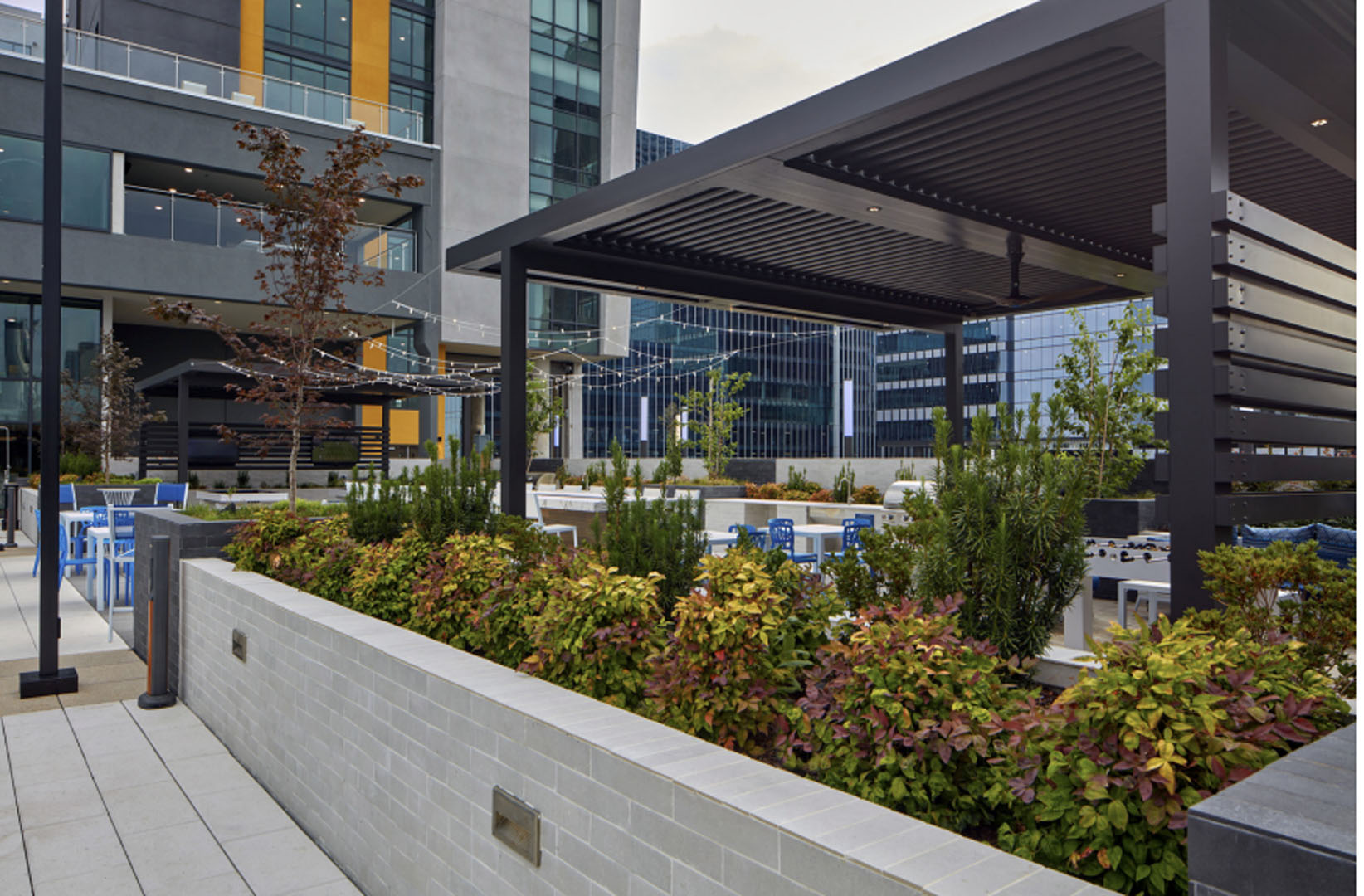
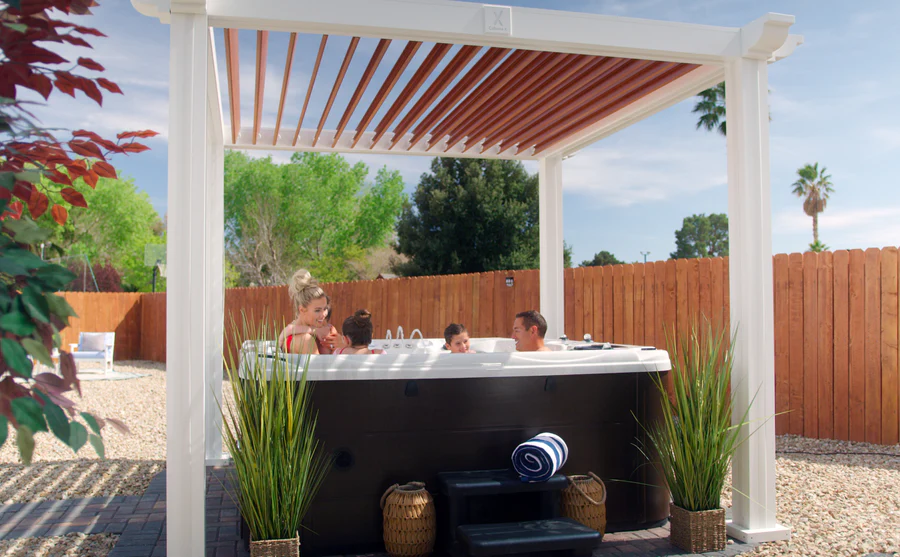
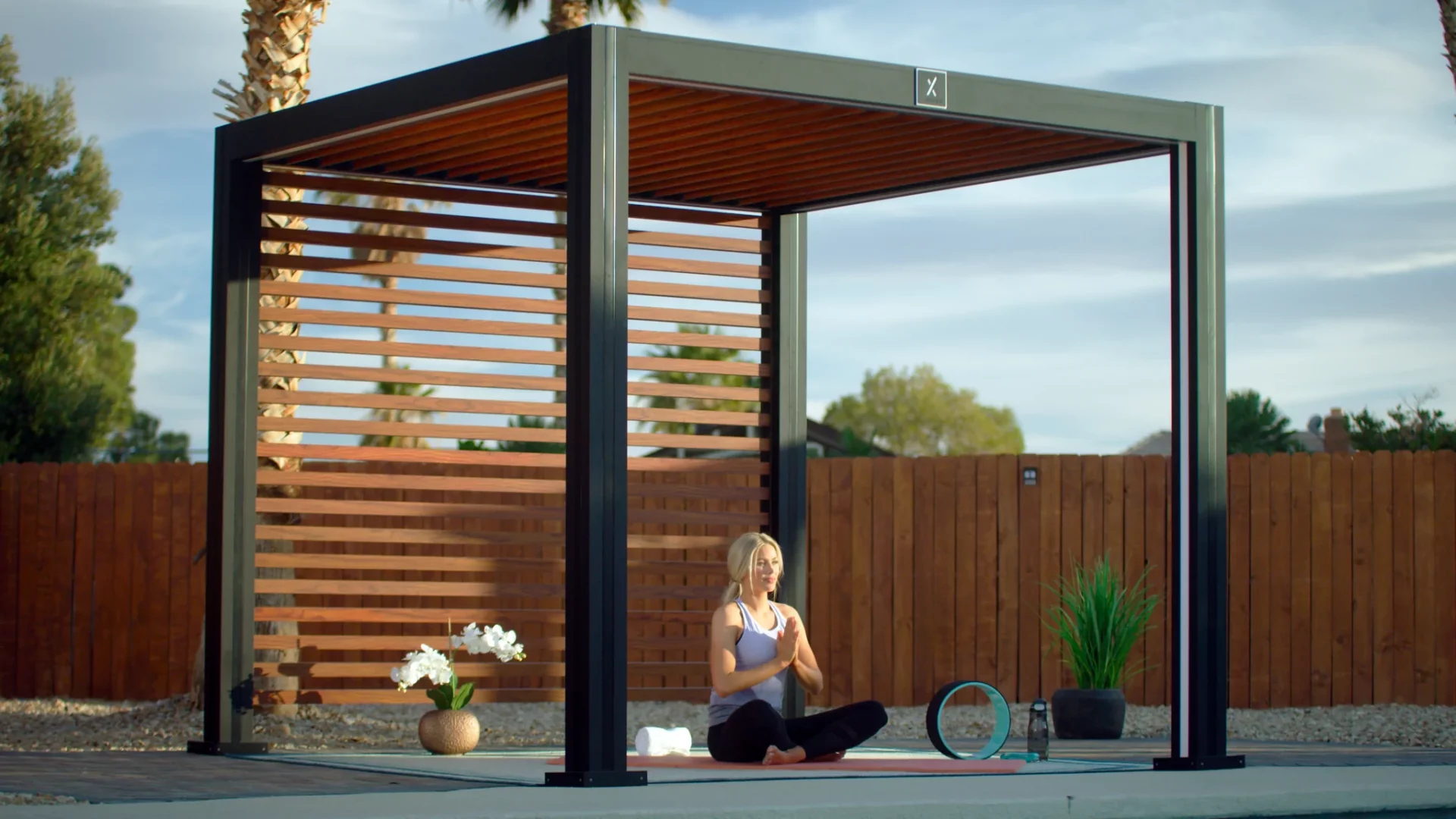
Are pergolas or covered structures suitable here? Yes. Pergolas and covered patios are common; design should address hurricane resistance, sun shading and HOA or club rules.
What approvals should homeowners consider? Check HOA and club rules before installing kitchens, pergolas or pools.
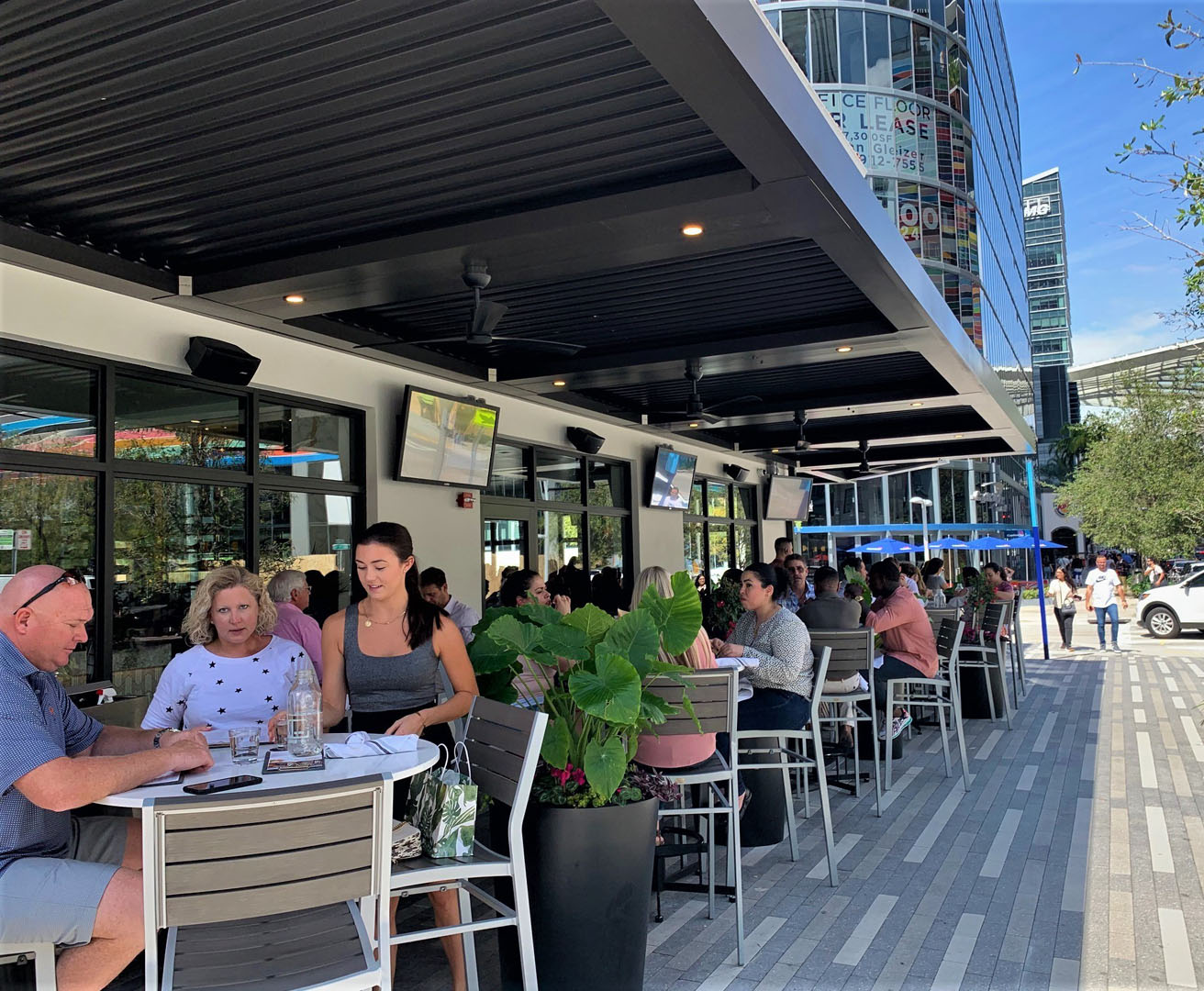
How do covered structures improve outdoor use? They provide shade and rain protection that extend poolside, terrace and course-view living year-round.