
Outdoor Living and Local Environment in Delray Beach
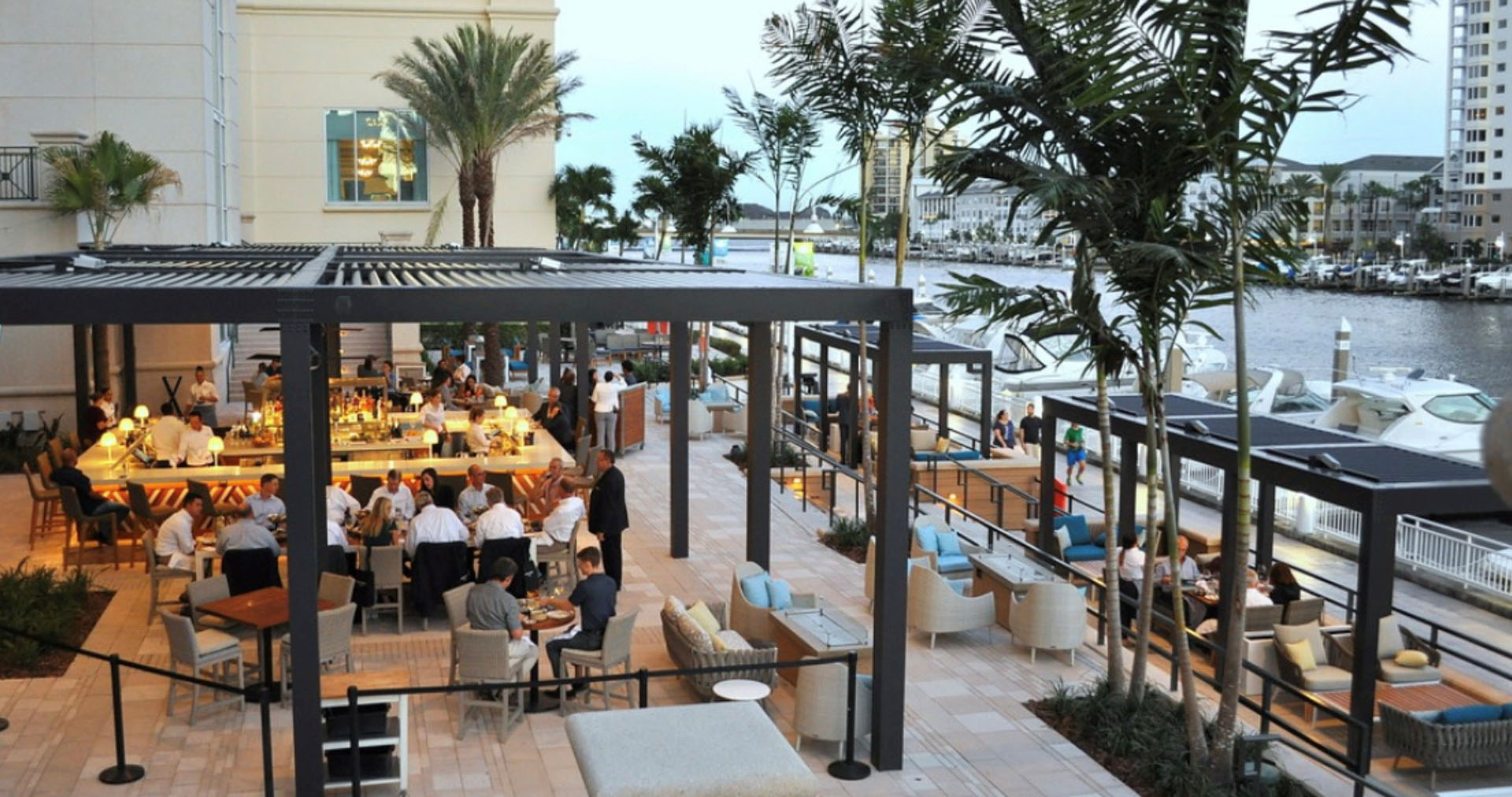
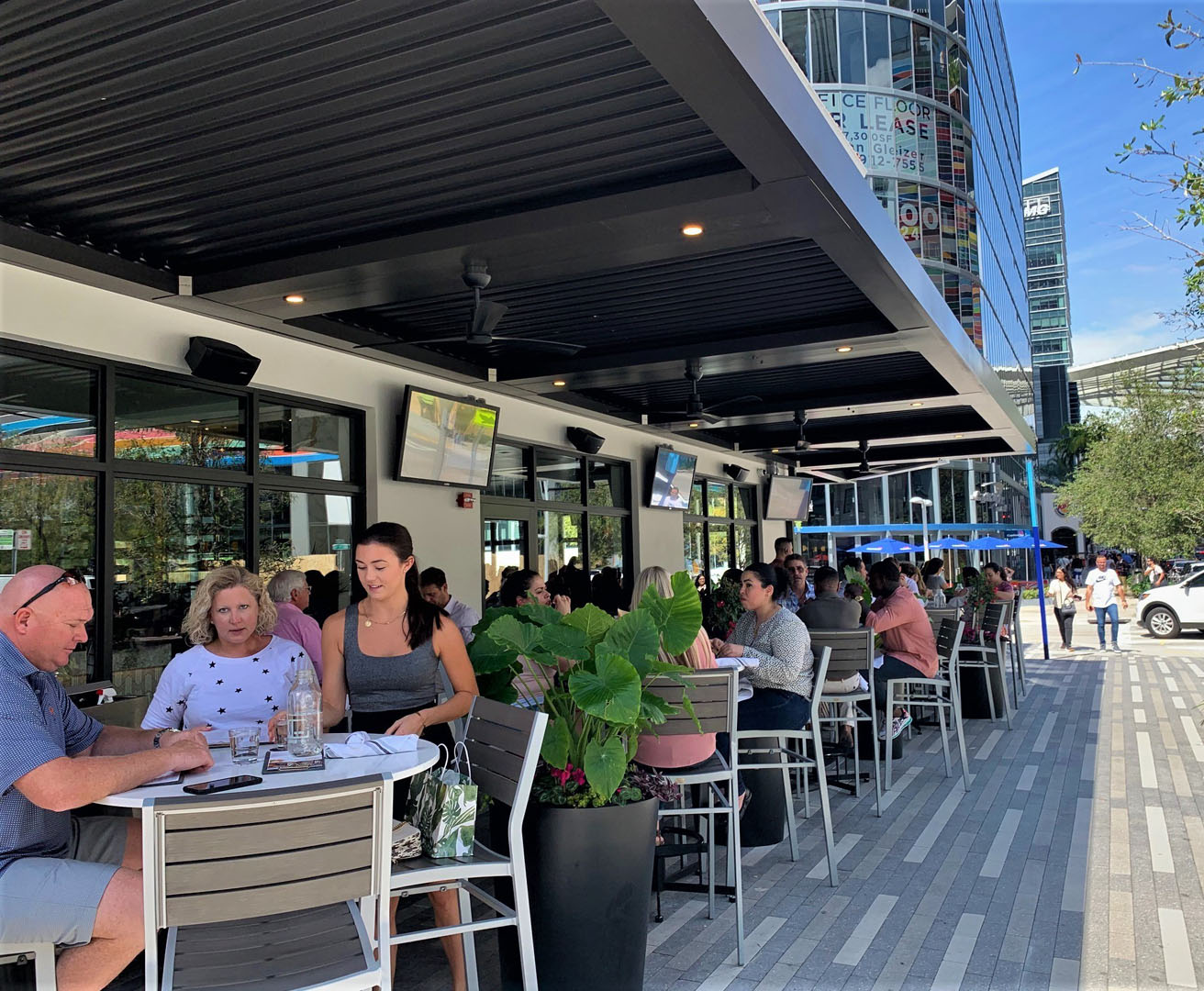
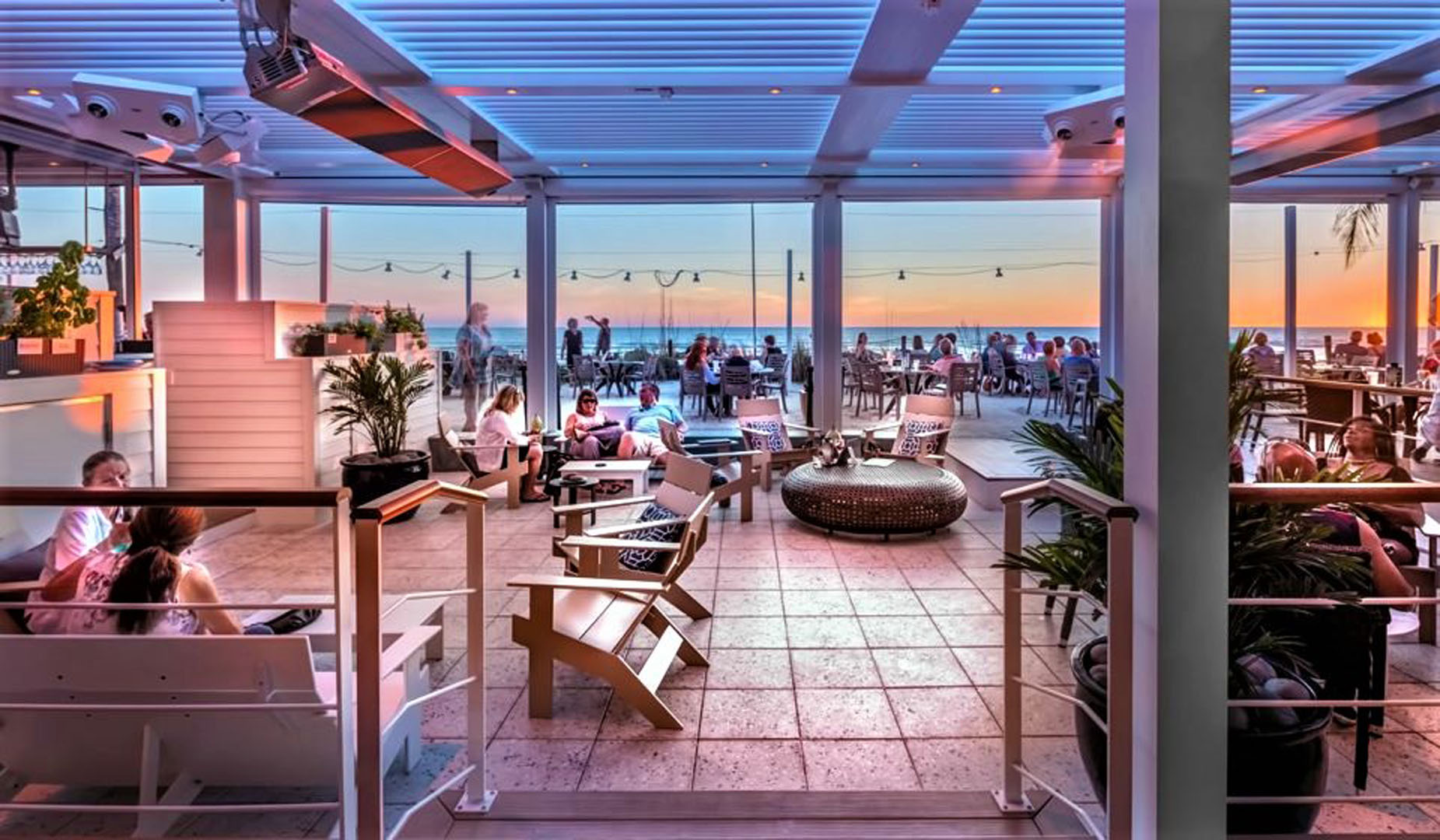
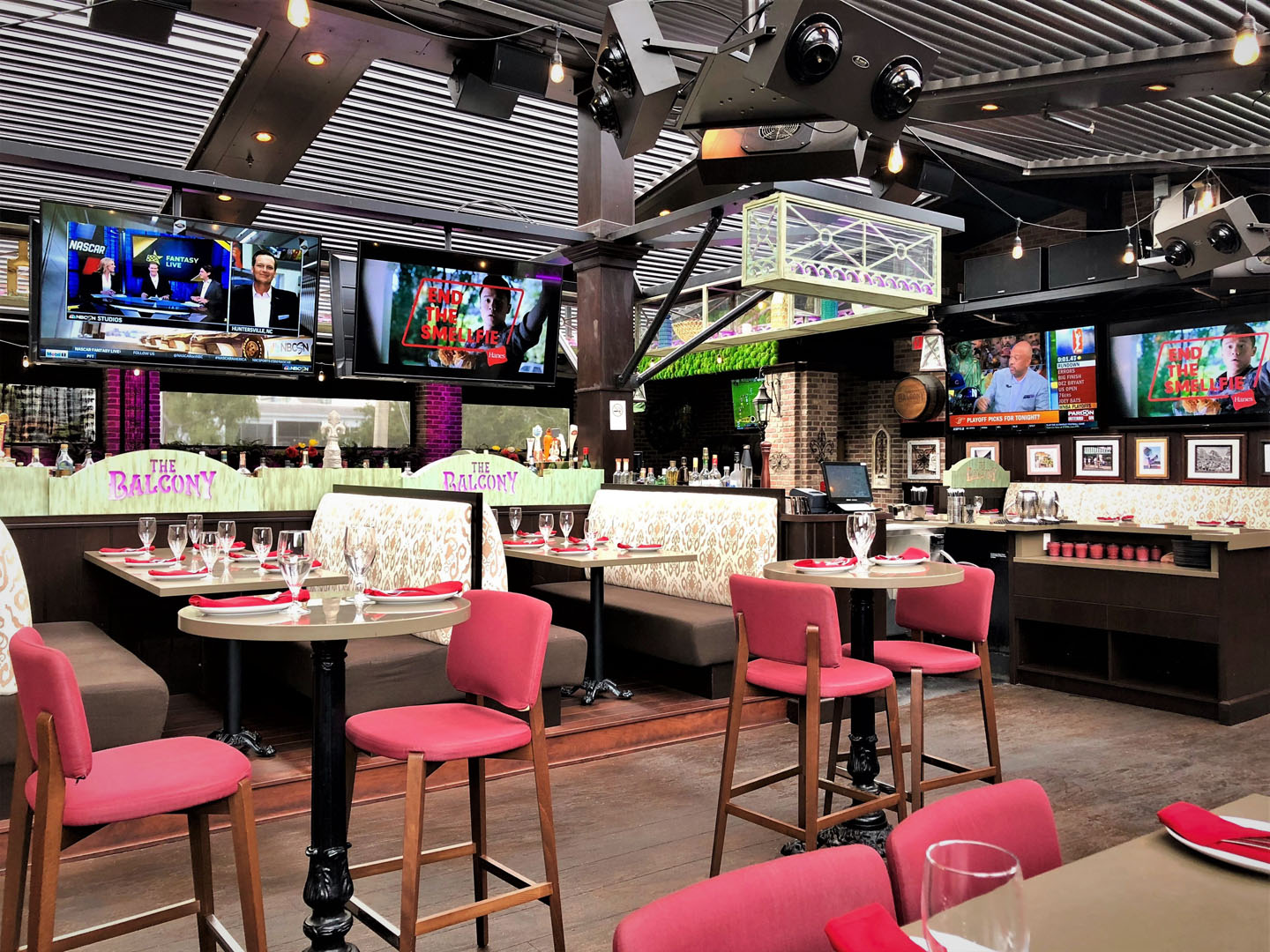
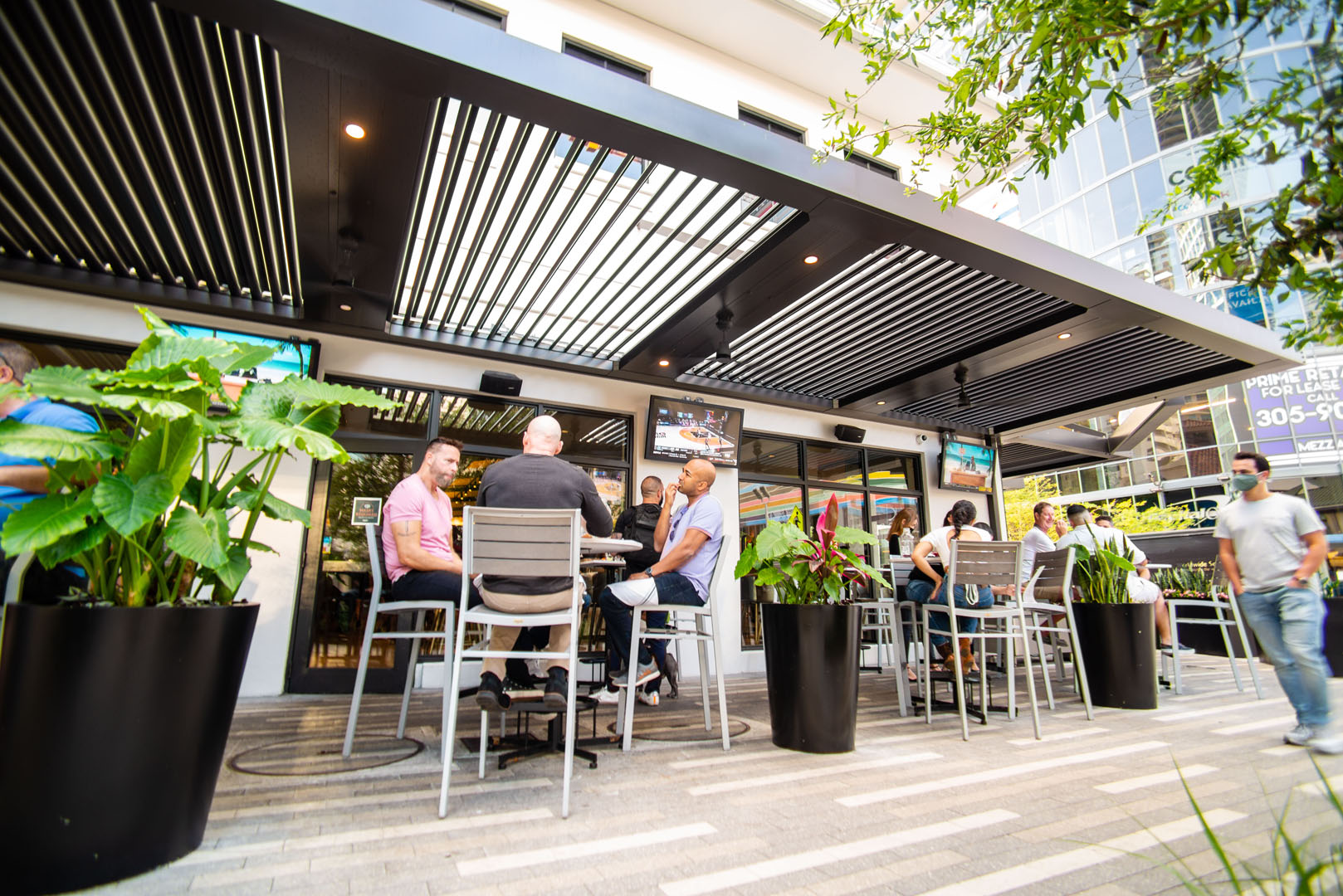
In Delray Beach, outdoor living is woven into daily life—residents spill from kitchens onto patios, terraces, balconies and backyards for al fresco meals, socializing and quiet relaxation, while waterfront owners move easily between private docks and beach days spent surfing, paddleboarding, swimming or casual sunbathing at Delray Municipal Beach; downtown Atlantic Avenue adds year-round outdoor dining, shopping and street life. Neighborhood parks, biking paths, boating facilities and nearby golf courses extend activity beyond the shore, with winter (November–April) the peak season for events and full outdoor use and summer afternoons favoring shaded, covered spaces due to heat, humidity and storms. Homeowners commonly design resilient, hurricane-resistant, corrosion-resistant outdoor structures and shading to withstand coastal salt air and seasonal weather while enjoying almost year-round outdoor living.
Outdoor Activities, Amenities, and Lifestyle Patterns
Delray Beach residents lead an outdoor-oriented life anchored by Delray Municipal Beach and the walkable Atlantic Avenue corridor, where surfing lessons, paddleboarding, swimming, year-round outdoor dining, shopping and casual beachside socializing are common. Beyond the shore people use parks, biking paths, boating facilities, 47 miles of beaches, 150+ golf courses and wildlife sanctuaries for recreation and entertaining; many homes offer large backyards or easy waterfront access for alfresco gatherings. Seasonal rhythms shape behavior: November–April is peak outdoor use and events, while summer brings quieter beaches, afternoon thunderstorms and a need for shaded or covered spaces; hurricane season also drives resilient, corrosion-resistant design. City investments—Pompey Park upgrades, a municipal golf course renovation and major infrastructure projects—further encourage outdoor living and appeal, especially to retirees.
Residential Property Characteristics of Delray Beach Affecting Outdoor Living
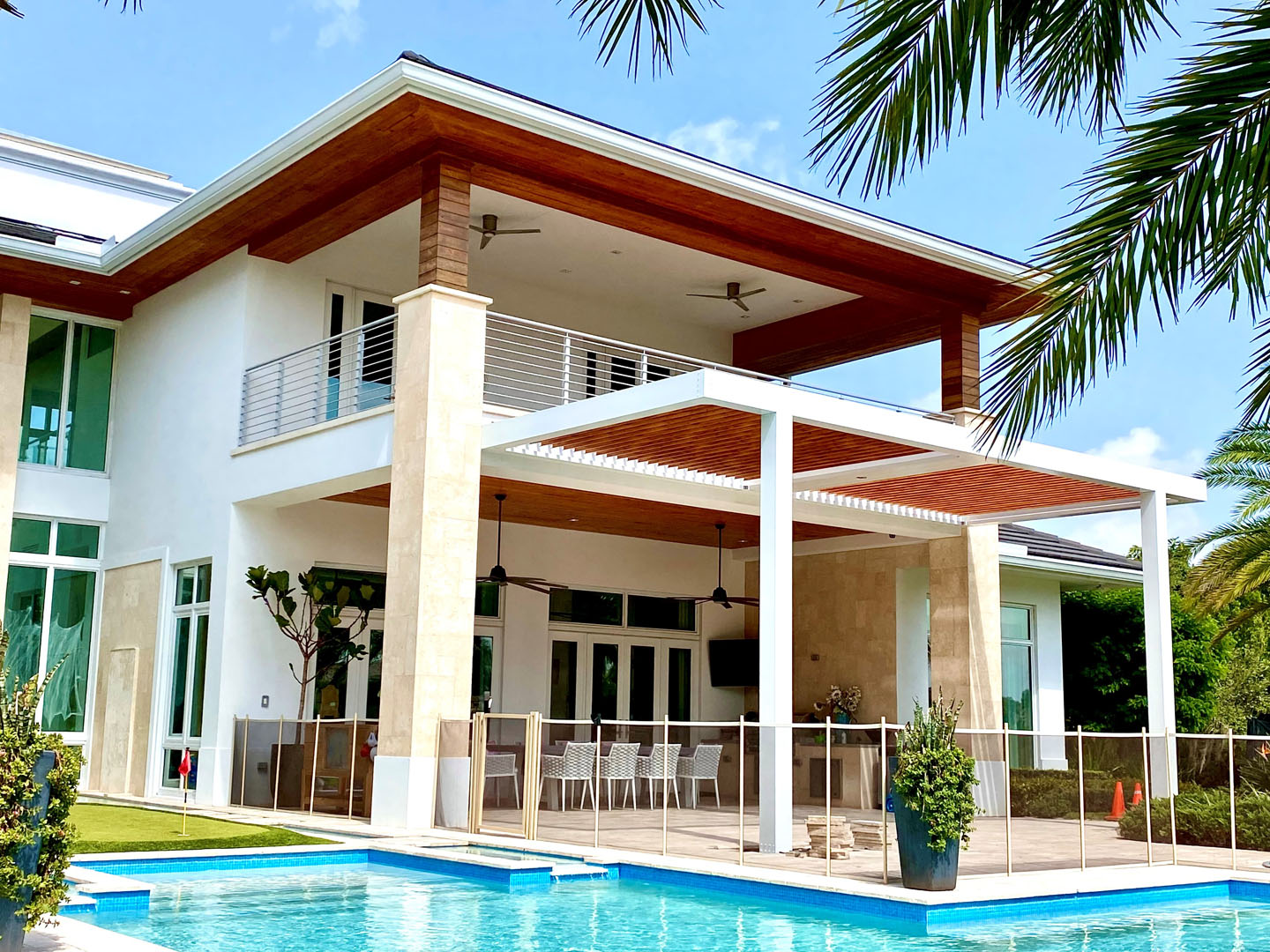
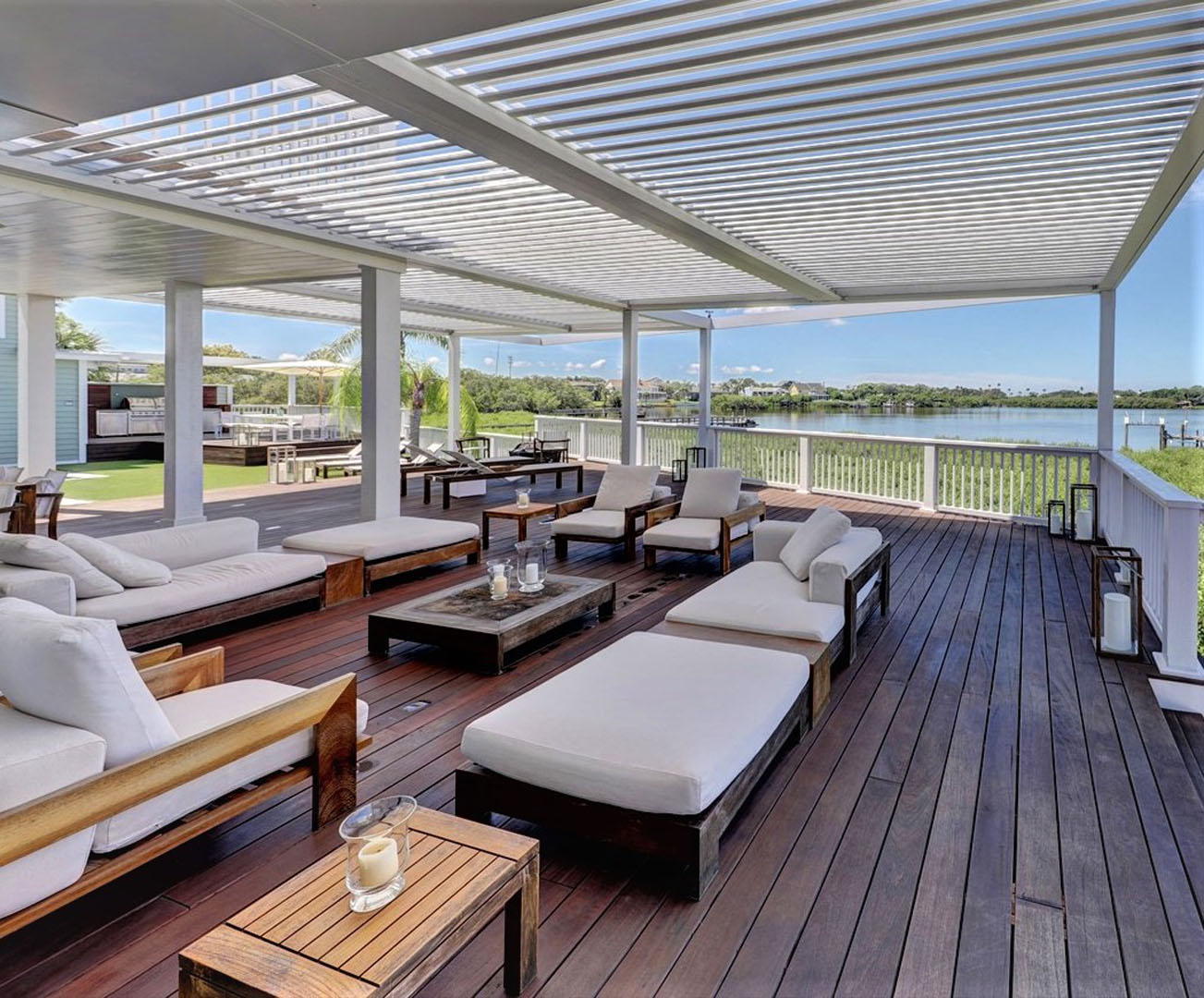
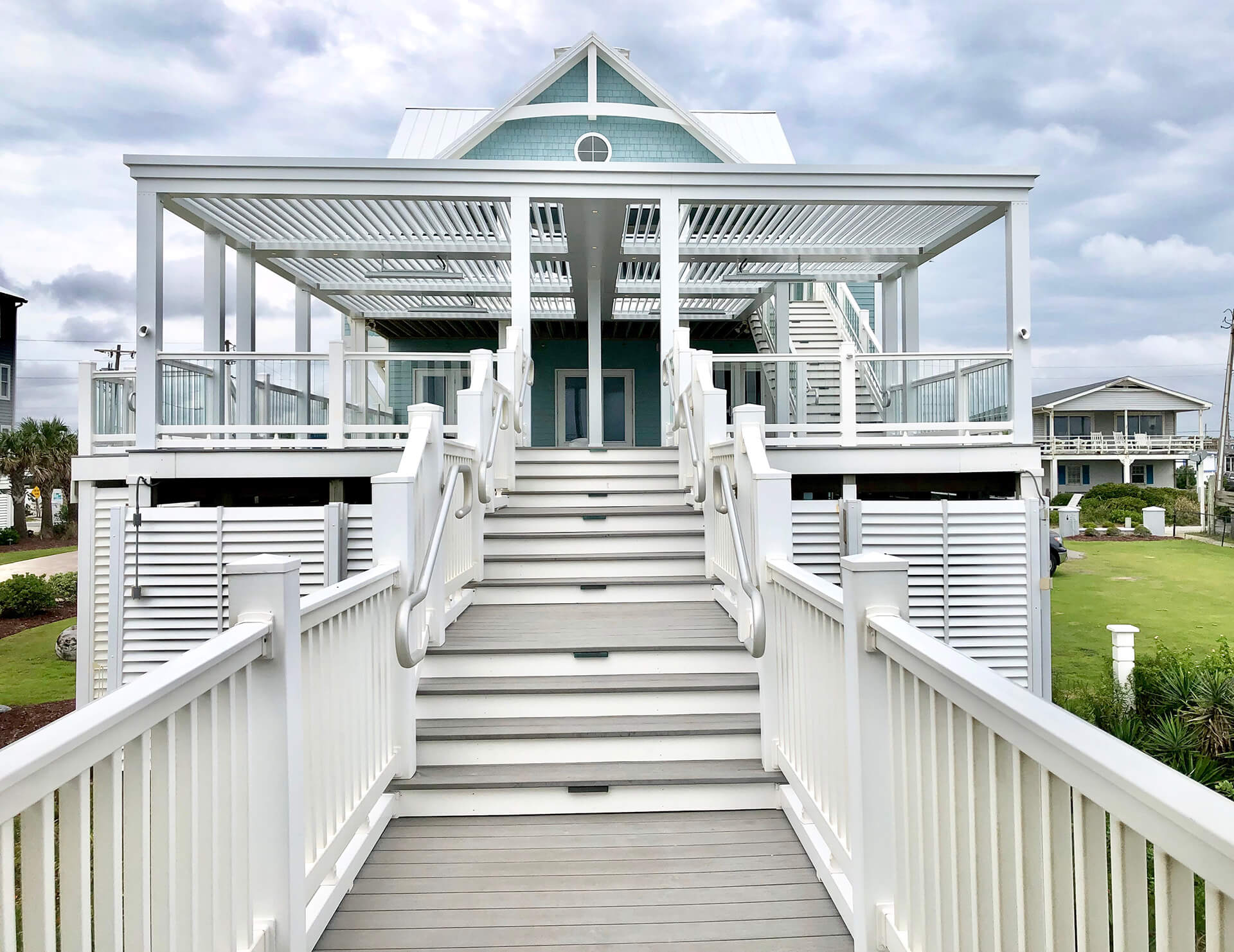
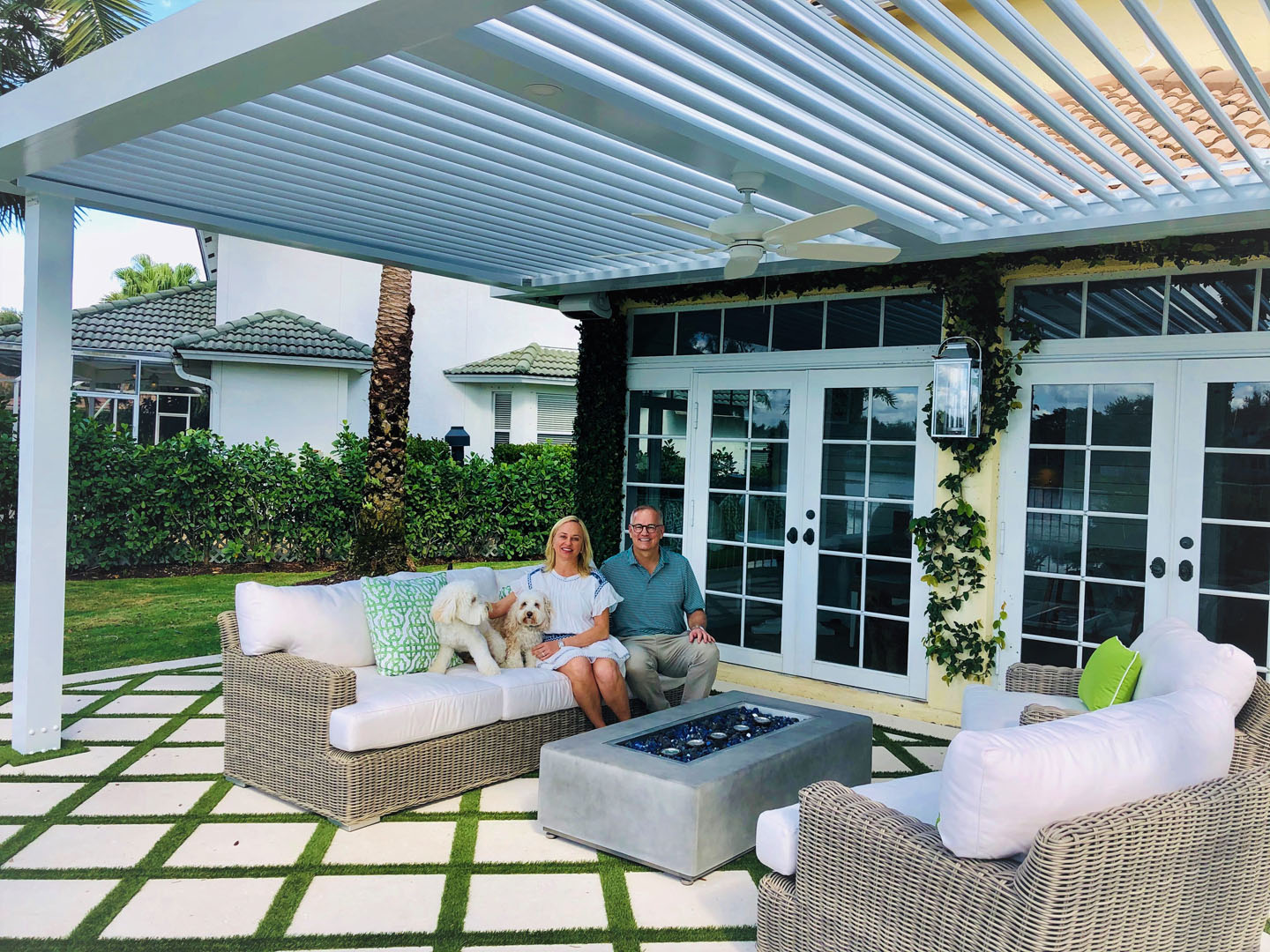
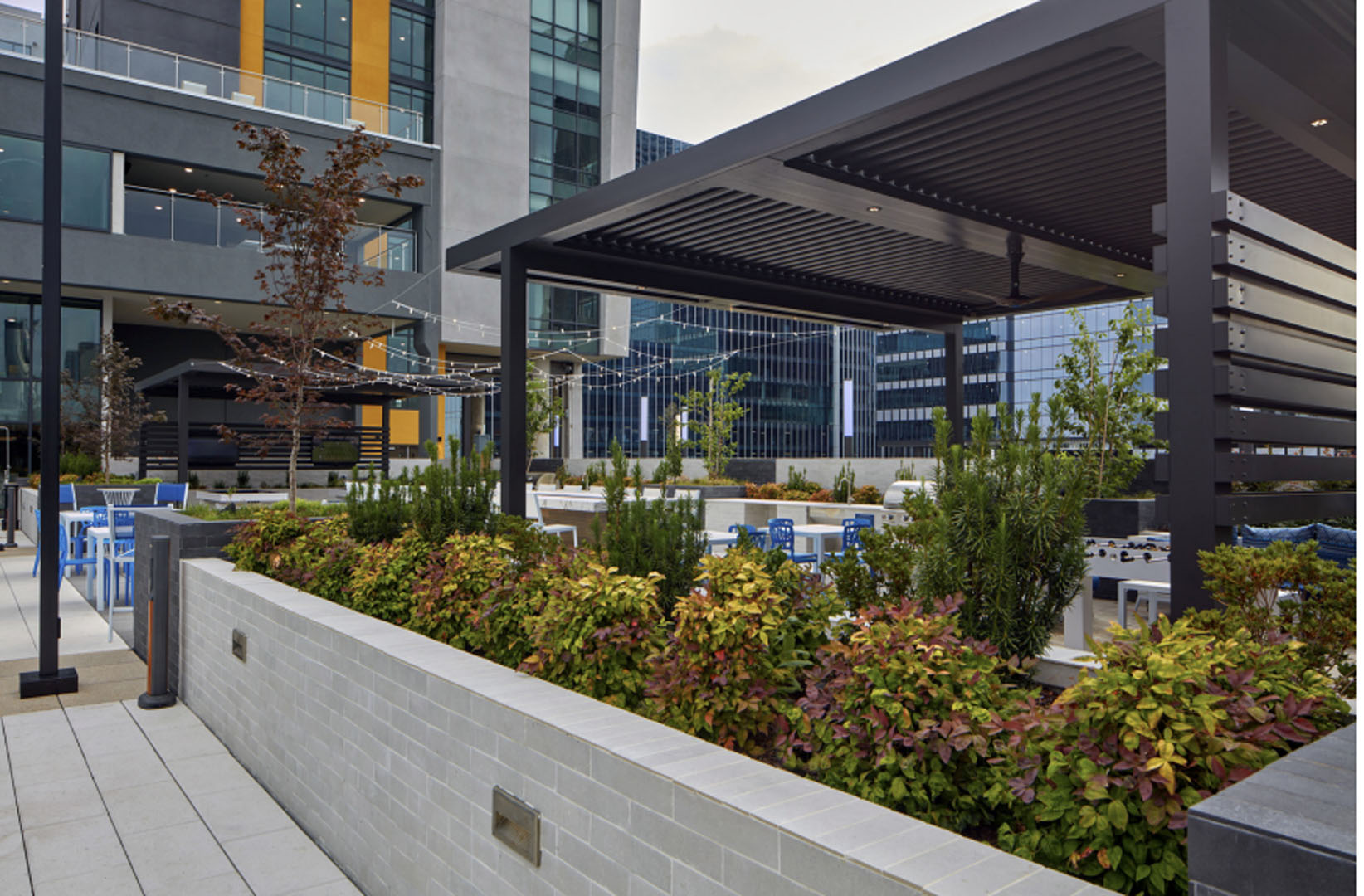
Delray Beach residential properties range from historic cottages and coastal condos to modern townhomes and luxury estates, and that diversity—plus variations in lot size and layout—directly shapes outdoor living and shade structure decisions. Many homes offer large backyards (158+ listings noted), while downtown and Atlantic Avenue properties favor terraces, balconies and compact courtyards; Lake Ida and West Delray neighborhoods provide larger lots for expansive pergolas and covered patios. Waterfront and beachfront parcels introduce salt air, wind and shoreline-setback considerations and call for corrosion-resistant, hurricane-resilient materials. Typical floorplans (from modest 880–1,100 sq ft cottages to 2,450–5,995 sq ft estates) determine whether shade is added as balcony awnings, attached pergolas, or freestanding structures.
Climate, Sun, and Weather Considerations in Delray Beach
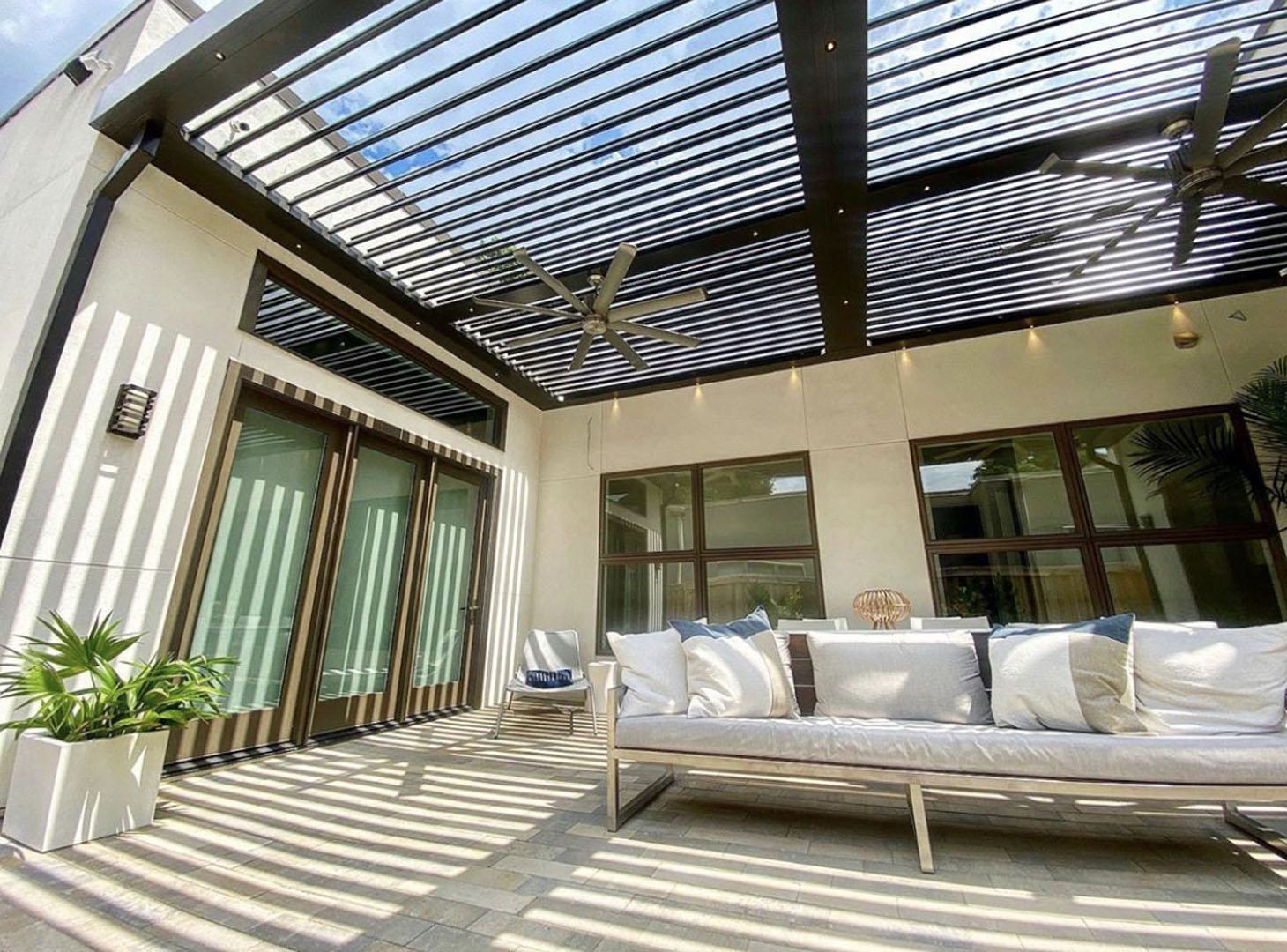
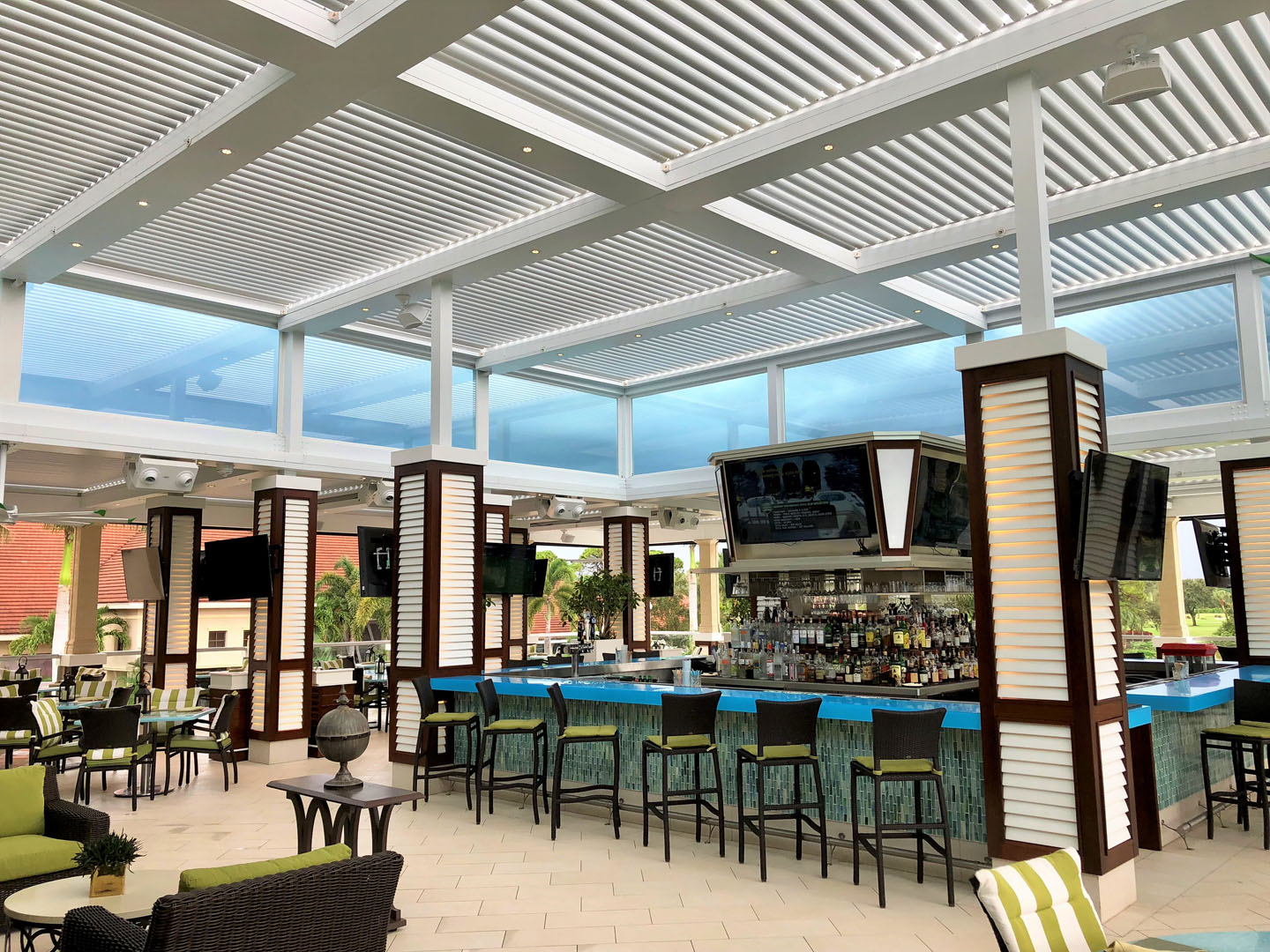
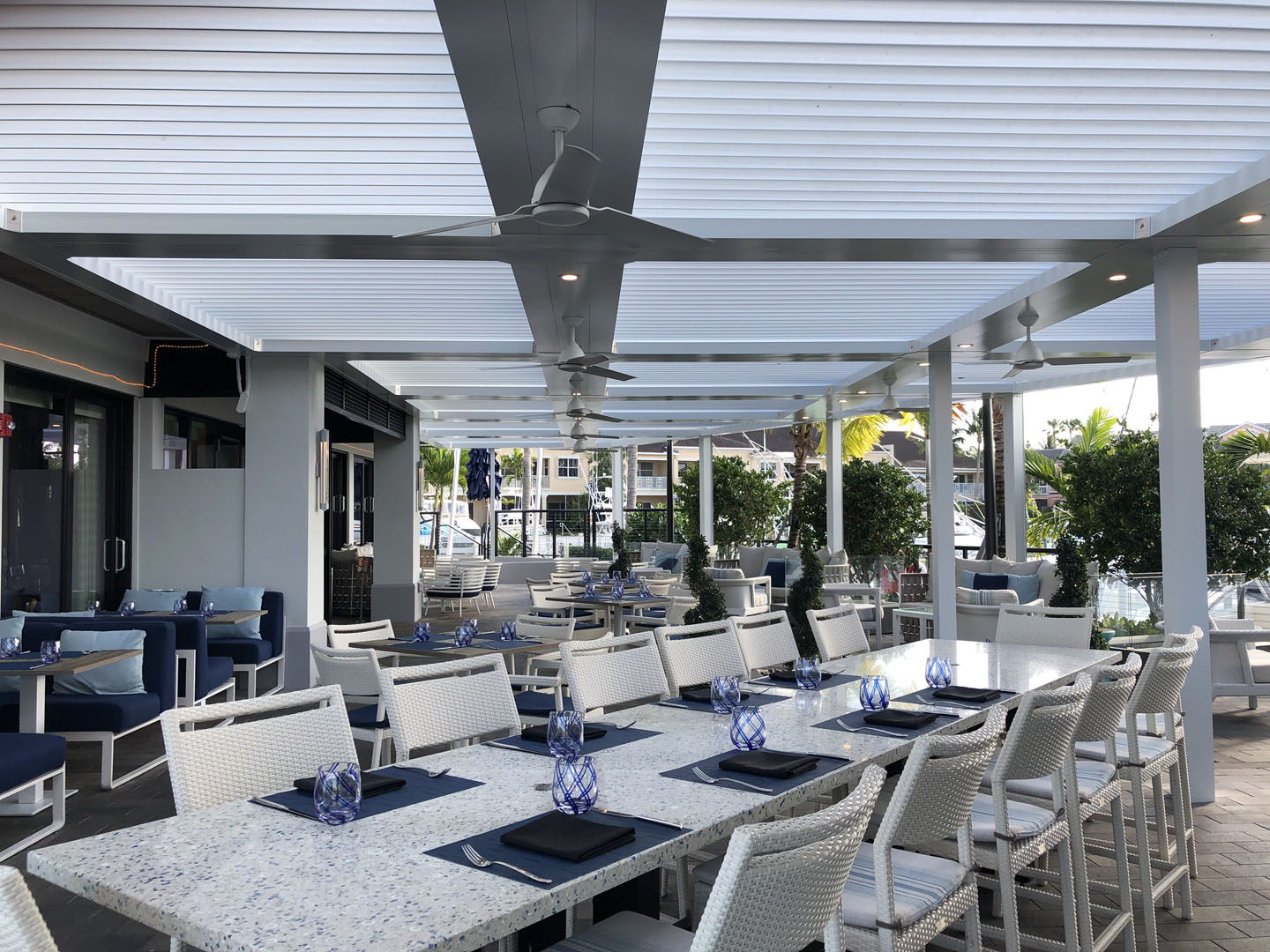
Delray Beach’s subtropical climate delivers abundant sunshine and mild winters but high heat, humidity and frequent afternoon thunderstorms in summer, so shaded, covered or ventilated outdoor spaces are essential for comfort year-round. Coastal wind and salt-air exposure increase wear on furniture and structures, driving use of corrosion-resistant, resilient materials and hurricane-season preparations (June 1–Nov 30) such as shutters and reinforced design. Winter months (November–April) offer the most pleasant outdoor entertaining conditions with lower humidity and steady sun, while summer favors covered patios and partial shade to mitigate heat and storm risk. Orientation, durable finishes, proper anchoring and ventilation are key design considerations to balance sunlight, breeze and weather for comfortable, long-lasting outdoor living.
Why Delray Beach Is Ideal for Outdoor Living
Delray Beach’s year-round warm, subtropical climate, beachfront culture and walkable downtown lifestyle make outdoor living natural: residents use beaches, parks, boating, biking and Atlantic Avenue’s outdoor dining, especially November–April, so patios, pergolas and covered areas extend entertaining and daily life. Diverse housing—from cottages and condos to luxury estates—often includes large backyards across price points, supporting investment in outdoor rooms. Environmental realities—summer heat, humidity, afternoon thunderstorms, salt air and a June–November hurricane season—favor covered, ventilated, hurricane-resistant designs and corrosion-resilient materials. Significant public investments (parks, golf course and infrastructure projects) and a growing retiree market further boost demand and property value for thoughtfully designed outdoor spaces that provide shade, weather protection and year-round usability.
Outdoor Living and Home Upgrade FAQ
When is the best time to use outdoor spaces in Delray Beach? November–April offers mild temperatures and peak use. Summer is hotter with afternoon thunderstorms; shaded or covered areas improve comfort.
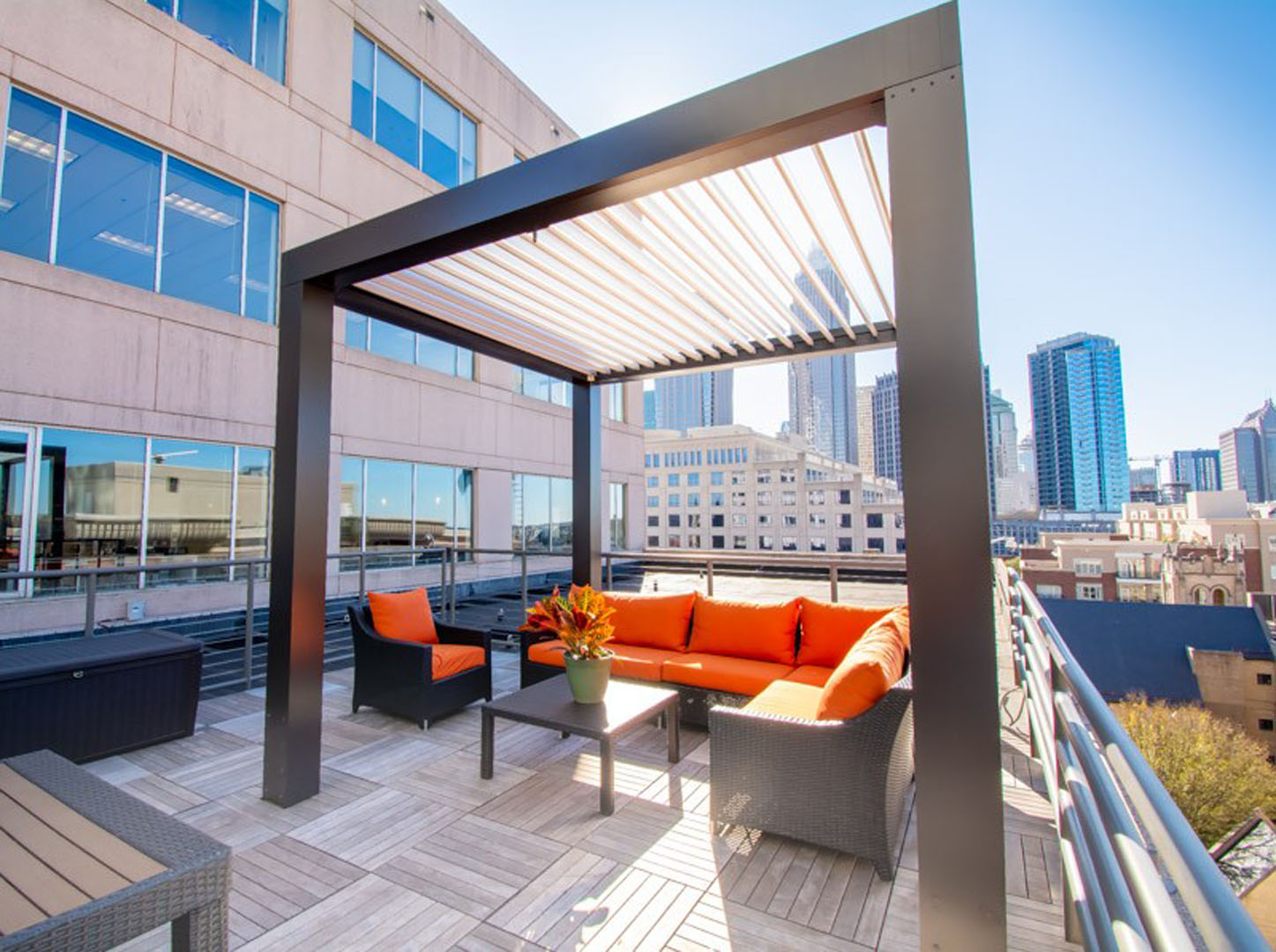
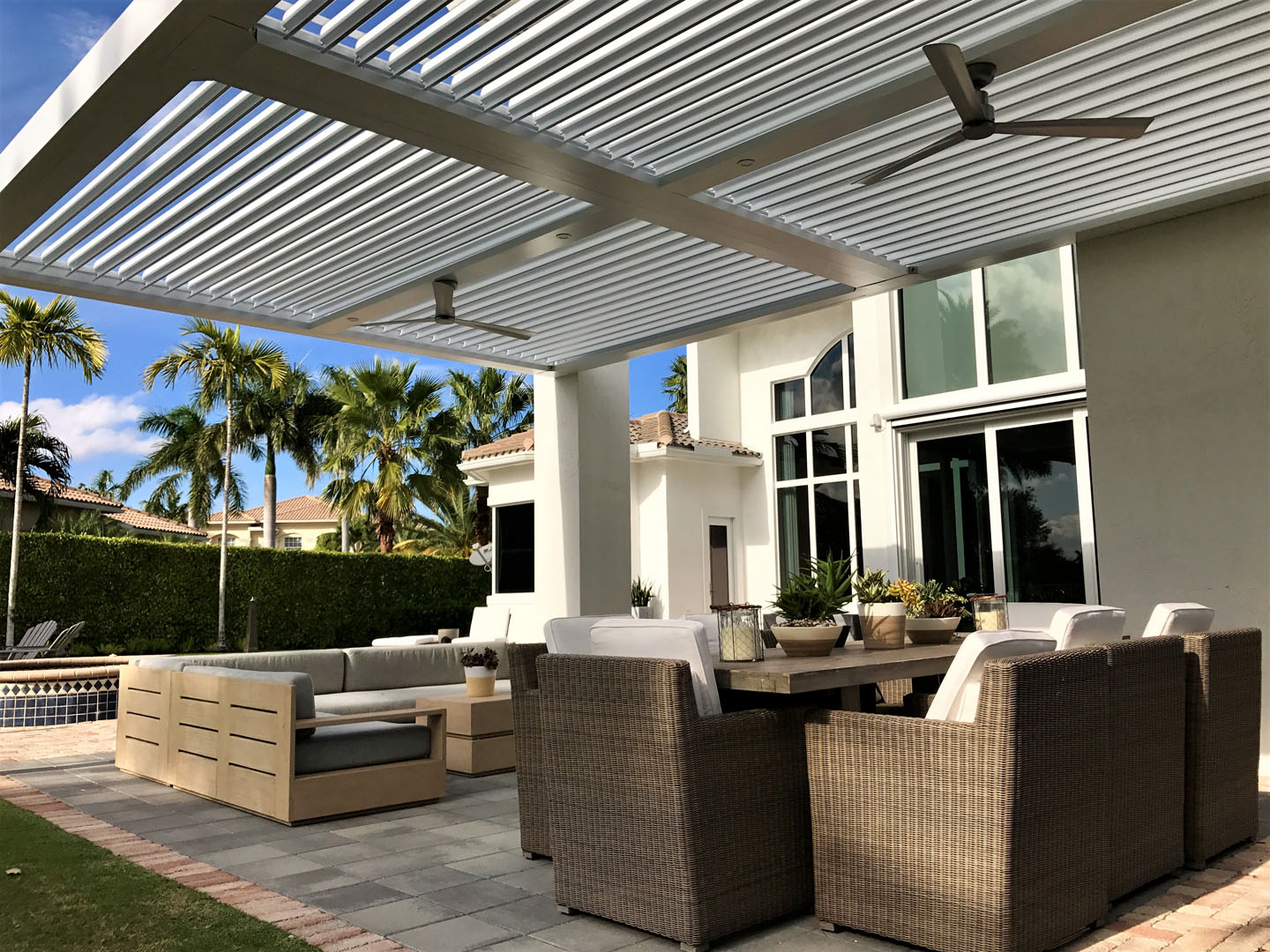
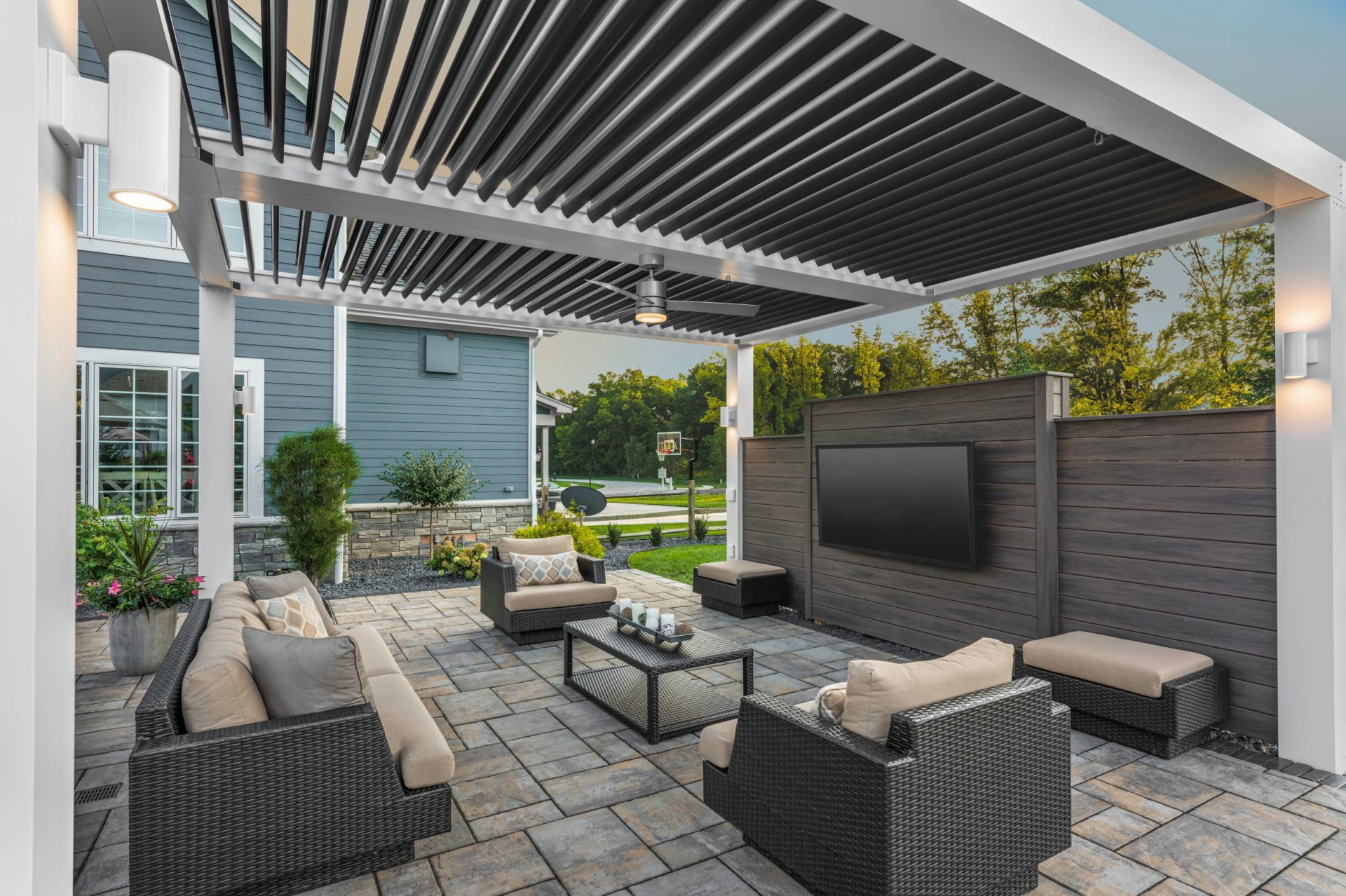
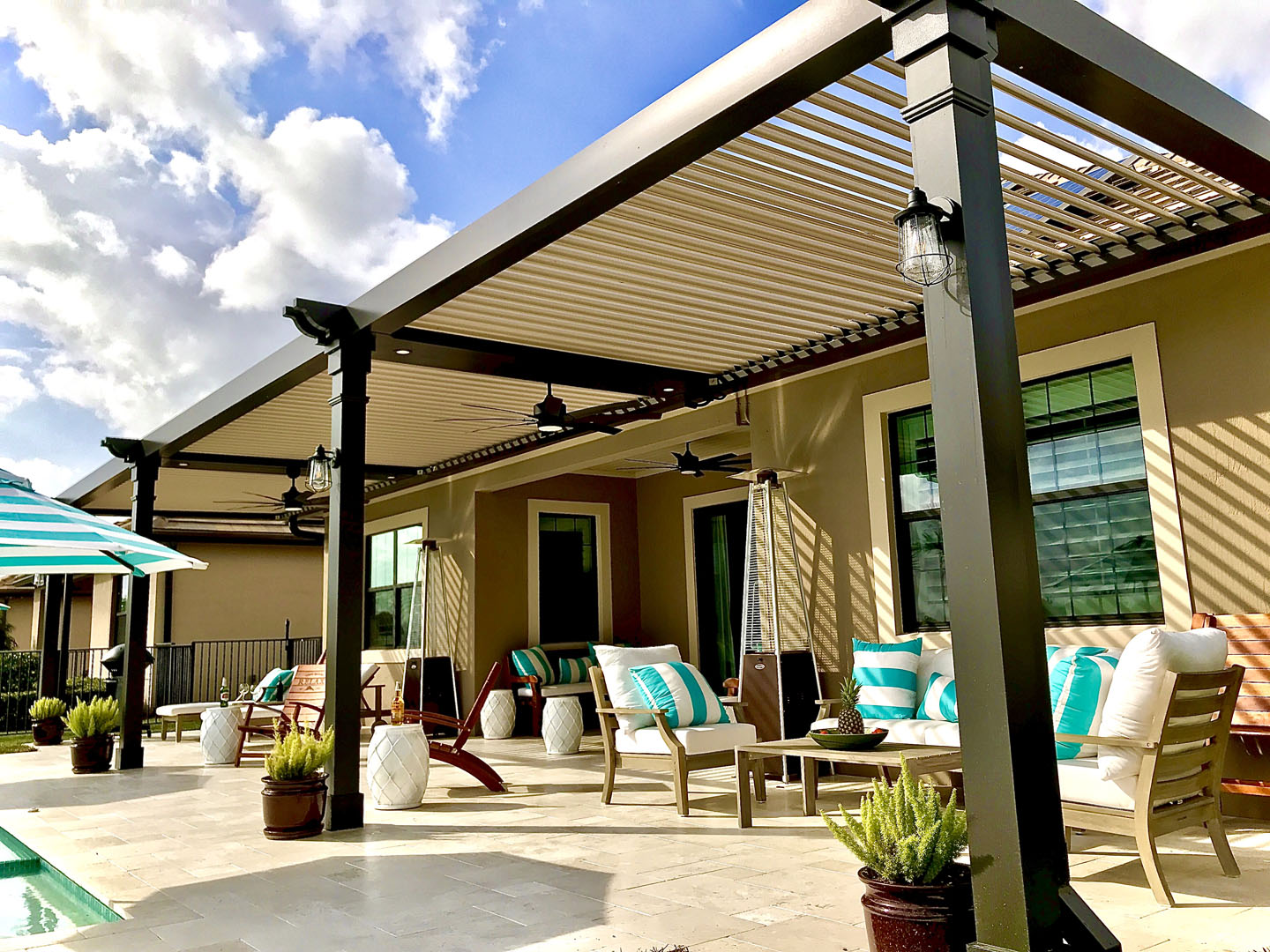
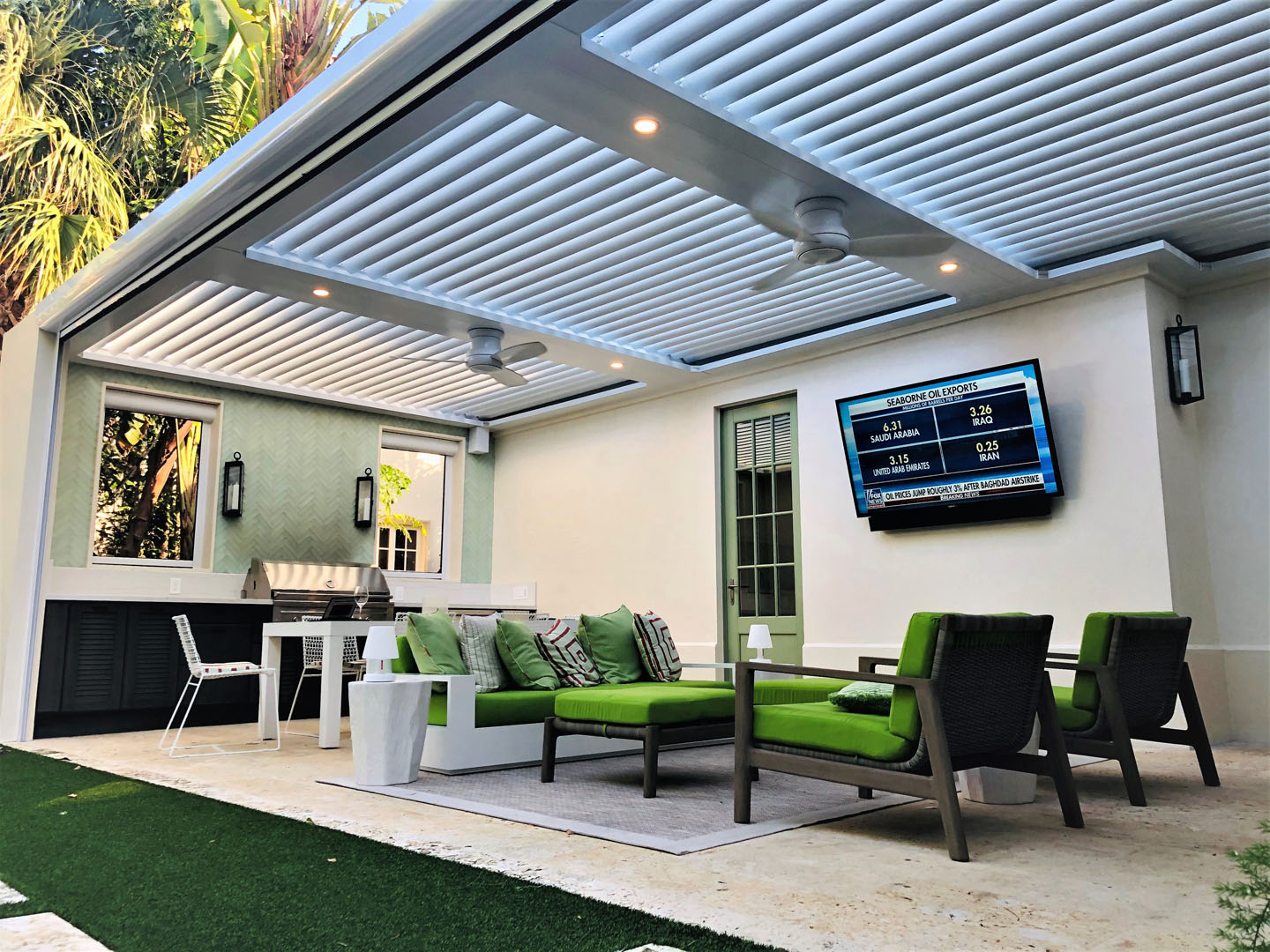
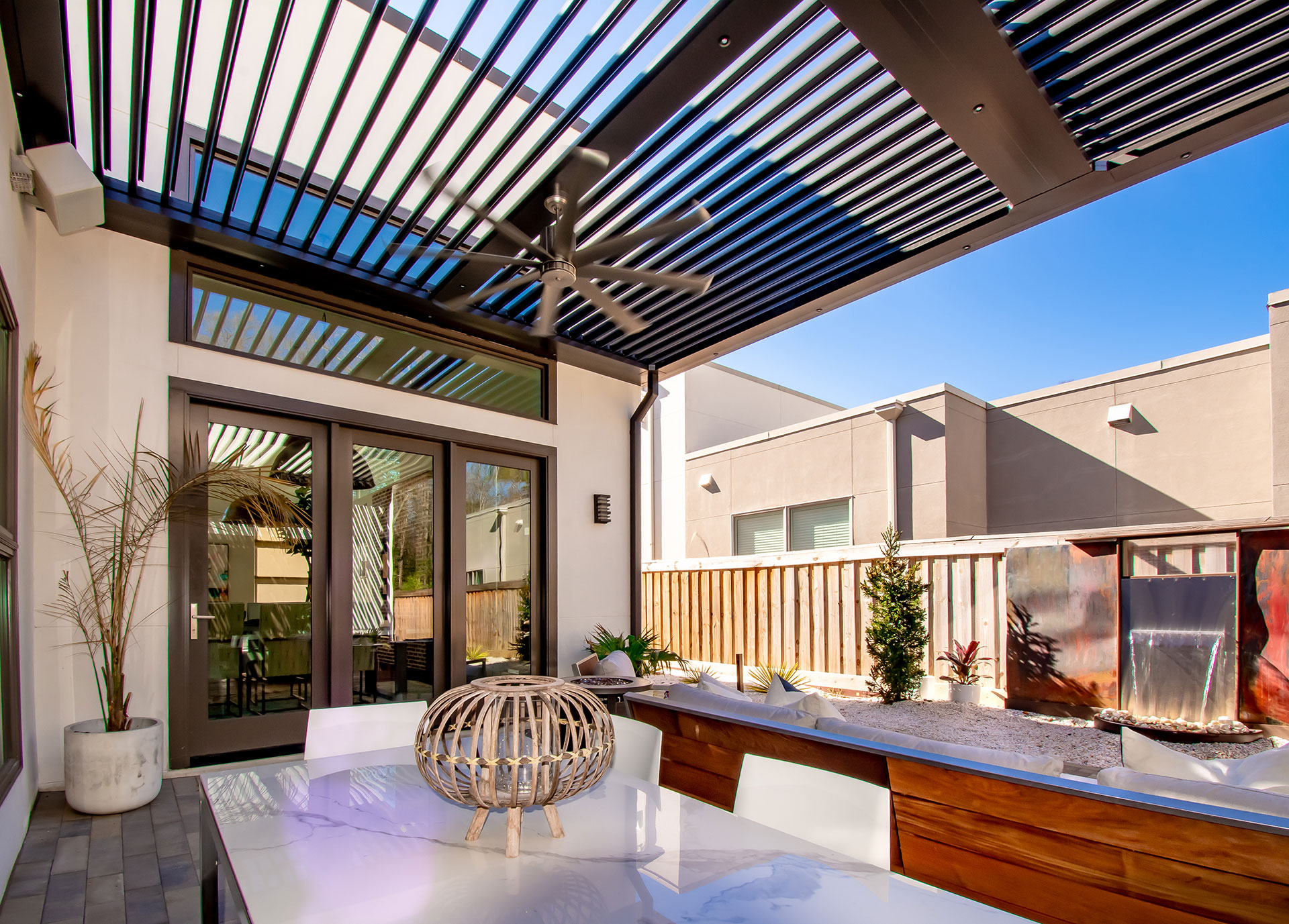
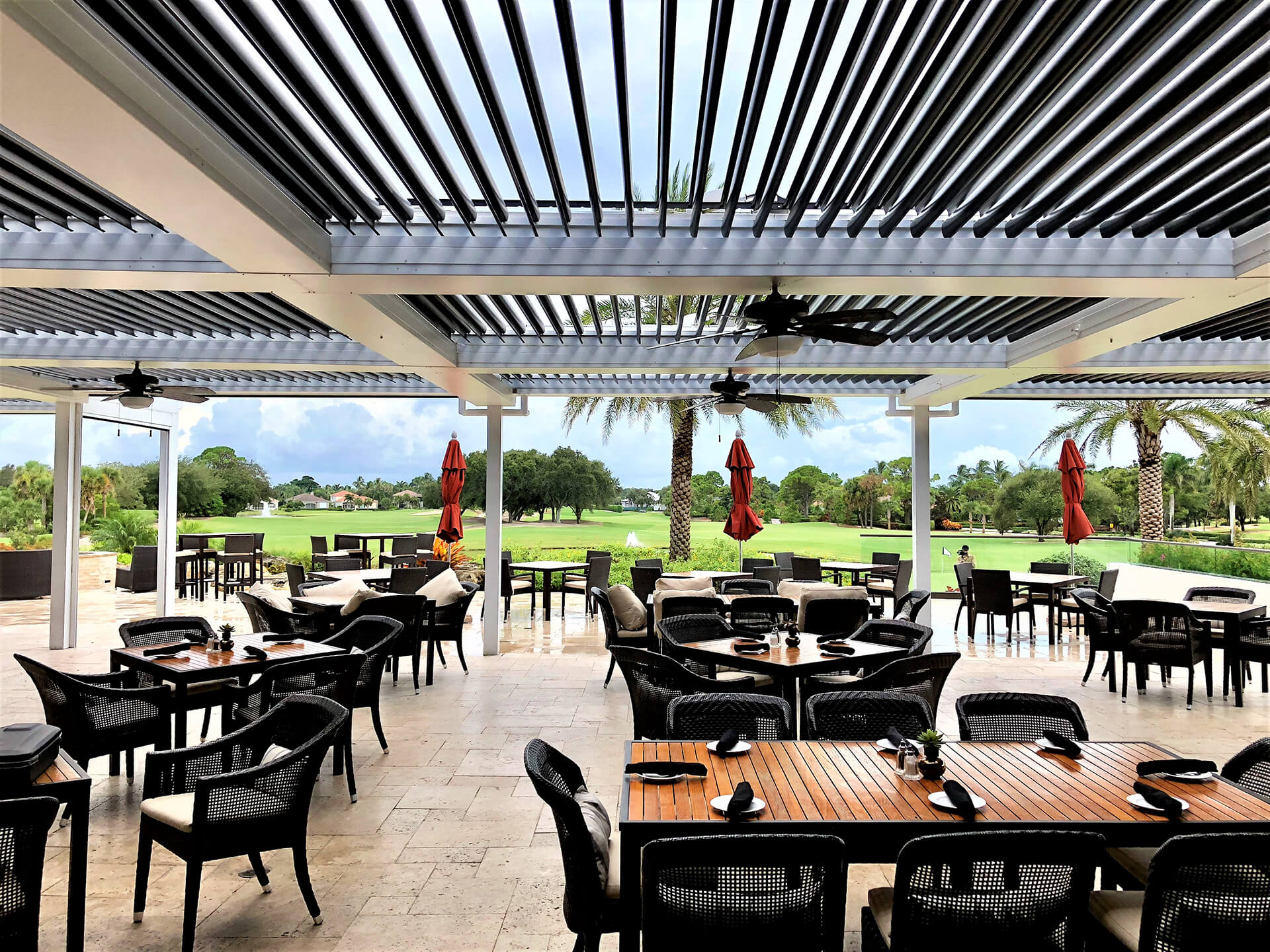
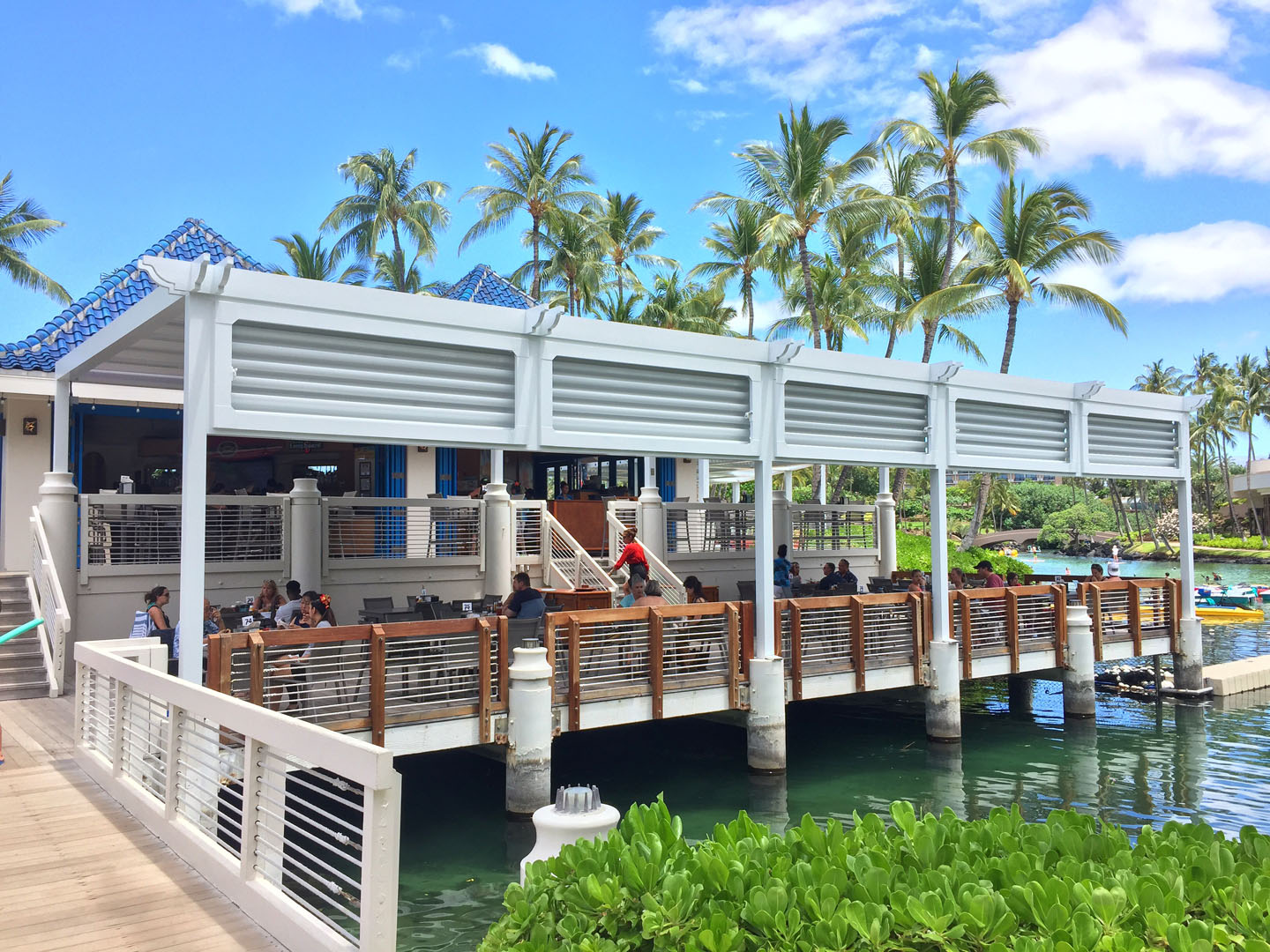
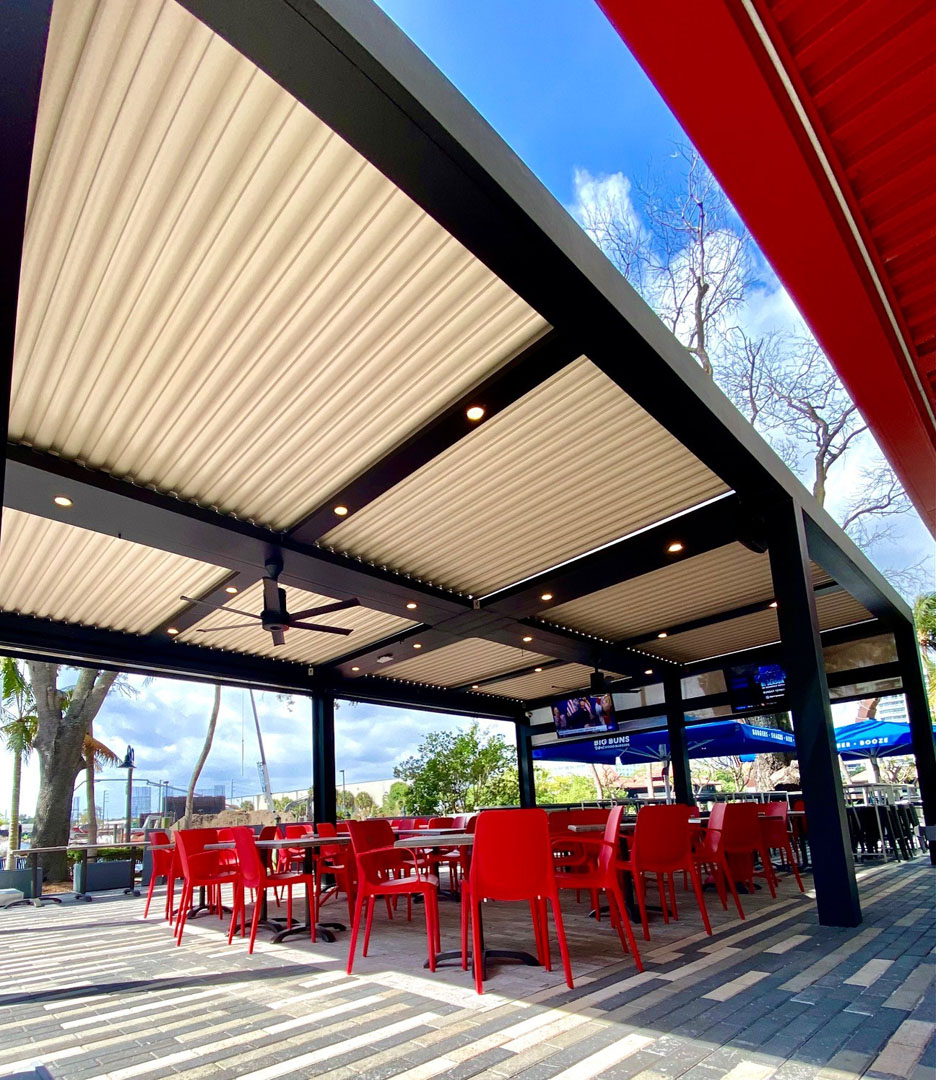
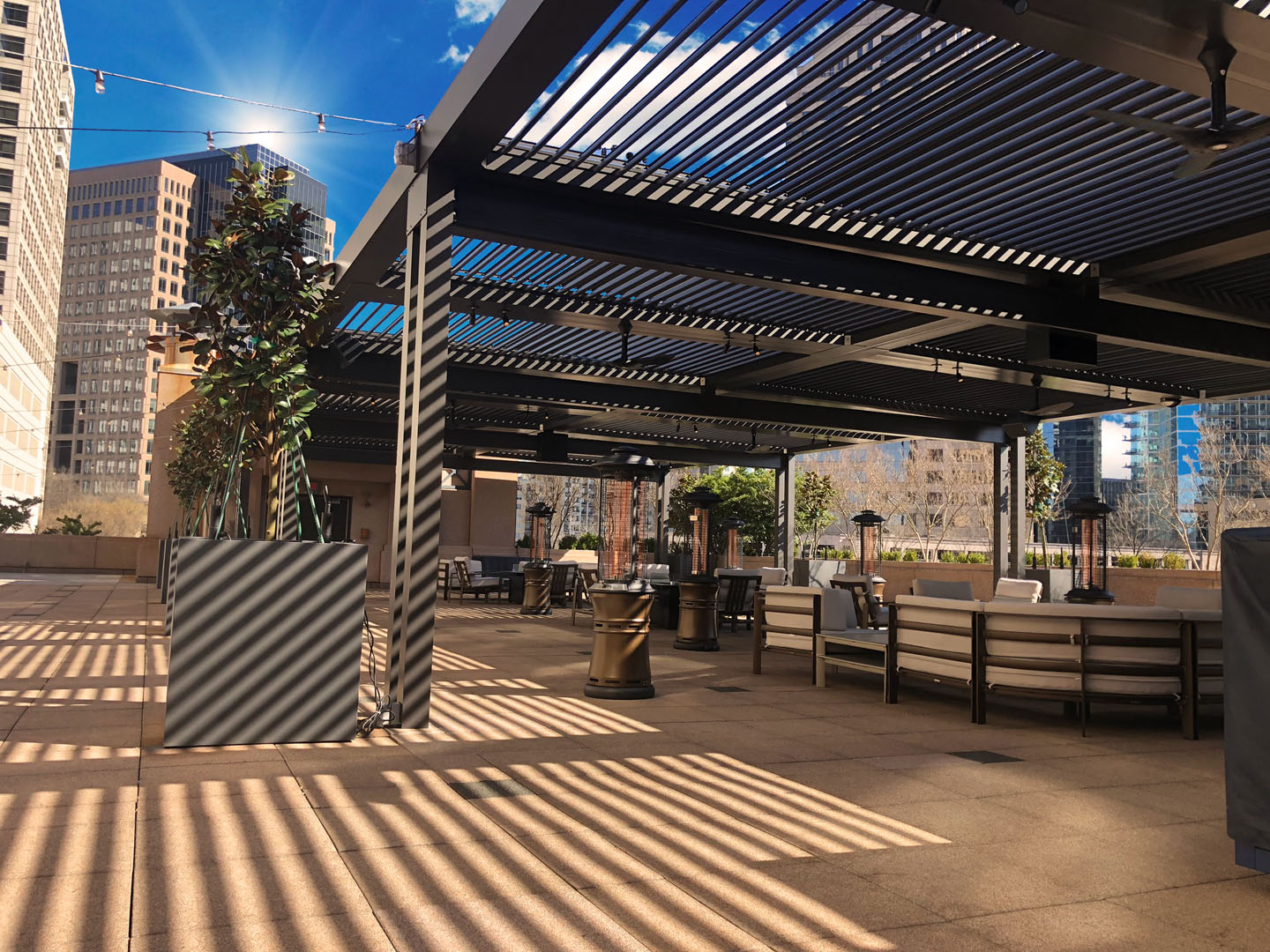
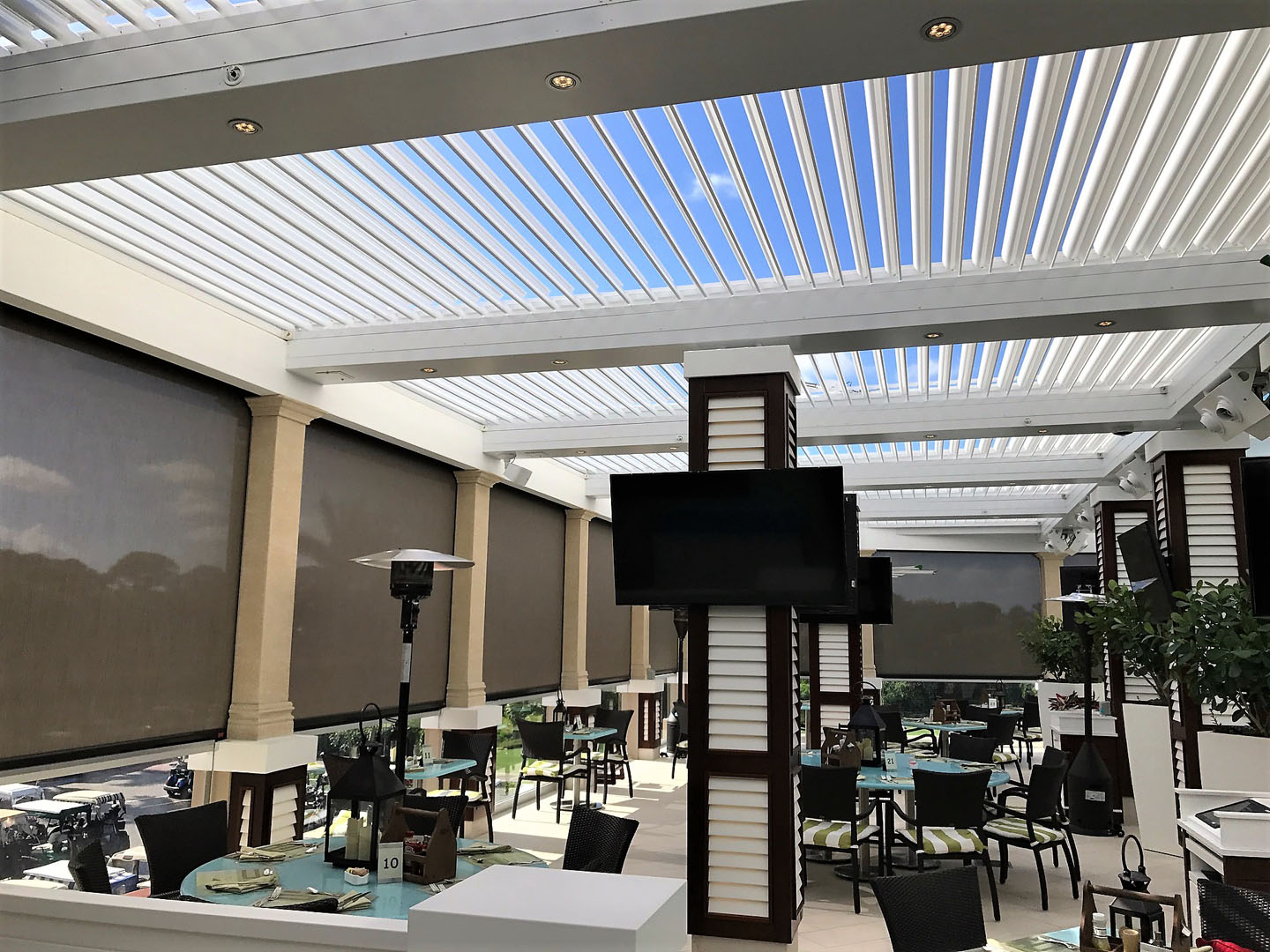
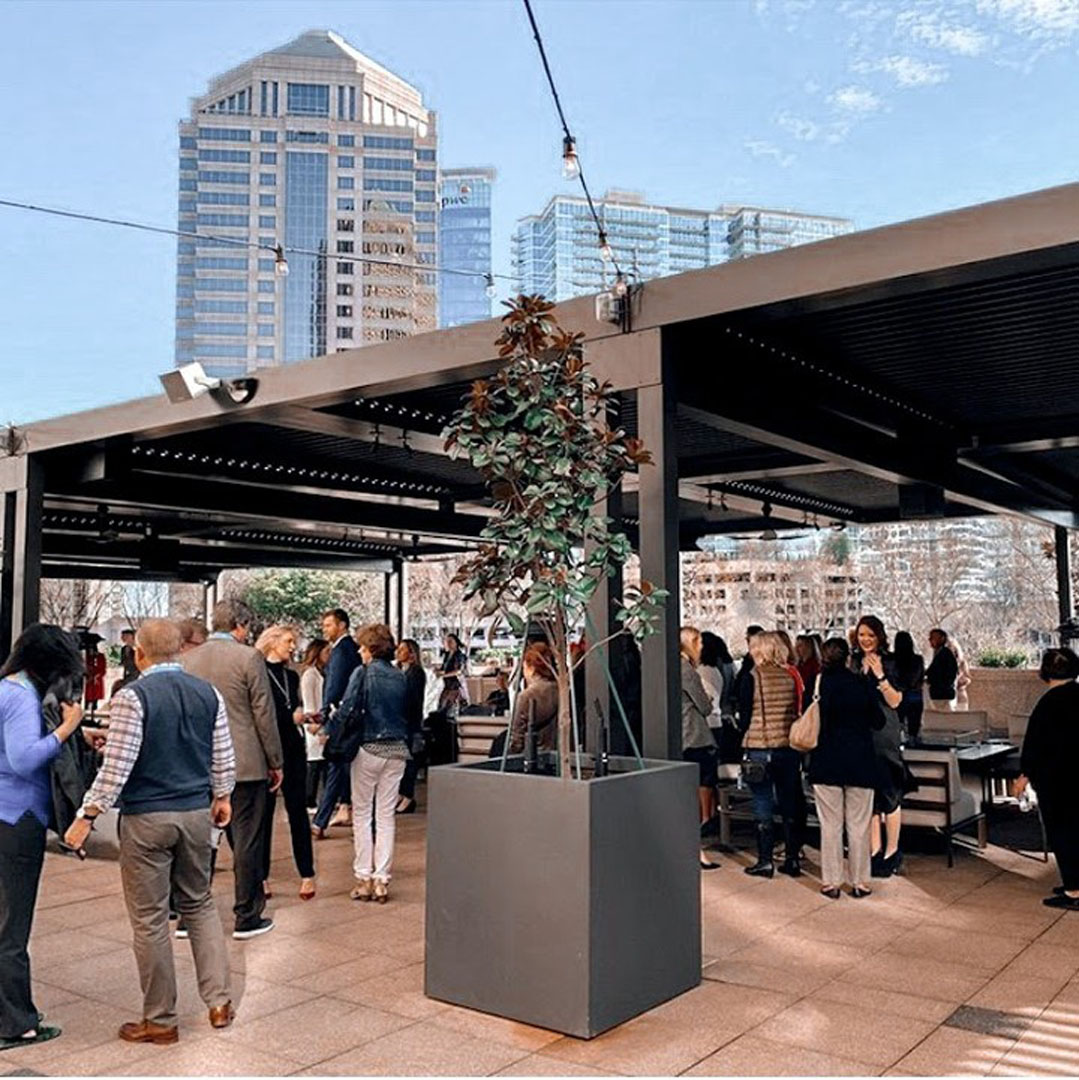
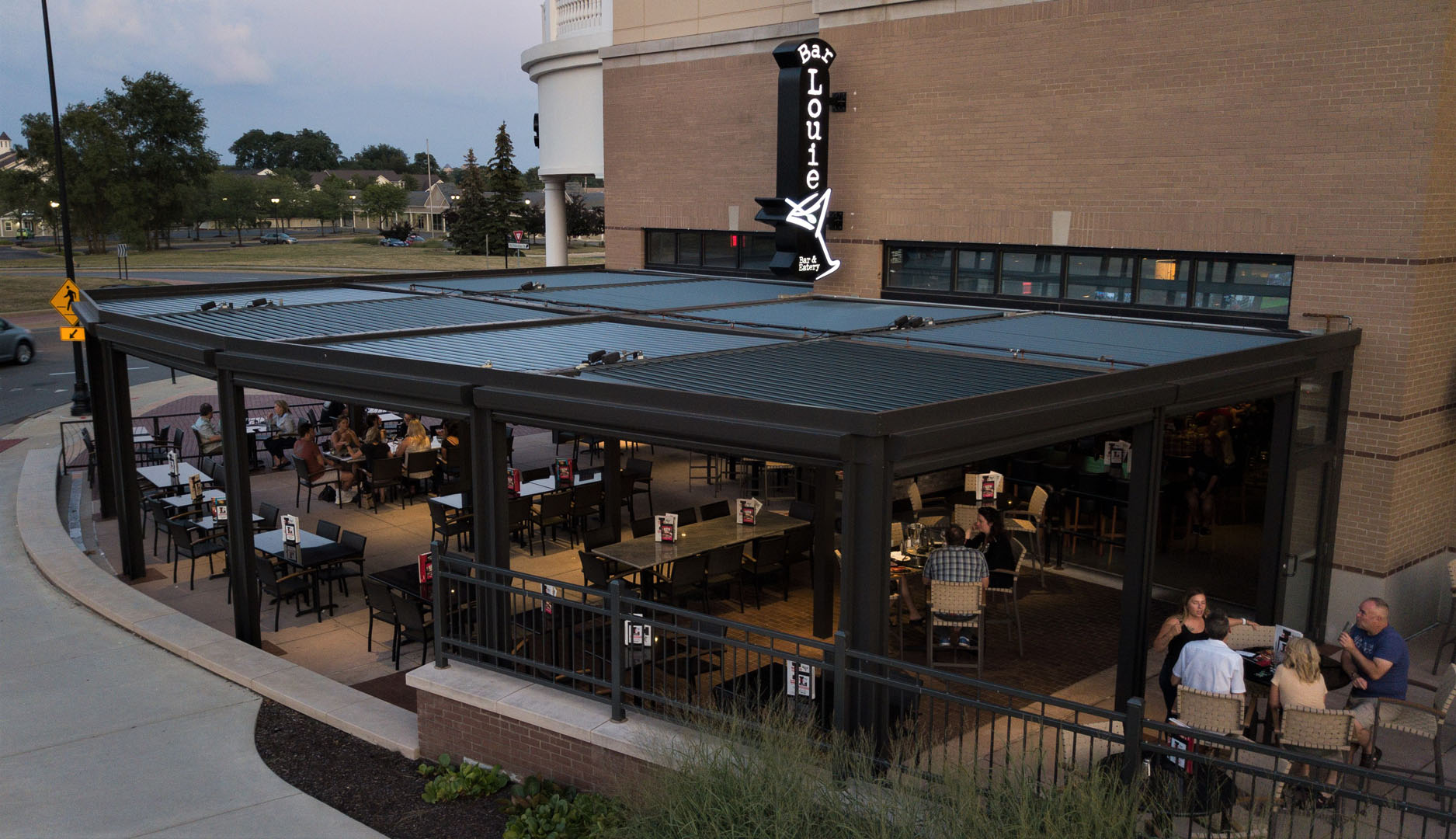
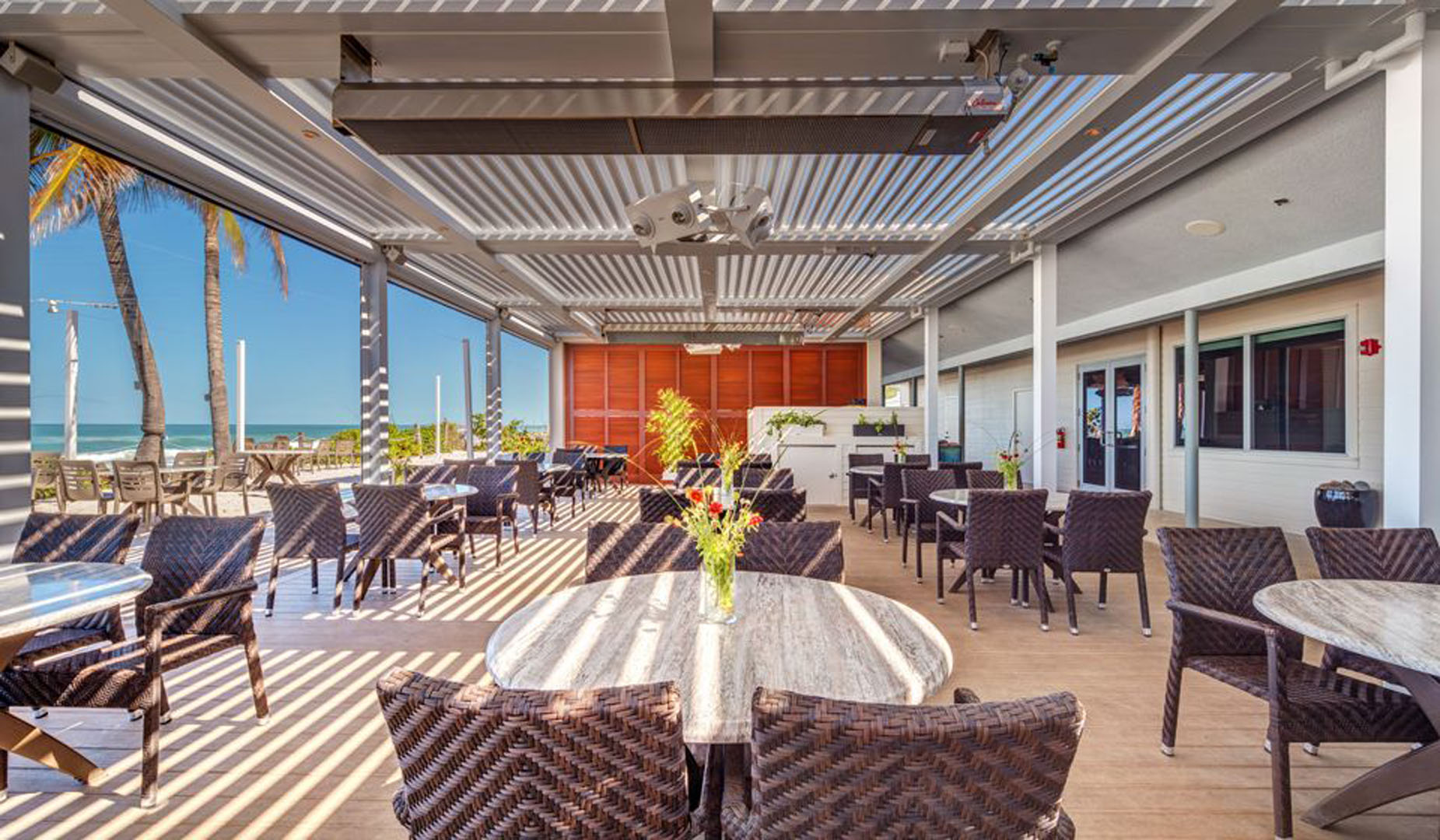
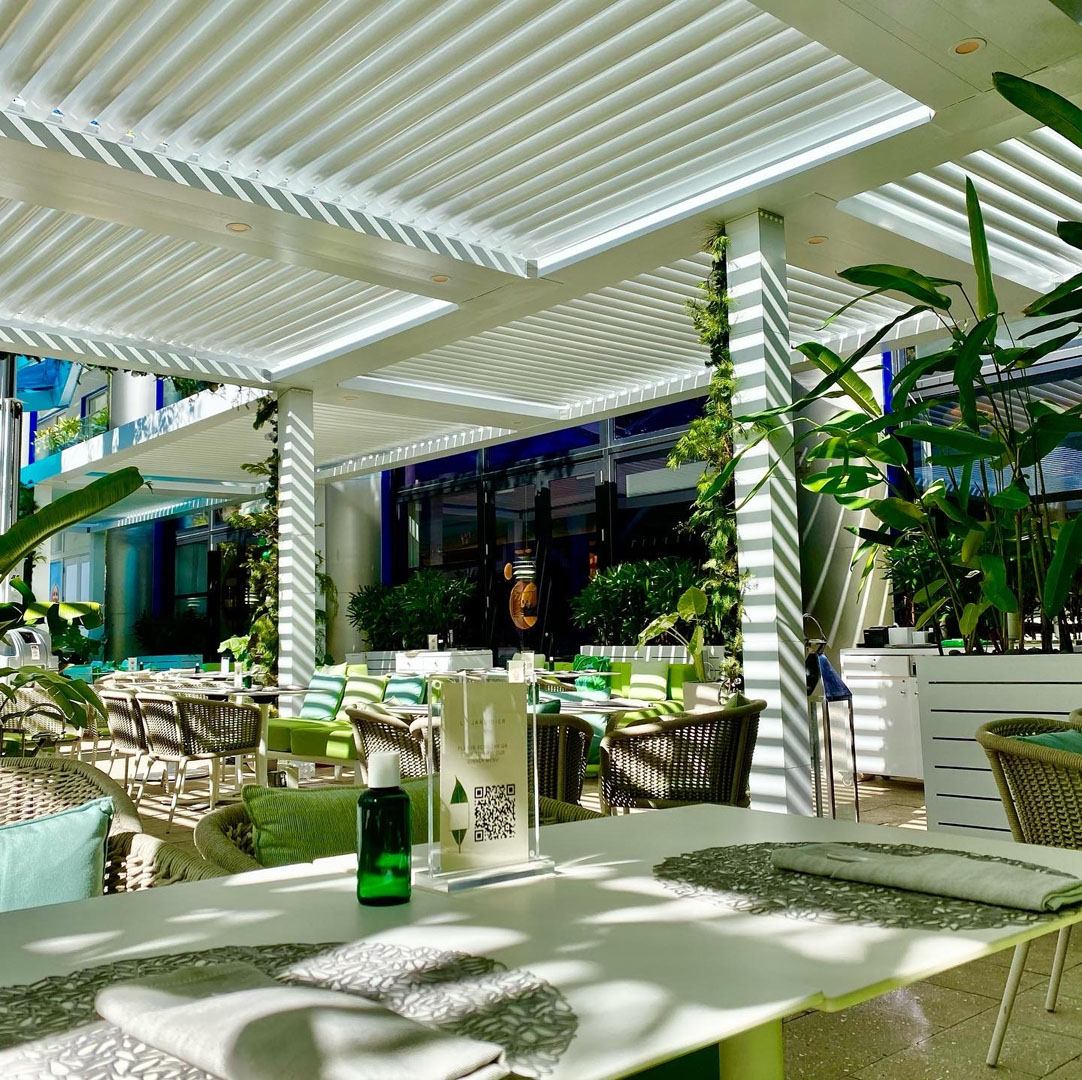
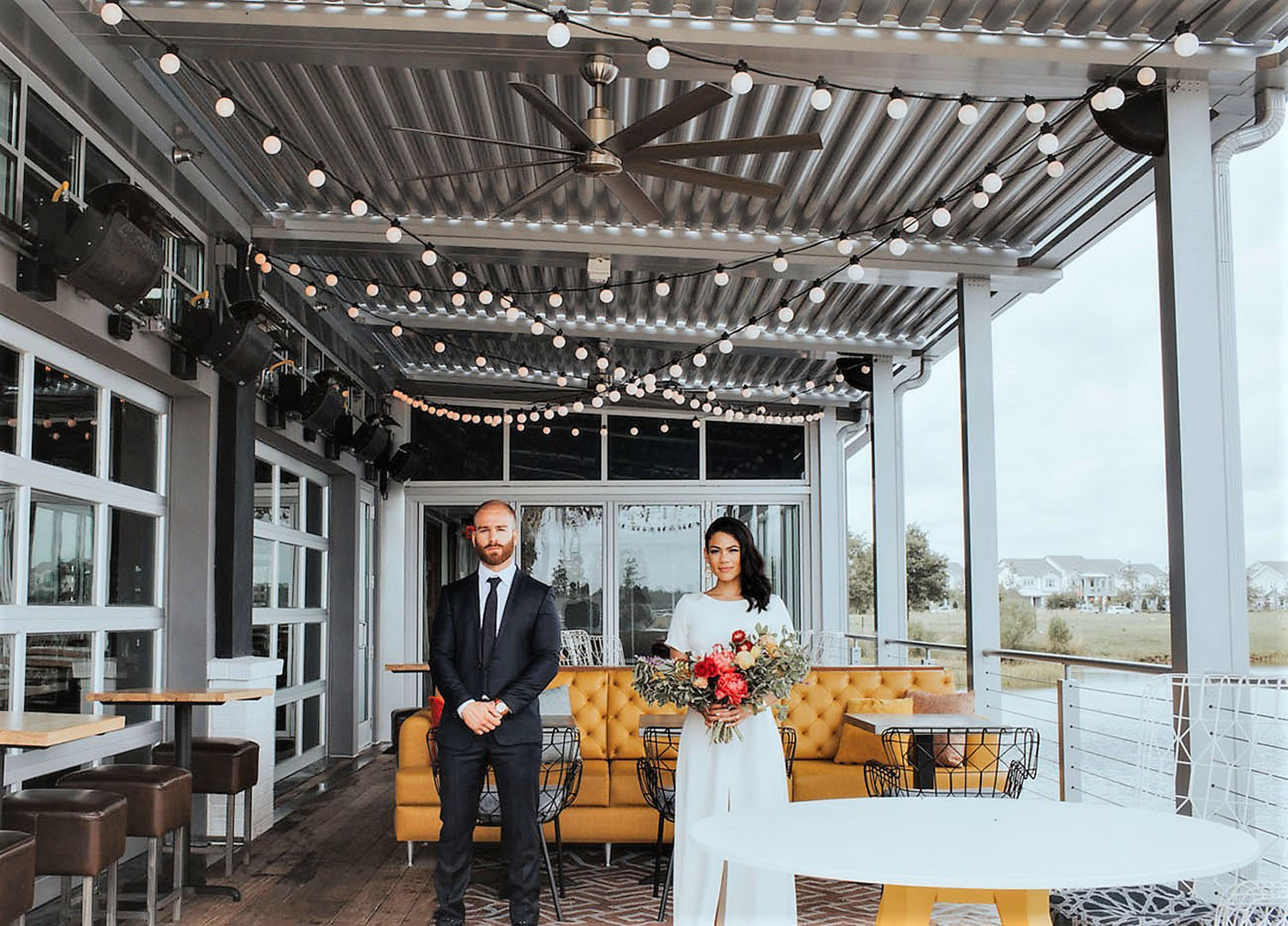
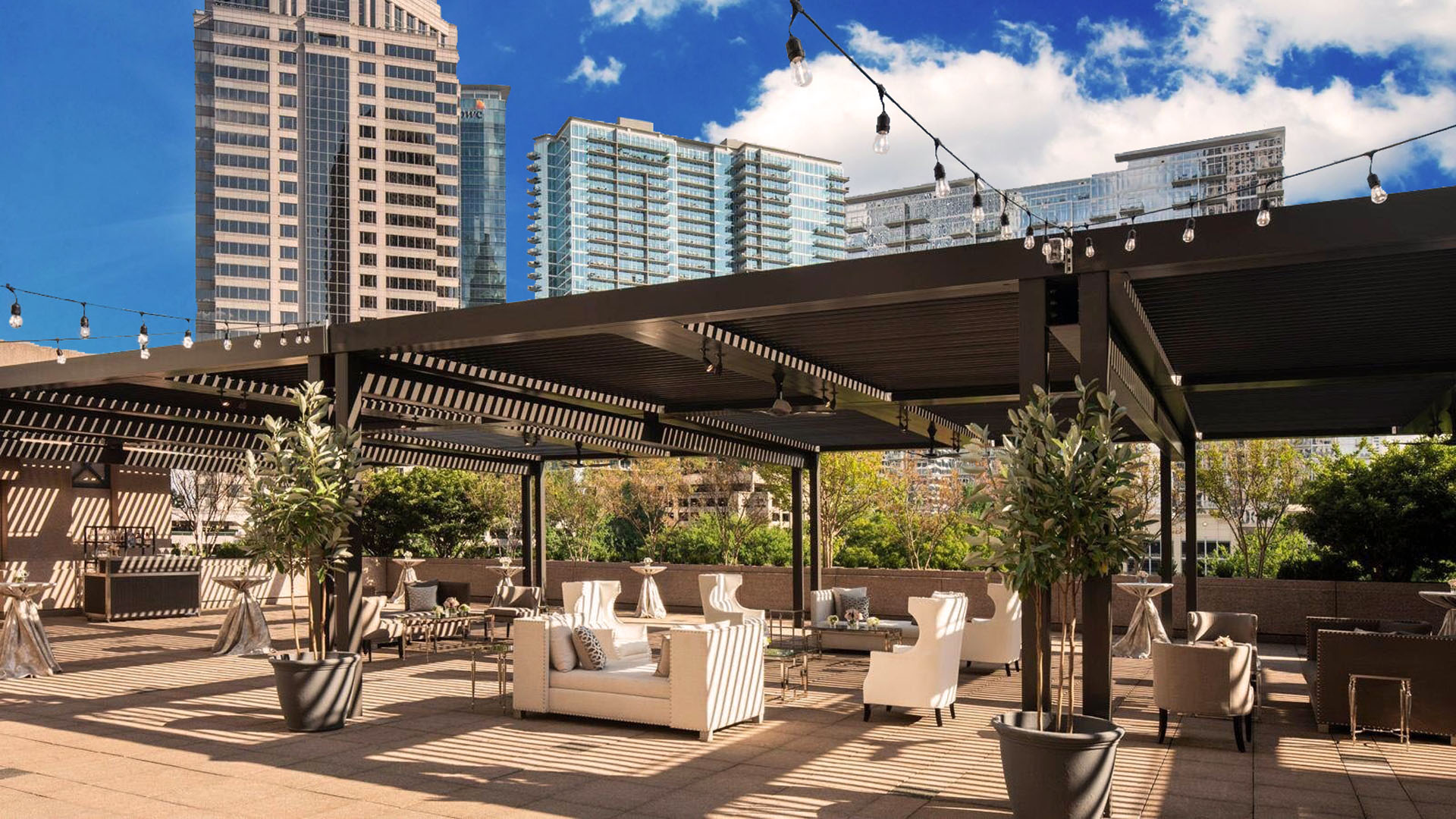
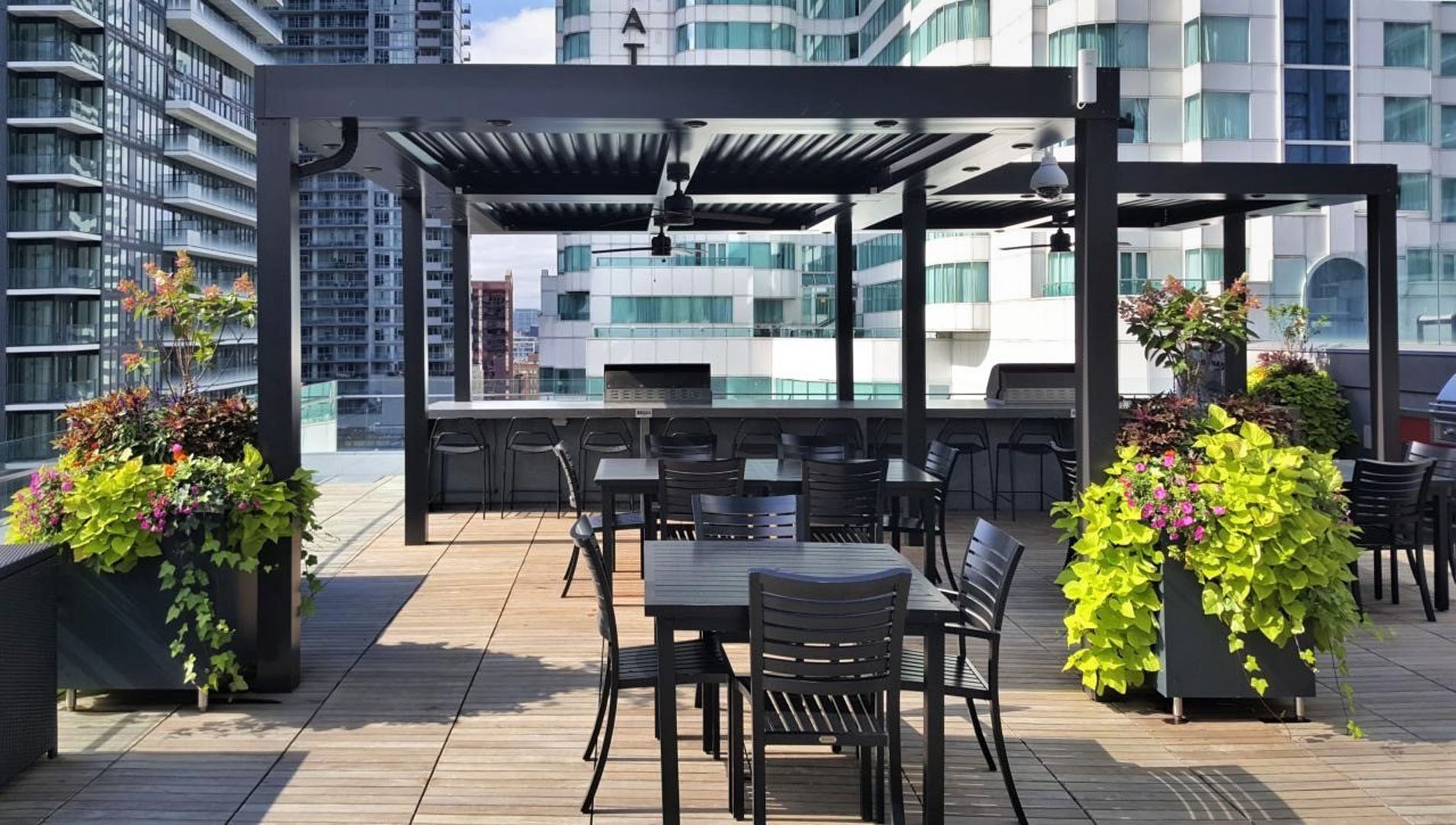
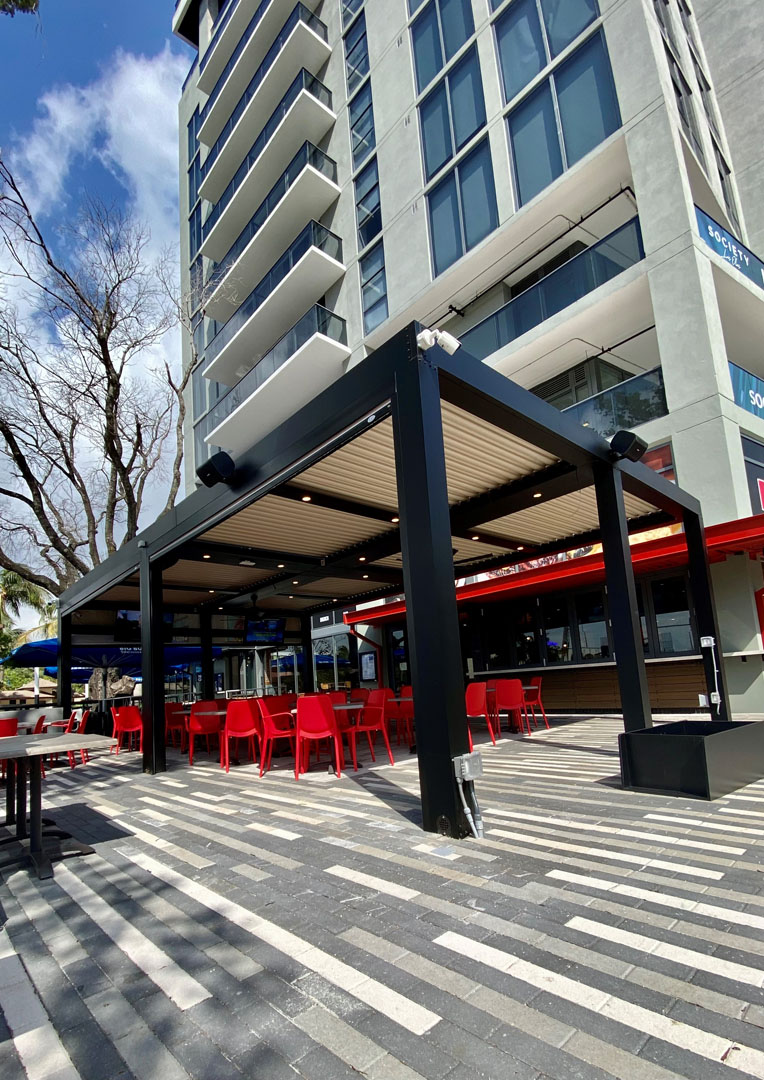
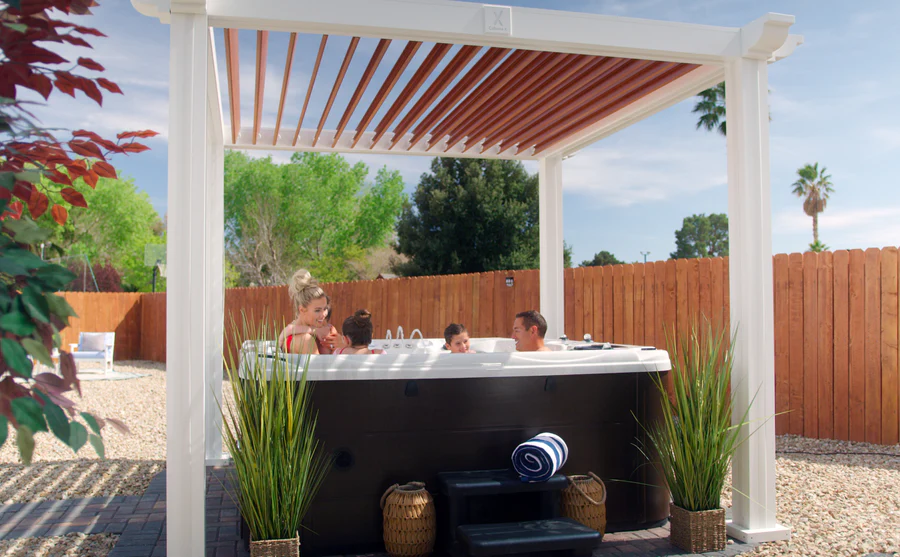
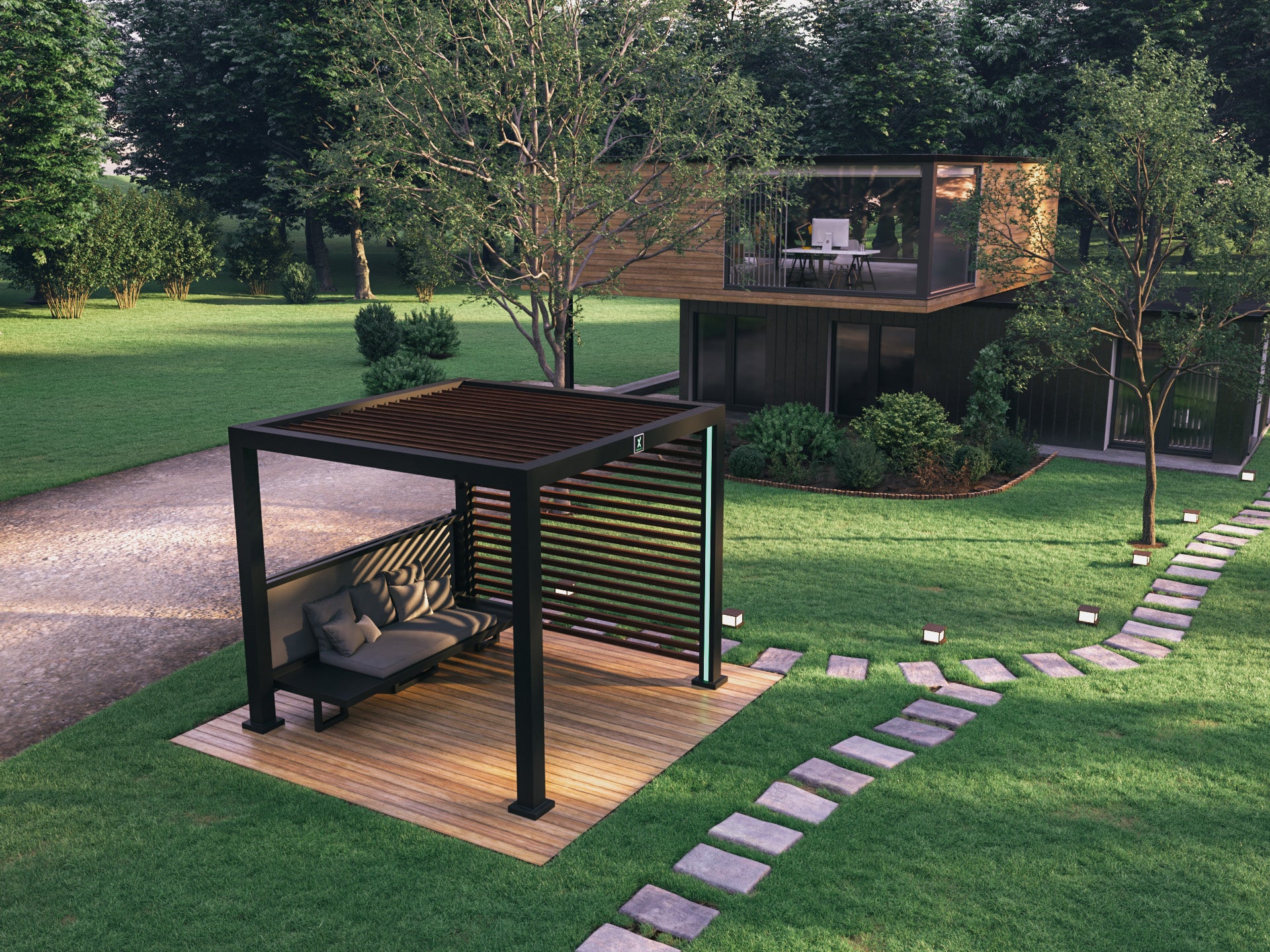
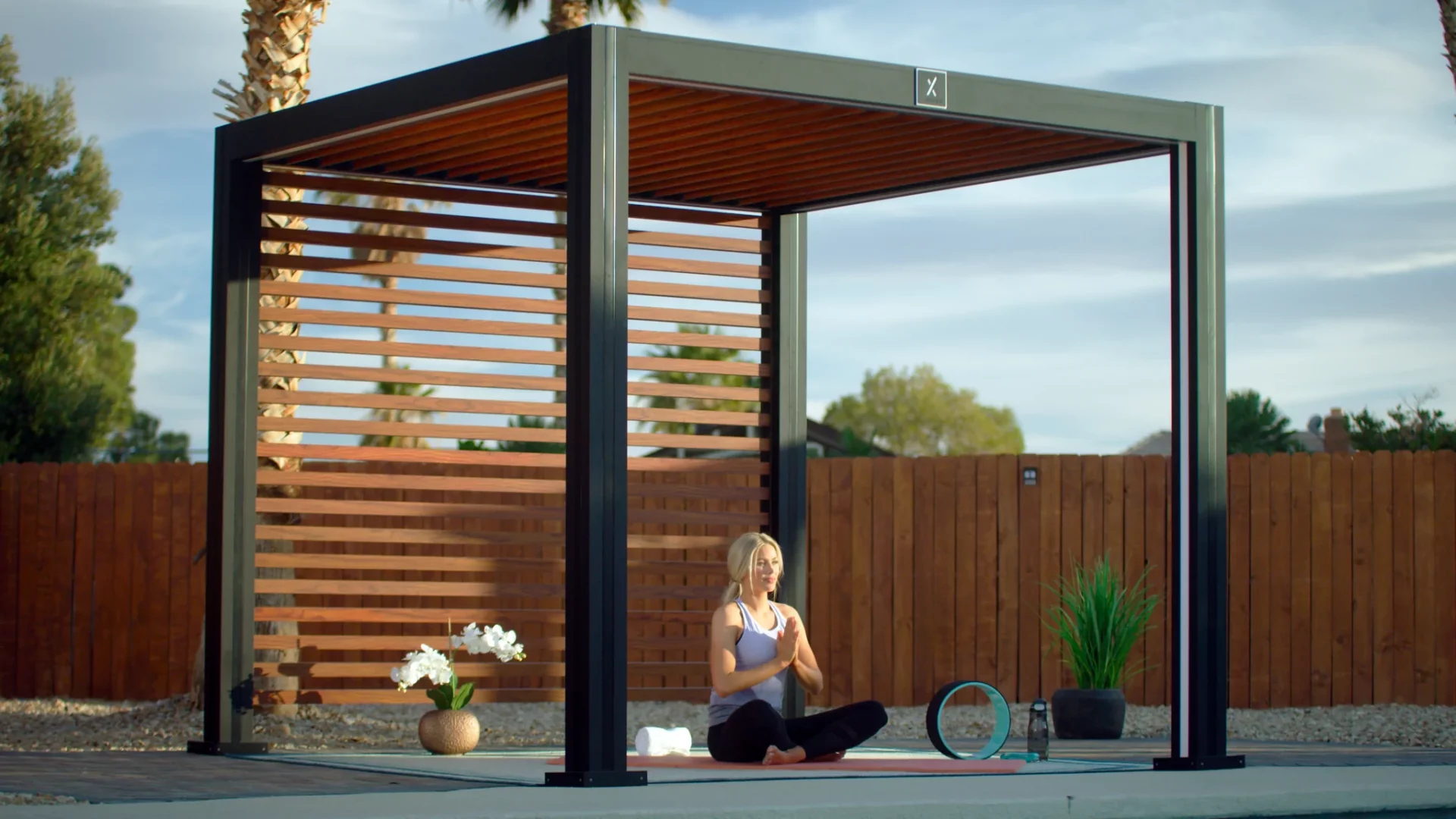
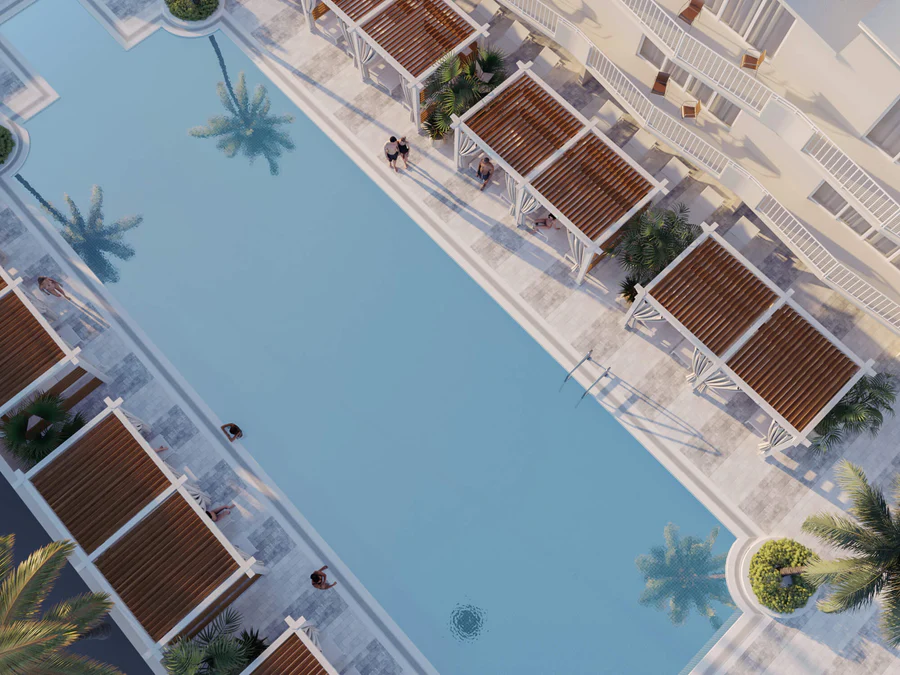
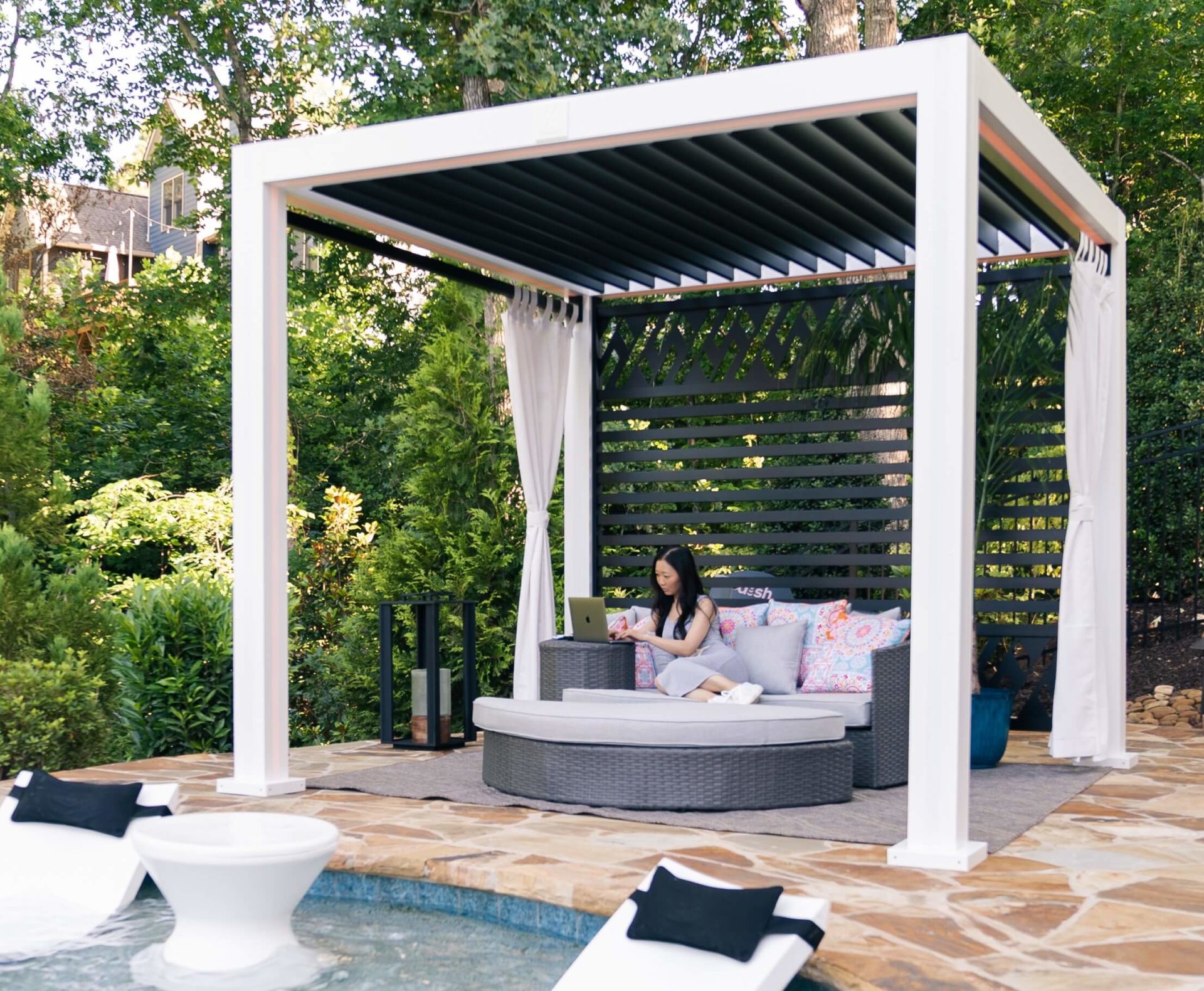
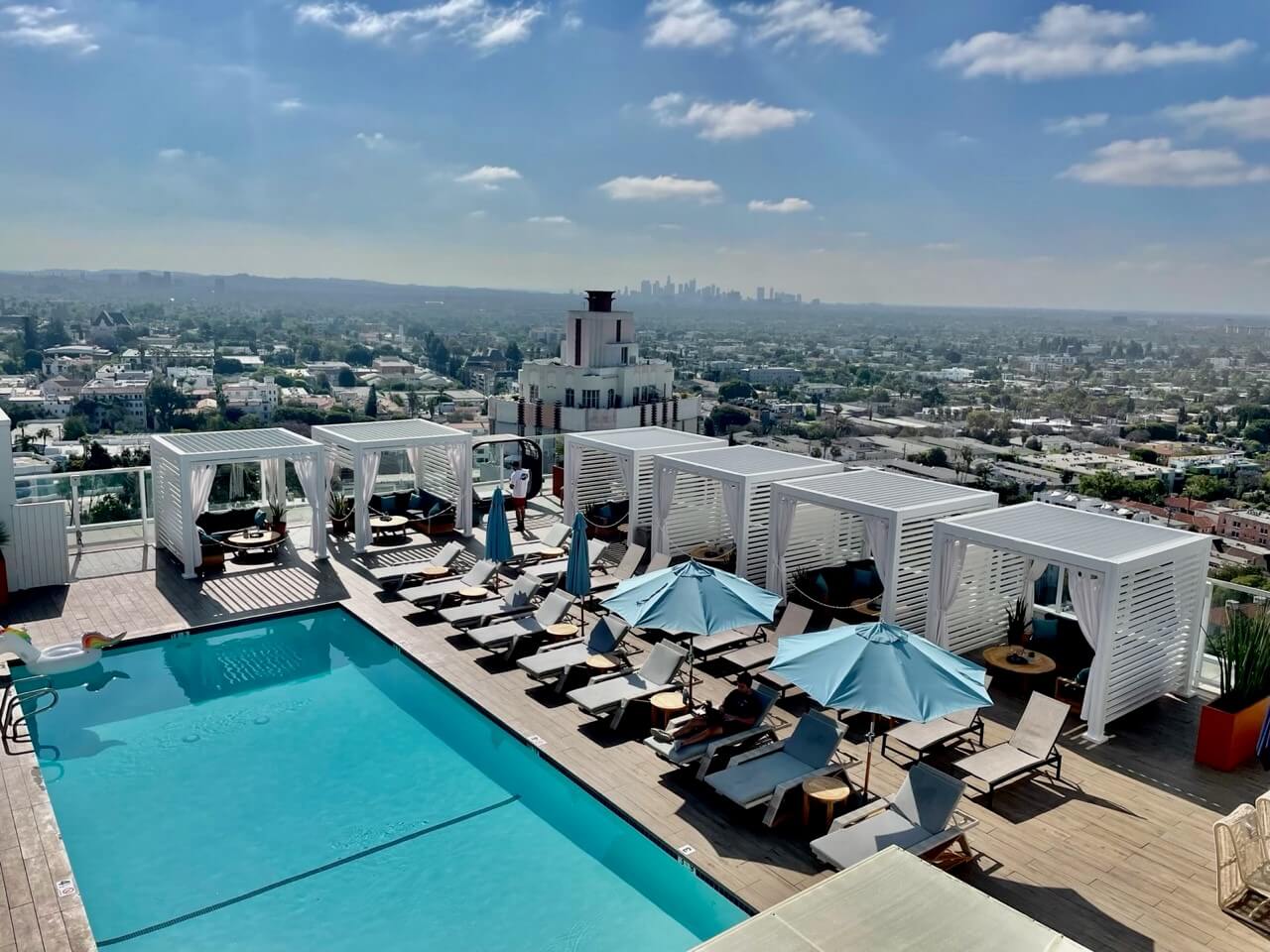
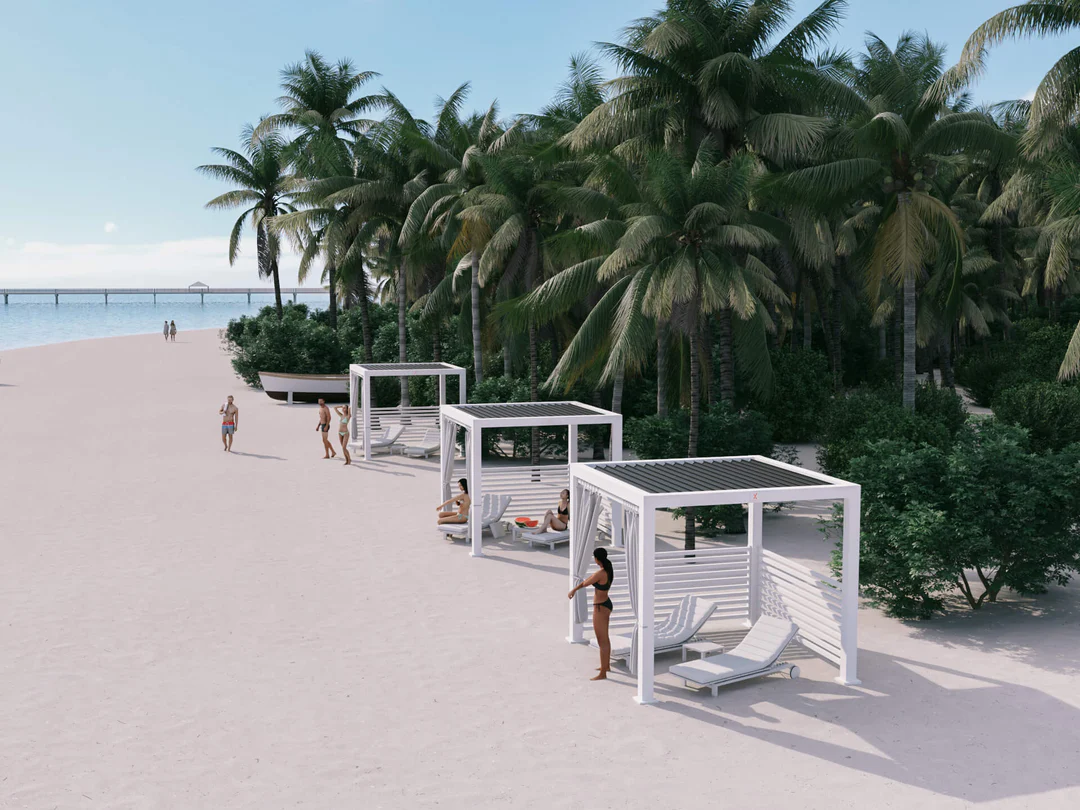
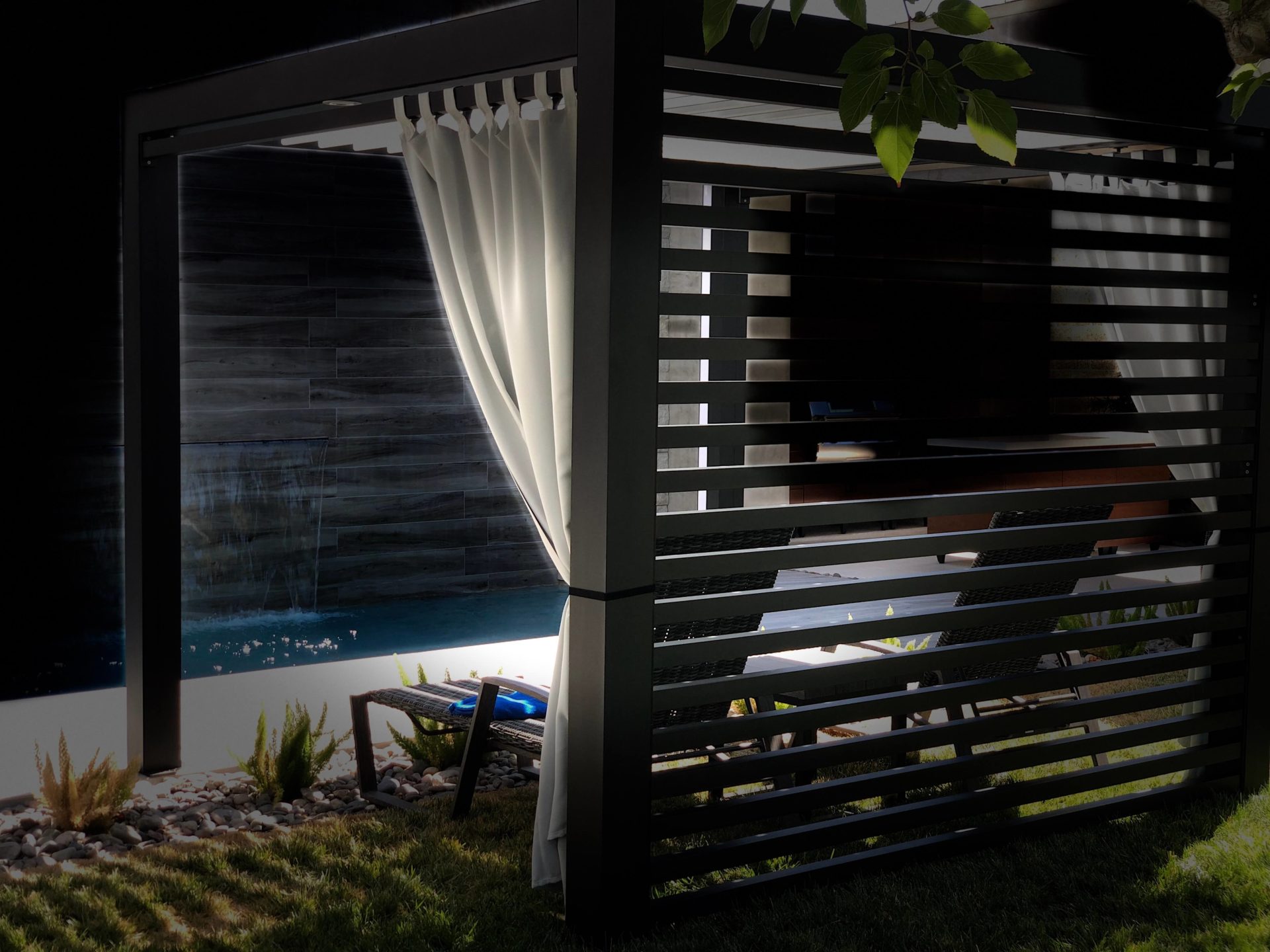
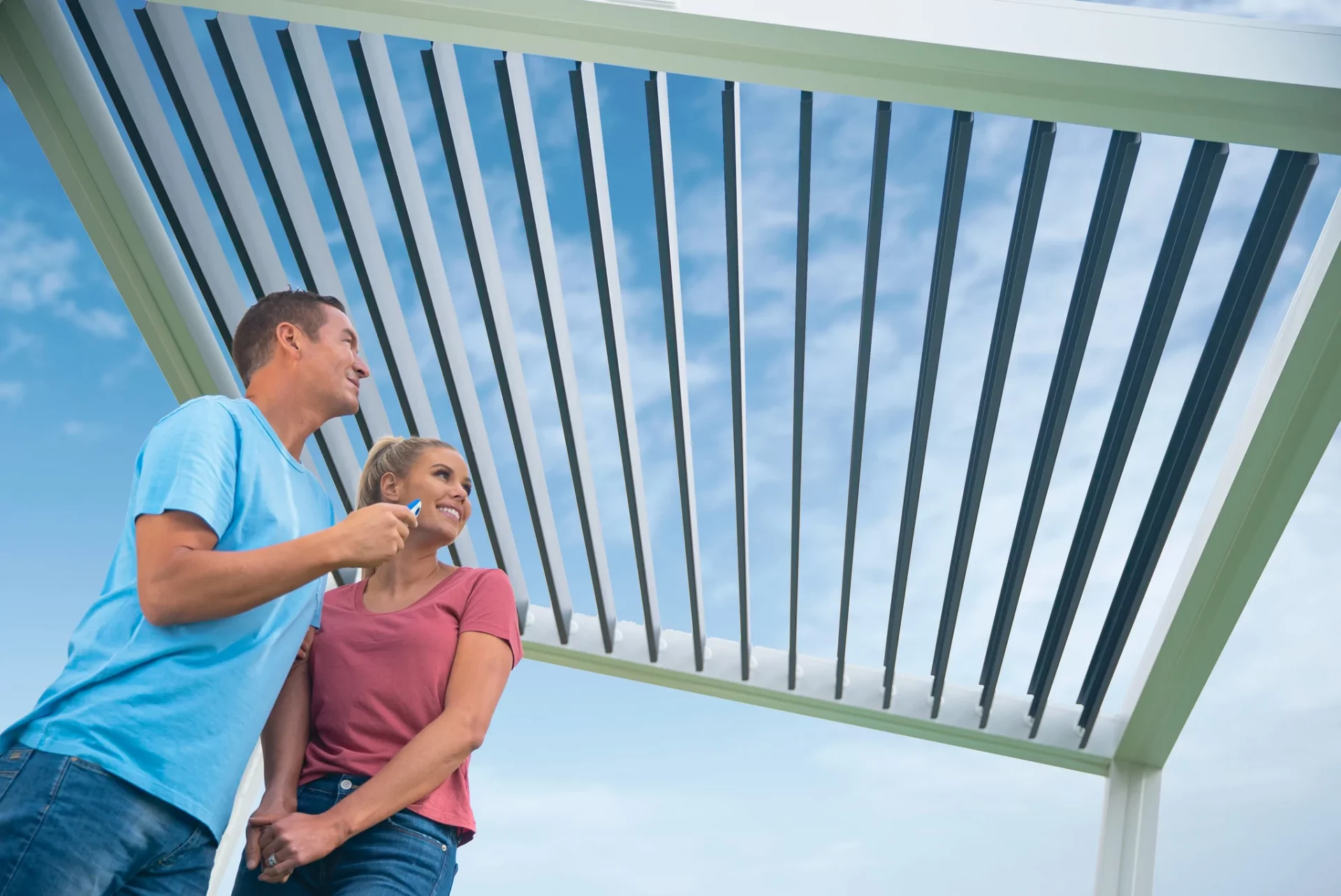
Are pergolas or covered structures suitable here? Yes — covered pergolas or roofs with good ventilation are practical to reduce heat and provide shelter from storms.
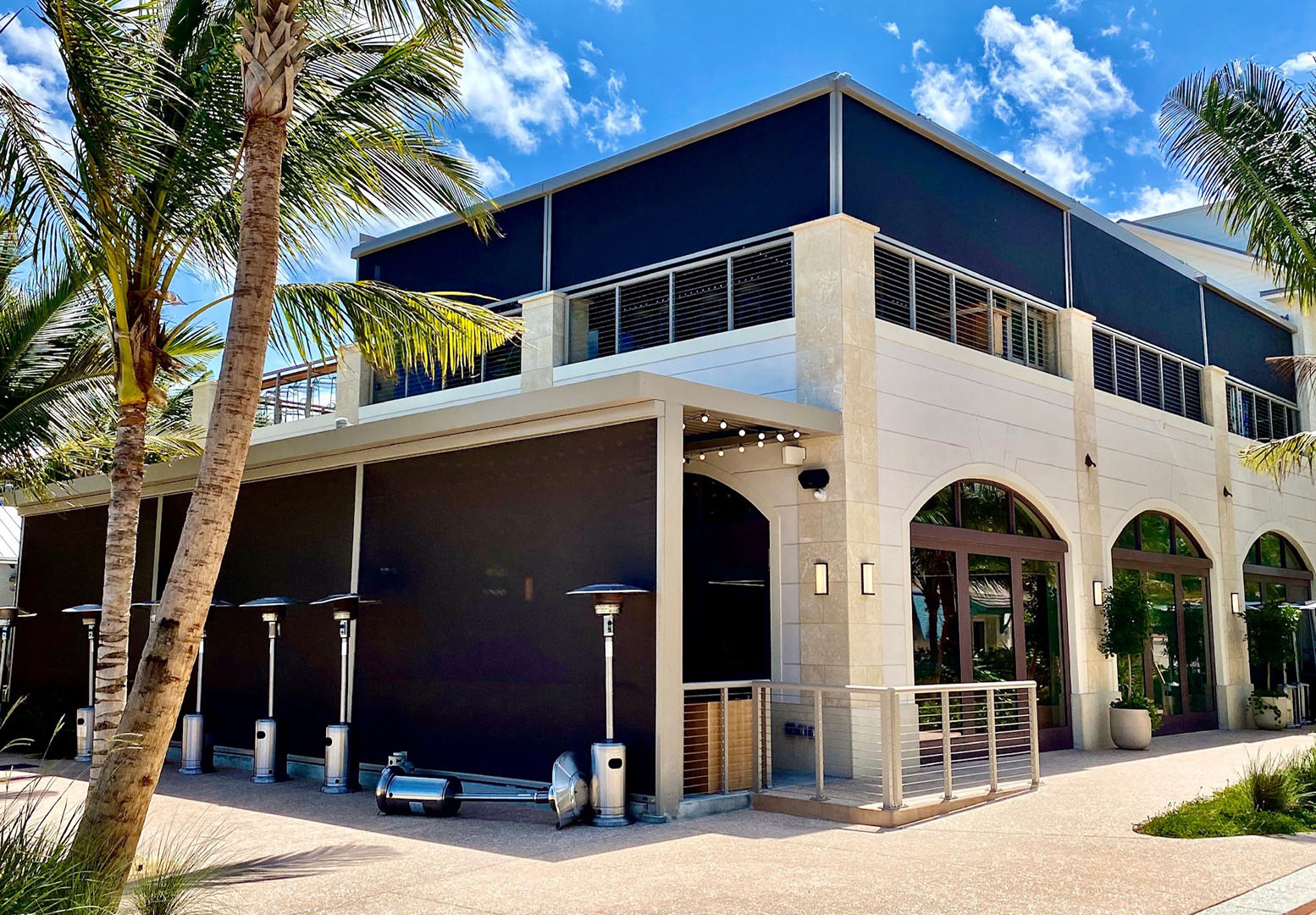
What materials work best for outdoor upgrades? Choose resilient, corrosion-resistant materials and hurricane-rated designs (shutters, hurricane-rated details) to withstand salt air, wind and hurricane season (Jun–Nov).
Which property layouts suit outdoor living? Larger lots—common in Lake Ida and West Delray—favor expansive patios. Beachfront blocks often have smaller yards but direct beach access and walkability.
Will local projects affect property value and outdoor amenities? Yes. Planned public investments (Northwest improvements, Pompey Park, golf course) will improve infrastructure and recreational amenities.