
Living Outdoors in Lighthouse Point
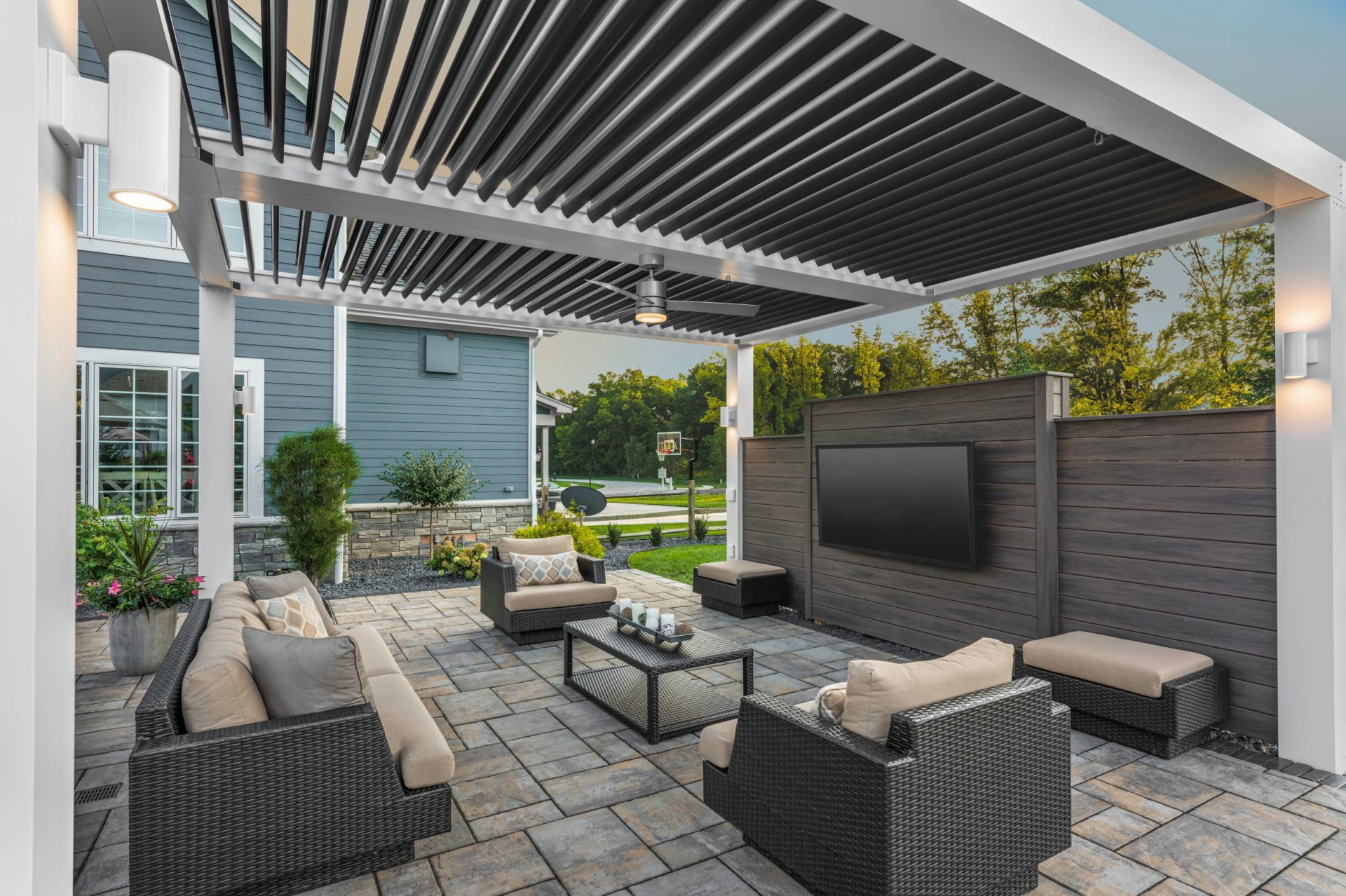
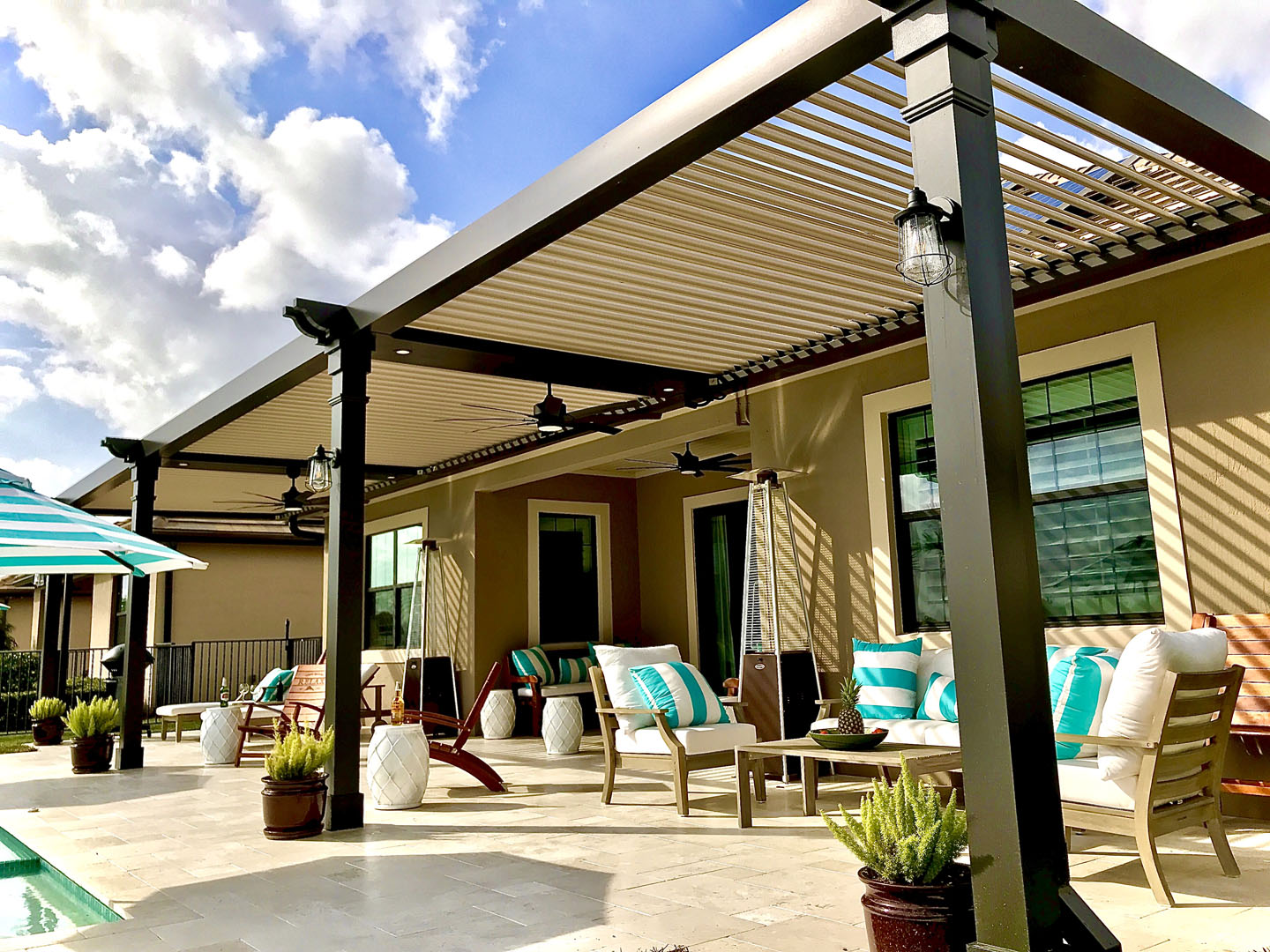
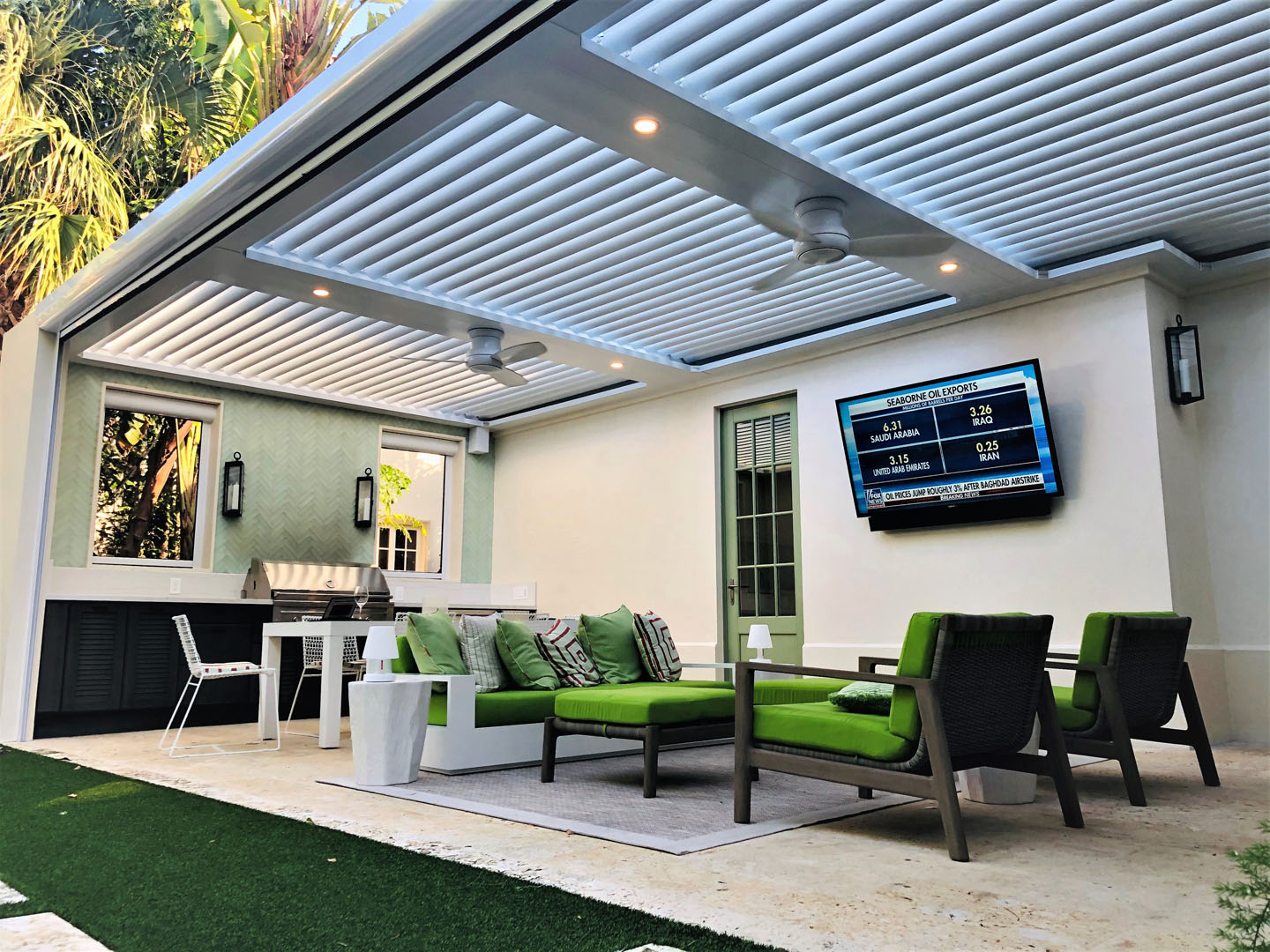
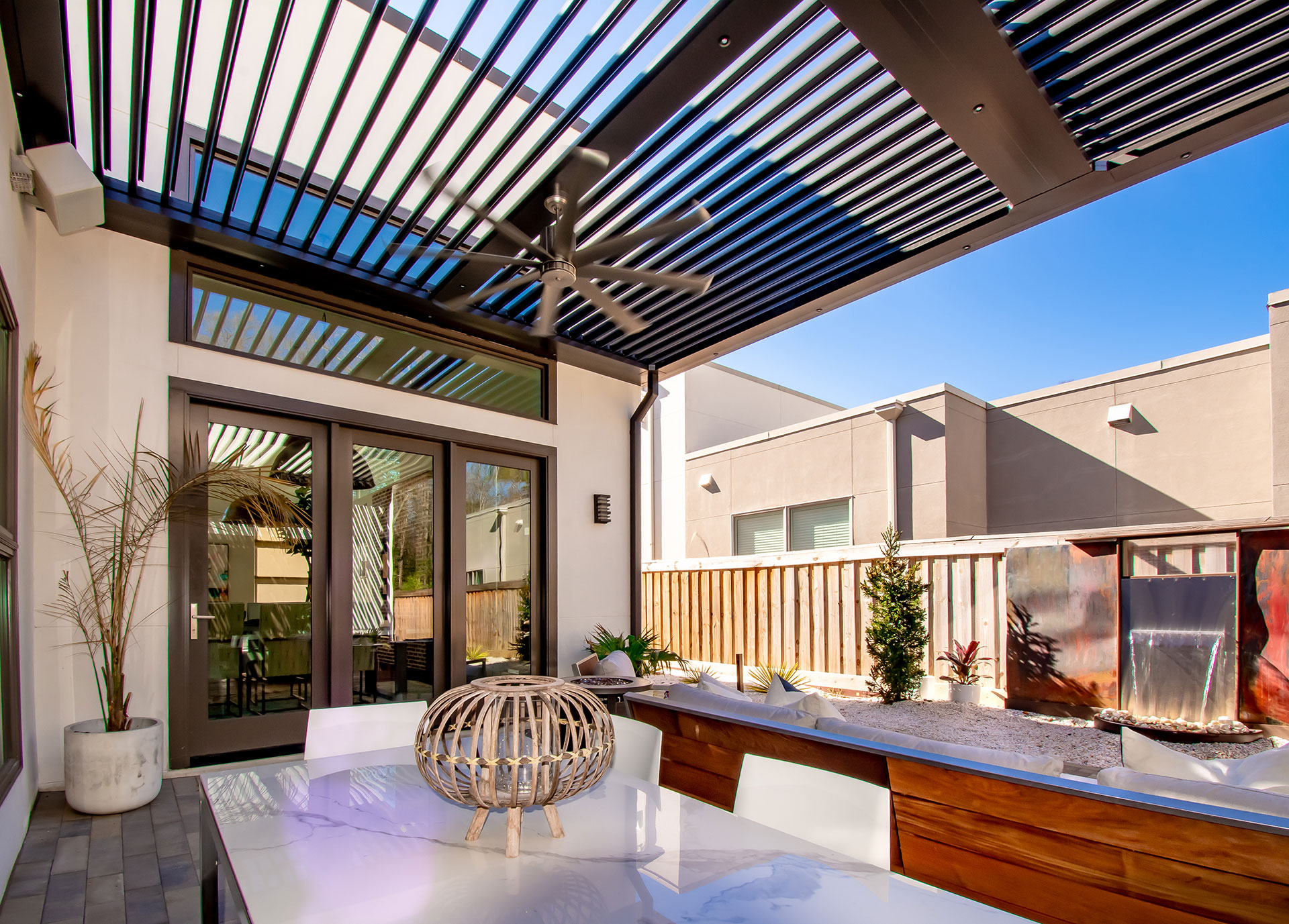
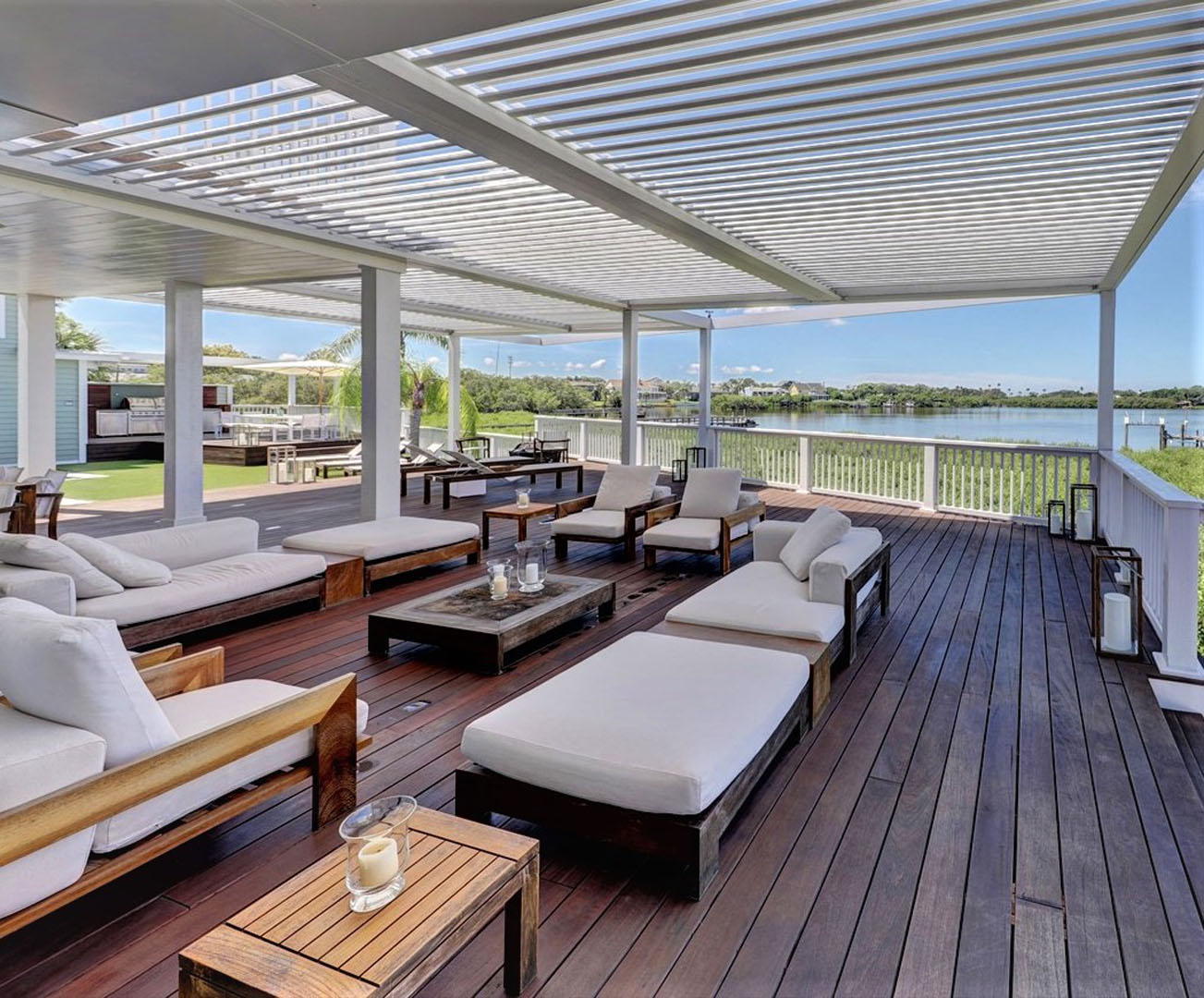
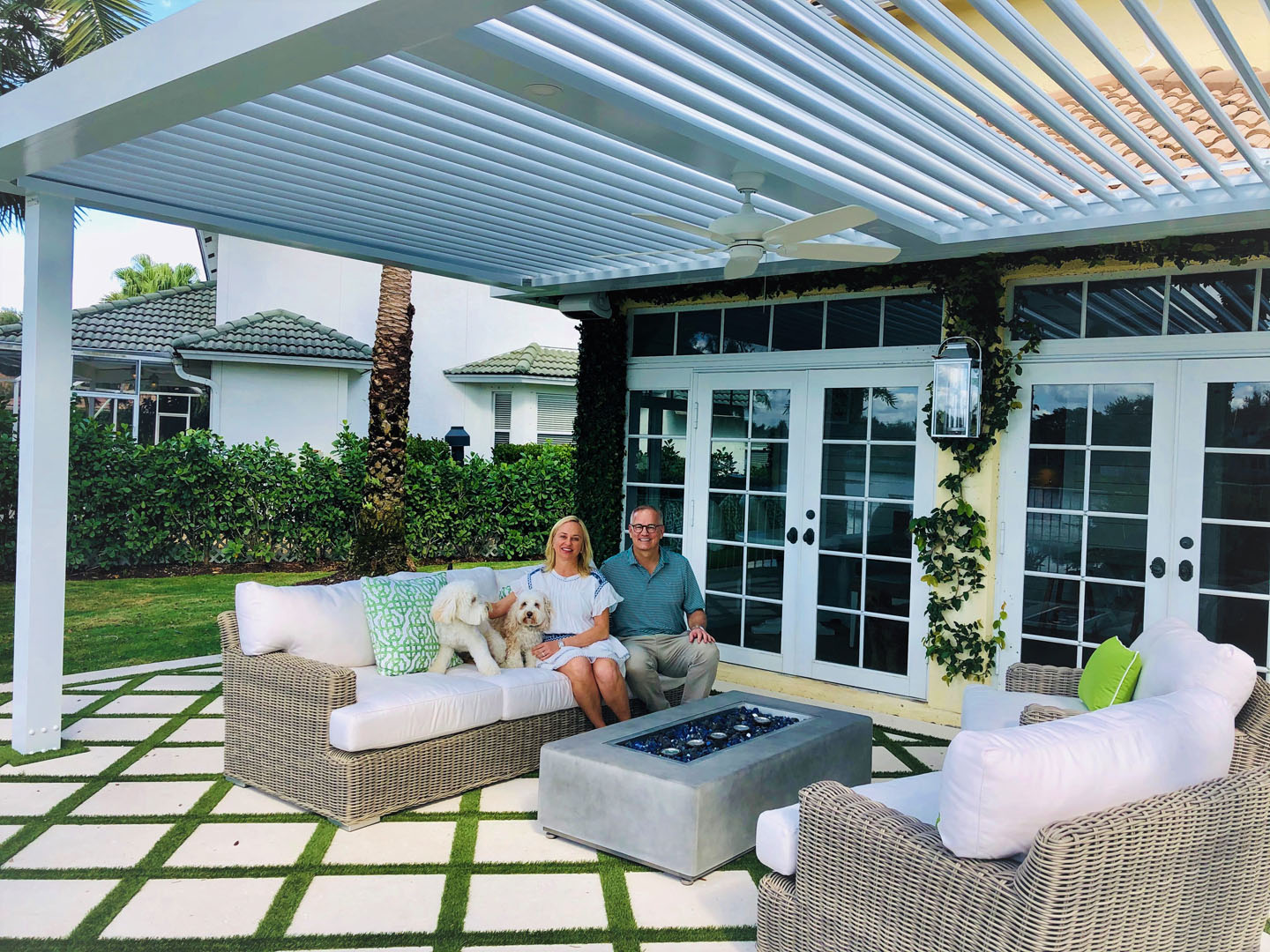
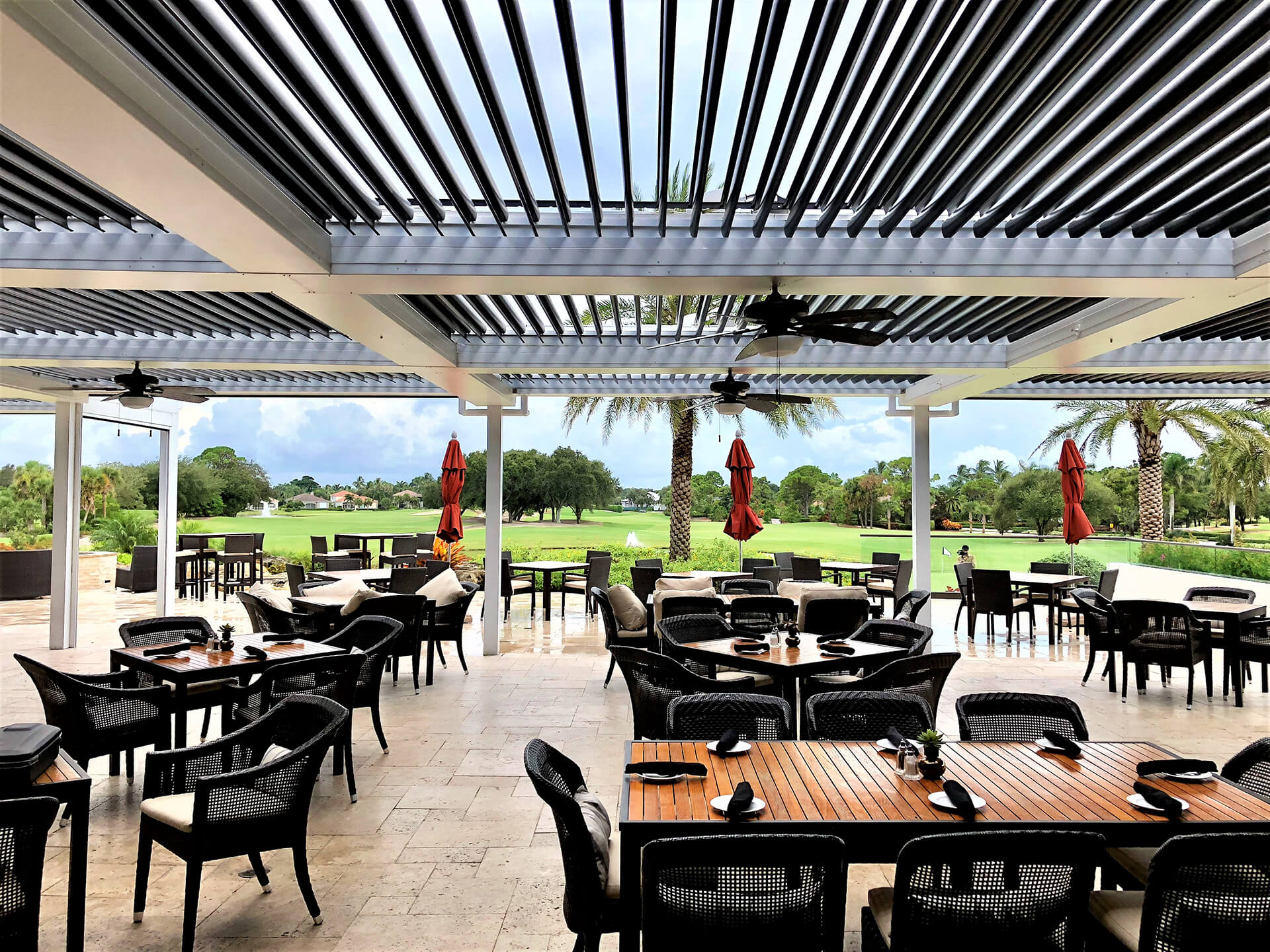
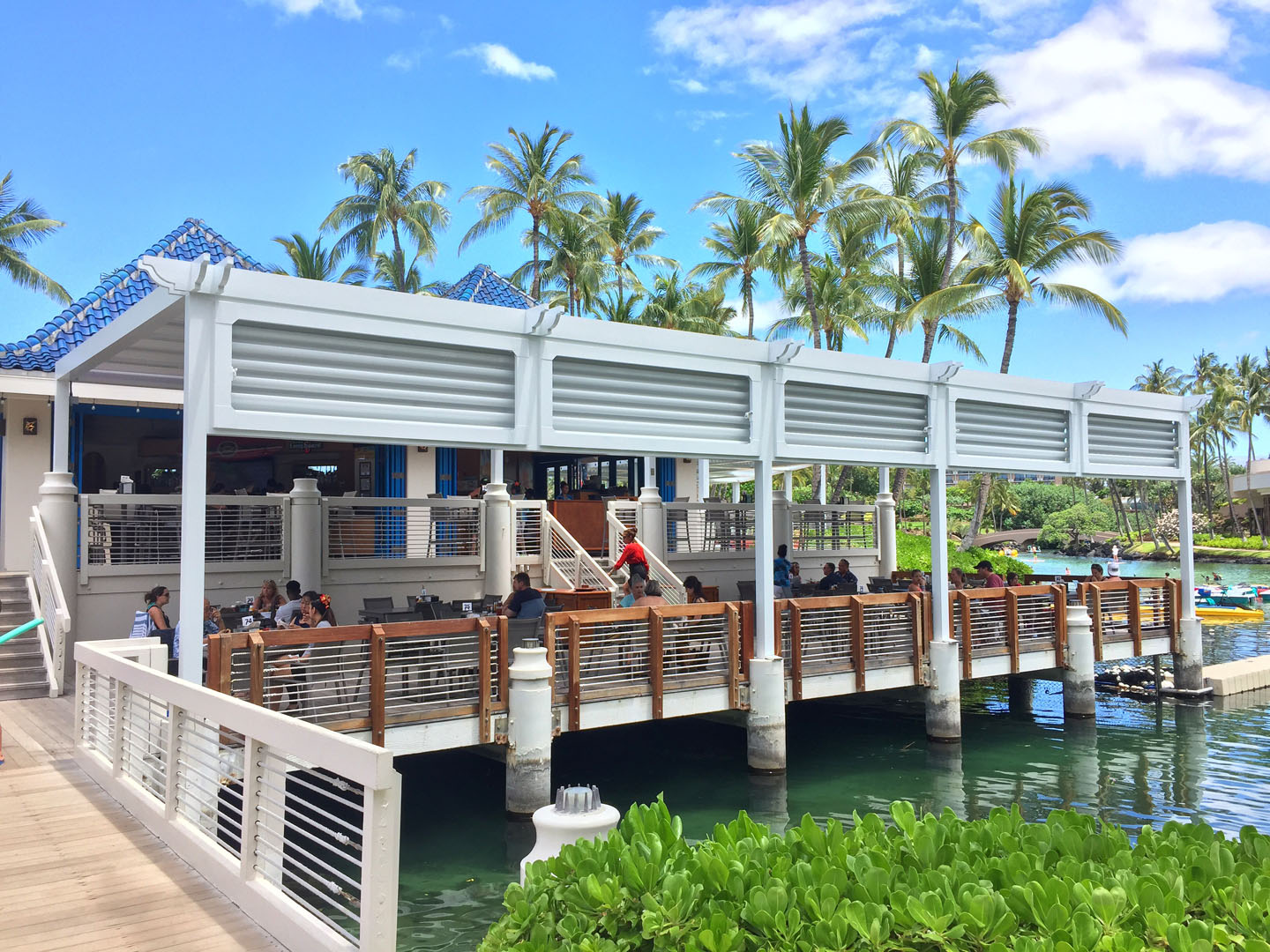
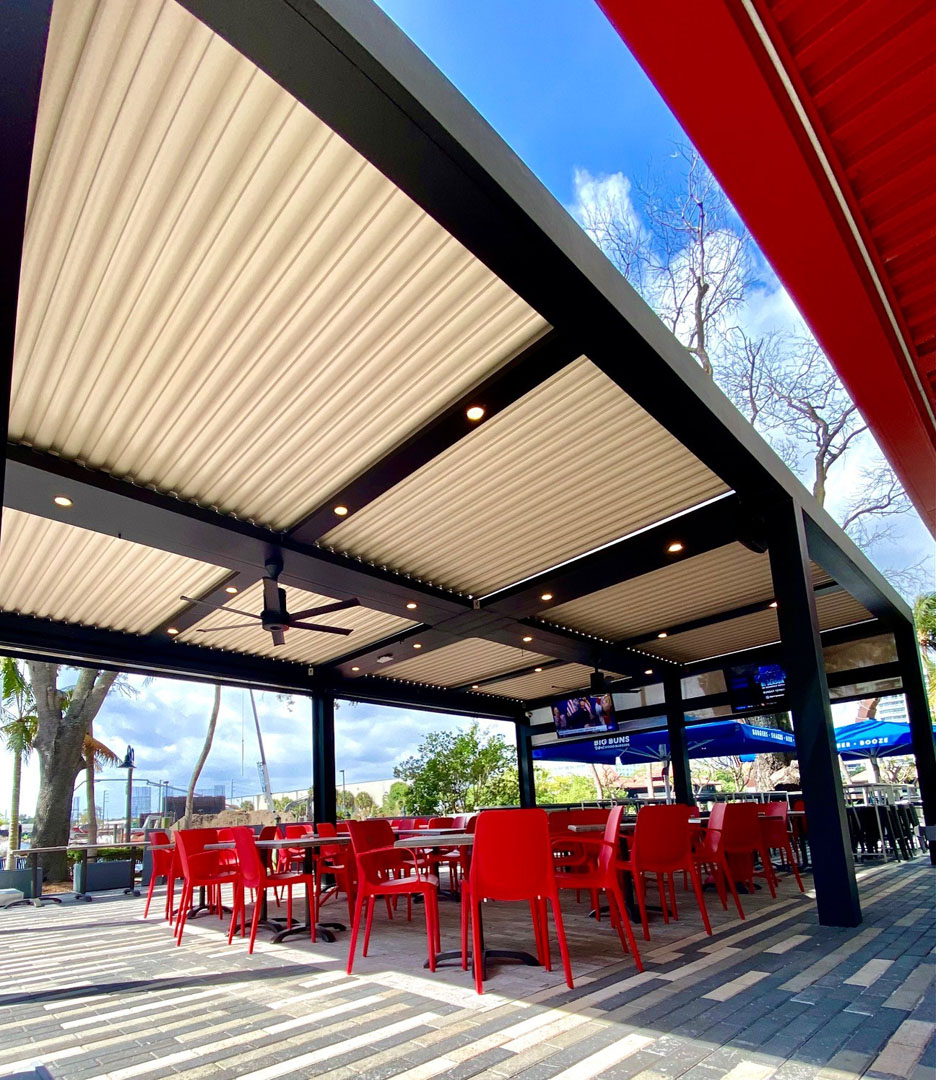
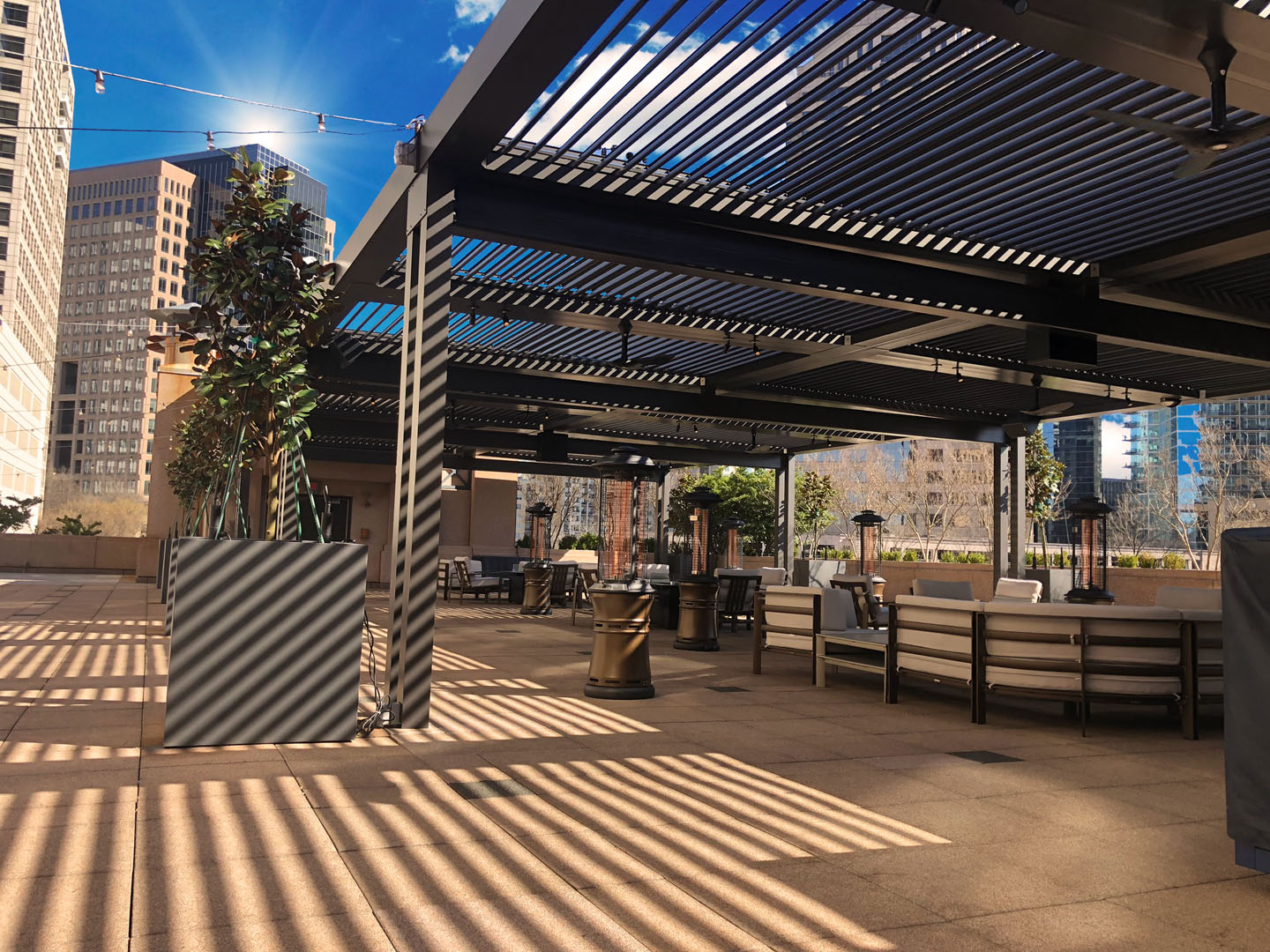
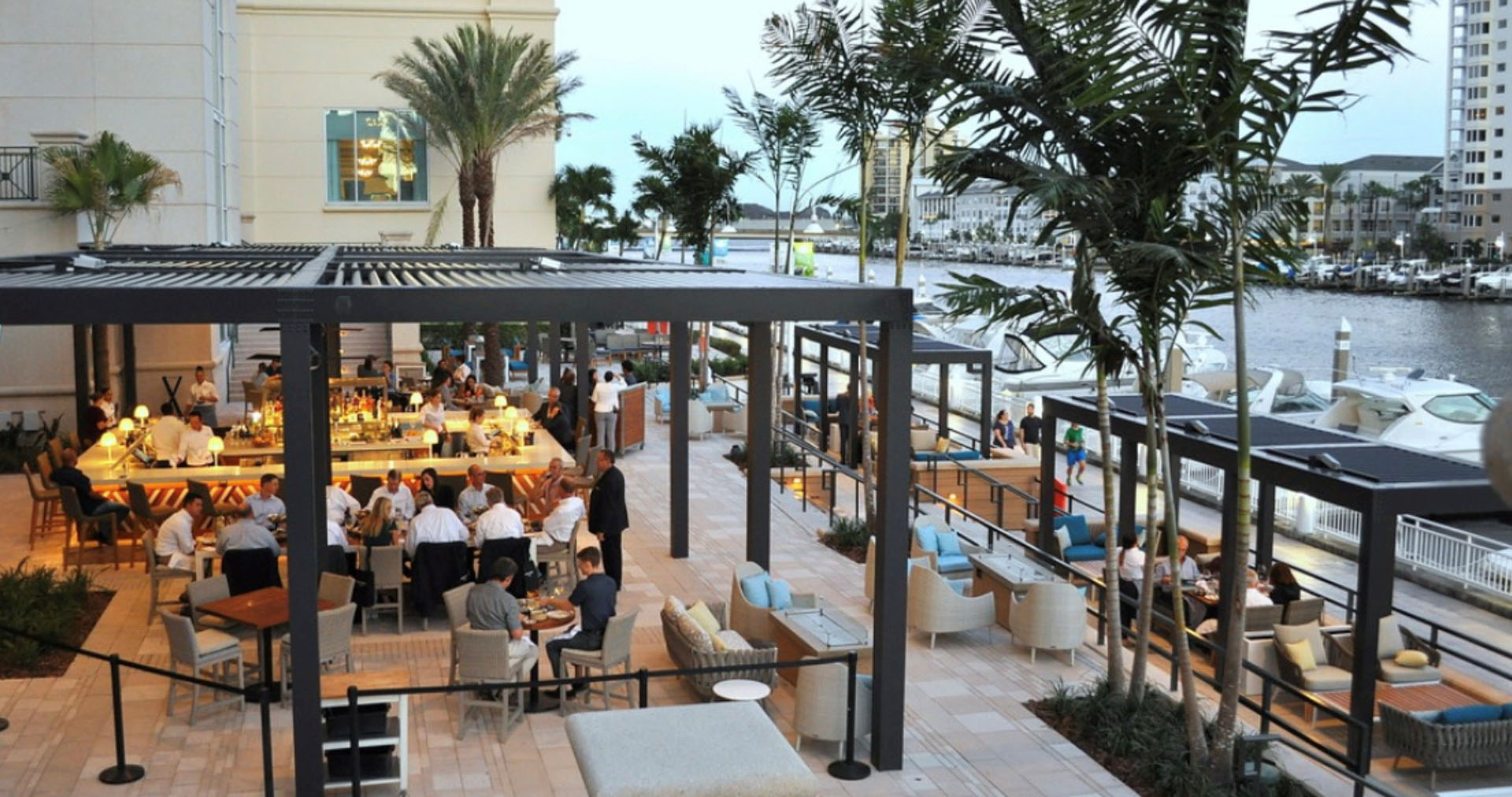
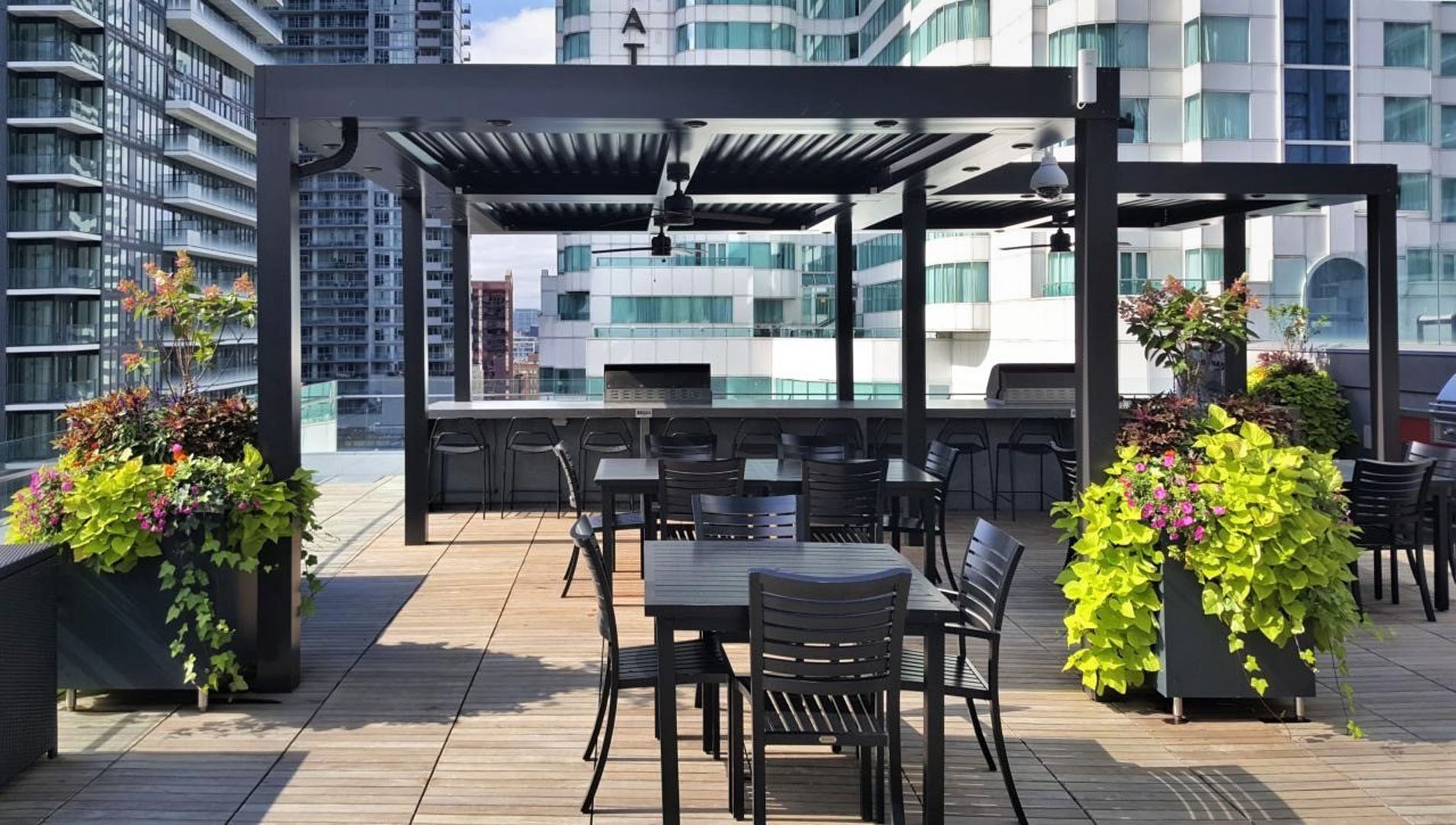
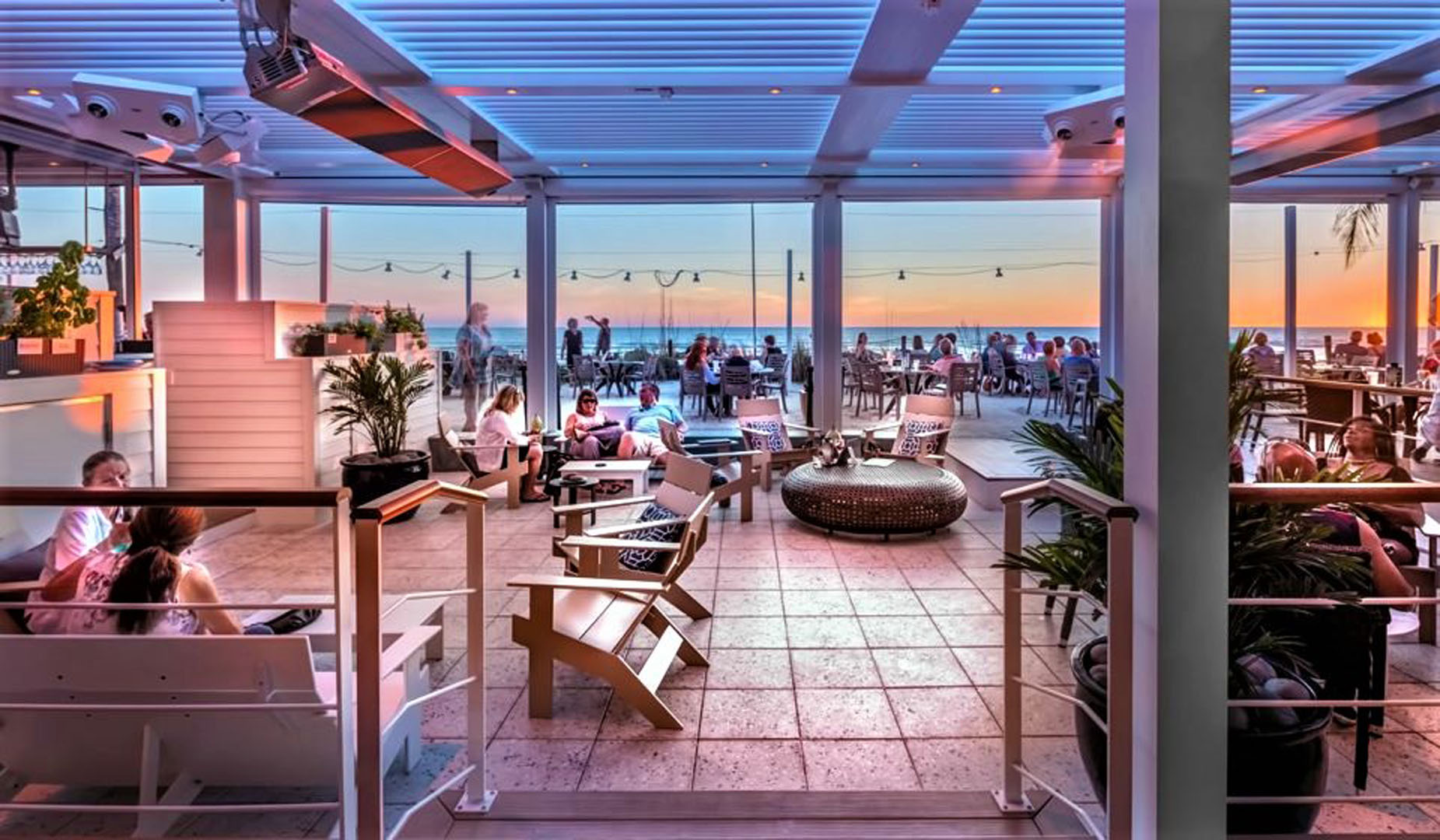
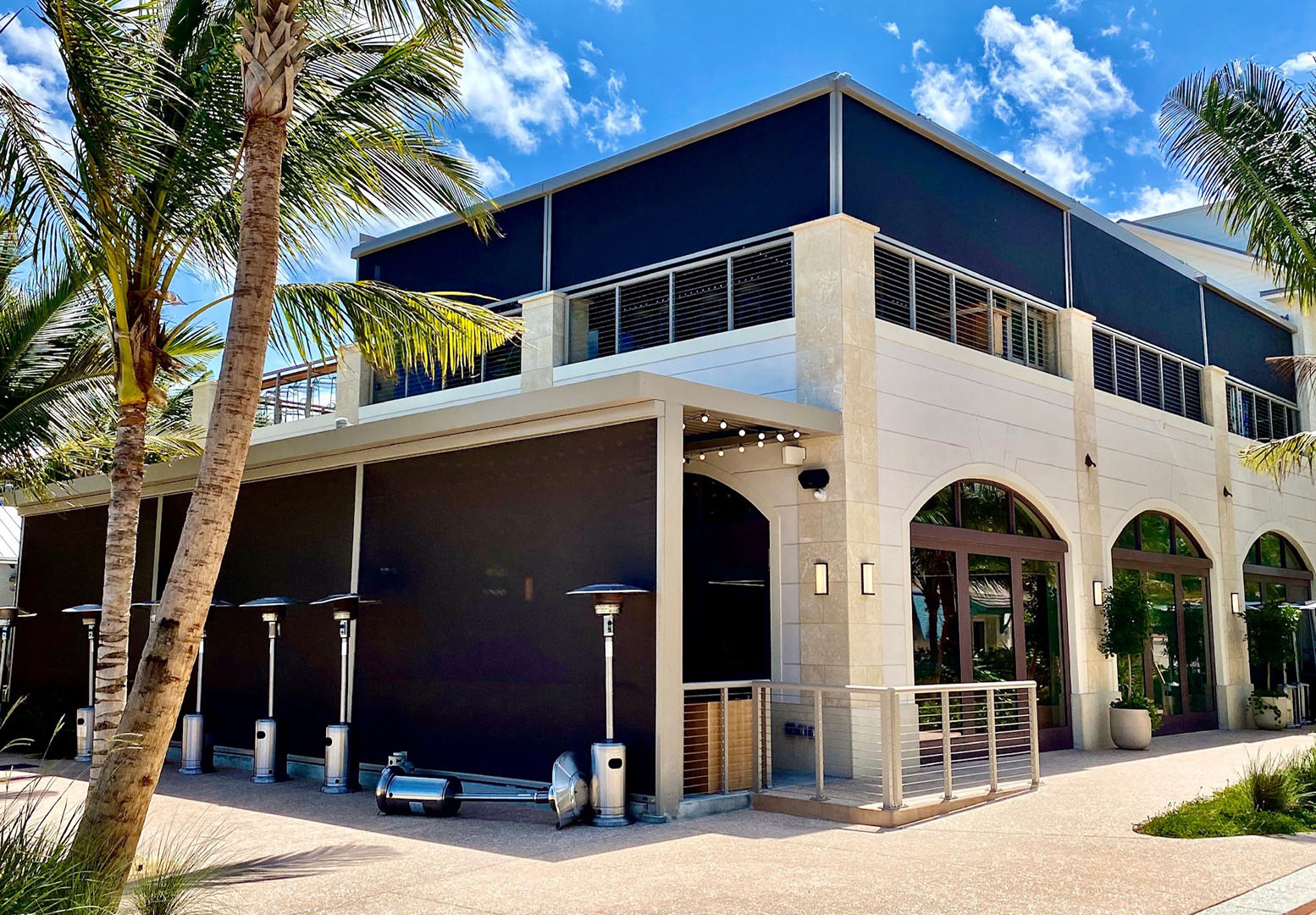
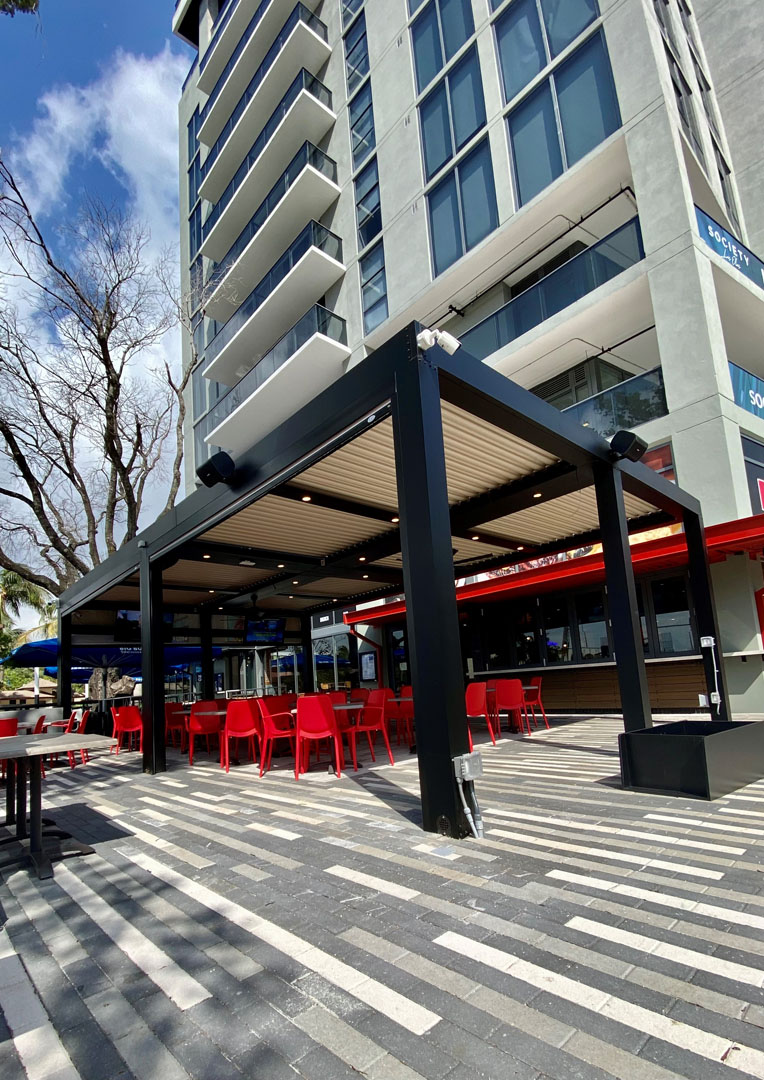
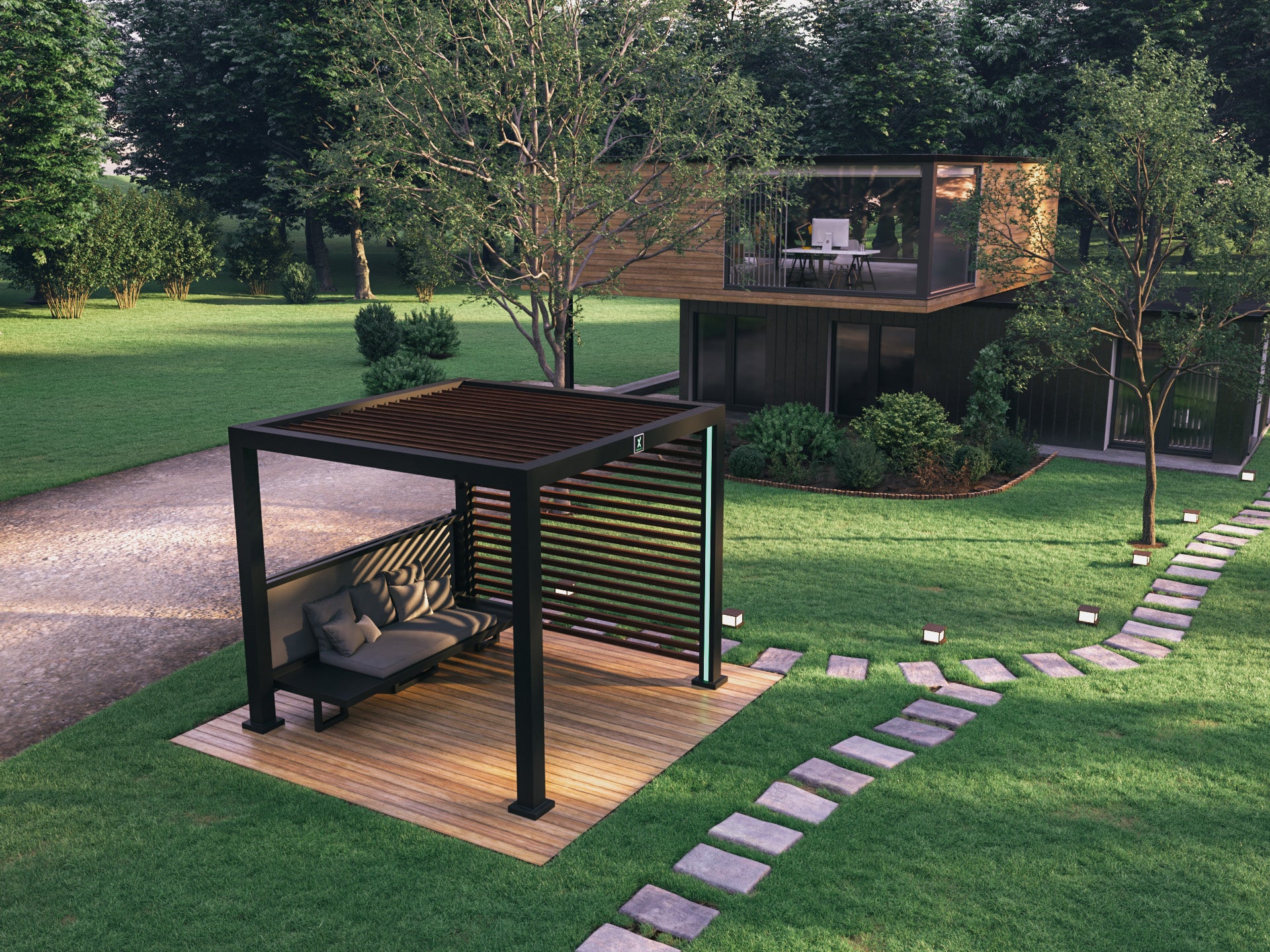
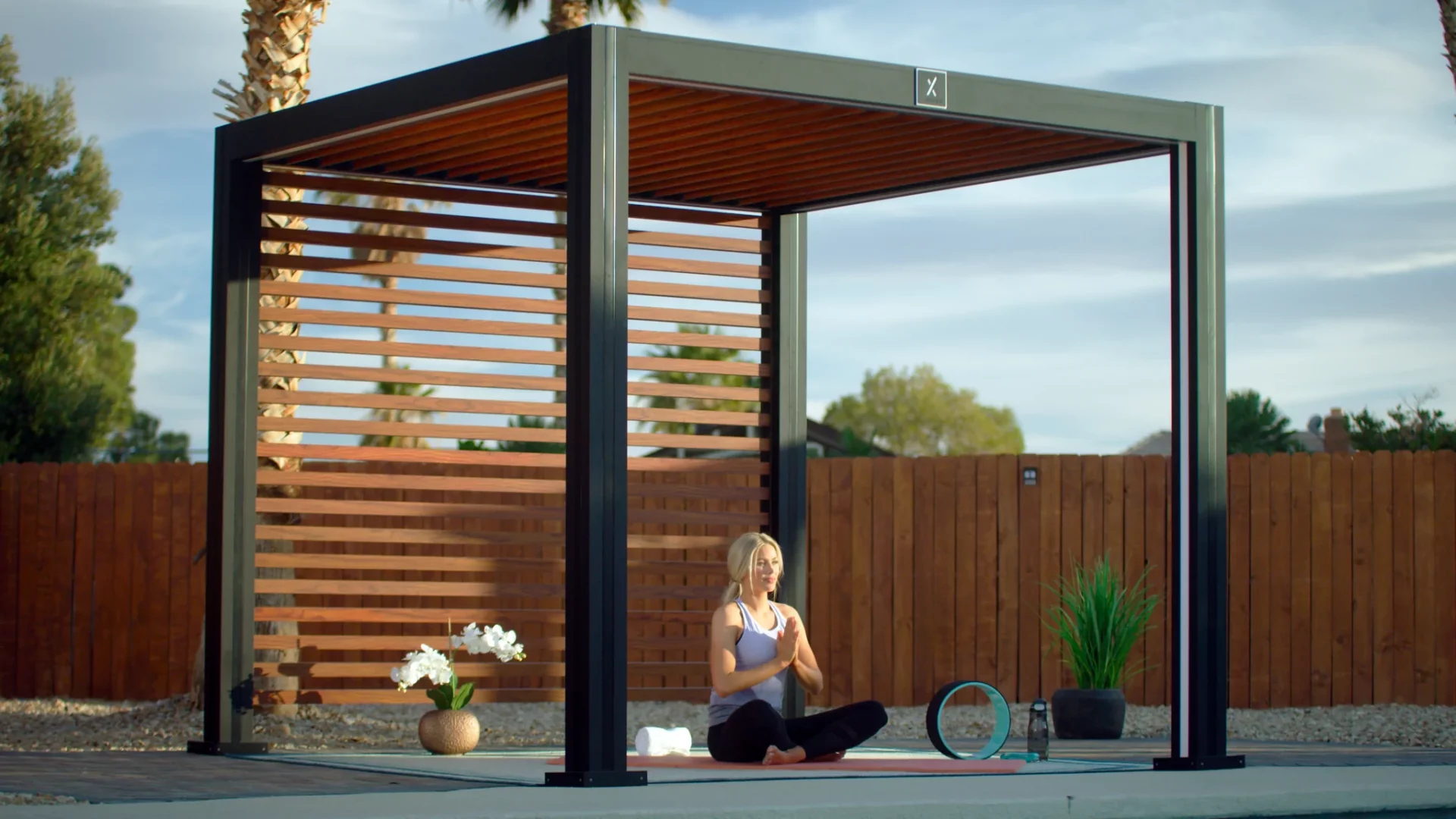
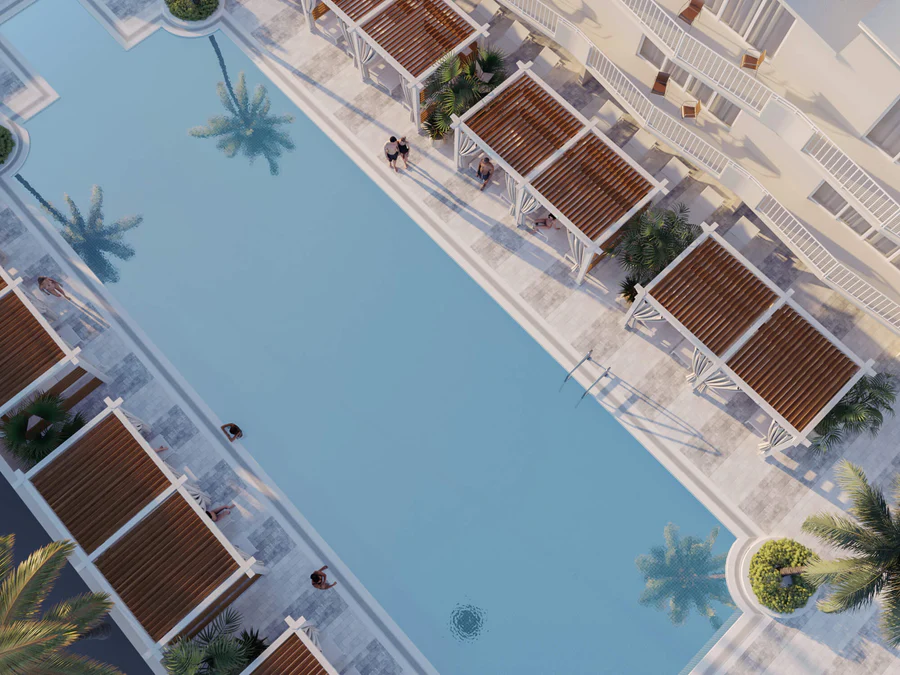
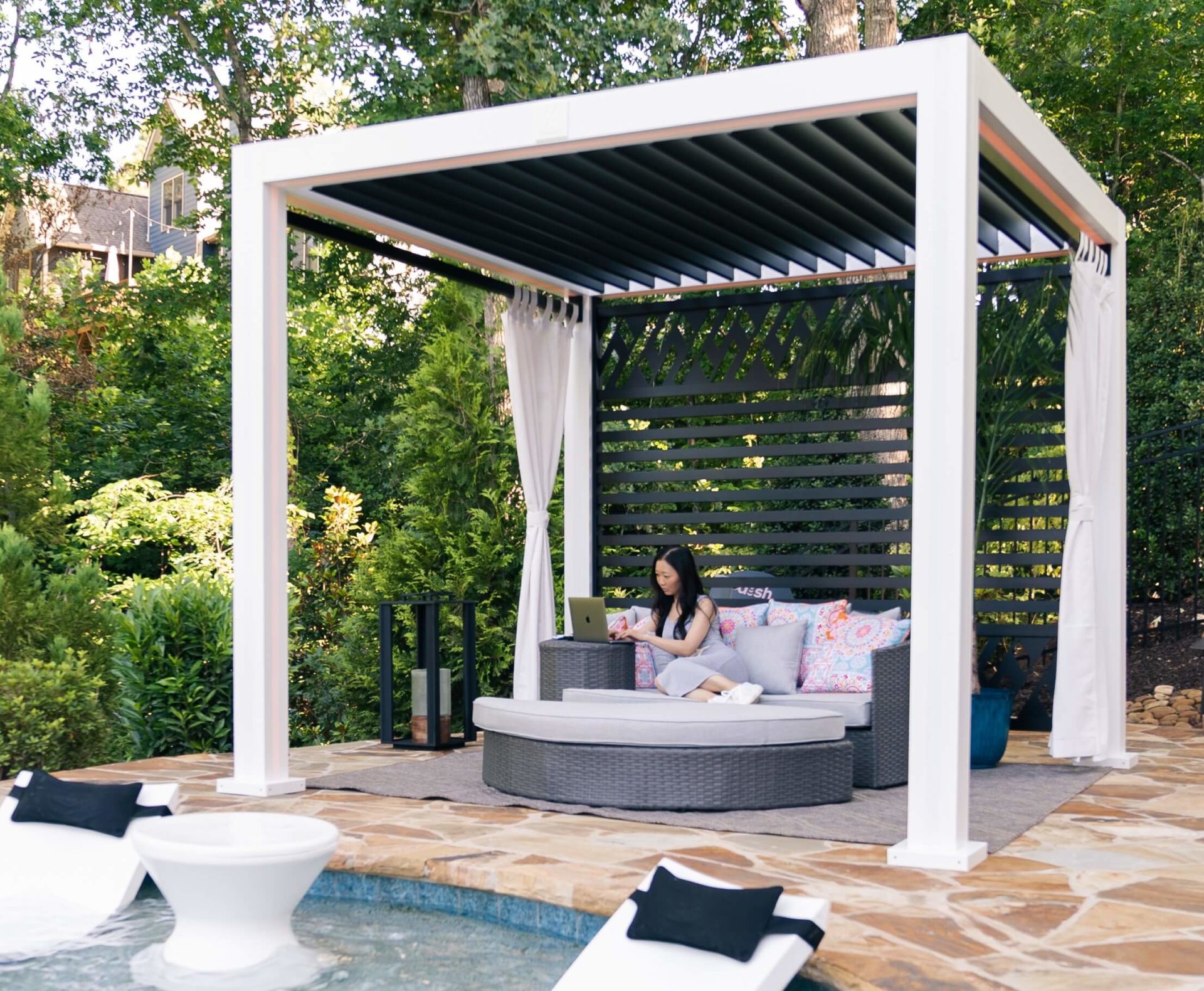
Residents of Lighthouse Point center daily life around water and outdoor living, using backyards, waterfront patios, terraces, balconies and private docks for boating prep, fishing, water skiing, jet skiing and leisurely Intracoastal cruises along 18 to 20 miles of canals to the Atlantic. Weekends spill into nearby parks and club venues—Frank McDonough, DeGroff and Dan Witt parks, the Lighthouse Point Yacht Club and Quiet Waters Park—for tennis, hiking, biking, picnics and family gatherings, while waterside restaurants like Nauti Dawg and Papa’s Raw Bar extend the social scene. Tree-lined, low-density lots and Mediterranean or coastal homes commonly feature courtyards and shaded terraces, but intense sun, salt spray and sea breezes make UV-protective, ventilated and wind-resistant pergolas or coverings essential for comfortable year-round outdoor living.
Outdoor Activities, Amenities, and Lifestyle Patterns
Lighthouse Point residents lead a water-centered, active outdoor life built around boating, sailing, fishing, water skiing, jet skiing and leisurely Intracoastal and ocean cruises via 18–20 miles of canals and private docks; weekends often include waterside dining at local spots like Nauti Dawg or Papa’s Raw Bar, yacht club events, and family gatherings in backyards, terraces or parks such as Frank McDonough, DeGroff and Dan Witt. Low-density, tree-shaded neighborhoods of mostly single-family homes with Mediterranean, midcentury and coastal styles support outdoor entertaining, tennis and bike paths, while the subtropical sun, heat, salt spray and coastal winds drive demand for UV-protective, ventilated, wind-resistant shade structures, durable waterfront materials and outdoor layouts that favor shaded relaxation, boating prep and year-round water recreation.
Residential Property Characteristics of Lighthouse Point Affecting Outdoor Living
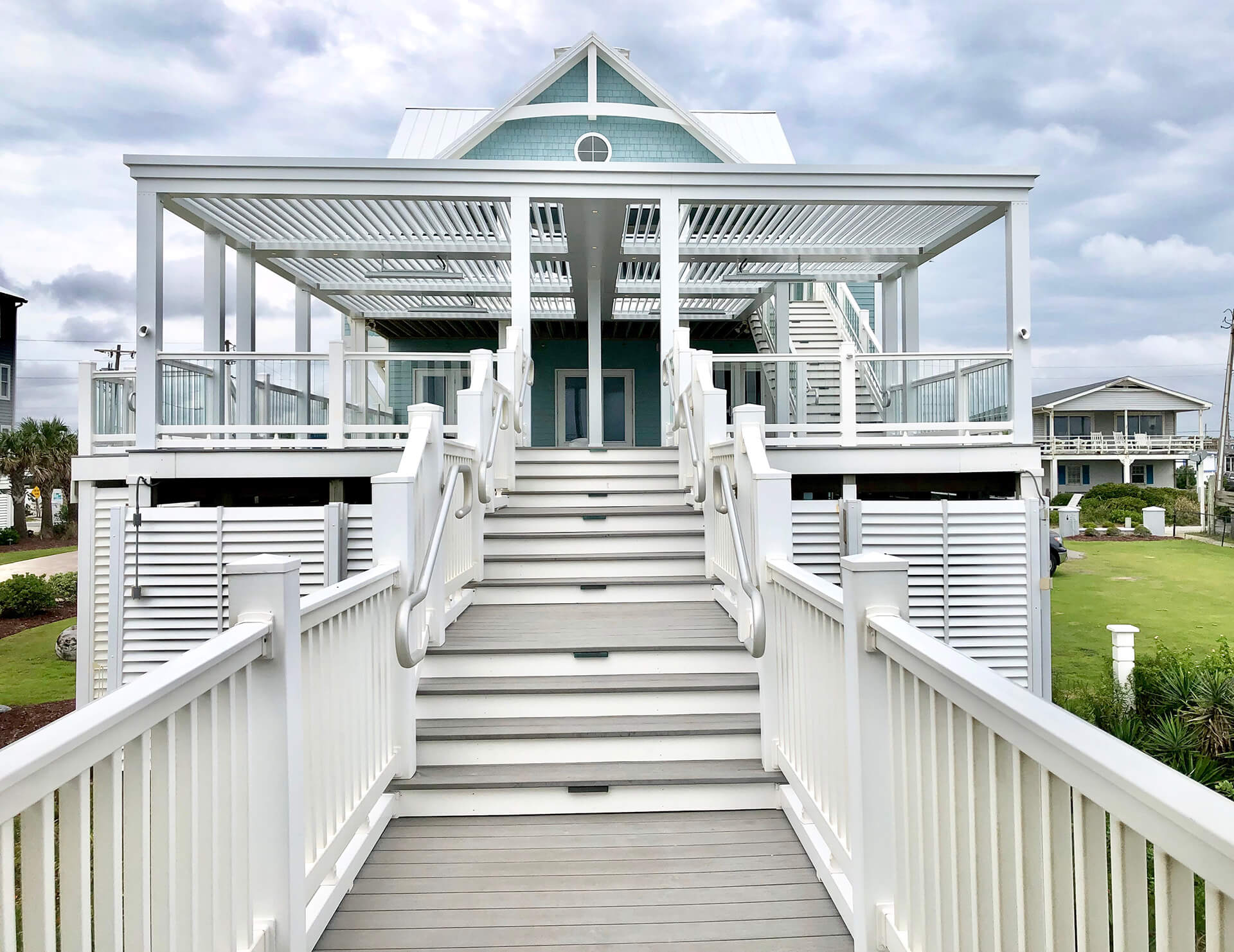
Lighthouse Point’s housing stock is overwhelmingly single-family (about 80%), ranging from midcentury ranches and Mediterranean-inspired villas to modern waterfront estates and coastal designs, many with private docks, expansive water views and direct boating access along some 18–20 miles of canals. Lots vary widely—roughly 500 to 12,000 sq ft (with one very large 18.8-acre parcel)—so backyards commonly accommodate terraces, courtyards or waterfront patios and Italian-style courtyard layouts that inform pergola placement near docks or along canalfronts. Low-density, tree-shaded neighborhoods and cul-de-sacs create sheltered outdoor rooms, while intense sun, salt spray, humidity and coastal winds demand durable, wind-resistant, ventilated and UV-protective pergola and shaded-patio designs for lasting outdoor comfort.
Climate, Sun, and Weather Considerations in Lighthouse Point
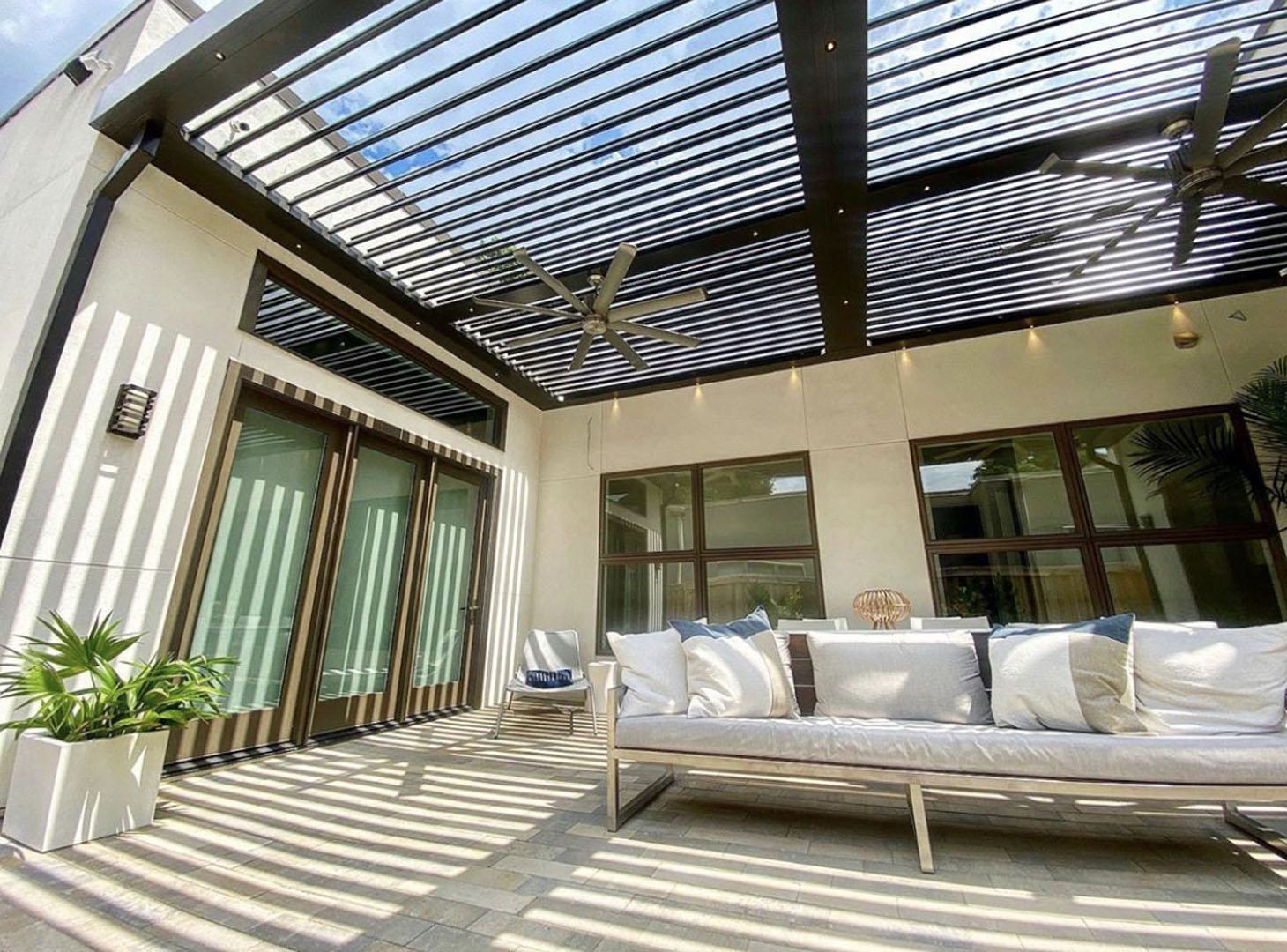
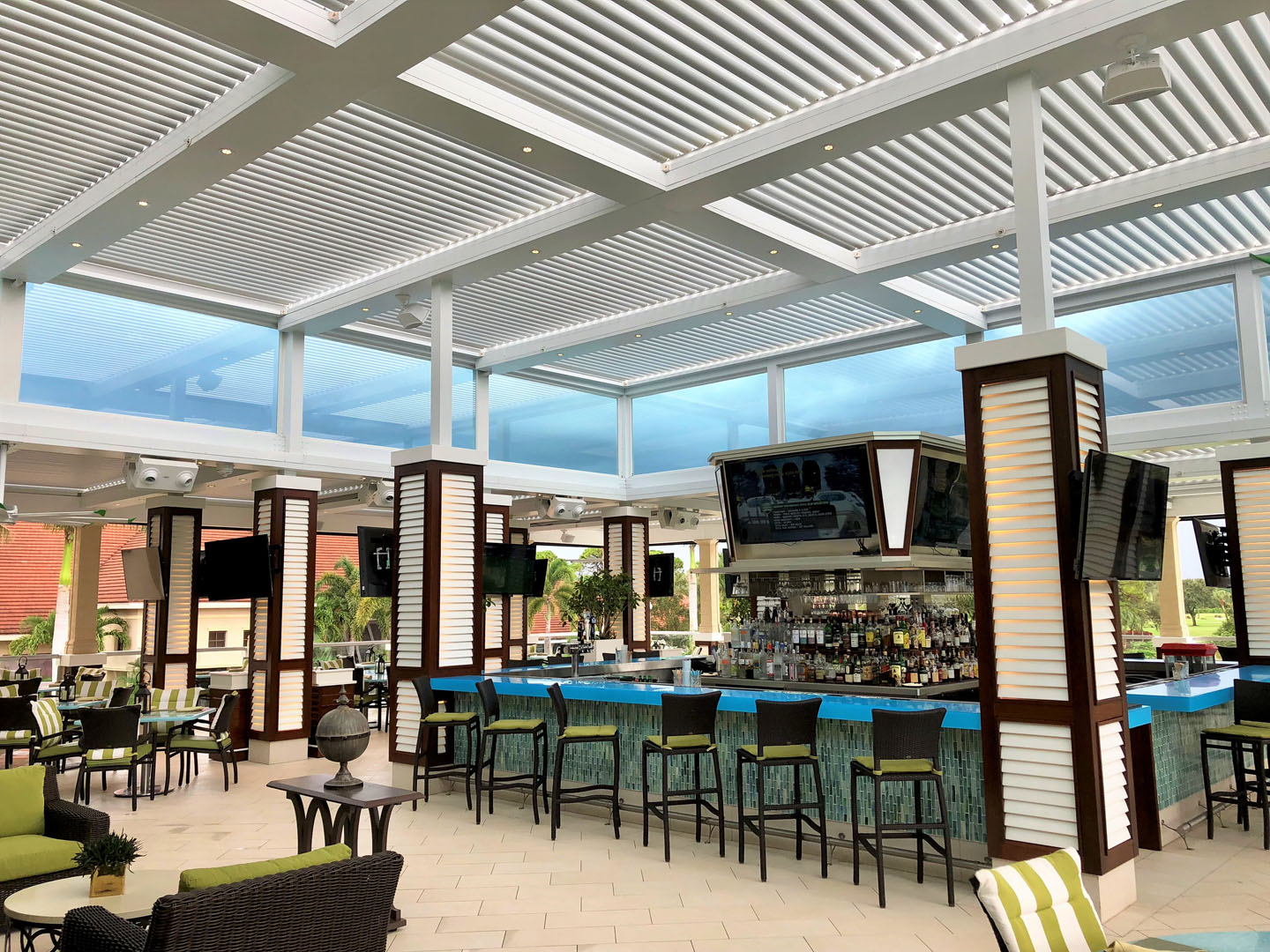
Lighthouse Point’s subtropical, coastal climate brings intense sun, high heat, frequent rain and steady ocean breezes from the Intracoastal Waterway, Hillsboro Inlet and Atlantic Ocean, so outdoor comfort hinges on effective shade and durable detailing. Waterfront properties endure salt spray and wind that stress pergolas, terraces and dockside furnishings, while humidity and prolonged sunlight increase UV exposure and wear. Tree-lined streets and lush landscaping provide welcome natural shade, but designers and homeowners typically specify ventilated, UV-protective and wind-resistant covers, corrosion-tolerant materials, and secure anchoring to keep patios, courtyards and docks usable for boating prep, waterside dining and park gatherings despite storms, gusts and frequent wet conditions.
Why Lighthouse Point Is Ideal for Outdoor Living
Lighthouse Point’s boating-centered lifestyle—anchored by over 18–20 miles of canals, private docks and easy Intracoastal and ocean access—naturally extends living outdoors, with residents using patios and terraces for boat prep, waterside lounging, picnics and family gatherings at nearby parks and yacht-club events. The predominance of single-family homes, varied lot sizes supporting courtyards and waterfront patios, tree-shaded, low-density neighborhoods, and coastal architectural styles like Mediterranean villas make pergolas and covered spaces a practical aesthetic fit. At the same time subtropical sun, heat, frequent rain, ocean breezes and salt spray drive demand for durable, UV-protective, ventilated and wind-resistant shade structures so outdoor areas remain comfortable and usable year-round, while proximity to Fort Lauderdale and Boca Raton keeps covered outdoor living convenient for entertaining.
Outdoor Living and Home Upgrade FAQ
What waterfront features enhance backyard boating usability? Lighthouse Point has 18–20 miles of canals and many private docks with Intracoastal and Ocean access; 80% of homes are single-family, supporting boat prep and waterfront terraces.
How do local parks complement home outdoor spaces? Frank McDonough, DeGroff and Dan Witt parks, plus nearby Quiet Waters, offer boardwalks, tennis, playgrounds, hiking and water sports for picnics and family gatherings.
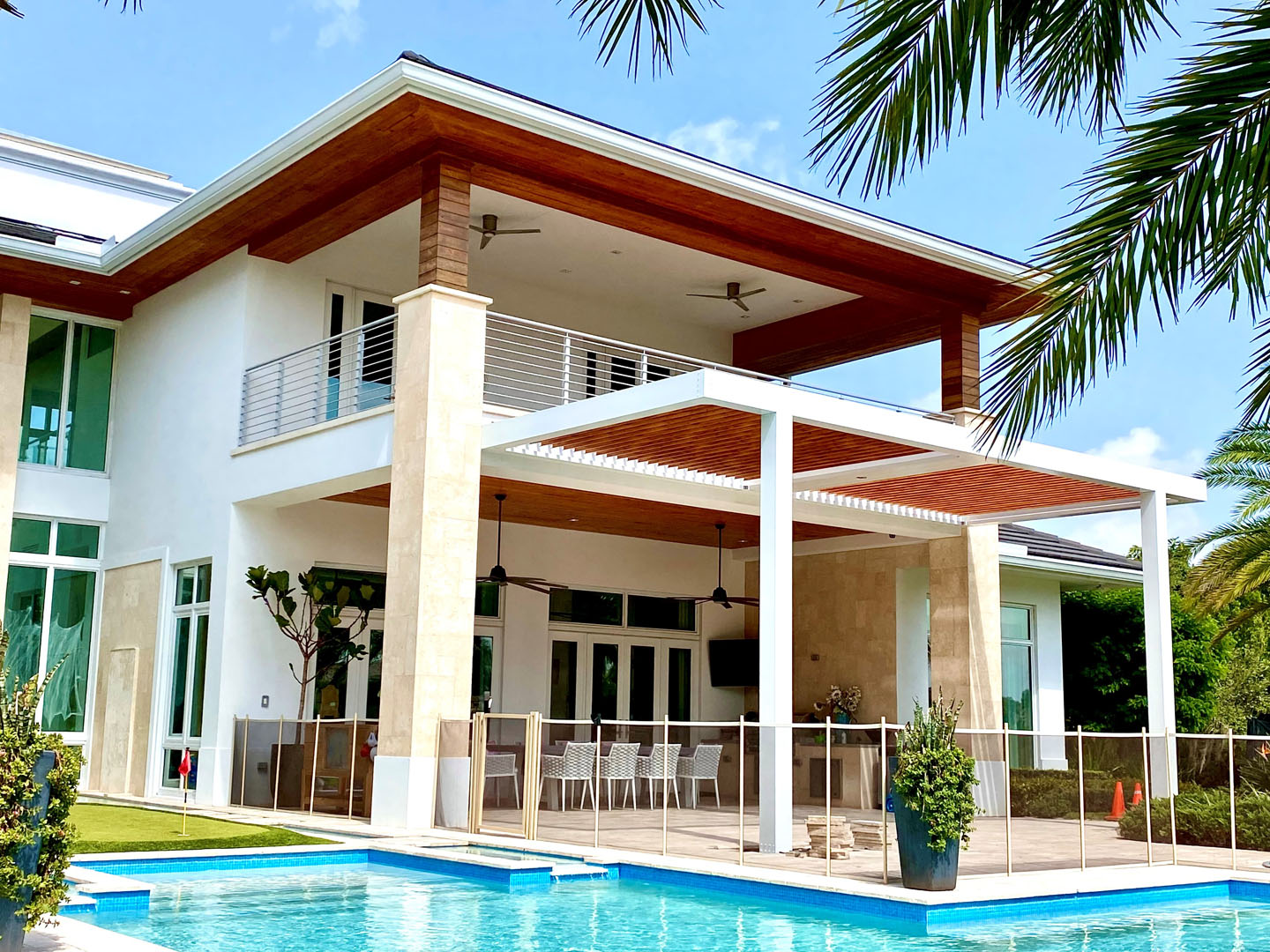
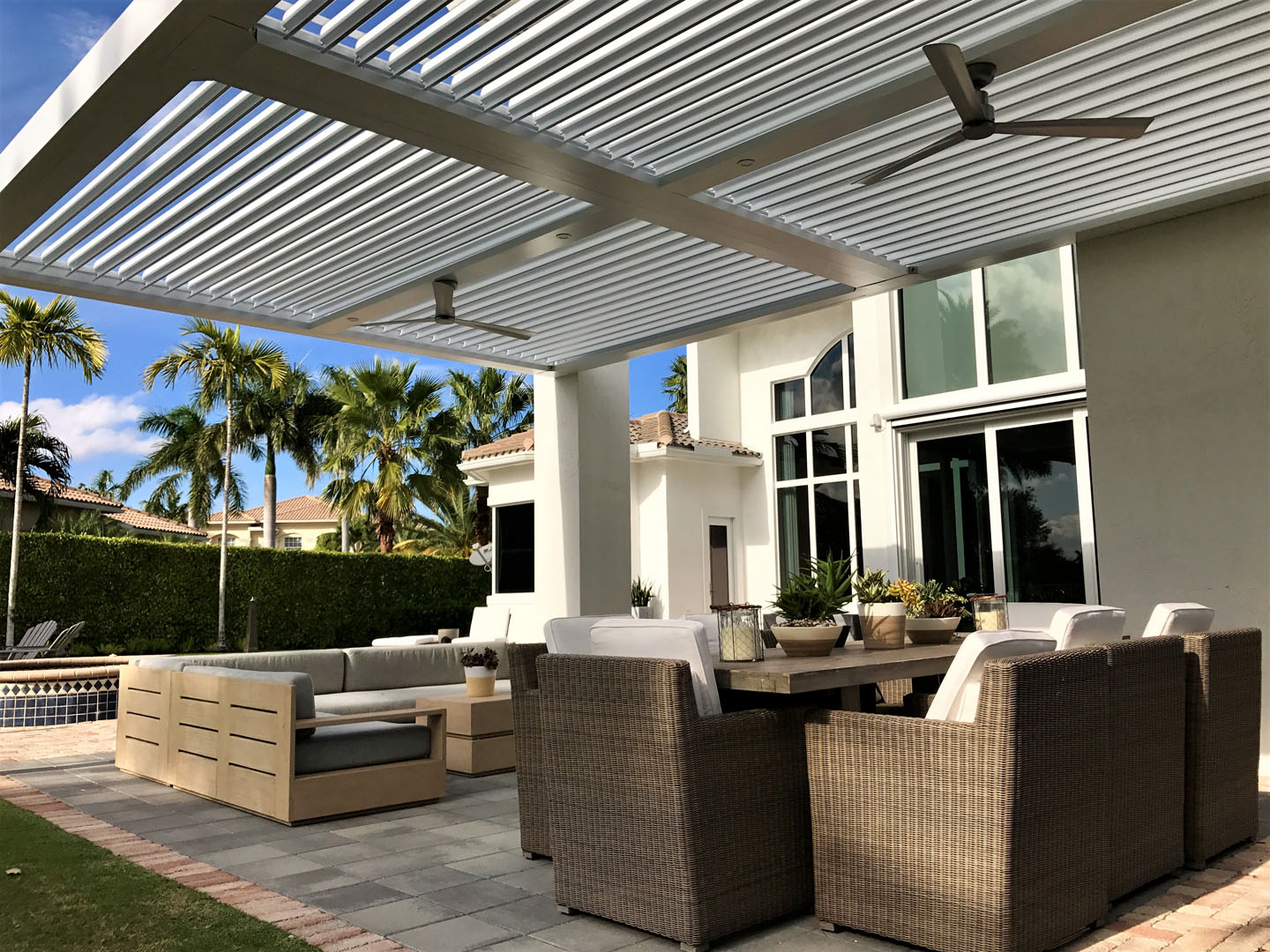
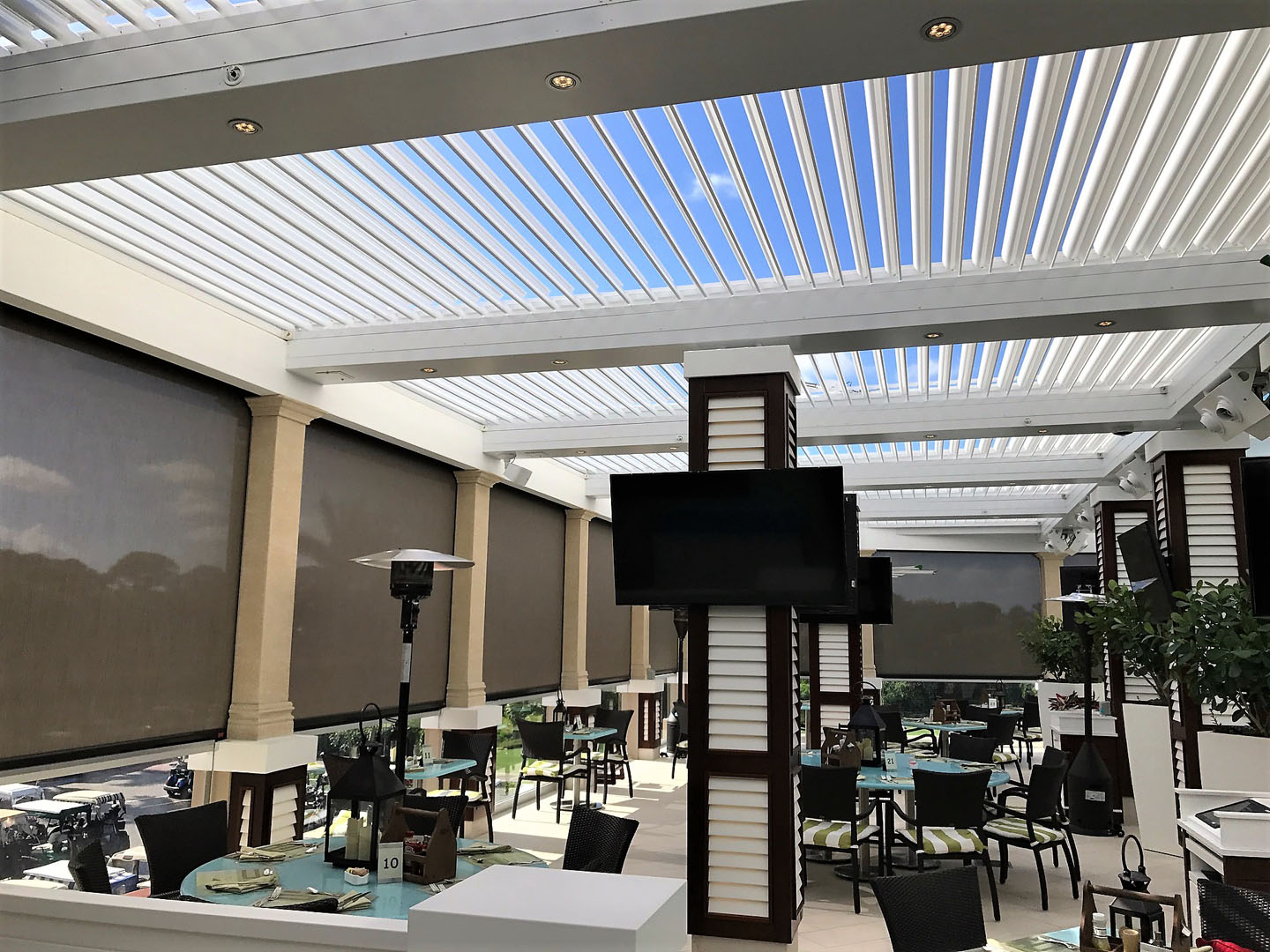
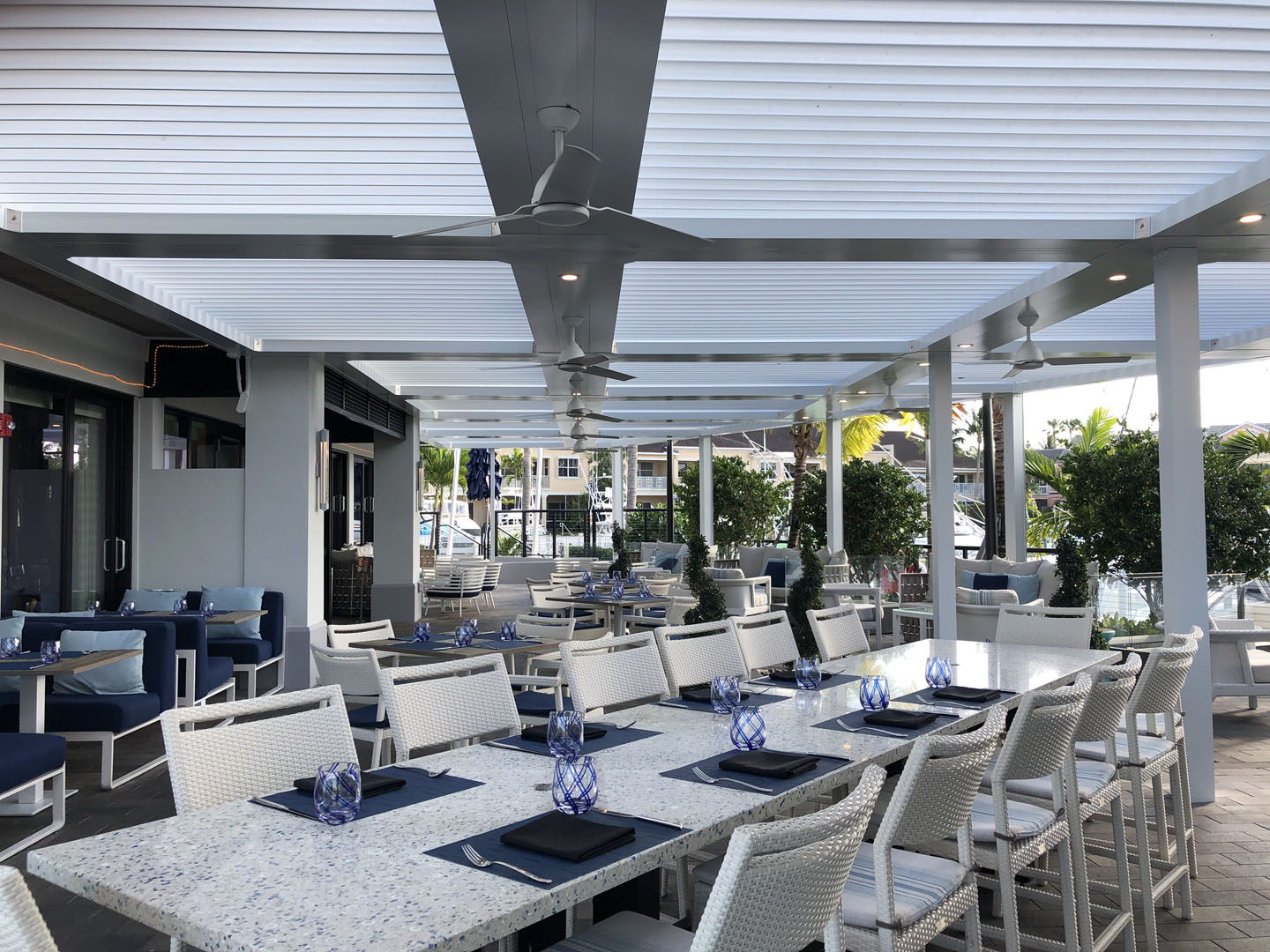
Which styles suit pergolas or covered patios? Mediterranean, coastal, modern waterfront and midcentury ranch homes commonly use courtyards and terraces; use wind- and salt-resistant materials.
Are there development restrictions on outdoor upgrades? Over 95% developed with few vacant lots, so upgrades focus on existing low-density properties without major expansion hurdles.
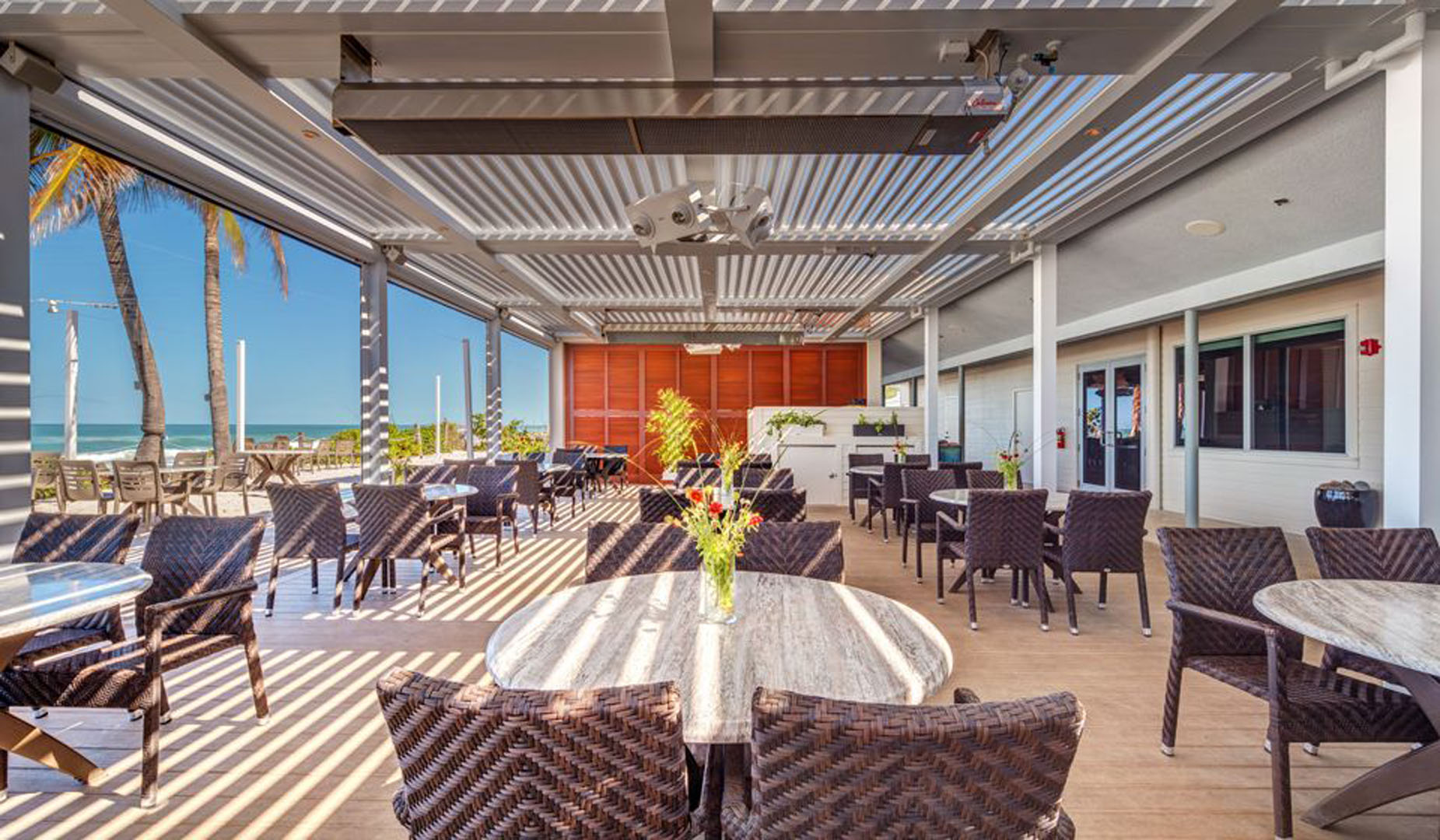
How does ocean proximity affect shade needs? Intense sun, heat, humidity, wind and salt spray require UV-protective, ventilated, durable shade systems for extended outdoor living.