
Outdoor Living and Local Environment in Key West
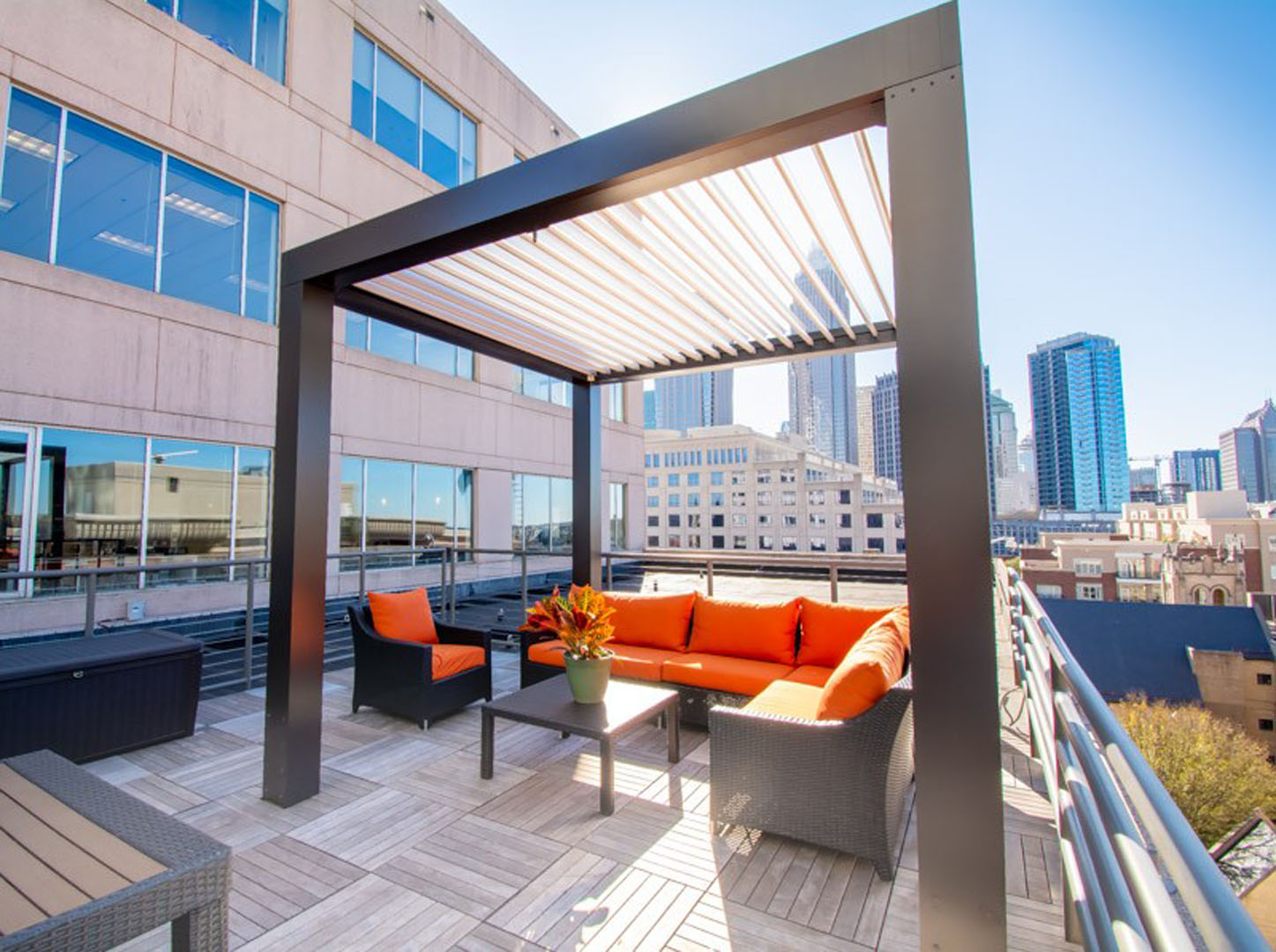
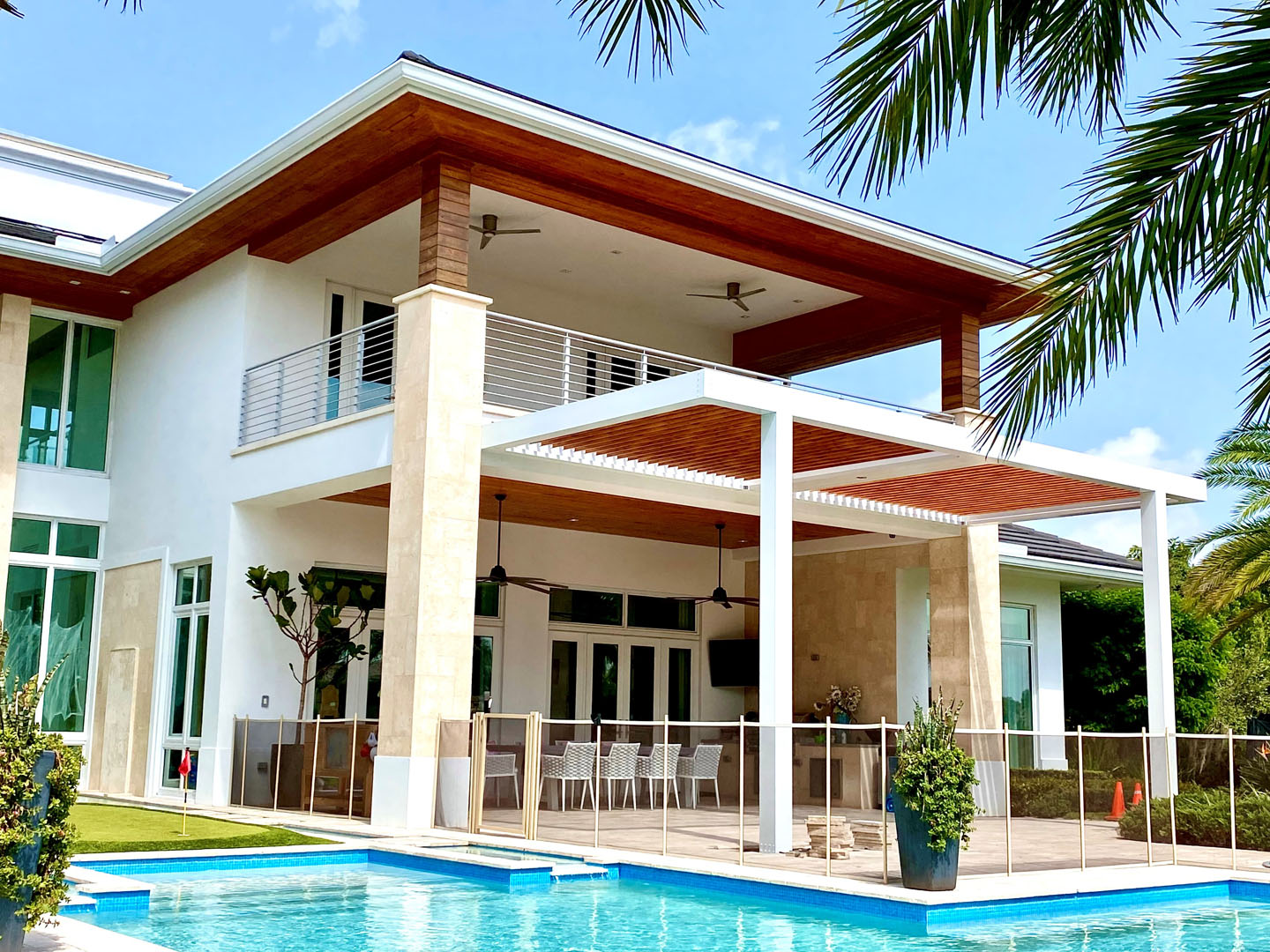
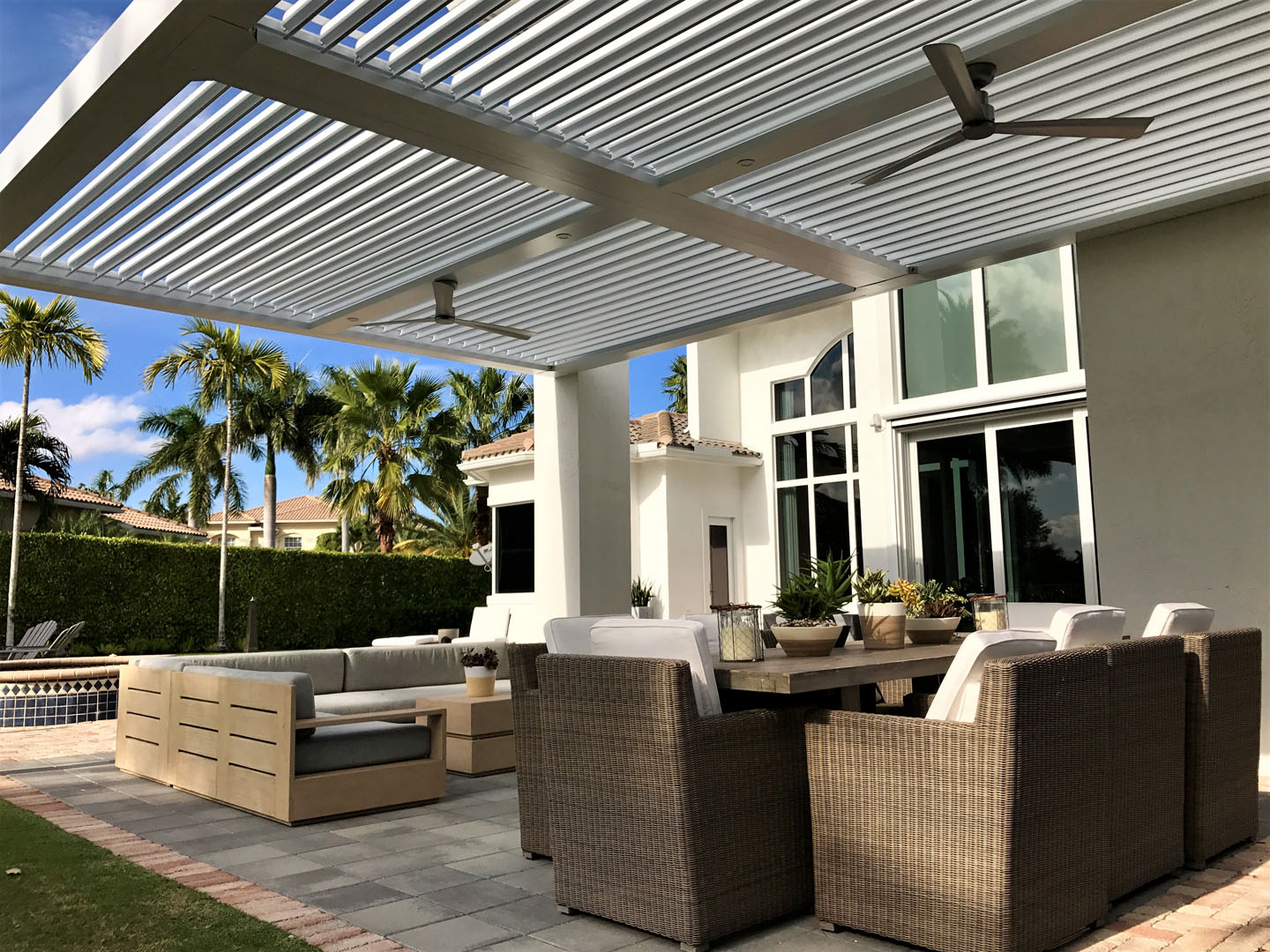
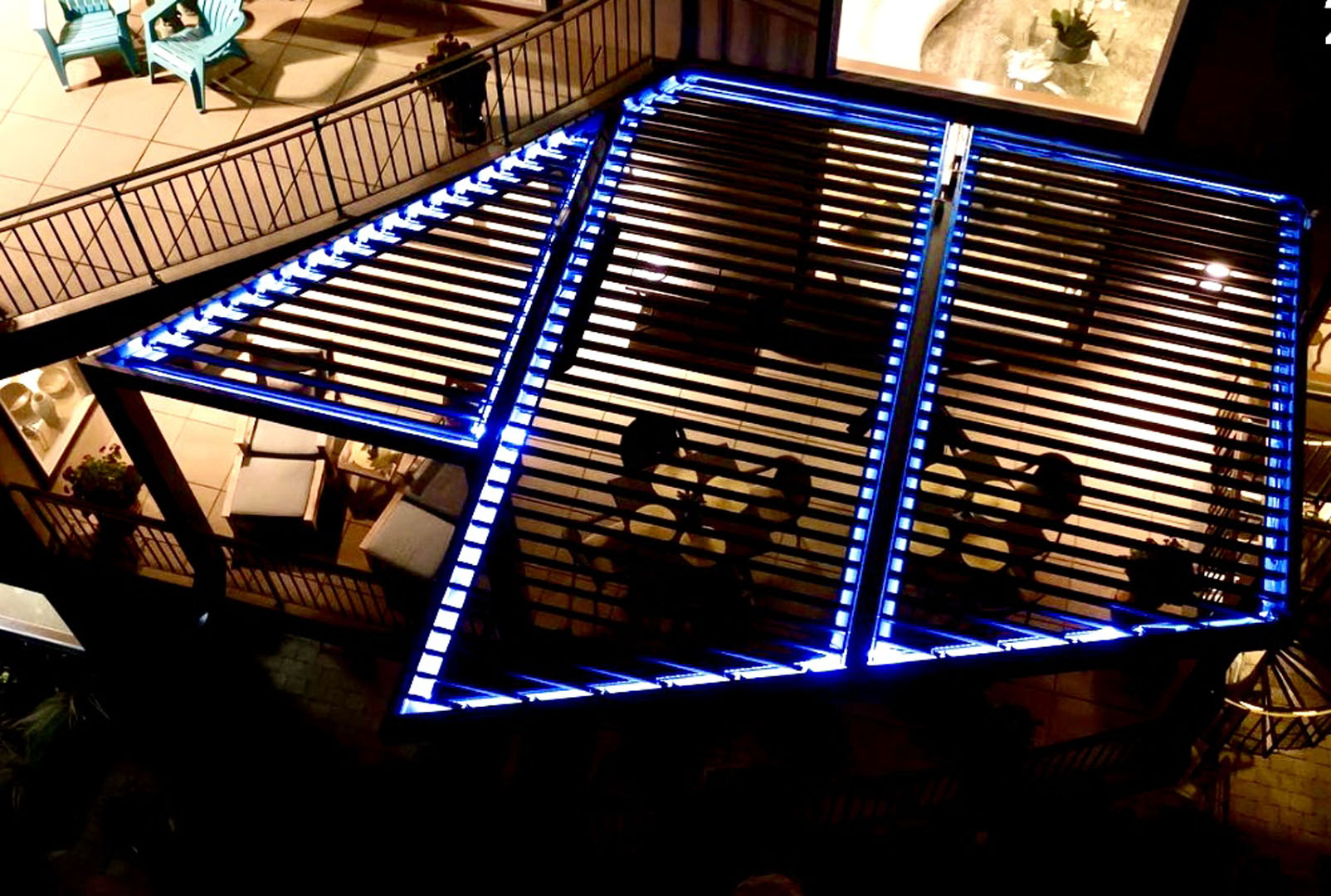
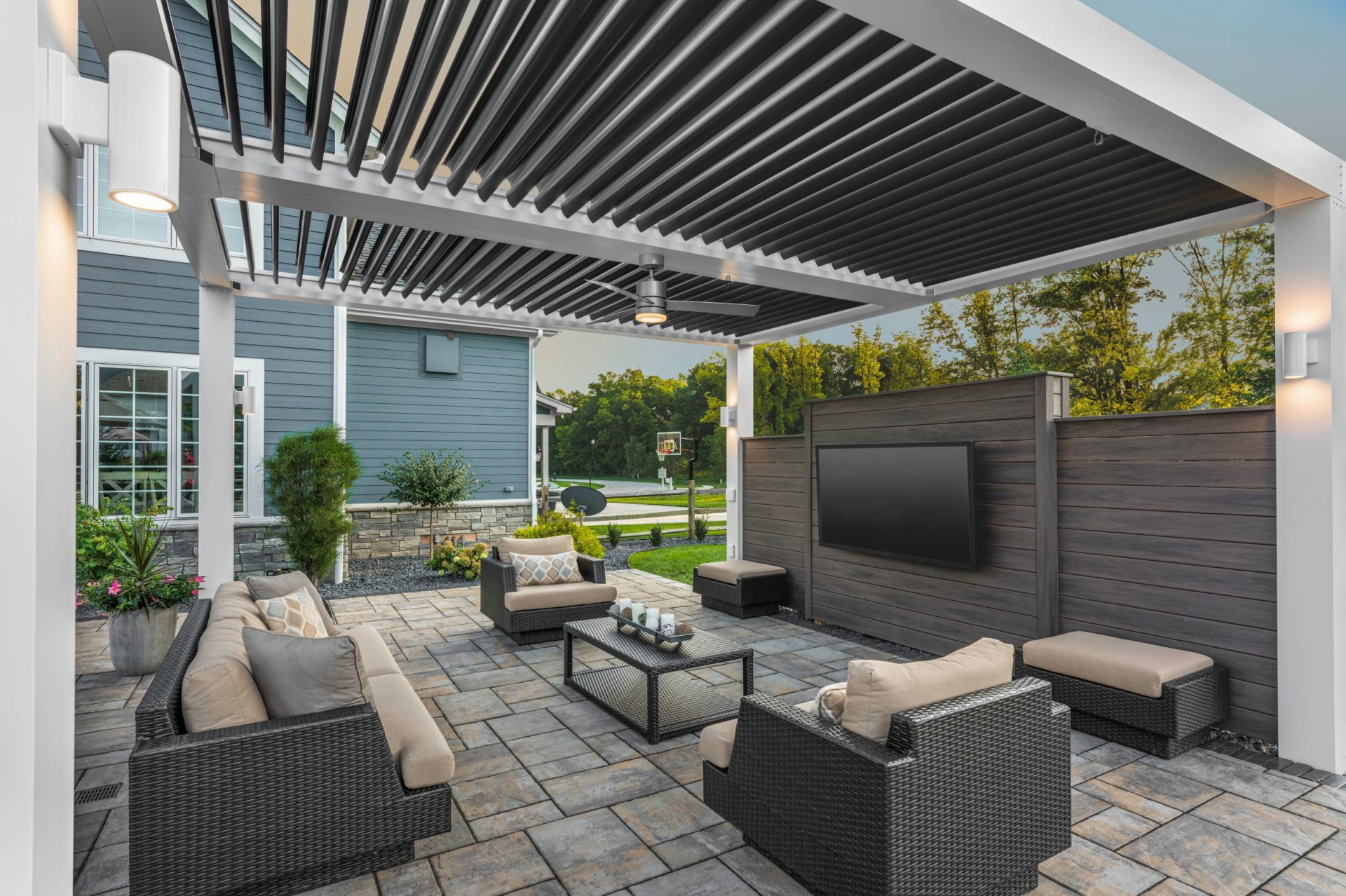
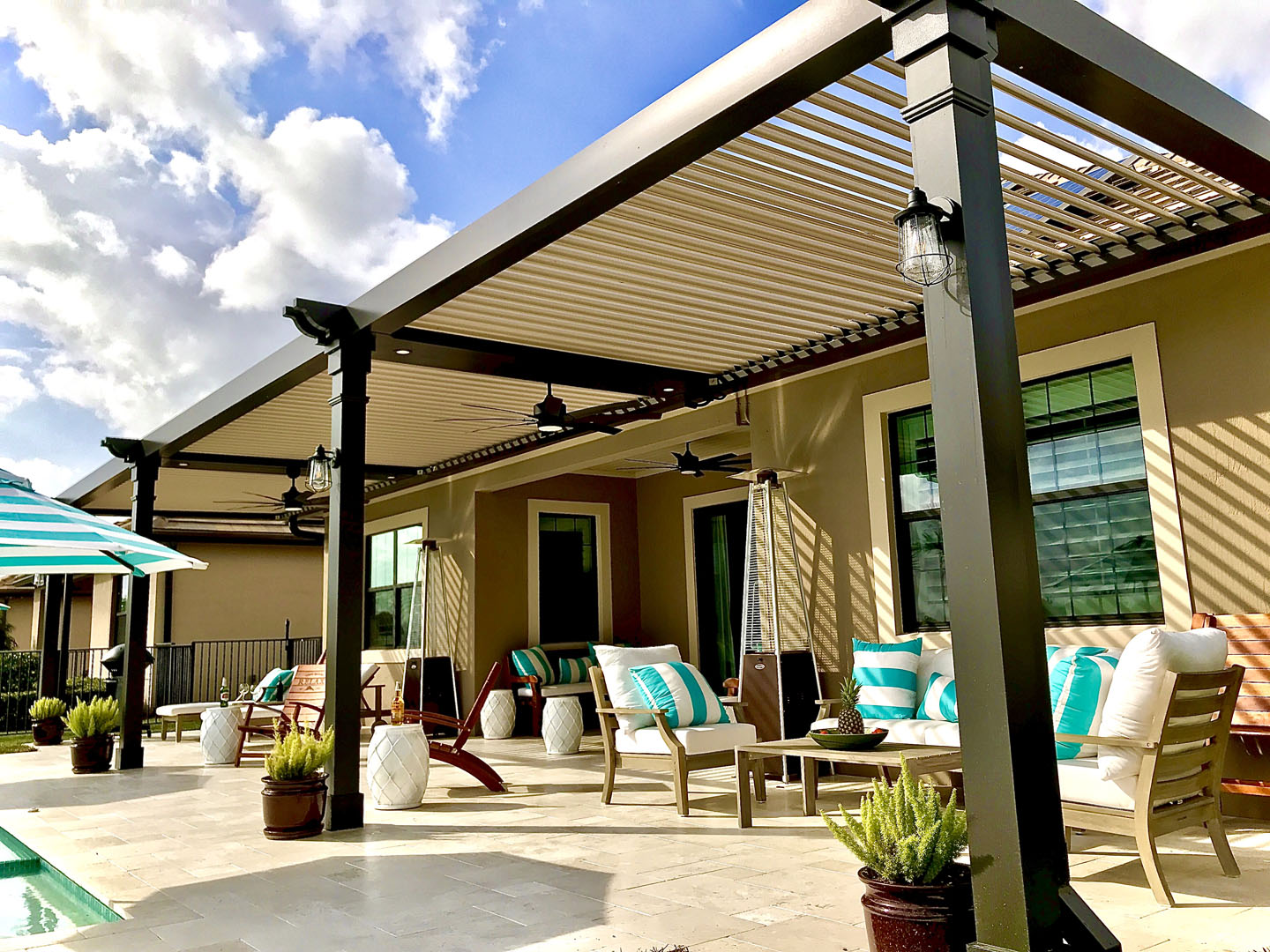
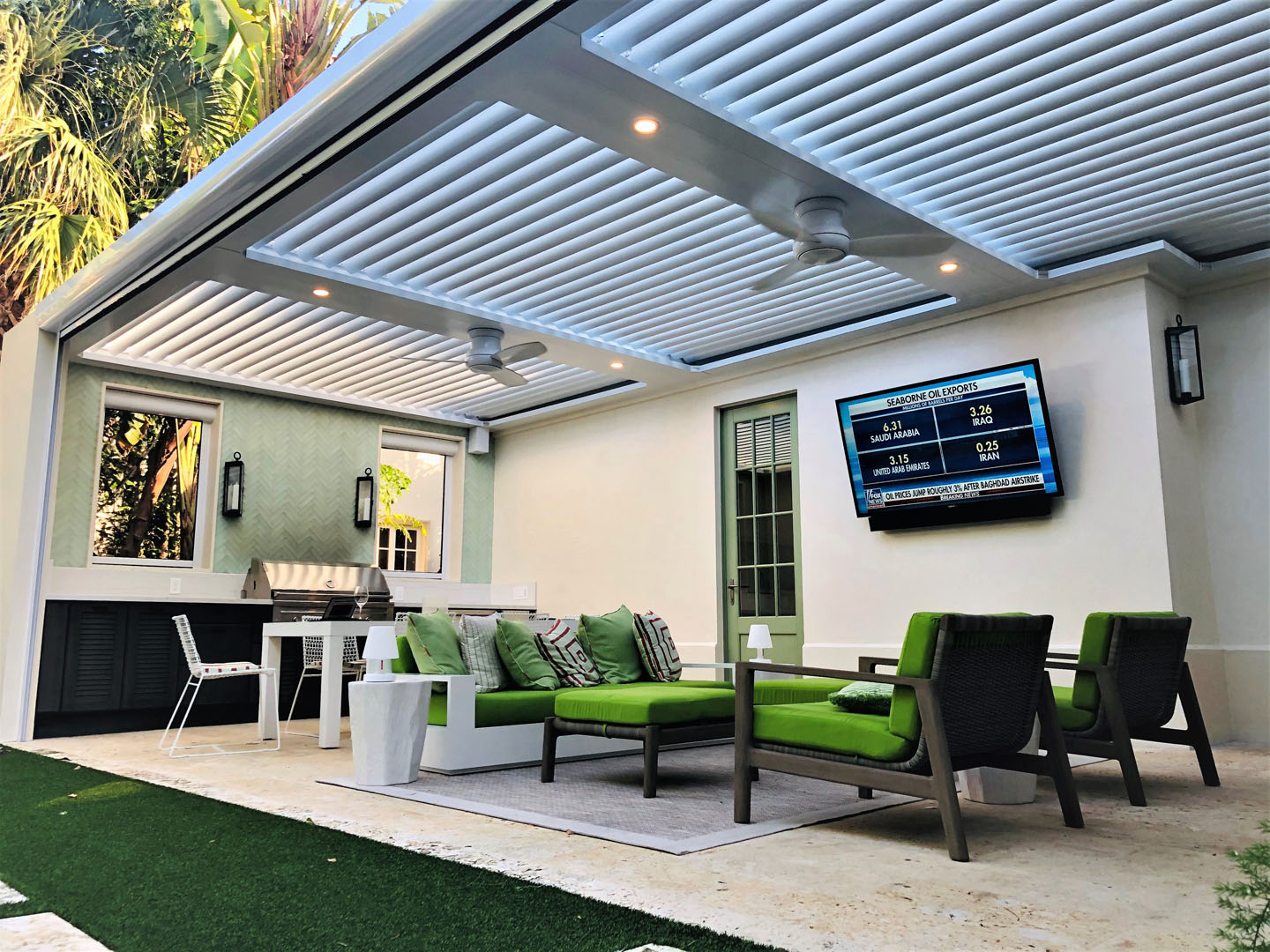
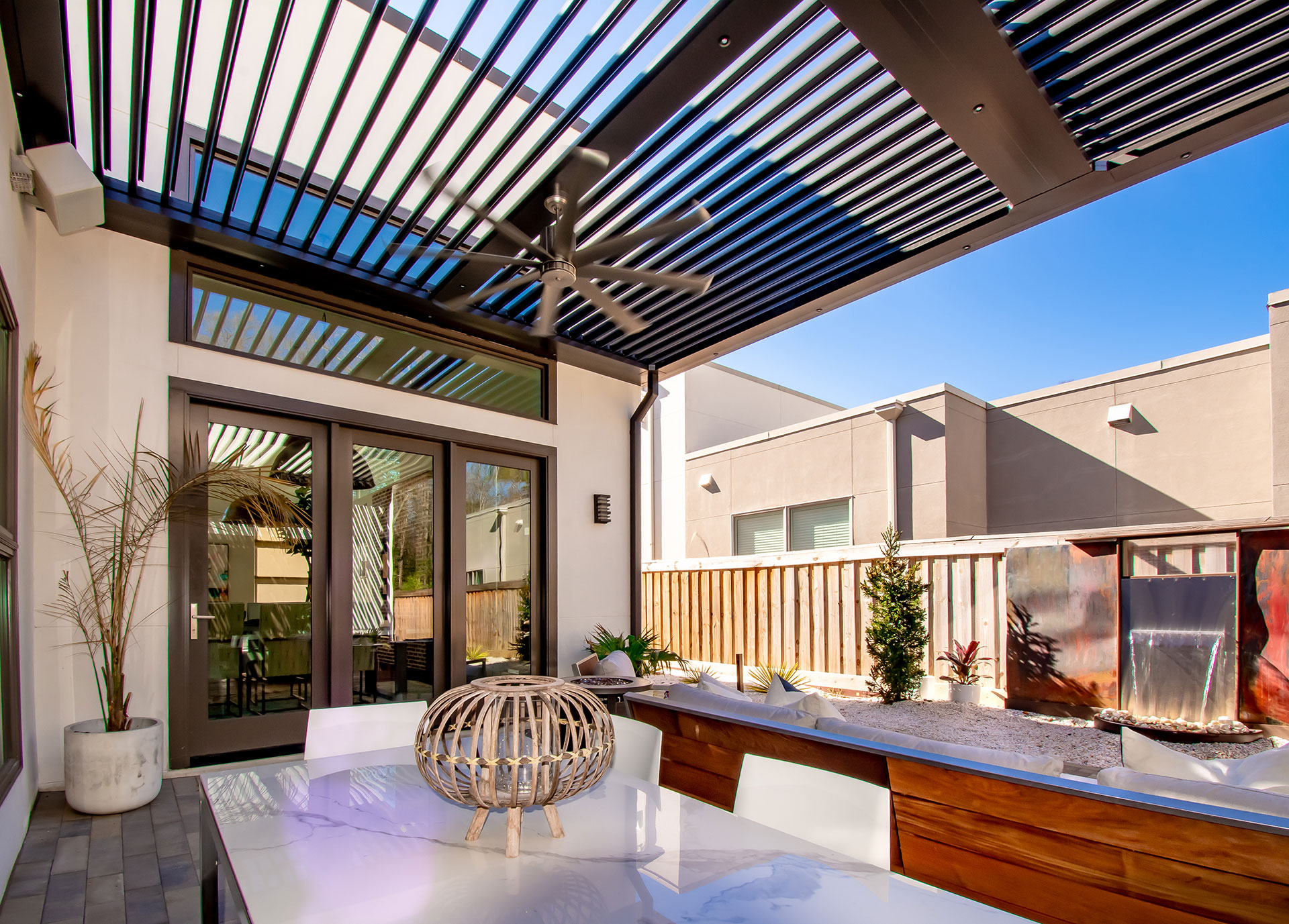
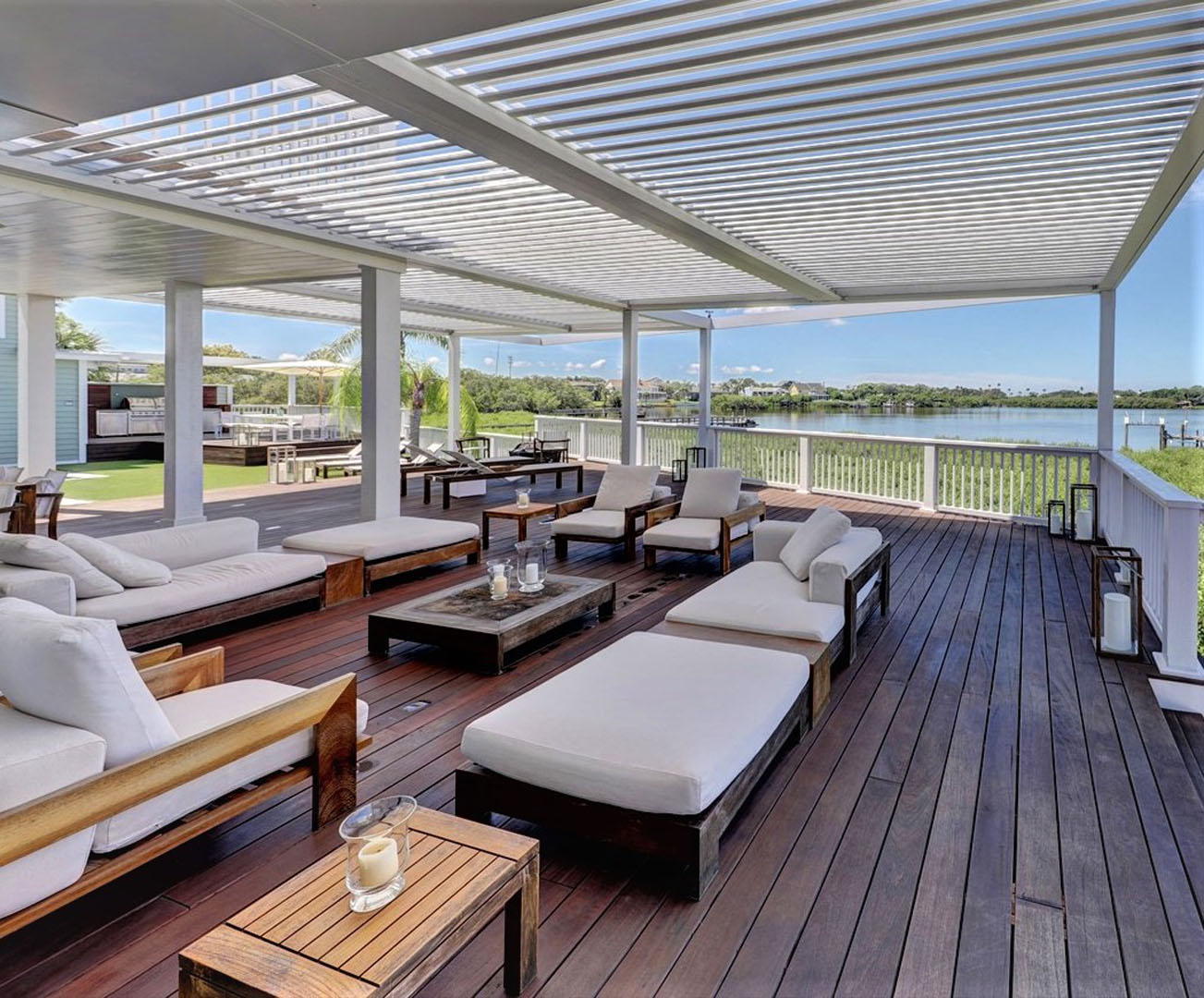
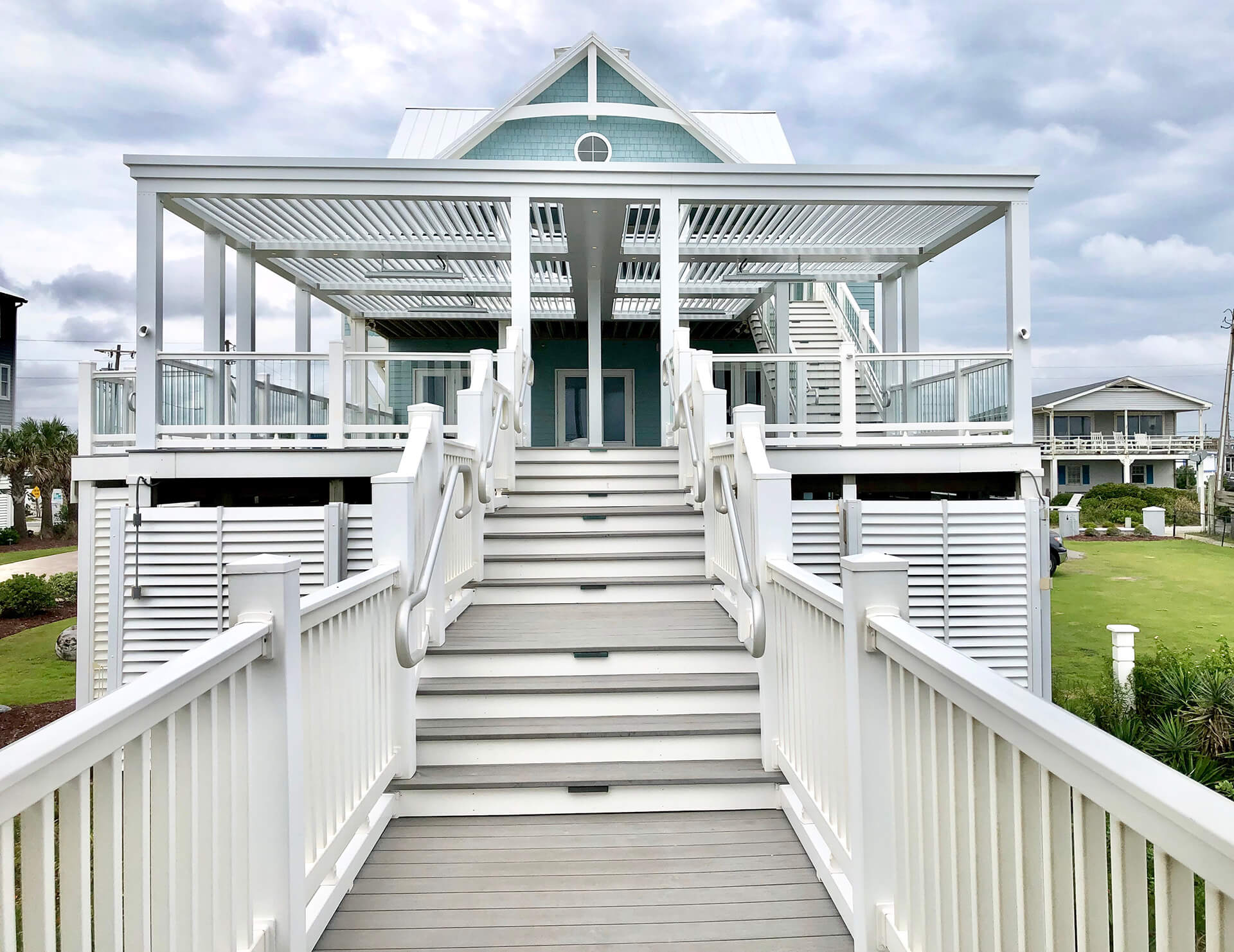
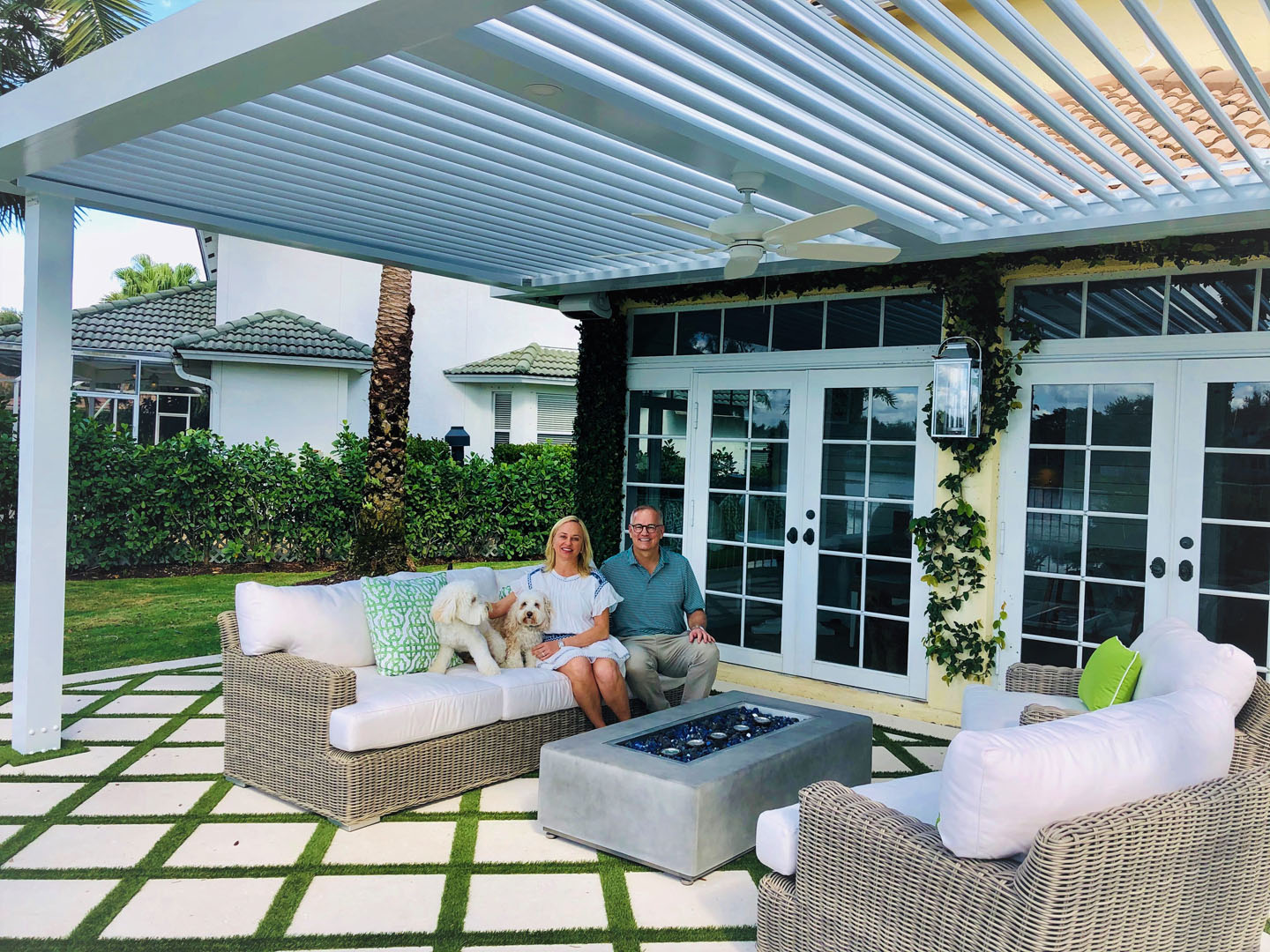
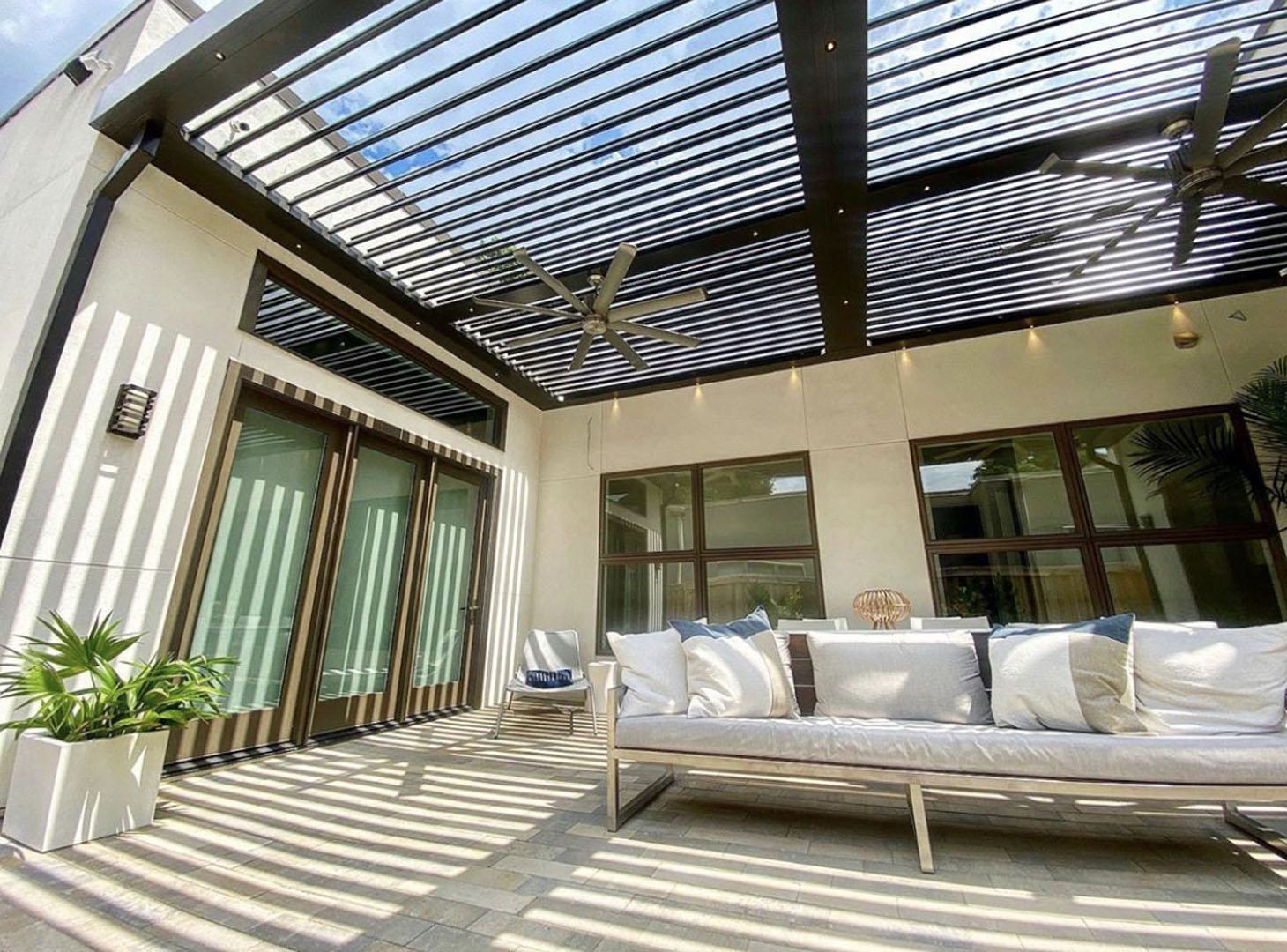
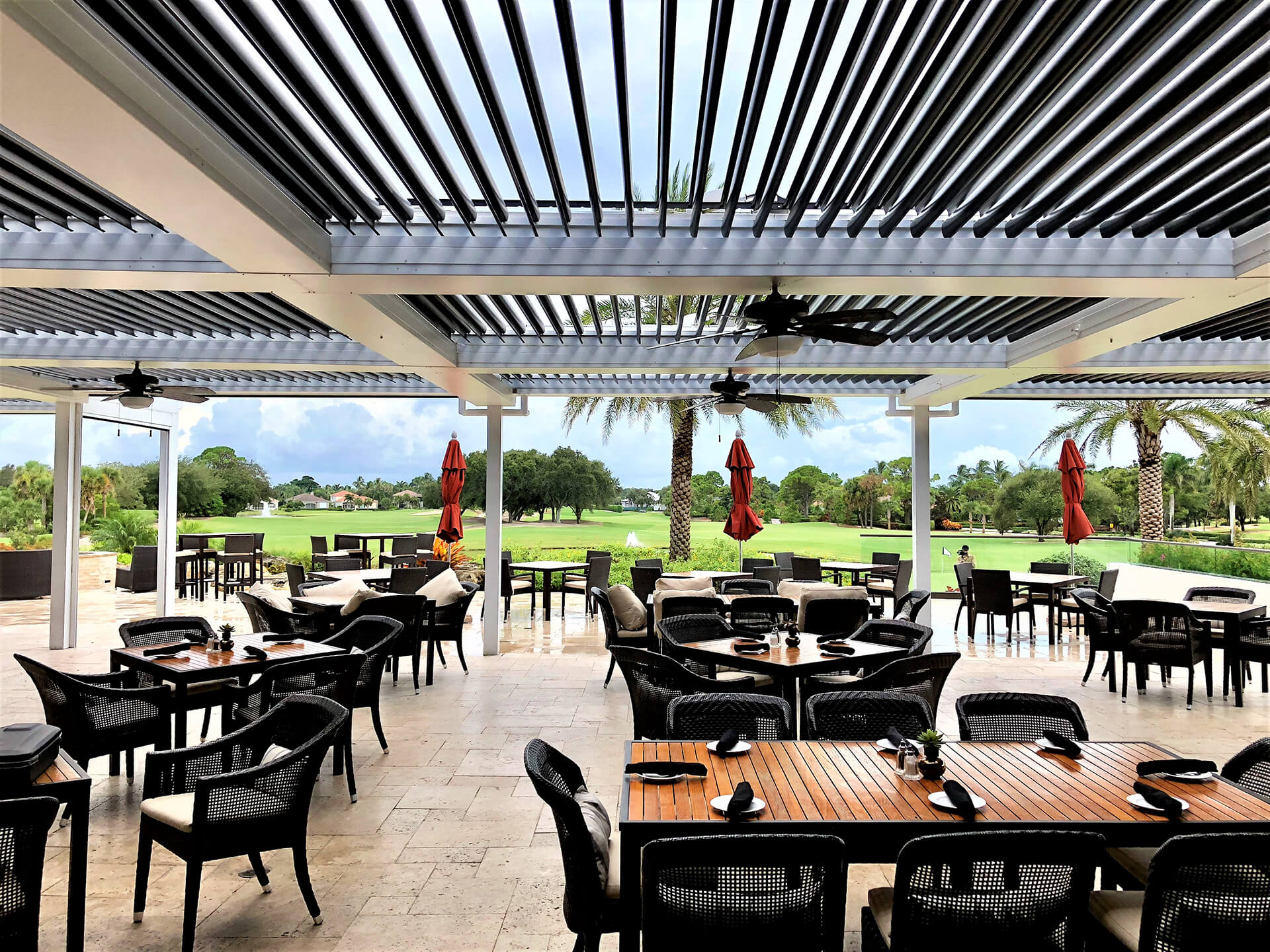
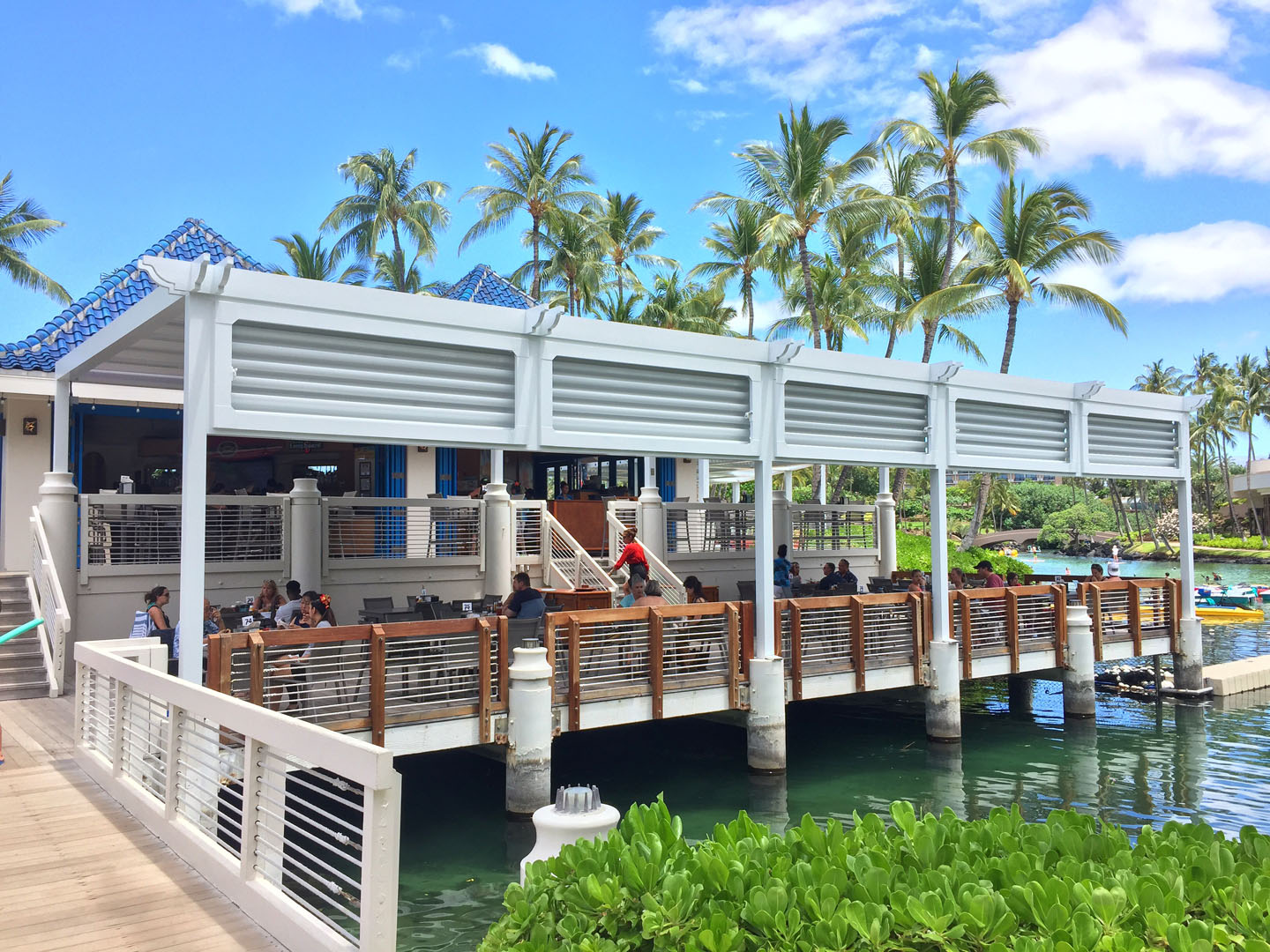
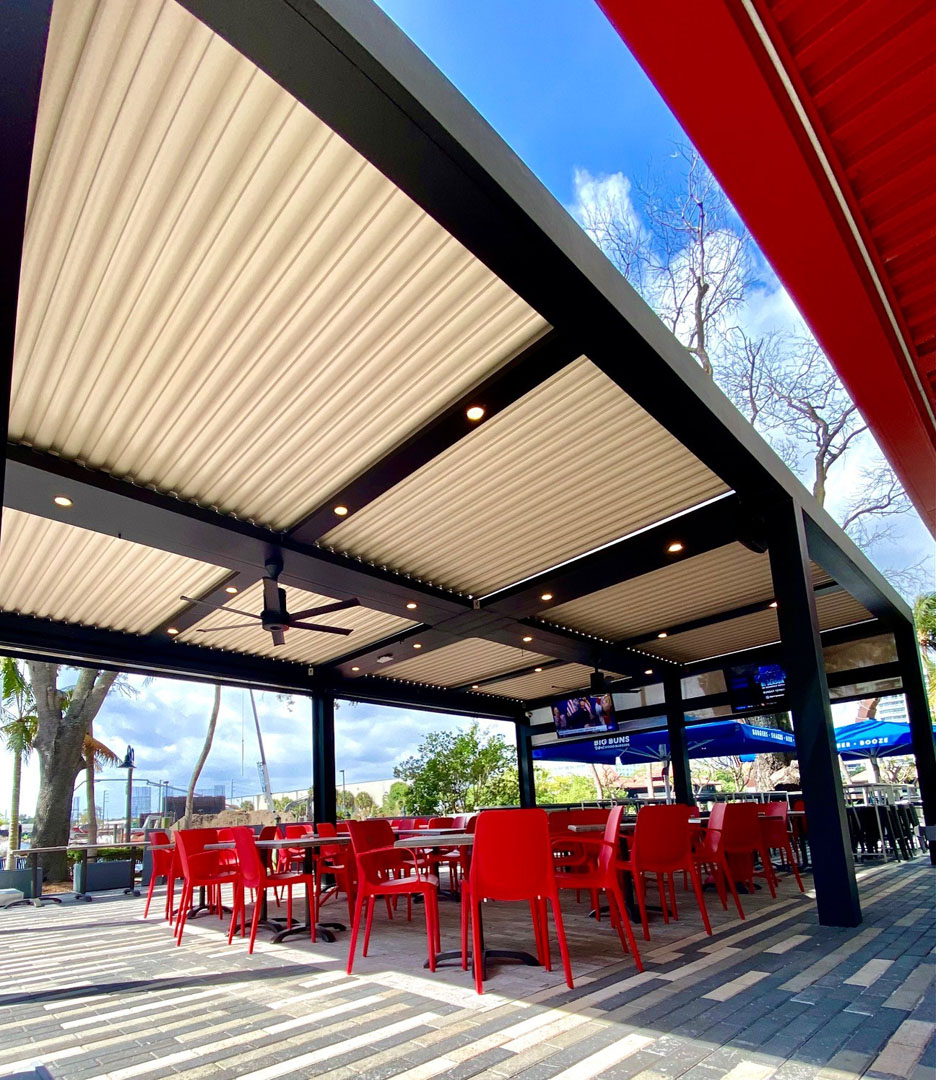
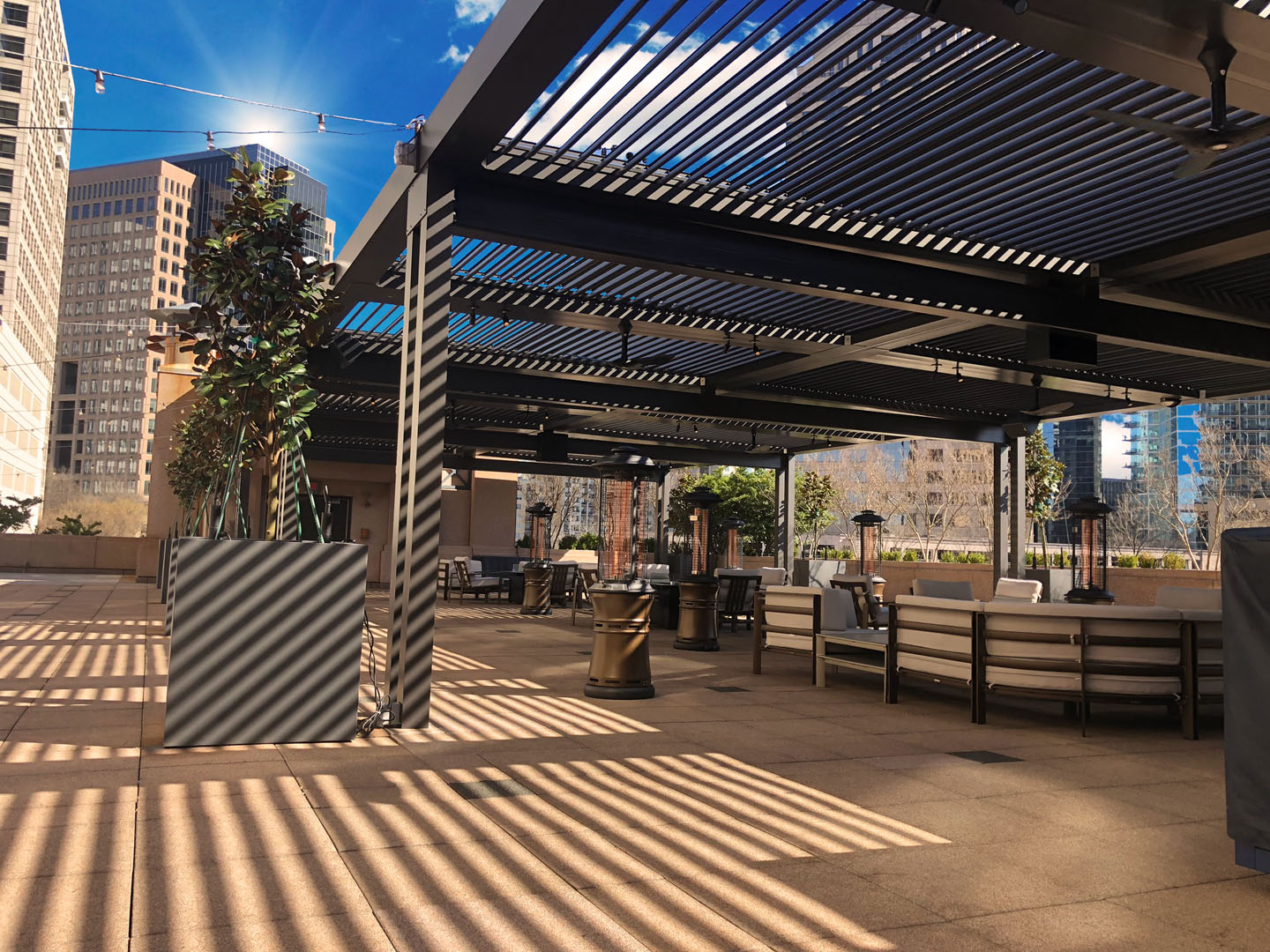
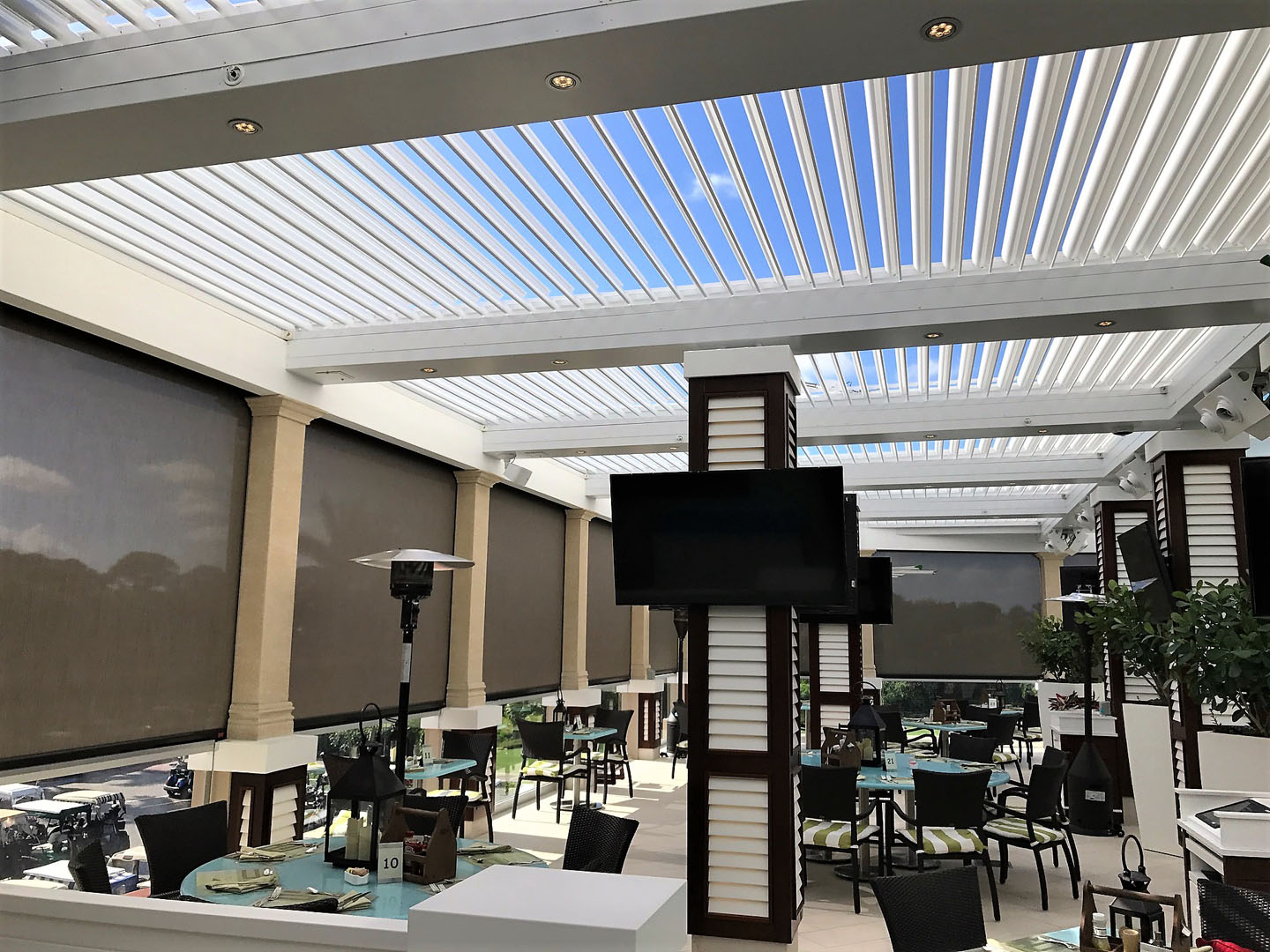
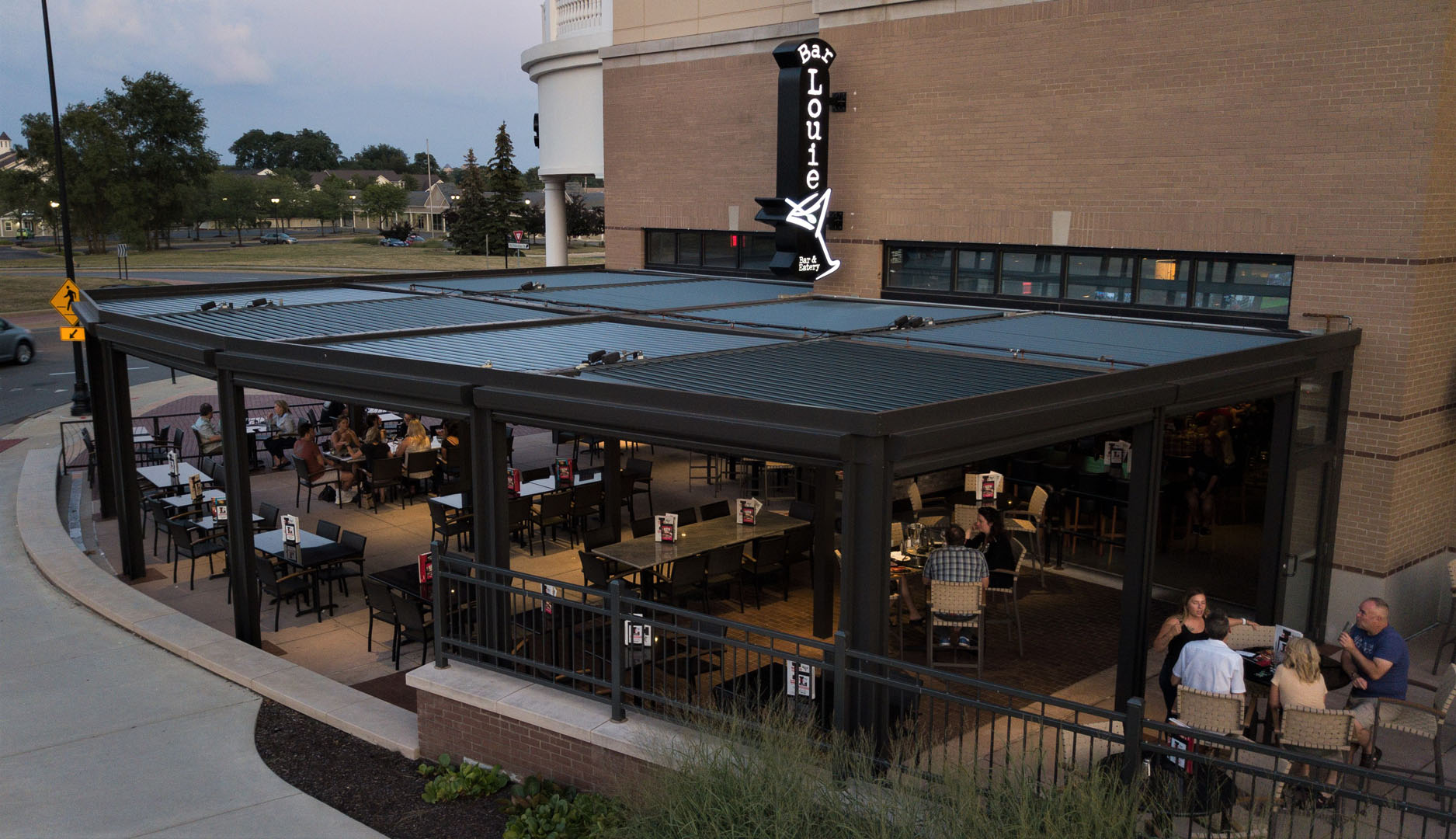
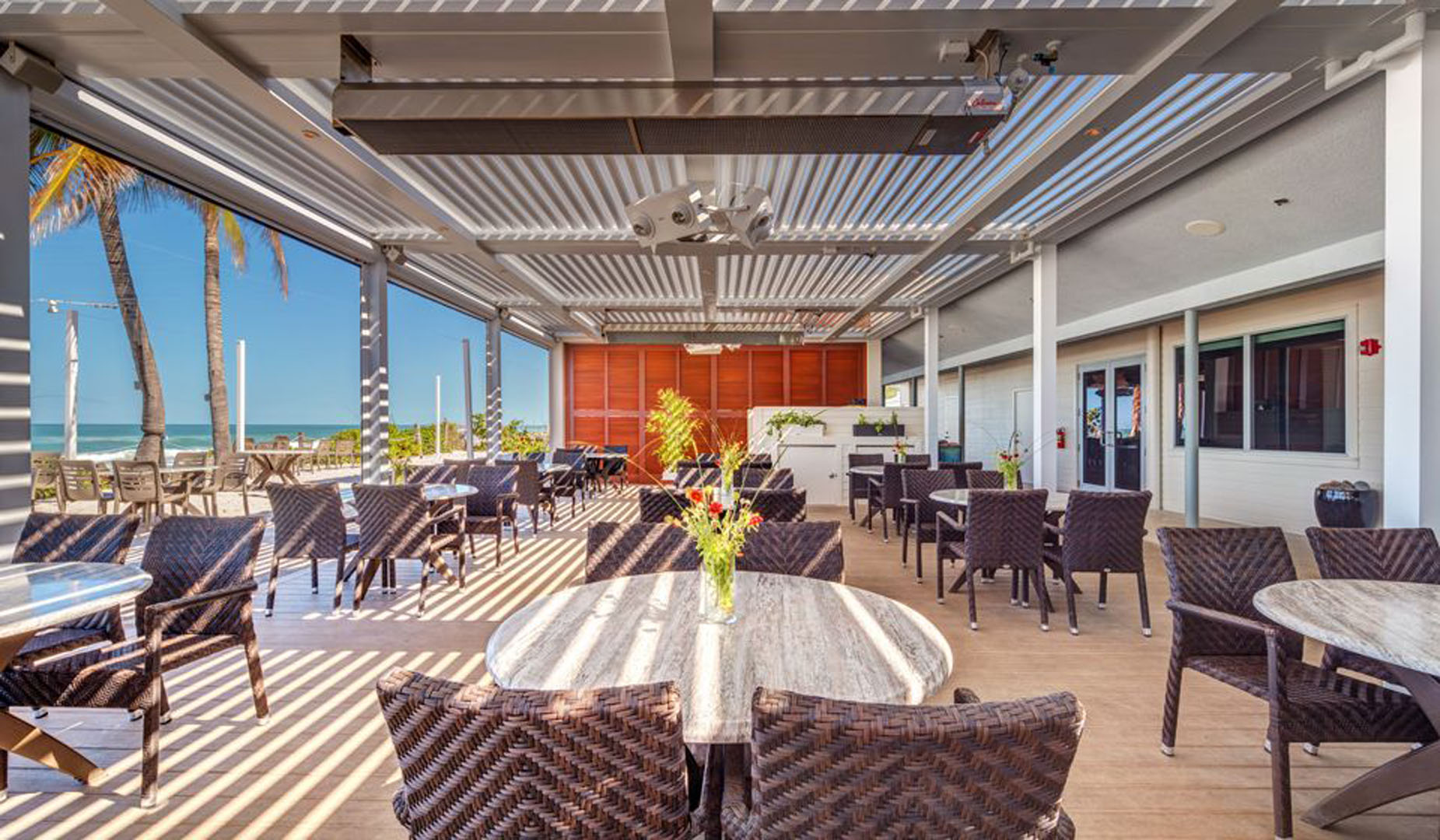
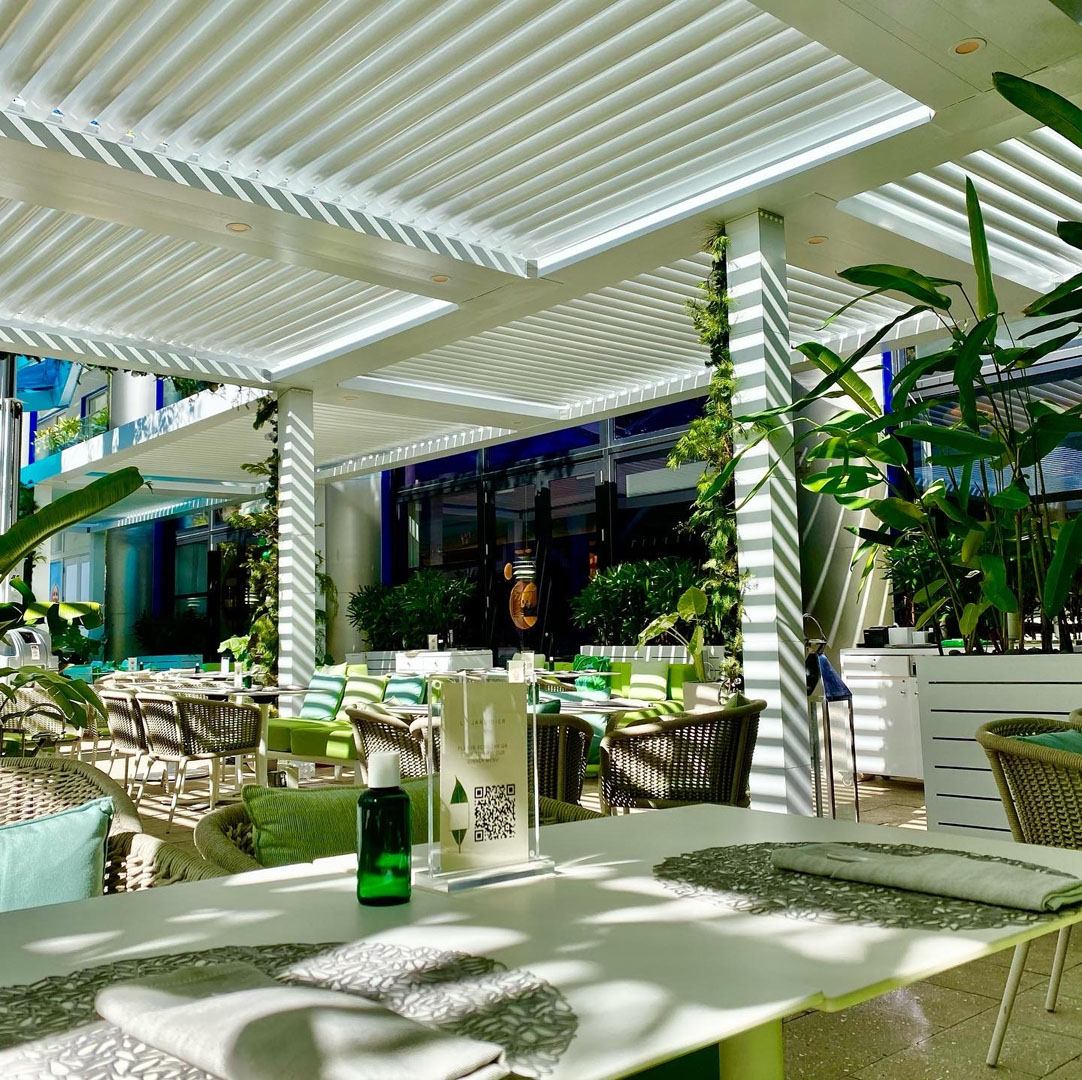
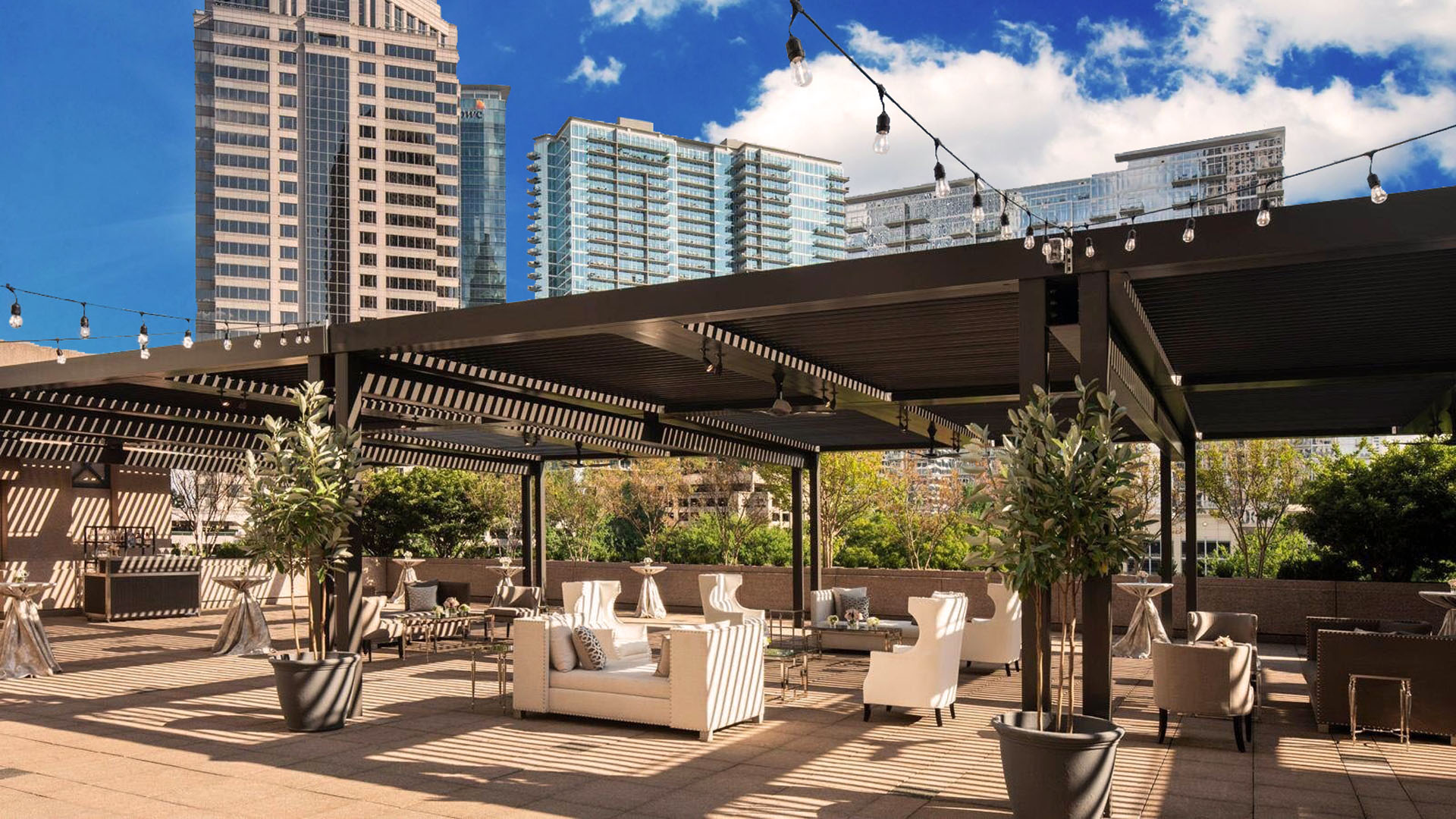
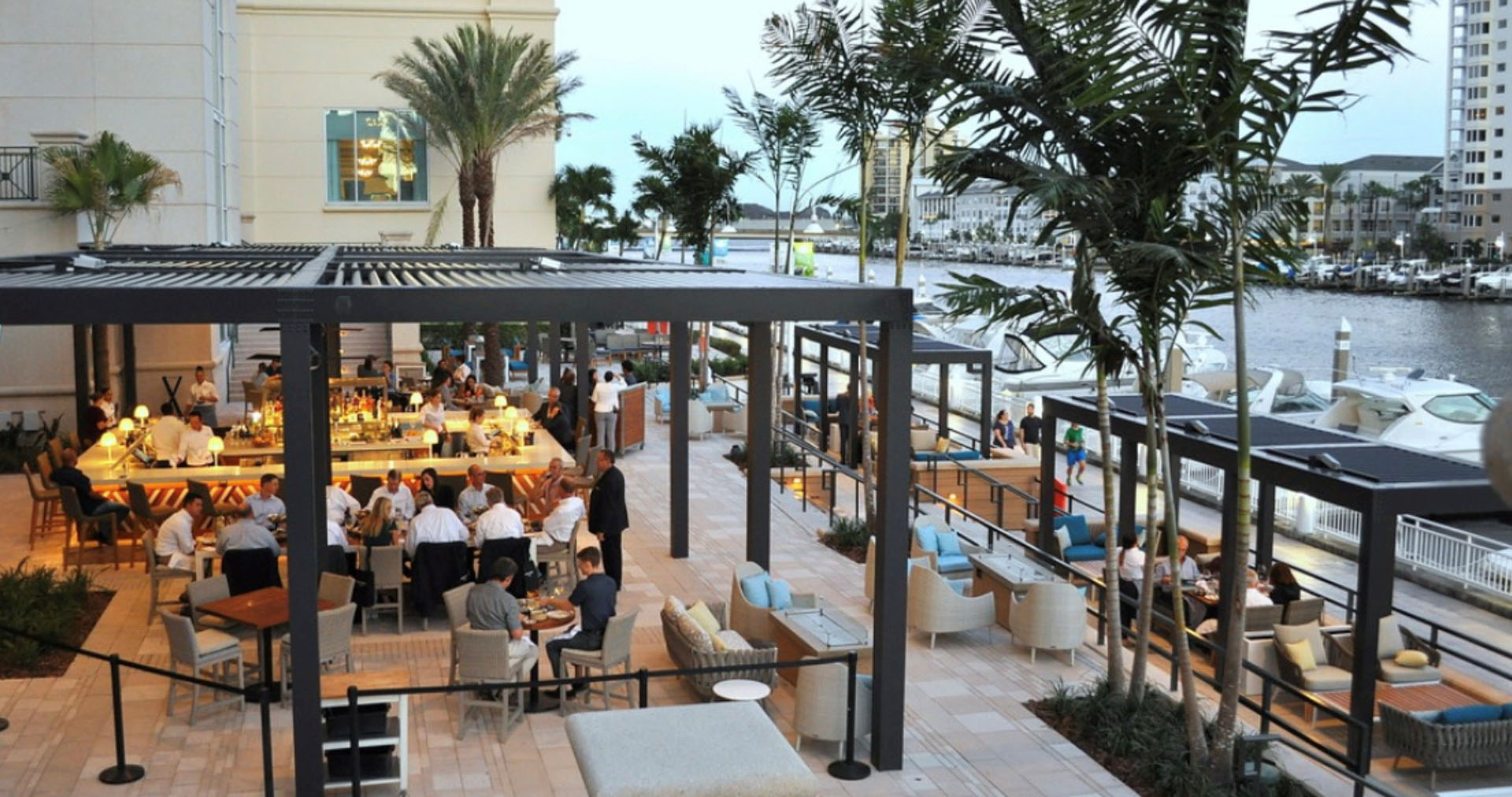
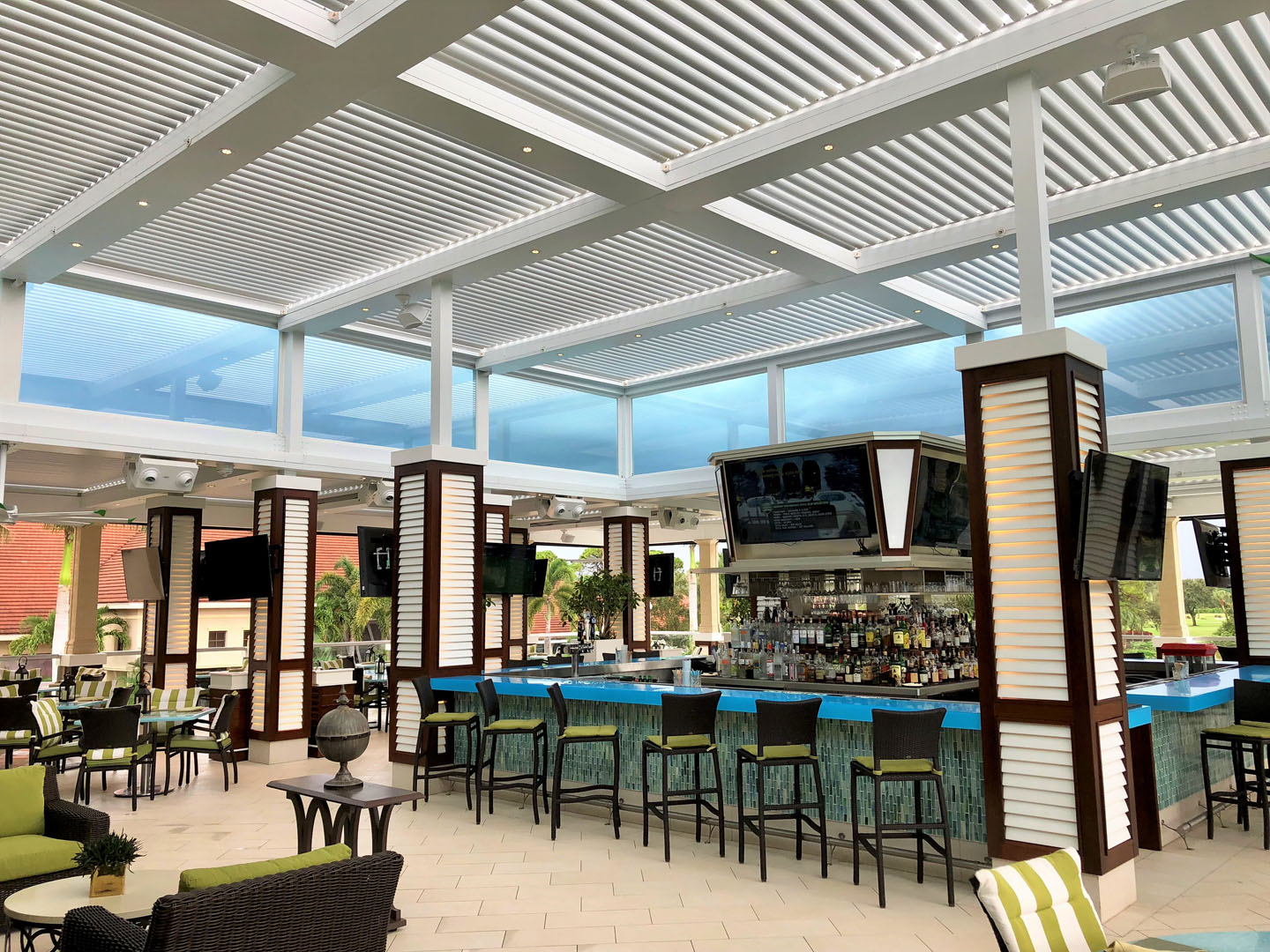
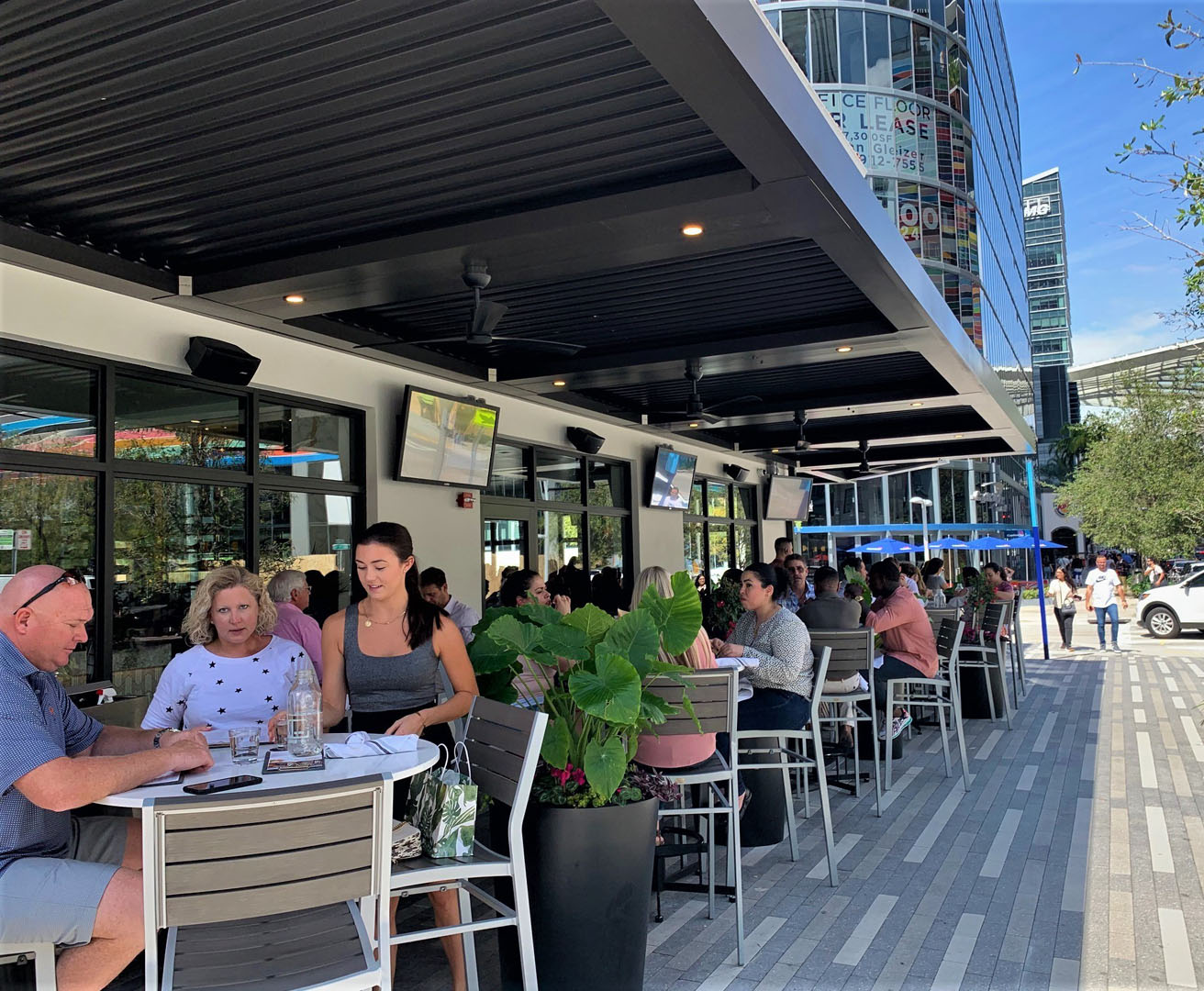
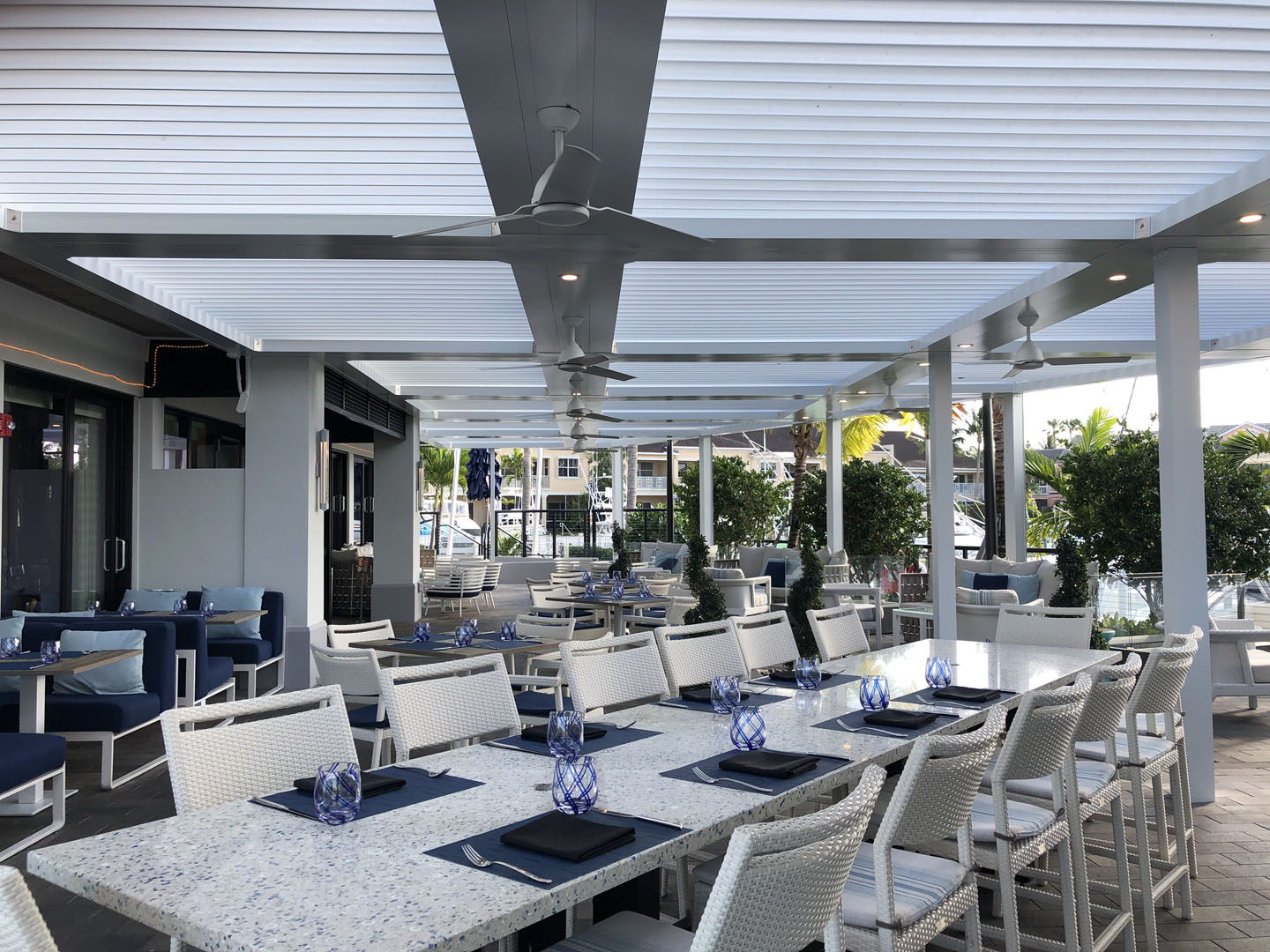
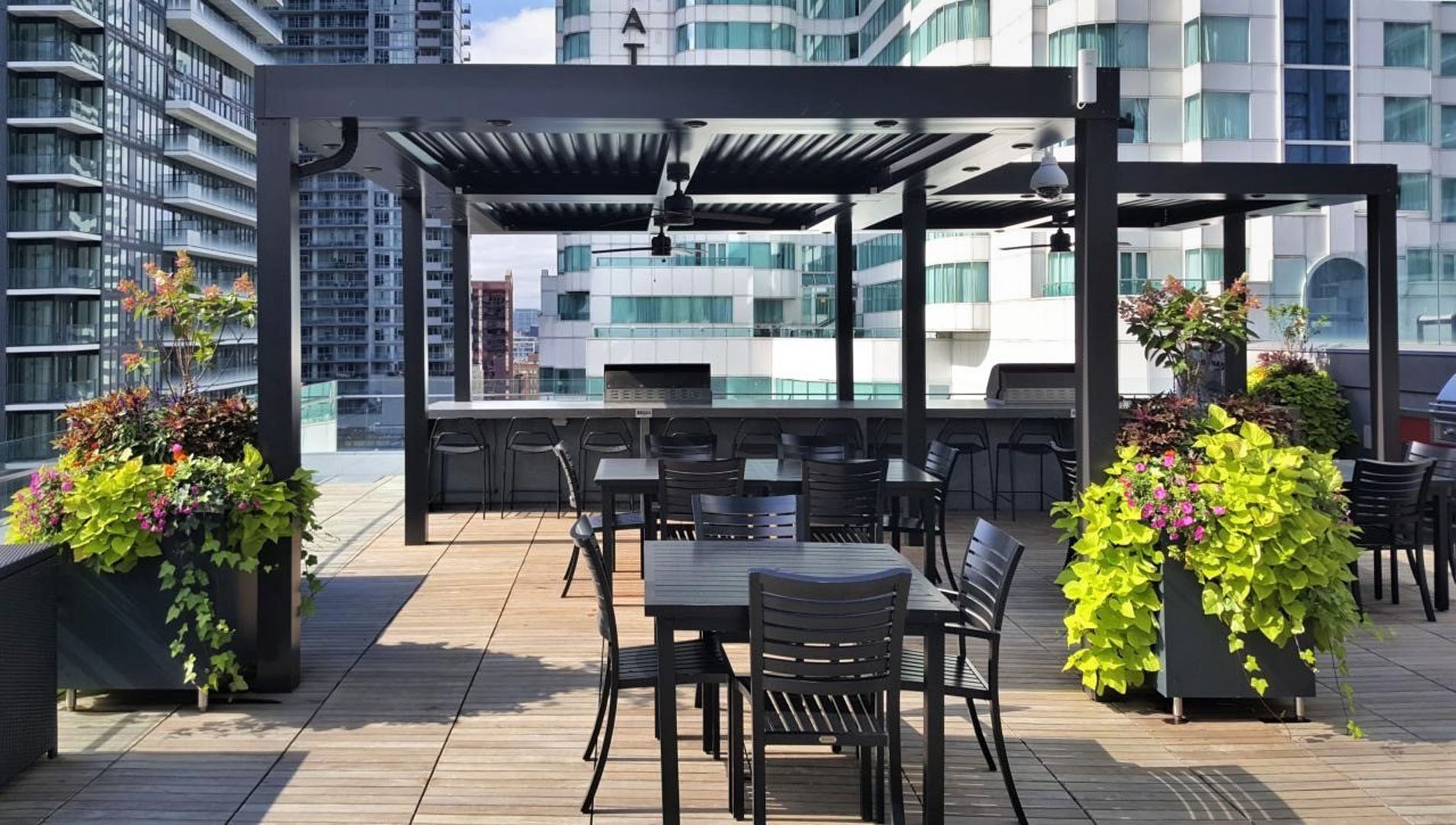
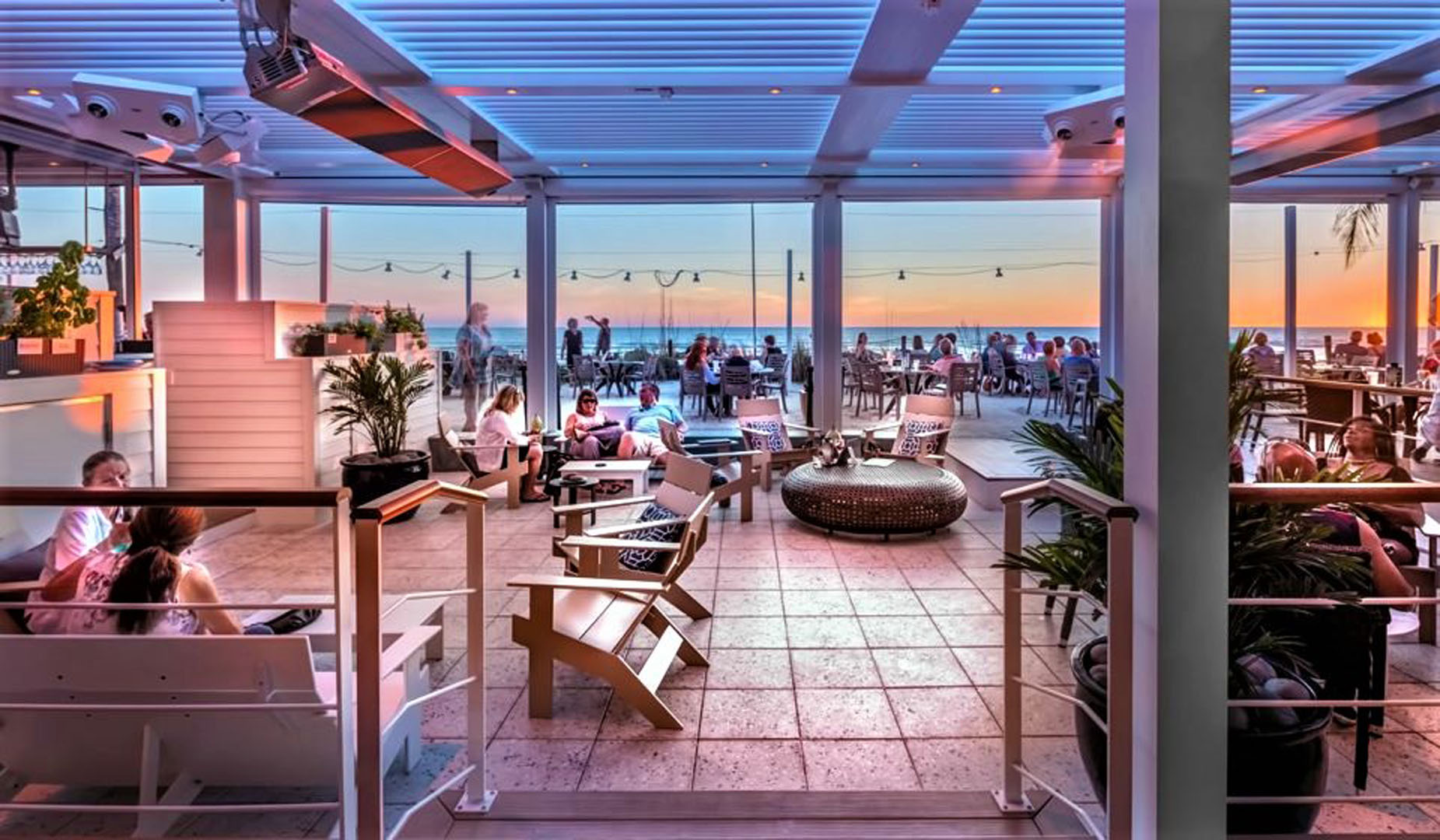
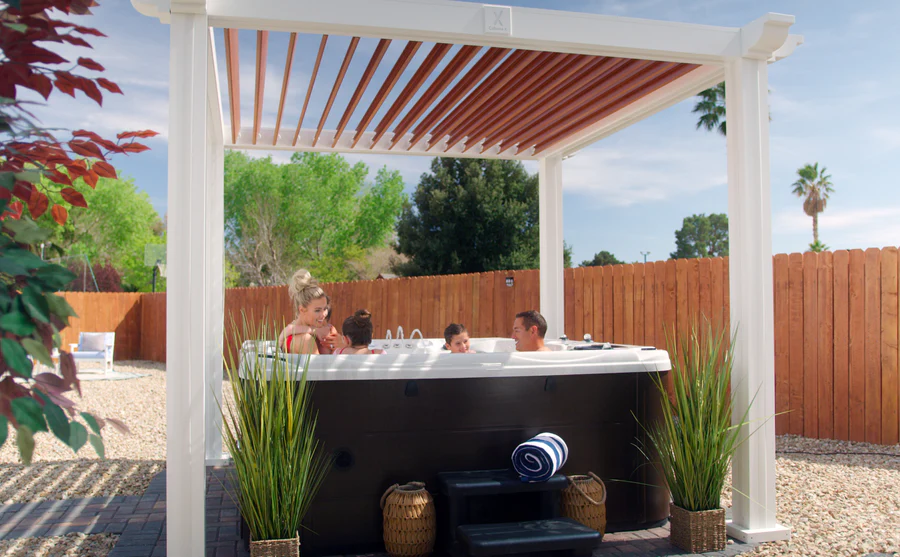
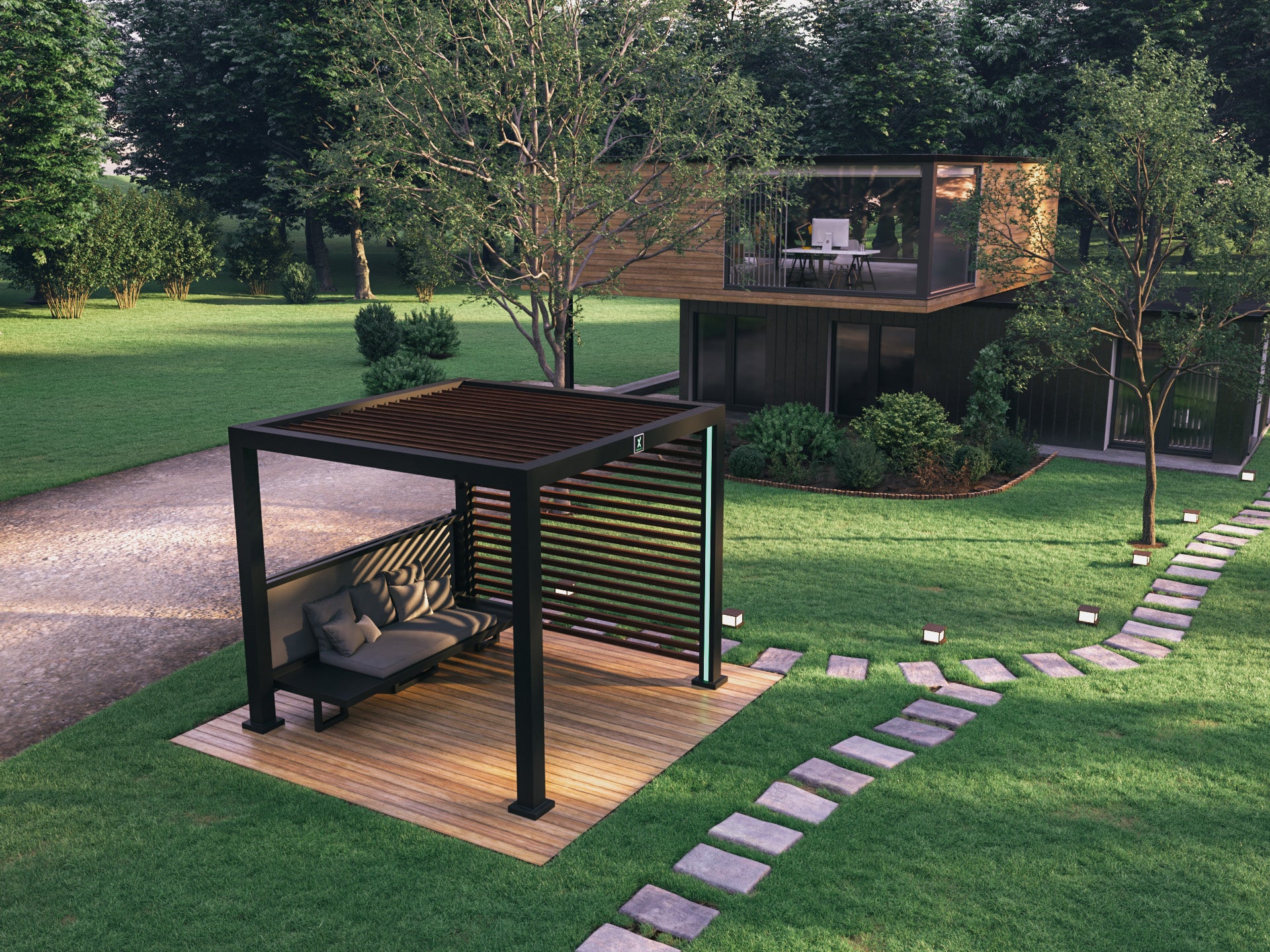
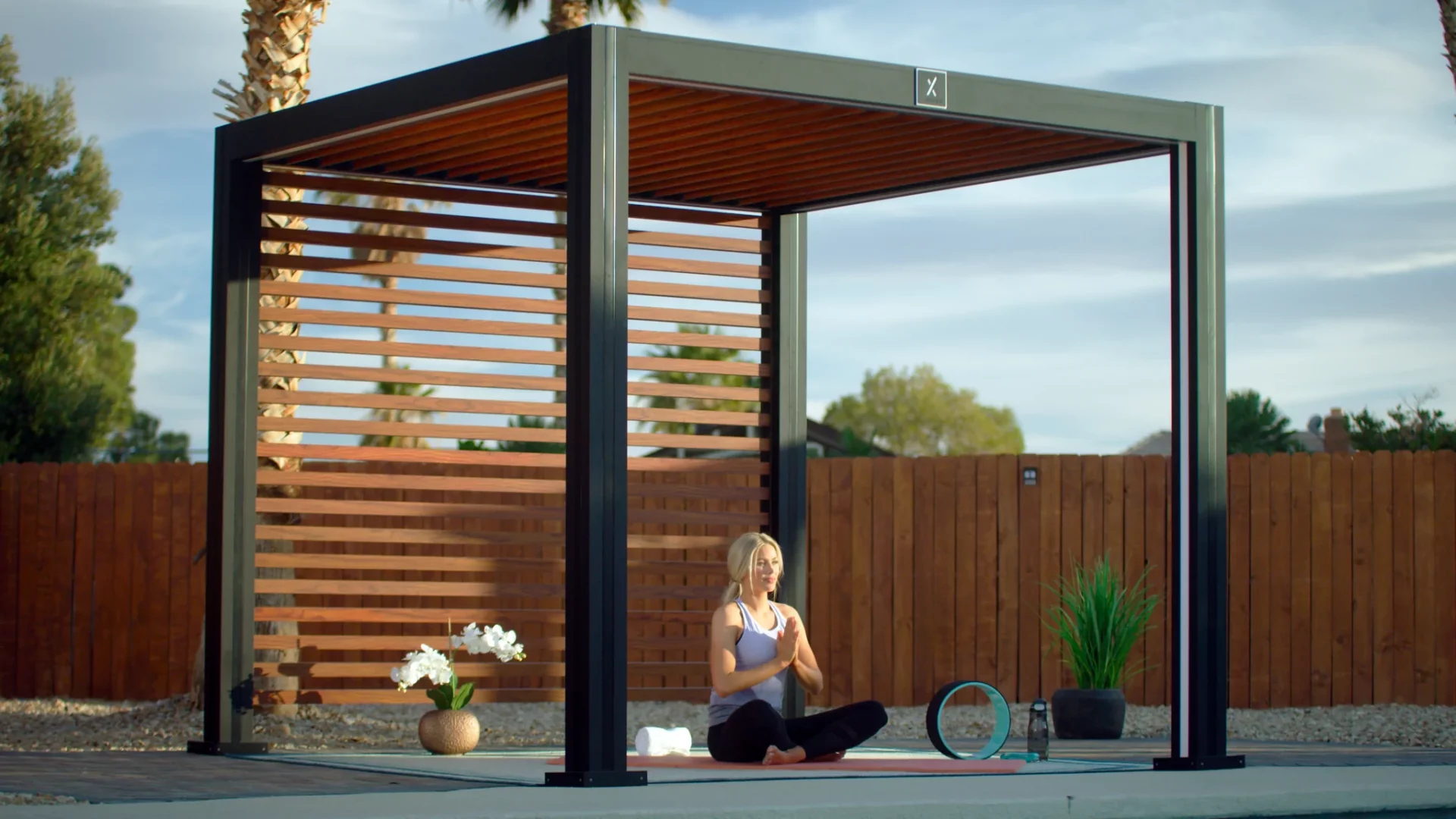
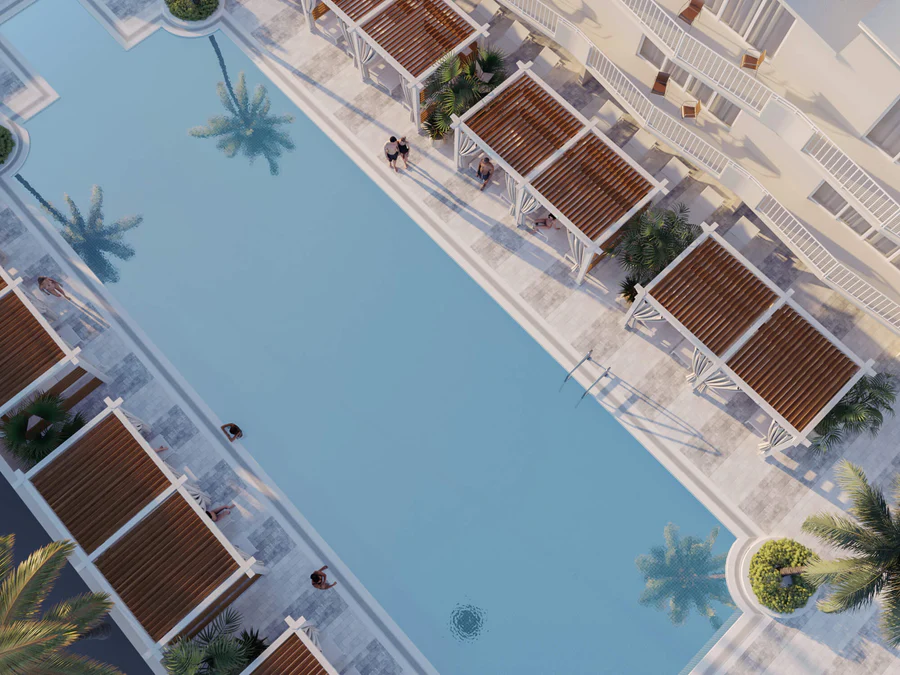
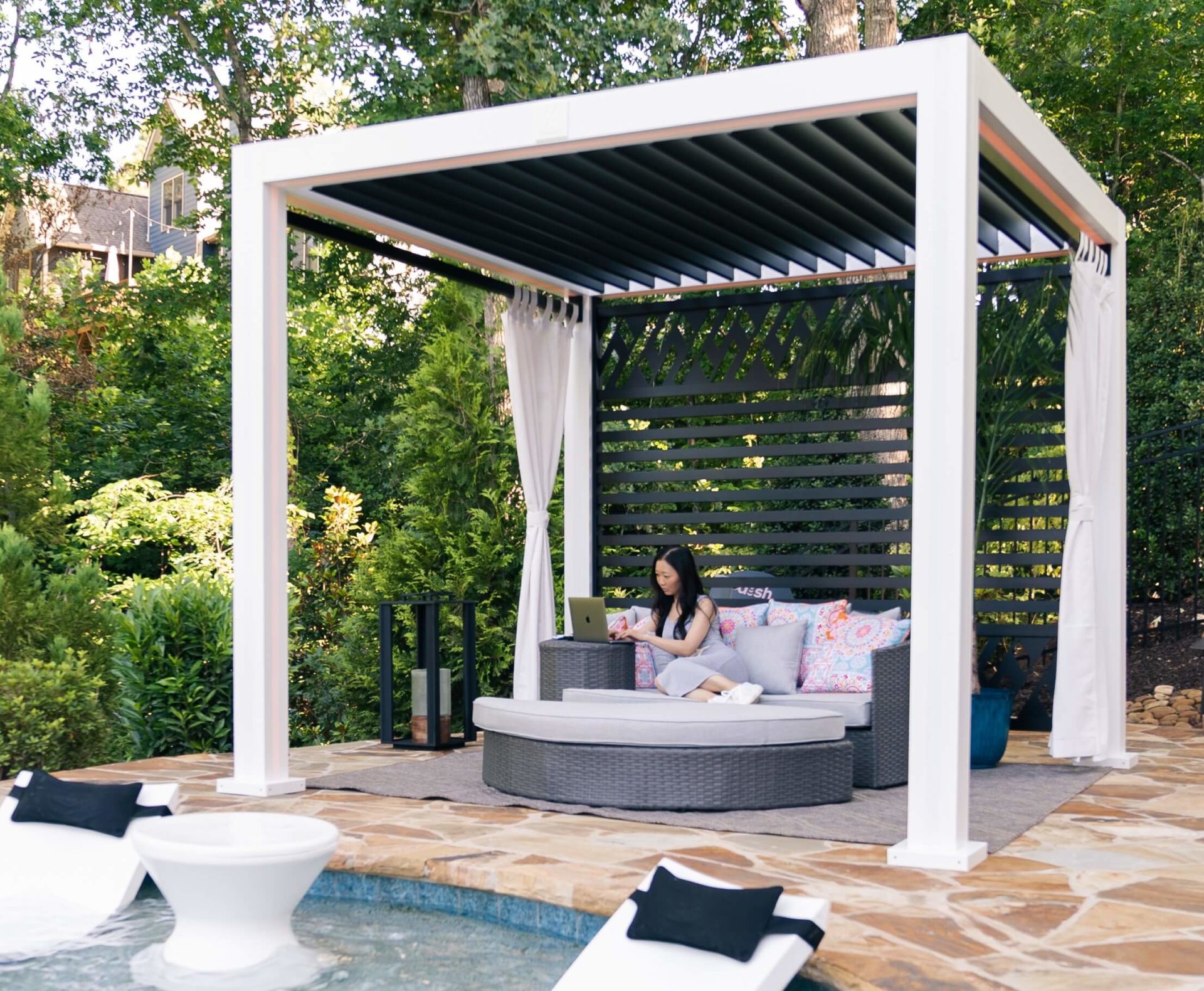
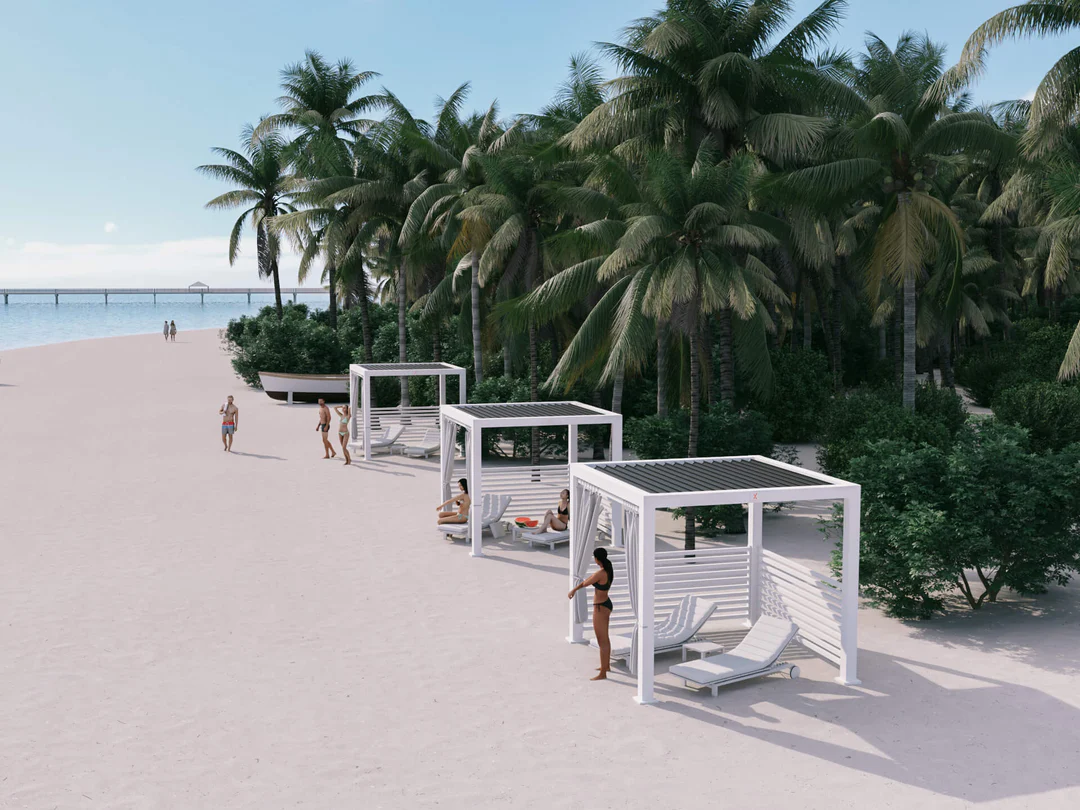
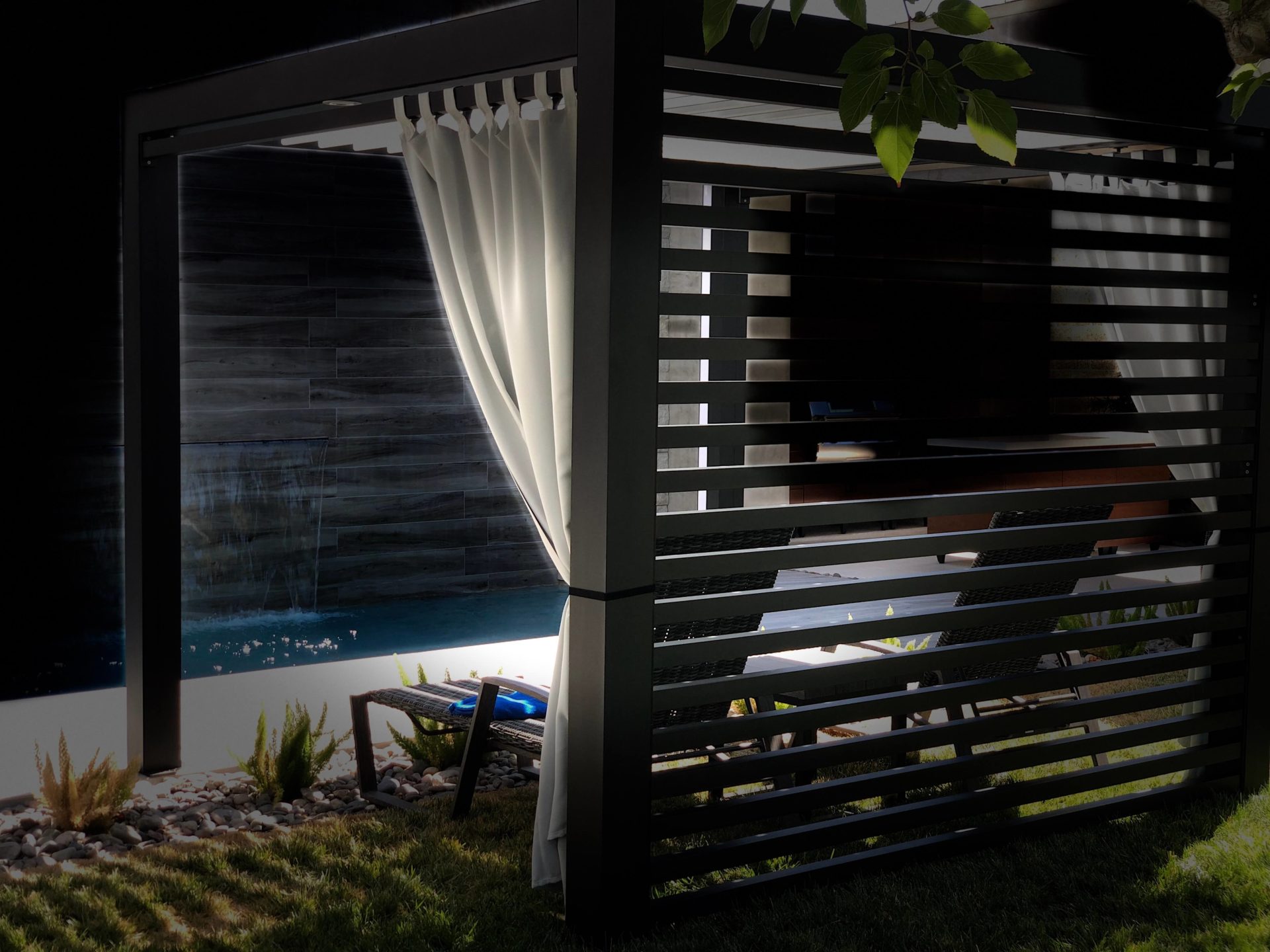
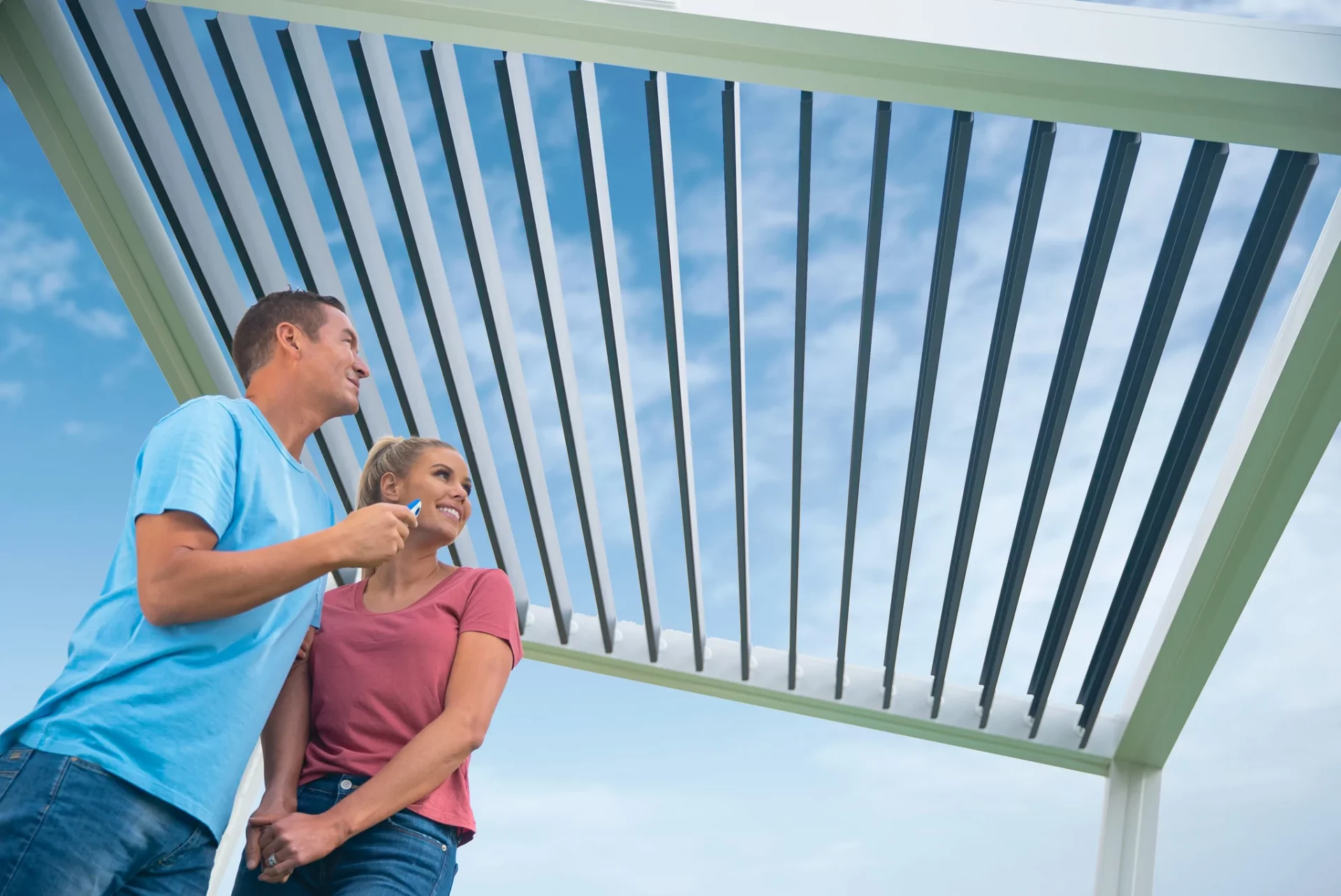
Key West homeowners live outdoors year-round, extending living space onto expansive porches, wrap-around verandahs, upper-level balconies and compact backyards or terraces that often sit near the waterfront. Residents furnish verandas with wicker seating, use patios and decks for social gatherings, and cultivate low-maintenance tropical gardens of palms and bougainvillea that provide shade and privacy via trellises. Cross-ventilated porches, large sliding glass doors and elevated foundations maximize Gulf breezes while reducing reliance on air conditioning. Climate realities—intense sun, heavy rain, storms and salt air—shape choices: durable concrete or brick bases, corrosion-resistant materials, pergolas with UV-resistant fabrics or motorized louvers, and lightweight, wind-rated shade structures that preserve the historic Conch cottage character while supporting daily alfresco living.
Outdoor Activities, Amenities, and Lifestyle Patterns
Key West homeowners center daily life outdoors, using expansive porches, wrap-around verandahs and upper-level balconies to relax, entertain and catch Gulf breezes year-round. Historic Conch cottages with raised foundations and narrow lots favor compact patios, terraces or small waterfront features rather than large lawns, encouraging porch-centered socializing, decks for gatherings, and low-maintenance tropical gardens with palms, bougainvillea and trellises for shade and privacy. Climate and storms shape habits and materials: elevated homes, steep metal roofs, cross-ventilated porches, ceiling fans, pergolas with UV-resistant fabrics or motorized louvers, and corrosion-resistant finishes resist sun, humidity and high winds. Strict zoning and historic neighborhoods further reinforce outdoor living patterns that emphasize shaded alfresco spaces, durable coastal materials, and seamless indoor-outdoor flow for everyday recreation and entertaining.
Residential Property Characteristics of Key West Affecting Outdoor Living
Key West residential properties—predominantly historic Conch cottages (wood-frame one- or one-and-a-half-story homes with steep metal roofs, generous porches and raised foundations), along with eyebrow and shotgun cottages—sit on small lots within the island’s four-square-mile footprint, producing compact backyards, terraces and frequent waterfront edges. Wrap-around verandahs, upper-level balconies and raised foundations promote cross-ventilation and Gulf breezes, guiding pergola placement toward patios, decks or adjacent terraces rather than large lawns. These layouts favor lightweight, low-profile shade structures and trellises that respect historic proportions, and require durable, corrosion-resistant materials, concrete or brick footings, and UV-resistant fabrics or motorized louvers rated for high winds and salt-air exposure.
Climate, Sun, and Weather Considerations in Key West
Key West’s warm, humid tropical climate brings intense sun, heat, high humidity, heavy rains, storm surges and powerful winds, so outdoor comfort depends on shade, ventilation and storm-ready construction. Homes are elevated on pilings with steep metal roofs, wide eaves, high ceilings and cross-ventilated porches to shed rain, reflect heat and capture Gulf breezes; ceiling fans and upper-level balconies enhance comfort. Shade solutions must be robust—pergolas with UV-resistant fabrics, motorized louvers or adjustable canopies rated for winds over 120 mph—and materials must resist salt air and corrosion, with concrete or brick foundations and decay-resistant woods. On small lots, tropical plantings, trellises and low-profile covered verandas balance privacy, sun protection and airflow while meeting historic zoning and storm considerations.
Why Key West Is Ideal for Outdoor Living
Key West’s year-round warm weather, steady Gulf breezes, and a culture built around expansive porches, wrap-around verandahs and balconies make it naturally suited for outdoor living upgrades such as patios, pergolas and covered spaces. Historic Conch cottages and similar raised, narrow homes with small lots and waterfront sites favor compact terraces, decks and lightweight, low-profile pergolas that extend living areas and preserve indoor-outdoor flow through large sliding doors and cross-ventilation. Lush tropical gardens and trellised plantings provide shade and privacy, while climate realities — intense sun, heavy rain, humidity, salt air and hurricane winds — drive demand for durable, corrosion-resistant materials, UV-resistant fabrics or motorized louvers, steep roofs and wind-rated attachments that deliver year-round comfort with less reliance on air conditioning.
Outdoor Living and Home Upgrade FAQ
How do I protect outdoor spaces from hurricanes and high winds? Elevated designs and steep metal roofs; choose pergolas wind-rated >120 mph, aluminum framing and secure foundations.
What materials withstand coastal humidity and salt air for patios and terraces? Decay-resistant woods (heart pine), metal roofing, concrete/brick foundations, corrosion-resistant metals and light tiles.
Can I add pergolas or shades to historic Conch cottages? Yes—low-profile trellises, adjustable canopies or motorized louvers that match wrap-around porches while meeting preservation rules.
How can I maximize shade and comfort on small lots? Use tropical plants (palms, bougainvillea, hibiscus), ceiling fans, wide eaves and adjustable canopies for UV protection and cross-ventilation.
What permits are required for backyard upgrades in Key West? Strict historic zoning requires approvals and permits for visible changes to porches, elevations or exterior additions.