Outdoor Living in Coconut Creek, Florida
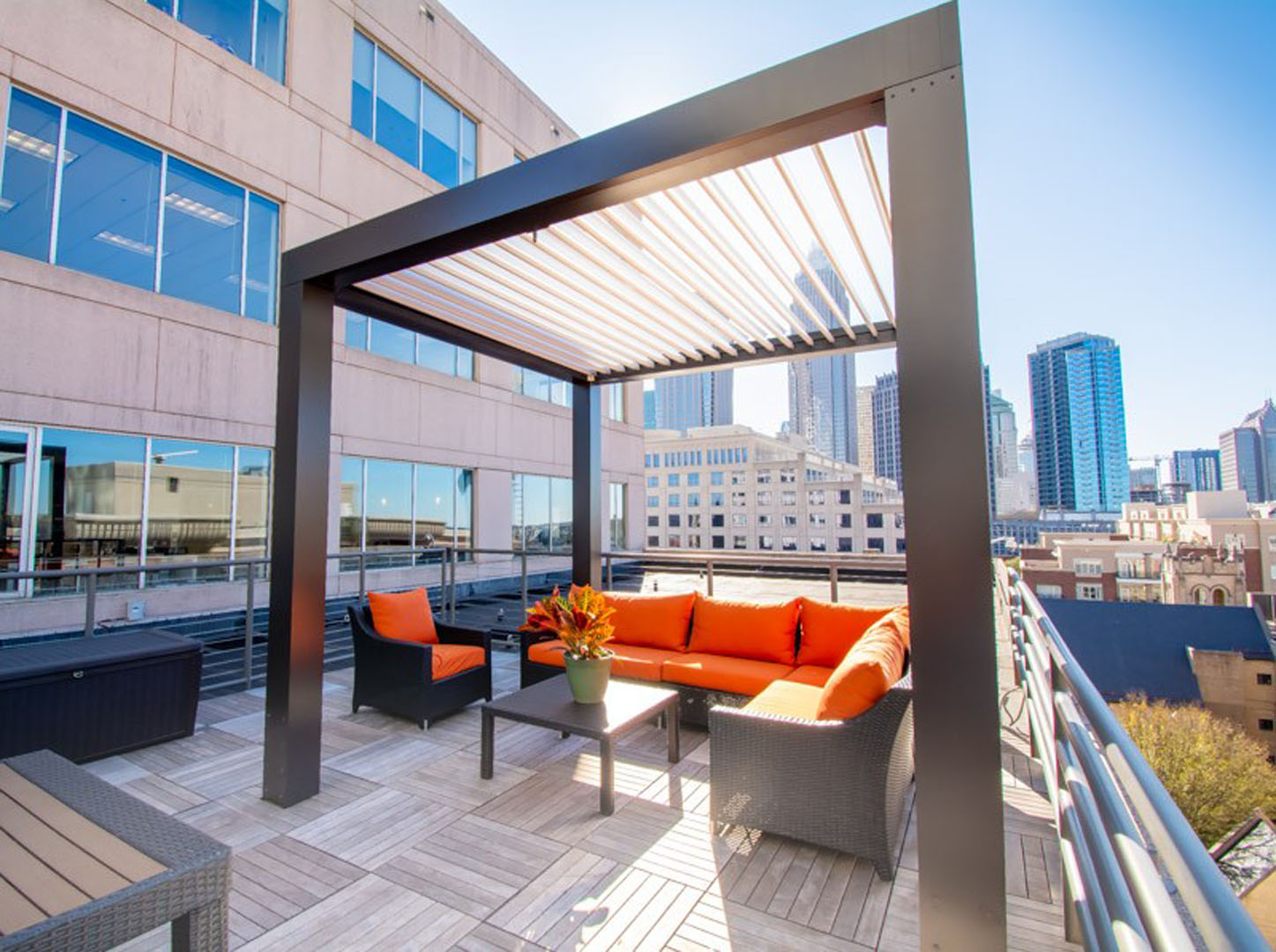
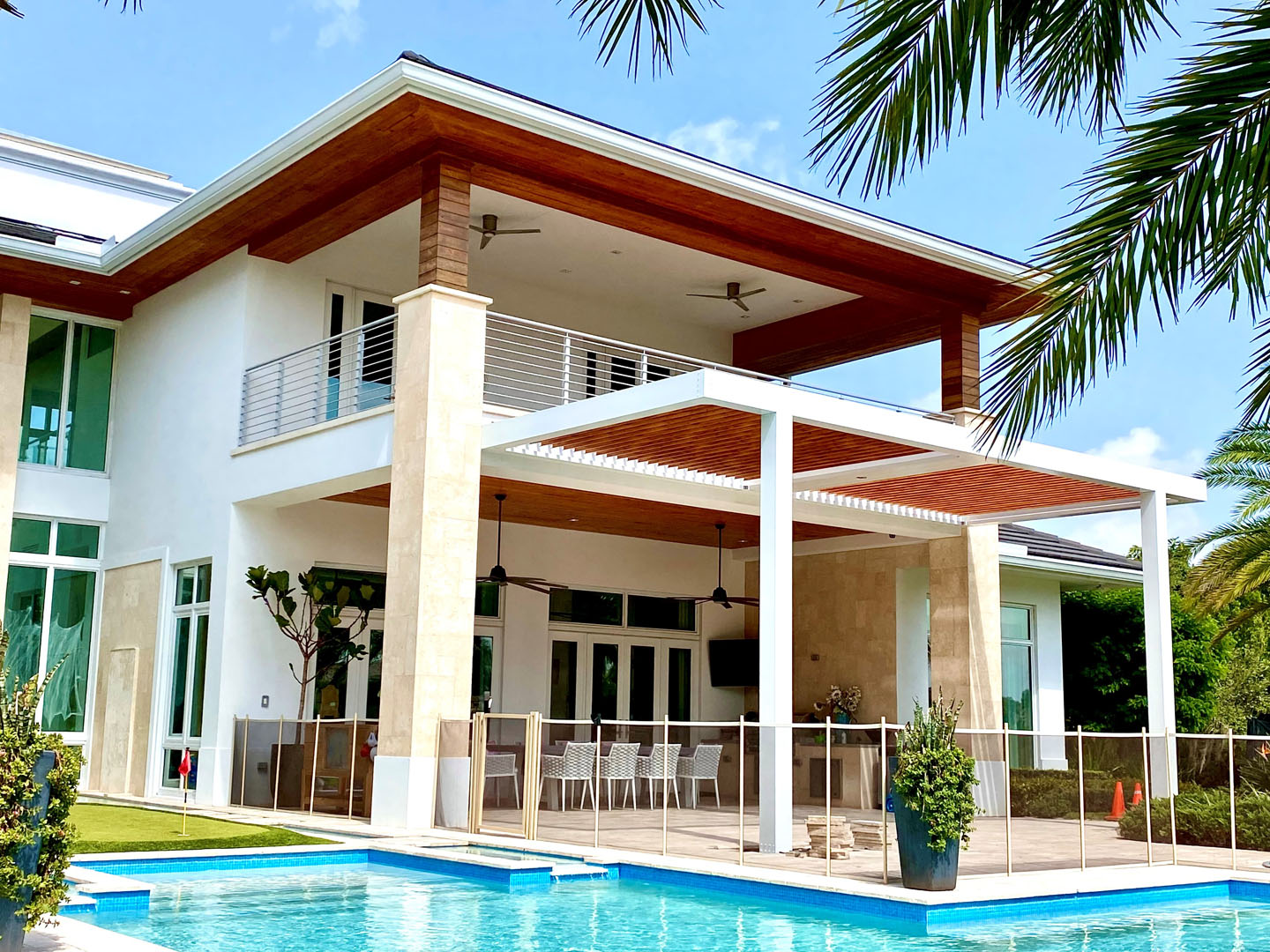
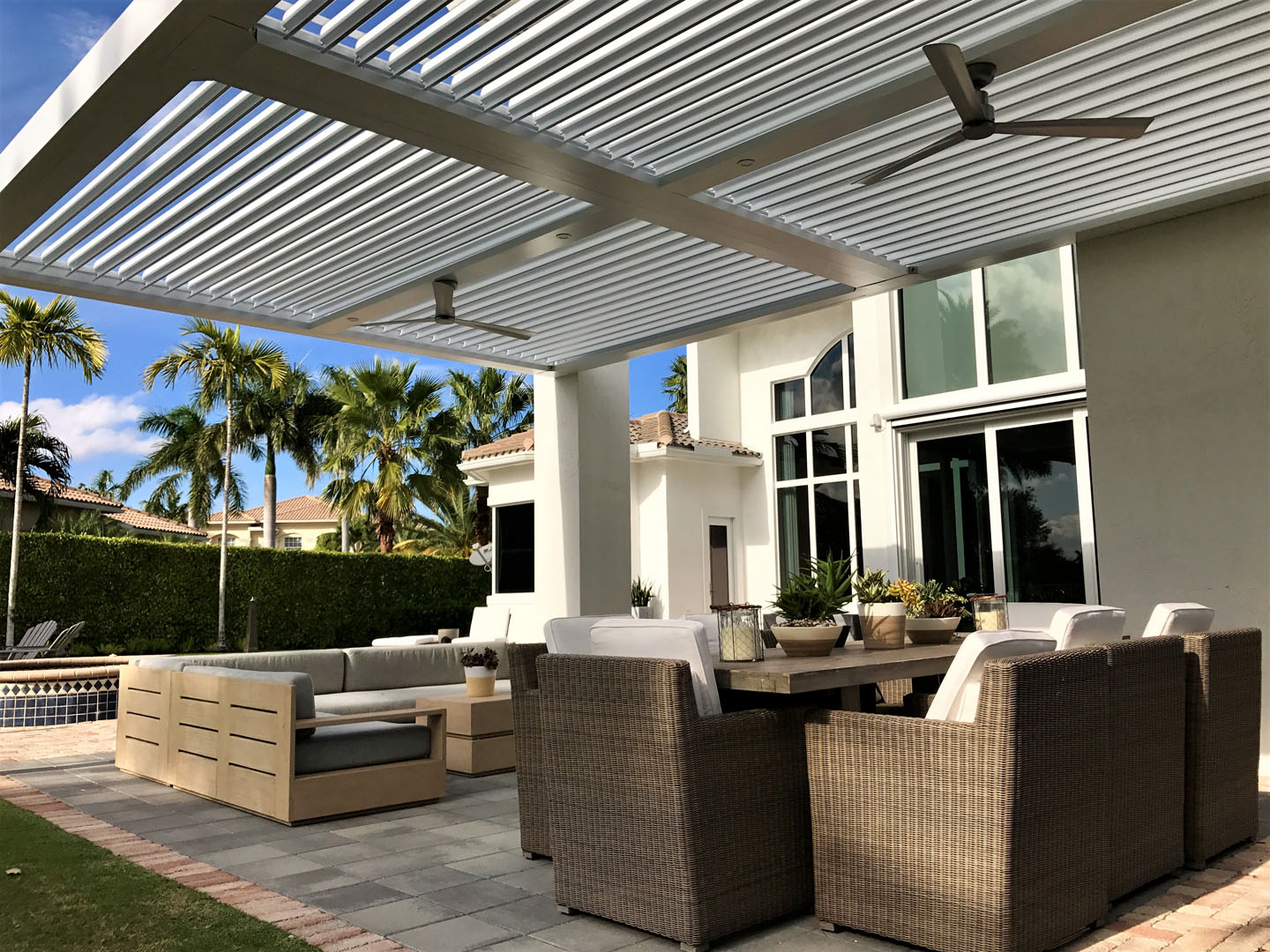
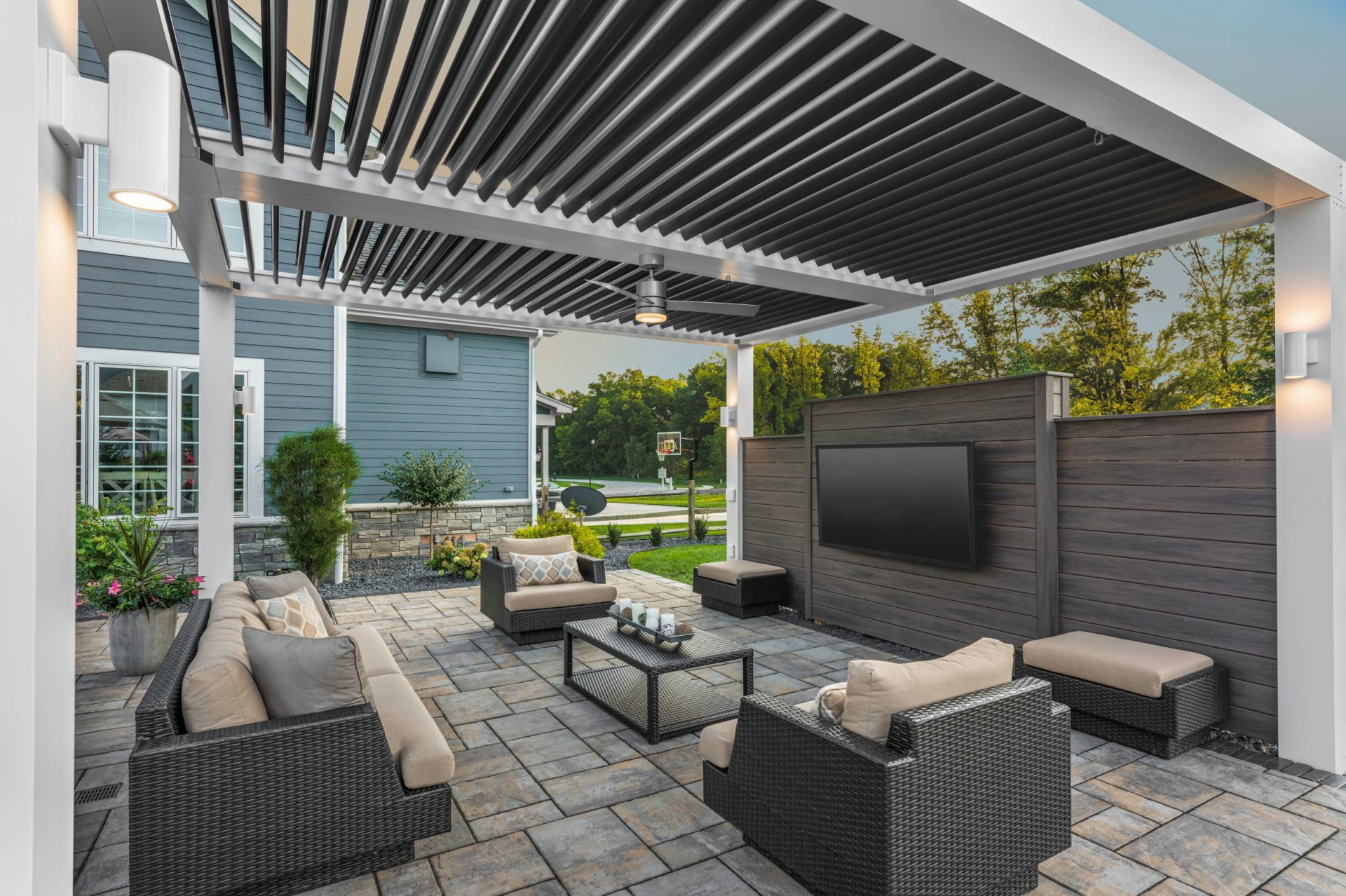
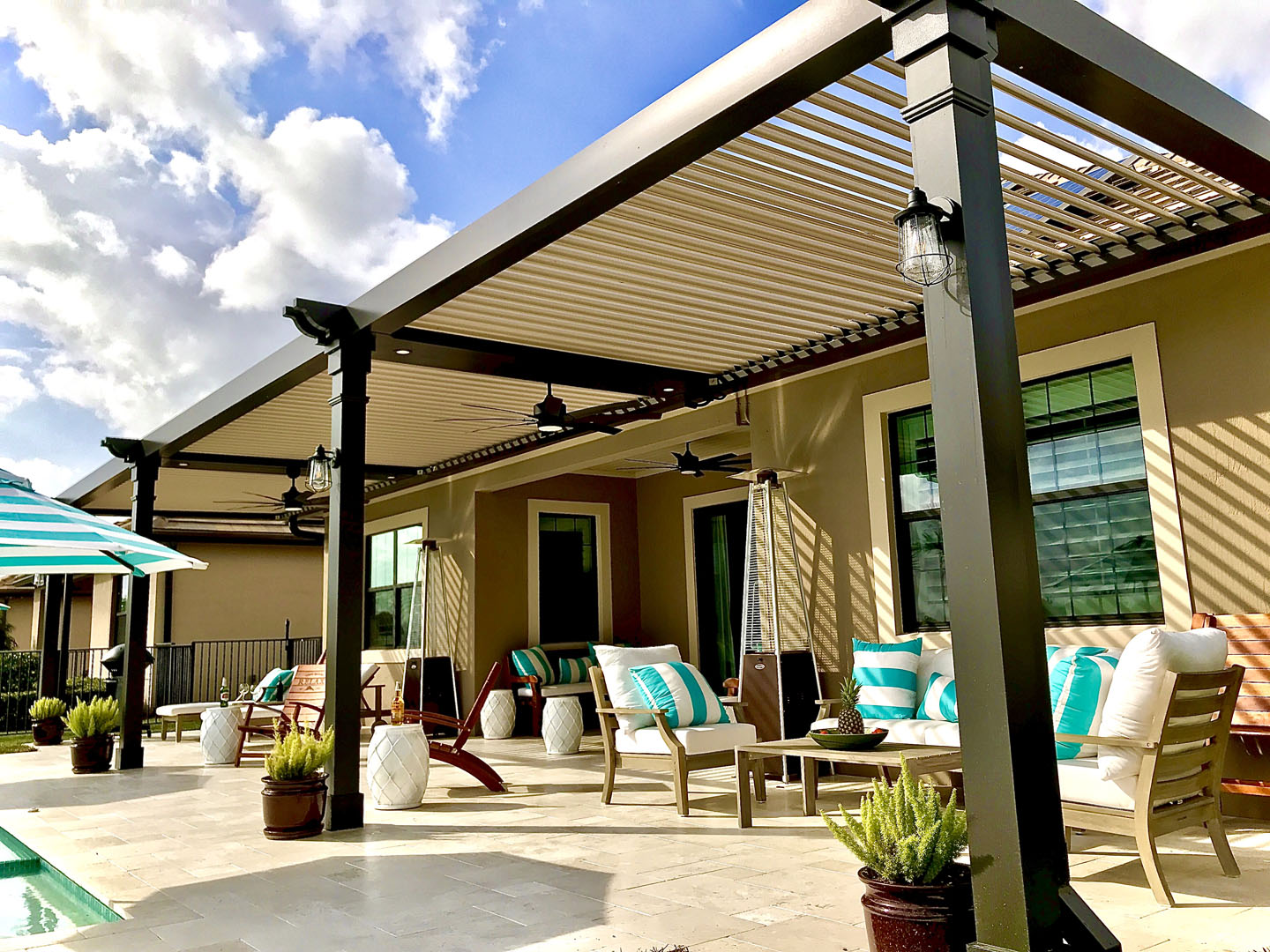
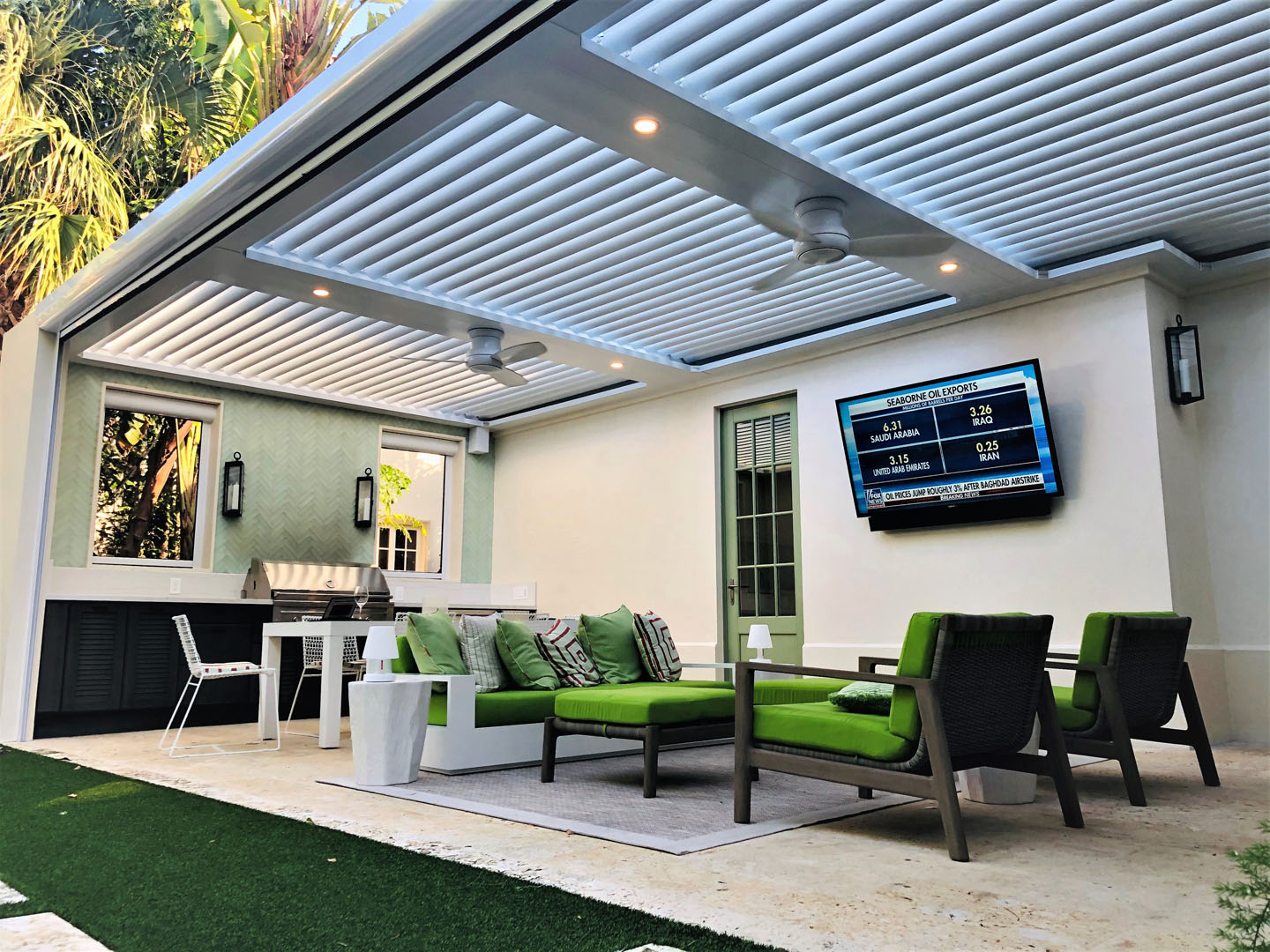
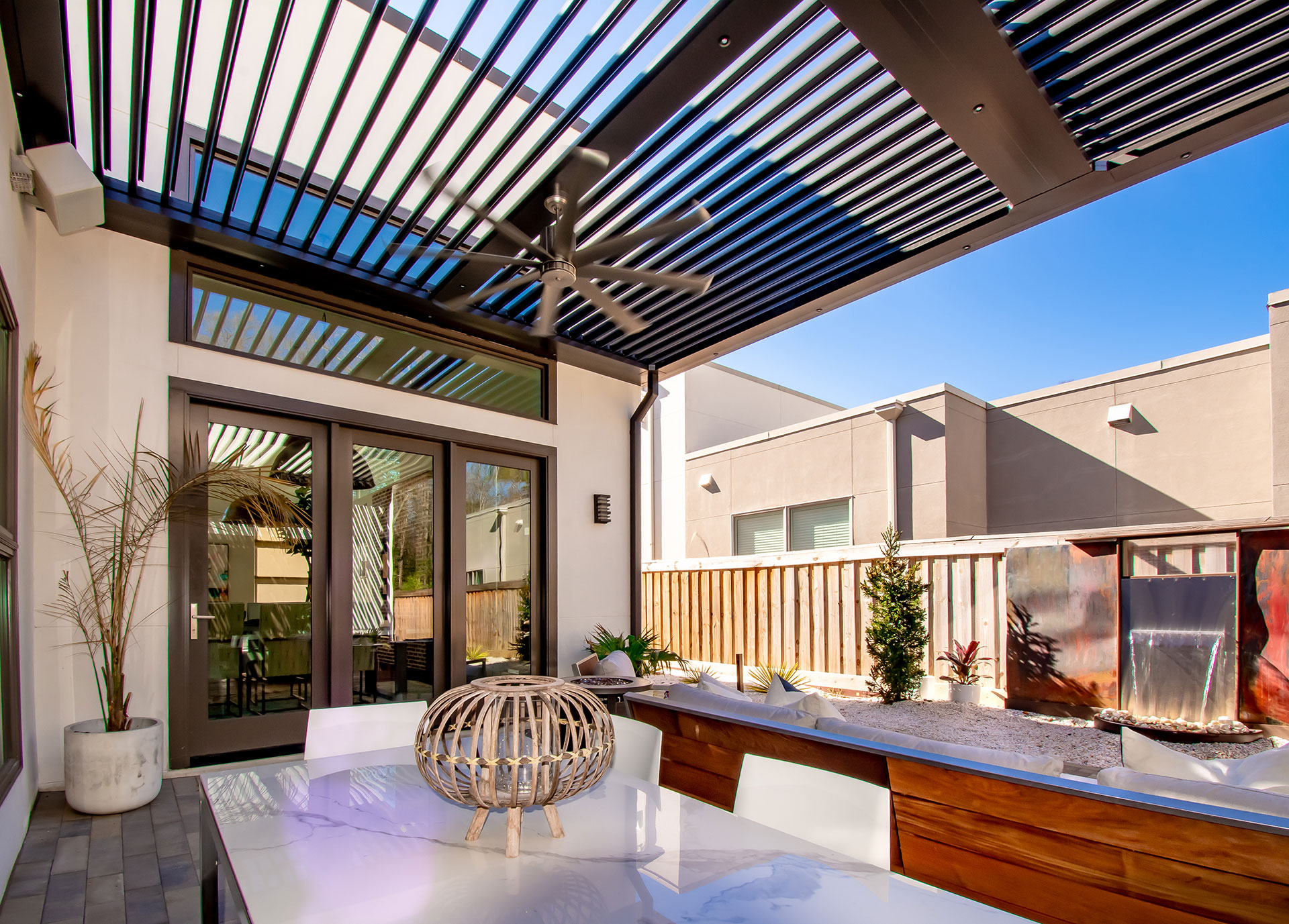
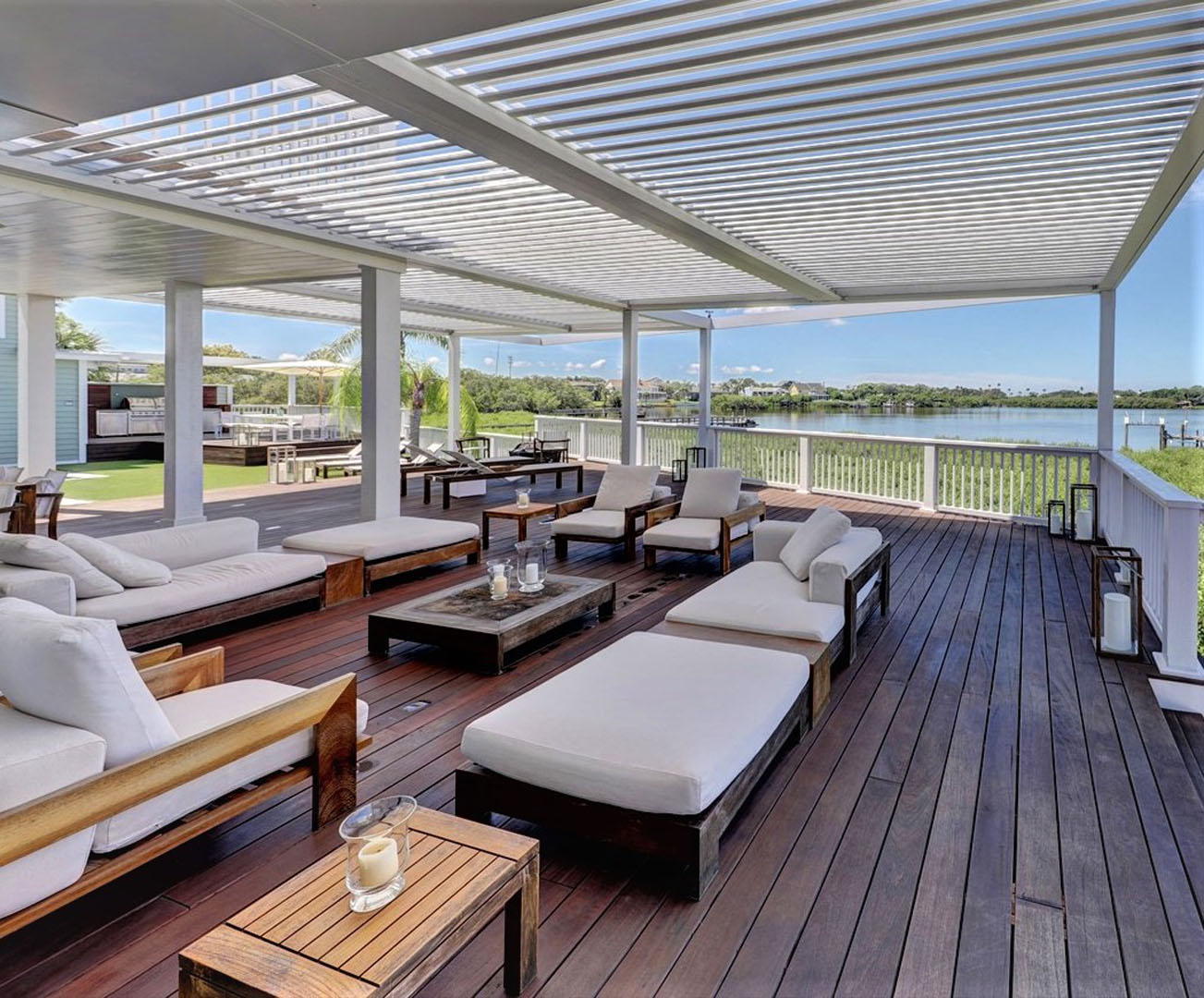
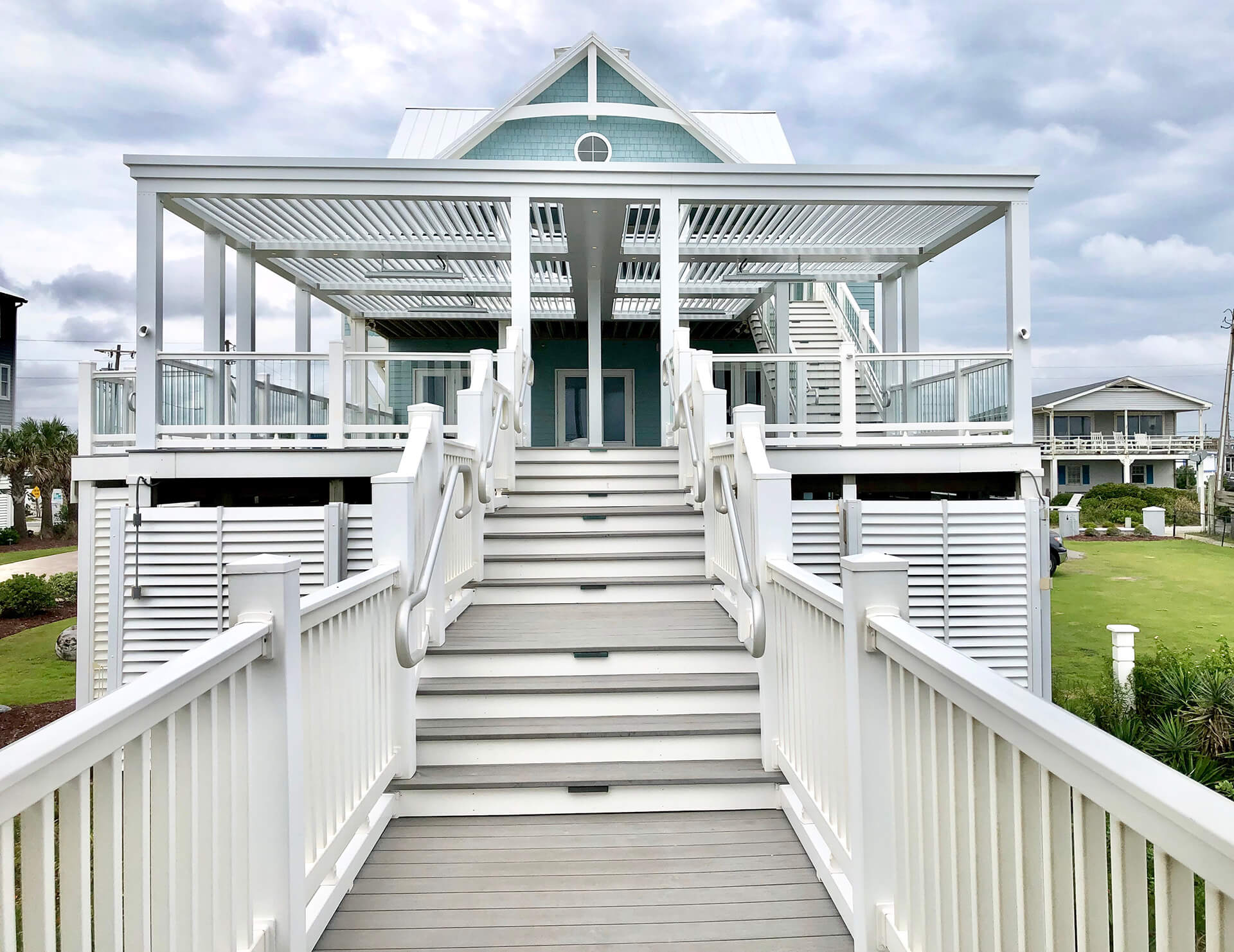
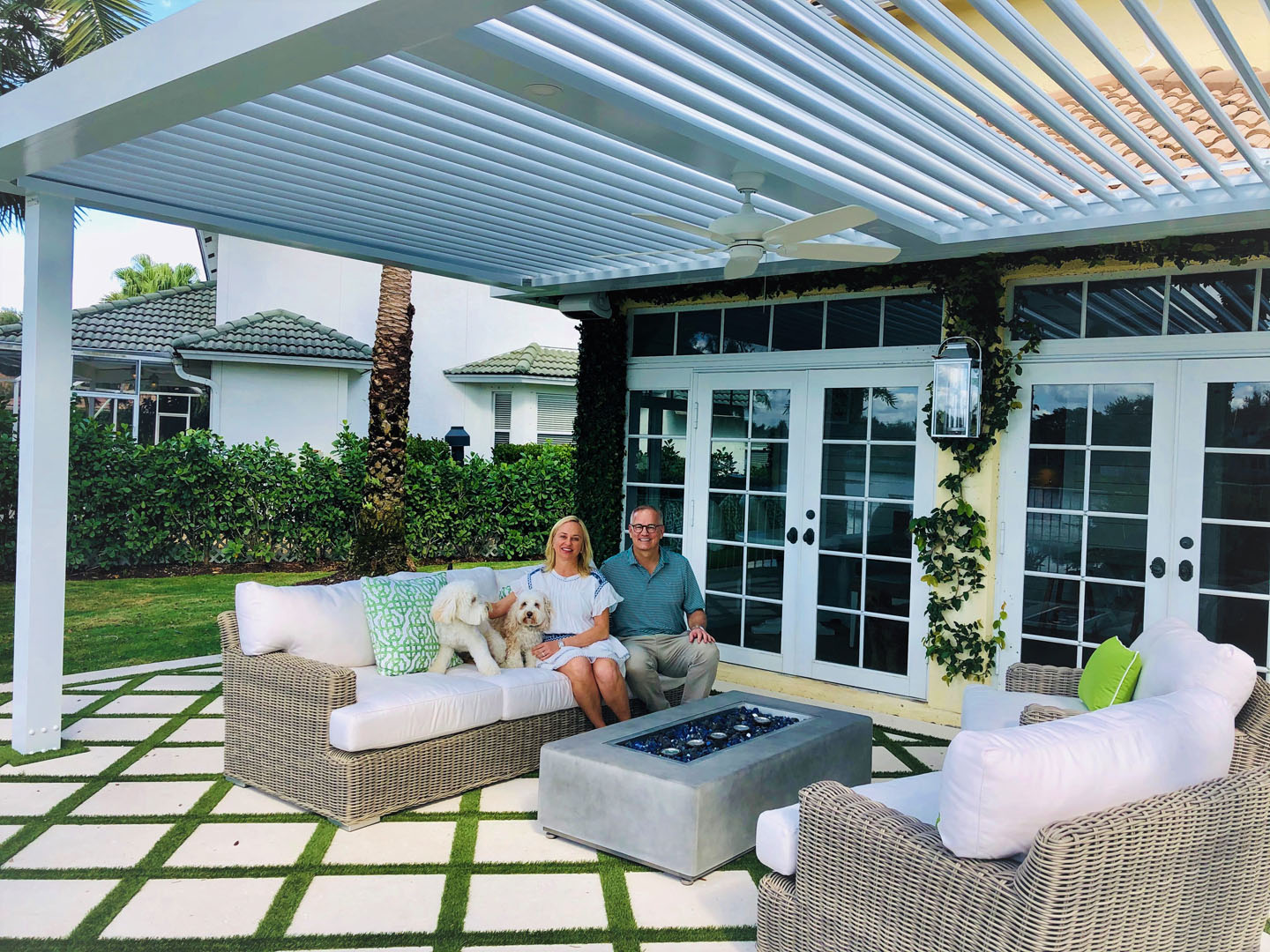
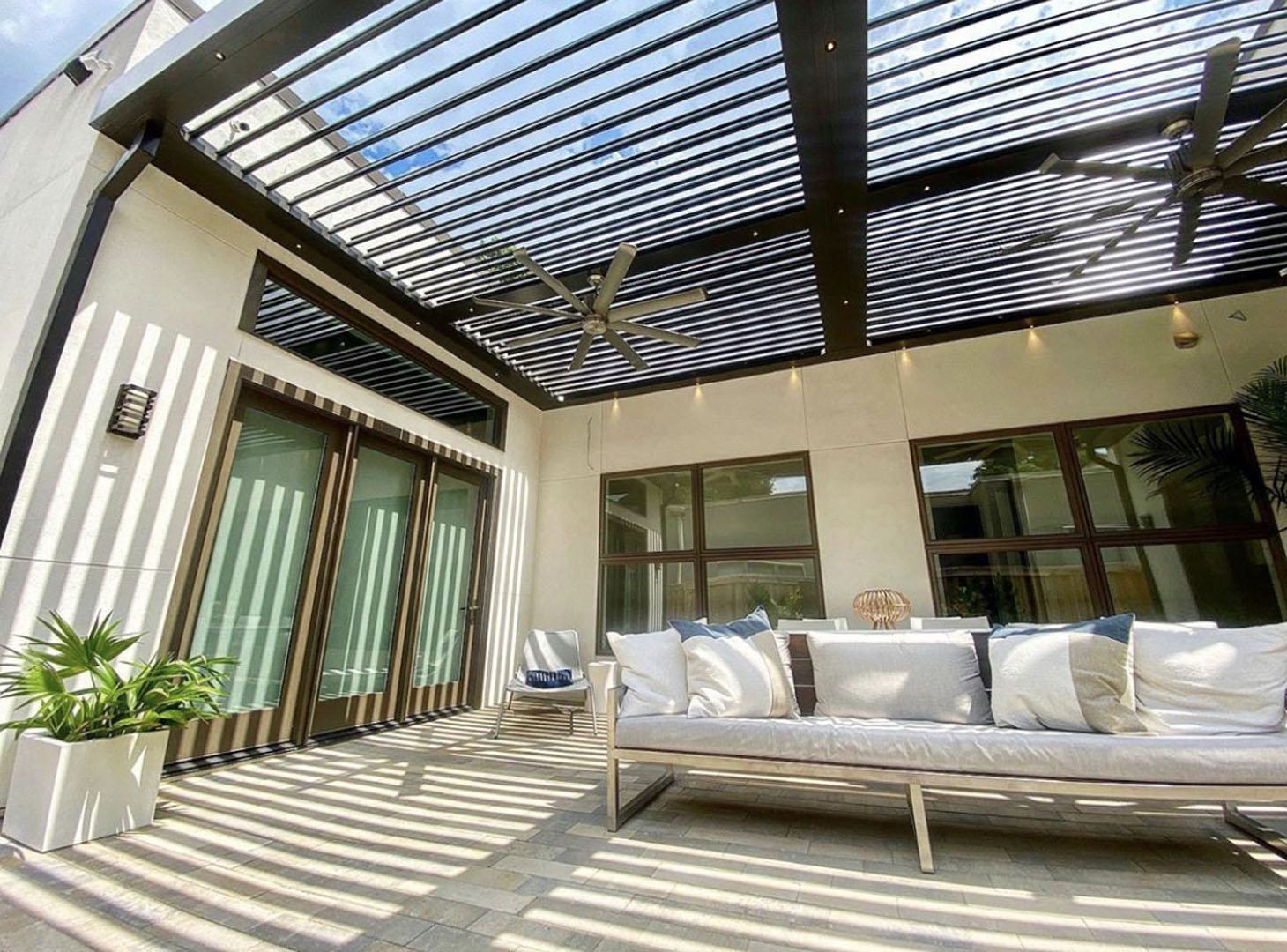
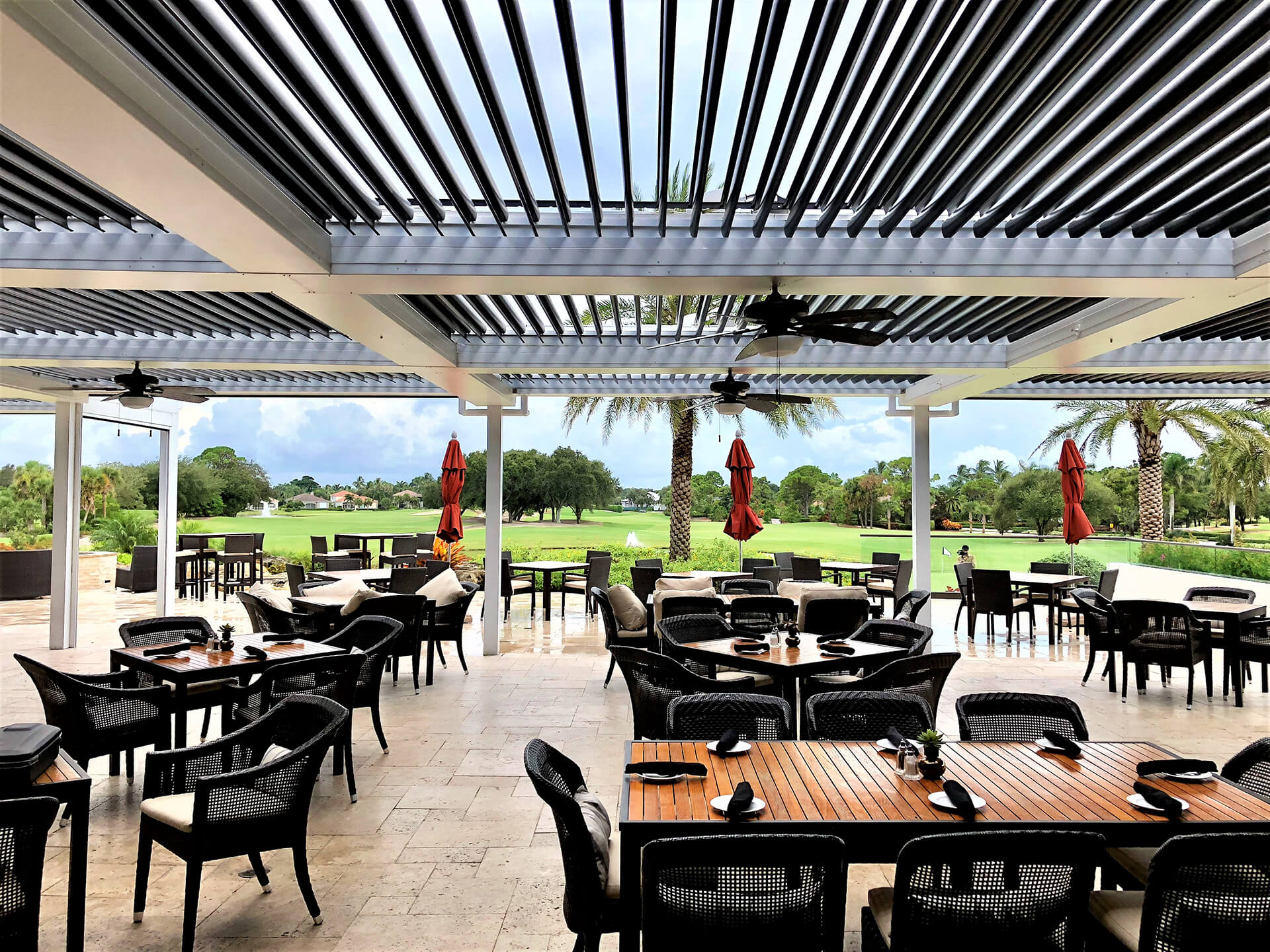
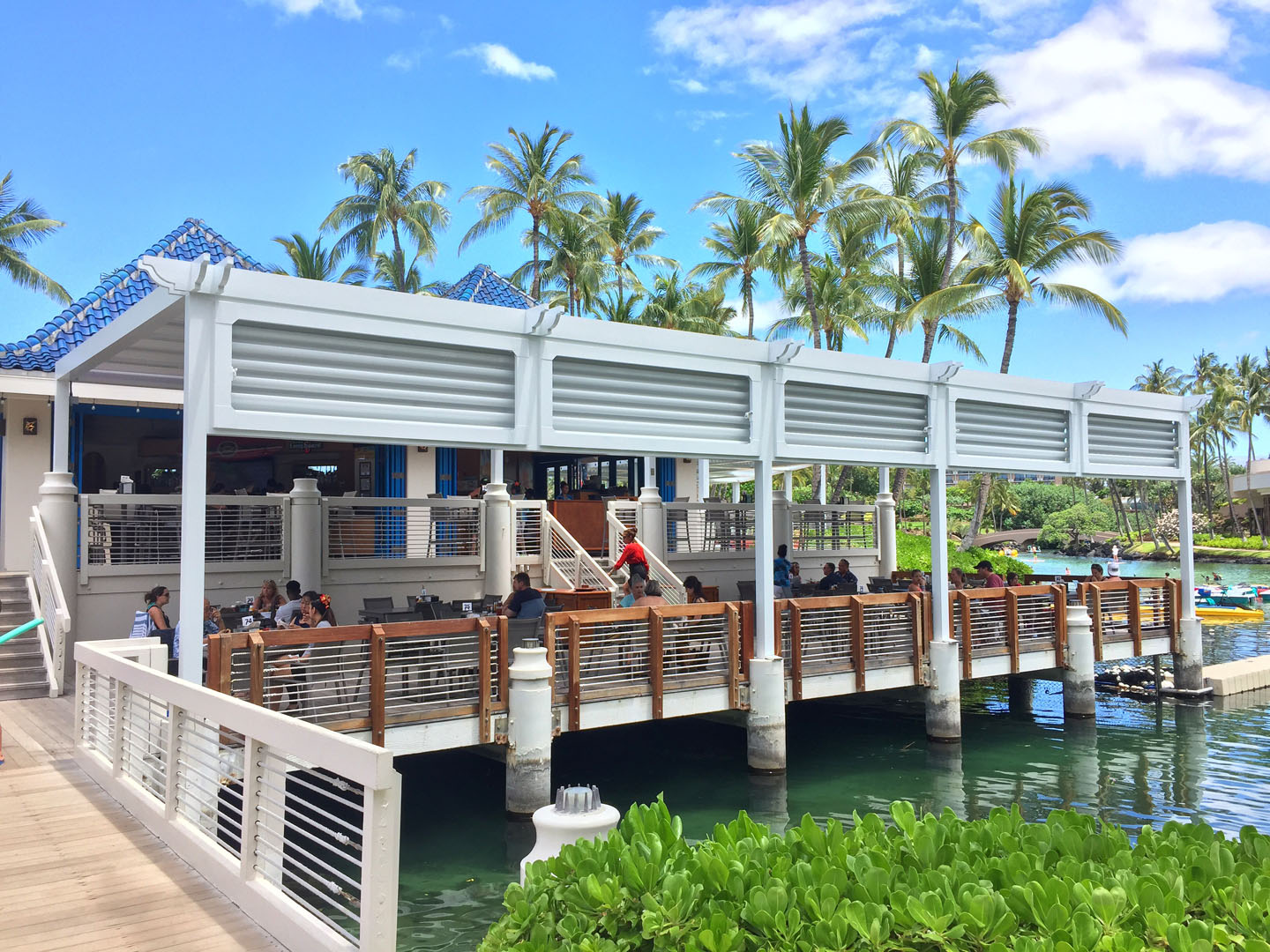
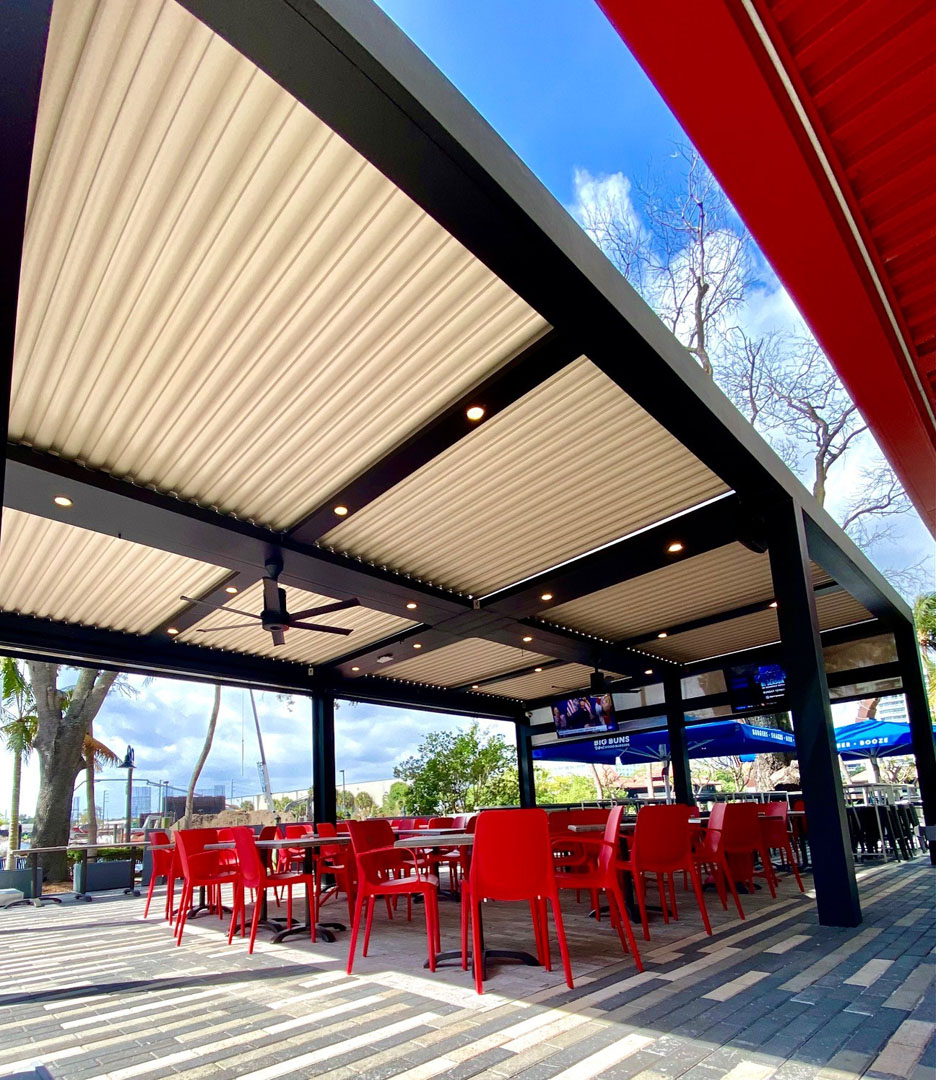
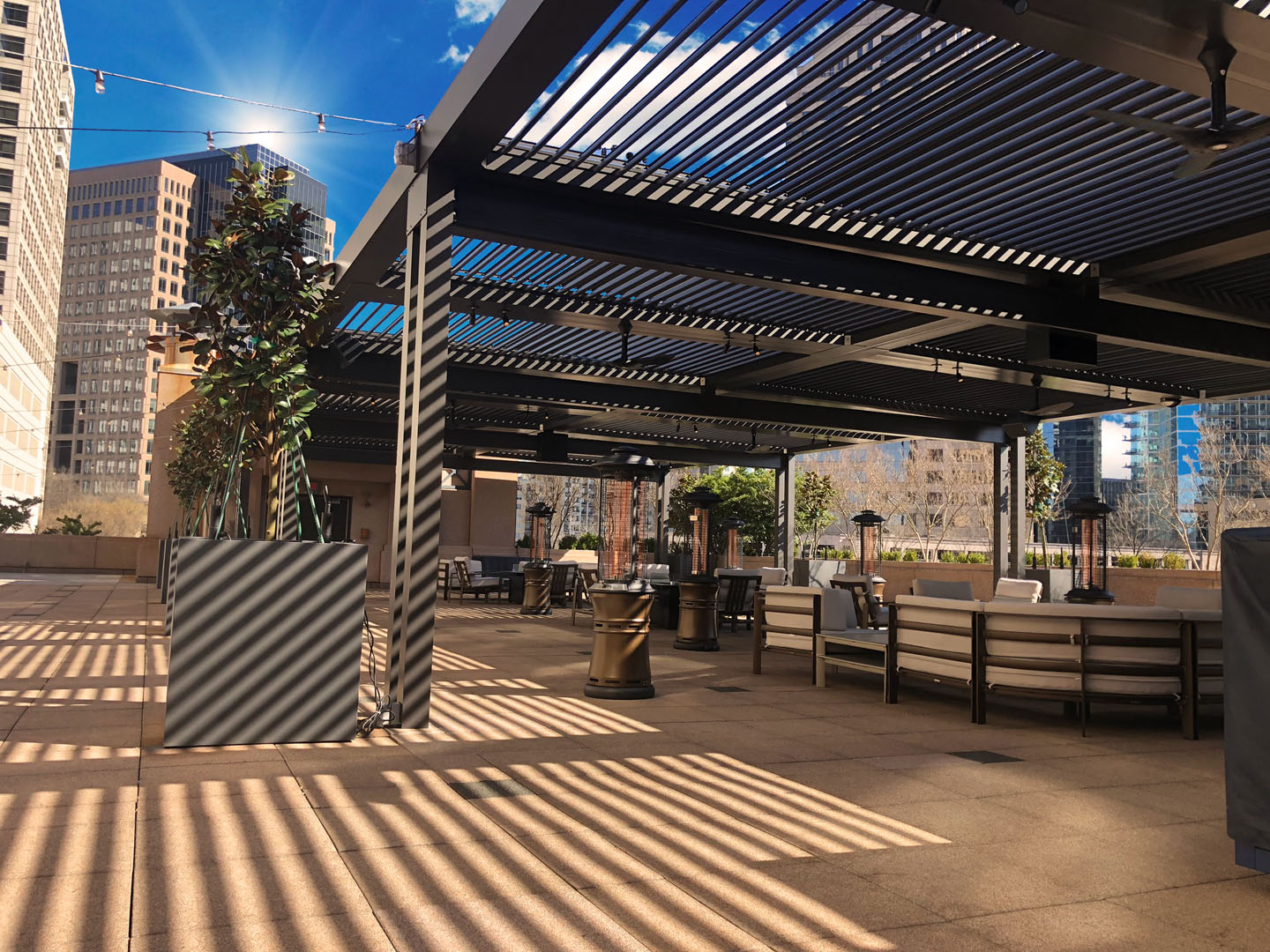
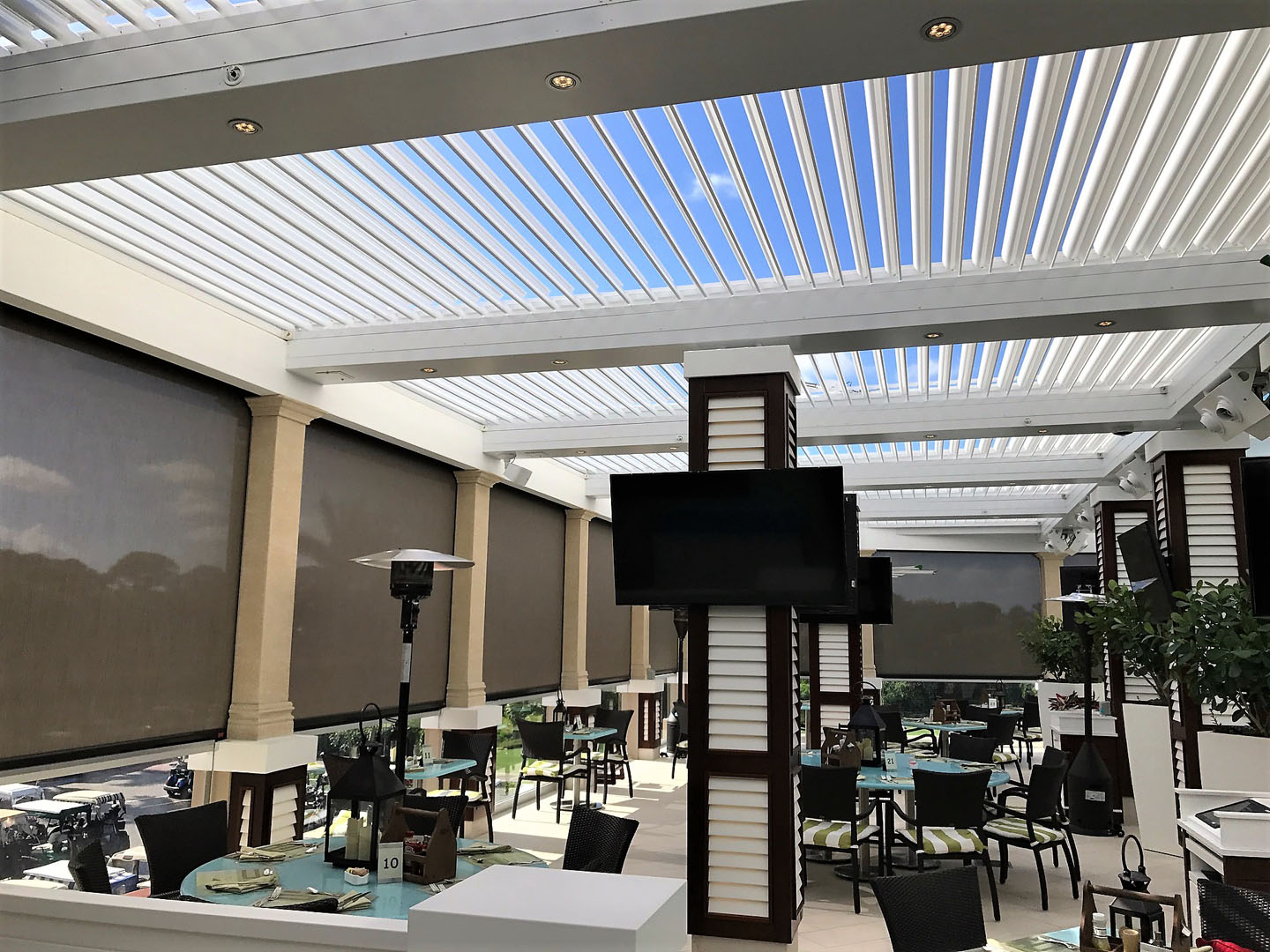
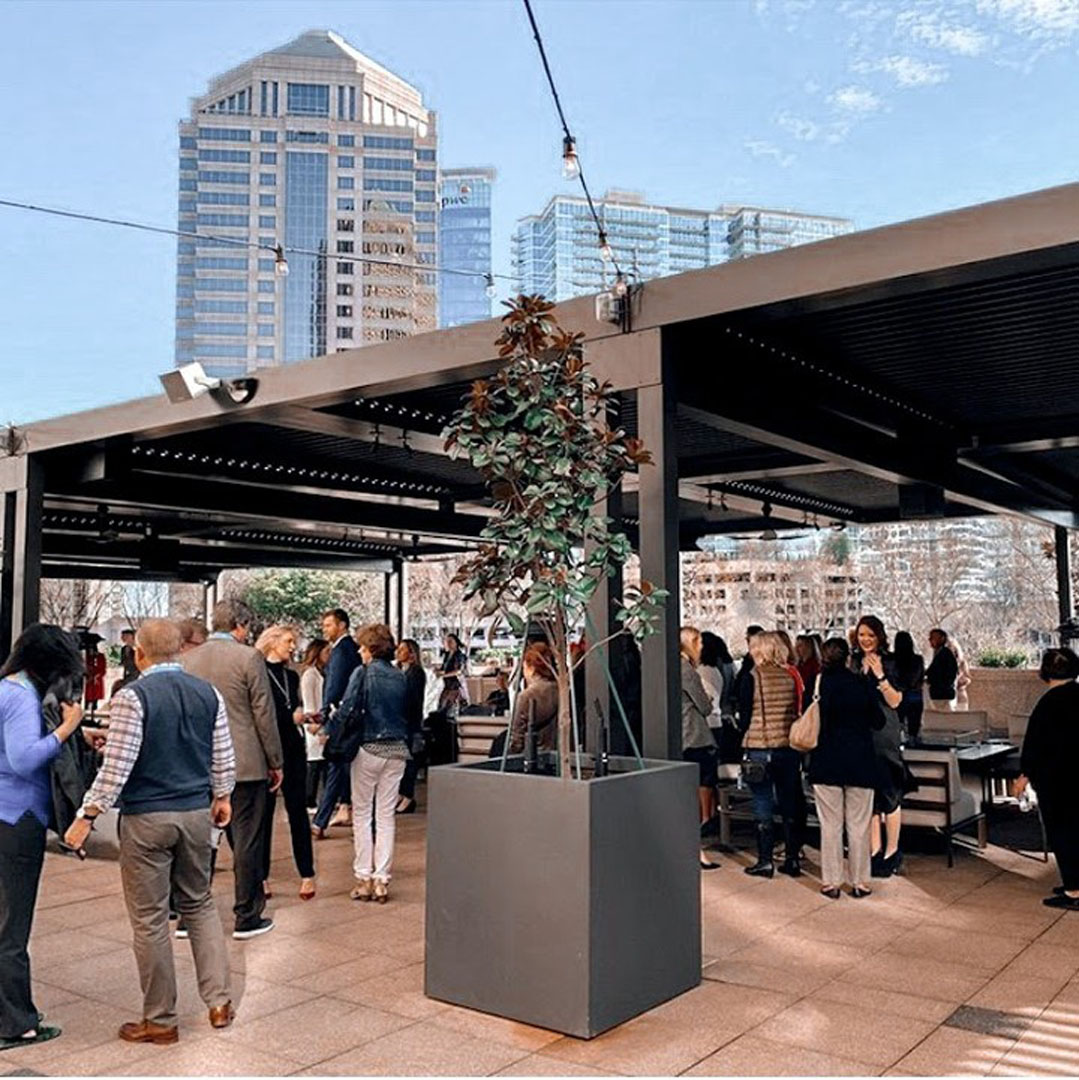
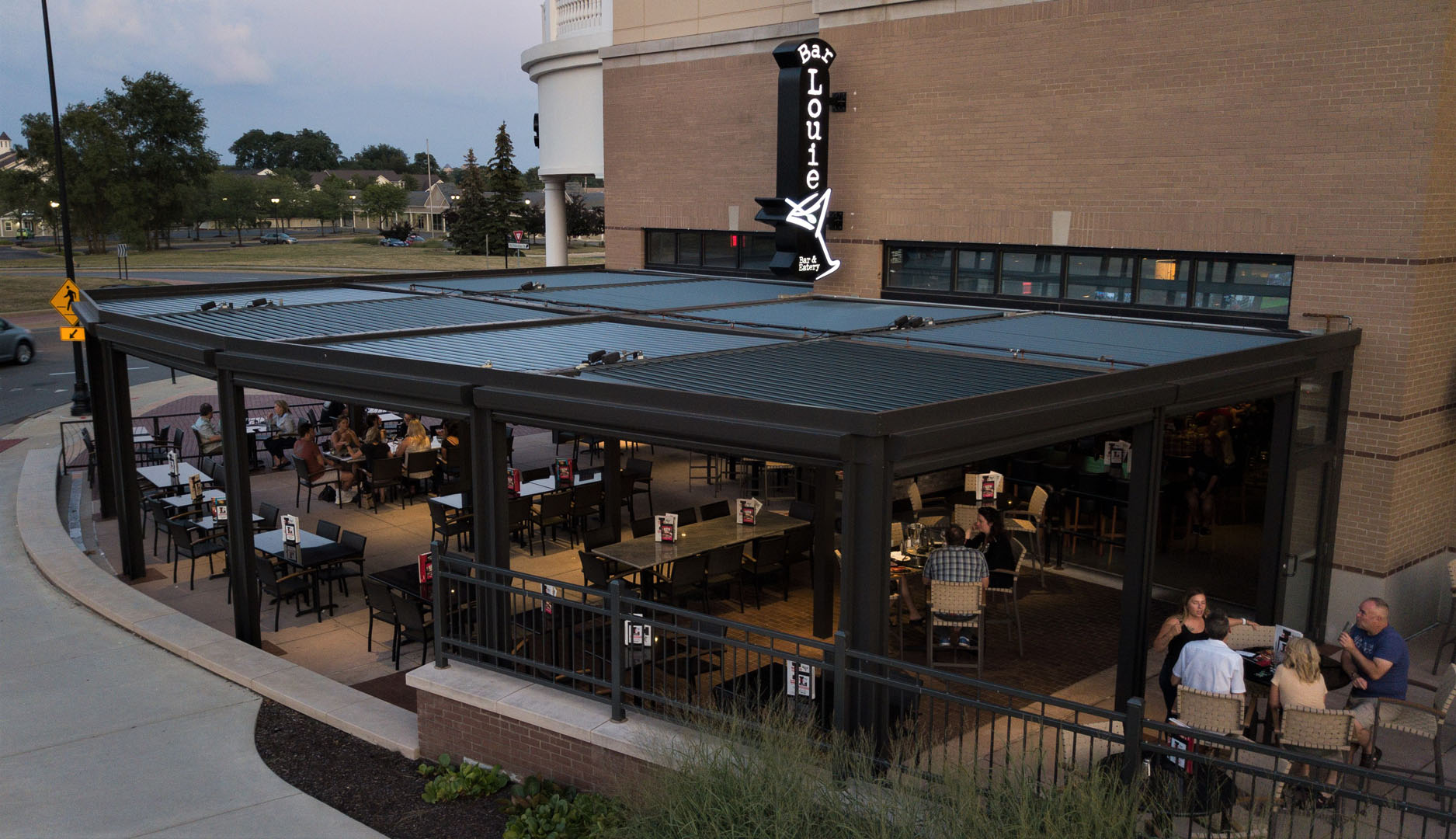
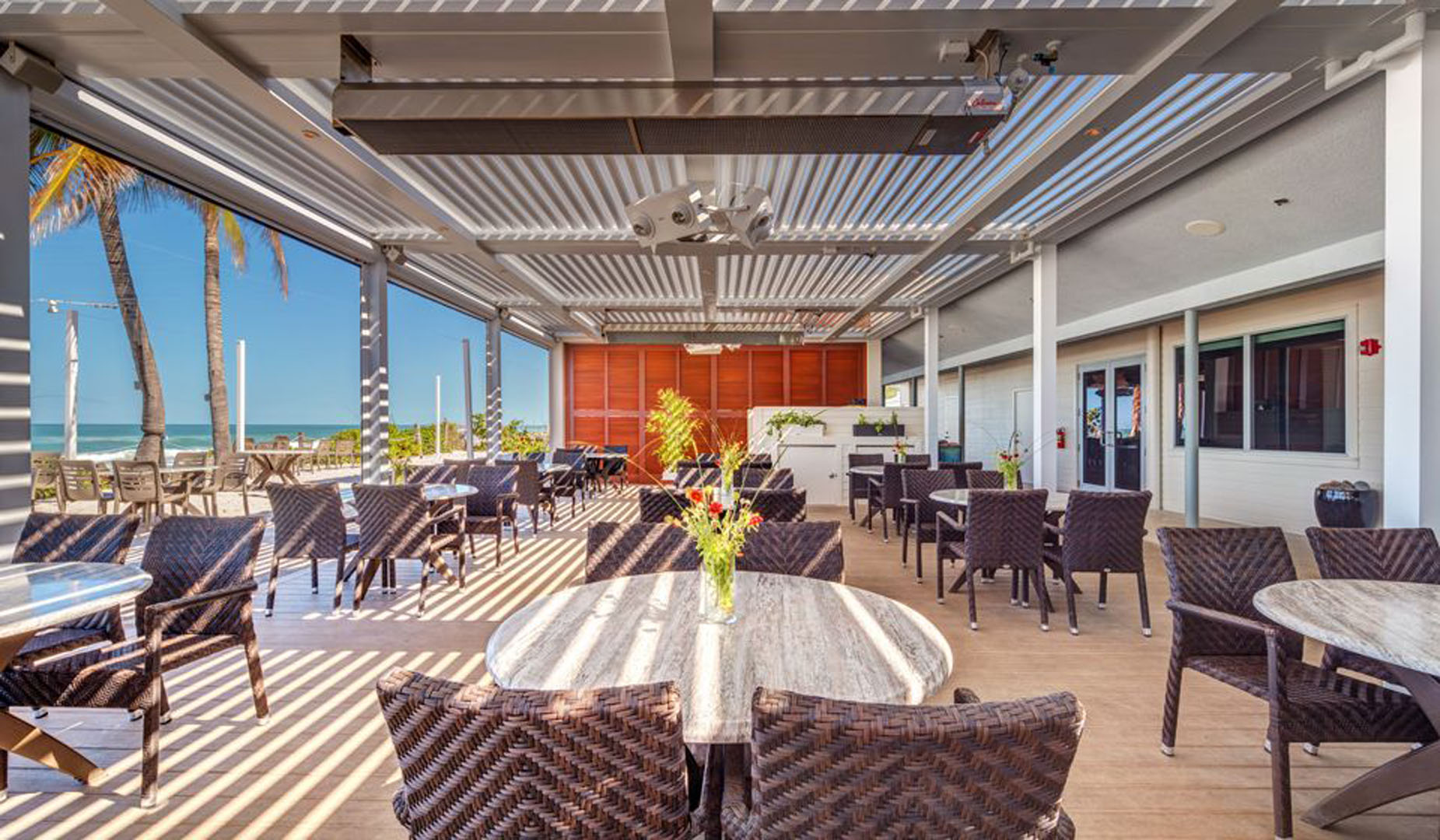
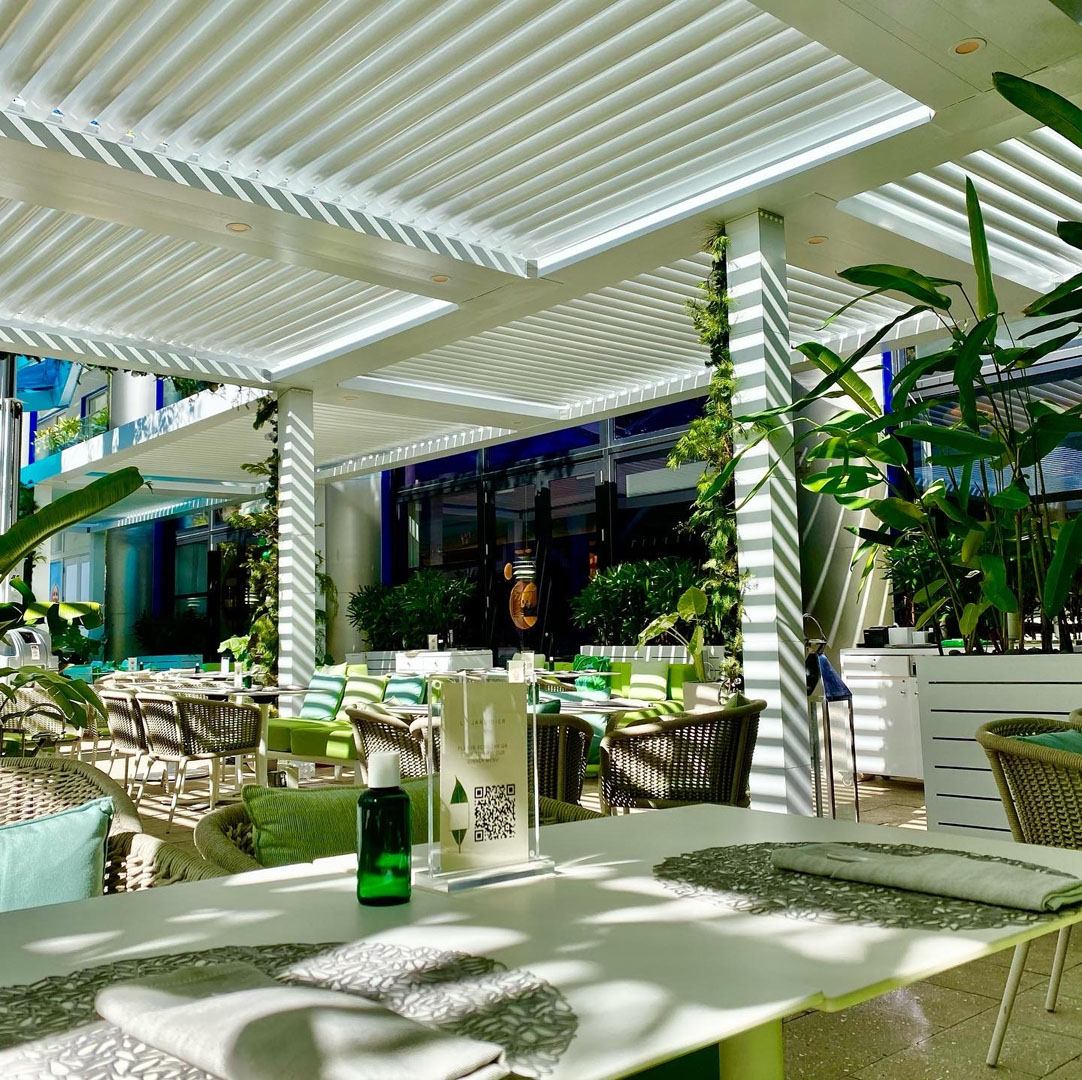
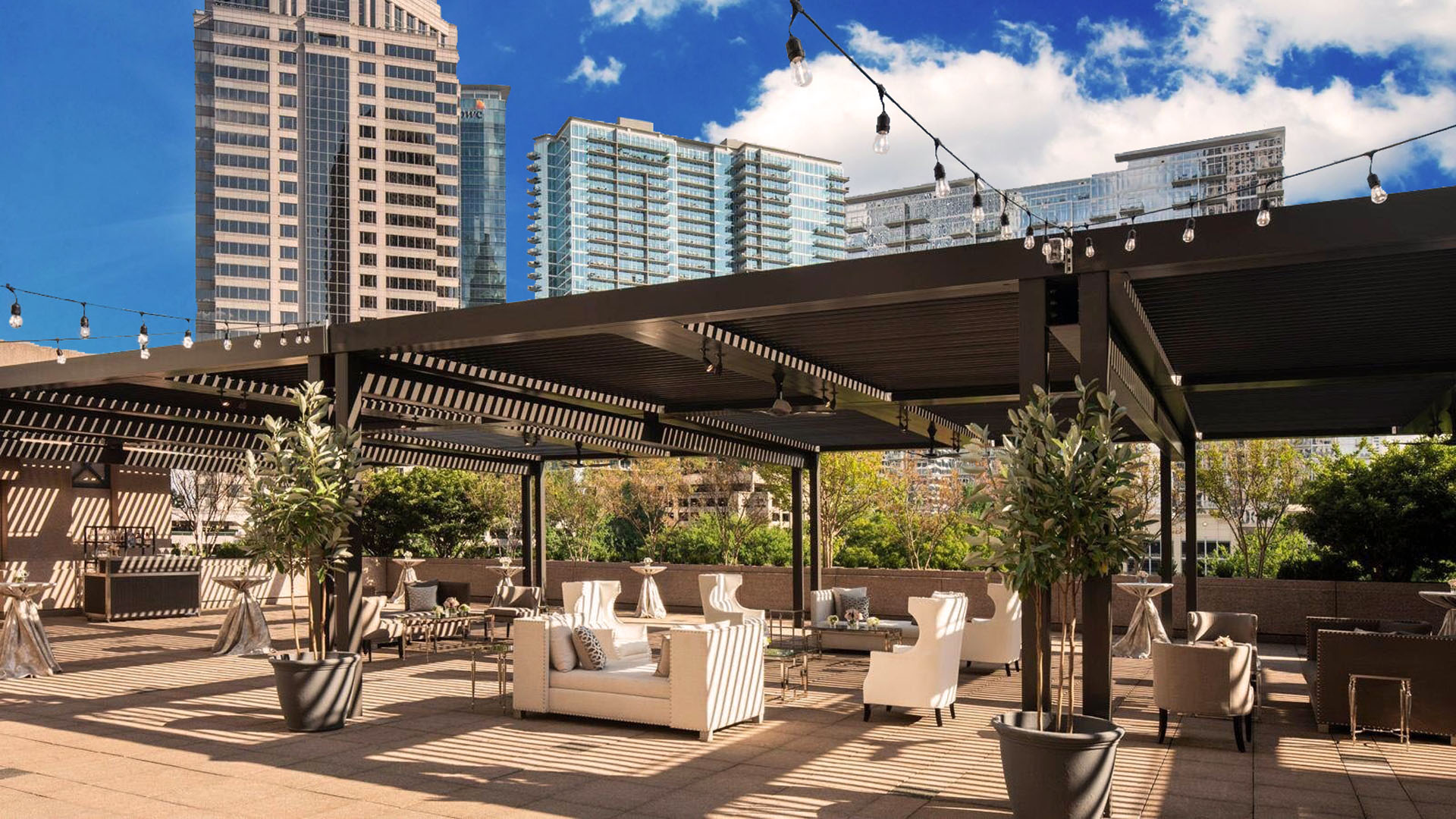
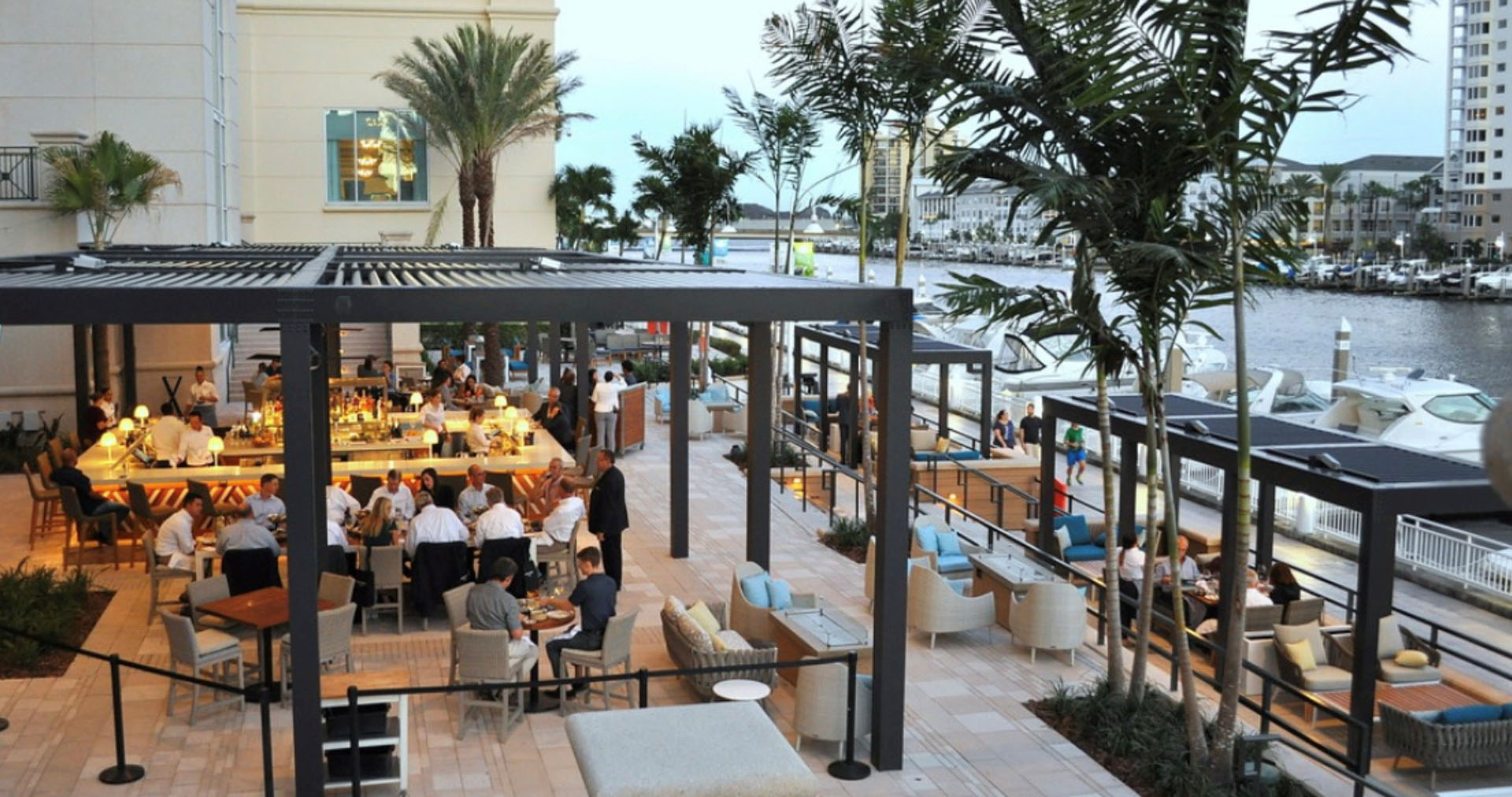
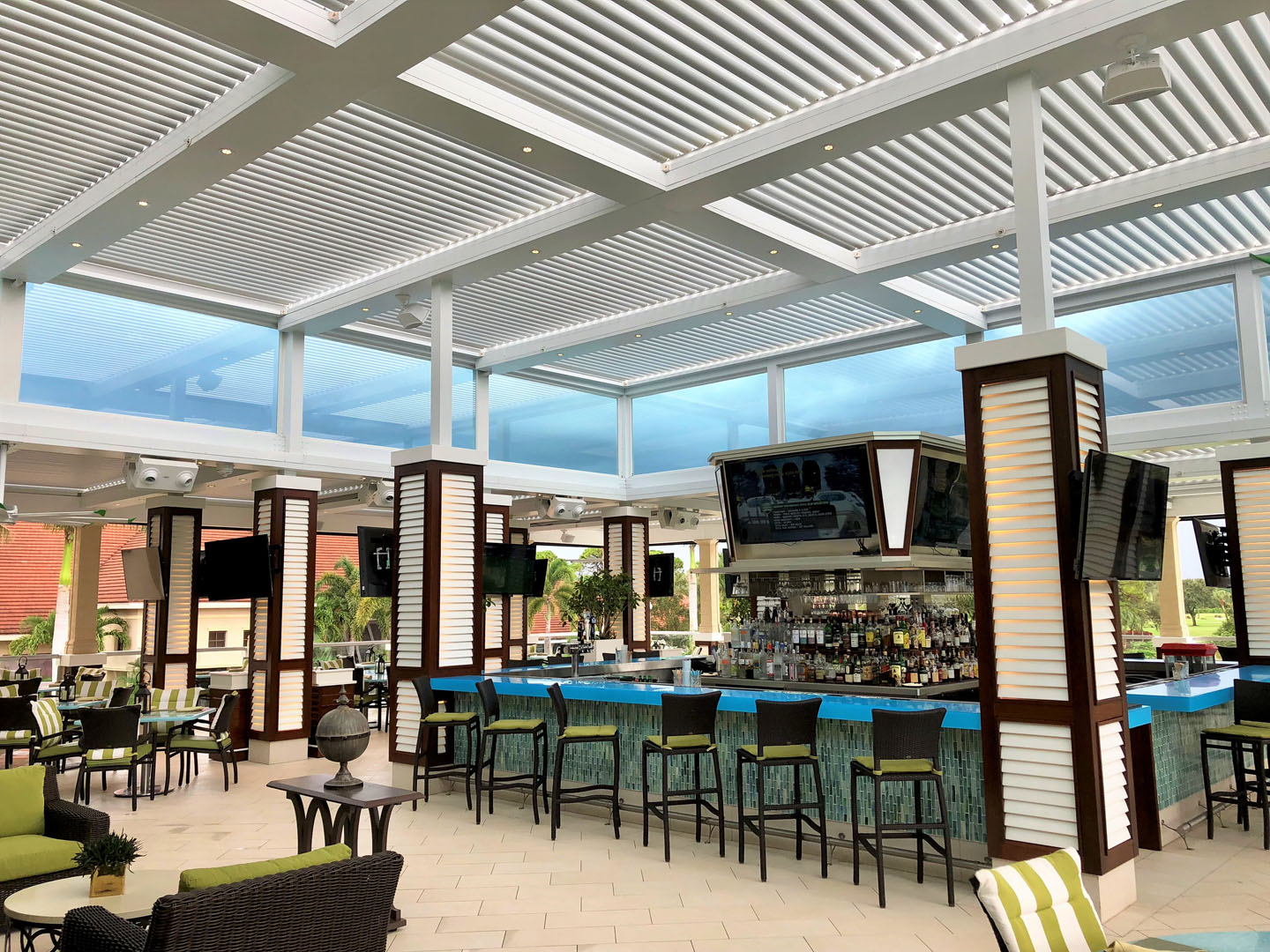
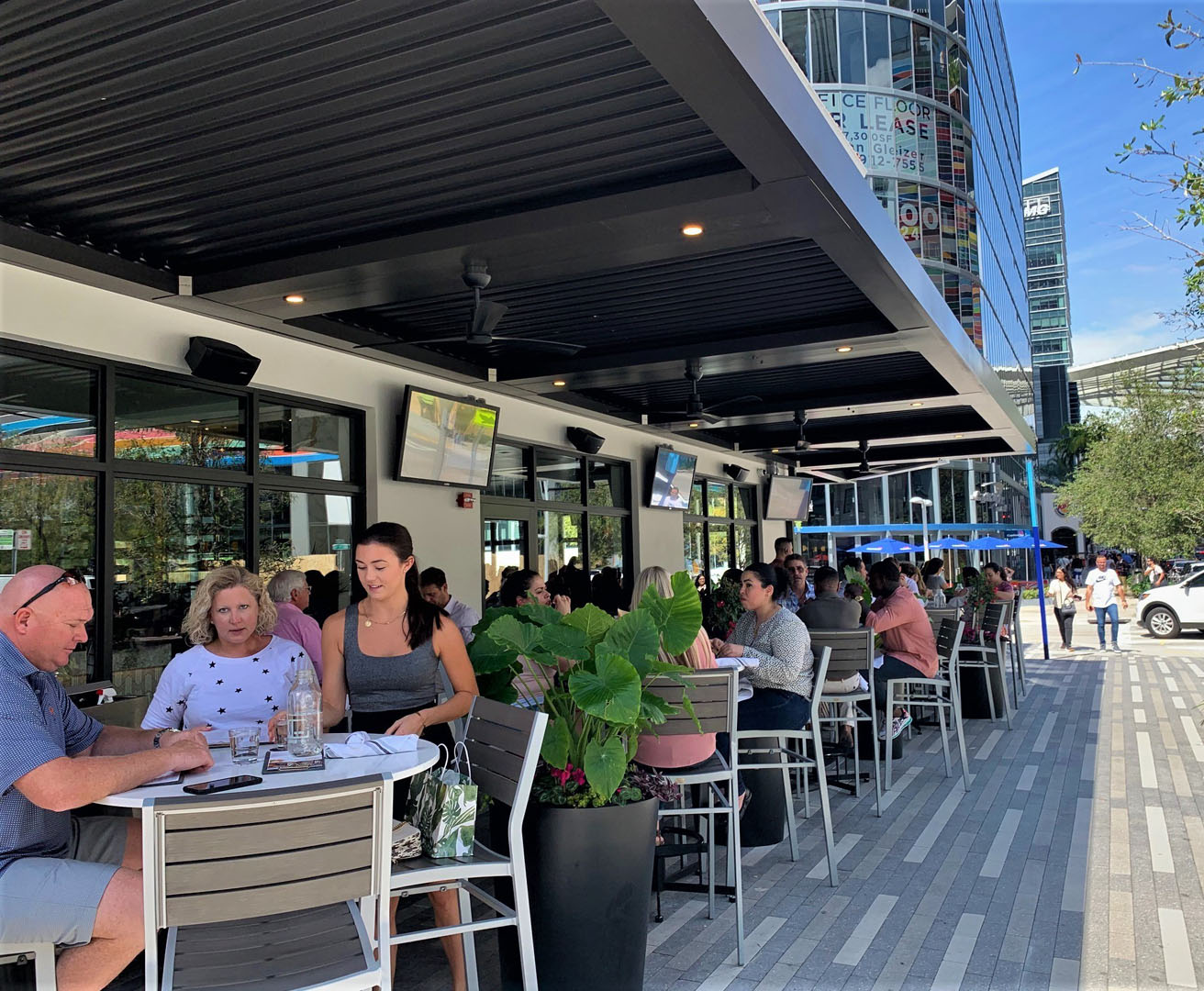
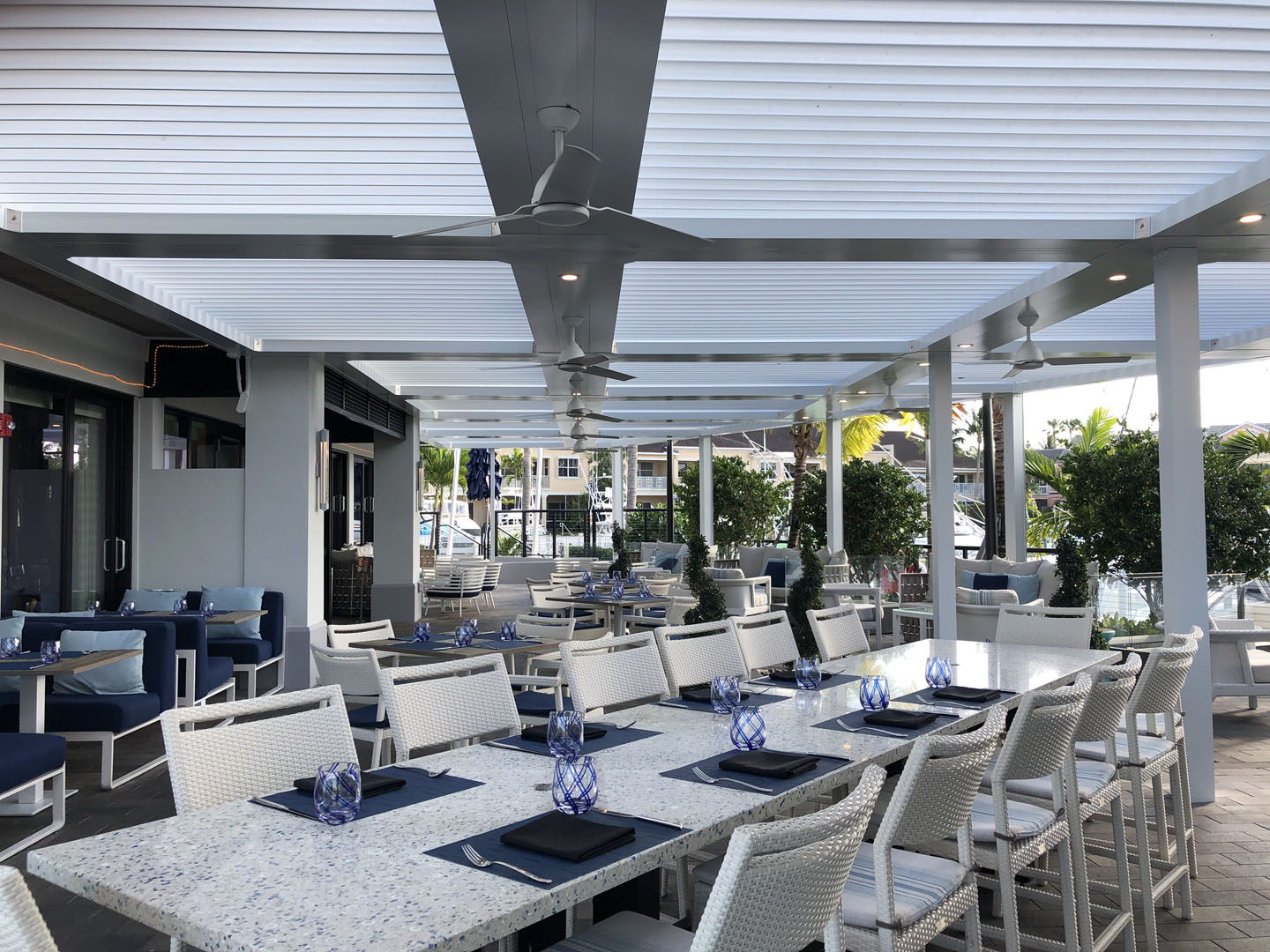
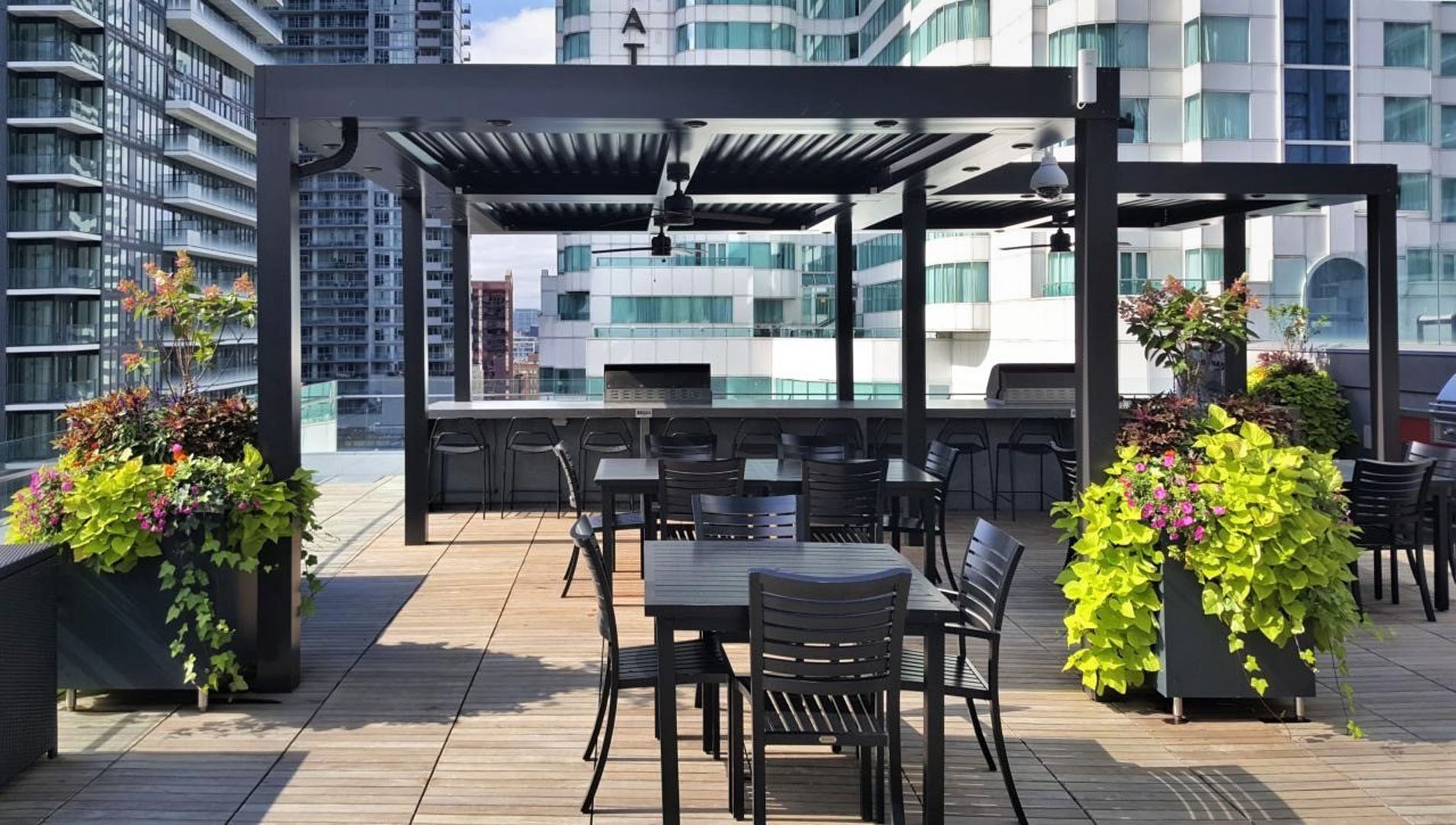
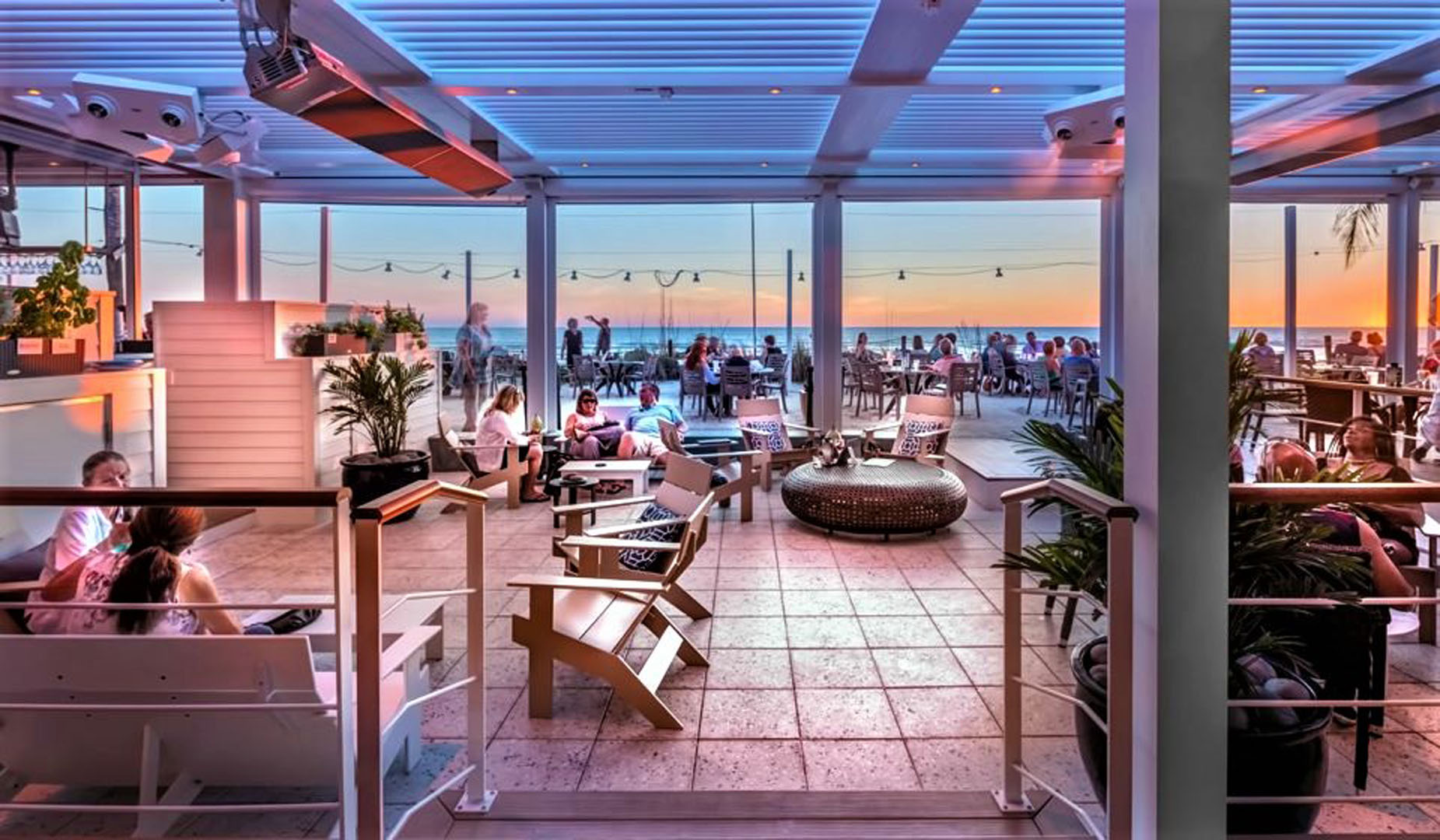
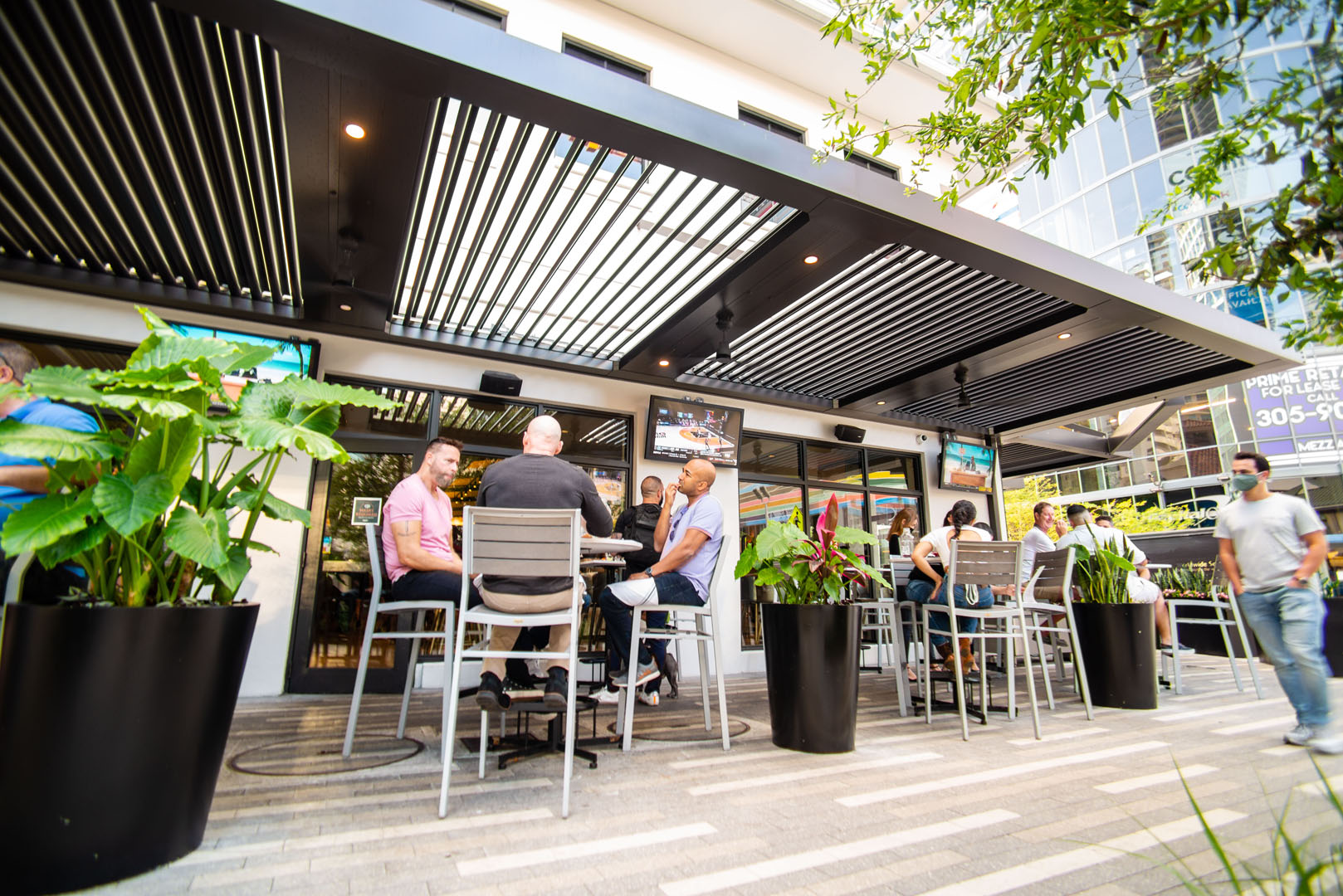
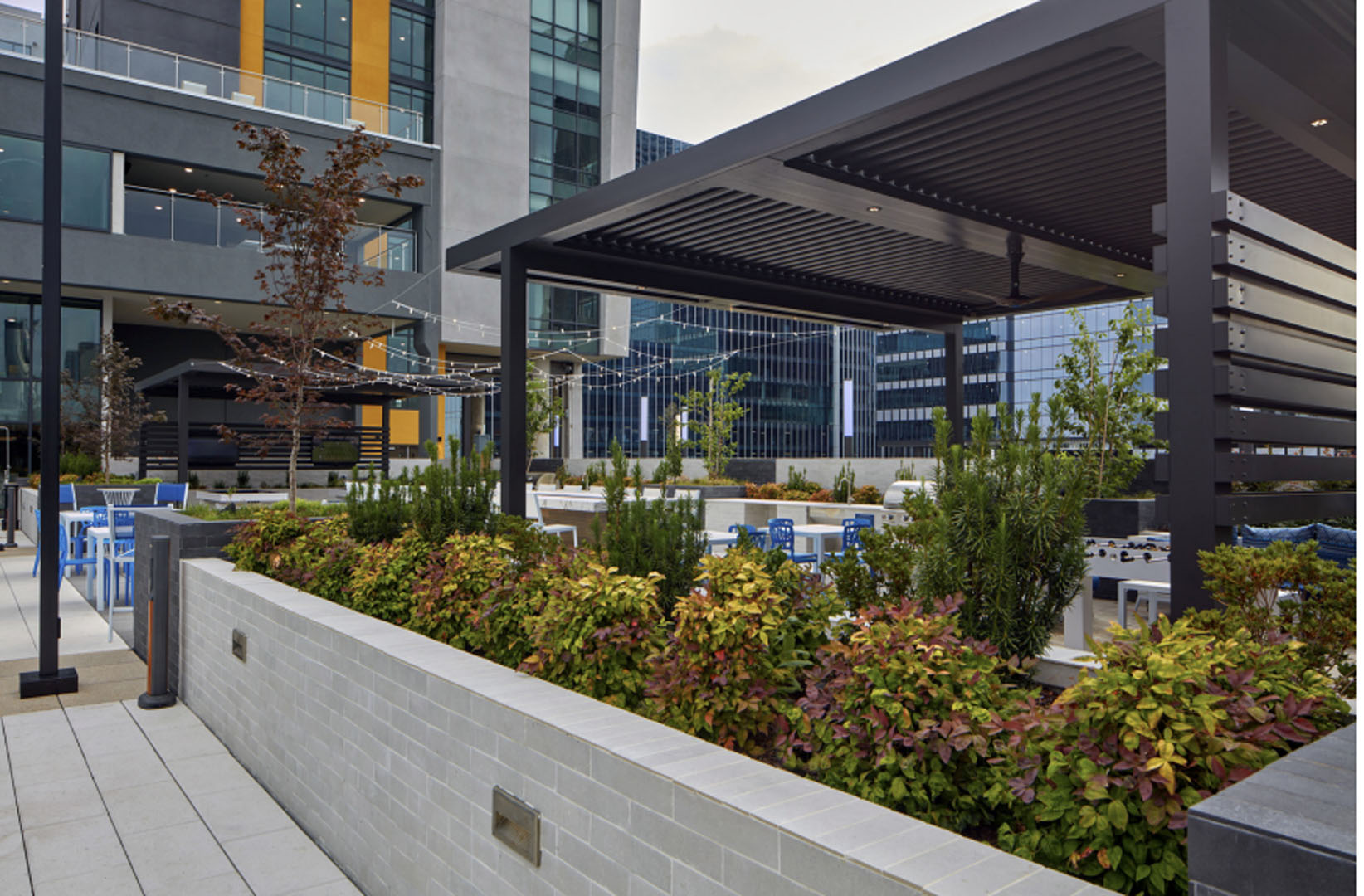
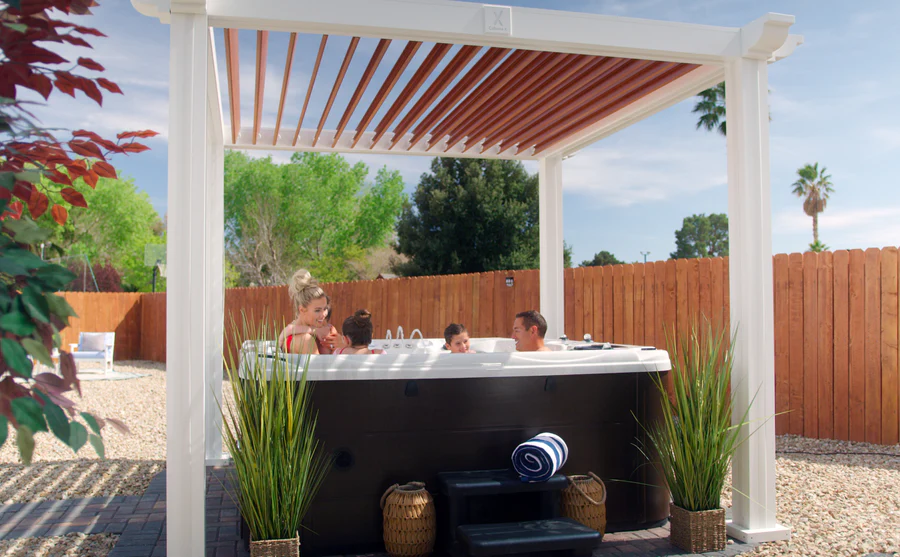
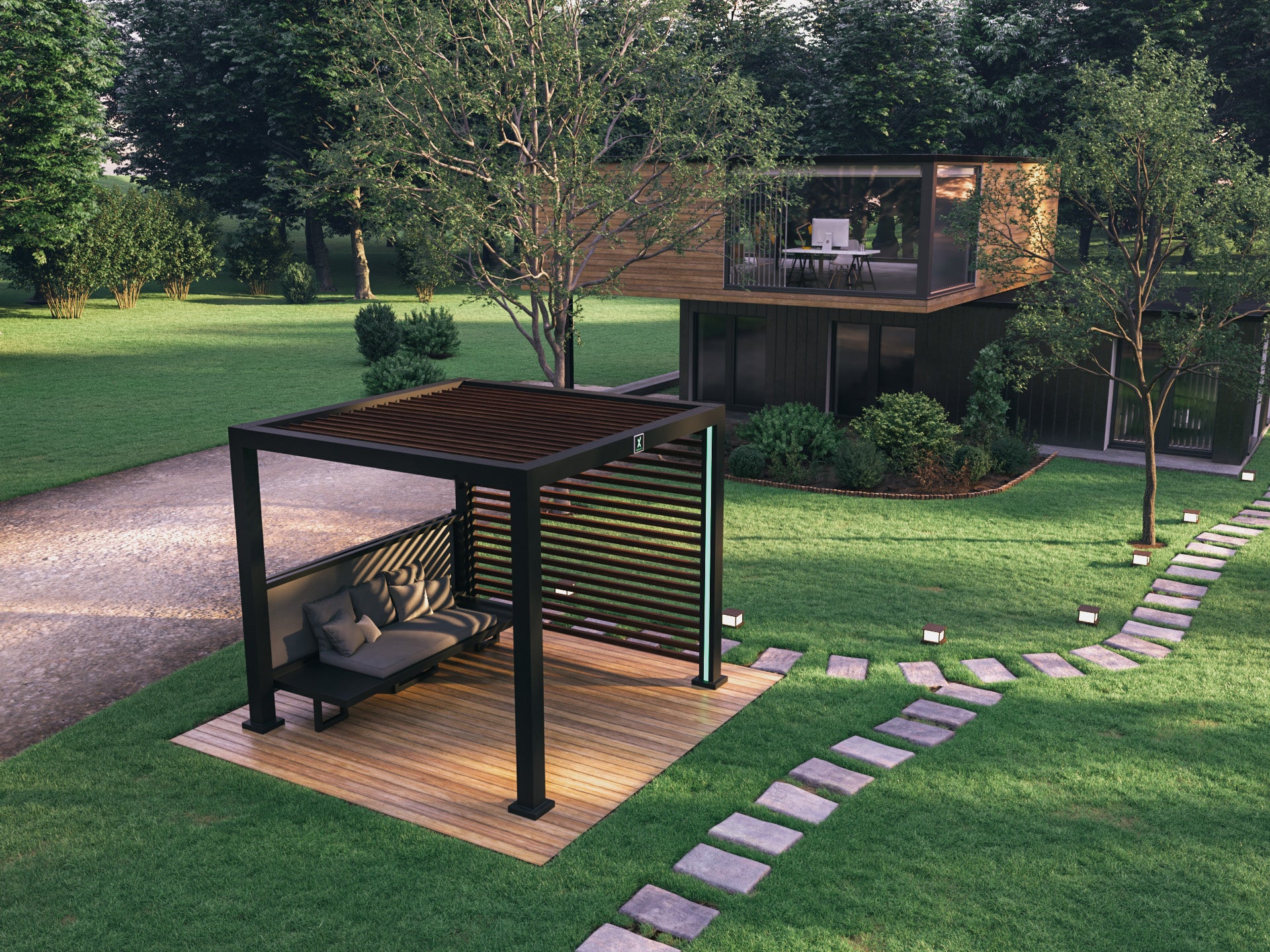
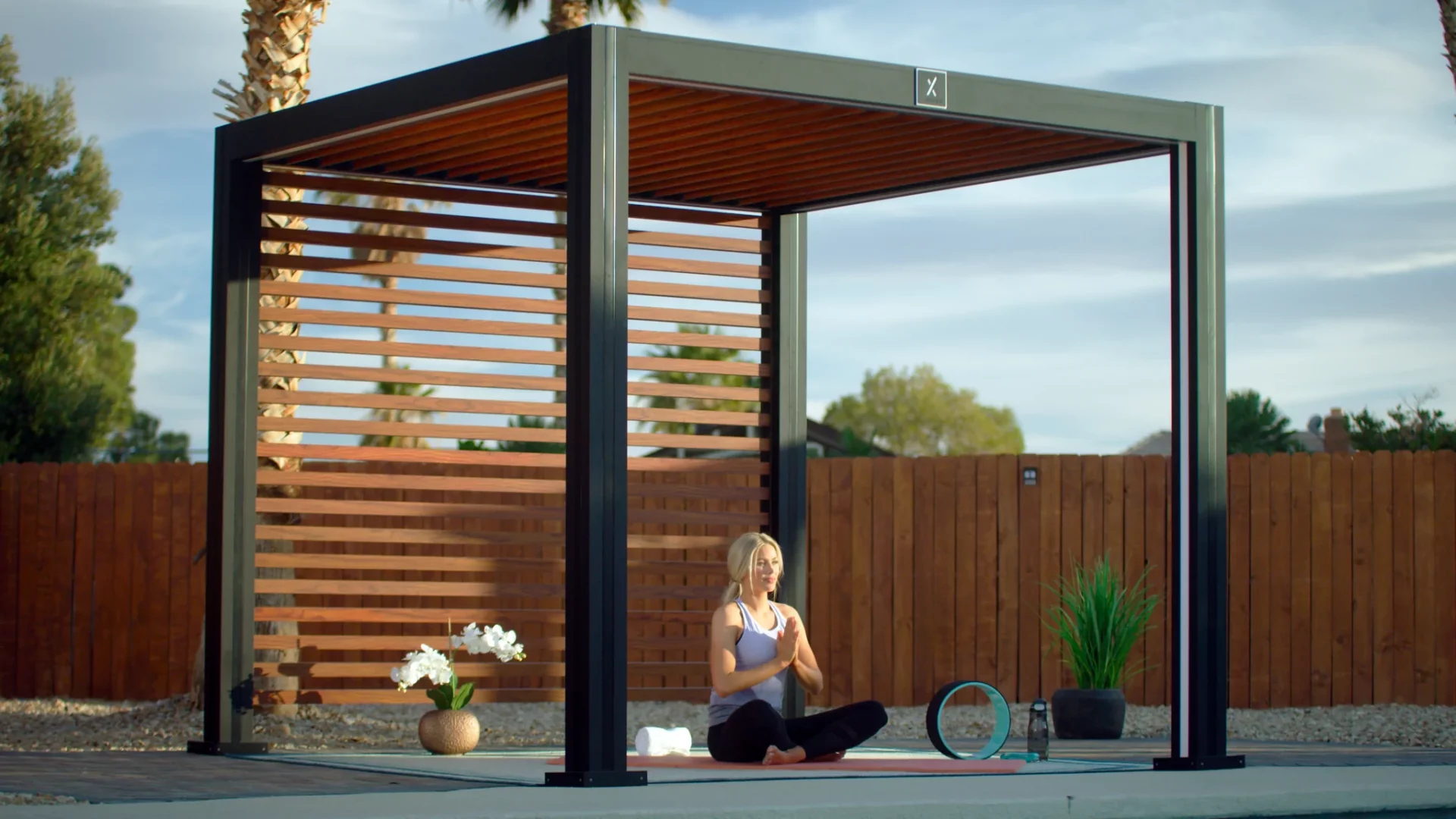
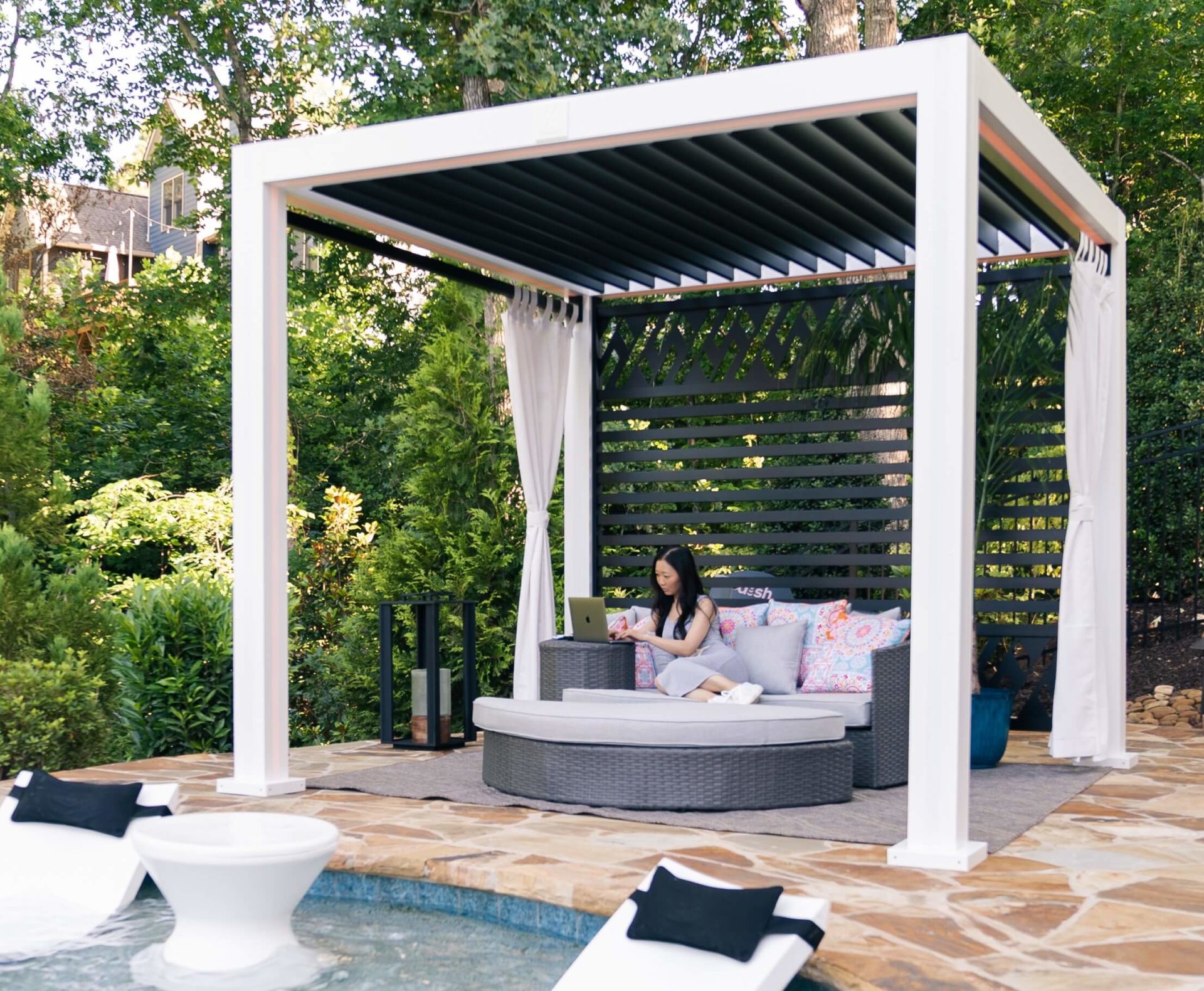
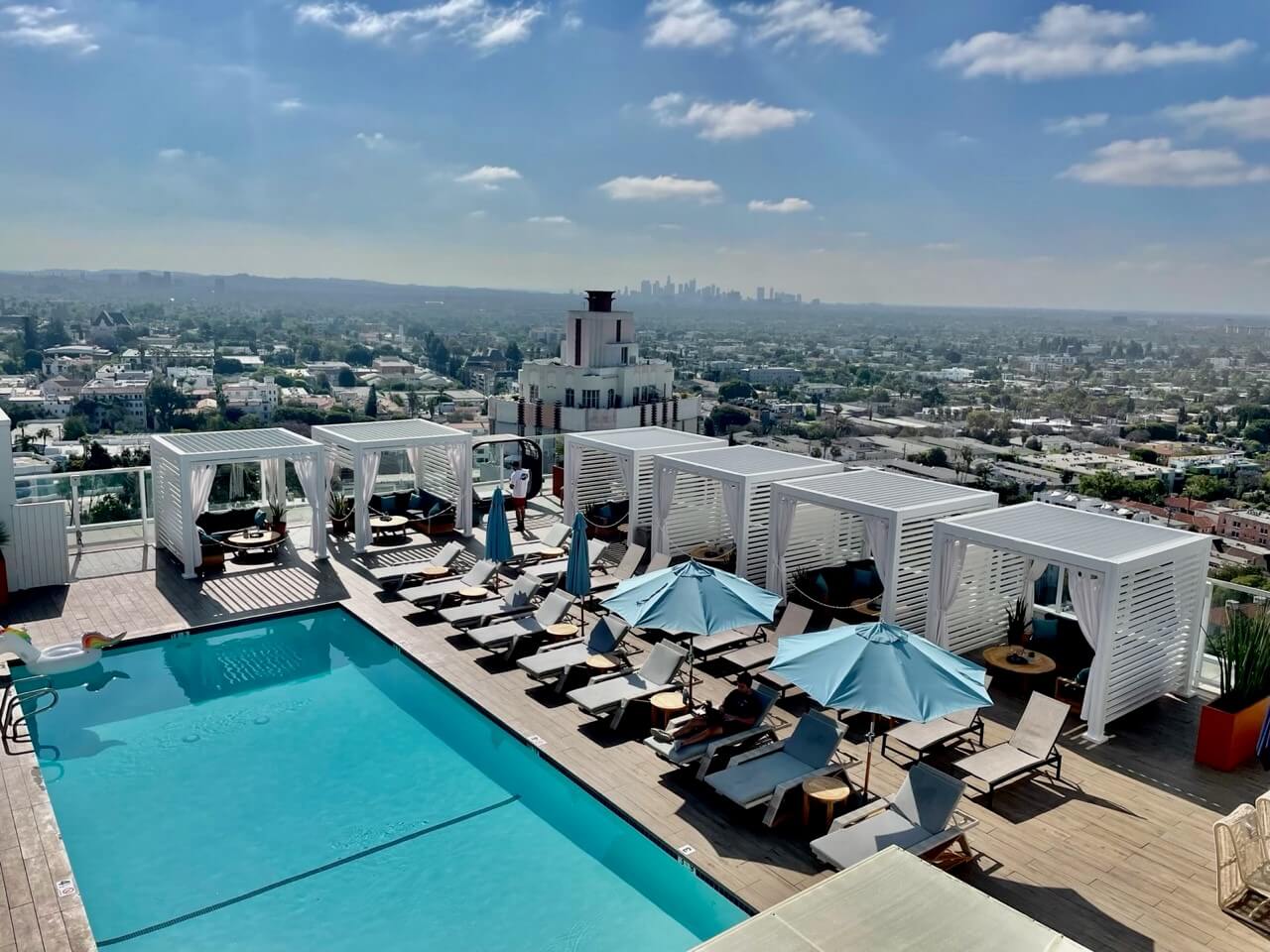
Outdoor life in Coconut Creek centers on family-friendly, park-driven living where backyards, screened patios, terraces and condo balconies function as everyday extensions of the home. Residents dine, entertain and supervise children on shaded patios or pergolas with retractable covers and UV‑resistant materials to combat high heat, humidity and frequent summer storms, while compact lots often integrate canal views, trees and community greenways rather than large private waterfronts. Neighborhood pools, tennis courts and fitness centers plus Tradewinds Park and Butterfly World provide destinations for weekend recreation and community events, and The Promenade serves as an open-air dining and social hub. The city’s tree-lined streets and wildlife-habitat designation encourage seamless indoor-outdoor routines for the active, family-oriented population.
Outdoor Activities, Amenities, and Lifestyle Patterns
Homeowners in Coconut Creek spend much time outdoors in tree-lined parks, butterfly gardens and landscaped neighborhoods that reflect its Community Wildlife Habitat status; Tradewinds Park—with horse stables, a steam train and Butterfly World—plus community events, basketball courts and pet‑friendly green spaces encourage family recreation and socializing at The Promenade. Most residences are single‑family homes, condos or townhomes with screened patios, balconies or terraces and shared pools, tennis courts and fitness centers; canals and waterways appear but only 1.21% water limits large waterfront lots. A tropical rainforest climate (avg highs ~84.5°F, peaks near 91.9°F, 57+ inches annual rain) makes shade, pergolas with retractable covers, UV‑resistant materials and elevated, wind‑ready designs essential for year‑round outdoor living.
Residential Property Characteristics of Coconut Creek Affecting Outdoor Living
Coconut Creek residential properties are dominated by single-family homes, condominiums and townhouses—often in professionally landscaped communities such as The Township—where attached homes, villas and single-family options sit on compact 0–1 acre lots. Typical house footprints range from about 718 to 2,534 sq ft with one to three bedrooms, screened patios for storage and outdoor access, and proximity to community pools, tennis courts and greenways. Backyards frequently integrate existing trees, canals and waterways, while condos and townhomes commonly feature balconies and terraces, so pergola placement is influenced by limited lot depth, privacy buffers, mature shade trees and limited waterfront (only ~1.21% water area), favoring smaller, elevated or attached shaded structures like screened patios and terrace pergolas.
Climate, Sun, and Weather Considerations in Coconut Creek
Coconut Creek’s tropical rainforest climate brings year‑round warmth—average highs about 84.5°F, peaking near 91.9°F in August, with lows around 67.5°F—and heavy rainfall (roughly 57.27 inches annually, wettest in June at 7.31 inches). Intense sun and summer heat make substantial shade essential for outdoor comfort, while frequent afternoon thunderstorms and consistent monthly rain call for durable, wind‑resistant, elevated designs that shed water. Low coastal exposure reduces salt‑corrosion concerns, but high humidity and periodic wind still favor UV‑resistant, rust‑proof materials and covered or retractable pergolas and screened patios to extend usable outdoor living despite stormy afternoons. These combined conditions shape choices for patios, pergolas, and terraces to balance sunlight, ventilation, and protection year‑round.
Why Coconut Creek Is Ideal for Outdoor Living
Coconut Creek’s emphasis on outdoor recreation and environmental stewardship—marked by parks, butterfly gardens, a Community Wildlife Habitat designation and family hubs like Tradewinds Park and The Promenade—makes outdoor living upgrades highly practical. With predominantly single-family homes, townhouses and condos on 0–1 acre lots and common features such as screened patios, balconies and canalside landscaping, residents already integrate indoor-outdoor spaces into daily life. The tropical rainforest climate (average highs 84.5°F, peaks 91.9°F, about 57.3 in. annual rain) demands abundant shade and weather-resistant solutions, so pergolas with retractable covers, UV-resistant materials and wind-resistant, elevated designs extend usable living space year-round. Minimal coastal salt exposure further eases material concerns, while a young, family-oriented population and tree-lined, walkable neighborhoods support shaded patios for dining, play and socializing.
Outdoor Living and Home Upgrade FAQ
What shading solutions work best for Coconut Creek’s heat and rain? Retractable pergola covers, screened patios and UV‑resistant materials with elevated, wind‑resistant designs suit 91.9°F peaks and heavy monthly rains.
Are backyard pergolas common in Coconut Creek neighborhoods? Yes—single‑family homes, townhomes and communities like The Township often include pergolas, screened patios, balconies and small yards integrated with landscaping and canals.
How does the tropical climate affect outdoor structure durability? High humidity, heavy rain and storms require rust‑proof, UV‑resistant materials and sturdy anchoring; minimal coastal salt lowers corrosion risk.
What permits are needed for pergolas or patios? Consult Coconut Creek zoning and interactive GIS maps and local building departments—wildlife‑certified areas may have additional guidelines.
Do nearby parks reduce the need for larger backyards? Partially—Tradewinds Park, butterfly gardens and community amenities complement compact lots and extend outdoor living options.