
Outdoor Living and Local Environment in Coconut Grove
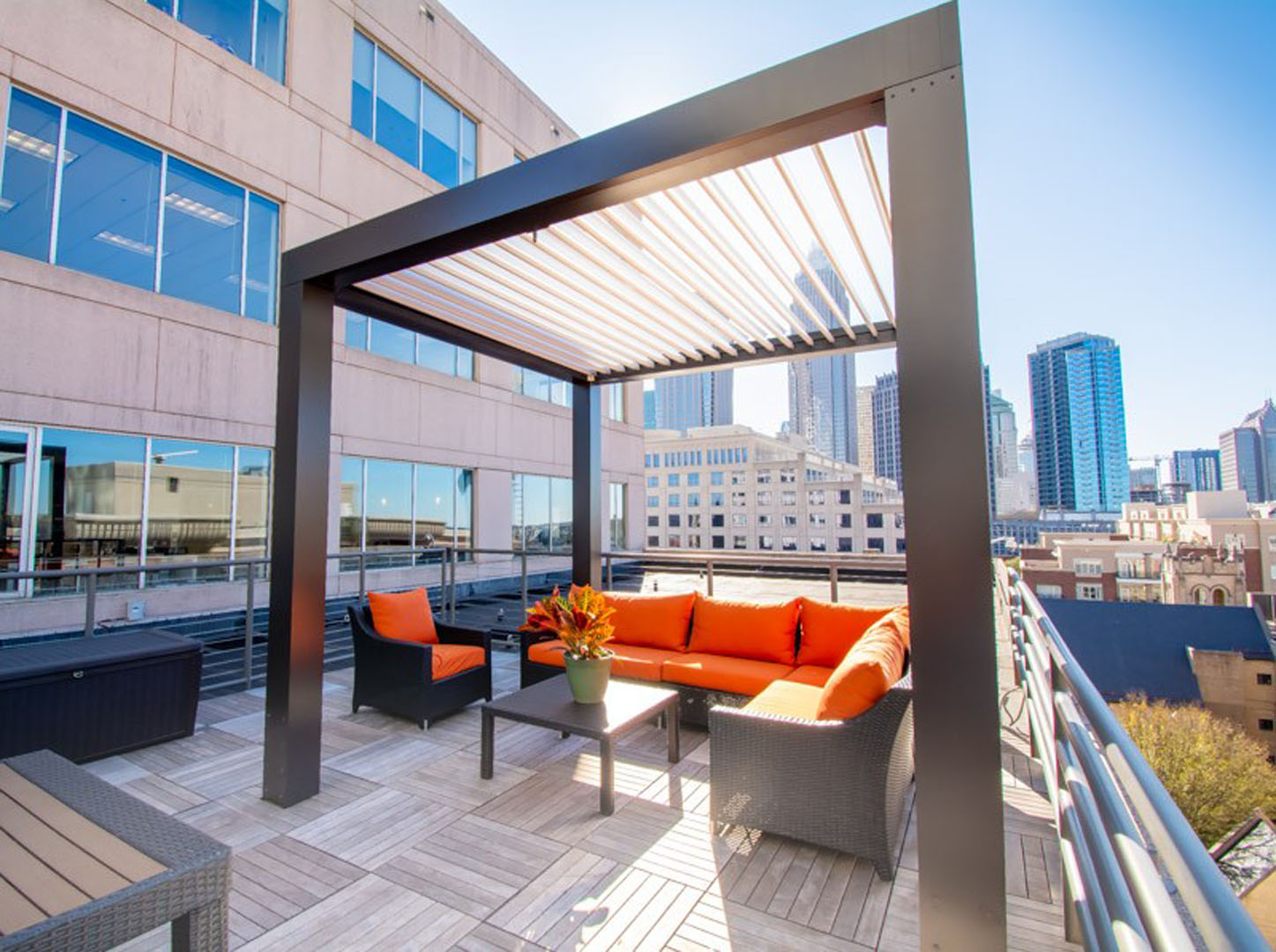
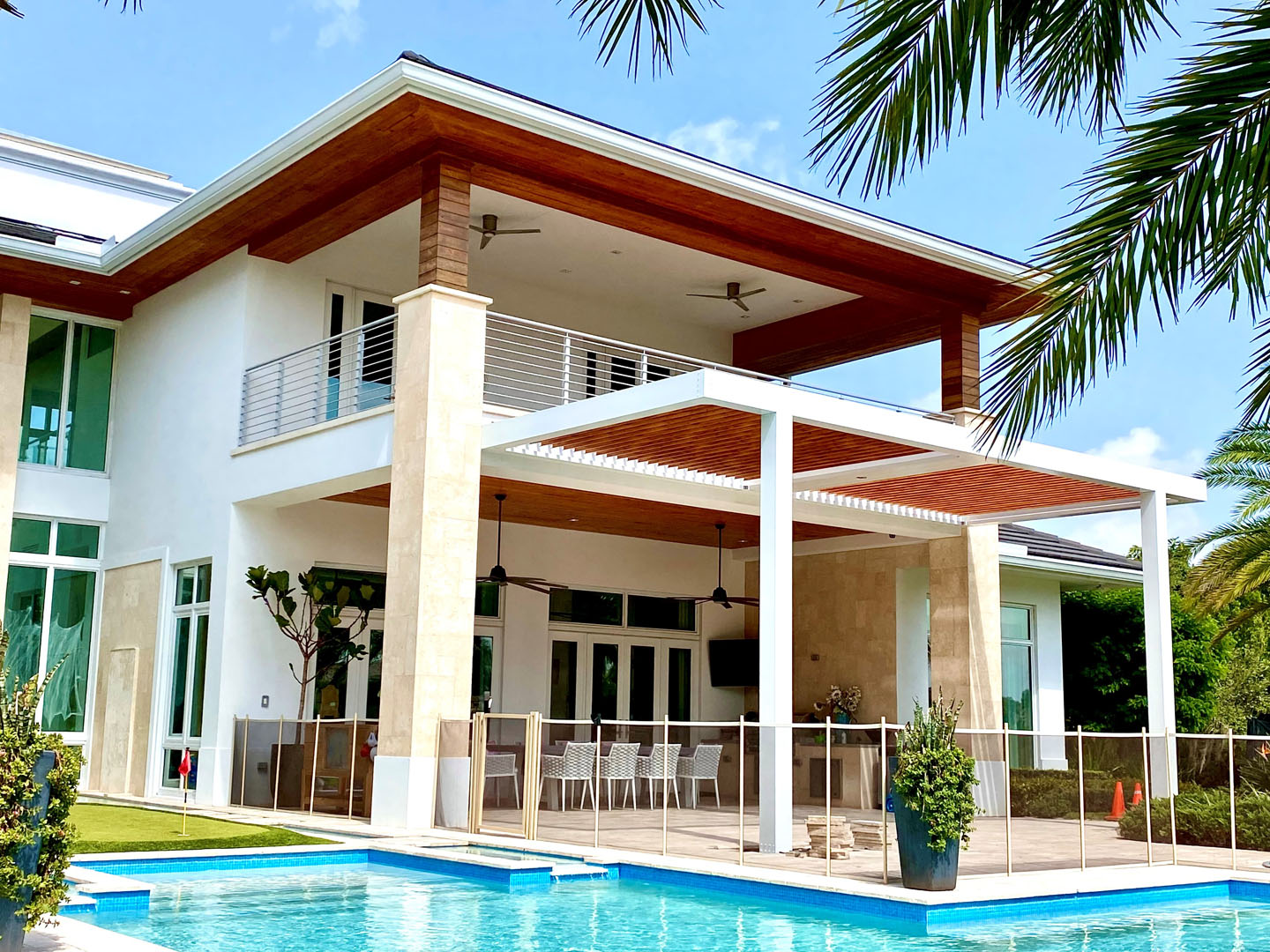
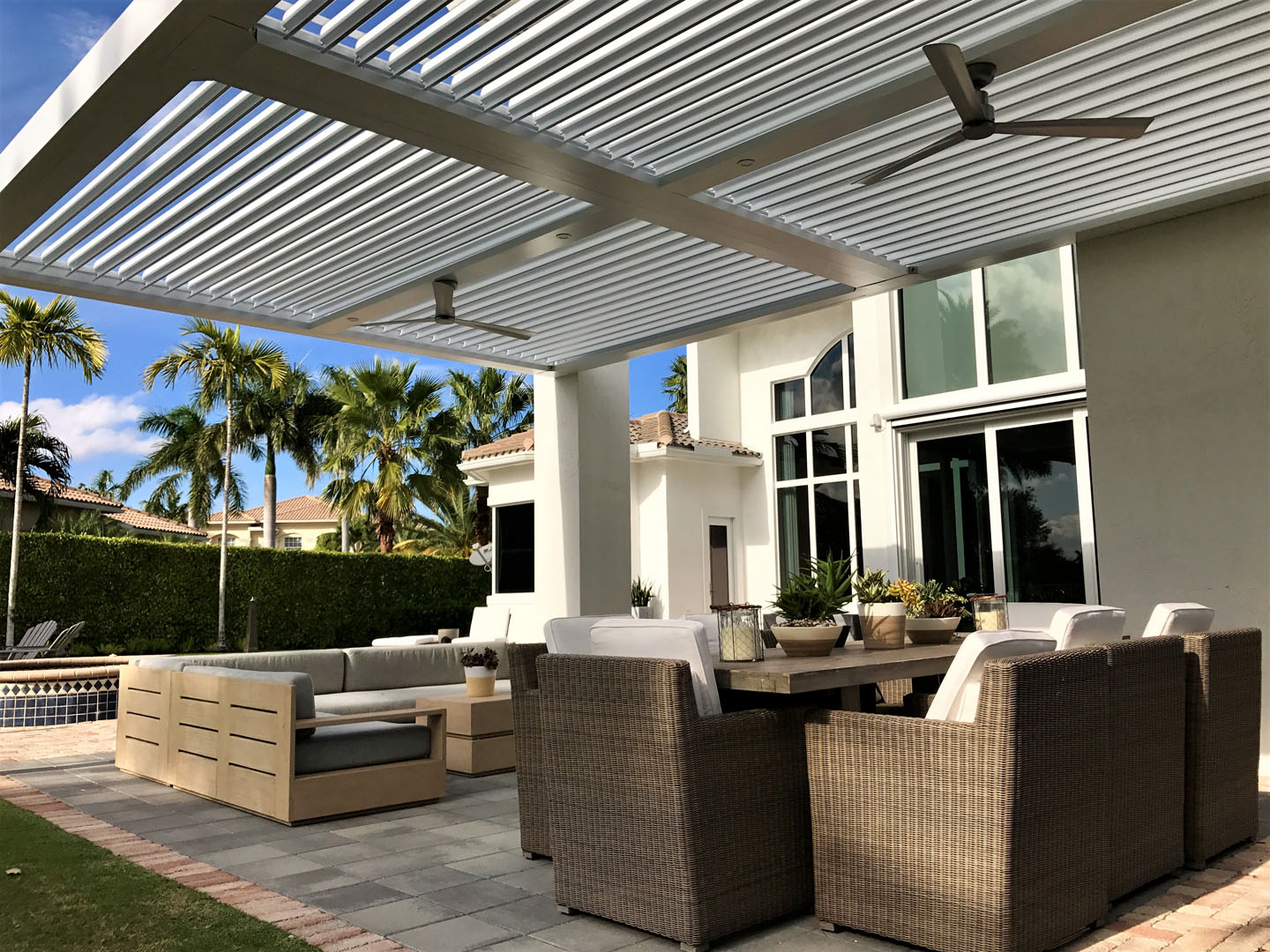
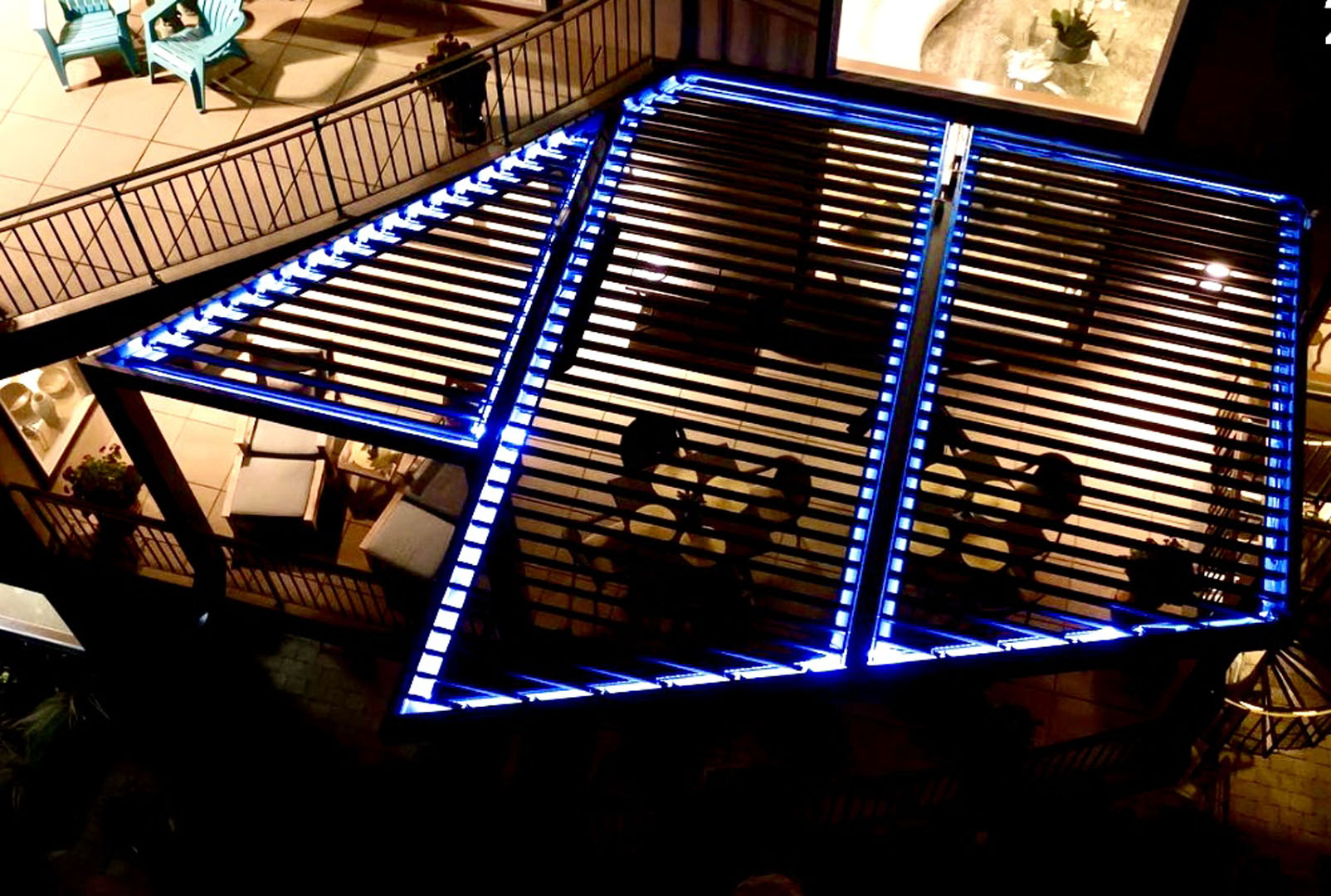
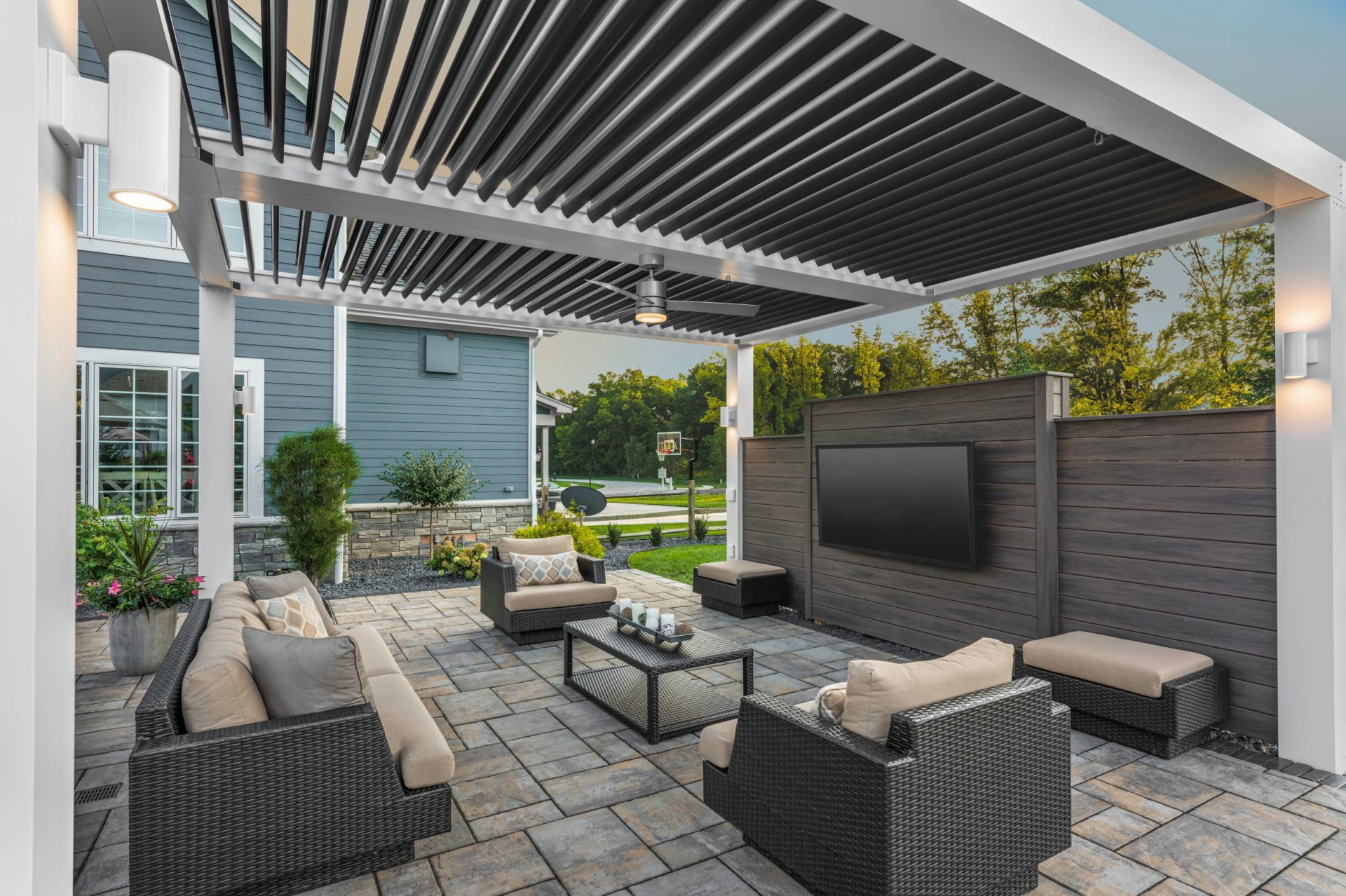
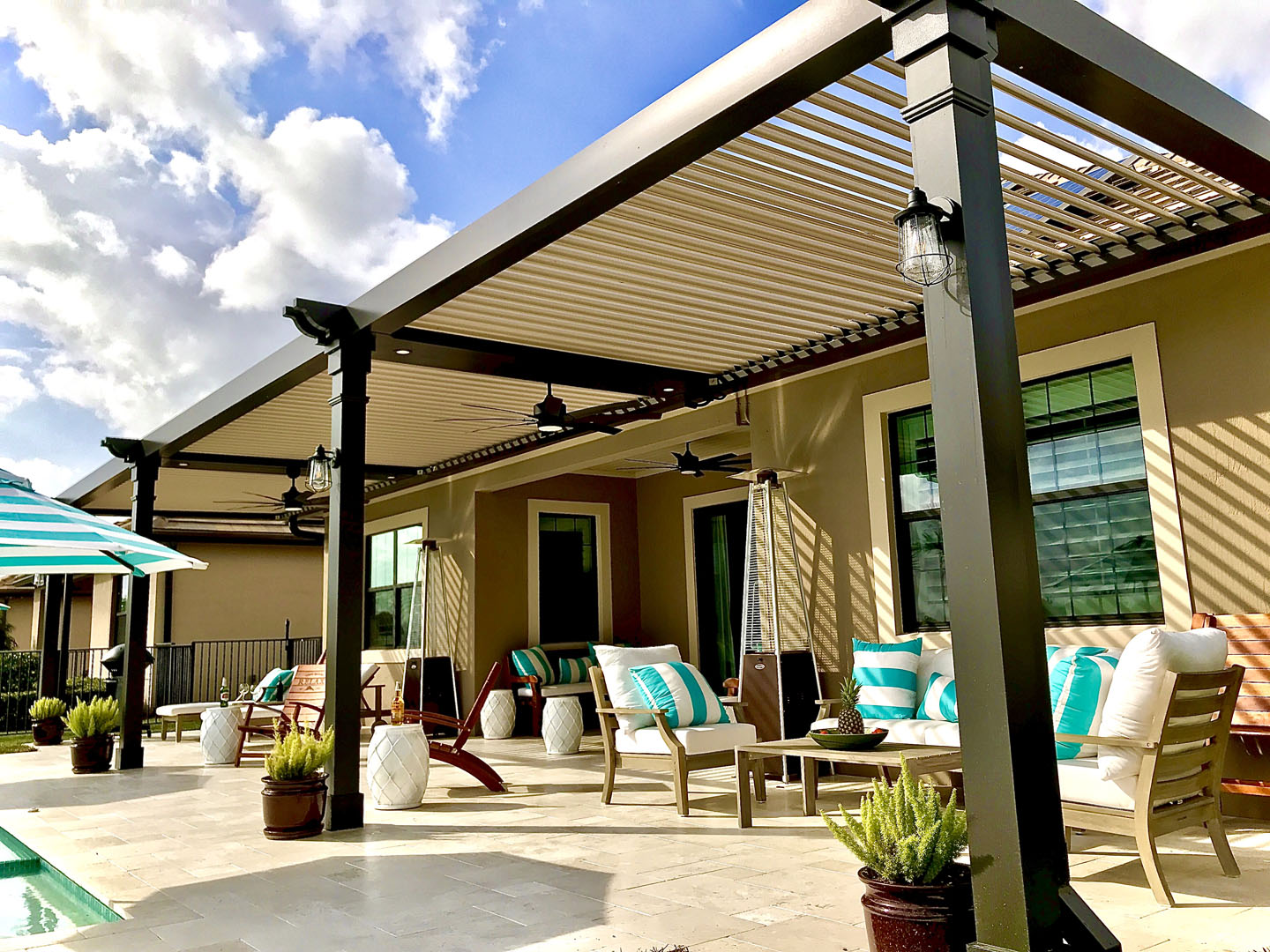
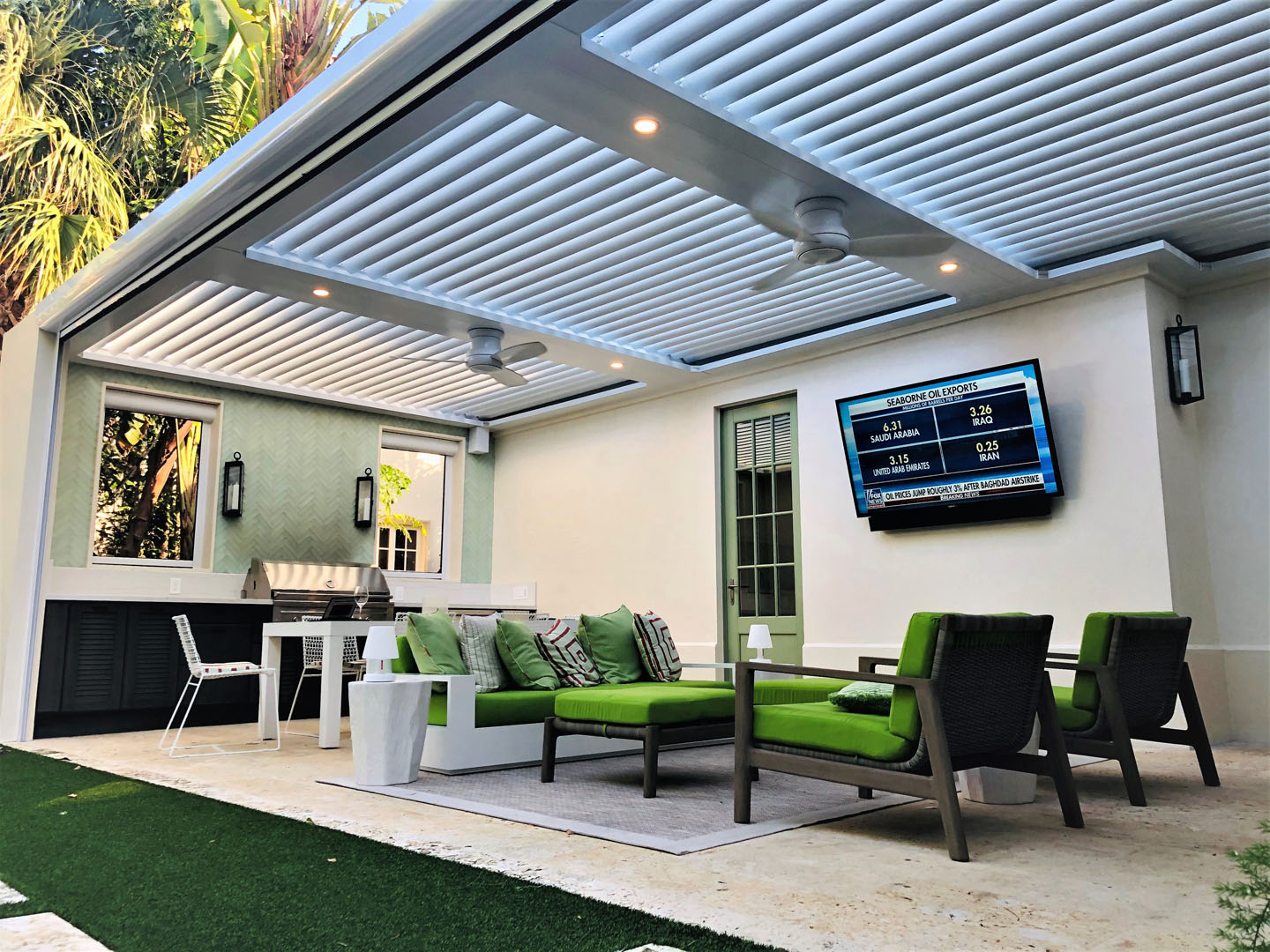
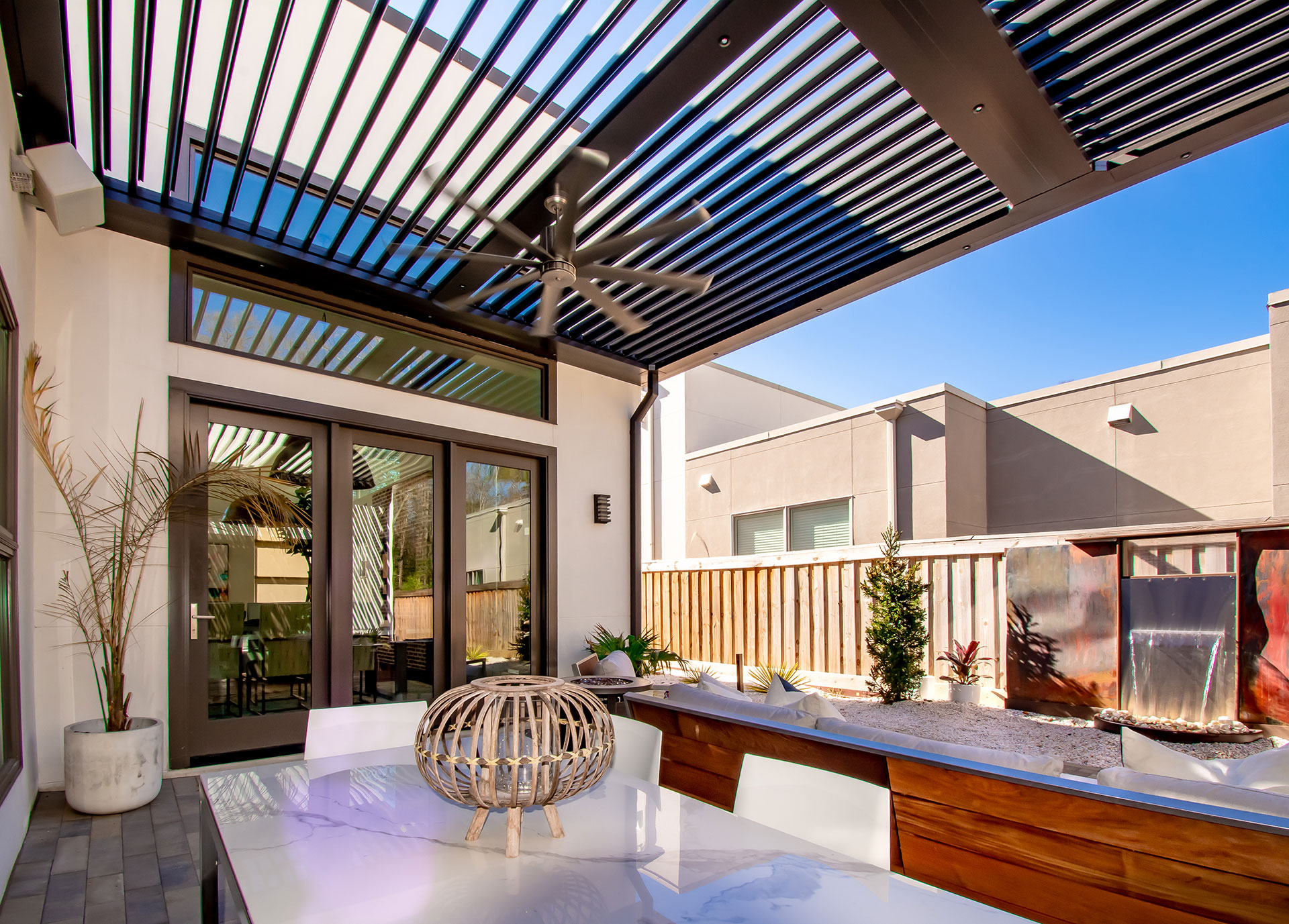
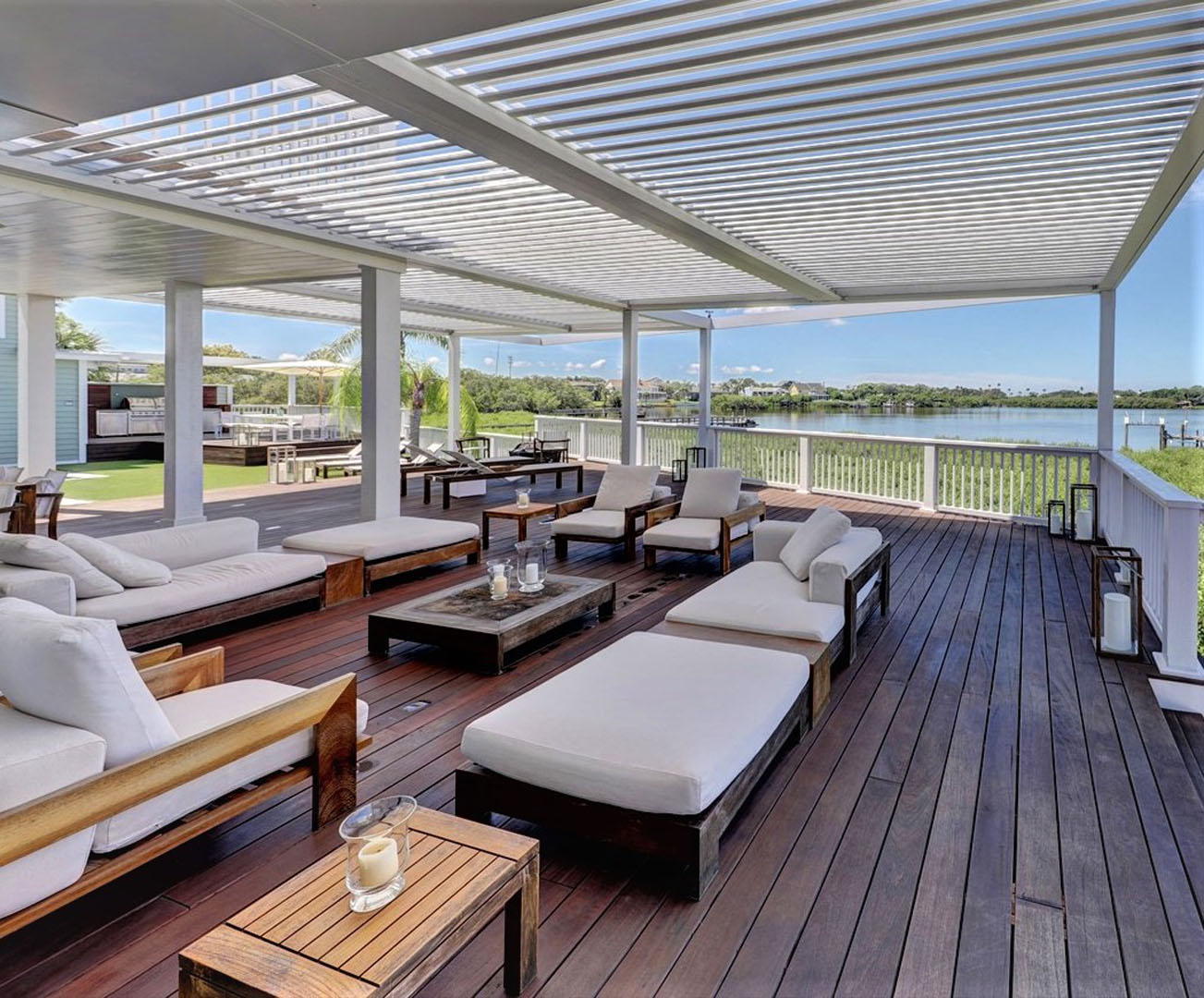
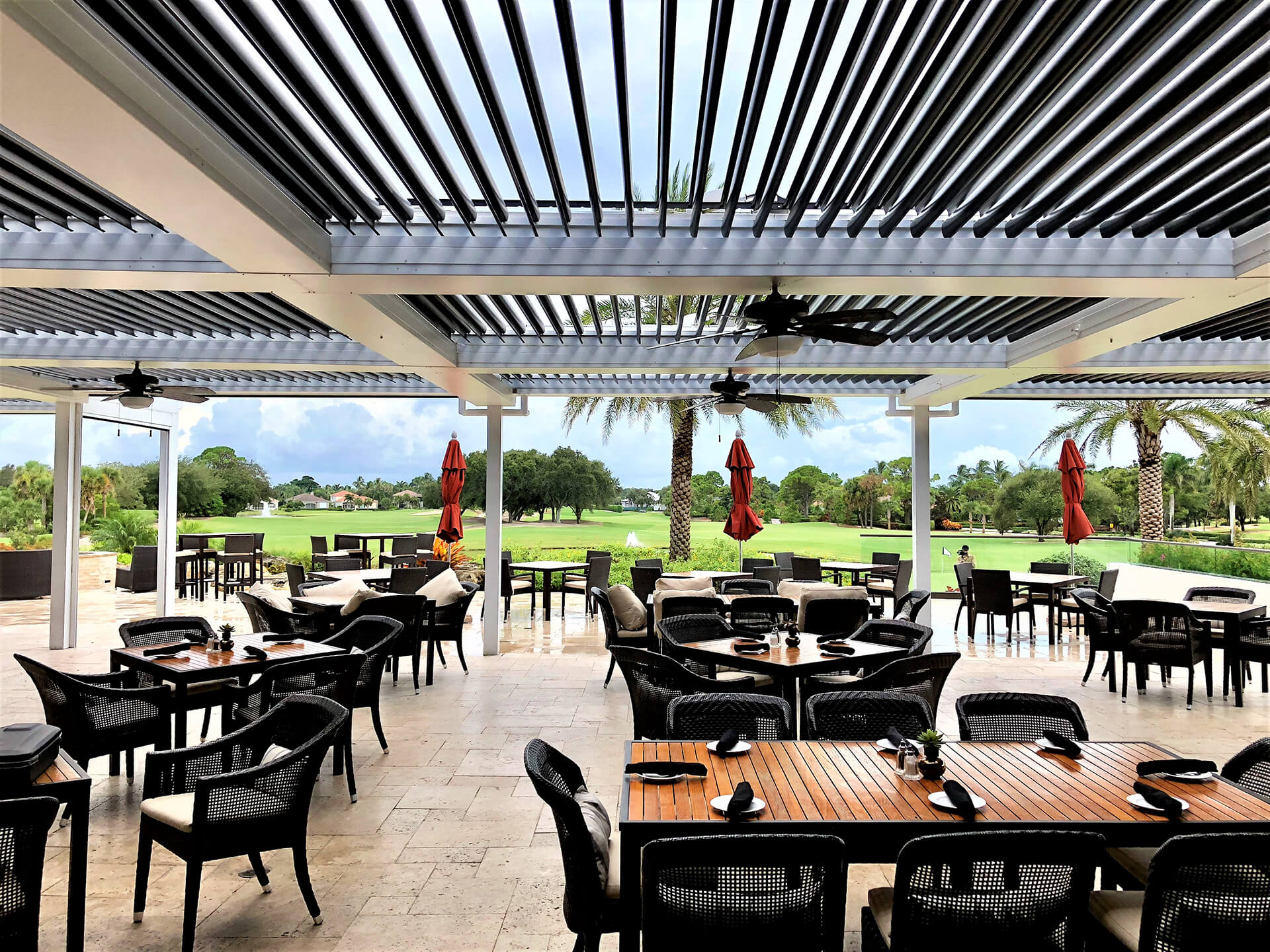
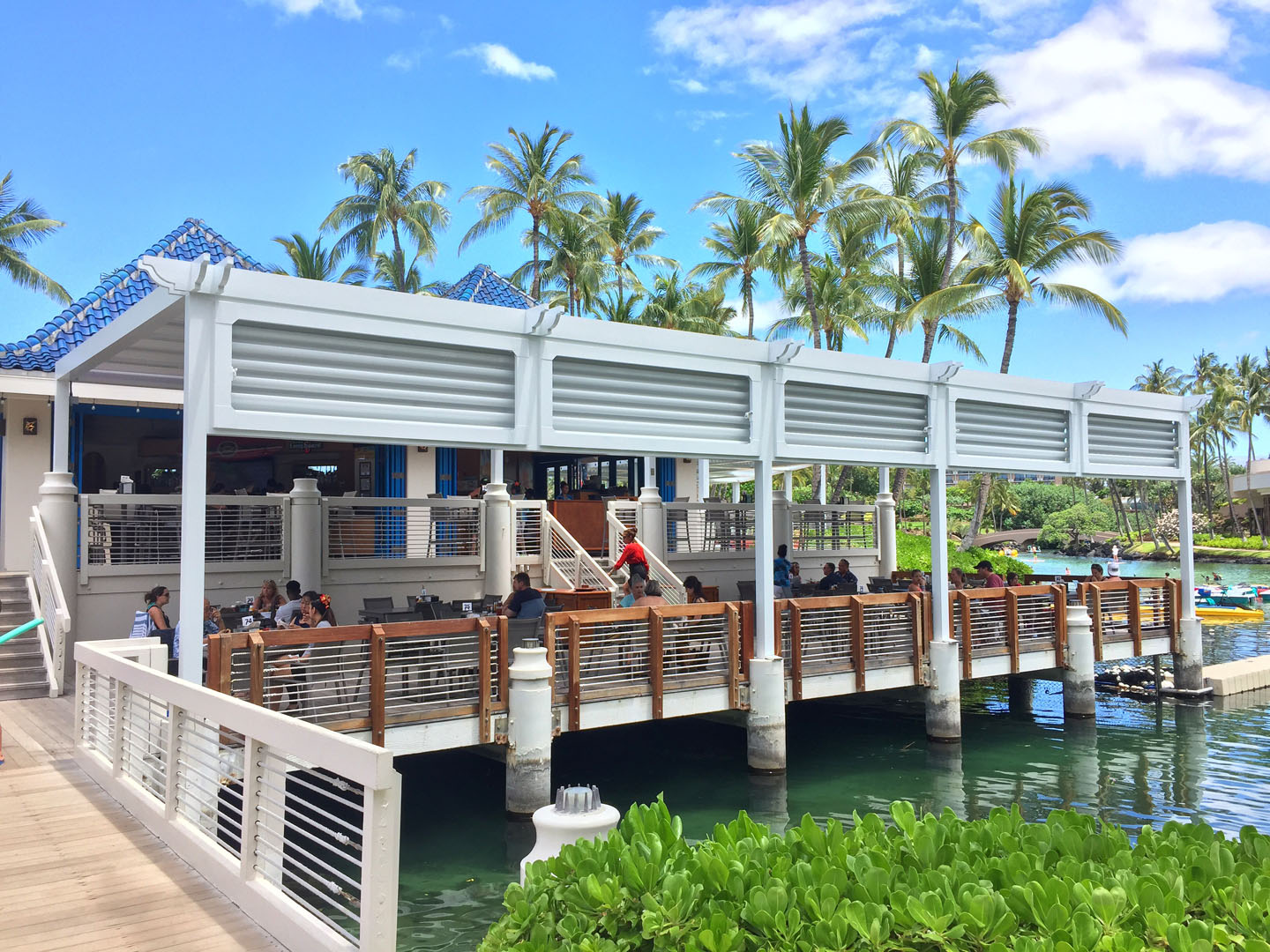
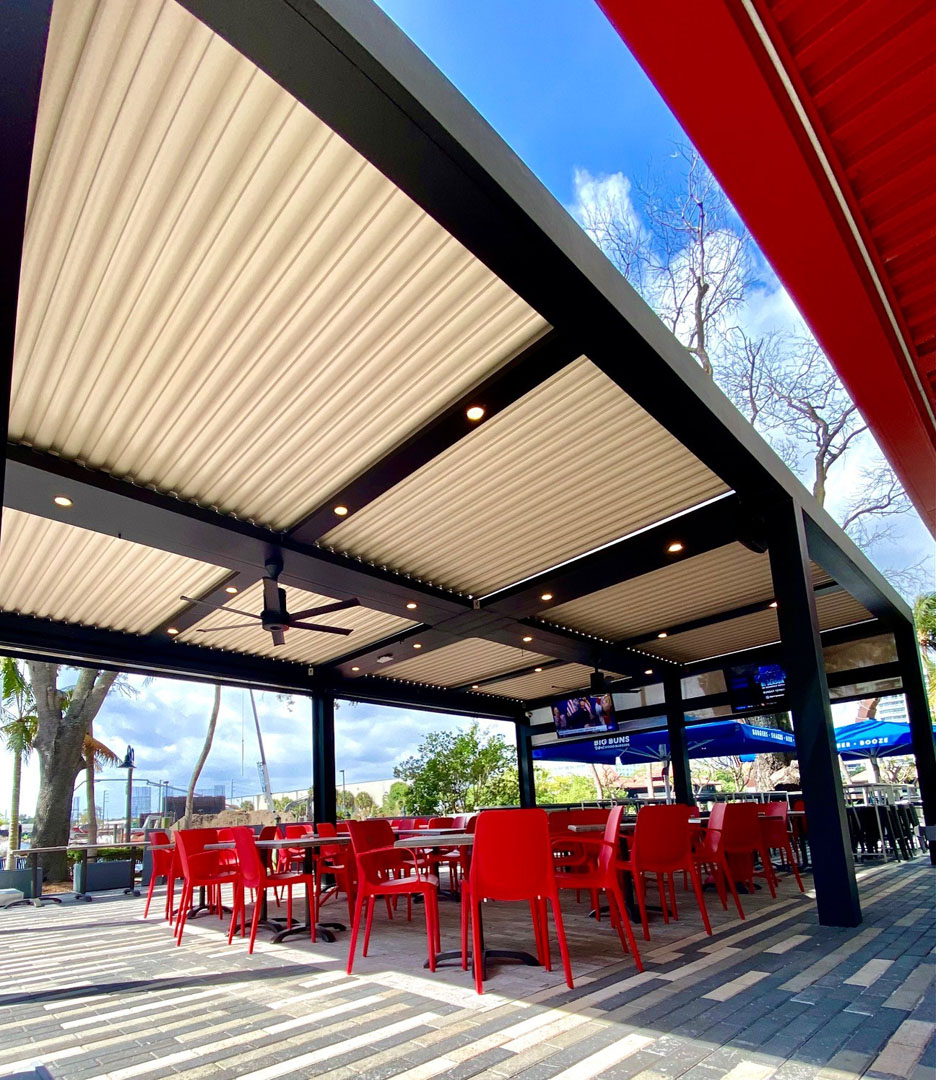
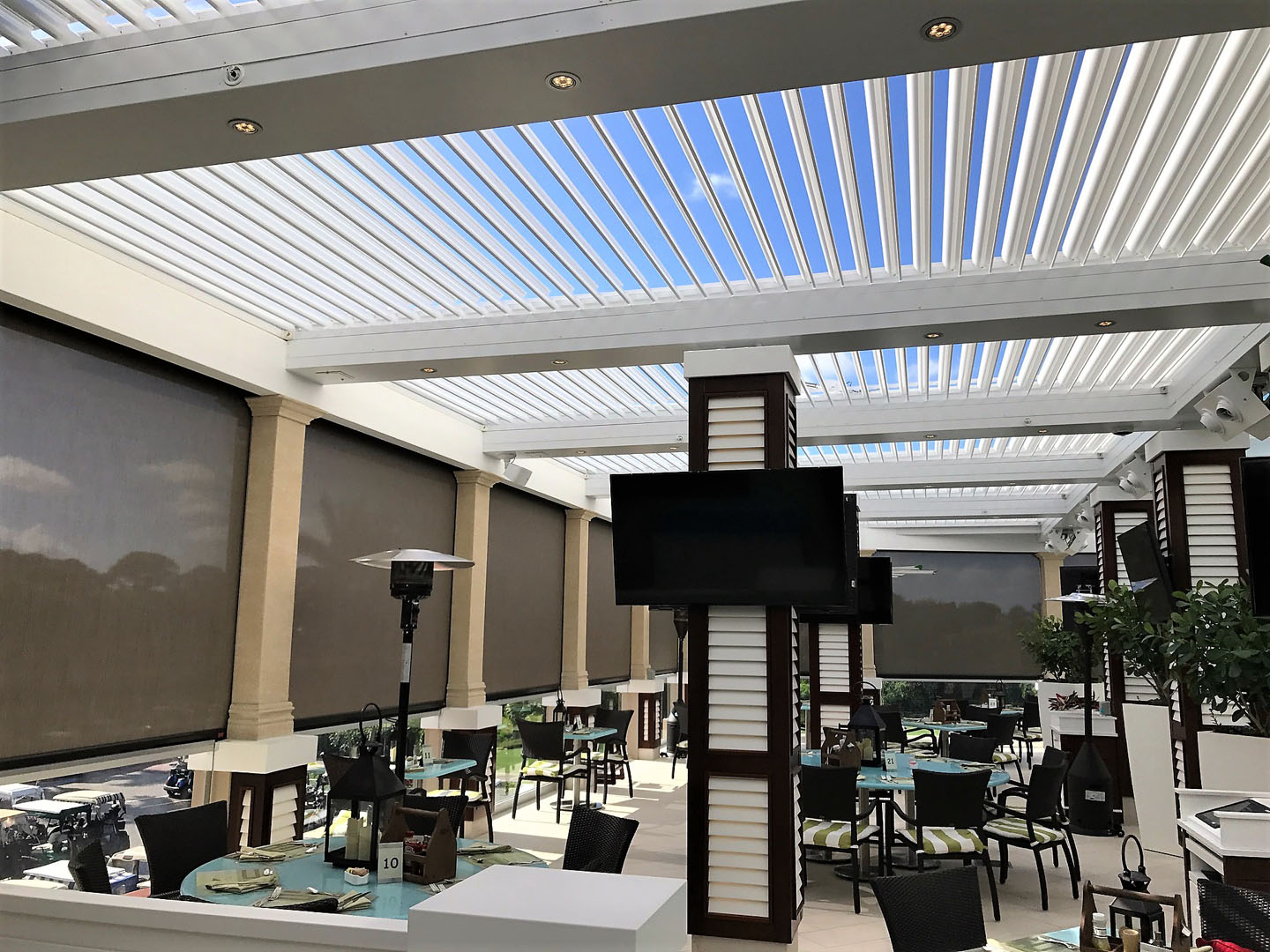
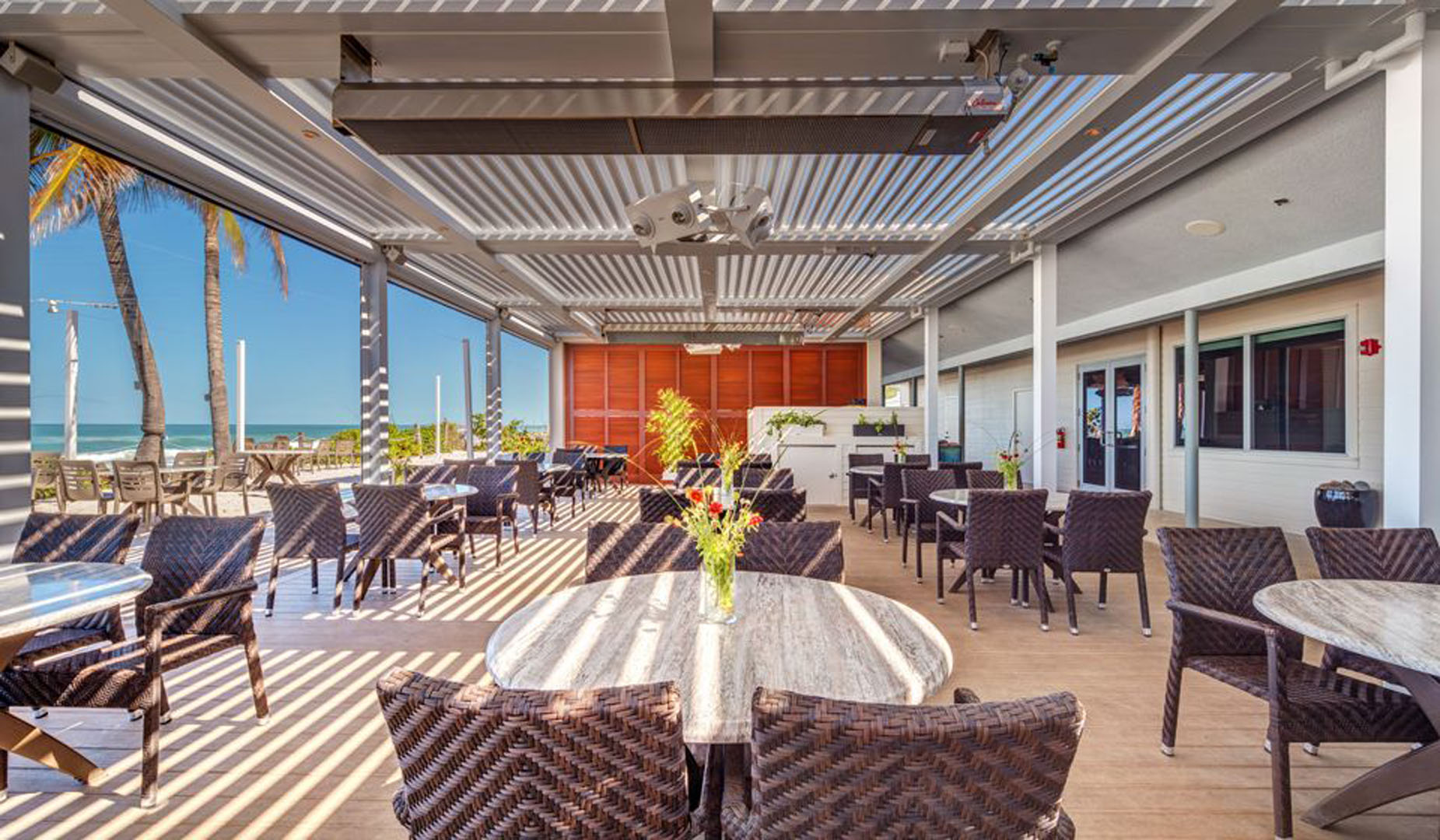
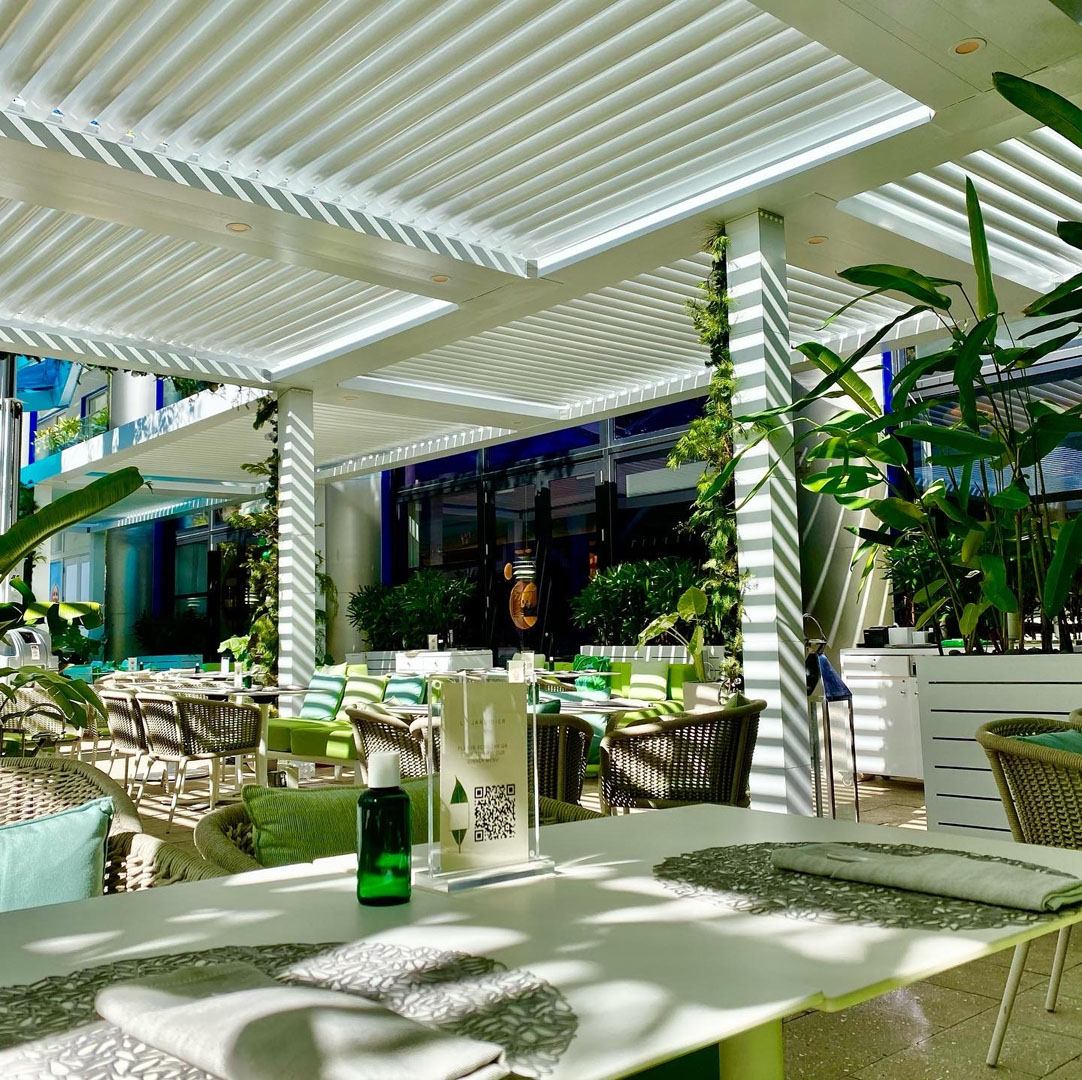
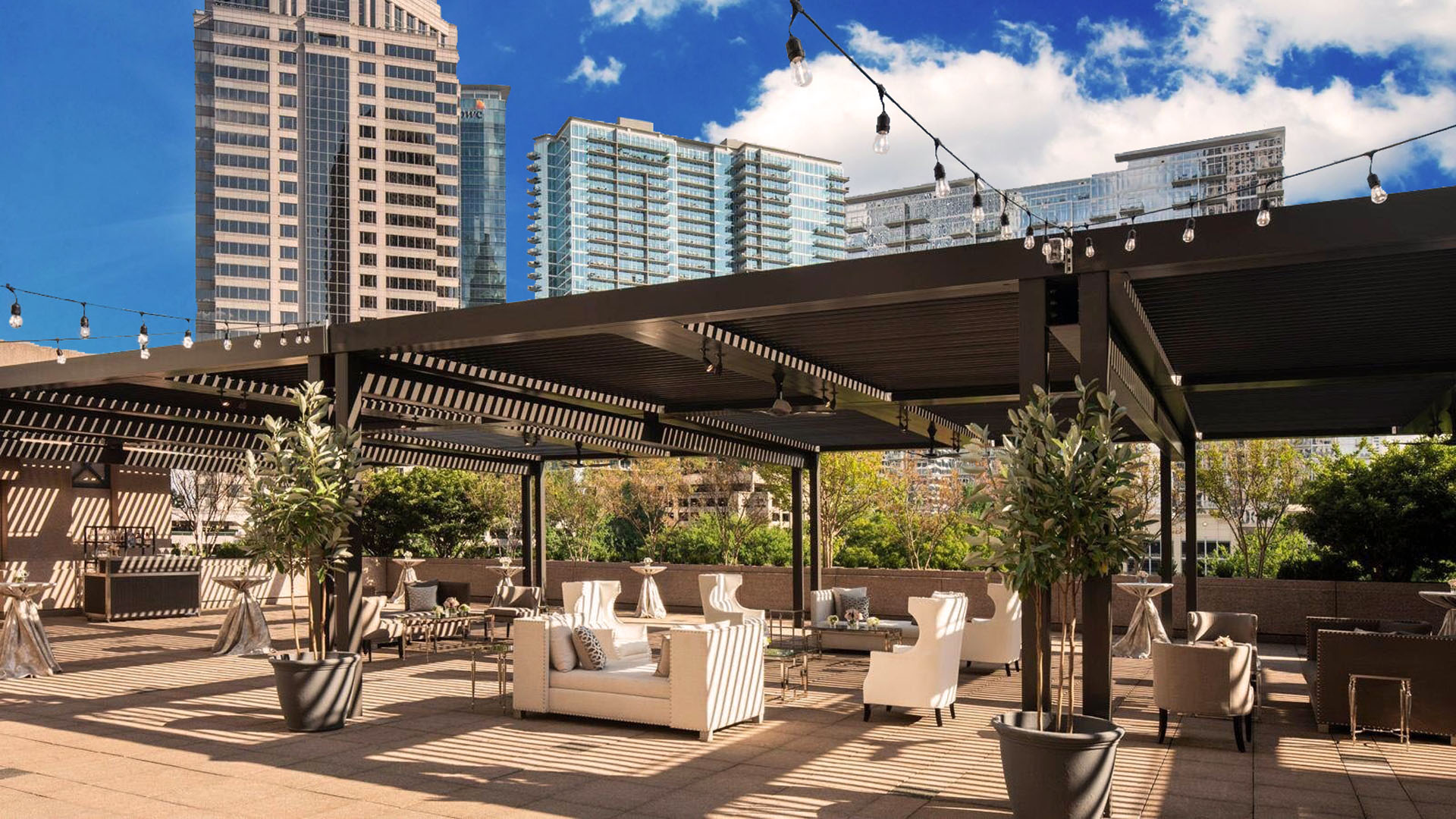
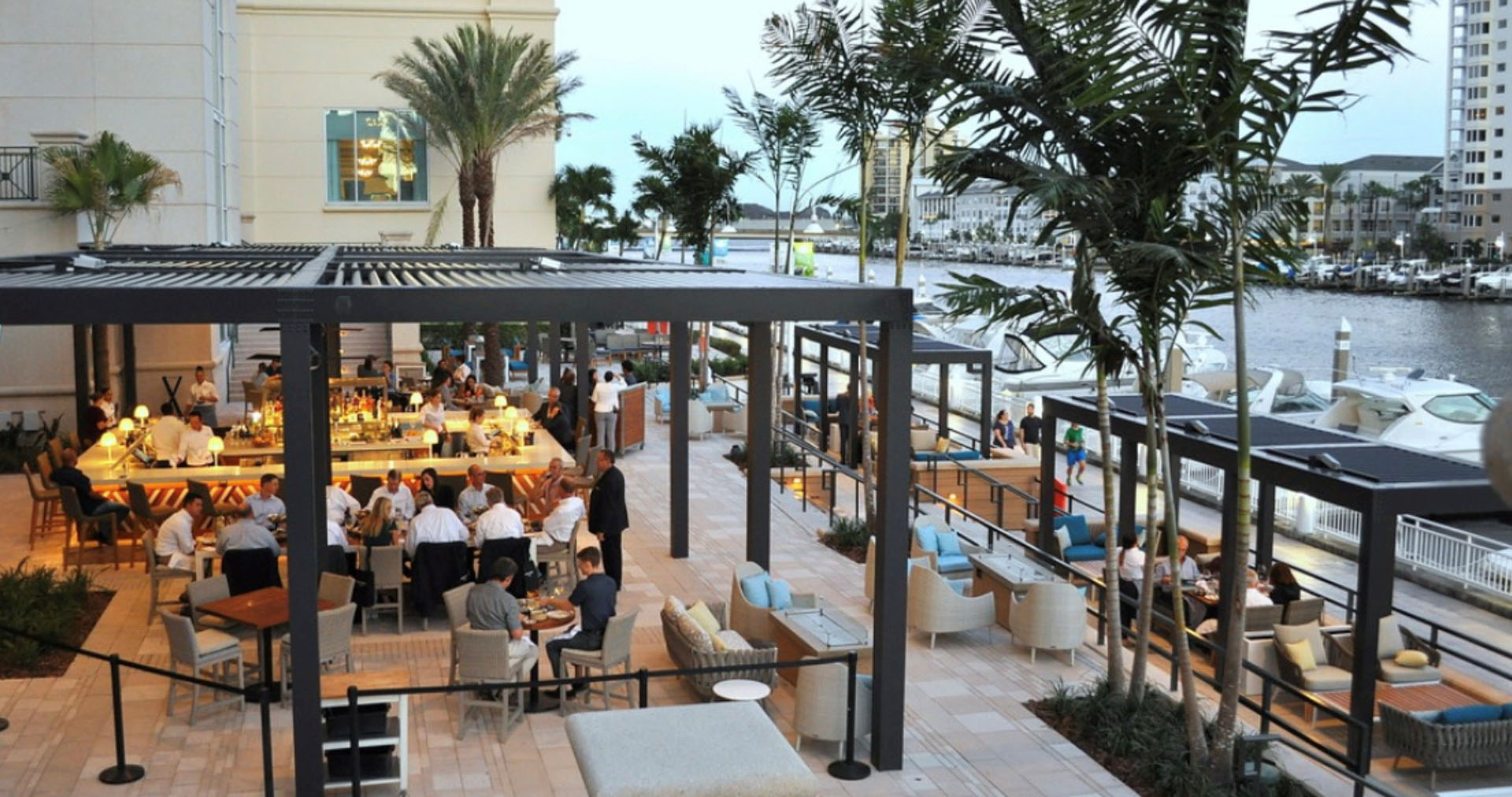
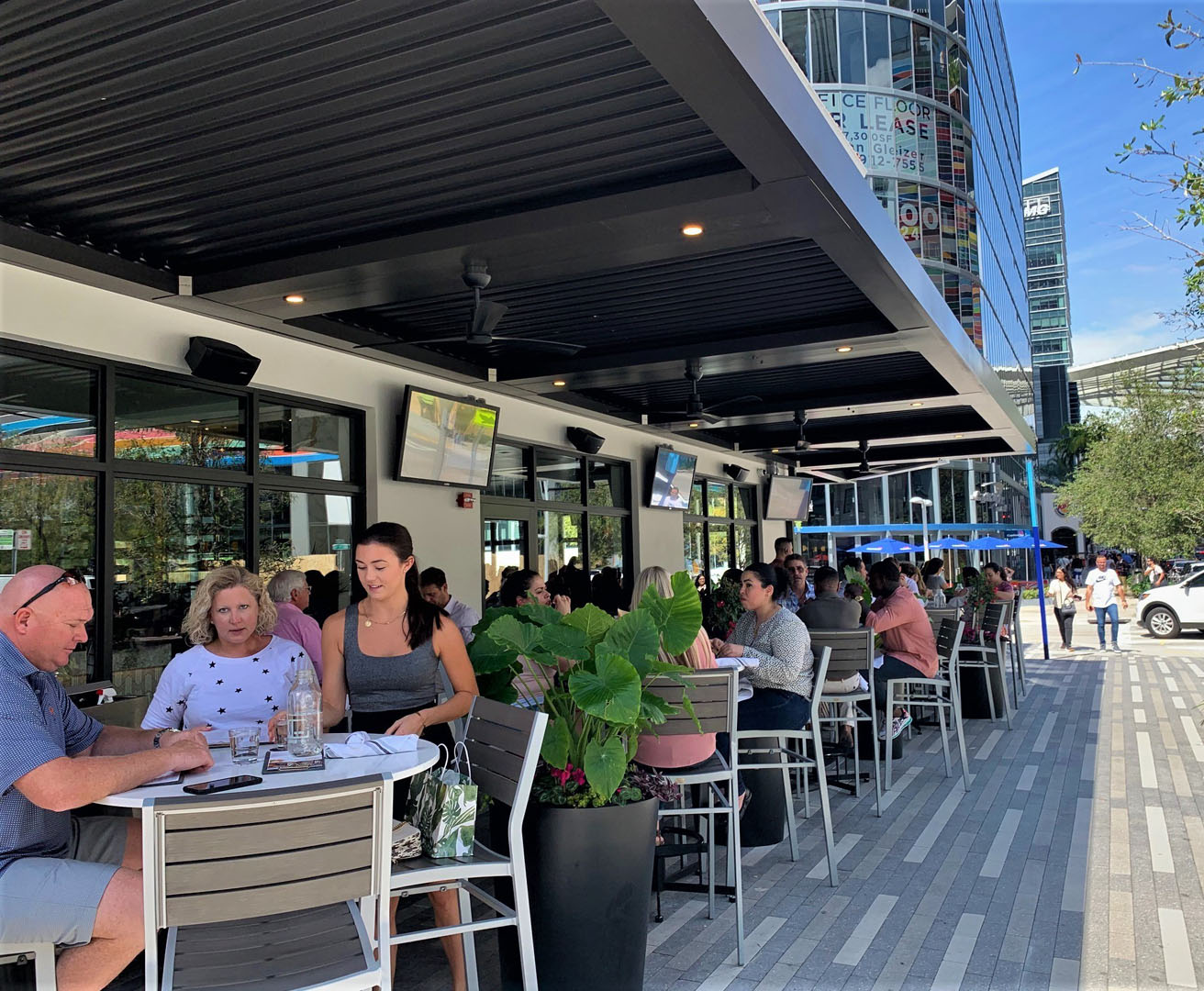
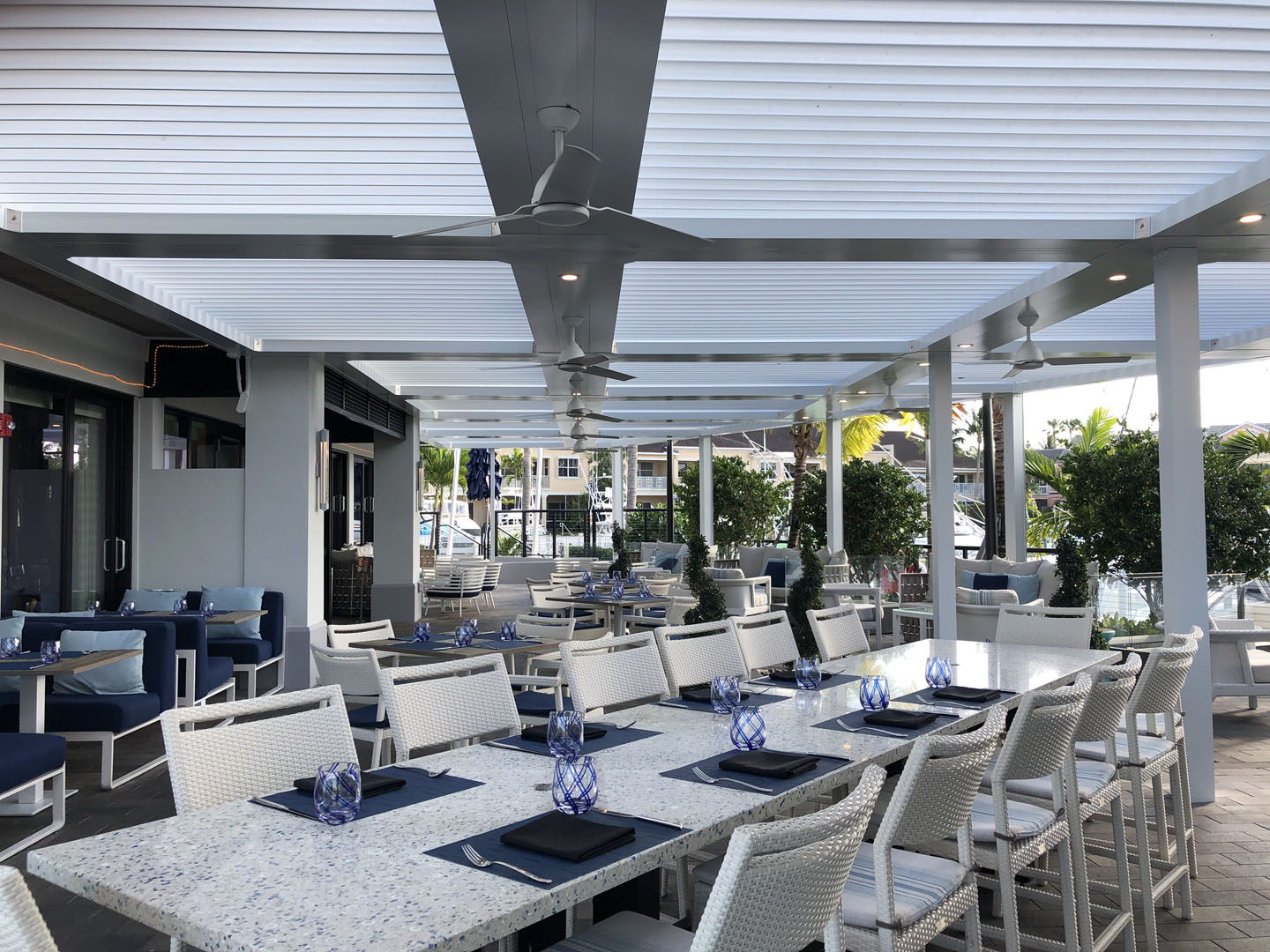
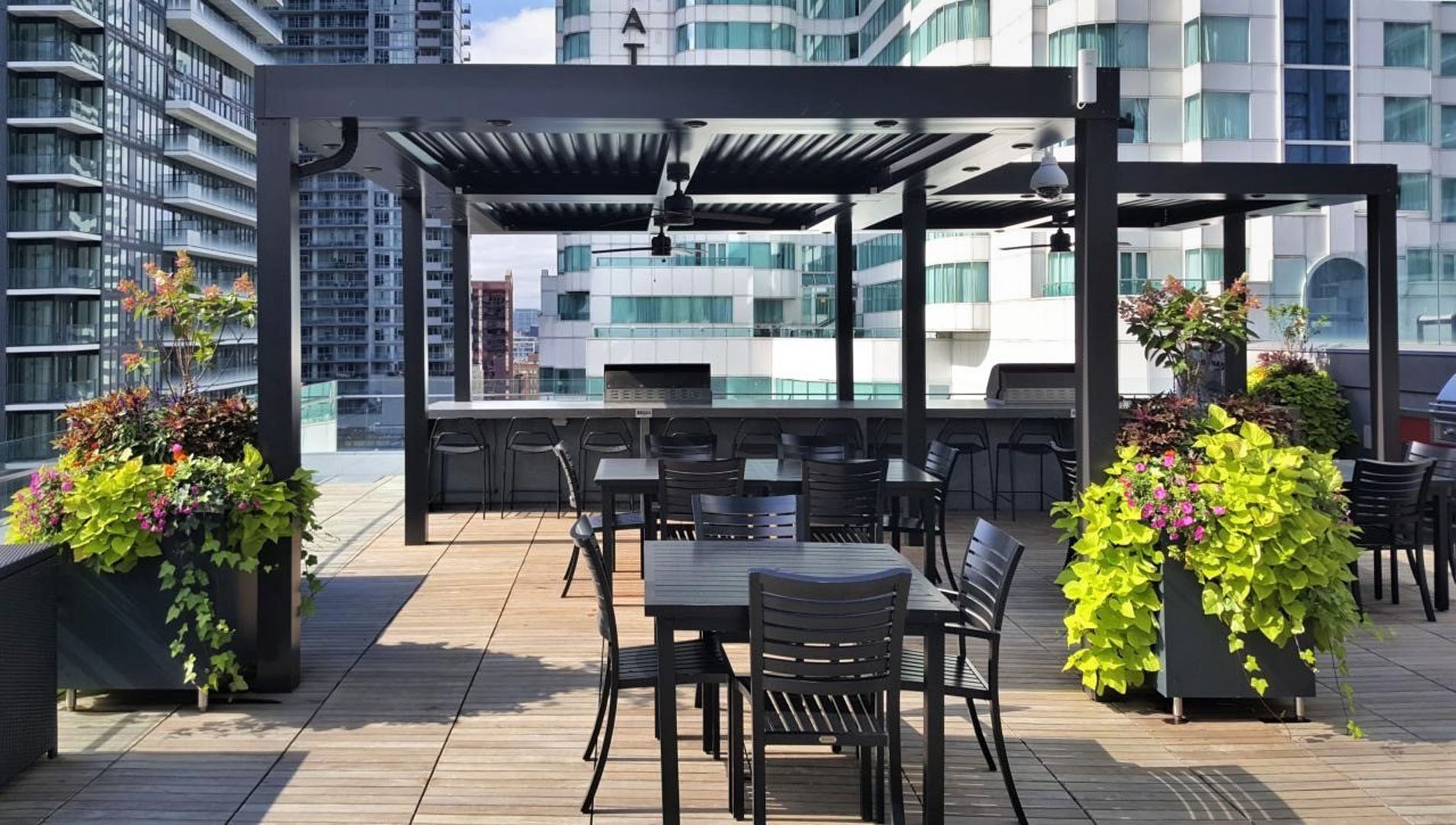
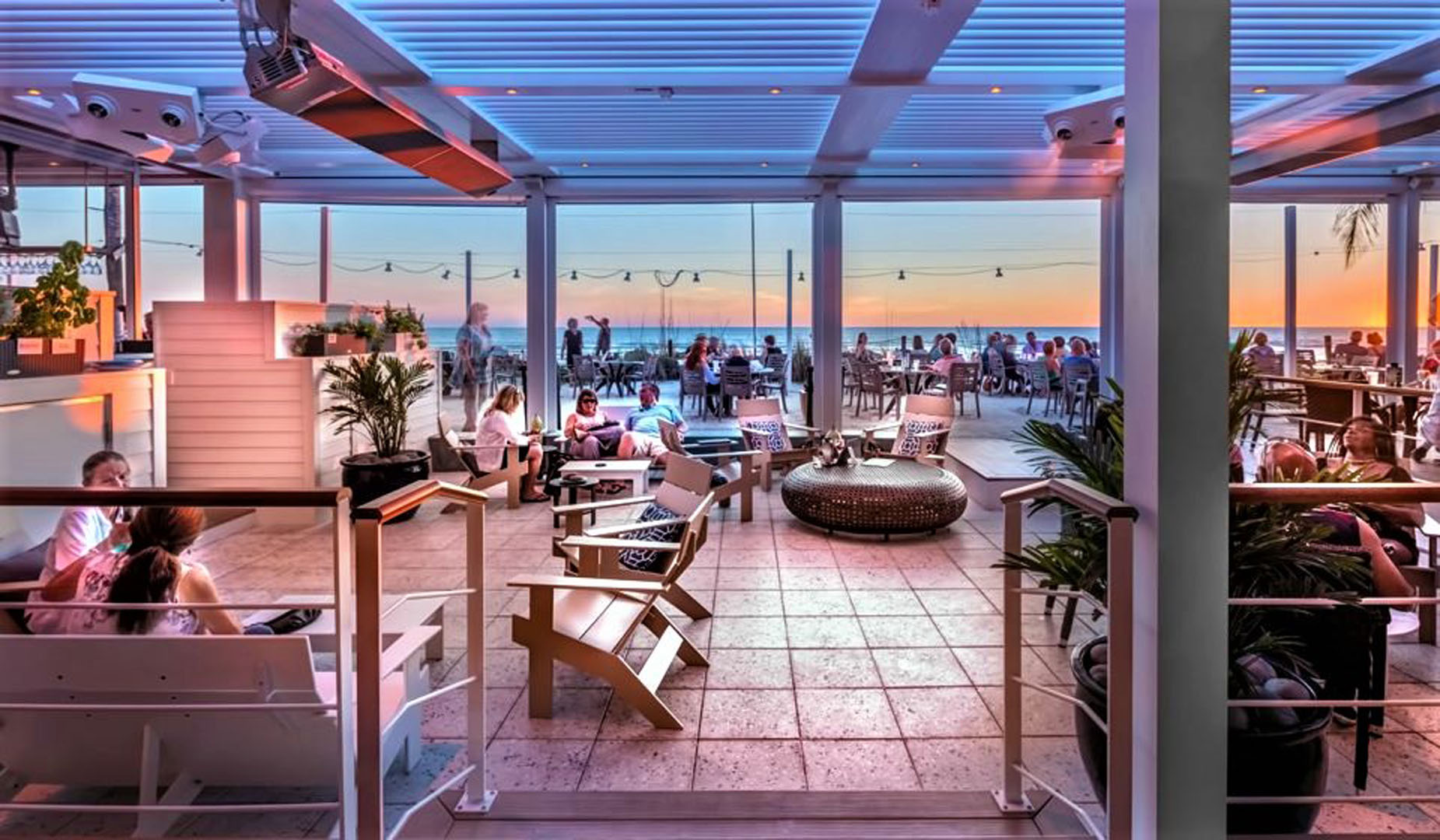
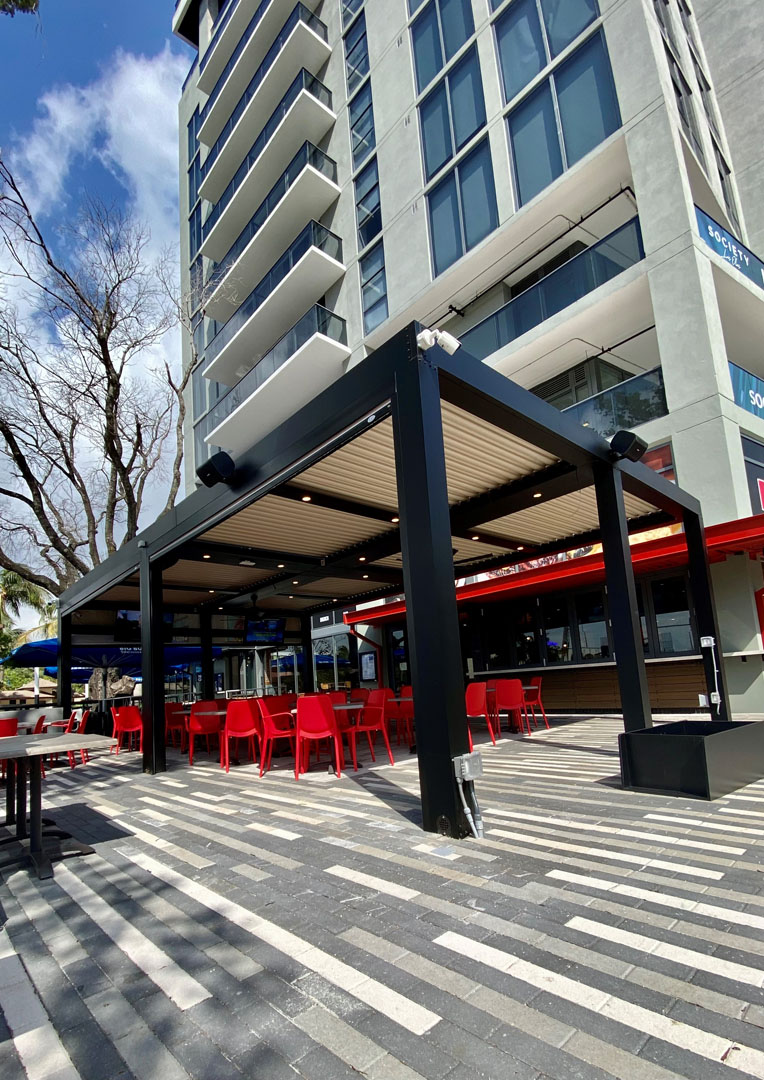
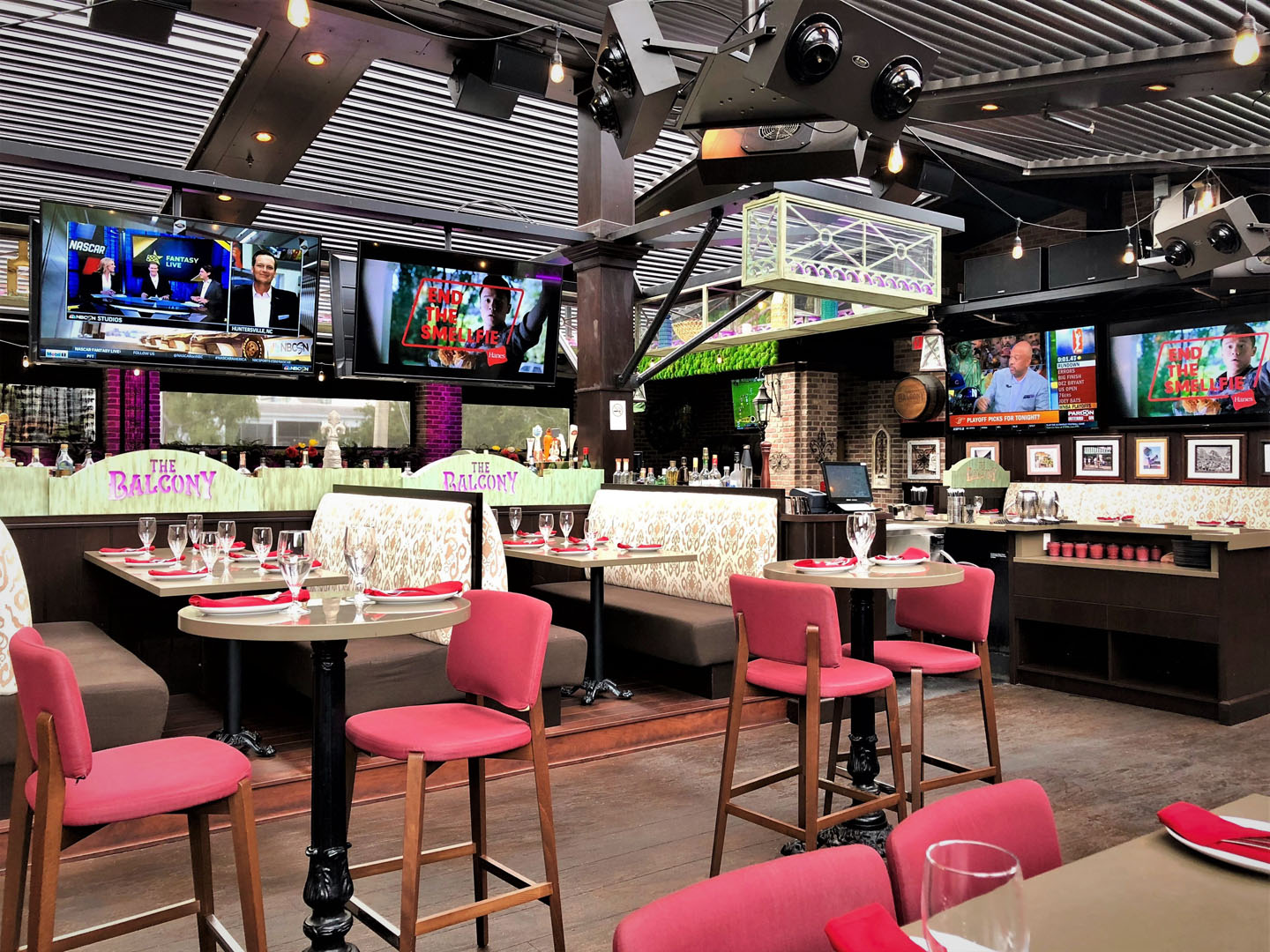
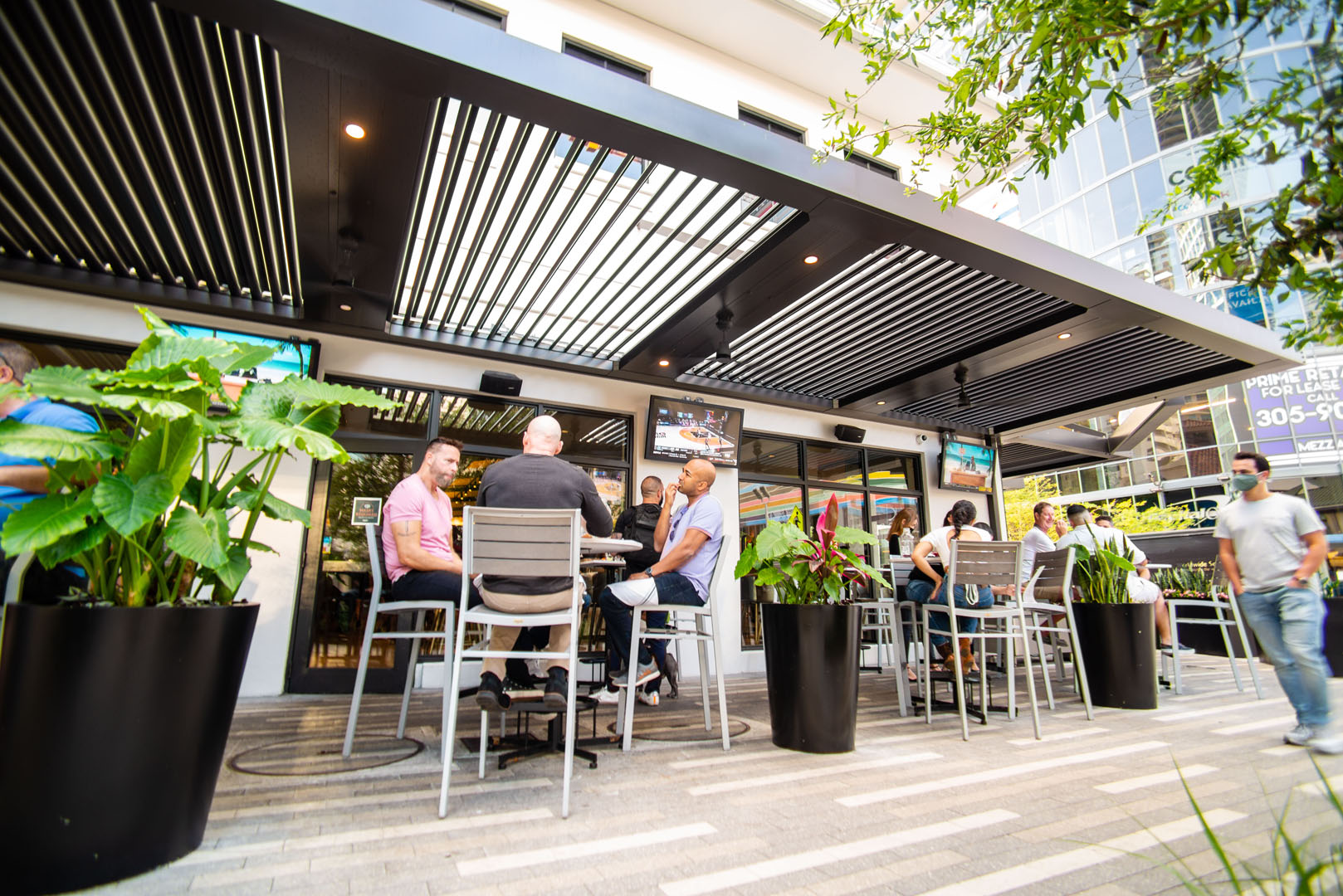
Coconut Grove residents live outdoors around the bay: mornings and weekends often revolve around sailing, boating and water sports from Dinner Key Marina and the Biscayne Bay Yacht Club, with waterfront homes in neighborhoods like The Moorings using private docks and bay-facing terraces for dock-side entertaining. Closer to the village, balconies, patios and Cocowalk’s indoor-outdoor retail and dining spaces support daily routines of walking, shopping and al fresco meals. Backyards range from compact, shaded gardens under the banyan canopy to gated estates with pools and expansive patios, and many homeowners add pergolas, covered kitchens or weather-resistant fabrics to extend year-round use. The lush tree canopy creates a cooler microclimate, while coastal wind, salt spray and Miami-Dade wind codes shape durable, view-preserving outdoor designs.
Outdoor Activities, Amenities, and Lifestyle Patterns
Coconut Grove residents embrace a waterfront-oriented outdoor lifestyle focused on sailing, boating and water sports from Dinner Key Marina and the Biscayne Bay Yacht Club, while balconies, private docks and resort-style condo terraces support dock-side entertaining. The walkable core around Cocowalk, Main Highway and Grand Avenue encourages daily outdoor routines of shopping, dining and cultural events, and lush banyan canopy, parks and tropical landscaping create shaded gathering spaces that form a literal microclimate reducing midday heat. Homeowners invest in pools, pergolas, covered patios and weather-responsive materials to manage sun, rain, humidity and coastal winds—often balancing historic preservation rules, HOA or NCD view protections and stronger Miami-Dade wind codes—so outdoor spaces serve year-round recreation, privacy and social entertaining.
Residential Property Characteristics of Coconut Grove Affecting Outdoor Living
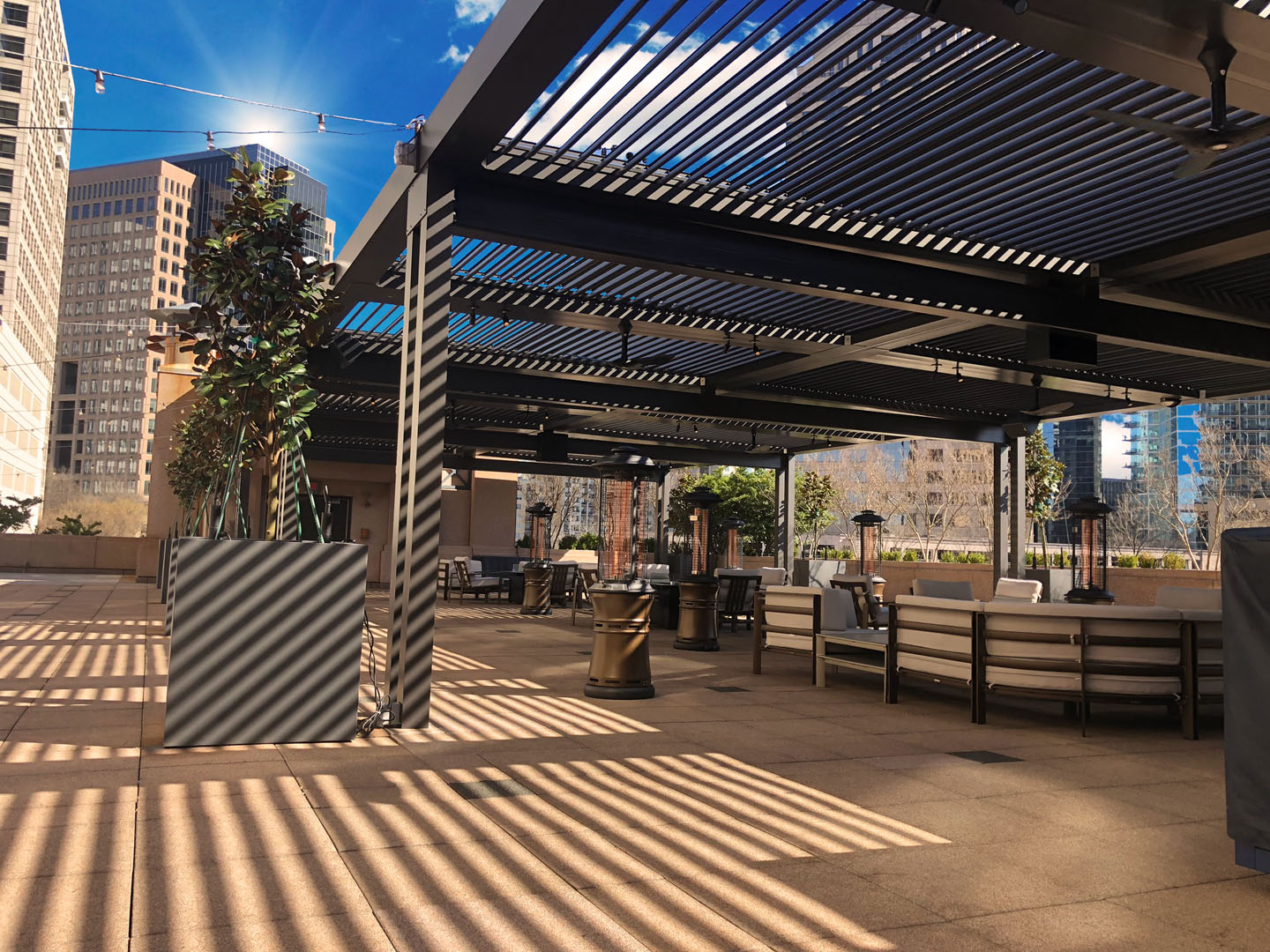
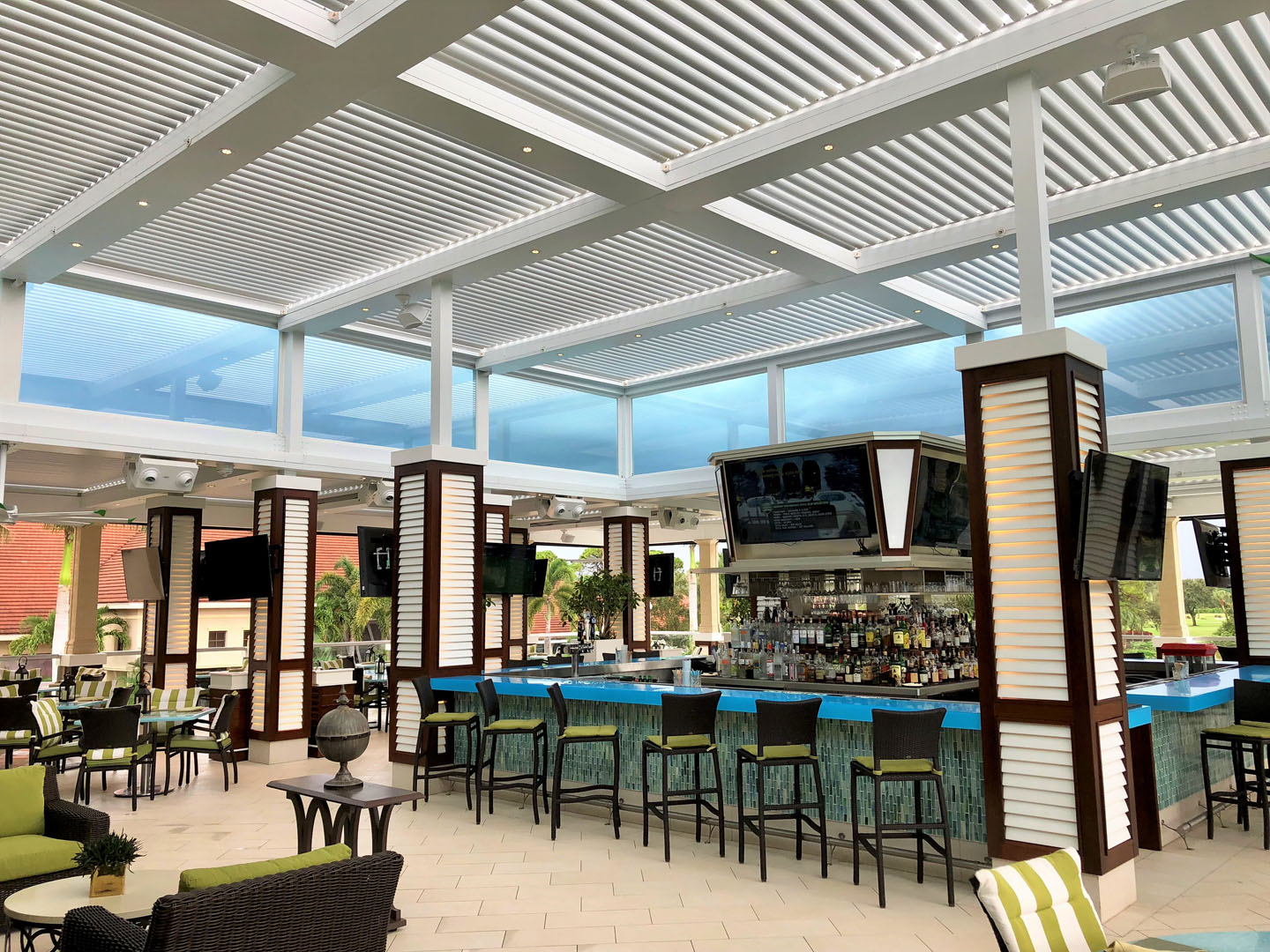
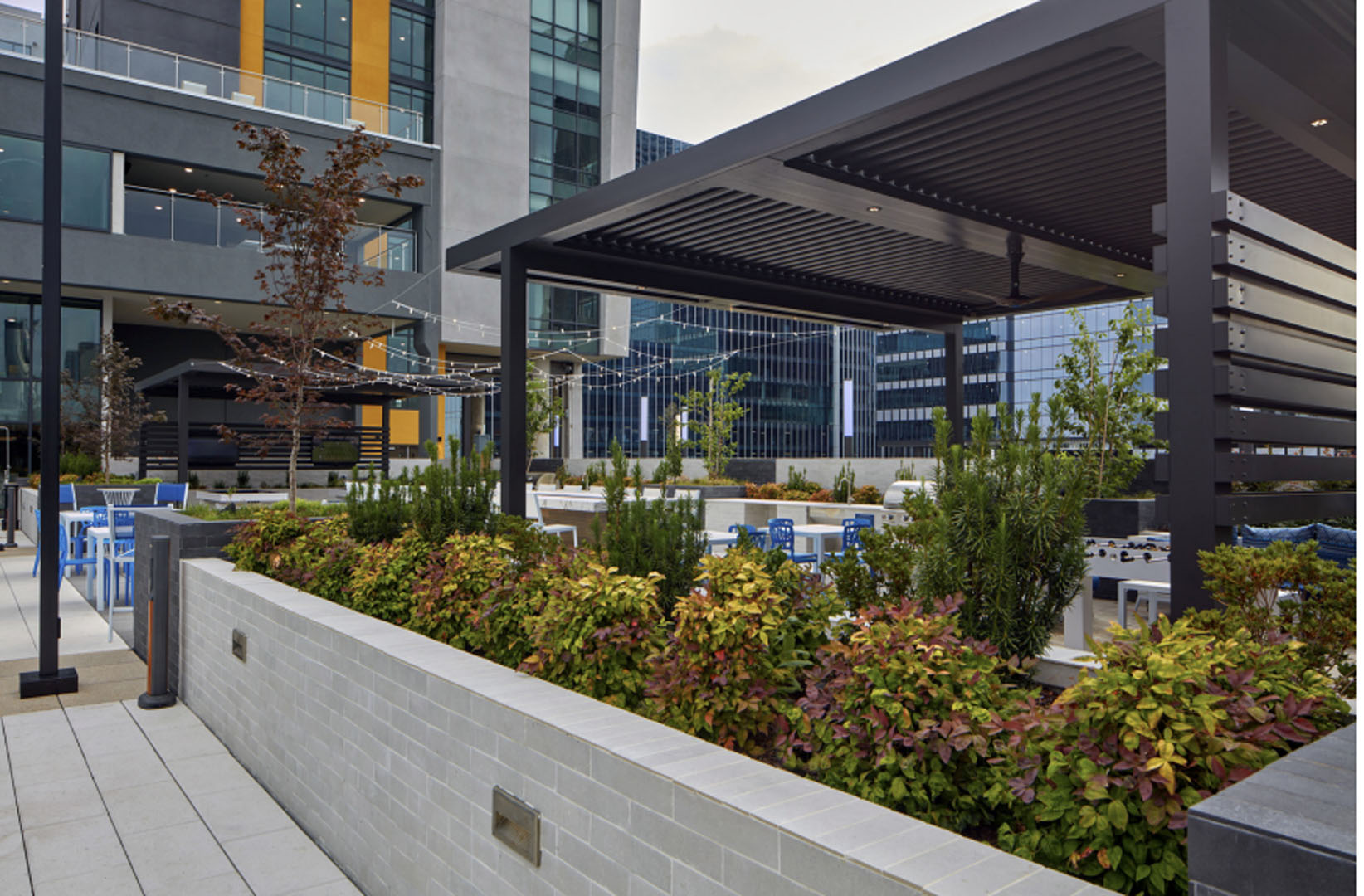
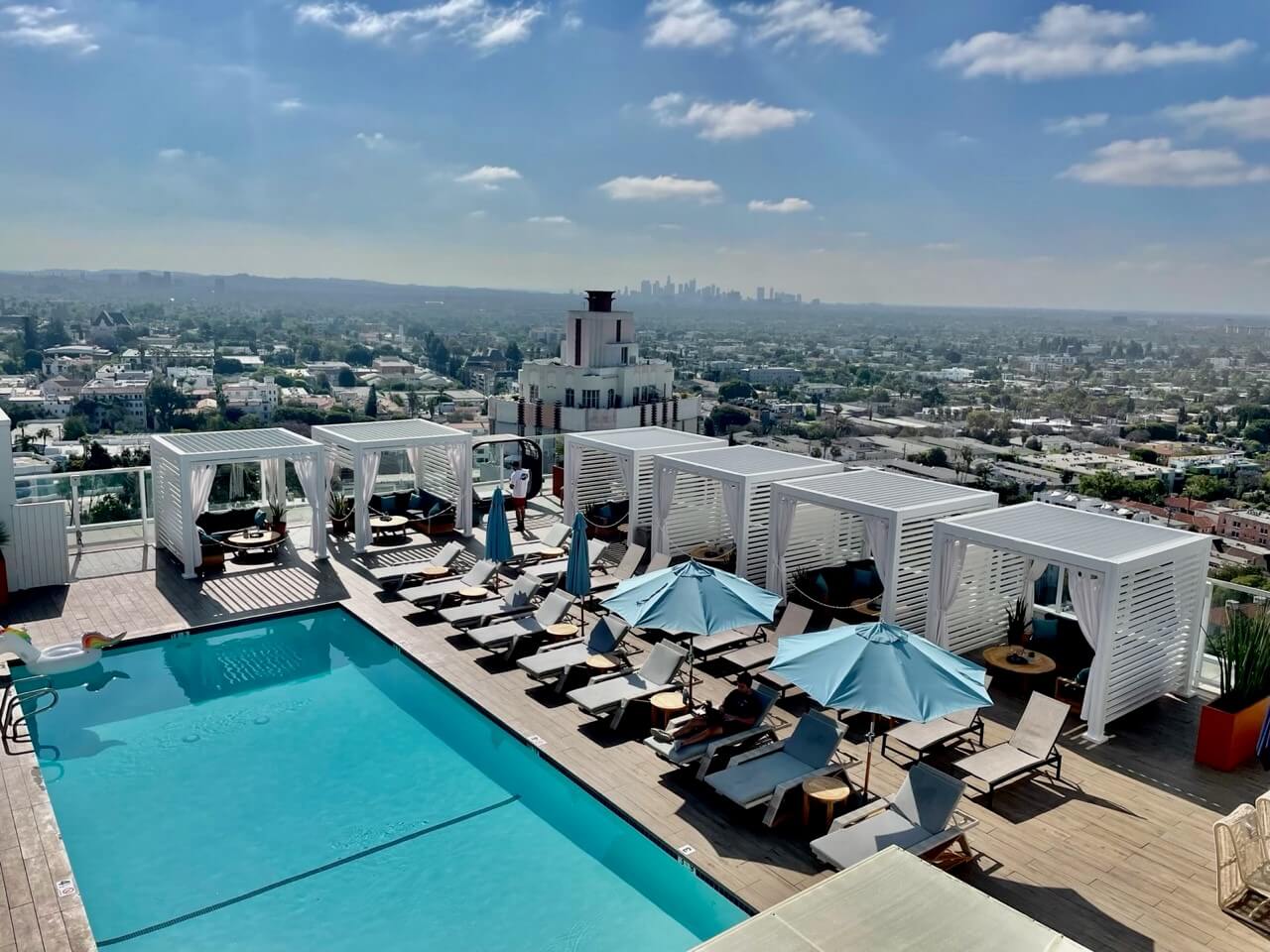
Coconut Grove’s residential fabric—from 1920s bungalows and Mediterranean Revival houses to mid-century, contemporary glass-and-concrete homes and custom estates—creates varied conditions for outdoor living and shade structures. Smaller historic footprints often rely on mature banyans and tropical landscaping for backyard shade, while gated estates on larger lots accommodate pools, expansive patios and freely sited pergolas. Bayfront properties and Moorings estates prioritize dock-side entertaining and unobstructed Biscayne Bay sightlines, making pergolas and terraces orient toward water. Condo towers and luxury residences emphasize vertical outdoor living with balconies, terraces and rooftop decks rather than ground yards, and developments like the Four Seasons favor floor-to-ceiling views and integrated indoor-outdoor layouts. Historic district rules, coastal wind exposure, salt spray and Miami-Dade wind codes further shape pergola placement, materials and anchoring.
Climate, Sun, and Weather Considerations in Coconut Grove
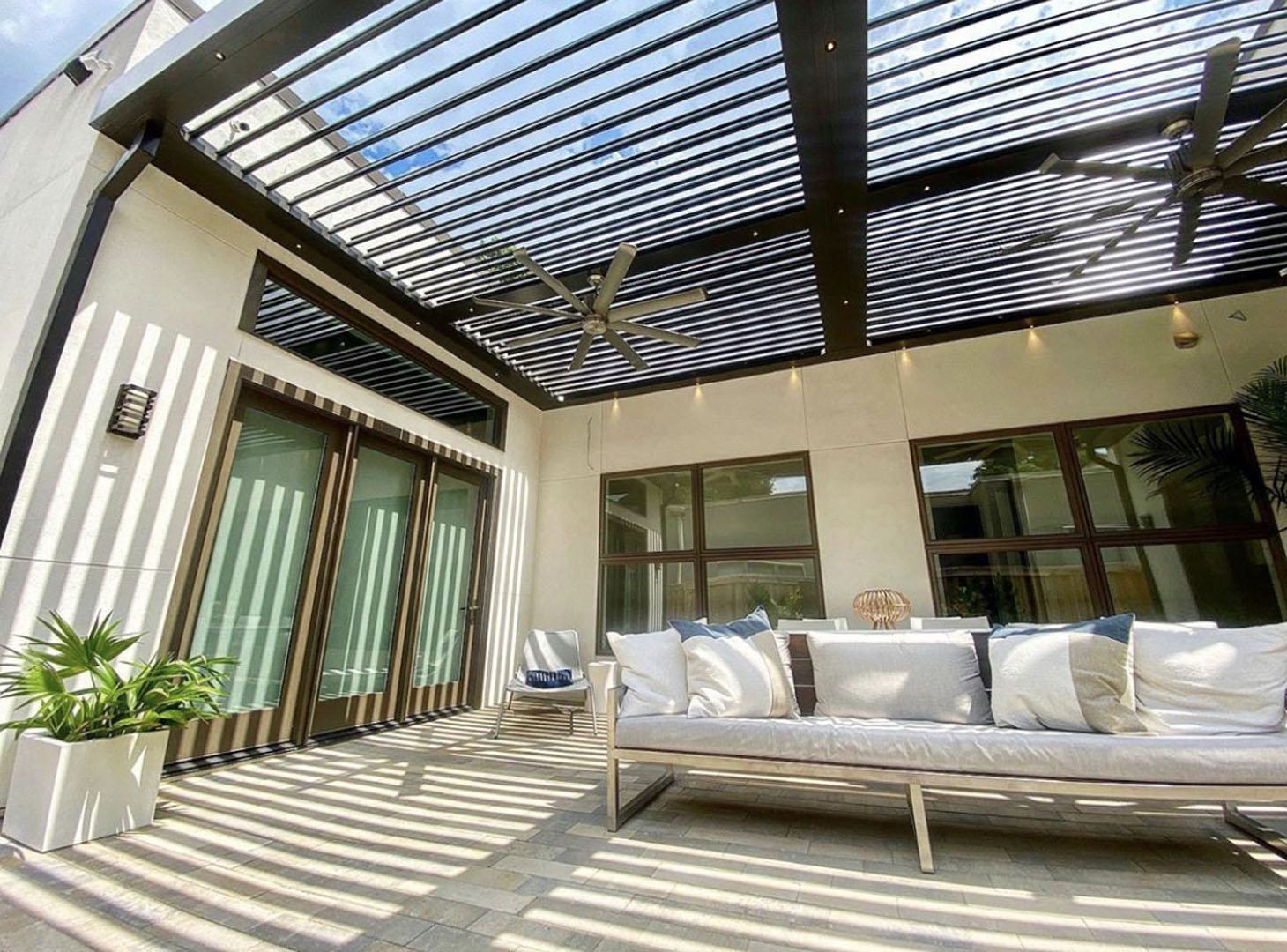
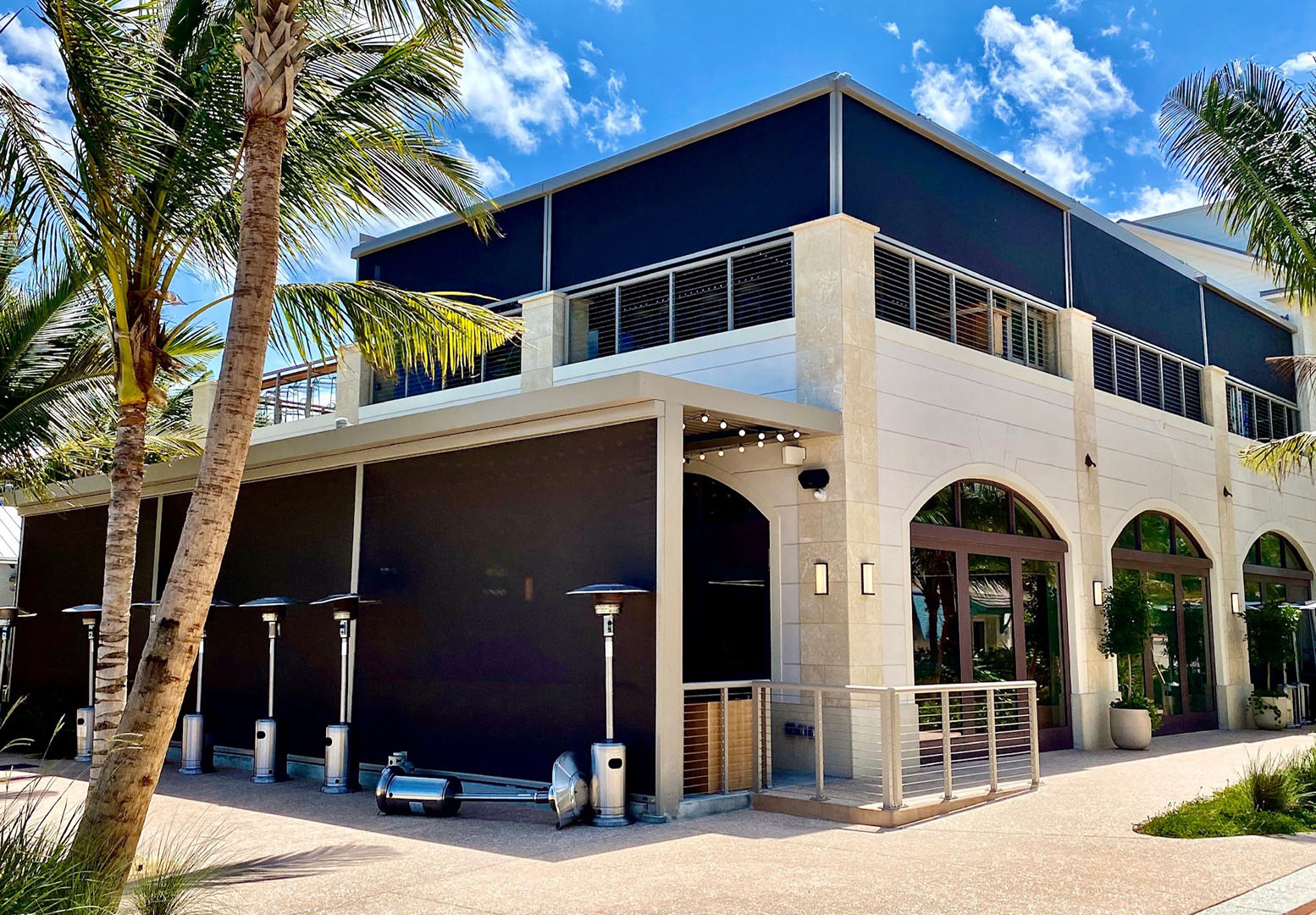
Coconut Grove’s subtropical, waterfront setting produces intense midday sun and high heat, year-round humidity, frequent rain, and coastal winds that shape outdoor comfort and shade needs. The neighborhood’s historic banyan canopy creates a literal microclimate—deep shade that measurably cools sidewalks and yards—so mature trees and engineered shade structures (pergolas, covered patios) are essential for comfort. At the same time coastal exposure brings hurricane-force winds, salt spray and wind loading concerns, so outdoor features must meet Miami-Dade wind codes, use corrosion-resistant materials, and be anchored for storms. Durable, UV-resistant fabrics and rain-rated finishes reduce fading and moisture damage, while impact windows, shutters and weather-responsive design let residents enjoy extended outdoor seasons safely.
Why Coconut Grove Is Ideal for Outdoor Living
Coconut Grove’s waterfront lifestyle, walkable village core, and lush tropical canopy make it especially well suited for patios, pergolas, and covered outdoor living: residents prioritize boating, dining, and neighborhood gathering spaces that naturally extend indoor life outdoors, while mature banyans and preserved shade trees create a cooling microclimate that reduces midday heat and supports year-round alfresco use. Diverse housing—from historic bungalows and Mediterranean Revival homes to modern estates and bayfront condos with private docks—creates demand for everything from intimate shaded courtyards to expansive covered terraces. Coastal wind, salt spray, intense sun, and seasonal rain drive selection of durable, weather-resistant materials and wind-rated designs, and NCD zoning protections preserving views and treescape ensure long-term value for outdoor investments.
Outdoor Living and Home Upgrade FAQ
Is Coconut Grove suitable for year-round outdoor living? Yes—subtropical climate allows year-round use; intense sun, rain and humidity make shade, UV/rain-resistant materials and storm preparedness essential.
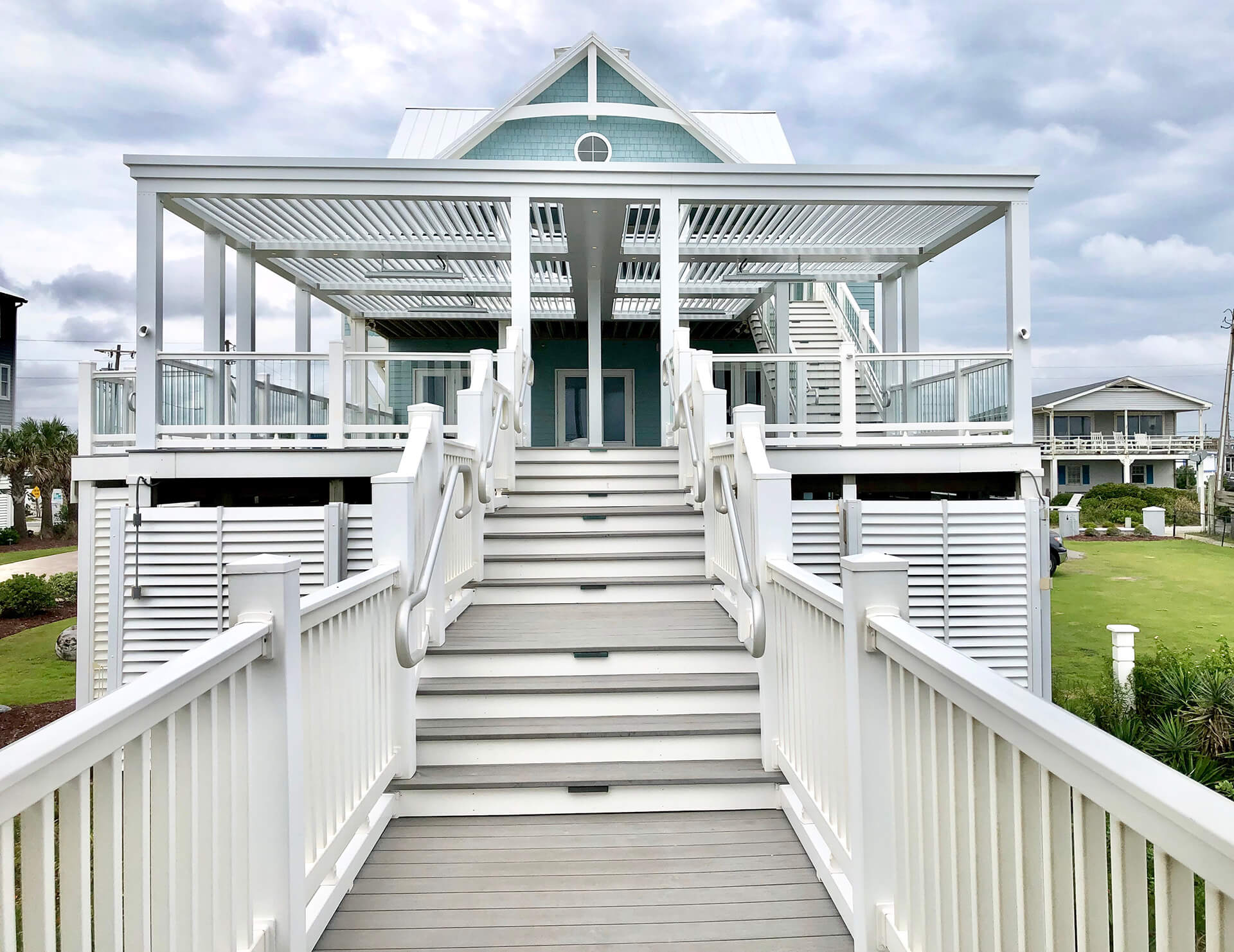
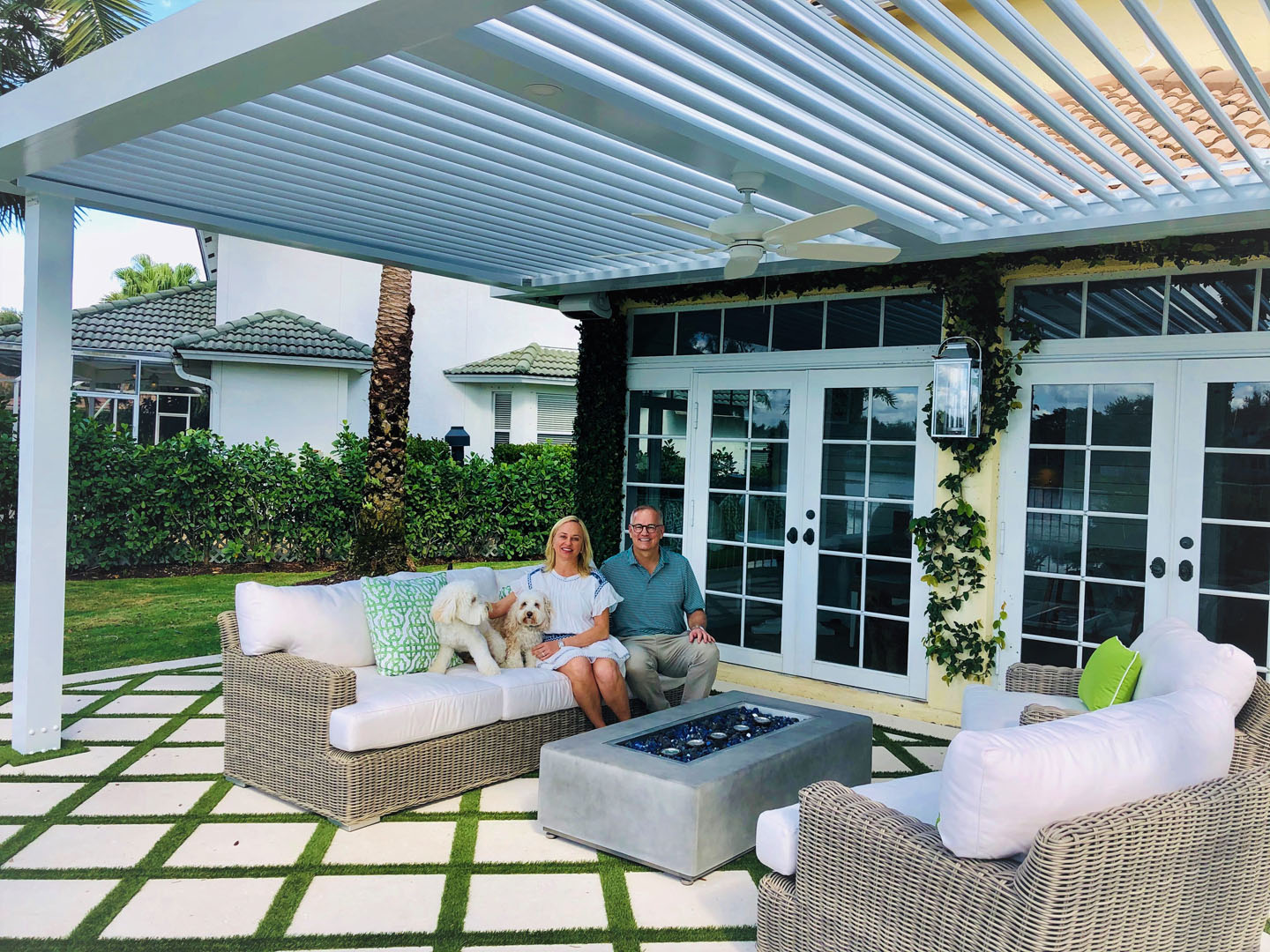
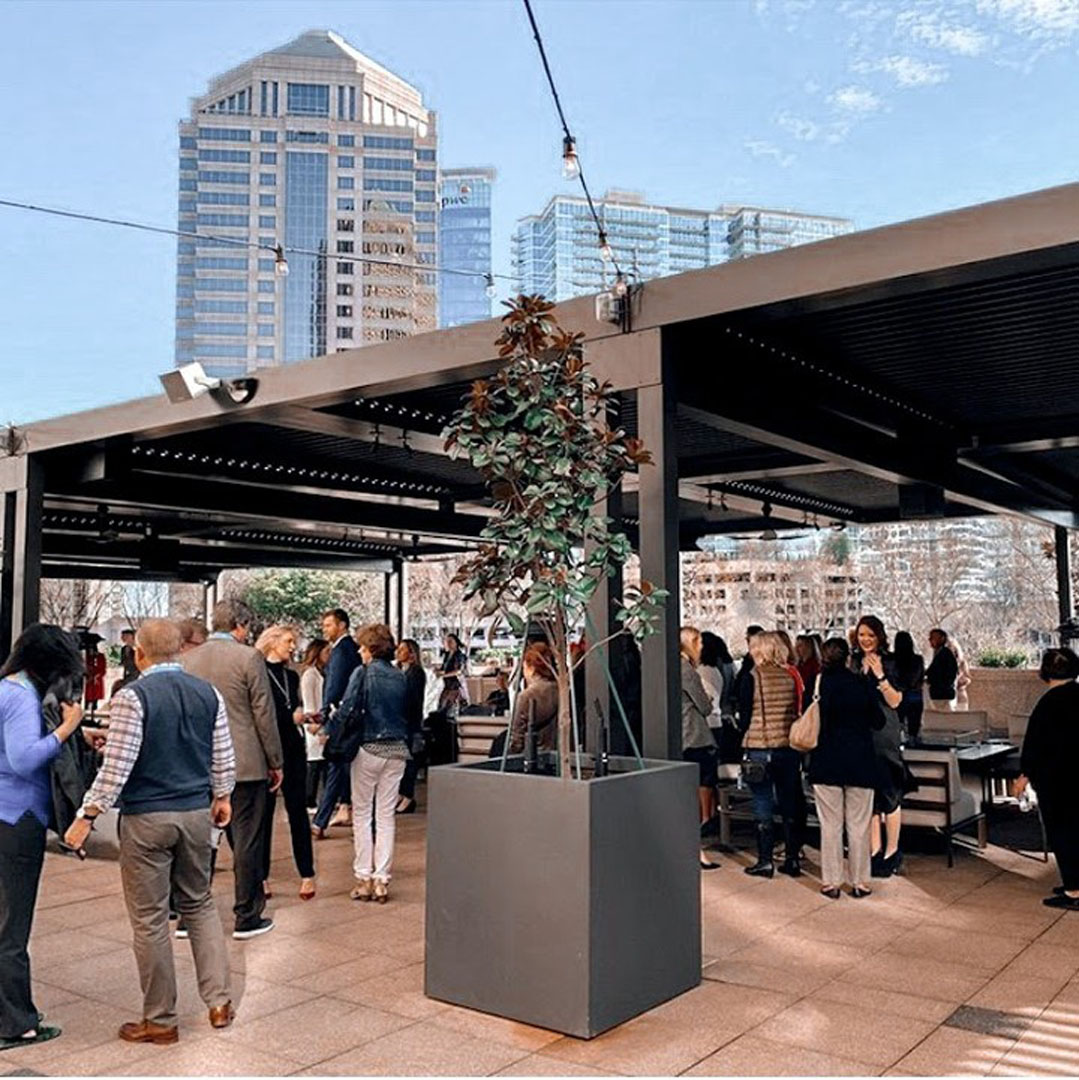
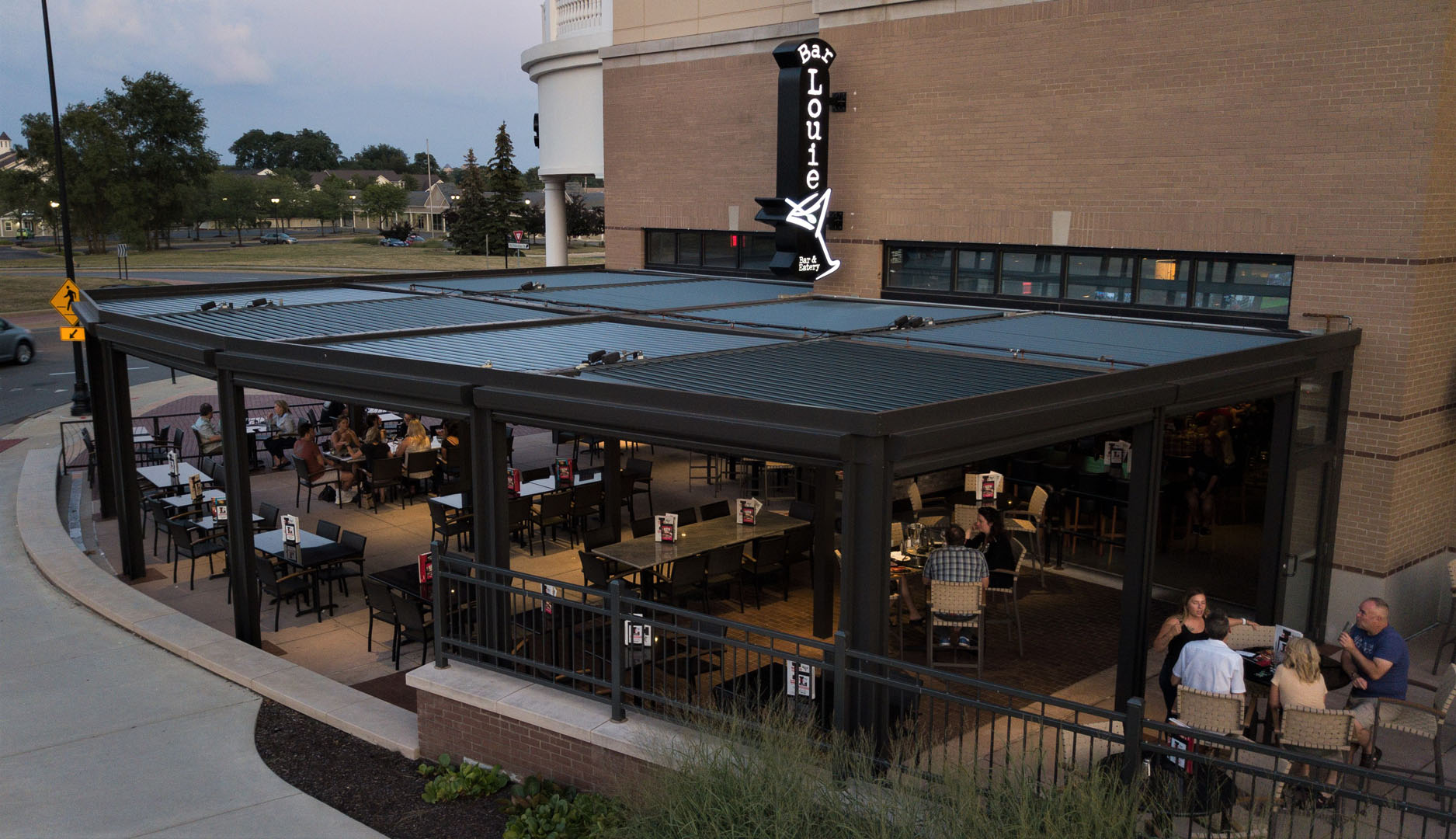
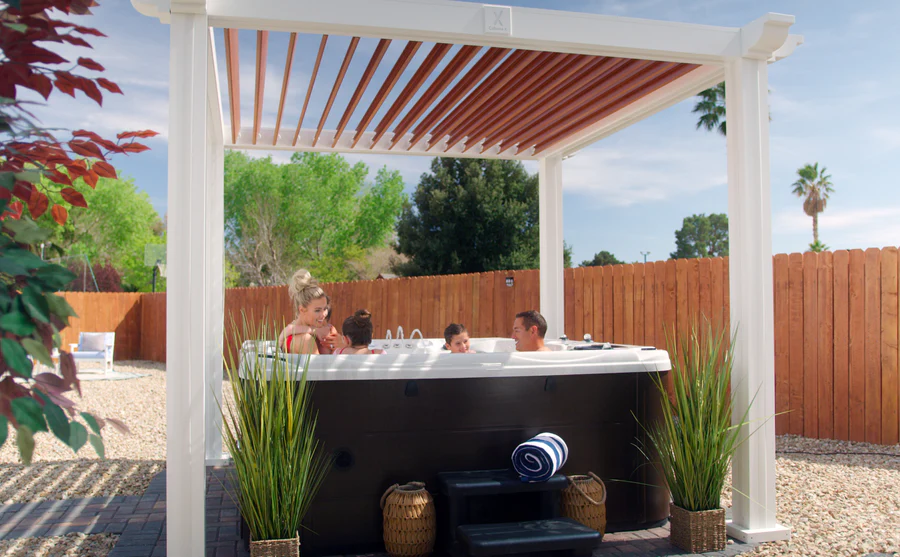
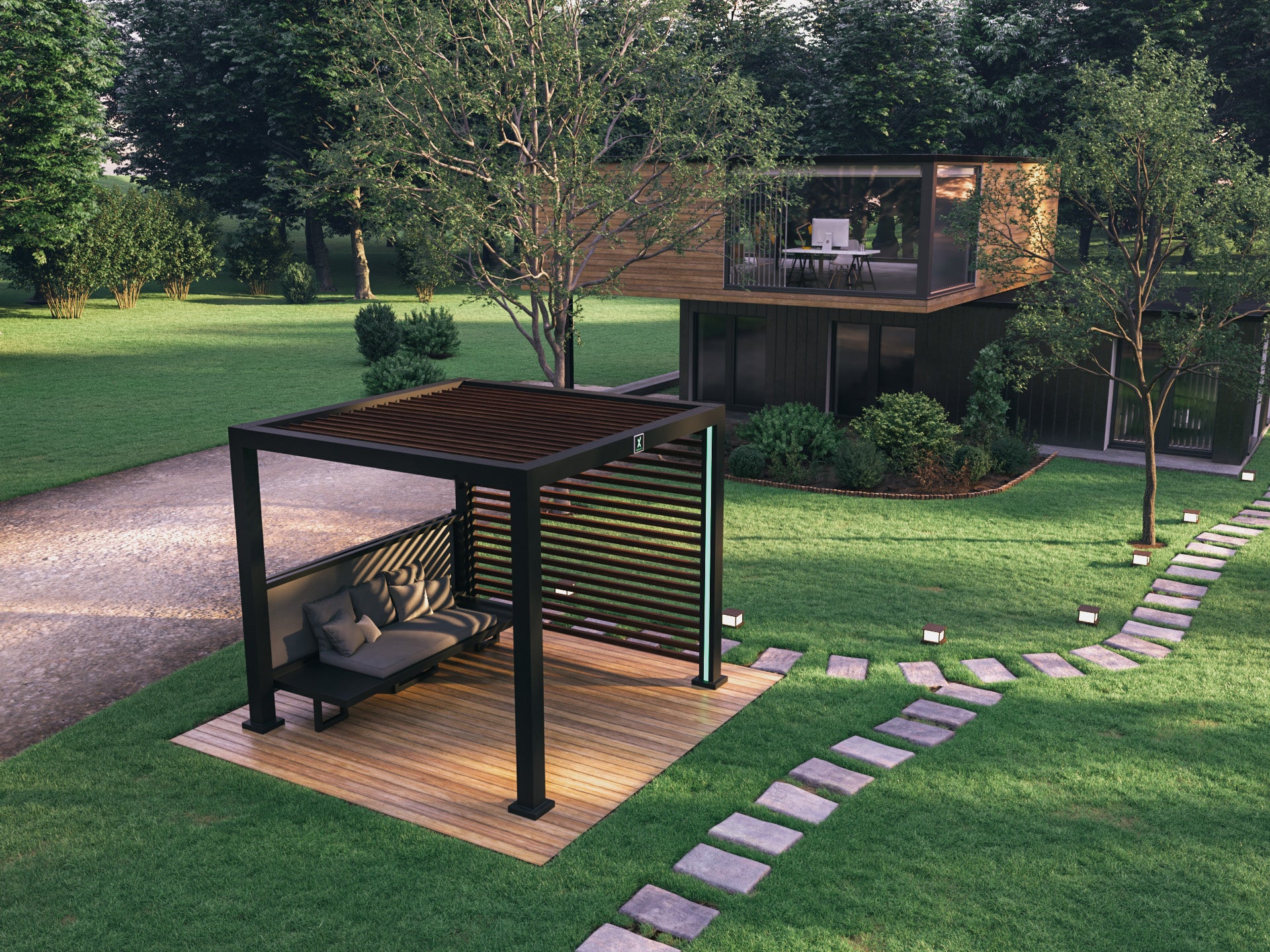
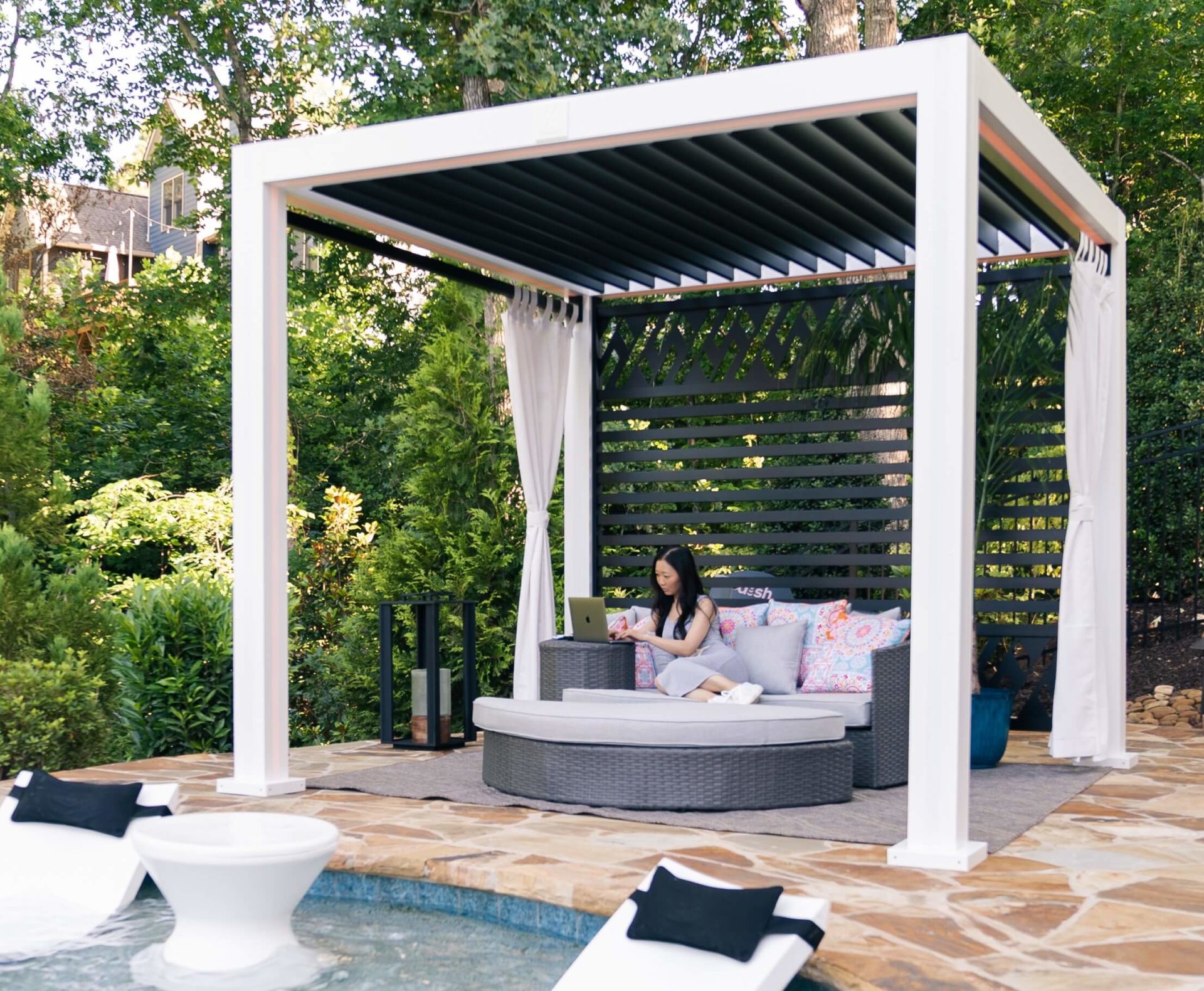
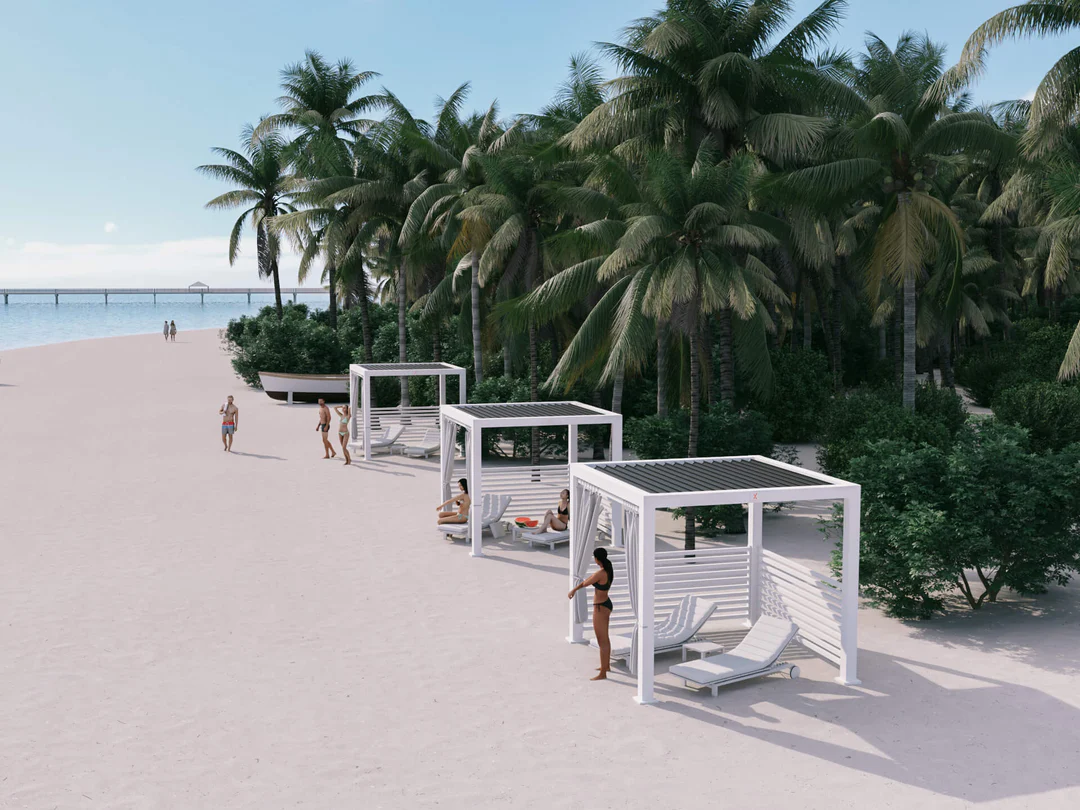
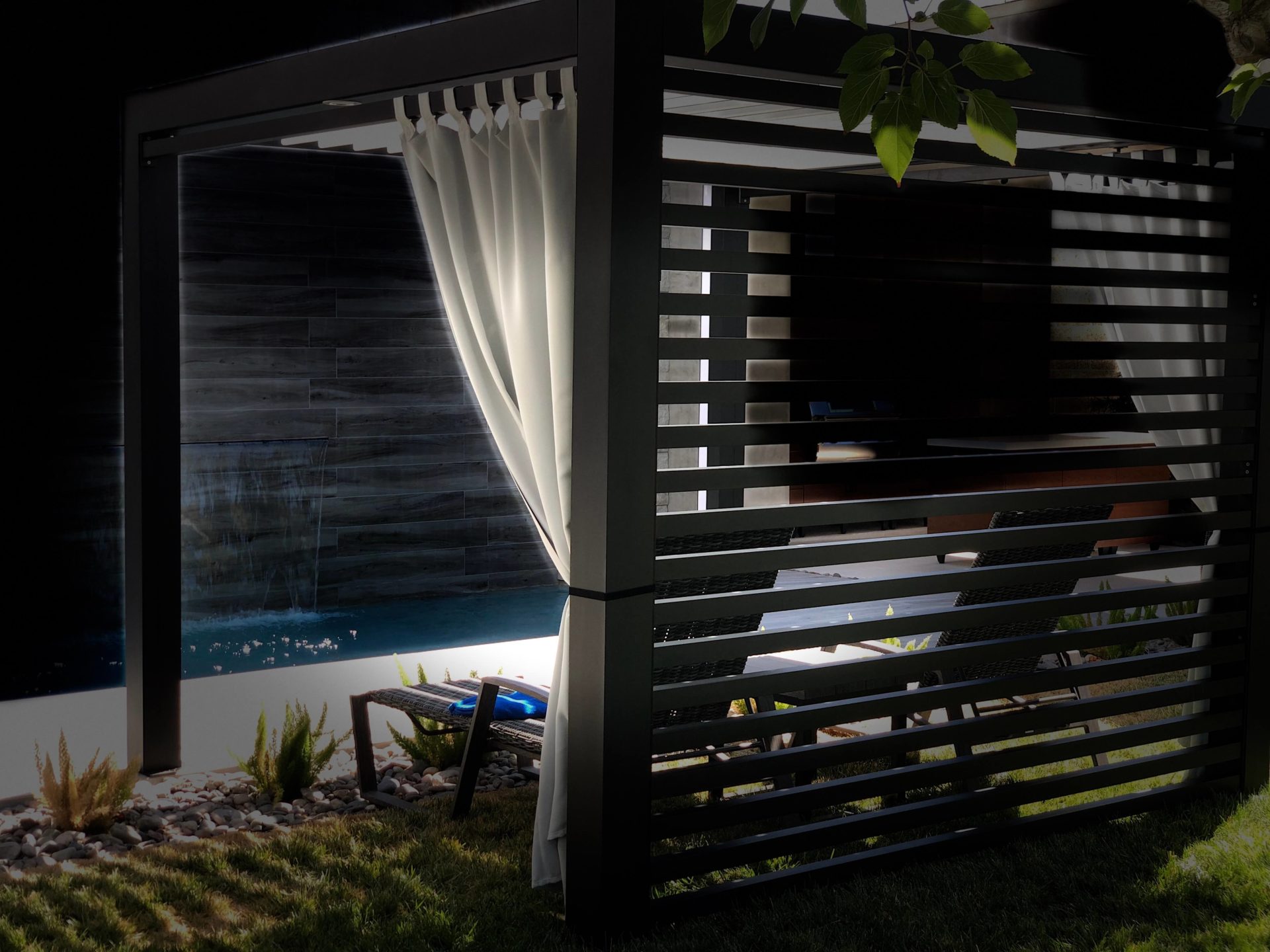
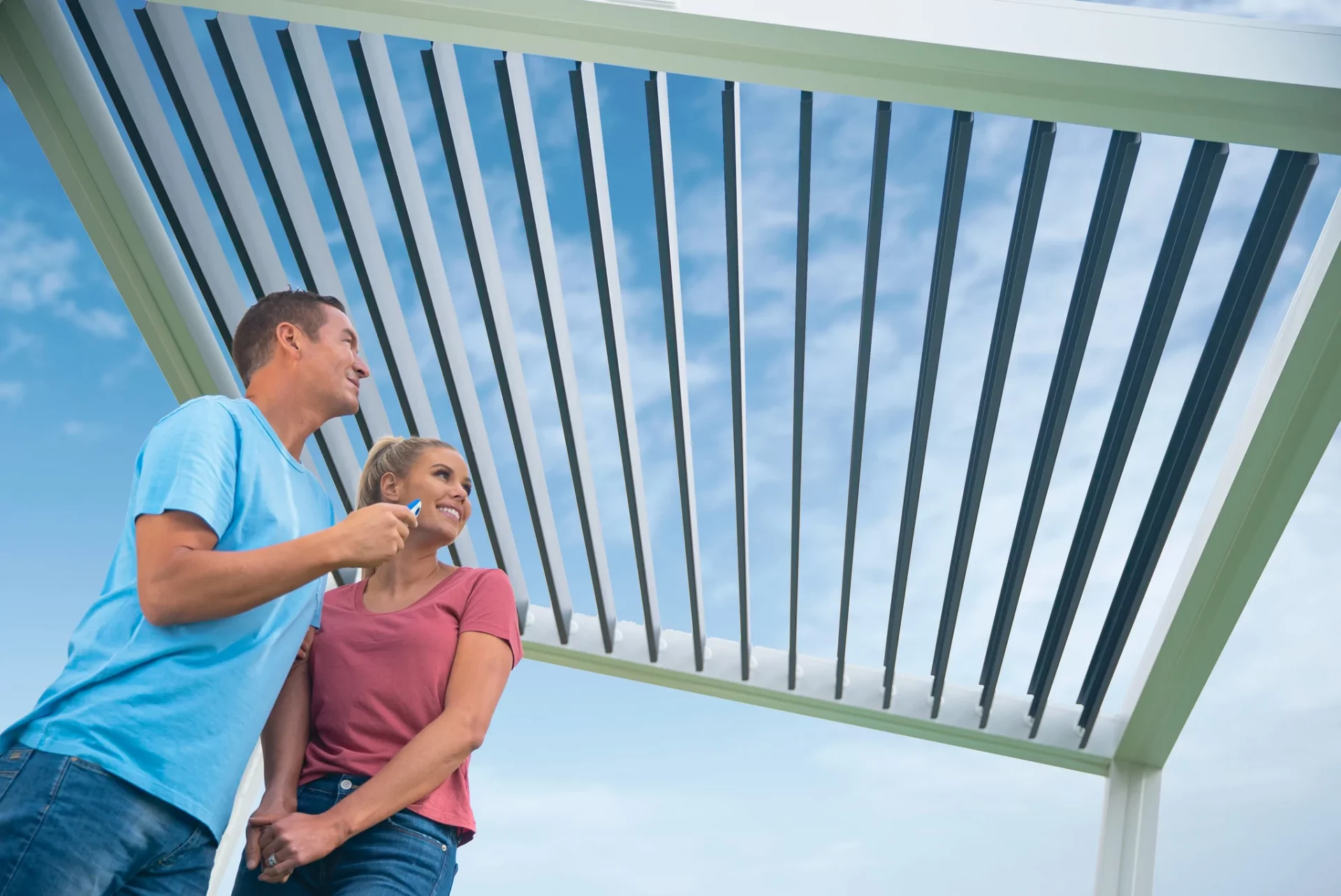
Can I install a pergola or covered structure? Yes—common, but structures must meet Miami-Dade wind codes, resist salt spray and use storm-rated materials; check HOA and historic-preservation approvals.
How does the tree canopy affect outdoor comfort? Dense banyans and tropical landscaping create a cooler microclimate, reducing mechanical cooling; preserve canopy when planning layouts.
Are waterfront properties different for outdoor upgrades? Yes—waterfront lots need corrosion-resistant materials, wind-rated designs, and early verification of dock/berth availability and HOA or marina rules.
Do zoning or historic rules limit outdoor renovations? Yes—NCD2/NCD3 zoning preserves views; historic district rules and City of Miami preservation review can restrict exterior changes.