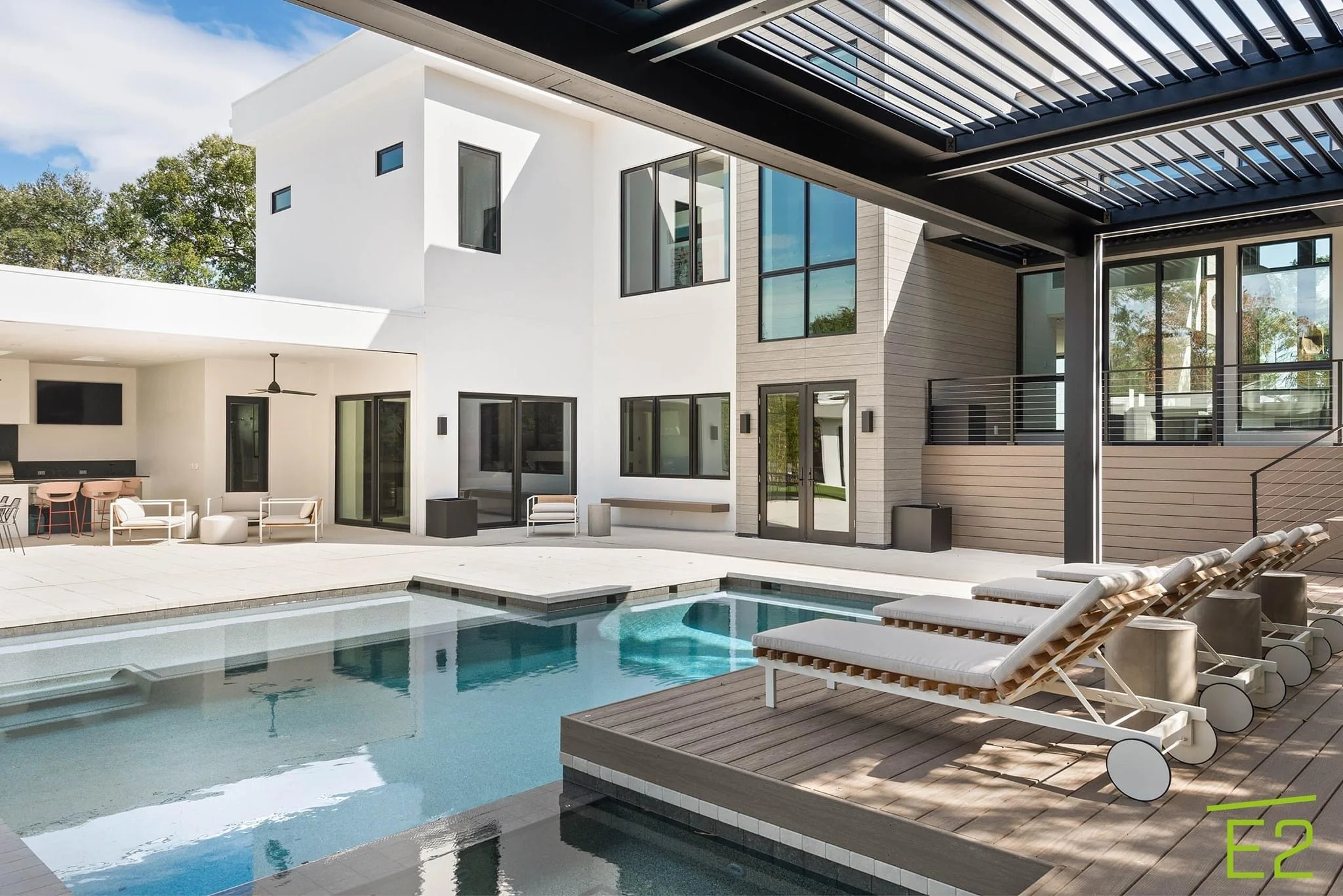
Living Outdoors in Homestead
In Homestead, outdoor living is shaped more by climate and legal homestead limits than by detailed local habits: specific routines aren’t well documented, but the subtropical Zone 9/10a heat, bugs and occasional 40–60 mph wind gusts push homeowners toward shaded, wind-resistant patios, terraces and covered outdoor cooking or dining areas that can be used year-round. Municipal homestead rules limiting qualifying contiguous land to roughly 0.5 acre influence backyard scale and encourage efficient use of space for single-family, mobile or modular homes. General Florida homesteading practices often carry over—food gardening, permaculture beds or compact food-forest plantings, water-aware landscaping and resilient structures—while balconies or waterfront spots, where present, are adapted for shaded relaxation and daylight routines that integrate outdoor chores and informal living into daily life.
Outdoor Activities, Amenities, and Lifestyle Patterns
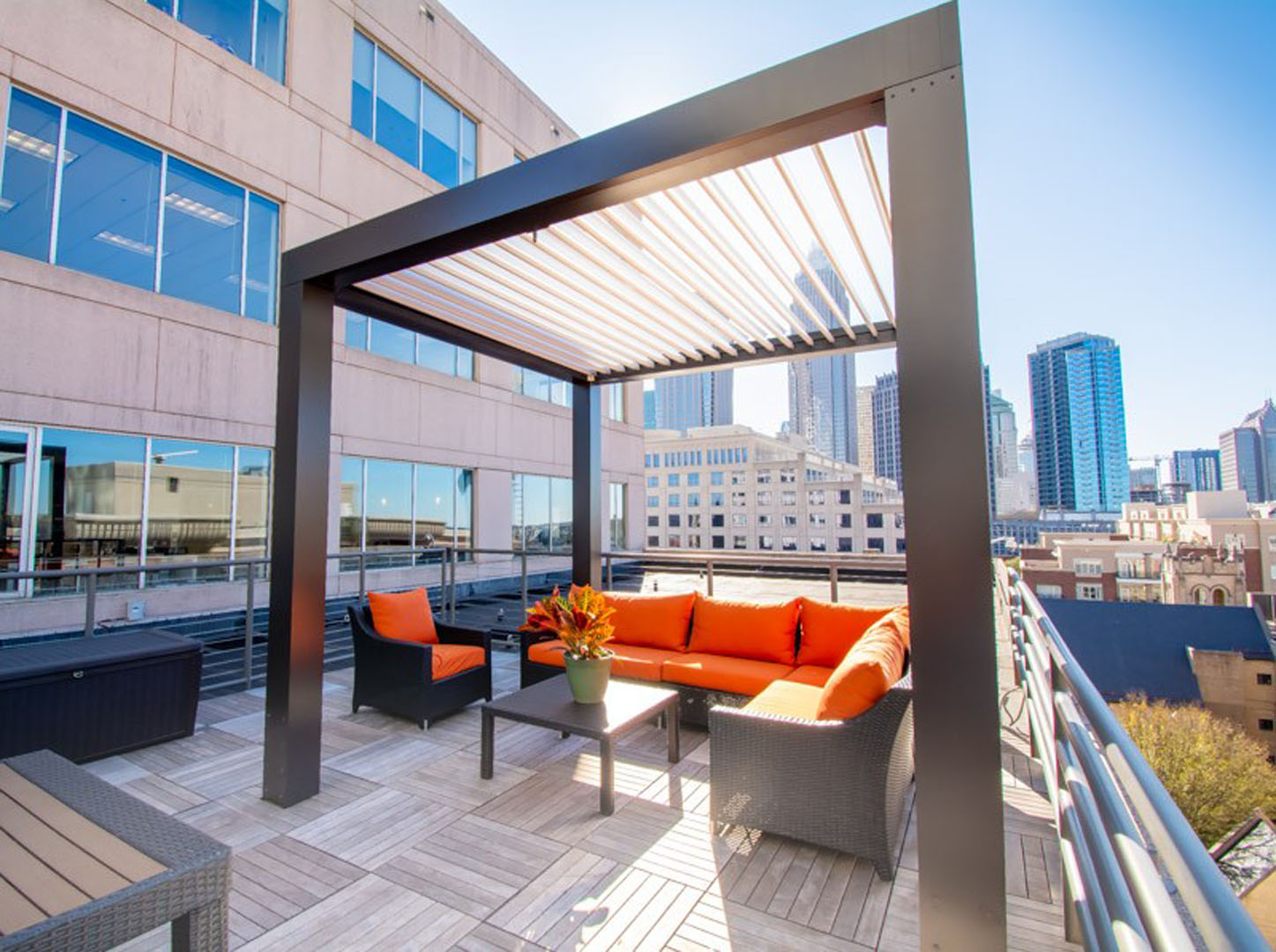
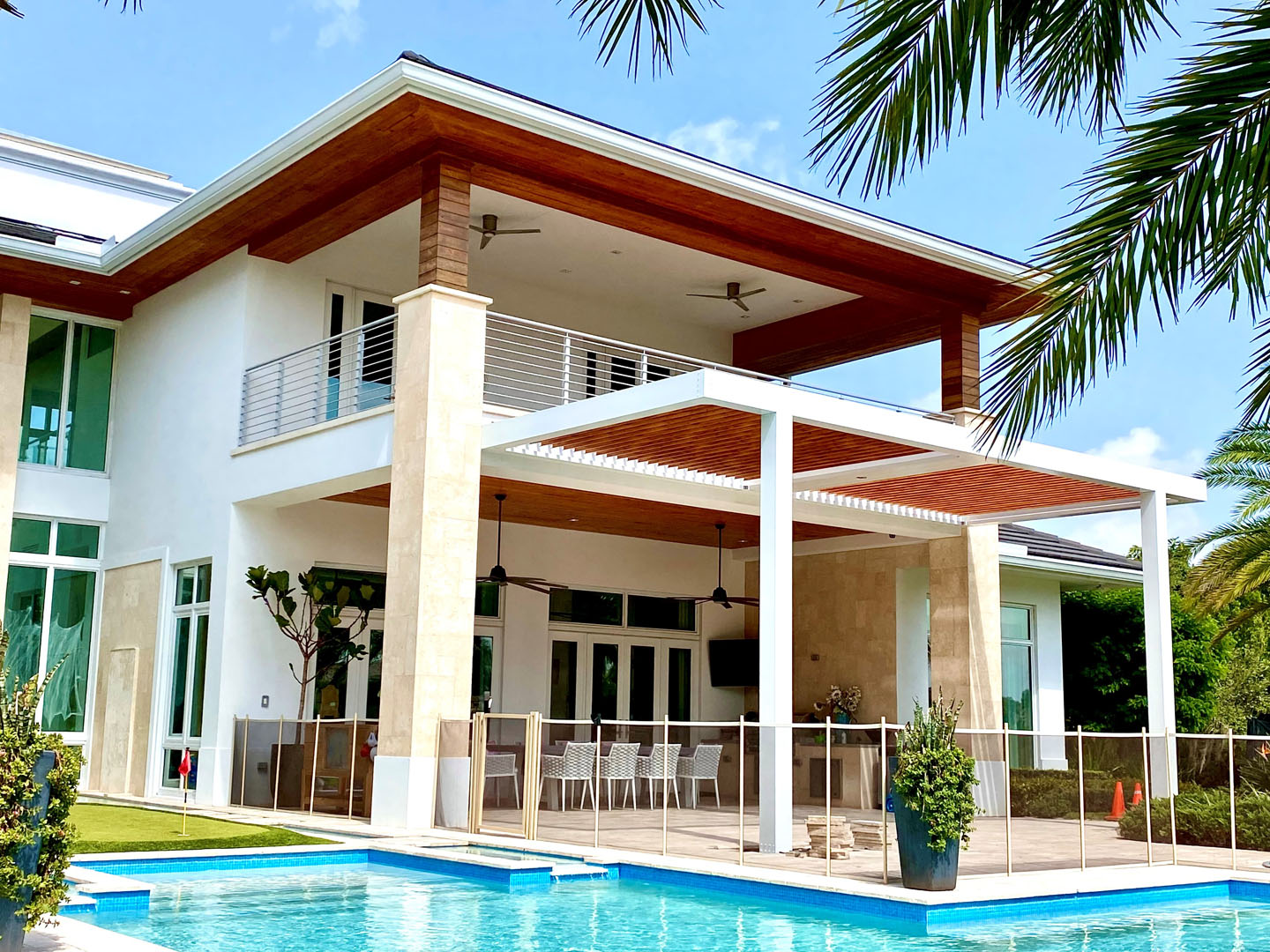
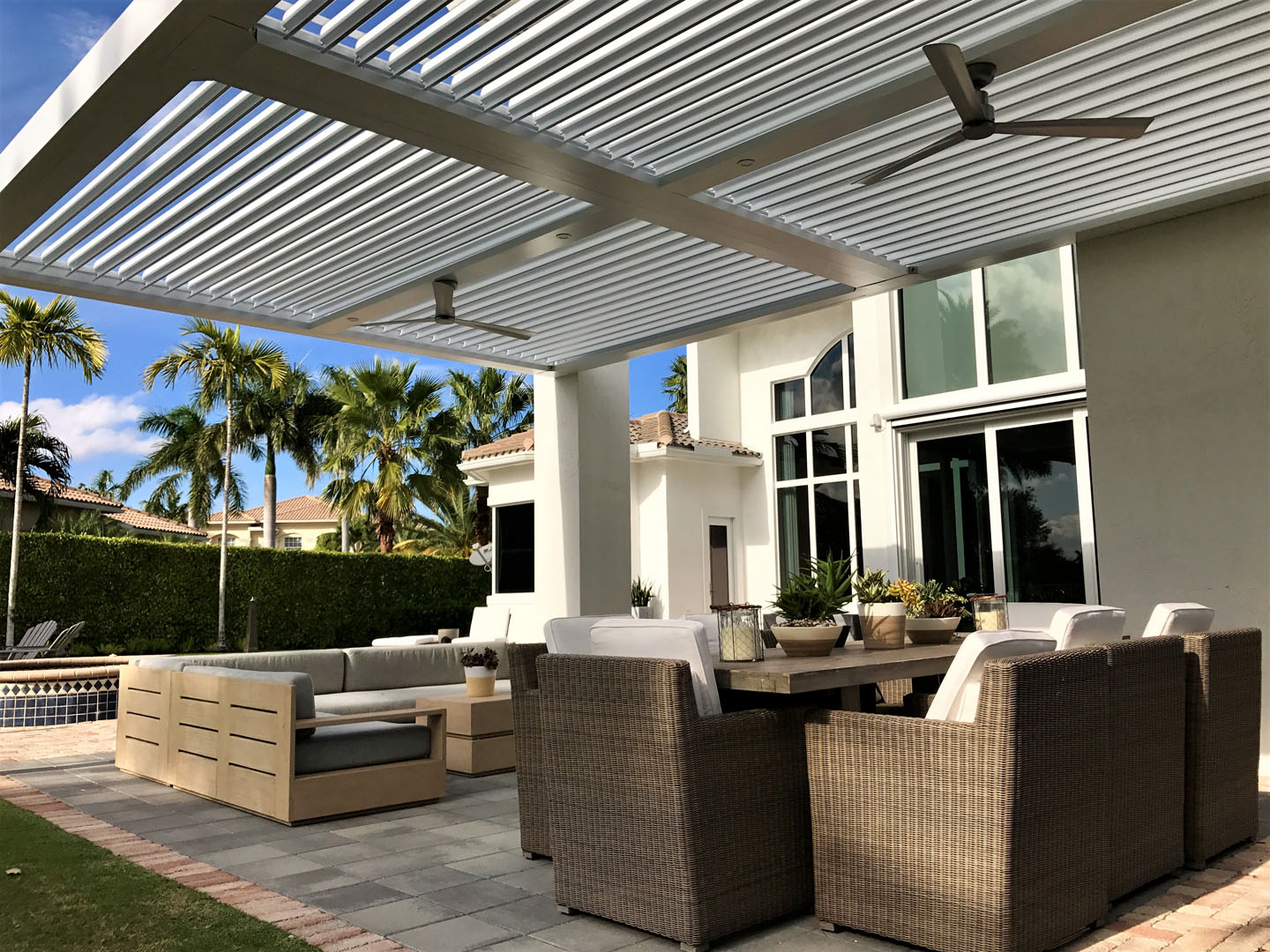
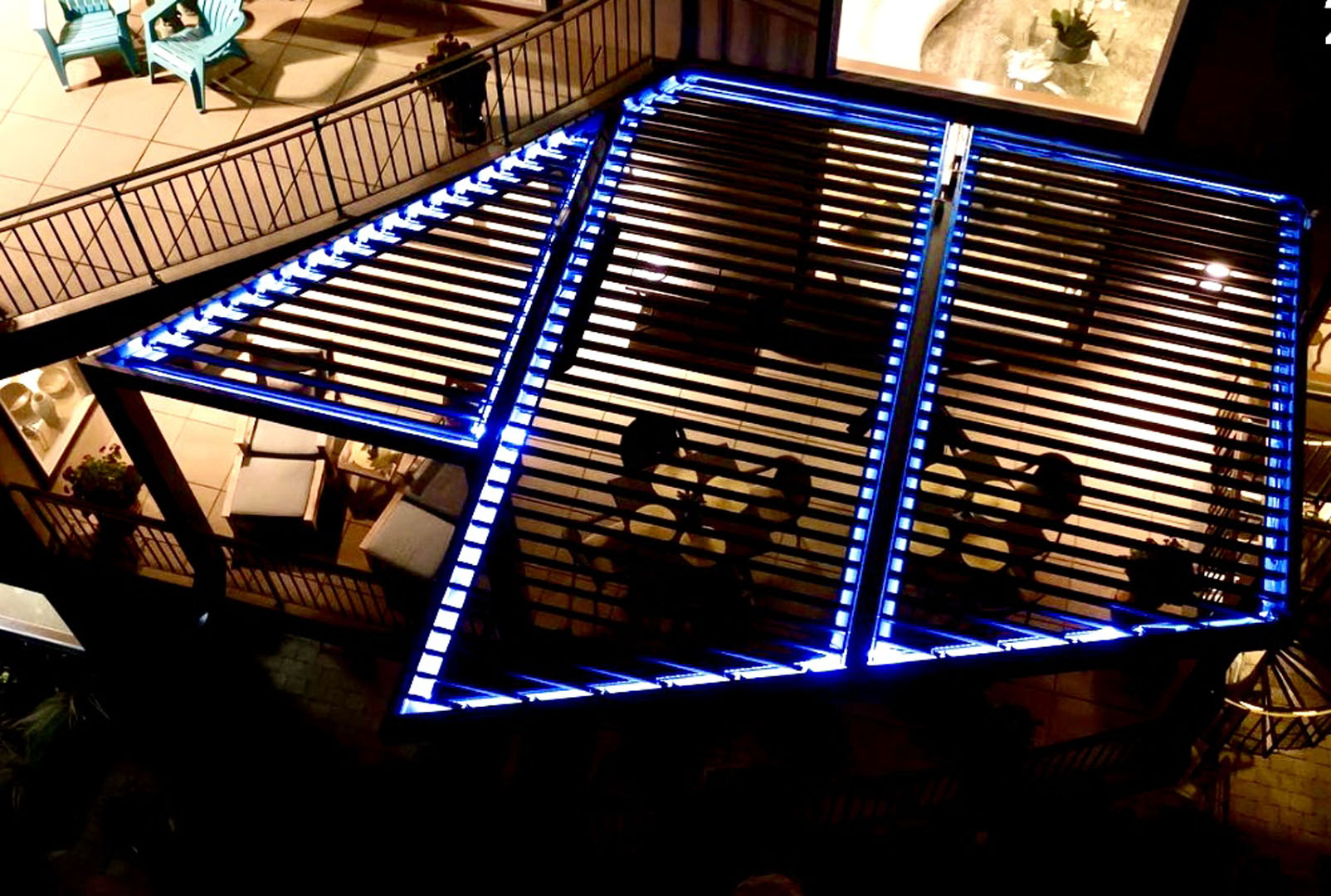
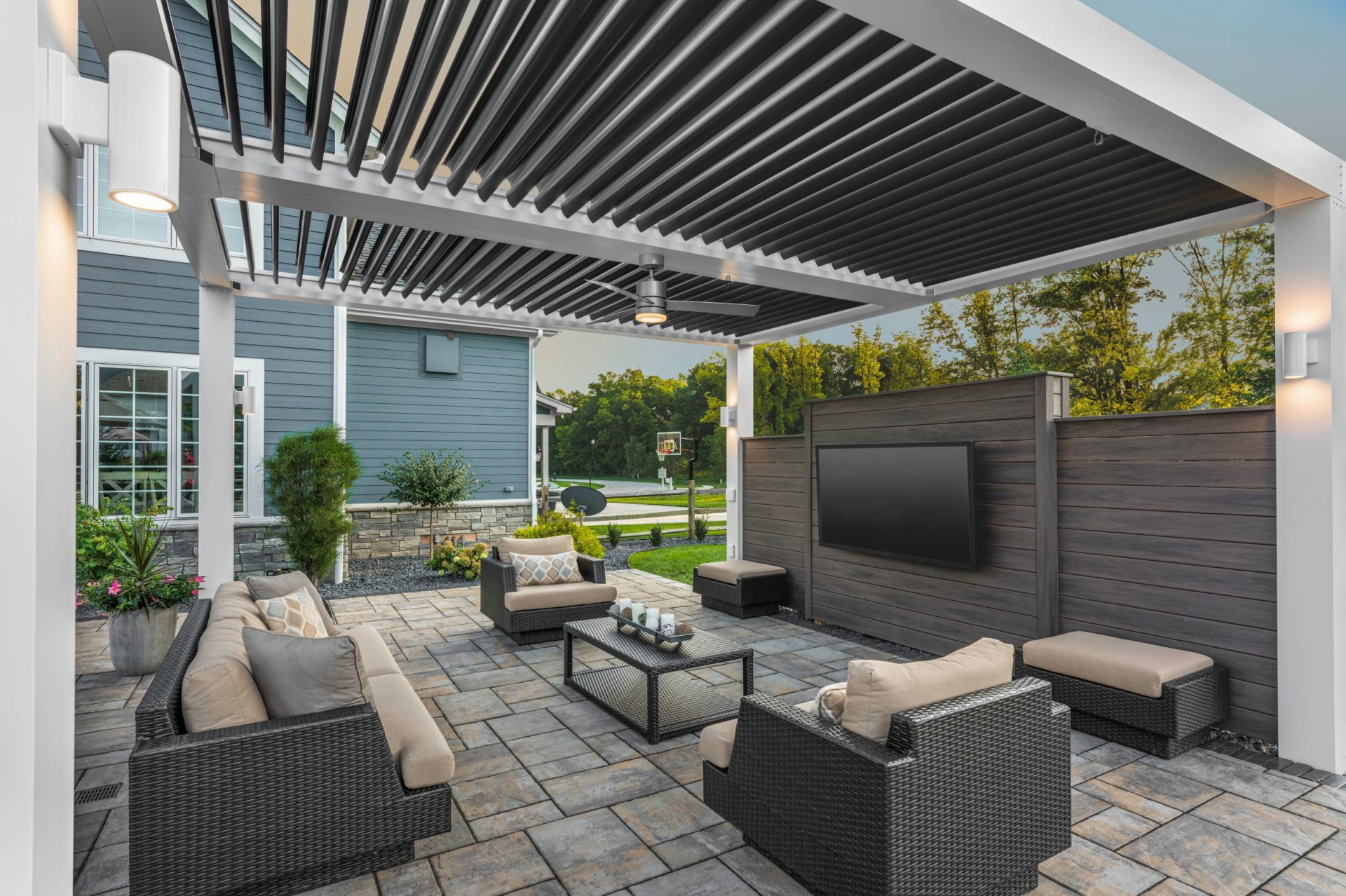
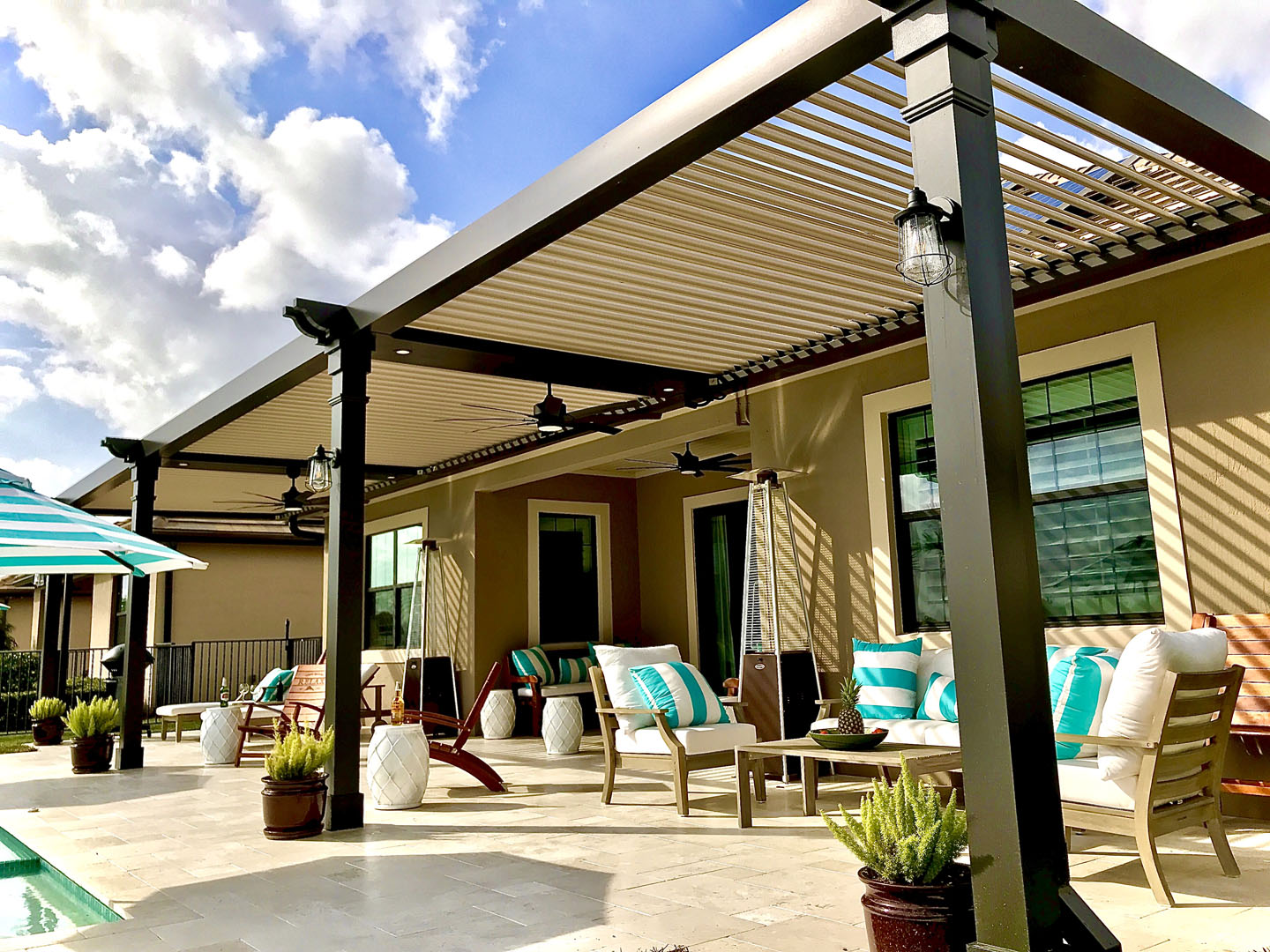
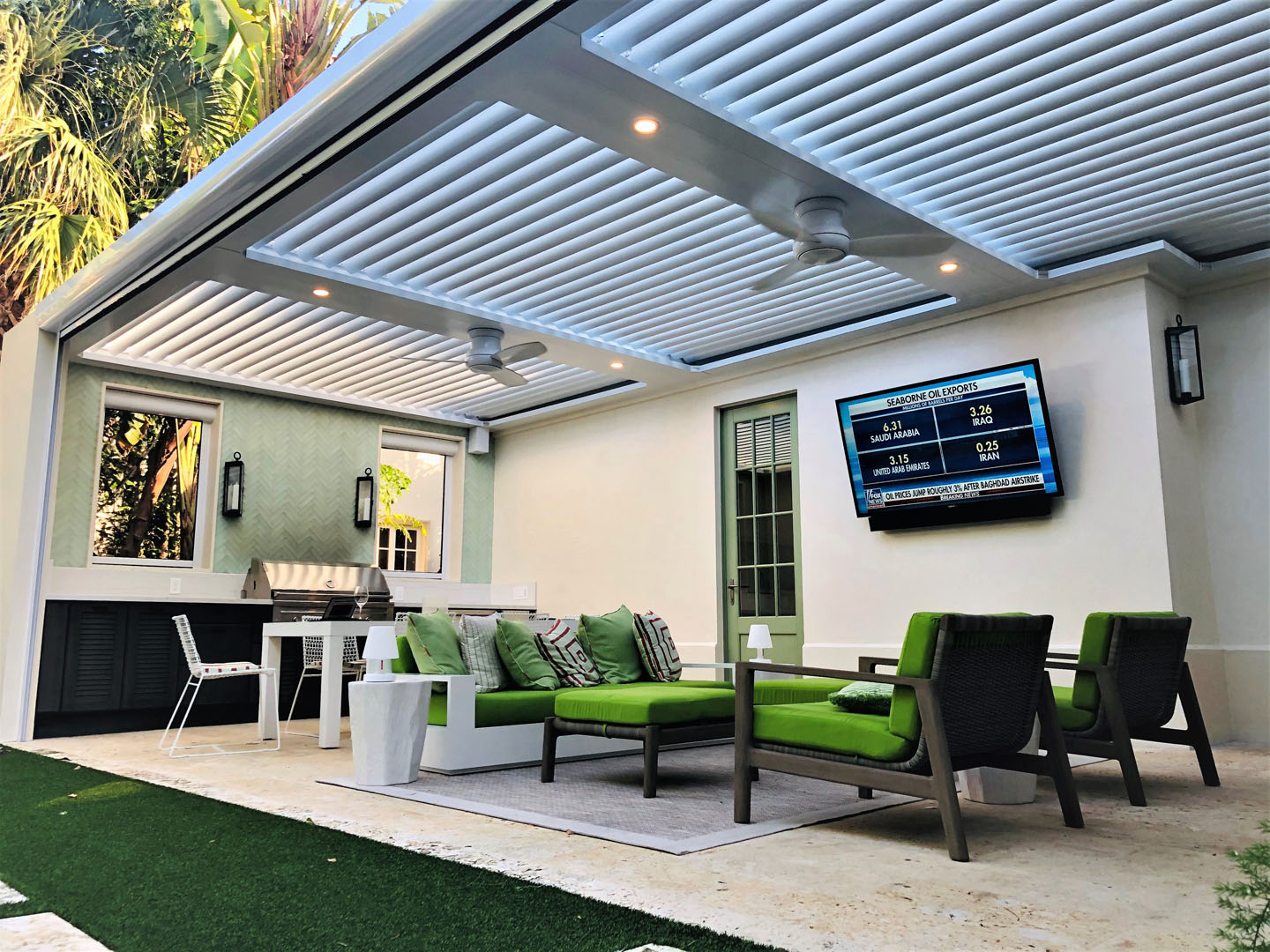
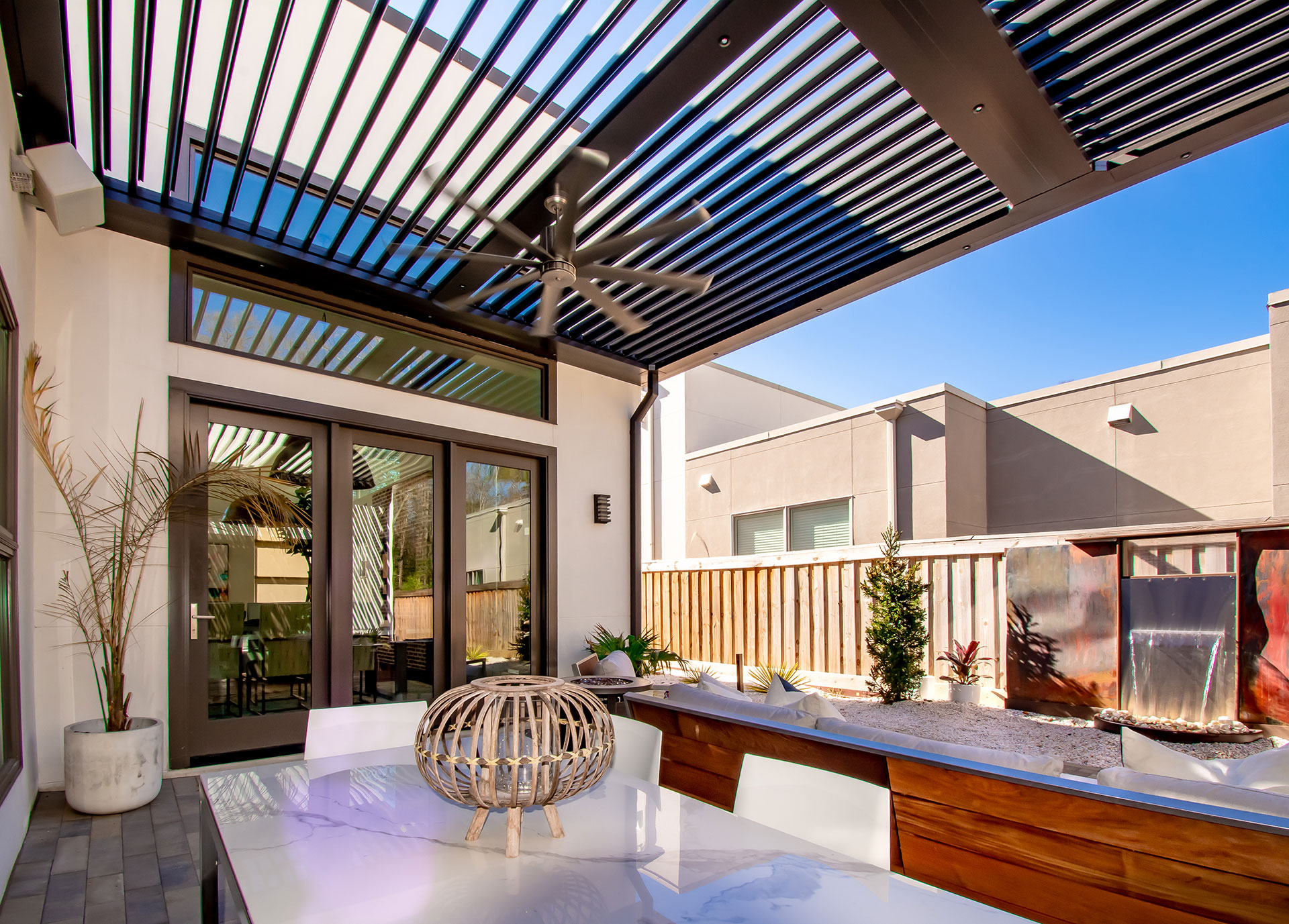
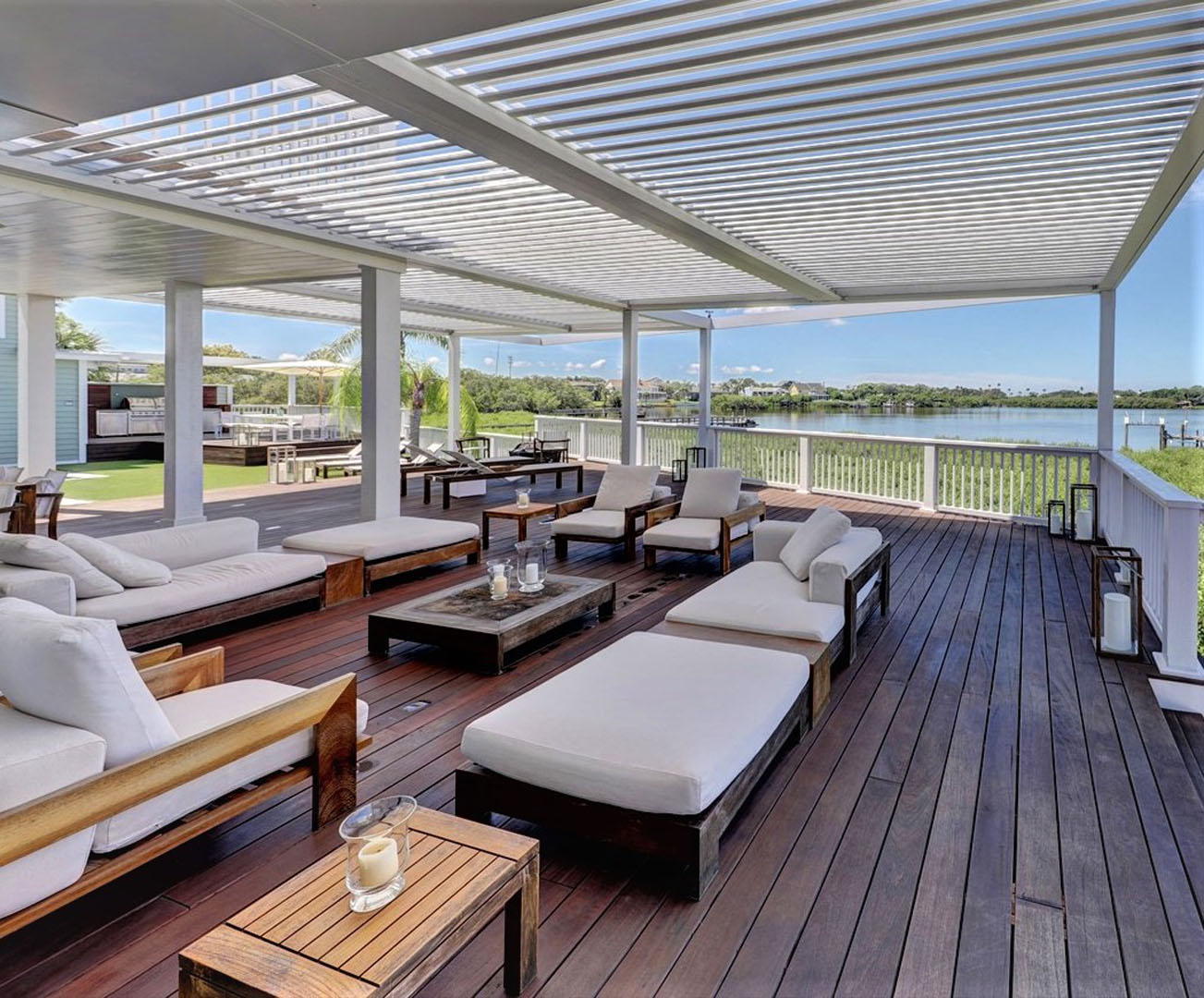
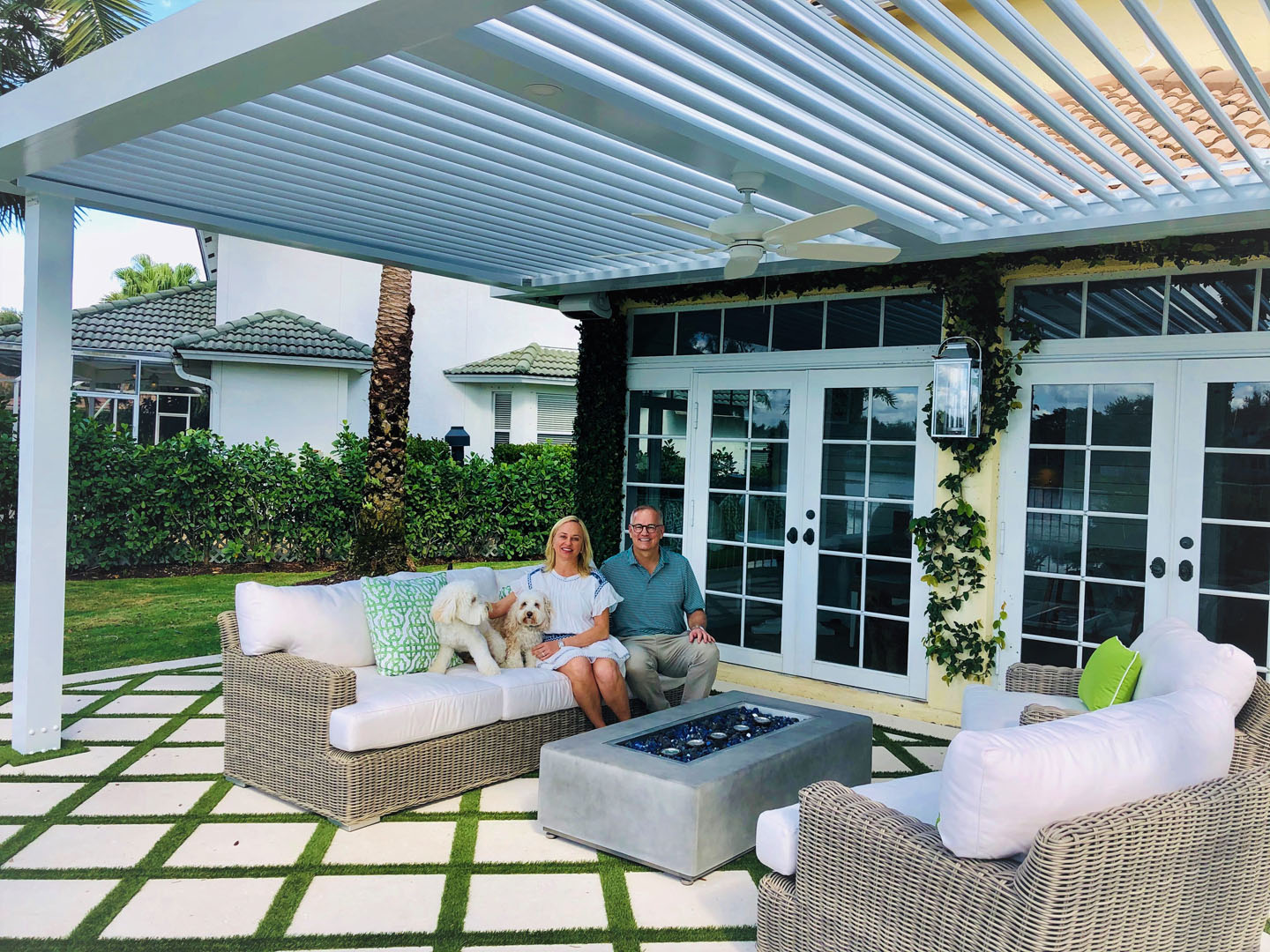
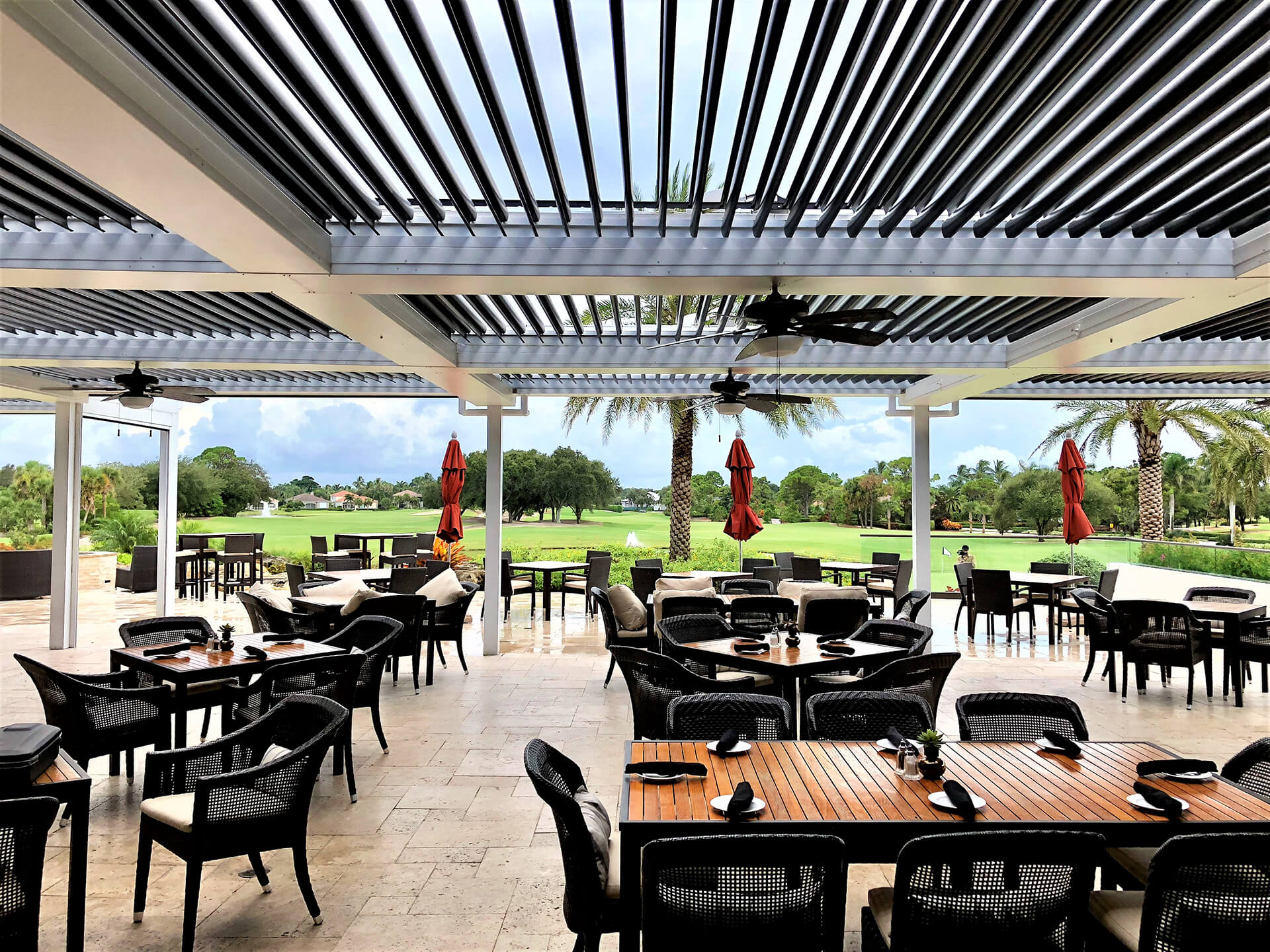
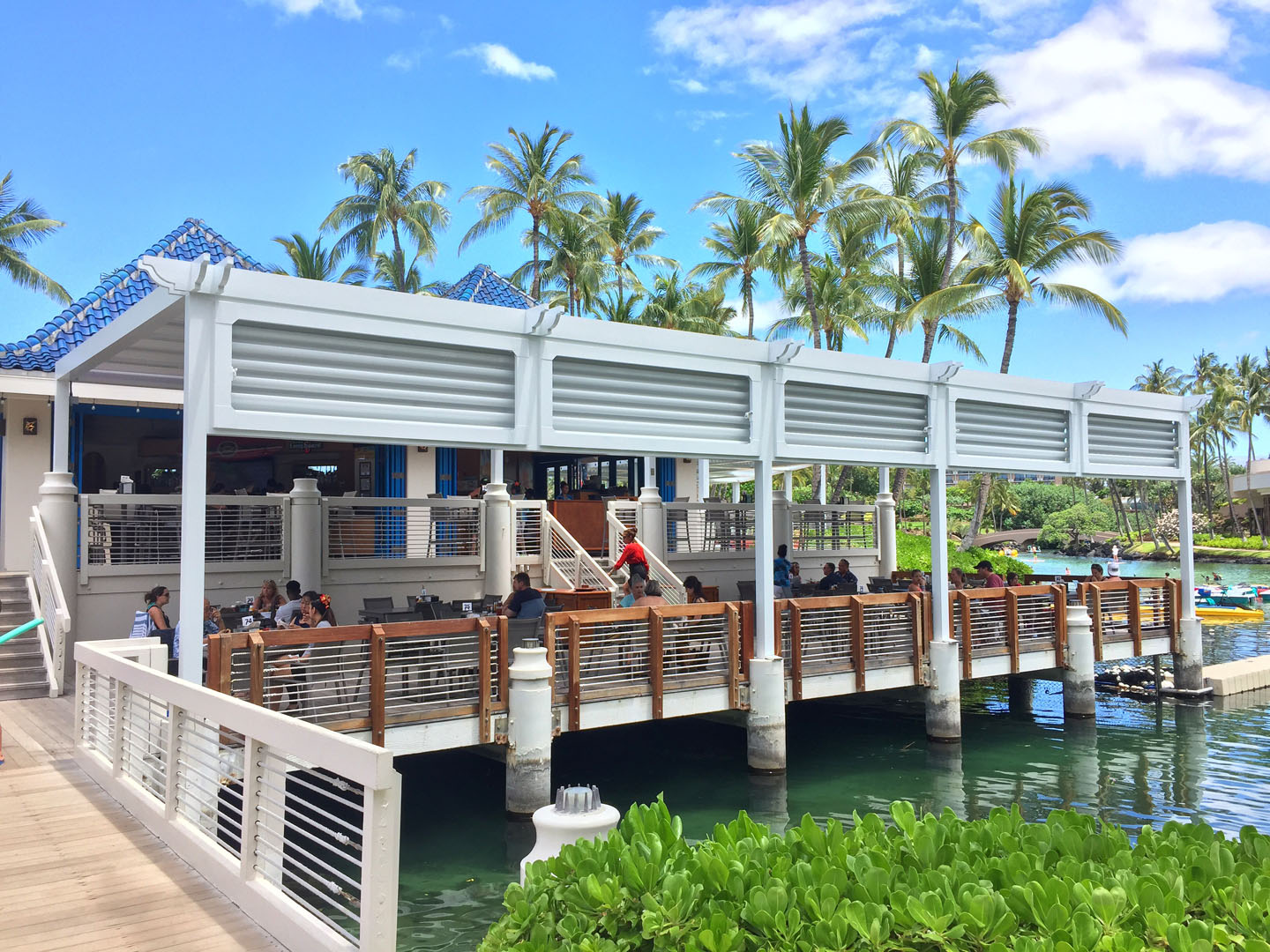
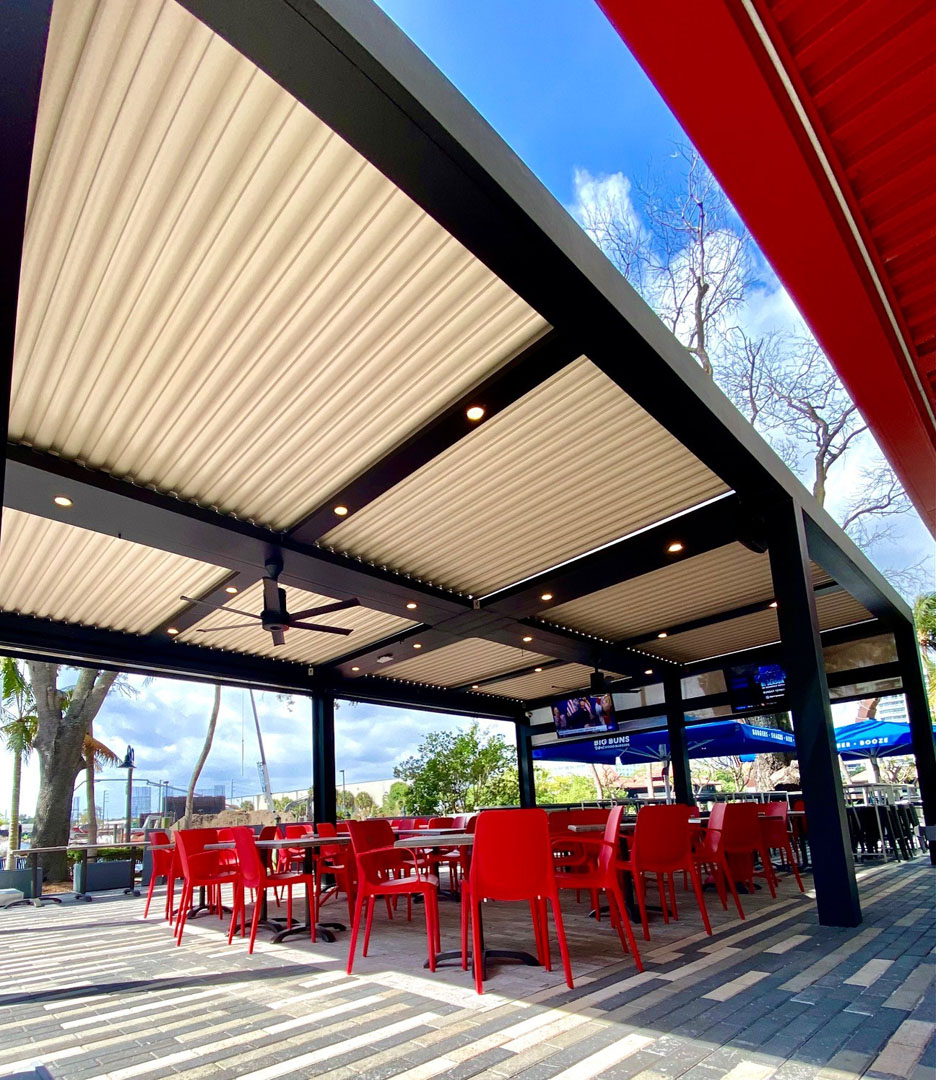
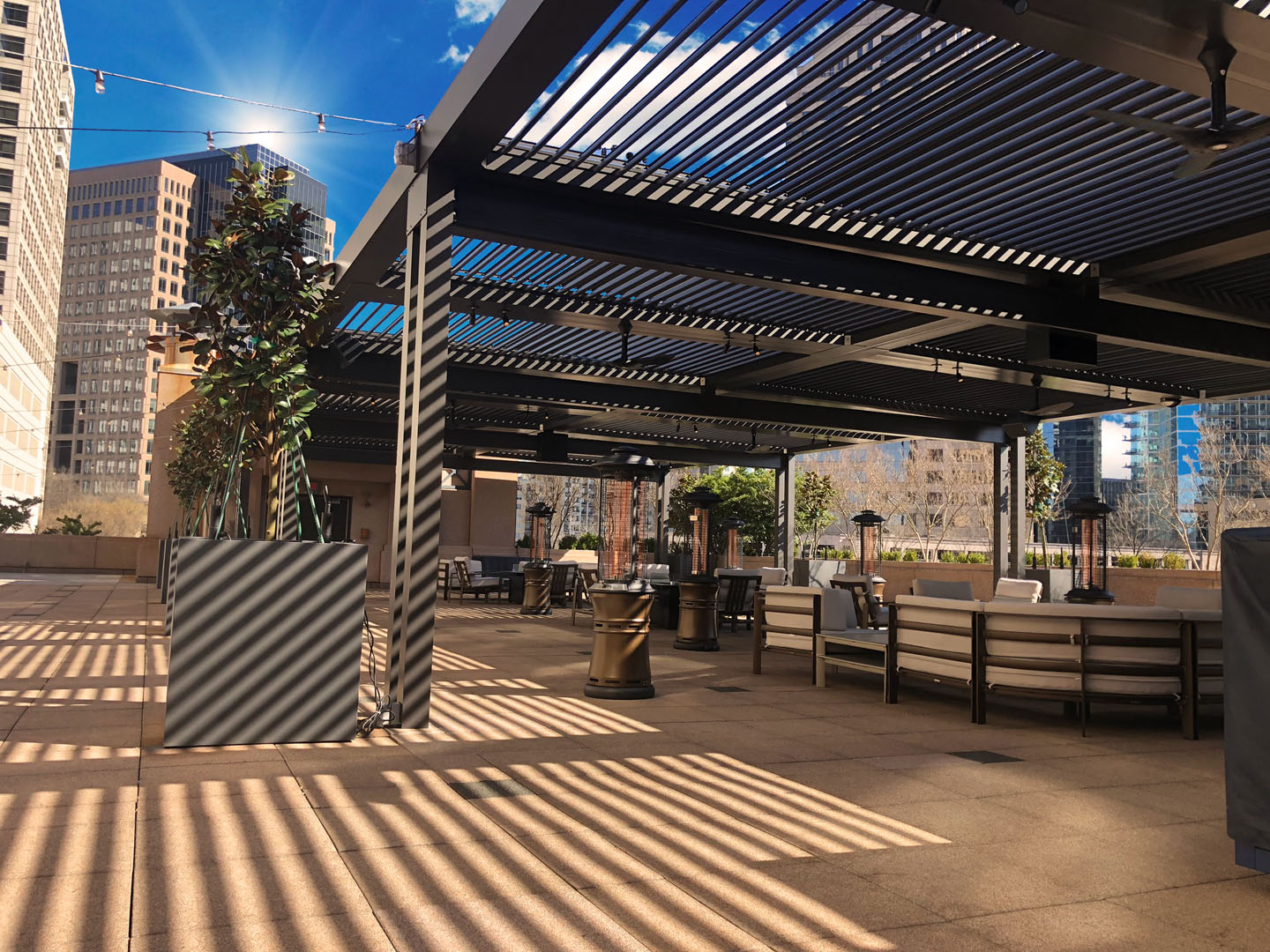
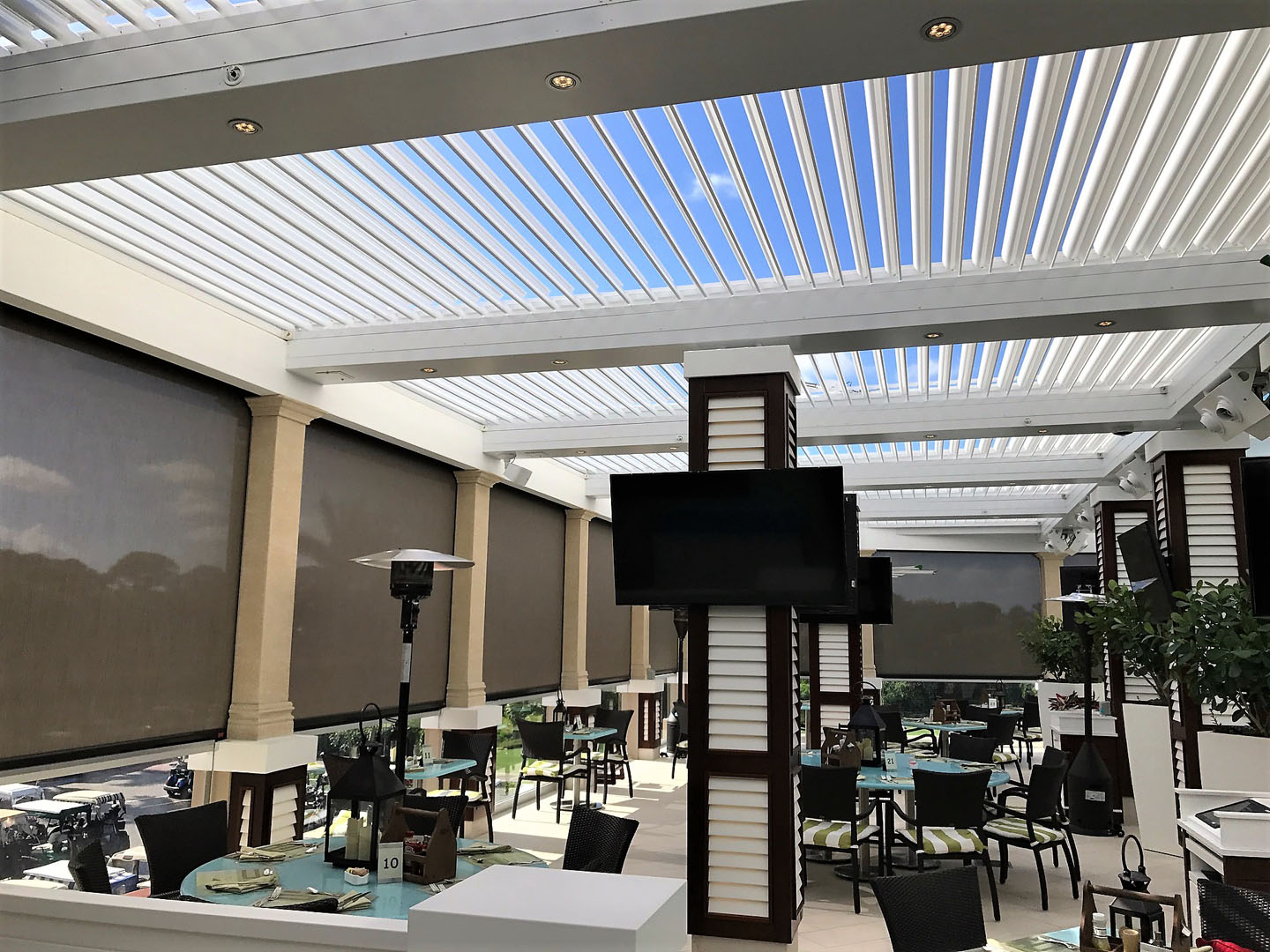
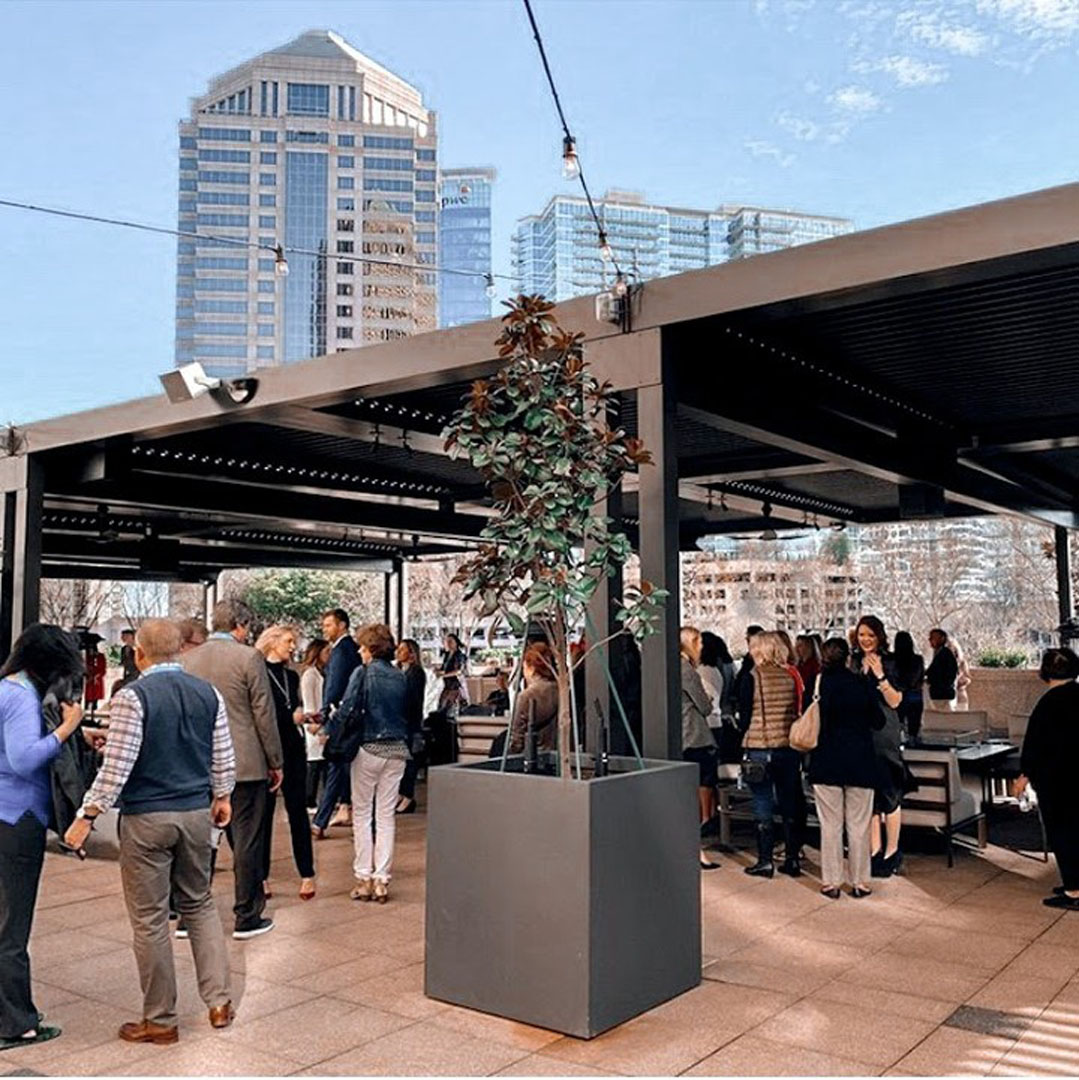
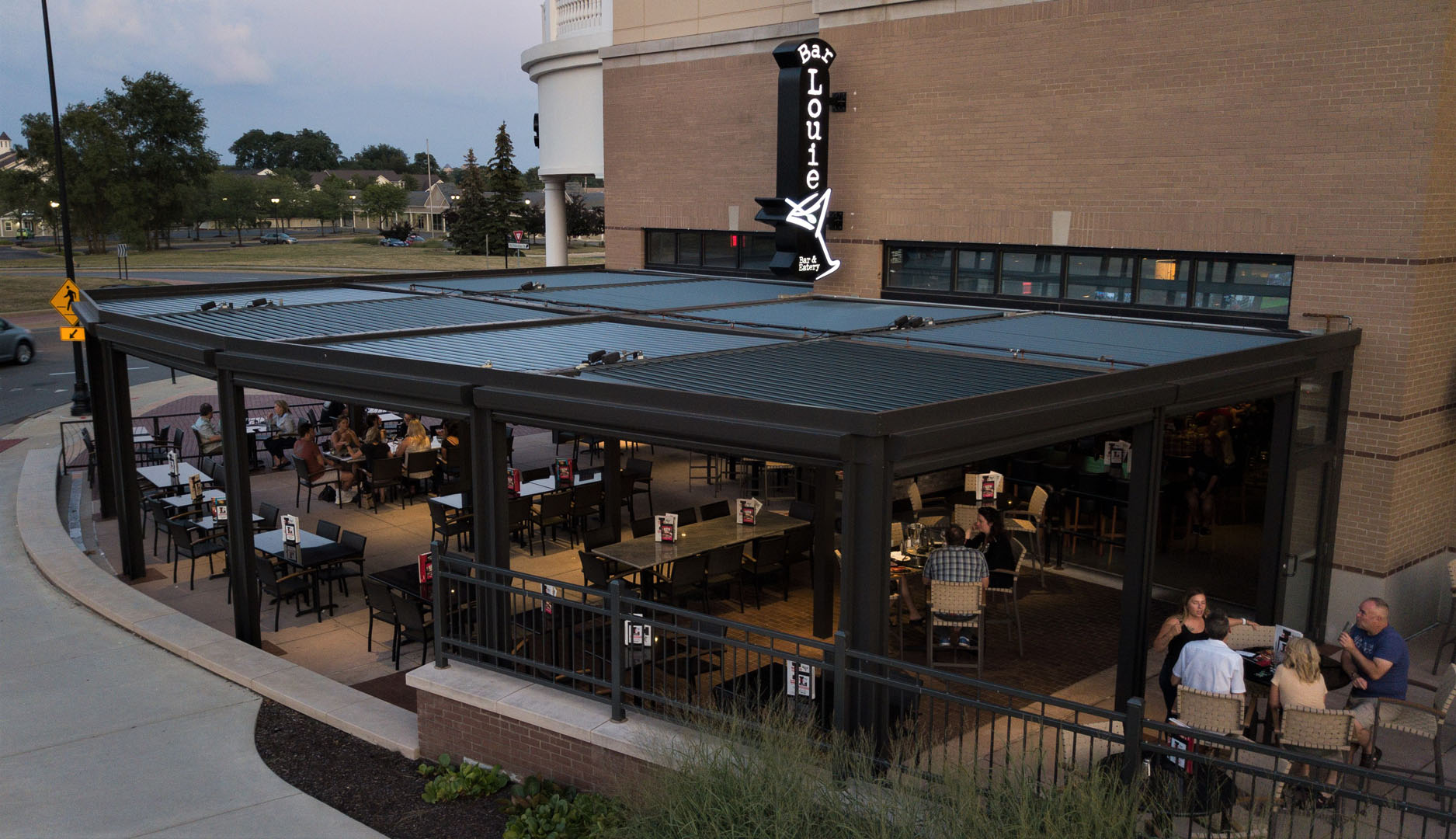
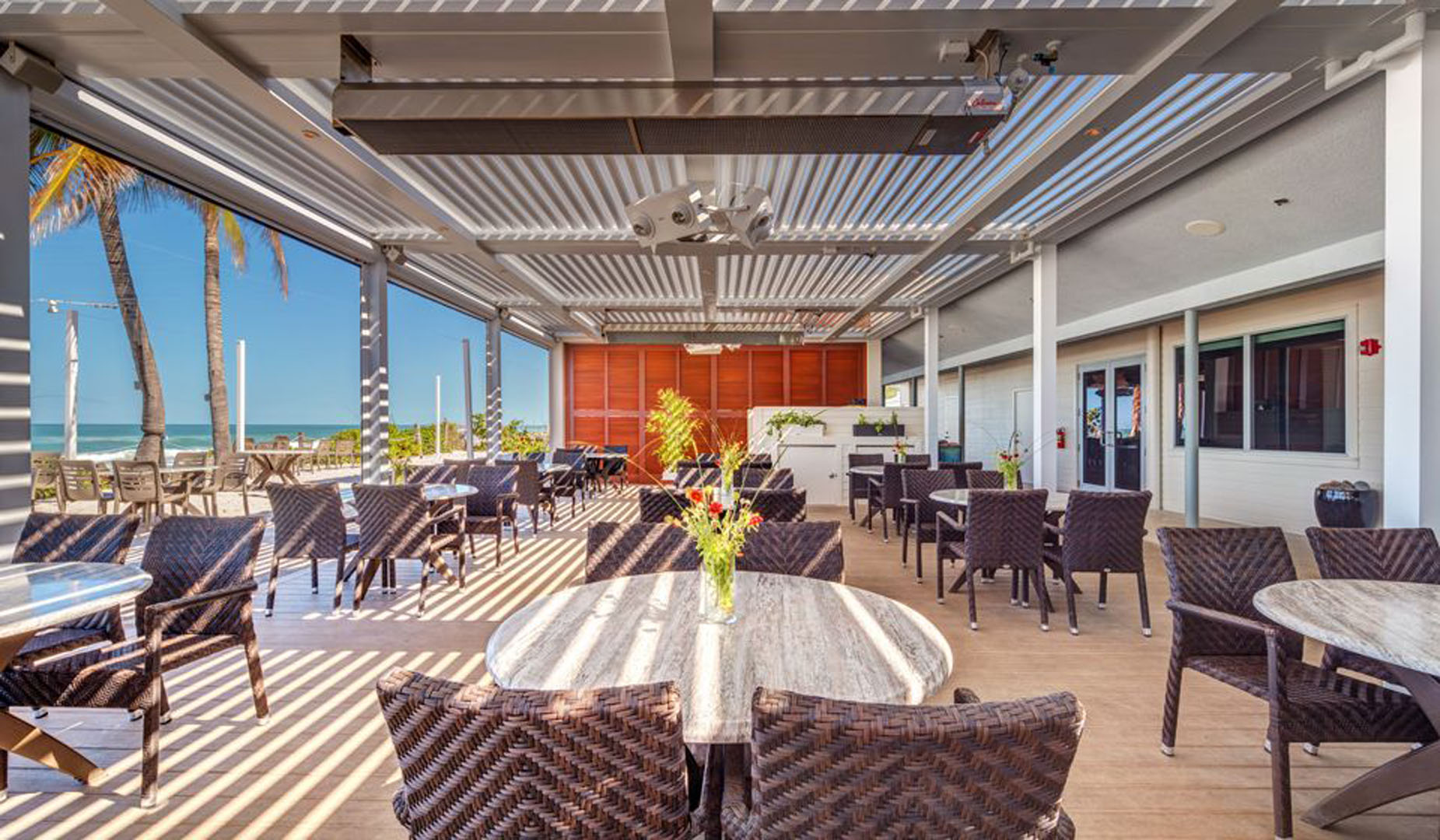
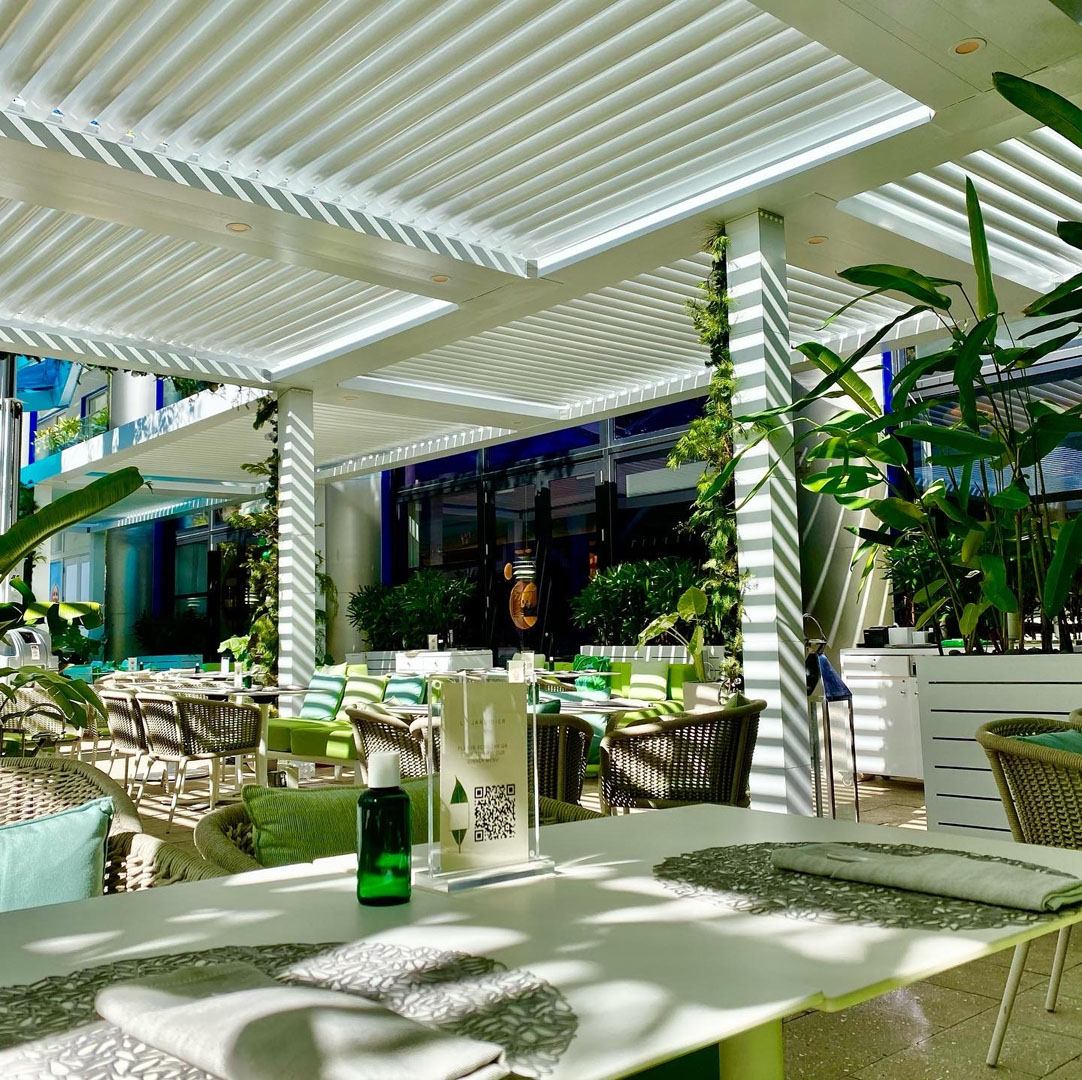
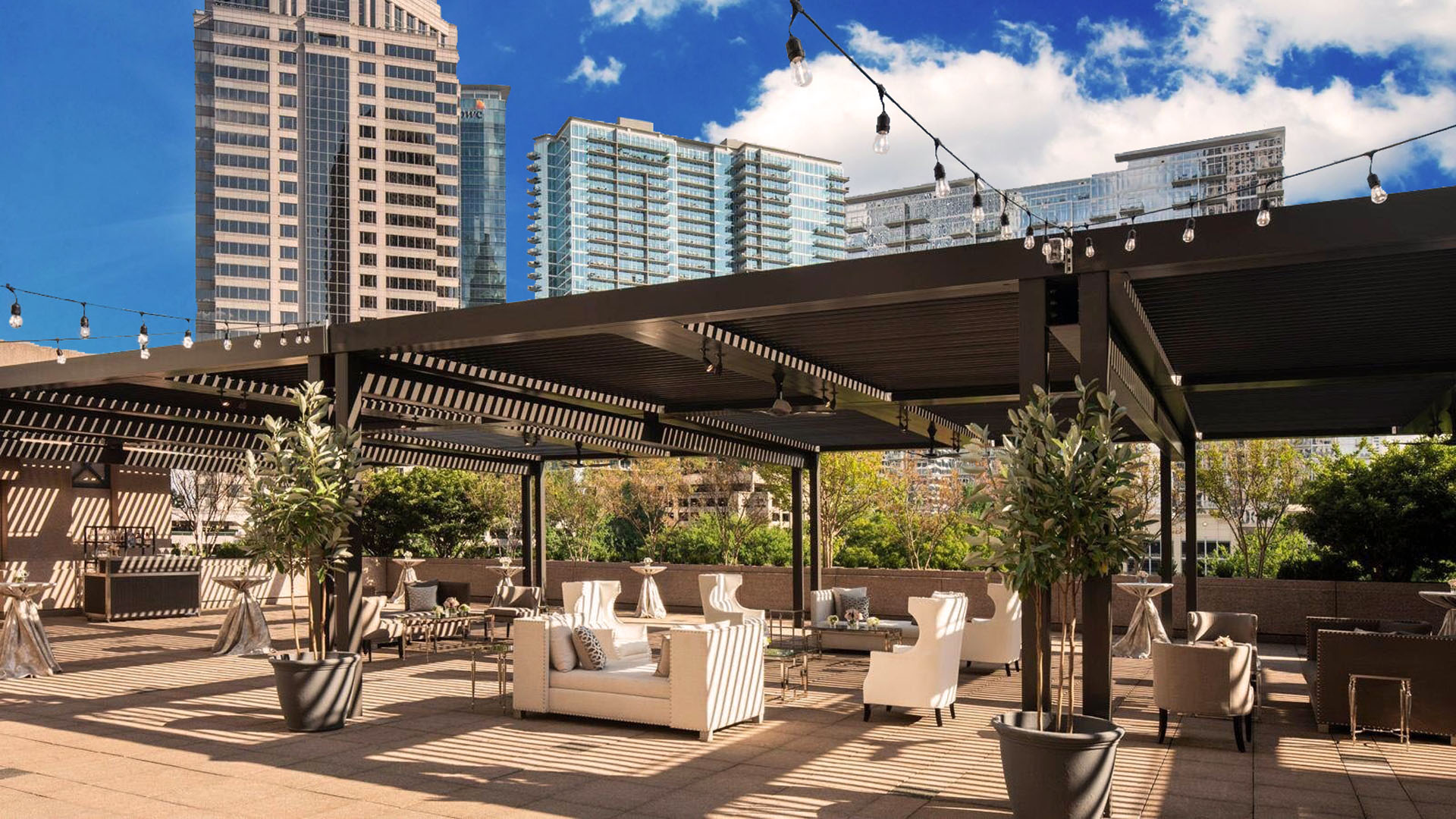
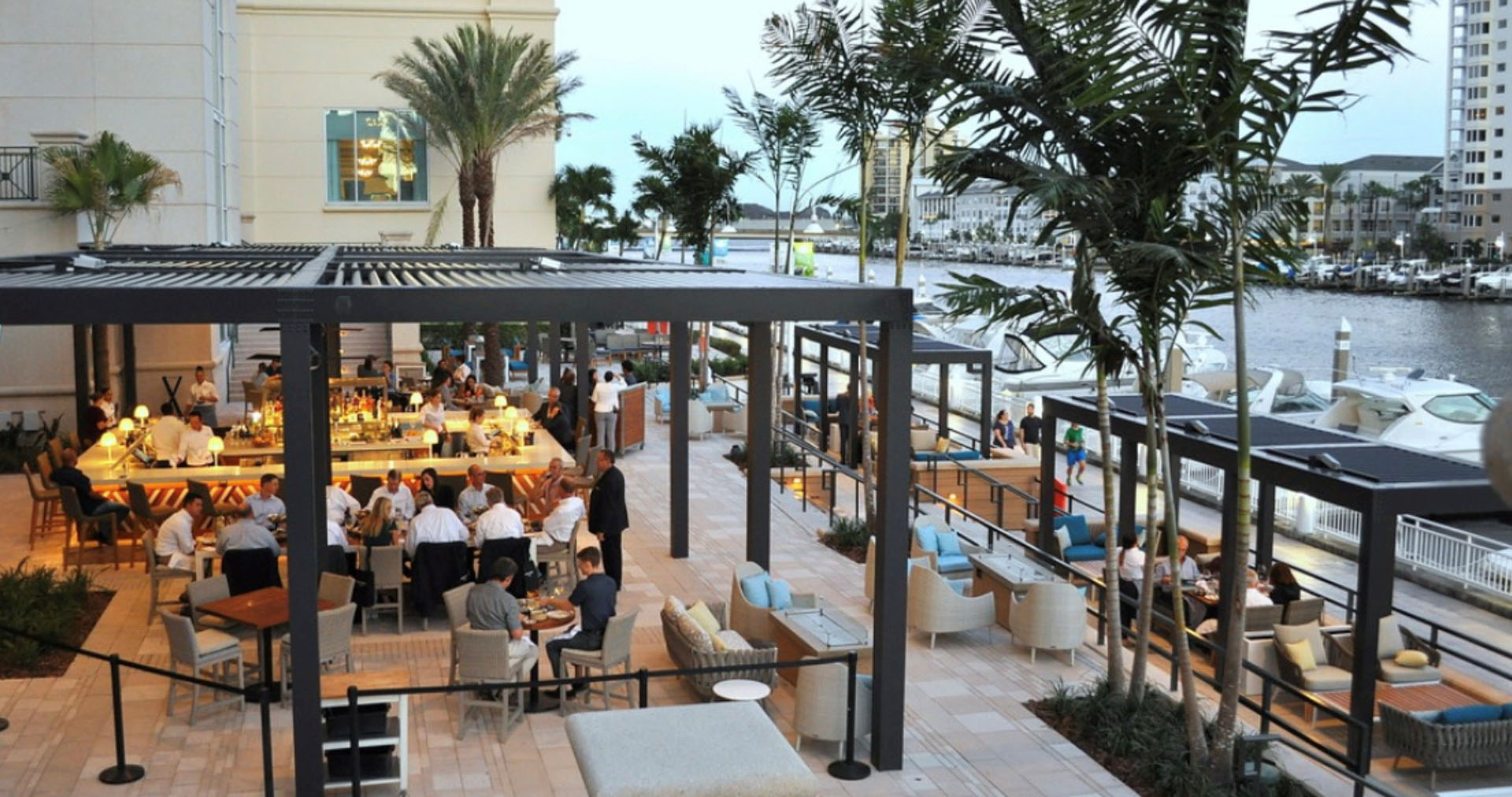
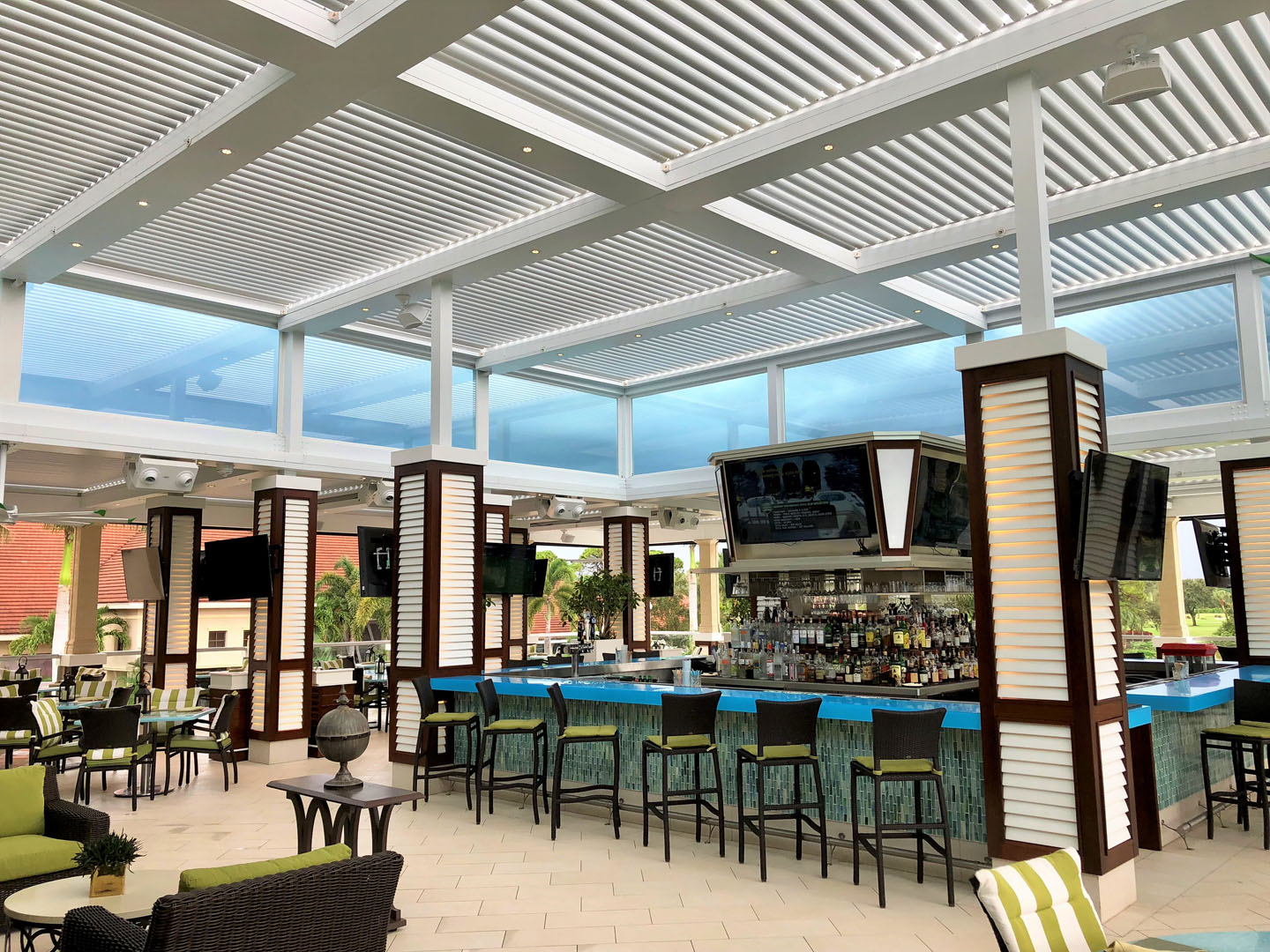
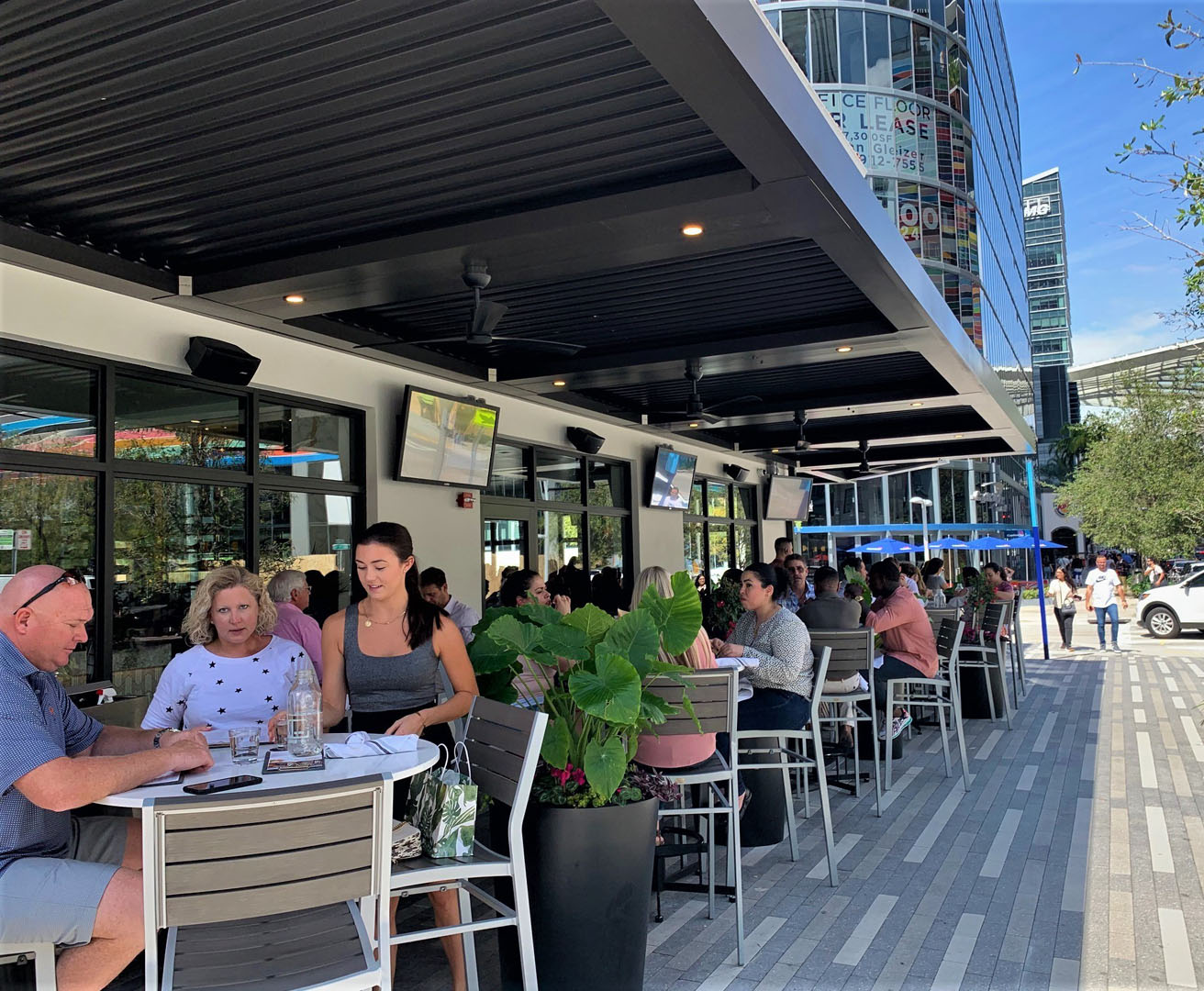
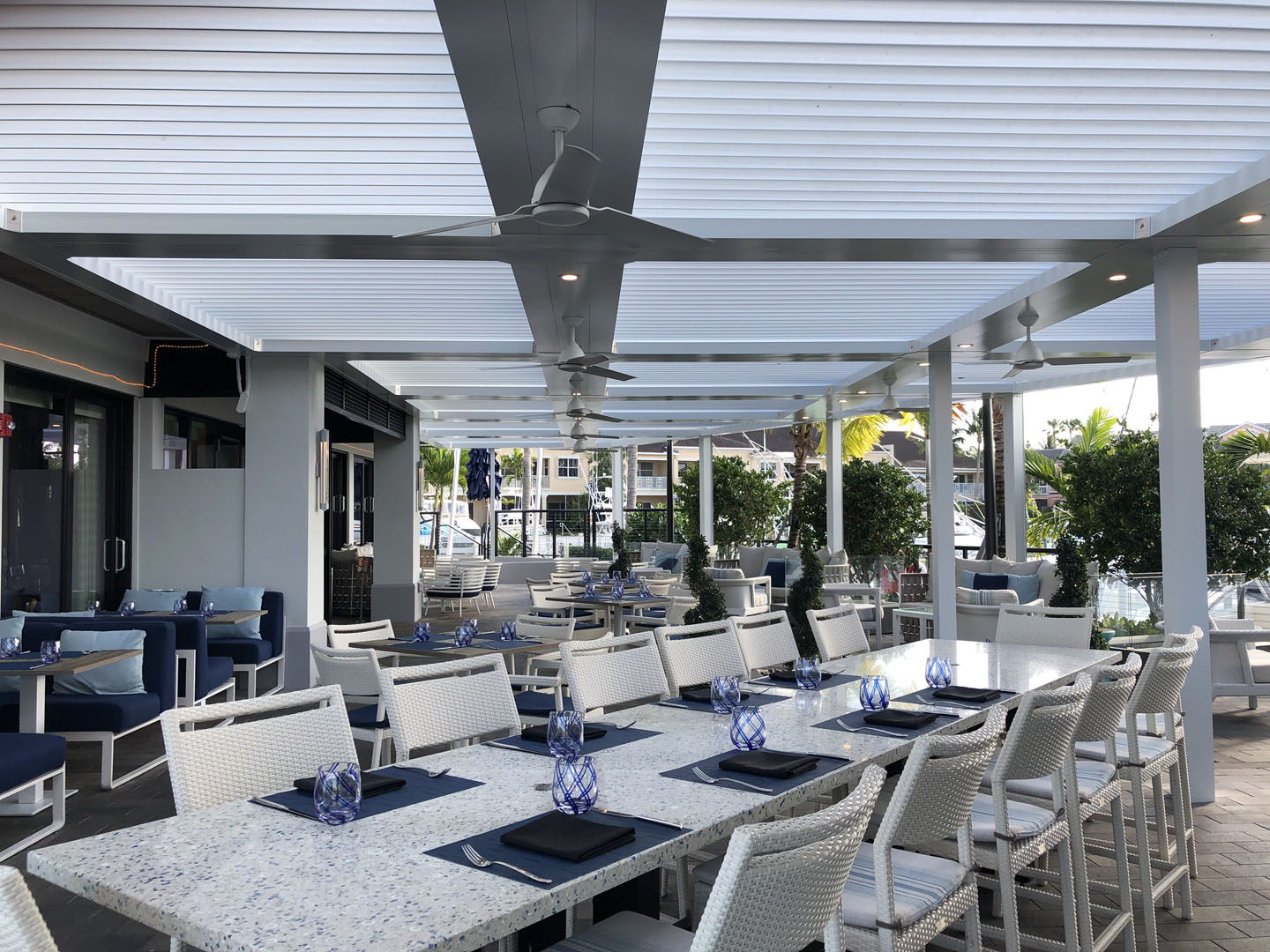
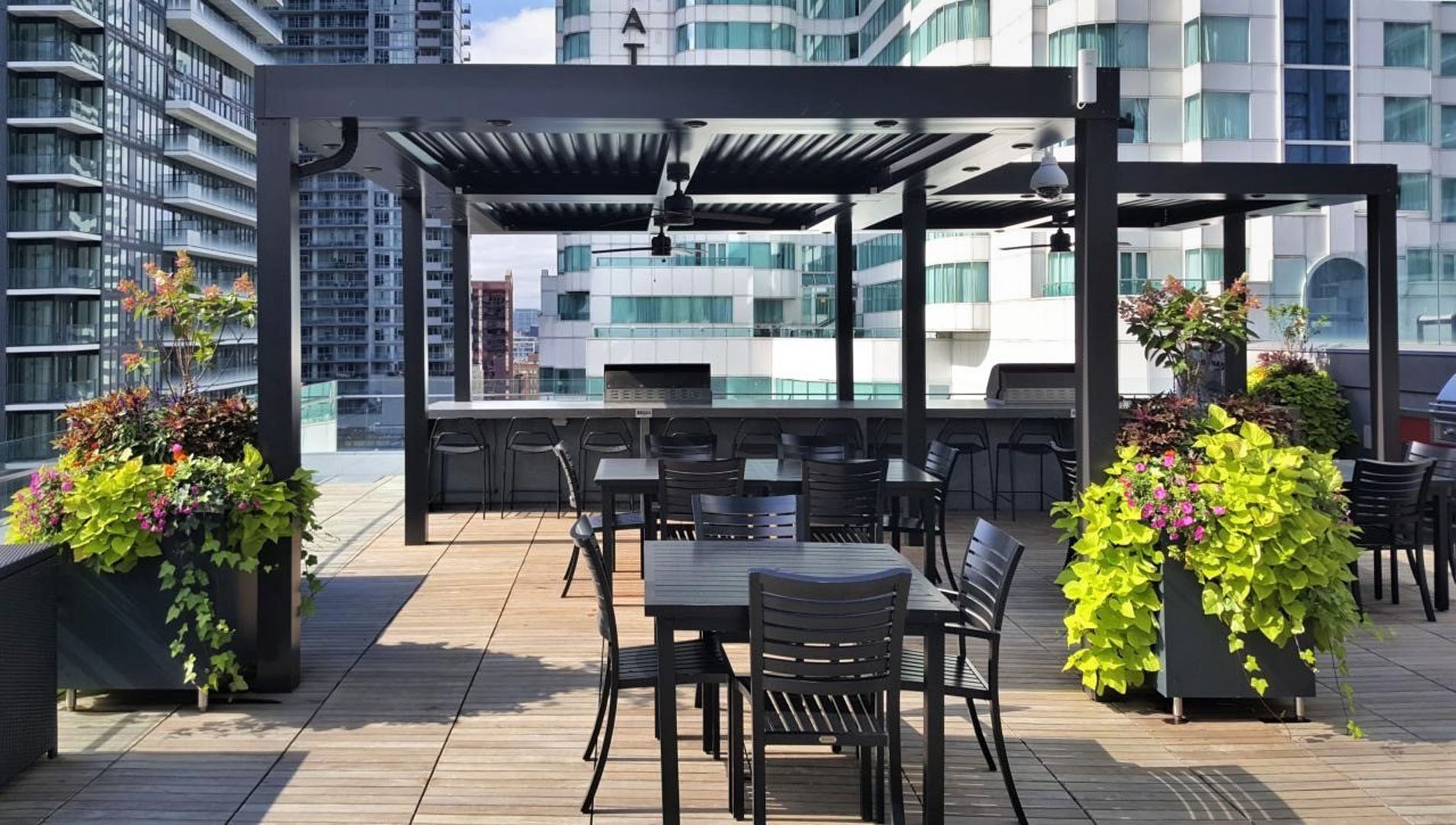
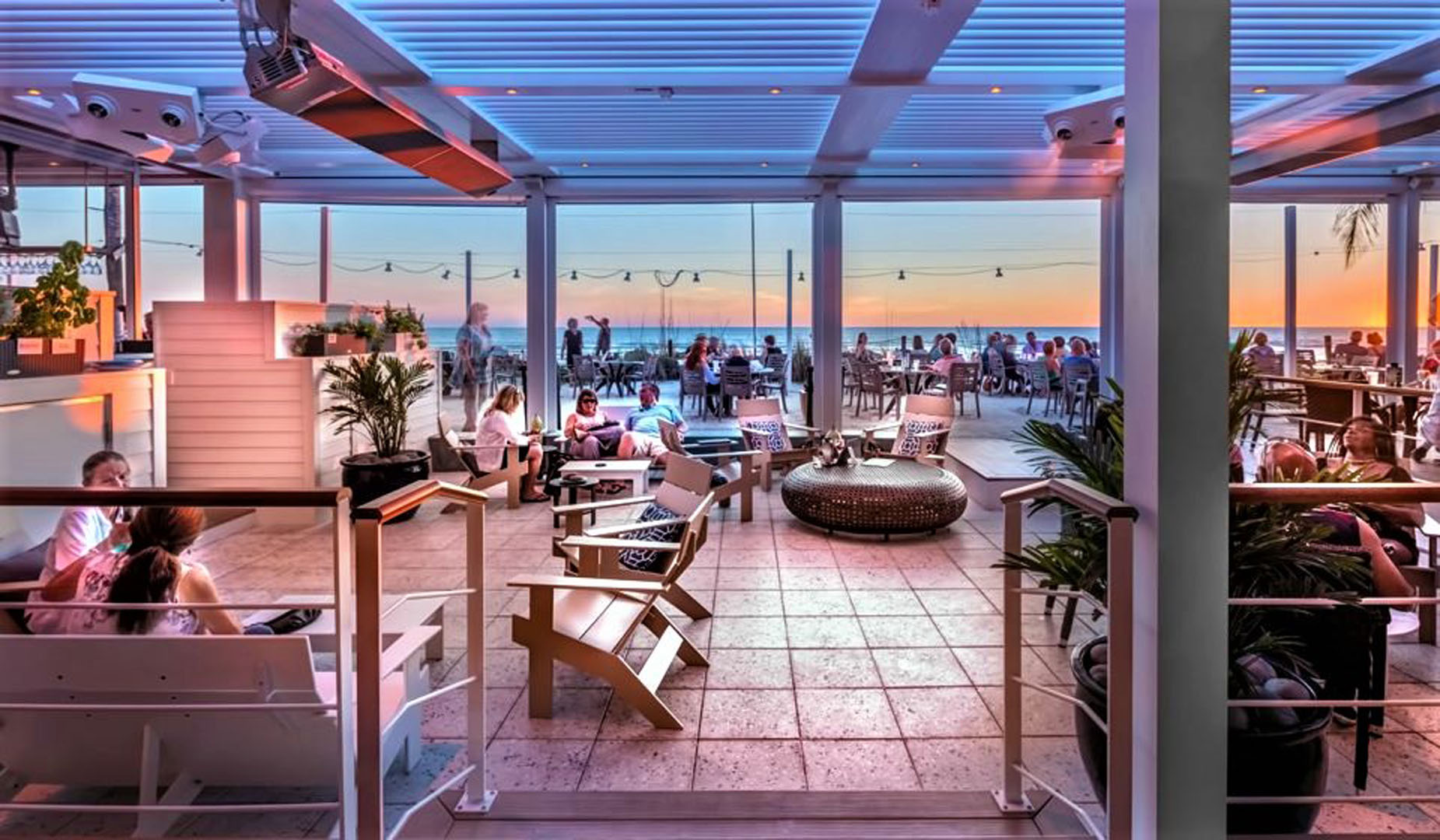
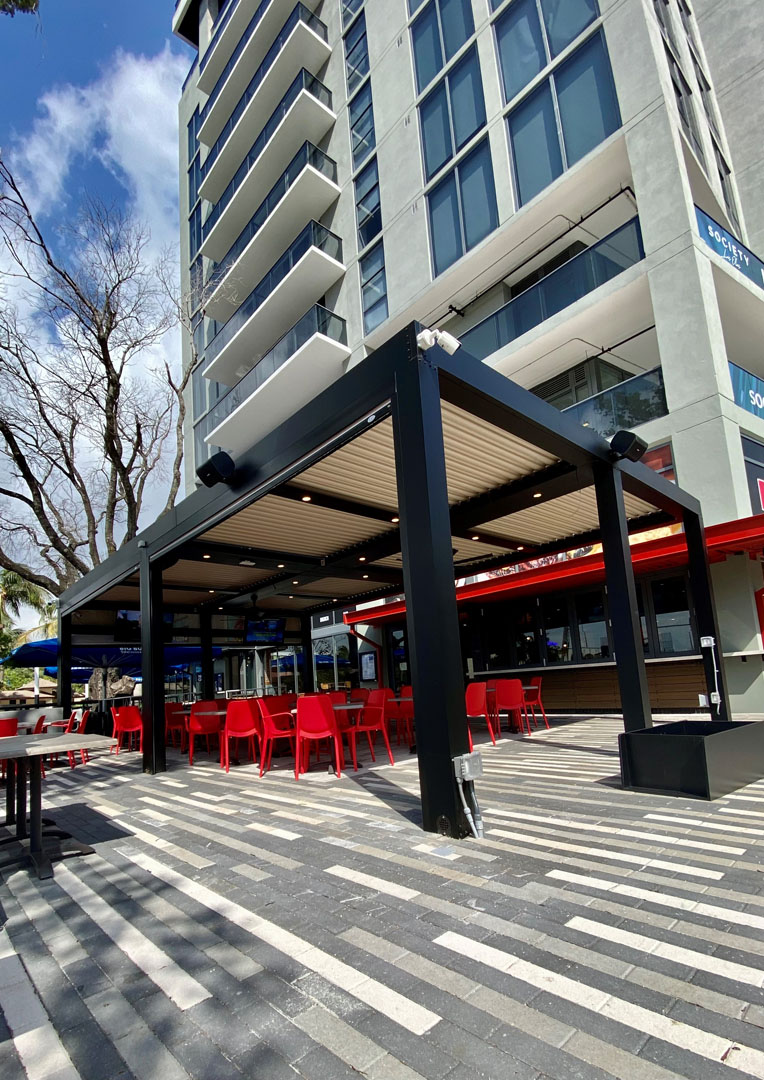
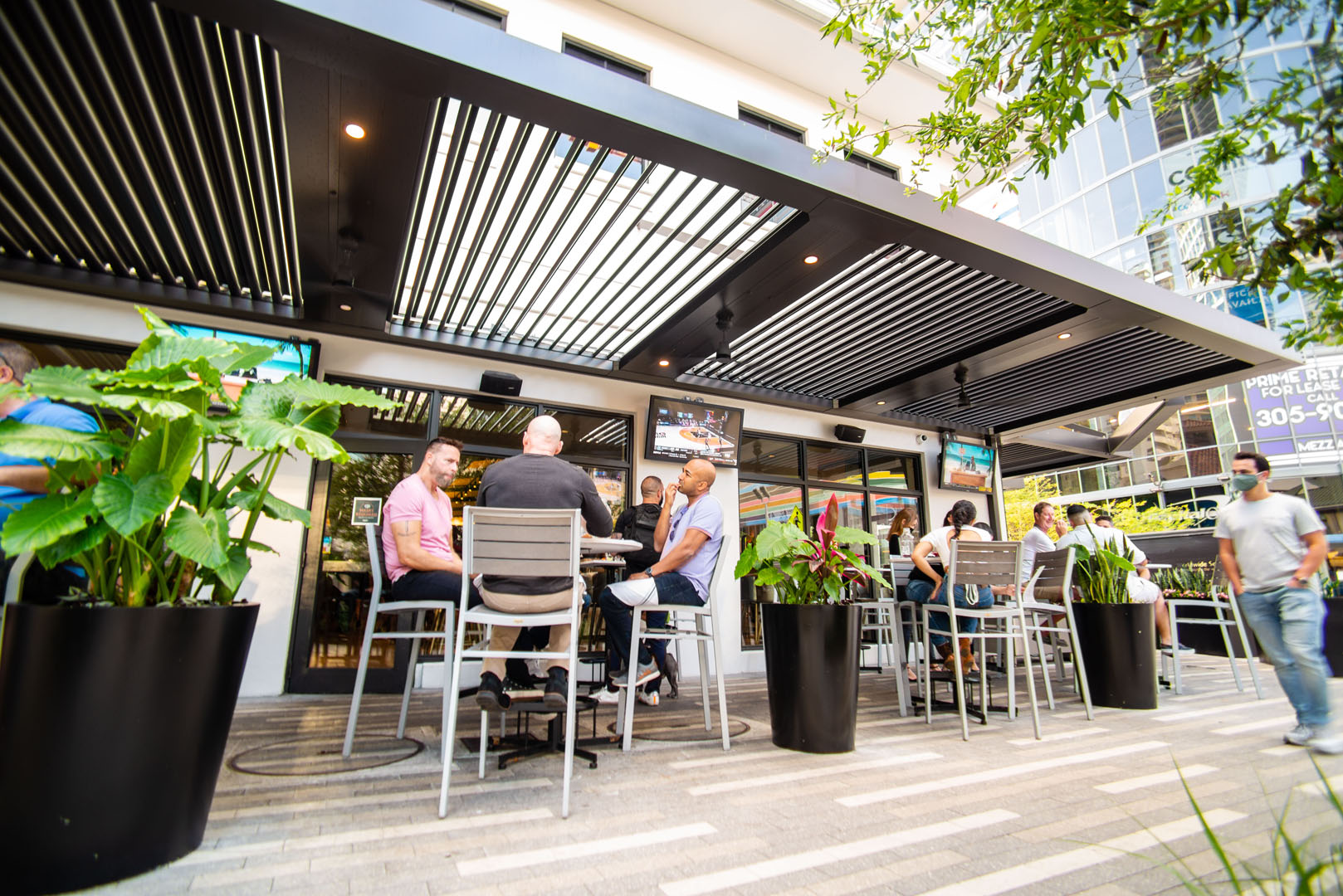
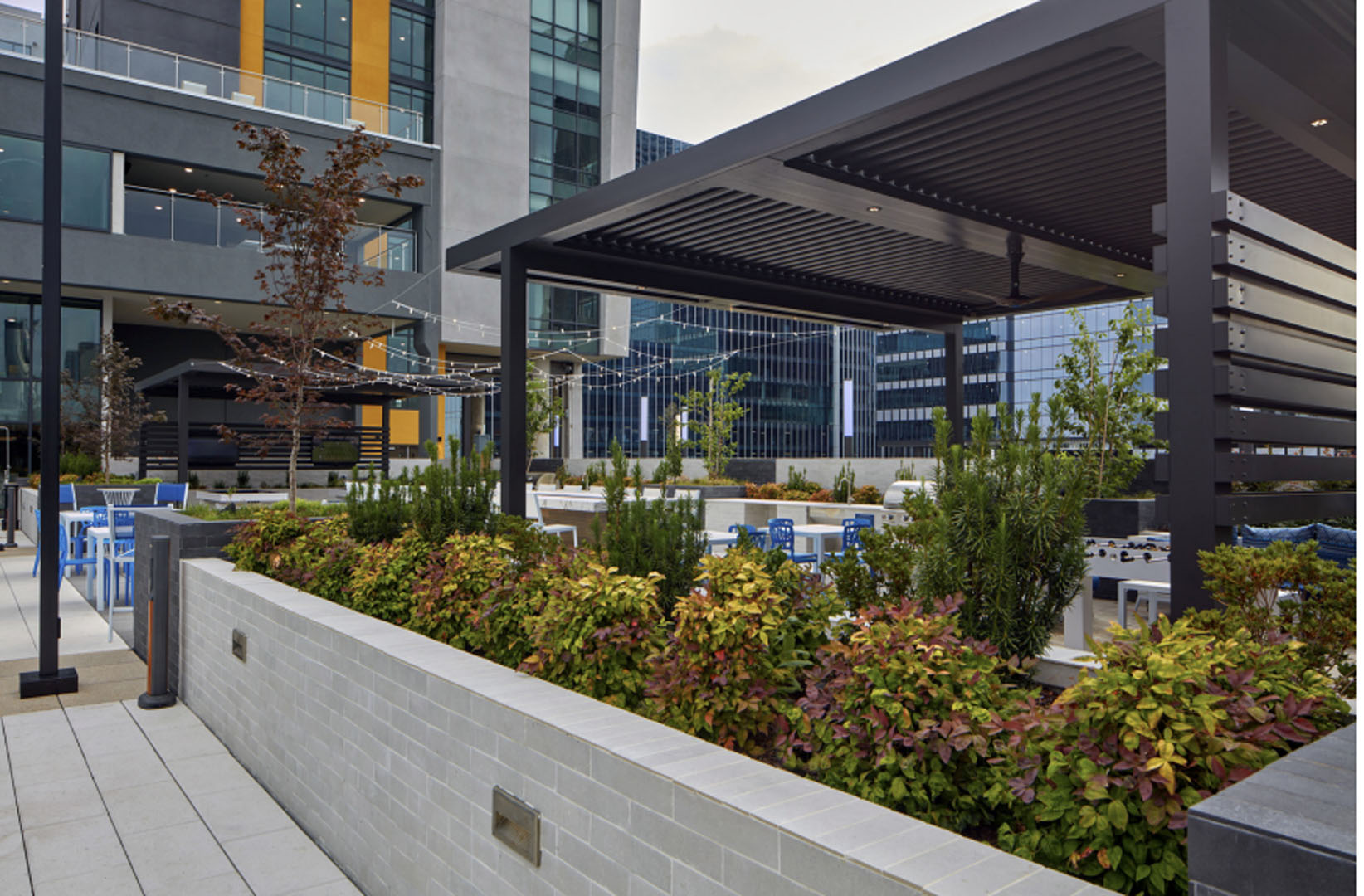
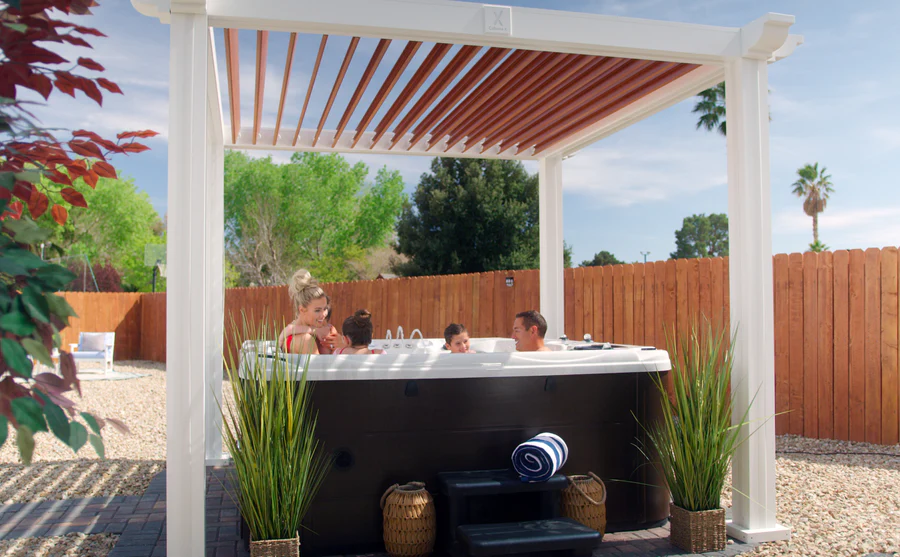
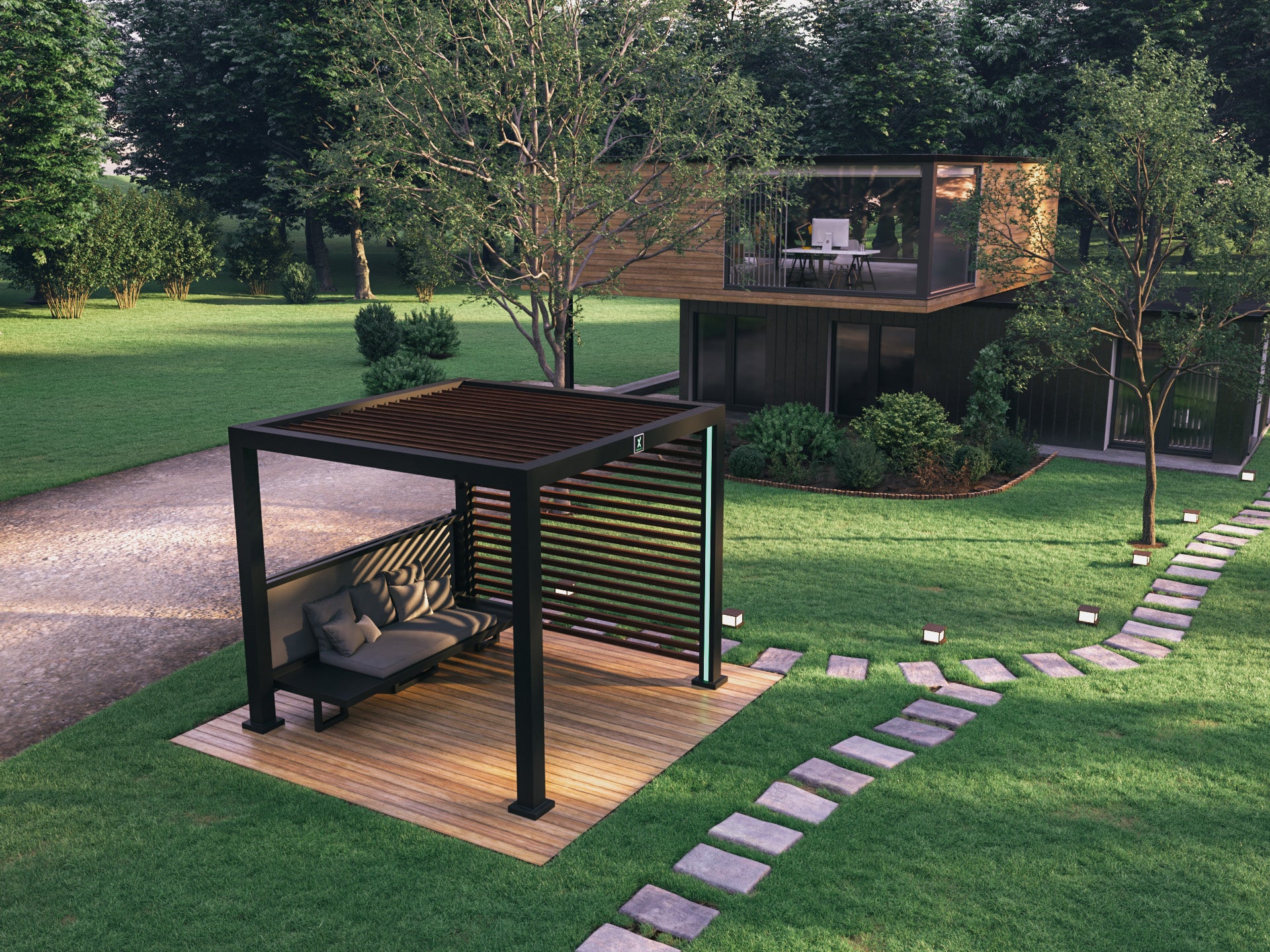
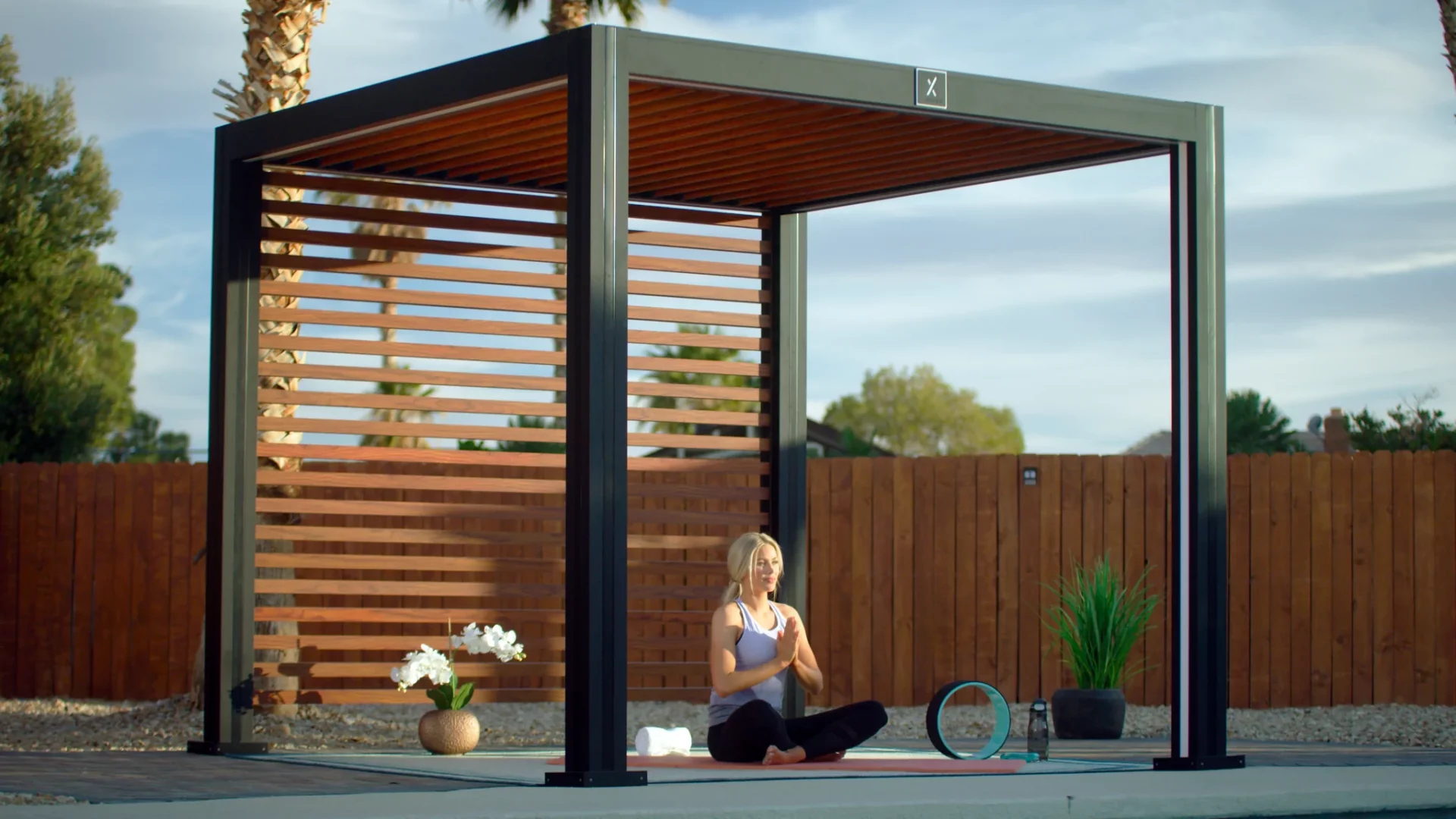
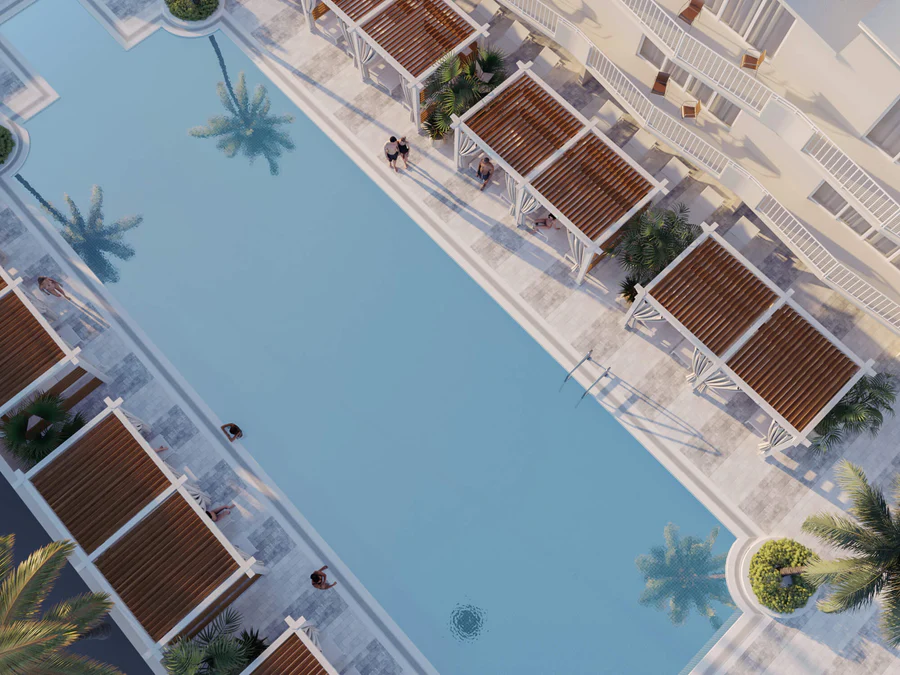
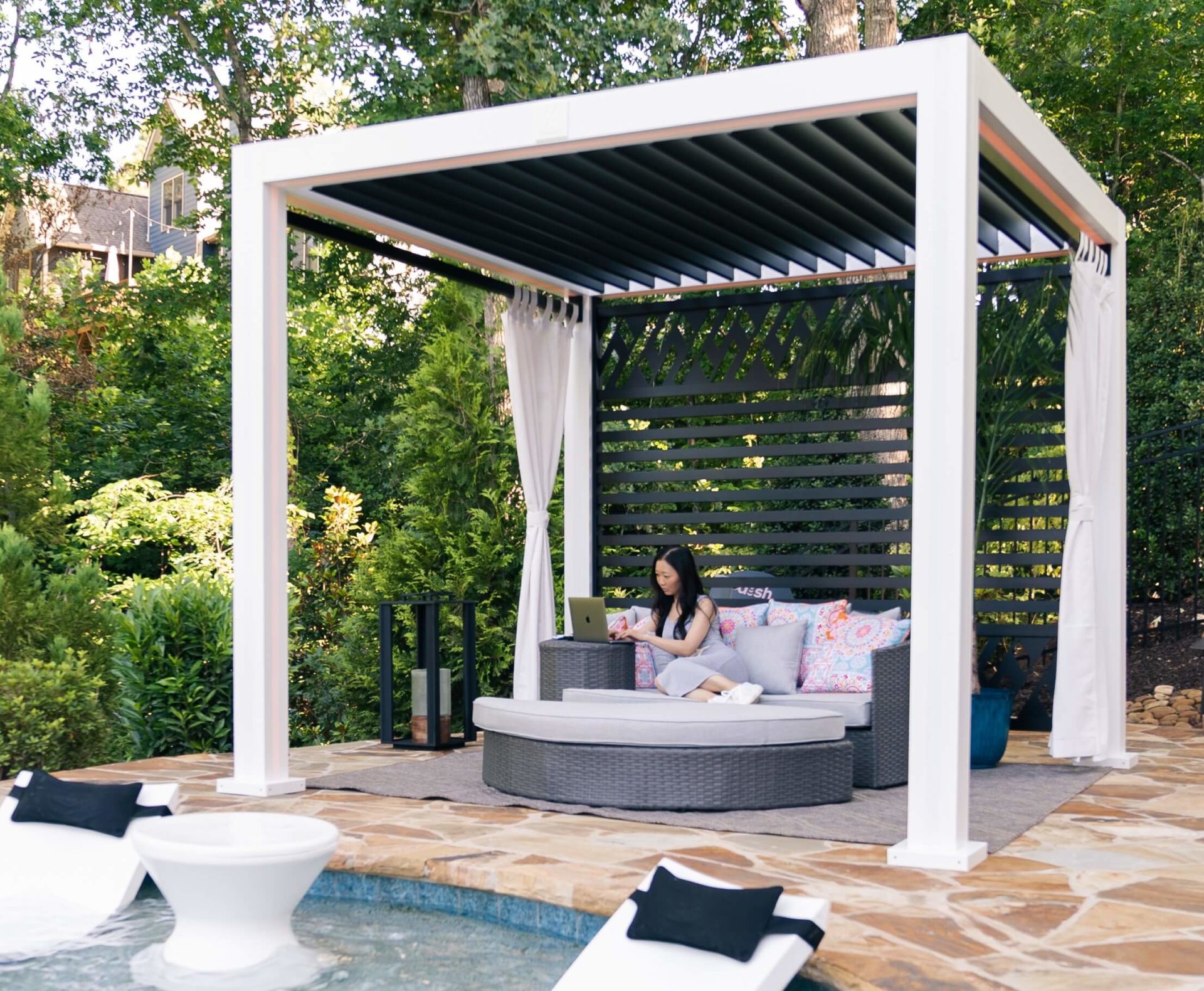
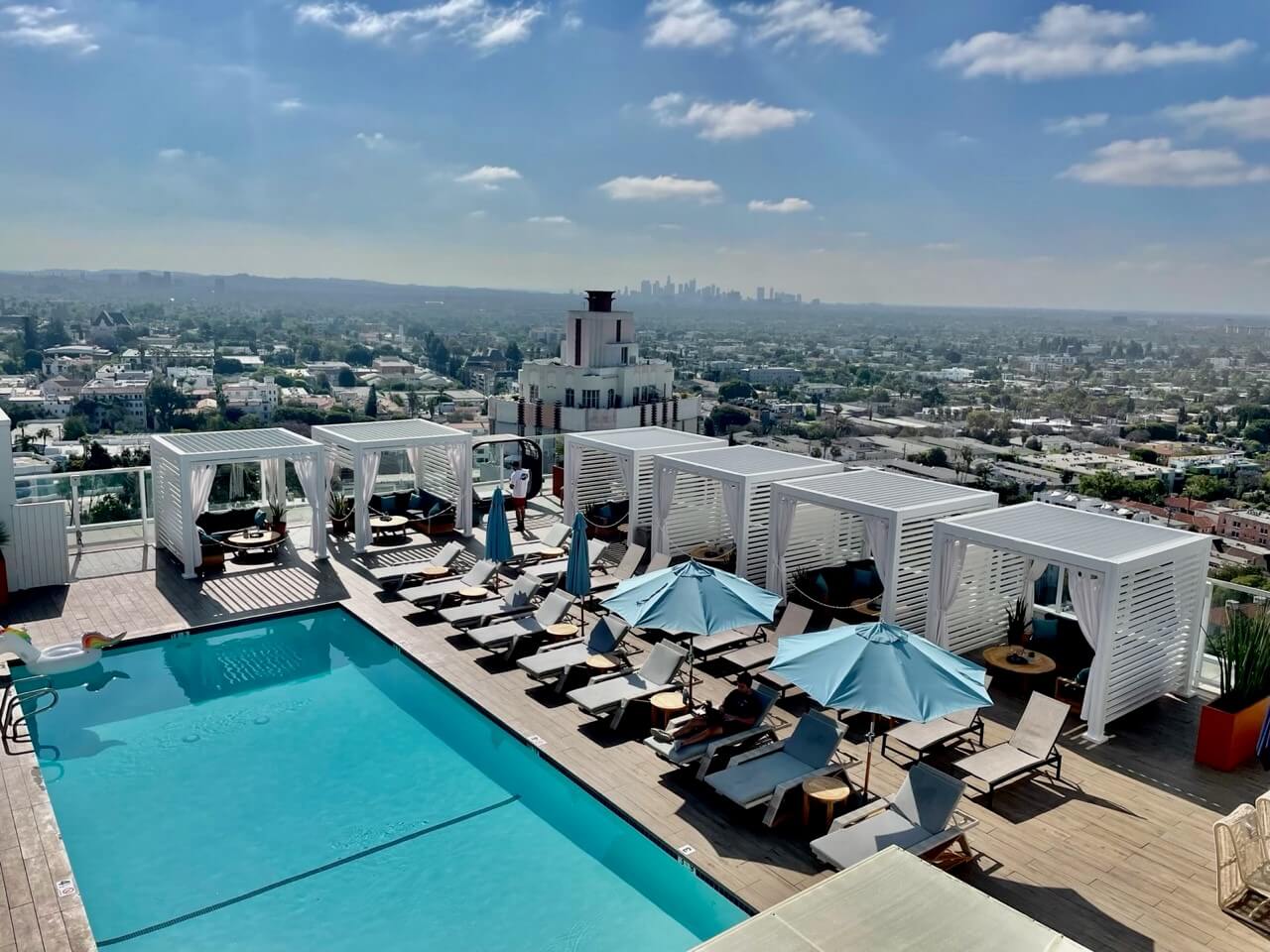
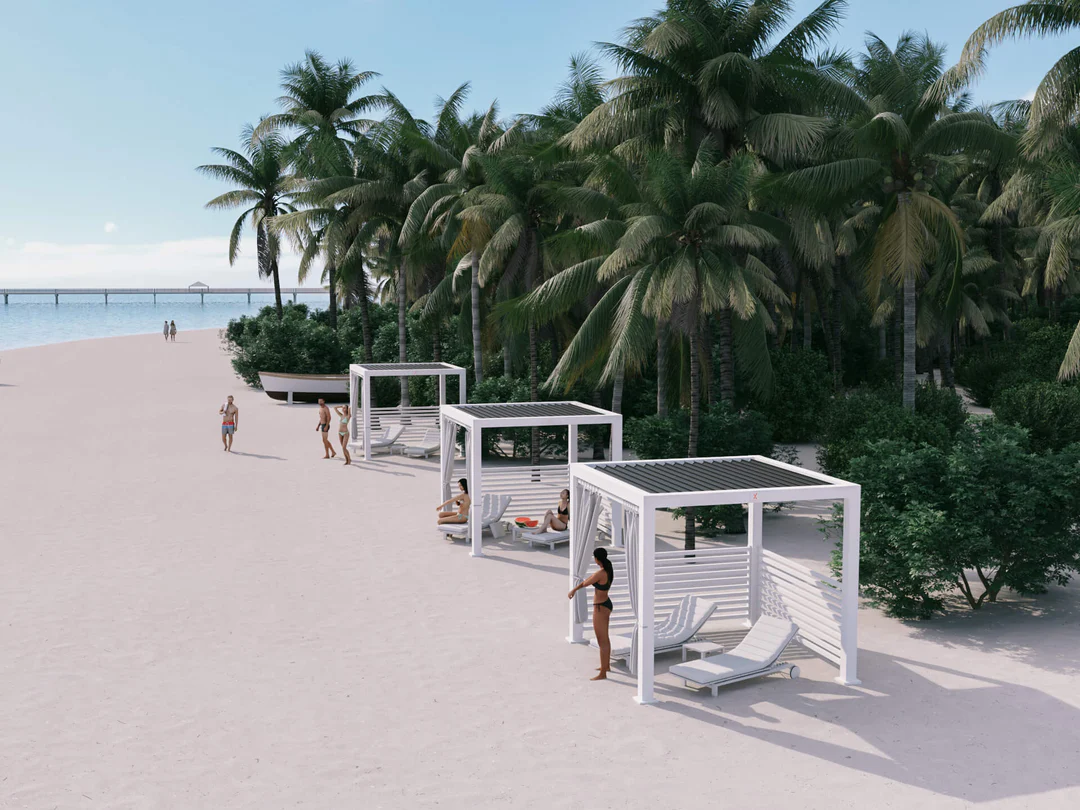
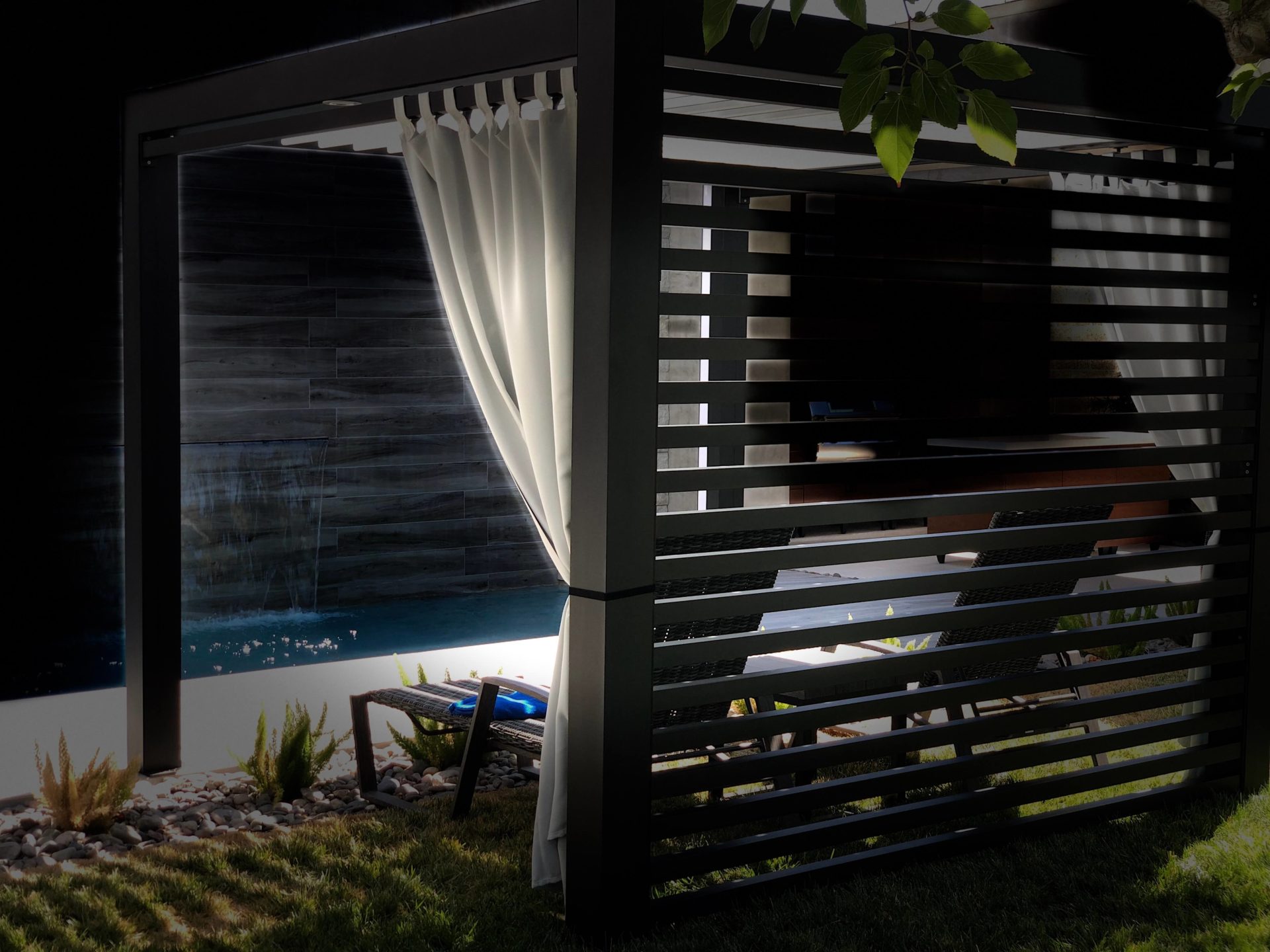
Residents in Homestead often shape outdoor routines around subtropical Zone 9/10a conditions and municipal homestead parcel limits—Florida law restricts homestead status to up to 0.5 acres—so yards and patios are used for recreation, small-scale food production, and entertaining within compact spaces. Heat, insects, and periodic high winds encourage shaded, wind-resistant designs, covered patios or pergola-style shelters, and schedules that favor daylight or cooler hours. Emphasis on resilience and renewable food systems in Florida homesteading encourages permaculture beds, food-forest plantings, communal or outdoor kitchens, and water-aware landscaping that support year-round outdoor living. Community spaces, waterfront access where available, and provisions for wind and bug mitigation further shape how homeowners socialize, garden, and recreate outdoors.
Residential Property Characteristics of Homestead Affecting Outdoor Living
Properties qualifying for homestead in Homestead are typically single-family residences, mobile homes, modular homes or co-ops situated on parcels generally limited to 0.5 acres in municipal areas, so outdoor living areas tend to be modest in scale. Though specific backyard layouts, balcony or terrace frequencies and waterfront features aren’t documented, lot size limits and primary-residence use imply patios, modest backyards, small terraces or attached balconies rather than expansive grounds; pergola placement and design therefore must respond to close property lines, sun angles in subtropical Zone 9/10a, high heat, insects and wind gusts often reaching 40–60 mph. Those climate and legal constraints favor durable, wind-resistant, highly shaded or screened structures for year-round outdoor use.
Climate, Sun, and Weather Considerations in Homestead
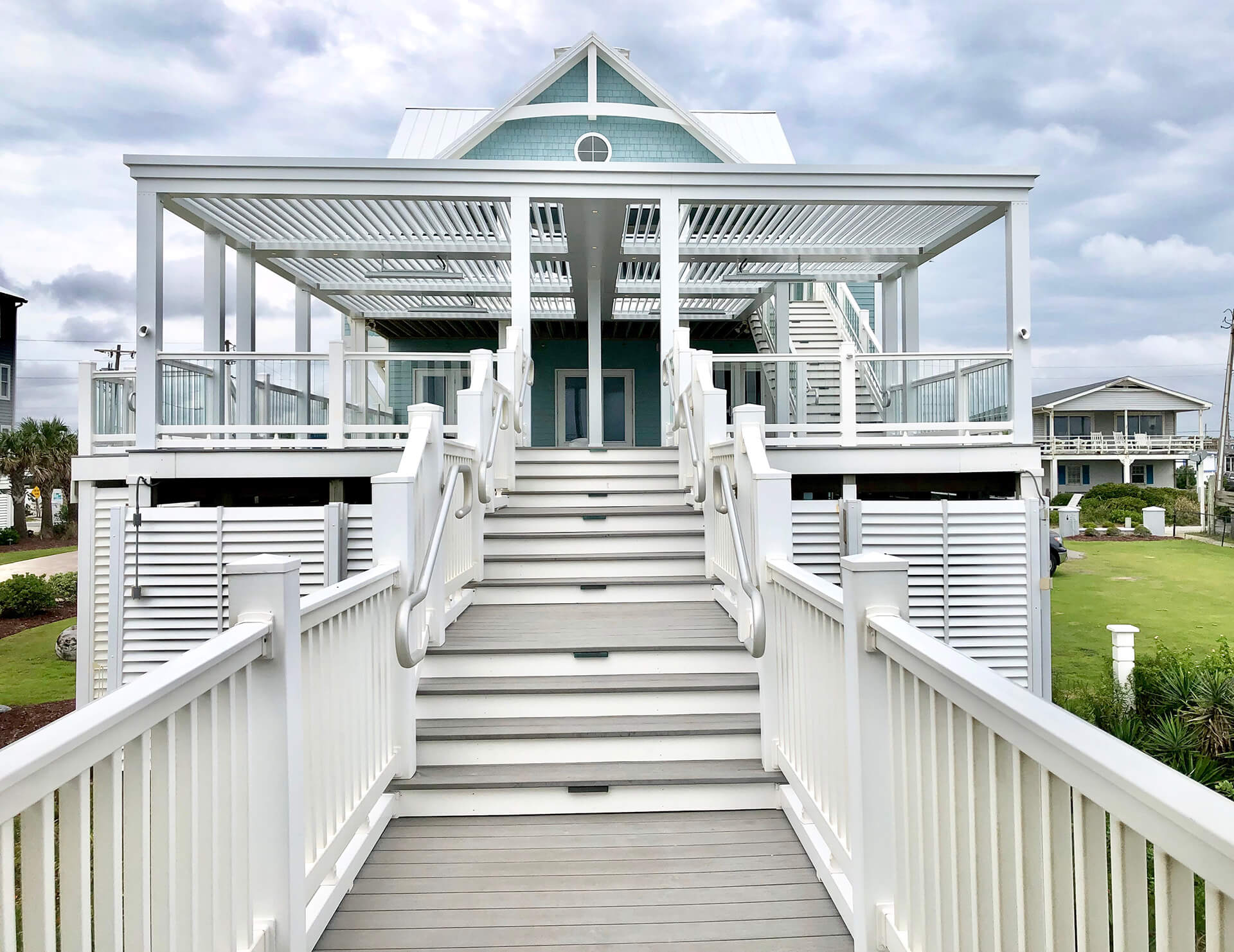
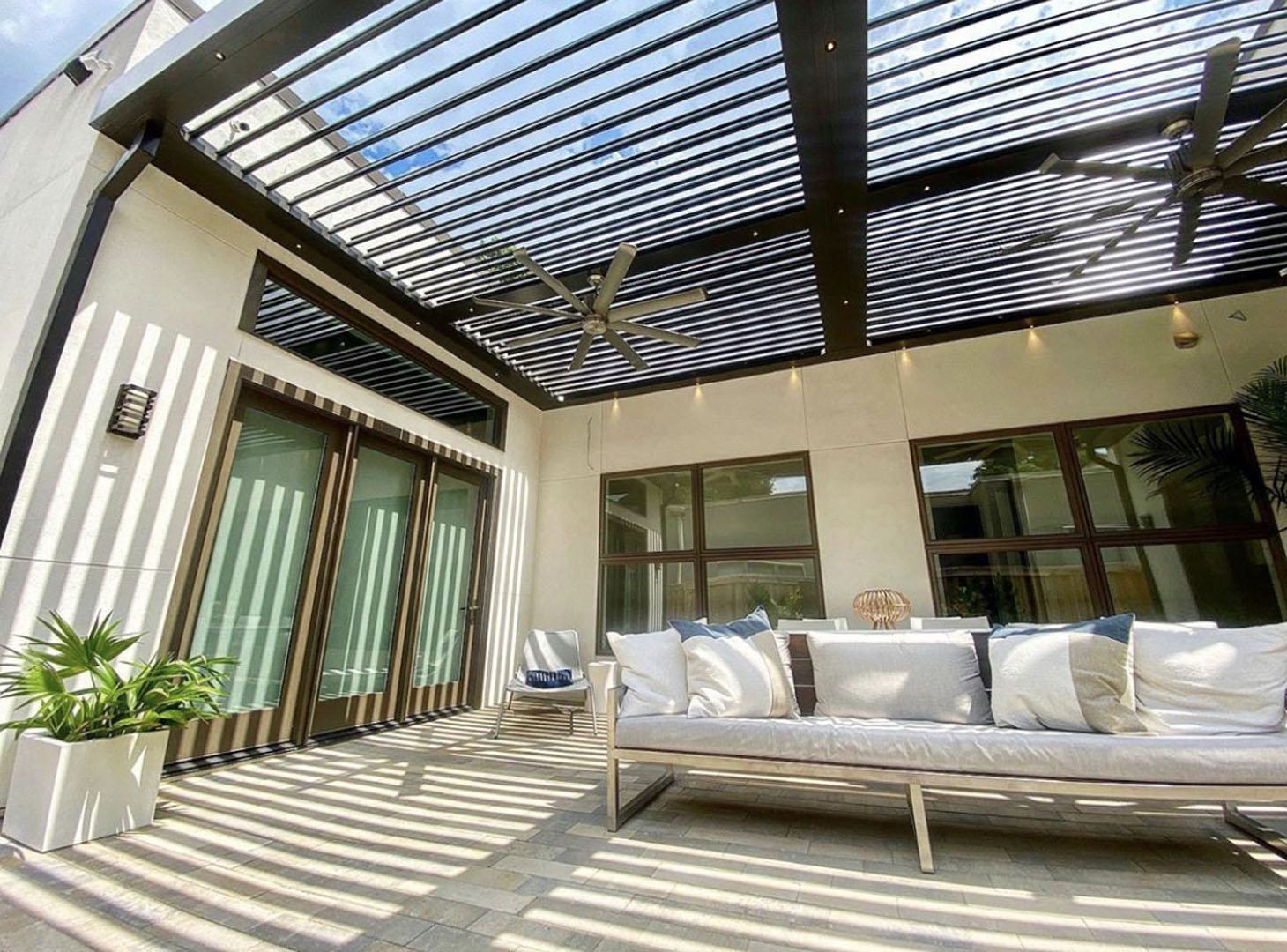
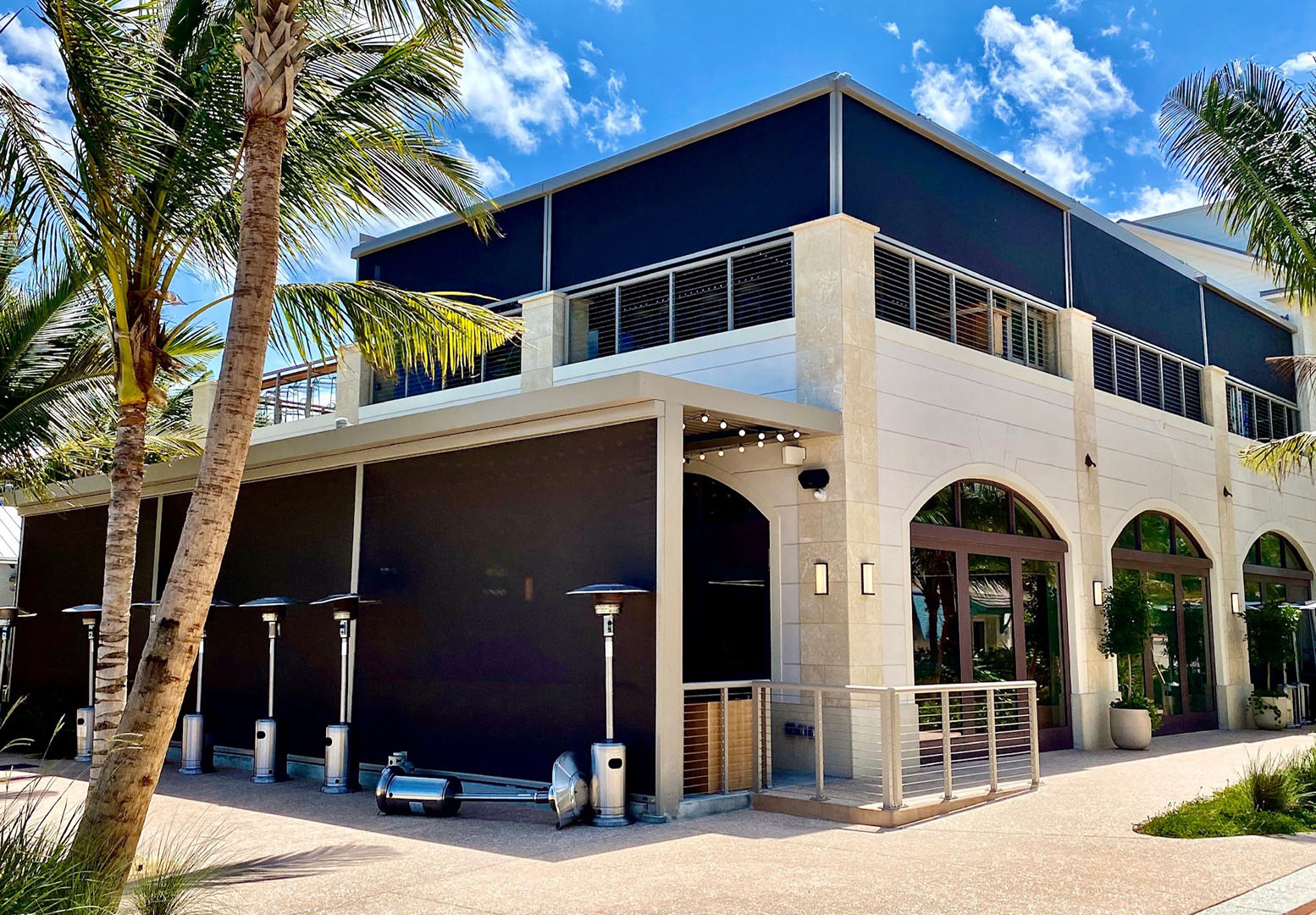
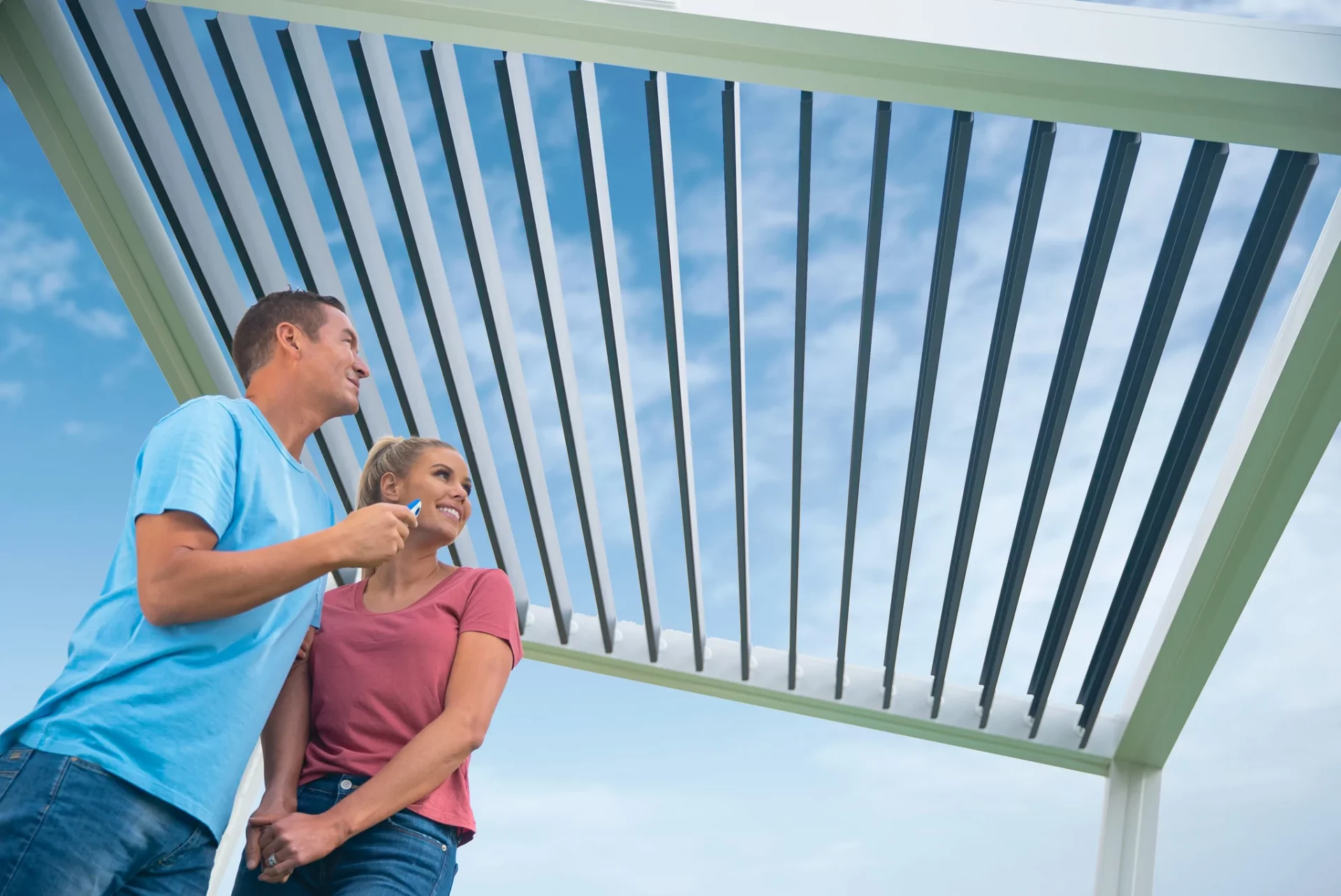
Homestead’s subtropical (USDA Zone 9/10a) climate brings strong sun, high heat, abundant daylight and persistent insects, so outdoor comfort depends on generous shade, screened or covered areas and scheduling activities around daylight hours. Gusty winds—reported up to 40–60 mph—mean pergolas, patios and other outdoor structures should be wind-resistant and well anchored, while water awareness and rain considerations encourage durable materials and good drainage. Together, intense sunlight and heat make shade and ventilation essential for year-round use, and wind and moisture risks drive designs toward sheltered, resilient outdoor living spaces that provide protection from sun, bugs and weather stress. These conditions make shaded seating, ventilated roofs and insect screening common priorities for comfortable outdoor living.
Why Homestead Is Ideal for Outdoor Living
Homestead’s combination of subtropical Zone 9/10a climate, municipal homestead rules allowing up to 0.5 acres for primary residences, and a local inclination toward renewable, resilient living makes it well suited for outdoor living upgrades. Warm temperatures and abundant daylight support year-round outdoor activity, while permaculture, food-forest and homesteading practices favor patios, pergolas and covered kitchens that extend usable space for cooking and gardening. At the same time heat, insects and episodic wind gusts of 40–60 mph mean shade, screened enclosures and wind-resistant covers are practical investments. Stable homeownership—across single-family, mobile or modular residences—combined with water-aware, resilient design priorities encourages homeowners to build durable, covered outdoor rooms that make outdoor living more comfortable and functional throughout the year.
Outdoor Living and Home Upgrade FAQ
Is a Homestead lot large enough for patios or pergolas? Municipal homestead limits allow up to 0.5 acres of contiguous land for a primary residence; single-family, mobile and modular homes are supported, so outdoor structures can fit within that footprint.
How does the climate affect outdoor upgrades? Homestead is subtropical (USDA Zone 9/10a) with high heat, bugs and wind gusts up to 40–60 mph—prioritize shade, ventilation, insect protection and wind-resistant design.
Are pergolas or covered structures suitable year-round? Yes—covered spaces provide shade and comfort in hot, buggy conditions and are recommended when built to resist strong winds.
What landscaping or outdoor systems suit this area? Permaculture, food-forest concepts and water-aware, resilient landscaping are appropriate for the subtropical setting.