
Outdoor Living in Pembroke Pines, Florida
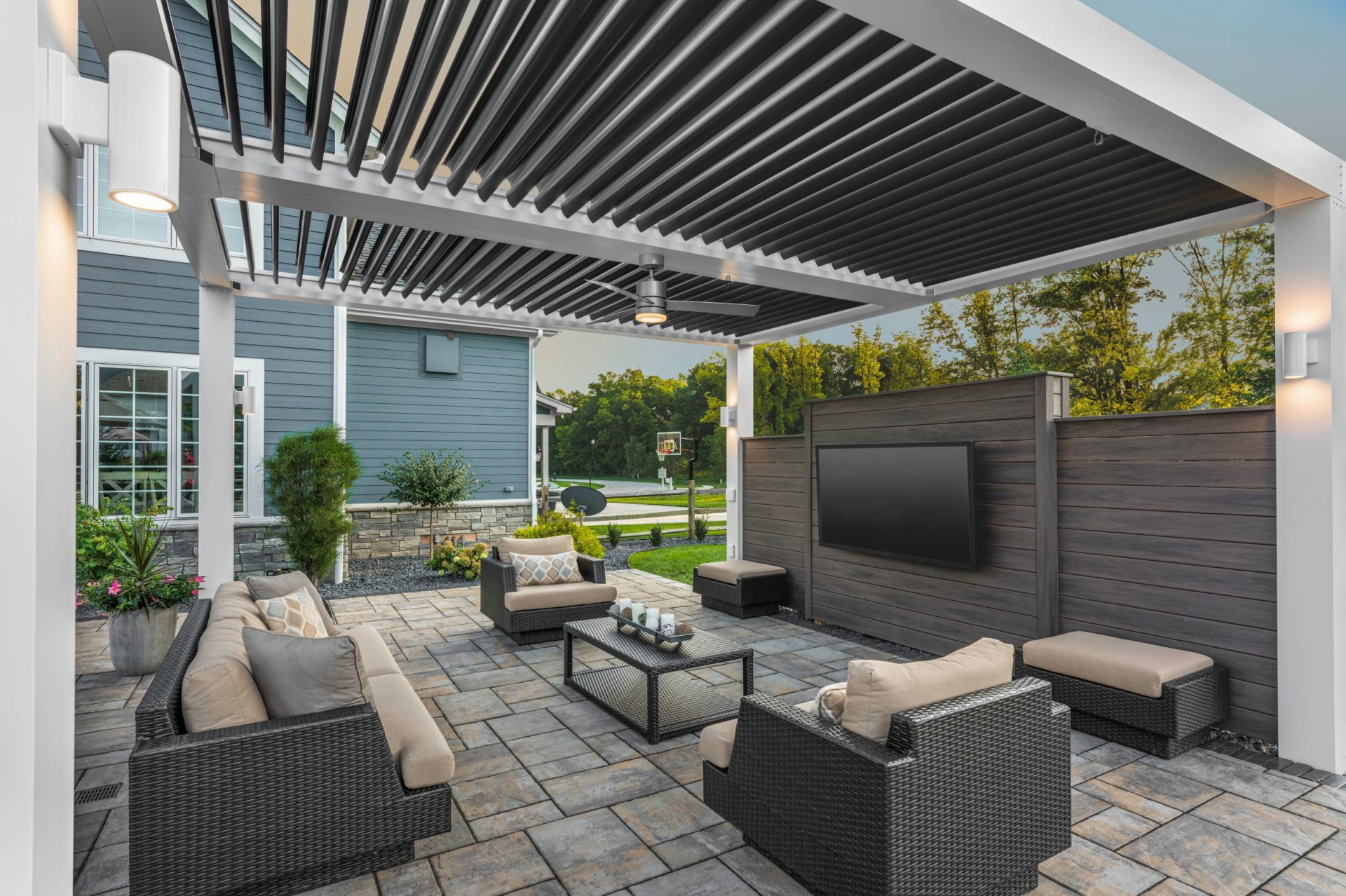
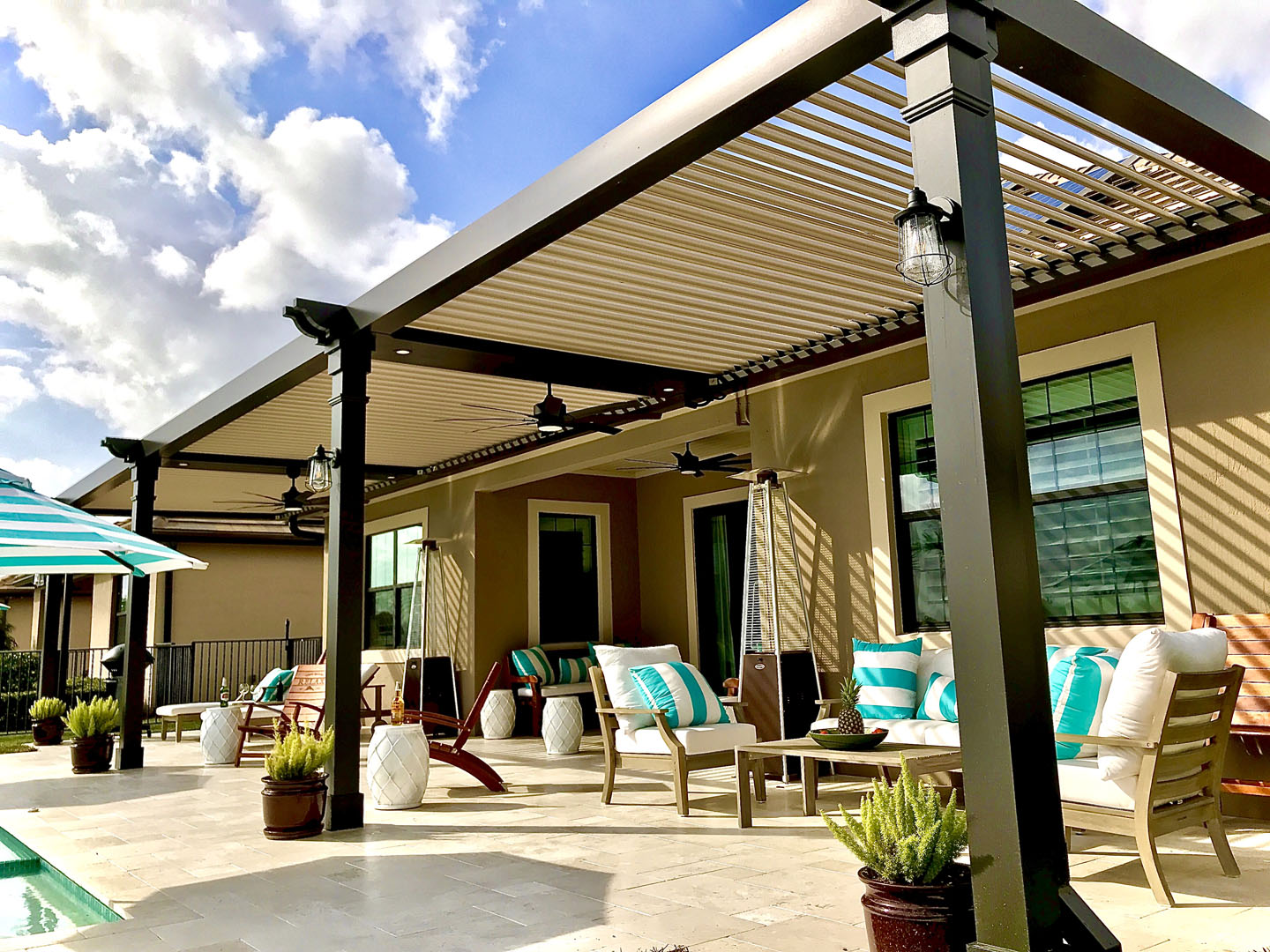
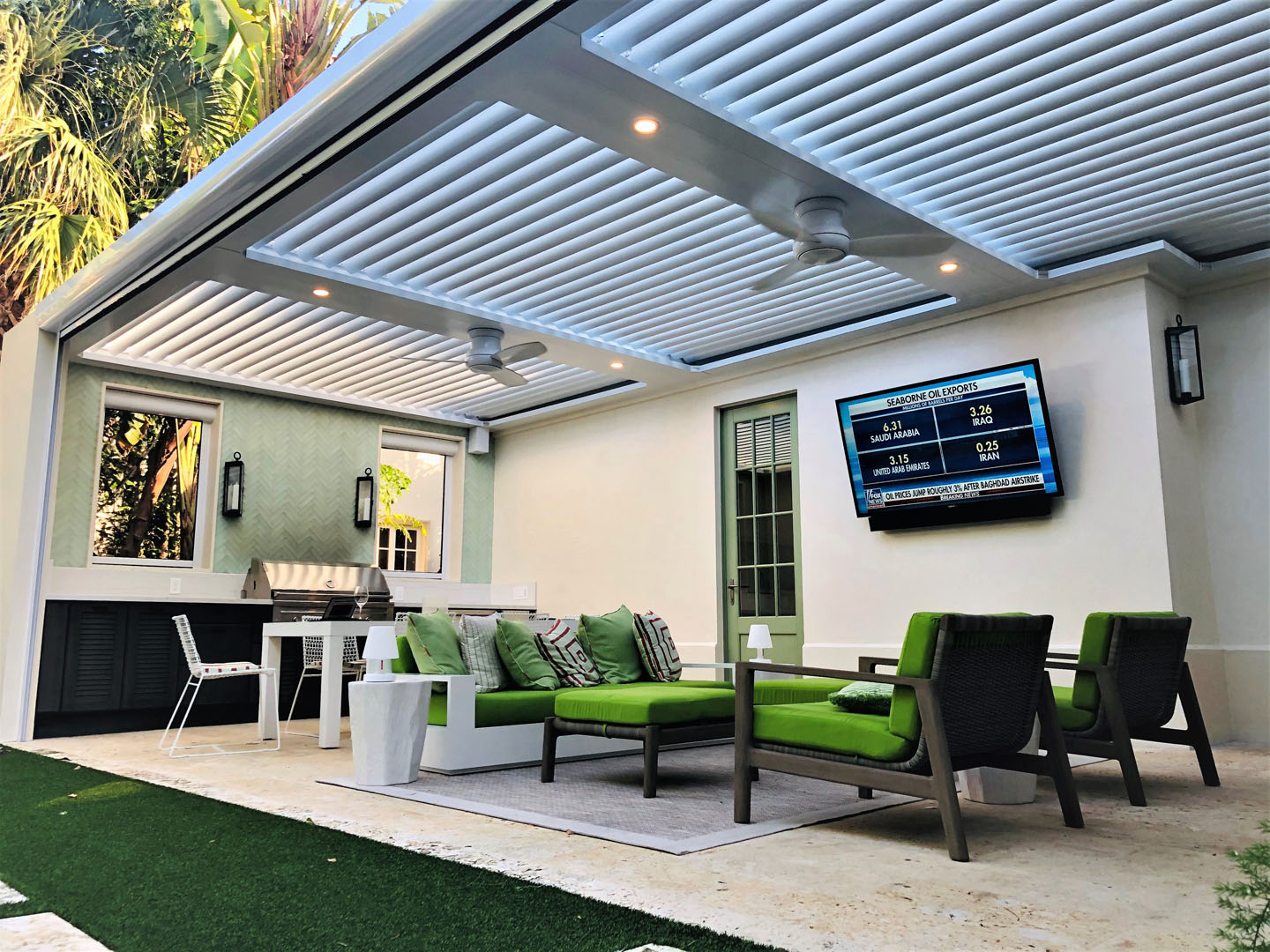
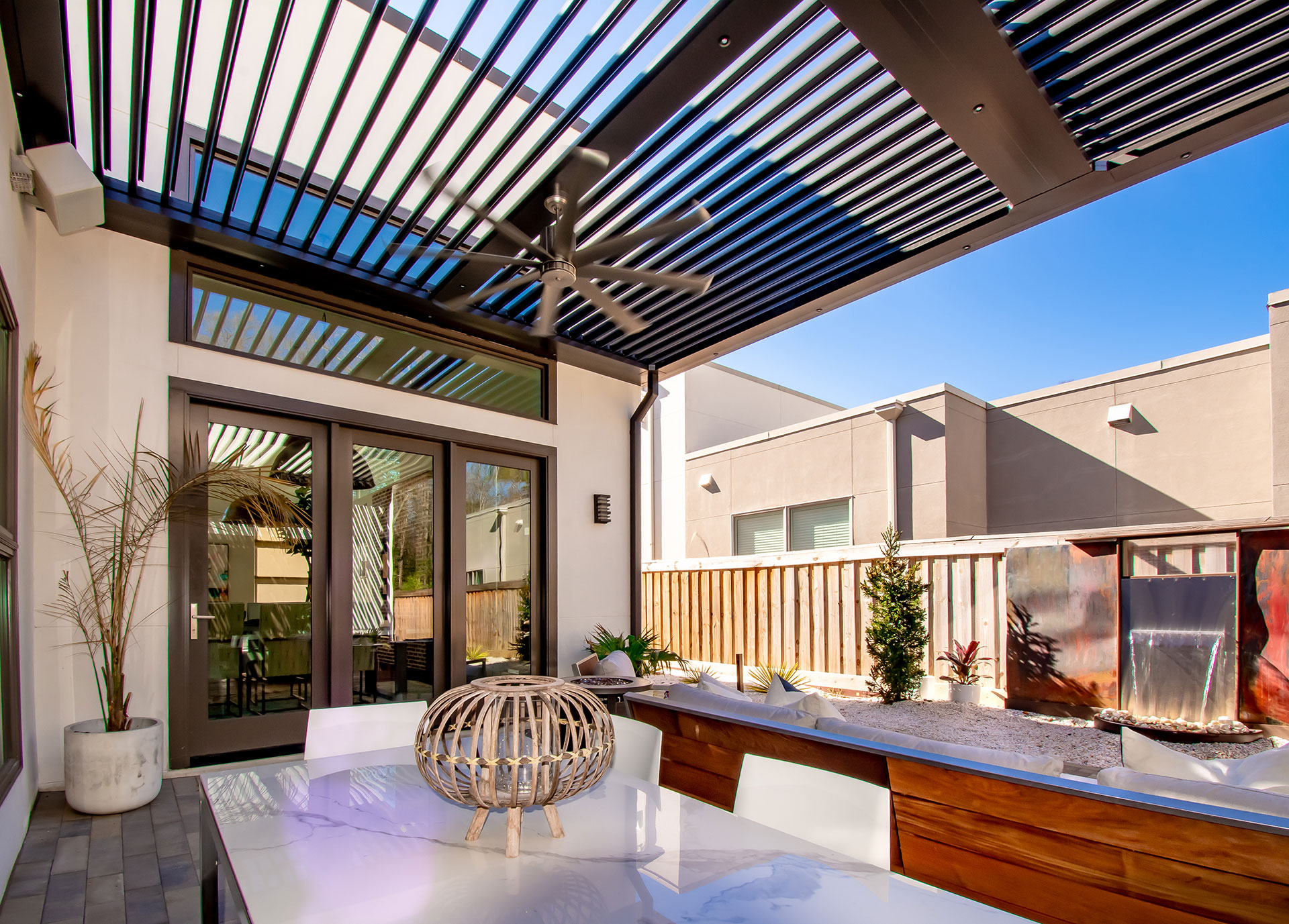
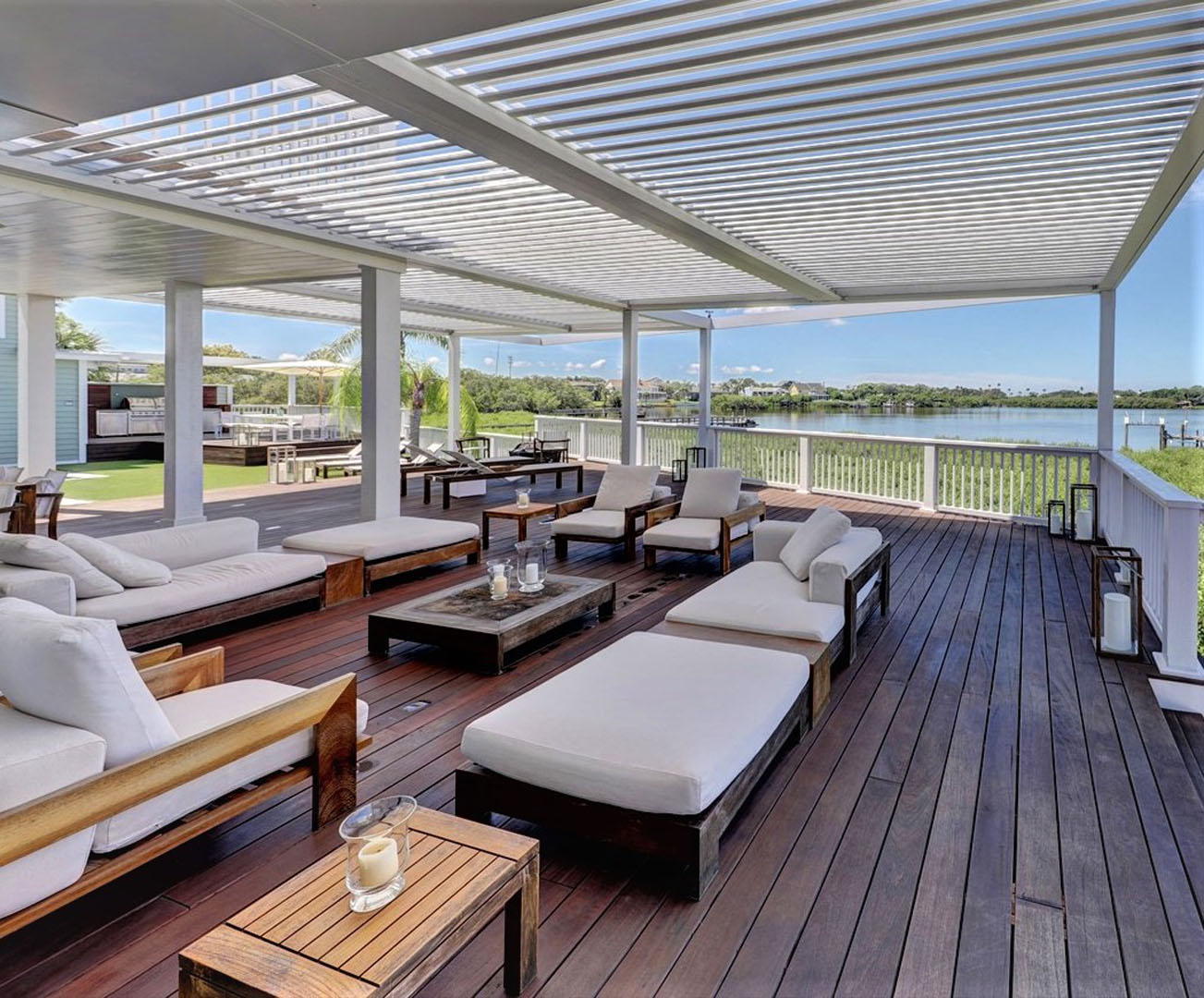
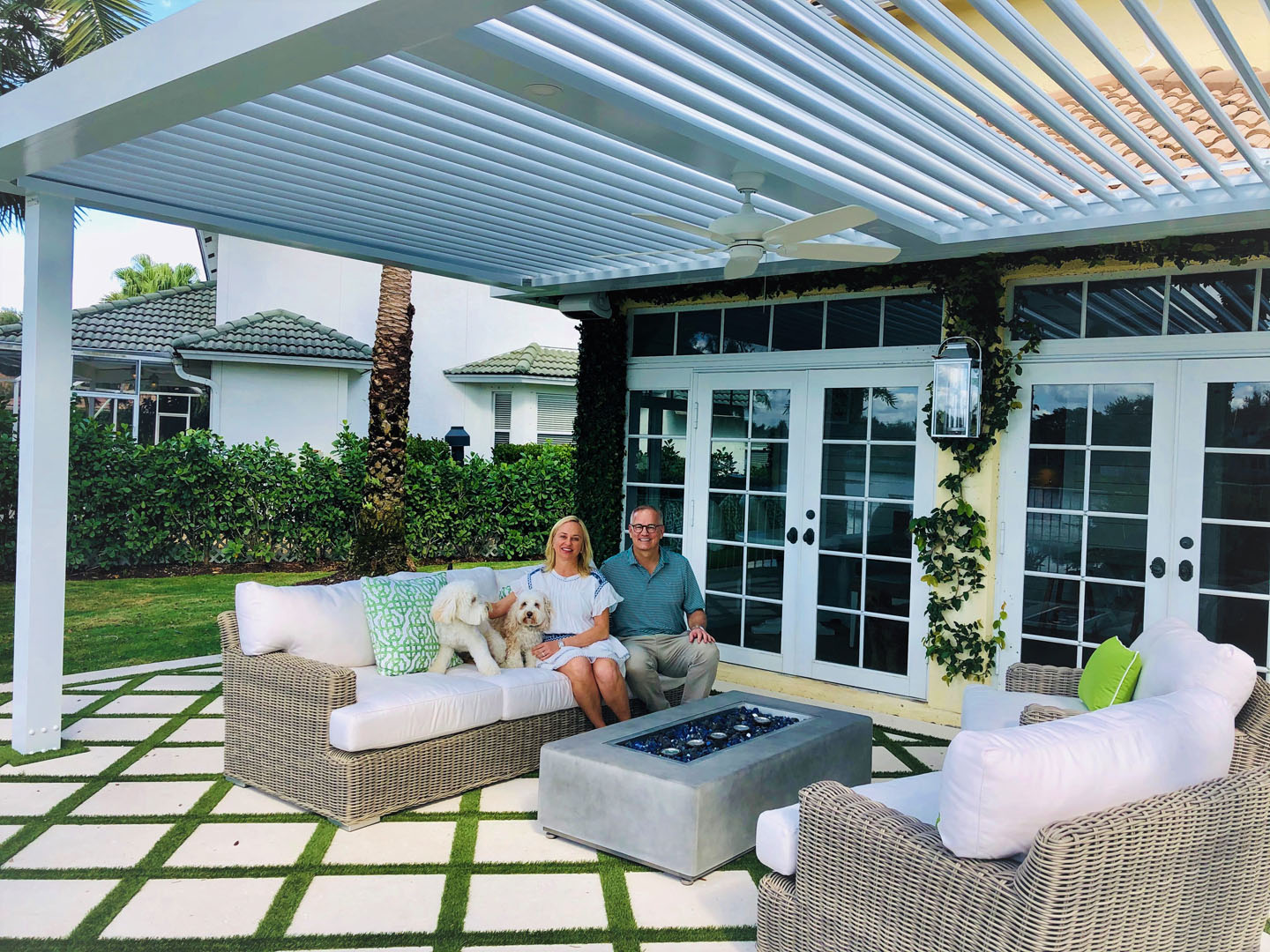
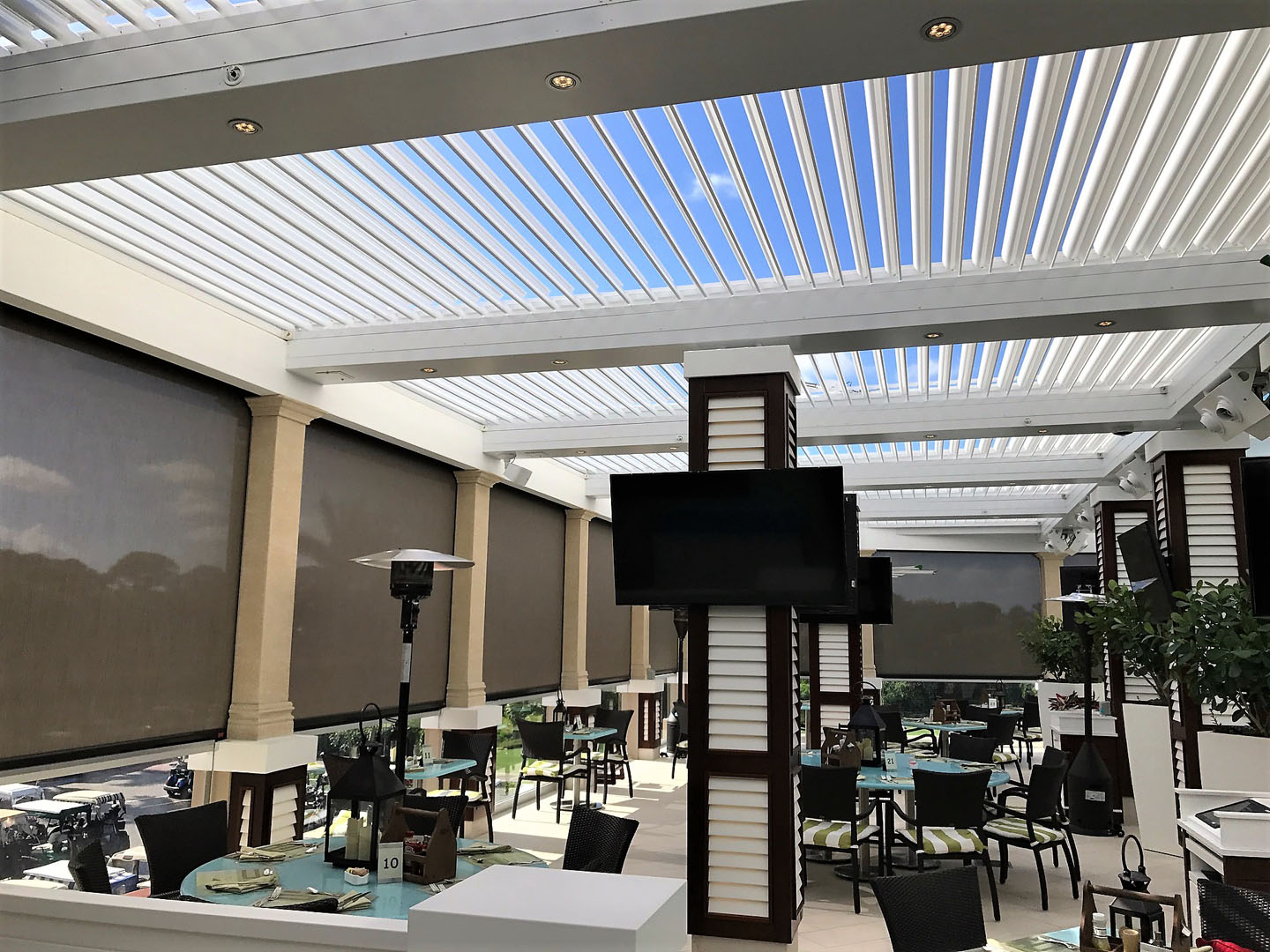
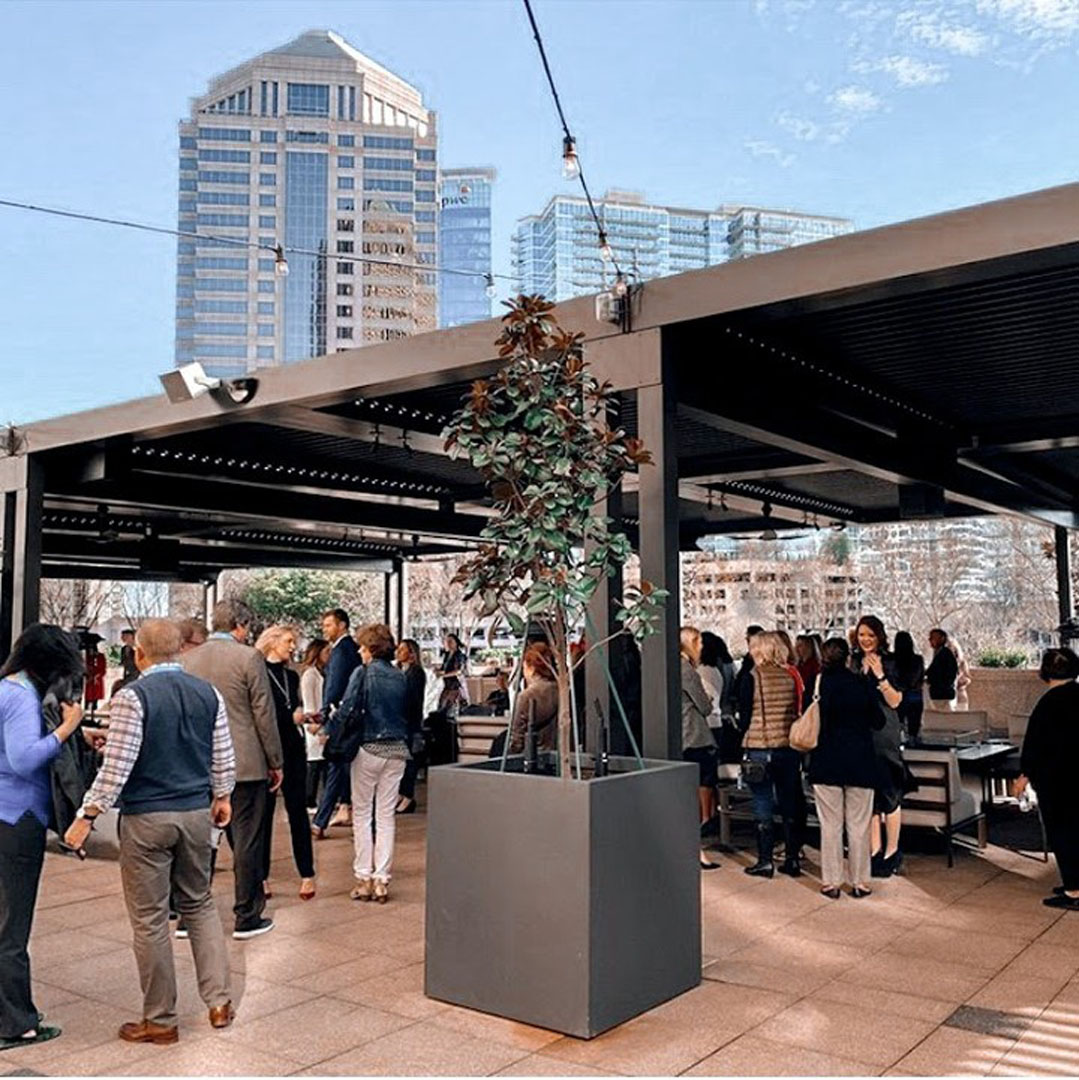
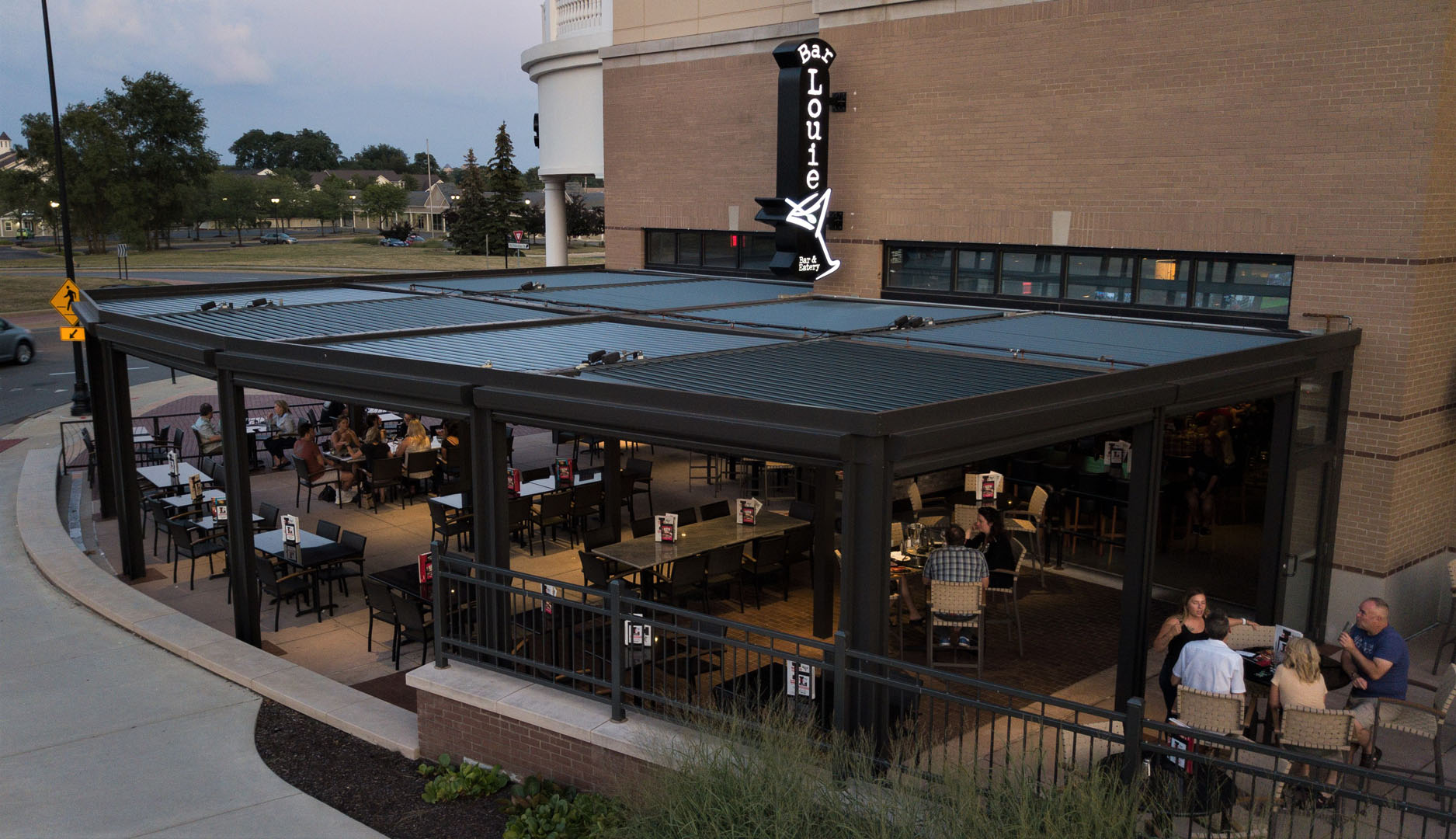
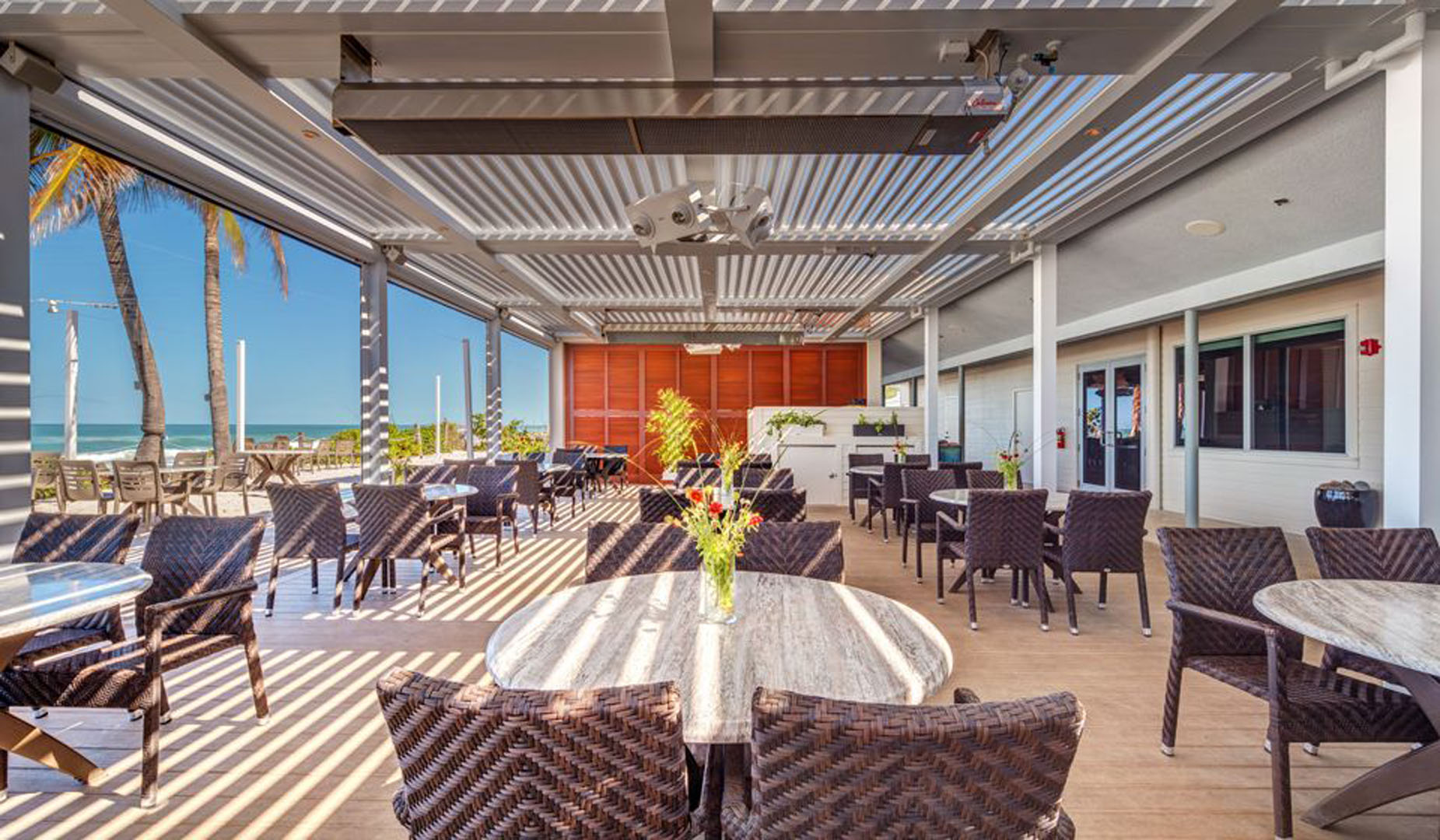
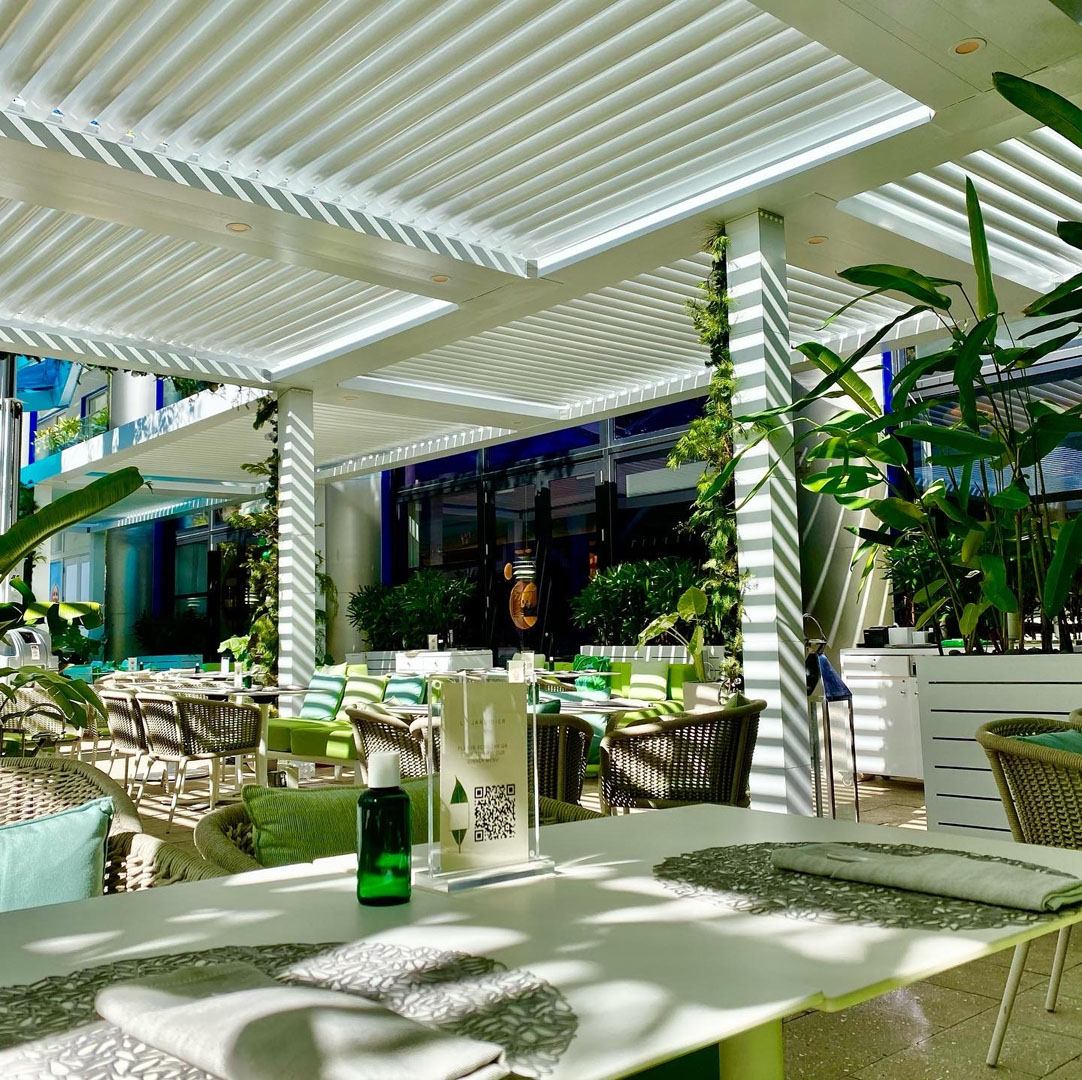
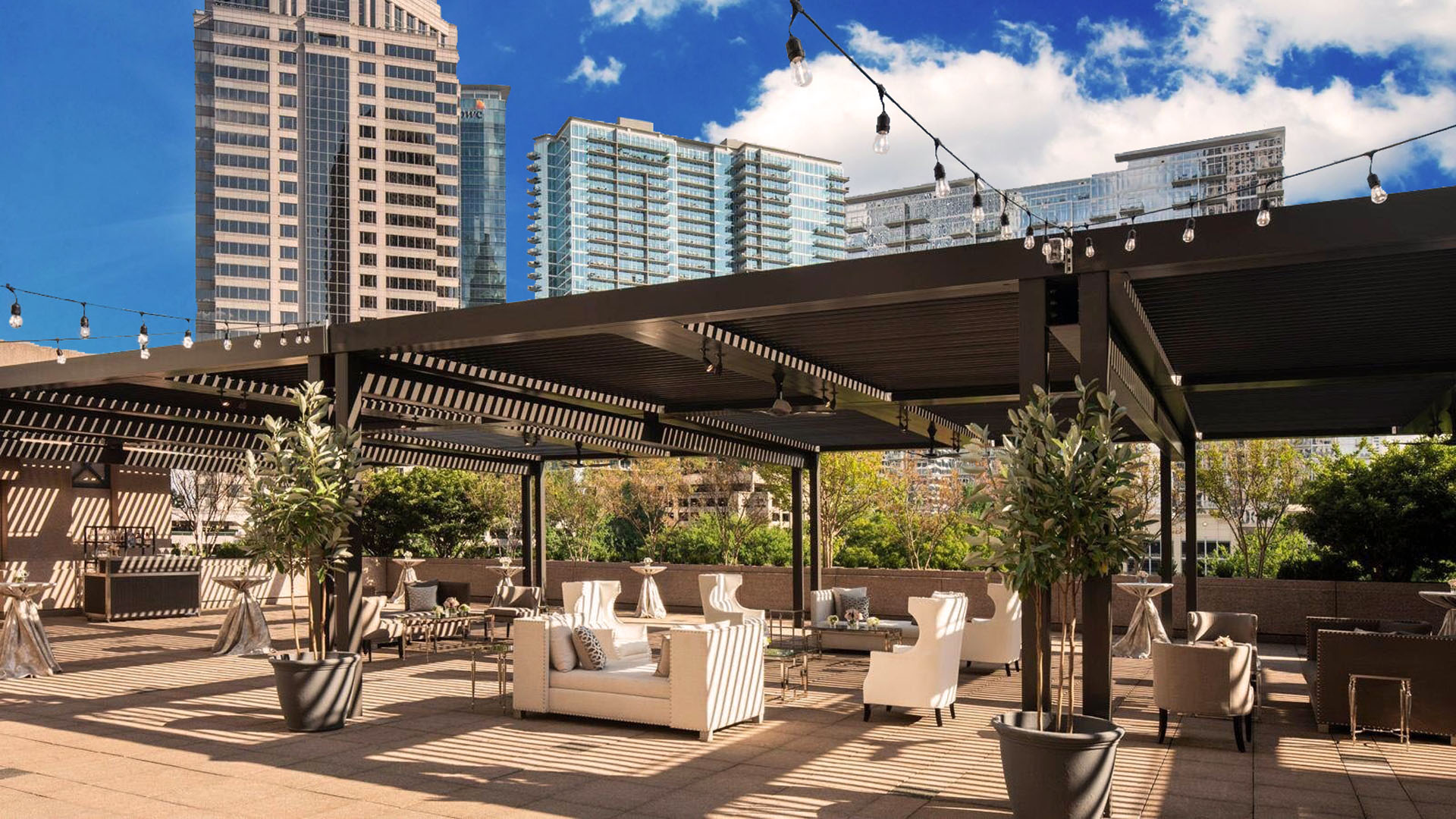
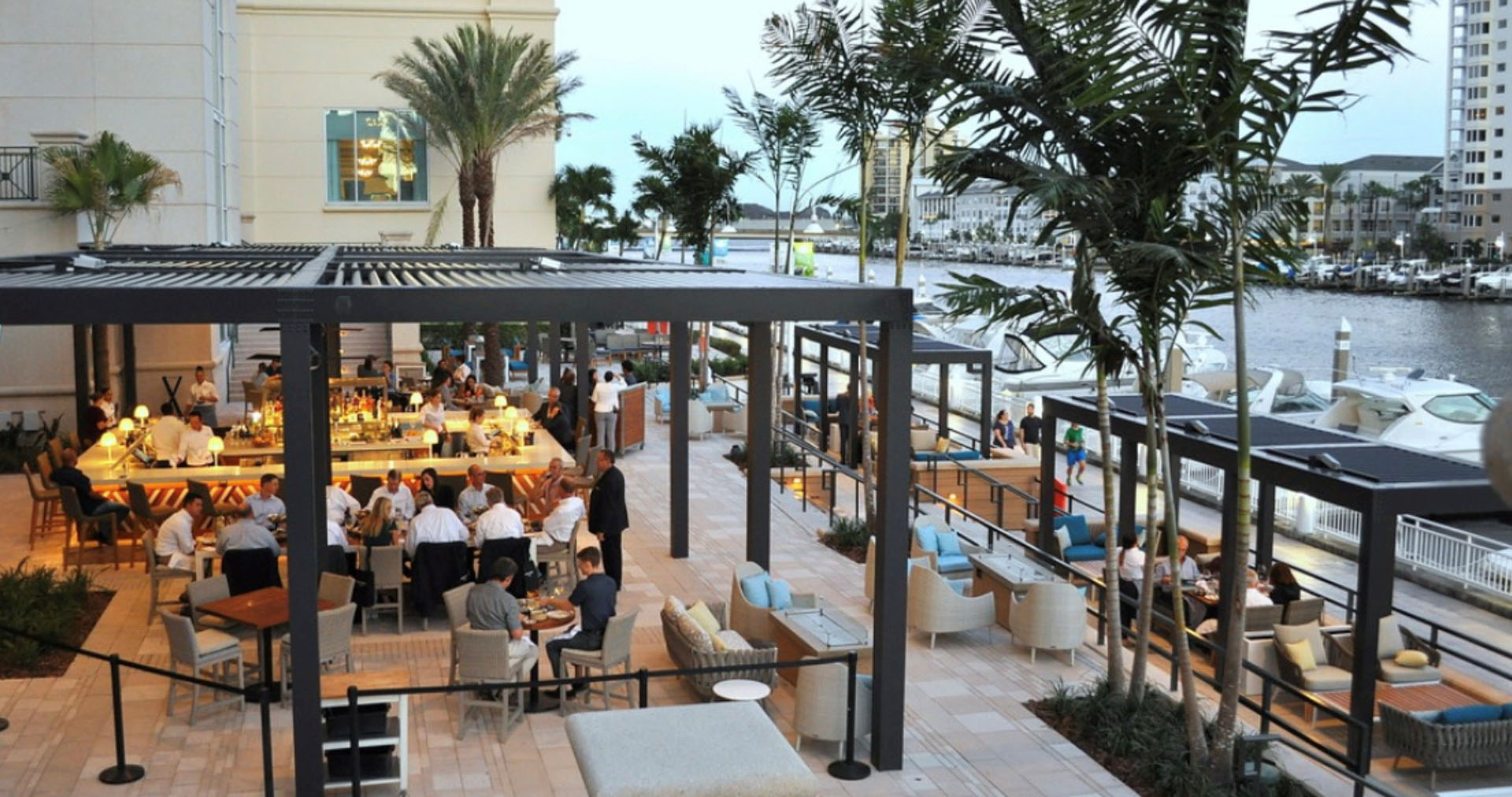
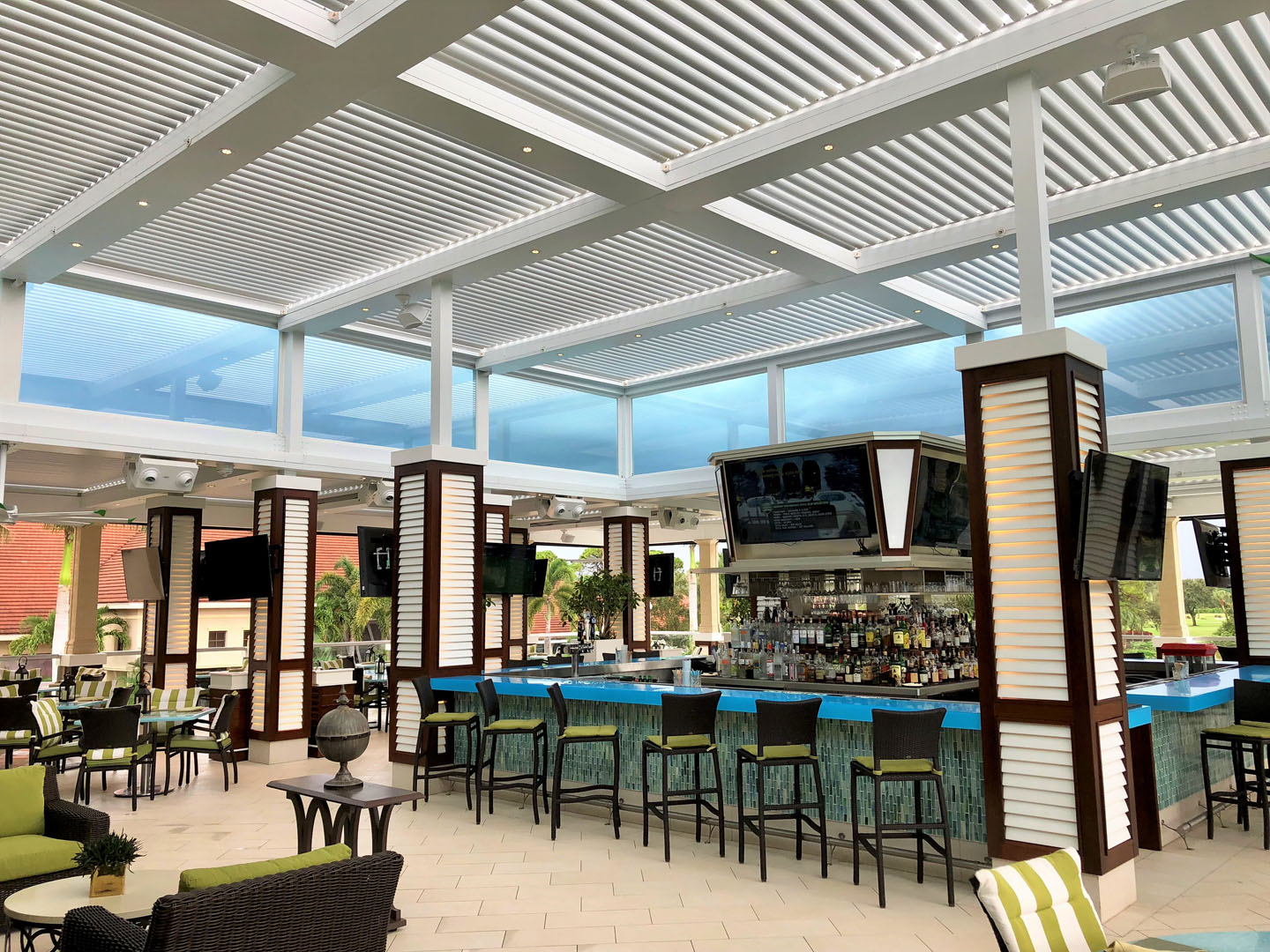
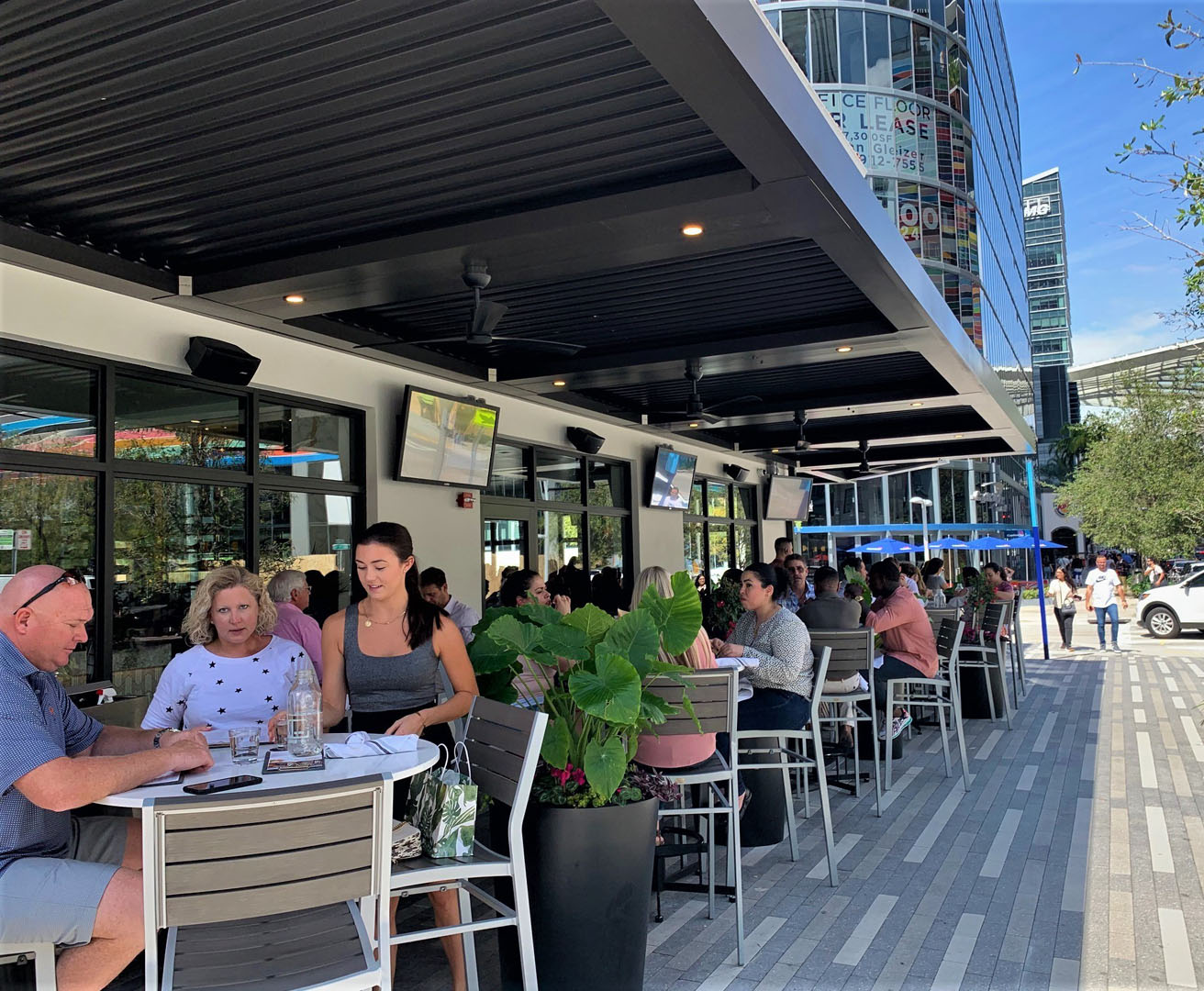
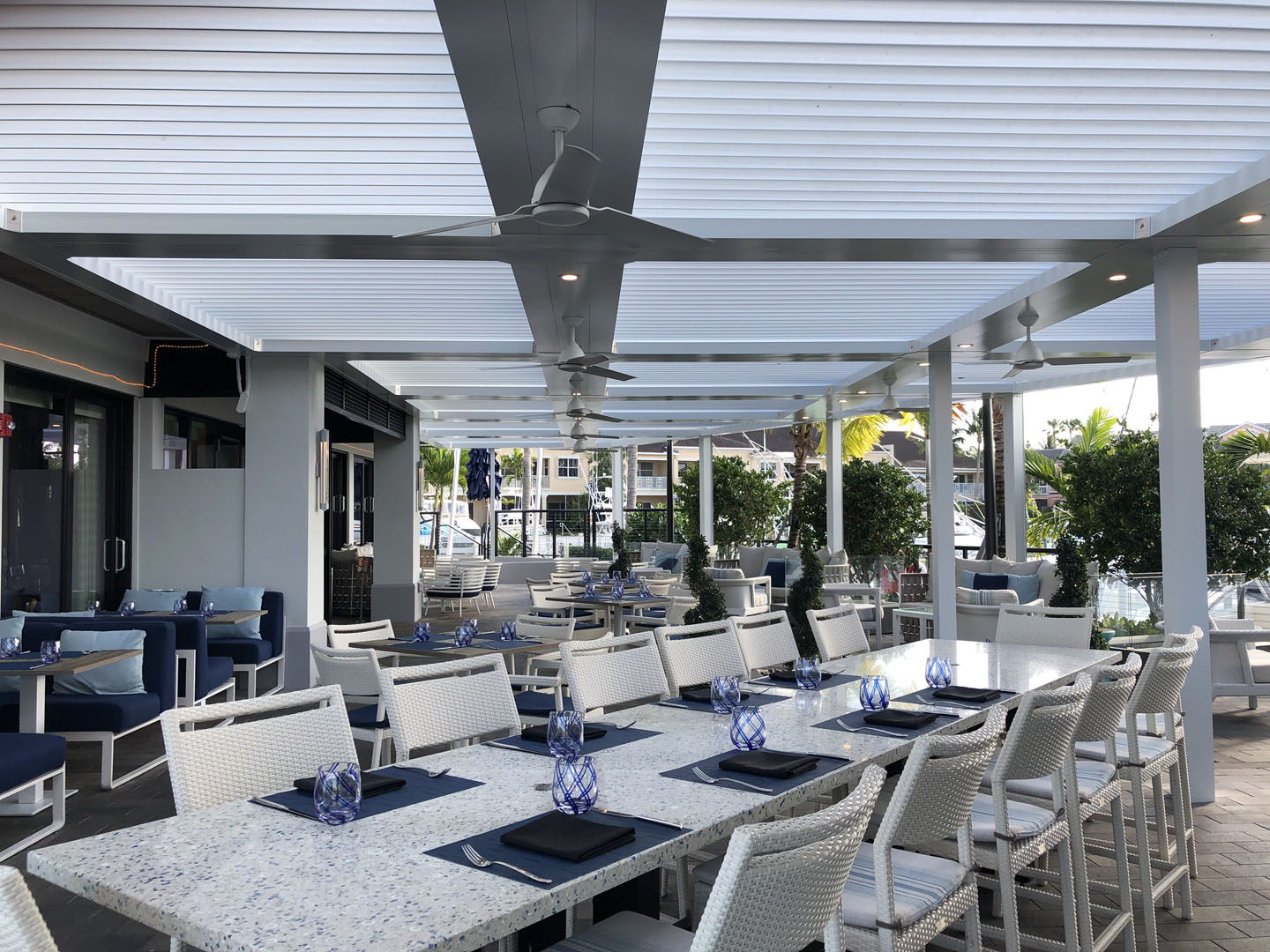
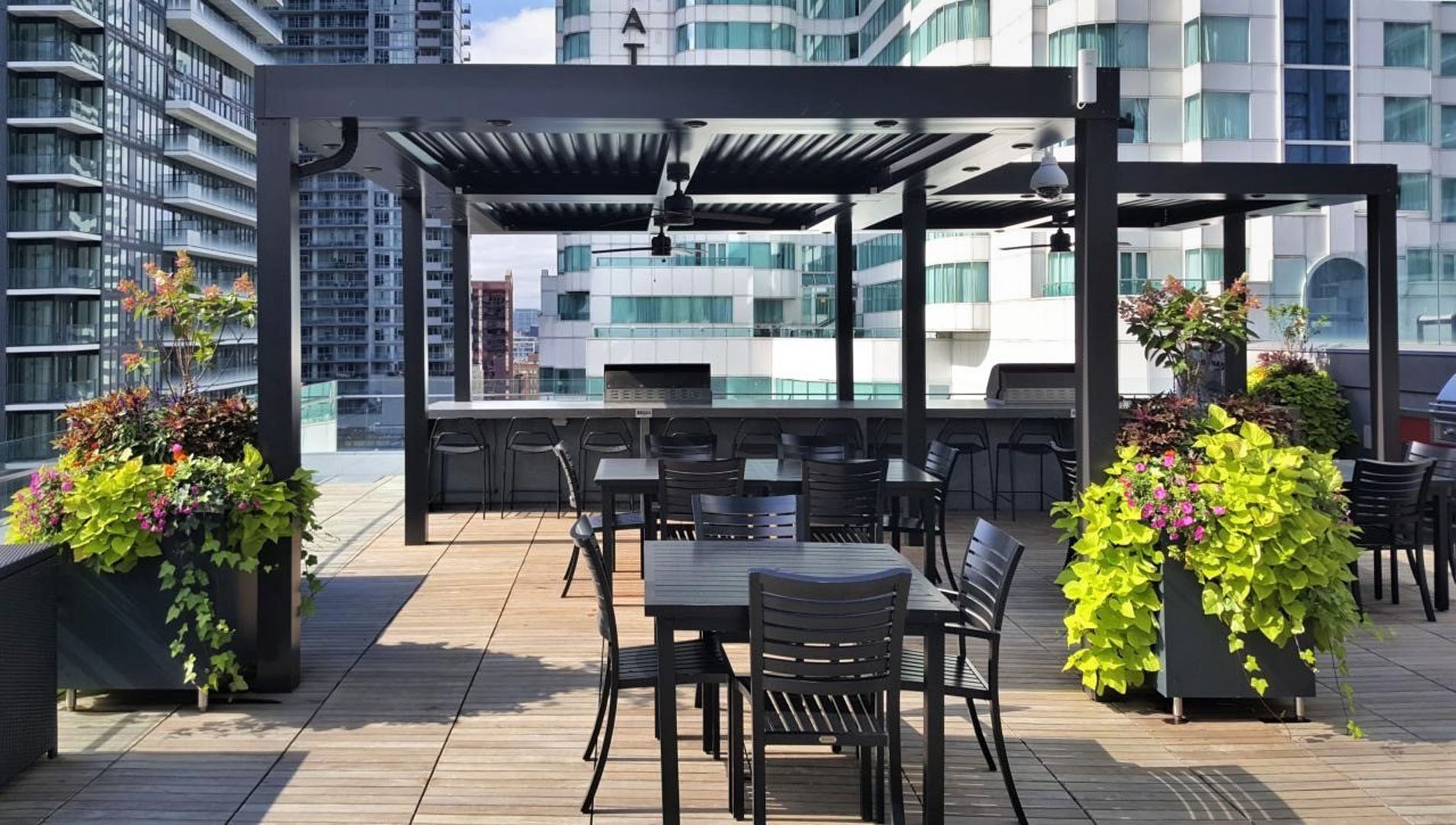
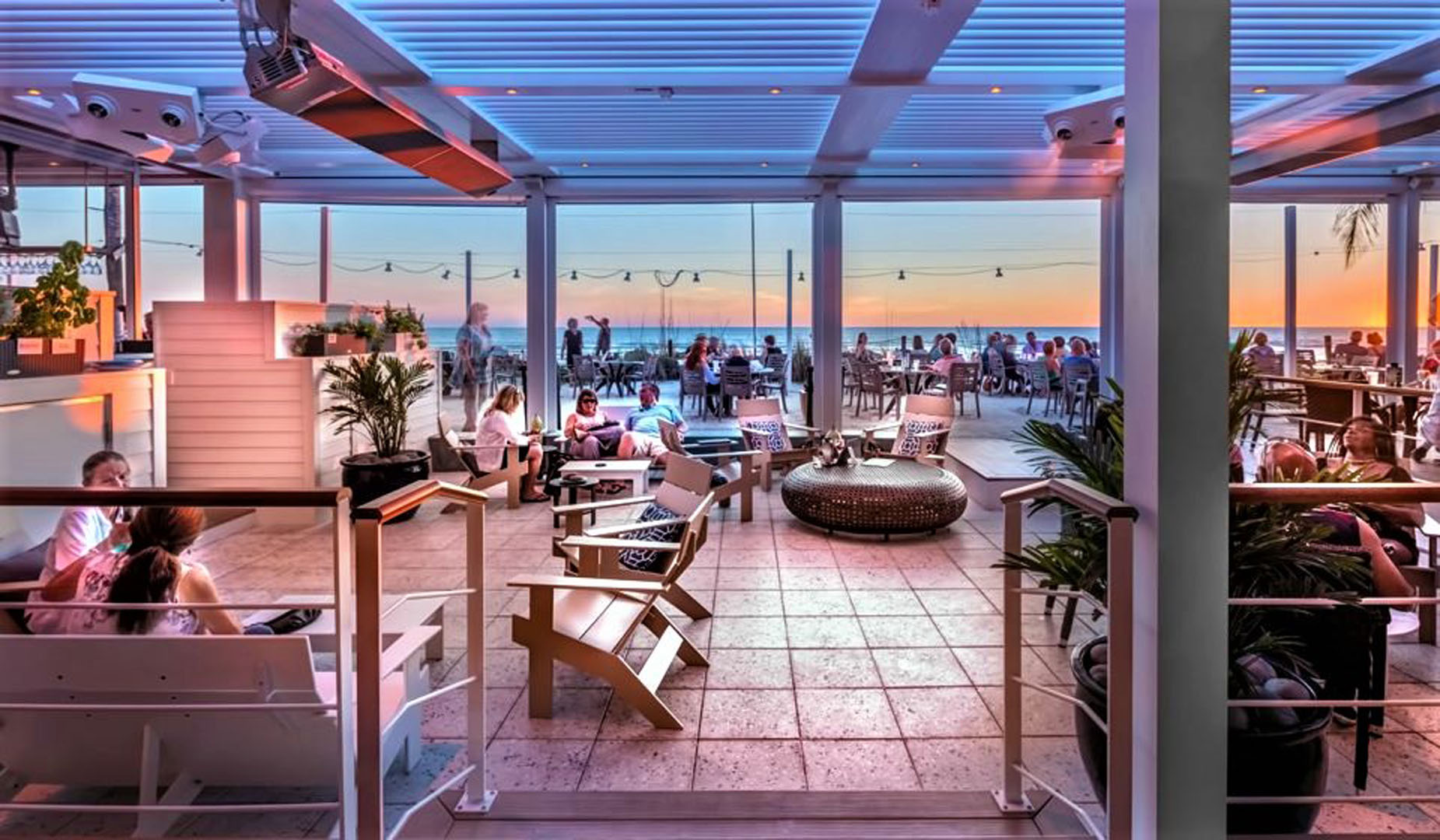
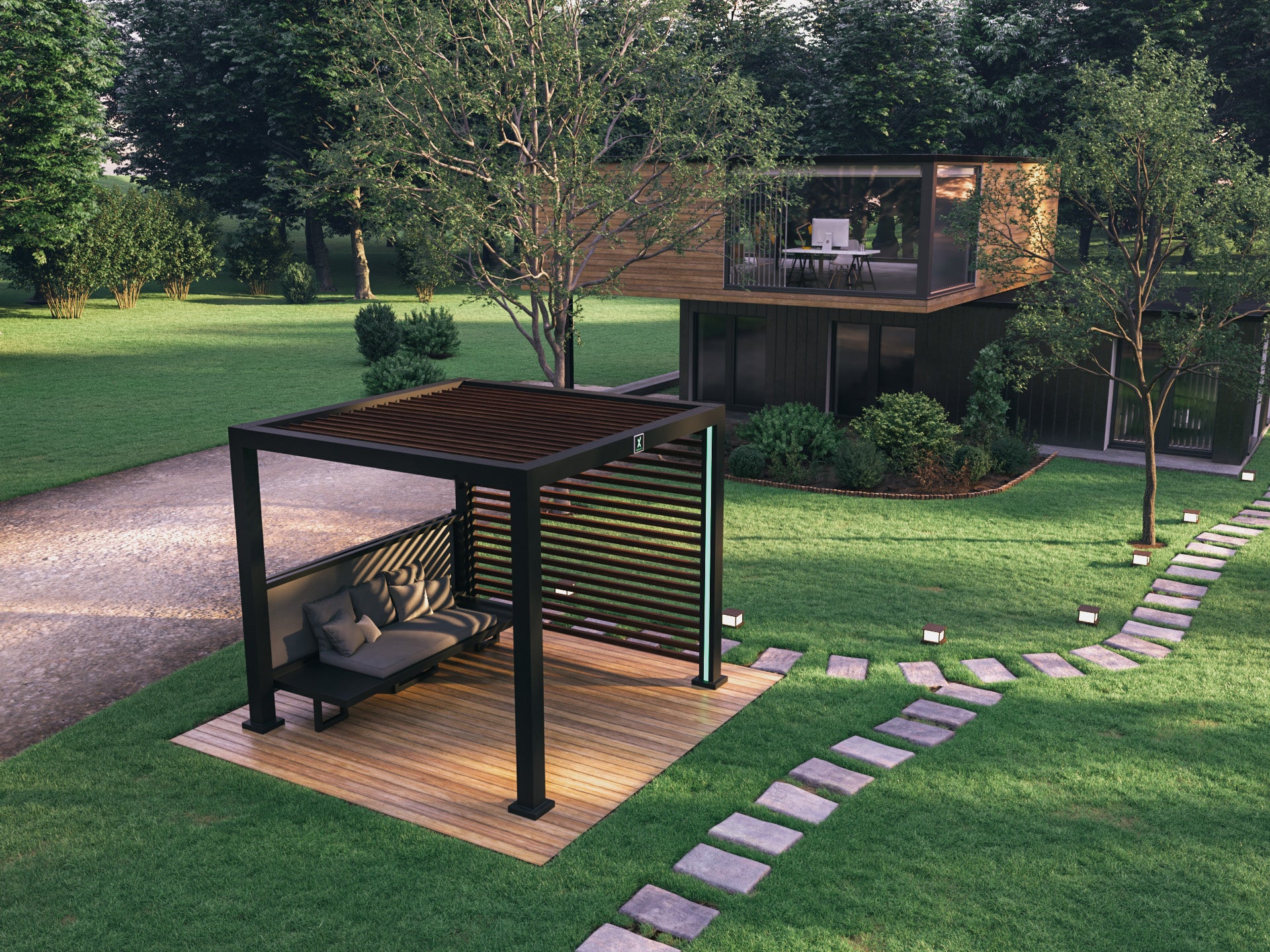
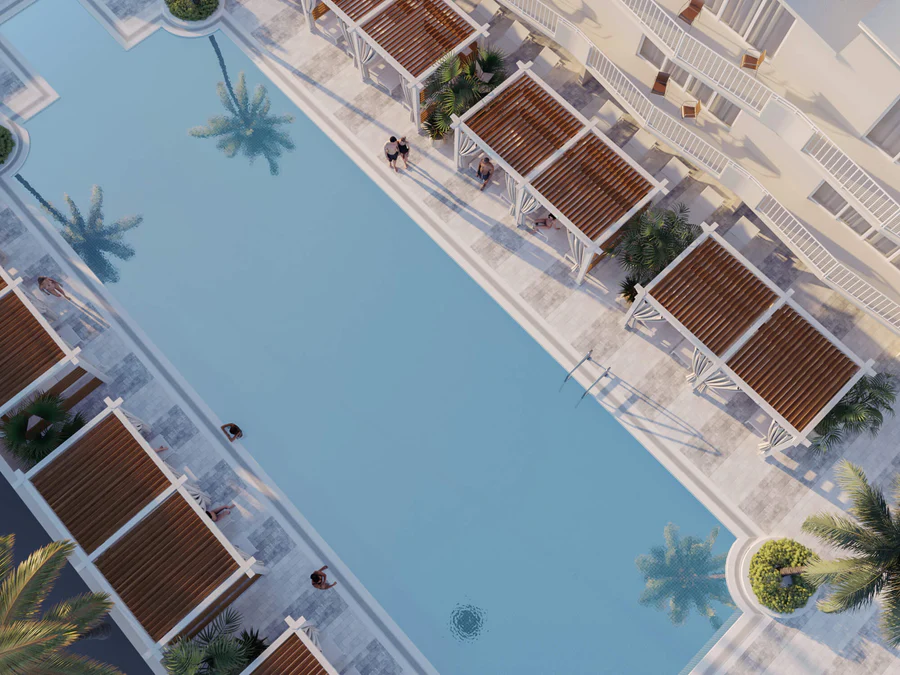
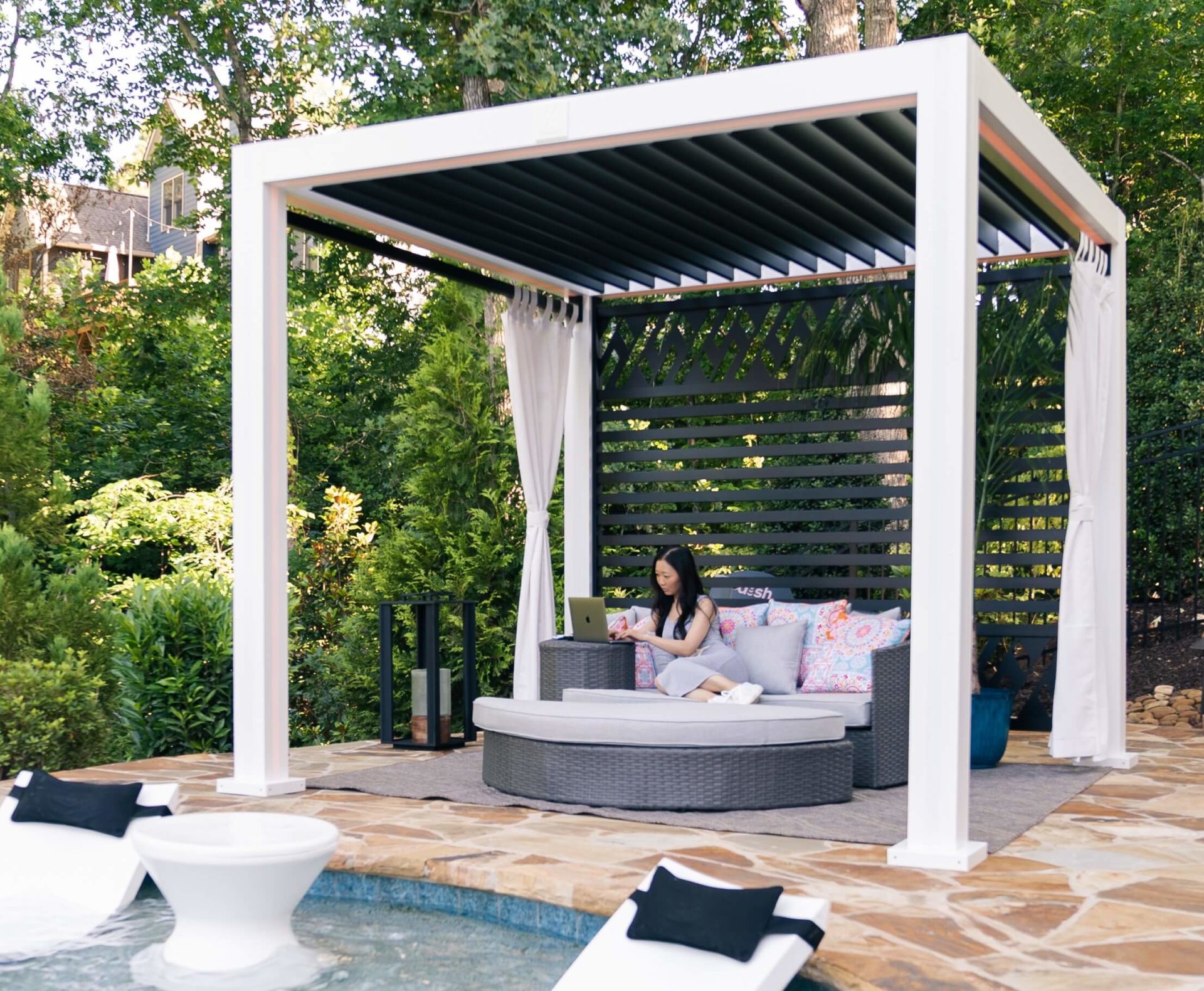
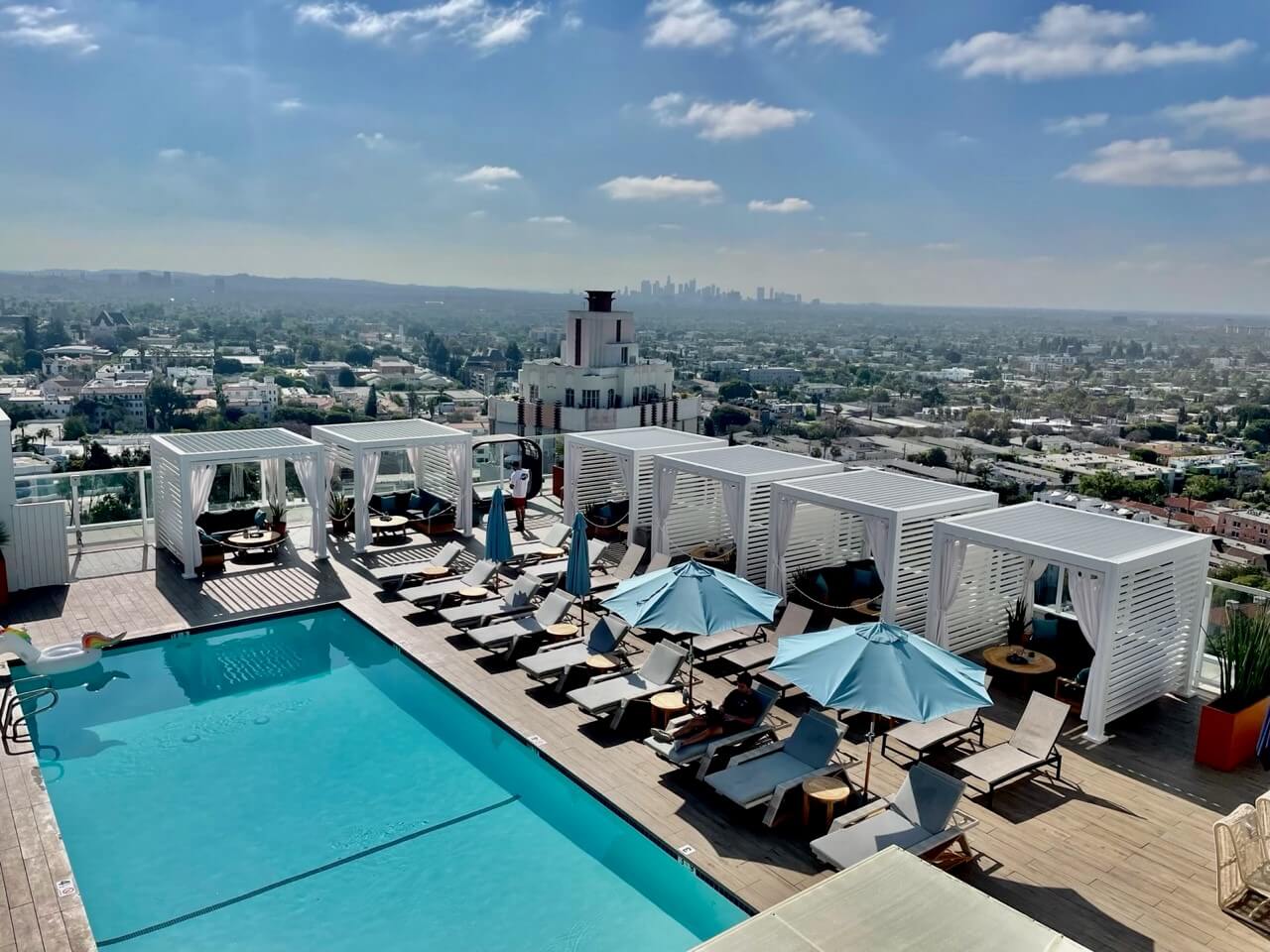
Residents of Pembroke Pines weave outdoor living into everyday life, favoring resort-style amenities in gated communities and single-family yards that center on pools, covered patios, summer kitchens and recreational facilities such as parks, golf courses and tennis courts. Backyards and community centers serve as hubs for family sports, camps, special events and social gatherings, while luxury lots offer golf- or lake-view entertaining—particularly in neighborhoods like Stoneridge Lake Estates and Grand Palms. The subtropical climate with strong sun, heat, frequent rain and hurricane wind risk makes shaded, durable solutions—covered patios, pergolas and robust drainage—common priorities. City investments in parks, sidewalks and drainage, plus homeowner demand for upgraded outdoor spaces, encourage weather-resilient outdoor kitchens and shaded seating that support year-round use and neighborhood interaction.
Outdoor Activities, Amenities, and Lifestyle Patterns
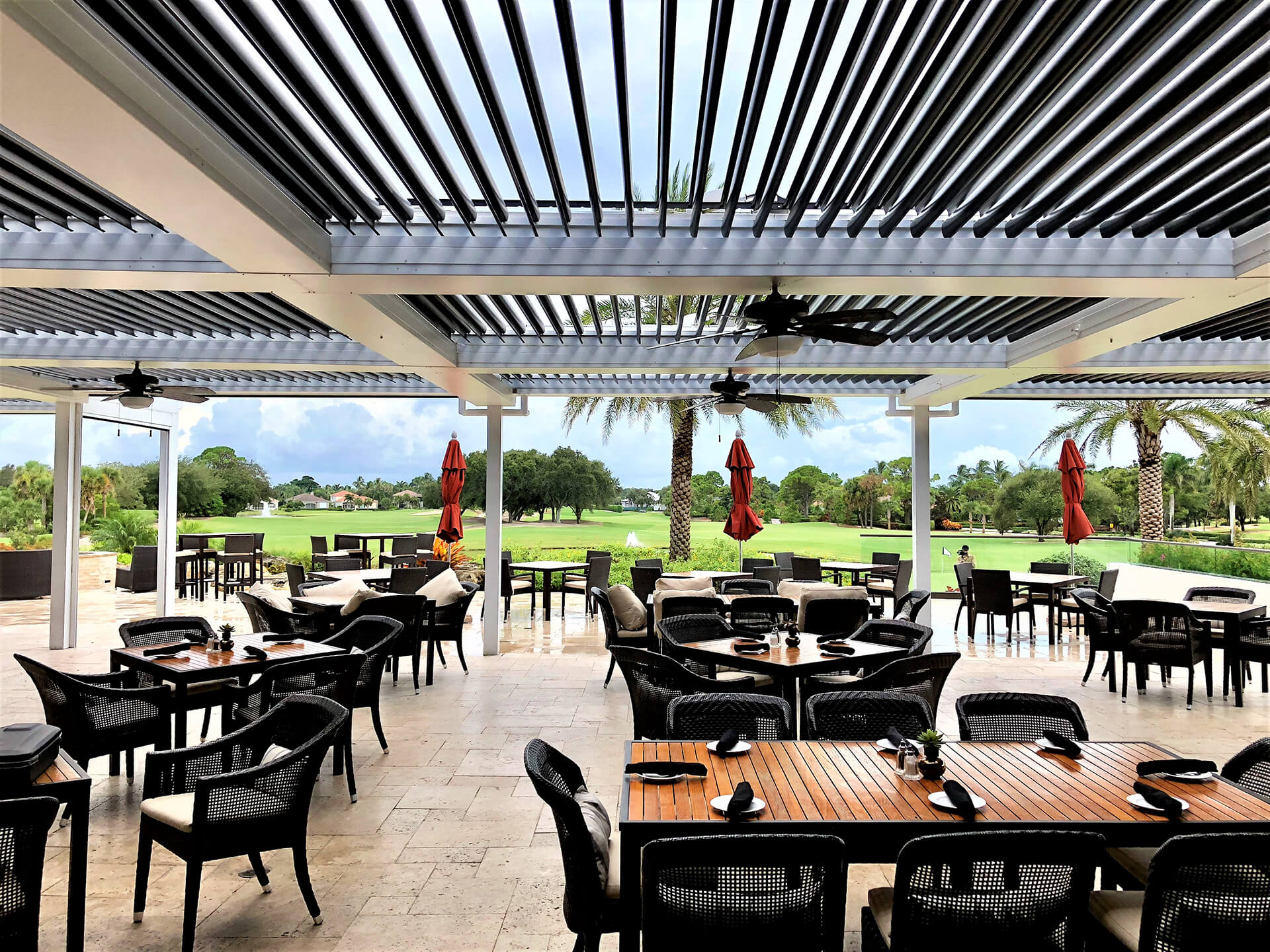
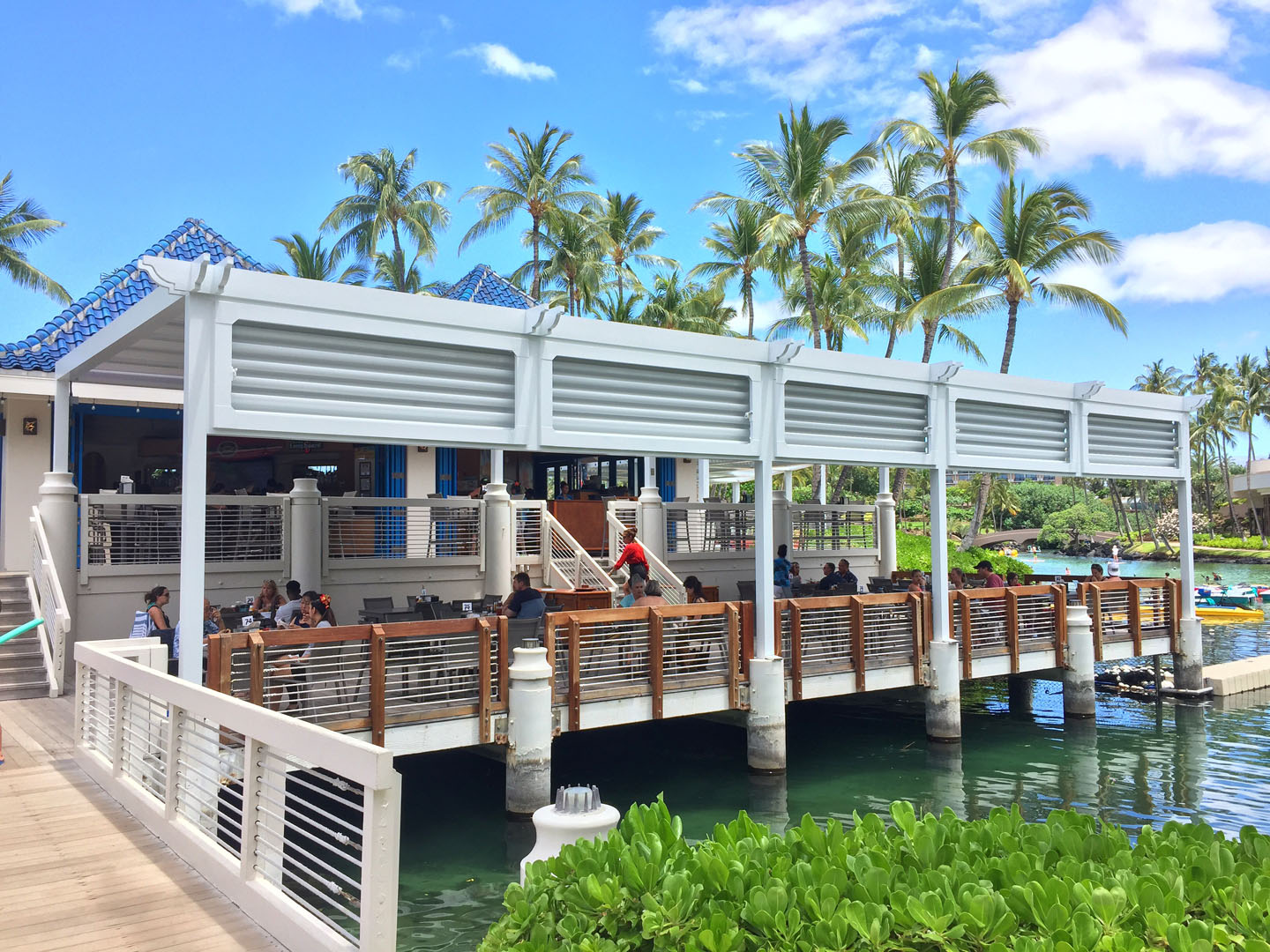
Residents of Pembroke Pines center outdoor life around resort-style amenities in gated communities and single-family yards, favoring pools, covered patios, summer kitchens and pergolas for entertaining and family activities. Neighborhood parks, community centers and recreation facilities — including golf courses, tennis courts, sports camps and special events — serve as hubs for all ages and foster social gatherings. Many homes, especially in luxury enclaves like Stoneridge Lake Estates and Grand Palms, emphasize backyard pools, lake or golf views and low-to-medium density lots rather than balconies. The subtropical climate — abundant sun, heat, frequent rain and hurricane wind risk — drives demand for shaded, durable outdoor structures and improved drainage, while city investments in parks, sidewalks and infrastructure support year-round, weather-resilient outdoor living.
Residential Property Characteristics of Pembroke Pines Affecting Outdoor Living
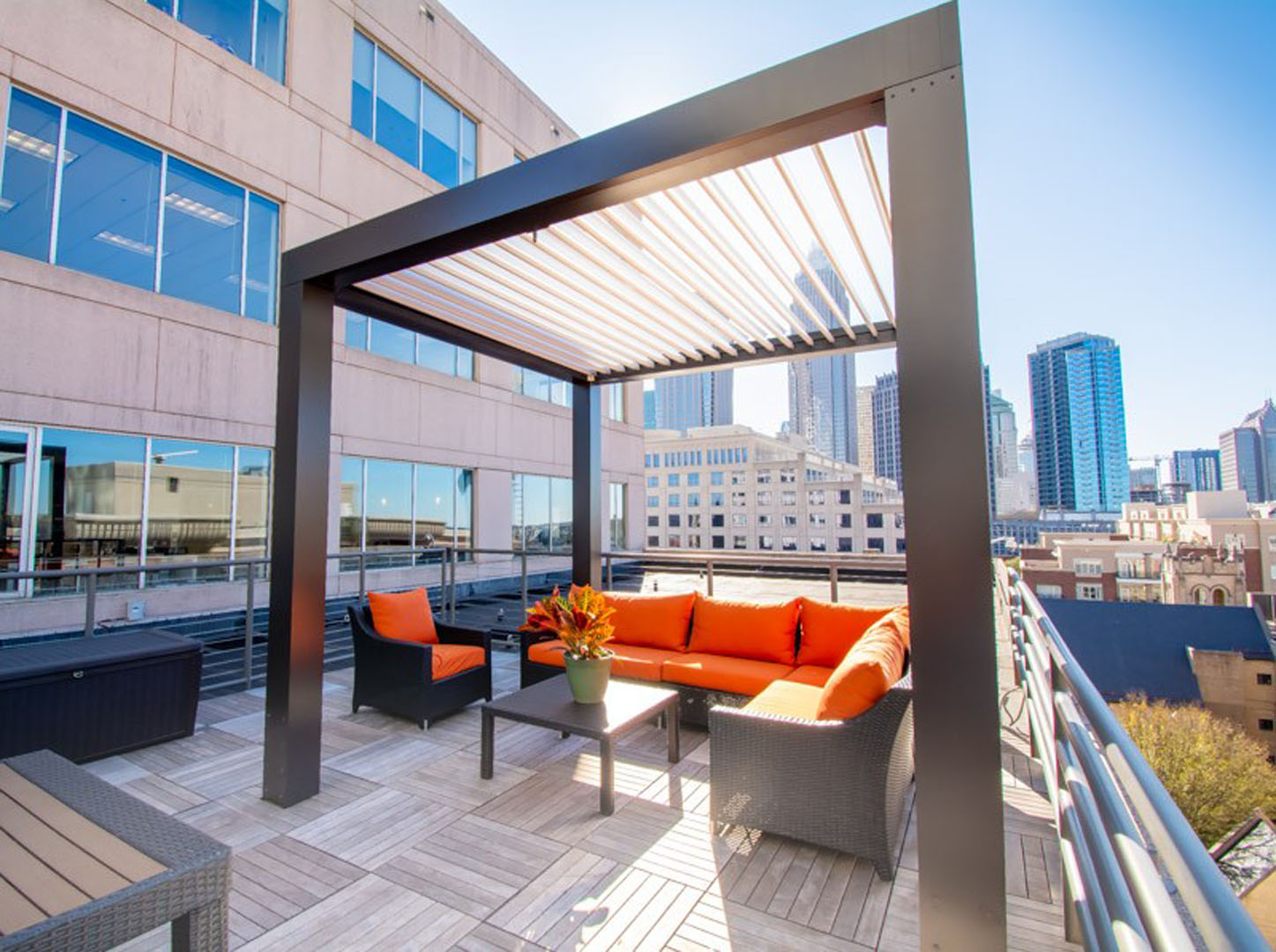
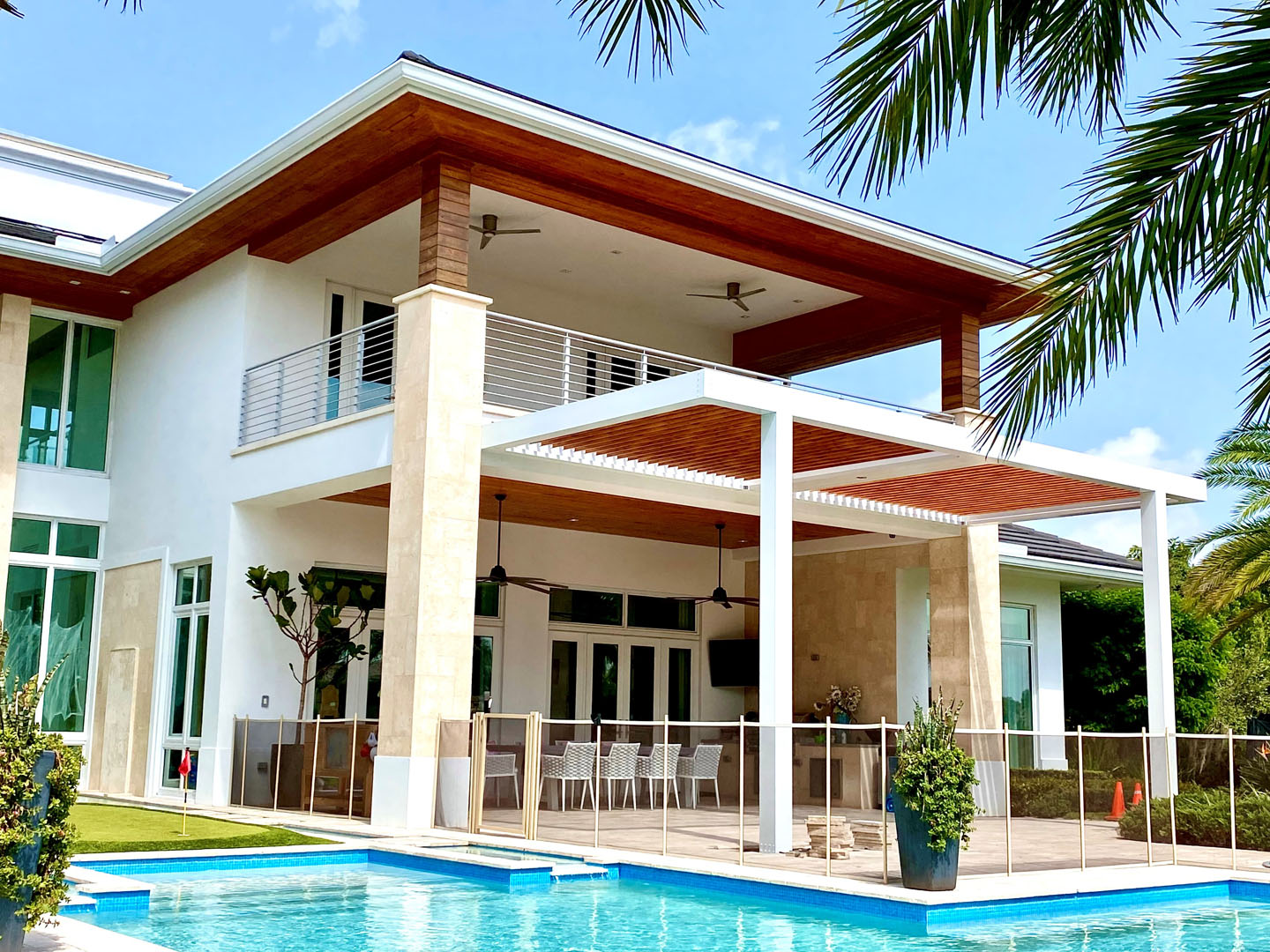
Pembroke Pines residential properties—predominantly single-family homes, townhomes, condos and gated-community residences including luxury golf-course or lake-view houses—feature contemporary custom designs with large yards, backyard pools and expansive outdoor living areas that favor covered patios and pergolas over small balconies or terraces. Lot sizes and land-use categories support low- to medium-density development (roughly 1–25 units per gross acre), providing space for poolside pergolas, summer kitchens and shaded entertaining zones. Waterfront neighborhoods such as Stoneridge Lake Estates and Grand Palms add lake views that influence placement and orientation. Subtropical sun, heat, heavy rains and hurricane wind risk further shape durable, drainage-conscious shade structures and anchored pergolas to maximize year-round outdoor comfort.
Climate, Sun, and Weather Considerations in Pembroke Pines
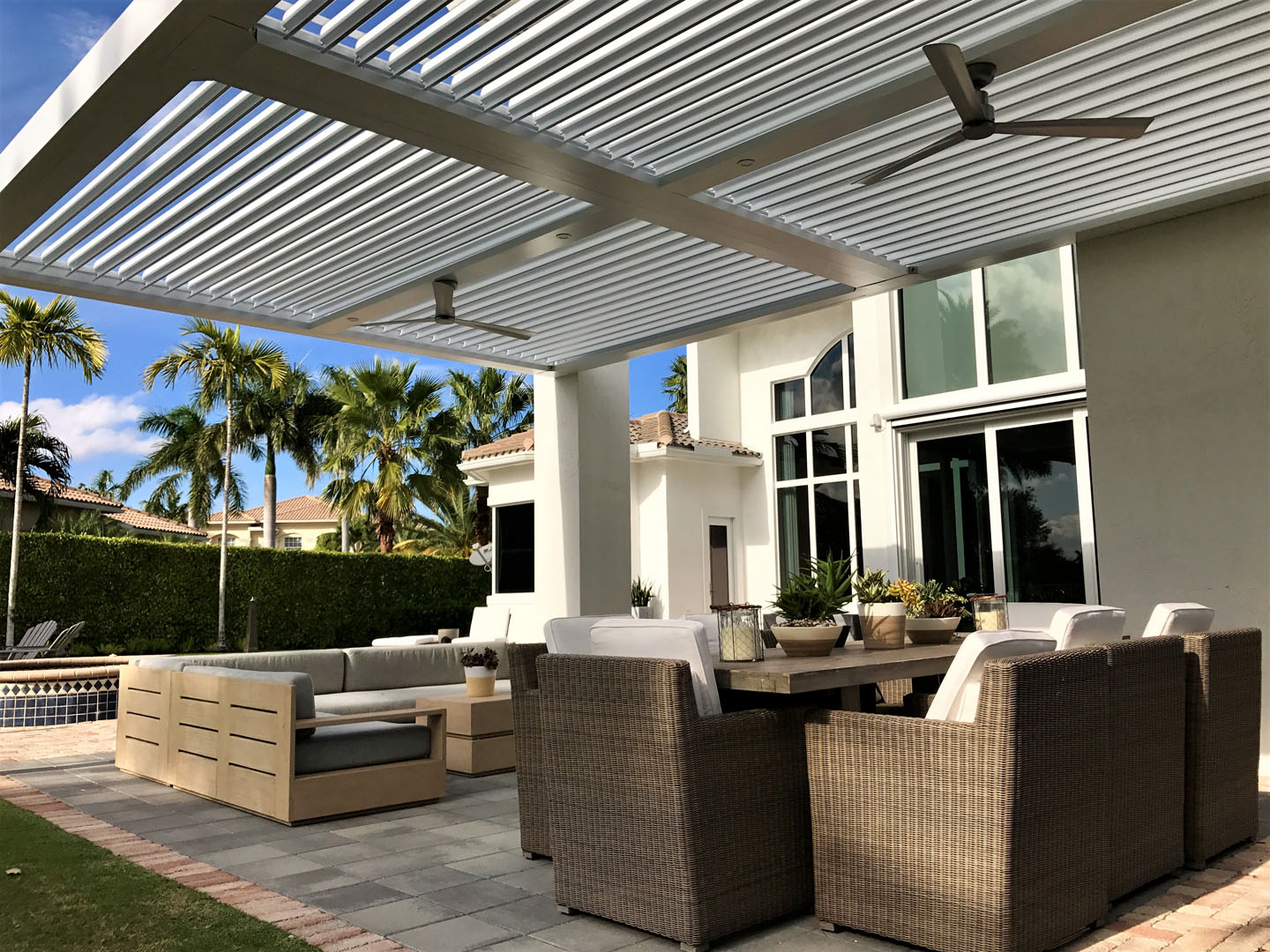
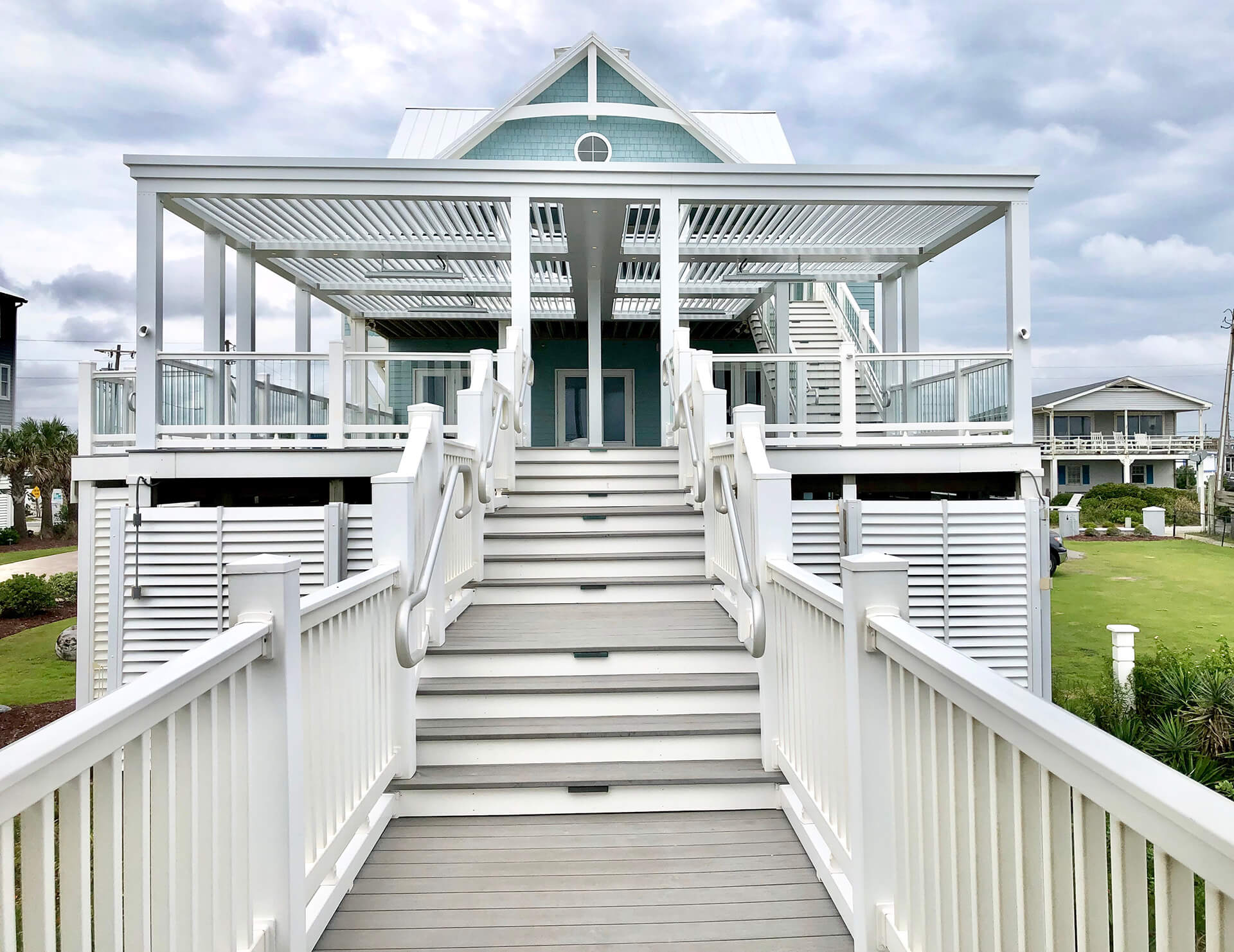
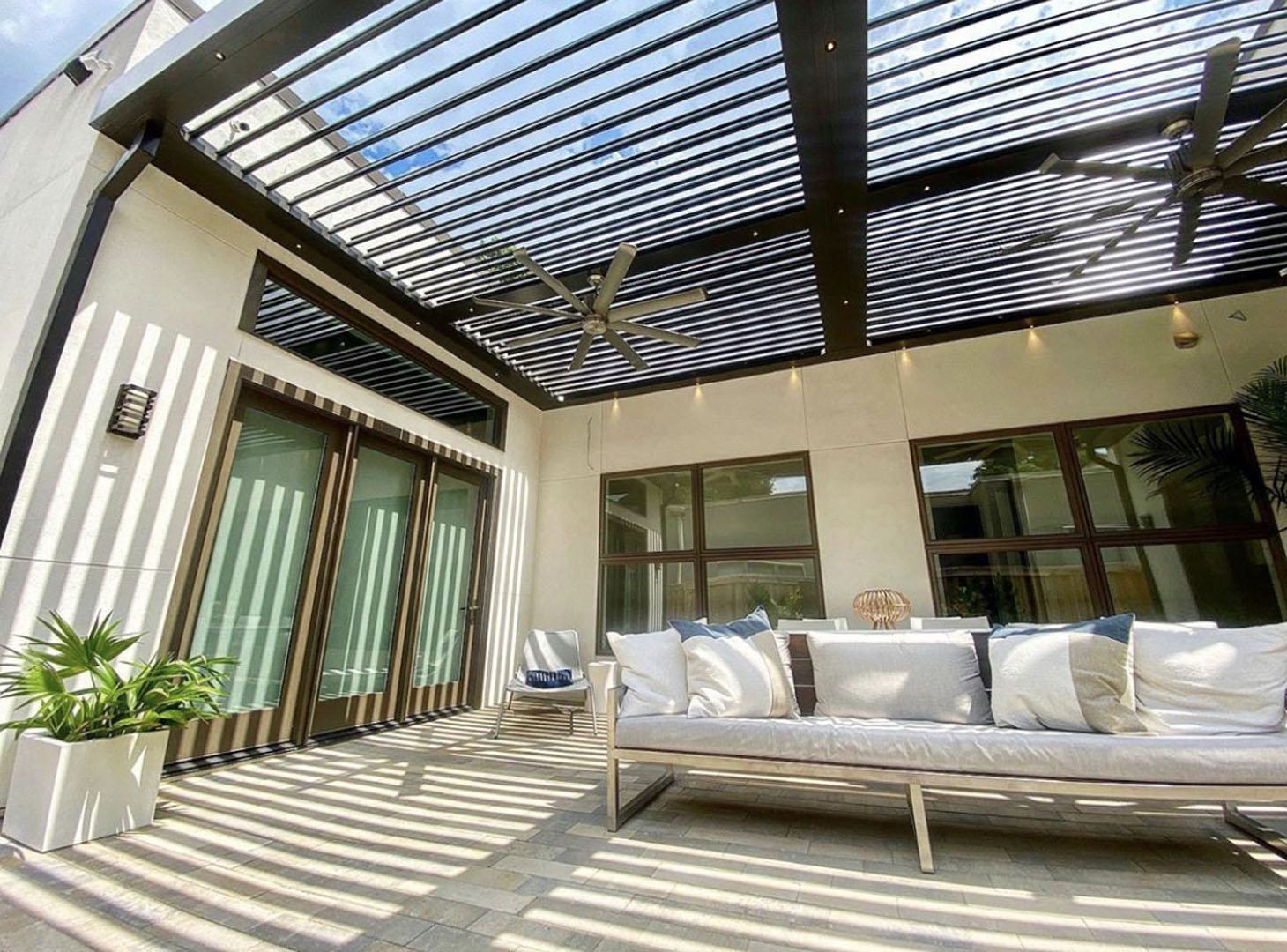
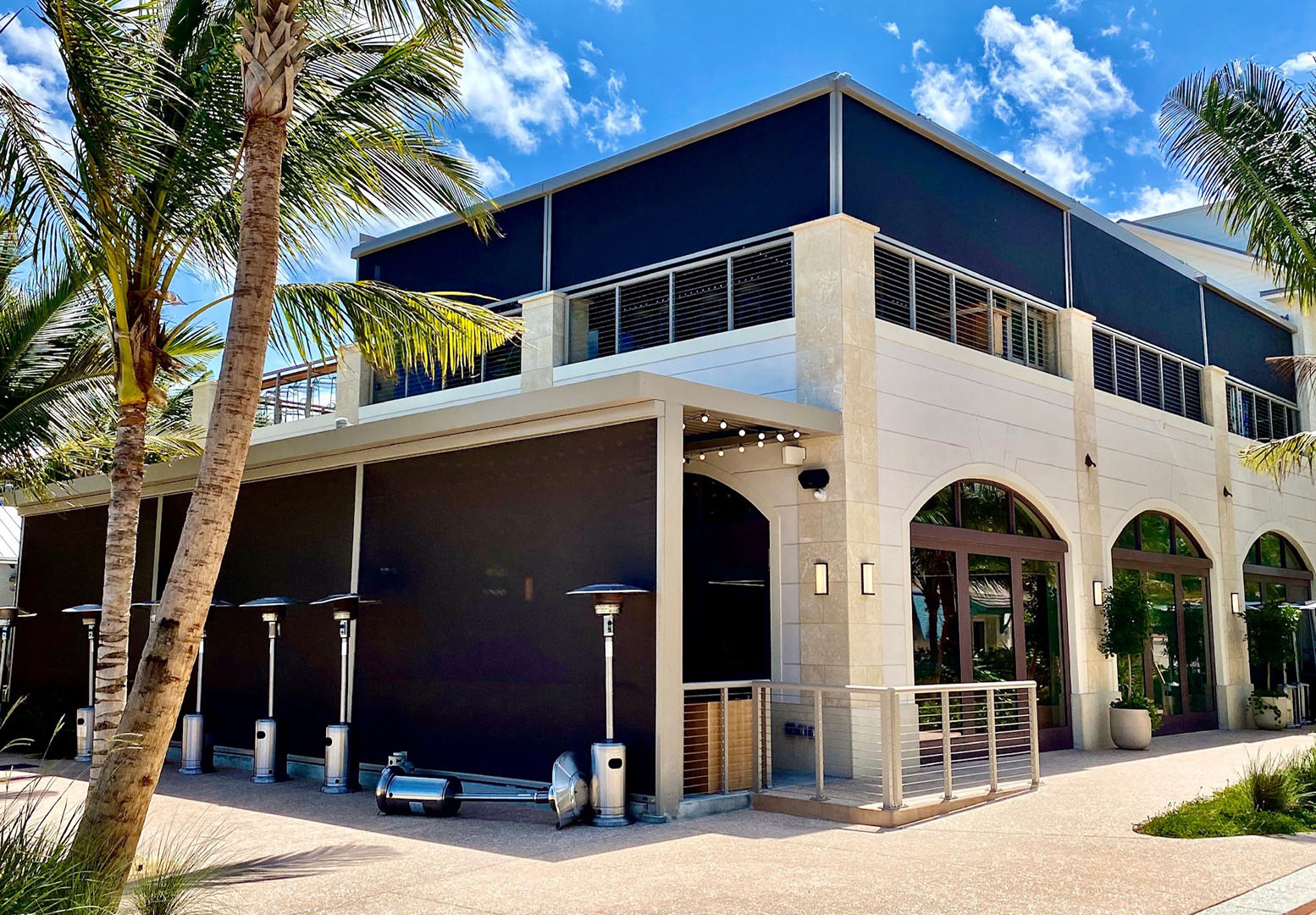
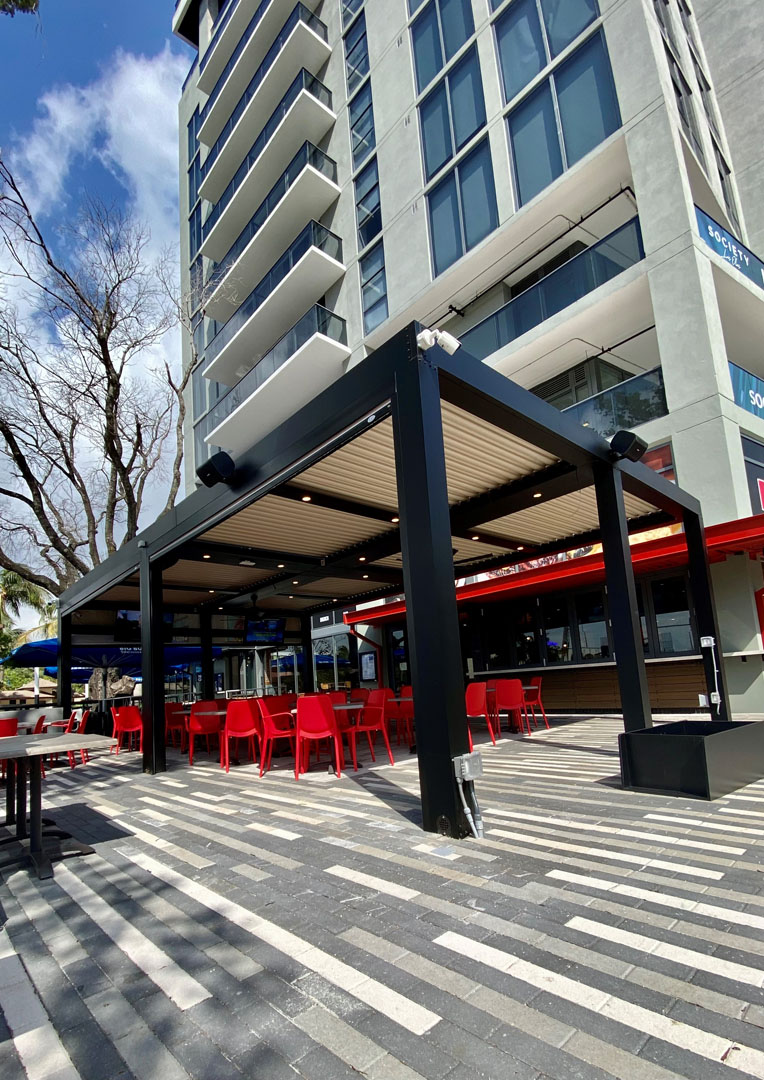
Pembroke Pines’ subtropical, inland South Florida climate brings high sun exposure, intense heat, frequent rain and hurricane-related wind risks without direct coastal exposure, shaping how residents use outdoor space. Strong sunlight and heat drive demand for shaded elements—covered patios, pergolas and summer kitchens—to make pools, patios and parks comfortable for year-round entertaining, while frequent rain and seasonal storms require durable, weather-resilient structures, effective drainage and wind-resistant design. City priorities for improved drainage, sidewalks and recreational facilities complement homeowner upgrades by protecting backyards and community hubs from runoff and storm impacts. As a result, outdoor living in Pembroke Pines emphasizes sun protection, reliable shelter from rain and reinforced construction to withstand high winds while preserving resort-style amenities.
Why Pembroke Pines Is Ideal for Outdoor Living
Pembroke Pines’ culture of outdoor, family-oriented living—anchored by gated communities with resort-style amenities, pools, summer kitchens and active parks—combined with predominantly single-family lots and contemporary homes with large yards, makes patios, pergolas and covered spaces a natural extension of residences. The subtropical climate, with intense sun, heat, frequent rain and inland hurricane wind risk, increases demand for shaded, weather-resilient structures and robust drainage-friendly designs. City investments in parks, sidewalks and drainage plus strong homeowner interest in updated outdoor areas and golf- or lake-view settings further encourage installations that support year-round entertaining, recreation and neighborhood gatherings. Low-to-medium density lot patterns and planned community enhancements create both the space and the incentive for durable covered outdoor upgrades.
Outdoor Living and Home Upgrade FAQ
What are the zoning density limits for adding backyard structures like pergolas in residential areas? Low Residential is typically 1–5 units per acre; accessory outdoor structures are generally permitted with local permits.
How do recent market shifts affect financing outdoor upgrades like pools or covered patios? Median prices fell while luxury listings rose; changing values can affect equity and financing.
What city infrastructure improvements support outdoor spaces, such as drainage for rain-prone backyards? City priorities—drainage, sidewalks and park upgrades—support rain management and outdoor amenities.
Are gated communities like Stoneridge or Grand Palms ideal for pergola installations with pools? Yes. These communities offer large yards, pools and lake or golf views suited to pergolas.
How do wind and heat factors influence pergola design requirements here? Subtropical sun, heat, frequent rain and hurricane wind risk require shaded, durable, wind-resistant pergolas with good drainage.