
The Outdoor Setting in Oakland Park
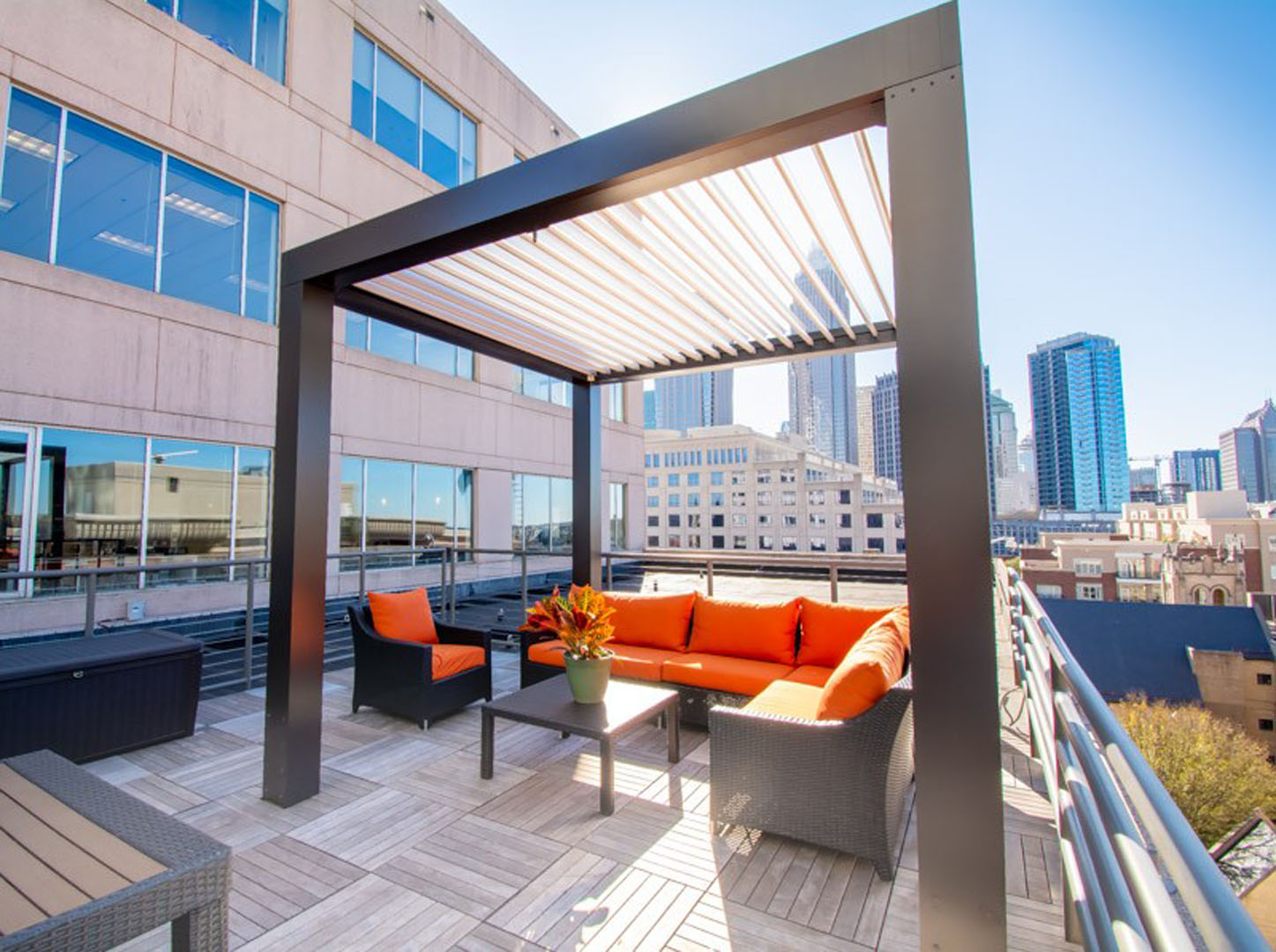
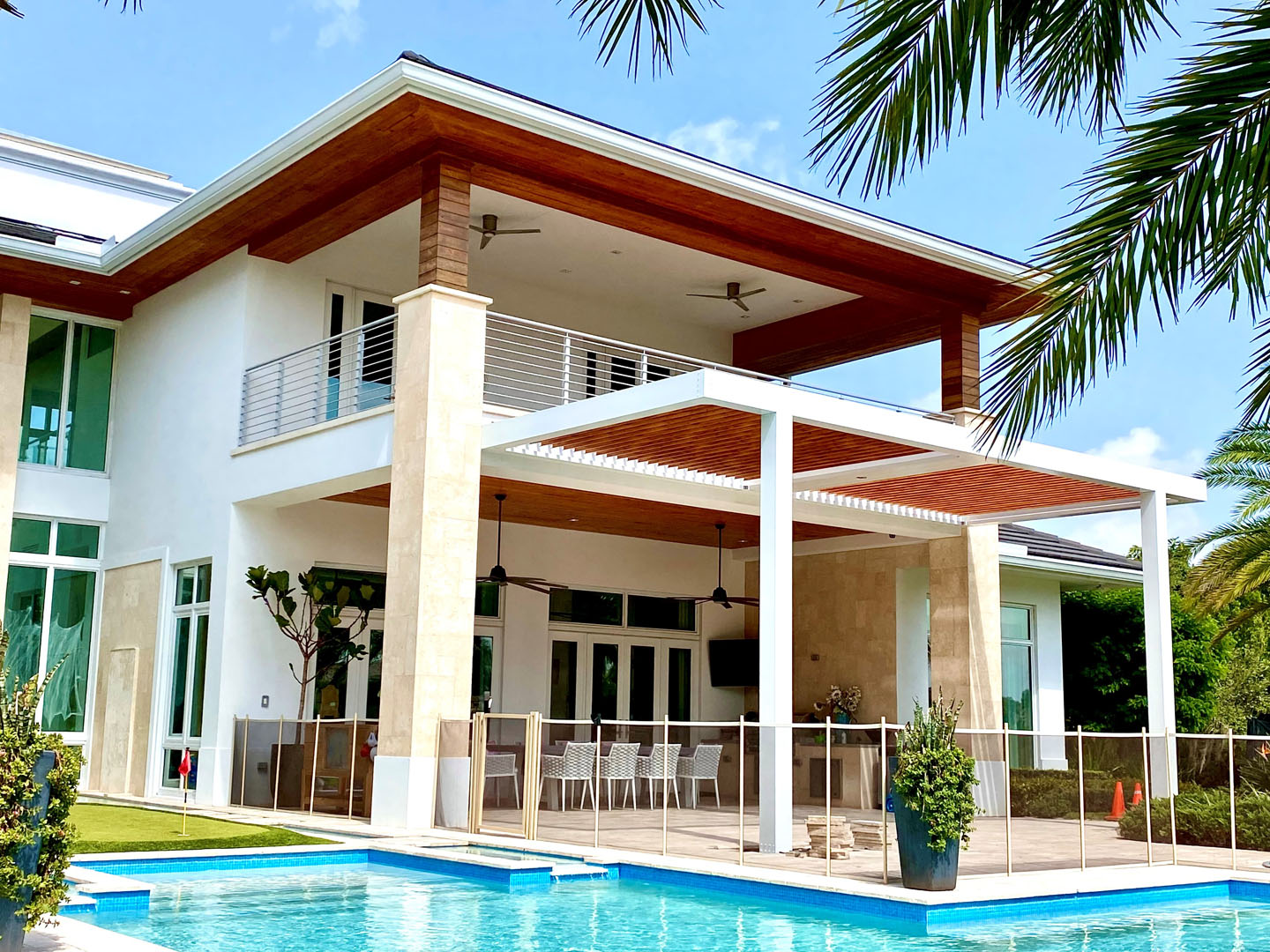
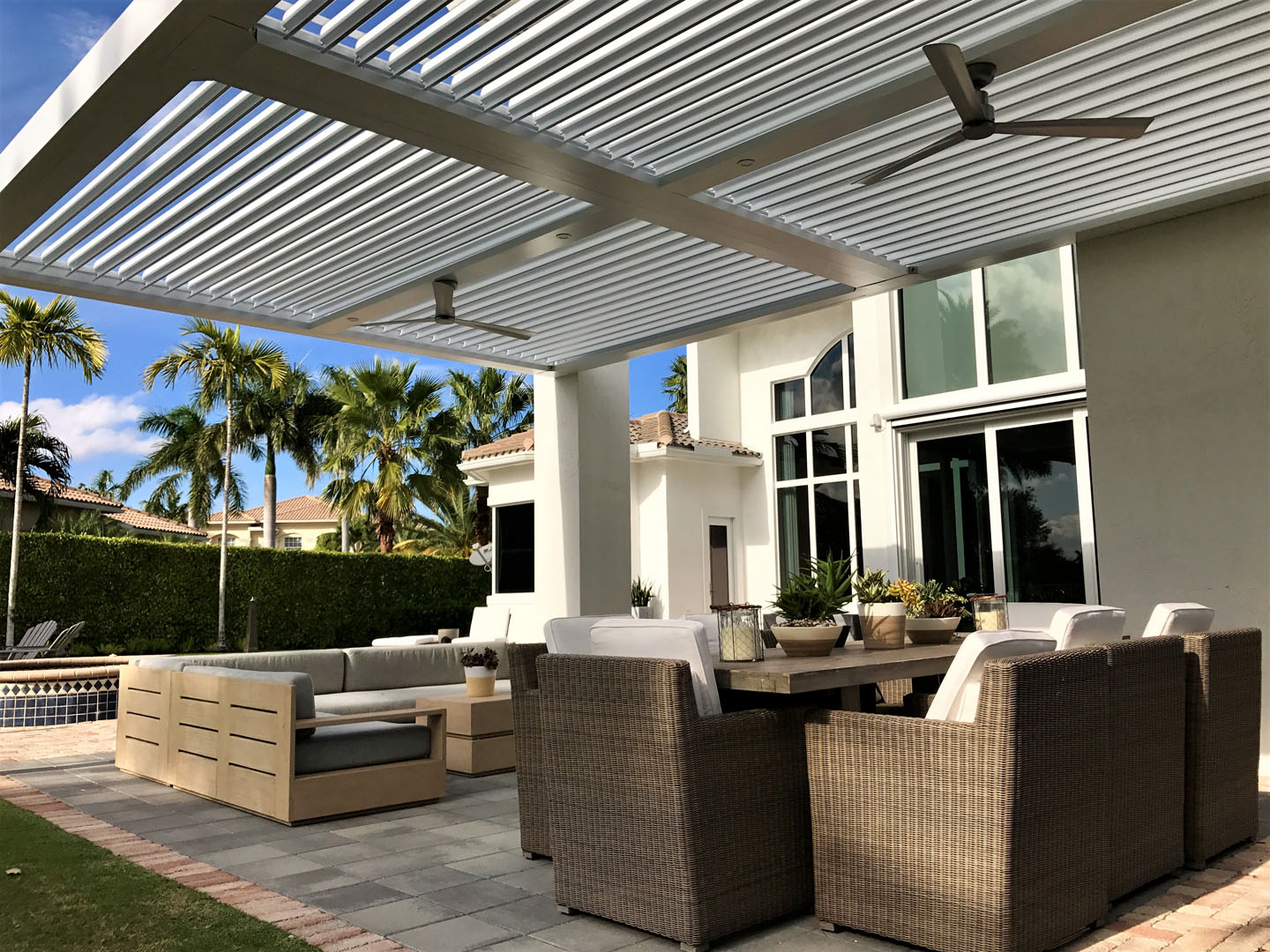
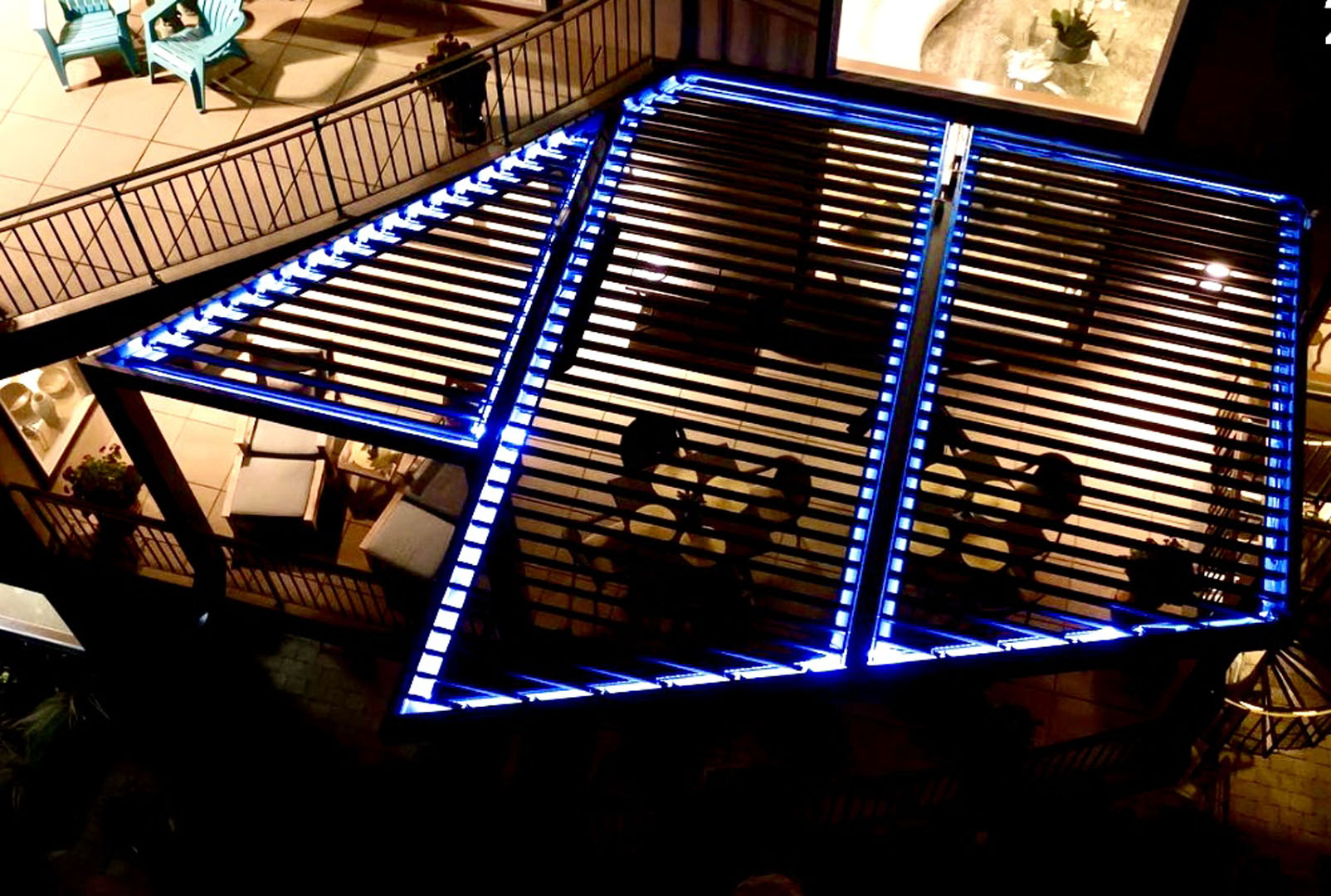
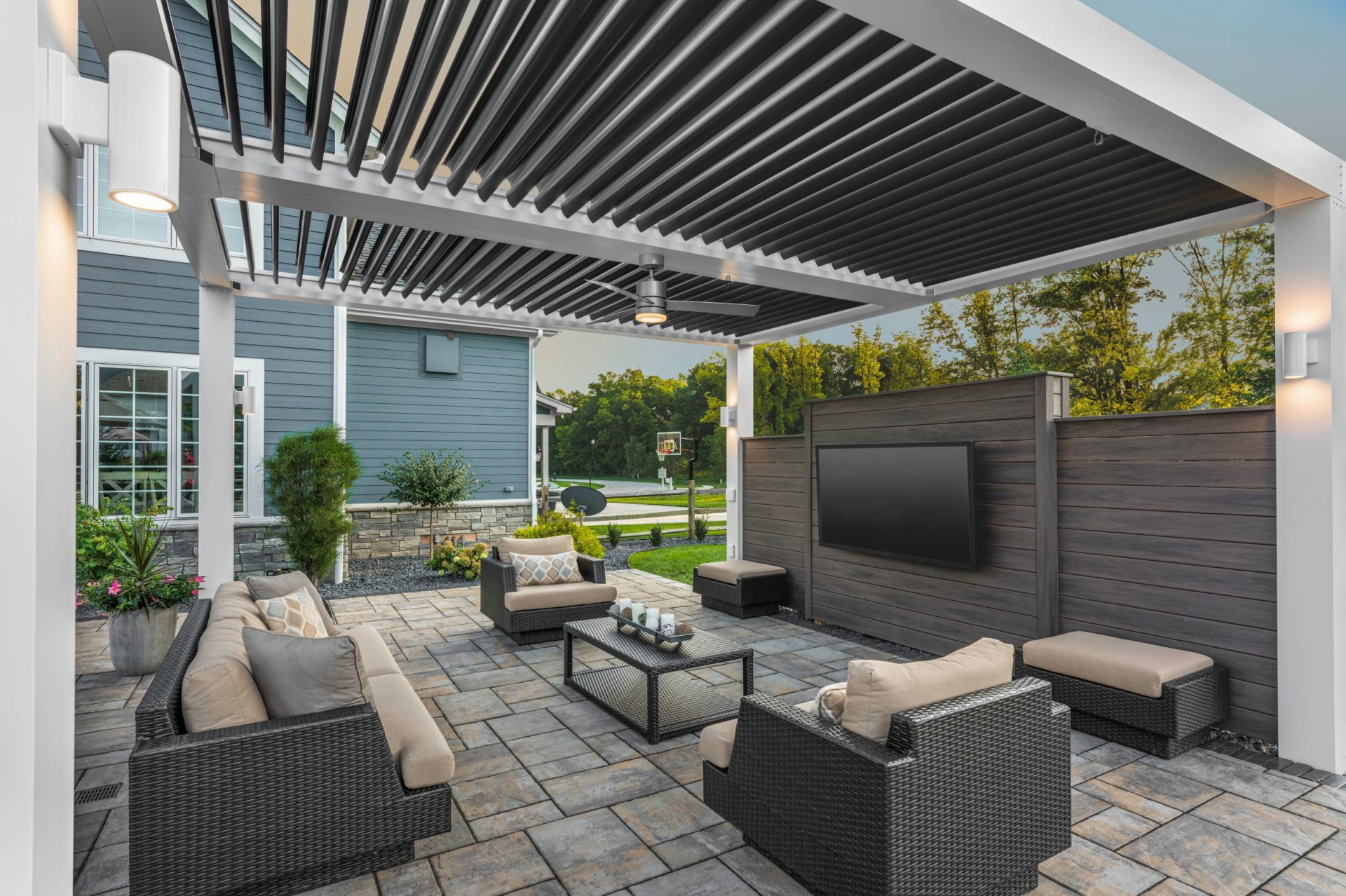
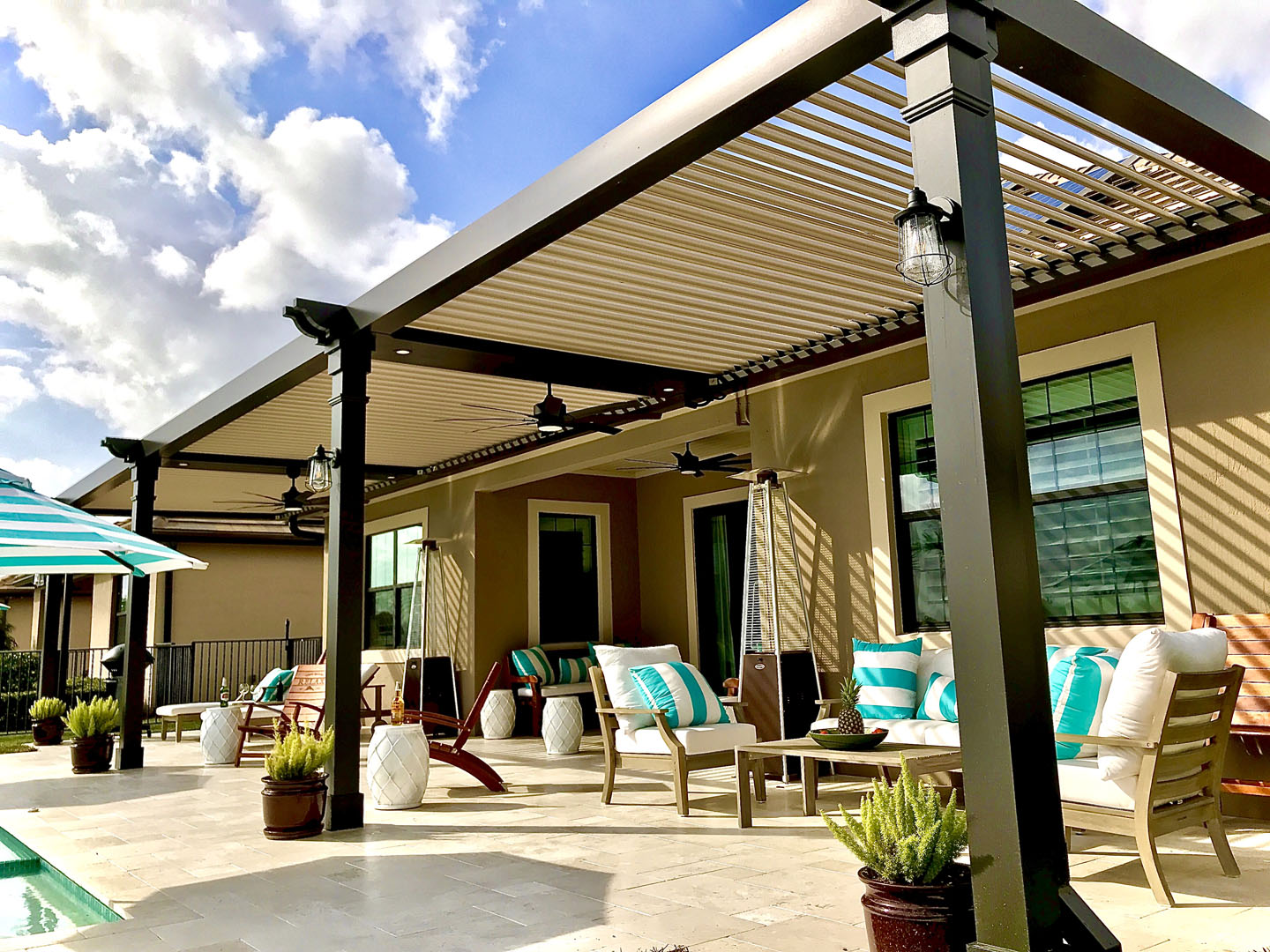
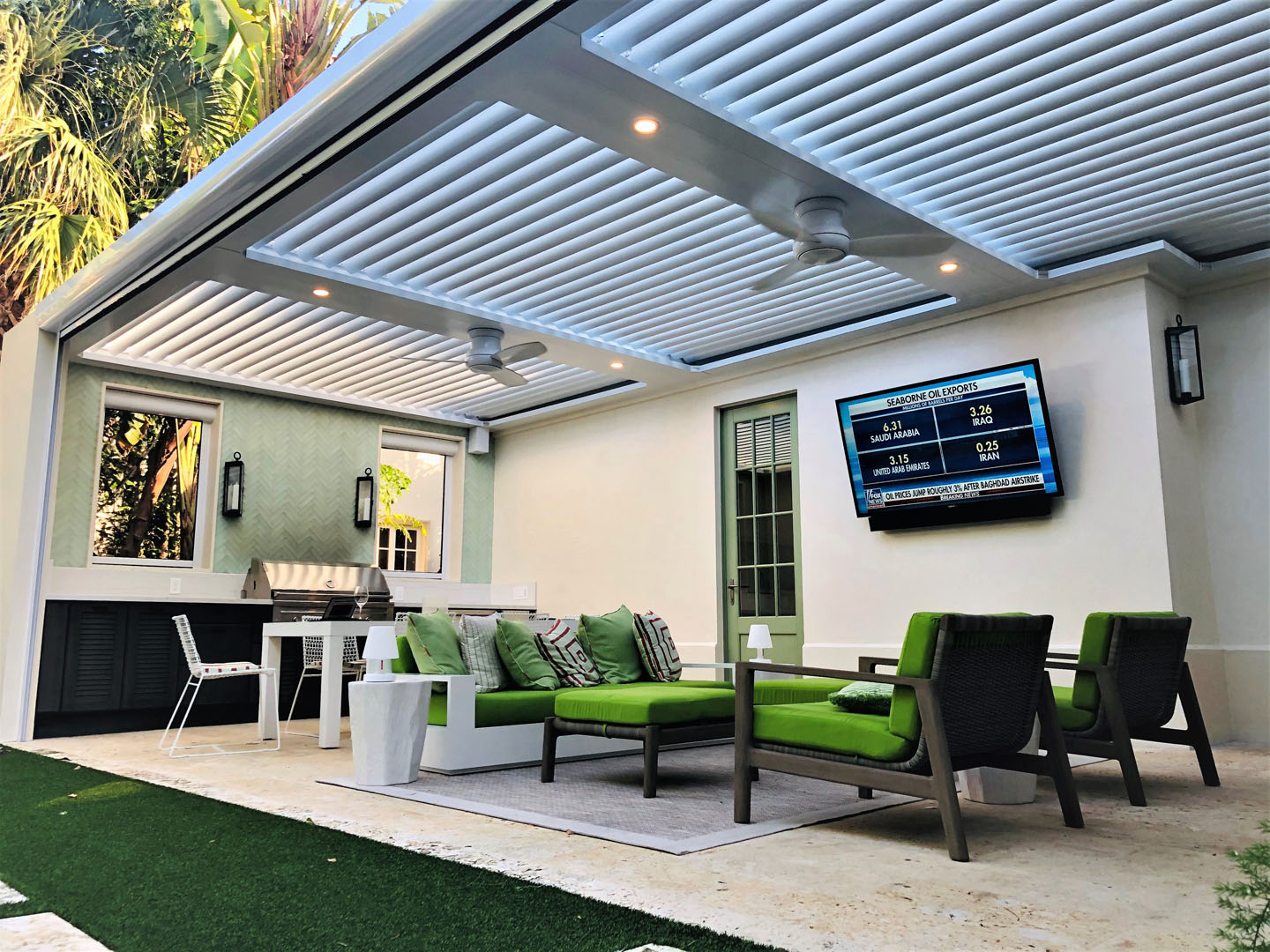
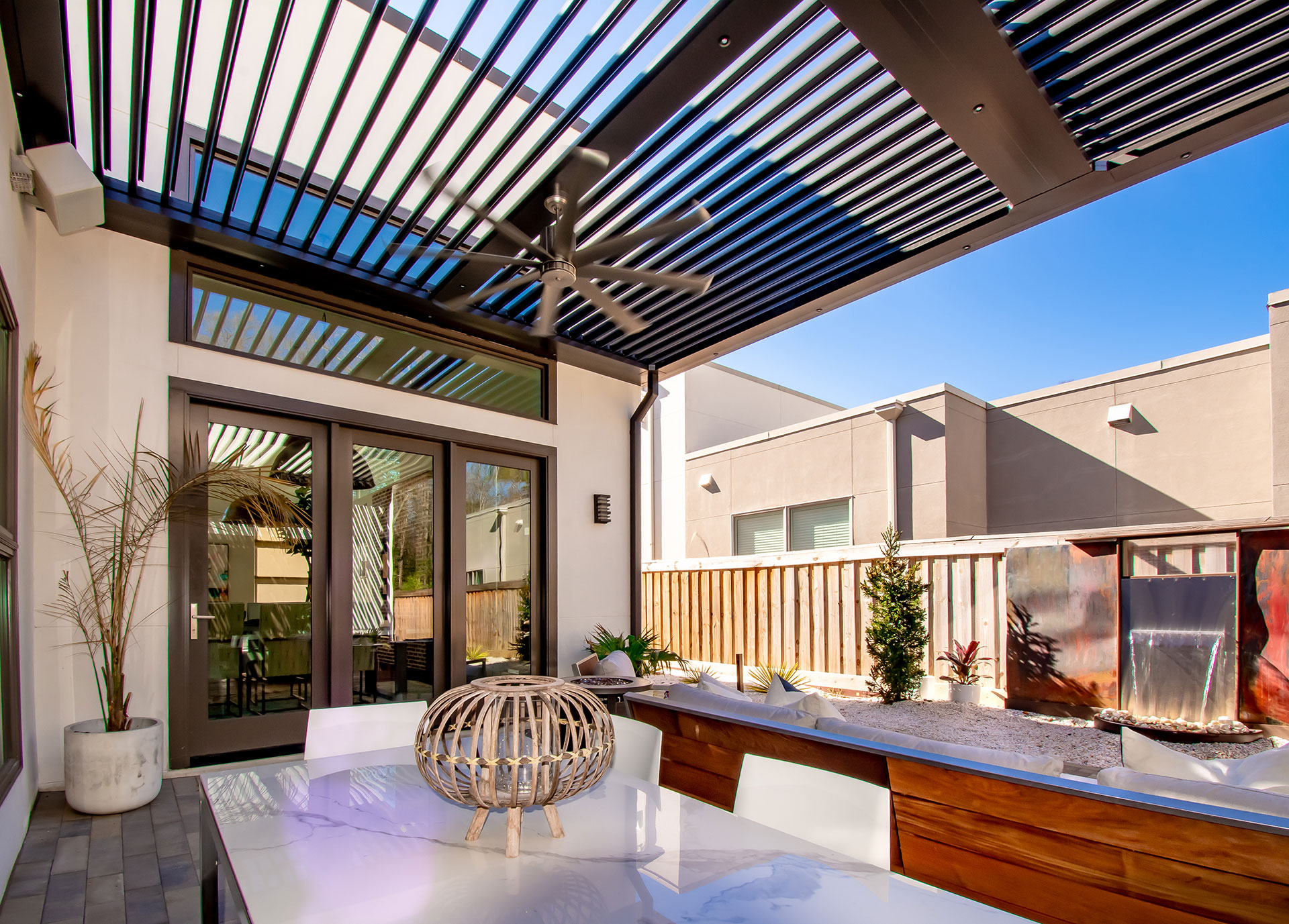
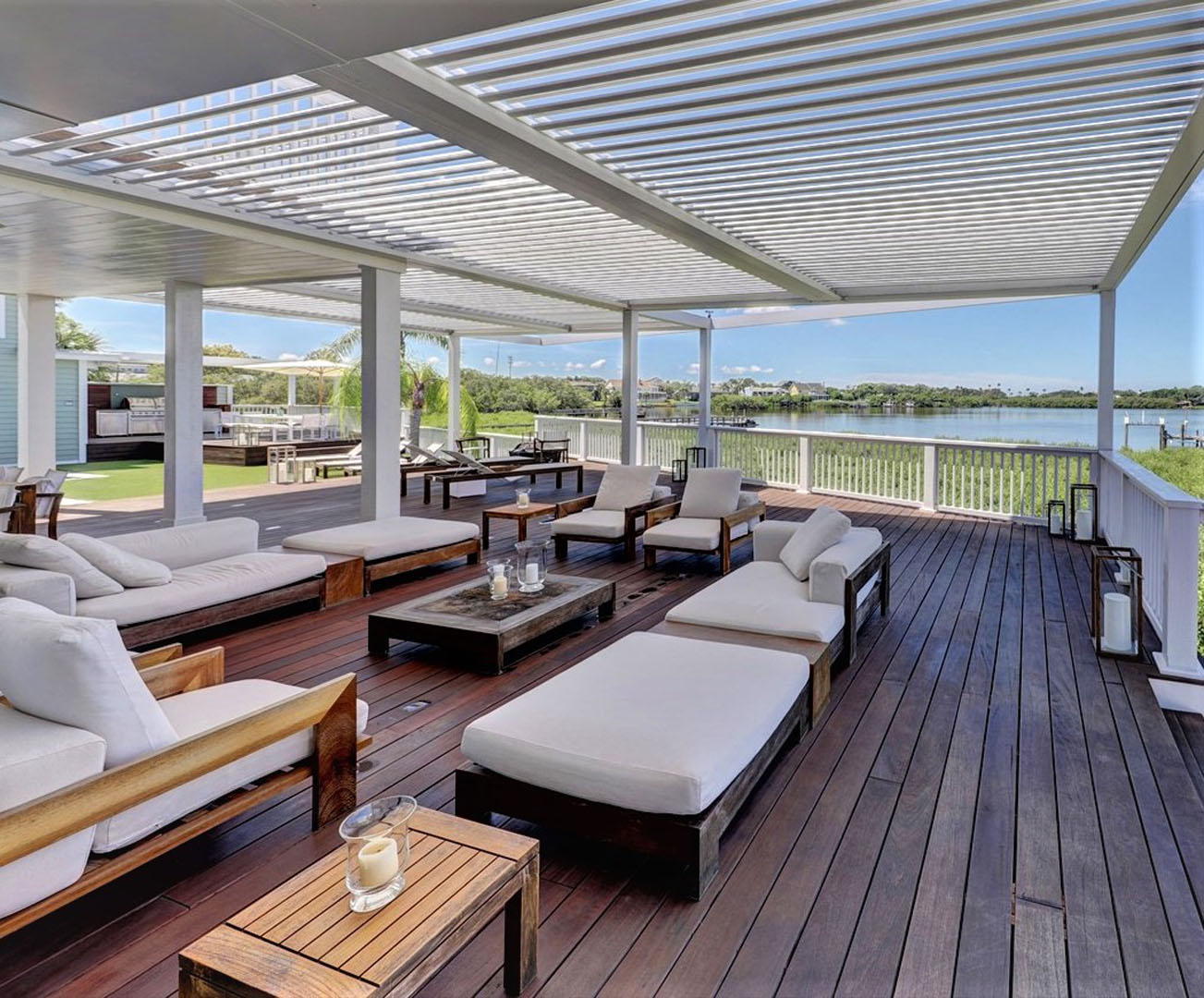
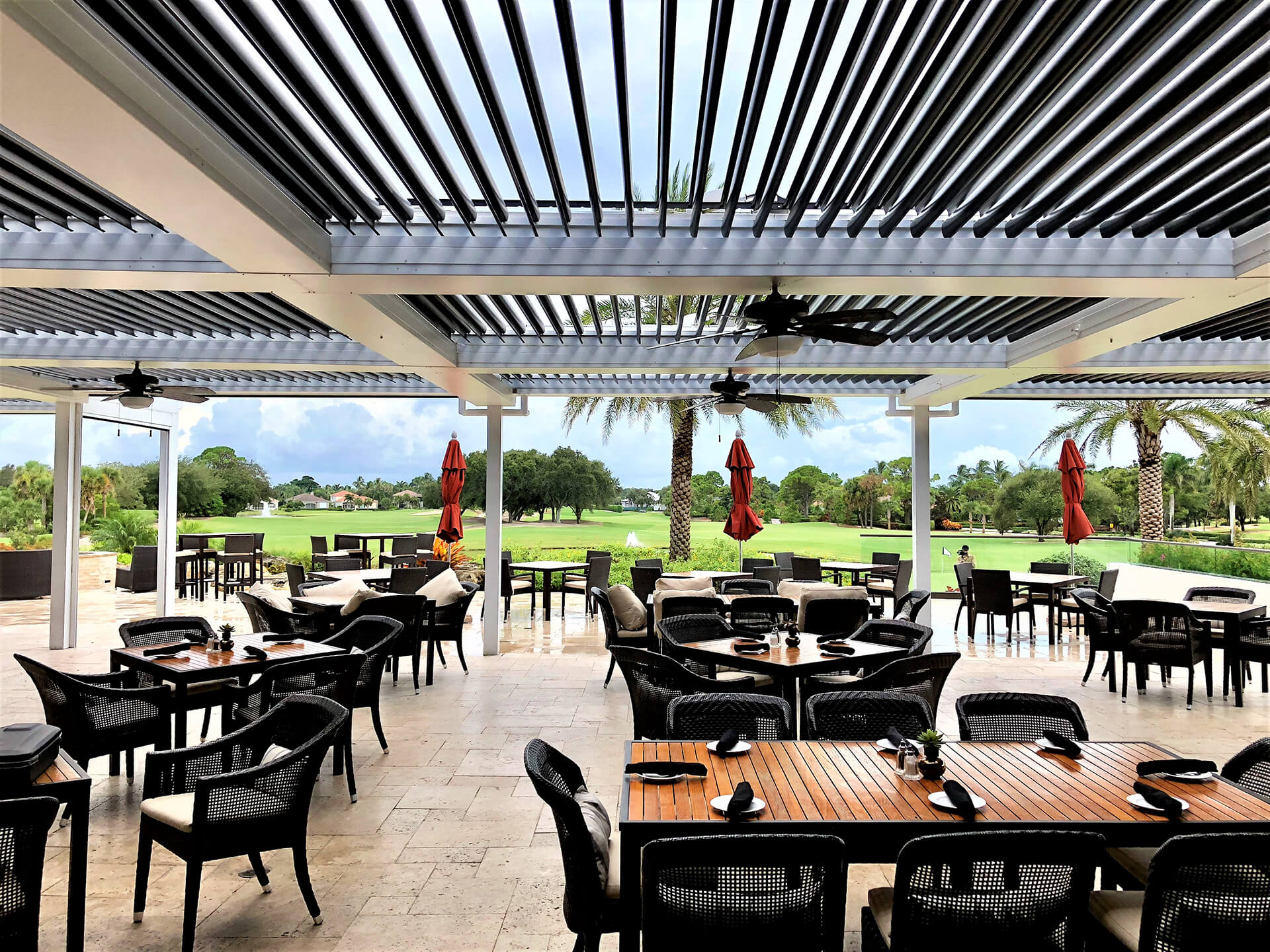
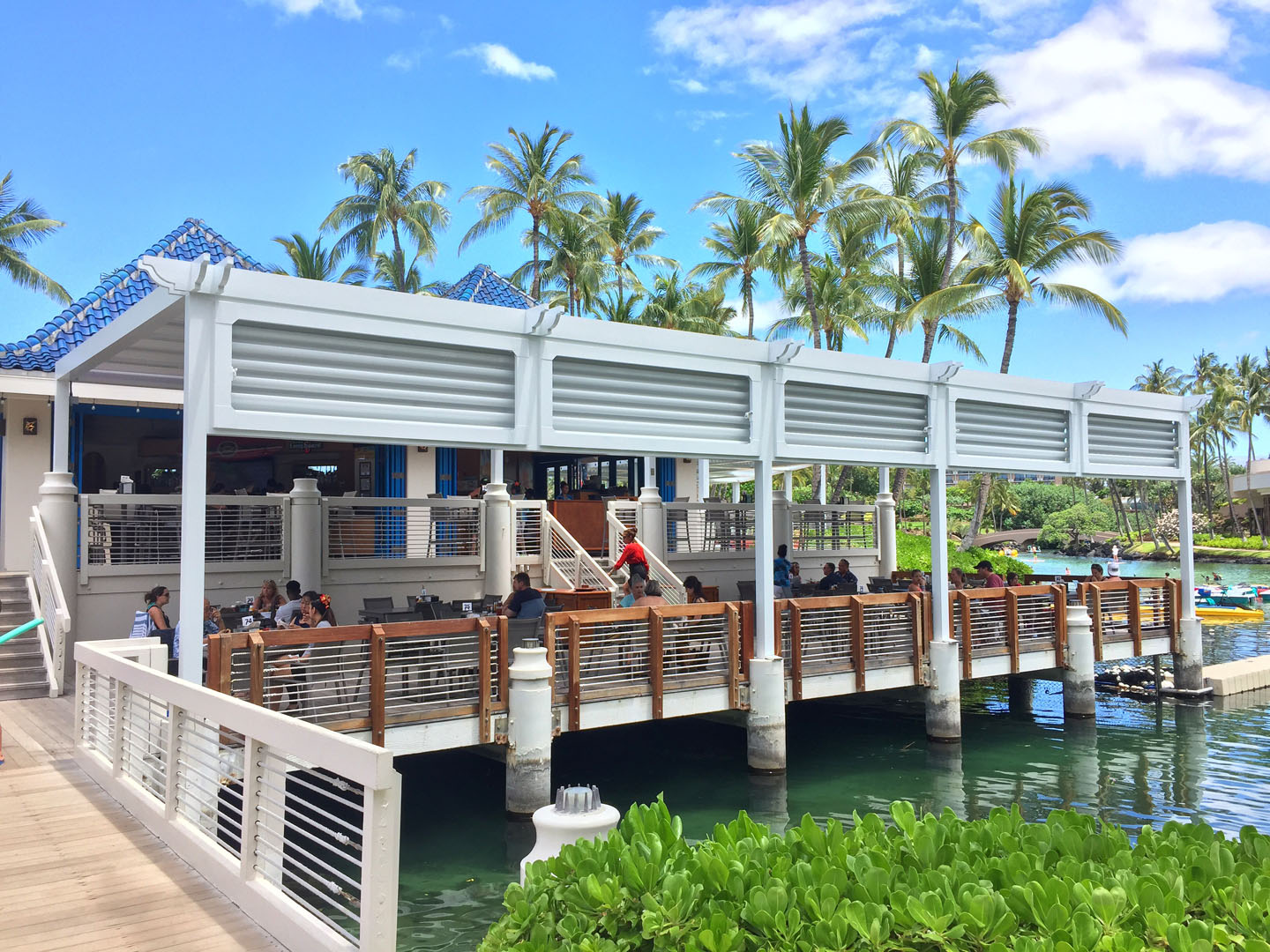
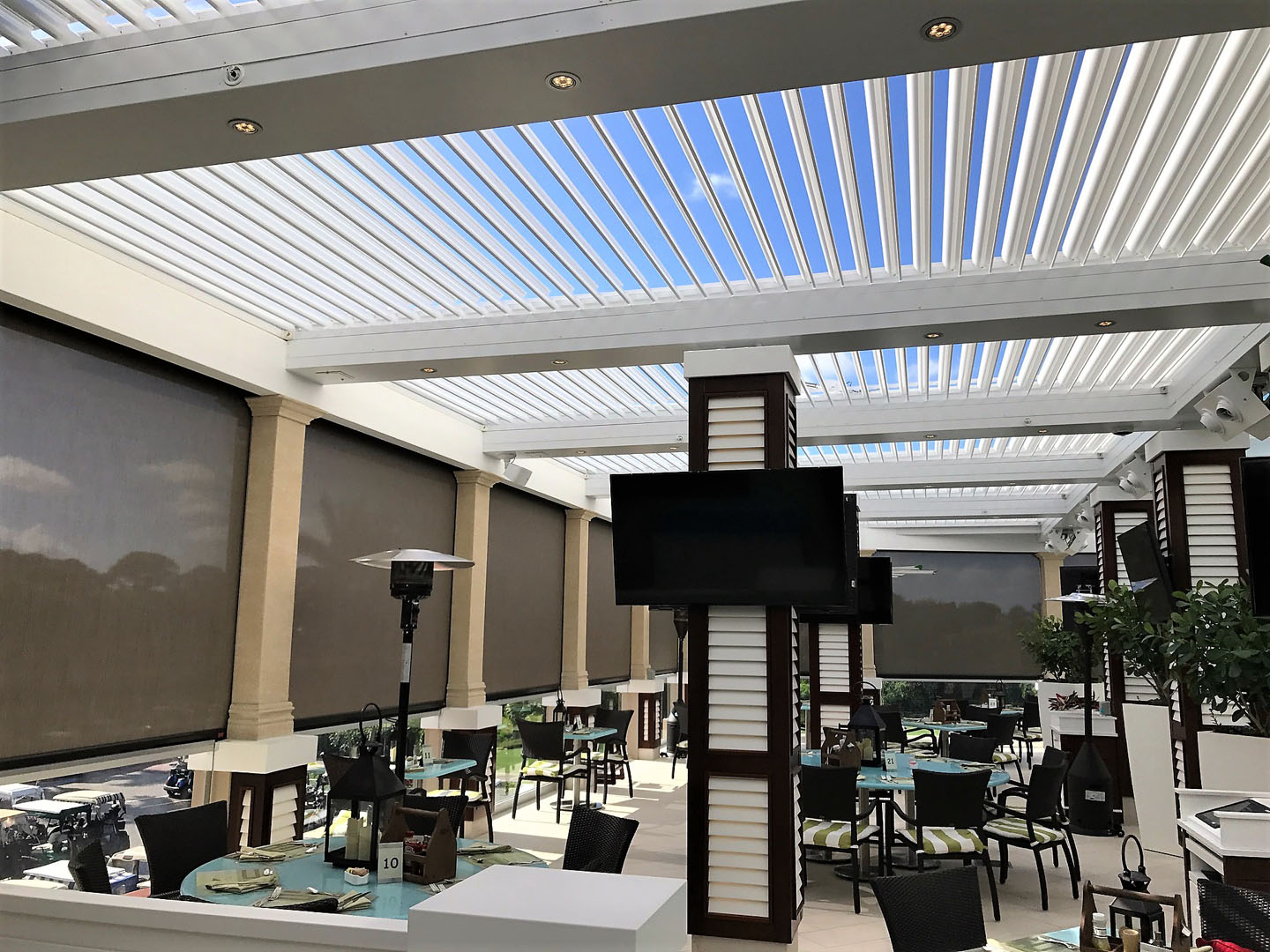
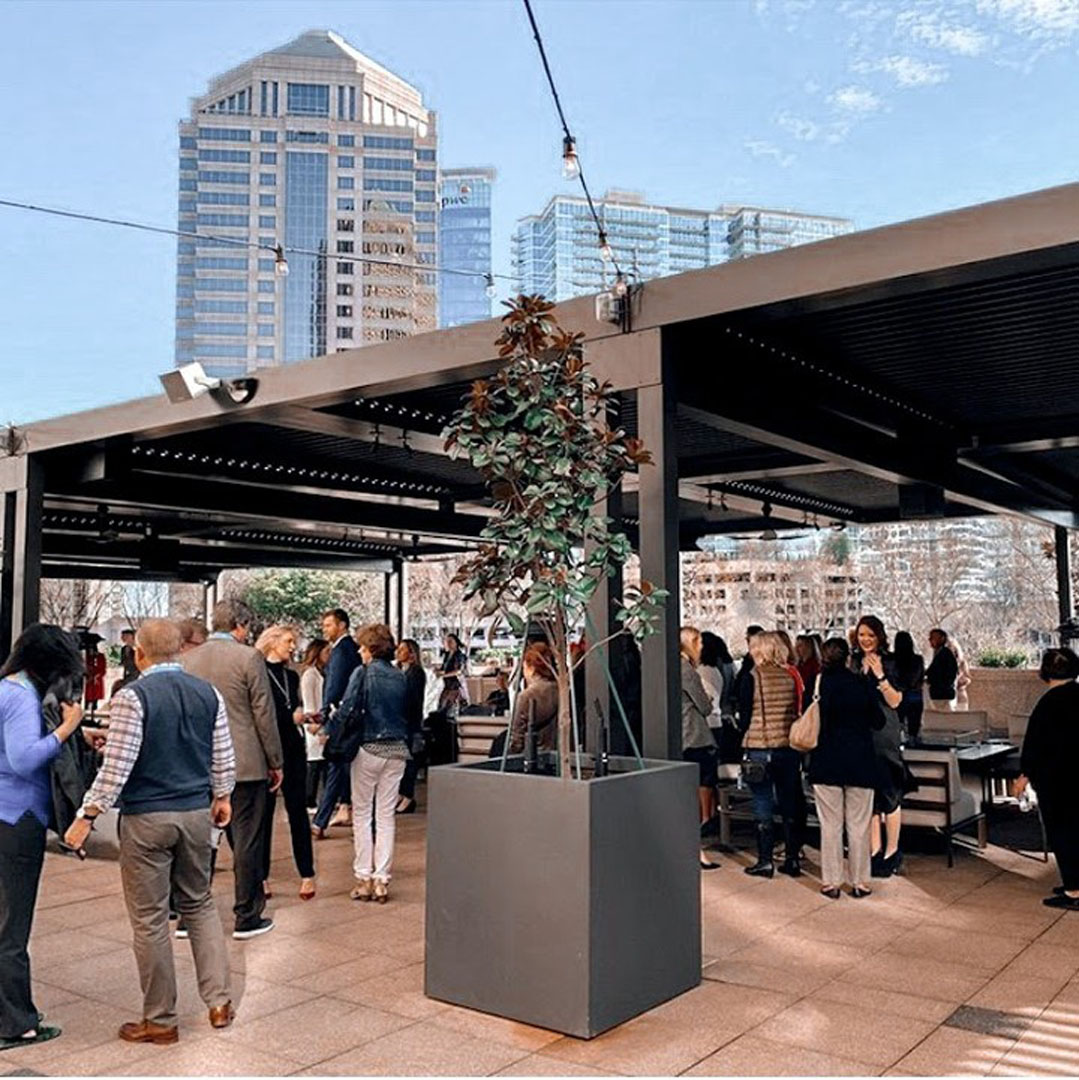
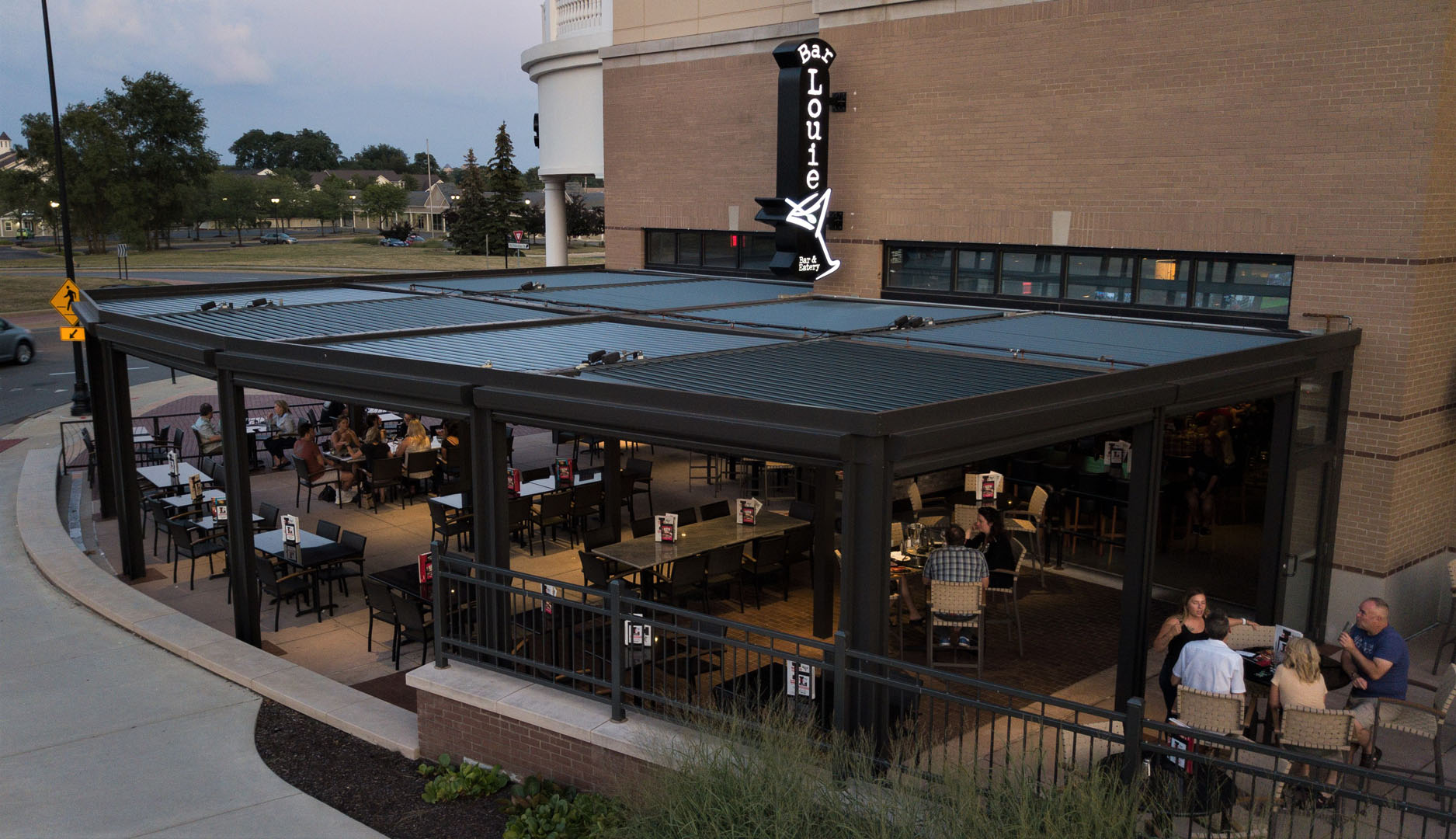
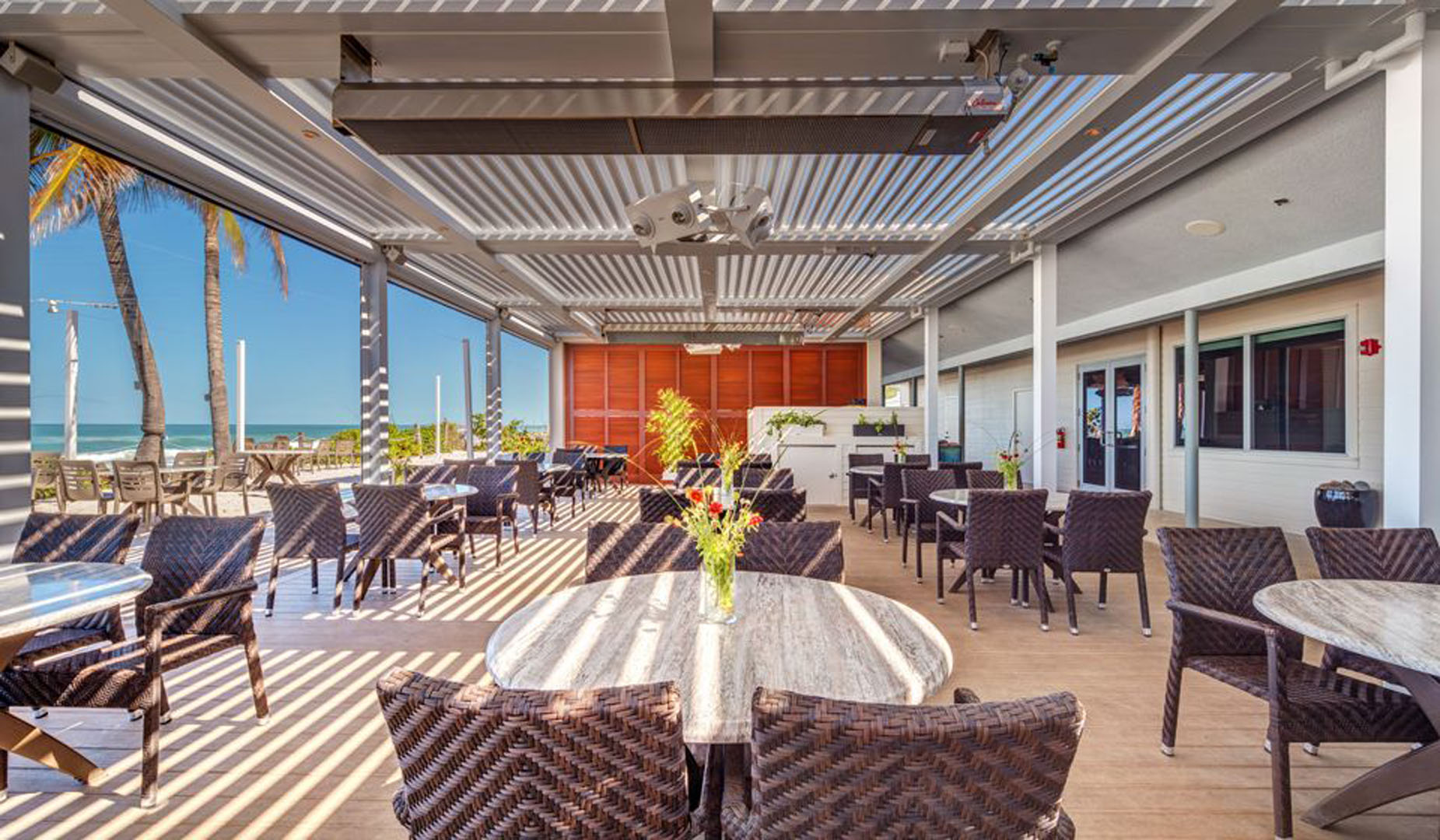
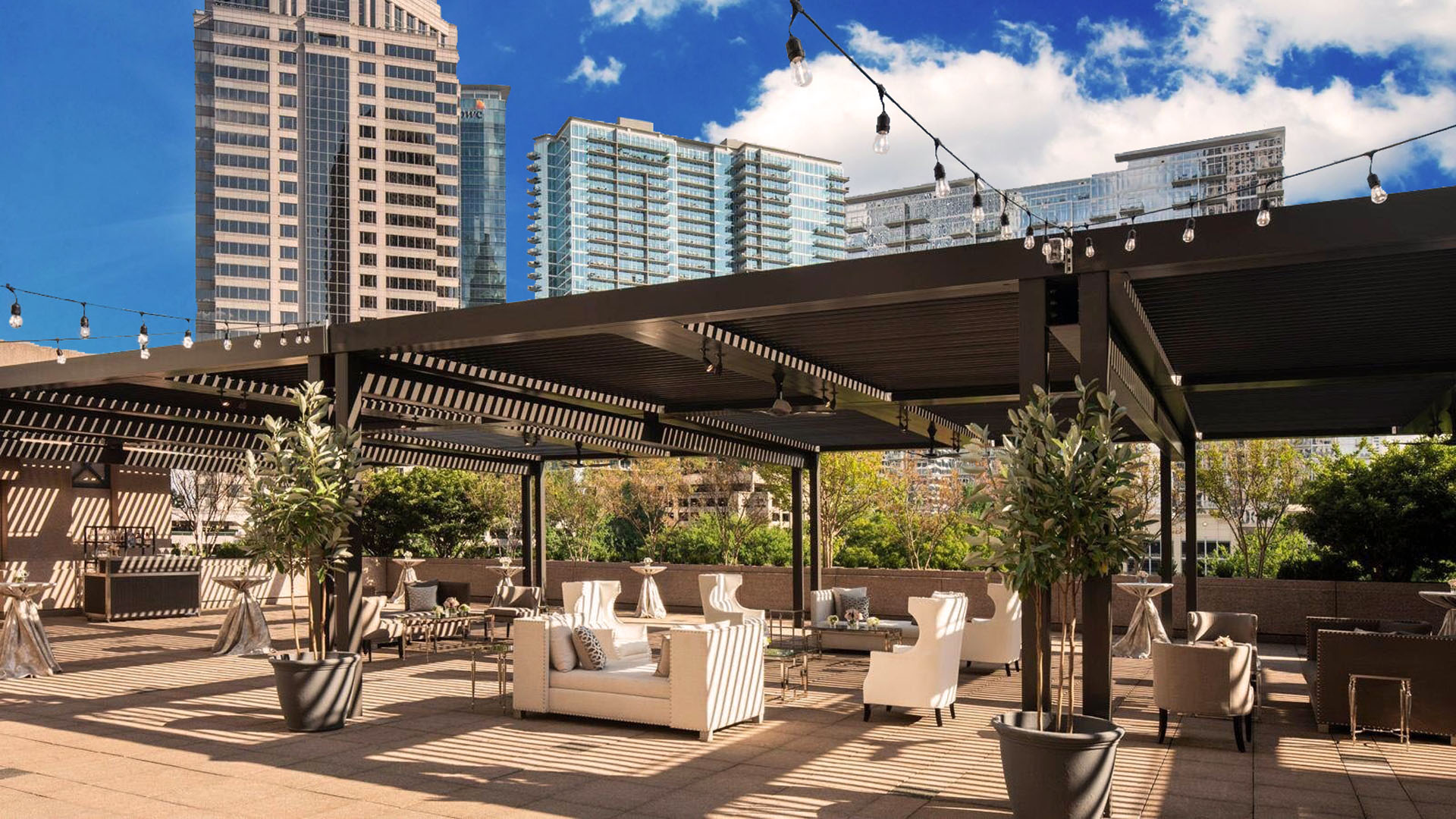
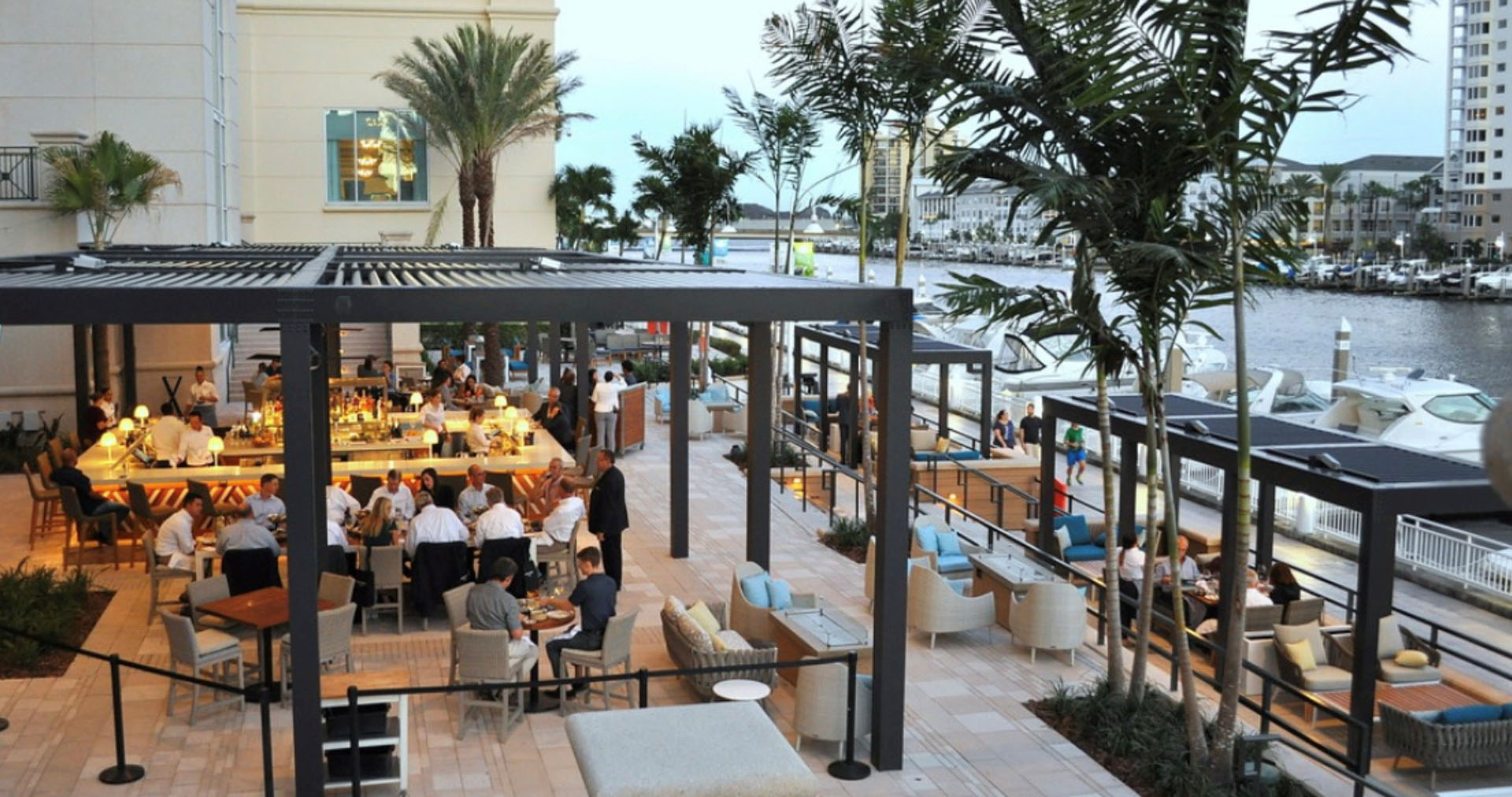
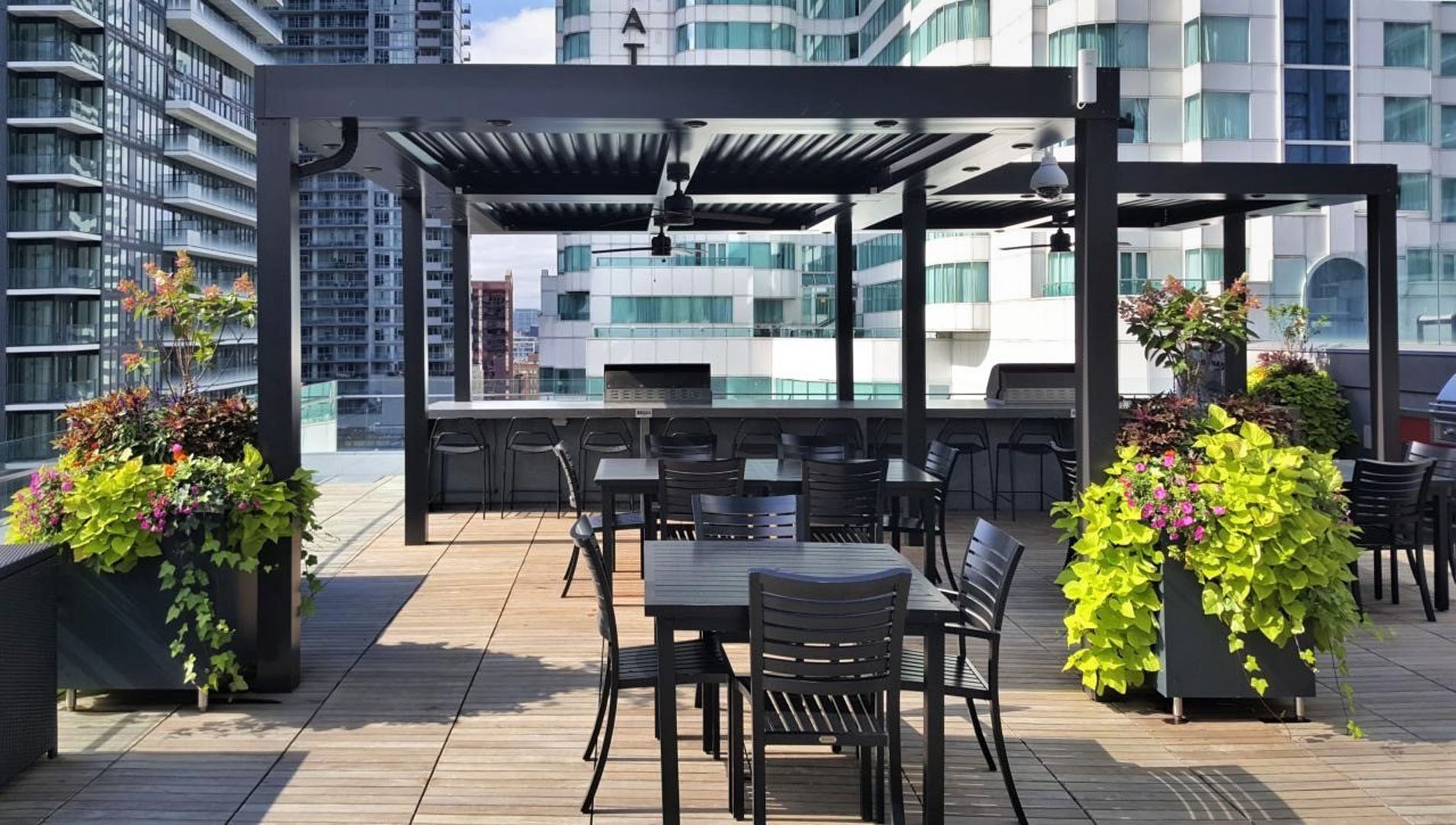
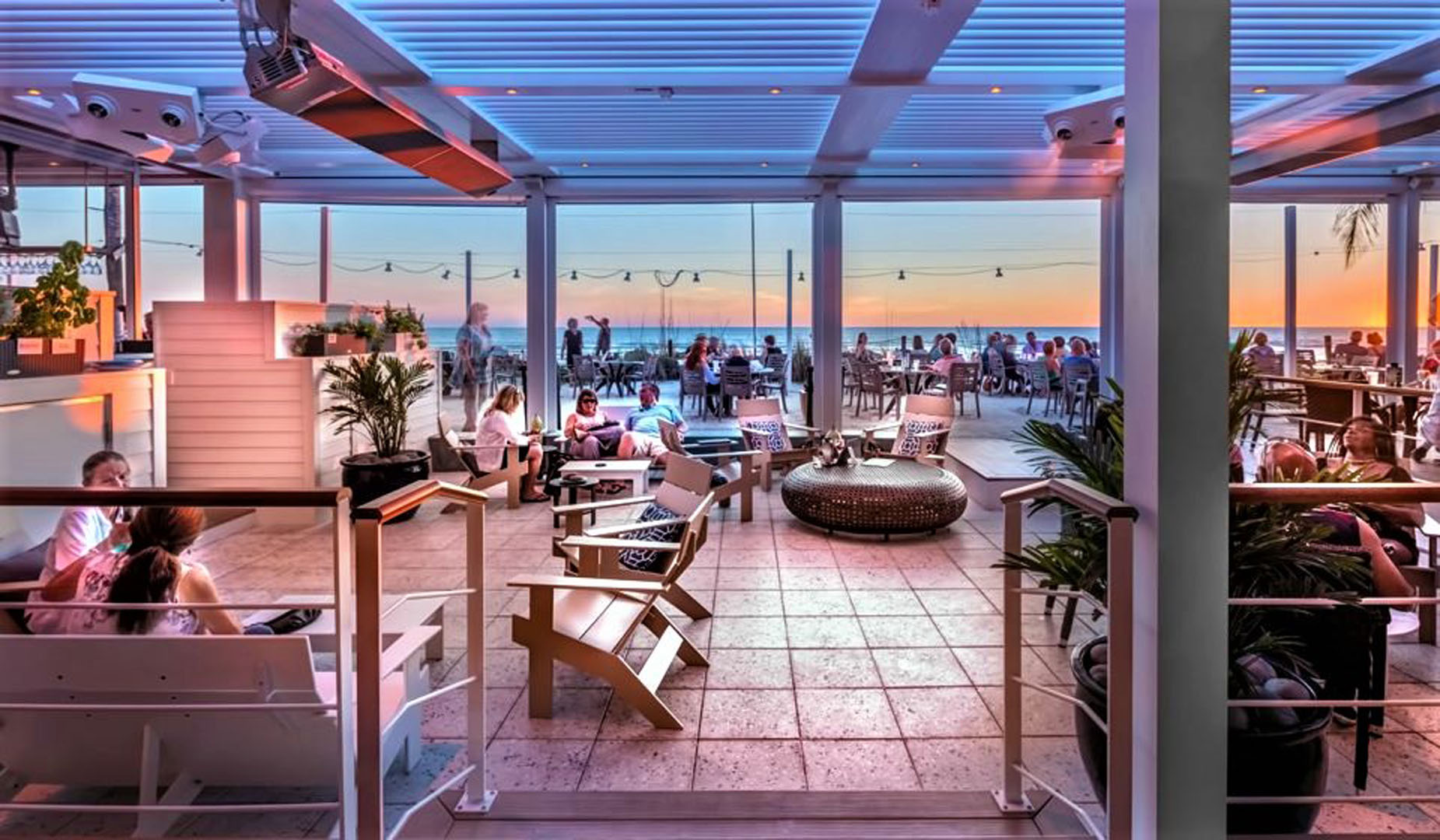
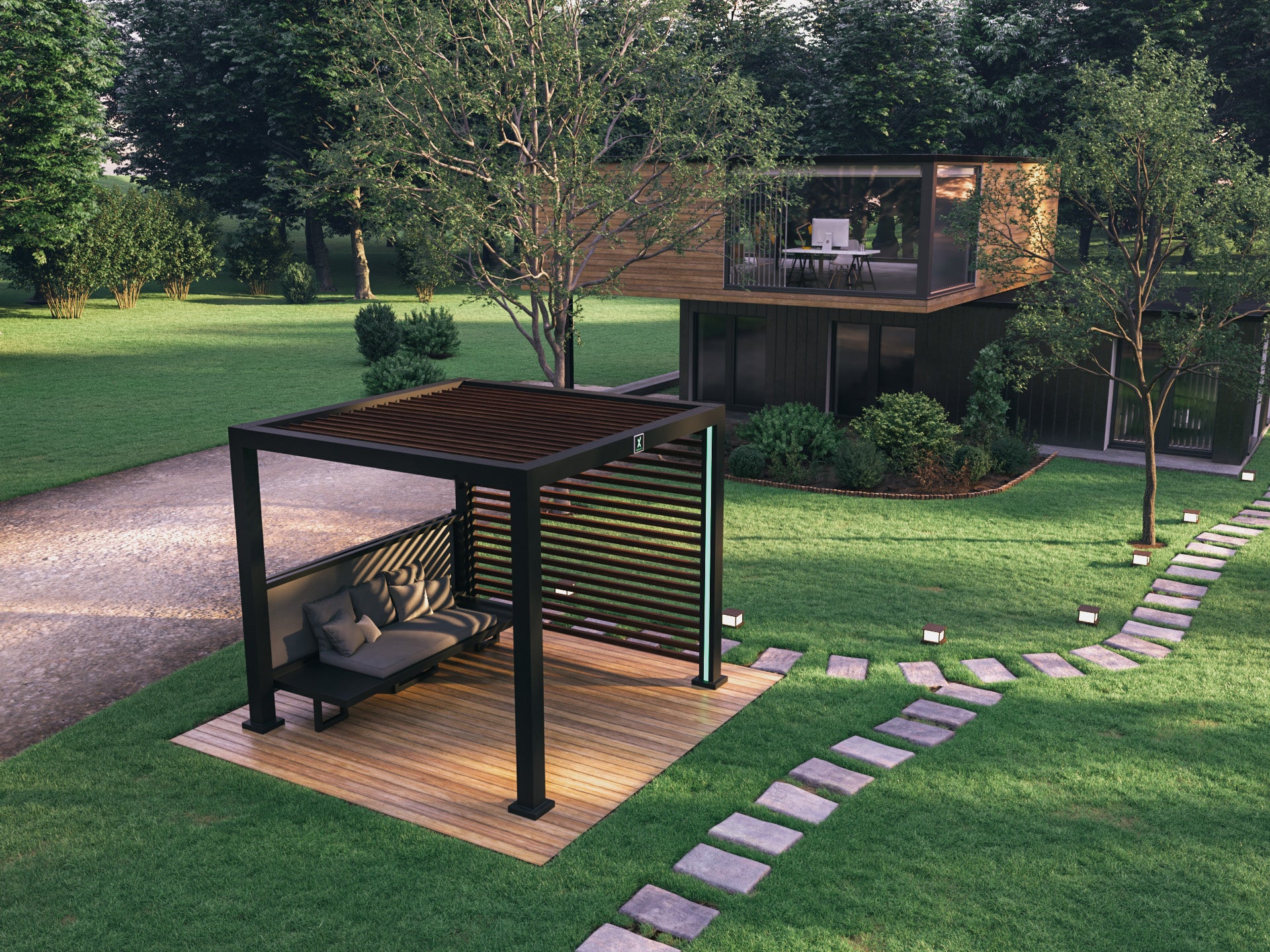
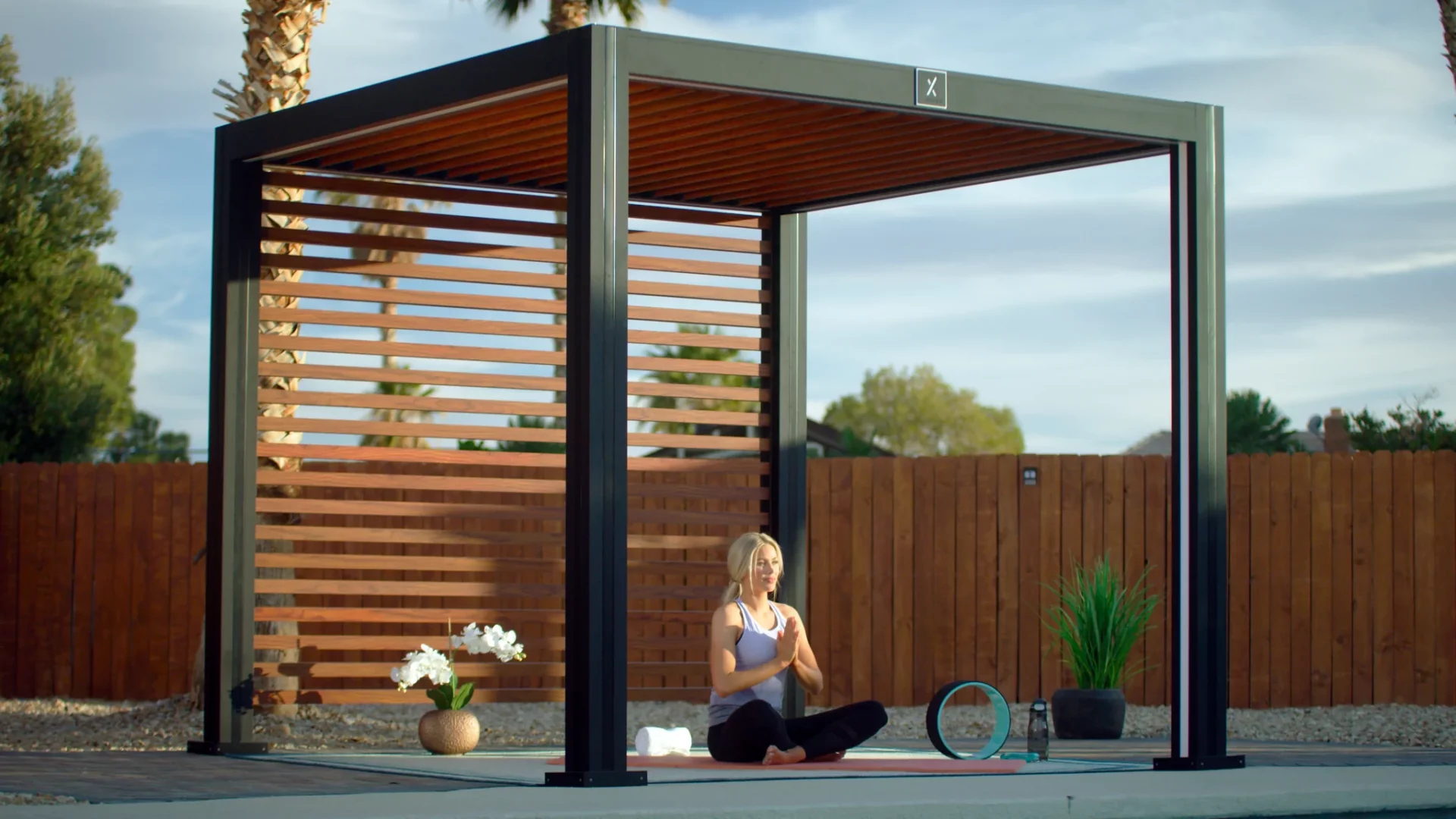
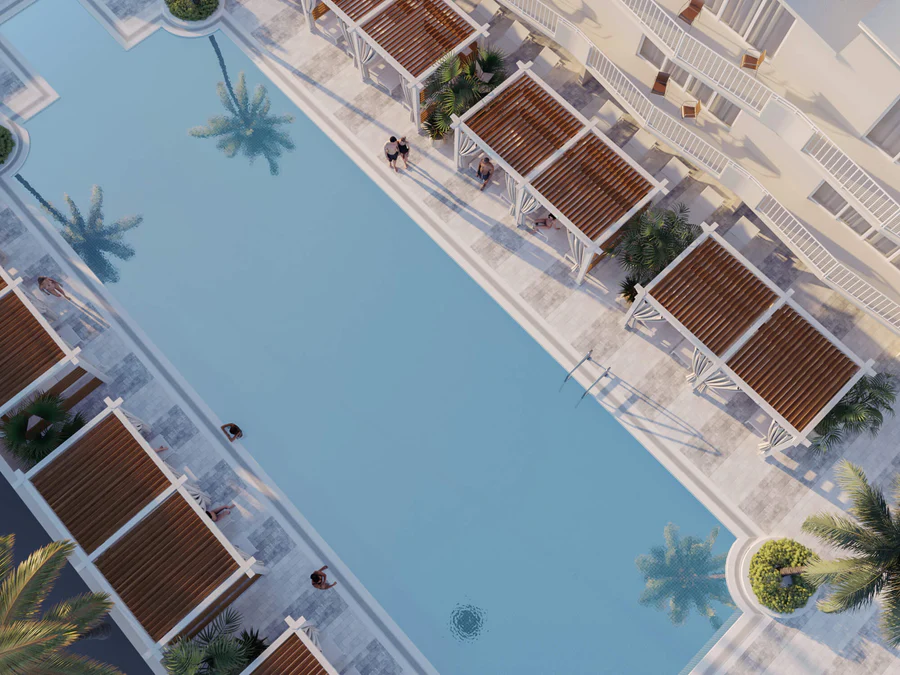
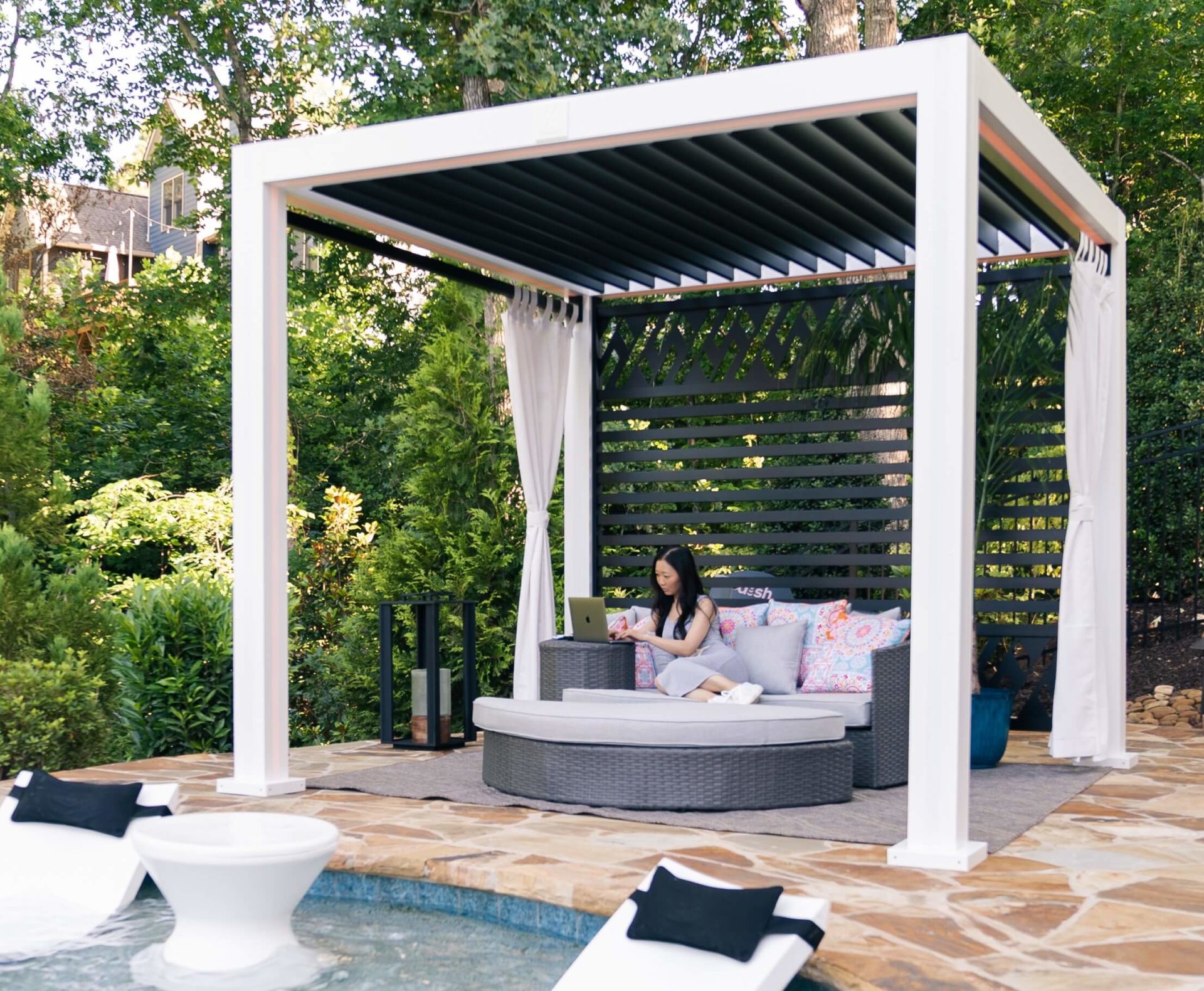
Oakland Park residents live outdoors year-round, using backyards, patios, terraces, balconies and waterfront decks for entertaining, dining and relaxation; homeowners take advantage of mature tree canopies, front porches and pergolas (often with retractable shades or climbing plants) to manage the intense South Florida sun. Neighbors bike or walk along the West Orange Trail to downtown stops, commute by golf cart to coffee shops and community hubs, and gather for farmers markets, festivals and recreational sports. Water access at Lake Apopka and improved Veterans Park amenities, including a kayak launch and paved trails, make paddling and shoreline leisure common. Property owners plan decks and terraces for both everyday socializing and resilience to heavy seasonal rain and coastal wind exposure.
Outdoor Activities, Amenities, and Lifestyle Patterns
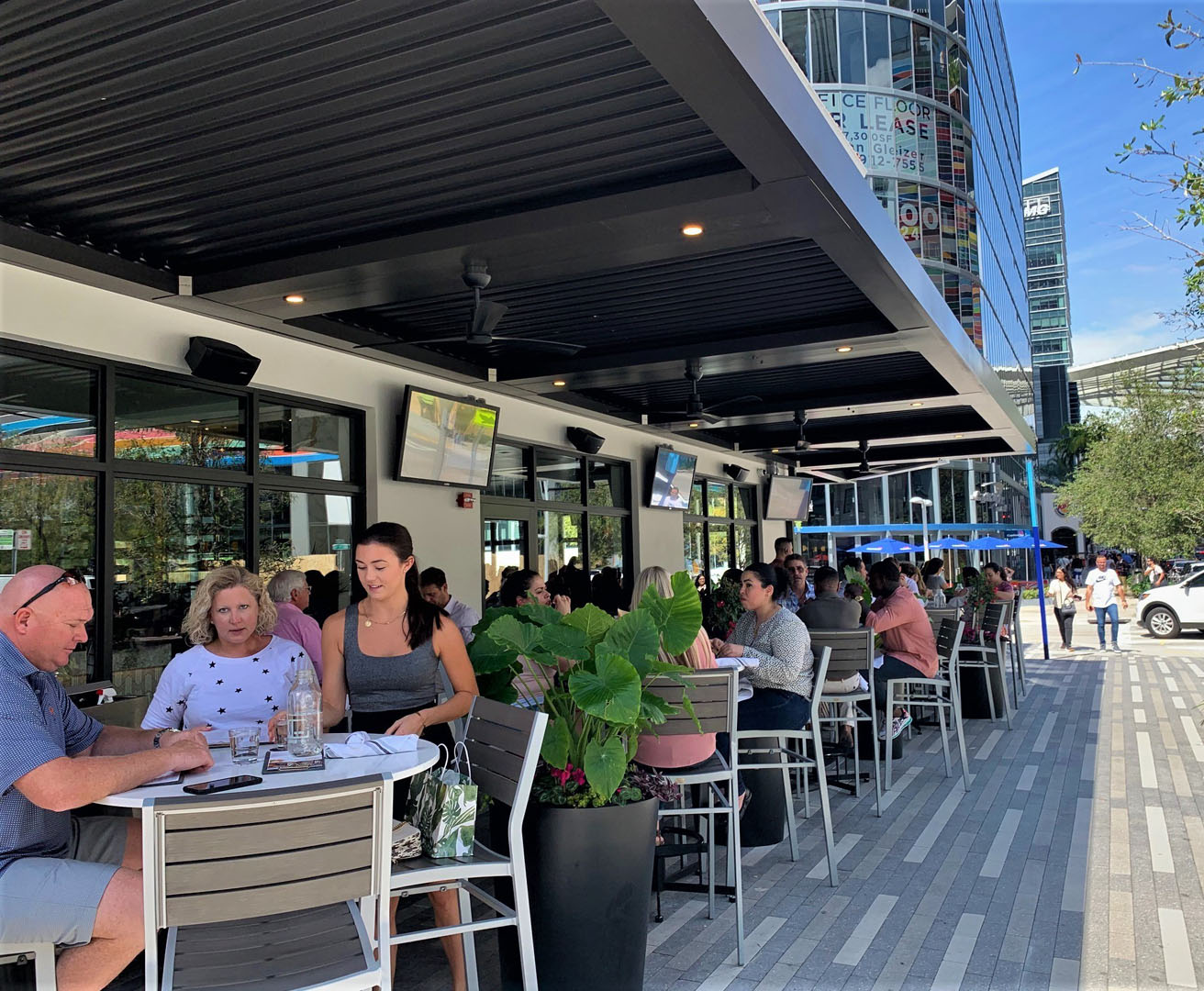
Oakland Park residents center daily life around outdoor recreation and community spaces: lush parks and nature reserves, the 22-mile West Orange Trail through downtown, and waterfront access like Veterans Park’s new kayak launch encourage biking, hiking, kayaking and outdoor picnics, while year-round farmers markets, cultural festivals and recreational sports teams create frequent opportunities for entertaining and neighborly gatherings. A local golf-cart culture and walkable downtown with dining stops make short outdoor trips common. Mature tree canopies, porch traditions, and recent park and infrastructure investments support shaded meeting places and improved trails, but intense South Florida sun, heavy seasonal rain and hurricane winds drive demand for shaded or retractable coverings, storm-resilient anchoring, and stormwater-sensitive landscaping in private outdoor living upgrades.
Residential Property Characteristics of Oakland Park Affecting Outdoor Living
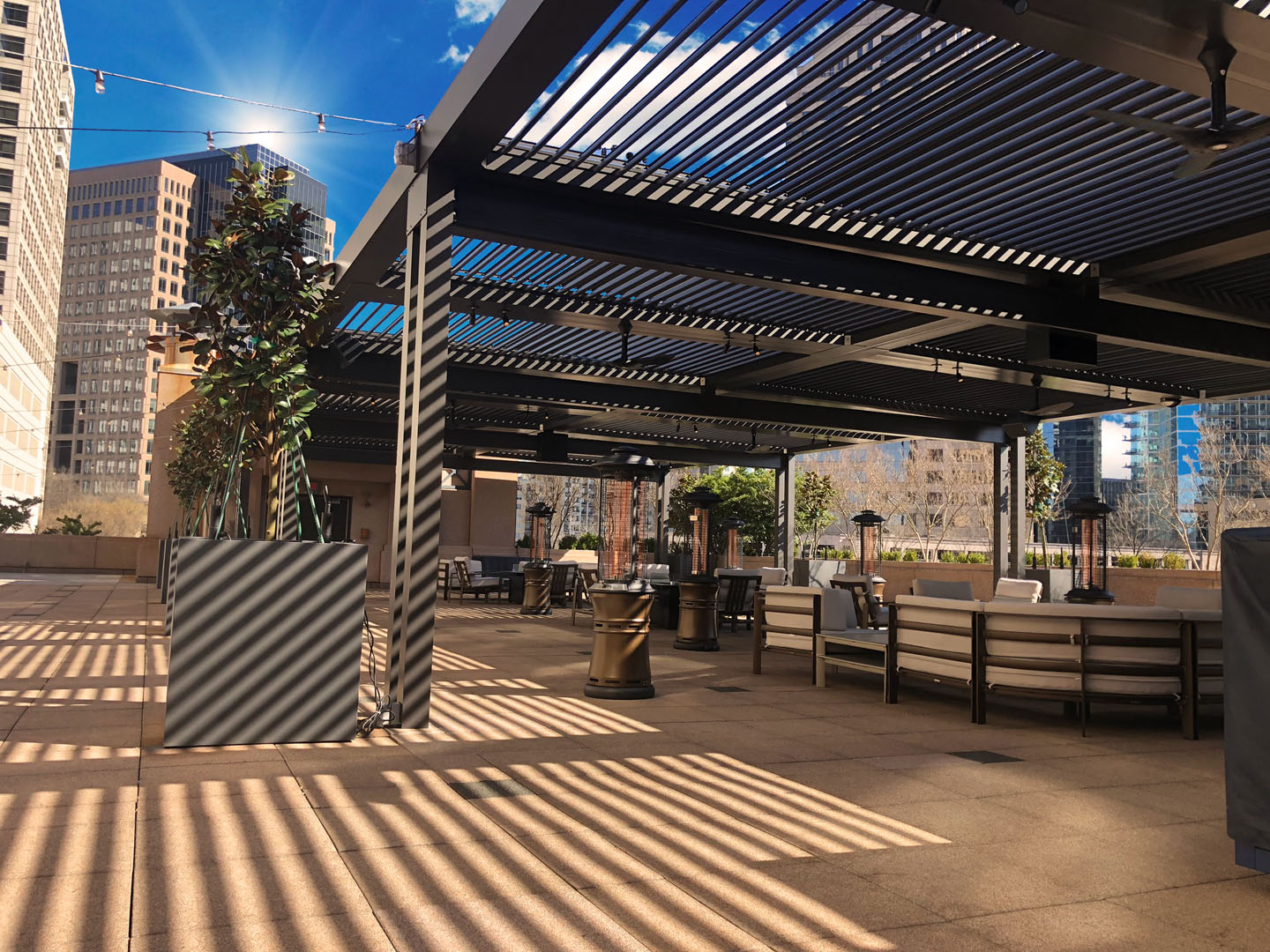
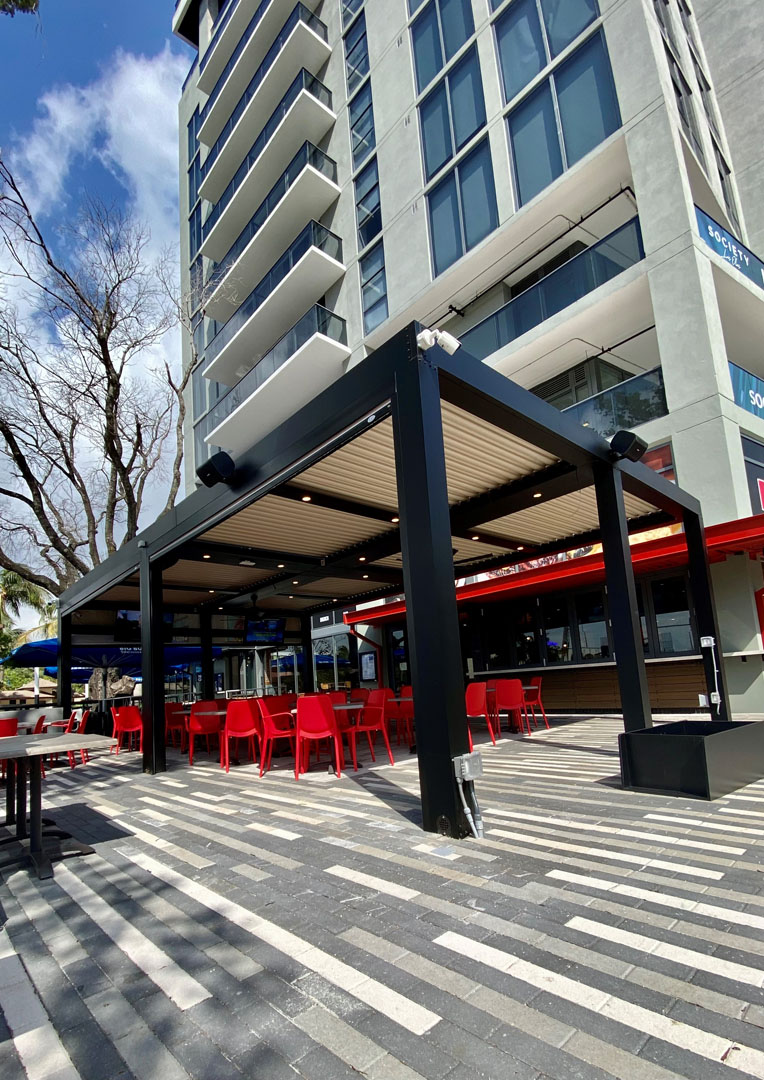
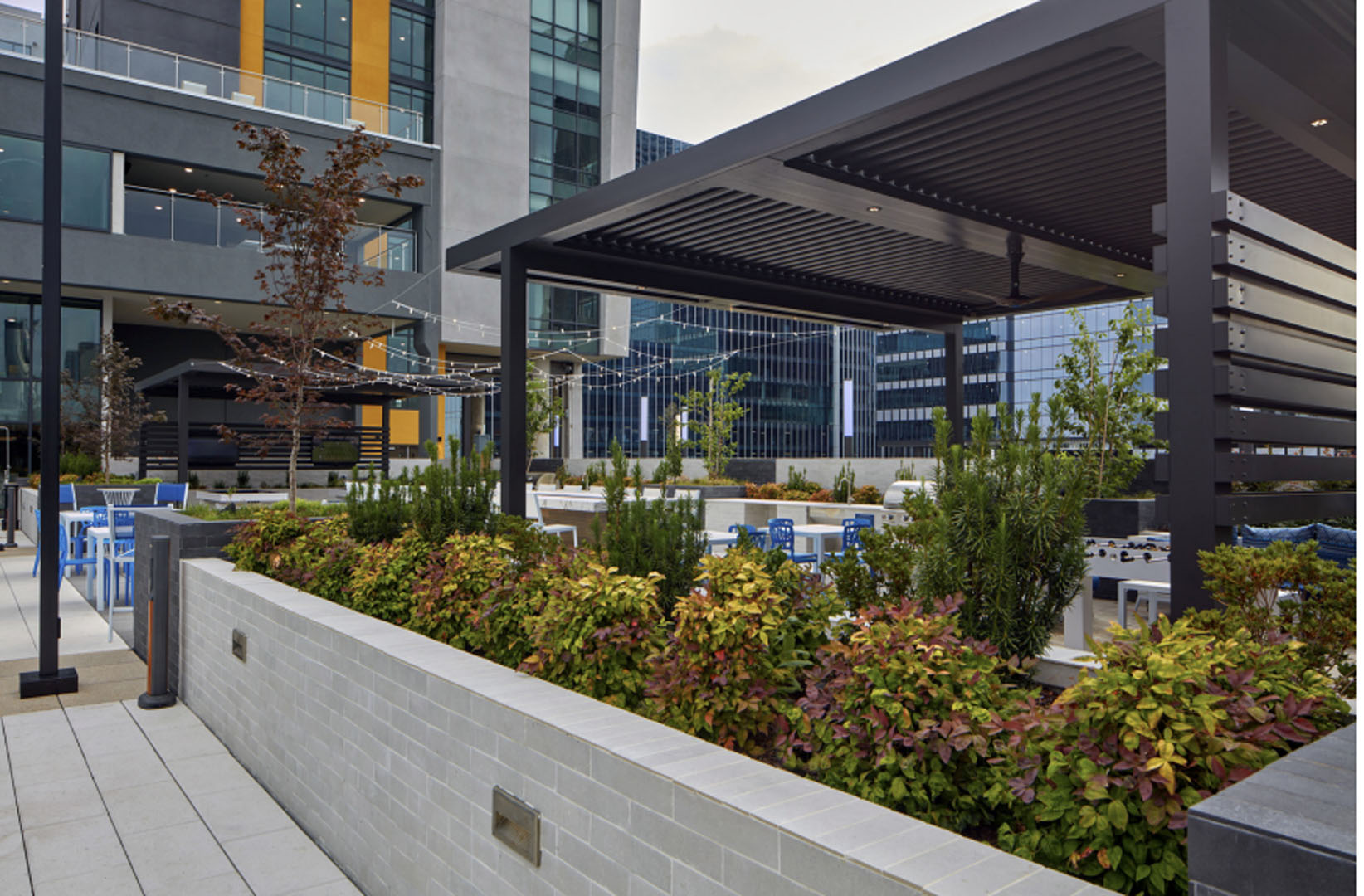
Oakland Park’s housing mix—about 42% single-family detached, roughly 40% large apartments/high-rises, with smaller shares of duplexes and row houses—creates a range of outdoor living conditions that shape pergola and shade design. Many mid-century and older homes sit on small-to-medium lots with modest backyard depths and prominent front porches, often under mature tree canopies that provide natural shade; newer developments feature Colonial Revival, Victorian, Craftsman, Spanish Colonial and Florida Vernacular details and more varied lot configurations. Apartments and high-rises favor balconies and terraces requiring compact shade solutions, while waterfront properties and homes near parks or Lake Apopka allow decks and terraces oriented to views. These patterns dictate pergola placement, scale, and need for additional coverings where tree cover or lot depth is limited.
Climate, Sun, and Weather Considerations in Oakland Park
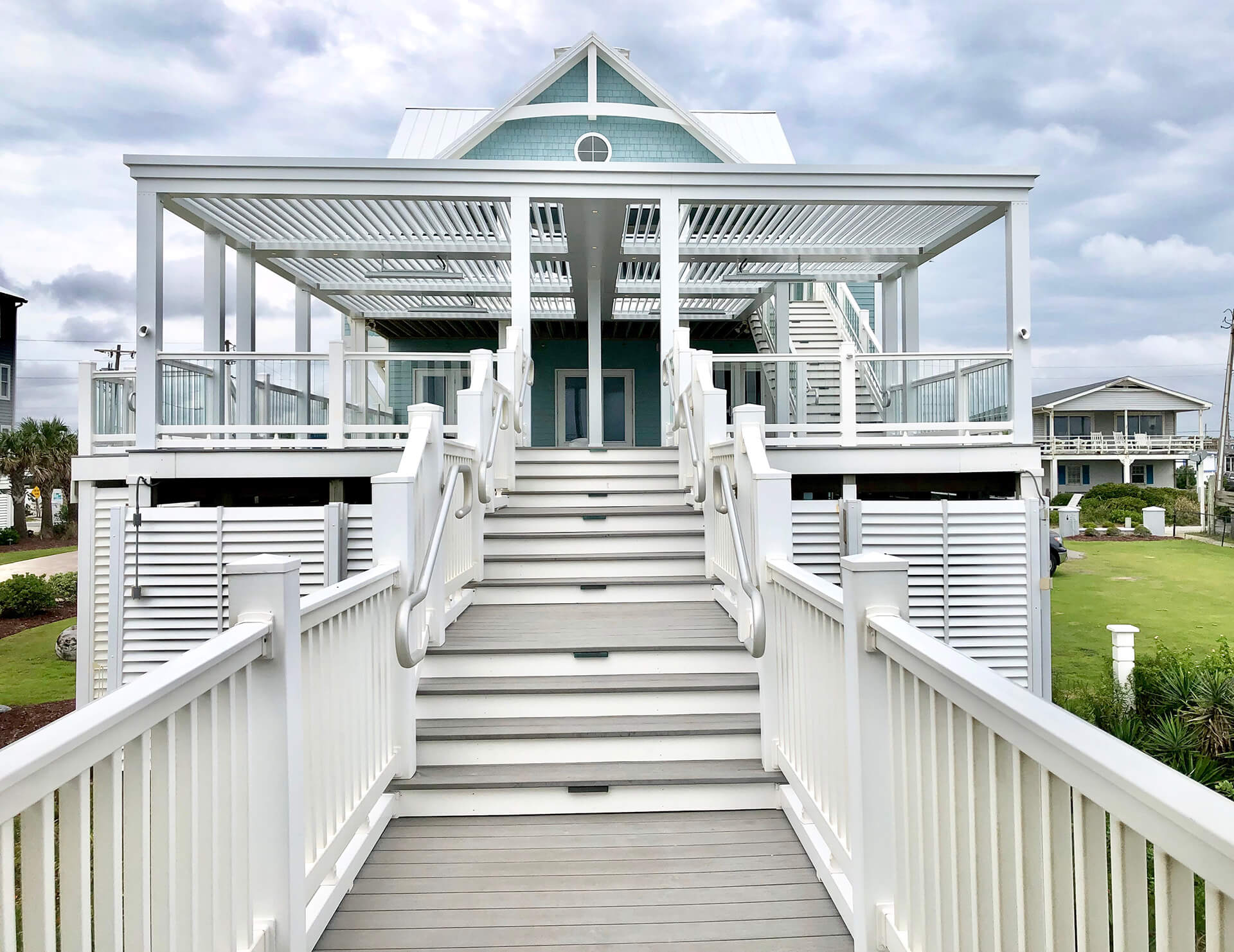
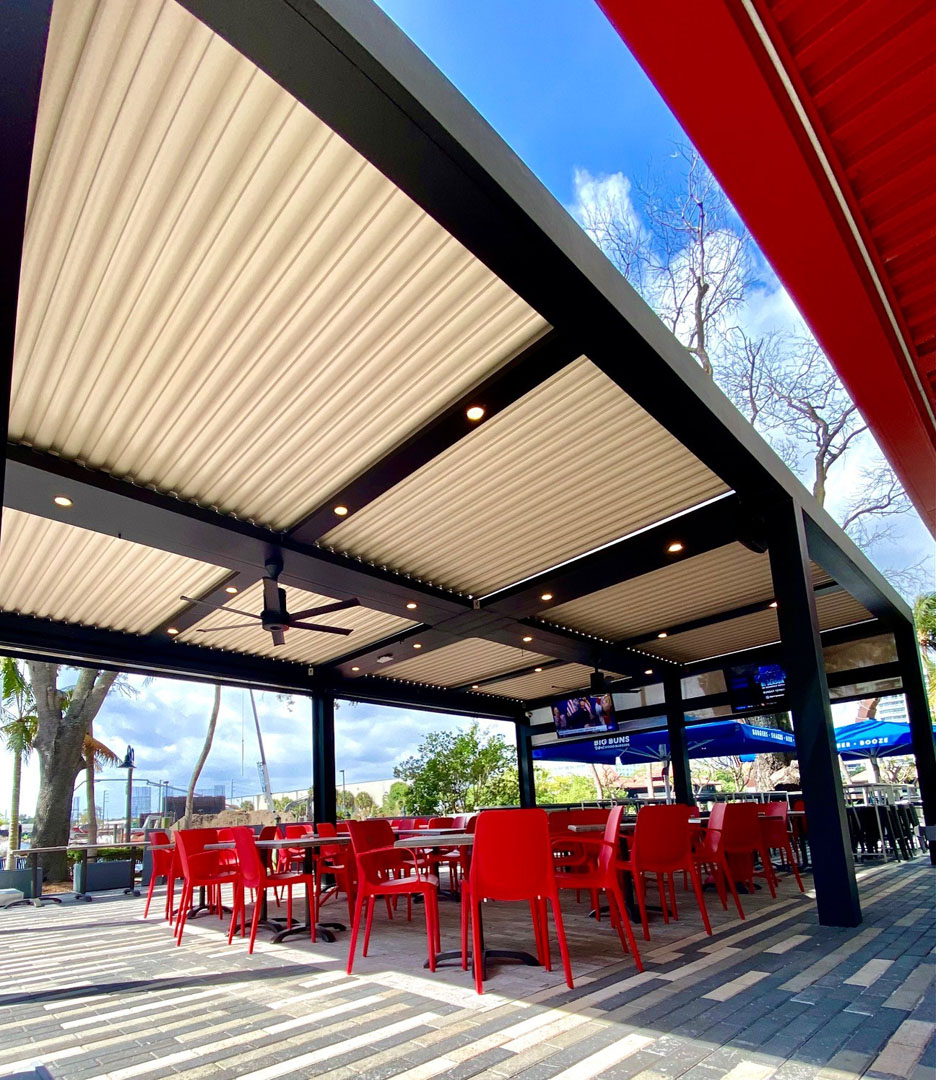
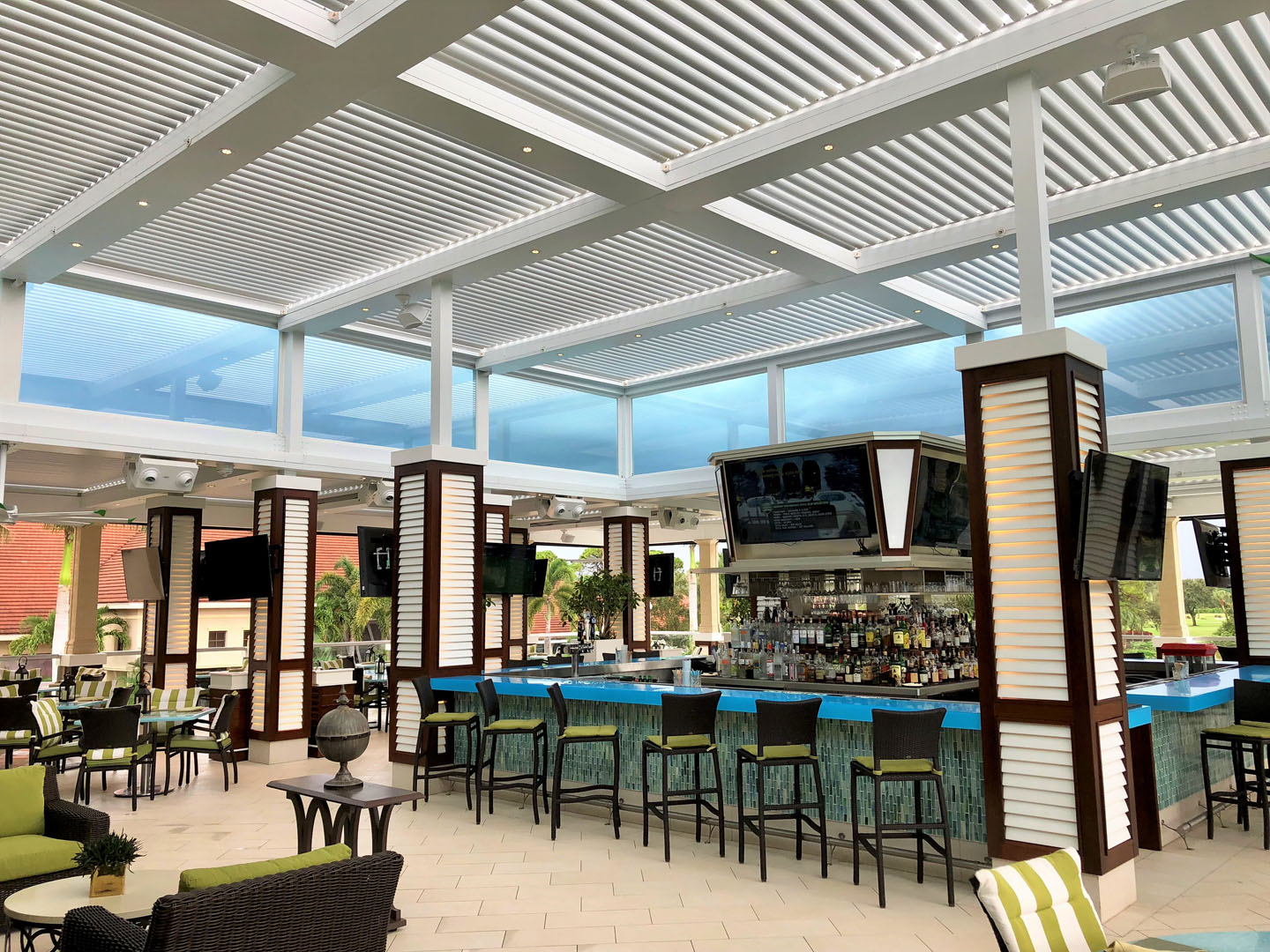
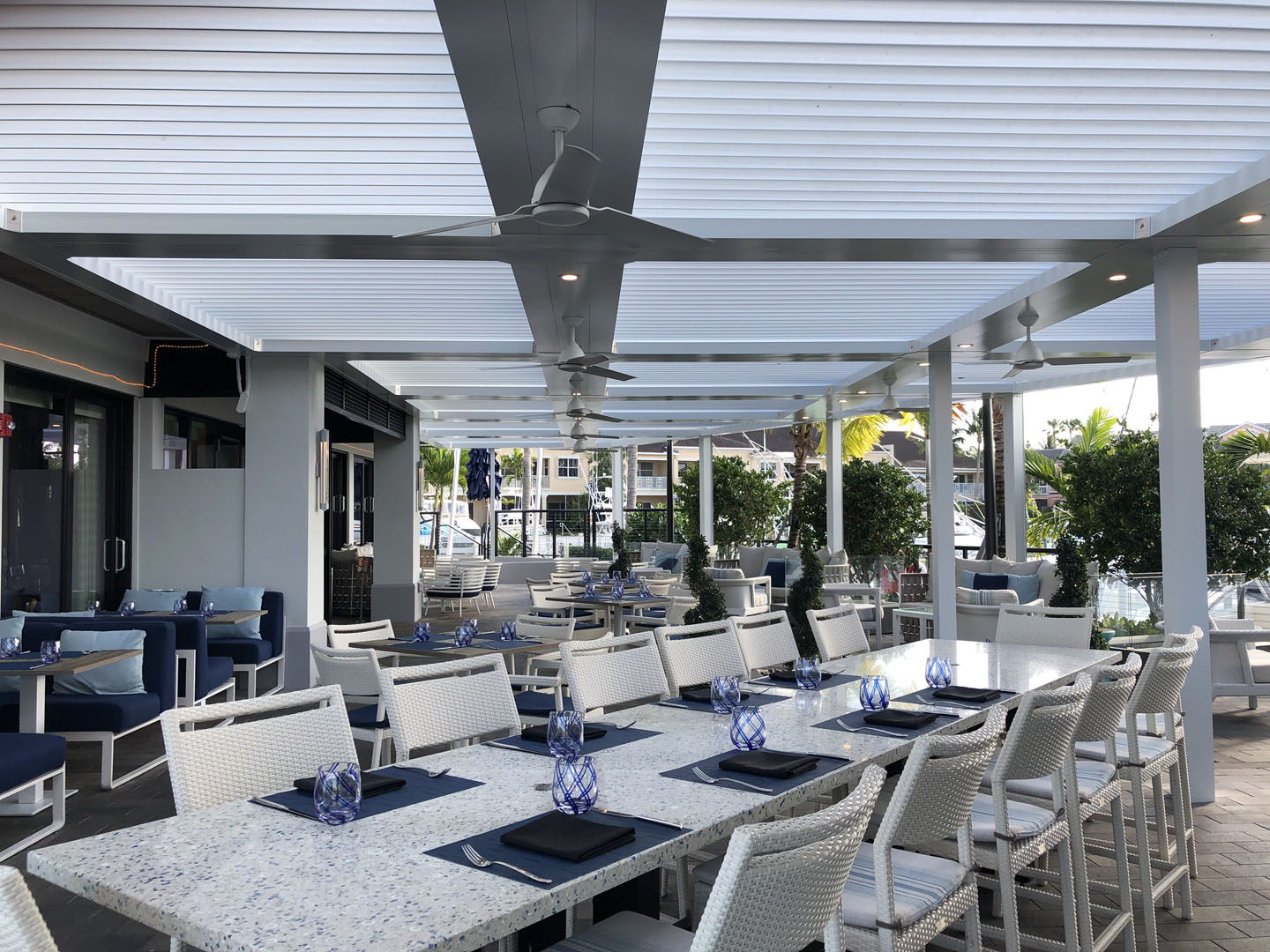
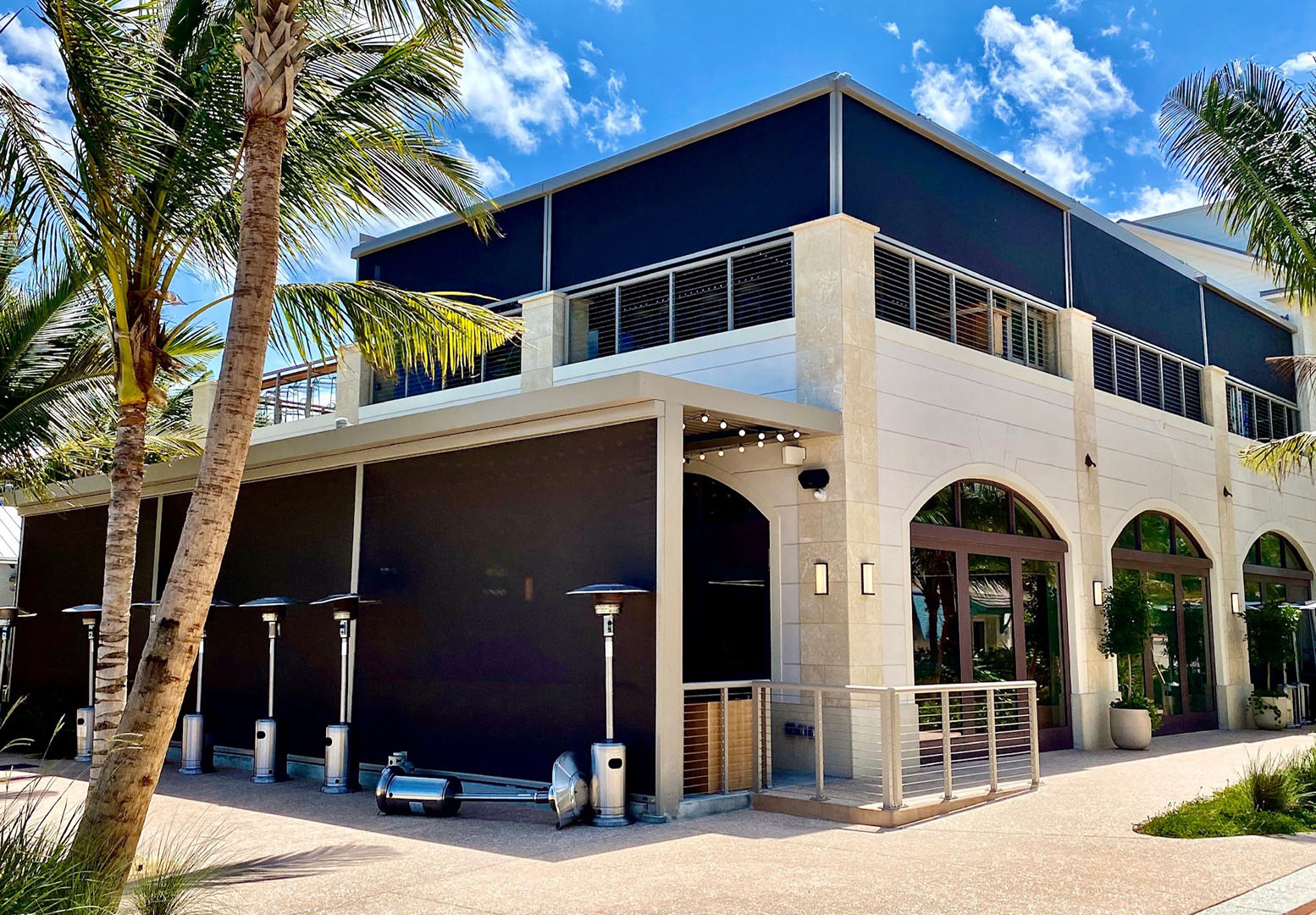
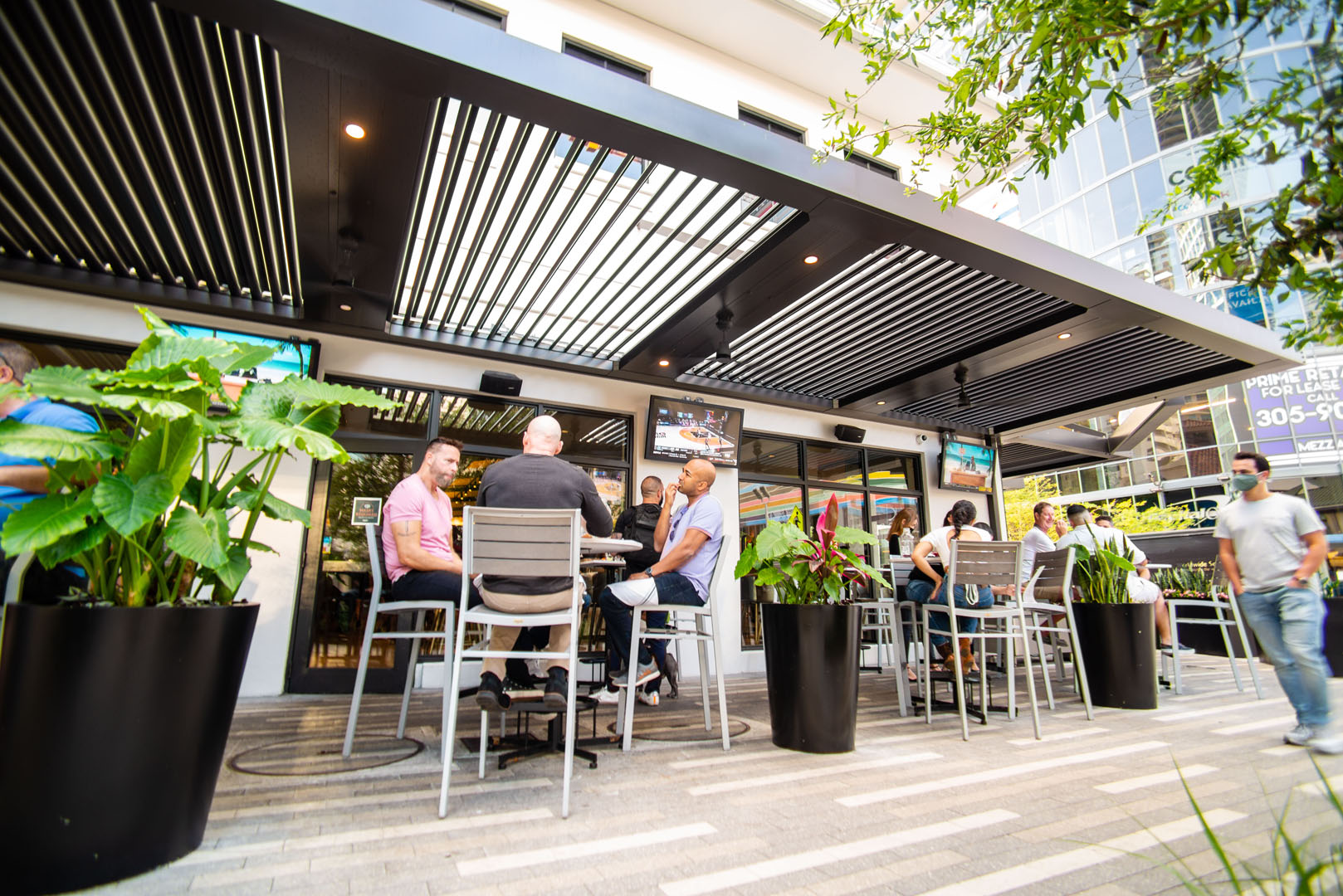
Oakland Park’s South Florida climate brings intense, year-round sun and heat, so outdoor comfort often depends on effective shade strategies—mature tree canopies in many older neighborhoods provide valued natural shade, while newer or more open lots commonly need pergolas, awnings, or retractable shade systems to block midday sun. Heavy seasonal rainfall and municipal emphasis on stormwater management mean terraces, decks and shade structures must accommodate rapid drainage and resilient materials. Being in the Atlantic hurricane zone and near the coast (Fort Lauderdale Beach), outdoor additions also require wind-resistant design, secure anchoring and corrosion-resistant materials to withstand salt spray. Together, strong sunlight, periodic heavy rain, coastal exposure and hurricane risk drive choices toward durable, well-anchored, and flexible shade solutions that integrate with existing landscaping.
Why Oakland Park Is Ideal for Outdoor Living
Oakland Park’s mix of parks, the West Orange Trail, waterfront access (Lake Apopka, Veterans Park kayak launch), year-round events and a golf-cart, trail-friendly culture makes outdoor living central to daily life, creating strong demand for patios, pergolas and covered entertaining spaces. Residential patterns—predominantly single-family homes with mature tree canopies alongside newer, FGBC-certified developments and varied lot sizes—offer many properties suitable for decks, pergolas, and terraces with water views. At the same time South Florida sun, seasonal heavy rainfall, salt-air exposure and hurricane-zone winds mean shade, durable materials, proper drainage and wind-resistant anchoring are practical necessities. Municipal investment in parks, trails and stormwater improvements reinforces community interest and property-value upside for well-designed outdoor living upgrades.
Outdoor Living and Home Upgrade FAQ
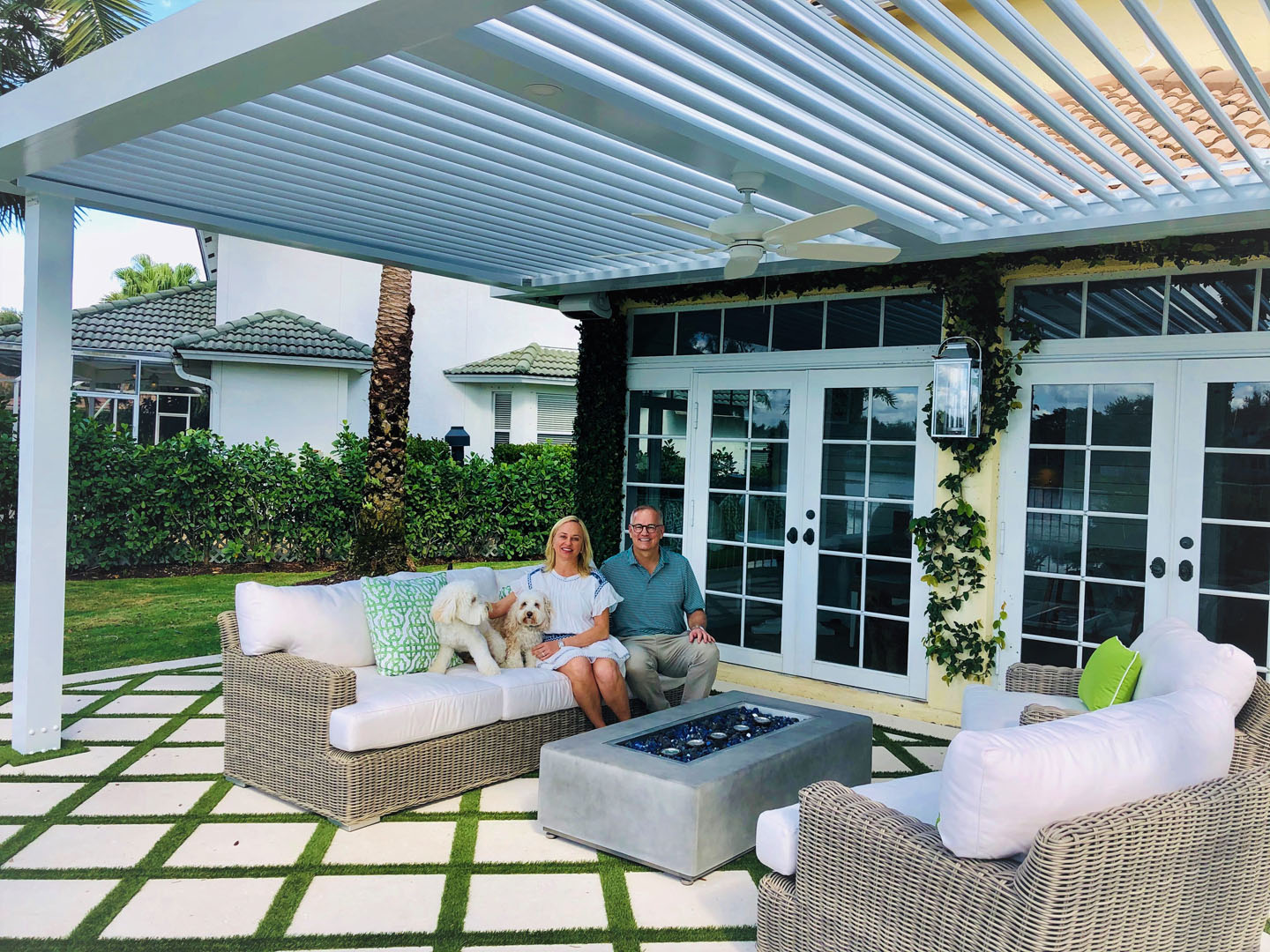
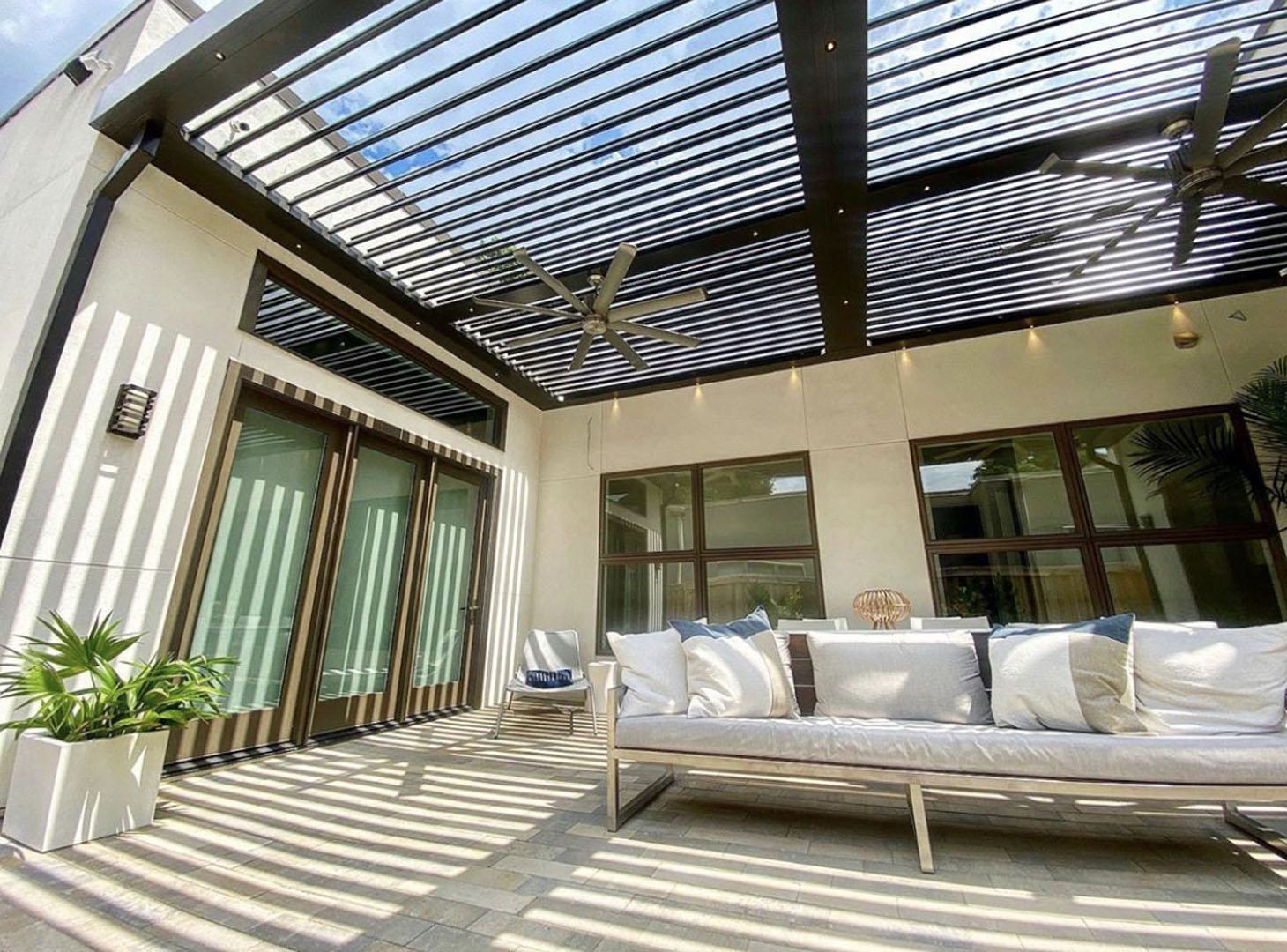
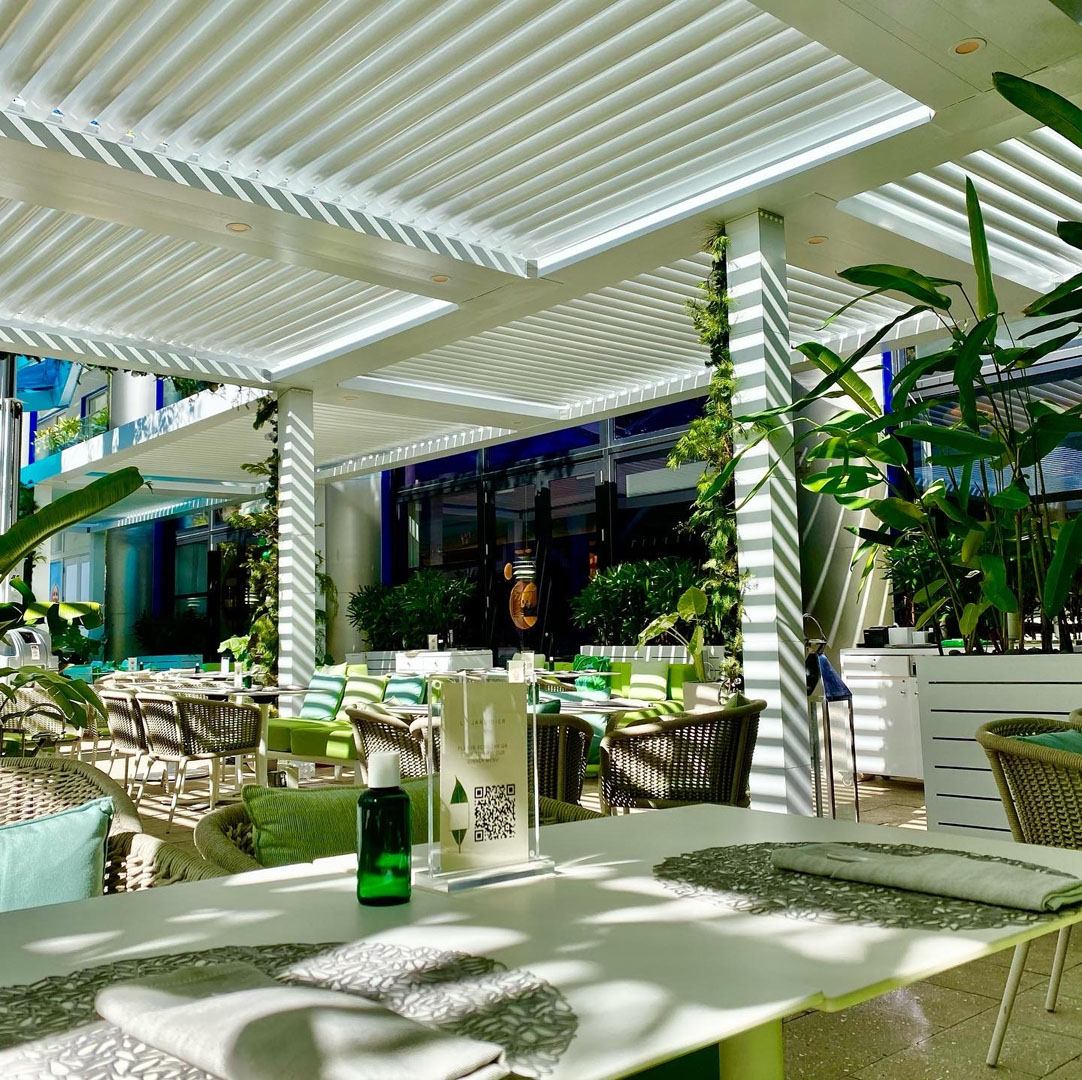
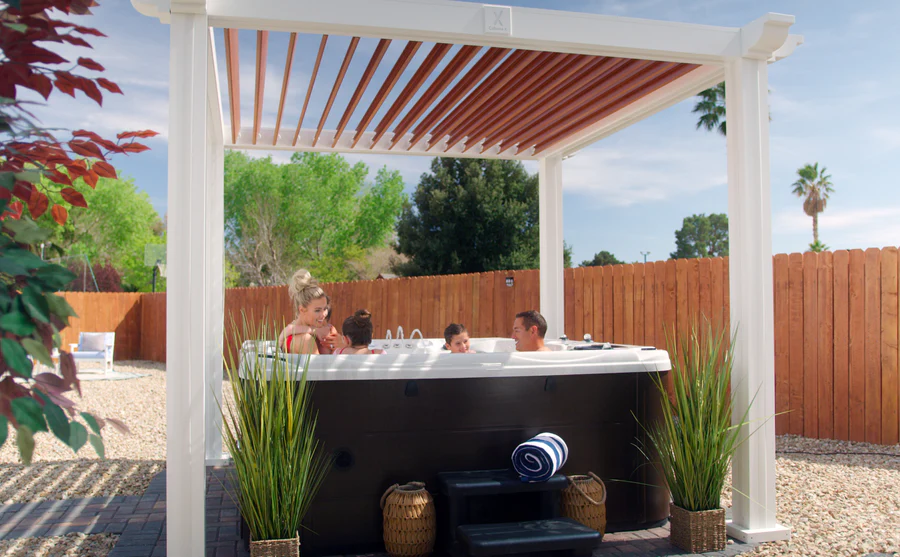
Will a pergola provide adequate shade? Pergolas help, especially with mature tree canopy; for peak midday sun add retractable shade, climbing vines, or solid cover.
What weather must I plan for? Intense sun, heavy seasonal rain, stormwater, salt spray, and hurricane winds; use wind-rated anchoring, drainage, and corrosion-resistant materials.
Are lot sizes and layouts suitable? Many single-family homes have small-to-medium lots and modest backyards; newer developments offer varied configurations for larger pergolas or patios.
How should design match local character? Complement prevalent styles (Colonial Revival, Craftsman, Spanish Colonial, Florida Vernacular), preserve specimen trees and respect front-porch traditions.
Will upgrades affect property value? Yes. City investment in parks, trails and sustainability plus waterfront access and community events make well-designed outdoor spaces likely to increase value.