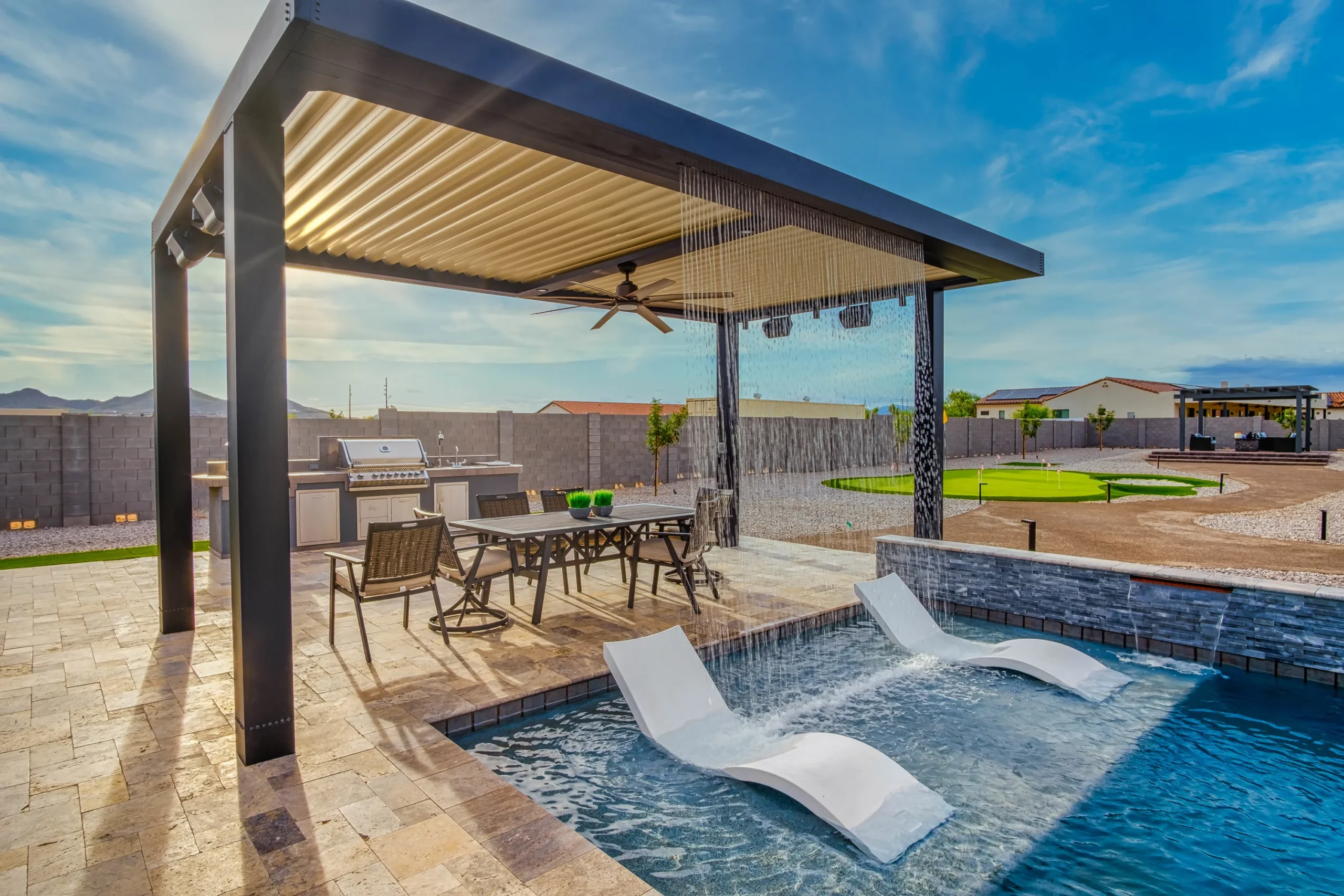
Outdoor Living and Local Environment in Islamorada
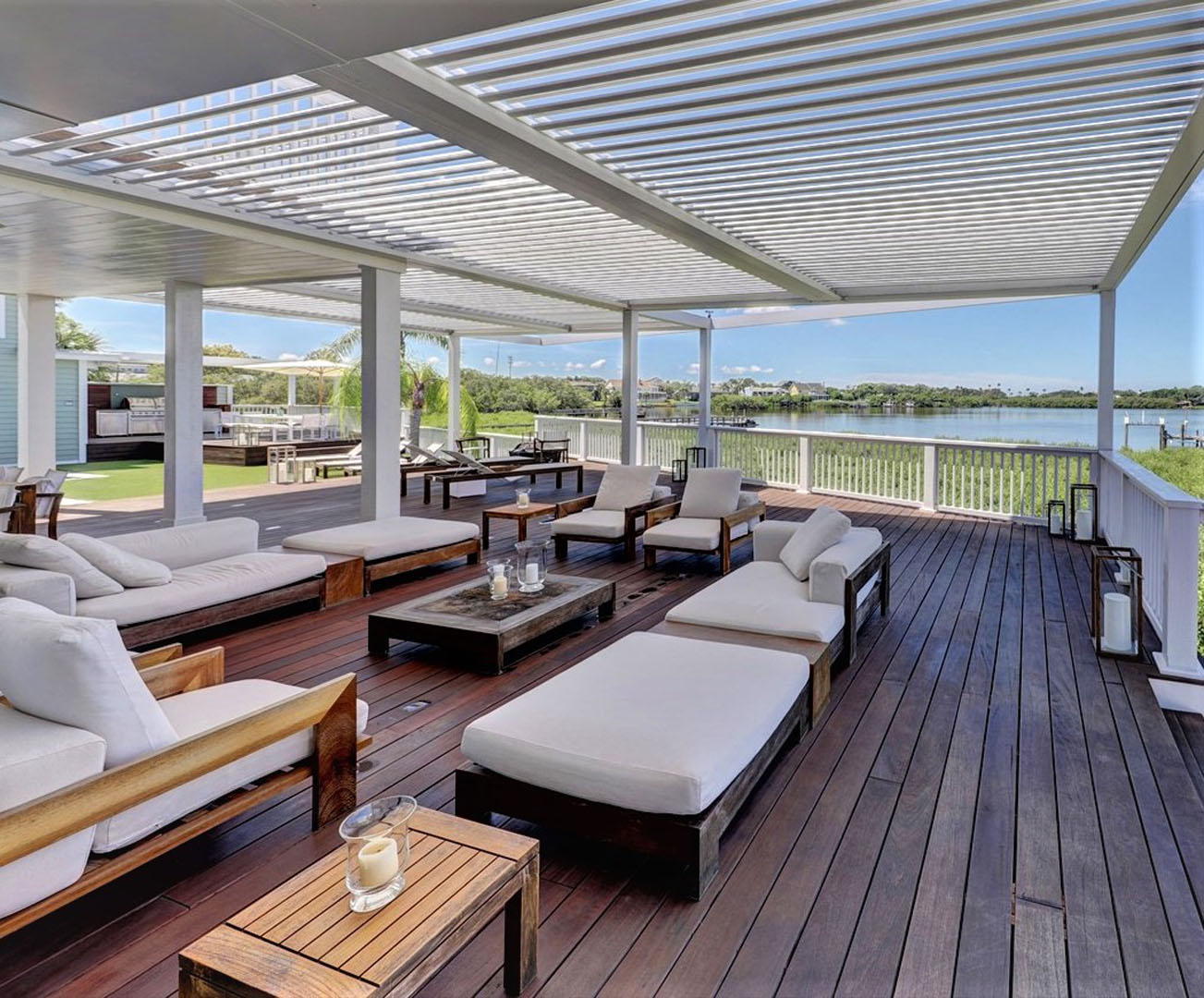
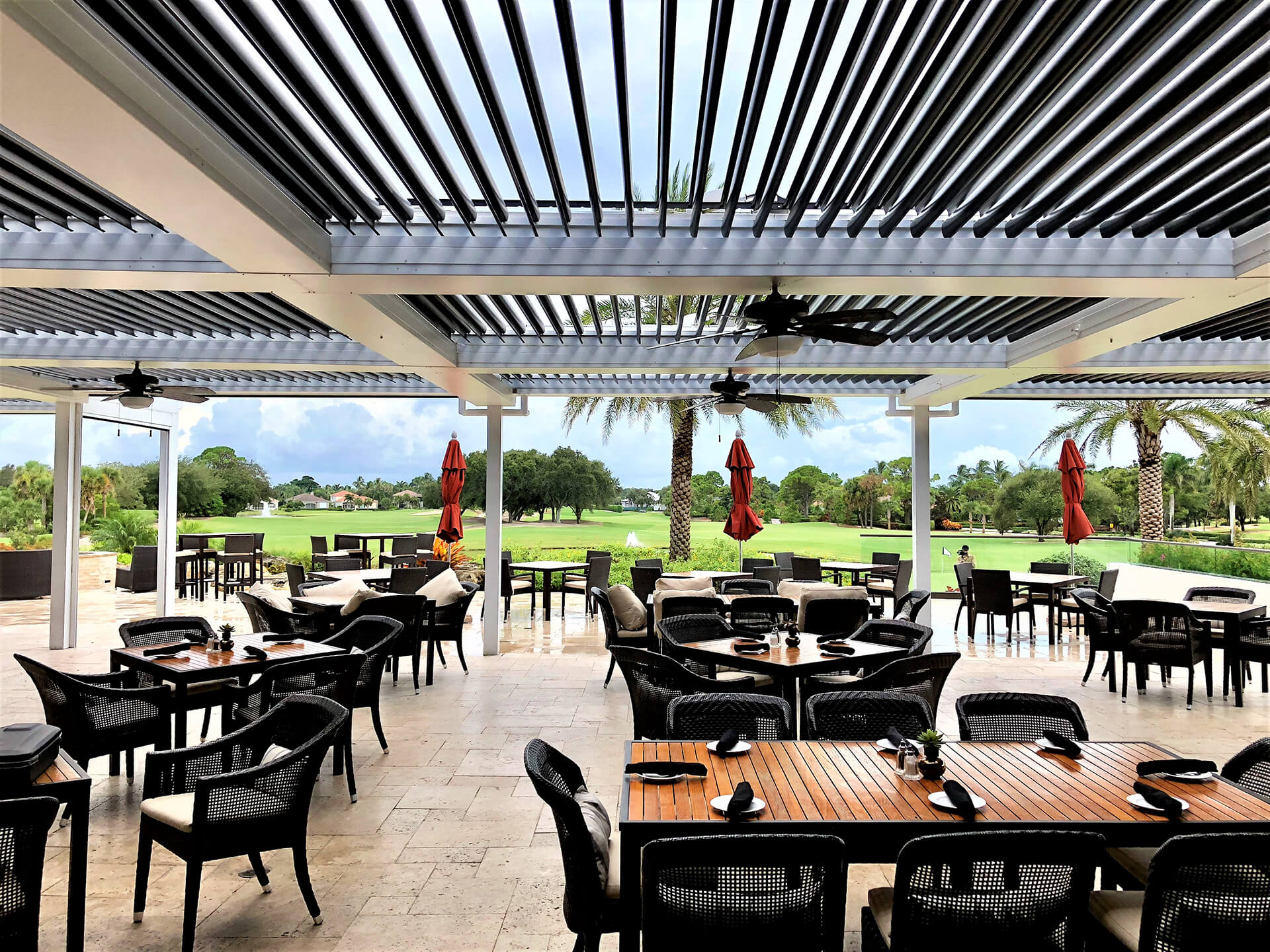
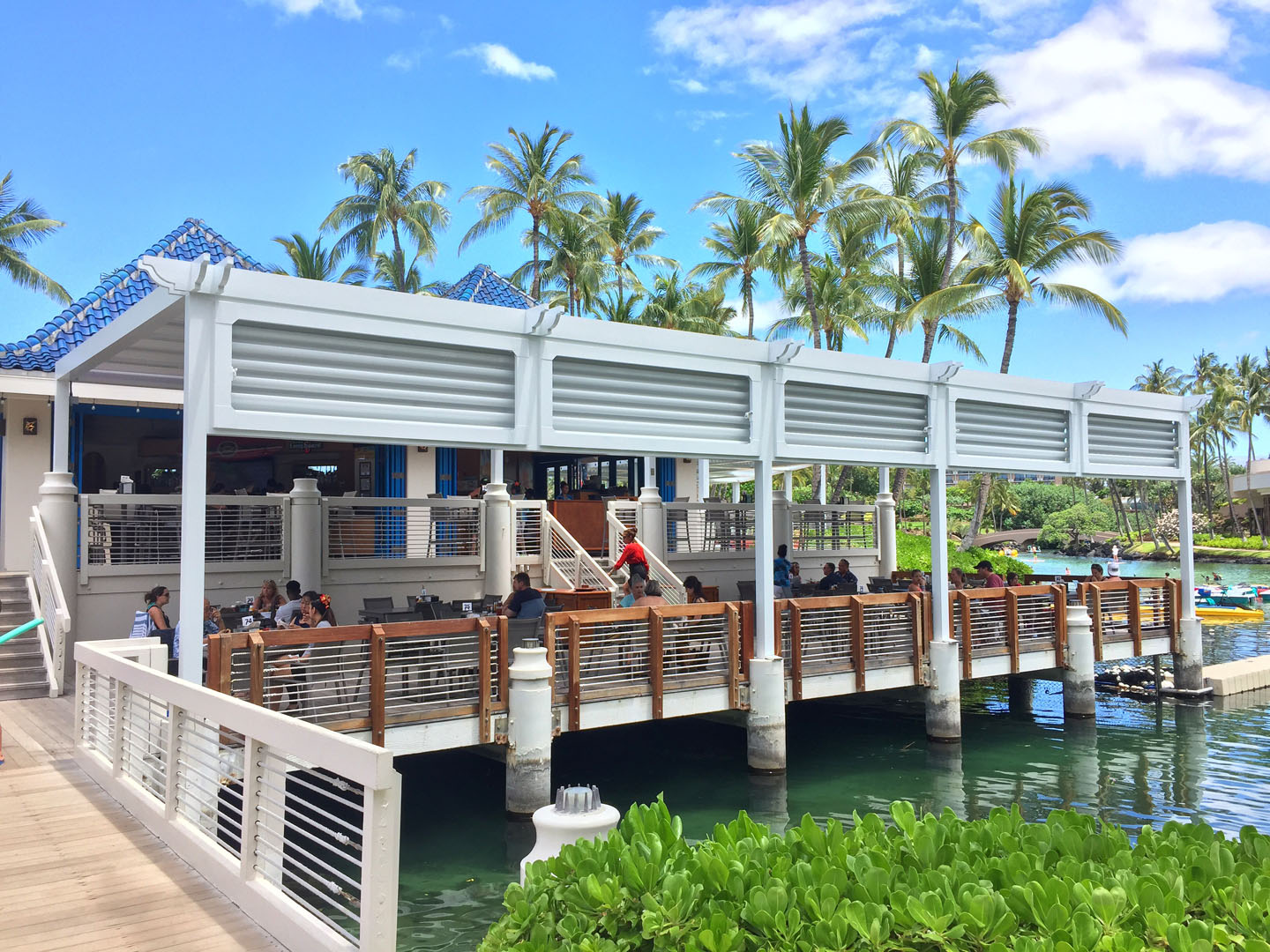
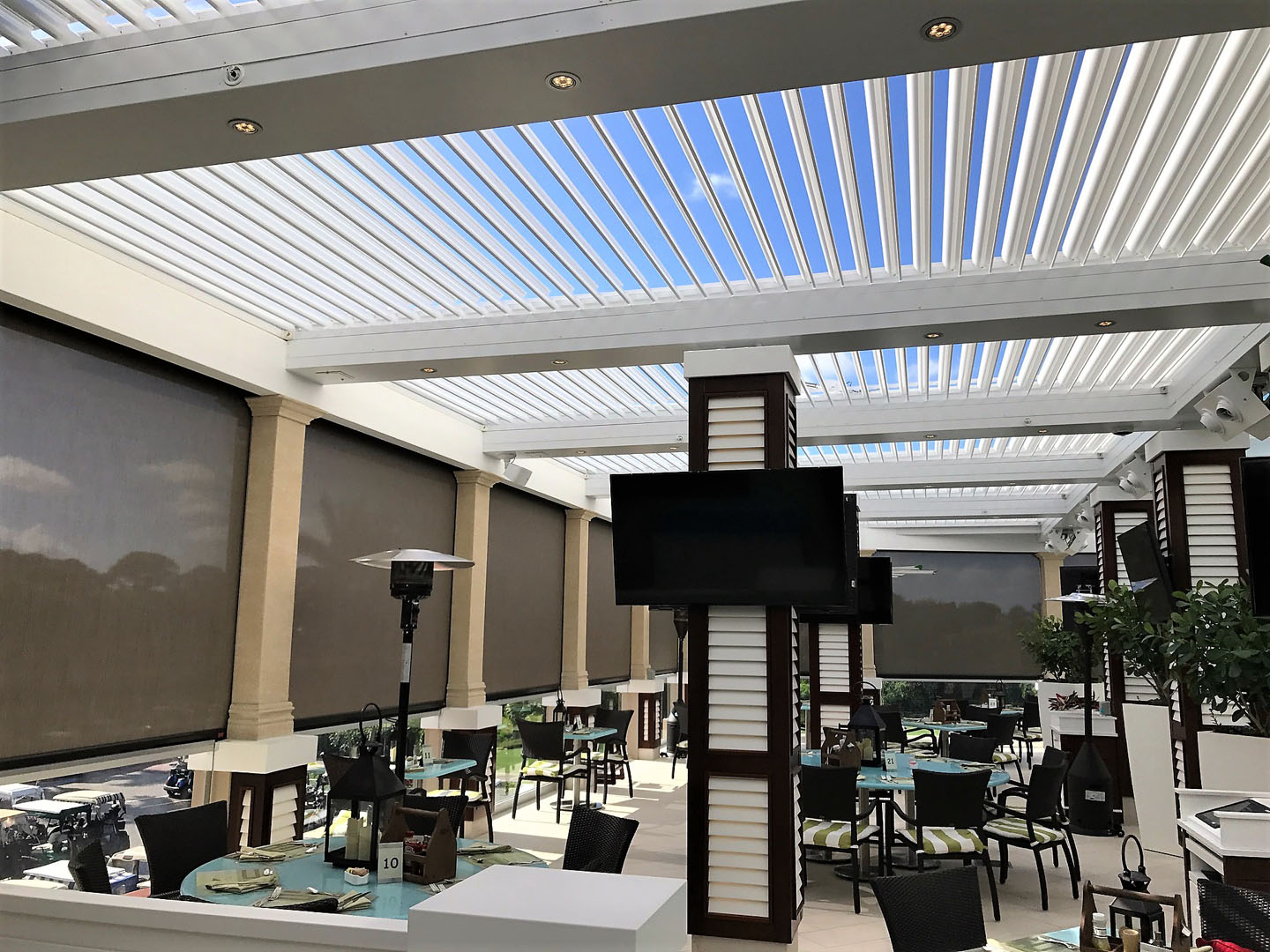
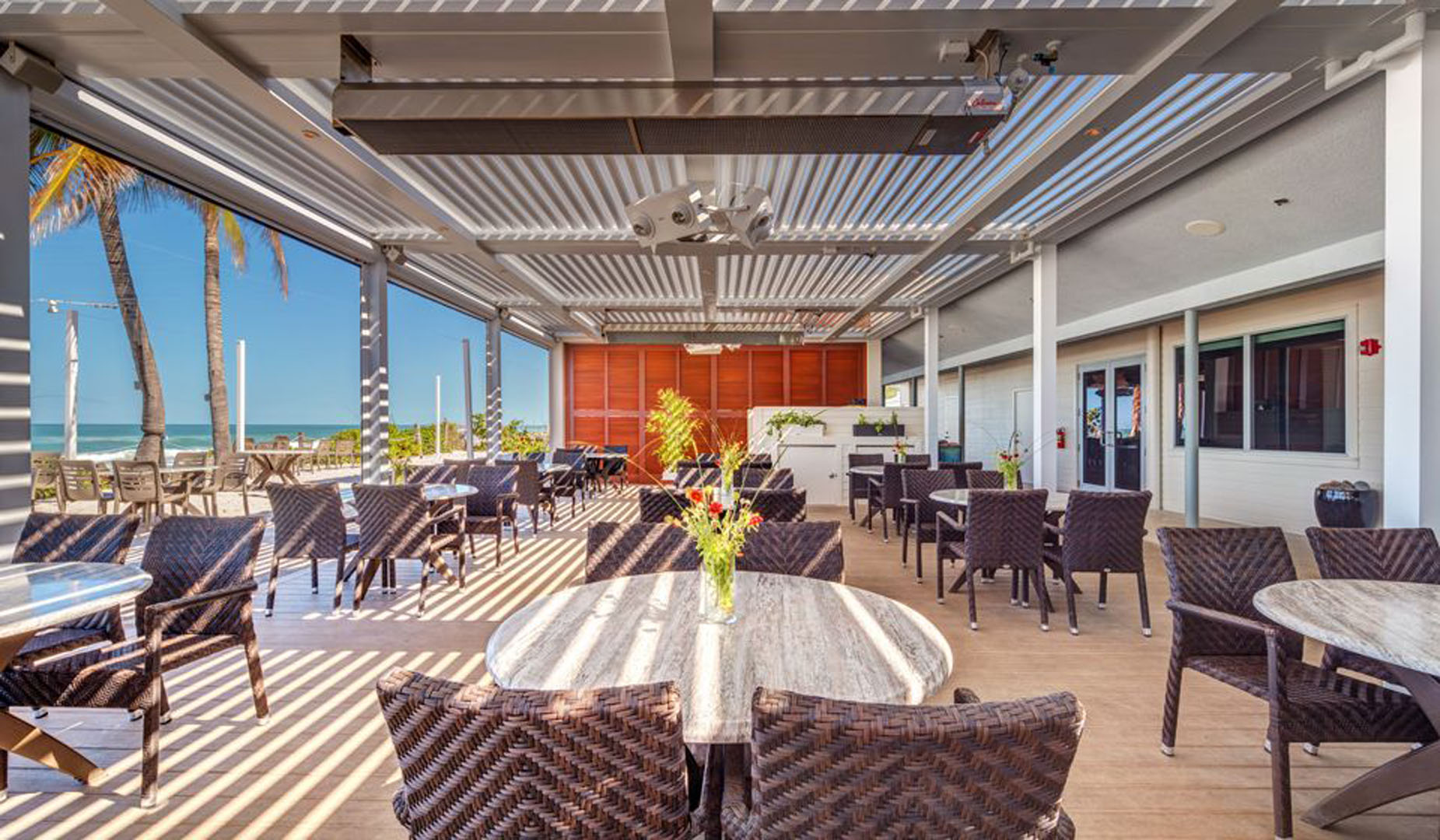
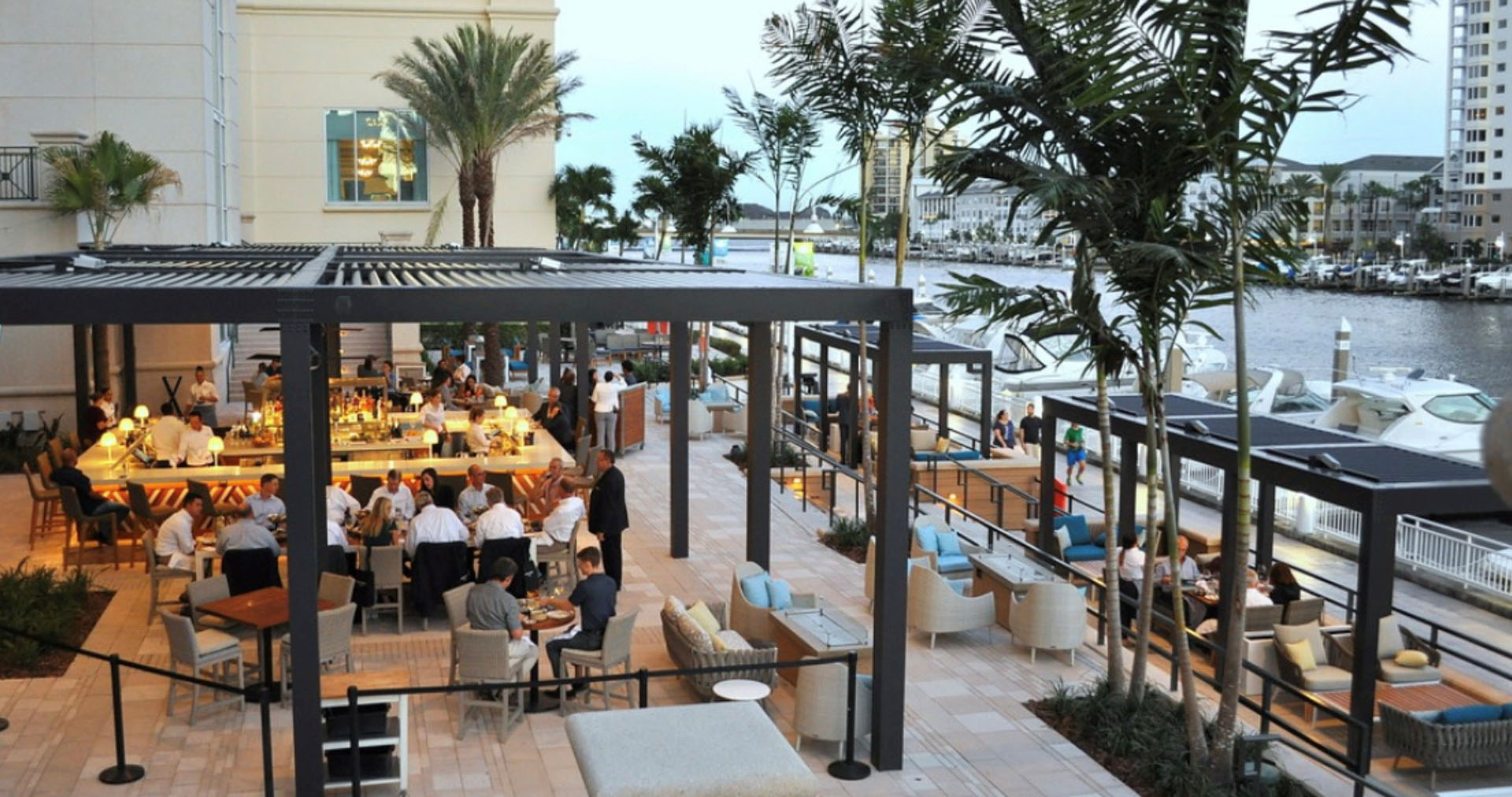
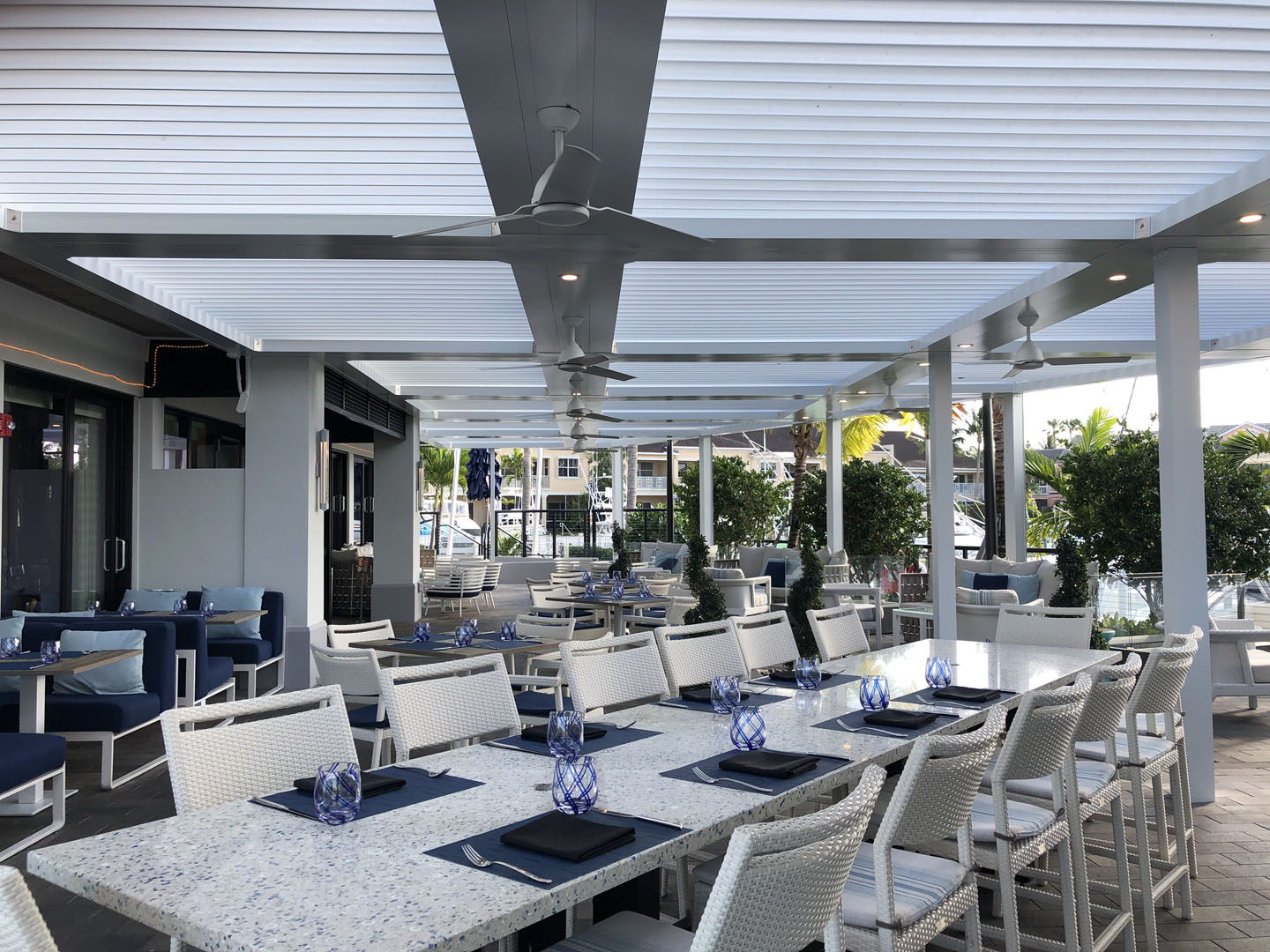
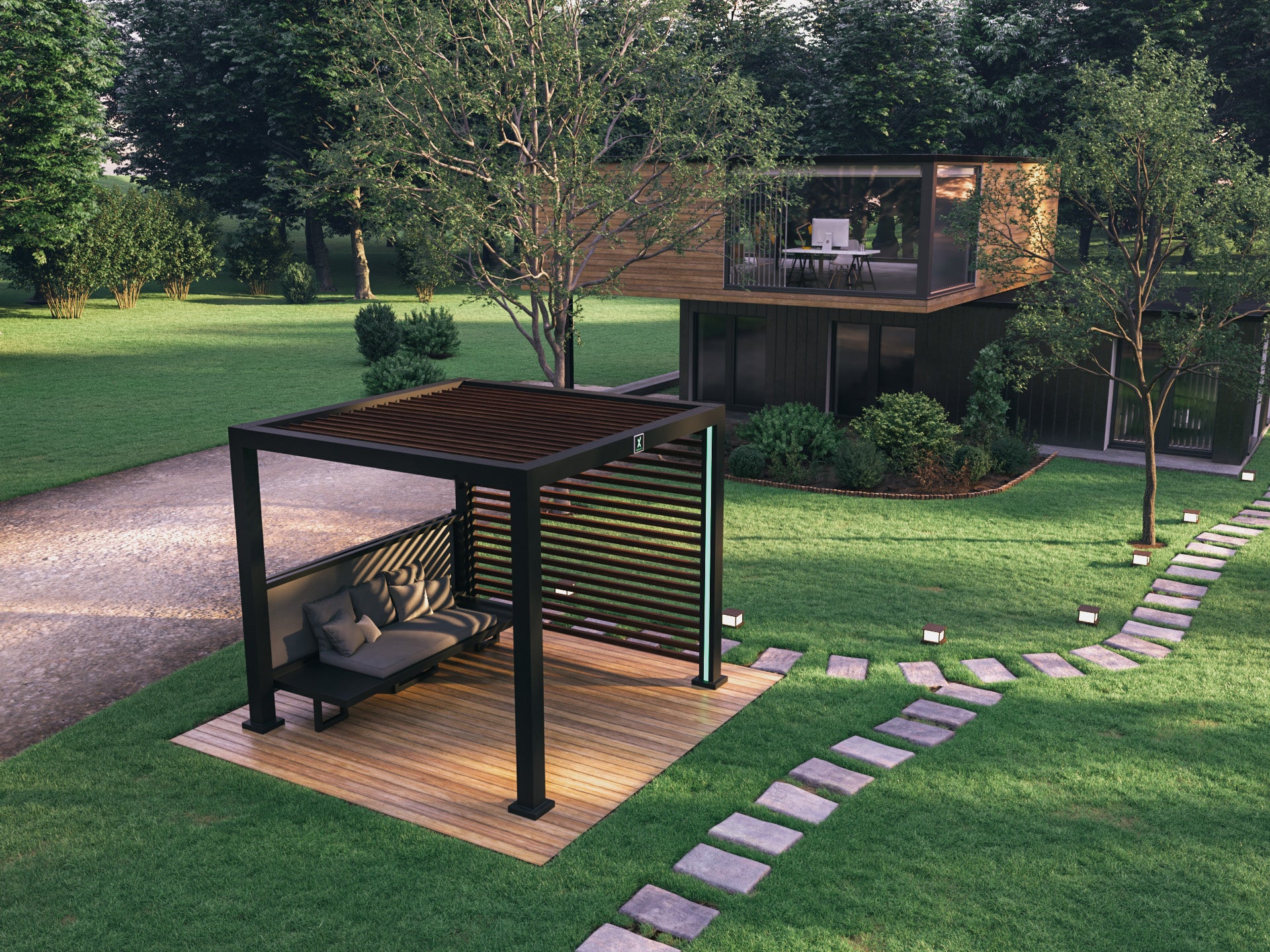
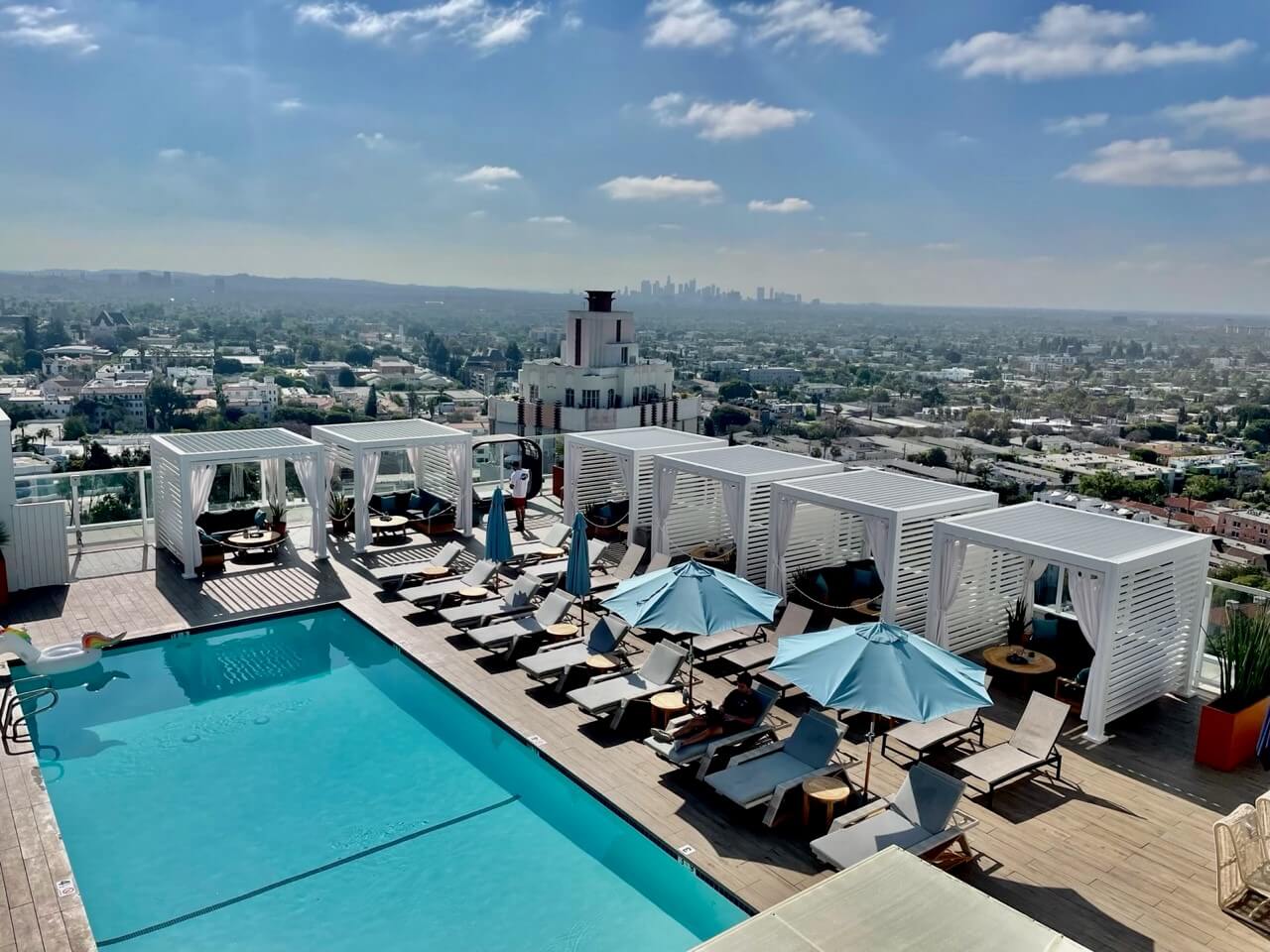
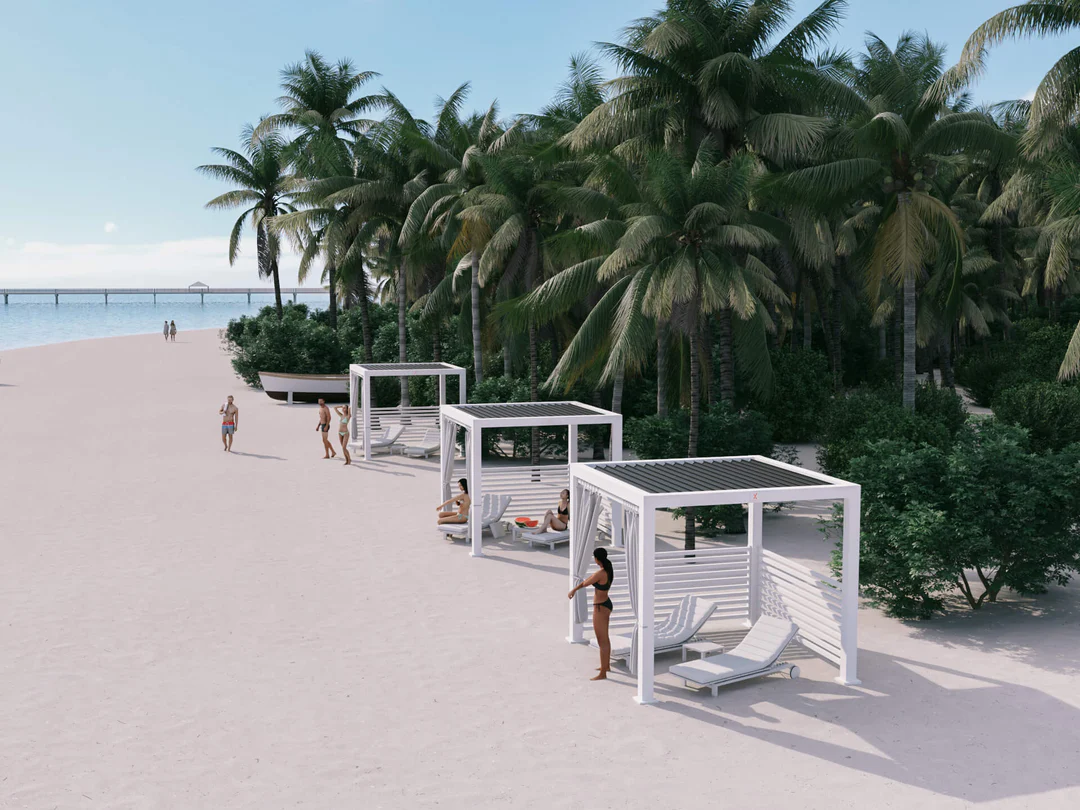
Islamorada homeowners live outdoors: backyards, patios, terraces, balconies and waterfront decks function as primary living rooms for boating, fishing, snorkeling and late-day socializing. Waterfront estates and canal homes center activities around private docks, boat lifts and open-air structures where gear is staged, catches are cleaned, and guests gather for alfresco meals and sunset views. Year-round warm weather and a laid-back island pace encourage daily water sports, poolside lounging and attendance at outdoor art shows, tournaments and festivals. Because sun, salt and seasonal storms are constant factors, residents prioritize shaded, covered areas—pergolas, covered patios and corrosion-resistant finishes—that preserve sightlines to the water while providing durable, comfortable spaces for entertaining, dining and everyday island living.
Outdoor Activities, Amenities, and Lifestyle Patterns
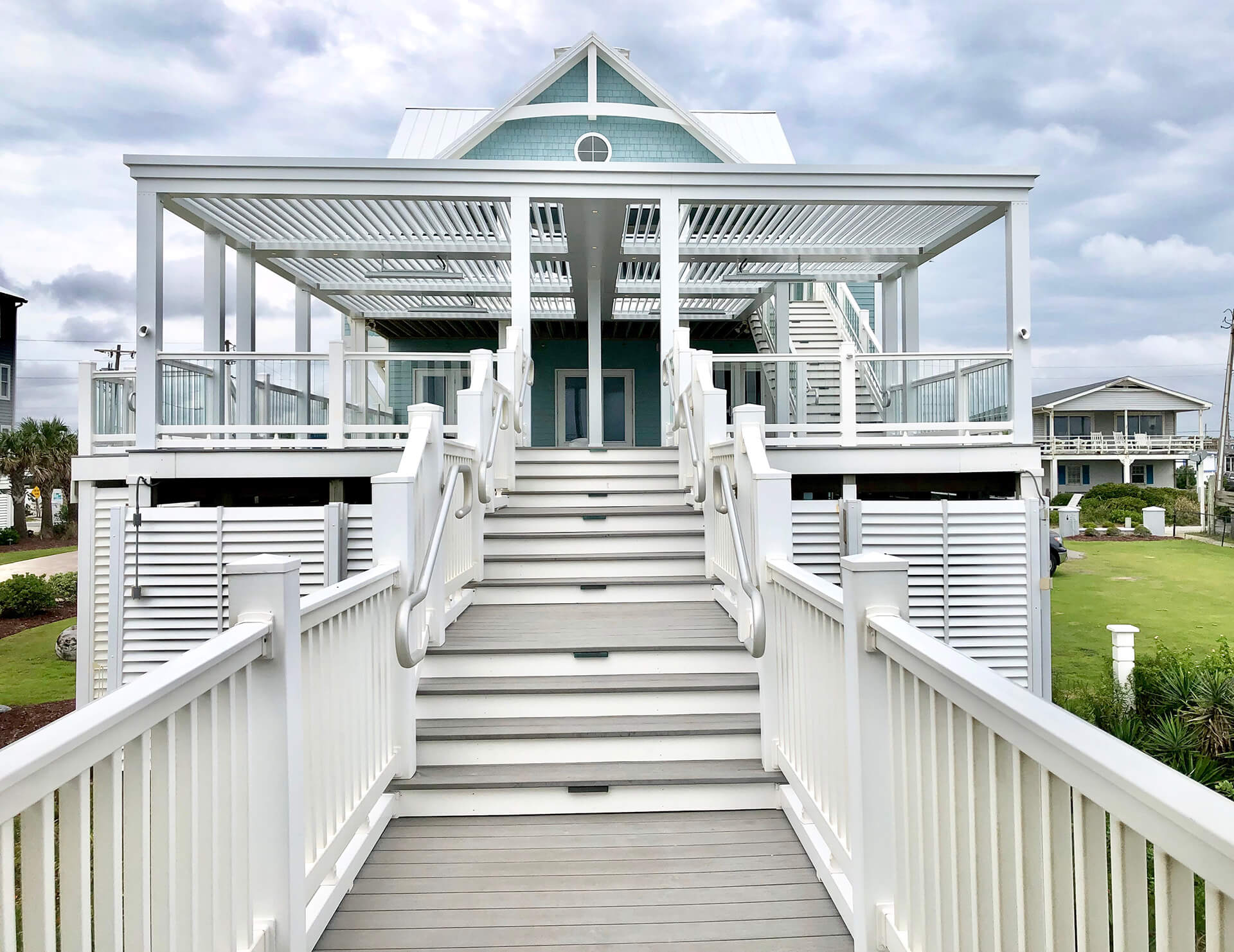
Residents of Islamorada structure daily life around water-based recreation and outdoor entertaining, with boating, sportfishing, snorkeling, scuba and backcountry angling shaping how homes are used and designed. Waterfront estates, canal-front homes and condos emphasize private docks, boat lifts, pools, tiki areas and open-air rooms to blur indoor–outdoor living, while al fresco dining at locally owned restaurants and community events—fishing tournaments, art shows and festivals—fill public spaces. Year-round warm weather and intense sun make shade solutions, pergolas and covered patios essential, and coastal winds, salt spray and hurricane risk demand corrosion-resistant materials and wind-rated construction. Lot configuration, view corridors and dock access guide placement of outdoor structures, and upgraded outdoor amenities directly boost rental appeal and support the village’s laid-back, community-oriented lifestyle.
Residential Property Characteristics of Islamorada Affecting Outdoor Living
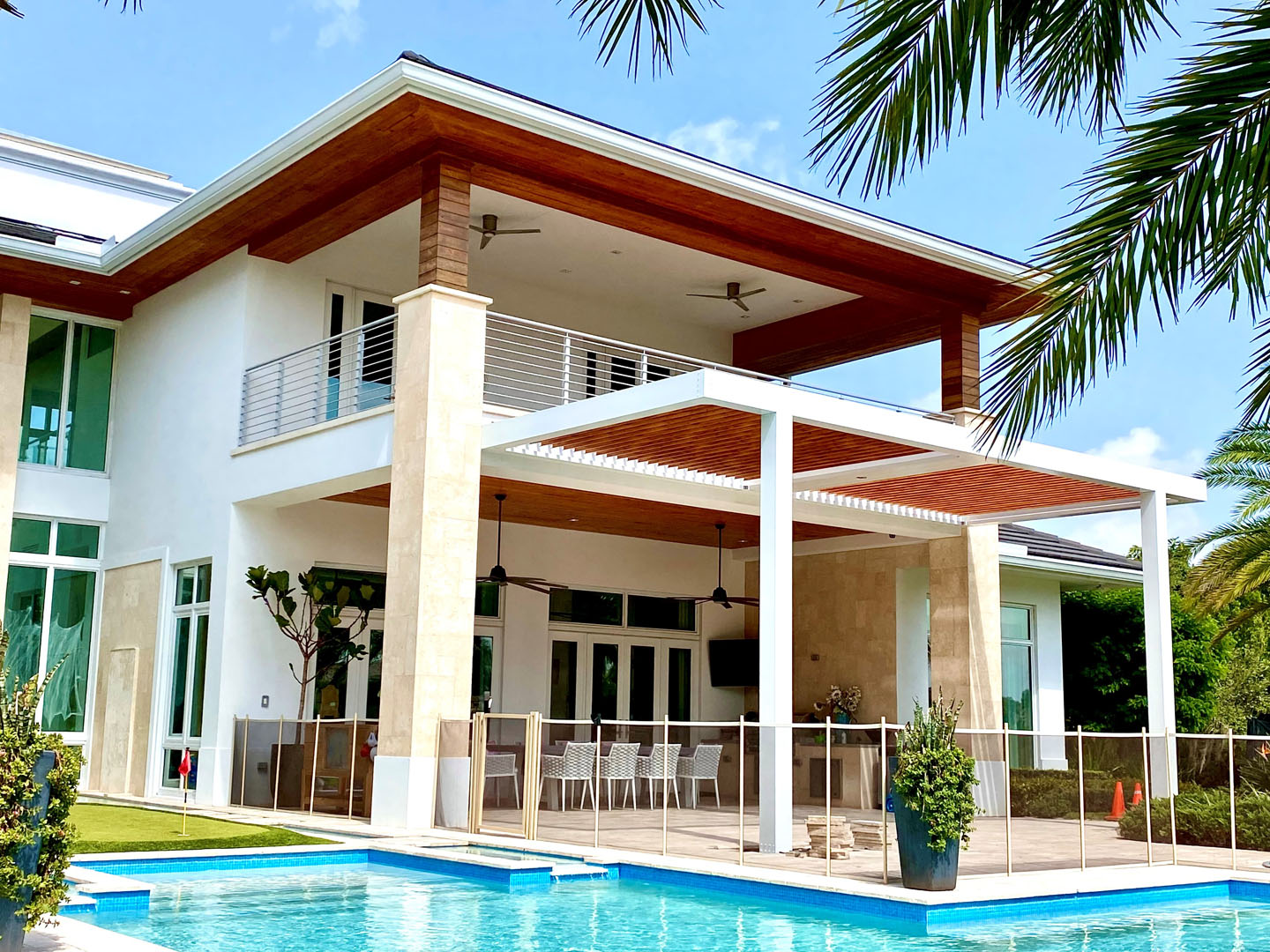
Islamorada’s residential fabric is water-centric, ranging from waterfront estates and beachfront properties with private docks, boat lifts, tiki areas and pools to canal-front single-family homes, condominiums, and vacation rentals; home styles span Caribbean and Mediterranean influences—conch-style cottages, luxury condos and modern homes—with open floor plans and expansive windows that blur indoor-outdoor living. Lot sizes vary (Lower Matecumbe offering larger open-water frontage, Upper Matecumbe having more walkable in-town lots), producing backyard layouts with docks, turning basins, view corridors, terraces, balconies and open-air patios that guide pergola placement so shade structures preserve sightlines and dock access while meeting coastal wind, salt and hurricane durability needs.
Climate, Sun, and Weather Considerations in Islamorada
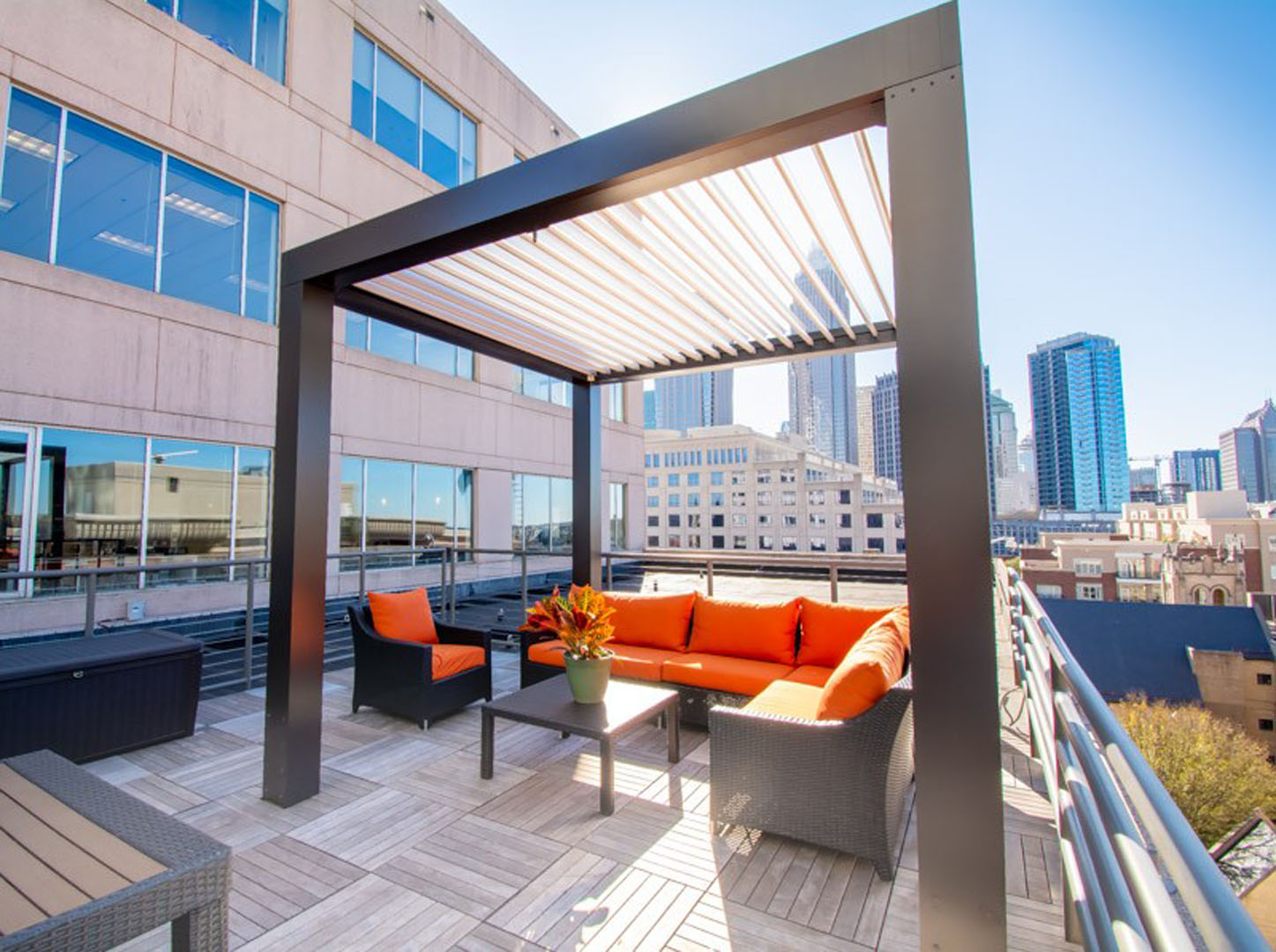
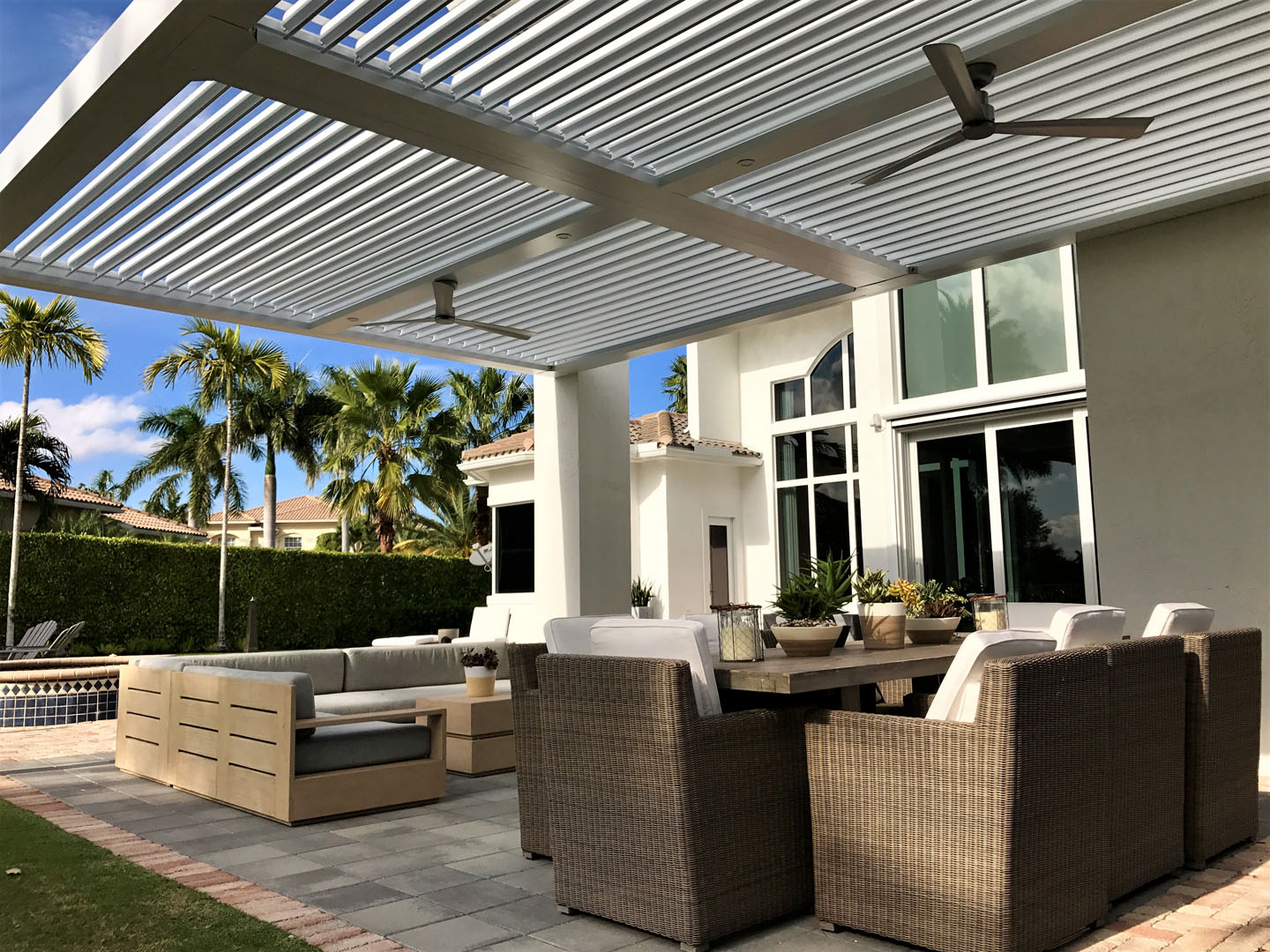
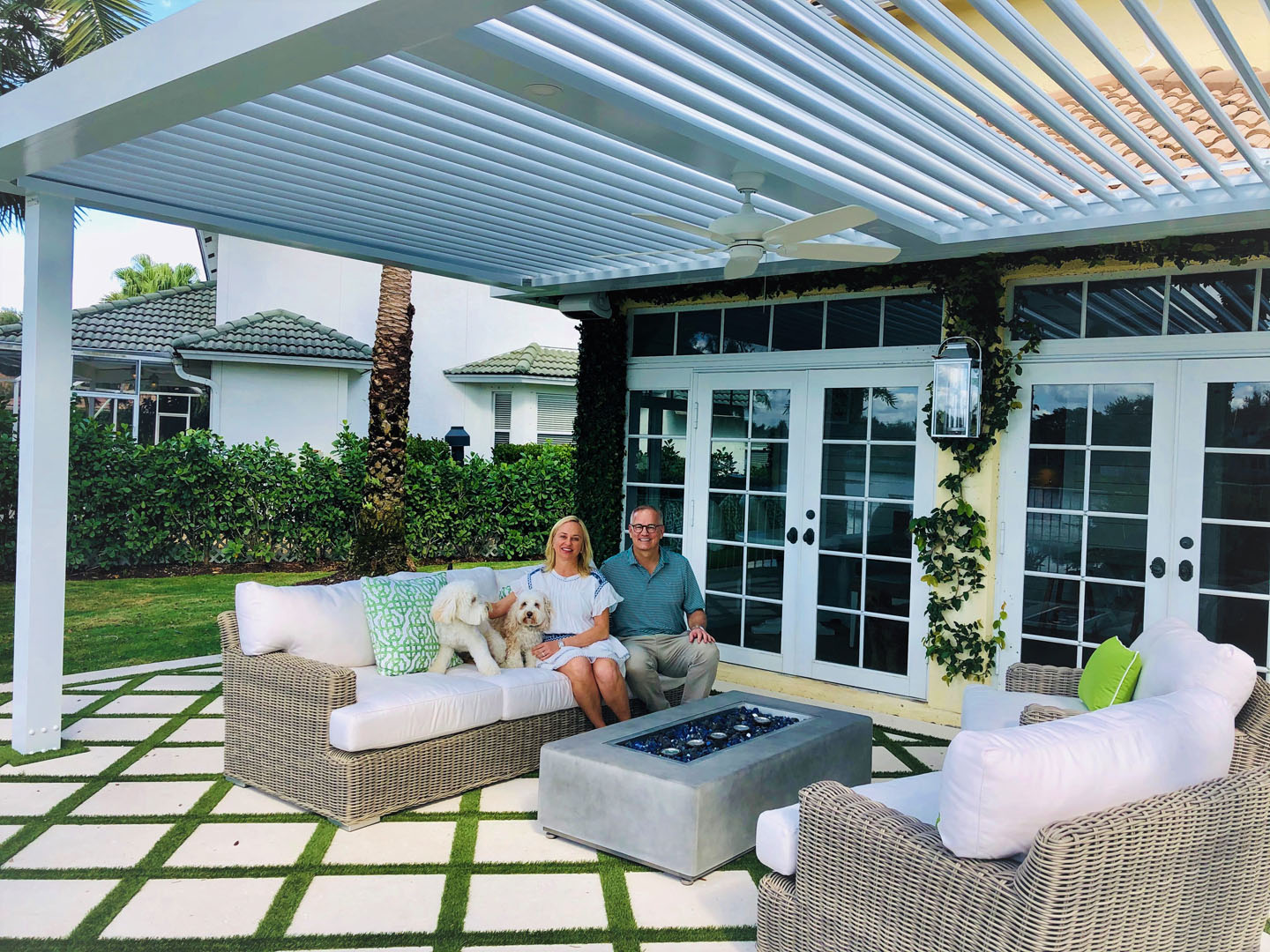
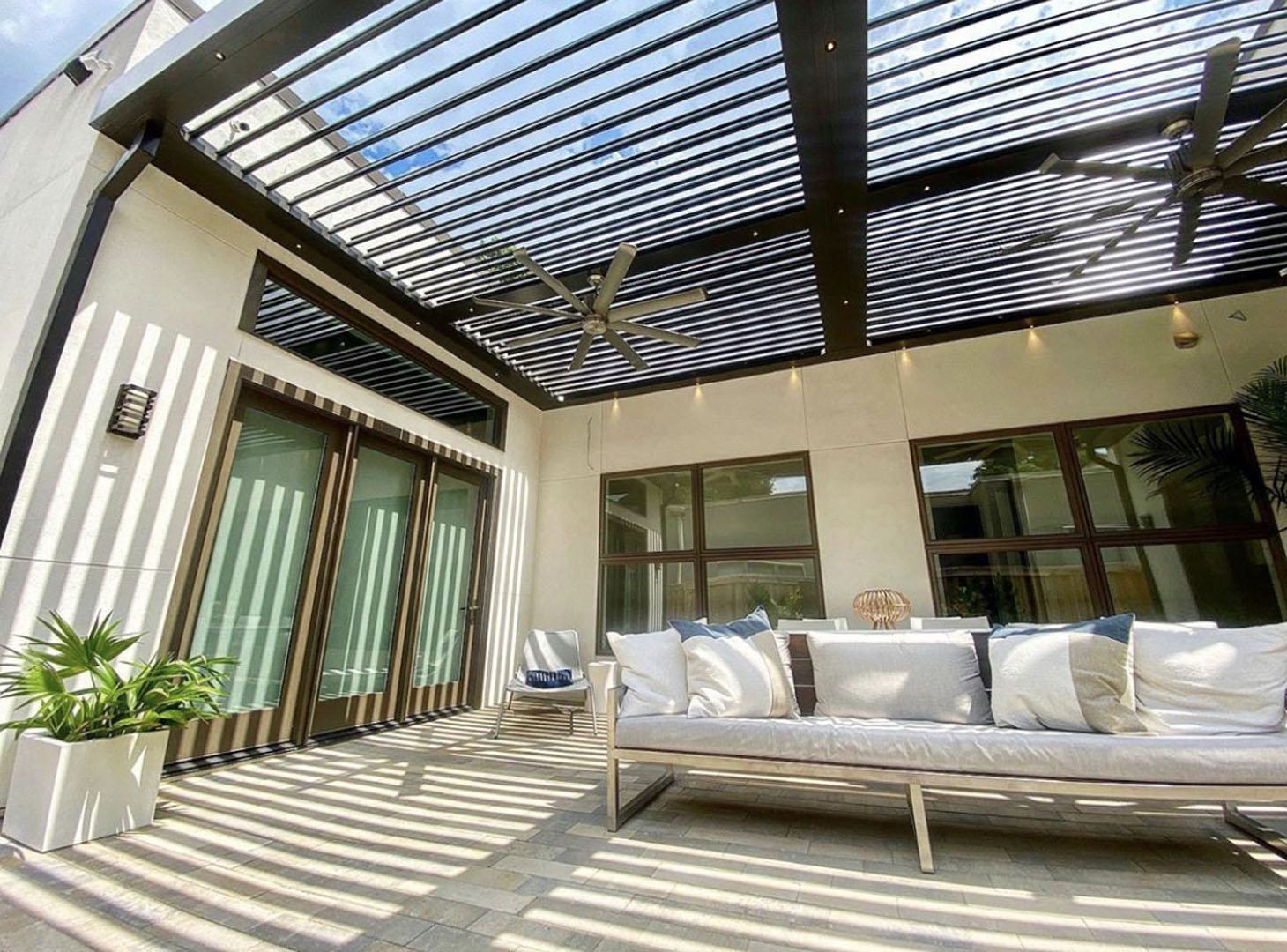
Islamorada’s tropical climate features warm weather year-round, mild winters, and hot, sunny summers with intense, persistent sun and strong UV that make substantial shade essential for daytime comfort; covered patios, pergolas, and shade sails enable outdoor dining, entertaining, and staging for water sports, especially during peak sun hours (10 AM–4 PM). Coastal exposure adds ocean breezes but also salt spray, humidity, seasonal rain, and the risk of hurricane-force winds, so outdoor structures must balance generous shade coverage with coastal durability—corrosion-resistant materials, appropriate wind-load design, and deeper foundations—while placement should preserve view corridors and dock access in ocean-side versus bay-side neighborhoods.
Why Islamorada Is Ideal for Outdoor Living
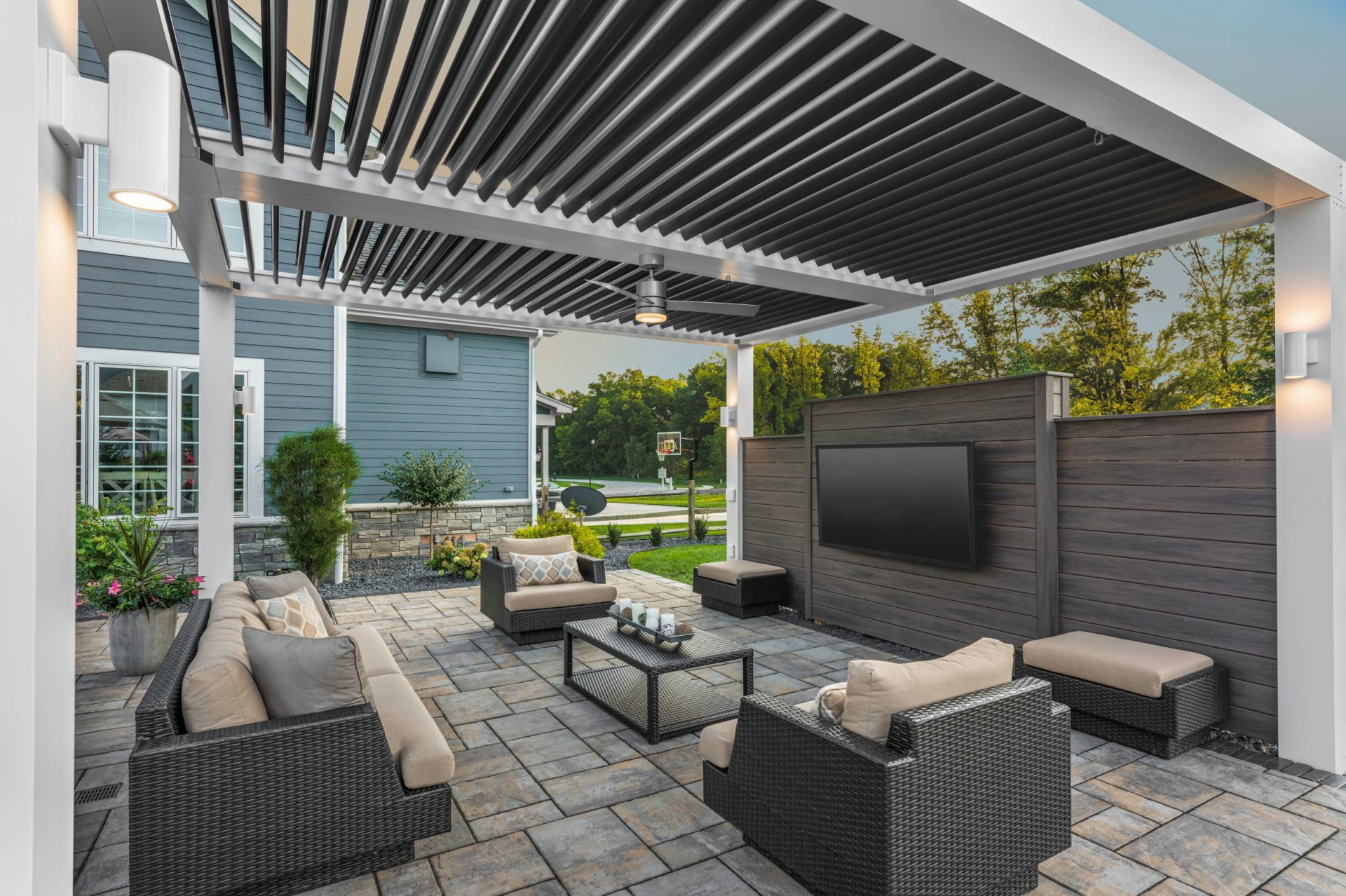
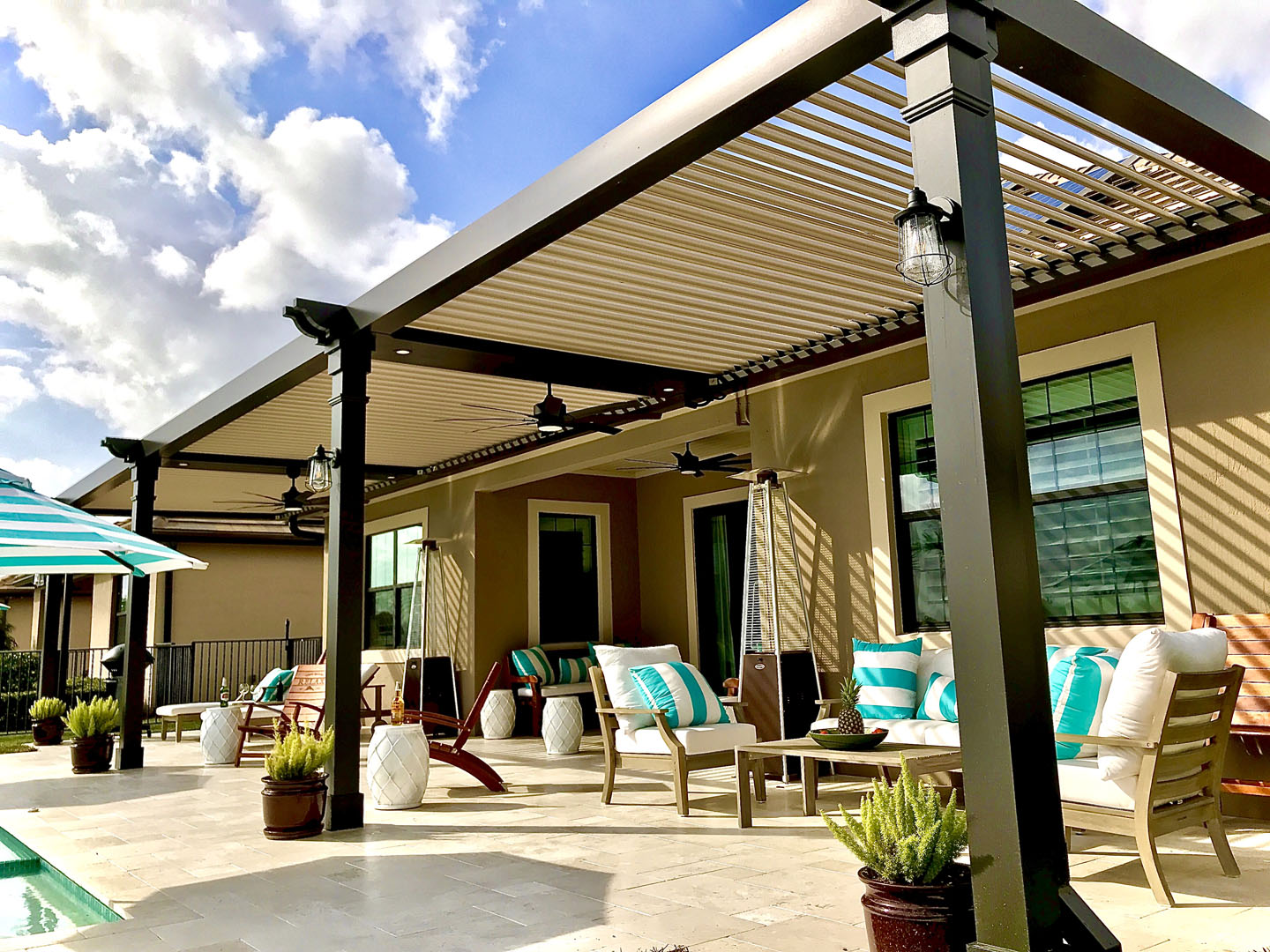
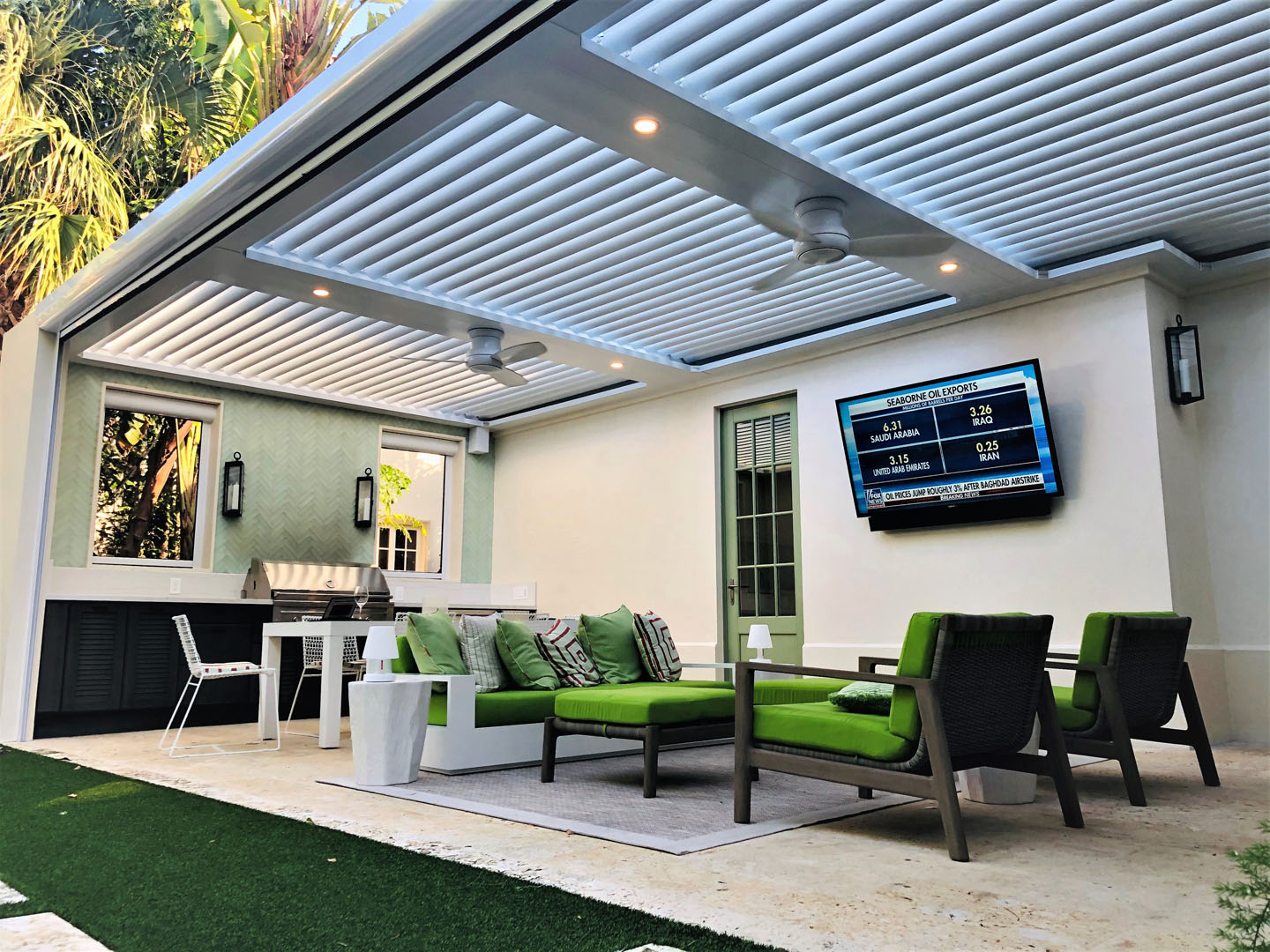
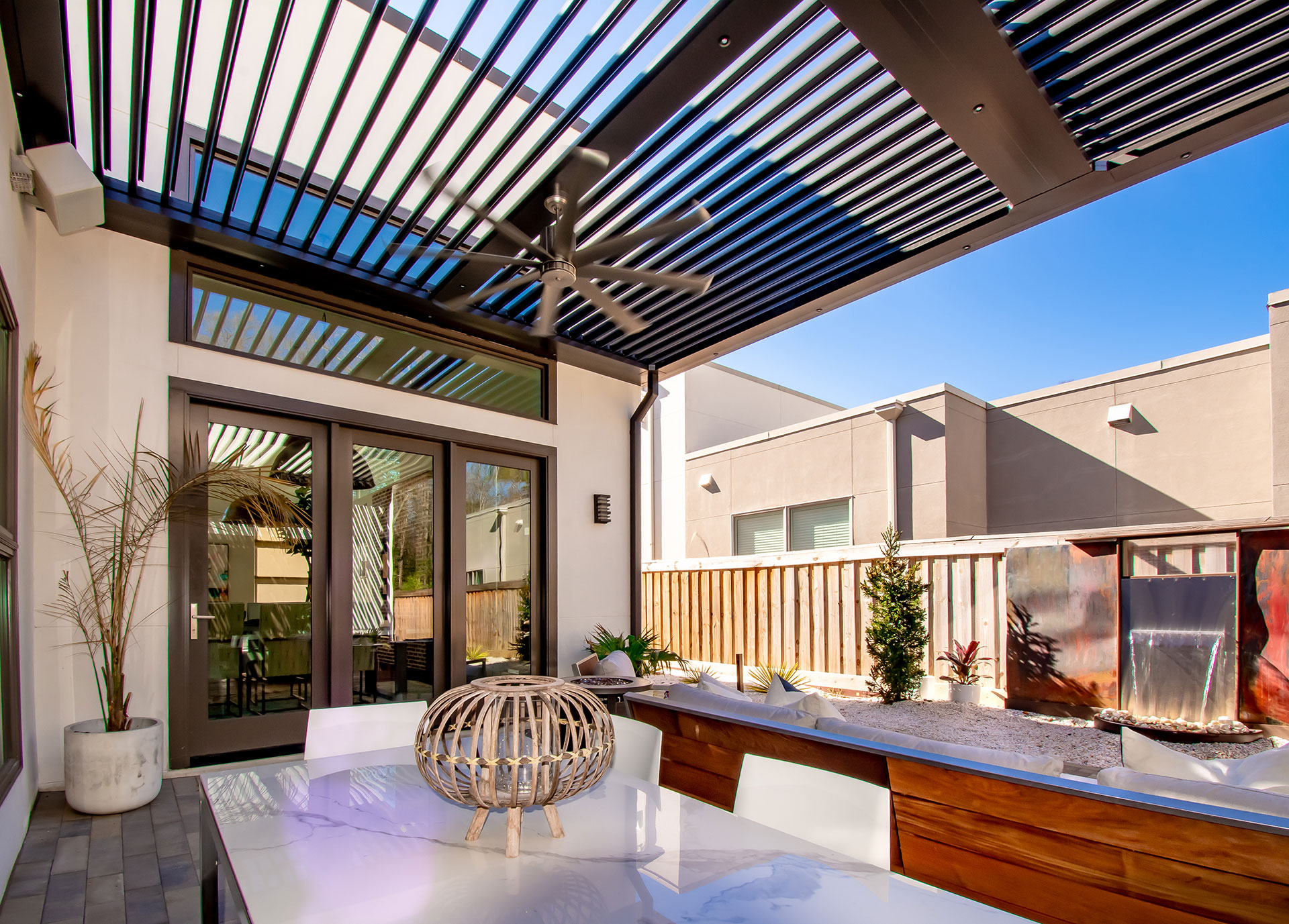
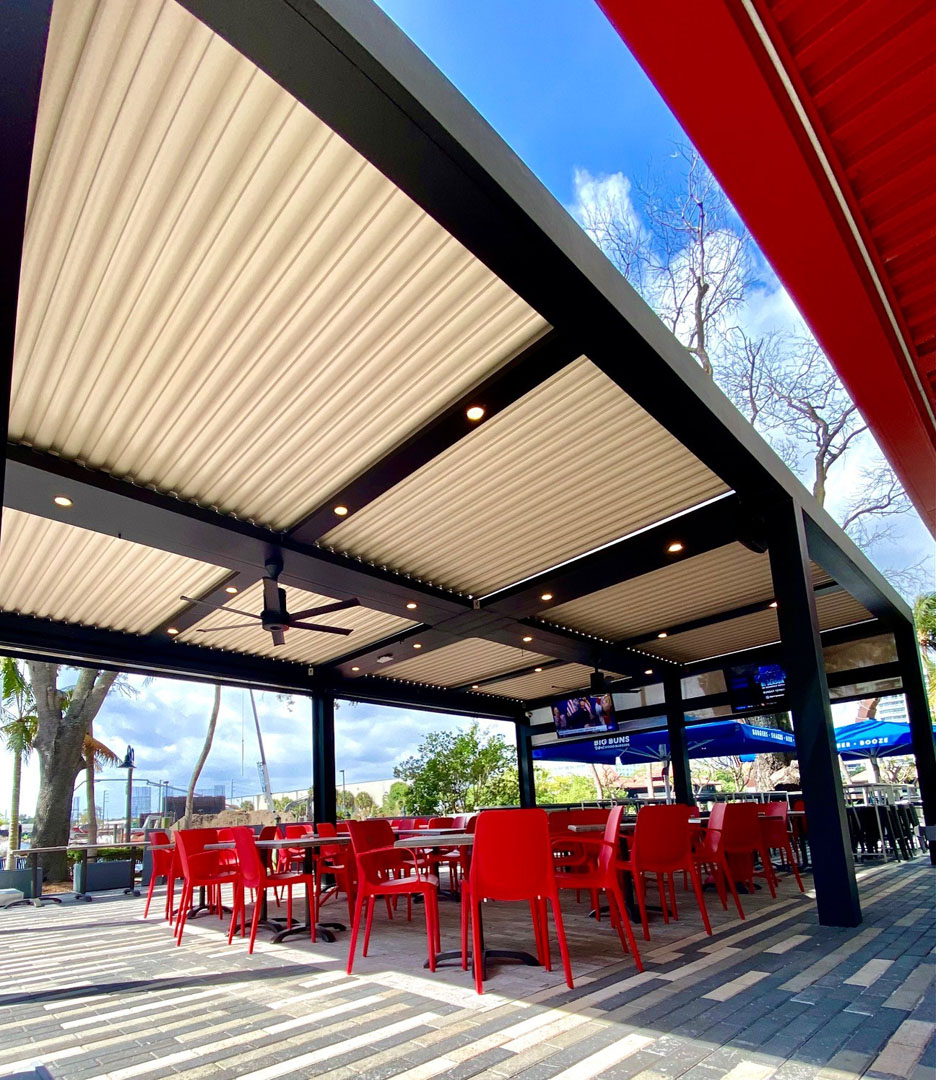
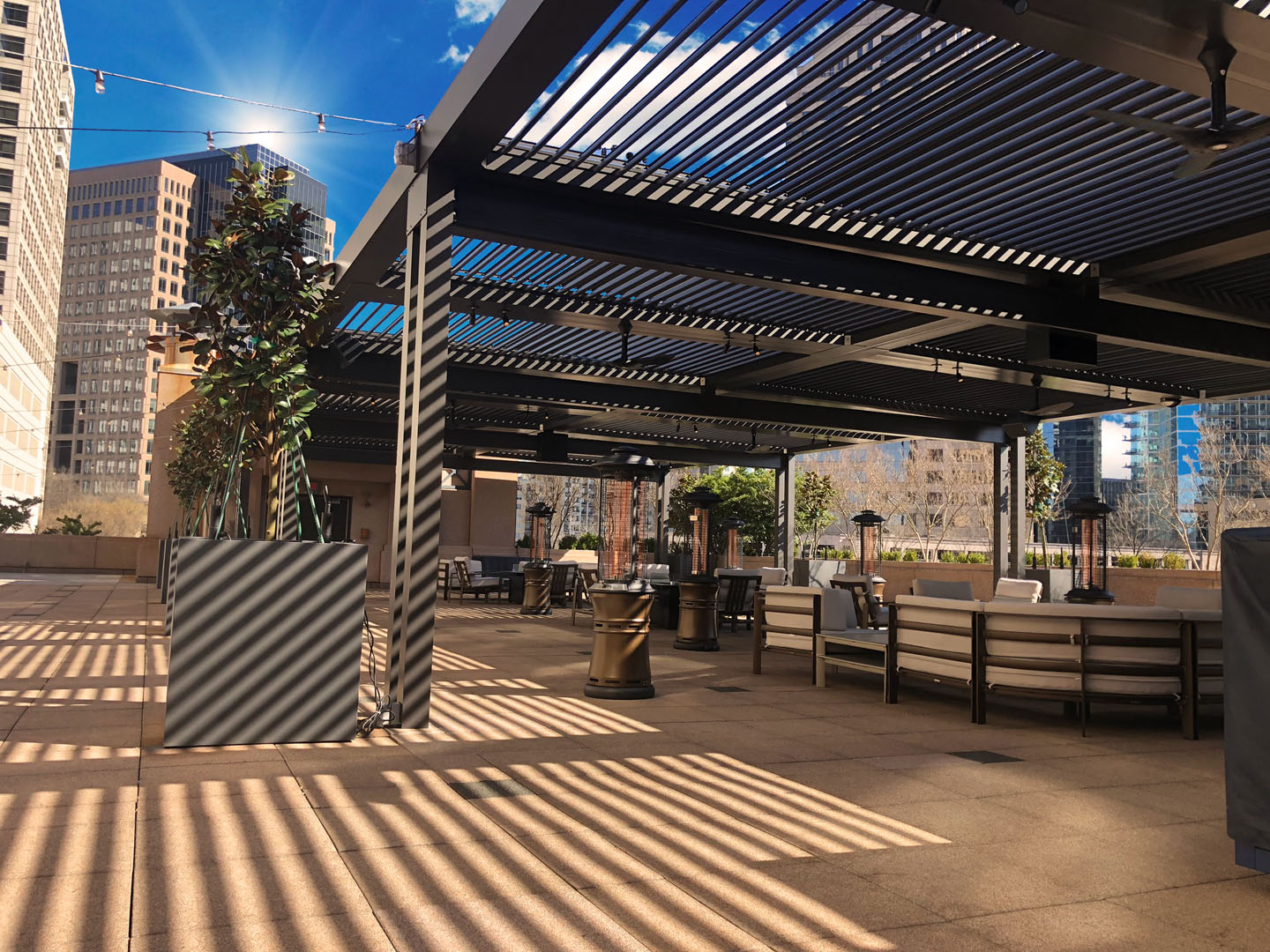
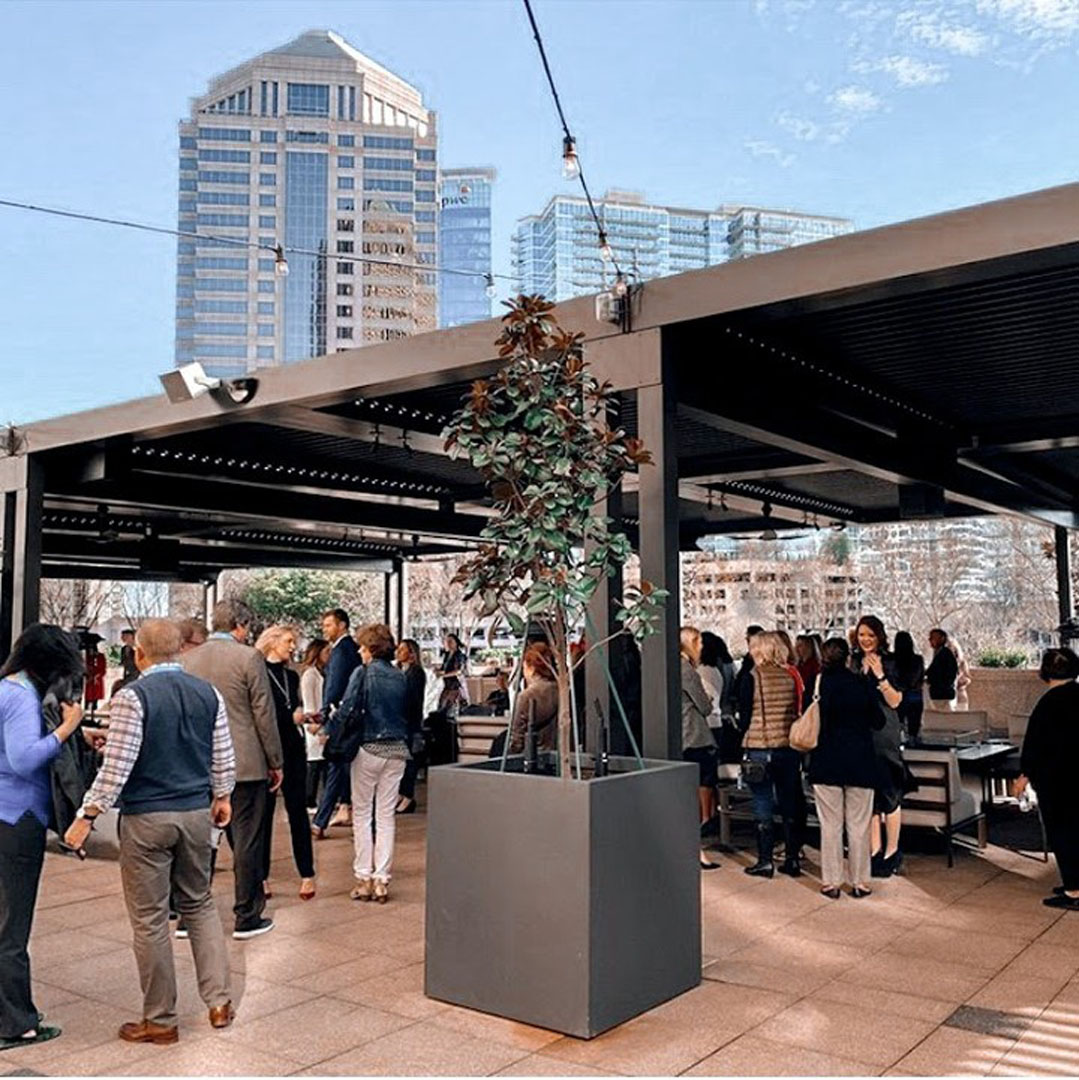
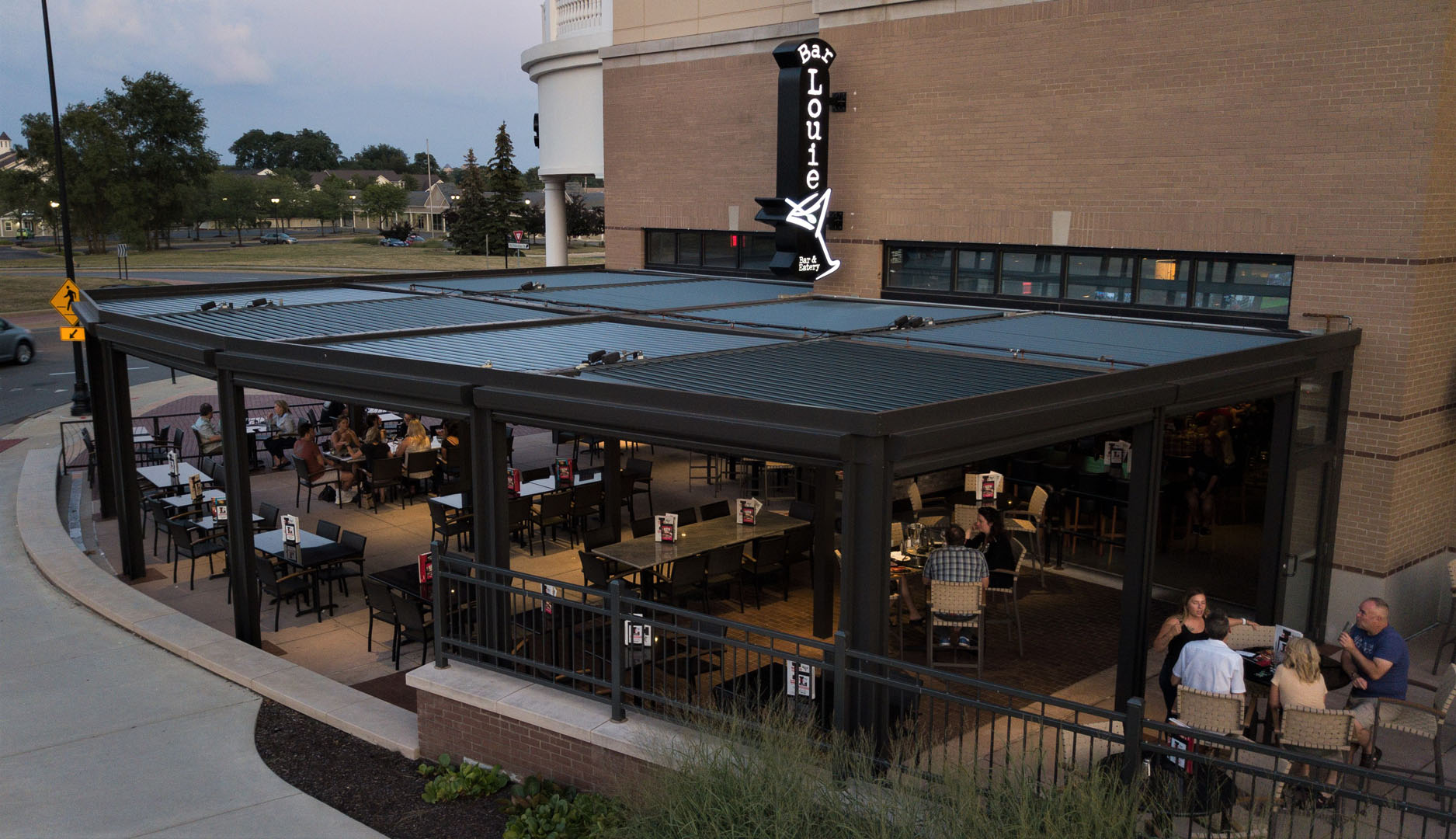
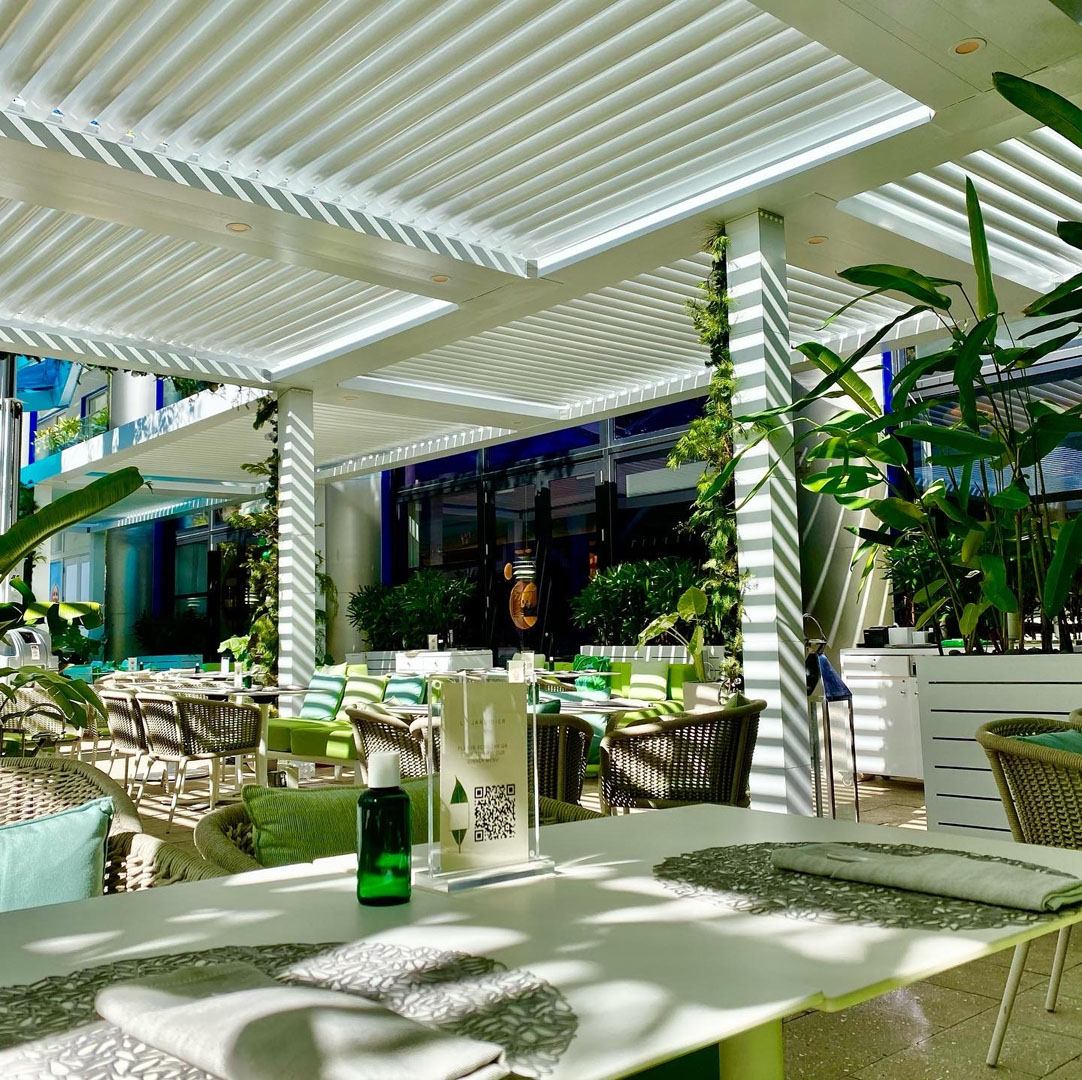
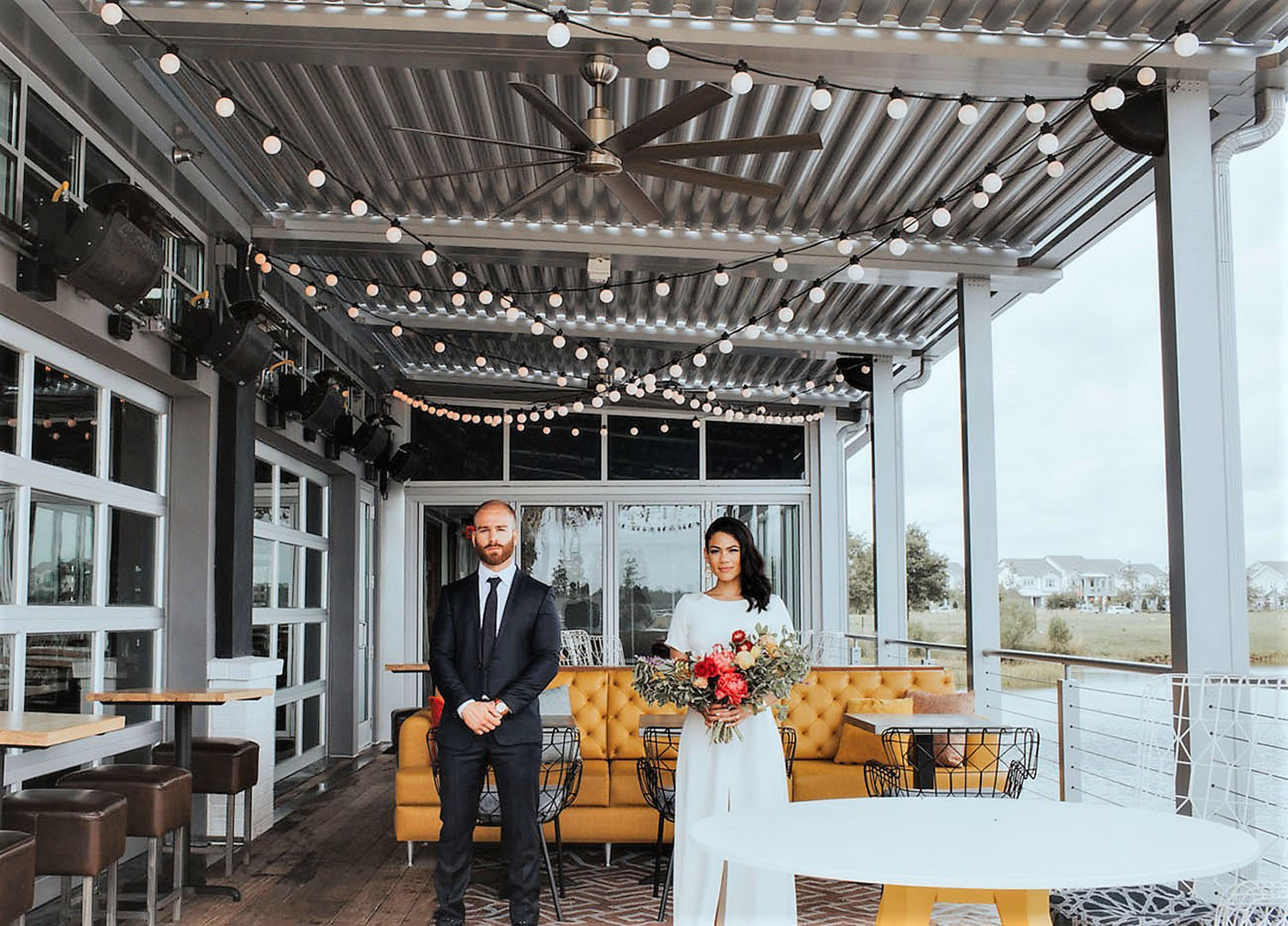
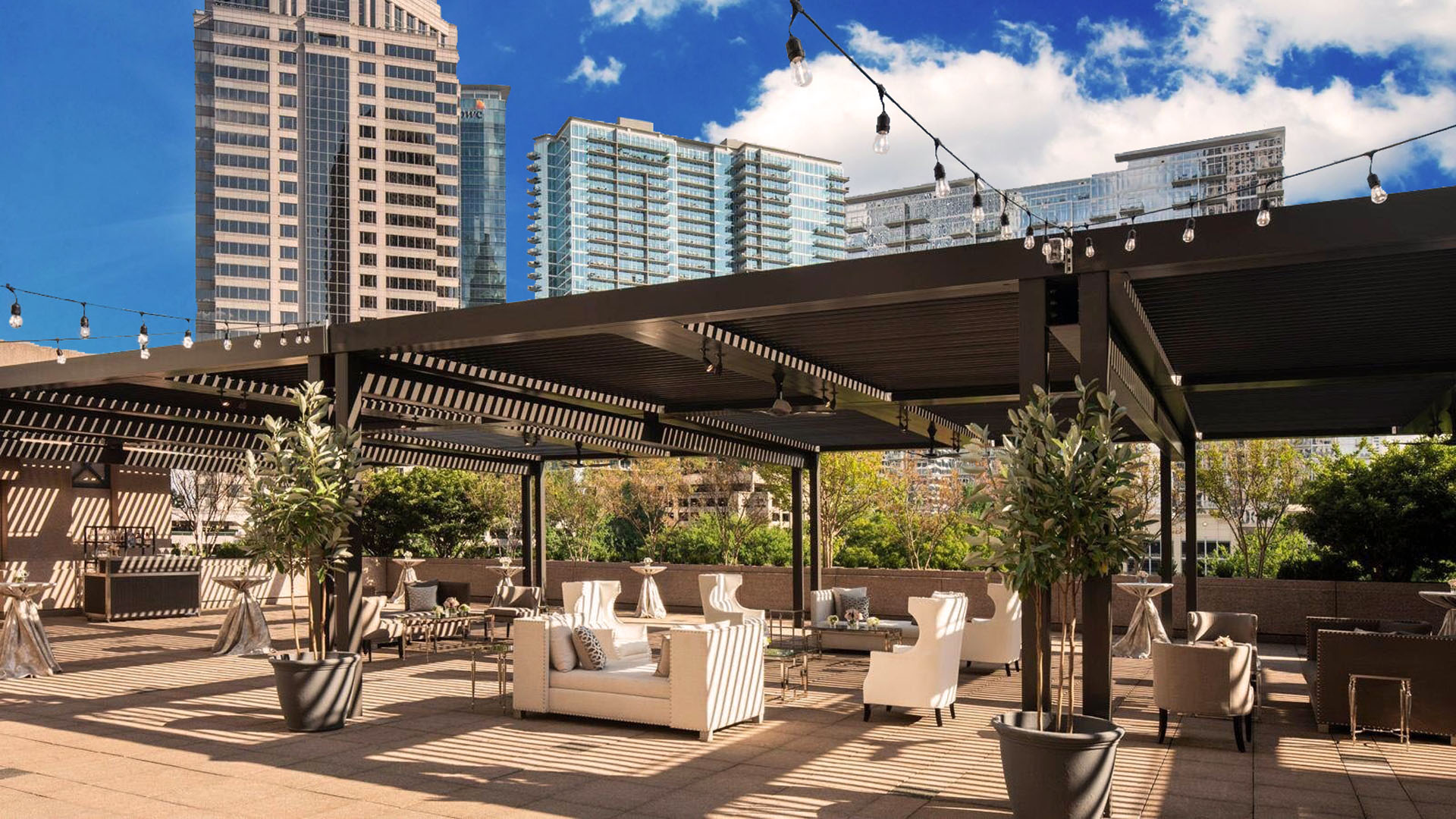
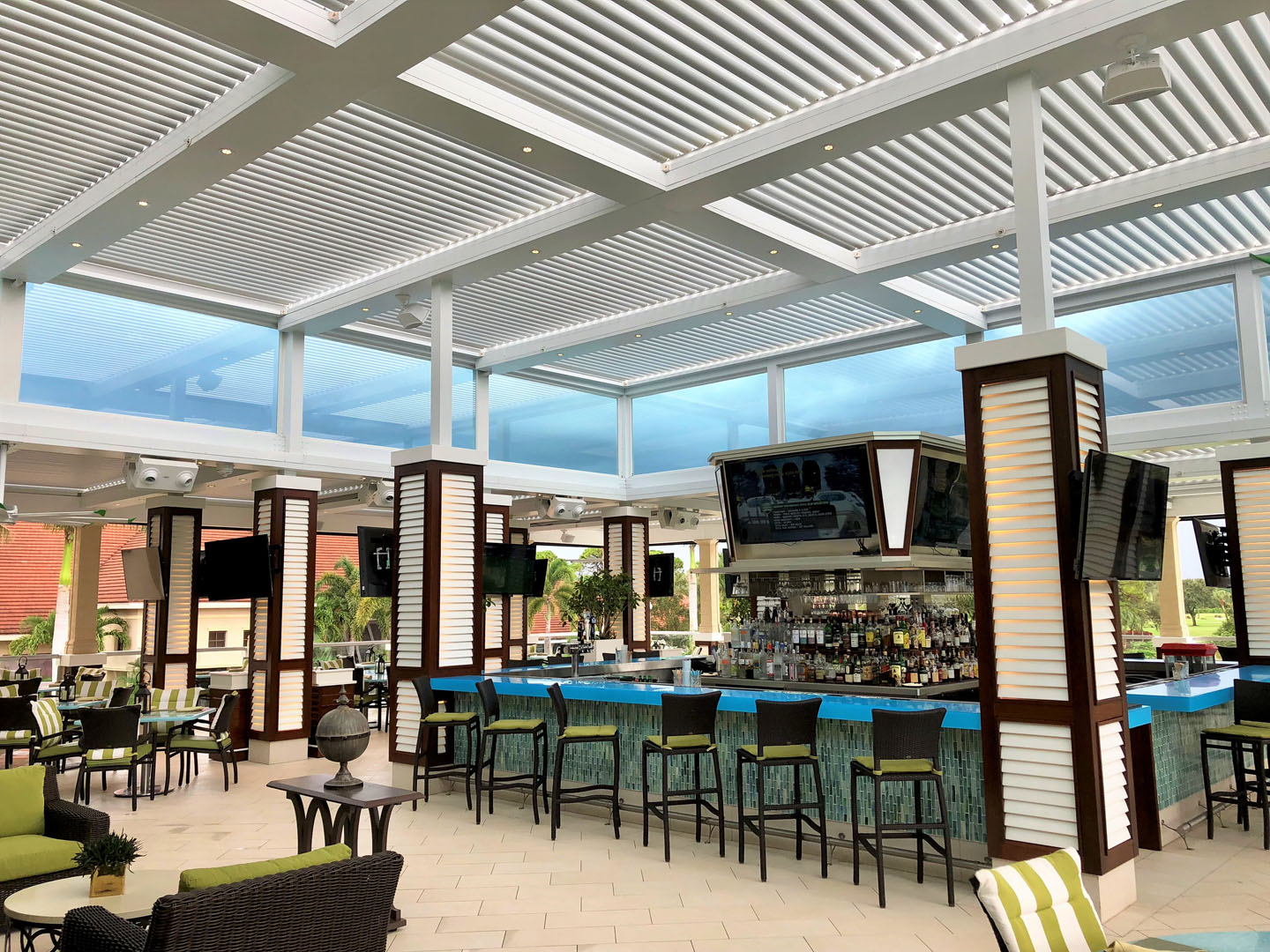
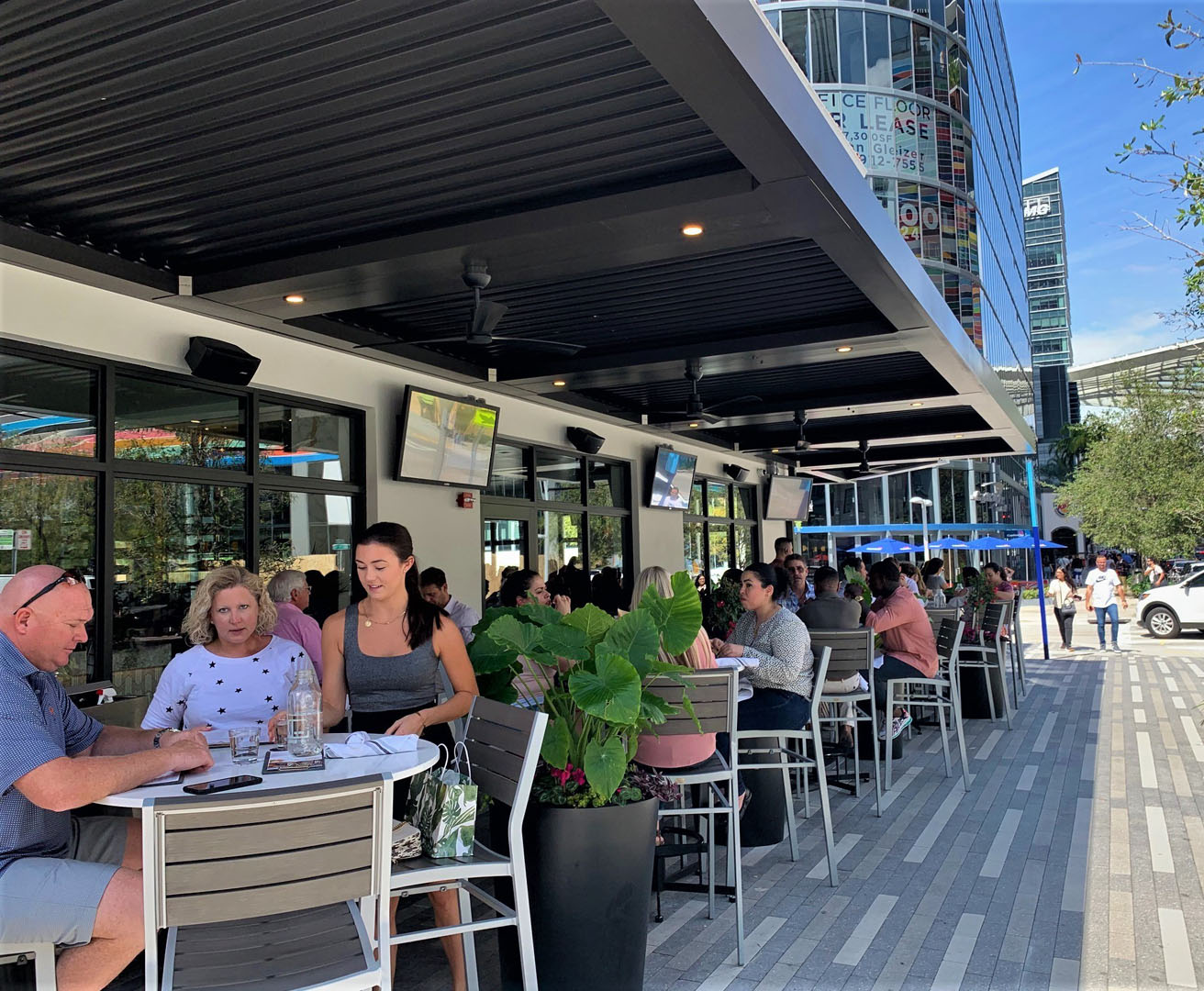
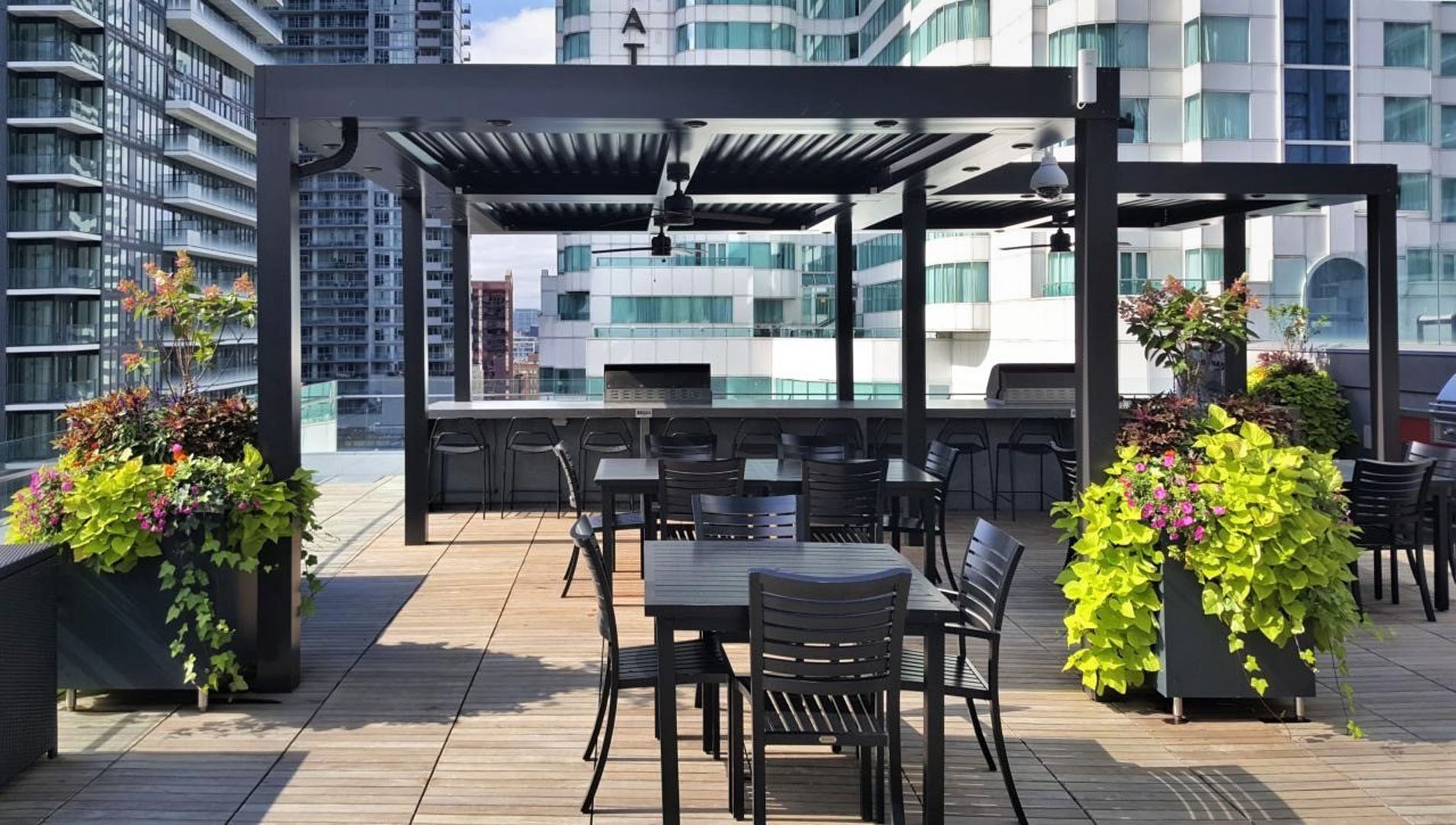
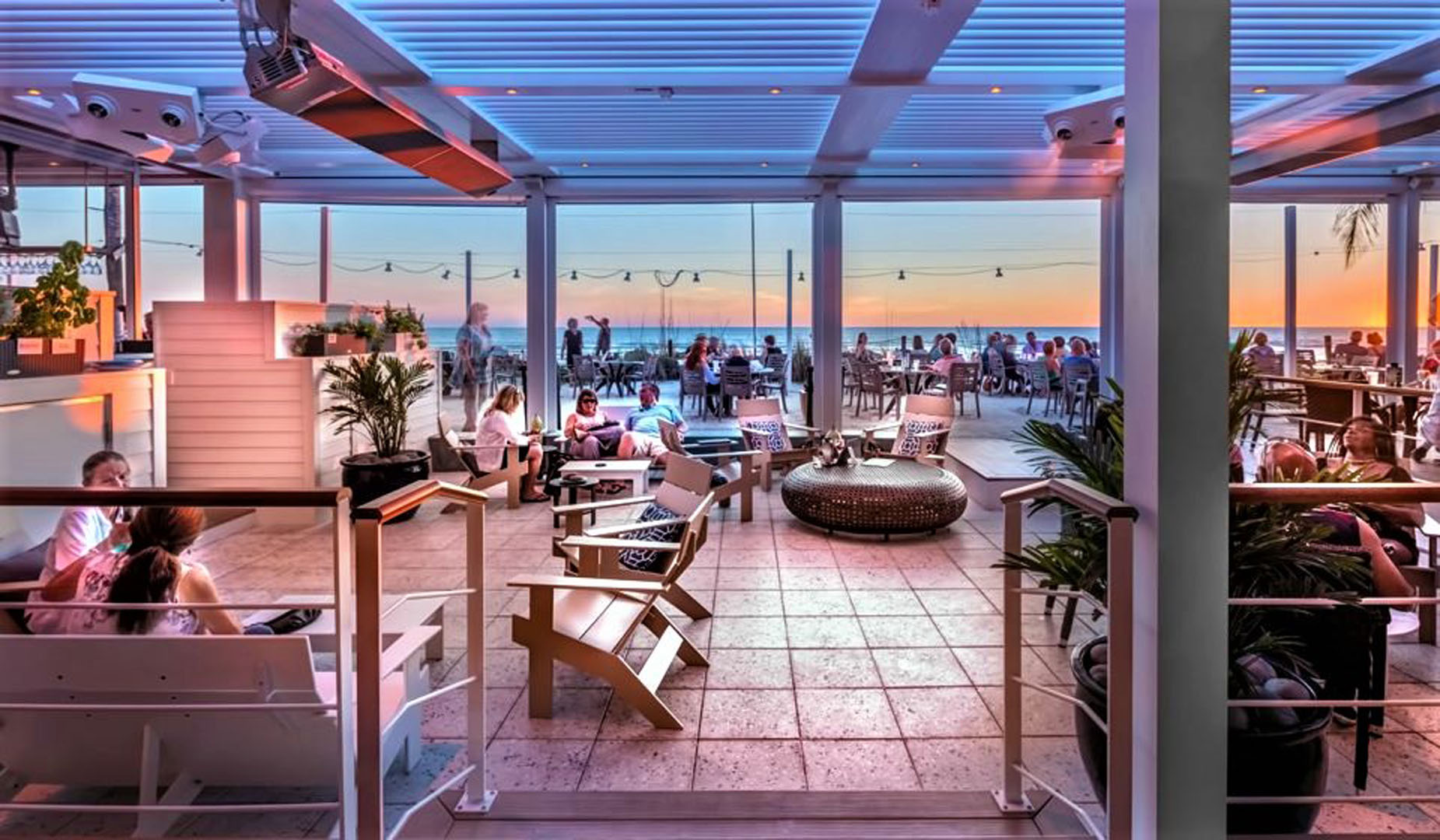
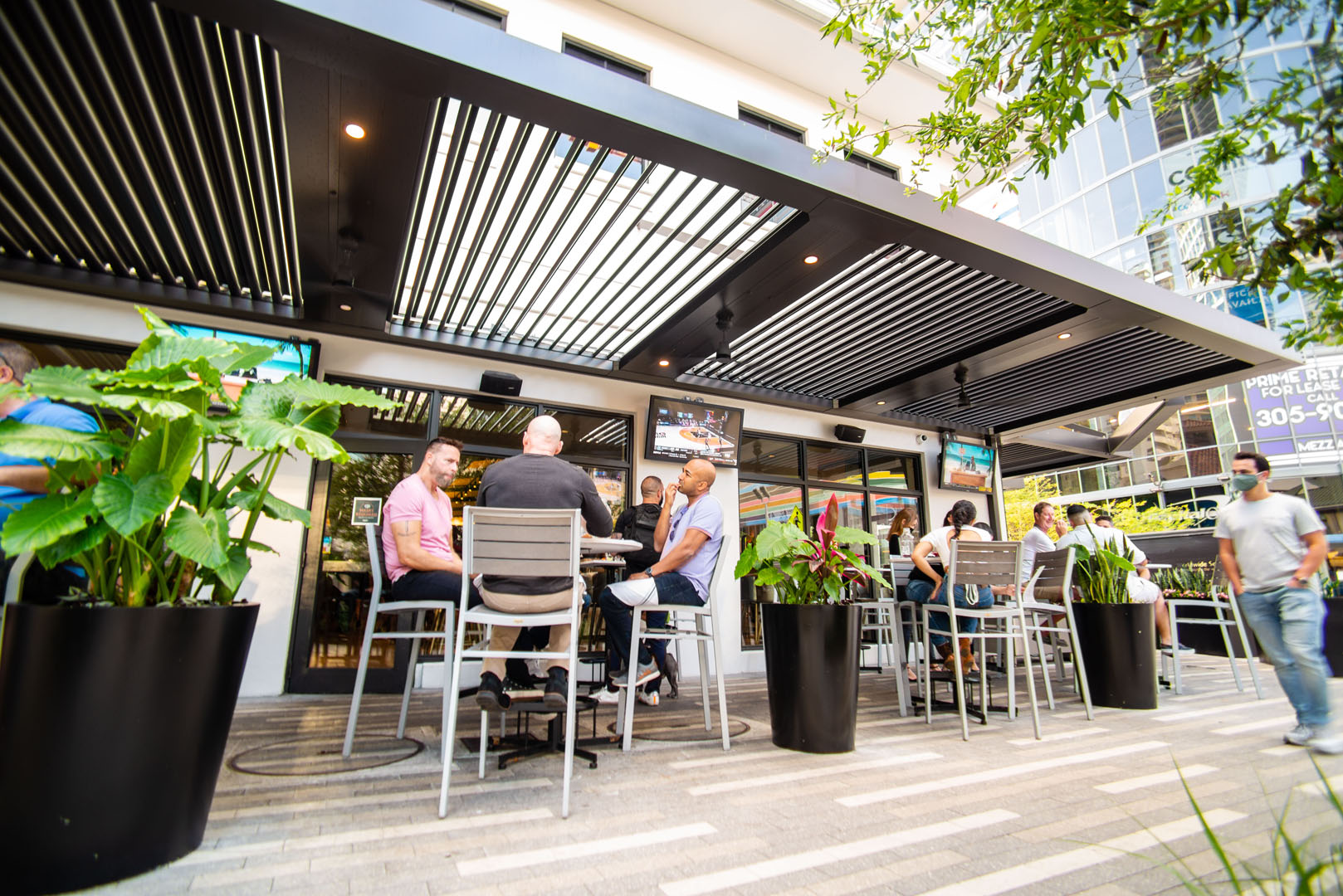
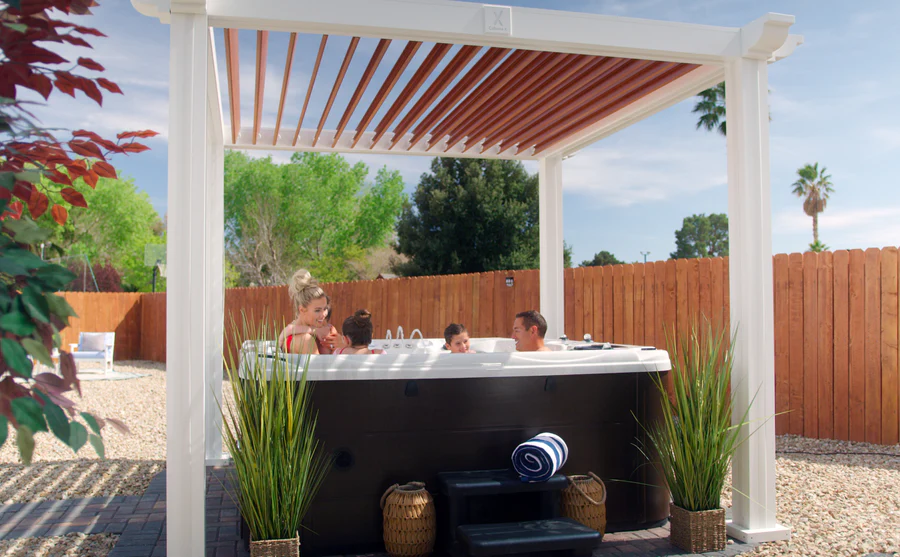
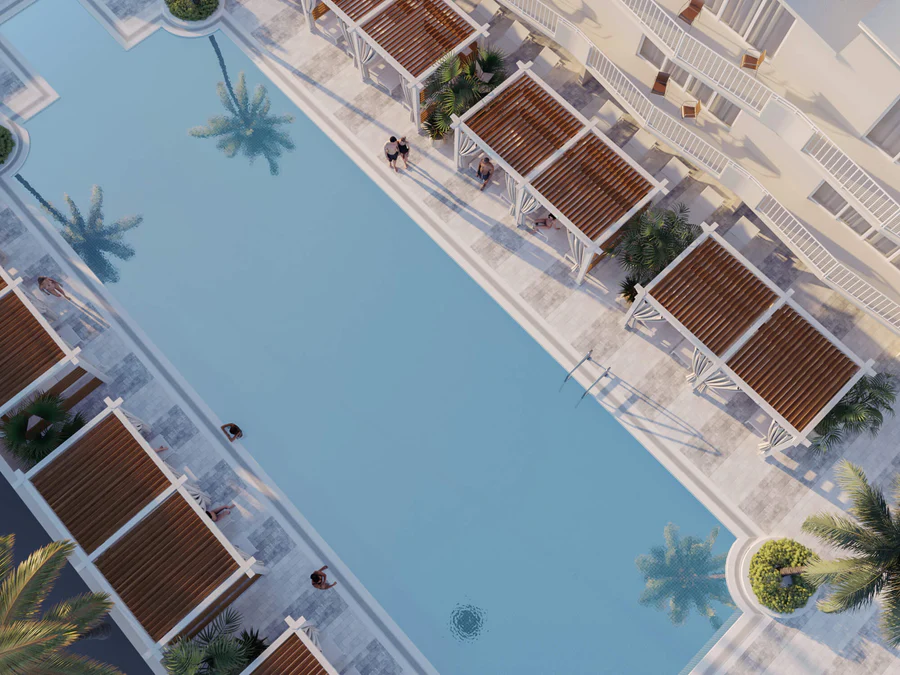
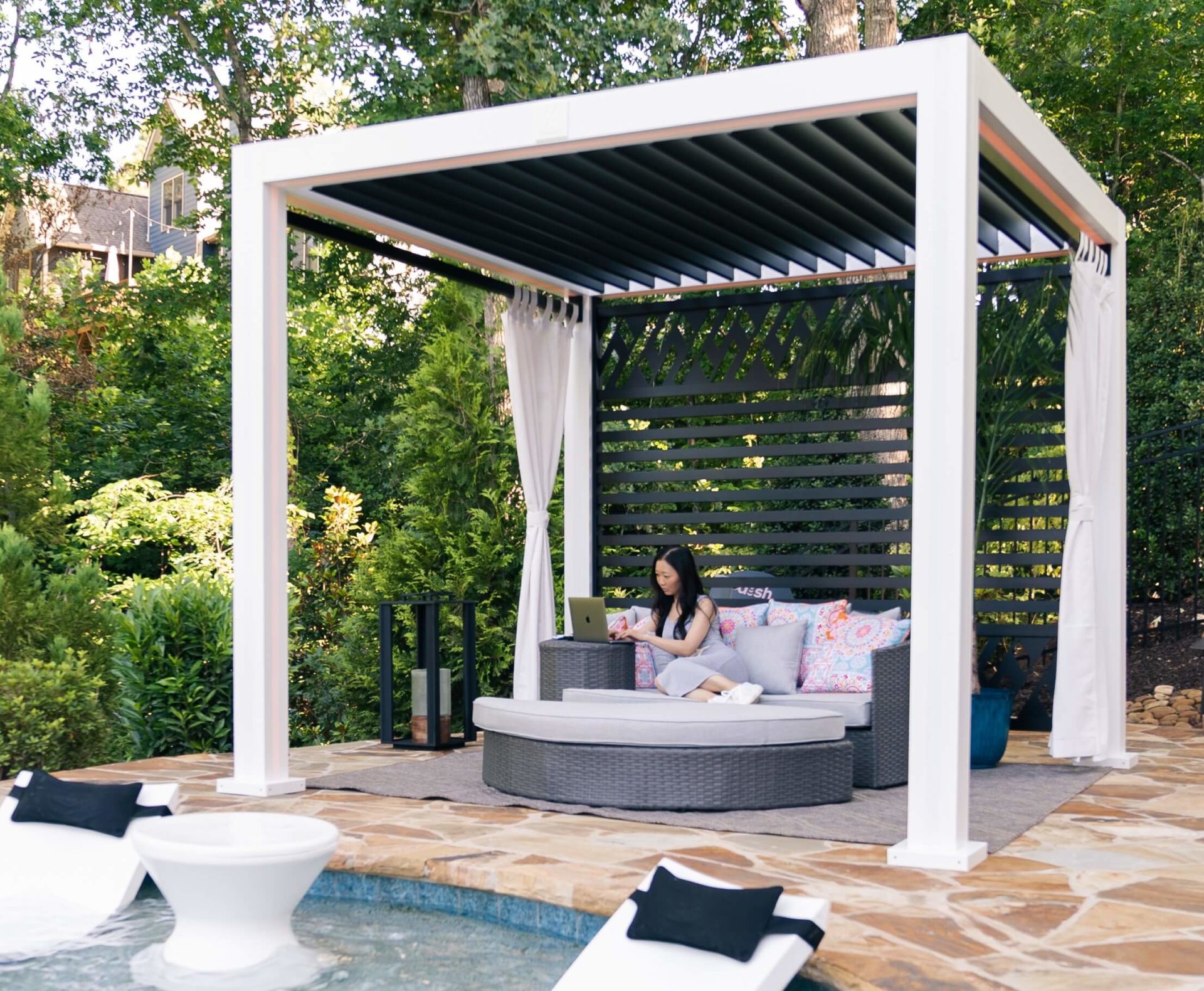
Islamorada’s lifestyle and setting practically demand patios, pergolas, and covered outdoor rooms: residents live around boating, fishing, snorkeling and frequent outdoor events, dine al fresco at small-town restaurants, and enjoy warm weather year-round, creating constant need for shaded, usable outdoor staging and entertaining areas. Waterfront estates, canal homes, and condos are already designed to blur indoor-outdoor lines with docks, pools, open-air structures and view corridors, so pergolas and covered patios extend living space without blocking sightlines. At the same time intense sun, salt spray, humidity and hurricane exposure make shade plus coastal-rated, wind-resistant construction essential. For homeowners and vacation rental owners, well-designed covered outdoor amenities improve comfort, protect gear and equipment, and boost property value and rental appeal.
Outdoor Living and Home Upgrade FAQ
What outdoor structures suit Islamorada’s coastal winds? Structures must resist salt spray, moisture and hurricane-force winds. Use corrosion-resistant materials, deep foundations and wind-rated designs; ocean-side sites need heavier duty than bay-side.
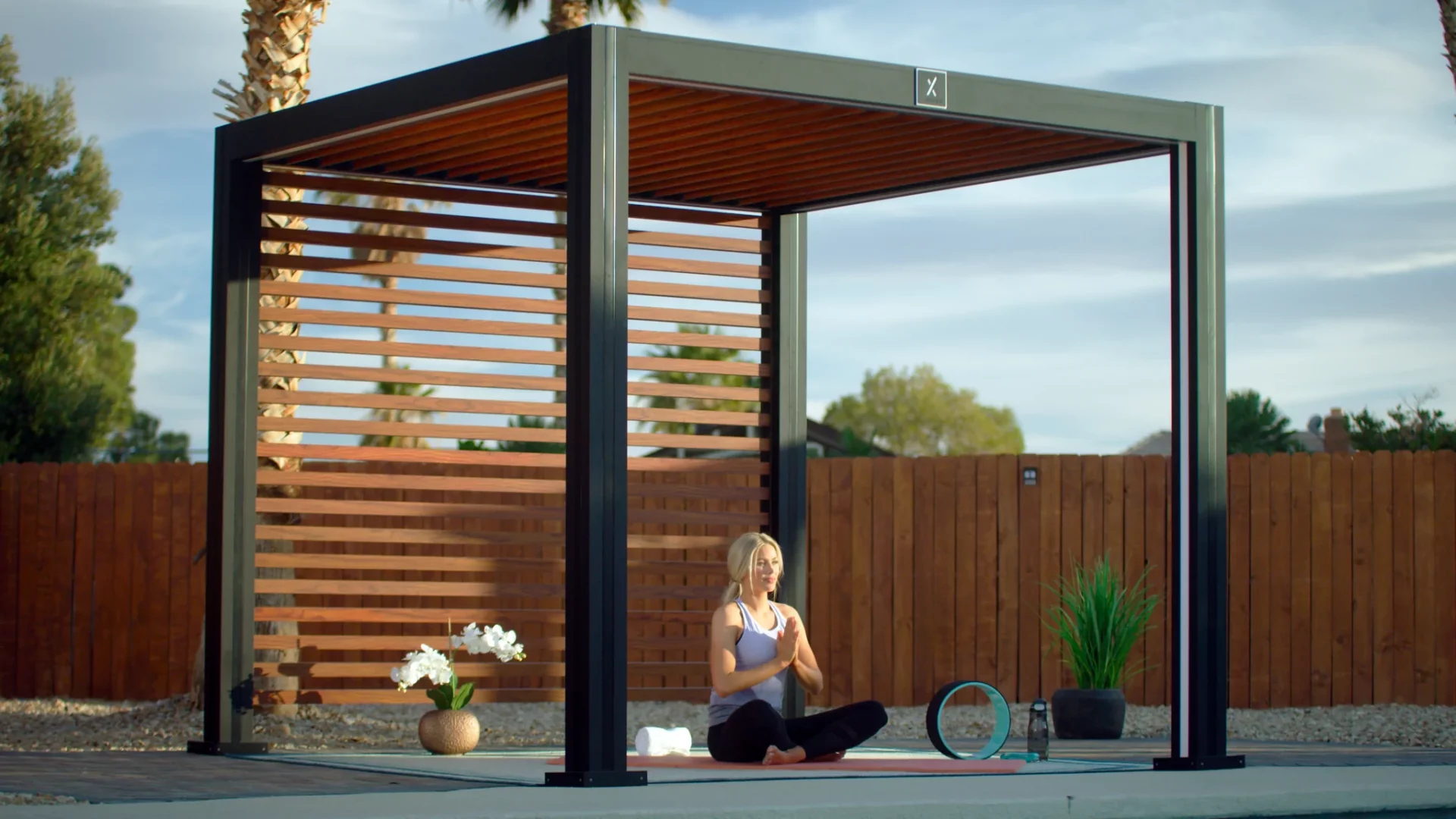
How much shade is needed for outdoor comfort? Substantial shade is essential year-round. Pergolas, shade sails or covered patios should block peak sun (10 AM–4 PM) for dining, entertaining and staging water gear.
Will pergolas block waterfront views or dock access? Proper siting preserves view corridors and avoids interference with docks and boat lifts. Open-frame or raised placements maintain sightlines while adding shade.
Are standard materials acceptable? No. Salt air and humidity require coastal-rated materials: aluminum, stainless steel, composites, pressure-treated or coated lumber and powder-coated finishes.
Do outdoor upgrades improve rental income? Yes. Covered outdoor spaces increase rental appeal, command higher rates and boost property value.