
Outdoor Living in Tamarac, Florida
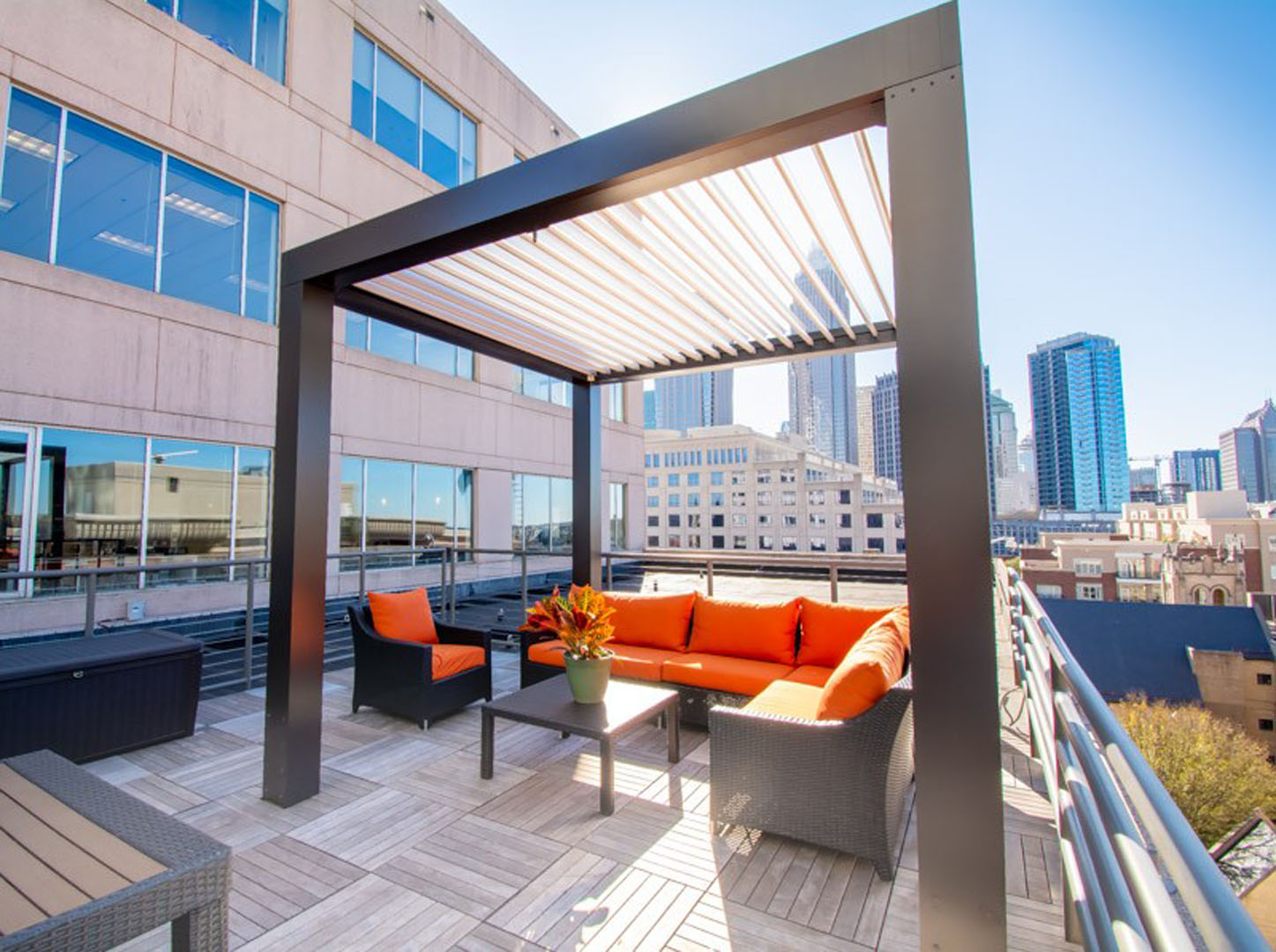
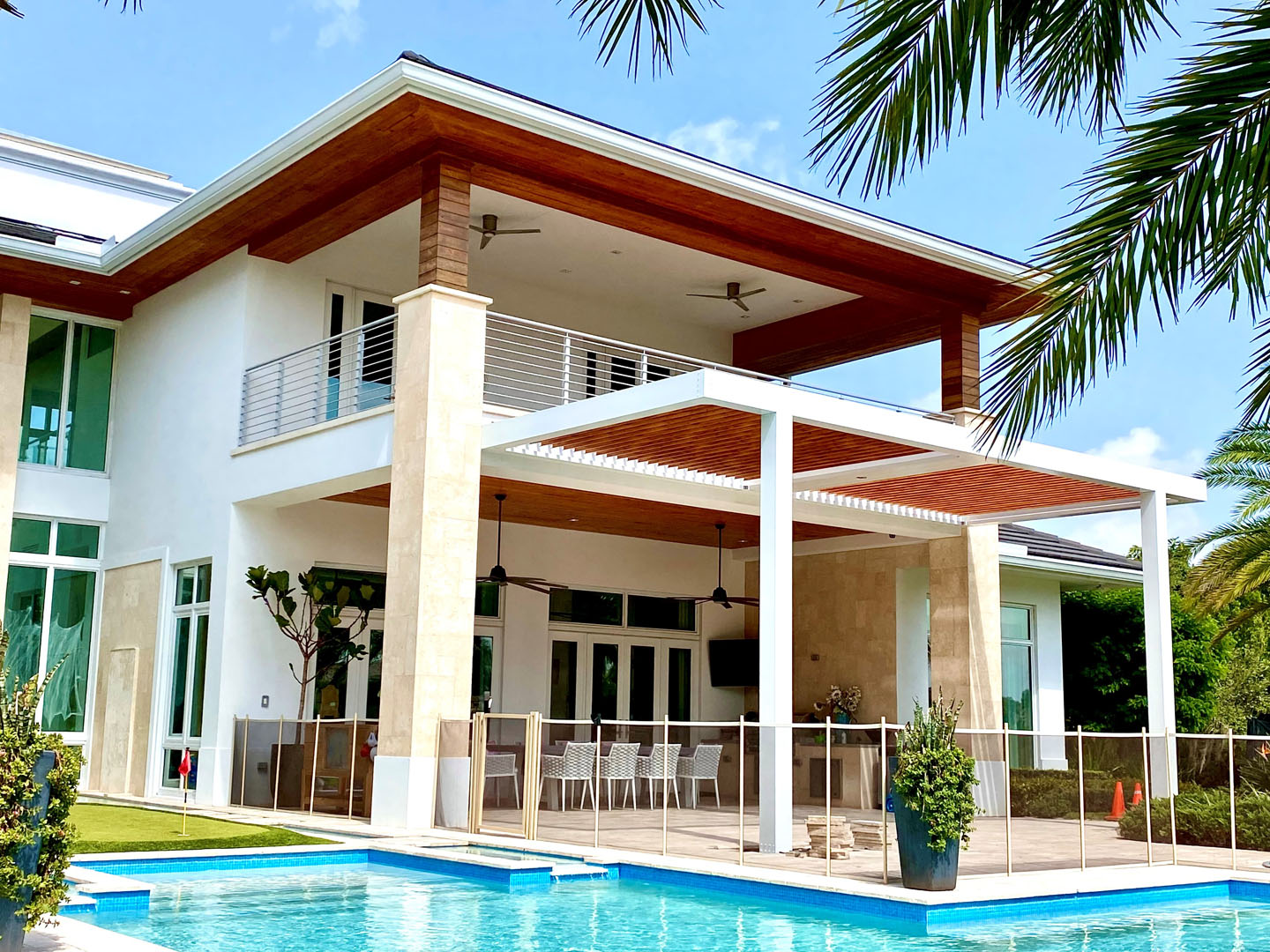
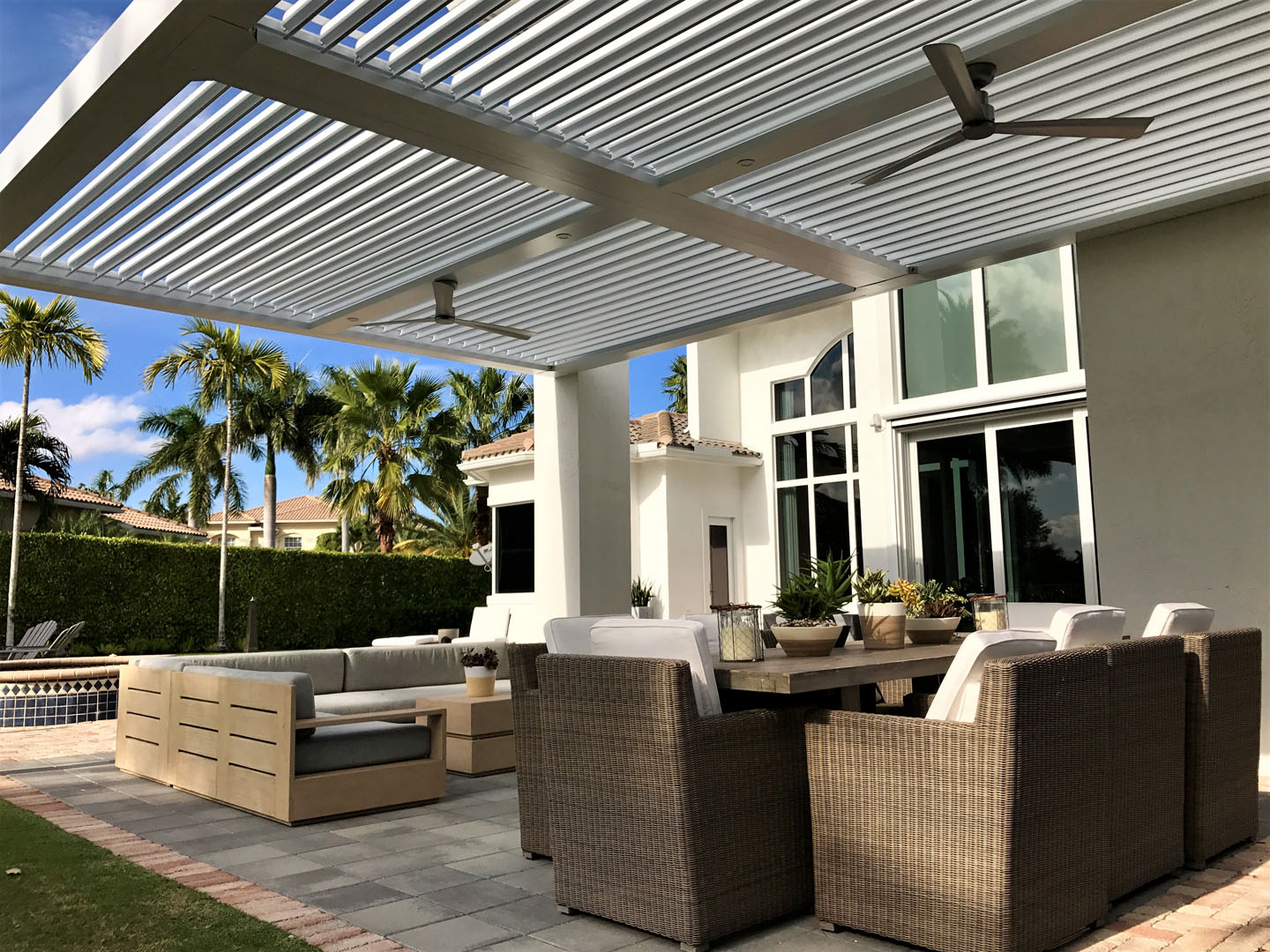
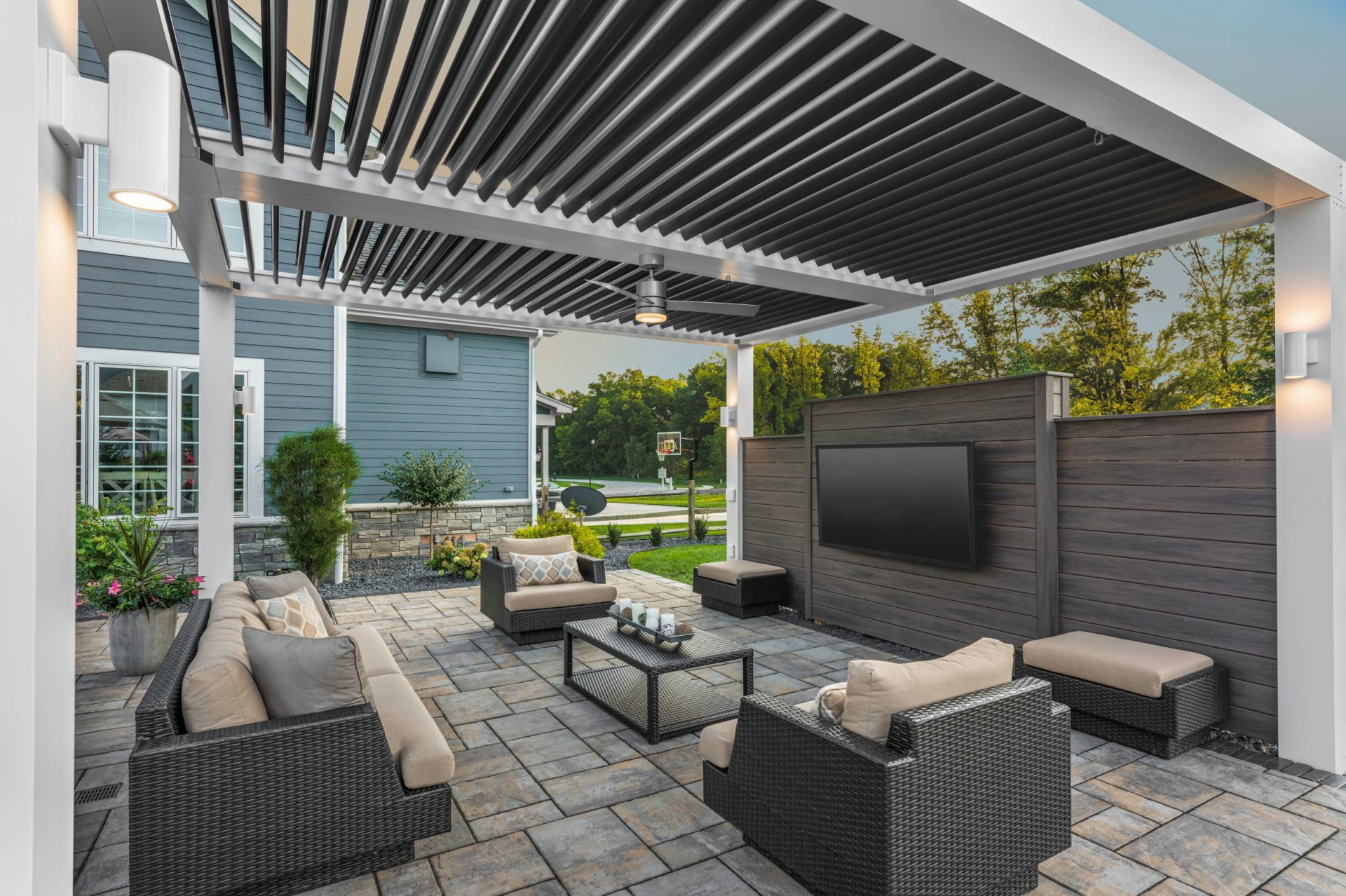
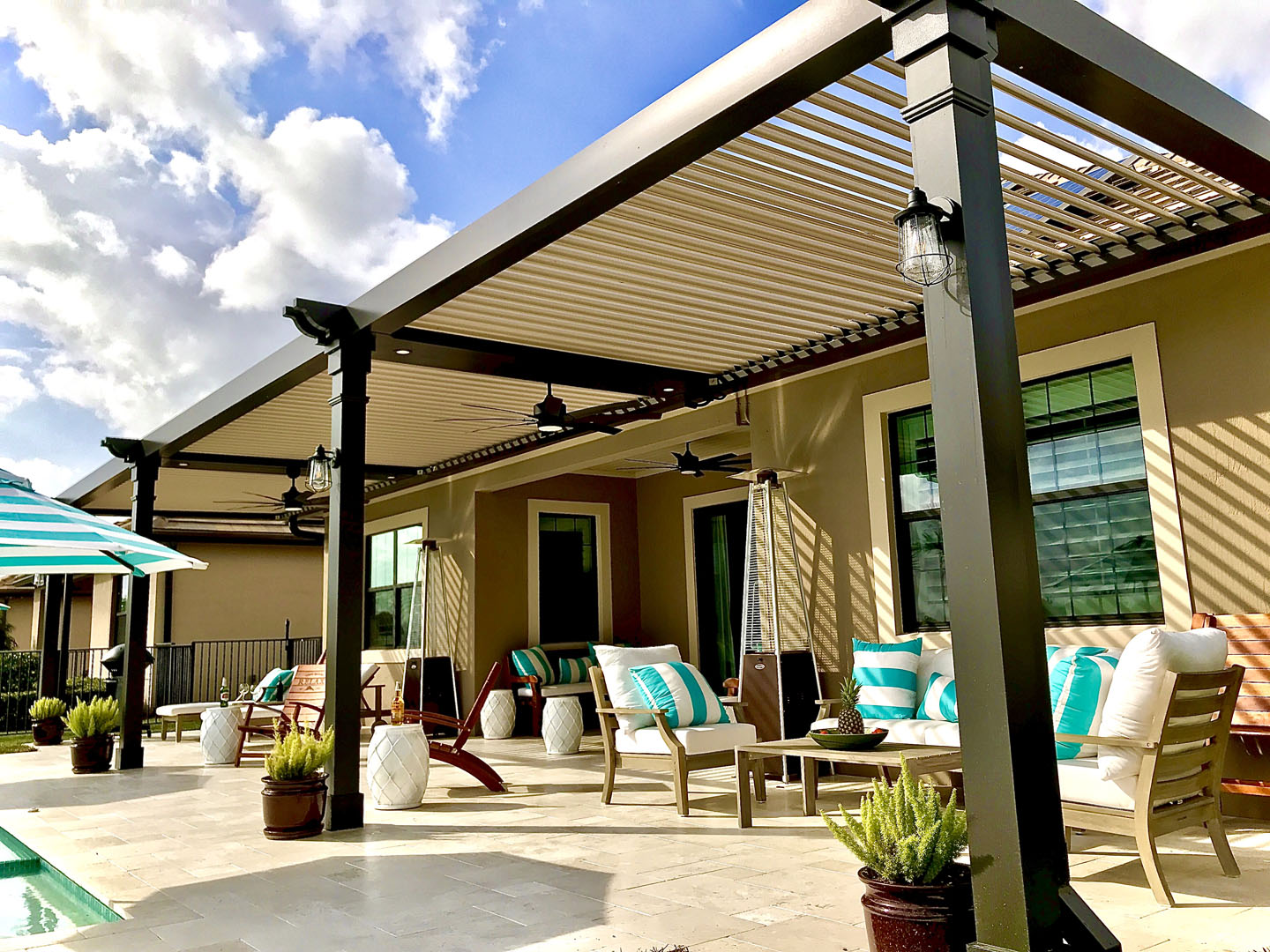
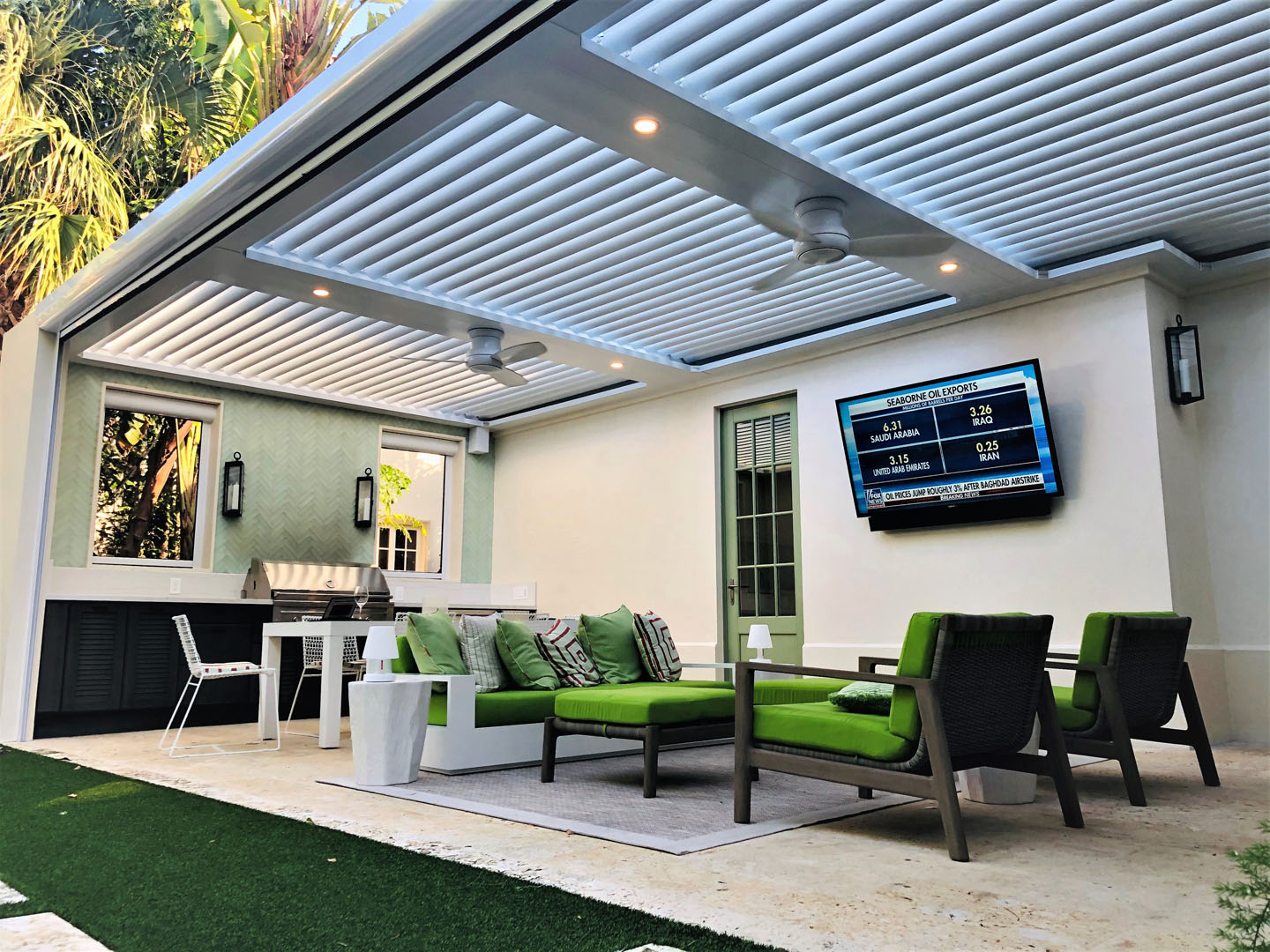
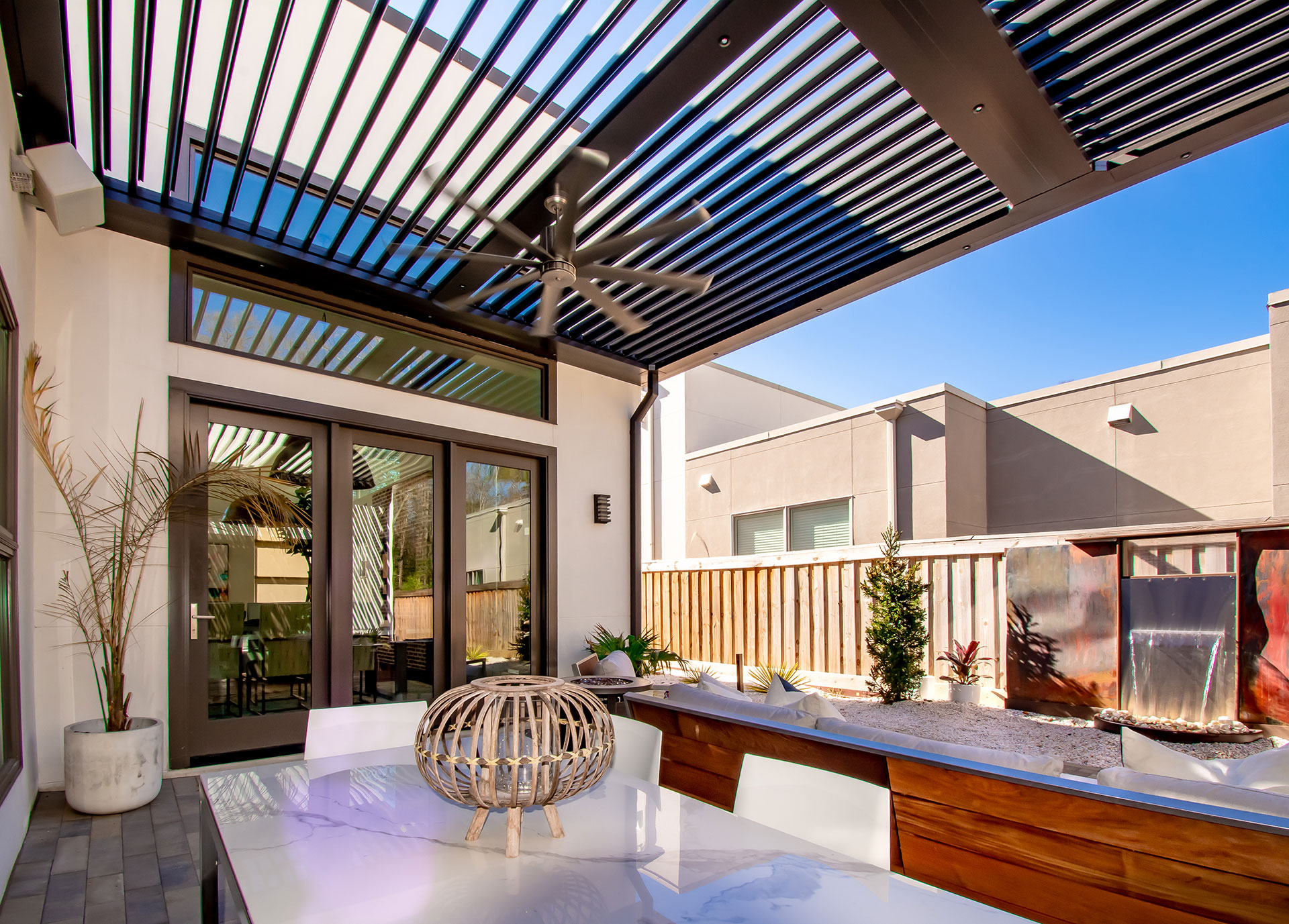
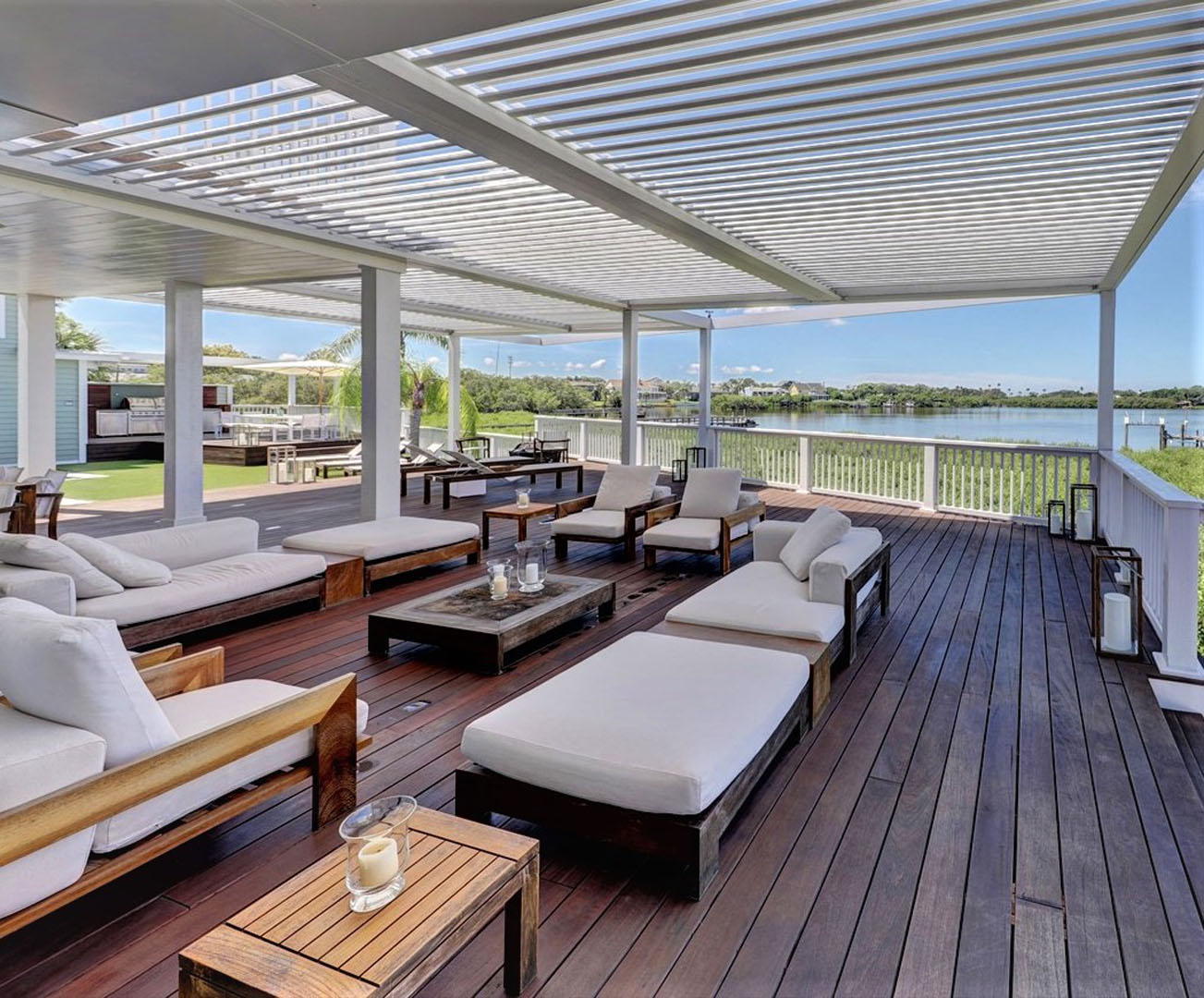
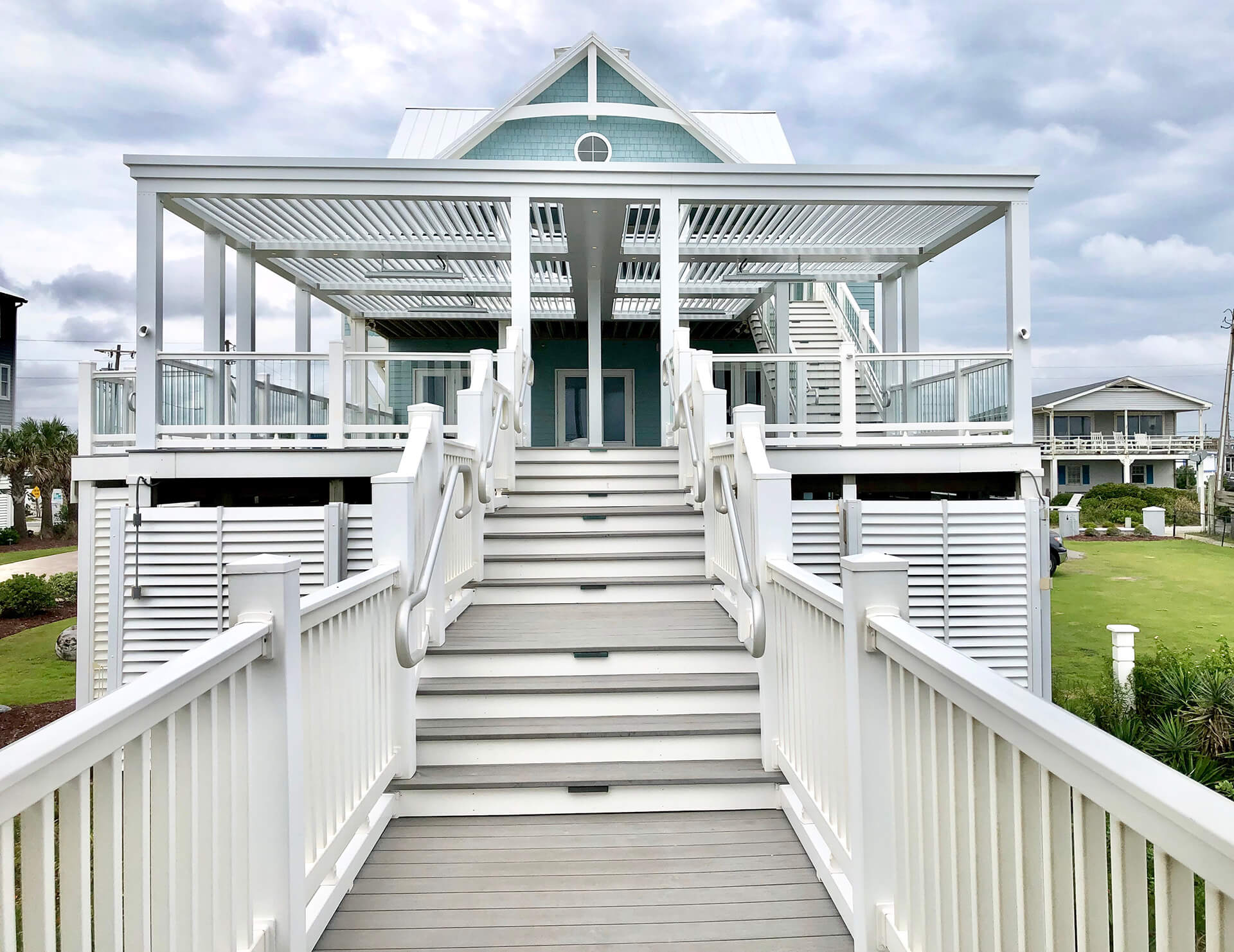
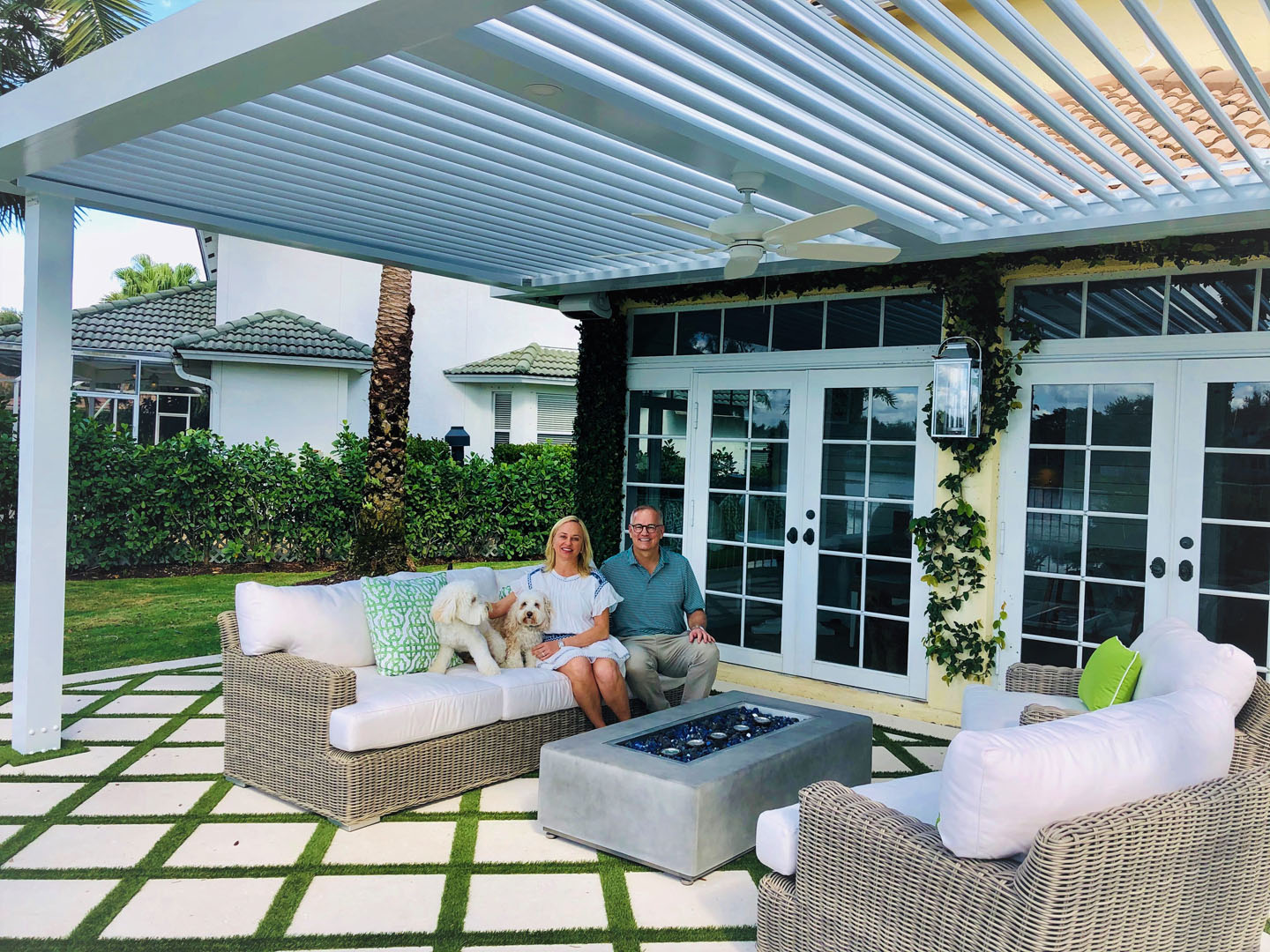
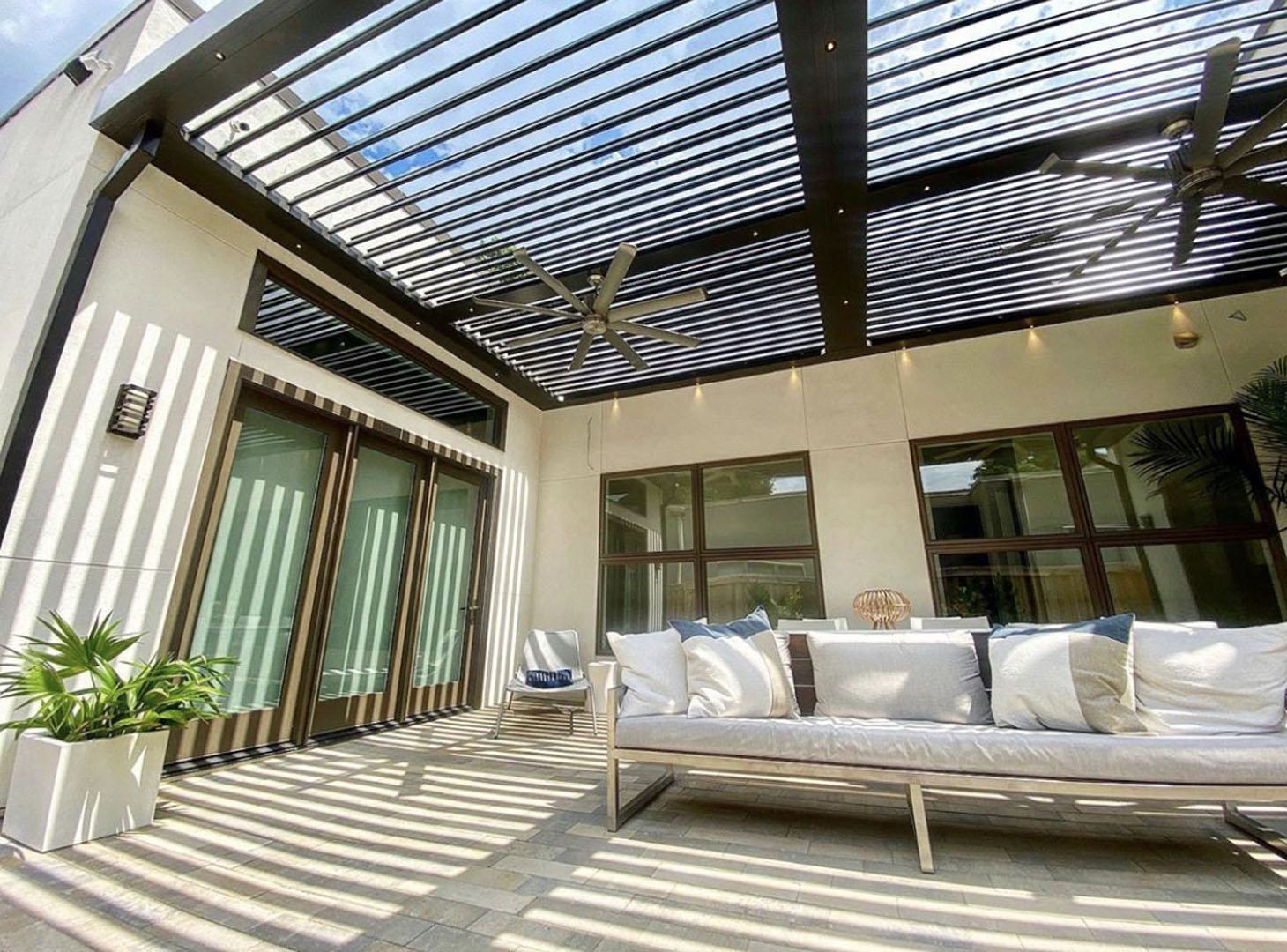
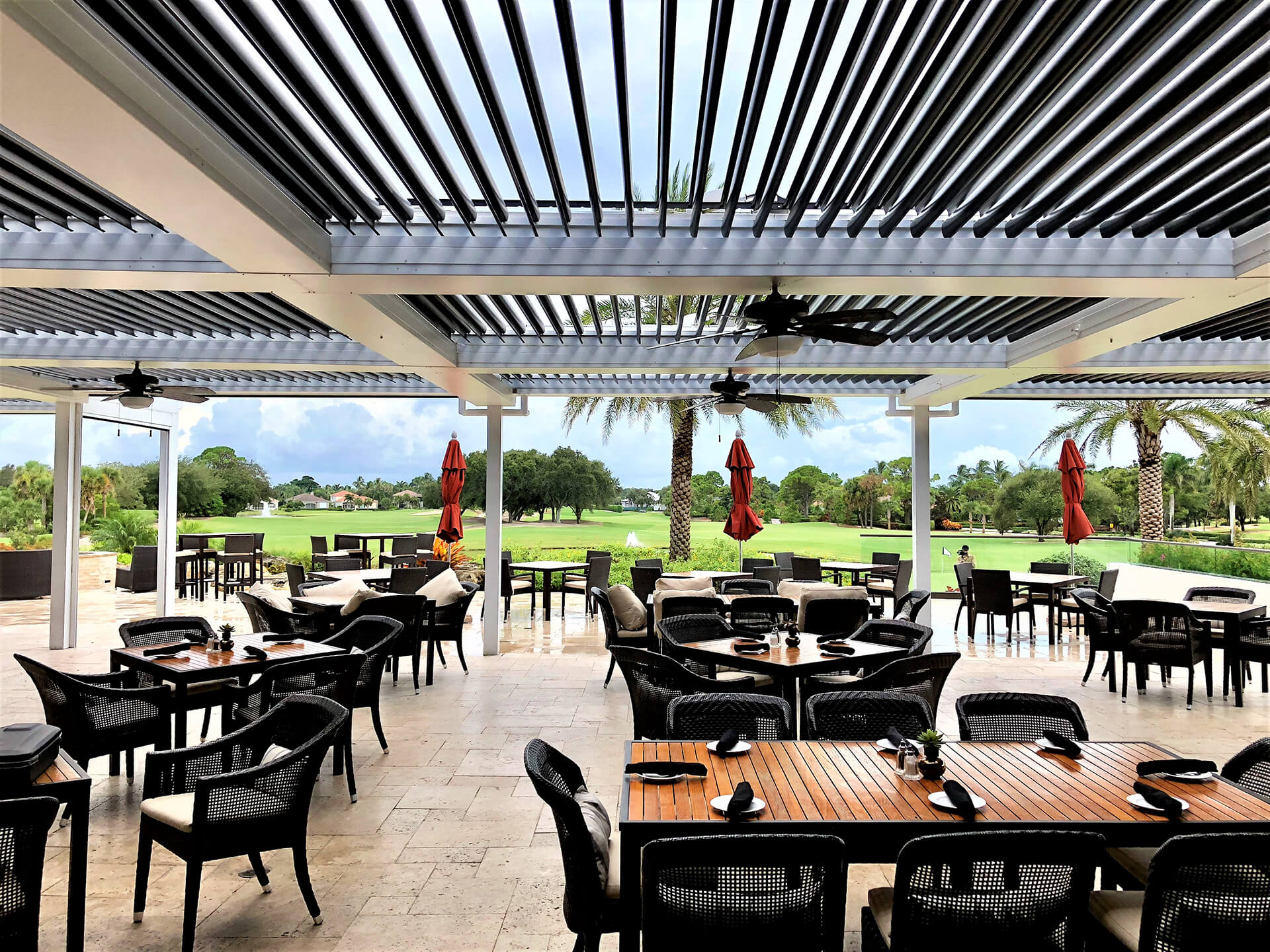
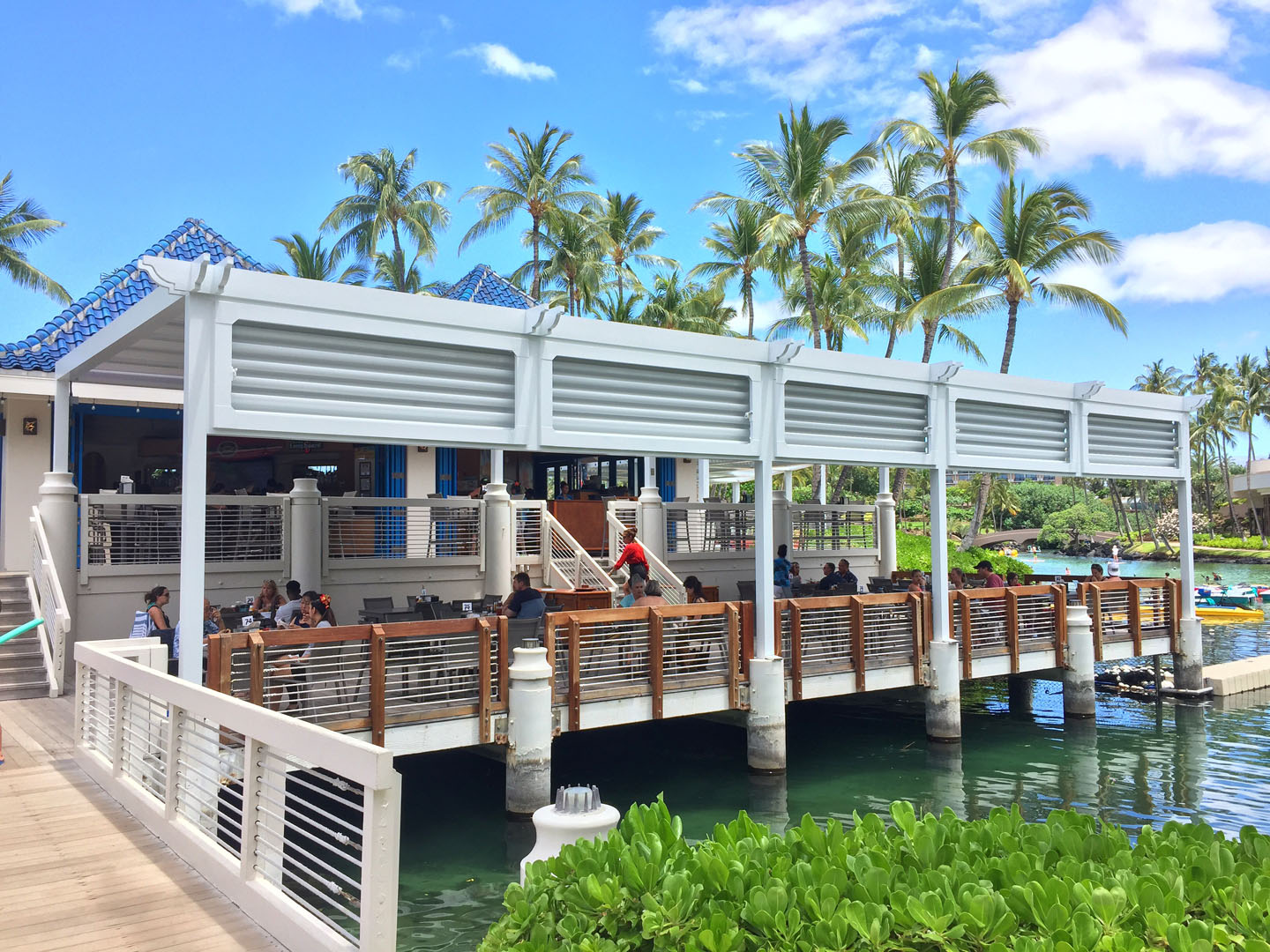
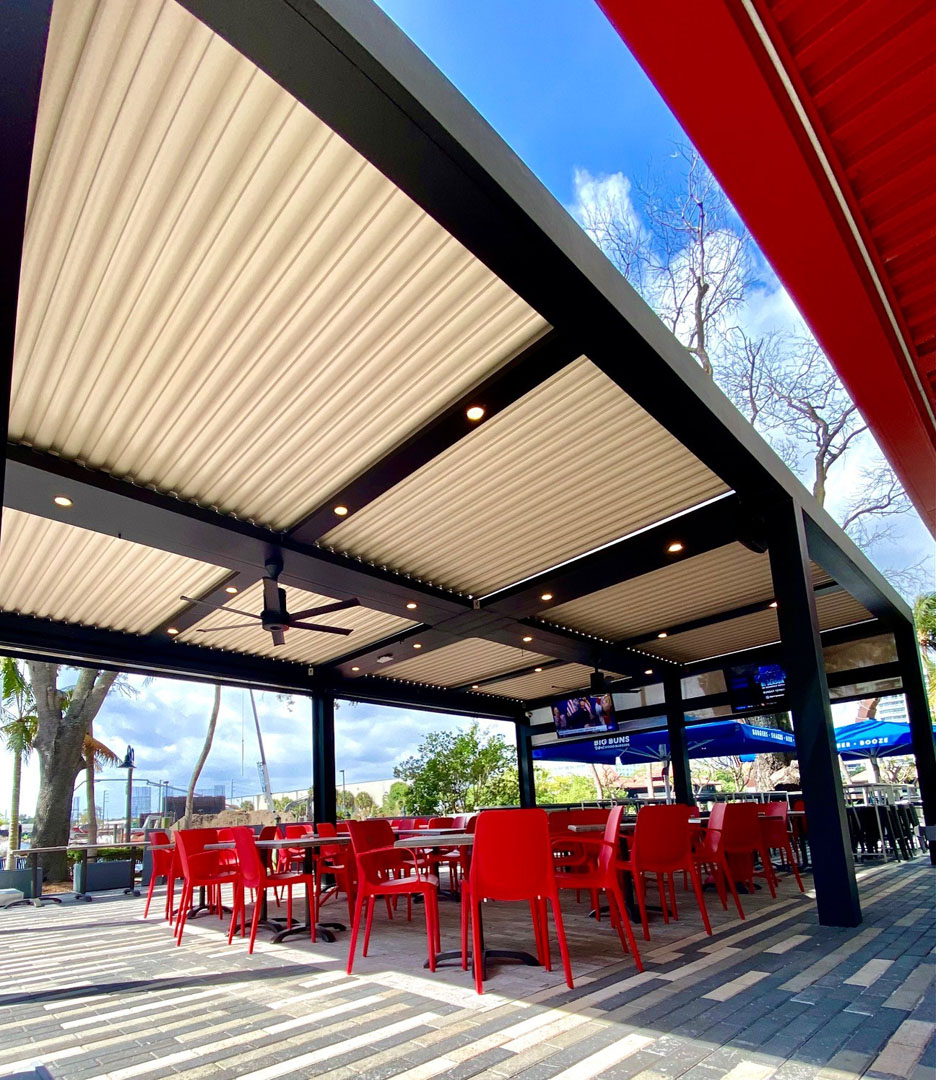
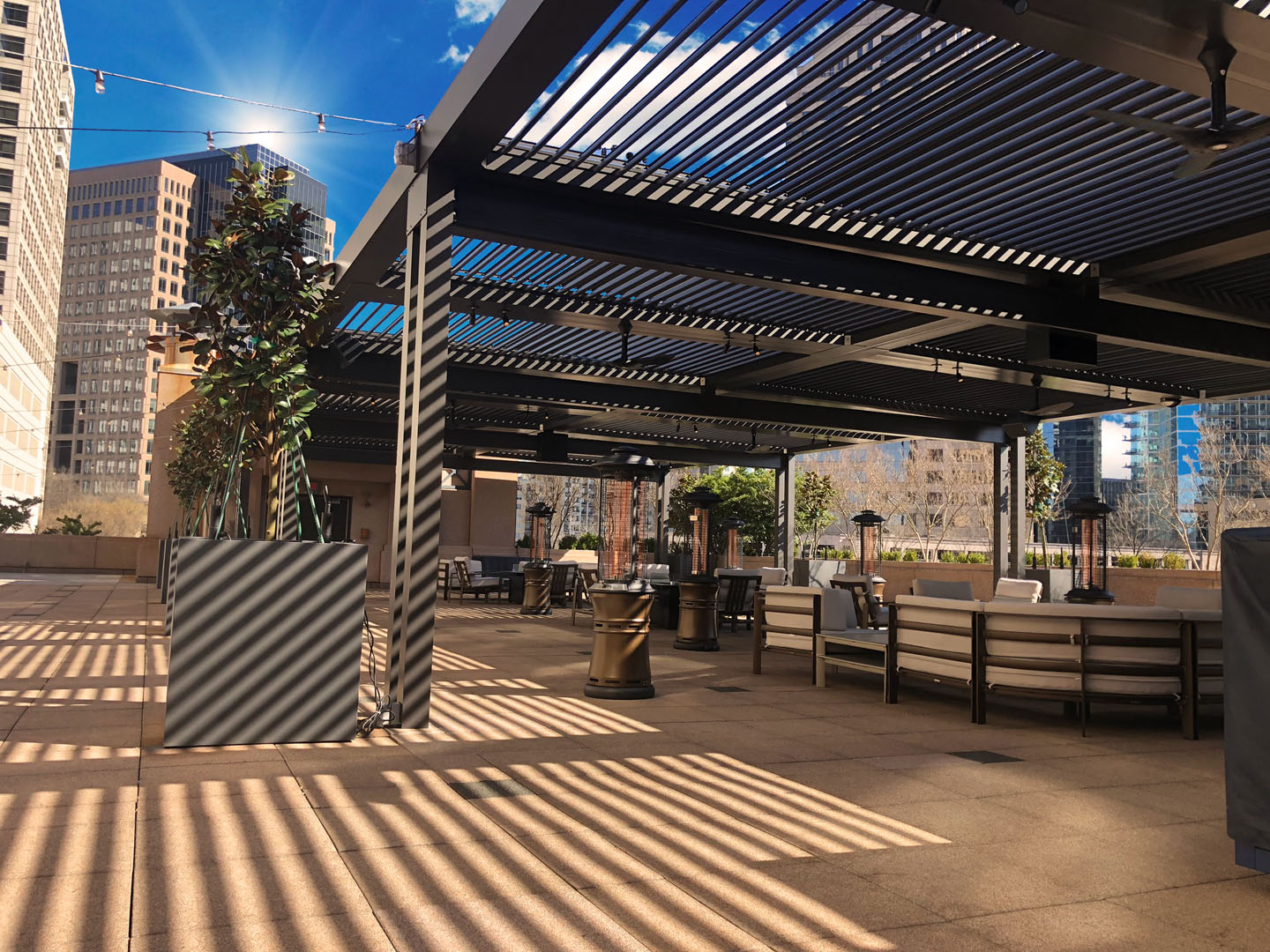
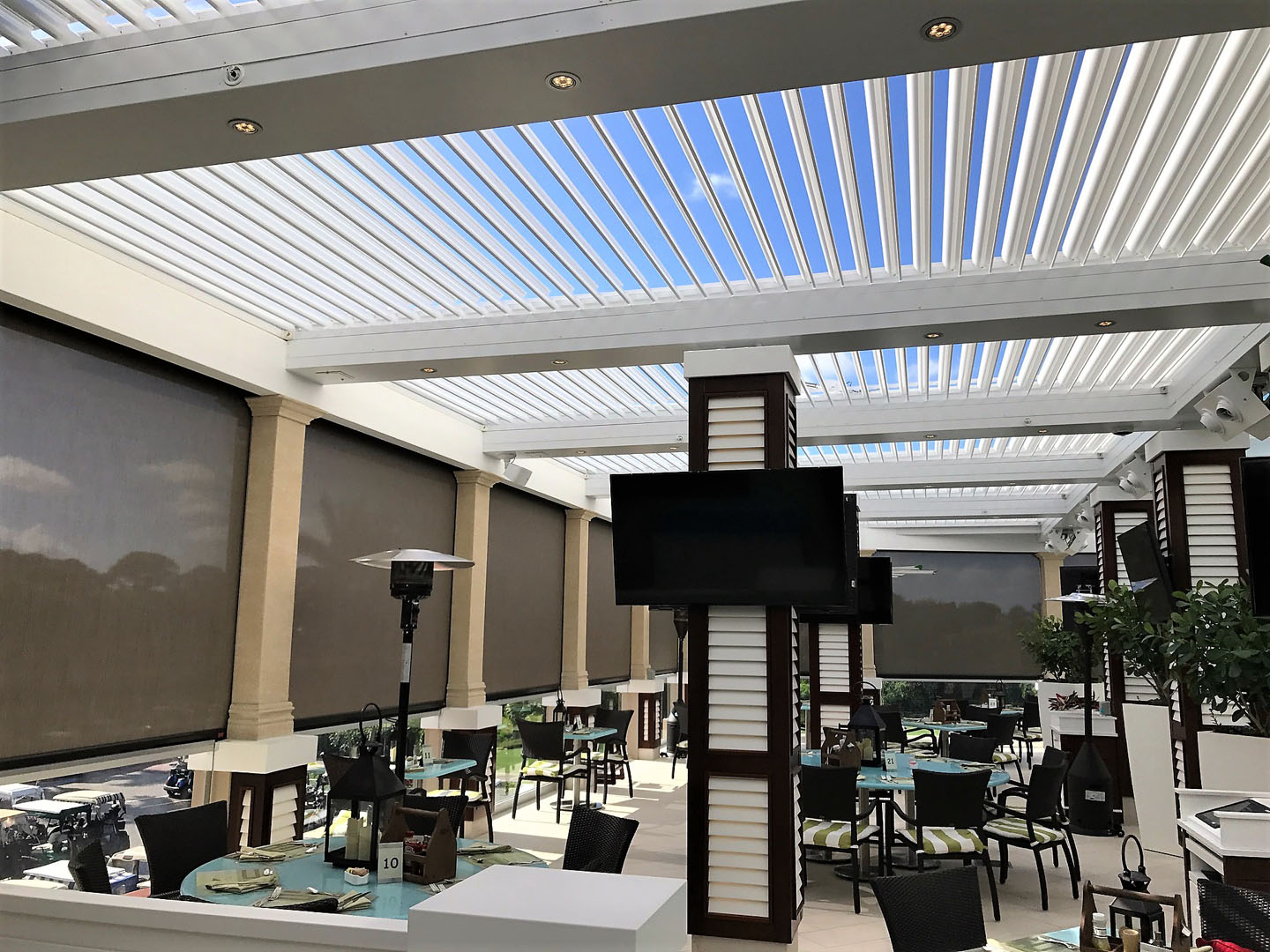
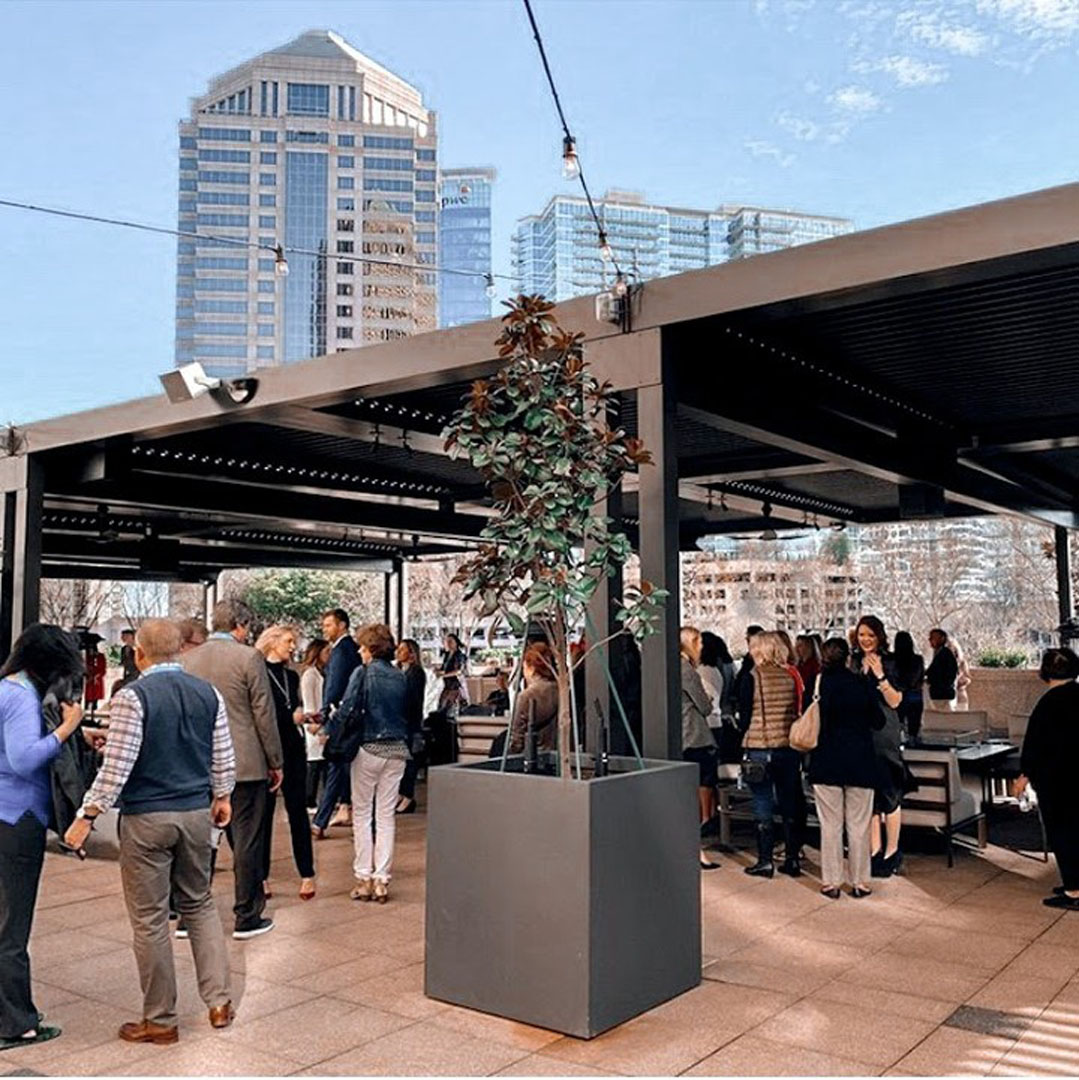
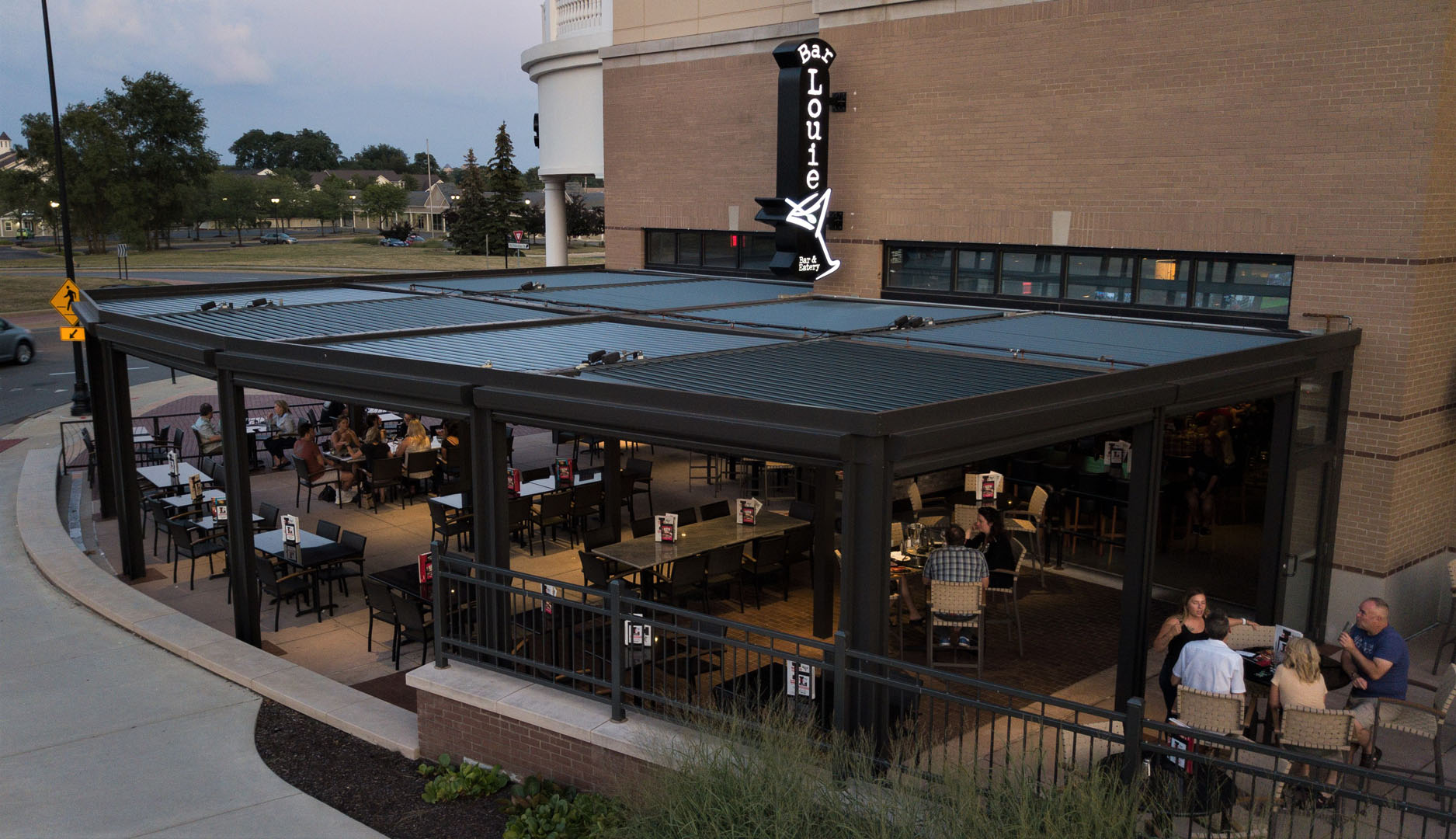
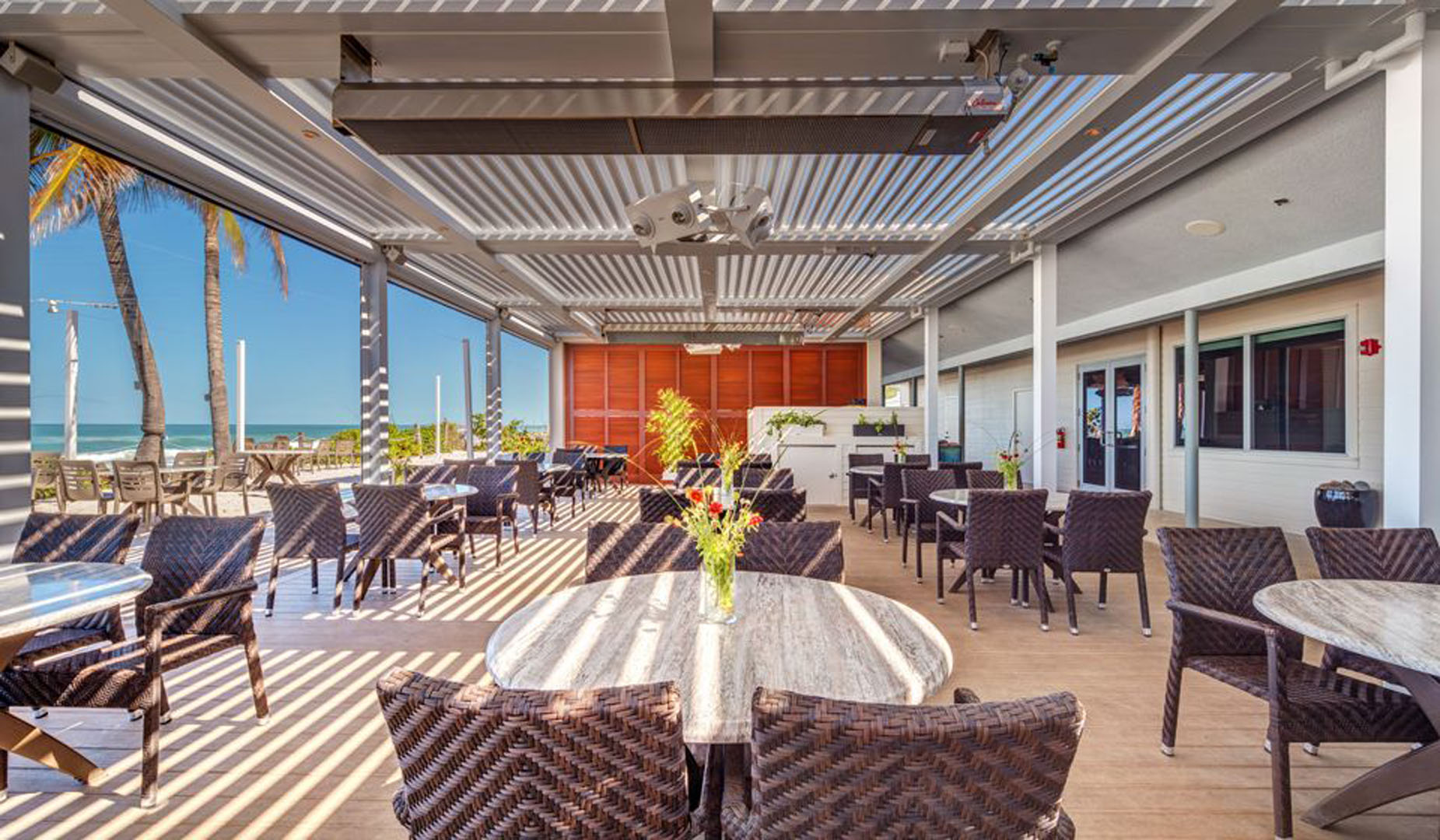
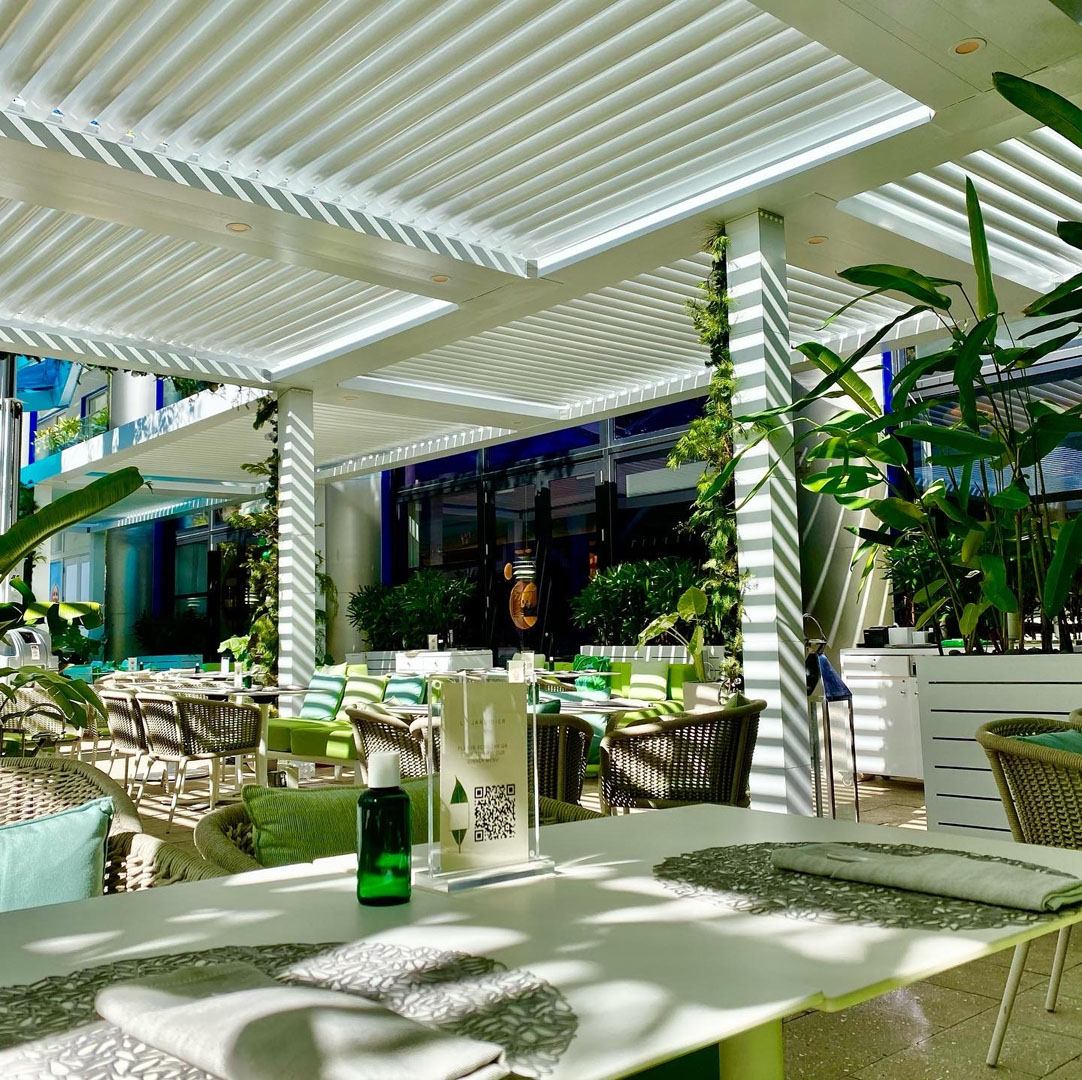
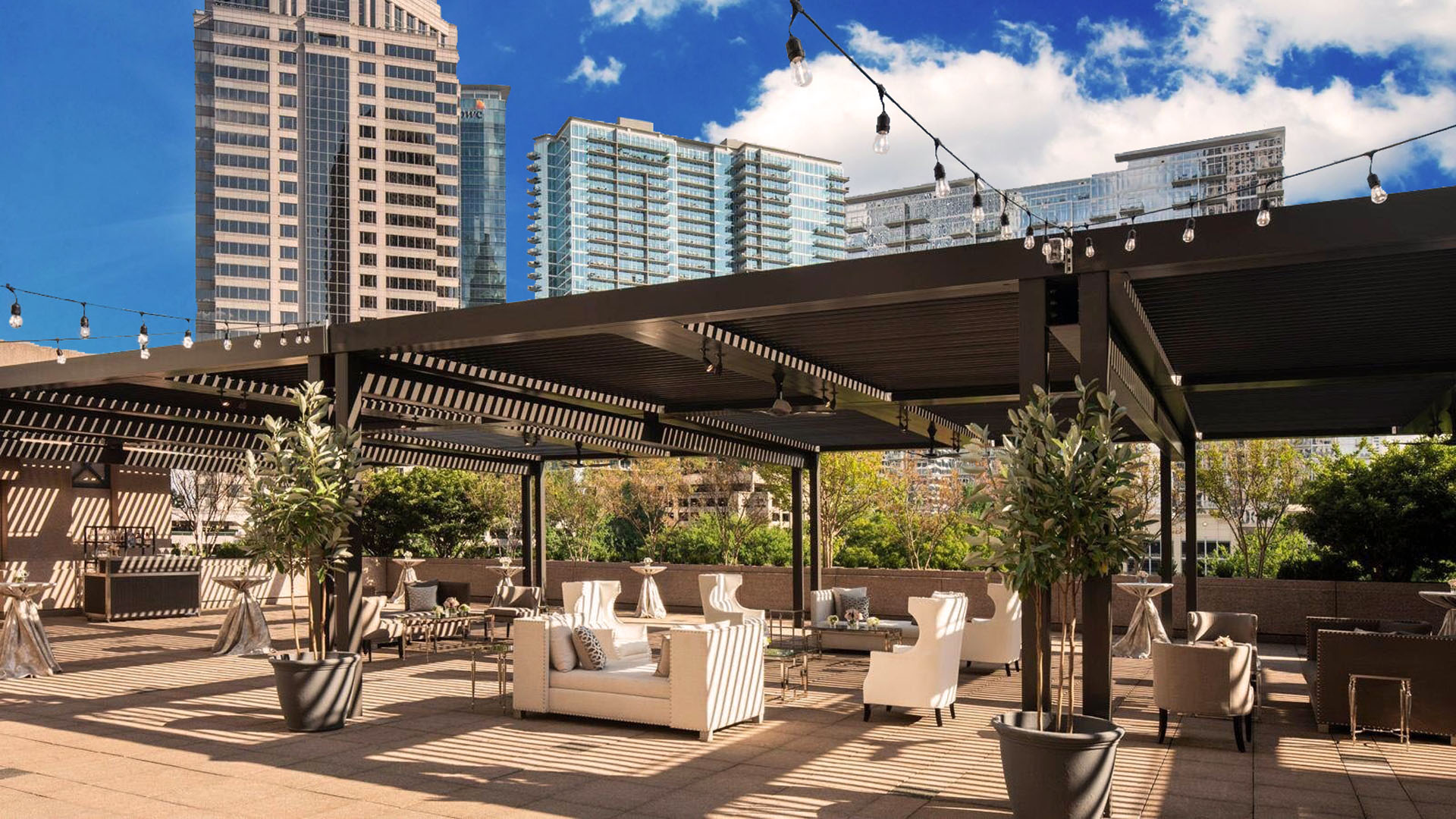
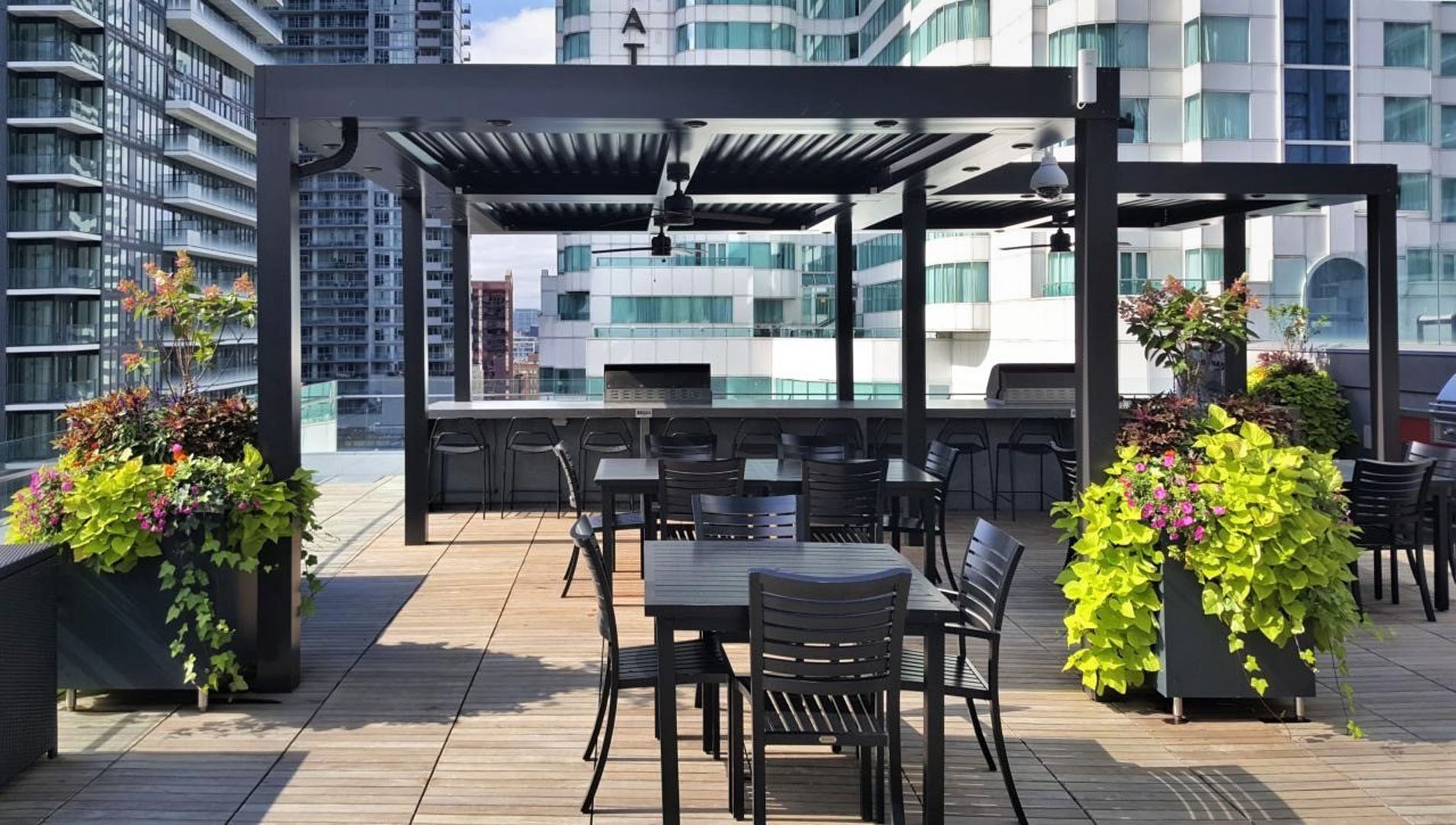
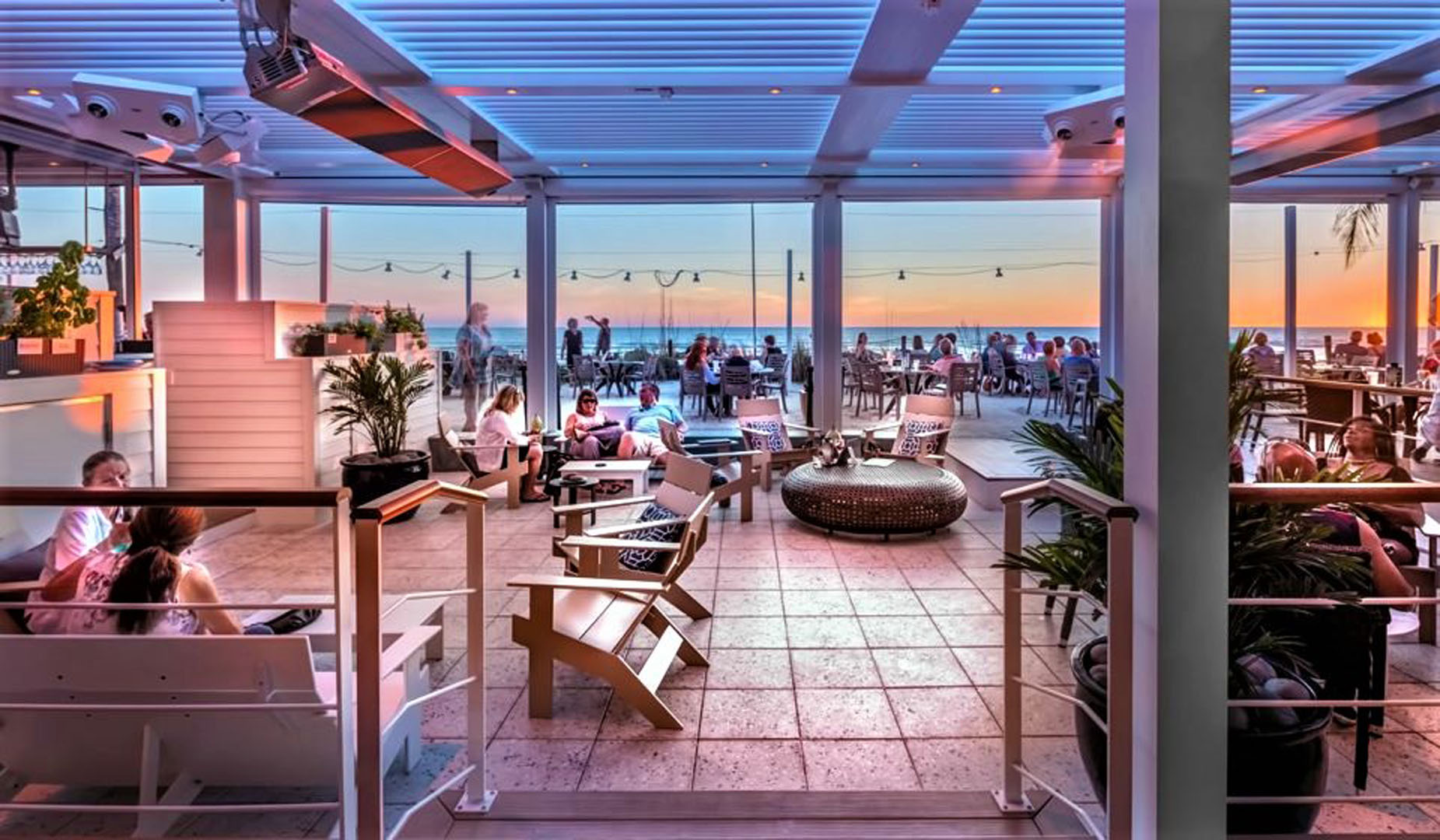
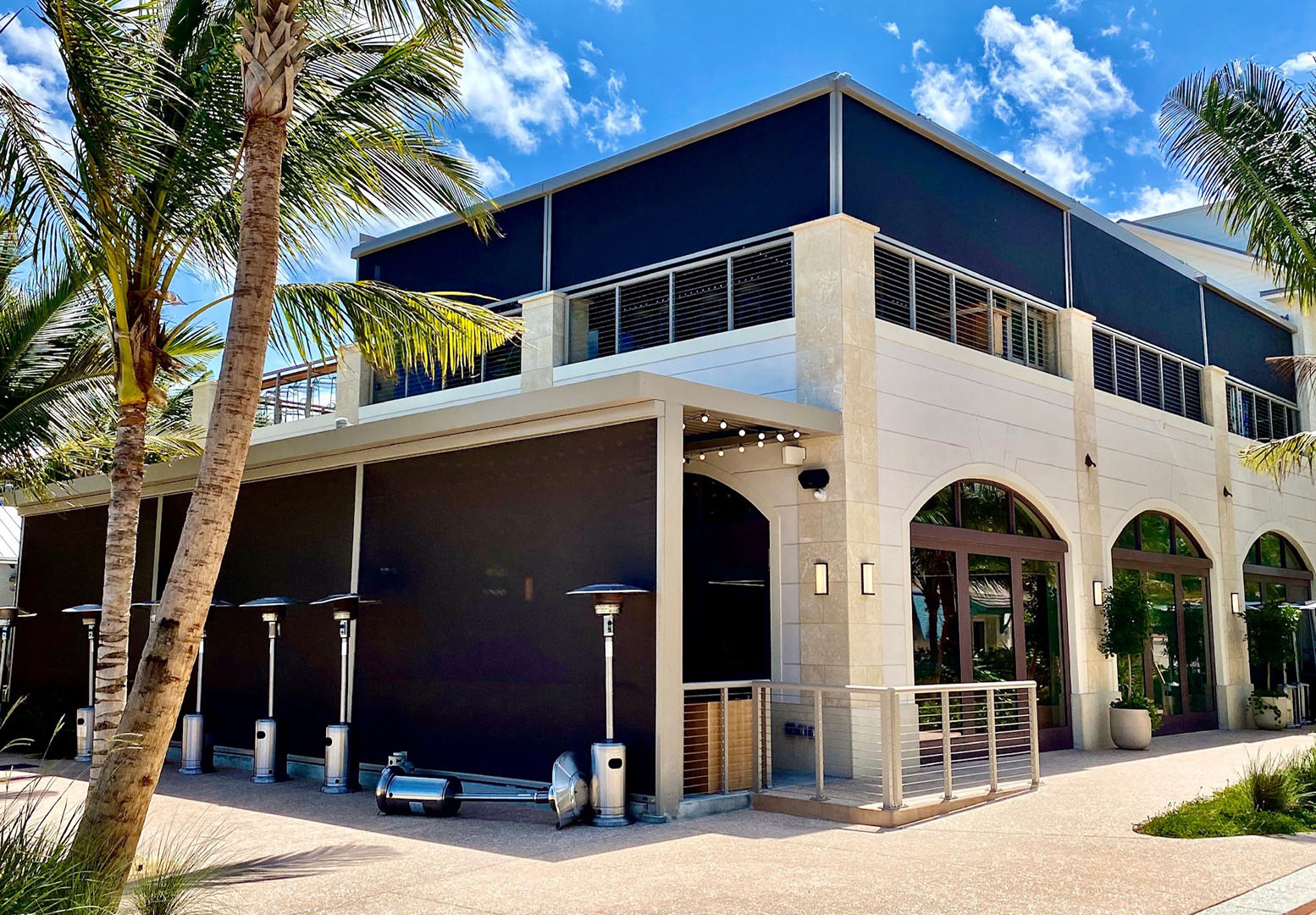
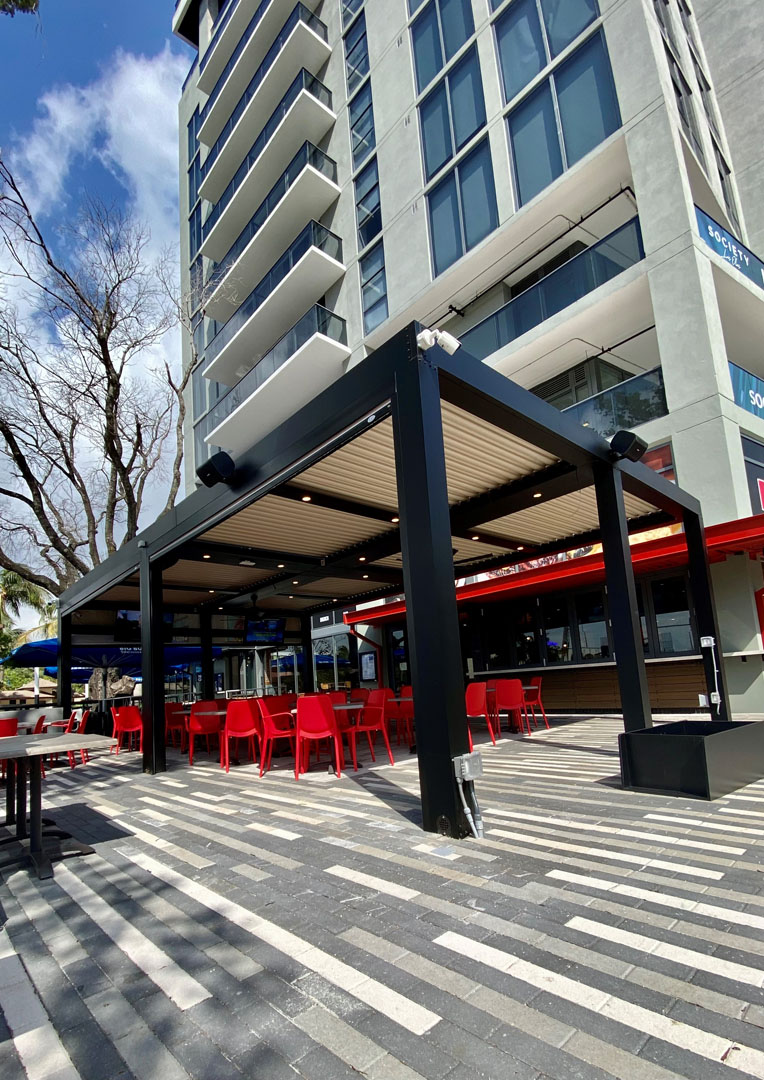
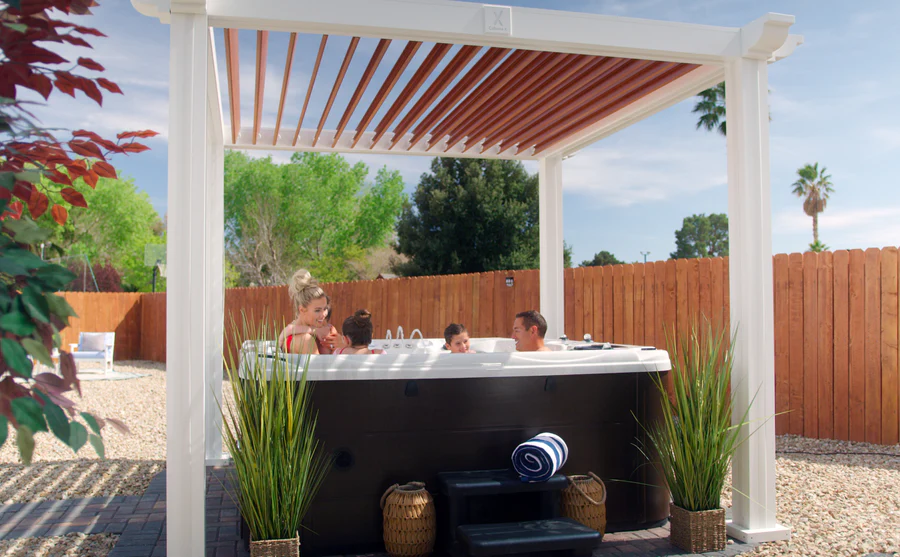
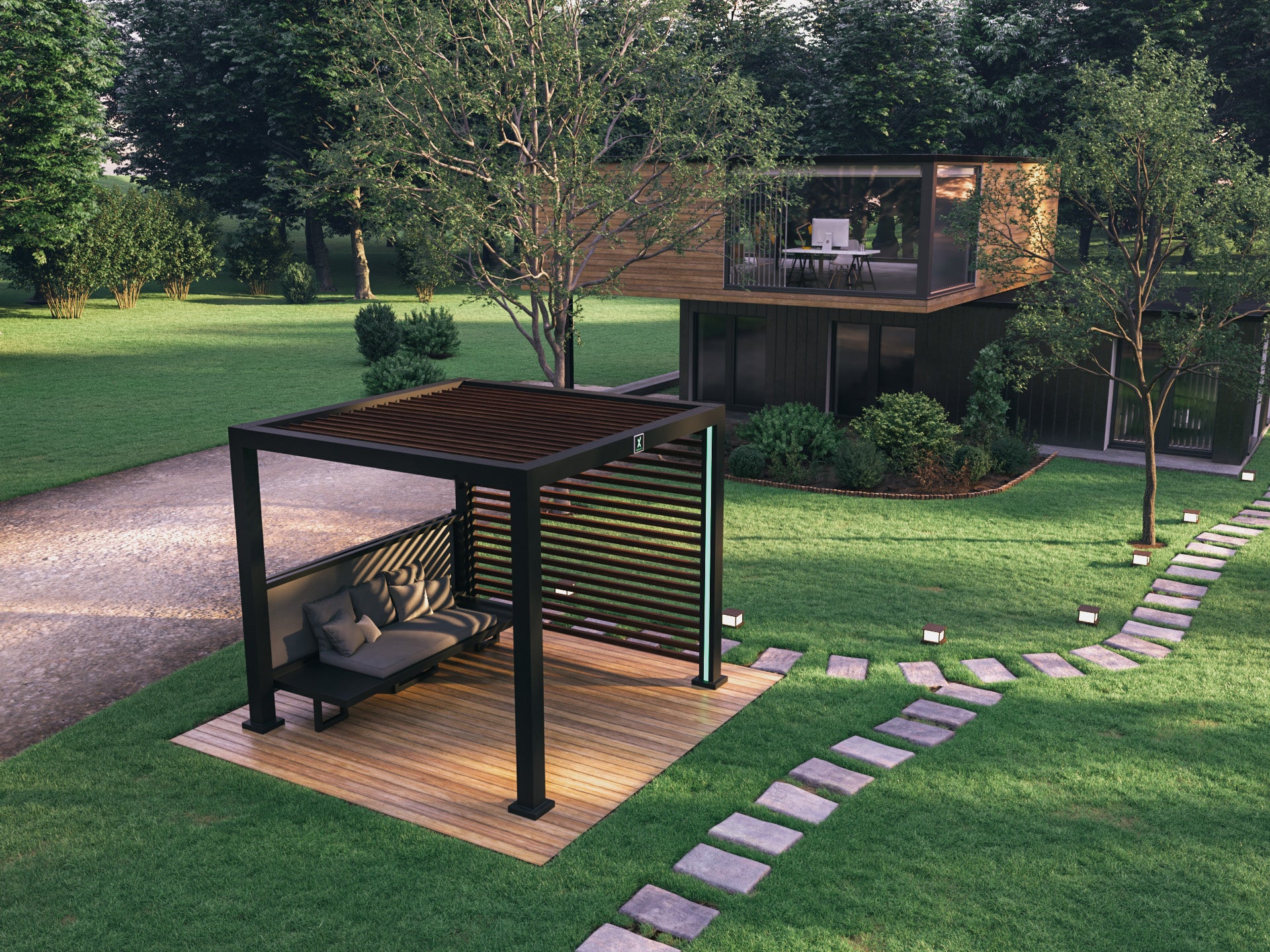
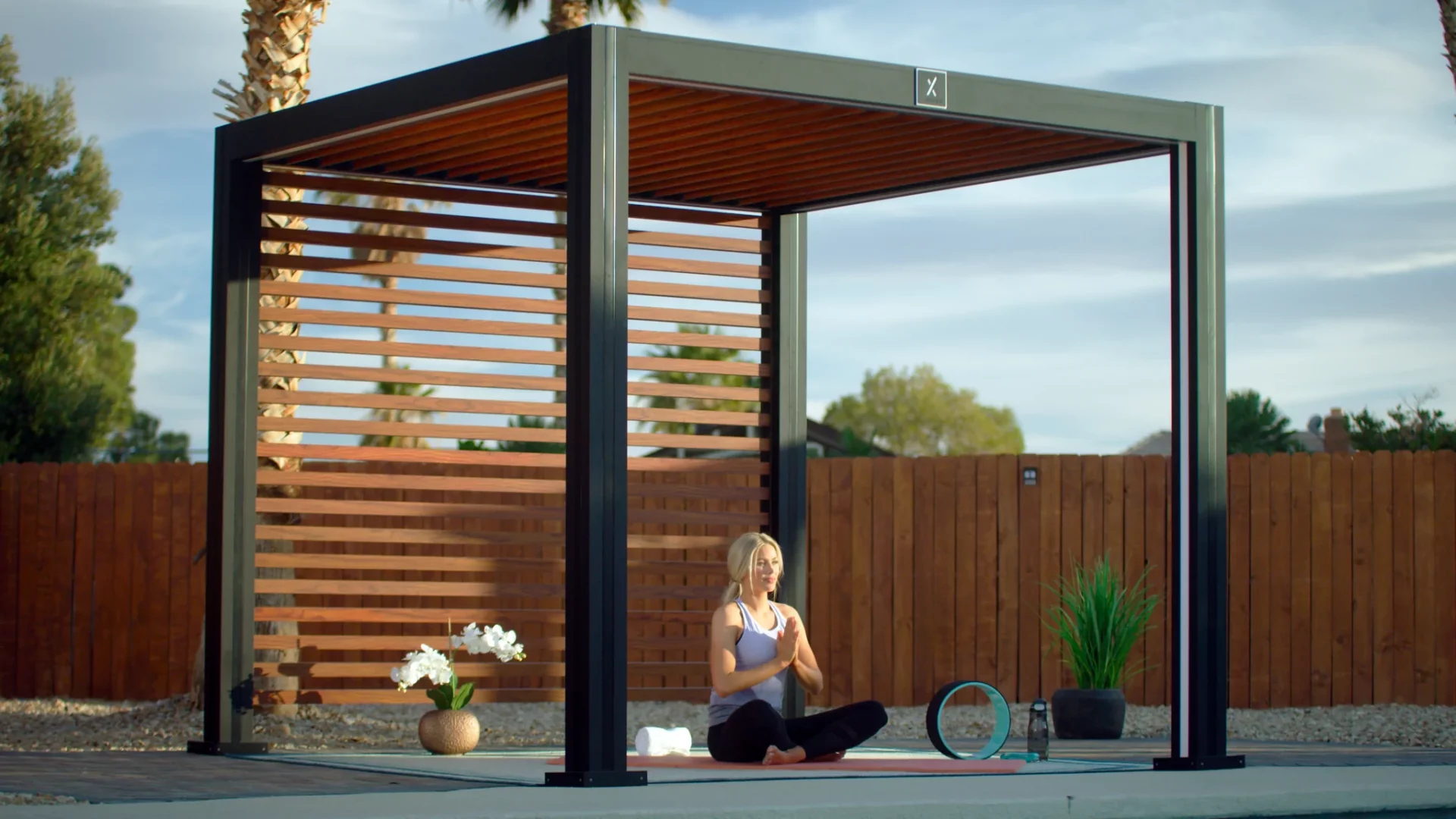
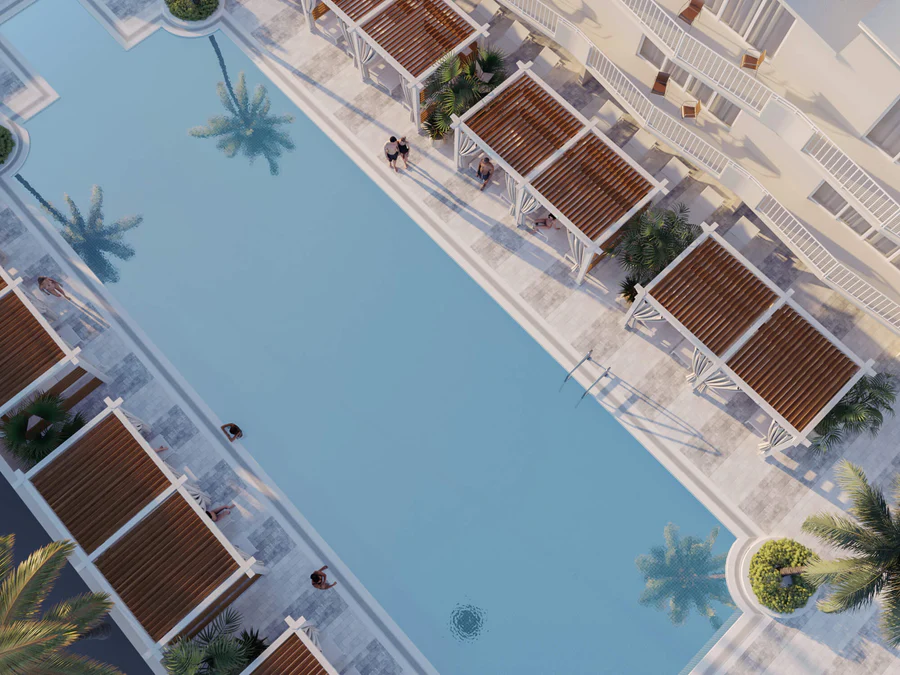
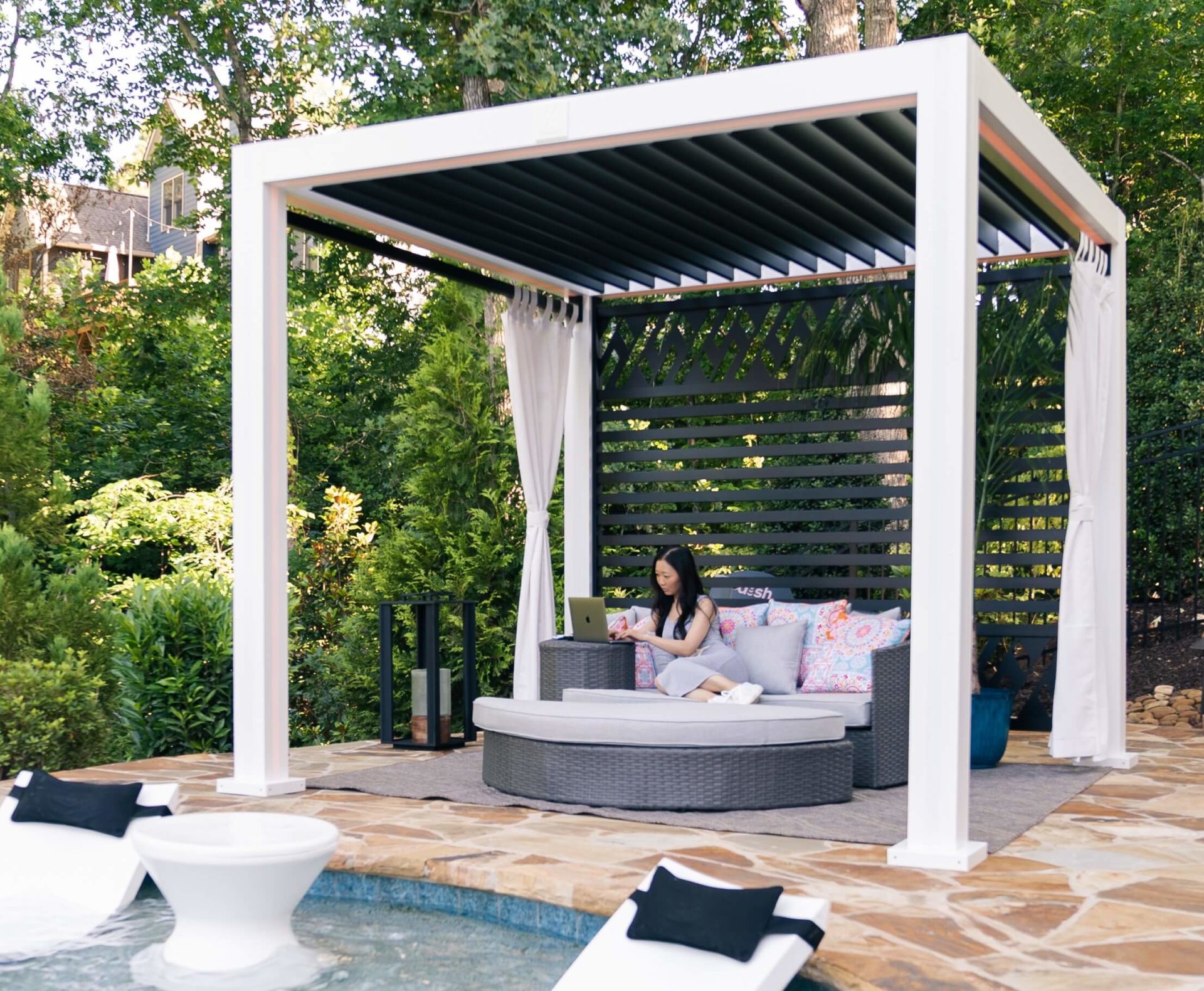
Homeowners in Tamarac center daily outdoor life around more than 500 acres of freshwater canals and lakes and 153.6 park acres, using backyards, screened lanais, patios, terraces and waterfront edges for recreation, golf access and participation in community events such as the Tamarac Turkey Trot and One Tamarac Multicultural Festival. Typical 1970s ranch homes and affordable single-family neighborhoods offer canal or lake views, two-car garages and low-traffic, palm-lined streets where residents frequent parks, the Colony West Golf Club and the Caporella Aquatic Complex. With average highs near 84.1°F, 127 sunny days and frequent rain, families add pergolas, covered terraces and water-resistant shade to extend outdoor use, while local zoning preserves open space, privacy and recreational buffers around lots.
Outdoor Activities, Amenities, and Lifestyle Patterns
Residents of Tamarac spend much of their time outdoors taking advantage of more than 500 acres of freshwater canals and lakes, 153.6 park acres including a dog park, skate park and 36-hole golf club, plus community amenities like a 32,000 sq ft community center and Caporella Aquatic Complex. Homeowners commonly golf, entertain on screened lanais and patios overlooking canals or backyards, and attend events such as the Tamarac Turkey Trot and One Tamarac Multicultural Festival. High sun and heat (average high 84.1°F, 127 sunny days) plus frequent rain (about 89.8 precipitation days and 45.7–56.9 inches annually) drive use of shaded, covered pergolas and water-resistant terraces. Low-density zoning, affordable single-family lots, and proximity to beaches, the Everglades and shopping support an active, community-oriented outdoor lifestyle.
Residential Property Characteristics of Tamarac Affecting Outdoor Living
Tamarac’s residential fabric—predominantly single-family detached homes in RE and R-1 districts alongside R-2 two-family and R-3 multi-family units—features 1970s ranch-style modular houses (850–2,714 sq ft) with screened lanais, two-car garages and backyards often opening to canals, lakes, golf course edges or low-traffic palm-lined streets. Lot zoning favors open space, privacy, light and recreation, influencing larger rear yards or constrained infill lots in growing neighborhoods like Isles of Tamarac, Mainlands and Woodmont. Condos and townhomes add balconies and terraces over smaller yards, while waterfront lots require buffers for flooding. High sun (84.1°F avg high, 127 sunny days) and heavy rain (45.7–56.9 in/yr, 89.8 wet days) drive durable, covered pergolas, terraces and screened structures positioned to maximize shade, views and drainage.
Climate, Sun, and Weather Considerations in Tamarac
Tamarac’s warm, subtropical climate—average highs around 84.1°F and lows near 67.9°F with 127 sunny days annually—creates strong sun exposure and heat that make shade essential for outdoor comfort. Frequent precipitation (about 89.8 days per year and 45.7–56.9 inches of rainfall) means patios, pergolas and lanais should be water-resistant and designed to shed heavy rain, while screened lanais are common for sun and insect protection. Inland zoning reduces coastal wind and flood exposure but requires buffers and open-space setbacks near canals and lakes to mitigate flooding and storm impacts. These conditions favor durable, covered terraces and pergolas that extend usable outdoor living space year-round while meeting local zoning and drainage considerations.
Why Tamarac Is Ideal for Outdoor Living
Tamarac’s abundant waterways, 153.6 acres of parks, golf facilities and community amenities make outdoor living a natural extension of daily life, encouraging patios, pergolas and covered spaces. High homeownership, affordable single-family lots with screened lanais, canal and golf views, and zoning that preserves open space and allows accessory structures support backyard upgrades. Climate—an average high of 84.1°F, 127 sunny days and nearly 46–57 inches of annual rainfall—creates dual needs for shade to combat heat and durable coverings to handle frequent rain, while inland siting and zoning buffers reduce coastal flood/wind risk. A growing, younger population and easy access to beaches, parks and events further drive demand for shaded, year-round outdoor entertaining and recreation areas that extend usable living space.
Outdoor Living and Home Upgrade FAQ
Can I install a pergola or patio in single-family RE/R-1 lots? Yes. RE and R-1 permit accessory structures; larger additions often require site plans and must meet open-space, light/air and recreation lot standards.
How should I design for Tamarac’s climate? Provide shade (avg high 84.1°F, 127 sunny days) and water-resistant materials to handle 45.7–56.9 in annual rain and about 90 precipitation days.
Are screened lanais a good option? Yes. Screened lanais are common on ranch homes and offer shade, airflow and privacy against strong sun.
Do lake/canal locations affect installs? Yes. Buffers and flood-mitigation rules apply near canals/lakes; inland zoning reduces coastal flood risk but still requires setbacks.
What about multi-family or larger projects? R-2/R-3 permit two- and multi-family uses; accessory structures typically need development orders and transitional buffers where adjacent to single-family.