
Outdoor Living in Jupiter, Florida
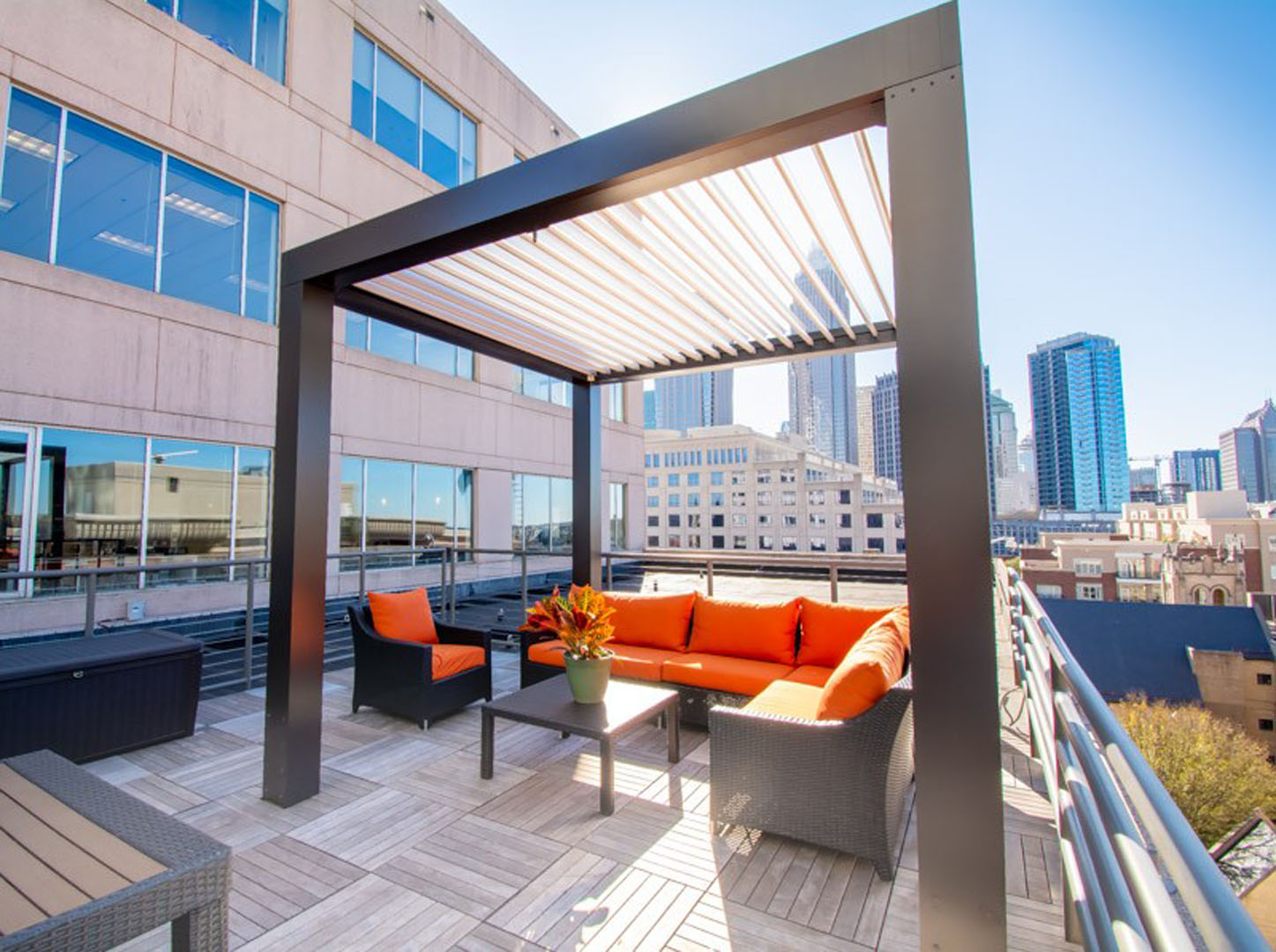
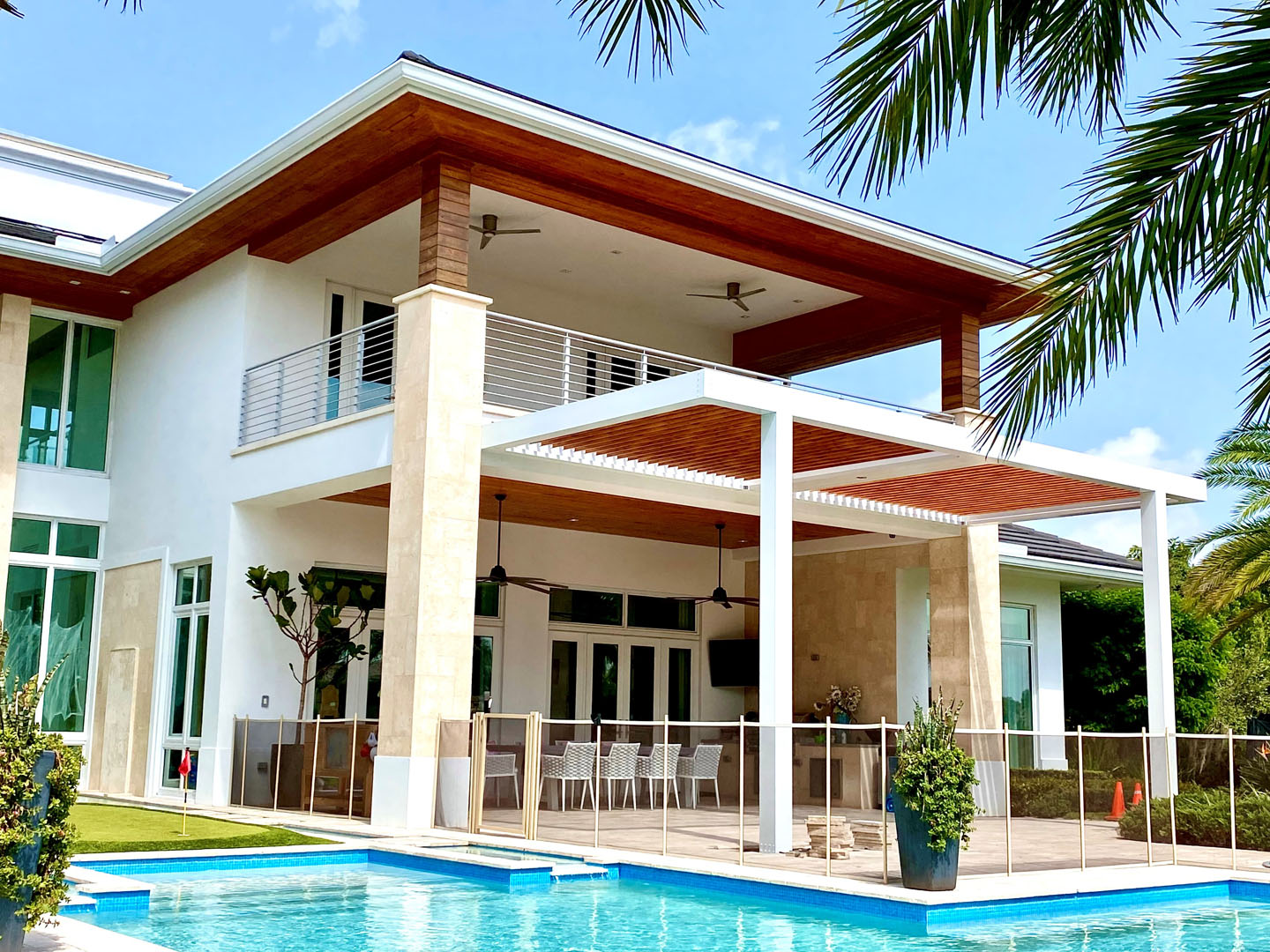
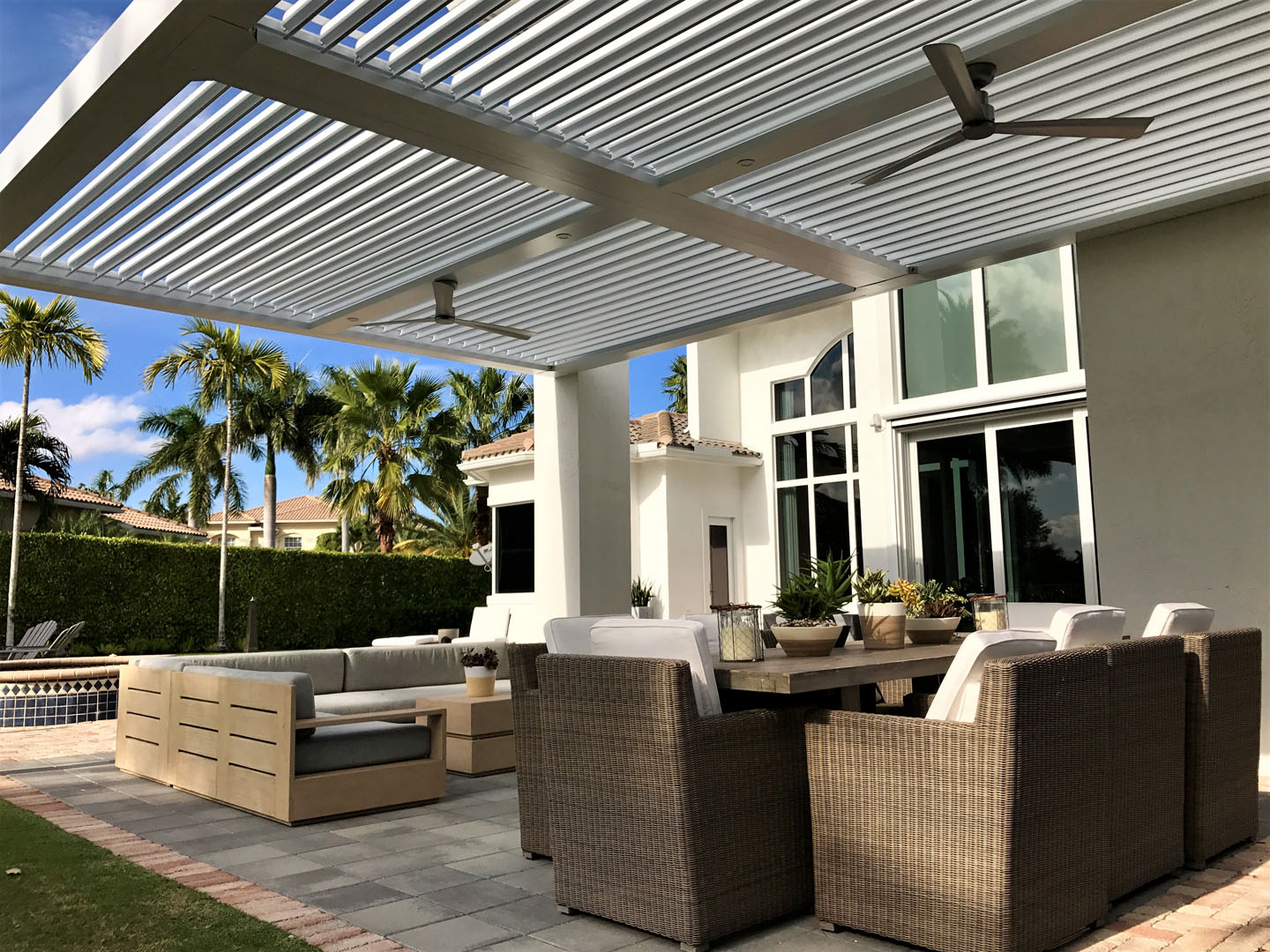
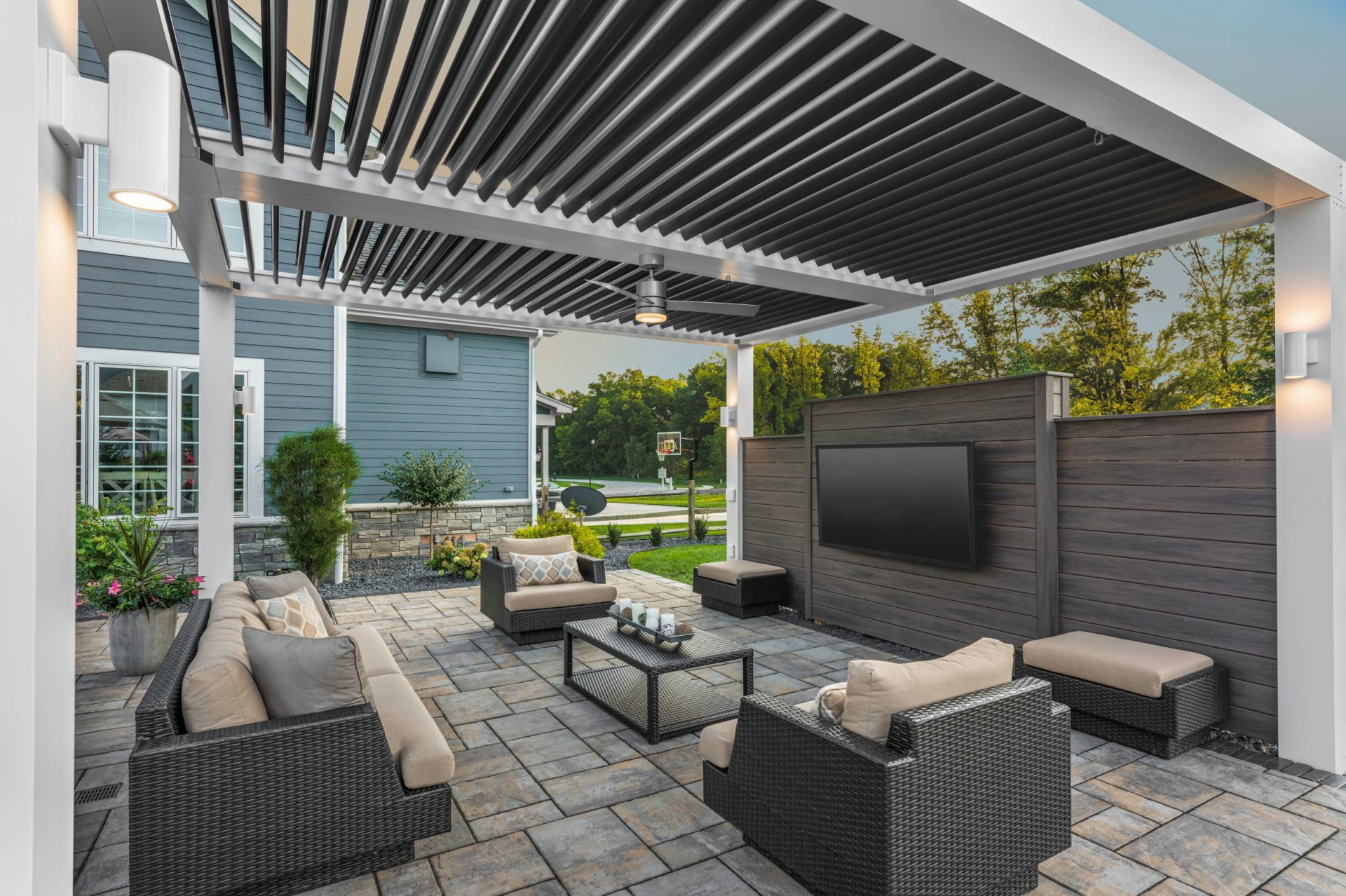
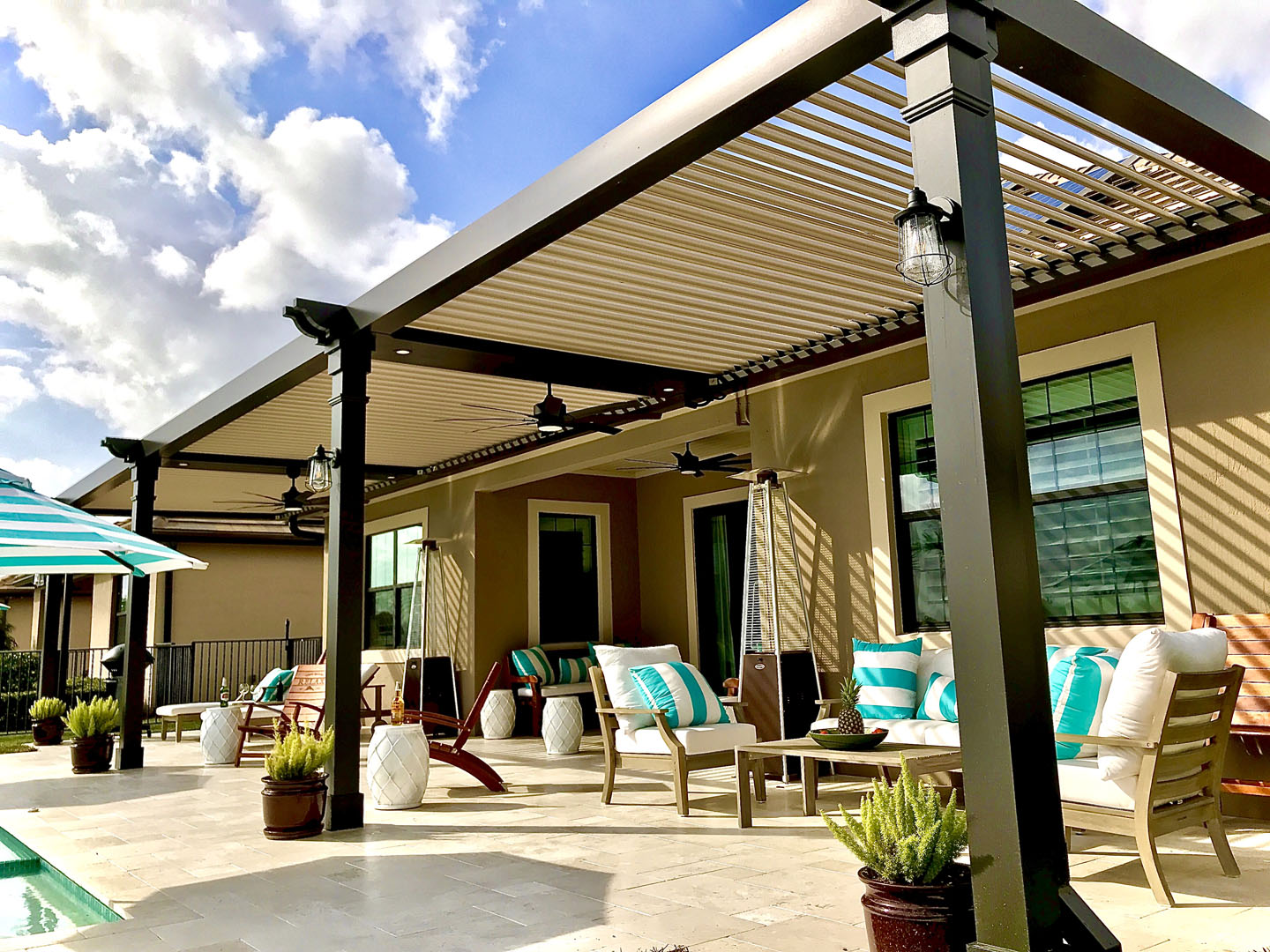
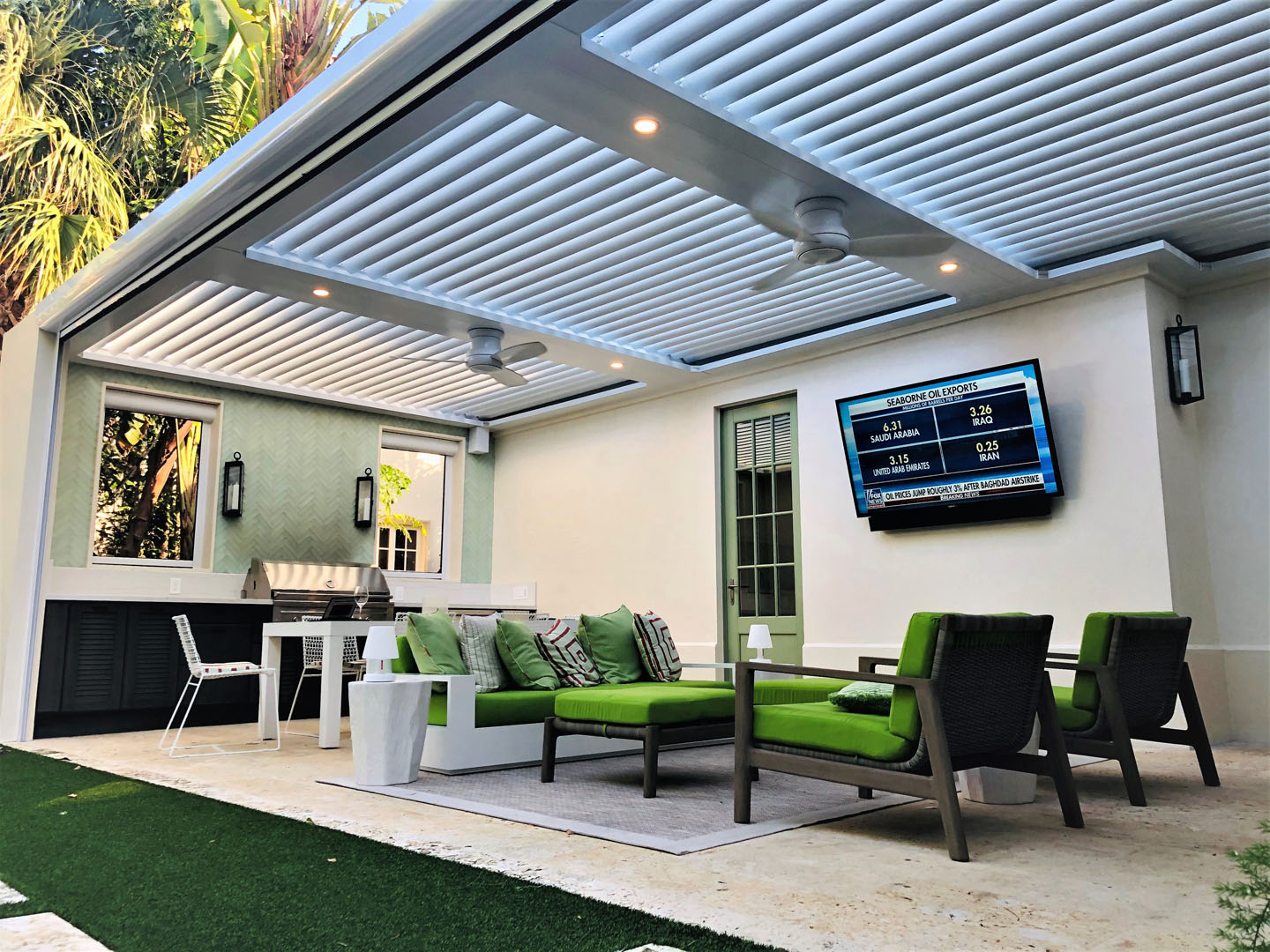
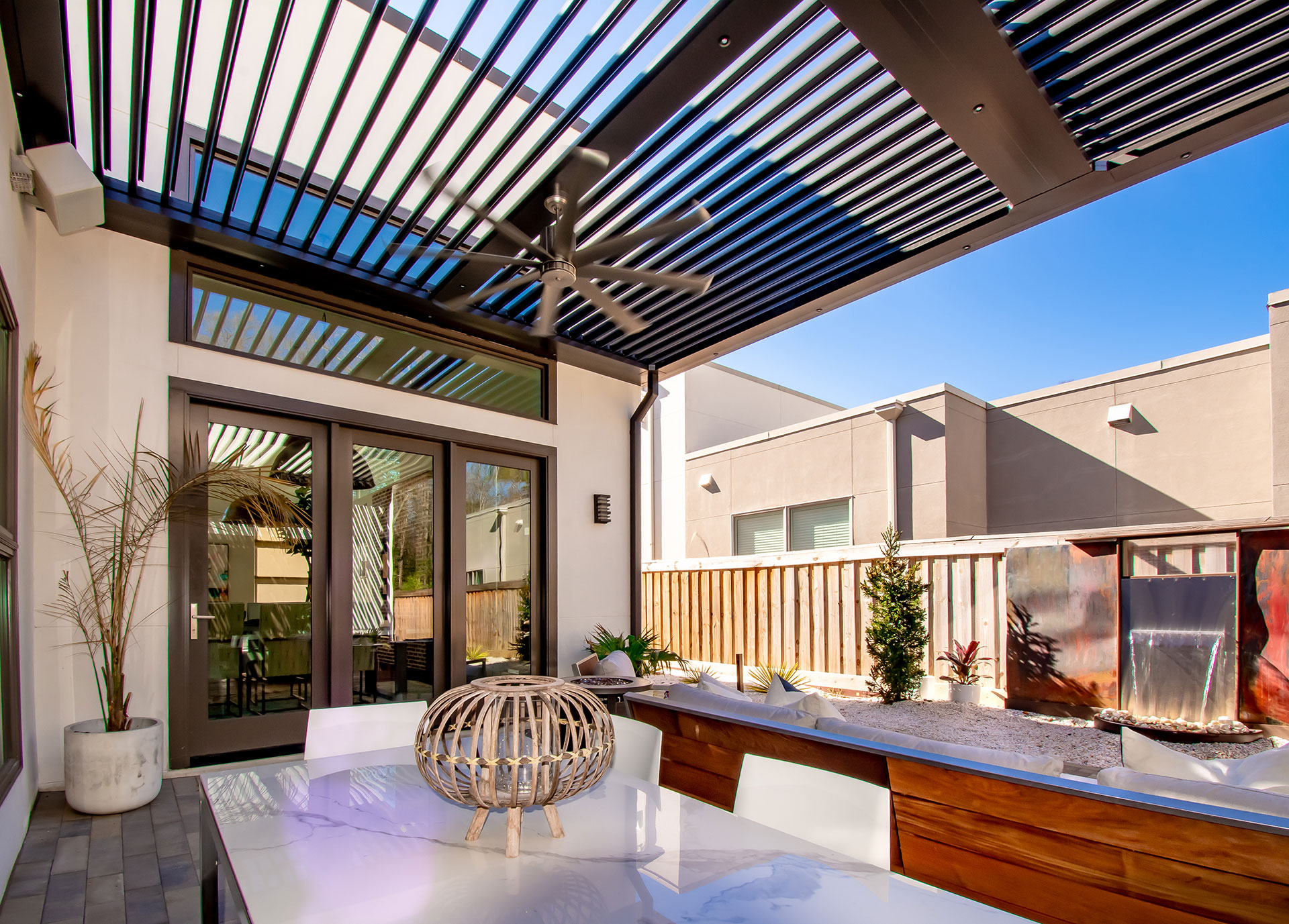
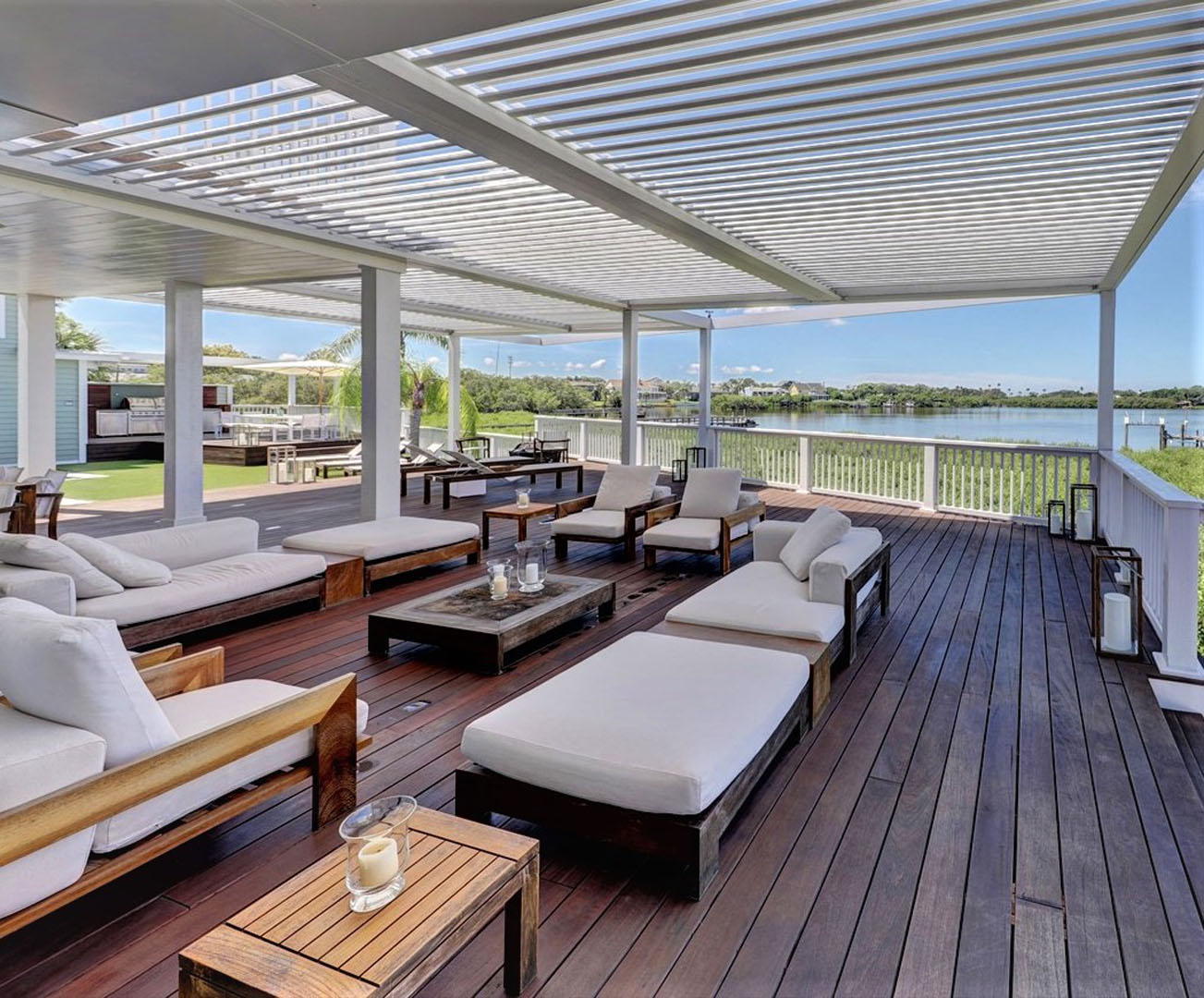
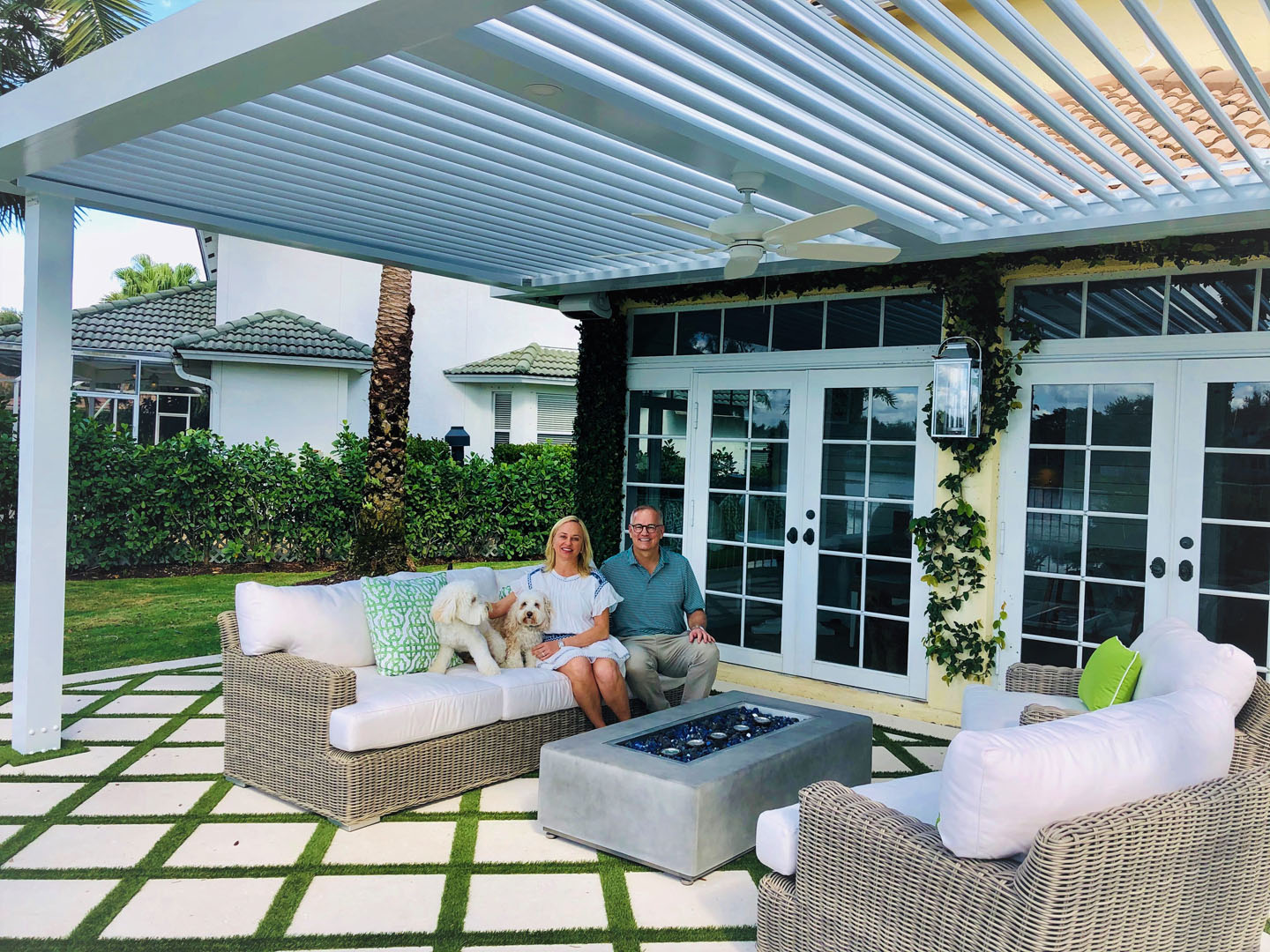
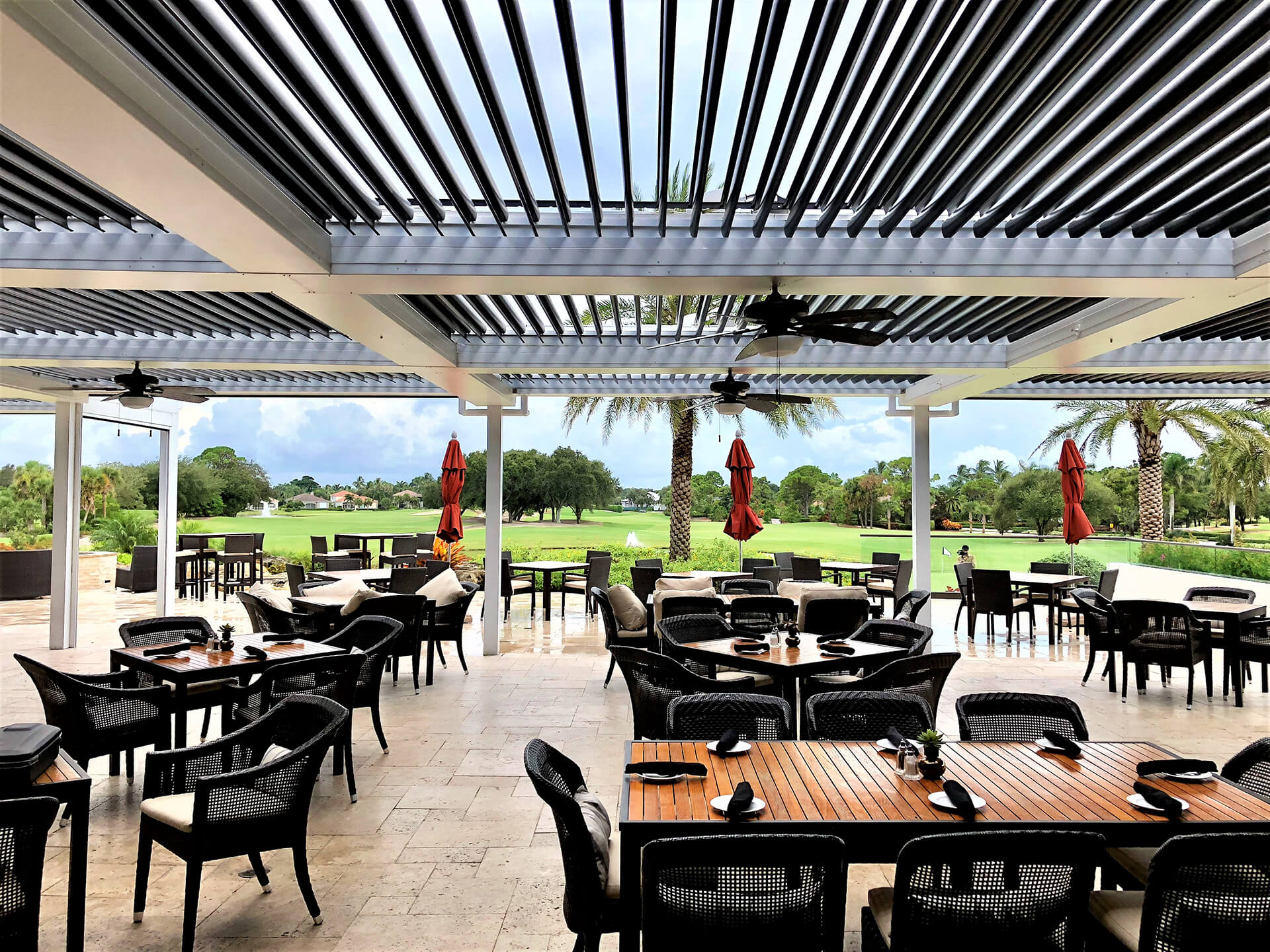
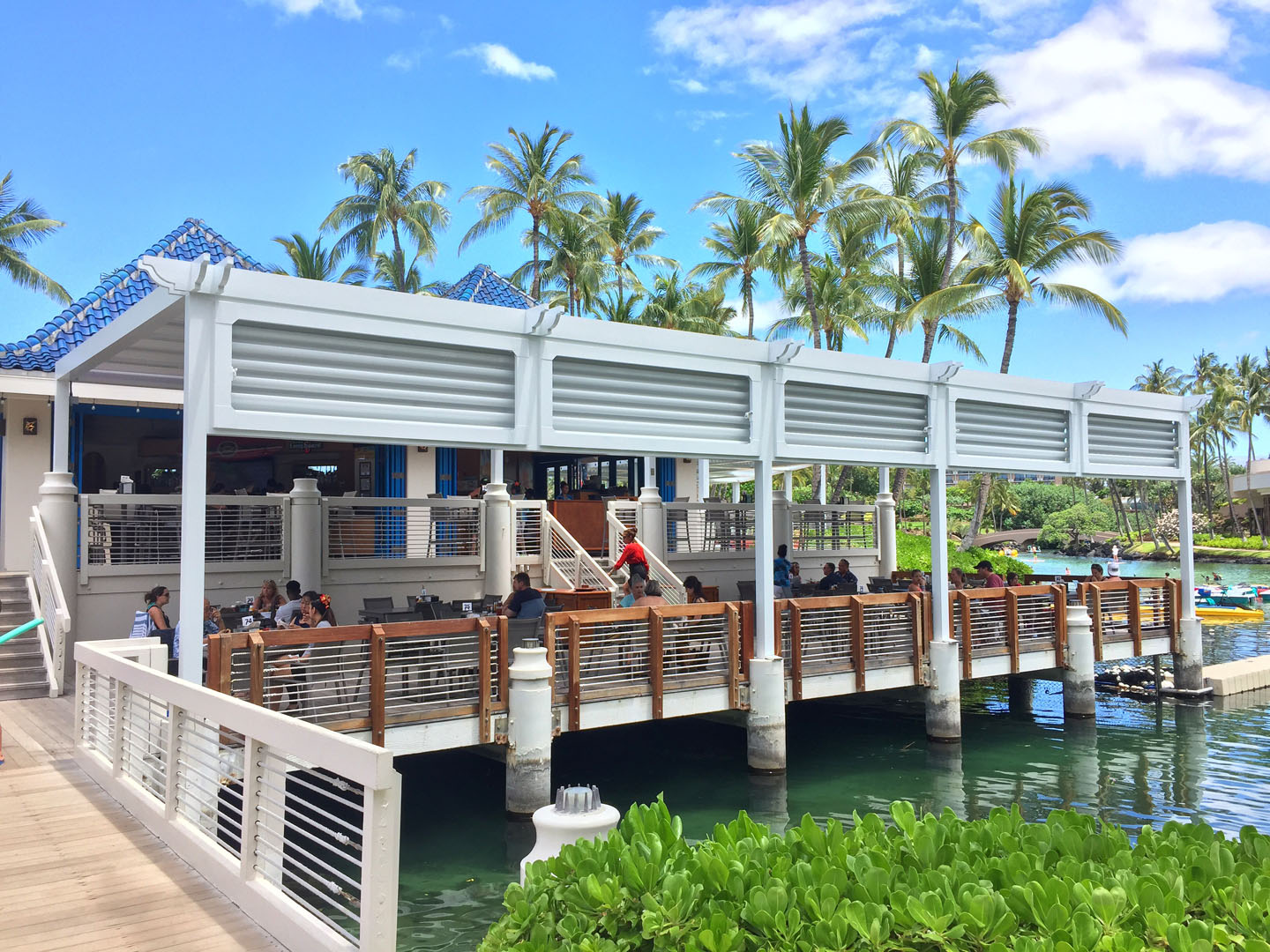
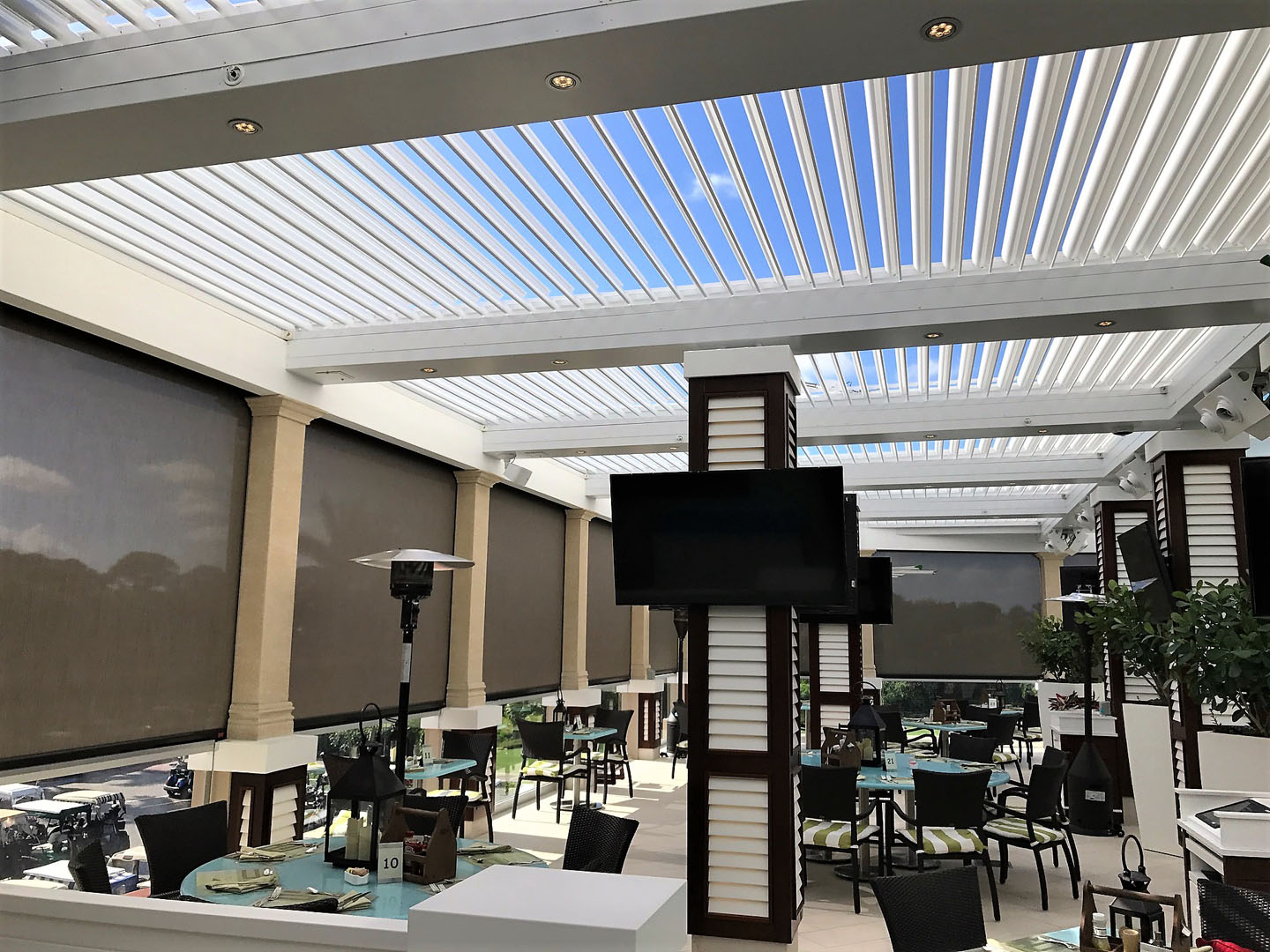
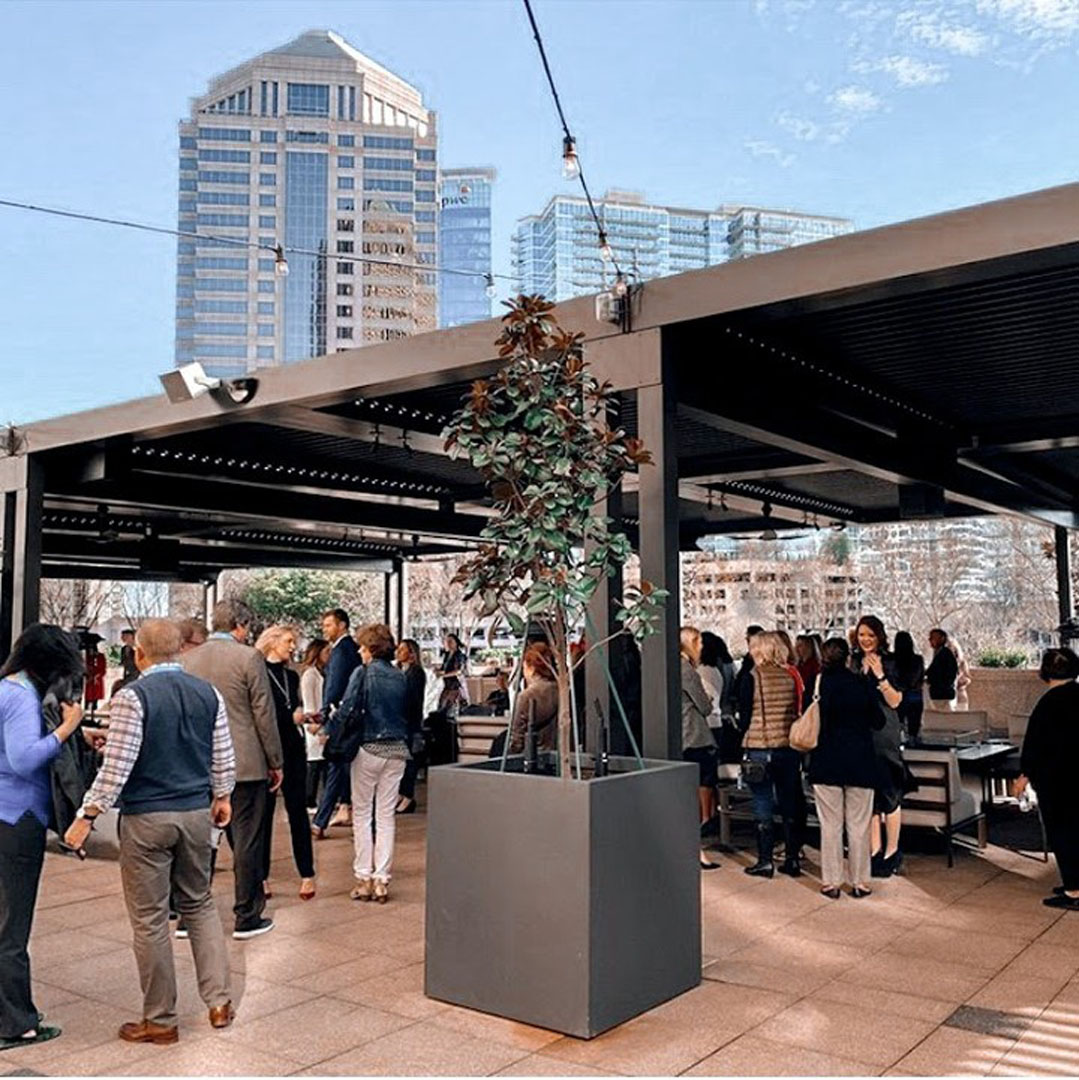
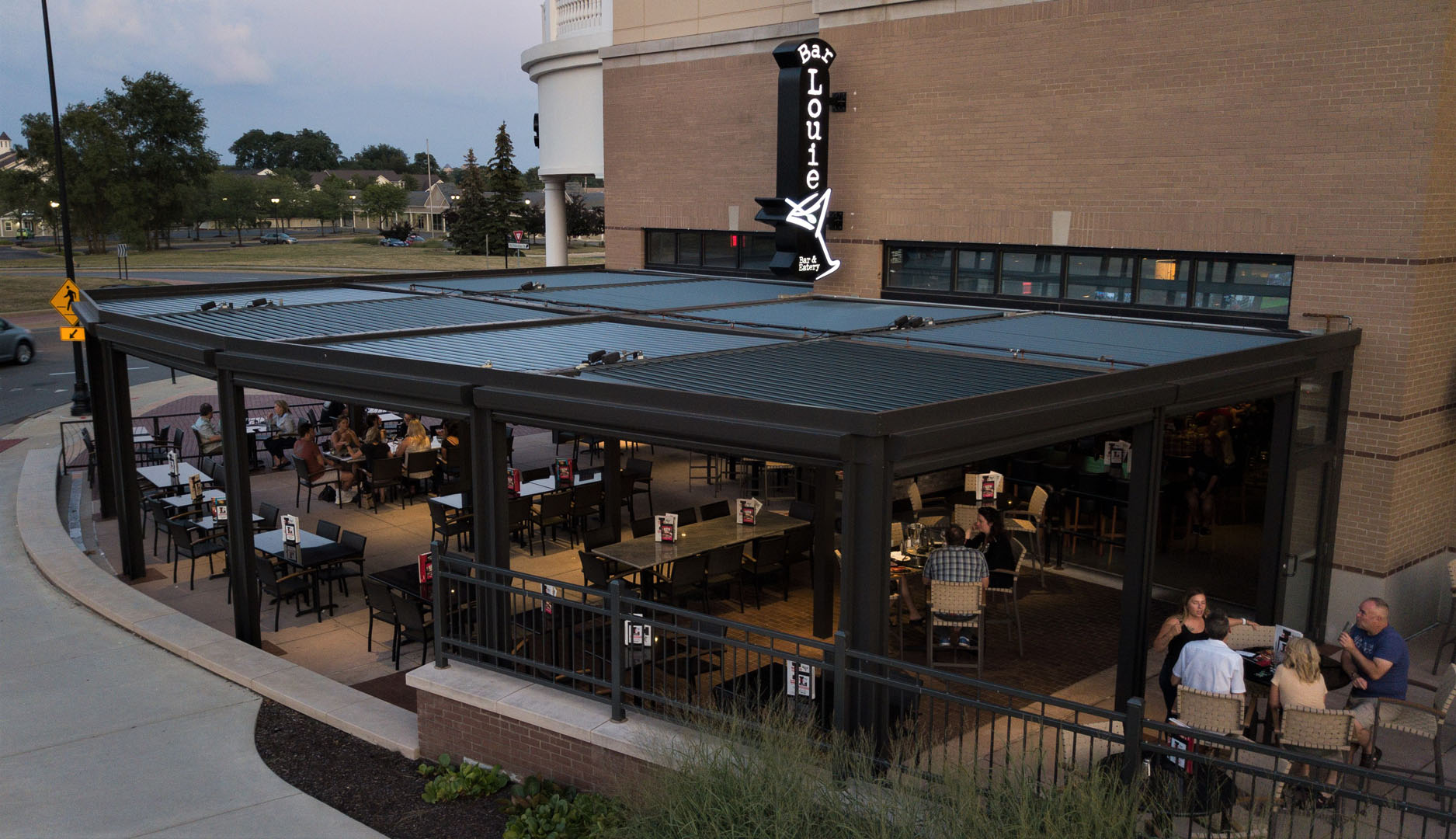
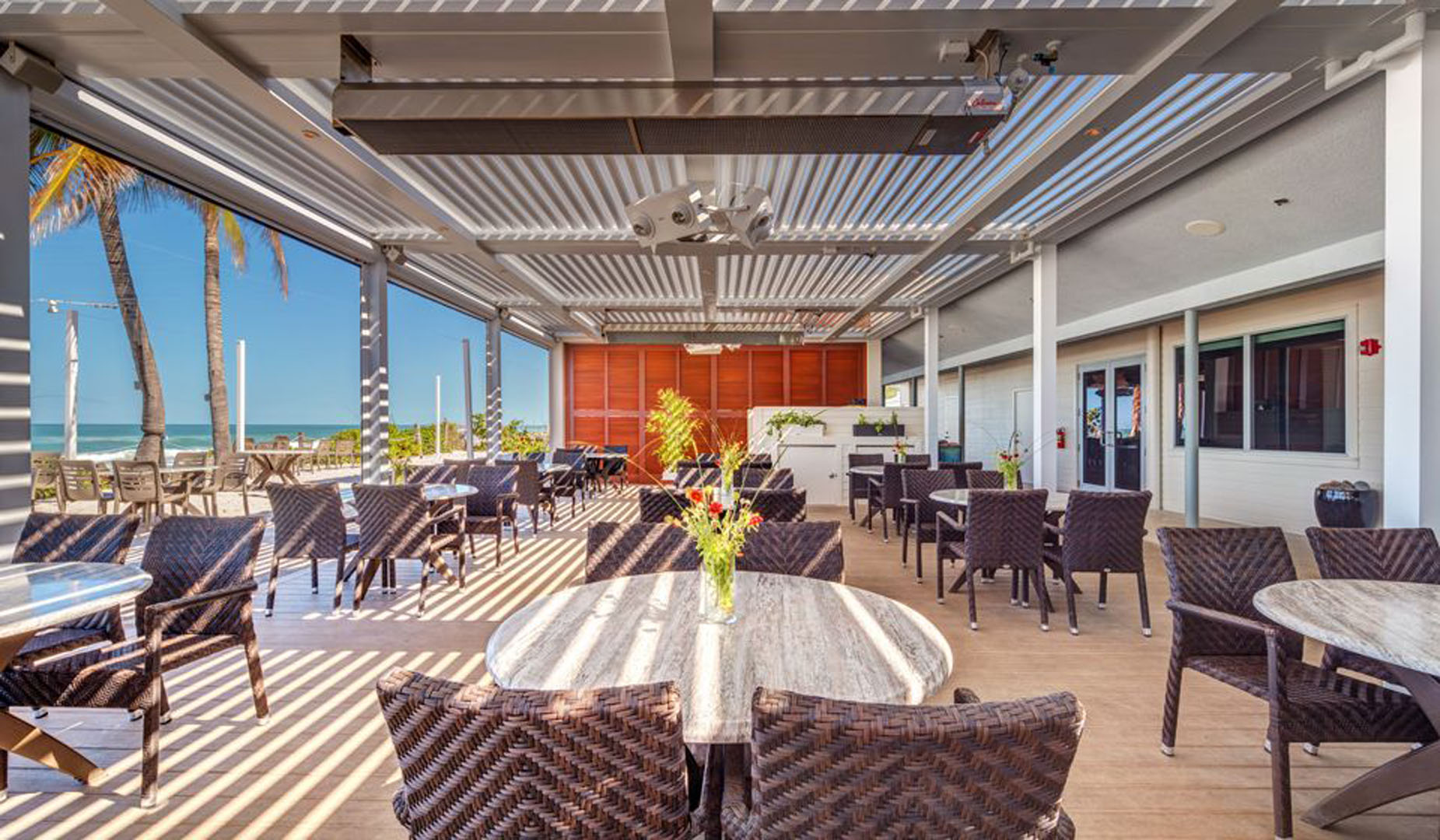
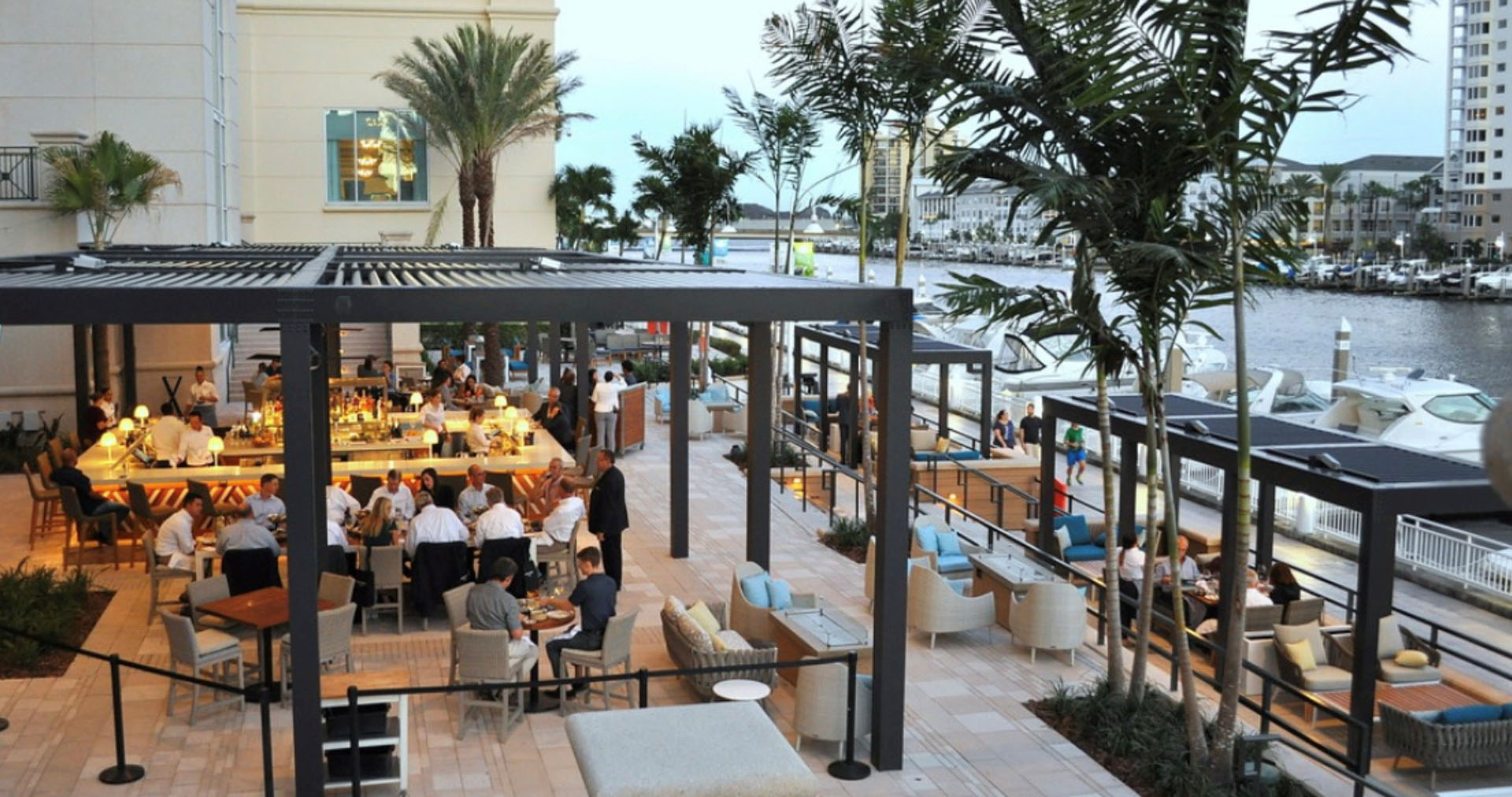
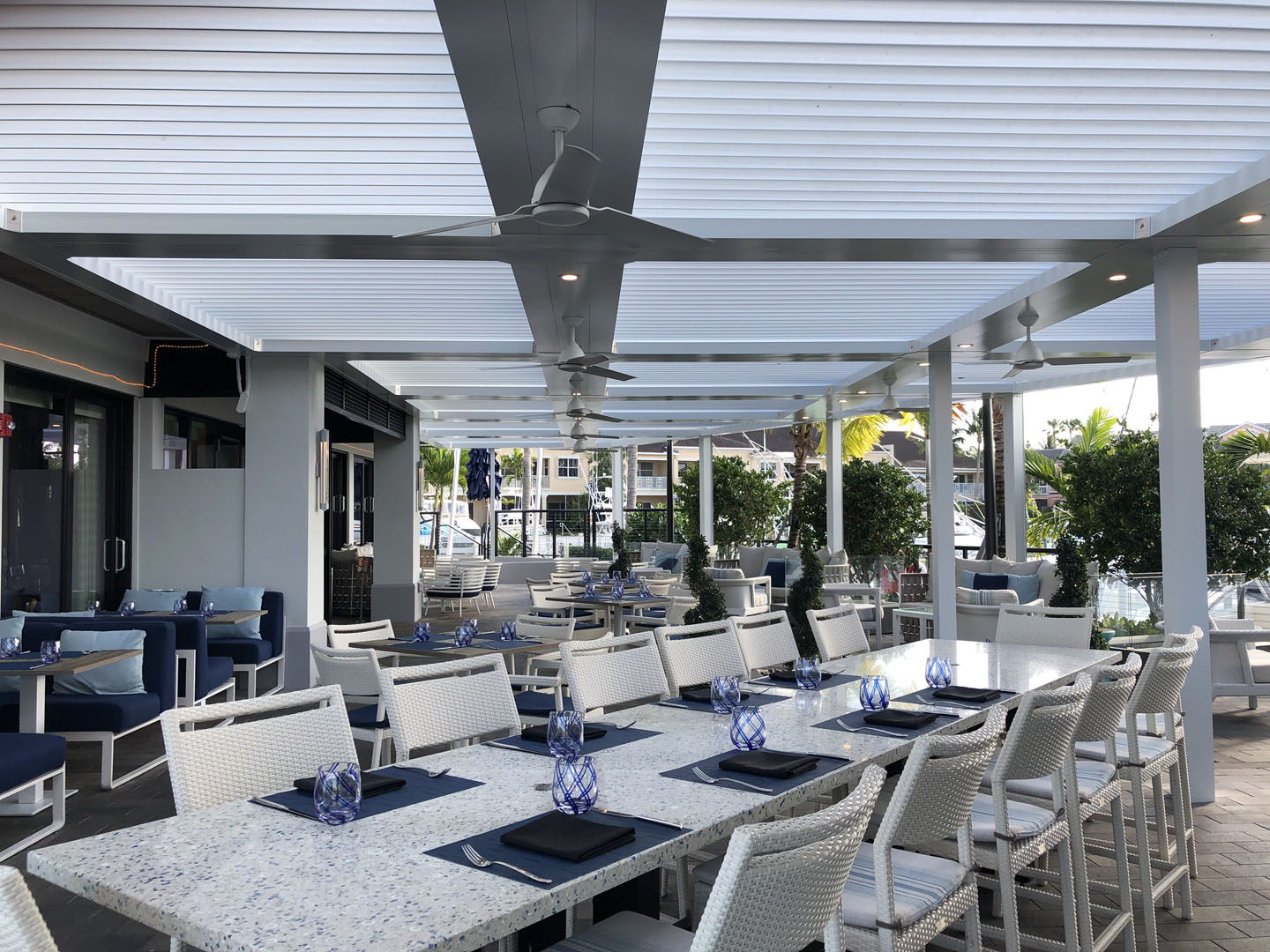
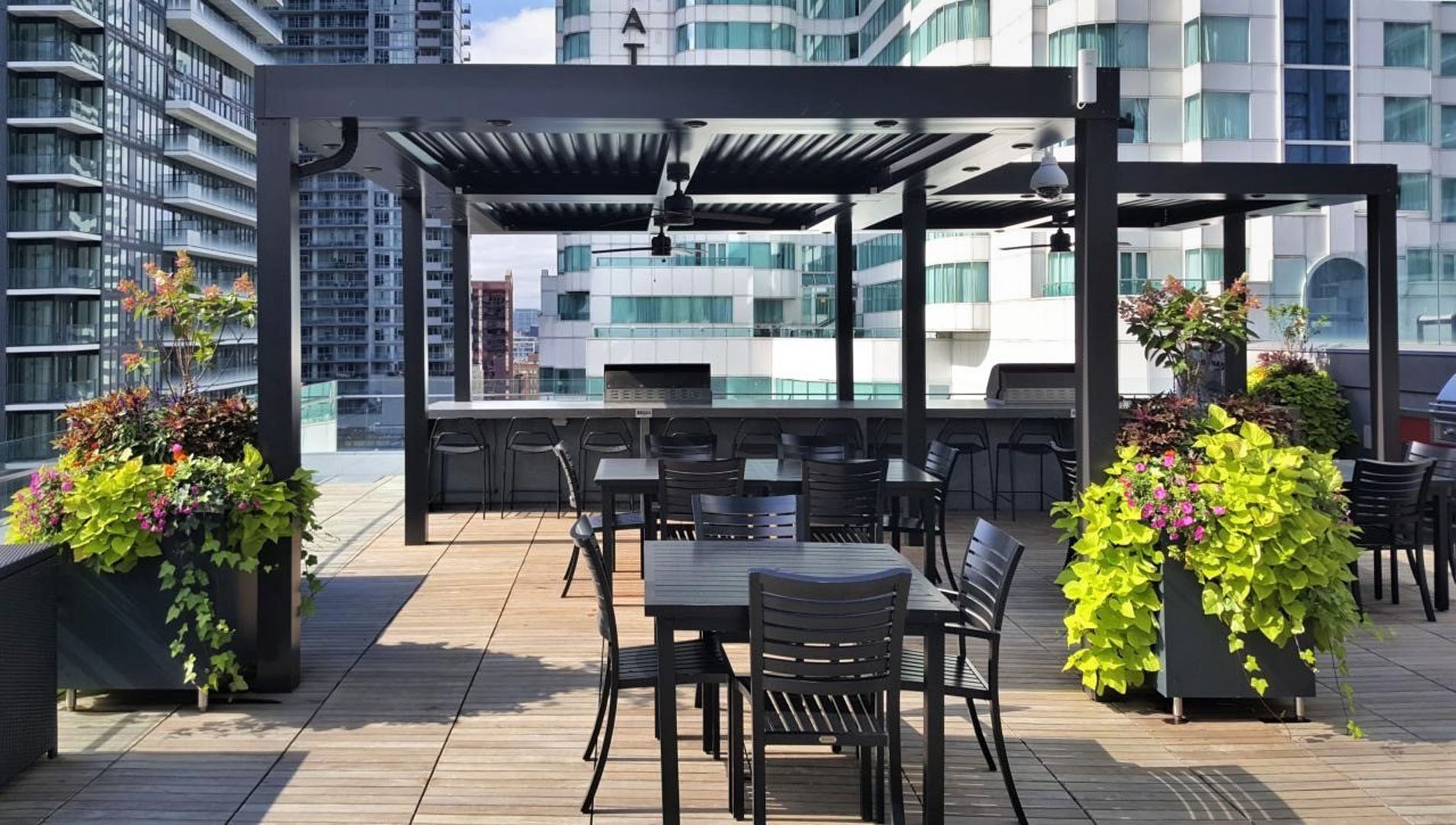
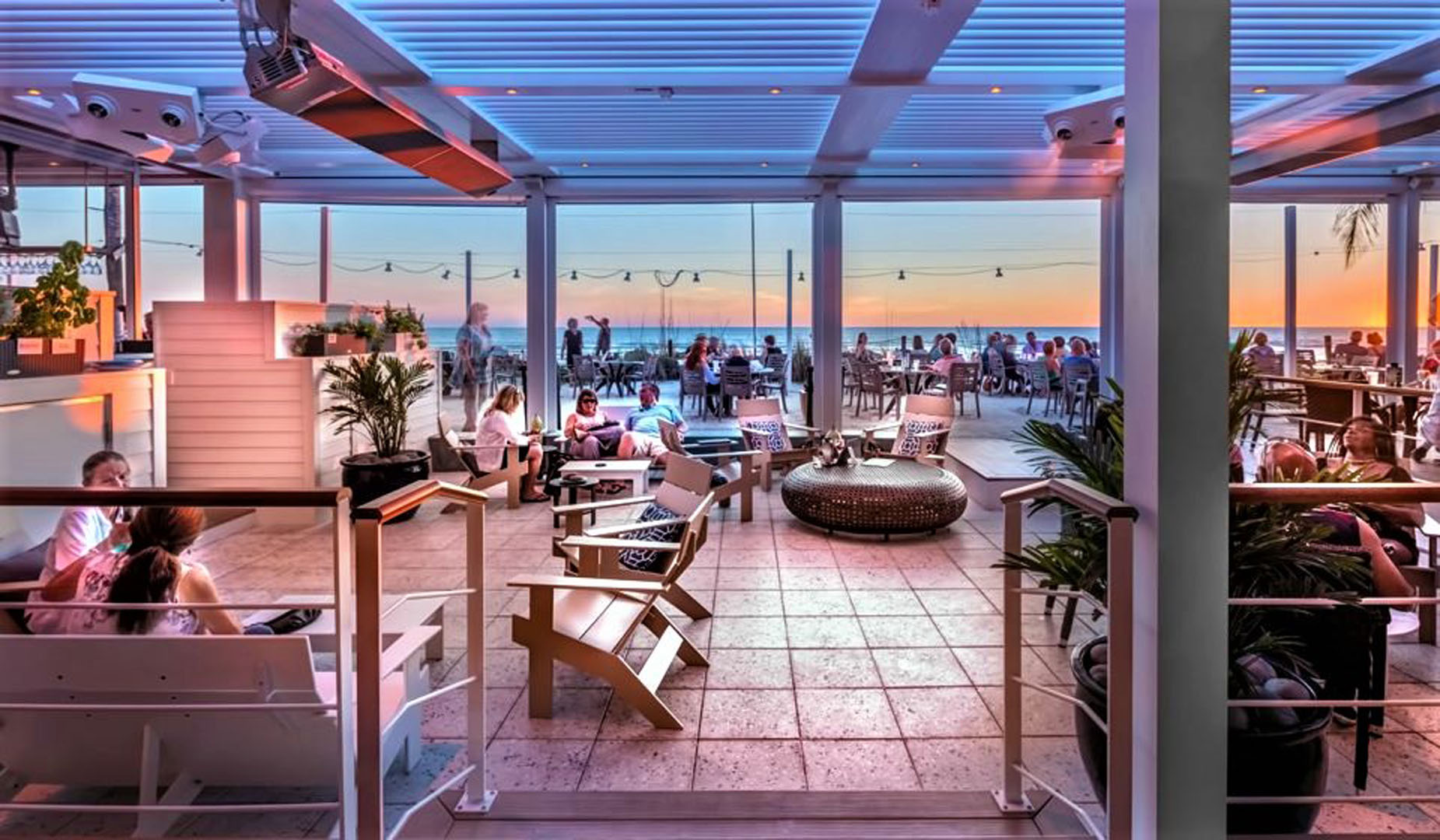
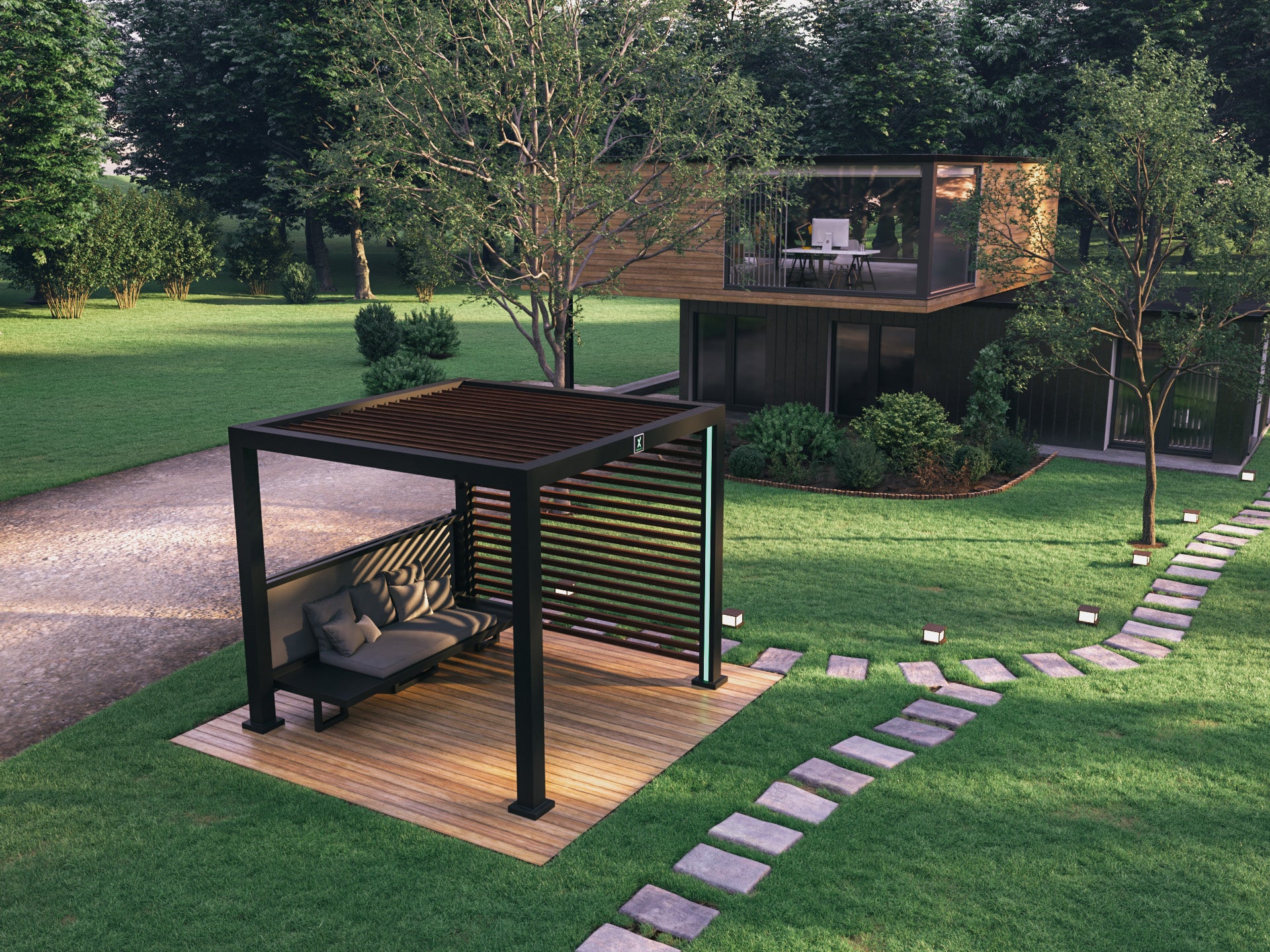
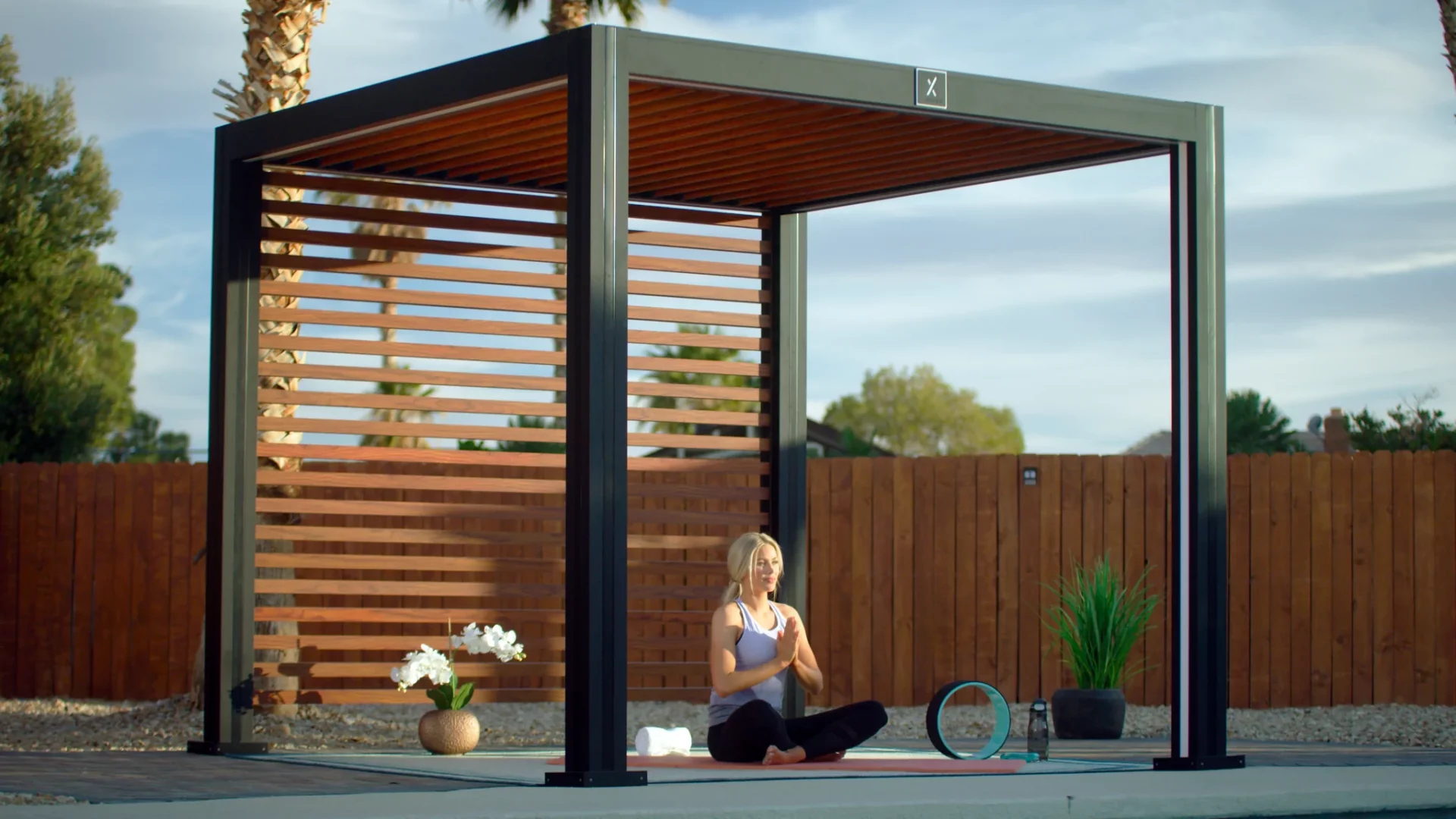
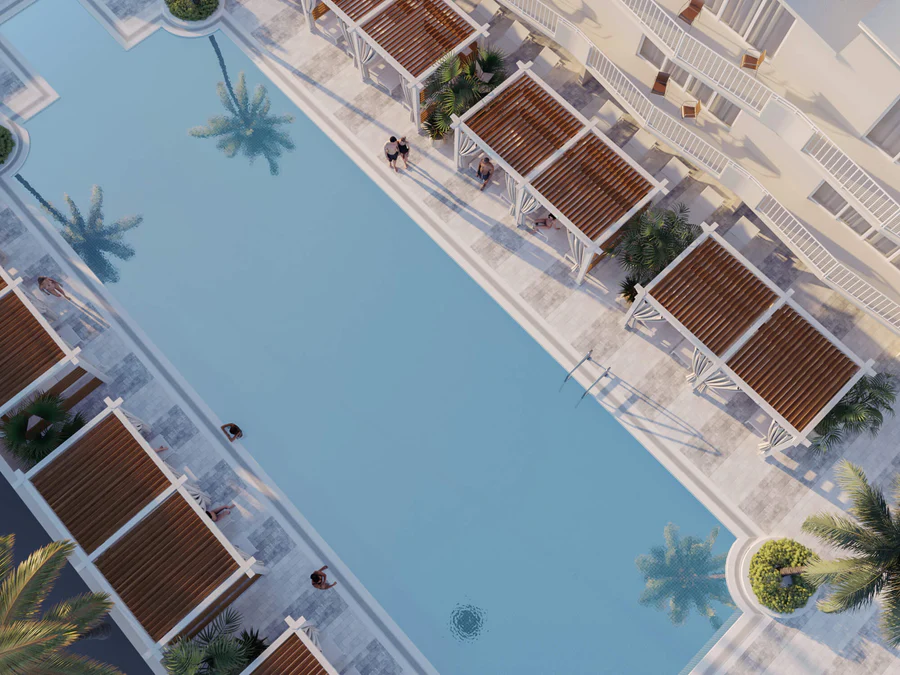
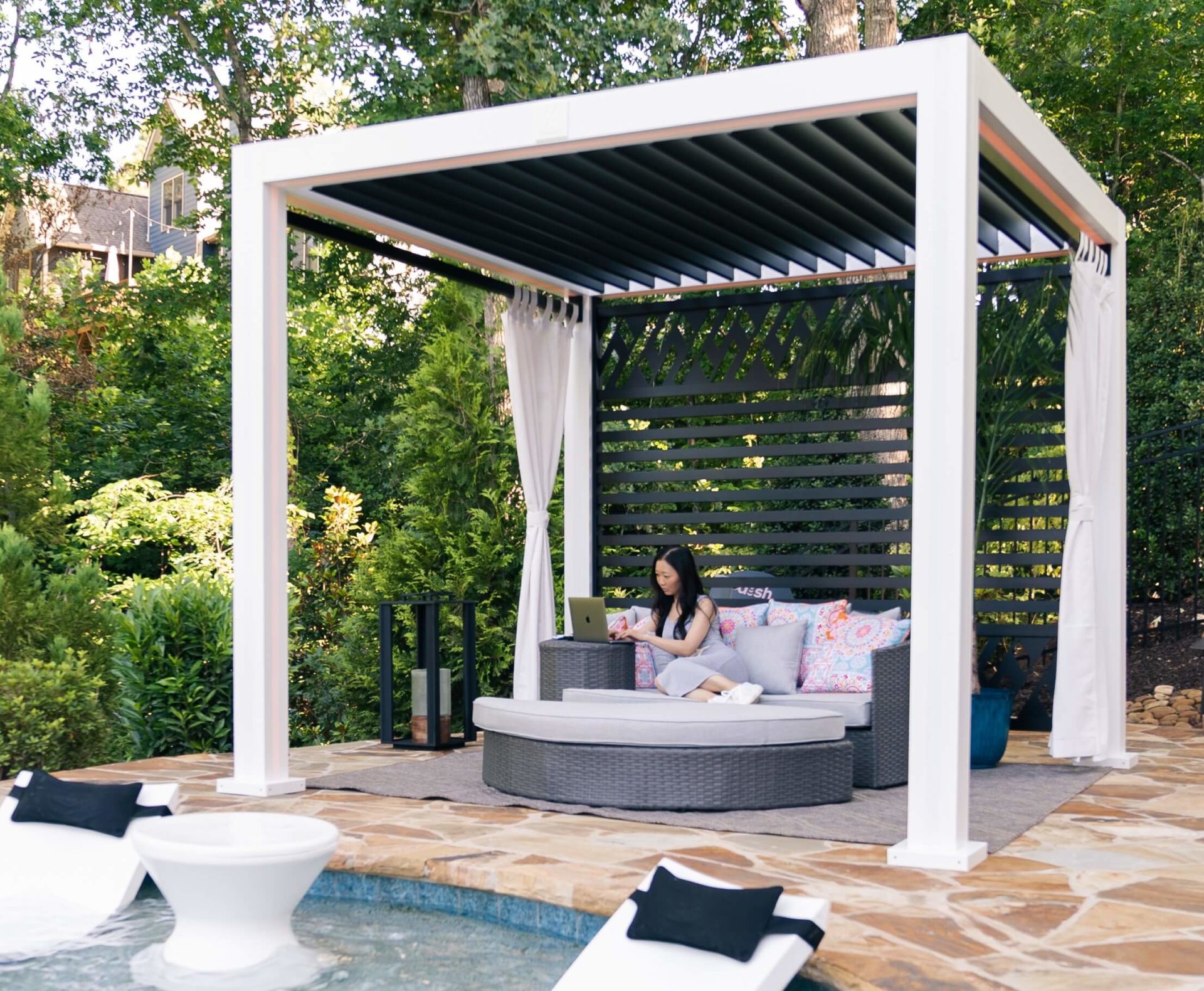
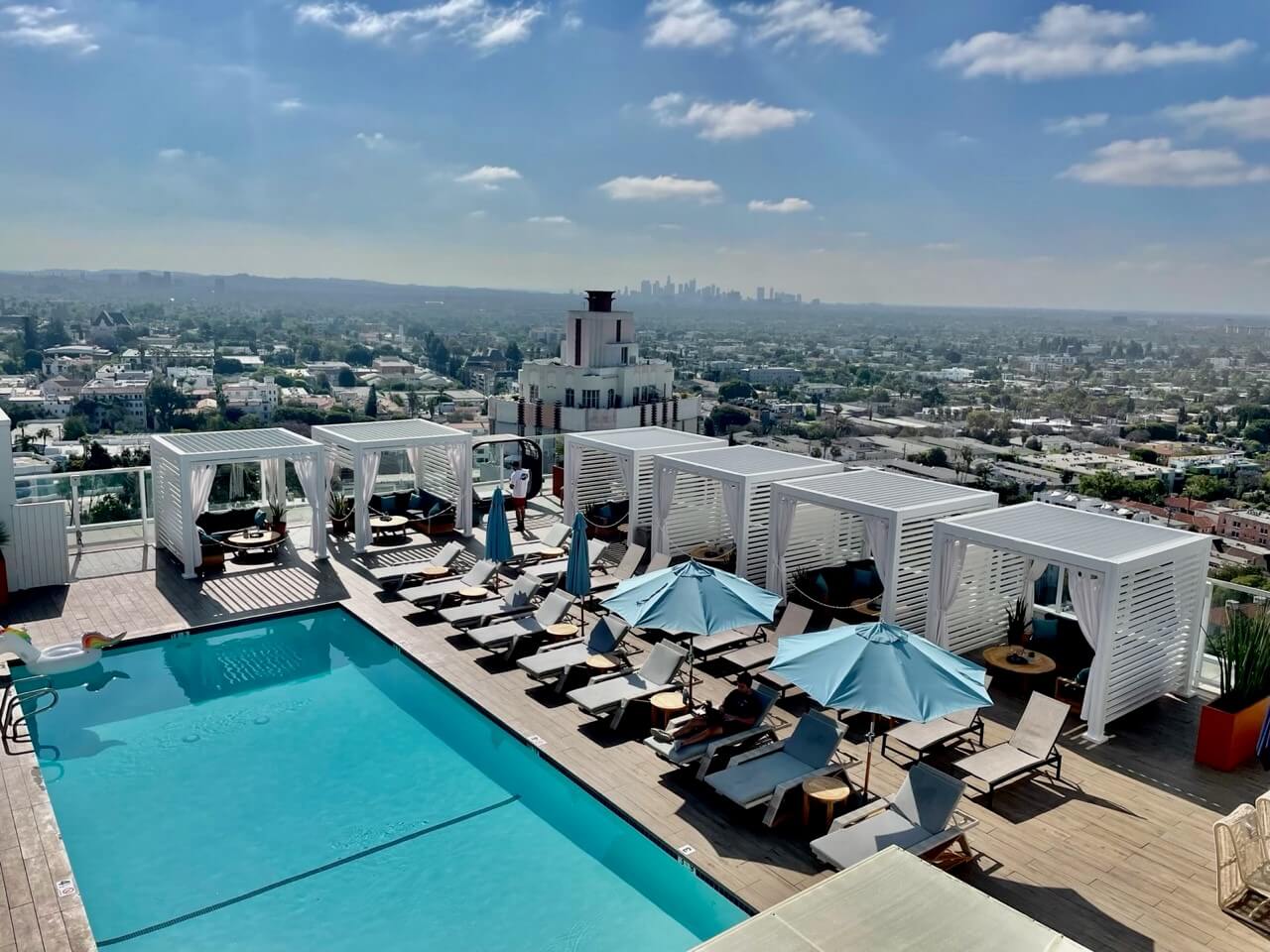
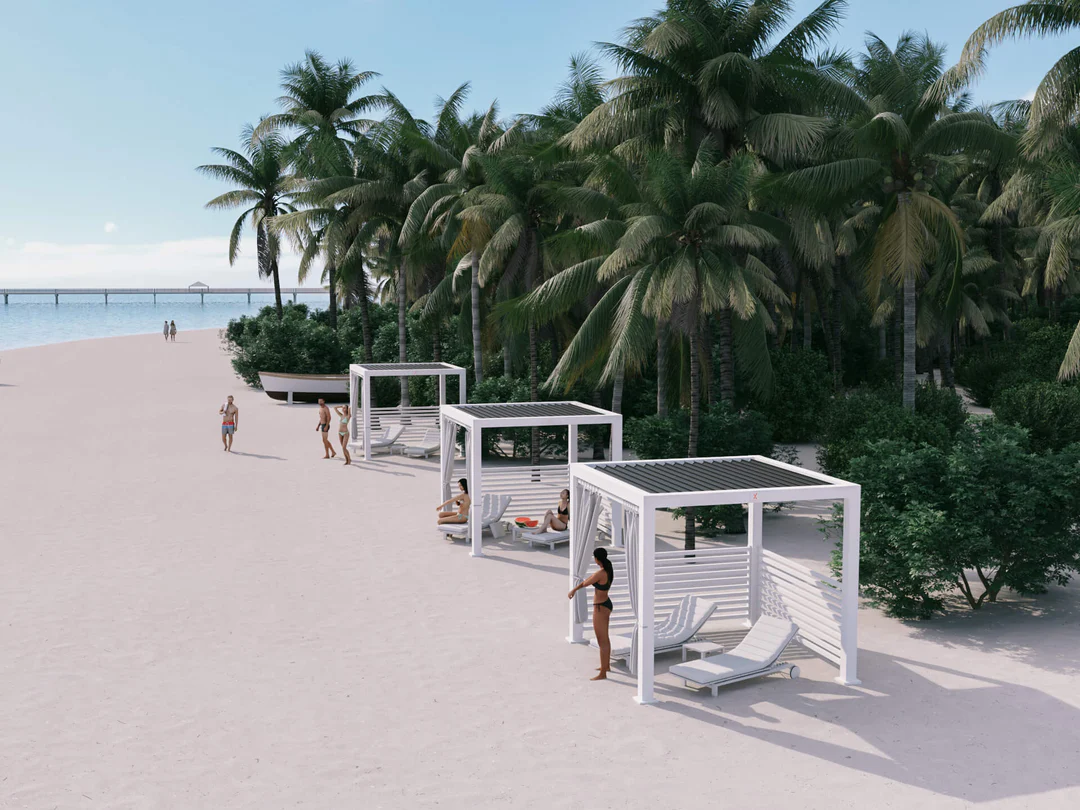
In Jupiter everyday life unfolds outdoors: families and retirees launch boats, kayaks or paddleboards from private docks, dine dockside, fish, snorkel, stroll Carlin and Dubois parks, and tee off at nearby courses, while bike rides on A1A or Riverwalk trails and meetups at Harbourside Place or the Jupiter Inlet Lighthouse are common. Spacious single-family yards and waterfront estates are set up for pools, covered kitchens, pergolas, terraces and golf-practice areas, and community pools, tennis courts and trails in neighborhoods like Egret Landing and Abacoa encourage backyard play, fitness and social gatherings. The subtropical sun and coastal winds mean pergolas, retractable shades and wind-rated, elevated designs are standard, so outdoor spaces function year-round for boating, golfing and relaxed coastal living.
Outdoor Activities, Amenities, and Lifestyle Patterns
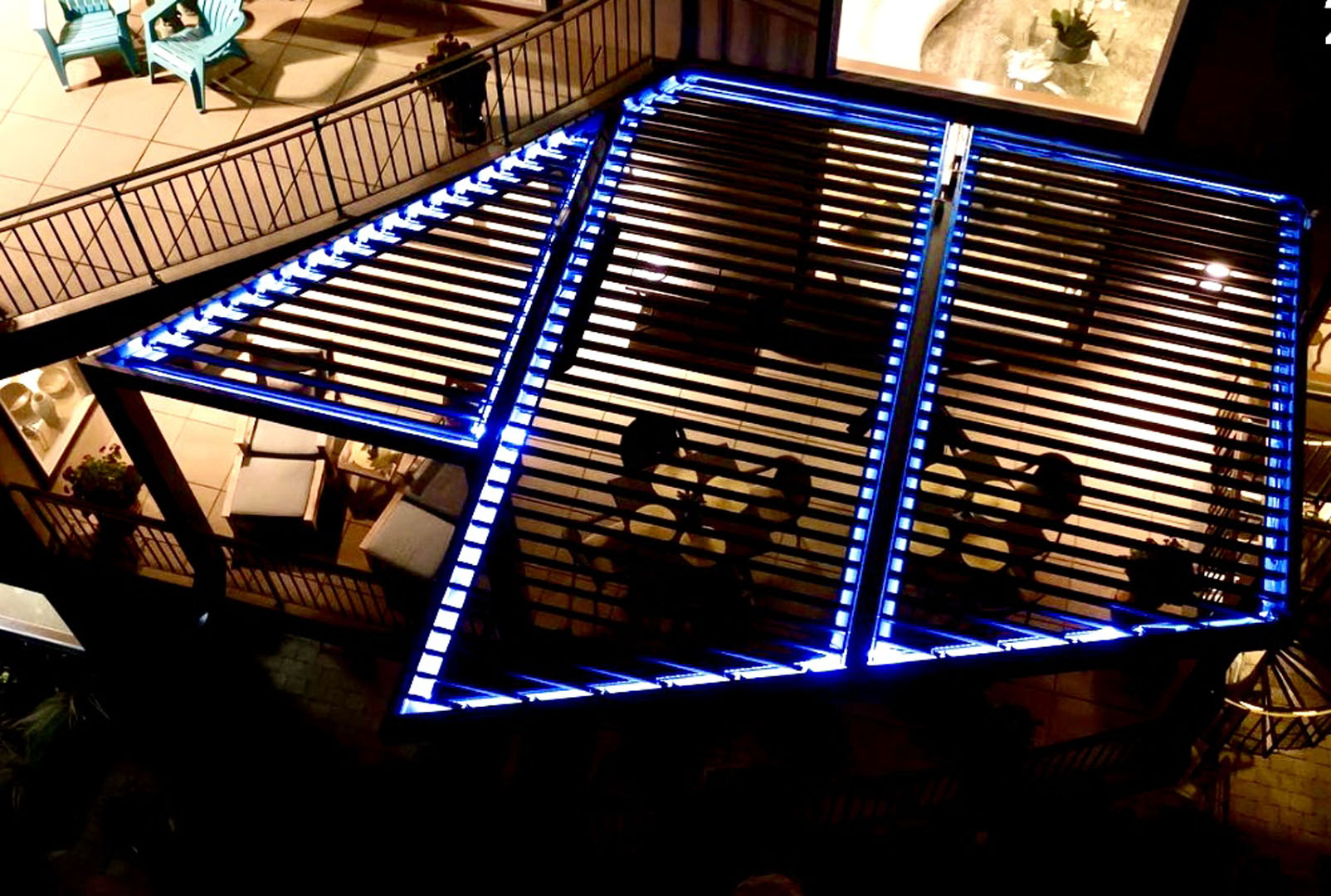
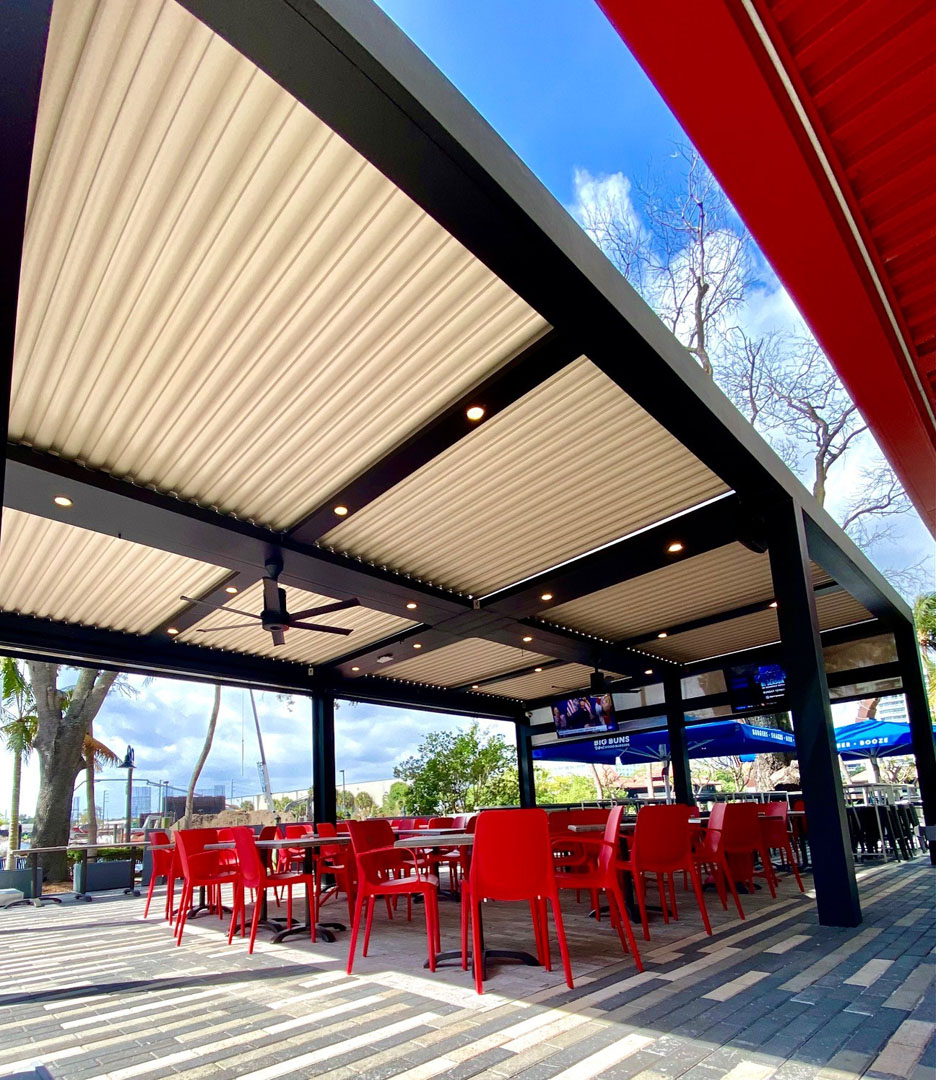
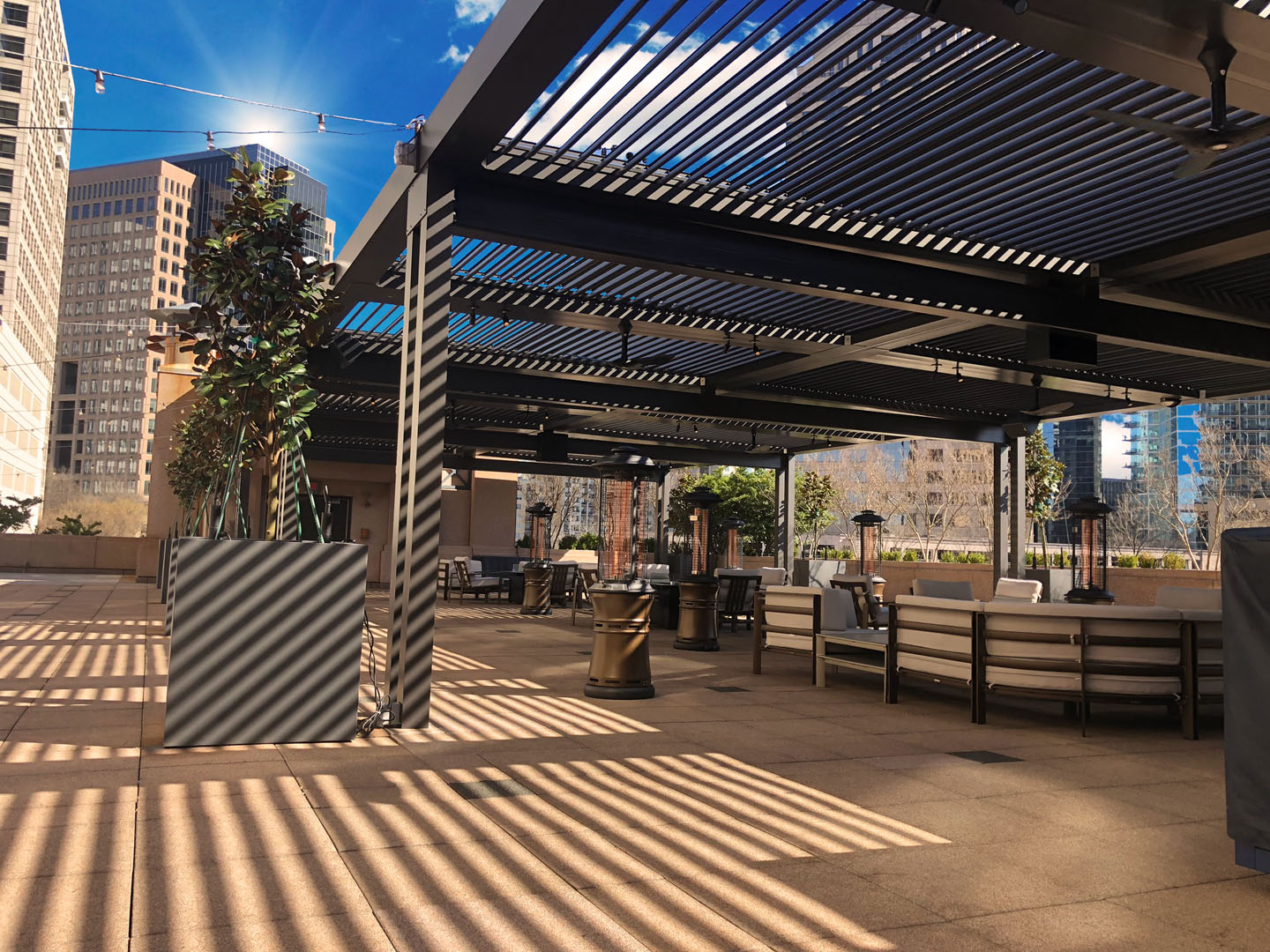
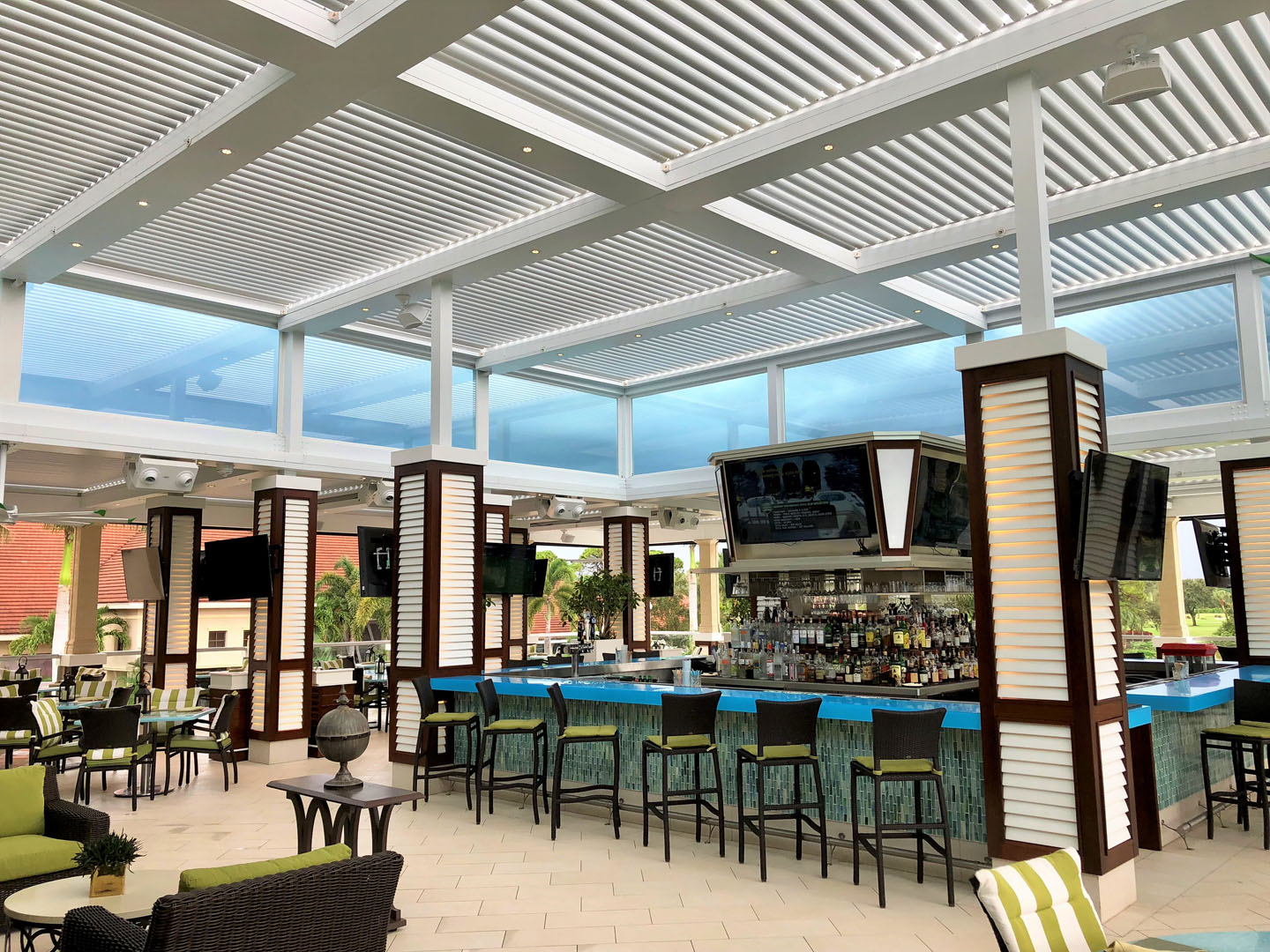
Jupiter residents center daily life around water and parks—boating, kayaking the Loxahatchee River, paddleboarding, fishing, snorkeling, beach walks at Carlin and Dubois parks, picnics and golf—while backyard and community amenities support dockside dining, spontaneous launches from waterfront properties, biking along A1A and Riverwalk trails, and gatherings at Harbourside Place or the Jupiter Inlet Lighthouse. Neighborhood pools, tennis courts, walking trails and green spaces in communities like Egret Landing and Abacoa encourage family play, outdoor fitness and social events, and housing types from waterfront estates and golf-course homes to condos commonly feature docks, Intracoastal views and yards sized for pools or pergolas. Jupiter’s mild, sun-intense, storm-prone subtropical climate pushes homeowners toward shade, wind-resistant and elevated outdoor designs—covered kitchens, pergolas and retractable louvers—to extend entertaining and waterfront living year-round.
Residential Property Characteristics of Jupiter Affecting Outdoor Living
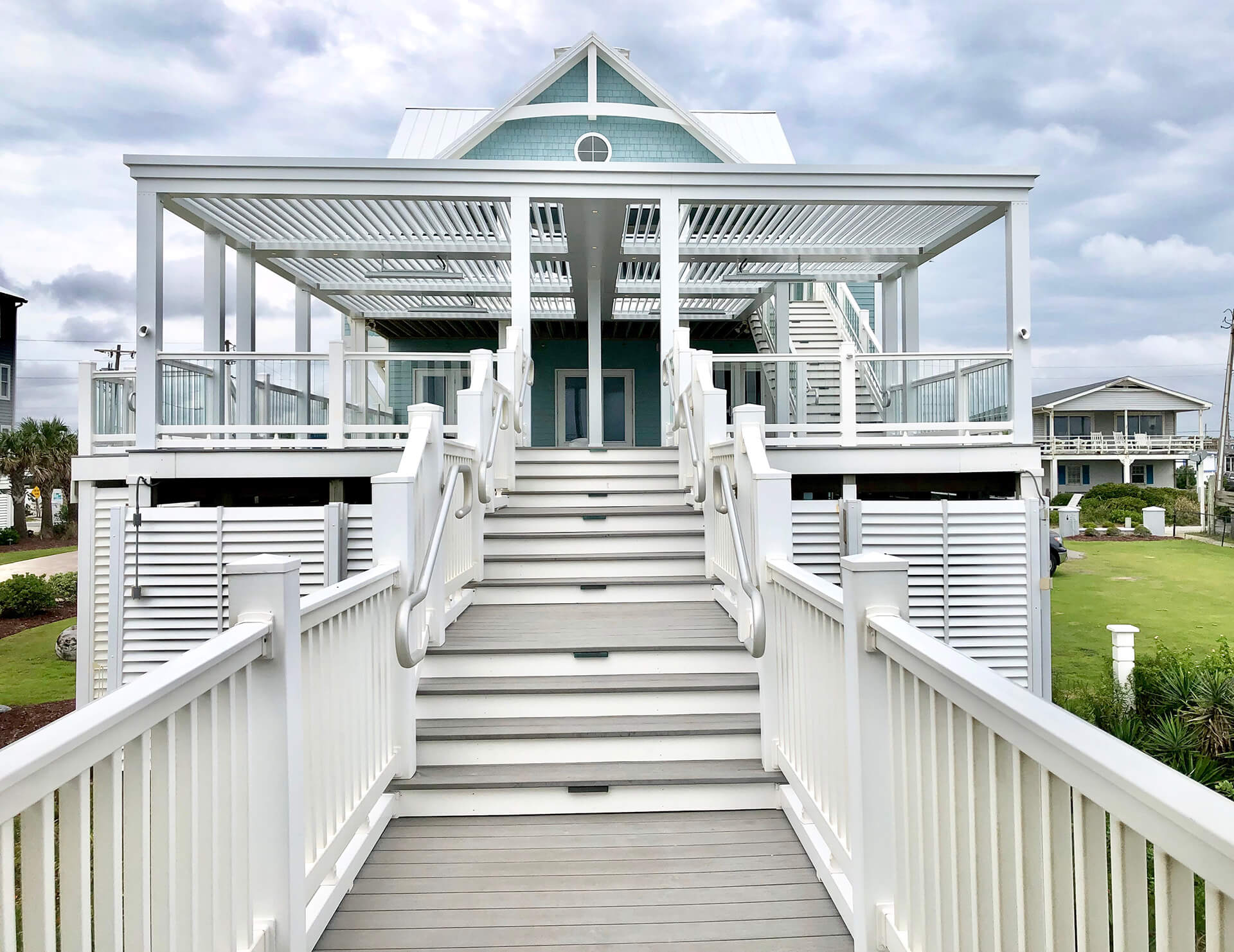
Single-family homes on mid-to-large lots dominate Jupiter, often with backyards sized for pools, outdoor kitchens and dockside dining, while waterfront estates, canal-access cottages, townhomes and condos add terraces, balconies and private docks that drive pergola placement; Mediterranean and Key West-style houses around lakes and trails, older homes retrofitted for custom outdoor features, and golf-course properties with patios further shape shade needs. Lot variability—from mid-sized yards in Jupiter Village (typical 1,200–1,600 sq ft homes) to expansive estate lots—means pergolas must accommodate docks, elevated/drainage designs for waterfront parcels, wind-rated construction for storms and retractable louvers or shades to manage Jupiter’s intense sun, with HOA rules (e.g., Admirals Cove/Jonathan’s Landing versus no-HOA The Heights) influencing permit flexibility.
Climate, Sun, and Weather Considerations in Jupiter
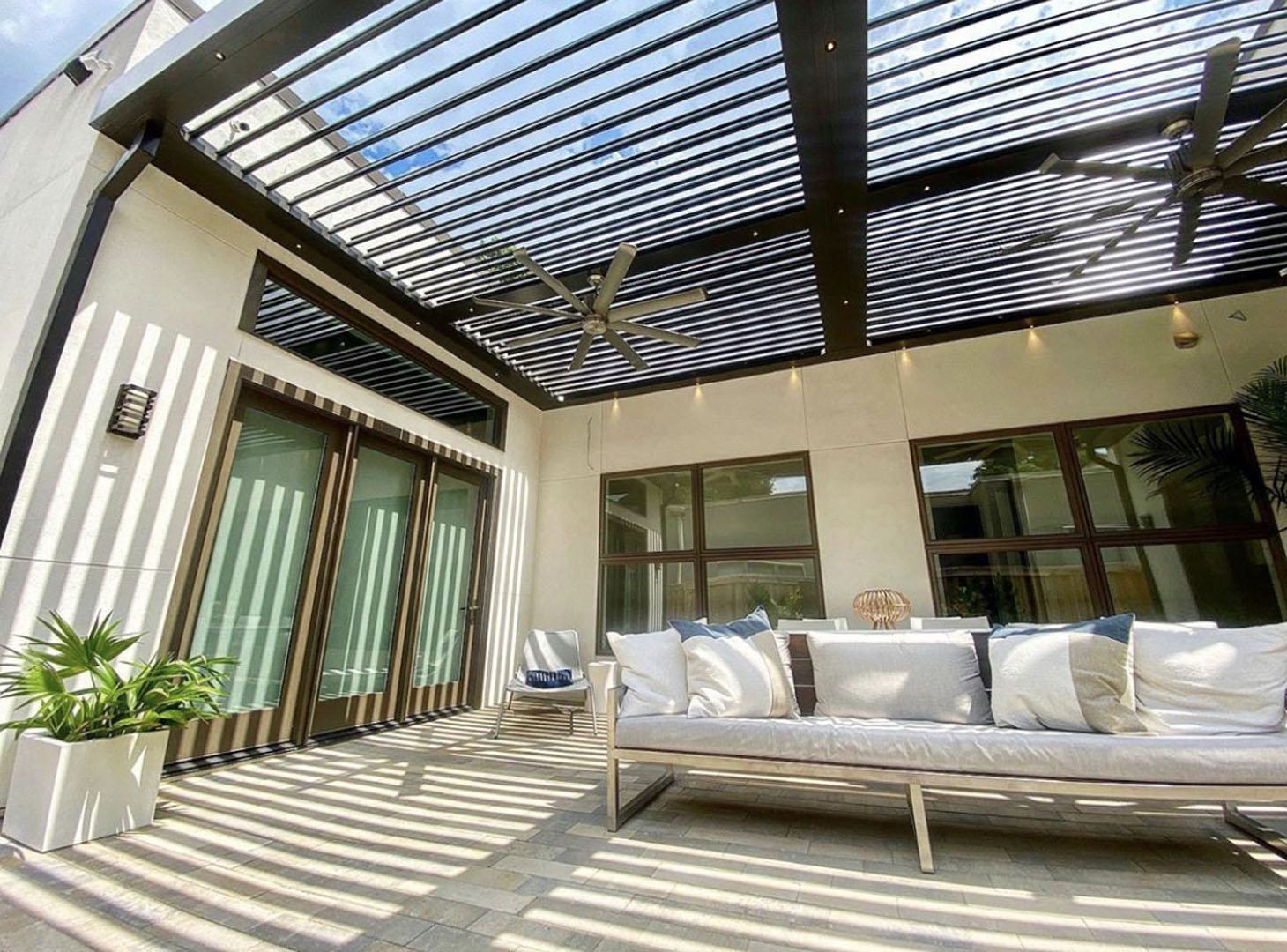
Jupiter’s subtropical climate brings intense year-round sun and high heat paired with mild temperatures that support frequent outdoor activity, but tropical storms, coastal winds, heavy rain and inlet/river exposure shape how spaces are built and used. Homeowners rely on strong shade—pergolas, covers, retractable shades or louvers—to make terraces, docks and patios comfortable during peak sun, while wind-rated materials and storm-resistant construction are essential for pergolas and waterfront structures. Elevated foundations, robust drainage and flood-aware siting protect yards and docks from heavy rainfall and surge, and thoughtful placement of shaded areas maximizes comfort for boating, golfing and poolside living amid the persistent coastal sun and breeze.
Why Jupiter Is Ideal for Outdoor Living
Jupiter’s outdoor-oriented lifestyle—centered on boating, kayaking the Loxahatchee, fishing, beach walks at Carlin and Dubois Parks, paddleboarding and golfing—naturally pushes homeowners to expand usable yards with patios, pergolas and covered terraces for dockside dining, post-round relaxation and family gatherings. Single-family lots, waterfront estates and golf-course homes provide space for pools, docks and outdoor kitchens, while preserved parks, trails and low-traffic neighborhoods encourage frequent backyard use. The subtropical climate with year-round sun, coastal winds and occasional tropical storms makes shade, louvers/retractable covers, wind-rated materials and elevated drainage essential, turning pergolas and covered spaces into practical comfort and storm-resilient living areas. Combined with high local ratings for natural environment and demand from retirees, families and seasonal buyers, Jupiter is primed for outdoor living upgrades.
Outdoor Living and Home Upgrade FAQ
Are Jupiter yards typically large enough for pools, pergolas, and docks? Yes. Single-family homes on mid-to-large lots (e.g., Jupiter Village, The Heights) commonly support pools and covered living spaces; waterfront estates accommodate private docks.
Is Jupiter’s climate suitable for year-round outdoor living? Largely yes—mild temperatures enable frequent outdoor use, but intense sun and coastal winds mean shade and wind-resistant designs are important.
What storm-resistant features should I include for pergolas or covered structures? Use wind-rated materials, reinforced connections, elevated designs and good drainage; include storm-resilient details common on coastal properties.
Which neighborhoods offer best boating or dockside access? Admirals Cove, Jupiter Inlet Colony and Jonathan’s Landing provide direct Intracoastal/inlet access and marina views.
Will HOA rules limit pergola or patio installations? Some communities have fees and guidelines (e.g., Admirals Cove, Jonathan’s Landing); no-HOA areas like The Heights allow more customization.