
Embracing Outdoor Life in Florida City
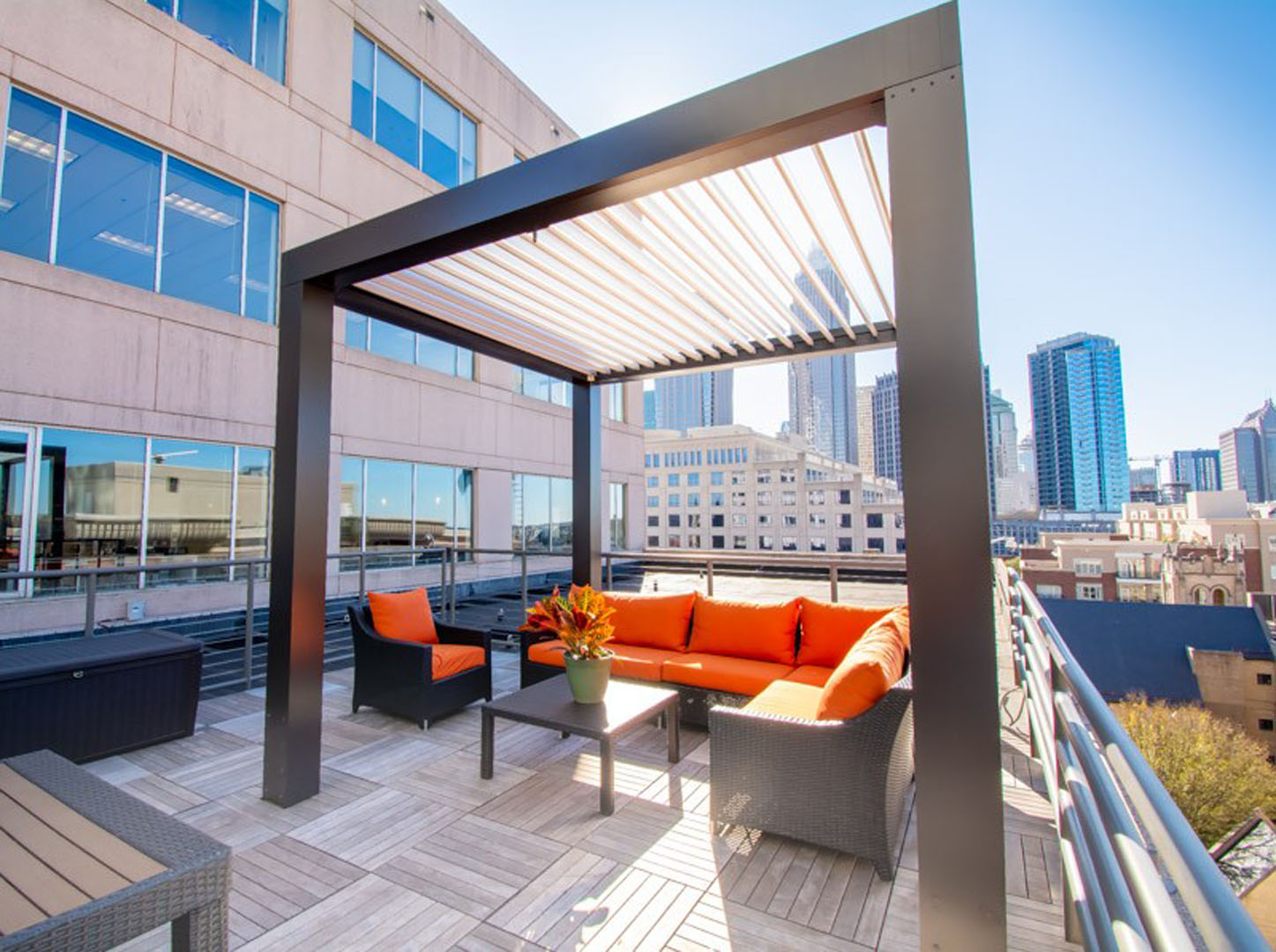
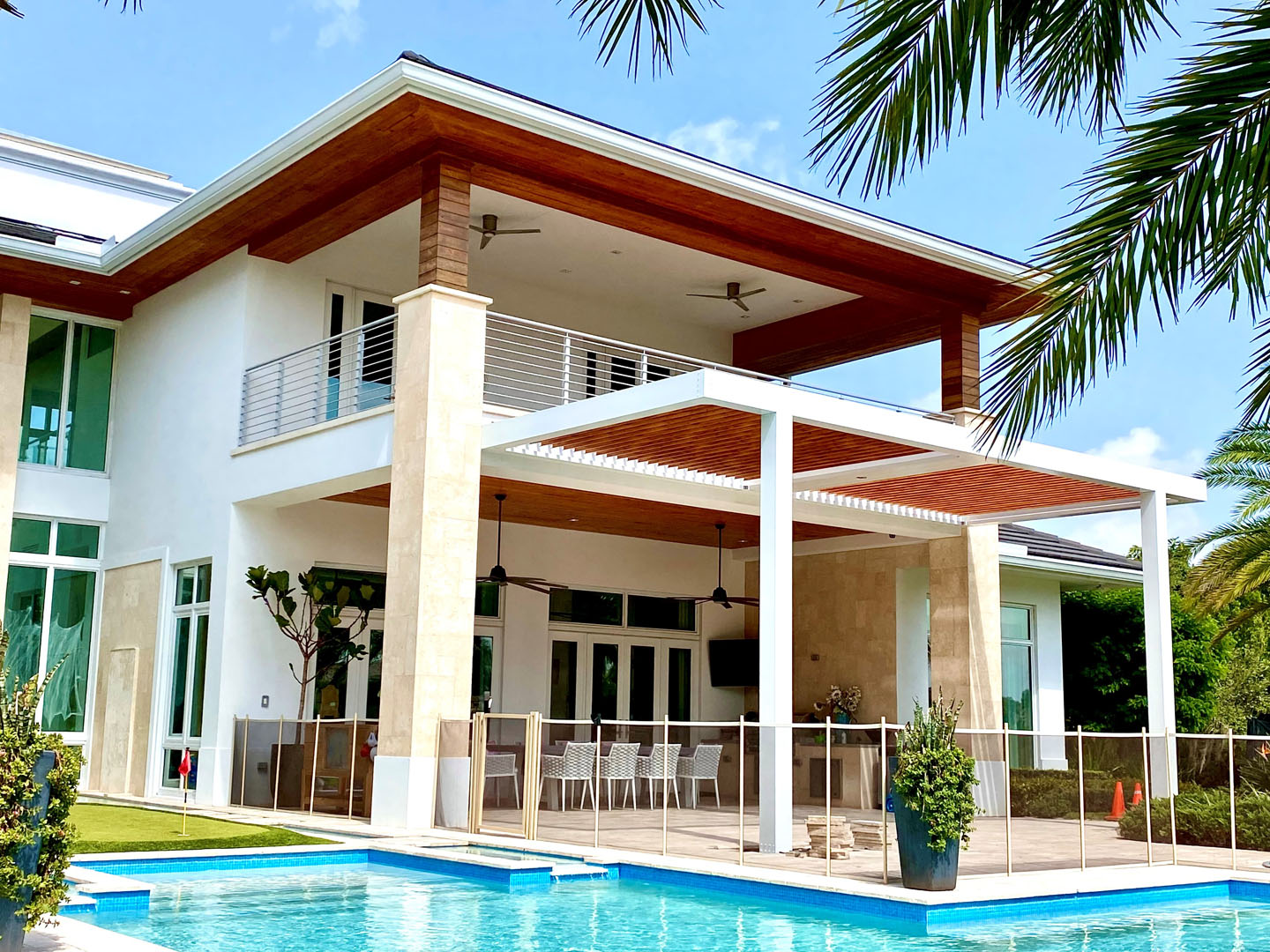
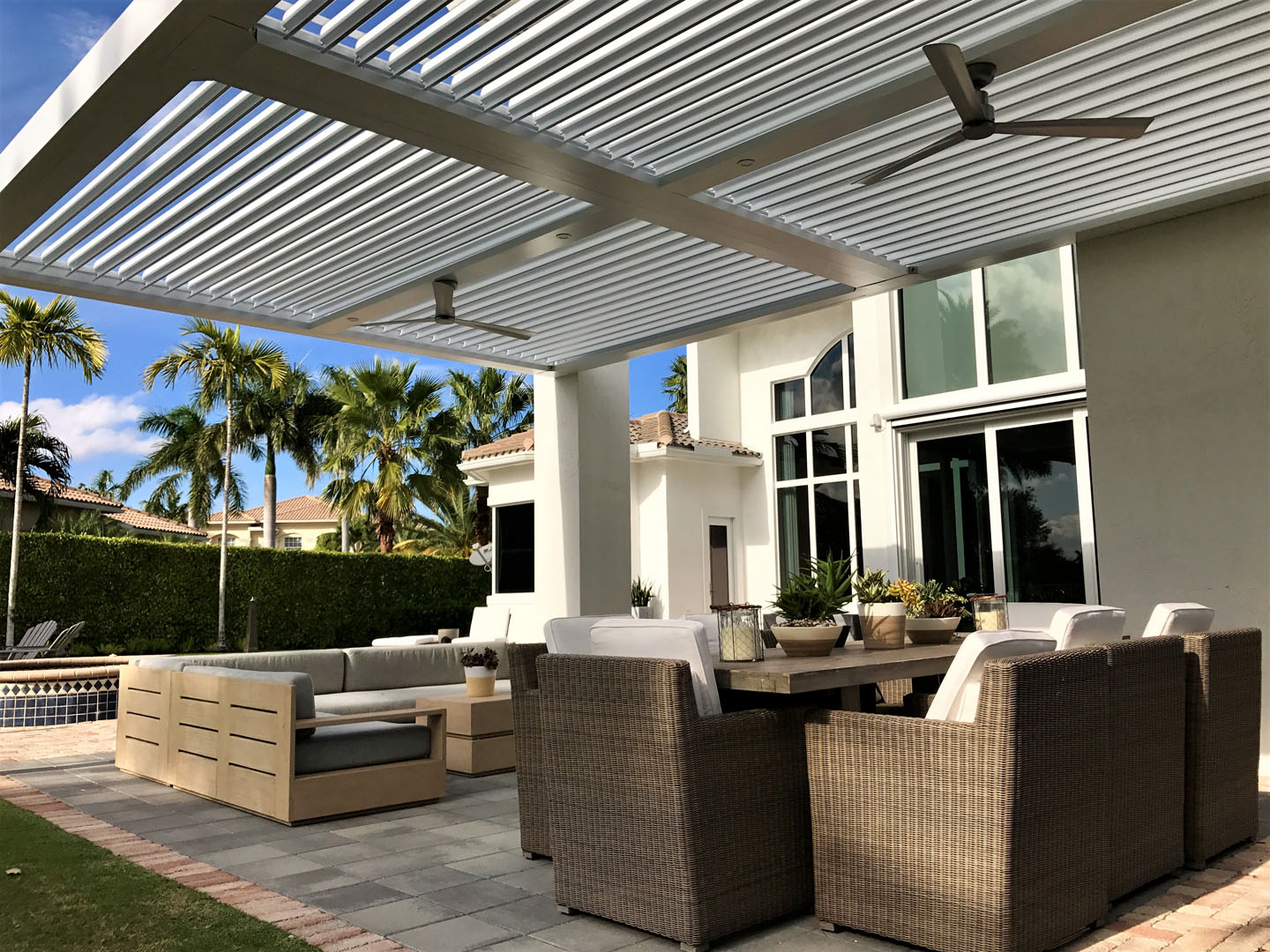
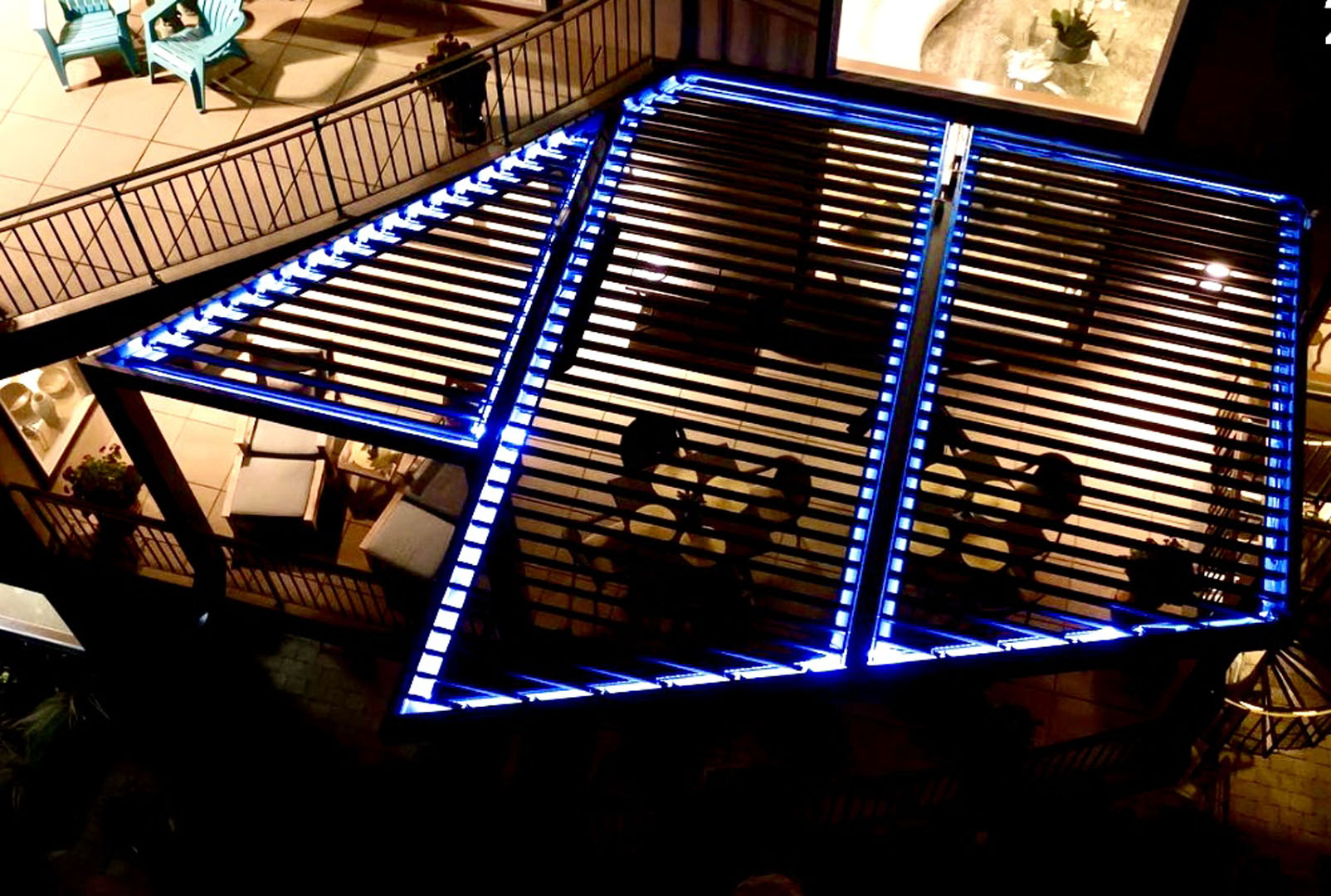
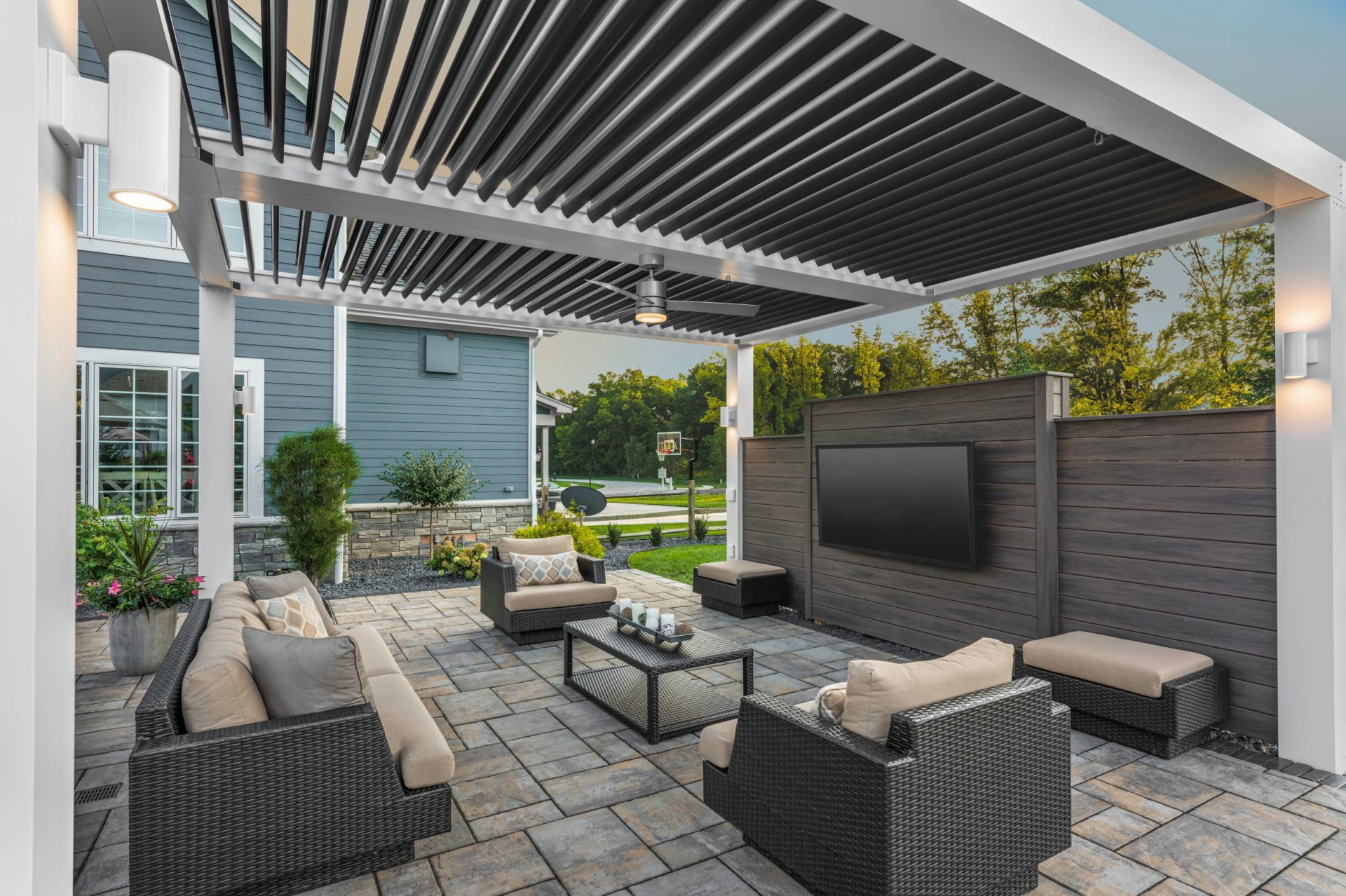
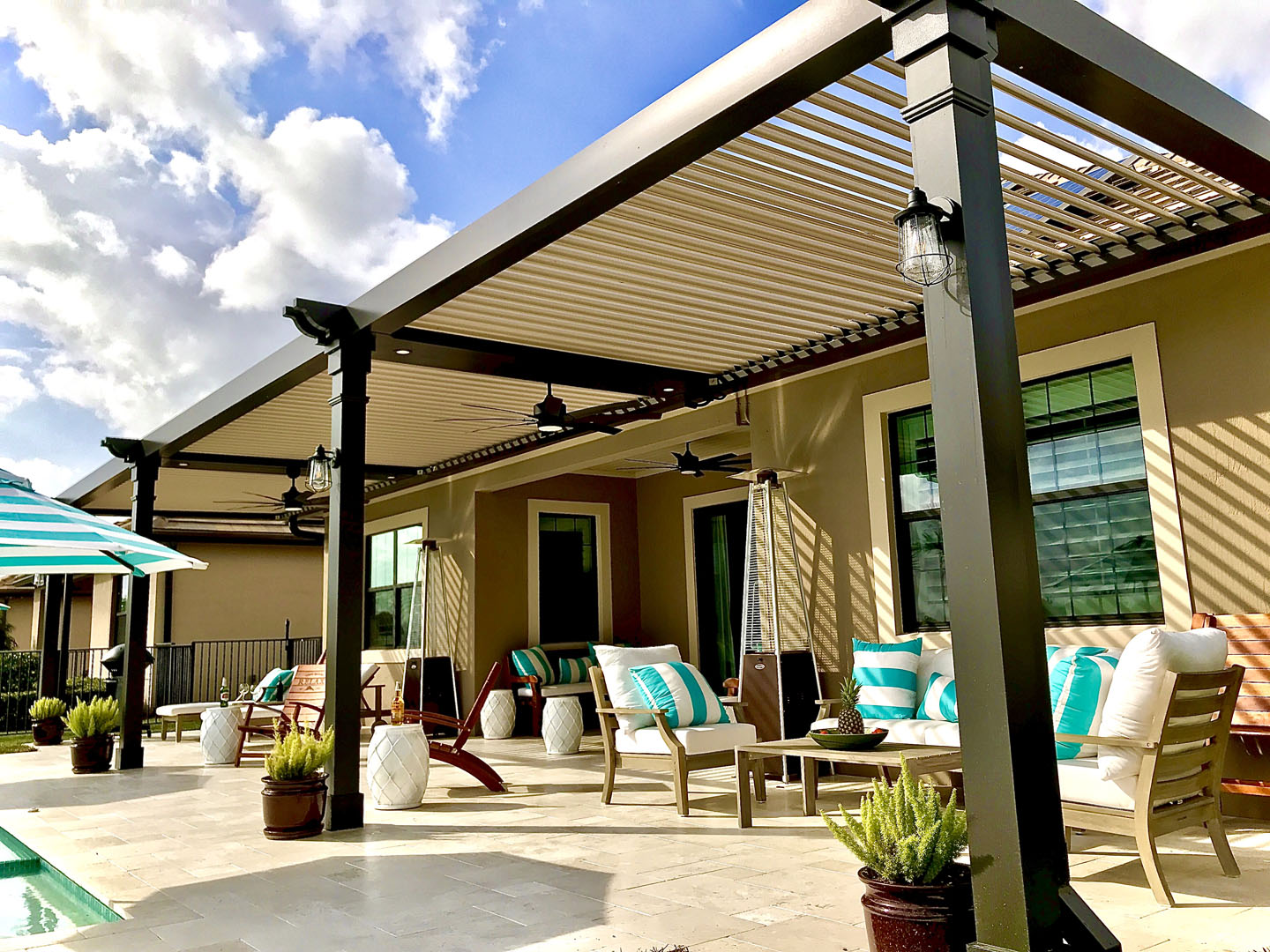
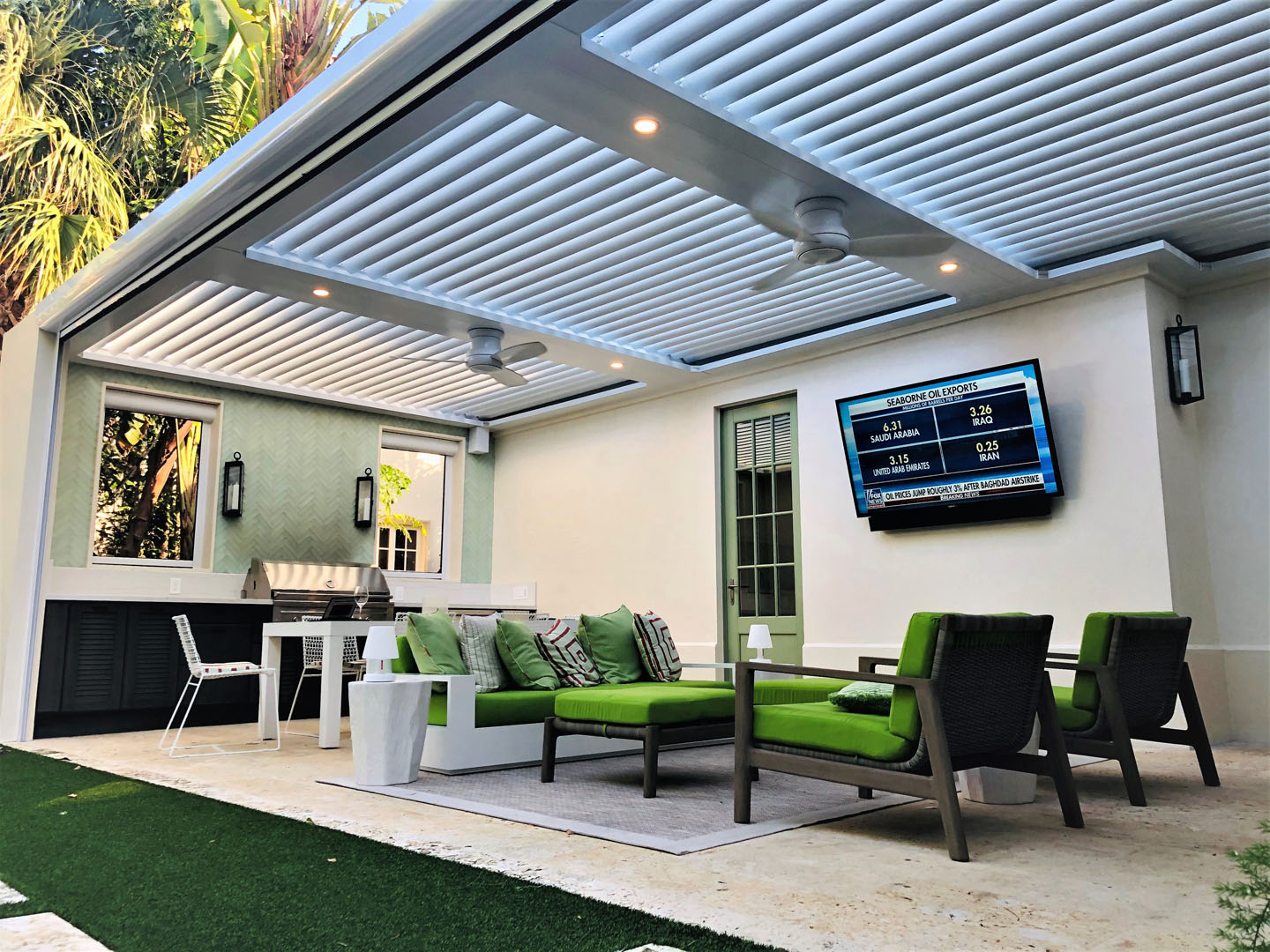
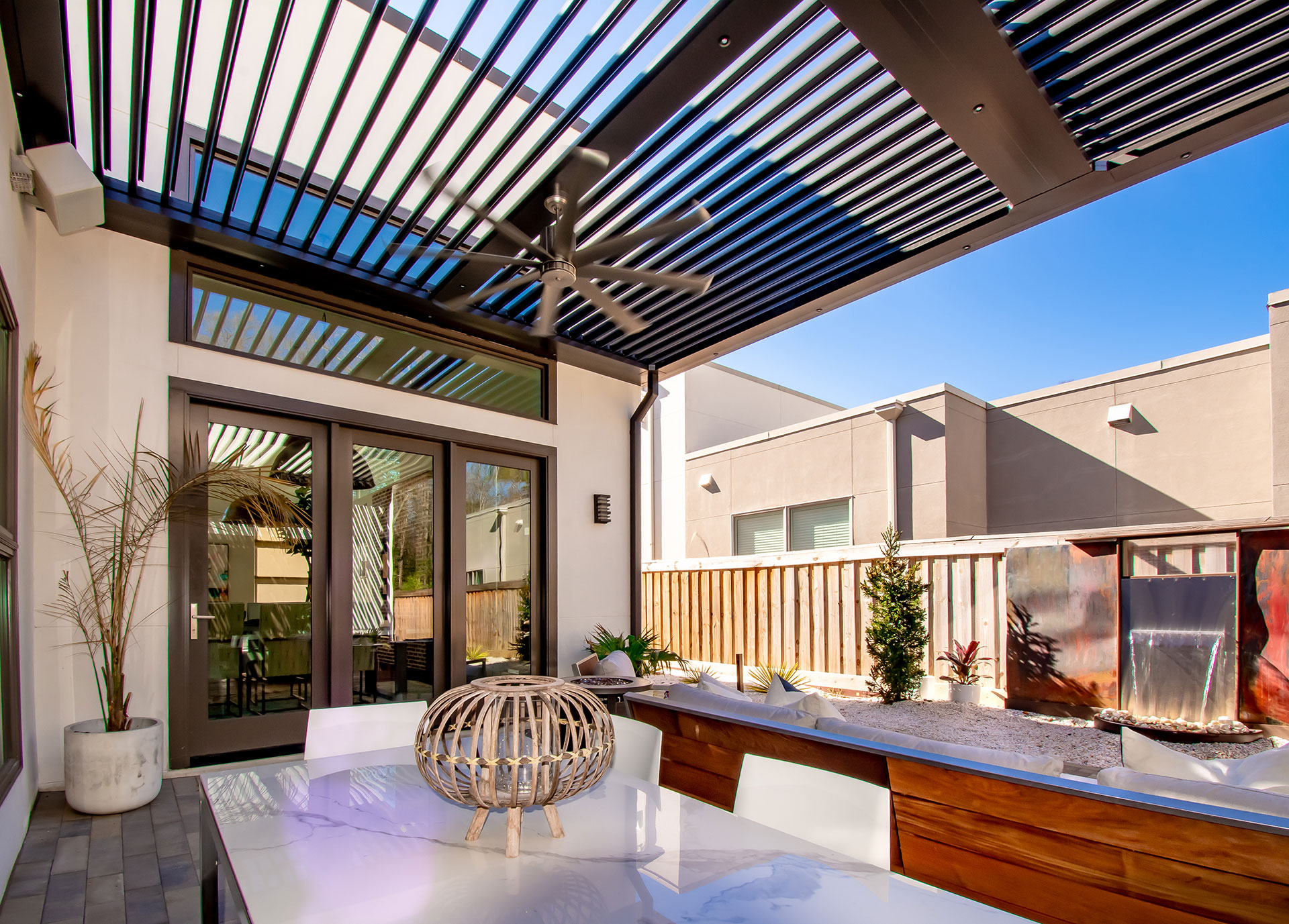
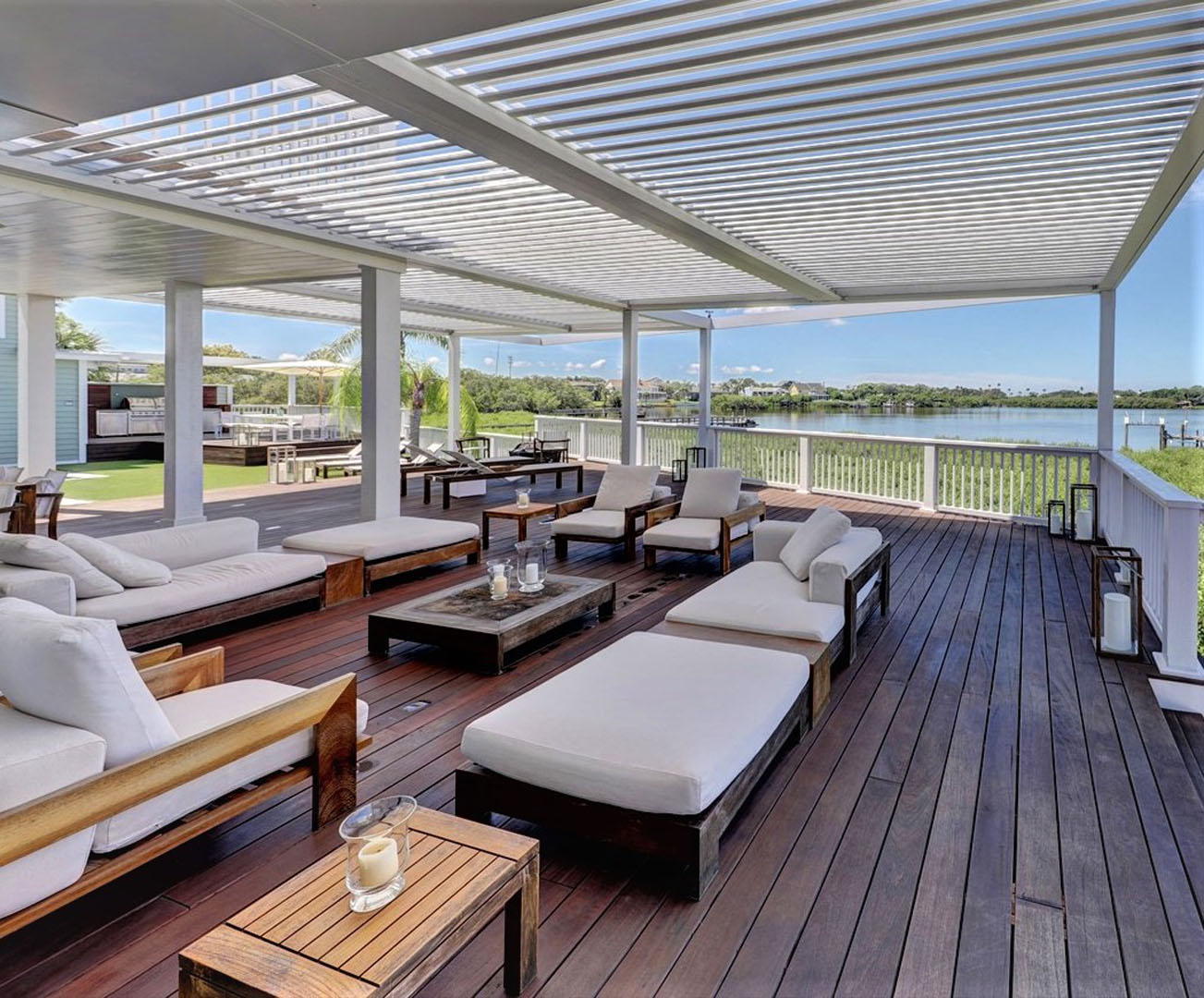
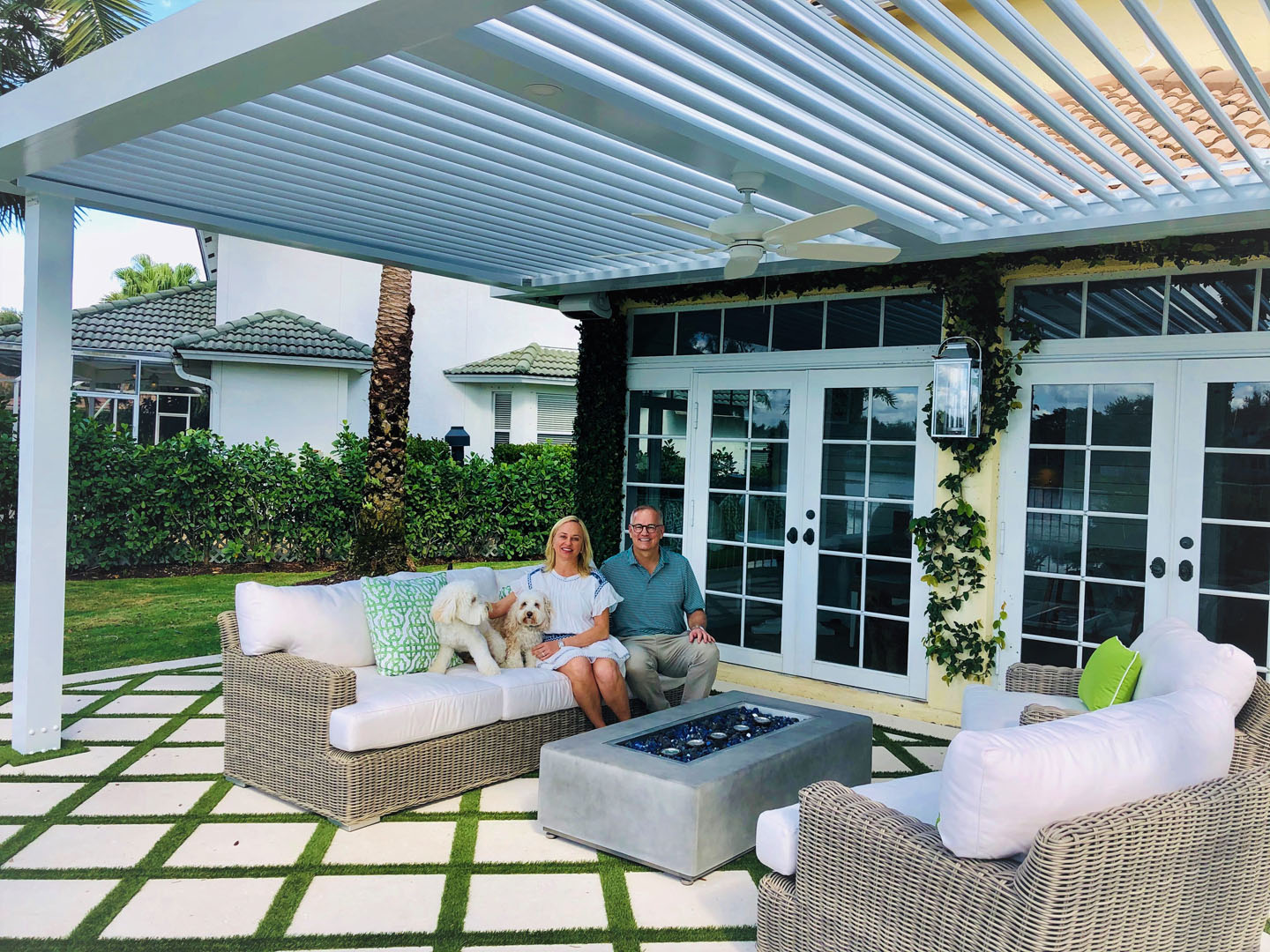
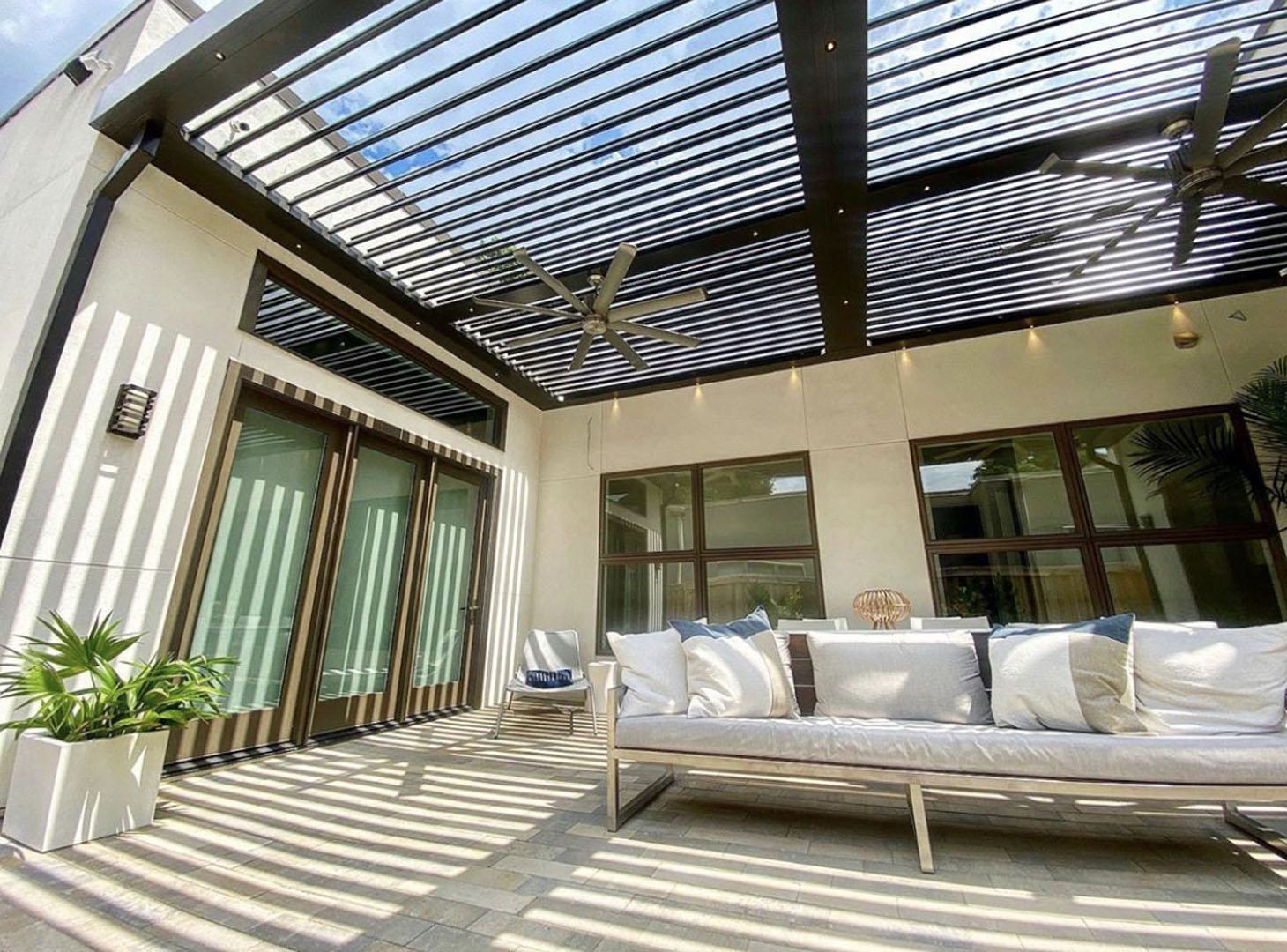
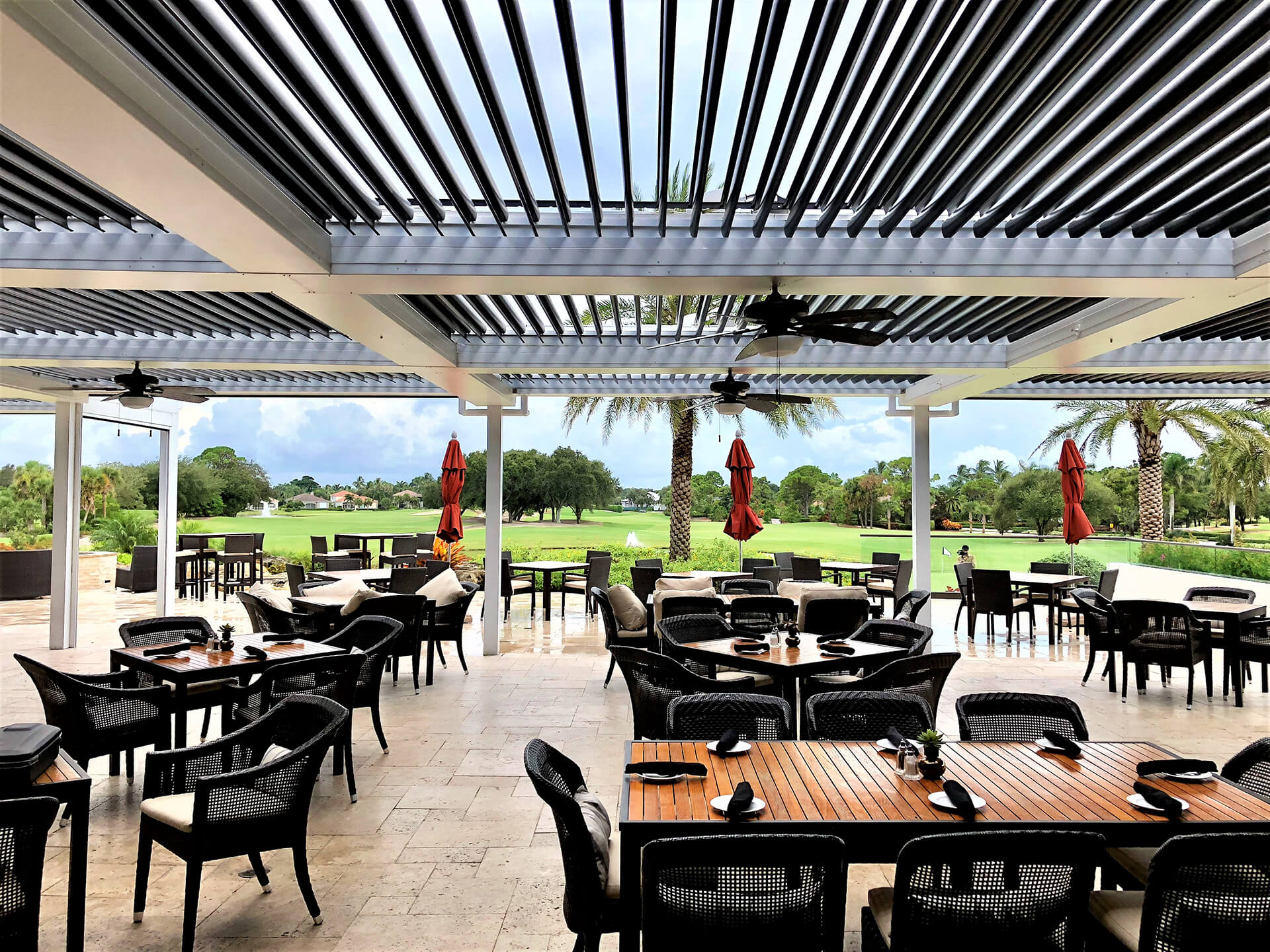
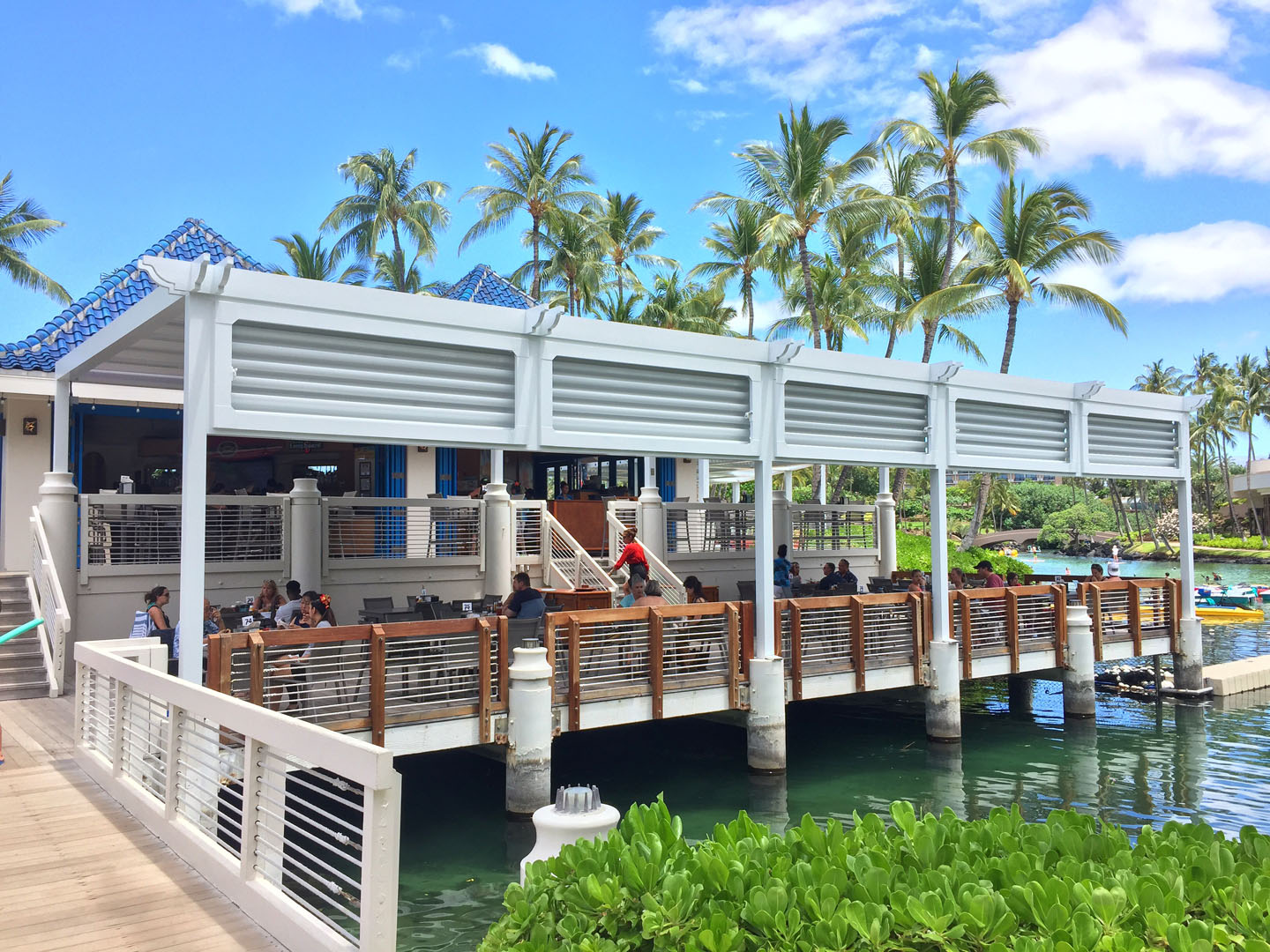
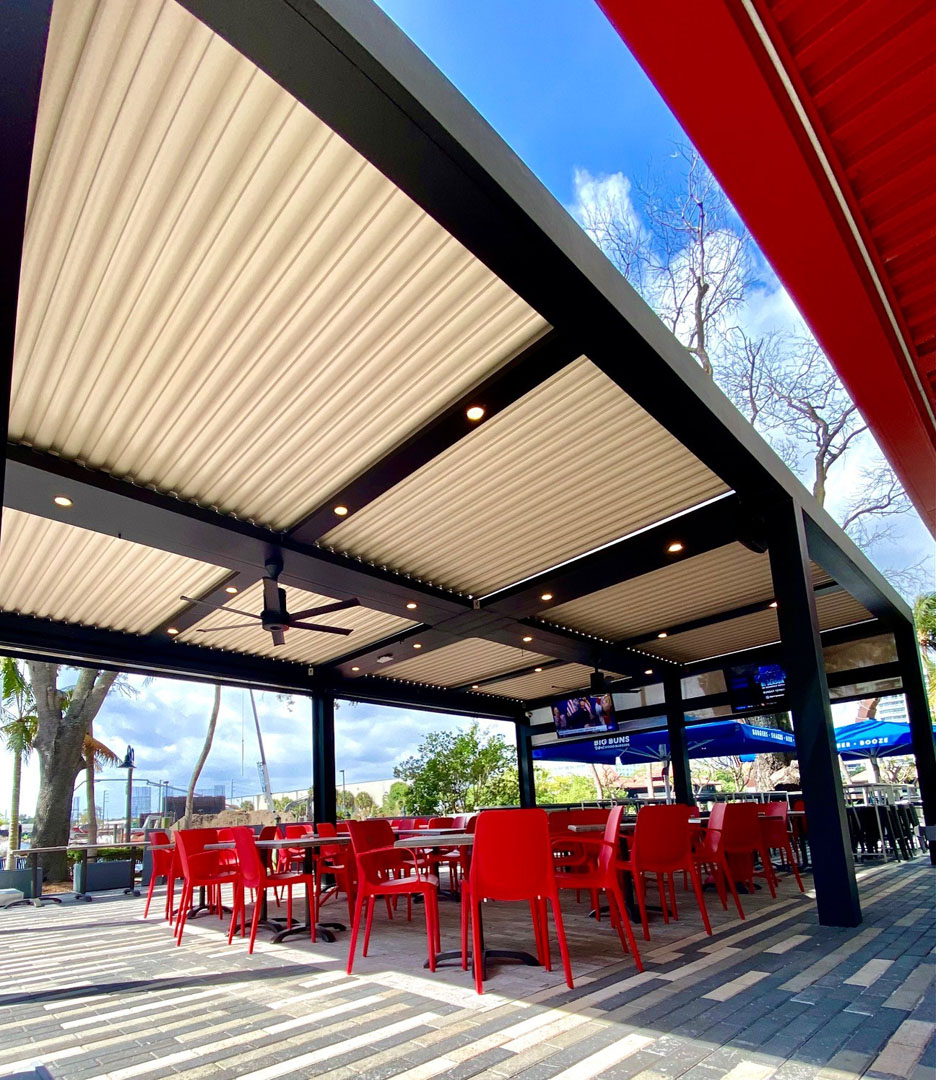
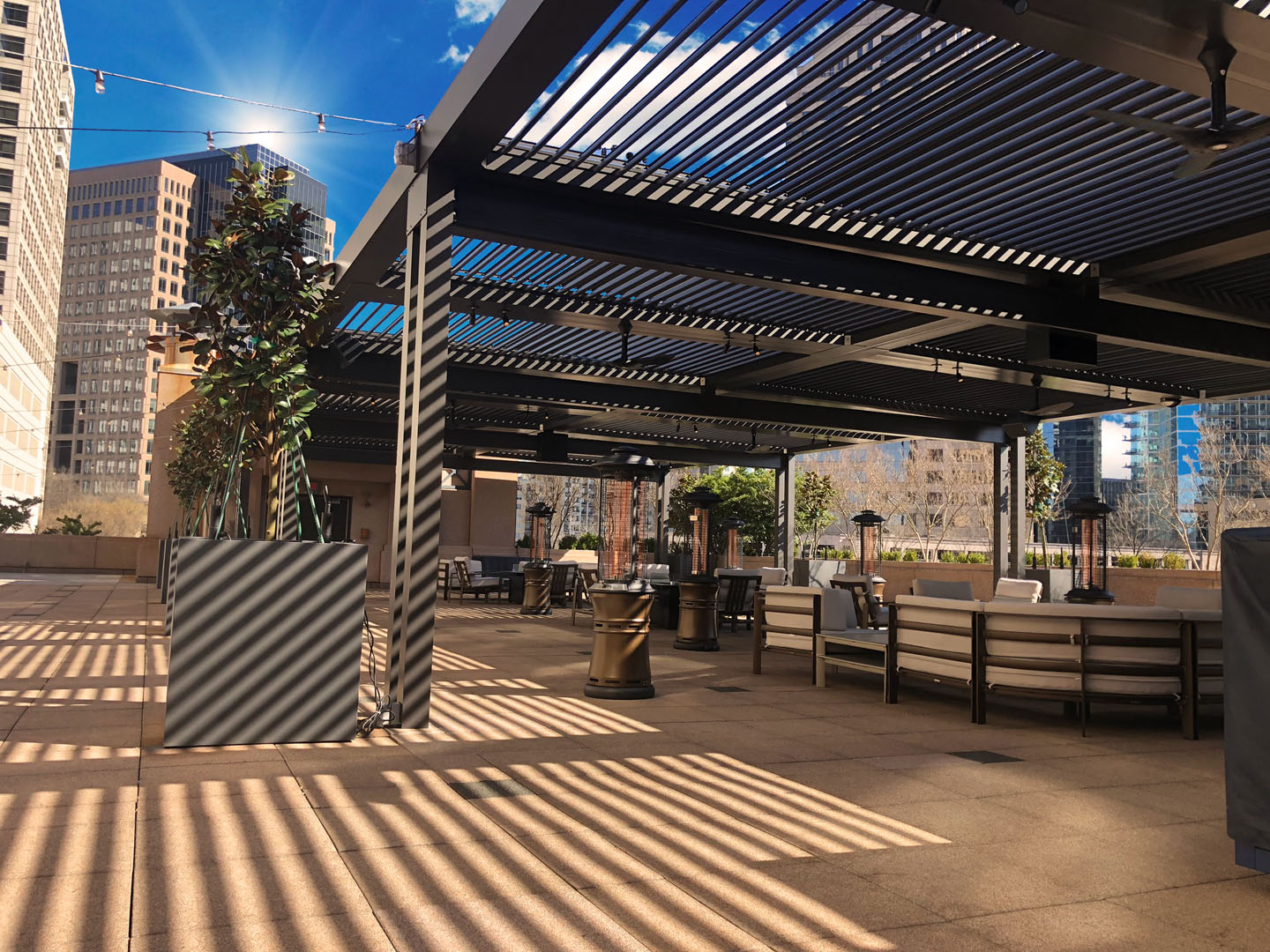
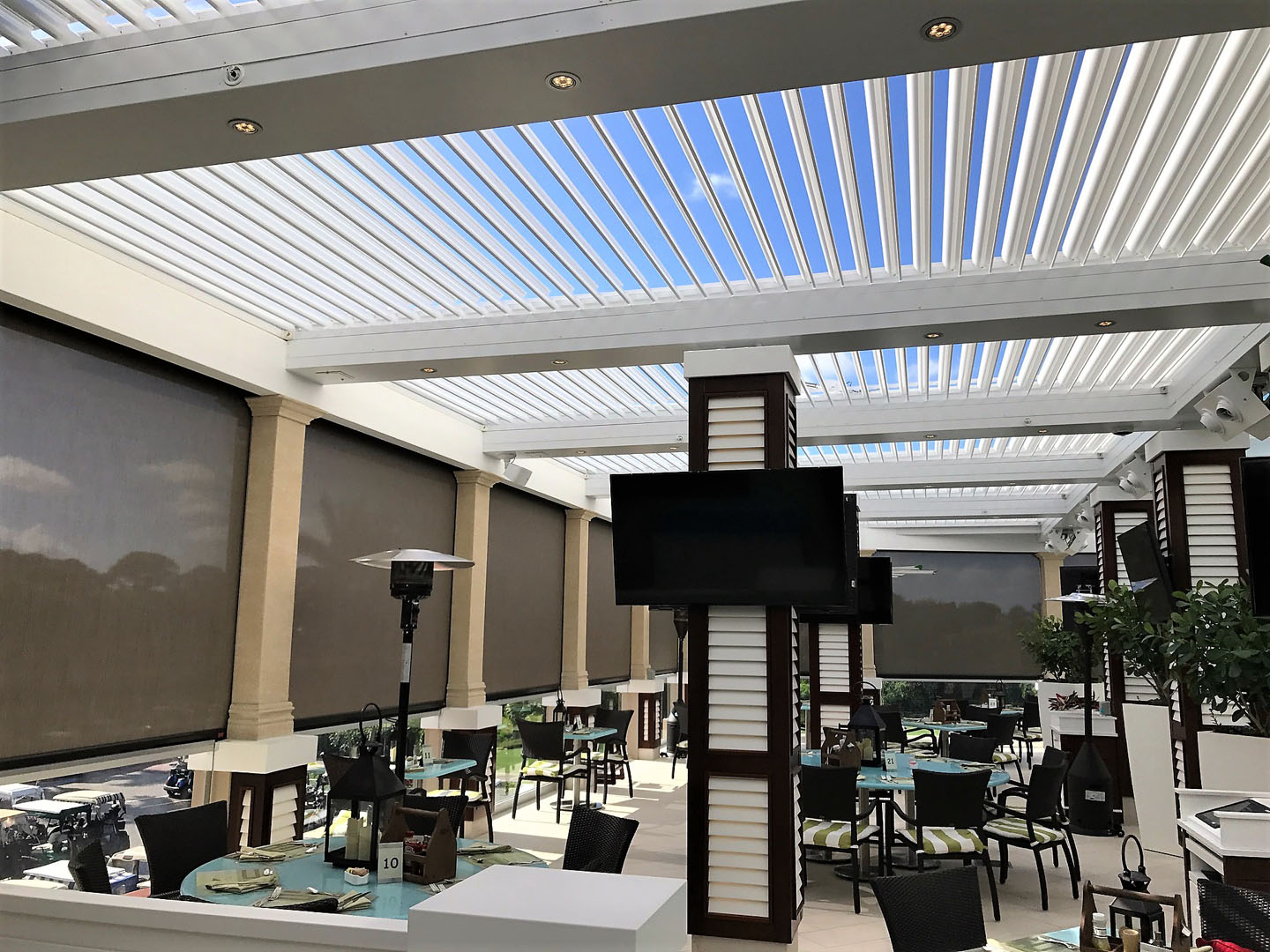
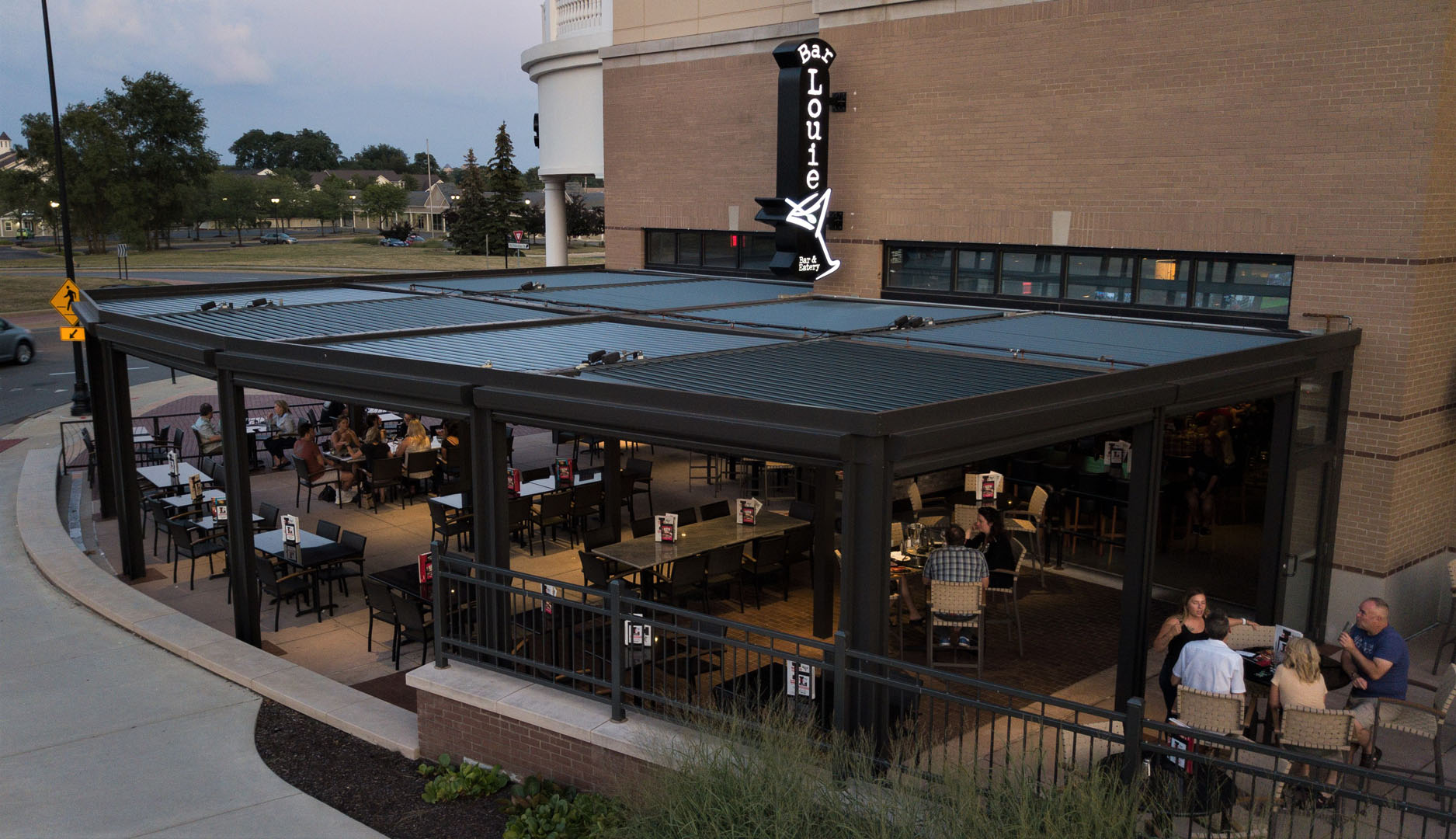
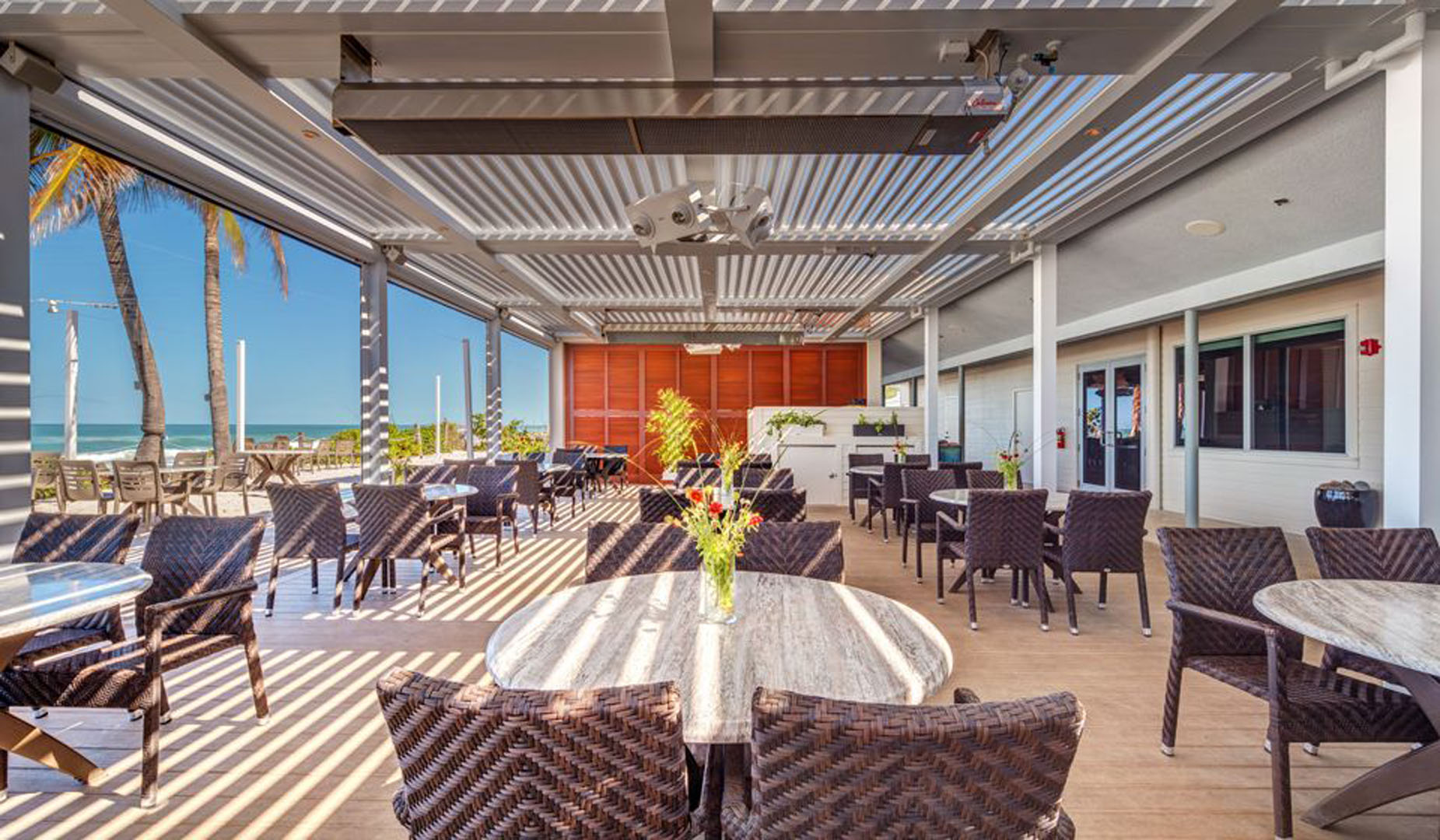
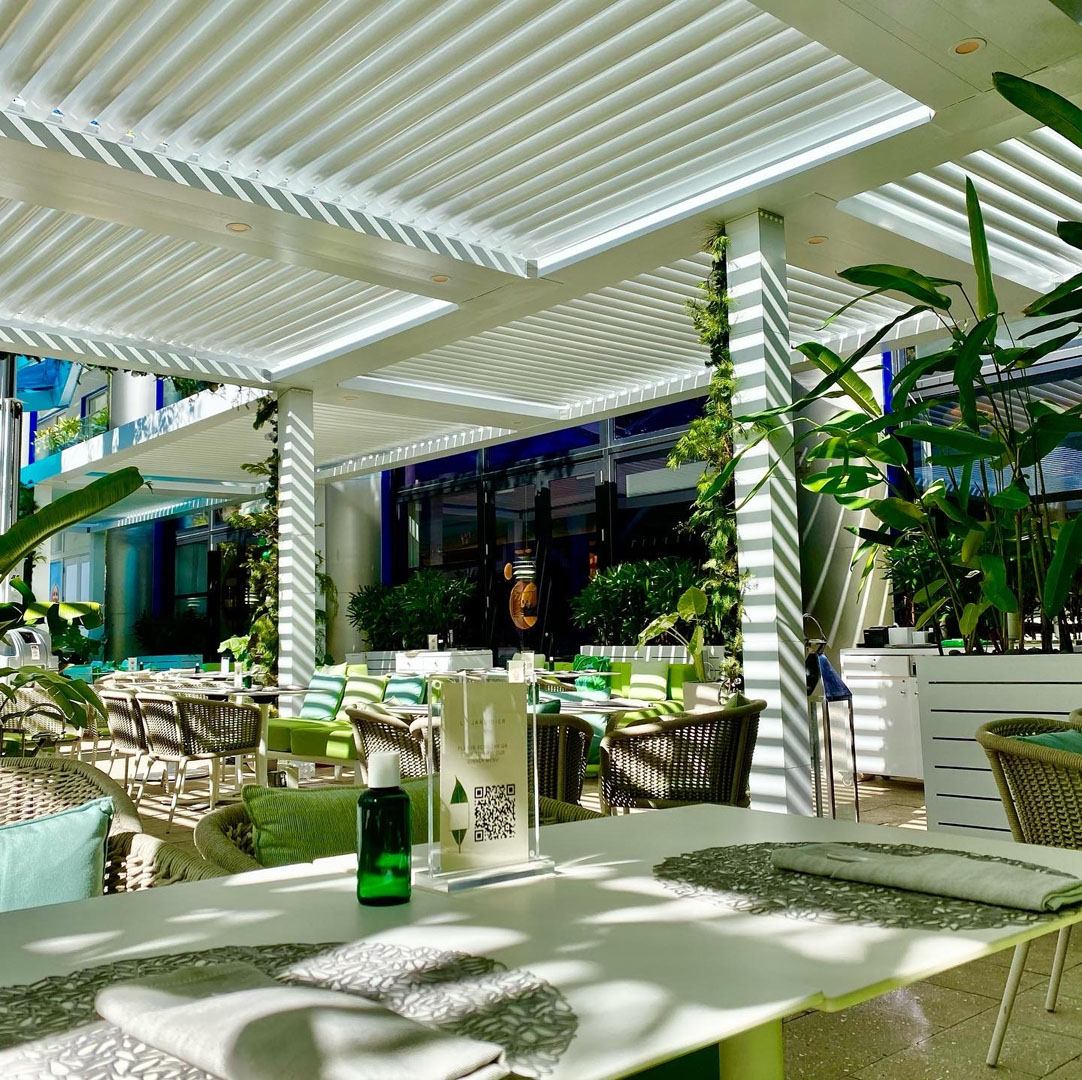
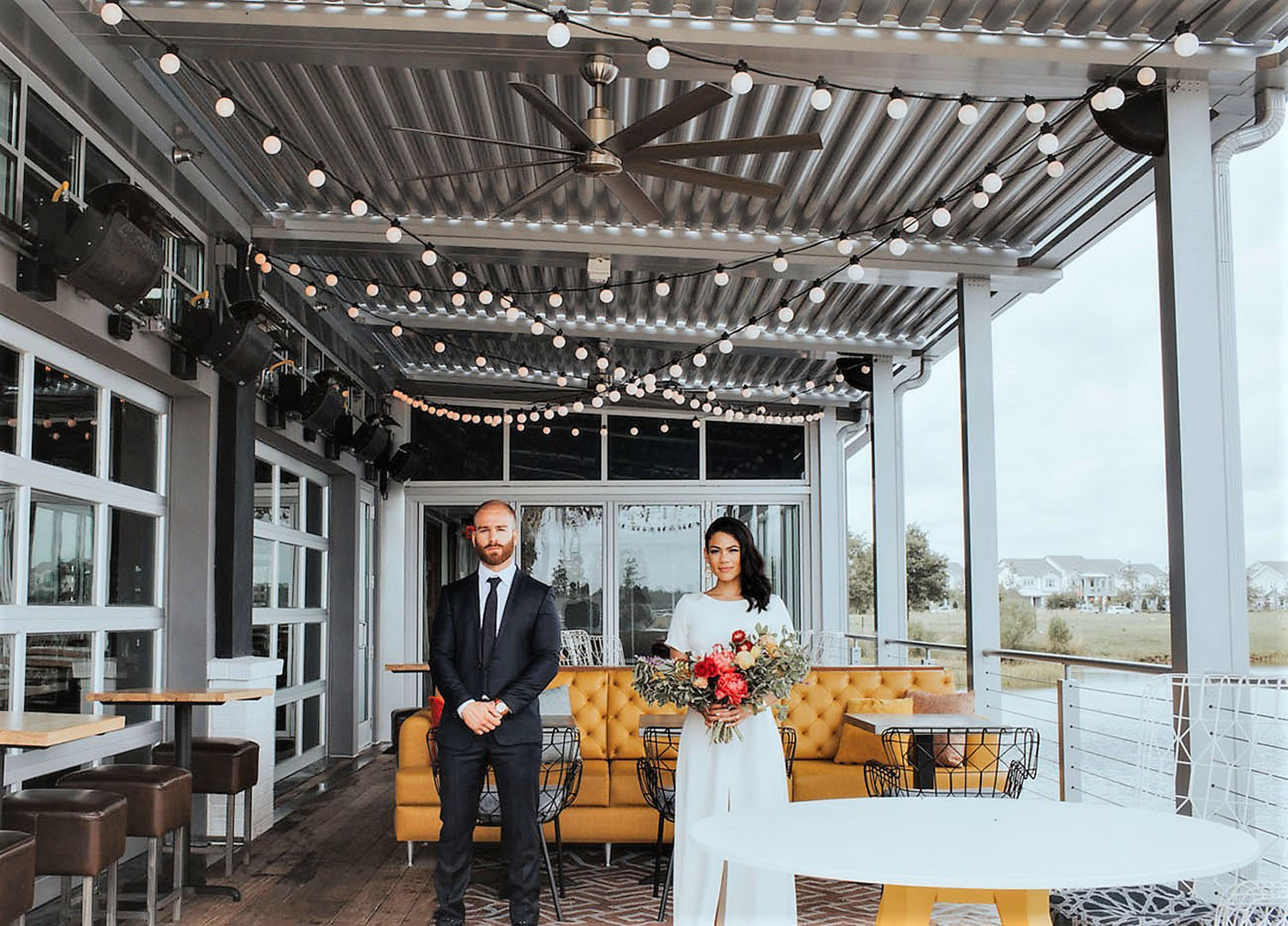
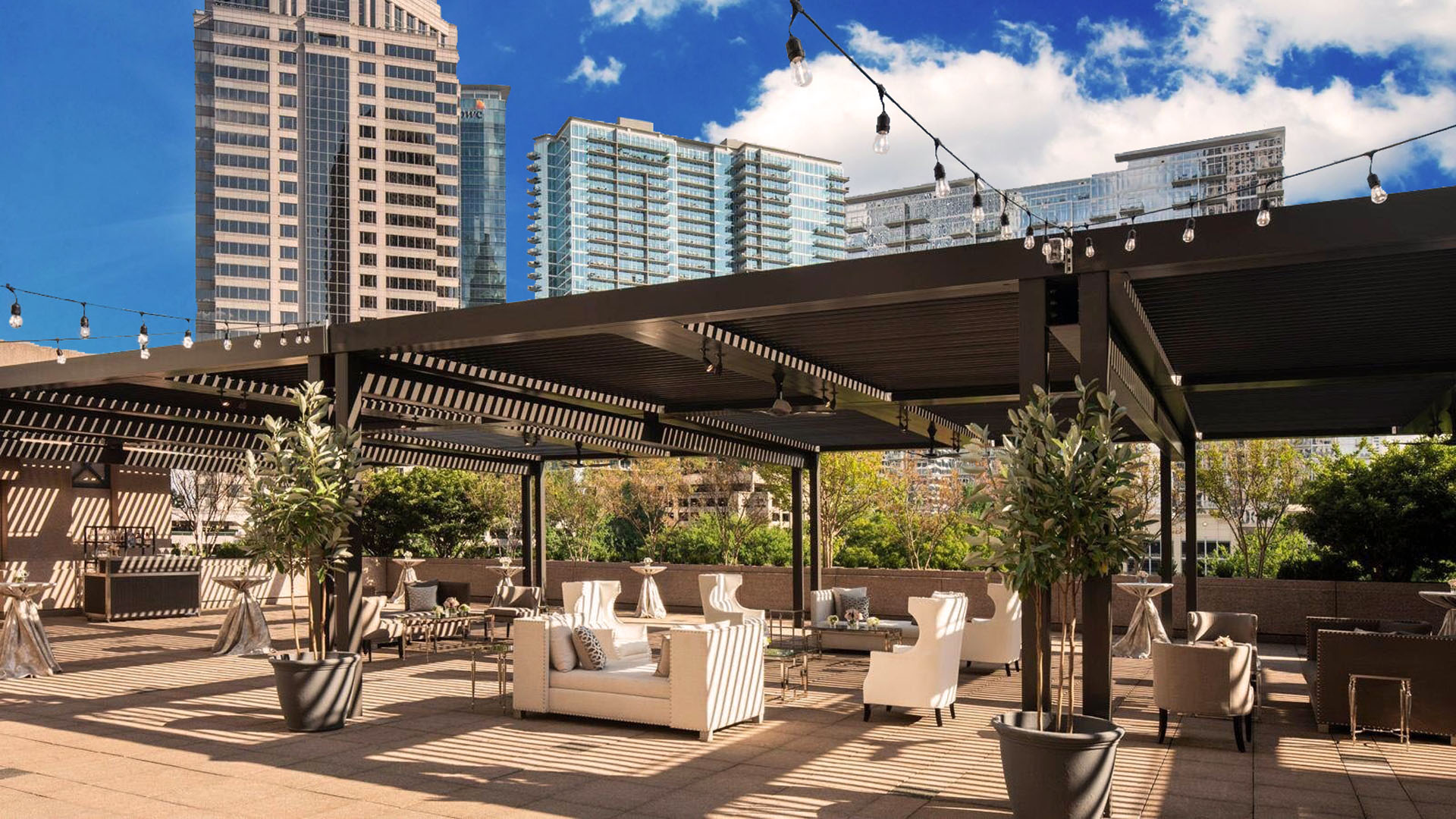
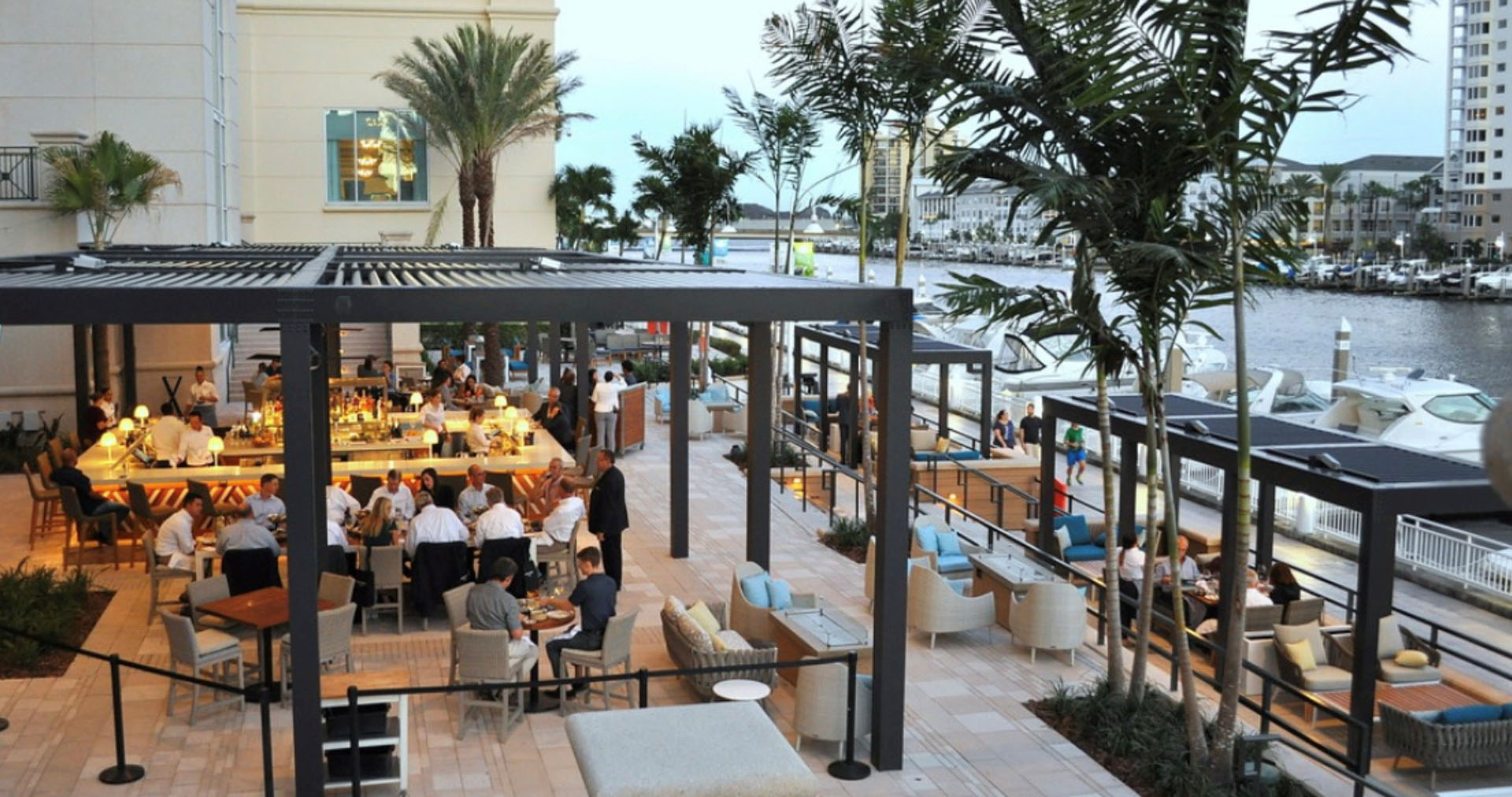
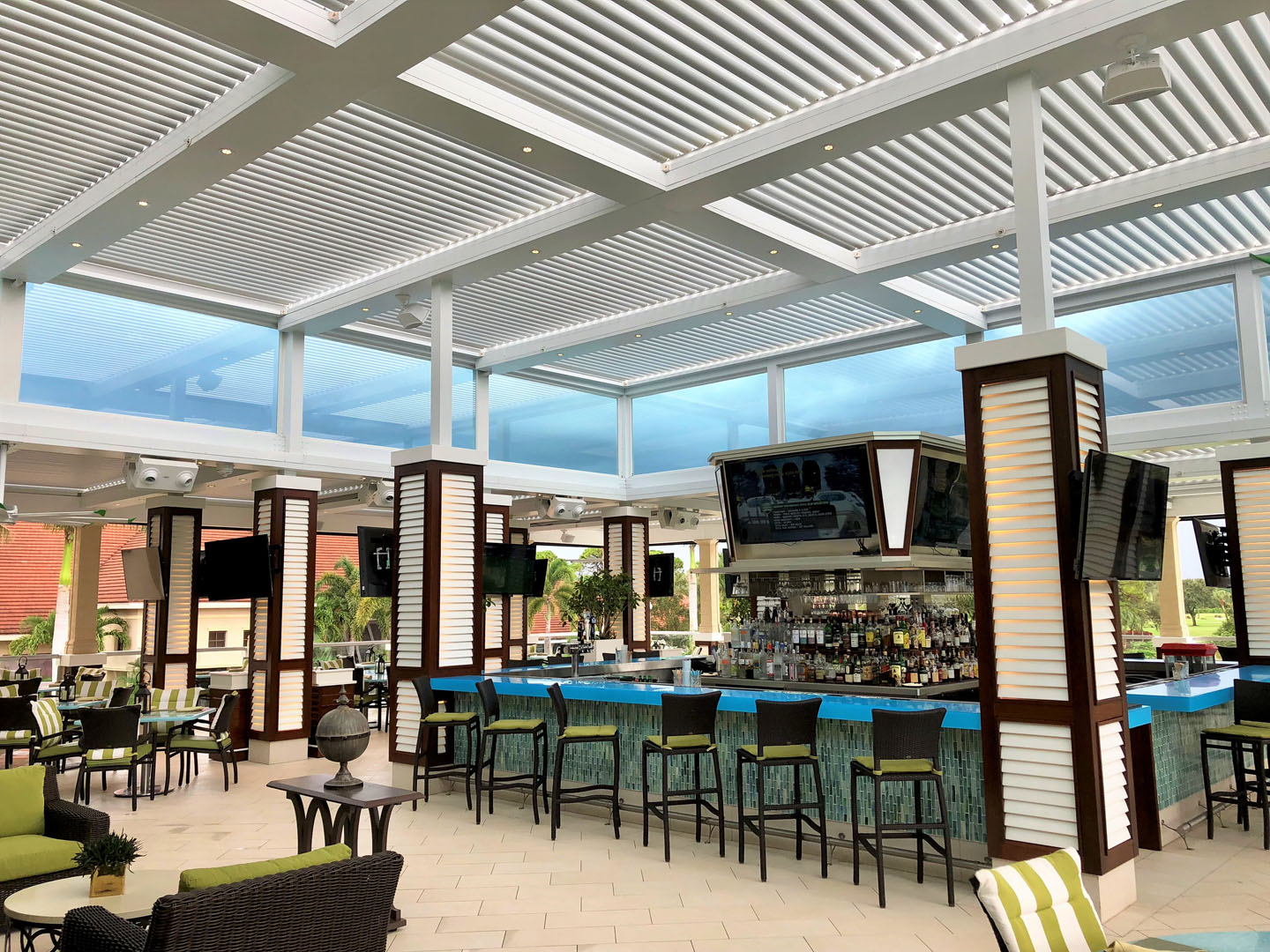
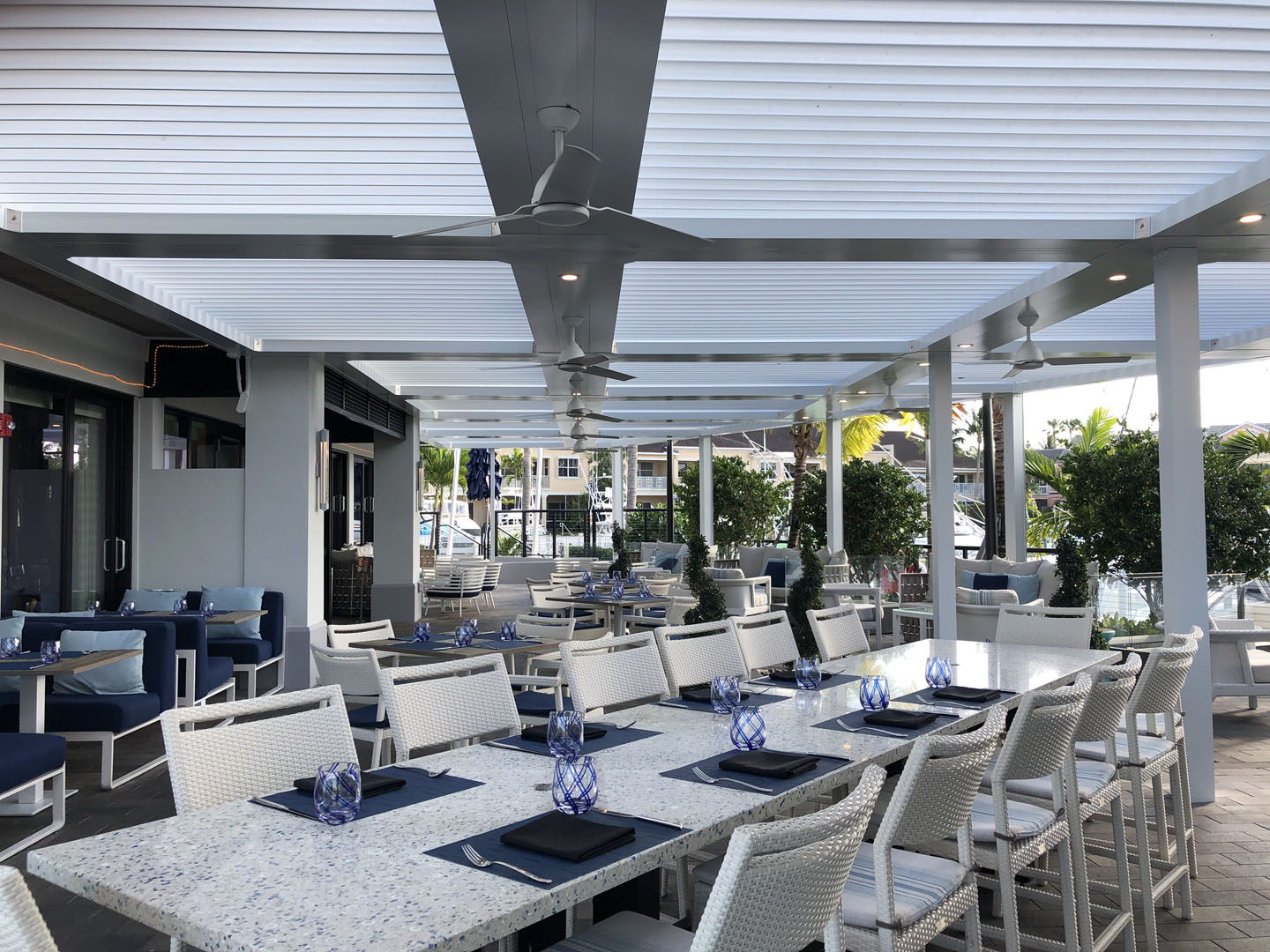
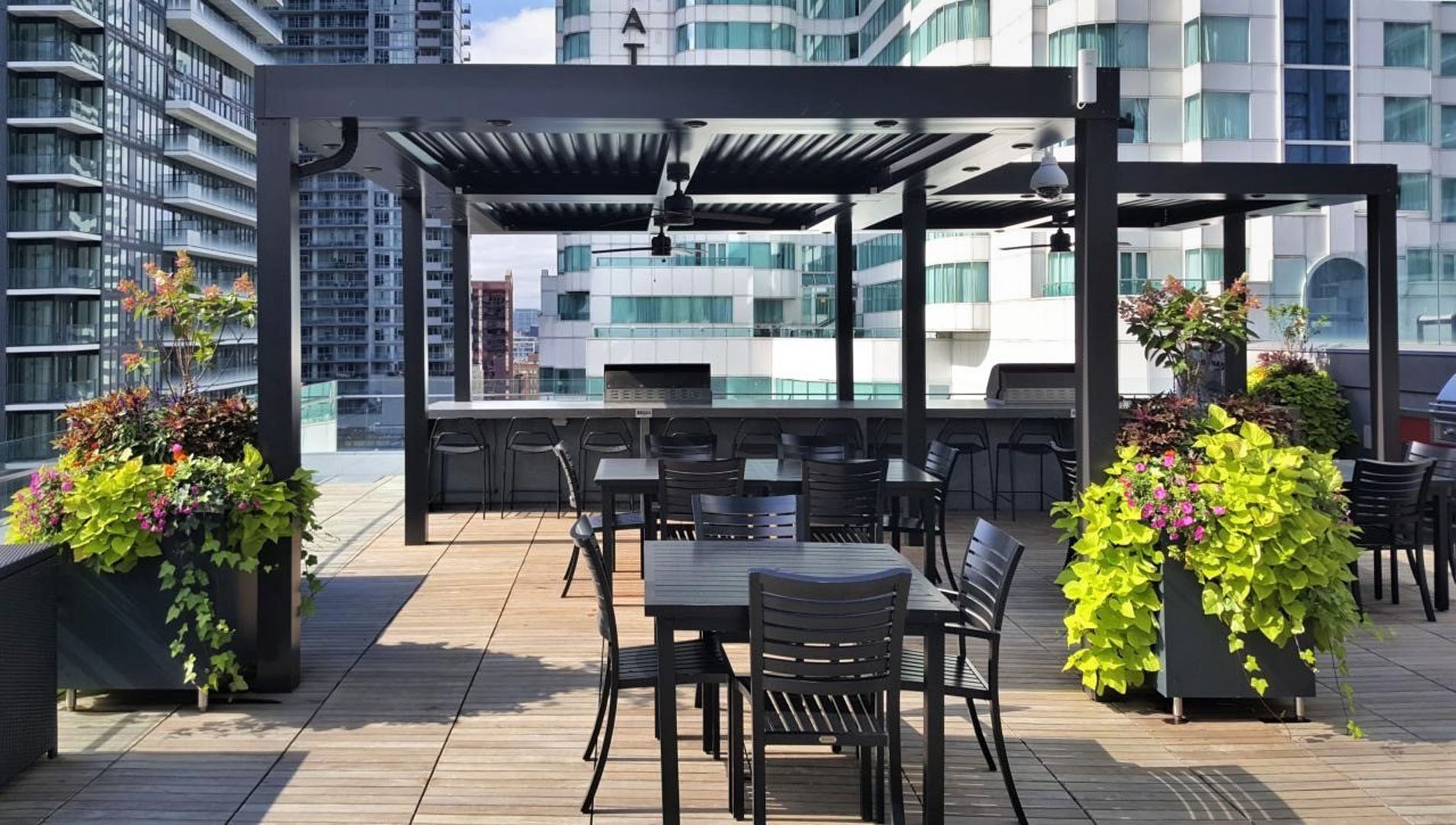
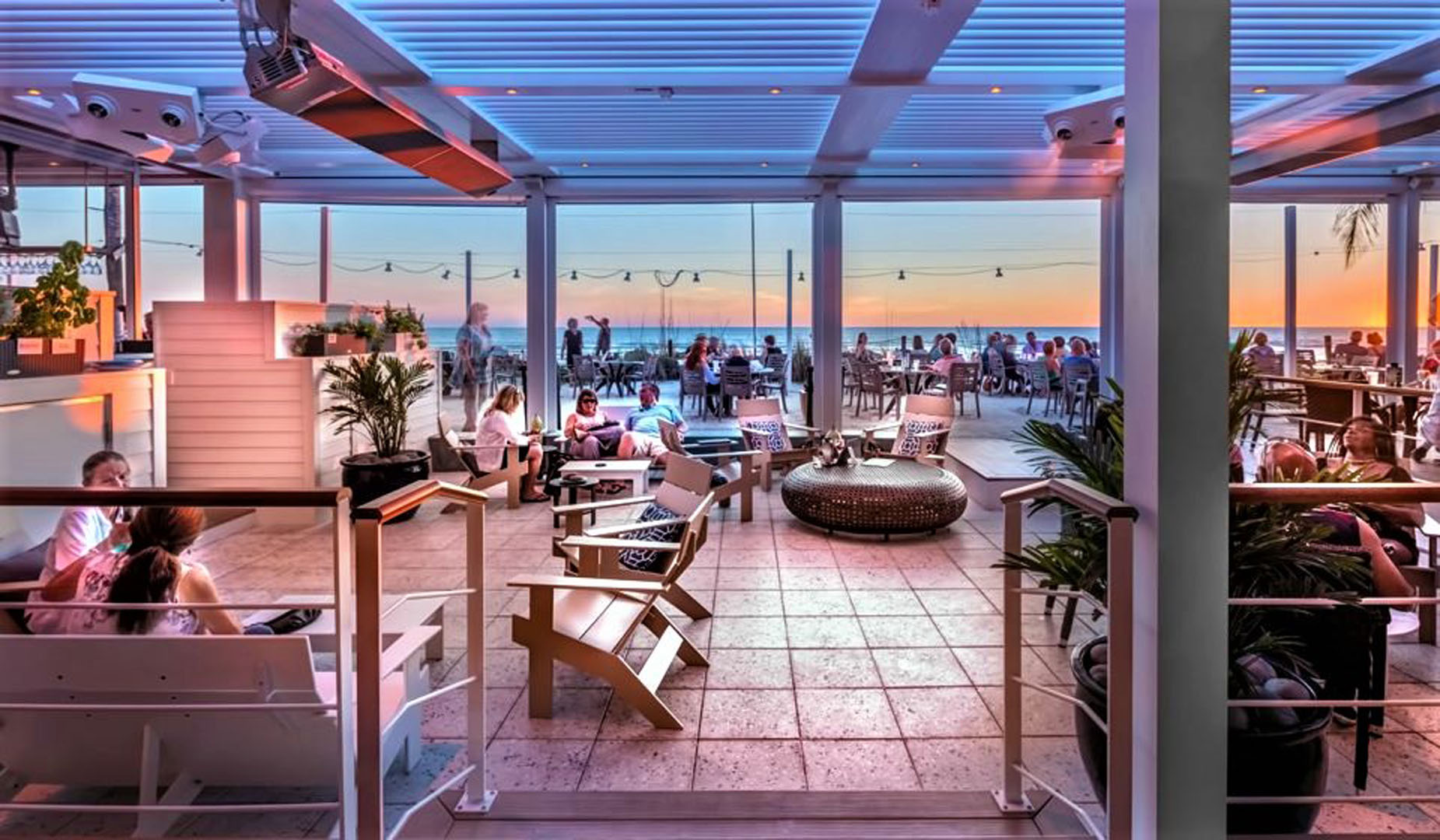
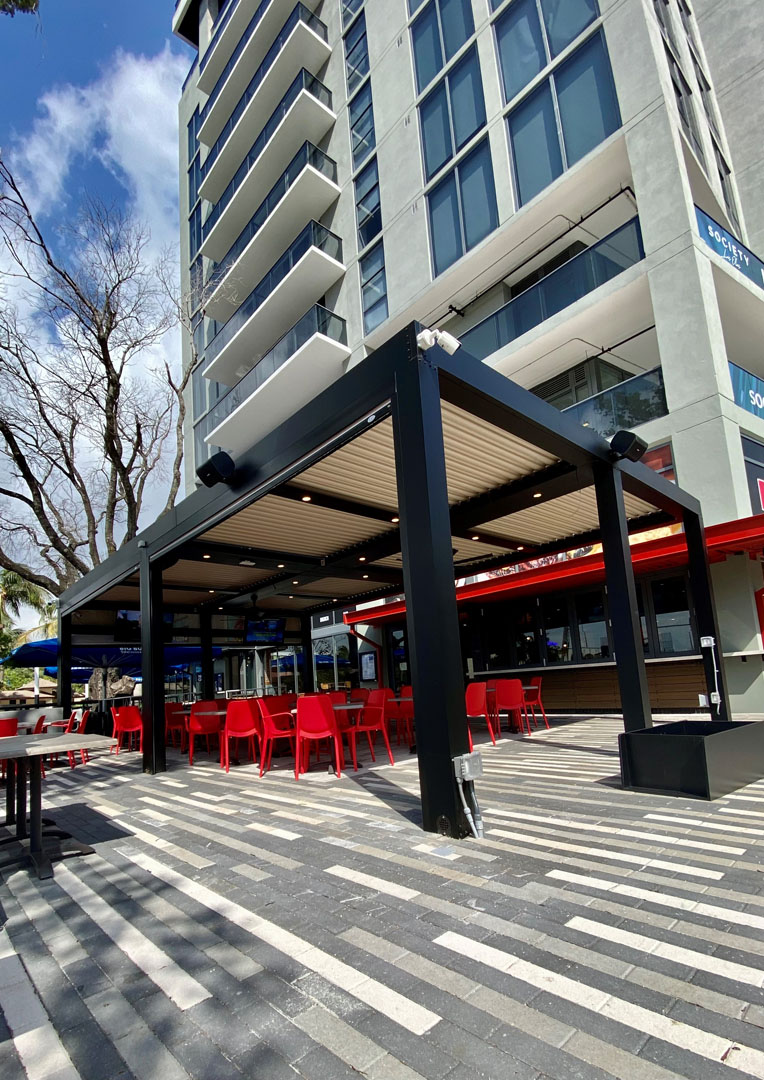
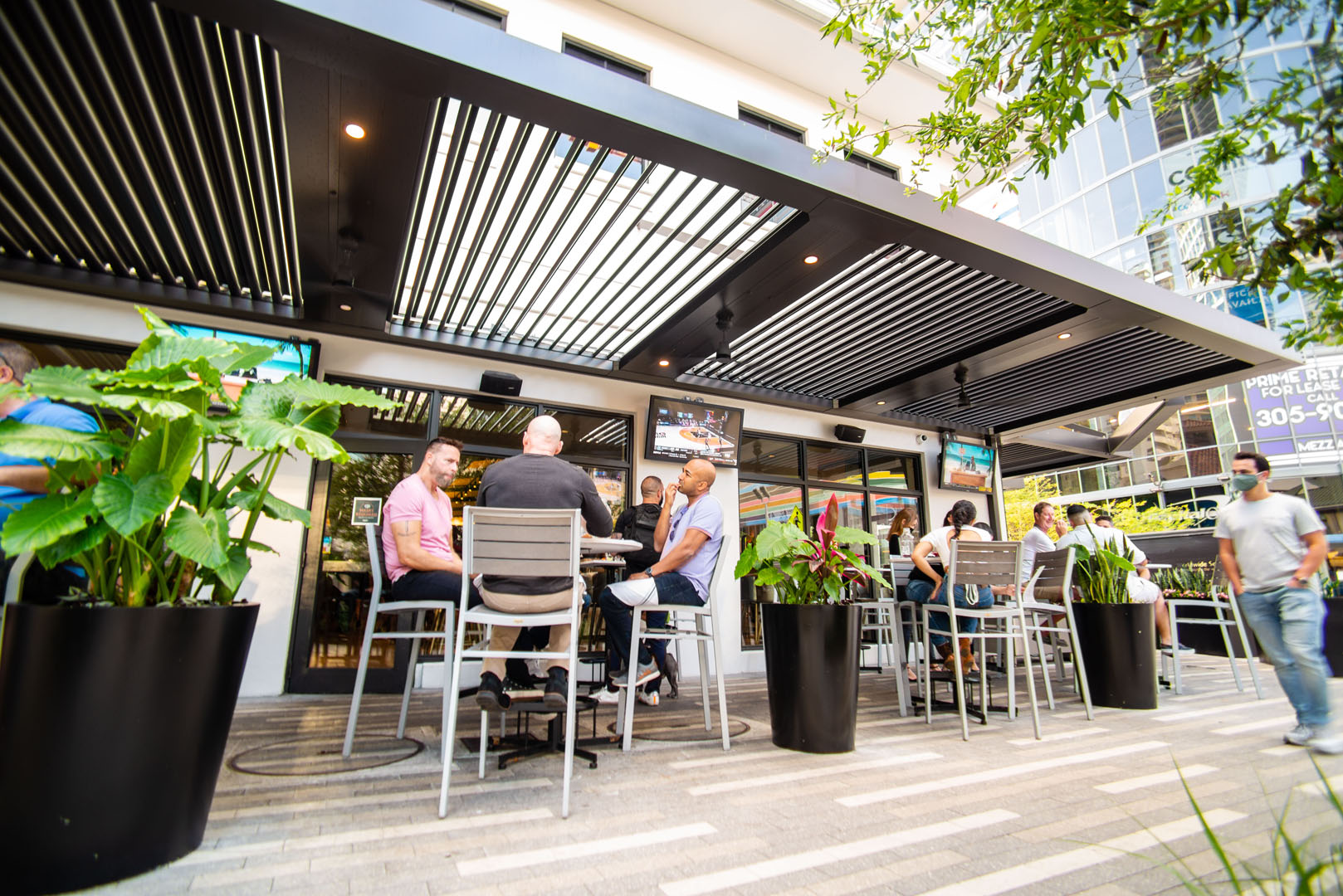
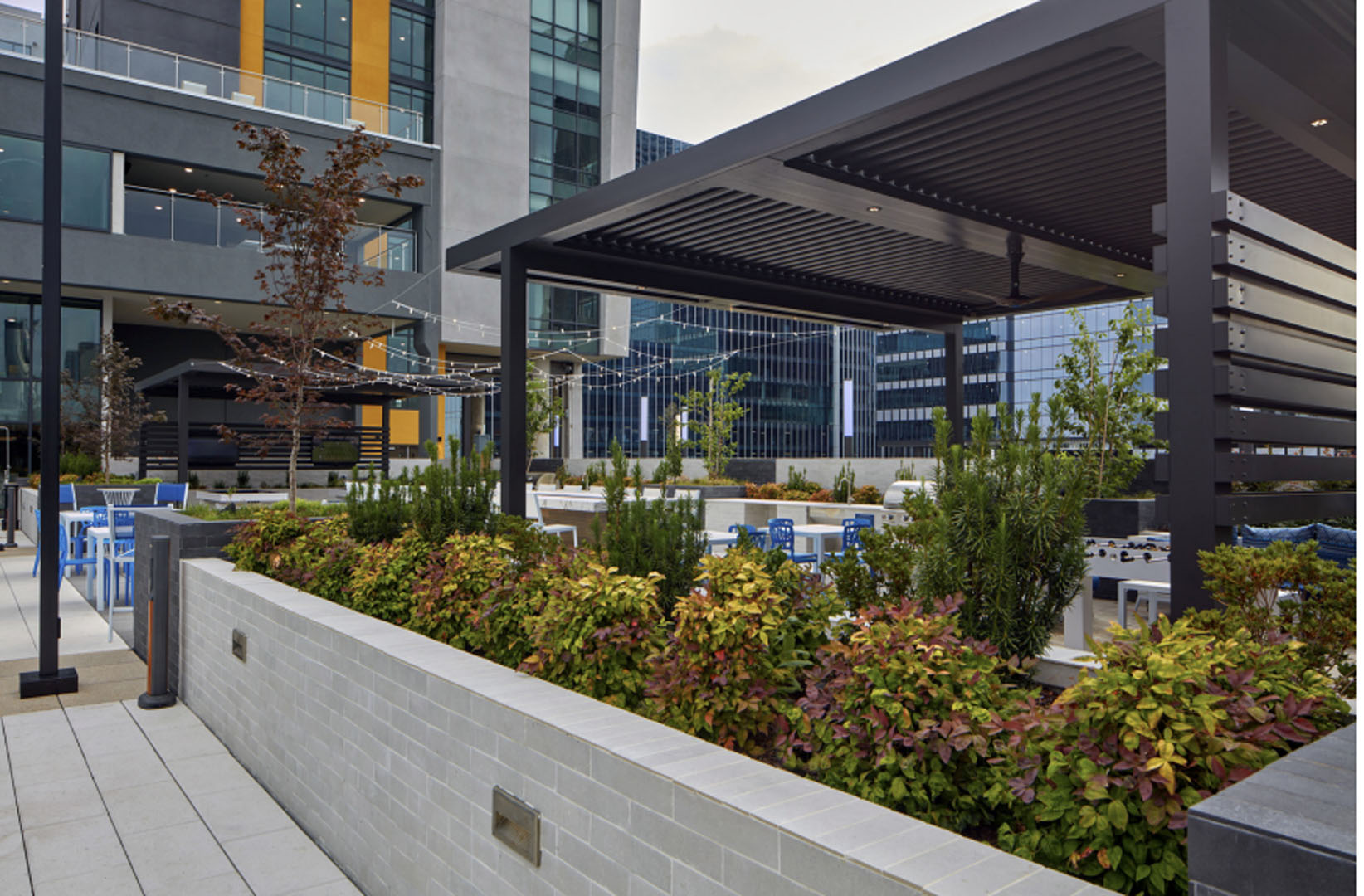
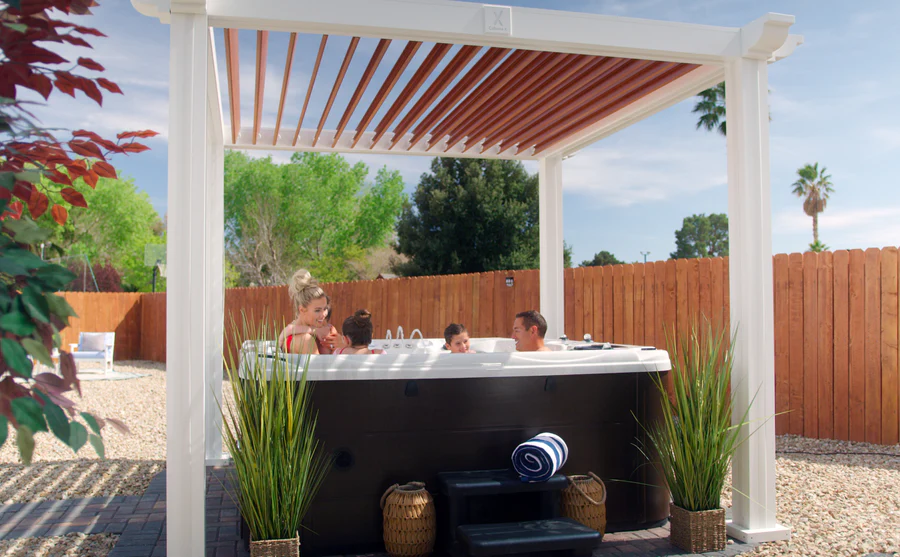
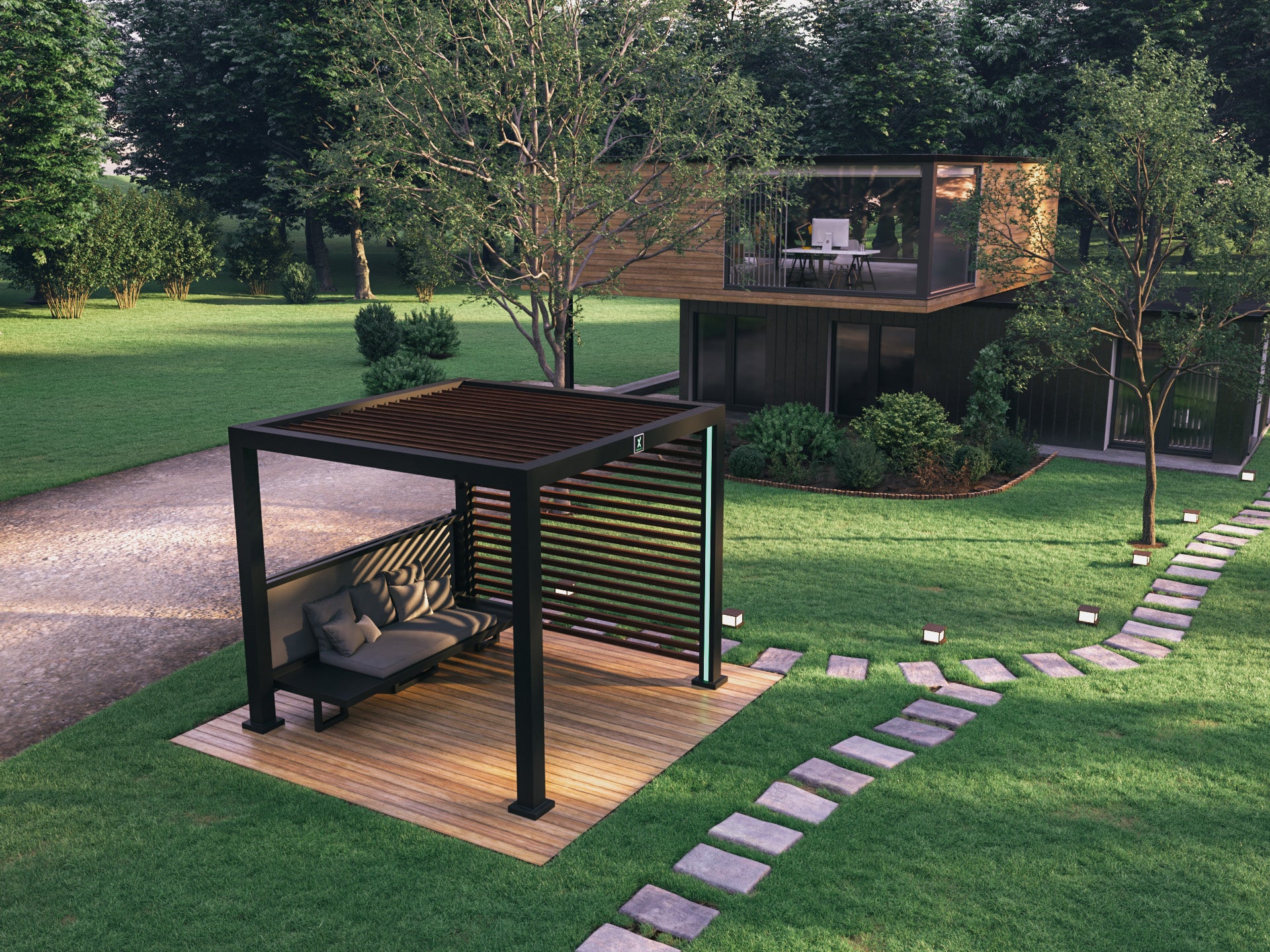
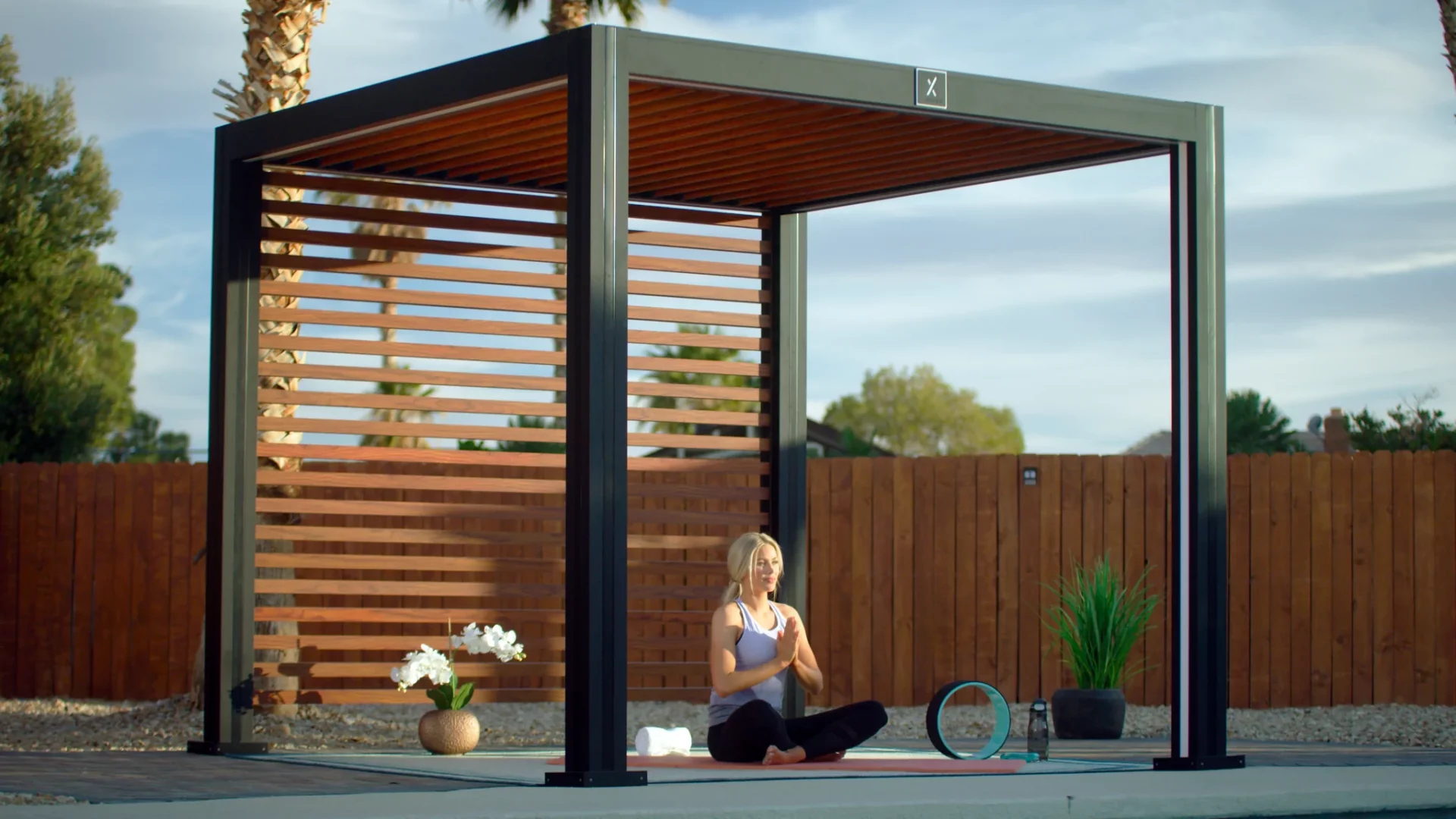
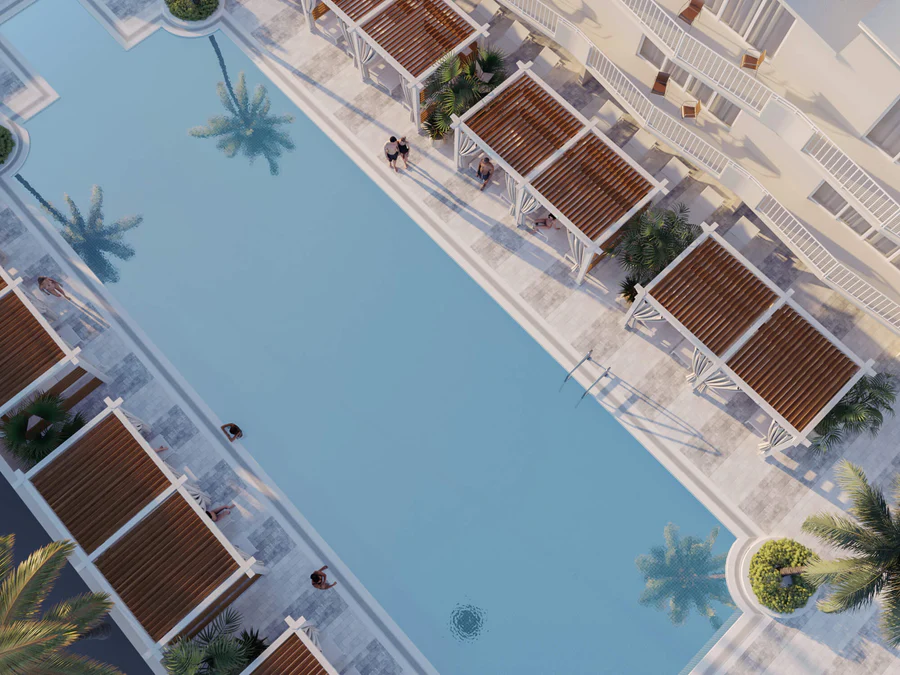
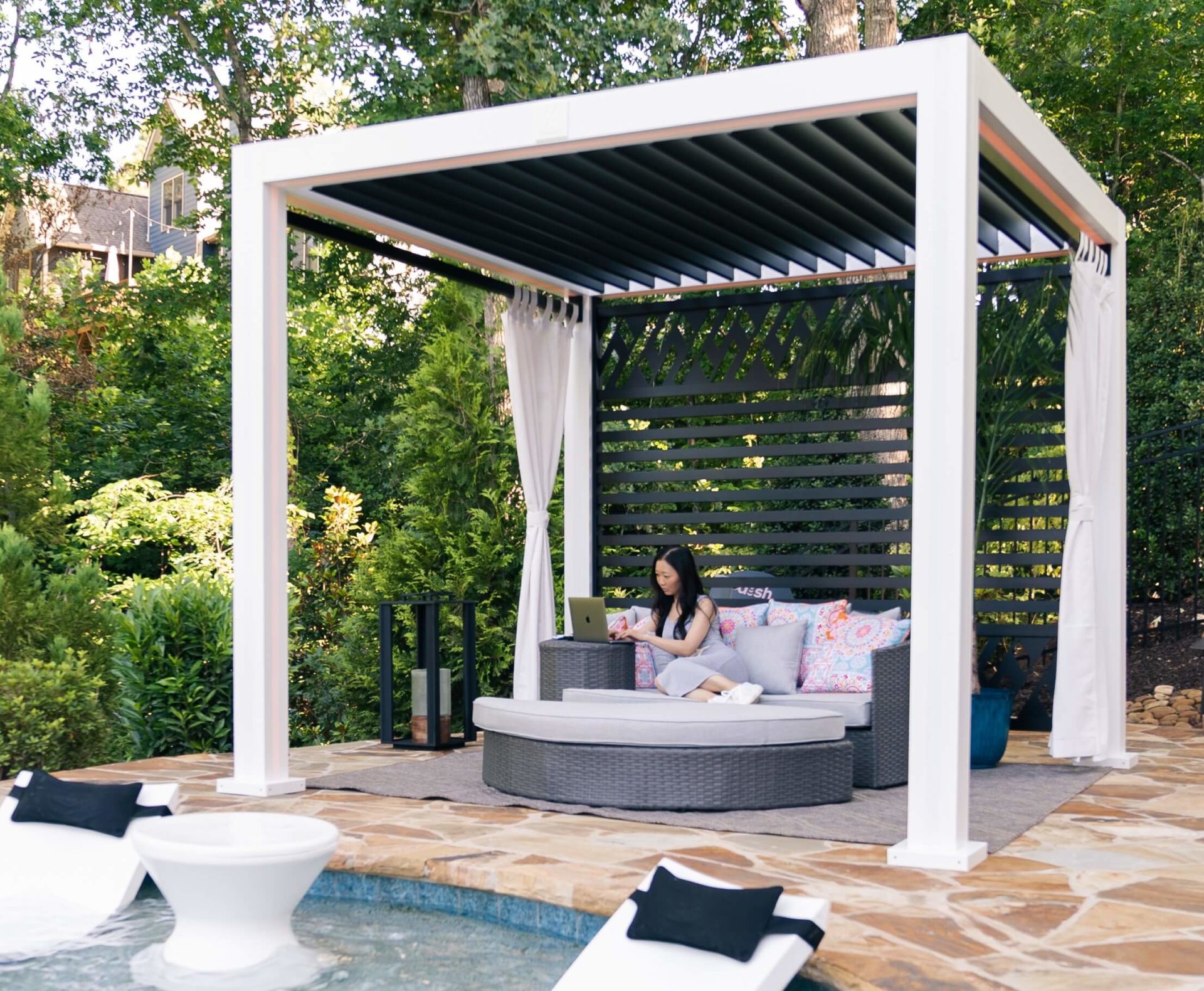
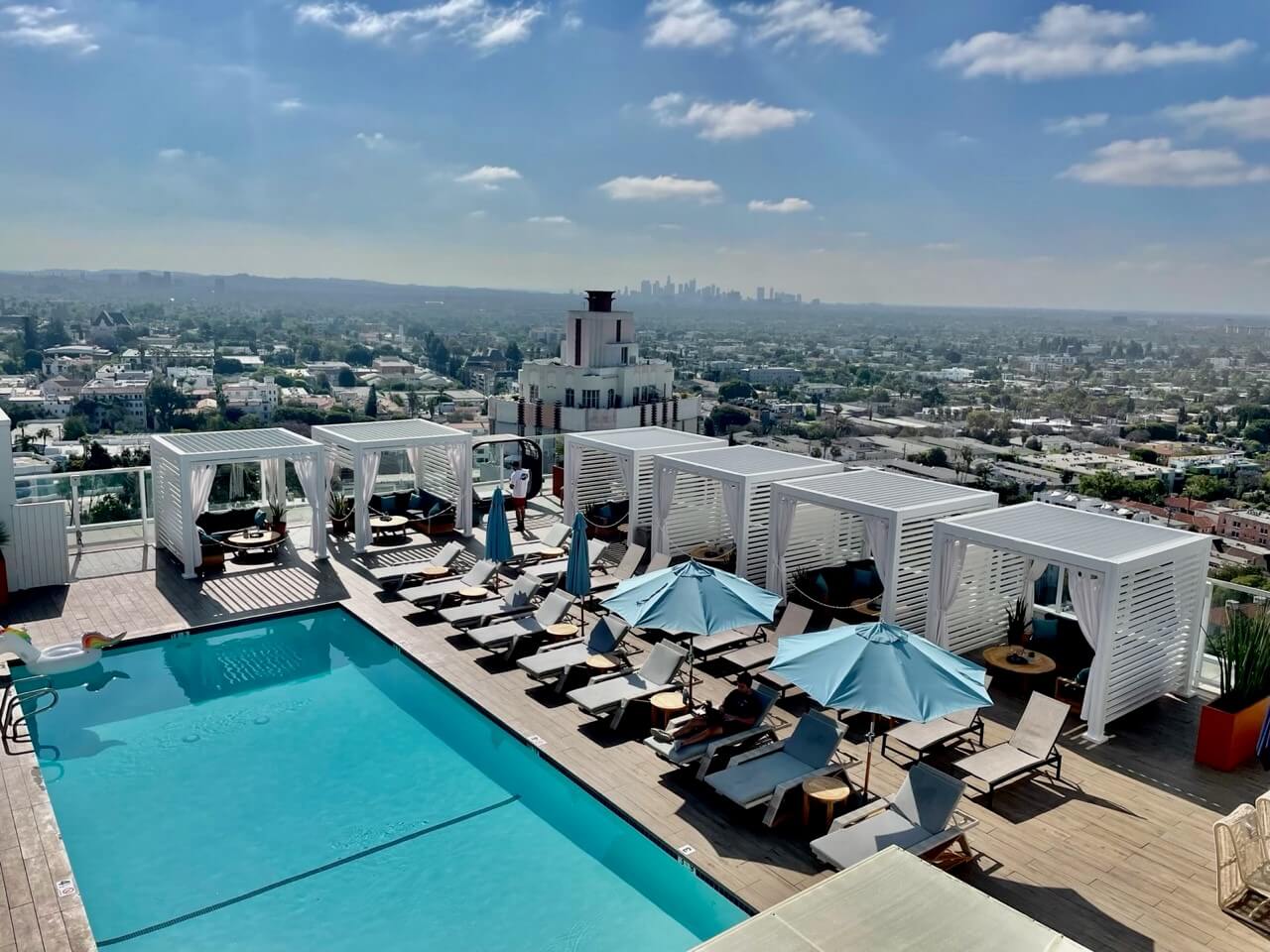
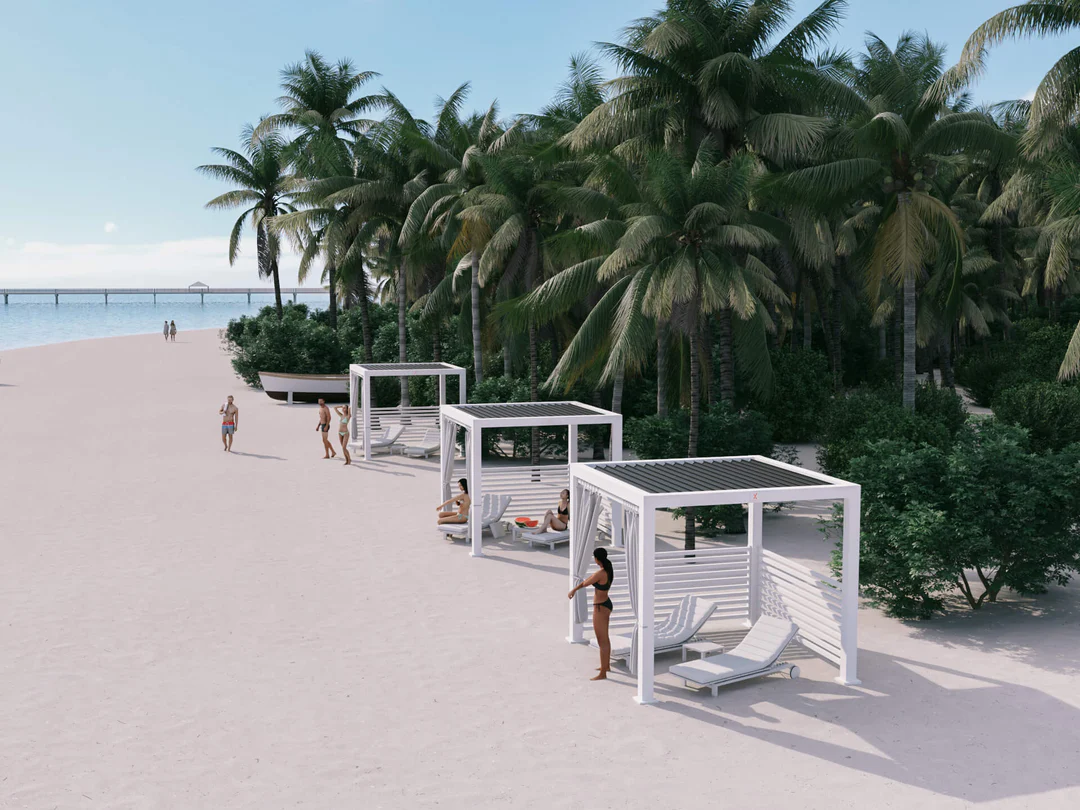
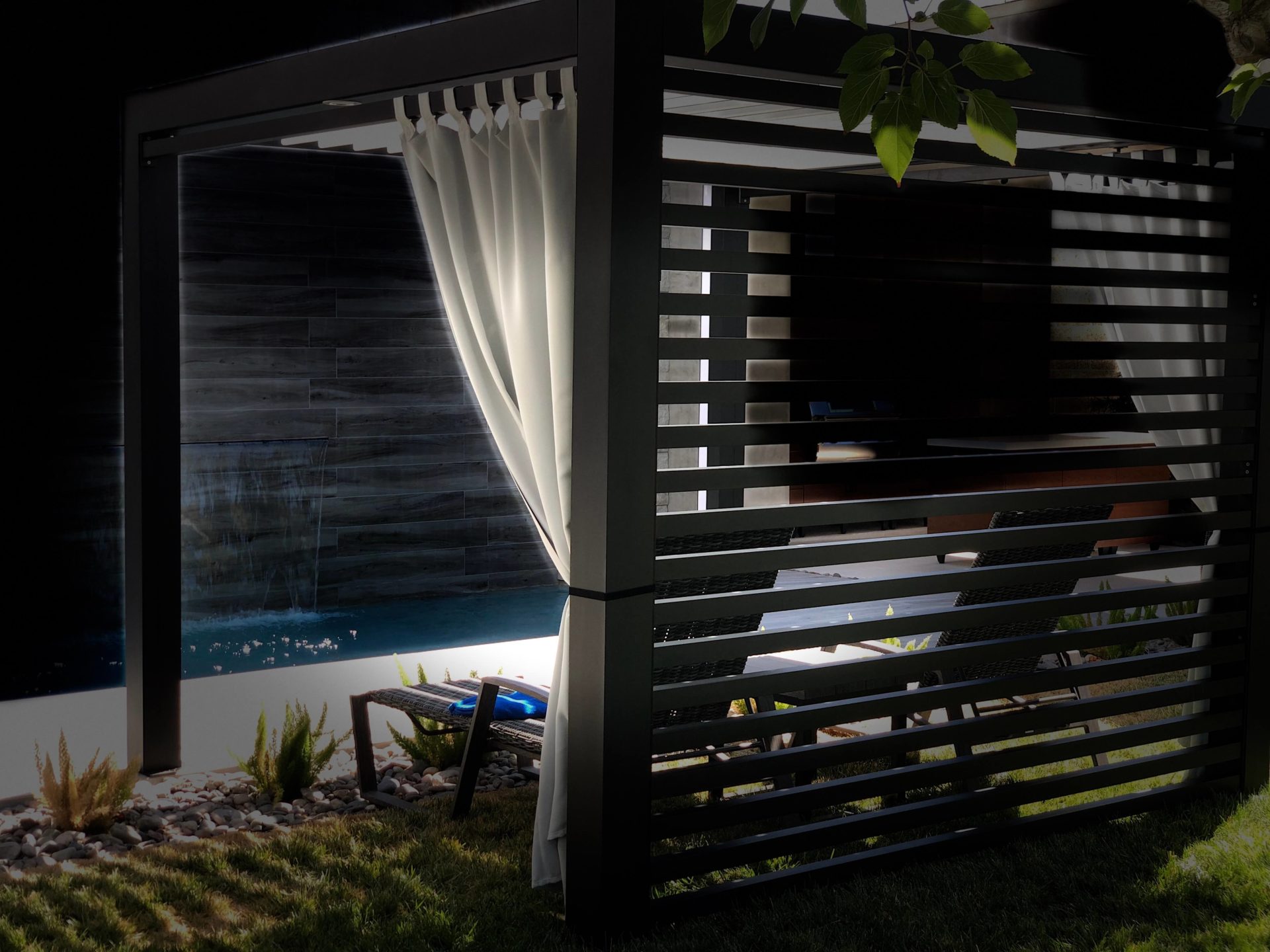
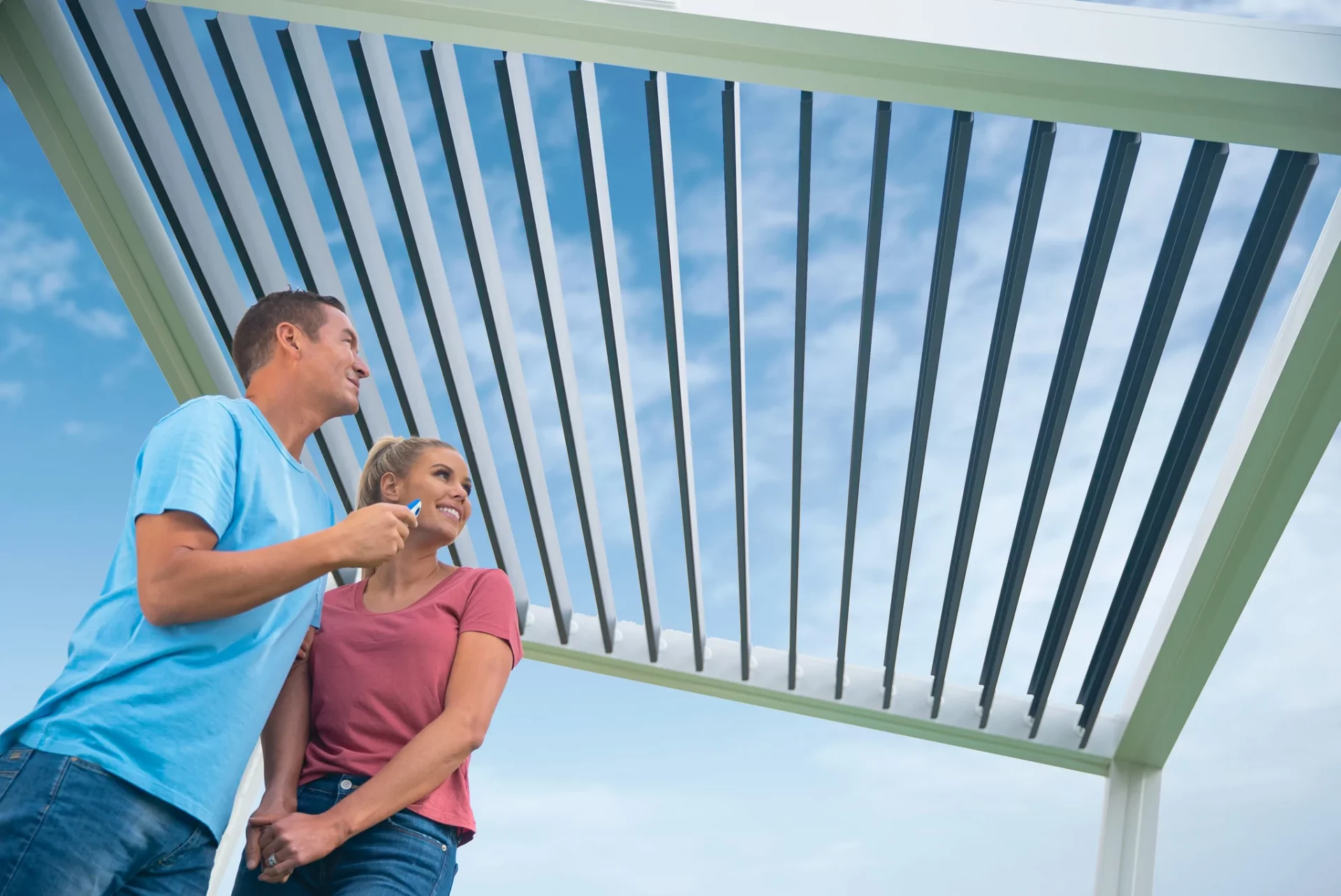
In Florida City, residents treat outdoor spaces as everyday living rooms, extending modest single-family homes into backyard patios, pergola-covered terraces, small pools or poolside lounges, and simple grilling or outdoor kitchen areas to entertain, relax, and escape into a resort-like setting year-round. Typical 0.1–0.25-acre lots and rectangular yards favor paver patios, gravel paths or turf with low-maintenance plantings and motorized louvered pergolas that provide airflow, adjustable shade, and rain protection for shaded dining and gardening despite intense sun, humidity and frequent afternoon storms. Waterfront features are uncommon except along canals, so homeowners favor corrosion-resistant, hurricane-rated frames and UV-resistant fabrics to withstand coastal salt and high winds, while proximity to the Everglades and nearby boating and hiking opportunities keeps outdoor living central to daily life.
Outdoor Activities, Amenities, and Lifestyle Patterns
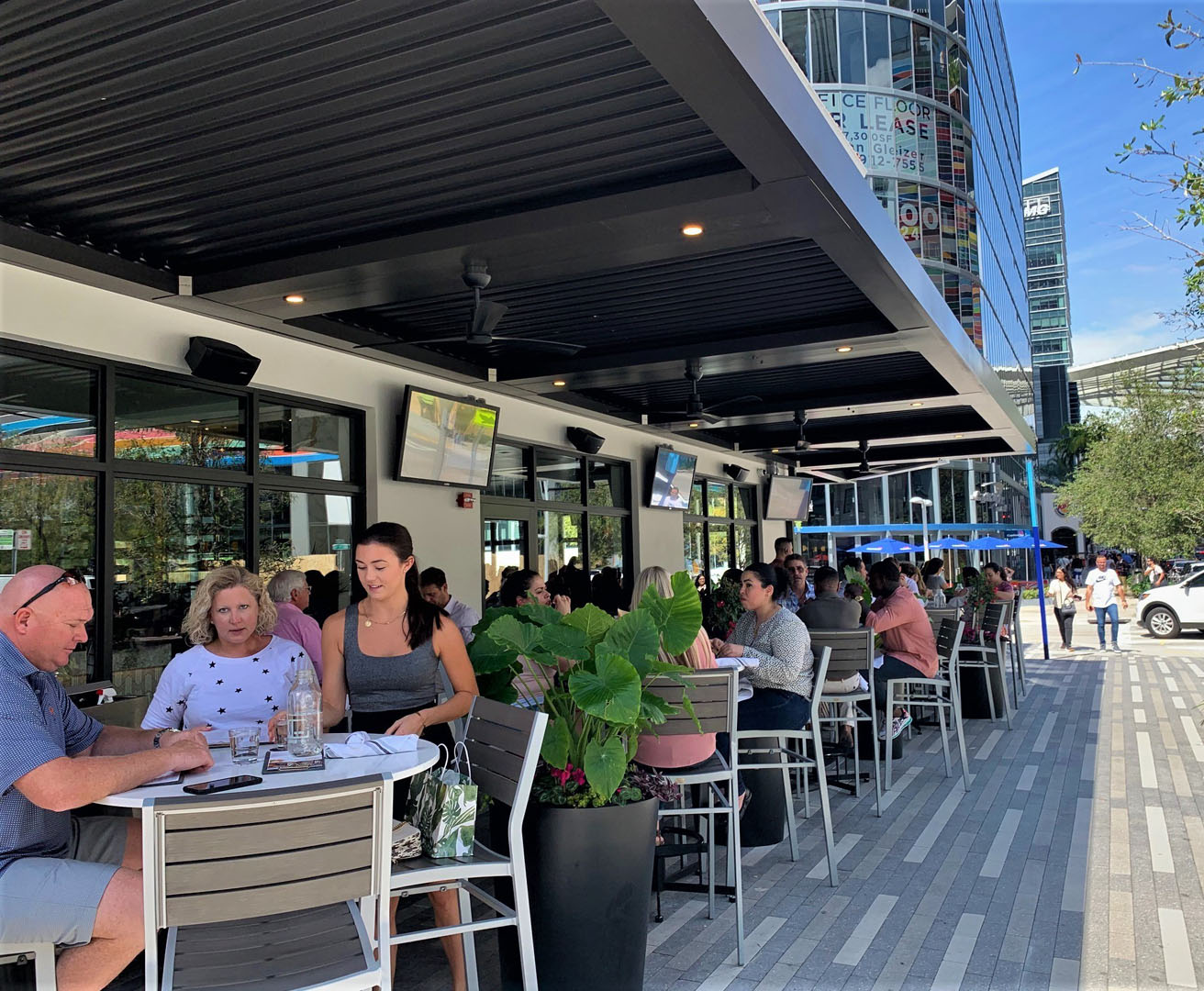
Florida City residents embrace a year-round outdoor lifestyle shaped by its subtropical gateway location near the Everglades and Keys, turning small, single-family backyards into everyday extensions of the home for entertaining, relaxation and recreation. Common patterns include poolside lounging, grilling and shaded dining under pergolas or covered patios, gardening along paver paths, and modest outdoor kitchens for frequent socializing. Practical amenities — motorized louvered pergolas, hurricane-rated aluminum frames, UV-resistant fabrics and corrosion-resistant materials — respond to intense sun, high humidity, daily storms and coastal salt. Lot sizes and simple rectangular yards favor low-maintenance designs like paver patios, gravel or turf and small pools, while nearby hiking, boating and community spaces encourage active, open-air living that balances comfort with weather-resilient construction.
Residential Property Characteristics of Florida City Affecting Outdoor Living
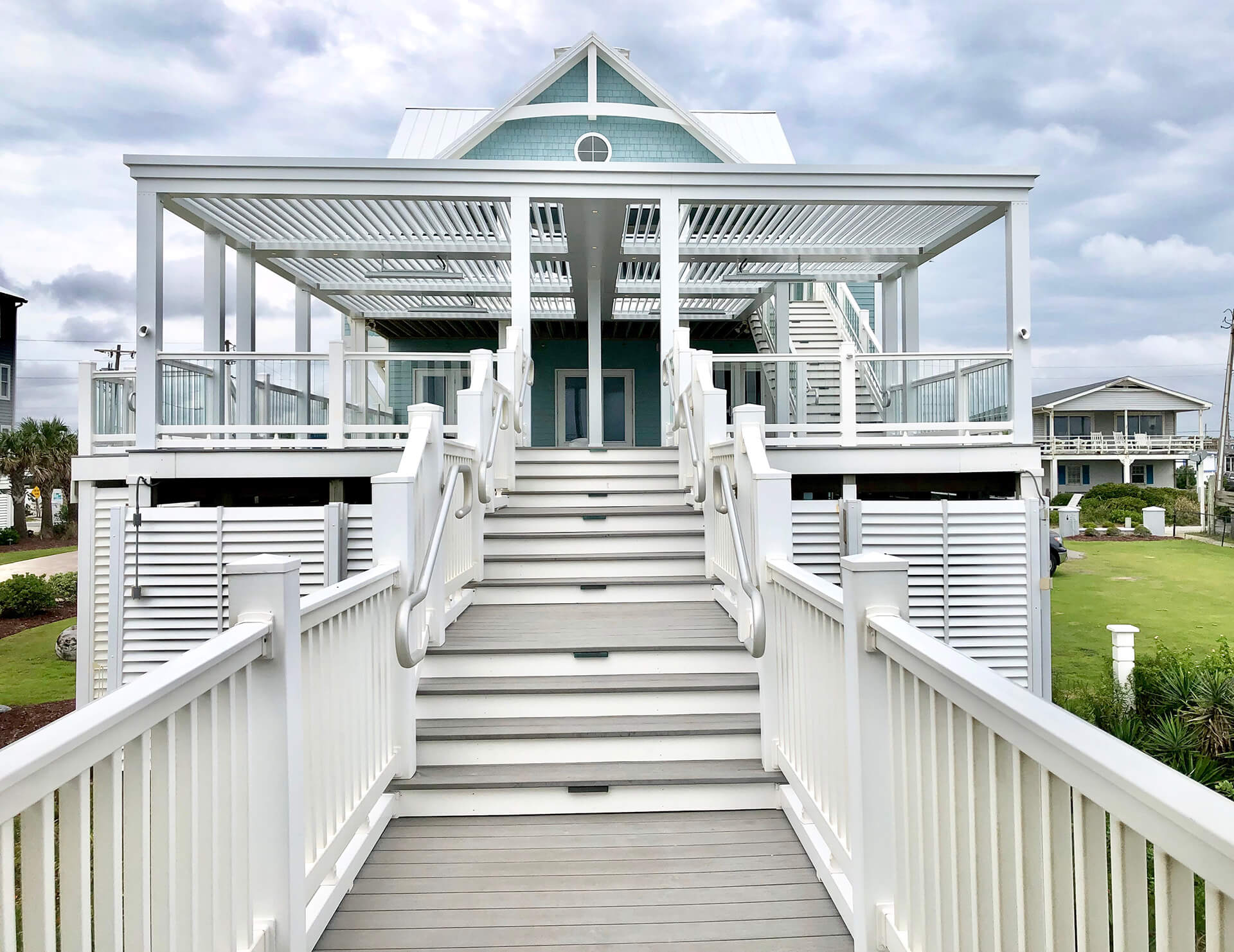
Florida City residential areas are dominated by single-family ranch-style or mid-century concrete-block homes on modest 0.1–0.25-acre lots, with simple rectangular backyards—paver patios, gravel paths, or grass—and minimal terraces or balconies, while waterfront features are rare except along canals. Those compact yards and affordable parcels make pergolas, patios, covered kitchens, and small pool placements practical, typically sited over rear patios or pool decks. Because of intense sun, humidity, salt air and storm risk, homeowners favor motorized louvered pergolas, hurricane-rated aluminum frames, UV- and rain-resistant fabrics, and corrosion-resistant finishes for durable, low-maintenance shaded living. Setbacks near canals and Miami-Dade wind-load codes also influence siting and anchoring, so installations tend toward compact, well-anchored designs that preserve open yard space and airflow.
Climate, Sun, and Weather Considerations in Florida City
Florida City’s tropical monsoon climate brings intense year-round sun (UV index often 10+), hot humid temperatures (average highs 82–91°F and 70–90% humidity), frequent afternoon thunderstorms and more than 60 inches of annual rain, plus hurricane risk with winds exceeding 120 mph and coastal salt exposure. Those conditions drive the need for robust shade and weather-resilient design: motorized louvered pergolas and retractable canopies provide adjustable UV protection, airflow and rain control, while rain-resistant fabrics, corrosion-resistant finishes and hurricane-rated aluminum frames prevent fading, corrosion and structural failure. High heat and humidity make shaded, ventilated patios and covered kitchens essential for outdoor comfort year-round, and sturdy, wind-rated installations are required to withstand storm and coastal stresses.
Why Florida City Is Ideal for Outdoor Living
Florida City’s subtropical gateway location near the Everglades and Keys makes it ideal for outdoor living upgrades: warm, rare-freeze conditions encourage year-round patios, pergolas and covered kitchens for grilling, poolside lounging and shaded dining, while modest single-family lots and simple rectangular backyards suit pergola additions over paver patios or small pools. At the same time intense sun, high humidity, frequent thunderstorms and hurricane exposure make durable solutions essential—motorized louvered pergolas, UV-resistant fabrics, hurricane-rated aluminum frames and corrosion-resistant materials deliver shade, airflow and storm resilience. Affordable yards, active nearby recreation and steady local demand for practical, weather-resilient outdoor rooms drive homeowners to expand living space outdoors with structures engineered for South Florida’s climate.
Outdoor Living and Home Upgrade FAQ
Are pergolas suitable for Florida City’s climate? Yes. Pergolas extend living space year-round but should use hurricane-rated aluminum frames, motorized louvered systems and UV/rain-resistant materials for heat, heavy rain, humidity and salt exposure.
What materials withstand intense sun, storms and salt? Corrosion-resistant aluminum frames, UV-resistant fabrics, rain-proof finishes and components rated for high winds (often 120 mph).
Can small Florida City lots accommodate pergolas? Yes. Typical 0.1–0.25 acre lots and simple rectangular backyards work well for pergolas over patios, pools or compact outdoor kitchens; retractable or louvered systems save space.
Are permits required? Yes. Installations must meet Miami-Dade wind-load codes and local setback rules, especially near canals.
How to landscape for low-maintenance shade? Use native palms, drought-tolerant grasses, permeable pavers and simple hardscapes under covered structures.