
Living Outdoors in Palmetto Bay
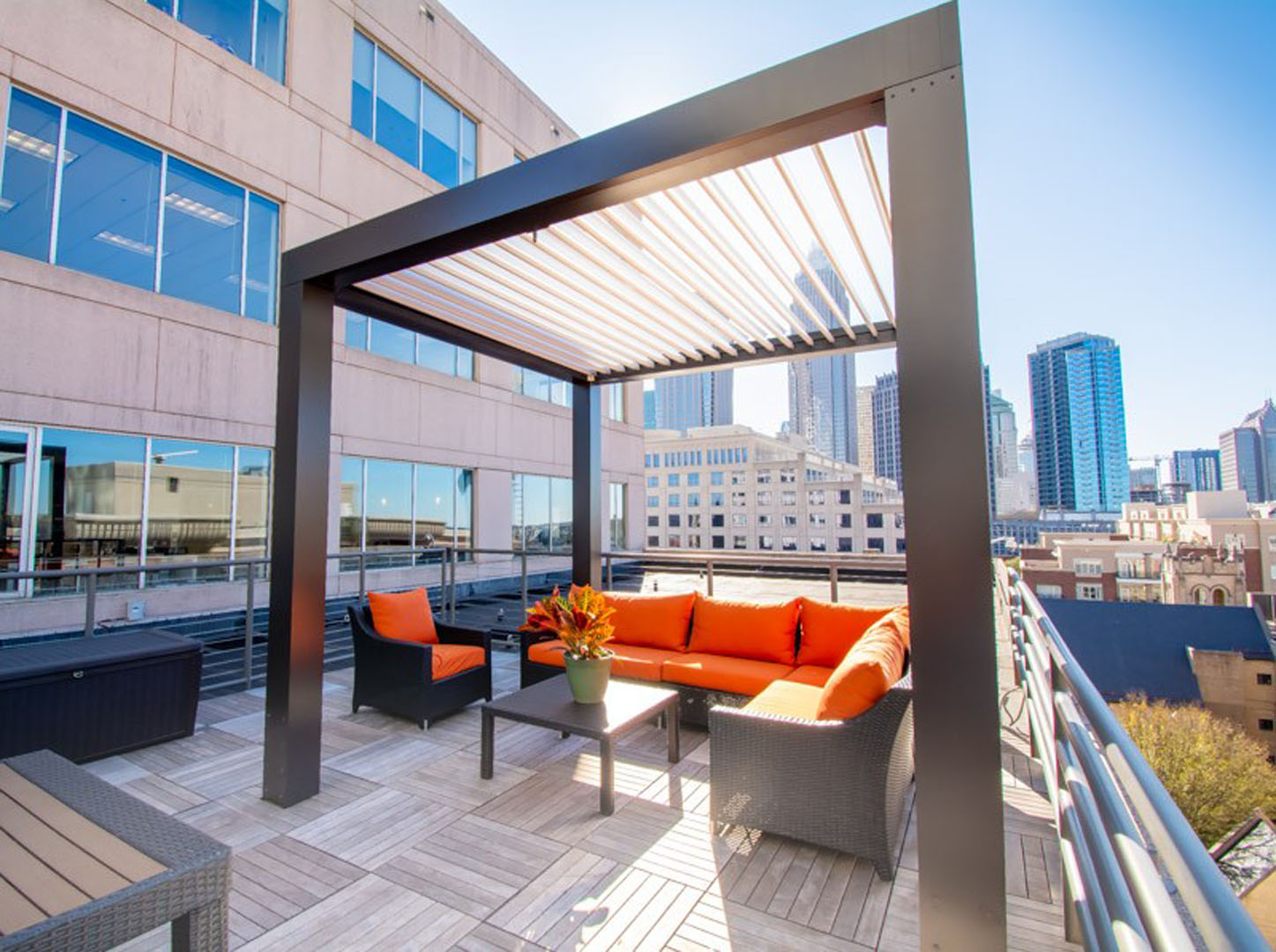
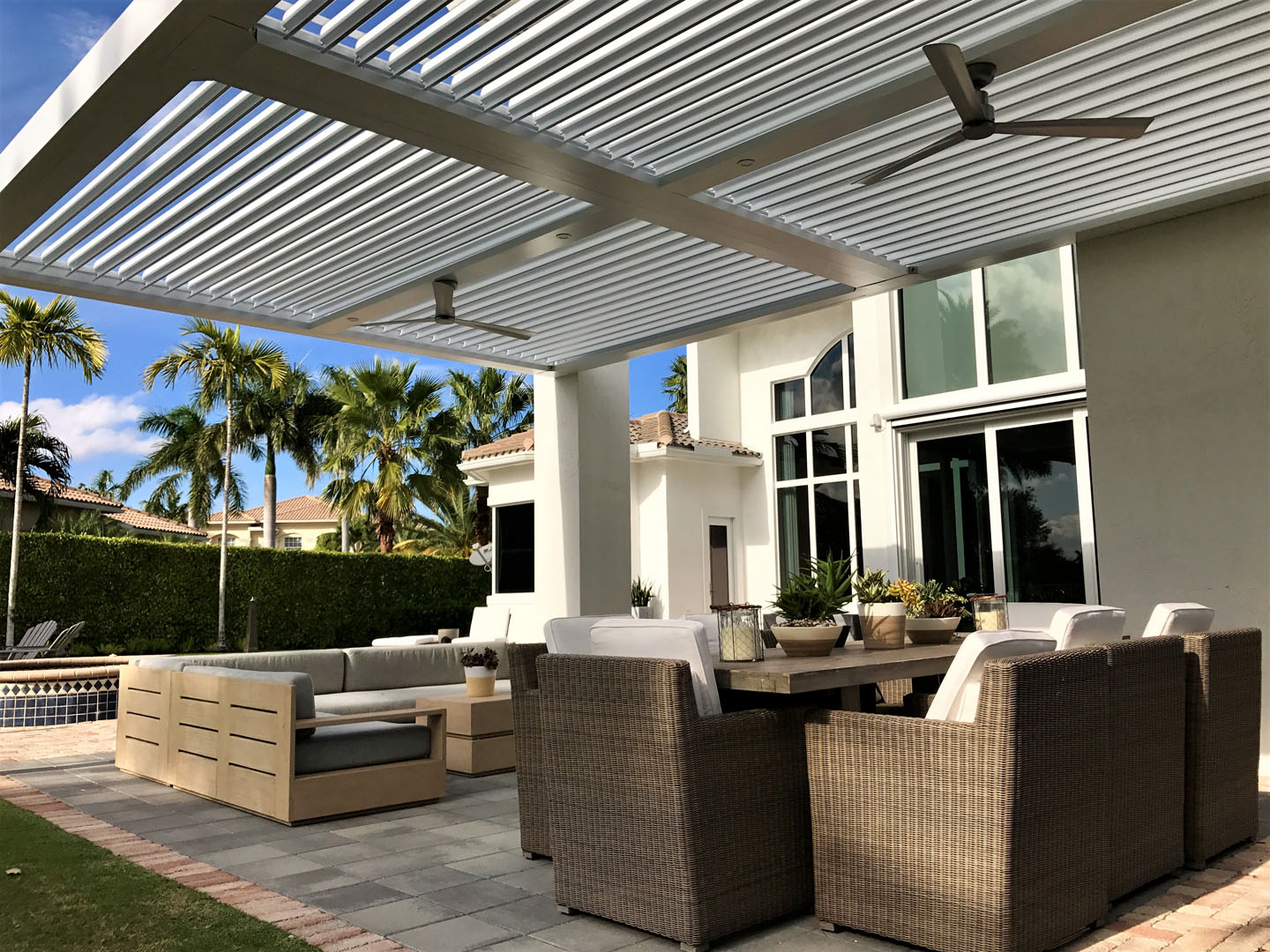
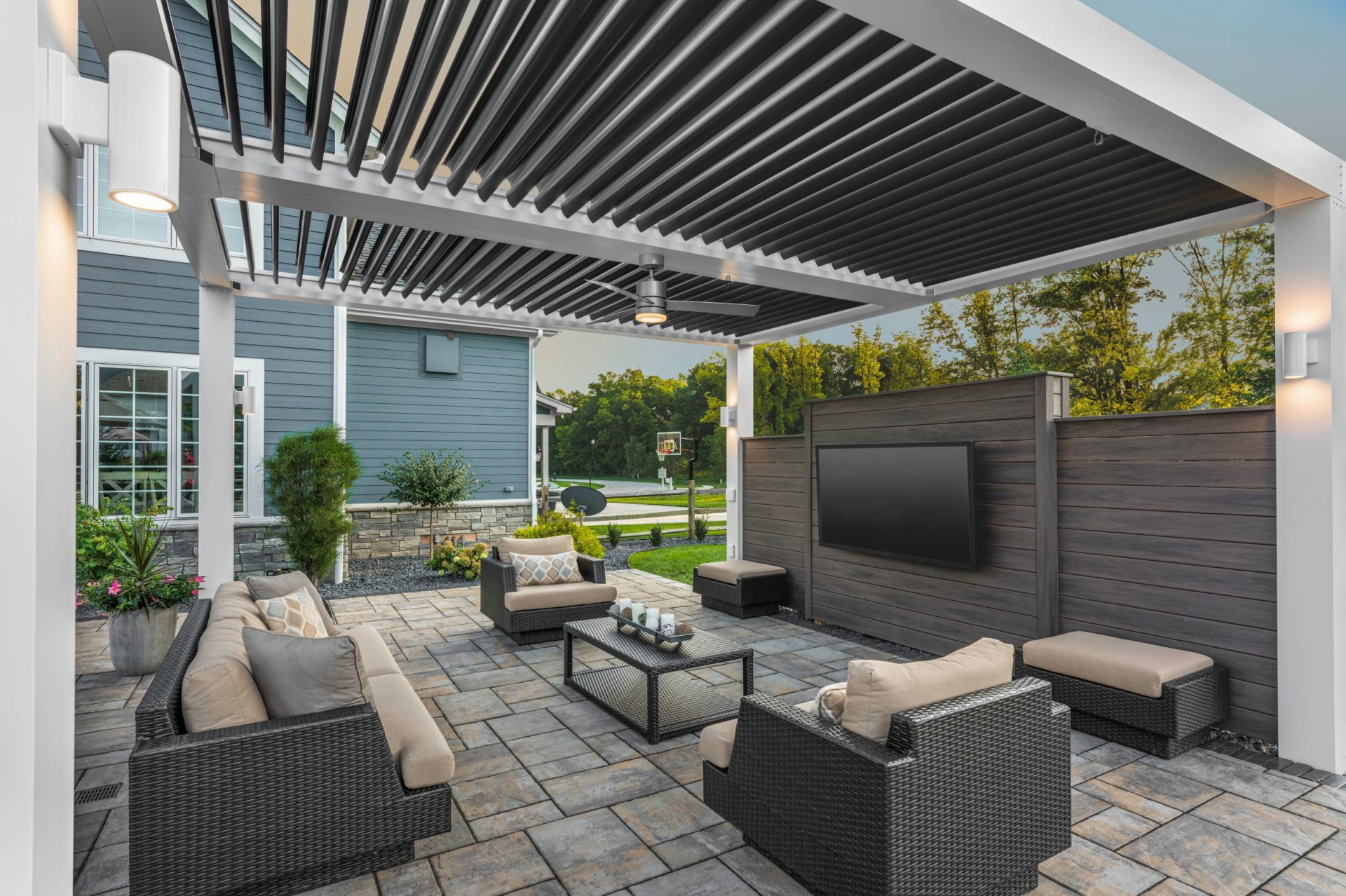
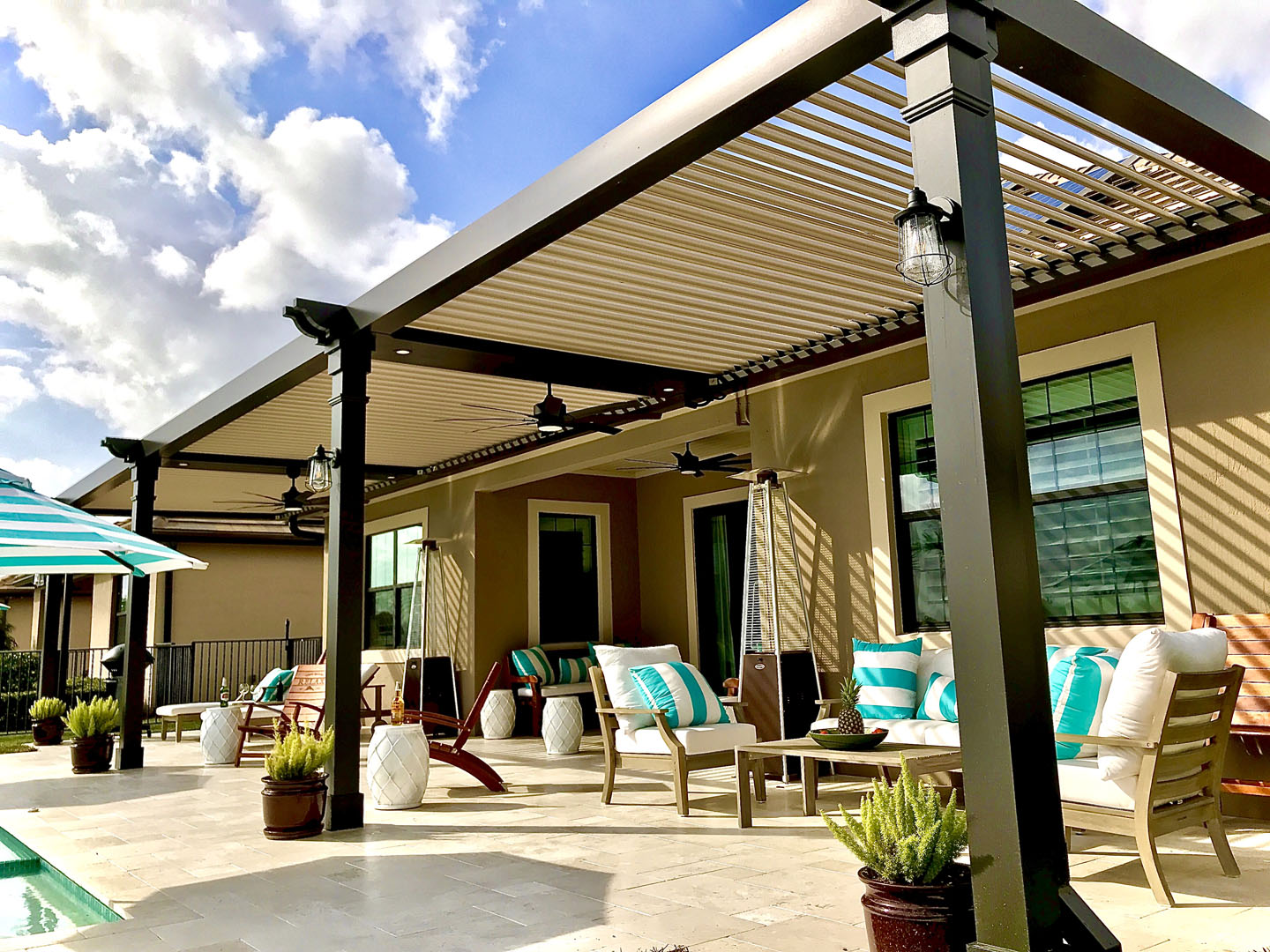
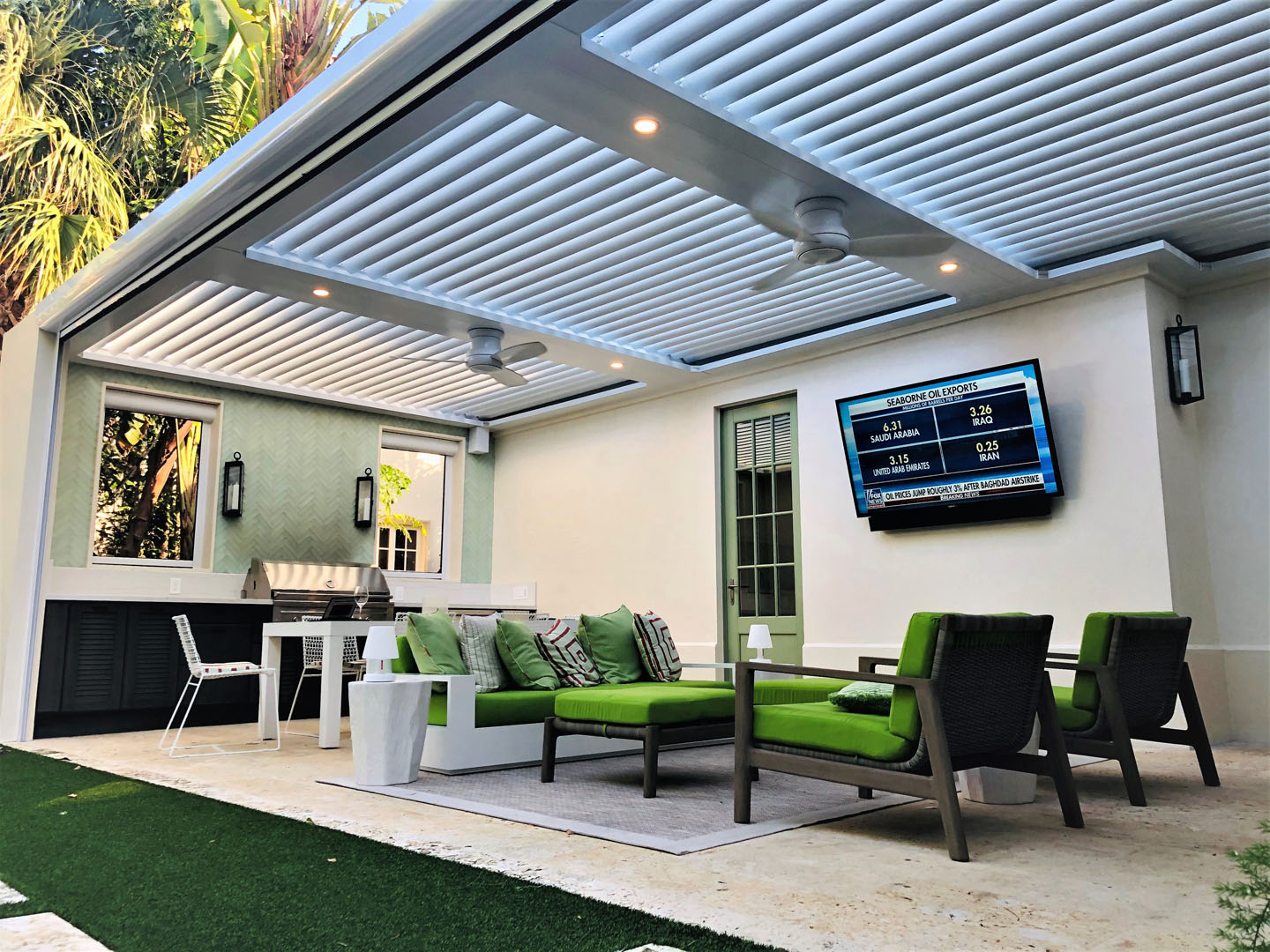
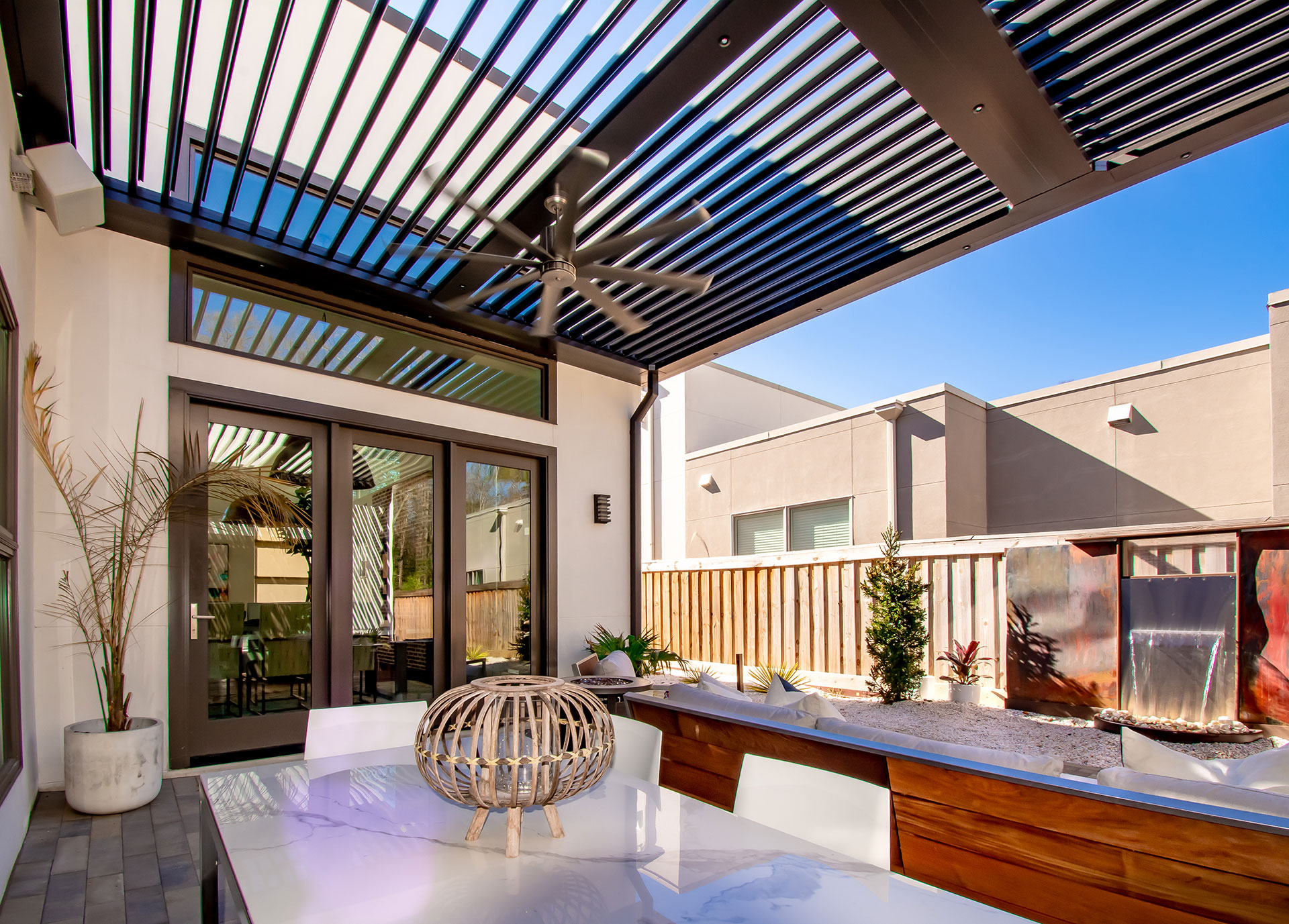
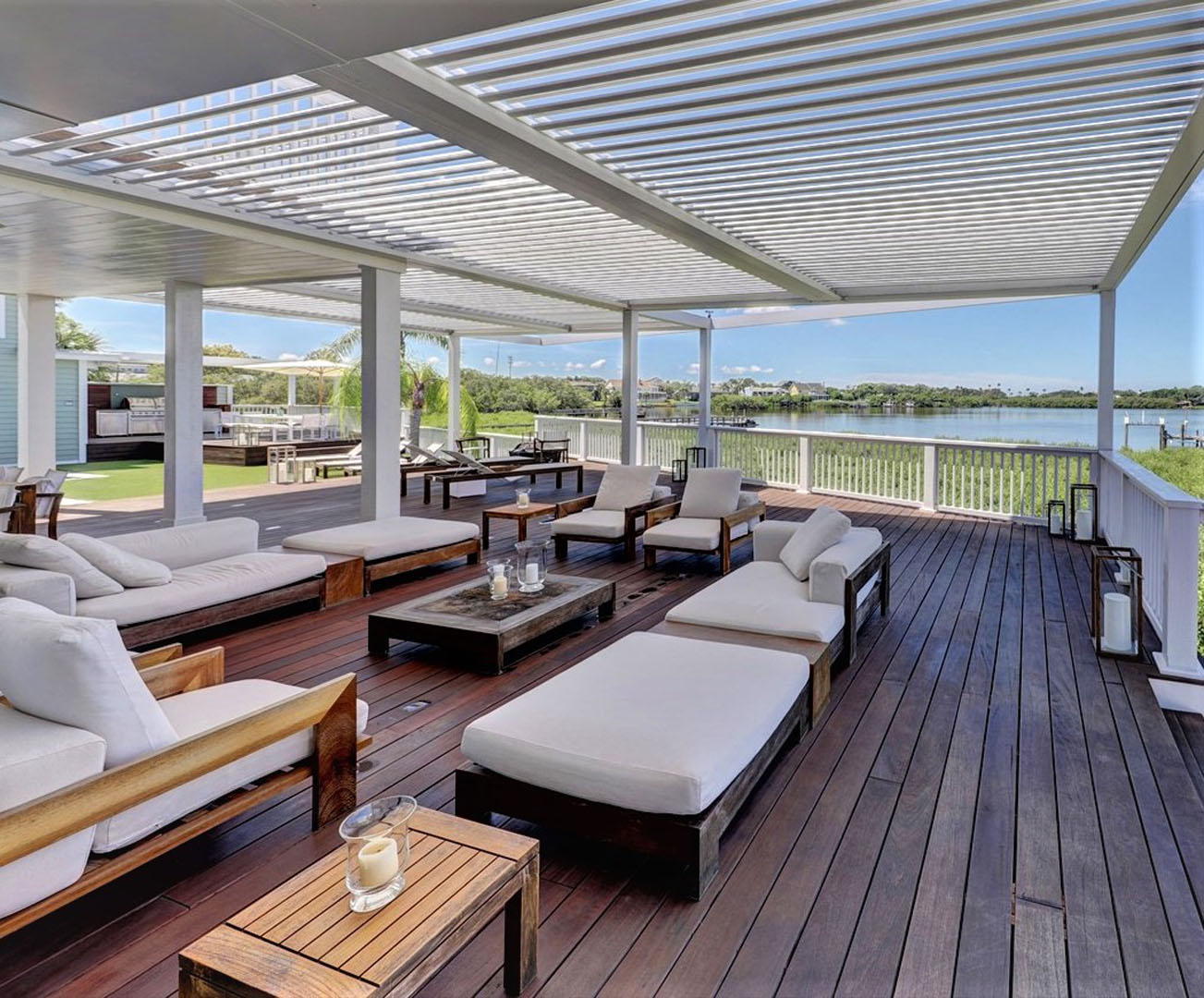
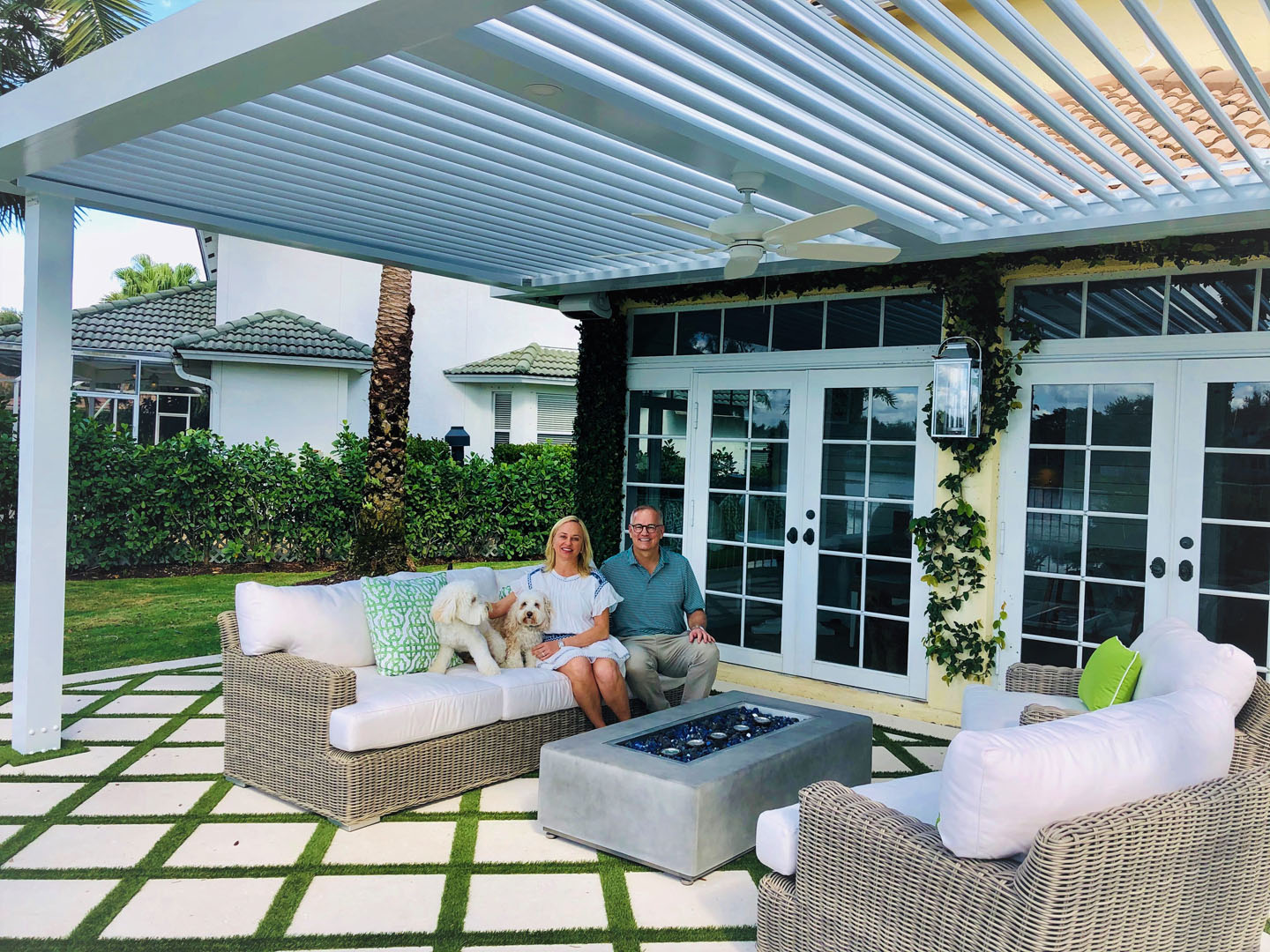
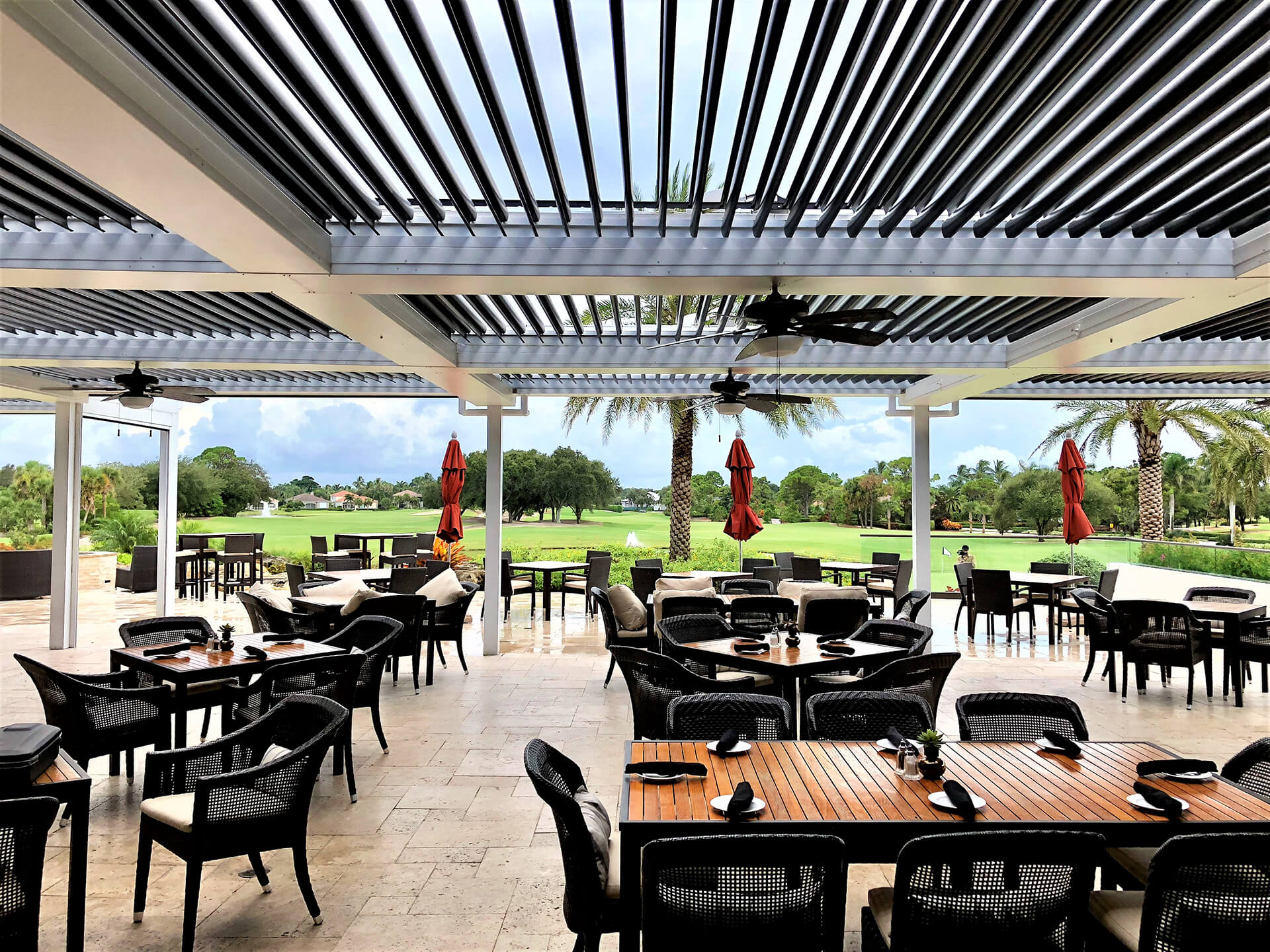
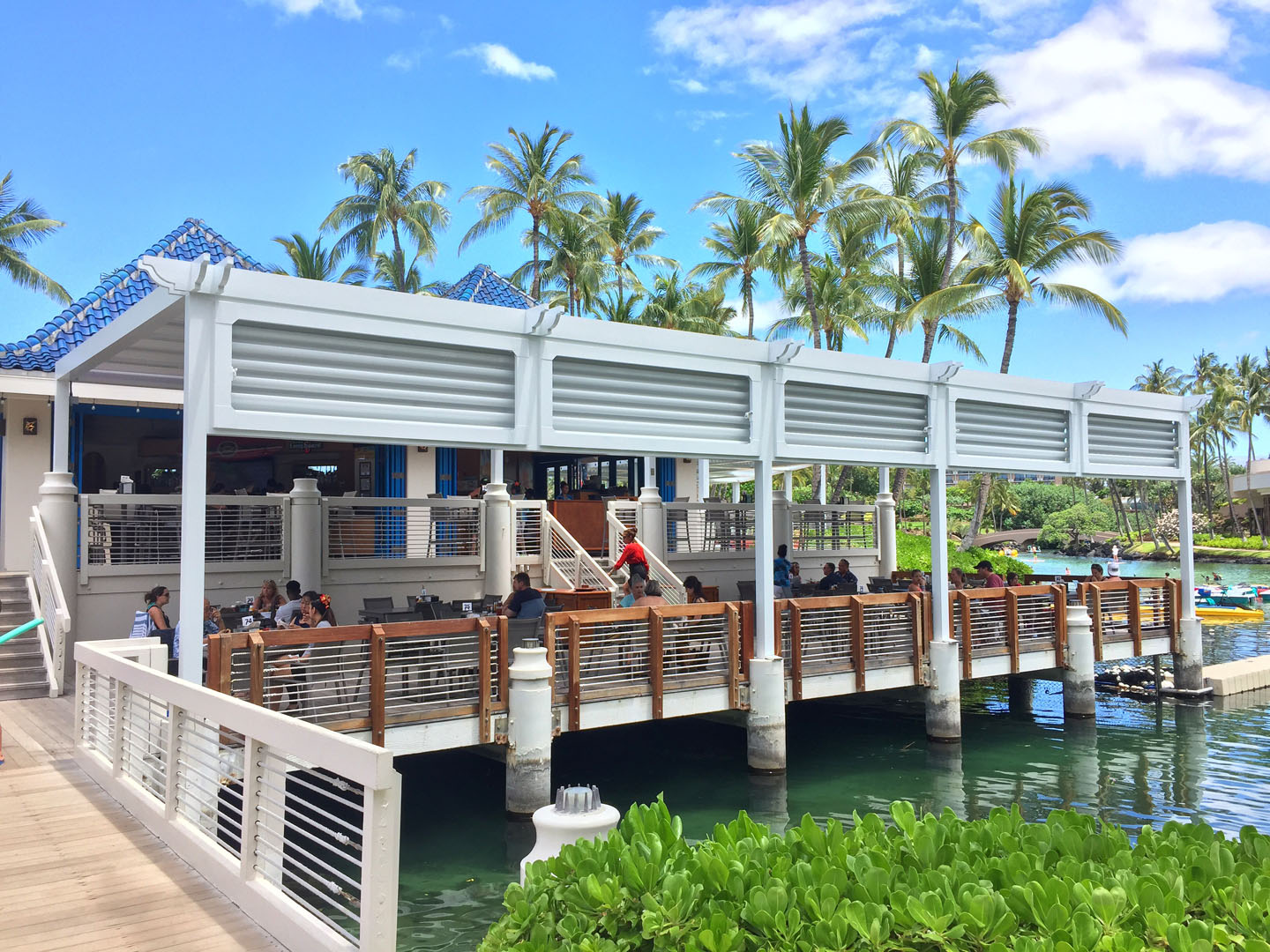
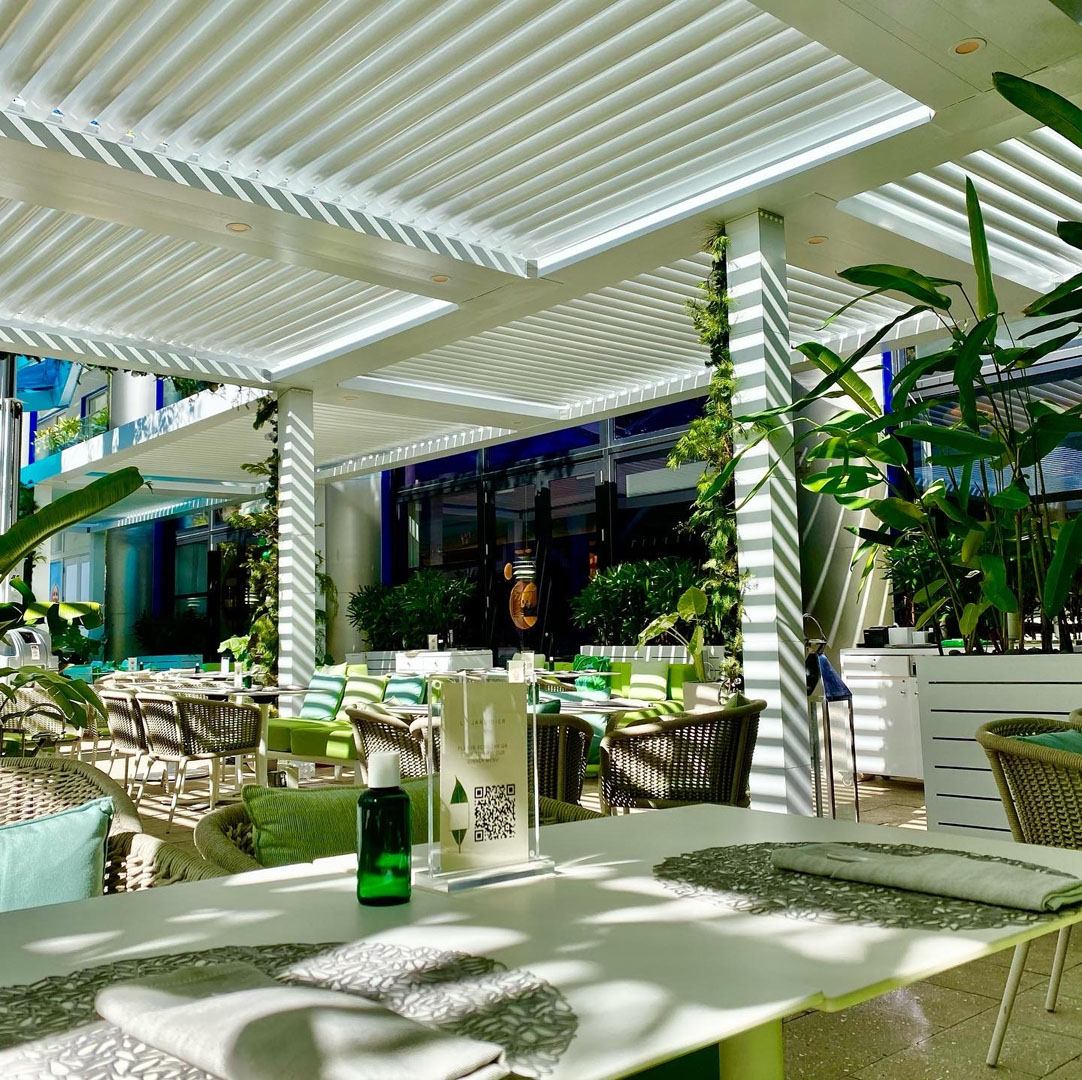
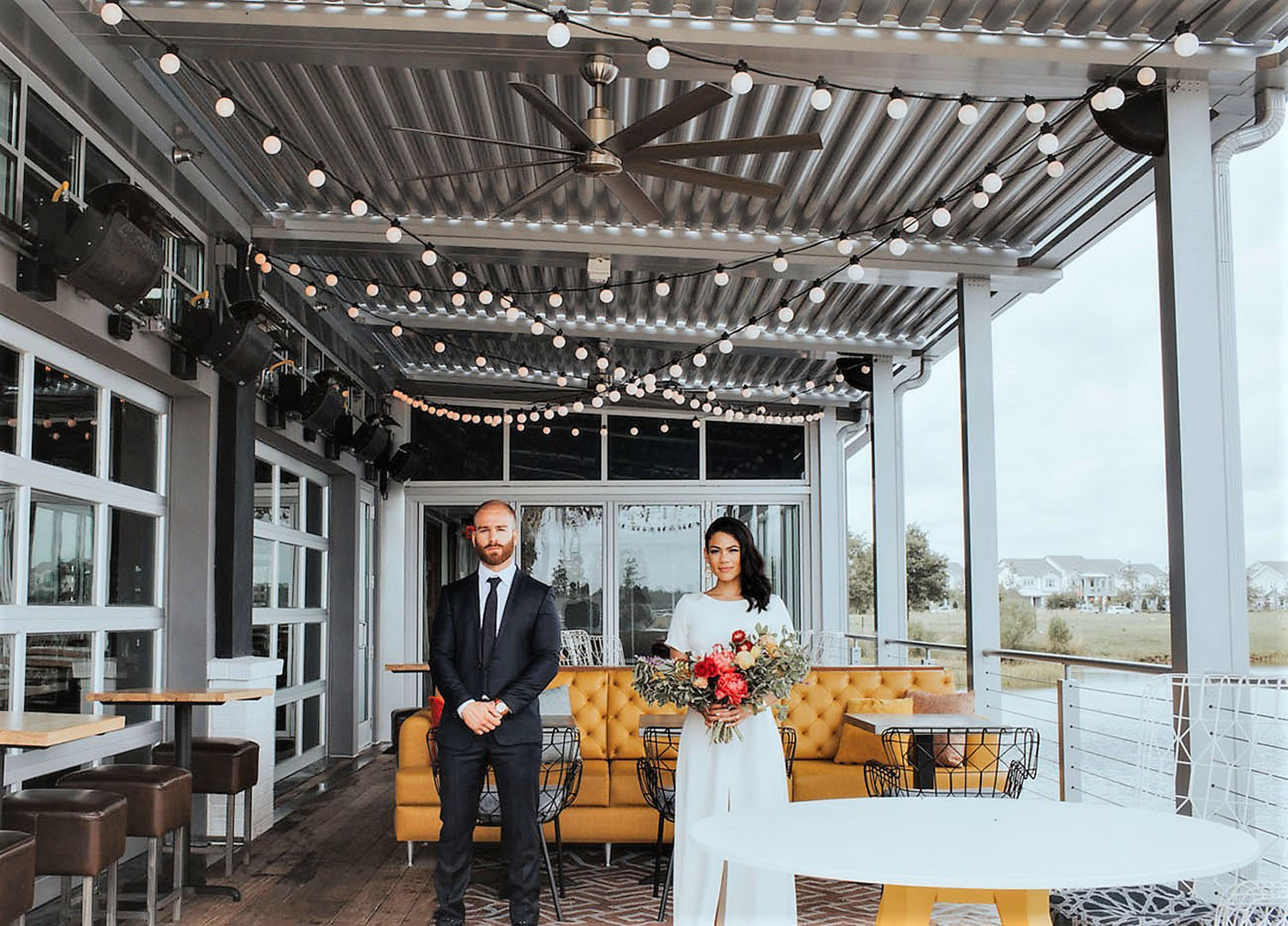
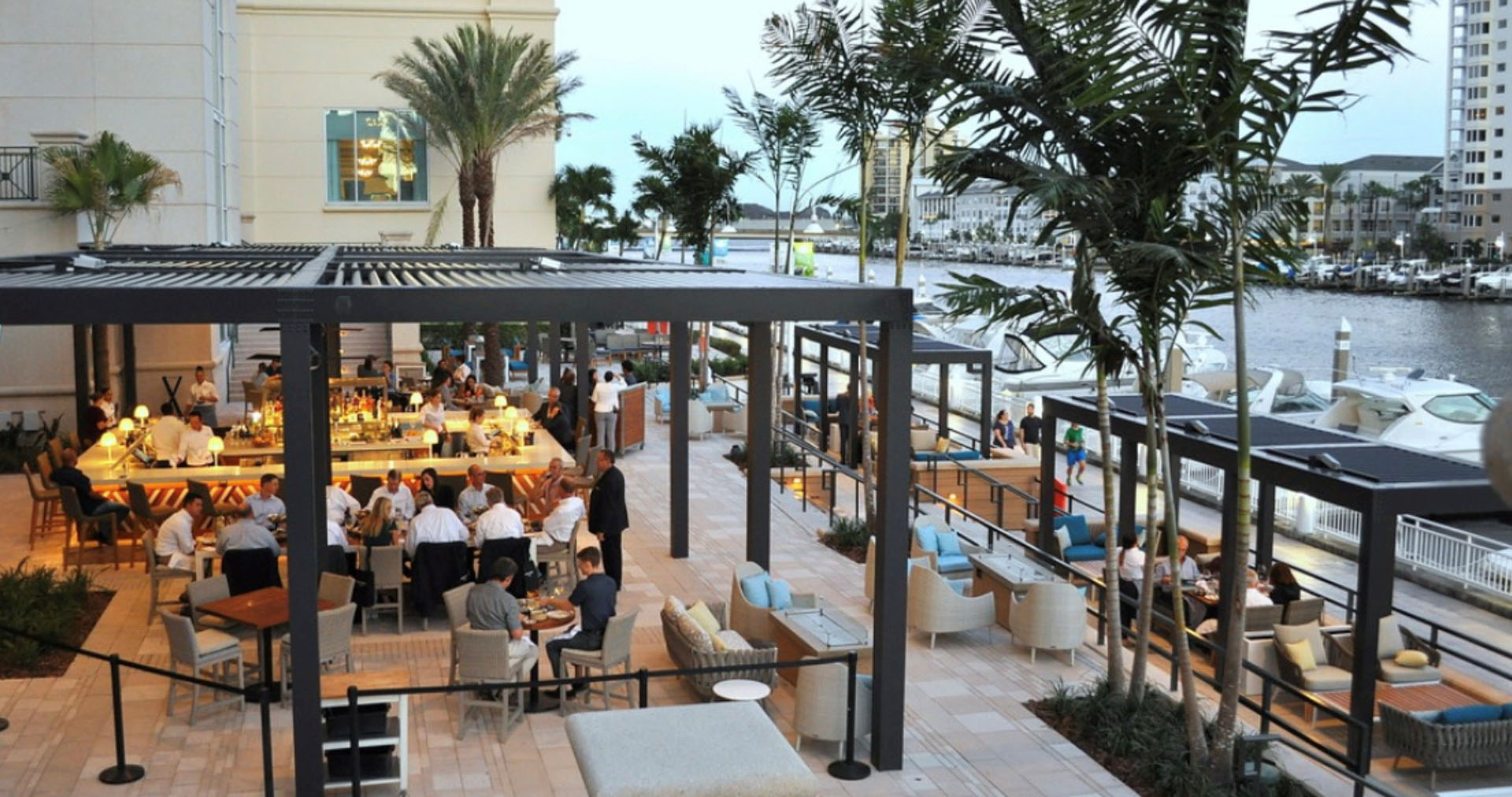
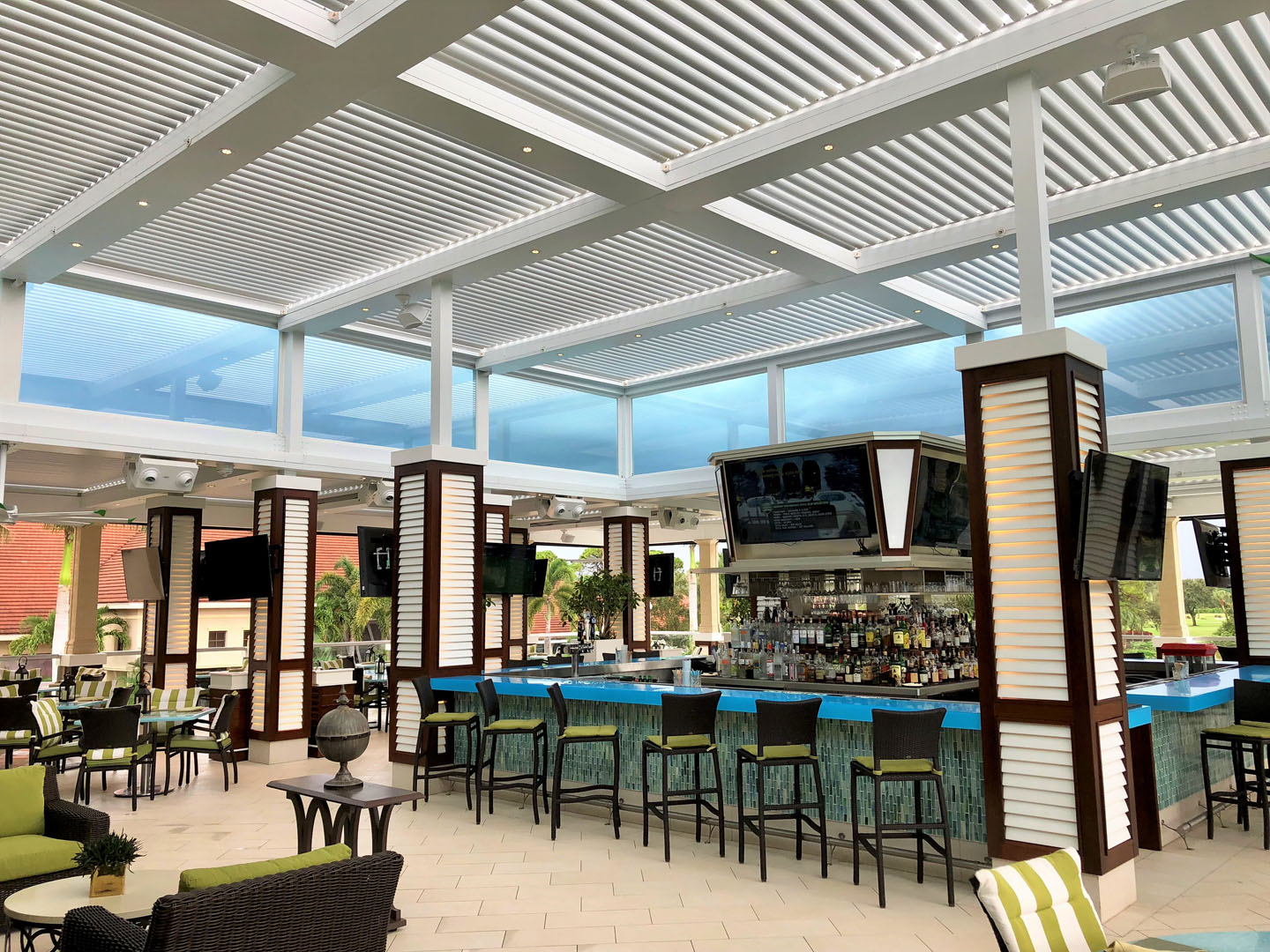
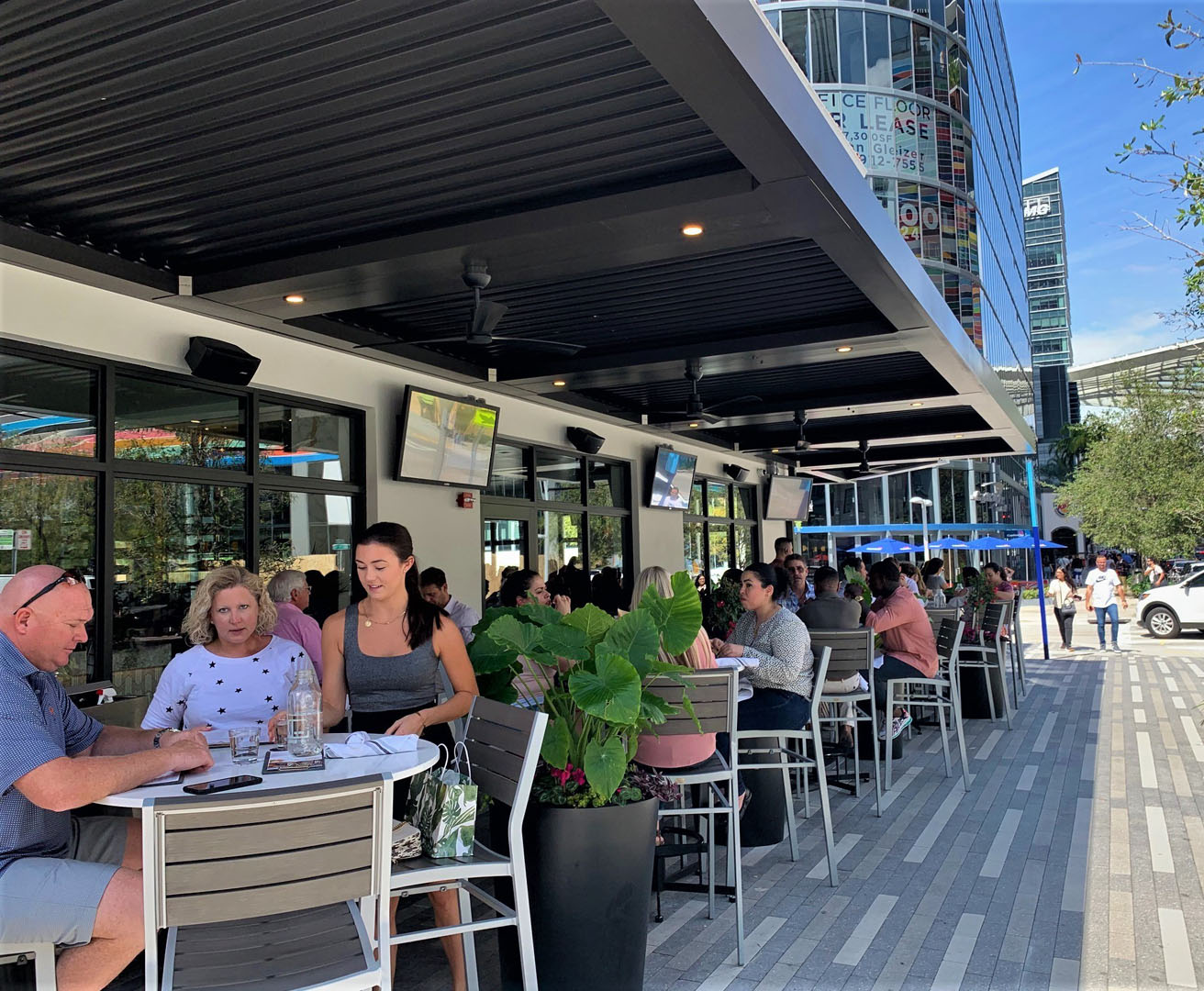
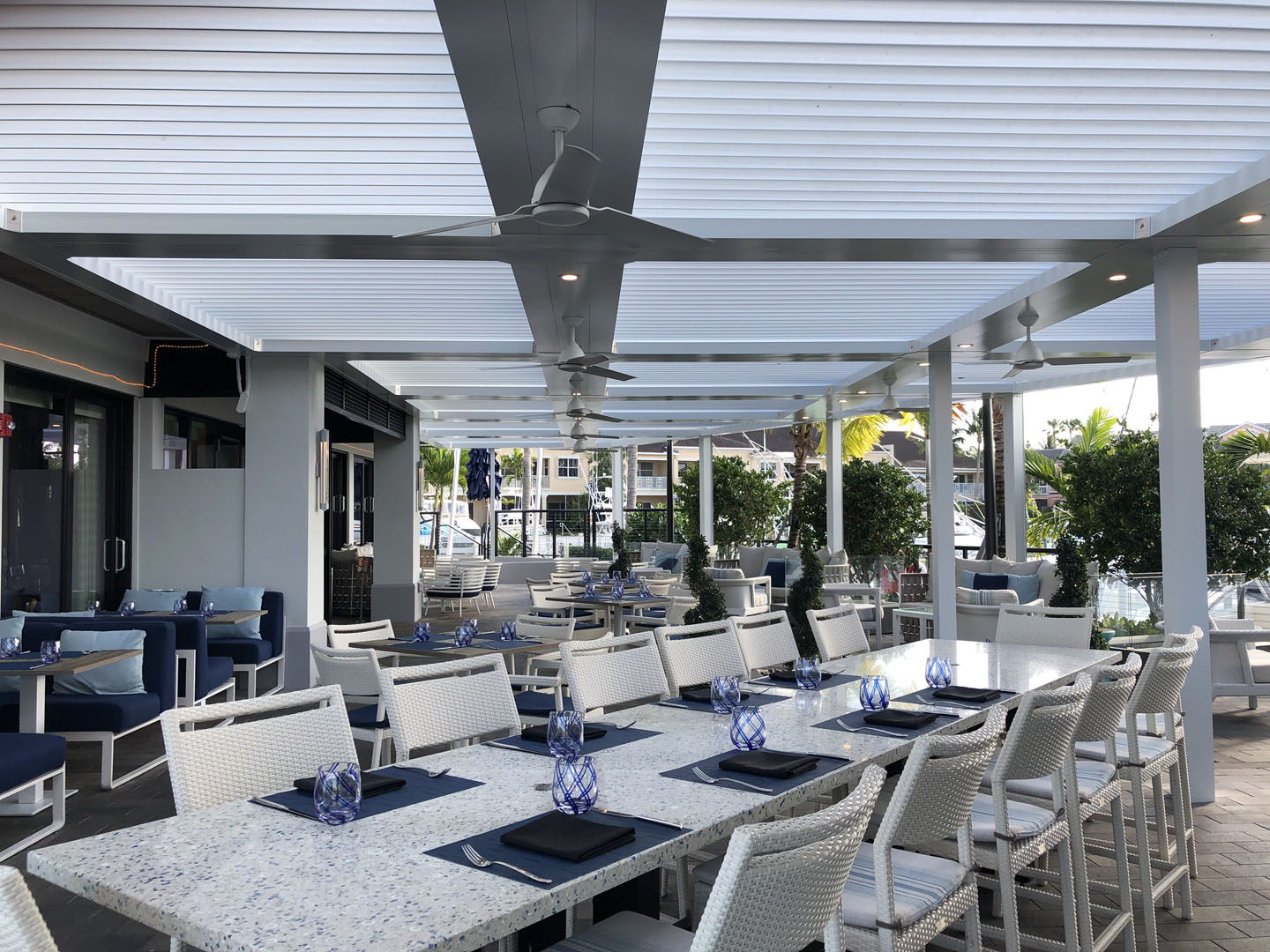
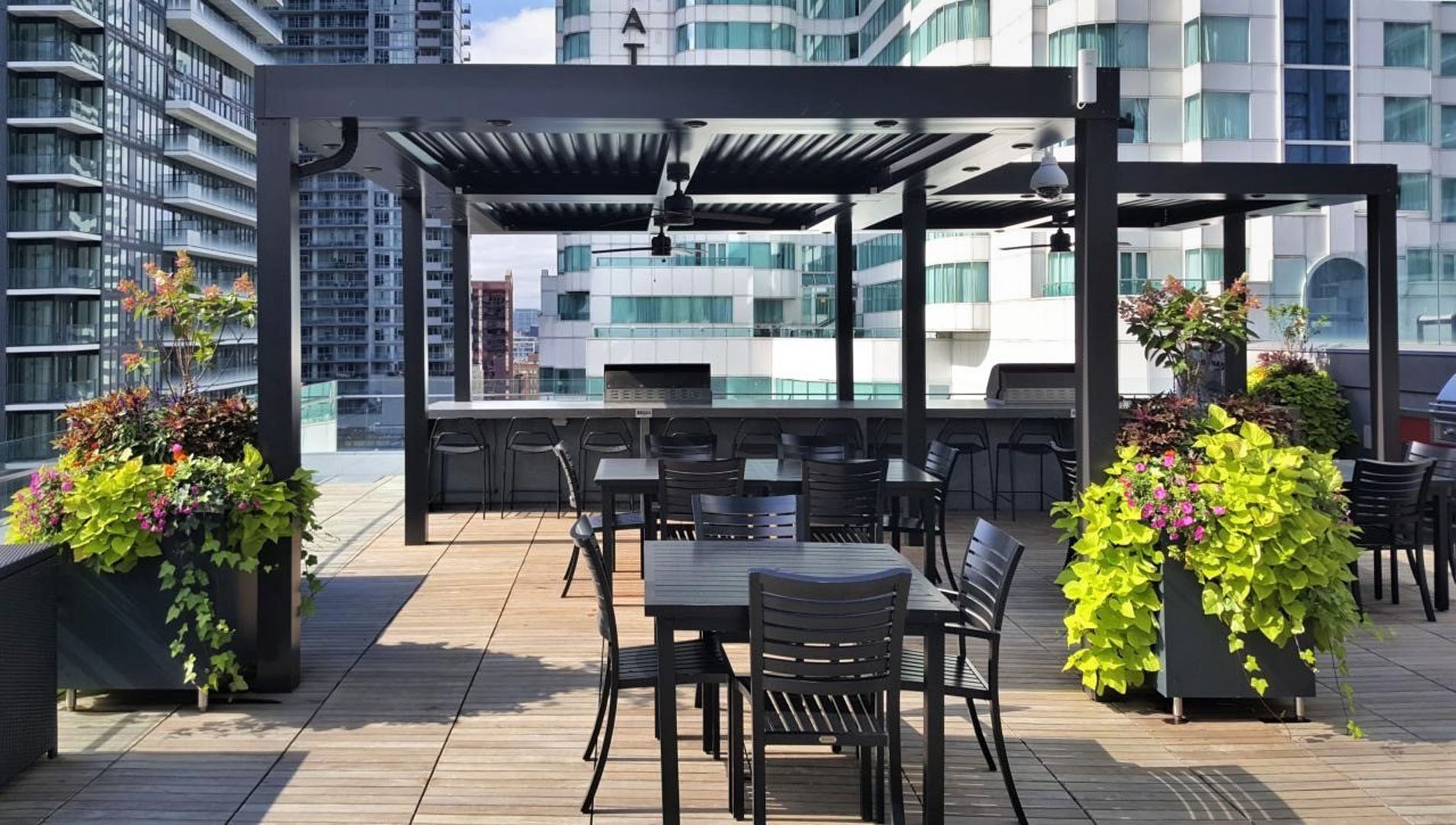
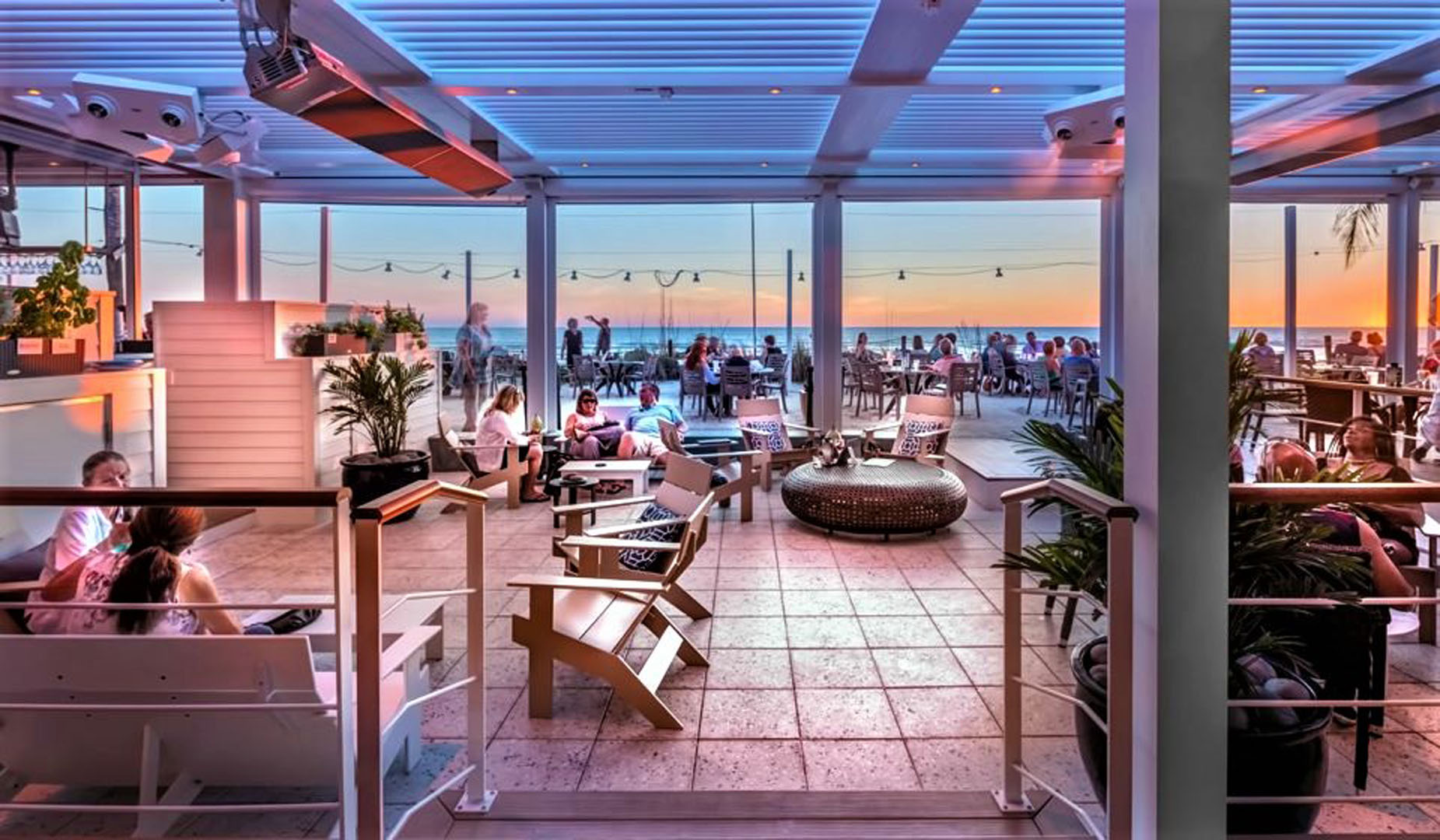
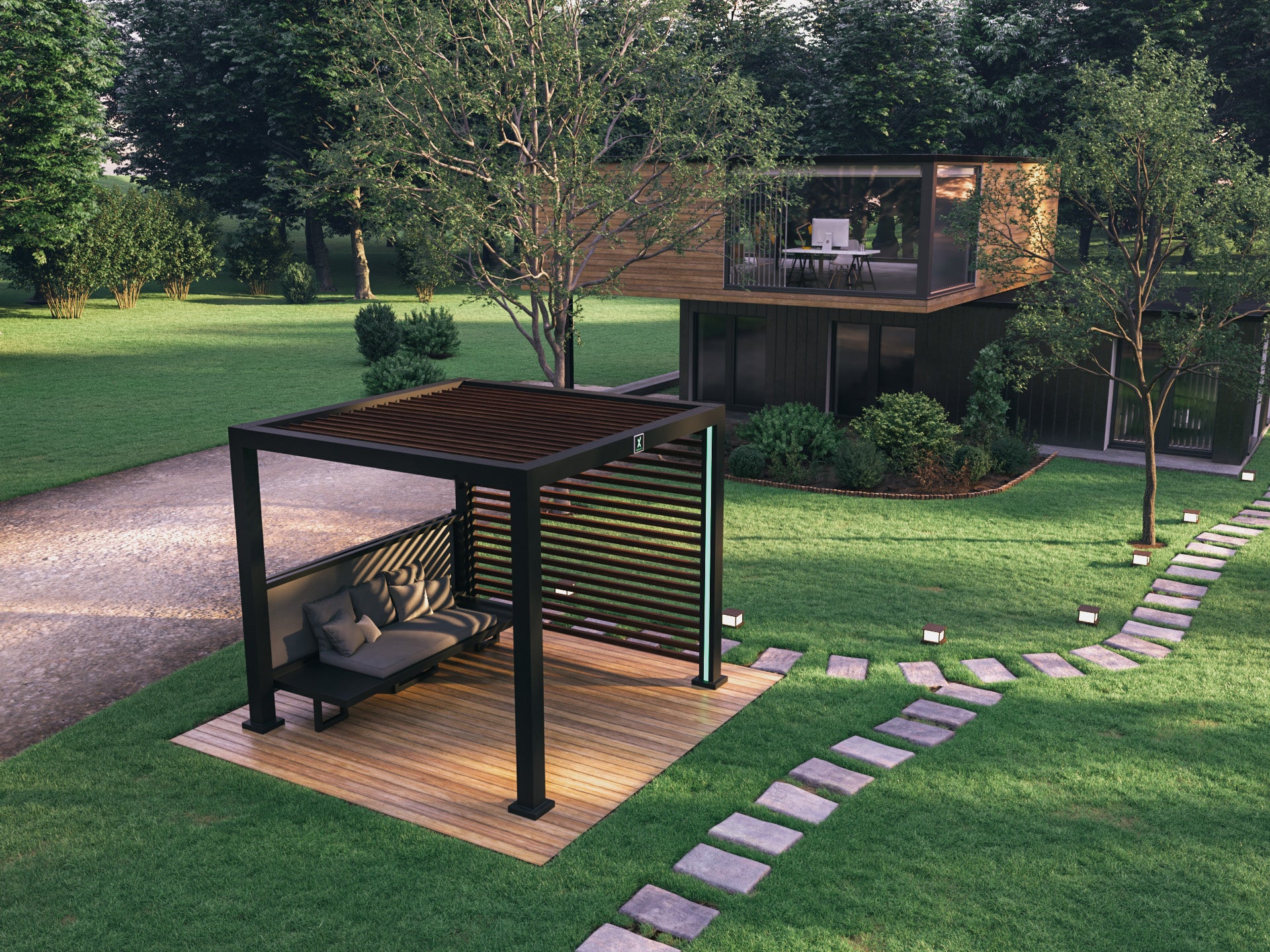
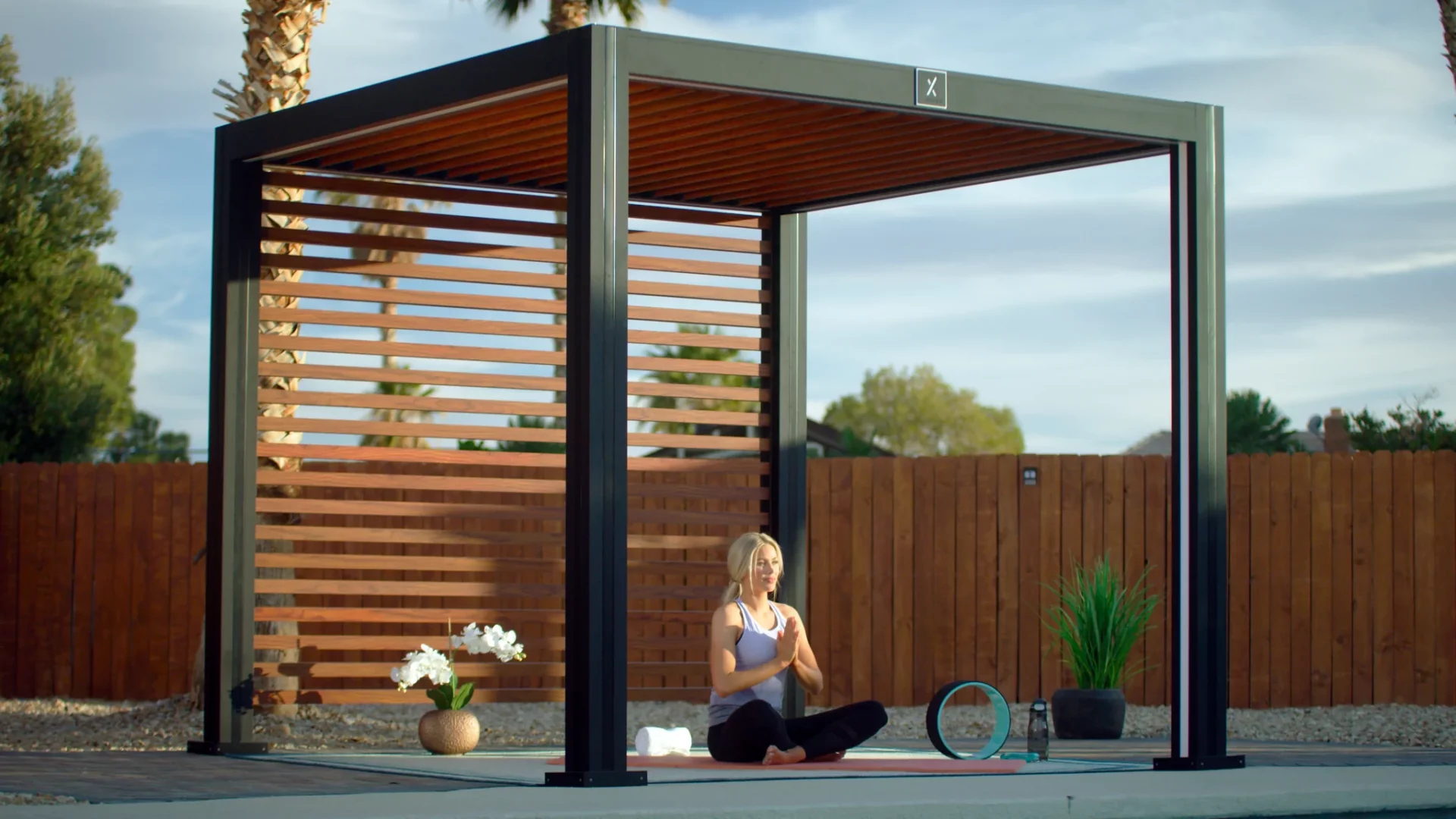
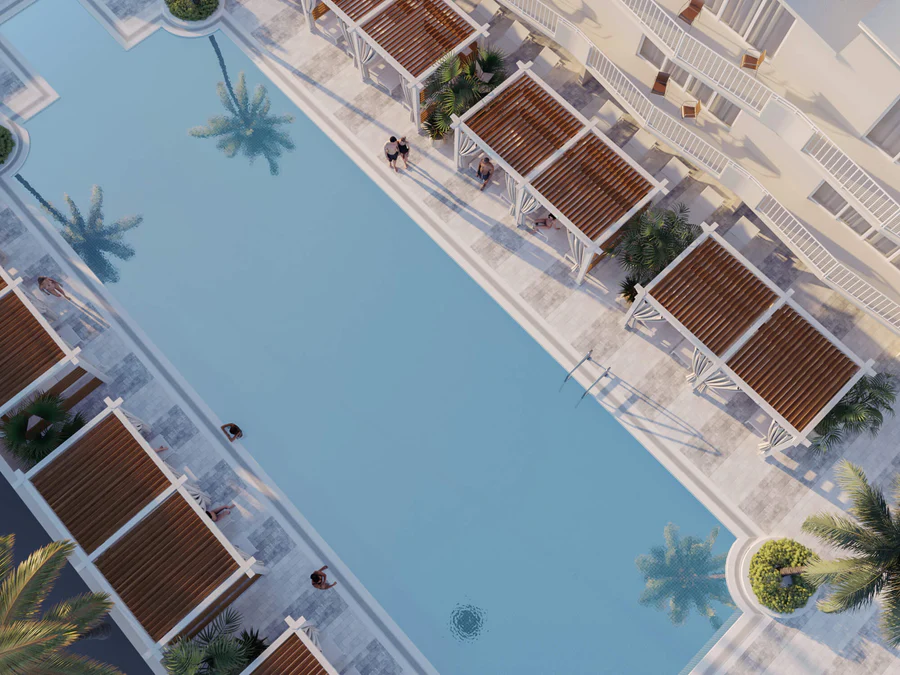
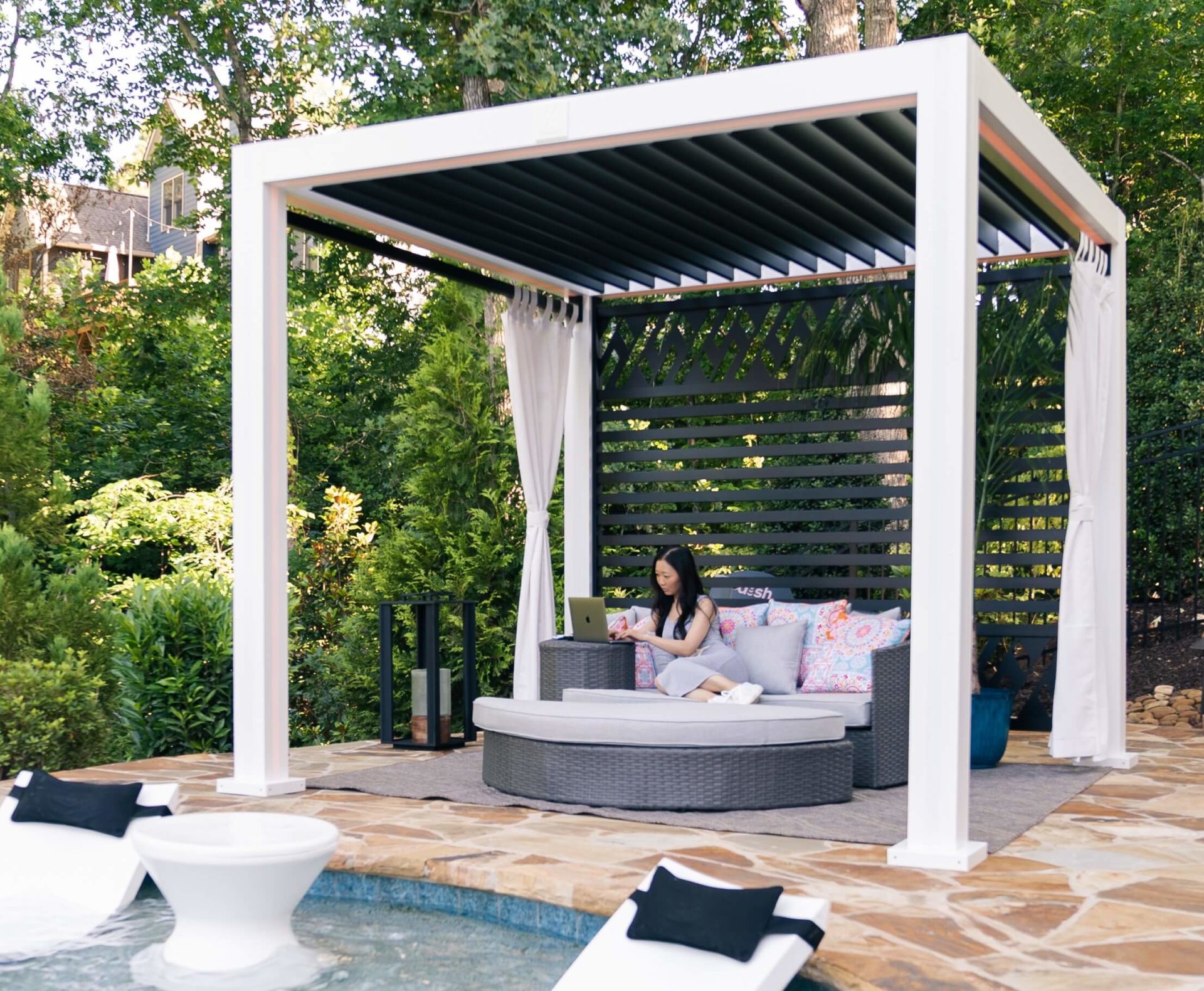
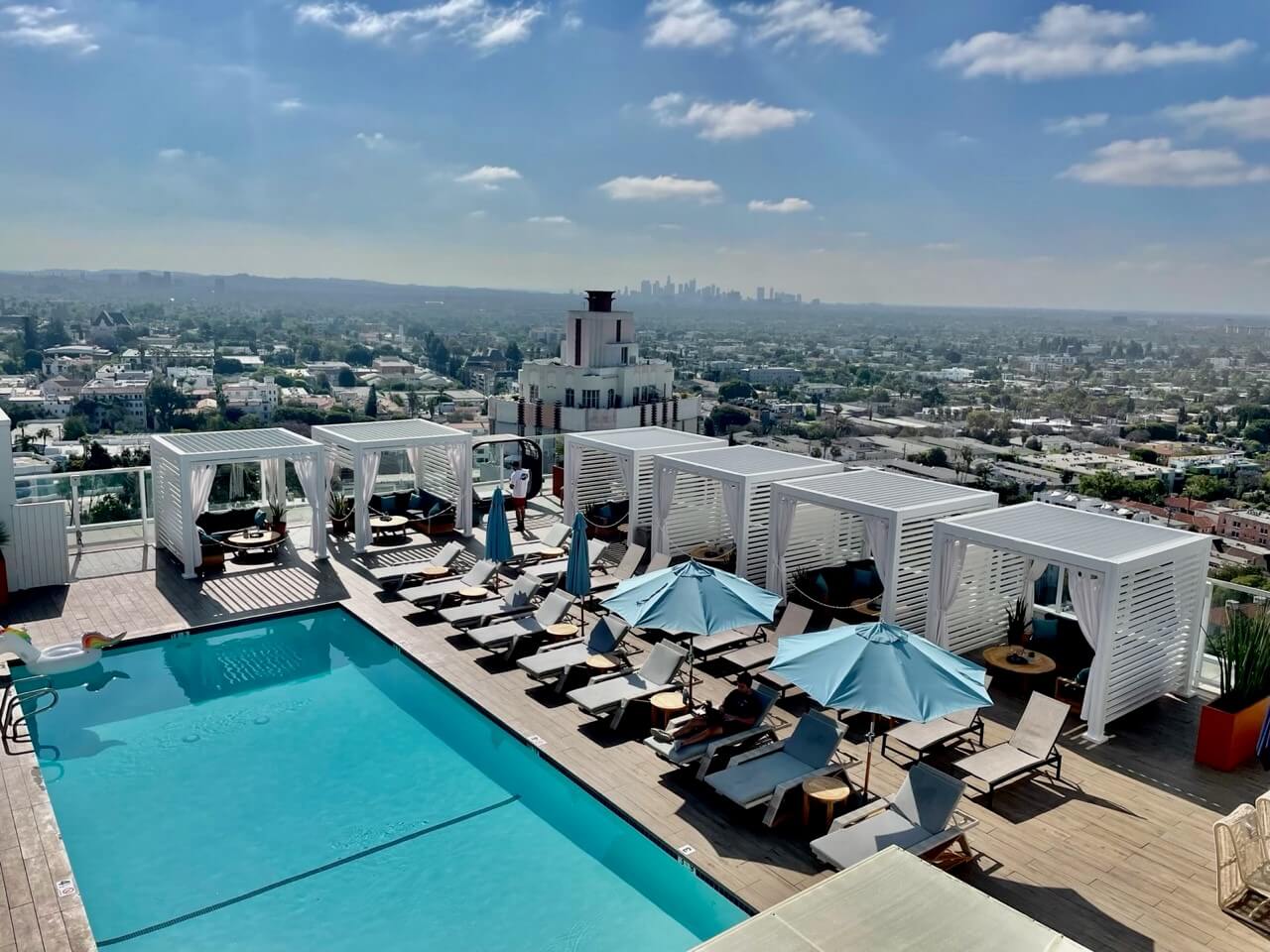
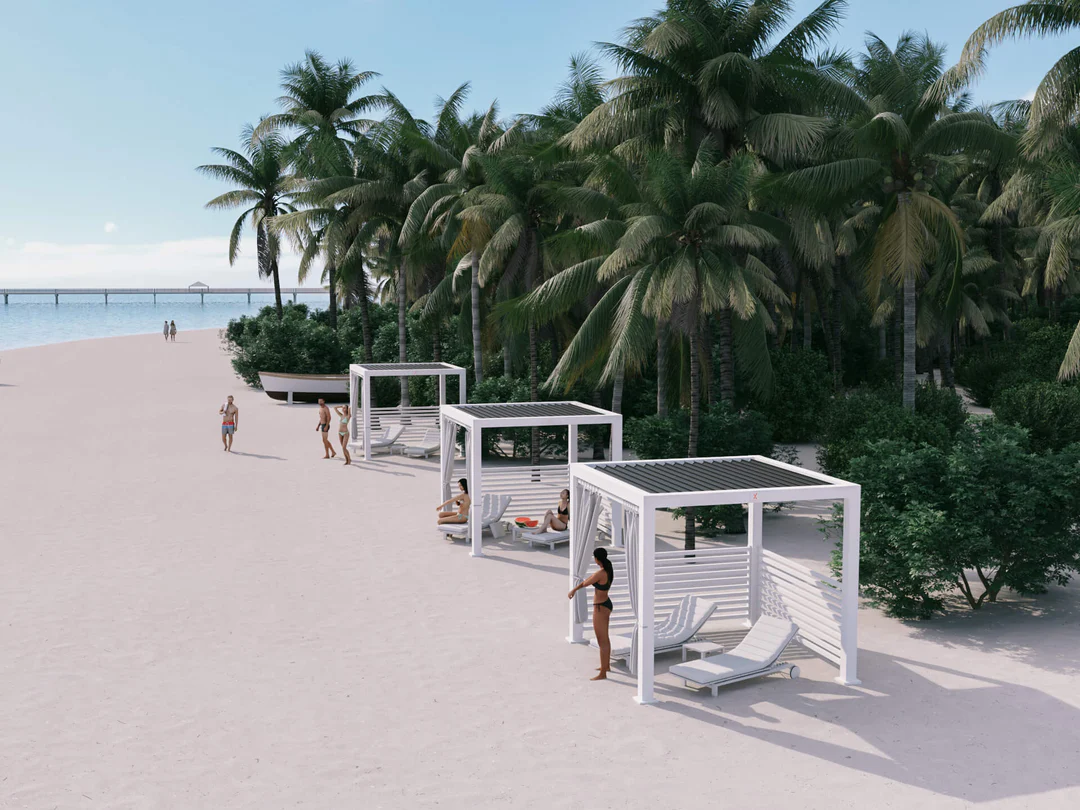
In Palmetto Bay outdoor life is family-centered and integrated with the lush, bayfront setting: homeowners use spacious backyards and terraces for pools, entertaining and gatherings, add shaded pergolas or covered patios to cope with intense sun and seasonal storms, and, on waterfront lots, maintain private docks for boating, kayaking or paddleboarding off Black Point Park and Marina. Daily routines include morning runs and dog walks in tree-lined parks, biking along Old Cutler Road, farmers’ markets and picnics at Coral Reef Park, plus canoe tours and nature trails at the Deering Estate. Oversized lots, low-density canopy and the “Village of Parks” vibe encourage year-round outdoor living, while coastal winds and seawall/permit requirements shape durable, wind-resistant outdoor upgrades.
Outdoor Activities, Amenities, and Lifestyle Patterns
Palmetto Bay residents embrace a family-focused, active outdoor lifestyle built around parks and waterfront access—sports fields, walking trails and picnics at Coral Reef Park, nature trails and canoe tours at the Deering Estate, and boating, kayaking or paddleboarding from Black Point Park and Marina—while backyards commonly host pools, entertaining areas and gatherings. Community events like farmers’ markets, biking along Old Cutler Road and morning runs on tree-lined streets reinforce suburban, recreational habits. Oversized lots, private docks on canal and bay properties and generally no-HOA flexibility support pergolas, covered patios and other outdoor additions, but the subtropical sun, heat, humidity, bayfront wind and hurricane exposure drive demand for shade, weather-resistant structures and marine inspections/seawall checks before waterfront upgrades.
Residential Property Characteristics of Palmetto Bay Affecting Outdoor Living
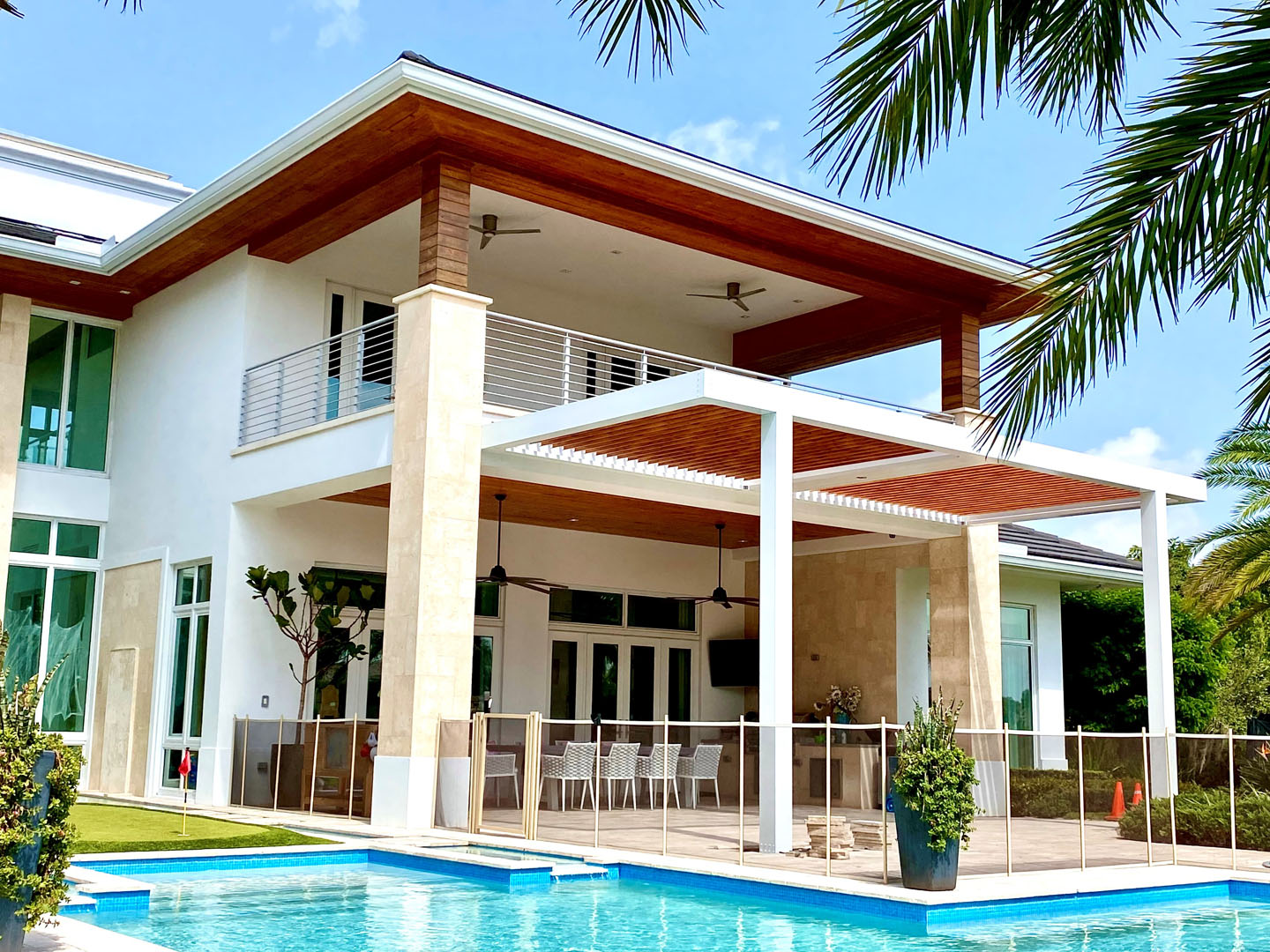
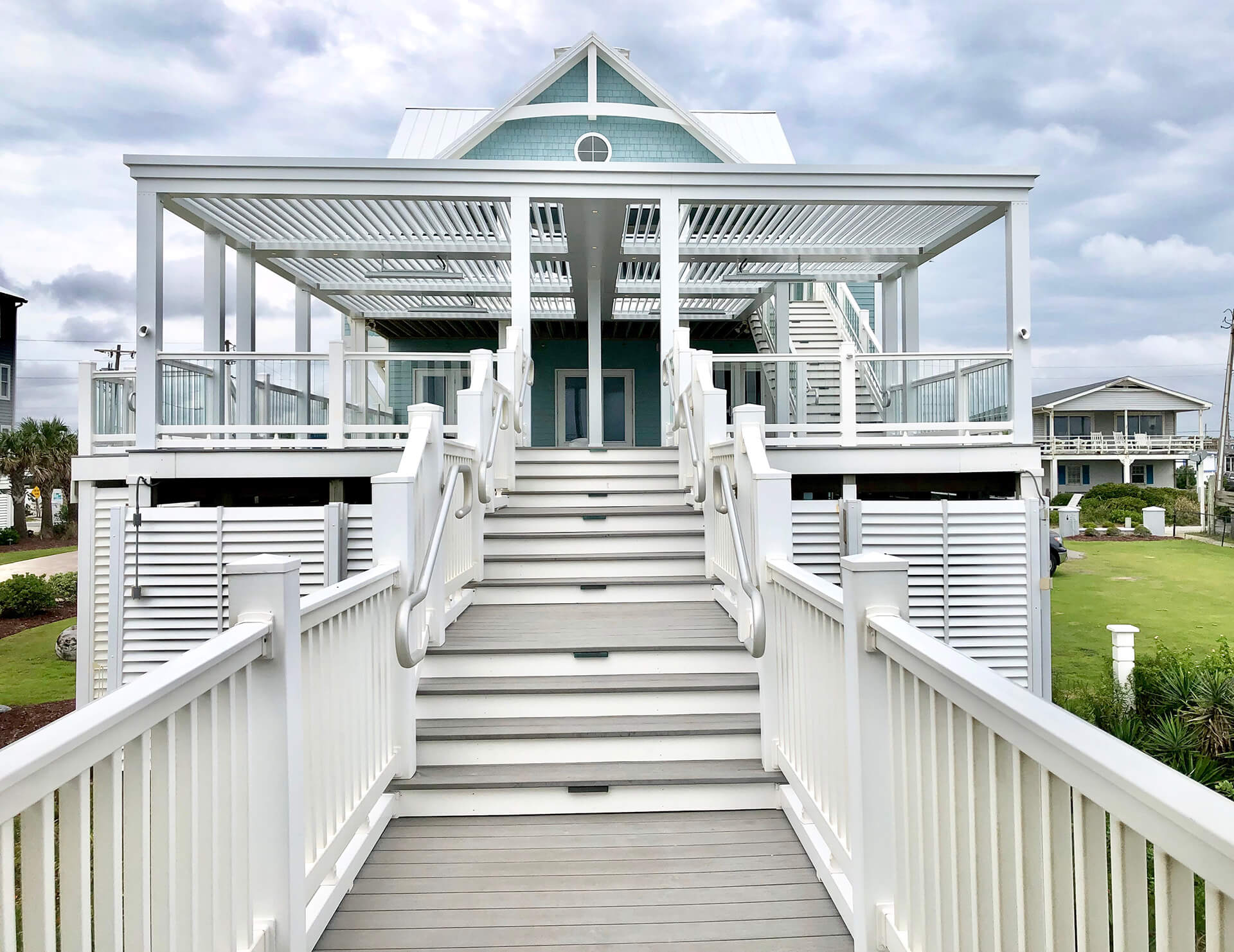
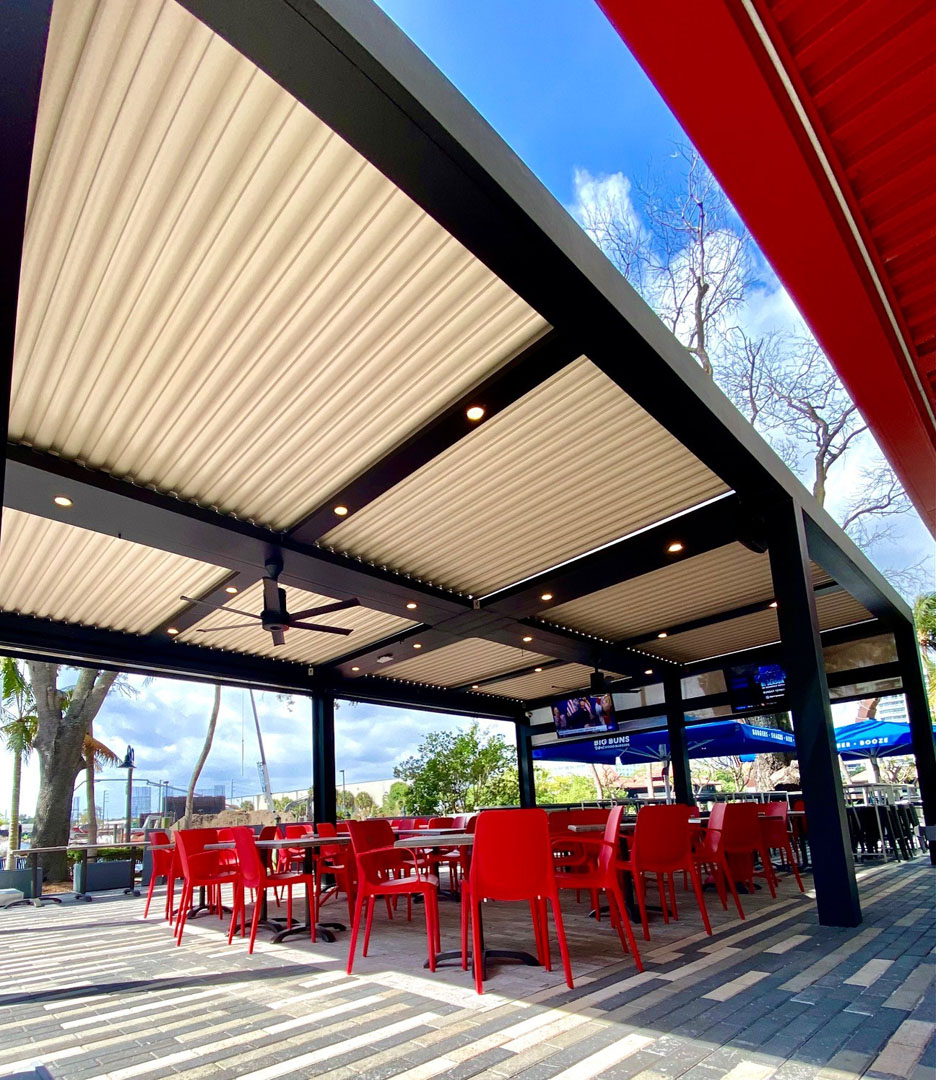
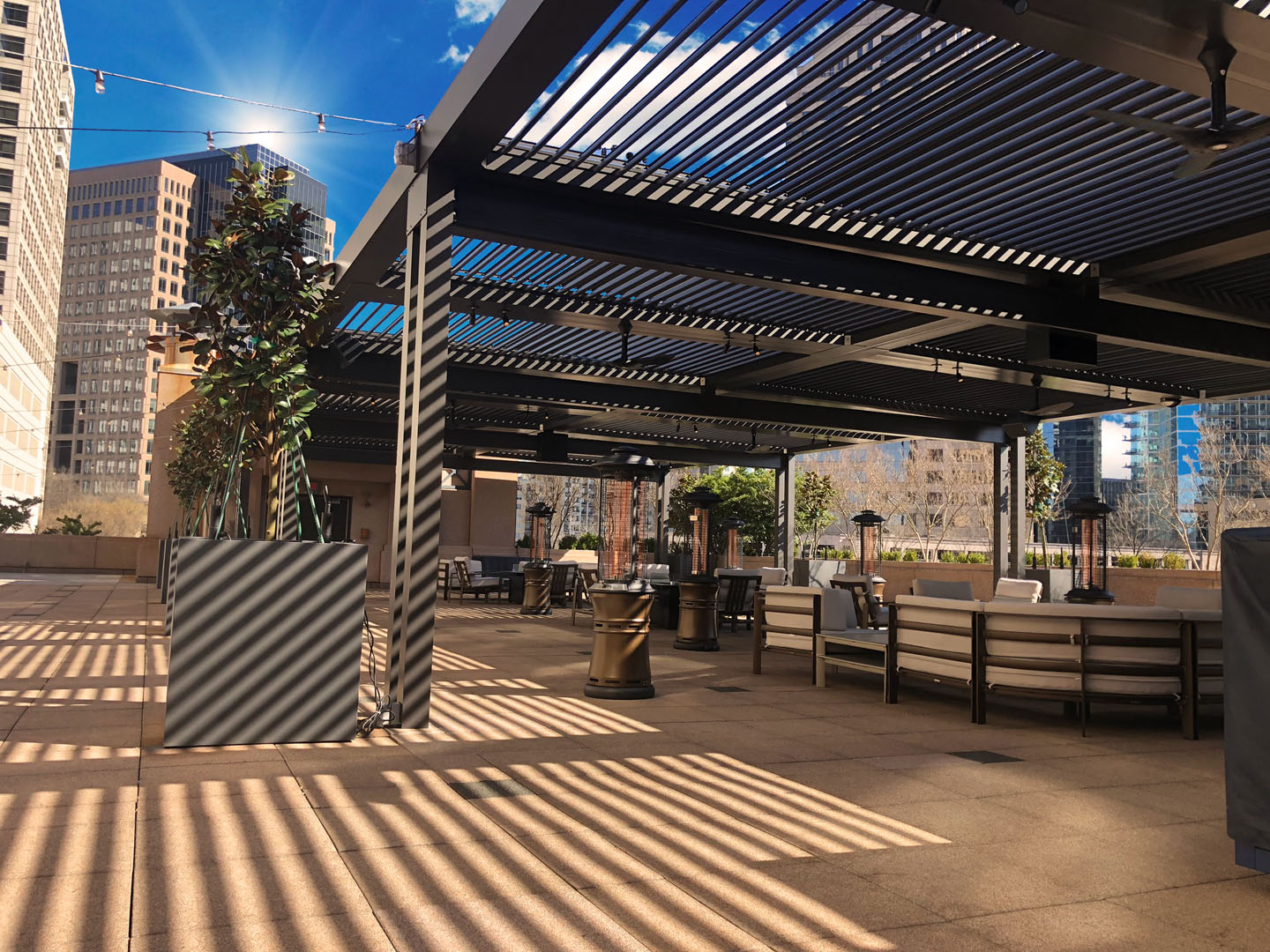
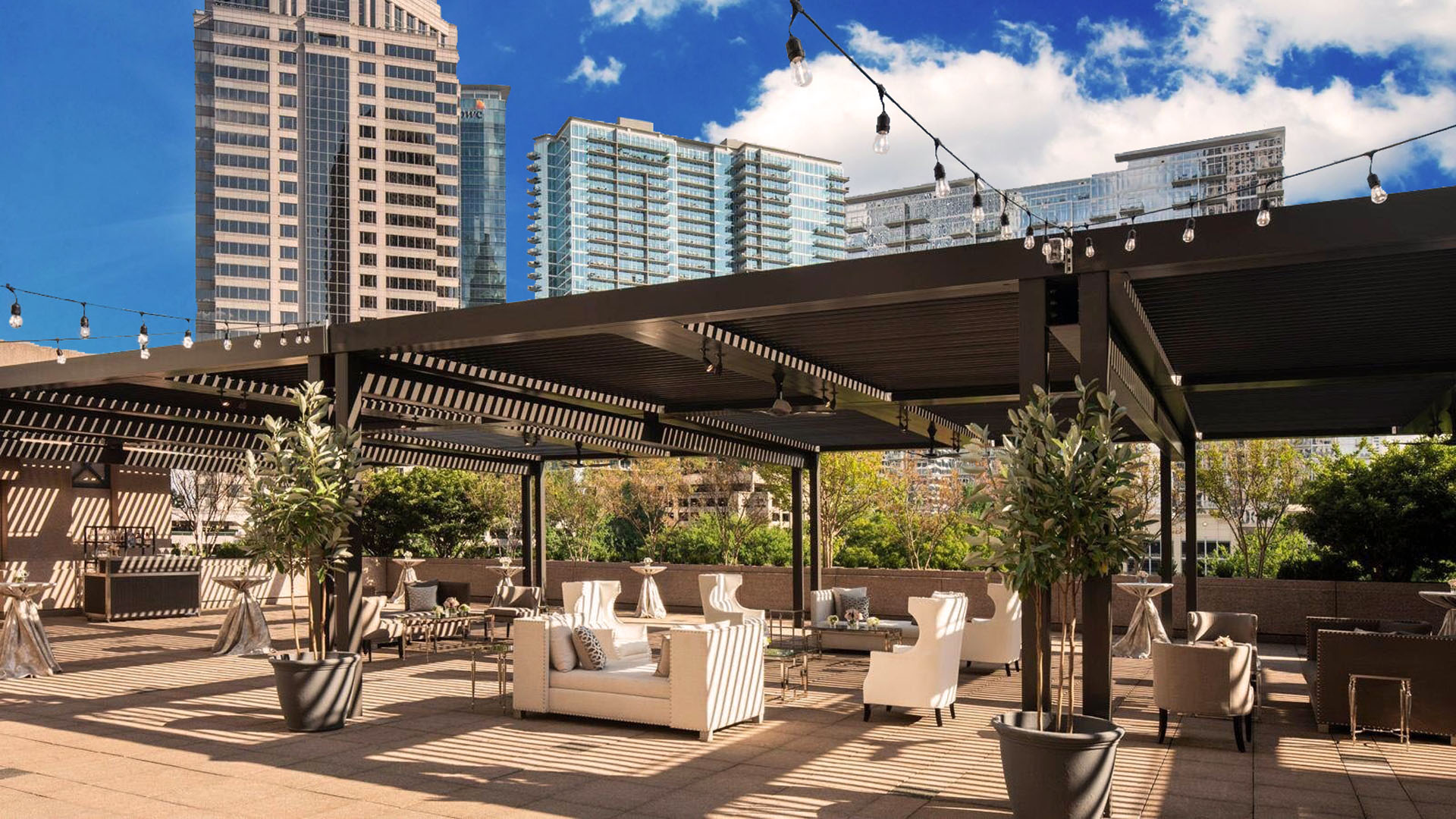
Palmetto Bay’s residential fabric is largely single-family homes—from smaller suburban parcels to larger estate-style and waterfront lots averaging about 2,822–3,000 sq ft—with pockets of townhomes and condos whose balconies or terraces also shape outdoor design choices. Typical backyards are spacious, often featuring pools, tropical landscaping, open entertaining areas and, on canal or bay properties, private docks that affect pergola siting and orientation. Lot size governs available footprint and maintenance for pergolas or covered patios, while the general lack of HOAs allows flexible additions. Coastal sun, heat, frequent rain and bay winds (plus seawall and permitting requirements on waterfront lots) push homeowners toward durable, wind-rated shade structures, covered terraces or cantilevered pergolas that protect outdoor living spaces year-round.
Climate, Sun, and Weather Considerations in Palmetto Bay
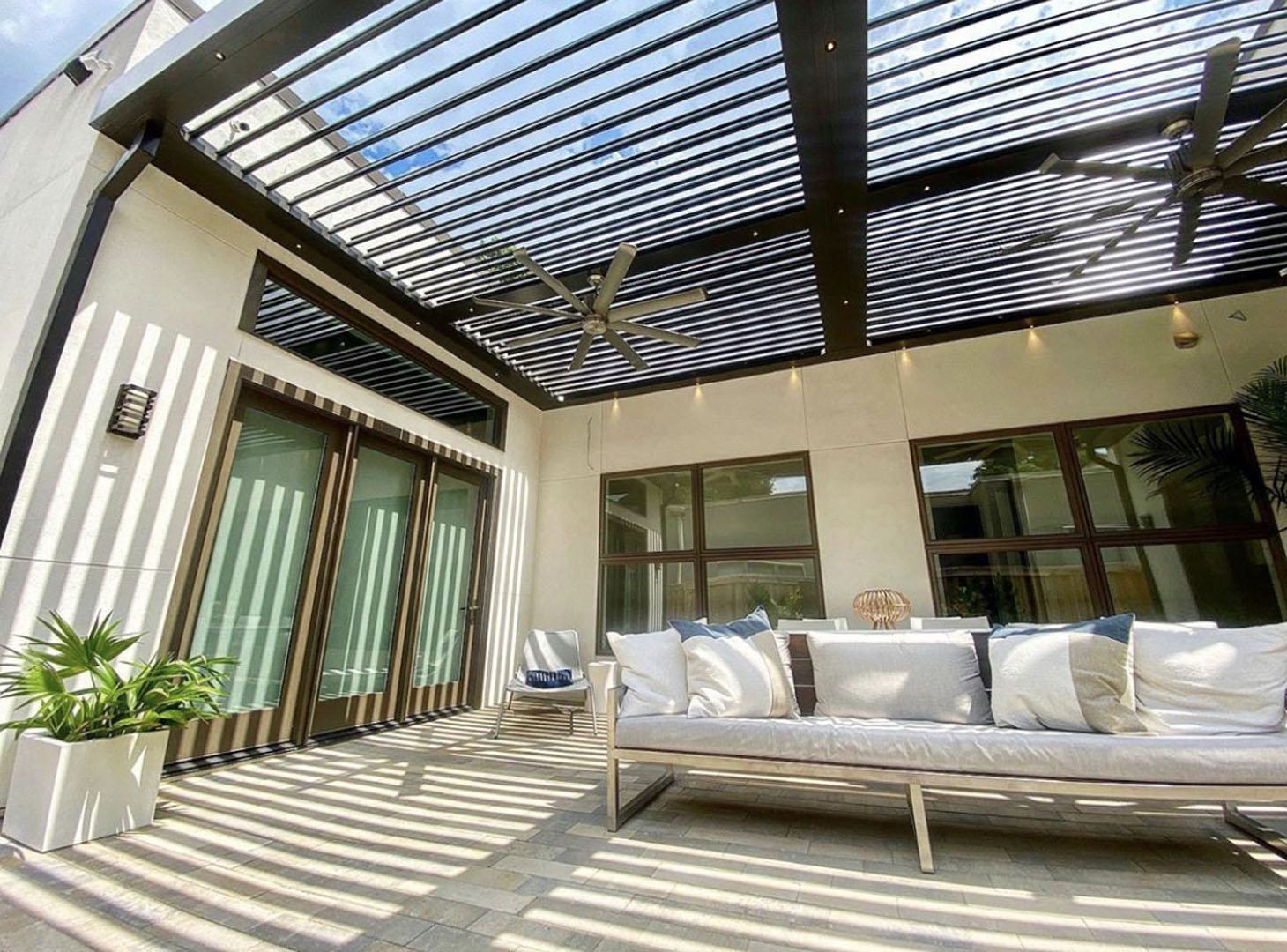
Palmetto Bay’s subtropical coastal climate along Biscayne Bay brings intense year-round sun, high heat, frequent rain and humidity, plus bayfront winds and occasional hurricane influence, all of which shape outdoor comfort and shade needs. Residents rely on shaded pergolas, covered patios and robust landscaping to reduce UV exposure and heat for pools, entertaining areas and trails, while rain and humidity necessitate good rain-runoff design and weather-resistant materials. Coastal and canal properties further require wind-resistant construction, adherence to structural codes and marine inspections or seawall checks before adding permanent shade or docks. Taken together, sunlight, storm risk and coastal exposure favor durable, well-anchored shade solutions to extend year-round outdoor use and protect structures.
Why Palmetto Bay Is Ideal for Outdoor Living
Palmetto Bay’s family-centered, active lifestyle—centered on Coral Reef Park, the Deering Estate, Black Point Park and Marina, community markets and tree-lined trails—makes outdoor living an extension of everyday life, with backyards commonly used for pools, entertaining and boating access; its predominance of single-family homes on generous lots, often with private docks and few HOA restrictions, provides space and flexibility for patios, pergolas and covered rooms. The subtropical coastal climate—intense sun, heat, humidity, frequent rain and bay winds, plus hurricane considerations—creates strong demand for shade, UV protection, rain management and wind-resistant structures, while waterfront properties add seawall and permitting requirements. Combined with the village’s parks, low density and family focus, these factors naturally encourage year-round outdoor upgrades.
Outdoor Living and Home Upgrade FAQ
What permitting is needed for backyard additions like pools or pergolas on waterfront lots? Canal/bay properties require marine inspections, seawall checks and confirmation of riparian rights; follow local permits for structures and pools.
How do lot sizes affect outdoor maintenance and pergola installations? Larger lots allow bigger additions and pools but increase upkeep and cost; smaller suburban lots reduce maintenance while still accommodating shaded structures.
Are HOA fees common, and do they restrict outdoor upgrades? Most single-family homes lack HOAs, offering flexibility for patios and pergolas; gated communities may have amenity fees or rules.
Which parks support backyard boating and waterfront activities? Coral Reef Park, Deering Estate and Black Point Park & Marina provide nearby parks, trails and boat/kayak launch options.
How does bay proximity affect design for shade and wind resistance? Subtropical sun, humidity and coastal winds require UV protection, rain management and wind-rated, hurricane-resistant pergolas or covered patios.