
Aluminum Cabanas in South Florida: Custom Outdoor Cabana Structures (2026)
A cabana turns a backyard or pool deck into a destination, giving you a dedicated, shaded retreat that feels separate from the house. In South Florida, the smart way to build one is in aluminum: it shrugs off salt air, intense sun, and tropical downpours that would rot wood and rust steel within a few seasons. This guide explains what an aluminum cabana is, why the material matters in our climate, the difference between a freestanding cabana and a pergola, and how StruXure South Florida designs and installs custom cabanas across the region.
What is an aluminum cabana?
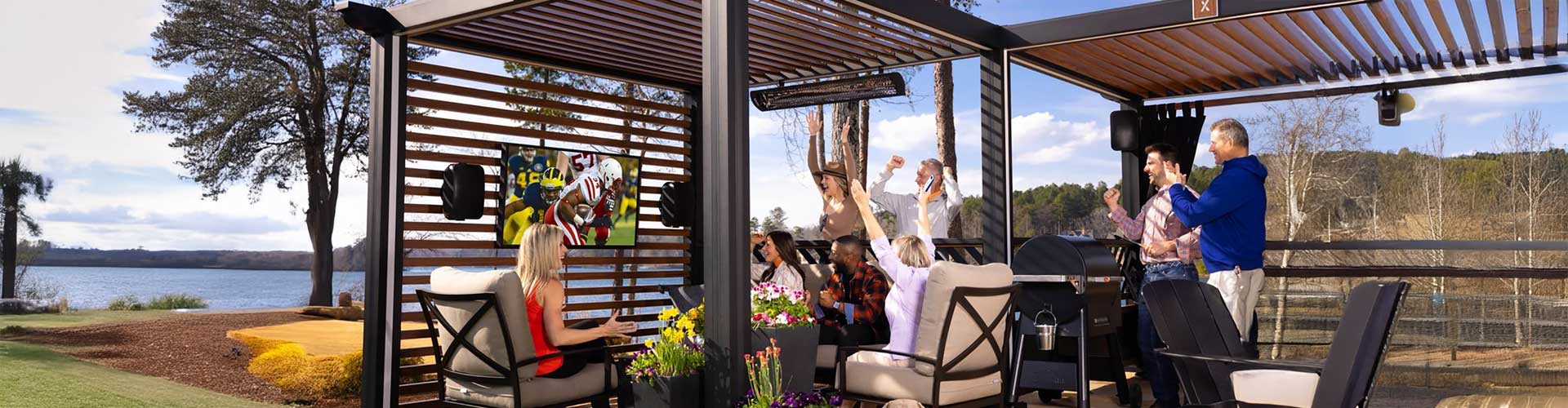
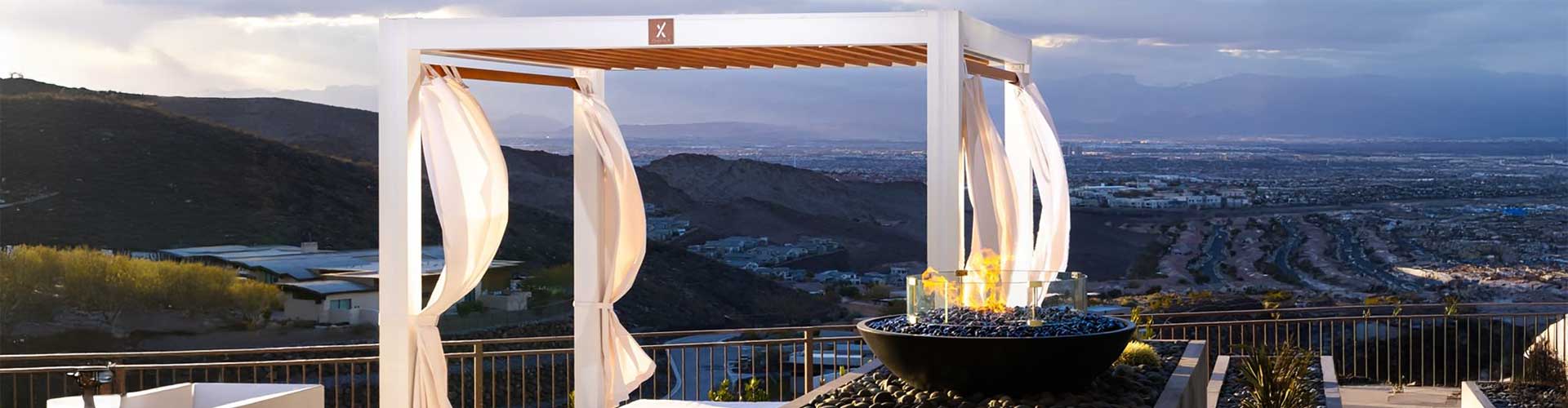
A cabana is a freestanding, roofed structure designed as a shaded lounge, poolside retreat, or outdoor room. An aluminum cabana is built on a powder-coated aluminum frame rather than wood or steel, which is what makes it suited to South Florida. The StruXure Cabana X is a modular aluminum cabana system with an adjustable louvered or solid roof, optional side panels, and integrated lighting and fans, so it functions as a true outdoor room rather than a simple shade canopy.
Unlike a tent-style or fabric cabana, an aluminum cabana is a permanent, engineered structure. That means it is permitted, anchored to code, and built to stay in place through storm season rather than something you assemble and disassemble each year.
Why aluminum is the right material in South Florida
The climate here is unforgiving to building materials. Coastal salt air corrodes steel and degrades fasteners, constant UV bleaches and cracks wood, and humidity invites rot, mold, and insects. Powder-coated aluminum resists all of it: it does not rust, warp, splinter, or rot, and the finish holds its color for years with minimal upkeep. It is also strong for its weight, which allows clean, slim profiles that look modern rather than bulky.
Maintenance is the other advantage. A wood cabana needs sanding, sealing, and refinishing on a schedule; an aluminum cabana needs little more than an occasional rinse. Over the life of the structure, that difference is significant, and it is the same reason aluminum has become the standard for motorized pergolas across Florida.

Cabana vs. pergola: which do you need?
The two are related but serve different roles. A louvered pergola is typically attached to or positioned next to the home and covers a patio, kitchen, or lounge as an extension of the house. A cabana is freestanding and creates a separate destination, most often near a pool or at the far end of a yard. Many of the best outdoor spaces use both: a pergola over the main patio and a cabana as a poolside retreat. Both can carry an adjustable louvered roof, so you get the same control over sun and rain in either structure. If you are weighing a full plan, our outdoor living guide shows how the pieces fit together.
Customizing your aluminum cabana
A custom cabana is configured around how you will use it. Common options include an adjustable louvered roof for sun and rain control, motorized screens for privacy and storm protection, integrated LED lighting and ceiling fans, and a choice of powder-coat finishes to match the home. You can spec it as an open lounge, a fully screened room, or a poolside bar. Because the frame is aluminum, the structure stays slim even at larger spans.
Engineering, permits, and cost
An aluminum cabana is a permanent structure, so it must be engineered and permitted to the Florida Building Code, and along the coast to High-Velocity Hurricane Zone wind standards. StruXure handles the structural engineering, permitting, footings, and licensed installation as one package. Pricing depends on the size, roof type, screens, and finishes you choose; because the quote is all-inclusive, you are not comparing a bare-structure price against a finished one. Our cost guide explains how all-inclusive pricing works, and the same approach applies to cabanas.
For hotels, clubs, and HOAs, the same aluminum cabana systems scale to poolside hospitality settings, as covered in our guide to commercial pool cabanas.
Getting started
StruXure South Florida designs, engineers, permits, and installs custom aluminum cabanas with licensed crews. Whether you want a poolside lounge, a screened outdoor room, or a shaded bar, the structure is built to last in our climate. Explore the areas we serve or contact us to start your design.
Where a cabana works best on your property
Placement is what makes a cabana feel like a true retreat. The classic position is poolside, where the structure becomes a shaded base for swimming days and a dry spot to gather when the weather turns. A cabana also works at the far end of a yard as a destination that draws people outdoors and away from the house, or alongside an outdoor kitchen to create a combined cooking and lounging hub. Consider sightlines and privacy: orienting the open side toward the pool or garden and placing screens on the side facing neighbors gives you both a view and seclusion. Account for the path from the house, drainage around the footings, and how prevailing breezes move through the space. A cabana that is sited with intention rather than dropped into leftover space becomes the part of the yard everyone gravitates to.
Frequently asked questions
What is an aluminum cabana?
An aluminum cabana is a freestanding, roofed outdoor structure built on a powder-coated aluminum frame. It serves as a shaded lounge, poolside retreat, or outdoor room, and unlike fabric cabanas it is a permanent, engineered structure that stays in place year-round.
Why choose aluminum over wood for a cabana in Florida?
Aluminum does not rust, rot, warp, or splinter, and powder-coating holds its color through intense UV and salt air. Wood requires regular sanding, sealing, and refinishing and is vulnerable to moisture and insects, making aluminum far lower maintenance and longer lasting in South Florida.
What is the difference between a cabana and a pergola?
A pergola usually attaches to or sits beside the home to cover a patio or kitchen, while a cabana is freestanding and creates a separate destination, often by the pool. Both can have adjustable louvered roofs; many homes use a pergola and a cabana together.
Do aluminum cabanas need a permit in South Florida?
Yes. As permanent structures, aluminum cabanas require permits and engineering to the Florida Building Code and, near the coast, hurricane-zone wind standards. StruXure manages permitting, engineering, and inspection as part of every installation.