
Dockside Pergolas and Cabanas in Fort Lauderdale: Salt, Glare and Seawall Planning
Fort Lauderdale calls itself the Venice of America for a reason, and a dockside pergola or cabana is one of the best ways to use that waterfront. It also happens to be one of the harshest places to put a structure. Salt spray, reflected glare off the water and wind that arrives with nothing to slow it down all test a roof system. This guide covers how to plan a pergola or cabana by the dock, the marina or the seawall in Fort Lauderdale.
What a dockside pergola in Fort Lauderdale demands
A structure at the water’s edge is exposed on at least one side. That changes three things compared with a typical backyard.
- Wind. There is little to block gusts coming across open water, so the structure needs engineered anchoring for your specific site, not a generic detail.
- Salt. Salt spray corrodes steel, cheap fasteners and poorly coated metal. Powder-coated aluminum and stainless hardware are the standard answer.
- Glare. Water doubles the sun. A roof that blocks overhead sun may do little about low-angle reflection, so side panels or screens often matter more than owners expect.
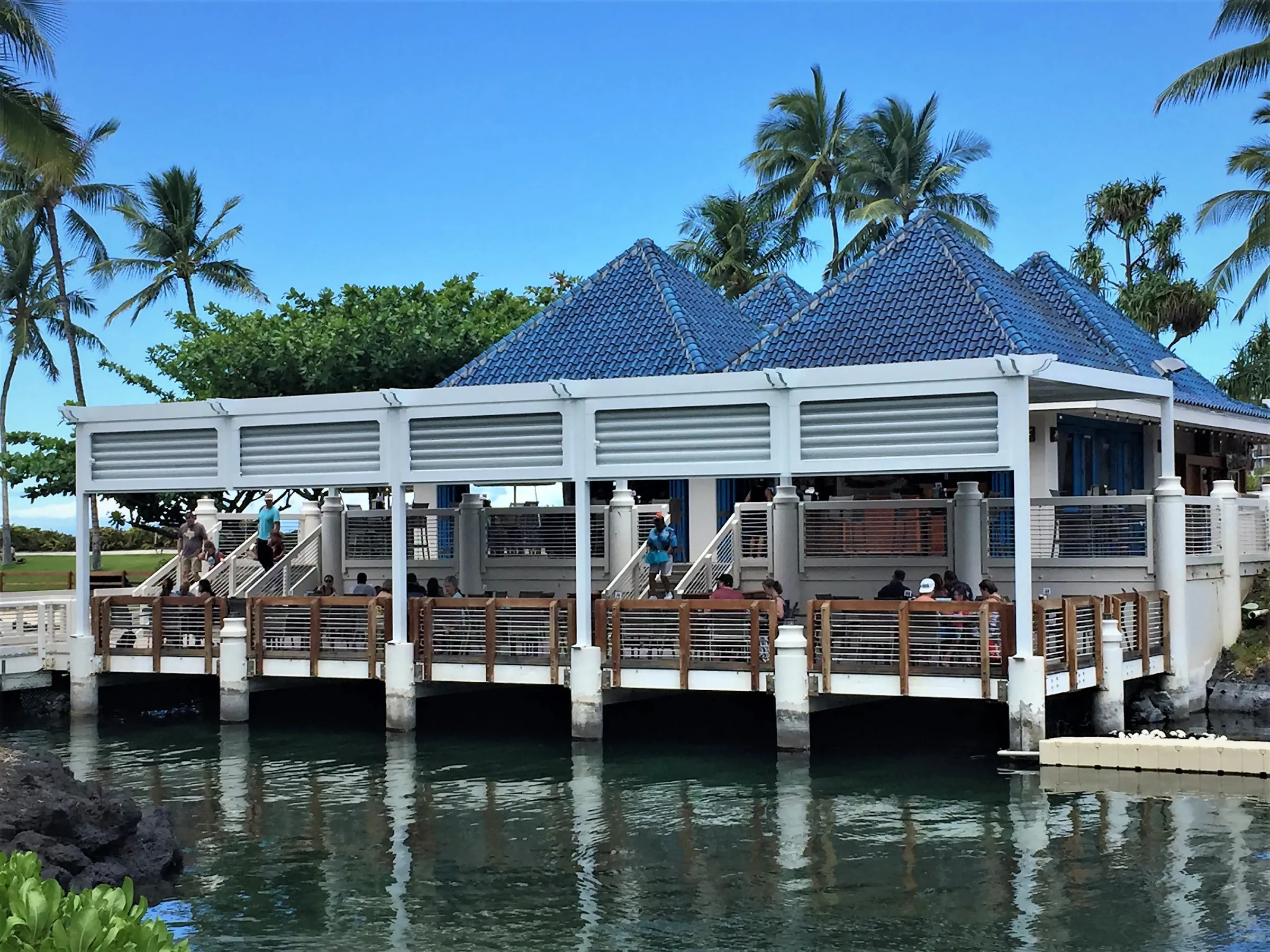
Pergola or cabana: which fits?
A pergola is an open frame with a roof, usually louvered. A cabana is more enclosed, often with side walls, curtains or screens, and it feels like a small room. At the waterfront, most owners end up somewhere in between: a louvered roof over a seating or dining area with removable or retractable sides. Our Cabana X is built for the enclosed end of that range, while the Pergola X suits an open, modern look.
Seawall and setback rules for a dockside pergola in Fort Lauderdale
Building near the water adds layers of review. The seawall may have its own structural limits, and the city, the county and sometimes the state have rules about structures near the water. Ask your builder to confirm, before design starts, how far the structure must sit from the seawall, whether the existing slab or deck can carry the new load, and whether any additional approvals apply. Do not assume a deck built for chairs can carry posts and a roof. Before you commit to a dockside pergola, check the City of Fort Lauderdale building and permitting pages for current waterfront rules.
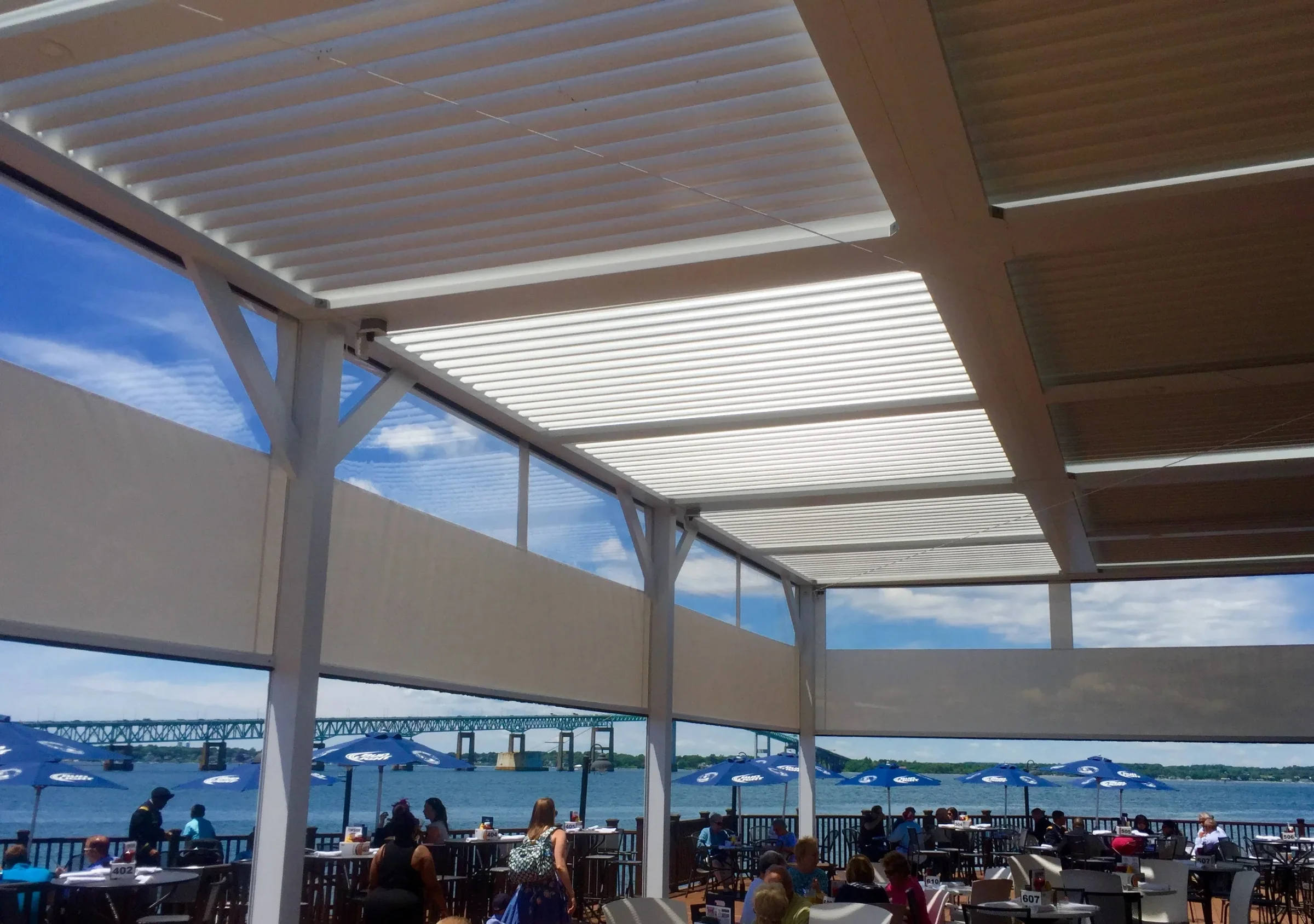
Designing a dockside pergola in Fort Lauderdale for glare and breeze
The point of a dockside seating area is the view, so keep the water-facing side as open as possible and handle sun and insects on the sides. A few approaches work well:
- Use louvers that pivot to cut overhead sun and still let breeze through.
- Add motorized screens on the sun-facing side. They lower to cut glare and retract when the view is the priority.
- Choose light, reflective finishes on the roof. They stay cooler than dark frames in intense sun.
- Keep curtains short or removable so they do not whip in the wind.
Hurricane planning for a dockside pergola in Fort Lauderdale
Any structure at the water should come with a plan for tropical weather. Ask your builder for the engineered wind rating of the exact configuration, signed and sealed drawings and clear instructions on securing the roof before a named storm. If you use screens or curtains, find out how to retract or remove them quickly. Close louvers according to the manufacturer’s guidance and do not try to adjust the system once conditions are dangerous. For a deeper look, see our article on pergolas in Fort Lauderdale.
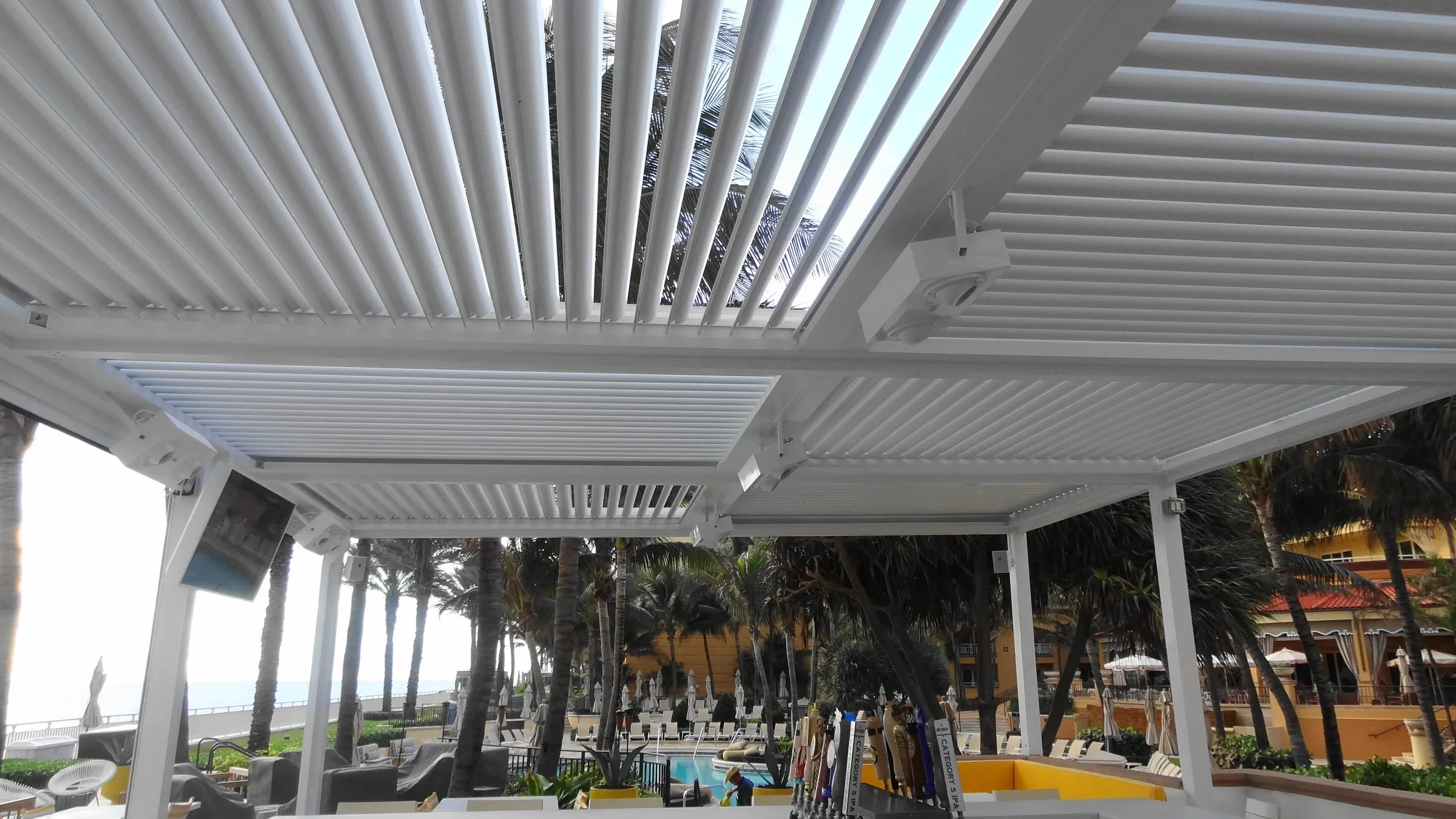
Dockside pergola materials that survive Fort Lauderdale salt air
- Marine-grade powder coating. A thick, well-applied coating protects the aluminum from salt.
- Stainless fasteners. Cheaper steel hardware corrodes and stains the frame.
- Sealed electrical. Fans, lights and motors should be rated for damp or wet locations.
- Regular rinsing. A freshwater rinse every few weeks washes salt off the surface and extends the life of the finish.
Lighting and power at the water
Electrical work near water is a place to be careful. Fixtures, fans and motors should be rated for wet or damp locations, wiring should be sealed, and GFCI protection is standard for outdoor circuits. Dockside lighting also affects neighbors and wildlife, so favor warm, low-glare fixtures aimed down at the seating area rather than out across the water. Integrated LED strips in the beams give even light without bright points that reflect on the surface. Have the electrical scope written into your contract so power is not an afterthought once the frame is up.
How the seasons change the plan
In winter, a dockside lounge is the best seat in town: dry air, mild temperatures and a steady breeze. Leave the louvers open and use the roof mainly as a shade control in the afternoon. In summer, the same spot is hot and humid, with afternoon storms rolling in off the water. Louvers that close quickly, combined with screens on the sun side and a fan overhead, make the space usable in the morning and evening. During hurricane season, build a short checklist for the household: retract screens, remove curtains and cushions, close the louvers per the manufacturer’s guidance and switch off power to the structure if advised.
Insurance and resale considerations
A permitted, engineered structure is easier to insure and easier to sell than an unpermitted one. Talk to your insurance agent before you build so you know how the new structure is treated, and keep the drawings, permit and warranty documents together. Buyers of waterfront homes often ask for exactly those records.
Use cases we see along the waterfront
- Private dock lounge. A small louvered roof over seating at the end of the dock, with screens on the sun side.
- Pool-to-seawall cabana. A shaded retreat between the pool and the water.
- Marina or dockside dining. A larger roof for guests, with lighting and heaters. See our commercial pergolas page for hospitality projects.
- Waterfront condo amenity. A shared cabana with consistent design and easy-to-clean surfaces.
Planning your dockside pergola in Fort Lauderdale
A dockside pergola in Fort Lauderdale starts with a site visit. That lets your builder measure the dock or deck, check the structure and note the exposure. Next comes engineered drawings, a permit and an approval path suited to a waterfront lot. If you are ready to start, contact StruXure South Florida for a consultation.
Frequently asked questions
Can a pergola be built on a dock?
Sometimes. The dock or deck must carry the added load and meet local and state rules for structures over or near water. Your builder should confirm this before design starts.
Will salt air damage a louvered pergola?
Powder-coated aluminum with stainless hardware holds up well, especially with regular freshwater rinsing.
Do I need screens at the waterfront?
Many owners add them to control glare, wind and insects. They can retract when you want an open view.
How is a cabana different from a pergola?
A cabana is typically more enclosed, with walls, curtains or screens. A pergola is more open. Many waterfront projects combine elements of both.